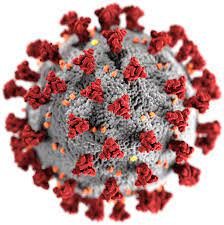
World News in Brief: Pandemic Treaty Update, DR Congo Ebola Response, More Casualties in Ukraine

Pandemic Treaty

Tedros Adhanom Ghebreyesus called the world’s first pandemic trety “a generational accomplishment”, while speaking at the start of a meeting of the Intergovernmental Working Group on the WHO Pandemic Agreement, taking place in Geneva through Friday. It comes four months after countries adopted the pact.

Tedros said the next step “is to bring this historic achievement to fruition” by finalizing the Pathogen Access and Benefit-Sharing (PABS) system. He urged countries to use this week to pave the way to developing the platform, with the ultimate goal of adoption next year.

“It is in every country’s interest that this process is not delayed any further. Because, as we are all aware, the next pandemic or major global health emergency is not a question of if, but when,” he said.

DR Congo: UN and partners support Ebola response in Kasai province

The Democratic Republic of the Congo (DRC) is facing an Ebola outbreak in Kasai province, located in the southwest, with 35 confirmed cases including 27 deaths.

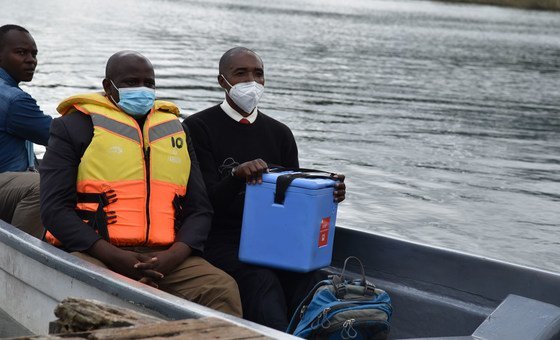
The UN and partners are supporting the Government in the response, the Spokesperson for the Secretary-General said on Monday in New York. Stéphane Dujarric told reporters that partners working in health have facilitated the delivery of over 350 doses of the Ebola vaccine to the Bulape health zone, the epicentre of the outbreak.

“We have also mobilized rapid response teams focusing on case detection and surveillance, clinical case management, infection and prevention control, and risk communication and community engagement,” he added.

Meanwhile, health partners are mobilizing to contain the outbreak. He warned, however, that gaps in medical supplies and logistical capacity are hindering the response, and urgent funding is needed.

Ukraine: Dozens of casualties reported in weekend hostilities

Hostilities continued over the weekend in Ukraine, with the Donetsk region particularly affected, the UN Office for the Coordination of Humanitarian Affairs (OCHA) reported on Monday.

Several civilians have been killed and 40 injured in the region since Friday, while local authorities also documented damage to nearly 190 civilian facilities, including homes, schools, a hospital and a pharmacy.

Other parts of Ukraine also experienced hostilities which damaged homes, farmland and other civilian infrastructure. Nearly 5,000 people remain without electricity in the Zaporizhzhia region.

OCHA said the continuing violence has forced more than 2,700 people, including roughly 340 children, to flee their homes between 12 and 14 September.

Effective partnerships can stop the next pandemic

Dr. Ibrahim Abubakar, a professor of infectious diseases at University College London,  issued this warning at a recent meeting of the UN Economic and Social Council (ECOSOC) in New York.

It is not a question of if but when, and Dr. Abubakar believes the answer is sooner than anyone wants in part because the global healthcare system remains drastically  siloed.

This is a problem because, intrinsically, a pandemic cannot be stopped by one country alone.

“Infectious diseases will not respect borders. Therefore, health systems to ensure equity, dignity and universal access must also be agile to implement policies across borders,” Dr. Abubakar said.

Rather, stopping pandemics — and promoting broader global development — requires robust partnerships and consistent investment in multilateral systems as a practice, not just an ideal.

“If we are to meet the ambitions of the 2030 Agenda, we must reimagine cooperation, not as a transactional action but as a dynamic, inclusive and future-ready partnership,” said Lok Bahadur Thapa, vice president of ECOSOC.

A goal to unite all goals 

The High-Level Political Forum (HLPF) on Sustainable Development is convening at UN Headquarters in New York to discuss progress – or lack thereof – towards the globally agreed 17 Sustainable Development Goals (SDGs).

The first 16 SDGs deal with specific aspects of development — such as poverty, gender equality and climate change — but the 17th puts forward a path to achieve the others. And this path lies in embracing global partnerships between State governments, civil society organizations, communities and the private sector.

However, with an annual financing gap for the SDGs which exceeds $4 trillion, the partnerships of today are not sufficient to realize the goals for tomorrow.

“We must forge truly transformative partnerships that break traditional silos: governments, civil society, the private sector and multilateral institutions all have roles to play in an inclusive coalition for sustainable development,” Dima Al-Khatib, director of the UN Office for South-South Cooperation (UNOSSC) said at an HLPF event.

Prioritize prevention, not reaction

Right now, the current health system, which includes pandemic preparedness, is oriented towards halting health emergencies once they emerge as opposed to proactively preventing them, according to Dr. Abubakar.

Member States recently adopted a pandemic prevention treaty which endeavours to do just this — limit the likelihood of future pandemics.

But for many, this emphasis on prevention extends beyond pandemics to issues like rehabilitation services and primary care, both of which experts say are critical investments not only in human well-being but also in peace and security.

Moreover, these types of preventative medicine are cheaper than reactive medicine, according to Mandeep Dhaliwal, the Director of Health at the UN Development Programme (UNDP).  

“It’s important to invest in prevention as much as it is in treatment, and it is more cost-effective because … you’re turning off the tap,” Ms. Dhaliwal said.

However, convincing investors to support preventive care can be difficult because, when done correctly, tangible results are not necessarily visible.

Health is in every system

Nevertheless, investing in preventive medicine like primary care and the socioeconomic determinants of health — such as climate and nutrition — can help ensure that health systems are holistically supporting people before a crisis begins.

“Health is not a silo… the factors that influence health are often outside the health sector,” Ms. Dhaliwal said, citing the example of air pollution which is a climate problem that inherently influences health.  

This sort of holistic investment requires robust partnerships which work to ensure that every initiative — no matter how seemingly distanced — considers health implications.

“We have too often treated [health] as a downstream issue, something that improves only if other systems are working. But we now understand that health and well-being is not simply the result of good developments. It’s the starting point,” said Tony Ott, a professor of agricultural sciences at the Pennsylvania State University.

The weak link in the health system

Migrants and displaced people tend to be among those least likely to have access to preventive medicine and often those most impacted by the social determinants of health.

“Migration and displacement, whether it’s driven by conflict, climate change or economic factors, are defining factors in terms of our health,” he said.  

By the end of 2024, 123.2 million people were forcibly displaced worldwide, a decade-high number which proves that in the 10 years since the SDGs were adopted, the world has regressed in relation to displacements.

For Dr. Abubakar, these displaced people — and the millions more voluntary migrants — embody why the health system simply cannot continue to silo itself and must instead embrace cross-border partnerships.

“Health systems must ensure access to essential services regardless of immigration status … Any community without access is that weak link that may mean we are all not protected,” Dr. Abubakar said, referring to the next pandemic.

Communities at the centre

The idea of partnerships as foundational to achieving the SDGs is logical for many people. After all, the goals are universal in nature and demand global collaboration.

But this collaboration, especially for health, must do more than just engage experts — it must engage the people who seek out healthcare. Dr. Abubakar said that all health policies must be culturally appropriate to local contexts, something which can only happen if communities are placed at the centre of healthcare.

“The new future that I see would embrace global partnership, including countries irrespective of income level, public and private sector, academic and civil society. And within this framework, communities must be at the centre… not just as recipients but as co-creators of solutions.”
 

Source link

World Health Assembly opens amid high-stakes pandemic treaty vote, global funding crisis

Tedros Adhanom Ghebreyesus, Director-General of the World Health Organization, urged Member States to remain focused on shared goals even amid global instability.

We are here to serve not our own interests, but the eight billion people of our world,” he said in his keynote address at the Palais des Nations. “To leave a heritage for those who come after us; for our children and our grandchildren; and to work together for a healthier, more peaceful and more equitable world. It’s possible.”

The Assembly, WHO’s highest decision-making body, runs through 27 May and brings together delegations from 194 Member States under the theme One World for Health.

This year’s agenda includes a vote on the intensely negotiated Pandemic Agreement, a  reduced budget proposal, and discussions on climate, conflict, antimicrobial resistance, and digital health.

Pandemic prevention focus

A central item on the Assembly’s agenda is the proposed WHO pandemic accord, a global compact aimed at preventing the kind of fragmented response that marked the early stages of COVID-19.

The treaty is the result of three years of negotiations between all WHO Member States.

“This is truly a historic moment,” Dr Tedros said. “Even in the middle of crisis, and in the face of significant opposition, you worked tirelessly, you never gave up, and you reached your goal.”

A final vote on the agreement is expected on Tuesday.

If adopted, it would mark only the second time countries have come together to approve a legally binding global health treaty under WHO’s founding rules. The first was the Framework Convention on Tobacco Control, adopted in 2003 to curb the global tobacco epidemic.

2024 health check

In his address, Tedros presented highlights from WHO’s 2024 Results Report, noting both progress and persistent global health gaps.

On tobacco control, he cited a global one-third reduction in smoking prevalence since the WHO Framework Convention entered into force two decades ago.

He praised countries including Côte d’Ivoire, Oman, and Viet Nam for introducing stronger regulations last year, including plain packaging and restrictions on e-cigarettes.

On nutrition, he pointed to new WHO guidelines on wasting and the expansion of the Tobacco-Free Farms Initiative in Africa, which has supported thousands of farmers in transitioning to food crops.

He also emphasised WHO’s growing work on air pollution and climate-resilient health systems, including partnerships with Gavi and UNICEF to install solar energy in health facilities across multiple countries.

On maternal and child health, Tedros noted stalled progress and outlined new national acceleration plans to reduce newborn mortality. Immunisation coverage now reaches 83 per cent of children globally, compared to less than 5 per cent when the Expanded Programme on Immunisation was launched in 1974.

We are living in a golden age of disease elimination,” he said, citing the certification of Cabo Verde, Egypt, and Georgia as malaria-free; progress in neglected tropical diseases; and Botswana’s recognition as the first country to reach gold-tier status in eliminating mother-to-child transmission of HIV.

WHO has been supporting Universal Health Coverage in Rwanda.

WHO budget strain

Turning to WHO’s internal operations, Tedros offered a stark assessment of the organisation’s finances.

We are facing a salary gap for the next biennium of more than US$ 500 million,” he said. “A reduced workforce means a reduced scope of work.”

This week, Member States will vote on a proposed 20 per cent increase in assessed contributions, as well as a reduced Programme Budget of $ 4.2 billion for 2026–2027, down from an earlier proposal of $ 5.3 billion. The cuts reflect an effort to align WHO’s work with current funding levels while preserving core functions.

Tedros acknowledged that WHO’s long-standing reliance on voluntary earmarked funding from a small group of donors had left it vulnerable. He urged Member States to see the budget shortfall not only as a crisis but also as a potential turning point.

“Either we must lower our ambitions for what WHO is and does, or we must raise the money,” he said. “I know which I will choose.”

He drew a sharp contrast between WHO’s budget and global spending priorities: “US$ 2.1 billion is the equivalent of global military expenditure every eight hours; US$ 2.1 billion is the price of one stealth bomber – to kill people; US$ 2.1 billion is one-quarter of what the tobacco industry spends on advertising and promotion every single year. And again, a product that kills people.”

It seems somebody switched the price tags on what is truly valuable in our world,” he said.

Emergencies and appeals

The Director-General also detailed WHO’s emergency operations in 2024, which spanned 89 countries. These included responses to outbreaks of cholera, Ebola, mpox, and polio, as well as humanitarian interventions in conflict zones such as Sudan, Ukraine, and Gaza.

In Gaza, he said, WHO had supported more than 7,300 medical evacuations since late 2023, but over 10,000 patients remained in urgent need of care.

Looking ahead: a transformed WHO?

The WHO chief closed with a look at the agency’s future direction, shaped by lessons from the COVID-19 pandemic. He highlighted new initiatives in pandemic intelligence, vaccine development, and digital health, including expanded work on artificial intelligence and support for mRNA technology transfer to 15 countries.

WHO has also restructured its headquarters, reducing management layers and streamlining departments.

Our current crisis is an opportunity,” Dr Tedros concluded. “Together, we will do it.”

Countries set to adopt ‘vital’ pandemic preparedness accord

The stakes are high for this year’s World Health Assembly, the UN’s premier health forum, where officials will tackle a sweeping agenda – from pandemic readiness and climate-related health risks to mental health, maternal care, and environmental justice. But with geopolitical tensions running high, international collaboration on these and other vital issues will be tested.

Here are some of the key areas set to dominate discussion:

1. ‘Cautious optimism’: Signing off on a pandemic accord

The COVID-19 pandemic showed that there are stark inequities in access to diagnostics, treatments, and vaccines, both within and between countries. Healthcare services were overwhelmed, economies were severely disrupted and nearly seven million lives were lost.

This was the motivation for countries to come together to work on an accord to ensure that the world handles the next pandemic in a fairer and more efficient way. When the delegates arrive in Geneva on Monday 19 May, they will thrash out the text of the agreement, which Tedros Adhanom Ghebreyesus, the head of the World Health Organization (WHO), described as “vital for future generations.”

If the agreement is adopted, it will be a major breakthrough in the way the world handles pandemics and health crises. Negotiations, though, remain politically delicate: several nations, including the United States, have raised concerns about national sovereignty and intellectual property rights. Still, in recent weeks, Dr. Tedros has expressed “cautious optimism” that consensus can be reached.

A woman wearing a mask, Malawi.

2. Climate Change: An existential threat

The climate crisis isn’t just about rising temperatures – it’s putting lives at risk. Extreme weather and disease outbreaks are on the rise, threatening the health of millions. An action plan created by WHO calls for climate and health policies to work together, strengthens resilience, and ensures funding to safeguard vulnerable communities.

A draft version of the plan was released following a resolution adopted at the 2024 conference and, this year, delegates are expected to finalise the draft, which includes strategies to adapt to and mitigate climate-related health risks.

3. Health for all: Getting universal health care back on track

Ensuring that all people have affordable access to the full range of quality health services they need is one of the Sustainable Development Goals (SDGs), which all UN Member States signed up to in 2015. However, the health target is way off track: in fact, improvements to health services have stagnated over the last ten years.

Nevertheless, universal health care (UHC) will be a top priority at the Assembly, where delegates will discuss strategies to strengthen primary healthcare systems, secure sustainable financing and provide care for vulnerable populations.

© WHO/Panos/Eduardo Martino

4. Healthy Beginnings: Maternal and newborn health

Close to 300,000 women lose their life due to pregnancy or childbirth each year, while over two million babies die in their first month of life In April, WHO launched a year-long campaign to end preventable maternal and newborn deaths.

Titled “Healthy beginnings, hopeful futures,” it will urge governments and the health community to ramp up efforts to end preventable maternal and newborn deaths, and to prioritize women’s longer-term health and well-being.

Expect new targets and renewed commitments to end preventable deaths to be announced at the Assembly.

5. Closing the gaps: Noncommunicable diseases

Noncommunicable diseases (NCDs), such as heart disease, cancer, and diabetes, kill tens of millions of people each year. Around three-quarters of those deaths are in low and middle-income countries.

Many lives could be saved if more countries had strong national responses, providing detection, screening and treatment, as well as palliative care.

In preparation for a WHO meeting on NCDs and mental health in September, delegates will review the way the UN health agency collaborates with governments, civil society, and the private sector to prevent and control these diseases, and address ways to improve access to essential medicines and health technologies.

6. Getting the finances in order

This year has been described as one of the most challenging ever at the UN, which is being buffeted by extreme pressures on its finances. The US, a major donor announced that it would be leaving WHO in January, and other countries have also cut development and aid funding.

This year’s Assembly will see Member States negotiating a 50 per cent increase in the base budget, something that has been in the works since the 2022 meeting. If a funding boost is approved, it will provide a vital boost to at a challenging time.  WHO is also seeking additional voluntary contributions, and additional pledges are anticipated from member states and philanthropic organisations.

Follow the sessions at the World Health Assembly here

Pandemic accord can be a ‘gamechanger’ for marginalised communities, says youth advocate

Mr. Hassan and his fellow Youth Councillors advise and actively engage with the WHO Director-General and the agency’s senior leadership, designing and expanding the agency’s programmes and strategies.

In an interview with UN News ahead of the 2025 World Health Assembly – the UN’s highest forum for global health – Mr. Hassan, who was born and raised in Texas, USA,  explains why he started iCure, a global non-profit organisation designed to ensure that all people receive access to preventative medical screening, and how the pandemic treaty could radically improve care for vulnerable communities.

This interview has been edited for clarity and brevity.

Courtesy of Rehman Hassan

Rehman Hassan: 10 years ago, my grandfather passed away from heart disease. I saw how he was treated differently because of the way that he presented himself, as an immigrant and a person of colour. He was very knowledgeable, but he had limited literacy, and he wasn’t necessarily told what all his options were. I felt that the doctors tried to rush him into surgery and that they forced him to be anaesthetized because they believed he was moving around too much, when in fact he was just in pain and uncomfortable.

I’m convinced that he didn’t get the care that he deserved and that really resonated with me, because I wanted to make sure that no one else felt that way. I saw that, as a young person, my role could involve working at a community level, mobilising other young people to promote things like good diet or exercise, and advocate for those who need help.

That’s how iCure started, and it has blossomed into an international movement. We have hosted a youth fellowship programme with around 65 young people from all over the world, from Vietnam to Qatar to Puerto Rico, discussing the health issues they’re seeing and how to address them, as trusted members of their communities, to bridge the kinds of information gaps that are very common in many marginalized communities, especially amongst low income people and immigrants.

UN News: Tell me about your personal experience during the COVID-19 pandemic?

Rehman Hassan: The pandemic was, for many people across the world, a deeply difficult, scary, intense process. I was living with my grandparents who were immunocompromised, and I knew that they were at significant risk. Whilst we had a lot of vaccines in the US, there was a lot of pandemic disinformation and misinformation; presenting it as something that had a low mortality rate and that we could ignore.

In addition, we had a major winter storm in Texas that froze the state for almost two weeks. We didn’t have access to electricity, gas or water. Our house was flooded and ultimately was destroyed. This combination of the climate crisis and the pandemic meant that many people, especially in my community, were left behind and did not receive the resources that they needed.

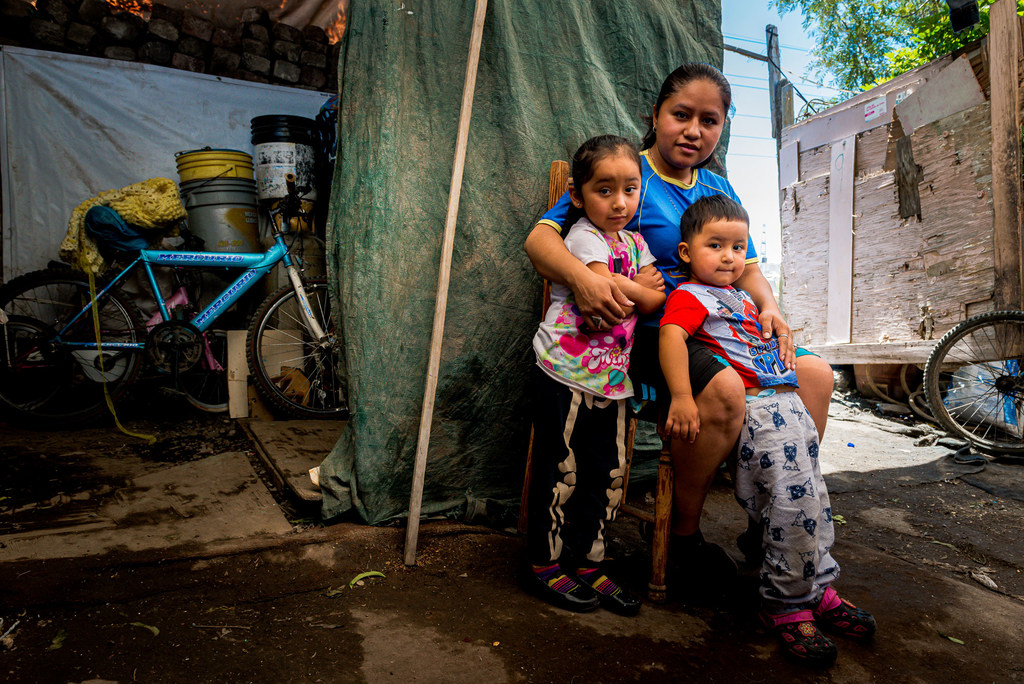
Children in Mexico received food baskets during the COVID-19 pandemic (file, 2022)

UN News: The WHO says that the pandemic preparedness treaty, if and when it is adopted, will be a breakthrough for health equity and make a real difference on the ground. Do you agree?

Rehman Hassan: I definitely think it’s a game changer. I got involved with the treaty process through the WHO Youth Council, where I represent an organisation [ACT4FOOD, a global youth-led movement to transform food systems] that primarily focuses on access to food, the social determinants of health and how we can promote change at the community level.

The text of the treaty spells out the efforts that need to be taken at a community level, and each member state has an obligation to make sure that the most vulnerable get access to support or care, as part of their pandemic response plans.

There is a commitment to early detection: if we can detect pandemics early, then we can ensure that everyone has access to the care and resources they need.

UN News: It’s likely that there will be another pandemic in our lifetimes. Will we manage it better than the last one?

Rehman Hassan: We’re definitely seeing an acceleration of pandemics and extreme events that ultimately undermine equity.

I think that the World Health Assembly and the Intergovernmental Negotiating Body for the pandemic treaty have done an incredible job of understanding what went wrong during the COVID-19 pandemic, and previous pandemics, and then looking at how we can craft an instrument that will address those inequities or prevent them from happening in the first place.

If member states deliver a meaningful treaty, I think it would significantly improve and facilitate a much better pandemic response than what we saw during last time.

Pandemic heroes stepped up in 2020 – now they’re asking world leaders to do the same

A defining moment for global health is about to unfold in Geneva.

The World Health Assembly is meeting next week to negotiate the Pandemic Preparedness Treaty, a document born from the catastrophic failures and fragile victories of the COVID-19 pandemic.

The text of the treaty promises shared information, equitable access to vaccines and therapeutics, and stronger healthcare systems – all of which resonates deeply with the people who lived through the worst.

In 2020, at the height of the global pandemic, UN News spoke with many of the unsung heroes who faced impossible challenges with courage and resolve, including doctors, community workers, a journalist, a youth volunteer and an Indigenous leader.

They were exhausted, scared, hopeful and determined. Today, five years later, they carry scars and wisdom from that fight.

We went back to them – and their reflections remind us of what is at stake.

Margarita Castrillón, Paediatrician, Buenos Aires, Argentina

As a paediatrician on the frontlines, Dr Castrillon says future pandemic plans must start with empathy, solidarity, and real support for health workers.

“We were heroes without capes and without fair pay.”

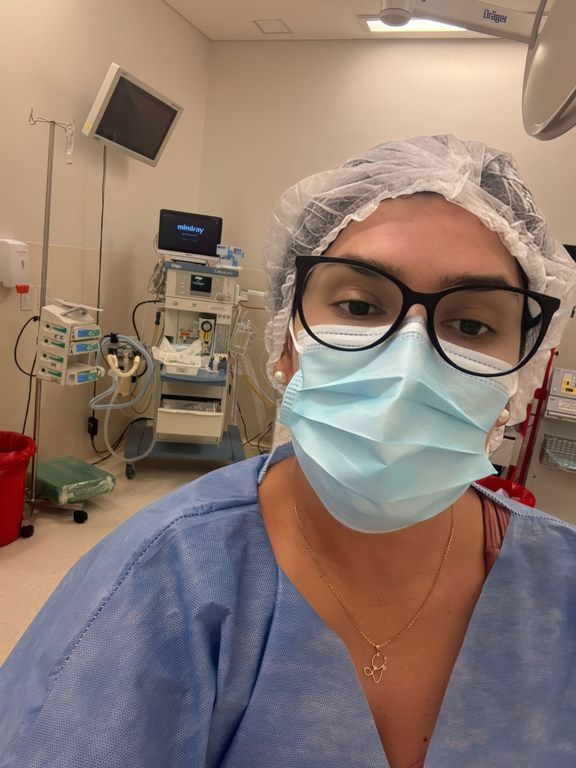
In 2020, Dr Margarita Castrillón, a Colombian paediatrician living in Buenos Aires, found herself taking on far more than her usual clinic work.

As COVID-19 swept Argentina, she volunteered to also serve in emergency medical transport, riding in ambulances to transfer patients, many suspected of having the virus, to hospitals across the city.

After one of those long, exhausting shifts, she noticed a handwritten sign taped to the elevator in her apartment building.

It said “I’m Victoria from the 7th floor. If you need any groceries or help, ring my doorbell,” she recalls. “That gesture filled my soul after such a hard day at work. It marked me. I thought: the good people outnumber the bad. Empathy was winning.”

Dr Castrillón was working across multiple roles – clinic, ambulance, teaching at the university – all while raising her young daughter. “It was brutal. I look back and I want to cry. I’m not sure I’d be as brave if it happened again. Every day I left home terrified.”

The memory of Buenos Aires’ summer heat under full protective suits stays with her. “We were heroes without capes and without fair pay. We worked 24 hours, covering for sick colleagues, unable to eat or speak together.”

But the experience gave her one unexpected gift. “I taught my daughter to read, write and do maths at home. It made me a better mum. I valued family and true friendship more than ever.”

Her medical routine also changed permanently. “I now wear a mask with every patient. It protects both of us. And hand sanitiser stations in hospitals are permanent now.”

On the upcoming global pact, she is firm: “We need collaboration and love for people at the government level. We lived through hell. Some colleagues still suffer panic attacks. Recognition and fair pay are essential to keep health systems strong.”

Evgeny Pinelis, Intensive Care doctor, Brooklyn, New York

In an overwhelmed New York ICU, Dr Pinelis worked beyond limits and now warns the world may still be unprepared for what comes next.

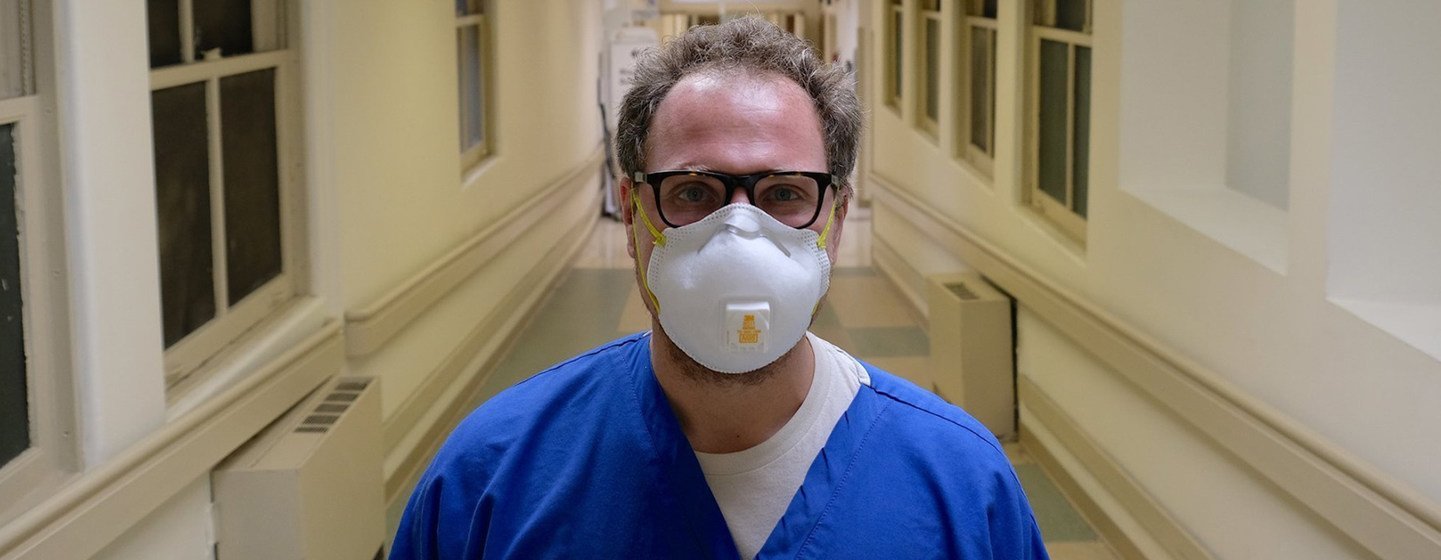
When we first spoke to Dr Evgeny Pinelis in the spring of 2020, he was deep in New York City’s overwhelming first COVID wave.

“Our first severe patient came on 7 March. By the end of the month, we had over forty ICU beds full,” he recalled. ICU nurses were pushed beyond safe limits, caring for up to five critical patients at a time.

“I do hope there won’t be a next time, because I’m not confident we’re truly ready.”

Protective equipment ran so scarce that he bought supplies with his own money, while volunteers scrambled to donate gear, some uncertified, but “better than nothing.”

Throughout the crisis, Dr Pinelis shared dispatches on social media, chronicling the chaos with honesty and caution. “I woke up one morning to thousands of new followers,” he said.

Five years later, his reflection is sobering. “I can only speak about this from the perspective of a regular intensive care doctor. And if I had to sum it up, I’d say I realised I’m ready, if necessary, to work far beyond the norm and do everything possible when faced with a poorly understood disease that we didn’t quite know how to treat.”

The public’s reaction, he says, was a mixed bag. “On the one hand, there were volunteers, support, and solidarity.

“But on the other, there were conspiracy theories, complaints about things as trivial as closed theatres, and at times even hostility toward medical professionals and scientists.”

In the earliest days of the pandemic, positivity seemed to win out. “But within a month or so, the negativity began to dominate,” he says. “We were lucky that the disease turned out not to be highly lethal.”

As for preparedness today, Dr Pinelis remains cautious: “Being less prepared than we were in New York is hard to imagine – so yes, we can and should be better prepared. But it seems the lessons learned weren’t quite the ones we hoped for. And I do hope there won’t be a next time, because I’m not confident we’re truly ready.”

Chen Jingyu, lung transplant surgeon, Wuxi, China

© Wuxi People’s Hospital

Dr Chen performed emergency lung transplants on critically ill COVID patients and now advocates for global cooperation and fair access to care.

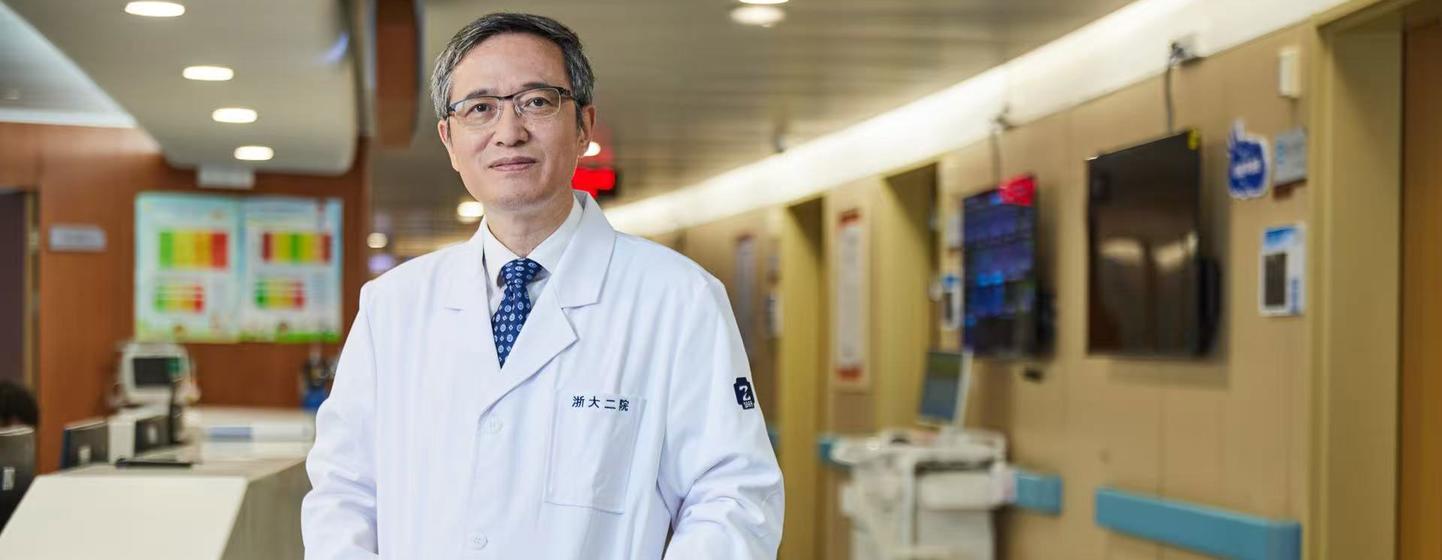
In 2020, Dr Chen Jingyu, vice president of Wuxi People’s Hospital and one of China’s leading lung transplant surgeons, performed two of the world’s first lung transplants on critically ill COVID-19 patients.

His team worked under extraordinary conditions, moving their operating theatre into an infectious disease hospital and taking extreme precautions to avoid infection.

“We didn’t know if there was any virus in their airways during the process of cutting off the diseased lung. So, we did the surgery with very strict precautions,” Dr Chen said at the time. “We had a very scientific discussion about how we could save lives, protect our health care workers, and achieve zero infection.”

“The Pandemic Treaty is a turning point in global health.”

Today, Dr Chen says the Pandemic Treaty represents a critical milestone. “The Pandemic Treaty is a turning point in global health governance,” he says. “First, in terms of prevention and early response, the treaty will help build a global coordinated prevention system, strengthen pathogen monitoring and information sharing, and implement the One Global Village, One Health approach.”

“Second, the treaty provides legal guarantees for equitable access to medical resources, avoids national monopolies, and improves global standardisation of care capabilities to patients in severe conditions.”

Dr Chen believes the lessons of the pandemic must be used to build a fairer system. “Access to and training of high-end medical technologies will enhance the ability of developing countries to respond to severe diseases such as respiratory failure and reduce mortality,” he says.

“Only through international cooperation and scientific consensus can we truly have the courage and confidence to fight against pandemics.”

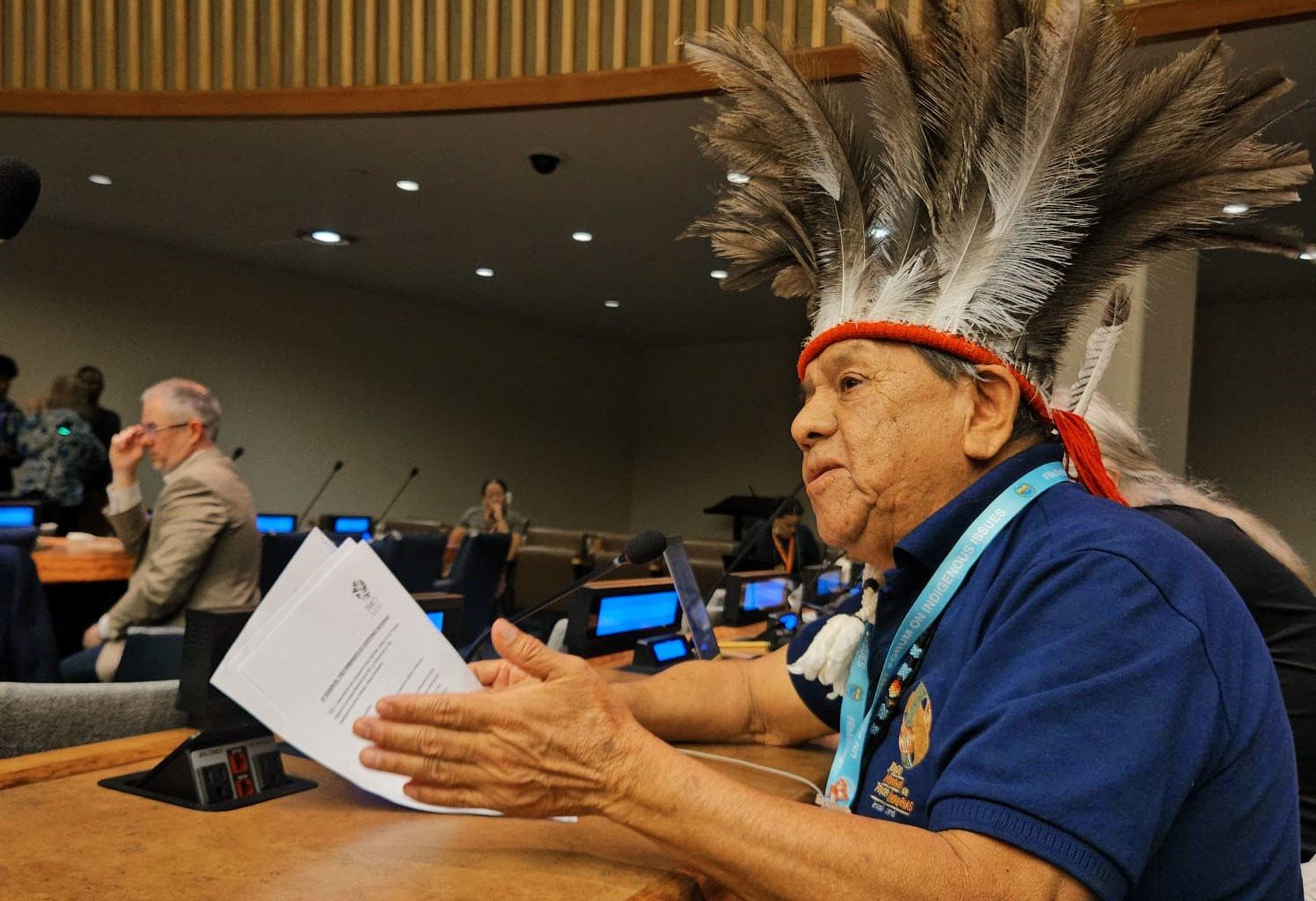
Marcos Terena, Indigenous leader, Brazil

Marcos Terena lost family to COVID and calls for a global pact rooted in dignity, life, and respect for the Earth.

The pandemic devastated Brazil’s Indigenous communities, including Terena’s own Xané people. “I still can remember that morning, in our Indigenous community, when we heard that a cousin of ours had passed away suddenly.

“He started coughing and ended up dying. That scared all of us in our community,” he recalls.

“About two hours after his death, we learned that his wife, who had gone to the hospital to retrieve his body, had also died, from the same symptoms. We started panicking and looking for help, as this was a disease that even our leaders did not know how to handle, how to cure. They did not know much about this disease which was brought to us by the wind.”

The loss became personal when his brother, the creator of the Indigenous Olympic Games, also died of COVID-19. “It brought us emotion, tears. He went to hospital and never came back.”

“The UN must make a pact for life”

Looking back, Mr Terena believes the World Health Organization played a crucial role. “When the WHO became the focal point and the mediator for the pandemic response, this gave the United Nations a very responsible role to play among governments across the globe,” he says.

Today, his message remains urgent and clear. “We are not talking about money or currencies. We are talking about well-being. We the Indigenous people fight for the Earth. The Earth is our Mother, and our source of life; it gives us our cosmovision, our food security and our dignity as peoples.”

As world leaders meet again, he leaves them with a final plea: “The UN should make a pact for life, a pact for dignity and a pact where life is crucial to all.”

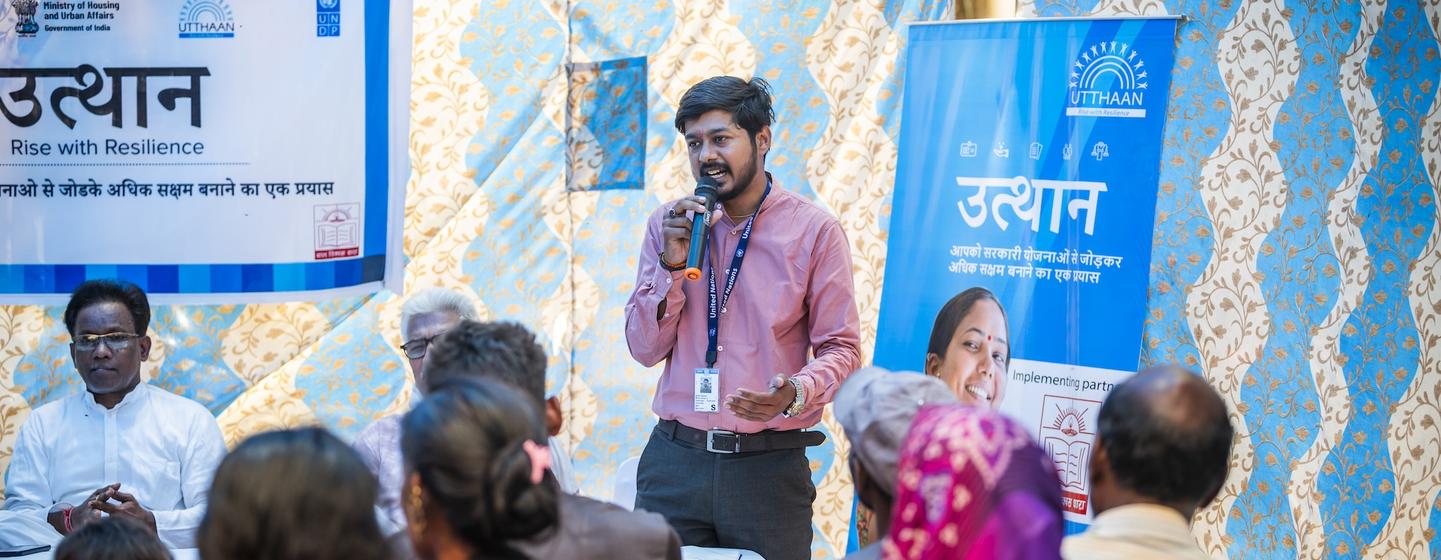
Nikhil Gupta, United Nations youth volunteer, Varanasi, India

© UNDPIndia/Srishti Bhardwaj

UNV’s Nikhil Gupta created grassroots health and education tools during lockdowns, turning remote villages into hubs of volunteer-powered resilience.

As COVID-19 overwhelmed Varanasi, India’s spiritual heart, Nikhil Gupta – a United Nations Volunteer from Uttar Pradesh – stepped in to serve the most isolated communities.

“The pandemic changed everything,” he says. “In Varanasi, COVID-19 infected over 80,000 people, and thousands of families in remote villages were left without access to healthcare, education, or even accurate information. But the crisis revealed not just gaps but grit.”

Mr Gupta and his team launched creative grassroots solutions. “Guided by the UN principle of ‘Leave no one behind,’ we created an animated volunteer guide named Ganga – a friendly character with a warm voice and simple wisdom. Ganga became a beacon of hope, educating villagers about hygiene, safety, and vaccination through videos watched on shared mobile screens under neem trees.”

“When the world paused, we stepped forward. When fear spread, we spread hope.”

They also opened Vidya ki Jhopdi – The Hut of Education. “It was a community classroom built from scrap but powered by purpose. There I met Raju, an 11-year-old from a nearby slum who had lost access to school. He would sit on a worn-out mat every afternoon, eyes wide with wonder, scribbling letters in chalk. Today, he reads and writes fluently, and dreams of becoming a teacher.”

The human moments left the deepest impression. “There was Amma Shanti Devi, a 90-year-old widow in a remote village. Left alone after the lockdown, she hadn’t stepped out in months. Through our volunteers, she received regular wellness check-ins, medicine deliveries, and simply someone to talk to.”

Looking ahead to the Pandemic Treaty, Mr Gupta says is shouldn’t be only technical or top-down. “It should echo the voices of people like Amma and Raju. It must include local wisdom, volunteer networks, and ensure grassroots equity. My message to world leaders? ‘Laws can guide, but love must lead. Invest in hearts that serve, not just in speed.’”

He adds: “Support young changemakers. Recognise the power of community-driven action. Make health systems inclusive. And build a world where, when the next storm hits, the light doesn’t dim. Because in every village, there’s a Nikhil. And in every Nikhil, a youth waiting to be led.”

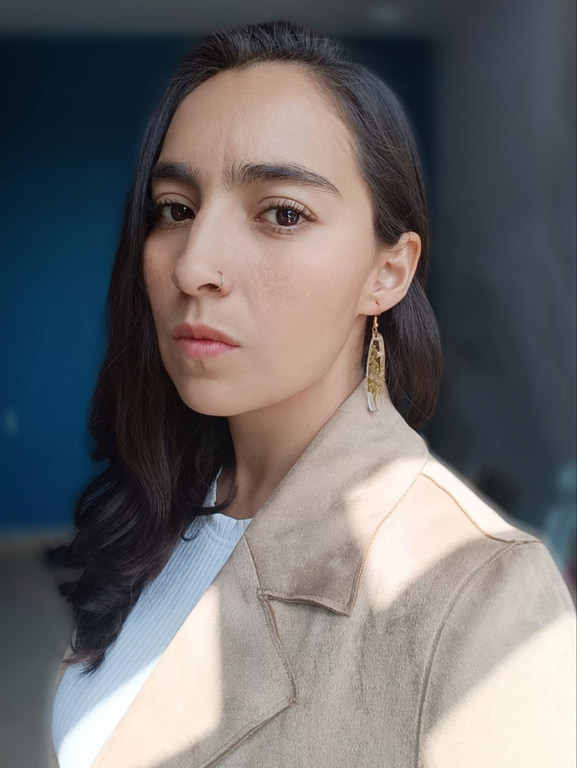
Alejandra Crail, Journalist, Mexico City

Alejandra Crail exposed rising child abuse during lockdown and says future pandemic plans must protect mental and emotional health, too.

“Health is more than vaccines. It’s also mental health, emotional health.”

When the pandemic hit Mexico, Alejandra Crail was not just reporting the crisis, she was sounding an alarm. Her investigation, To Kill a Son, revealed that every two days in Mexico, a child under 15 is killed – often at home, and often by someone in their own family.

“Let me remember something,” she says. “At the beginning of the Coronavirus, I started to talk to different experts on childhood rights and domestic violence…We were worried because we were about to lose our eyes in schools, sports, and community centres. Children were more vulnerable than ever during the COVID era.”

For many, home wasn’t a safe haven. “Their houses were the most dangerous places for them, and their nearest family members are usually their attackers.”

Now, five years later, the violence hasn’t eased. “The number of domestic violence cases has increased after the pandemic,” Ms Crail says.

She shares one case she can’t forget. Joselina Zavala, a grandmother who reported the sexual abuse of her disabled grandson. “She went to the police…despite the testimony of the child and the proof, his father was absolved.

“When people go to the authorities to achieve some kind of justice… the authorities usually don’t investigate enough, and the crimes are unsolved.”

The pandemic also reshaped her personal convictions. “Health is the most important thing to make sure that we have,” she says. “When we live in a country like Mexico, where we don’t have a good public health system, a pandemic or any other illness can be very, very hard to survive.”

She adds, “Work isn’t the most important thing in the world. Family – your loved ones – are the real treasure. We need to spend more time with them, because we don’t know how much time we can share.”

Looking ahead to the World Health Assembly and the Pandemic Treaty, she warns that global responses must go beyond access to vaccines and medicine. “Health is more than vaccines. It’s also mental health, emotional health,” she says.

Her final message to world leaders is as personal as it is political: “We need to open paths that benefit all countries that make up the world. These issues must be on the table because in a pandemic, they can be the difference between a family surviving adversity, or not.”


Source link

Odyssey Nears Deal to Acquire Honeywell’s PPE Unit

Private equity firm Odyssey is reportedly in advanced negotiations to acquire Honeywell’s face mask unit, a potential deal valued at around $1.5 billion. This acquisition marks a strategic move by Odyssey to capitalize on the surging demand for personal protective equipment (PPE), driven by the global pandemic. The deal would be a significant milestone in the PPE industry, as face masks have become an essential commodity worldwide.

The ongoing talks, initially reported by Bloomberg News, suggest Odyssey’s growing interest in expanding its investment portfolio within the PPE sector. Honeywell, a global conglomerate known for its diversified product offerings, including aerospace systems and engineering services, has played a key role in meeting the massive demand for PPE during the COVID-19 crisis.

While the reasons behind Odyssey’s interest in Honeywell’s face mask division remain unspecified, the acquisition is seen as a calculated effort to tap into the lucrative market. The surge in demand for PPE since the pandemic began has transformed the sector, making it an attractive investment opportunity for private equity firms.

PPE Market

If the deal proceeds, it could have broader implications for both companies and the PPE market. Honeywell’s face mask unit, known for its production capacity and established reputation, has been a leader in addressing global PPE needs. Odyssey’s acquisition could further shake up the competitive landscape as private equity firms continue to show interest in PPE-related assets.

This is not the first time a private equity firm has targeted the PPE industry. In 2016, Blackstone acquired a majority stake in Ansell Limited’s industrial and medical gloves business for $600 million, a deal that highlighted the profitability of the sector even before the pandemic. Odyssey’s potential acquisition of Honeywell’s unit could be viewed in a similar light, setting the stage for more deals as the industry continues to expand.

While the deal is still in its negotiation phase, the final terms could evolve as discussions progress. The outcome will not only impact Odyssey’s investment portfolio but also shape Honeywell’s future business strategy. Industry stakeholders are watching closely, as this acquisition could set a benchmark for future investments in the PPE market.

Did the pandemic change our personalities? Increased neuroticism among young adults seen: Study

Despite a long-standing hypothesis that personality traits are relatively impervious to environmental pressures, the COVID-19 pandemic may have altered the trajectory of personality across the United States, especially in younger adults, according to a new study published this week in the open-access journal PLOS ONE by Angelina Sutin of Florida State University College of Medicine, and colleagues.

Previous studies have generally found no associations between collective stressful events—such as earthquakes and hurricanes—and personality change. However, the coronavirus pandemic has affected the entire globe and nearly every aspect of life.

In the new study, the researchers used longitudinal assessments of personality from 7,109 people enrolled in the online Understanding America Study. They compared five-factor model personality traits—neuroticism, extraversion, openness, agreeableness and conscientiousness—between pre-pandemic measurements (May 2014 – February 2020) and assessments early (March – December 2020) or later (2021-2022) in the pandemic. A total of 18,623 assessments, or a mean of 2.62 per participant, were analyzed. Participants were 41.2% male and ranged in age from 18 to 109.

A crowd of people at a pedestrian crossing./CREDIT:Brian Merrill, Pixabay, CC0(https://creativecommons.org/publicdomain/zero/1.0/)

Consistent with other studies, there were relatively few changes between pre-pandemic and 2020 personality traits, with only a small decline in neuroticism. However, there were declines in extraversion, openness, agreeableness, and conscientiousness when 2021-2022 data was compared to pre-pandemic personality. The changes were about one-tenth of a standard deviation, which is equivalent to about one decade of normative personality change. The changes were moderated by age, with younger adults showing disrupted maturity in the form of increased neuroticism and decreased agreeableness and conscientiousness, and the oldest group of adults showing no statistically significant changes in traits.

The authors conclude that if these changes are enduring, it suggests that population-wide stressful events can slightly bend the trajectory of personality, especially in younger adults.

The authors add: “There was limited personality change early in the pandemic but striking changes starting in 2021. Of most note, the personality of young adults changed the most, with marked increases in neuroticism and declines in agreeableness and conscientiousness. That is, younger adults became moodier and more prone to stress, less cooperative and trusting, and less restrained and responsible.”

Hungary’s tourism bounces back to pre-pandemic level; International visitors increased

Tourism in Hungary has bounced back to the pre-pandemic level, with 16.4 million guest nights registered this summer, the Hungarian Tourism Agency (MTU) said.

This is the same level as the summer of 2019, Xinhua news agency quoted the MTU as saying.

MTU welcomed the fact that domestic tourism has maintained its momentum in recent years.

“About 10.5 million of the guest nights were spent by domestic visitors in accommodation facilities, which is 12 per cent more than the data for the summer of 2019,” it said.

Hungary was able to welcome 2.5 times more international visitors this summer than in the summer of 2021, MTU added.

Hungary: People wearing face masks are seen on the elevator of a subway station in Budapest

In 2021, the proportion of foreign visitors was 20 per cent in the three summer months (June, July and August).

Meanwhile, this year it rose to 36 per cent, accounting for nearly 6 million international guest nights.

The famous Lake Balaton retained its title as the number one destination, with more than 5.4 million guests staying there, accounting for 41 per cent of total rural accommodation turnover.

The largest proportion of guests in the countryside were Hungarian (75 per cent of total guests), while in Budapest, 83 per cent of total guests this summer were foreign tourists.

Covid/commons.wikimedia.org

The largest numbers of tourists visiting Budapest came from the UK, Germany, the US, Israel, Italy and the Netherlands.

MTU also said that the general hotel-room occupancy rate stood at 60 per cent nationally during the three summer months.

50% companies planning job cuts amid economic downturn: PwC

At least half of the companies worldwide are planning to cut jobs or prune bonuses and rescinding job offers due to the onset of a global economic downturn, said global financial monitoring firm PwC in its latest report.

In its “PwC ‘Pulse: Managing business risks in 2022” survey in the US, it said 50 per cent of respondents are reducing their overall headcount. “At the same time, respondents are also taking proactive steps to streamline the workforce and establish the appropriate mix of worker skills for the future,” said the report released on Thursday.

This comes as no surprise, after a frenzy of hiring and a tight labour market over the past few years, as “executives see the distinction between having people and having people with the right skills… For example, 50 per cent of all respondents are reducing their overall headcount, 46 per cent are dropping or reducing signing bonuses and 44 per cent are rescinding offers.”

More than 32,000 tech workers have been laid off in the US till July, including at Big Tech companies like Microsoft and Meta, and the worst has not been over yet, said the report.

India job cuts at 25K

In India, more than 25,000 startup workers have lost jobs since the pandemic and more than 12,000 have been fired this year, said the PwC report. “Consumer markets and technology, media and telecommunications companies, for example, are more likely to invest in automation to address labour shortages,” the PwC report mentioned.

At the same time, healthcare is seeing bigger talent challenges than other industries and is more focused on rehiring employees who have recently left.

The global consulting firm last month polled more than 700 US executives and board members across industries. With increasing economic uncertainty, 83 per cent of executives are focusing their business strategy on growth.

“On the whole, this generation of corporate leaders have minimal experience navigating a recession, yet with the possibility of one looming amid increasing geopolitical divides and skyrocketing inflation, they are bullish on their ability to handle what could be ahead,” said Kathryn Kaminsky, vice chair, trust solutions co-leader, PwC US.

Nearly two-thirds of businesses (63 per cent) have changed or are planning to change processes to address labour shortages, up from 56 per cent in January 2022, the report noted.