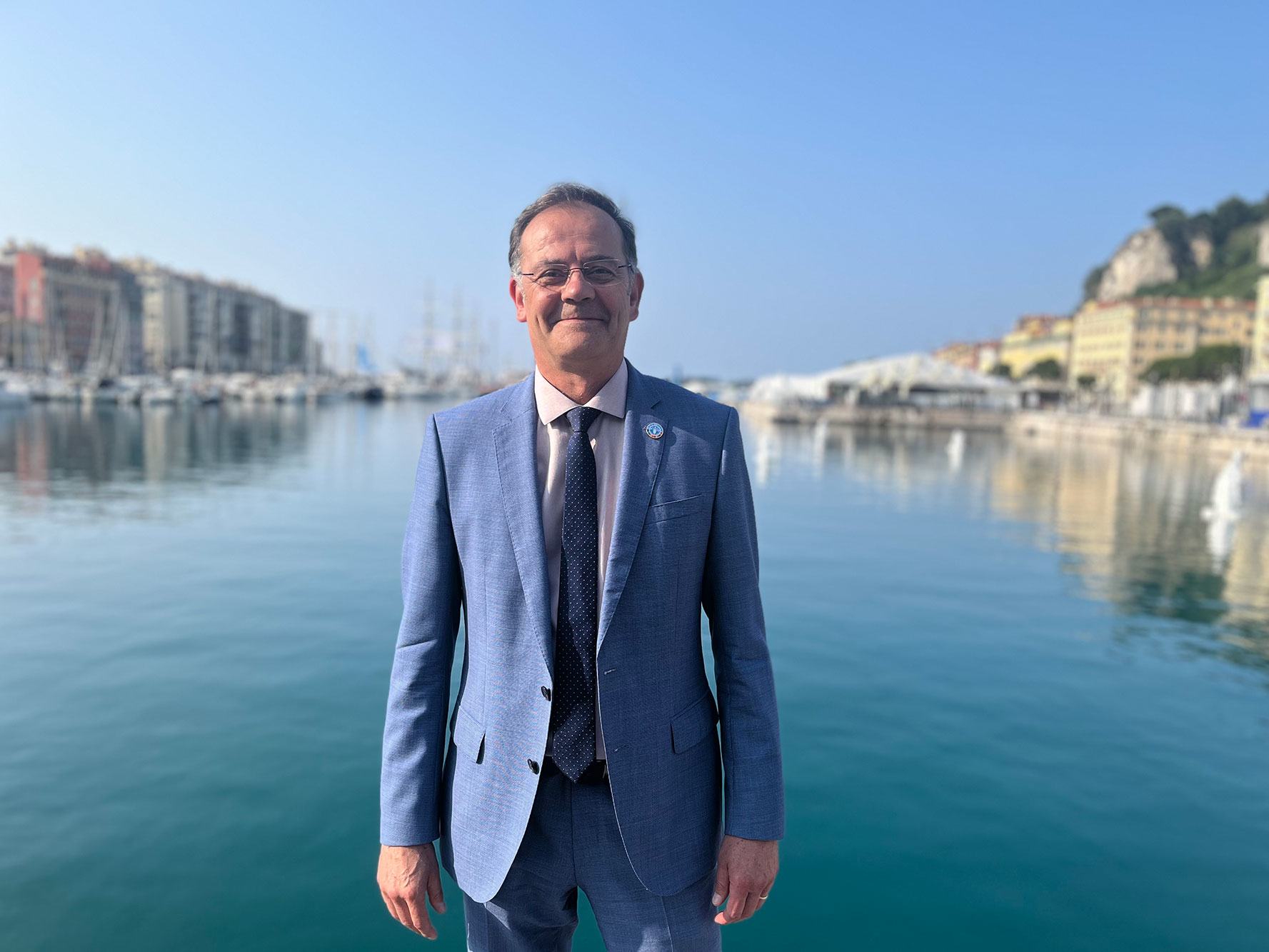
About Arun Kumar N

Arun has been associated with India International Times since 2018 and he has been a key reporter in covering science and space related stories. He can be reached at arunKnn@indiainternationaltimes.com.

Sudden escalation of trade tensions sends shockwaves through global economy

Tariff-driven price pressures are adding to inflation risks, leaving trade-dependent economies particularly vulnerable.

Higher tariffs and shifting trade policies are threatening to disrupt global supply chains, raise production costs, and delay key investment decisions – all of this weakening the prospects for global growth.

General slowdown

The economic slowdown is widespread, affecting both developed and developing economies around the world, according to the report.

In the United States, growth is projected to slow “significantly”, said DESA, as higher tariffs and policy uncertainty are expected to weigh on private investment and consumer spending.

Several major developing economies, including Brazil and Mexico, are also experiencing downward revisions in their growth forecasts.

China’s economy is expected to grow by 4.6 per cent this year, down from 5.0 per cent in 2024. This slowdown reflects a weakening in consumer confidence, disruptions in export-driven manufacturing, and ongoing challenges in the Chinese property sector.

Inflation risks

By early 2025, inflation had exceeded pre-pandemic averages in two-thirds of countries worldwide, with more than 20 developing economies experiencing double-digit inflation rates.

This comes despite global headline inflation easing between 2023 and 2024.

Food inflation remained especially high in Africa, and in South and Western Asia, averaging above six per cent. This continues to hit low-income households hardest.

Rising trade barriers and climate-related shocks are further driving up inflation, highlighting the urgent need for coordinated policies to stabilise prices and protect the most vulnerable populations.

Developing economies

The tariff shock risks hitting vulnerable developing countries hard,” said Li Junhua, UN Under-Secretary-General for Economic and Social Affairs.

As central banks try to balance the need to control inflation with efforts to support weakening economies, many governments – particularly in developing countries – have limited fiscal space. This makes it more difficult for them to respond effectively to the economic slowdown.

For many developing countries, this challenging economic outlook threatens efforts to create jobs, reduce poverty, and tackle inequality, the report underlines.

Francoise picks out vegetables to resell to the Congolese traders at the Elakat market in the DRC.


Source link

UN needed ‘more than ever before’ says Germany’s candidate to head General Assembly

Annalena Baerbock presented her priorities during an informal dialogue with Member States held on Thursday at Headquarters in New York. 

If chosen, she will only be the fifth woman to lead the UN’s main policy-making organ and most representative body, comprising all 193 Member States who elect a new president annually, rotating among regional groups. 

“As President, if elected, I will serve all 193 Member States – large and small. As an honest broker. As a unifier. With an open ear. And an open door,” she said. 

No time for despair

The UN turns 80 this year and Ms. Baerback noted that the anniversary comes as the Organization faces numerous existential challenges.

Some 120 conflicts are raging worldwide in places such as Gaza and Ukraine, achievement of the Sustainable Development Goals (SDGs) is off-track, and the world body itself is under heavy pressure financially and politically.

Her vision is grounded in the theme “Better Together” which she weaved throughout her remarks, arguing this is no time to despair.

These crises and challenges weigh heavy upon us as the international community. But they also show the United Nations, our United Nations, is needed more than ever before,” she said.

Making the UN ‘fit for purpose’

She added that the UN needs to be “fit for the future” and “fit for purpose” – her first priority.

She pointed to the Pact for the Future, adopted by Member States last year, which laid the groundwork to revitalize multilateralism, turbocharge the SDGs, and adapt the UN system to 21st century challenges.

She said to maximize its impact, implementation must be linked to the UN80 Initiative.  Launched in March by Secretary-General António Guterres, the plan calls for major reforms to cut costs and improve efficiency. 

Ms. Baerbock said if elected General Assembly President, she would place strong emphasis on ensuring that the perspectives of all regions and groups are heard in the major reform process. 

Delivering for the world’s people

Her second priority highlighted the need for a UN that delivers results. “People must feel that our work makes a real difference in their daily lives,” she said.

She stressed the need for close cooperation with the Security Council and the Peacebuilding Commission in promoting a more peaceful world.

You cannot sustain lasting peace without ensuring that there is no shortage of food, that people have jobs, that children go to school, that women are safe,” she said.

She also plans to engage with Member States on reforming the financial system, in addition to giving special emphasis to the climate crisis – “one of the greatest threats of our time.”

A truly inclusive UN

Ms. Baerbock’s third priority calls for a UN that is truly inclusive and embraces everyone, which includes engaging with civil society and especially young people.

“The United Nations is there to serve its people. And building a better future is only possible by engaging with the generations to come,” she said.

“Our work does not end in New York, Geneva, Nairobi or Bonn. But we need to bring our discussions and outreach closer to the people.” 

Source link

Over 60 per cent of the Arab world still outside the banking system

Even more impressively, the number of Egyptian women with an account increased by 260 per cent, though gender gaps do remain.

But how you widen financial inclusion overall is a question the Arab region is currently grappling with.

A new report from the UN Economic and Social Commission in Western Asia (UNESCWA) published on Thursday highlights the challenge.

Nearly 64 per cent of adults in the 22 countries in the Arab region are still without an account – or “unbanked” – a higher number than all other regions of the world and significantly higher than the 24 per cent global average.

The report warns that this level of financial exclusion will negatively impact economic opportunities and the region’s ability to meet Sustainable Development Goals (SDGs) by 2030.

“The Arab region cannot afford to treat financial services as a luxury. Without inclusive finance, we cannot hope to lift people out of poverty, support small businesses, or achieve equitable growth,” said ESCWA’s Mario Jales, lead author of the report.

The digital divide within the divide’

The report finds that women and disabled people have even less access to financial services – only 29 per cent of women and 21 per cent of disabled people in the region have an account.

Similarly, rural communities and younger and older people also experience lower rates of inclusion in the banking system.

The report also highlighted that access to loans for small and medium-sized businesses is worryingly low, reducing entrepreneurial and other income-producing activities.

In addition to gender disparities, there are variations within the Arab region – 81 per cent of people in low-income countries do not have access to an account in comparison to 67 per cent in middle-income countries and 23 per cent in the high-income bracket. 

As of 2024, 69 percent of Egyptian women have bank accounts, a large increase from 2016.

Models of success

Given that regional rates of financial inclusion remain so low, how do countries work to improve them?

The basis of Egypt’s success was the implementation of a comprehensive national strategy to promote financial inclusion, a strategy which actively worked to target underserved communities, ESCWA points out.

For example, in Egypt, 22 per cent of ATMs in the country have now been equipped with accessibility features including brighter lighting and Braille keyboards.

Other countries in the region have also implemented national strategies which include targeted initiatives.

Jordan, which has the second widest gender gap in the region, implemented a Microfund for Women to provide loans for income-generating activities. There are now 60 branches across the country, serving 133,000 borrowers, 95 per cent of whom are women.

Moreover, some banks in the region have worked to implement financial literacy classes and others have worked to tailor their services to underserved communities including by lowering minimum deposits.

The report concludes that an expansion of all these activities – national policymaking which targets underserved communities and private bank activities which lower barriers to entry and support financial literacy – will be essential in improving financial inclusion.

The path forward exists, but it requires political will, targeted investment and a whole-of-society approach,” the report concludes.

Libya’s fragile peace tested again as new clashes roil Tripoli

Clashes broke out earlier in the week across several districts of the Libyan capital, reportedly triggered by the killing of a prominent militia leader.

The fighting, which involved heavy weaponry in densely populated areas, forced hundreds of families to flee and placed severe strain on local hospitals.

UN Secretary-General António Guterres urged all parties to take urgent steps to consolidate the ceasefire announced on Wednesday.

“The rapid nature of the escalation, which drew armed groups from outside the city and subjected heavily populated neighbourhoods to heavy artillery fire, was alarming,” his spokesperson said in a statement on Thursday.

The Secretary-General reminds all parties of their obligation to protect civilians and calls on them to engage in serious dialogue in good faith to address the root causes of the conflict.”

Alarms raised

The UN Support Mission in Libya (UNSMIL) issued successive warnings throughout the week, calling the situation “deeply alarming” and urging an “immediate, unconditional ceasefire.”

“Attacking and damaging civilian infrastructure, physically harming civilians, and jeopardizing the lives and safety of the population may constitute crimes under international law,” the mission said on Wednesday, praising mediation efforts by elders and civil society leaders.

Years of fragmentation

Nearly 15 years after the fall of Muammar Gaddafi and the emergence of rival administrations in 2014, the country remains divided, with the internationally recognised Government of National Unity (GNU) based in Tripoli in the northwest and the Government of National Stability (GNS) in Benghazi in the east.

Competition over Libya’s vast oil wealth further complicates the situation. Though the country produces more than a million barrels a day, the living conditions of ordinary Libyans have seen little improvement.

Accountability for atrocities

In New York on Thursday the Prosecutor of the International Criminal Court (ICC) announced that its investigation into alleged war crimes in Libya has entered a new phase, following increased cooperation by authorities there.

Briefing the UN Security Council from The Hague, ICC Prosecutor Karim Khan described “an unprecedented six months of dynamism,” citing the January arrest of Osama Elmasry Najim, a commander in the now-dissolved Special Deterrence Force (RADA), and his controversial return to Libya.

Mr. Khan briefed Ambassadors via videolink after the United States imposed punitive sanctions on the court including senior personnel, which threaten the prosecutor and others with arrest if they travel to the US. The US made the order in response to the ICC issuing arrest warrants for the Israeli Prime Minister and former defence minister, last November.

Mr. Najim was arrested by Italian authorities based on an ICC warrant on charges of war crimes and crimes against humanity linked to abuses at Metiga Prison.

However, his return was a matter of deep concern, said Mr. Khan.

New ‘rule of law’ promises accountability

There was real dismay and disappointment among victims that Mr. Njeem was returned to the scene of the alleged crimes,” Mr. Khan said.

Despite that setback, he said that the arrest warrant had sent “shockwaves” through Libyan militias and alleged perpetrators in Libya, signalling a growing awareness that “the rule of law has entered the territory of Libya.”

He confirmed that more arrest warrants are being pursued, and that the ICC has responded to a request for assistance from the National Crime Agency of the United Kingdom as part of its own investigation into Mr. Njeem.

There is a black box of suffering in Libya,” he told ambassadors. “We will manage to break it open.”

The Security Council meeting on the situation in Libya.

Libya grants ICC jurisdiction

In another major development, Libya formally submitted a declaration to the ICC under Article 12(3) of the Rome Statute, granting the court jurisdiction over crimes committed on Libyan soil from 2011 to 2027.

Mr. Khan described this as a “new chapter” in accountability efforts and confirmed that the investigation phase is expected to conclude by early 2026.

About the ICC

The International Criminal Court (ICC) is an independent judicial body established under the Rome Statute, adopted in 1998 and in force since 2002.

Although not part of the United Nations, the ICC works closely with it under a cooperative framework. The situation in Libya was first referred to the ICC by the UN Security Council in 2011 through resolution 1970.

Source link

‘The world is failing its health checkup,’ says WHO

“Behind every data point is a person – a child who didn’t reach their fifth birthday, a mother lost in childbirth, a life cut short by a preventable disease,” said WHO chief Tedros Adhanom Ghebreyesus, as the organization’s latest statistics report revealed the pandemic’s deeper health impacts.

Warning that overall progress is under threat today, WHO on Thursday called on governments “to act, with urgency, commitment, and accountability to the people they serve.” Tedros bemoaned the “avoidable tragedies” behind the statistics.

Chronic diseases

The 2025 report shows an estimated 1.4 billion more people were living healthier lives by the end of 2024, surpassing WHO’s one billion target. This was driven by reduced tobacco use, better overall air quality and access to water, hygiene and sanitation, said WHO.

But underinvestment in primary health care, shortages of skilled health workers, and gaps in service like immunisation and safe childbirth are now holding countries back.

Driven by population growth and aging, premature deaths from noncommunicable diseases, such as cancer and diabetes, are rising. Worldwide, such diseases now account for the leading causes of deaths among people under 70.

Additionally, “air pollution continues to harm population health around the world,” said WHO’s Haidong Wang. 

Maternal deaths

The rate of maternal deaths fell by over 40 per cent and deaths of children under five were cut by half between 2000 and 2023.

However, progress has been either stalling or reversing in many countries, and maternal and child deaths are not falling “fast enough” – putting millions of lives at risk.

Millions more lives on the line

Essential health service coverage and protection from emergencies have lagged, the UN health agency data shows.

Without urgent course correction, WHO estimates that the world risks losing the chance to prevent an additional 700.000 maternal deaths and eight million deaths of children under five years old,” between 2024 and 2030.

A historic course correction: how the world’s shipping sector is setting sail for net zero

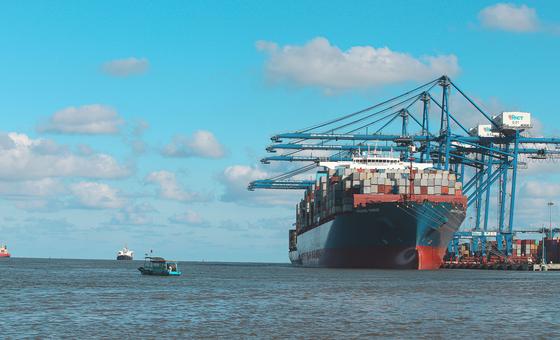
Every day, tens of thousands of massive ships criss-cross the world’s oceans, transporting grain, clothing, electronics, cars, and countless other products. Nearly 90 per cent of global cargo is moved this way. But this vital industry comes with an added cost: international shipping is responsible for three per cent of global greenhouse gas emissions, which are heating the planet.

For years, ship emissions were a complex and often postponed topic in international climate discussions. But that changed in April 2025 when the International Maritime Organization (IMO), the UN body overseeing global shipping regulations, approved a historic plan to make the industry net-zero by around mid-century.

“This demonstrates that multilateralism and the United Nations are still relevant and important in these particular times,” Arsenio Dominguez, IMO’s Secretary-General, told UN News. He reflected on the tense and often emotional negotiations at the Marine Environment Protection Committee’s 83rd session, calling the approval a commitment by IMO and the shipping sector to combat climate change.

The deal, dubbed the IMO Net-Zero Framework, marked the culmination of years of painstaking talks between member States, including small island nations at risk from rising seas and the world’s largest shipping nations.

“I could spend hours just telling you in detail all those great moments working very closely with the delegates of all the member states at IMO in order to get this agreement,” Mr. Dominguez recalled. “That collaborative approach, to see all the member states gathering and rallying each other to get this deal in place, is something that I will always remember.”

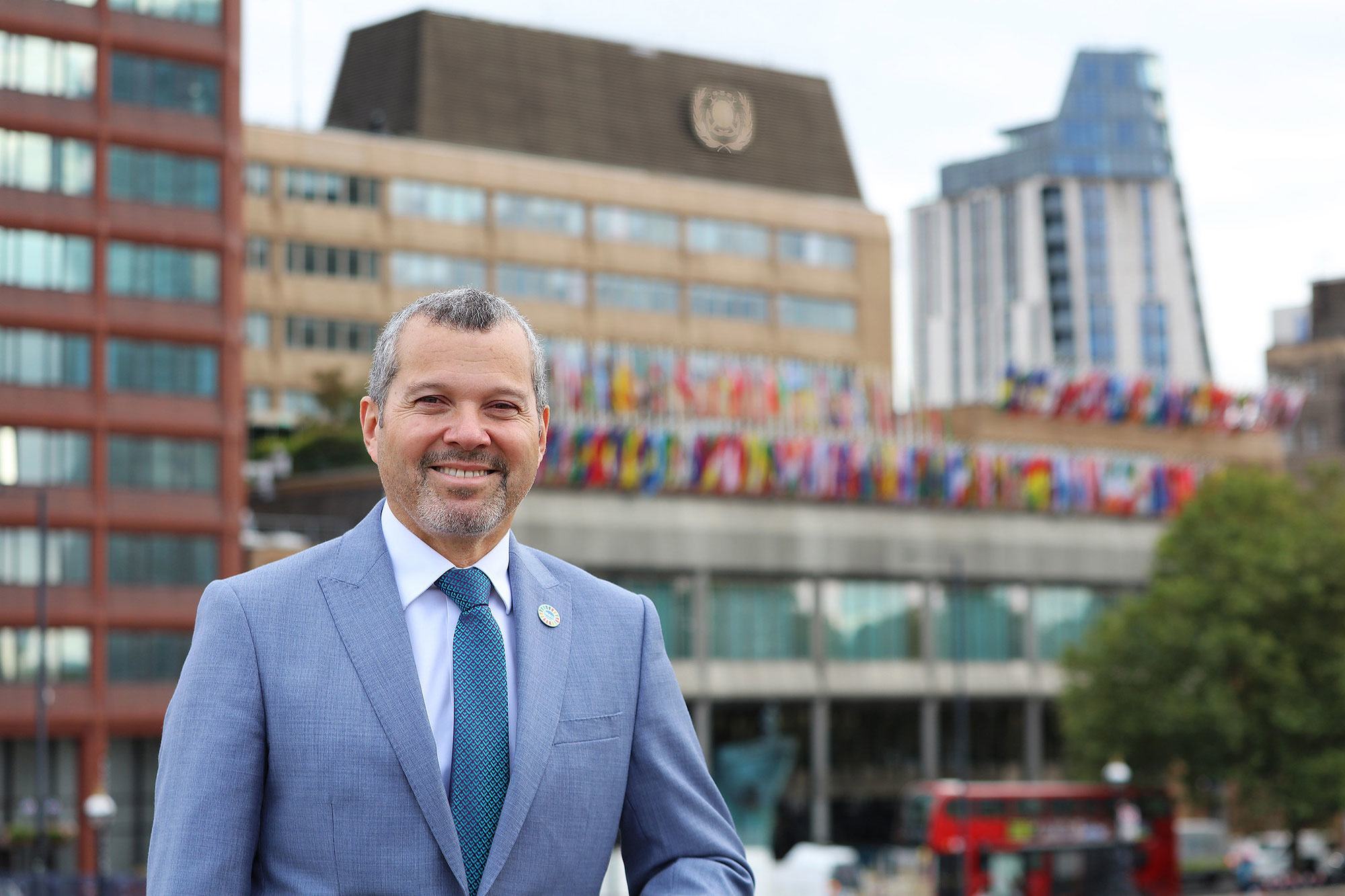
Arsenio Dominguez, Secretary-General of the International Maritime Organization (IMO).

A breakthrough years in the making

The 2025 breakthrough did not happen overnight. The IMO’s work to tackle emissions spans more than a decade. In 2011, it rolled out the first mandatory energy efficiency measures for ships. Then, in 2018, member countries agreed on the Initial IMO Strategy on Reduction of GHG Emissions from Ships, marking the first international targets to cut the sector’s climate impact.

Building on that progress, IMO ramped up ambition in 2023 and set clear goals: reduce emissions by at least 20 per cent by 2030 and 70 per cent by 2040, and phase in zero or near-zero emission fuels. The 2025 Net-Zero Framework transforms these plans into binding regulation.

“We’re focusing first on 2030, meeting those goals of reducing emissions by at least 20 per cent, and achieving at least a five per cent uptake of alternative fuels, because it’s going to pave the way for the next set of actions and demonstrate what other mechanisms or measures we need to put in place,” Mr. Dominguez said.

Shipping containers at a port in the Democratic Republic of São Tomé and Príncipe.

The machinery of global commerce

What’s at stake is more than just the environment – it’s the very machinery of global commerce. In 2023, maritime trade volumes soared past 12 billion tonnes of cargo, UN data shows. “Even the chair you are sitting on right now was likely transported by ship,” remarked Mr. Dominguez. “Things move around by ship because it’s the most efficient method of mass transportation. But that comes with responsibility and some drawbacks”.

Although the shipping sector has been ‘slow’ to regulate its climate impact, the 2025 framework is changing that with two key measures: a global fuel standard to reduce greenhouse gas intensity and a pricing mechanism for ships exceeding emission thresholds.

Polluters will need to purchase ‘remedial units’ or offset their excess emissions by investing in the IMO Net-Zero Fund. Ships adopting zero or near-zero emissions technologies can earn surplus credits, creating an incentive to clean up. A shipowner exceeding their emissions limit might buy credits from another ship that has outperformed its targets or contribute to the fund.

Revenues from the fund will be used to reward low-emission ships and help developing countries with capacity building, technology transfer, and access to alternative fuels.

Oversight by member States and IMO will ensure accountability for the new measures. “We work with the member States, particularly small island developing states and least developed countries, to enhance the implementation of IMO instruments,” Mr. Dominguez explained.

Certification, verification, audits, and reporting processes will monitor compliance. “Everything gets reported to the Organization, and from there we take additional measures.”

Balancing climate action and trade

The measures will cover large ocean-going ships that exceed 5,000 gross tonnes, which are responsible for about 85 per cent of industry emissions.

When asked about potential impacts on supply chains and consumer prices, particularly for countries heavily reliant on imports, the IMO chief emphasised that they have carried out a comprehensive impact assessment.

“There is a cost to pay when it comes to decarbonizing and protecting the environment. There has also been a cost to polluting the environment. So, all these rules, of course, are going to have an impact. What we looked at is reducing that impact as much as possible. If there is an impact, the financial measures and pricing mechanisms will support the industry’s transition’’.

Innovation will play a major role, and some promising technologies include ammonia and hydrogen fuels, wind propulsion, solar-assisted shipping, and onboard carbon capture. “Our rules are there to foster innovation and not to limit it,” Mr. Dominguez said, explaining that the Organization is carrying out an initial analysis. “We are rediscovering the existence of wind in the shipping industry, if I may say it like that…We have to be open to everything that’s happening out there. There’s a lot of work going on alternative fuels.”

This transition will also require investment in training and safety measures for seafarers as these alternative fuels are adopted, he warned. “We have to pay paramount importance when it comes to the people.”

A seafarer on board a ship at Felixstowe Port in England.

An industry in transition

The framework sets a strict timeline: industry emissions must drop by at least 20 per cent (striving for 30 per cent) by 2030, by at least 70 per cent (striving for 80 per cent) by 2040, and reach net-zero by around 2050. The first compliance year will be 2028.

“The end goal of the main objective of the strategy is to decarbonize to reach net zero by around 2050. But it doesn’t mean that we’re not doing anything between,” Mr. Dominguez stressed. “This is a progressive approach.”

The IMO has also committed to constant review and refinement. “For us, it’s not just about the next step,” Mr. Dominguez said. “It will be a constant process of analysis, review, and engagement to gather the experience and expertise needed to tweak or provide any additional support that may be required’’.

Beyond emissions

While greenhouse gases dominate the headlines, Mr. Dominguez explained that shipping’s environmental footprint extends beyond CO₂. “There’s so much more that this Organization [does],” he said.

IMO measures address issues like biofouling, which is the accumulation of aquatic organisms like algae and barnacles on the hulls of ships, increasing drag and fuel consumption; underwater noise, which can disturb marine life; and ballast water management, which prevents invasive species from being transported across the globe.

“We always take into account that ships touch many parts of the environment, and we need to protect them,” he added.

The road ahead

When UN News asked about the framework’s adoption at IMO’s extraordinary session in October, Mr. Dominguez stated: “Of course, I’m confident because we just demonstrated that multilateralism is still relevant, that IMO is ready to meet its commitments”.

He explained that the next step will be addressing concerns and developing guidelines for implementing the new measures, including the pricing mechanism.

“That is going to help us meet the very ambitious timeframe that member states are committed to, so that as soon as these amendments enter into force in 2027, we can start demonstrating with tangible results what the shipping industry means when it talks about decarbonization.”

For Mr. Dominguez and many observers, the agreement represents a rare victory for multilateralism – and a new beginning for a critical but long-overlooked sector. “It’s not if we get it right. We are getting it right,” he said. “This is a process, a transition. We’re taking the first steps now that will lead us to the main goal.”

8 million teens in world’s wealthiest countries functionally illiterate: UNICEF

Comparing data from 2018 and 2022, UNICEF found that the pandemic worsened existing trends: children are underperforming in school, more likely to be overweight or obese, and generally less satisfied with their lives.

This data sets a “worrying benchmark for children’s wellbeing,” said Bo Viktur Nylund, Director of UNICEF’s research office, Innocenti.

UNICEF ranked the Netherlands and Denmark, followed by France, as the top three places to be a child.

In contrast, Mexico, Türkiye and Chile were ranked the lowest, based on measures of mental well-being, physical health, and skills.

Academic decline

UNICEF warned that many of the world’s wealthiest countries experienced “sharp” declines in children’s academic skills following the pandemic, notably in reading and maths skills.

As school shutdowns forced remote learning, children are now estimated to be from seven to 12 months behind where they should be in academic terms.

These setbacks were more severe for children from disadvantaged families, the report underscores.

Across 43 countries, an estimated eight million 15-year-olds were assessed as not functionally literate and numerate. That means around half of the age group surveyed could not understand a basic text, raising the alarm over long term development.

Mental health

Raising concerns around mental health, UNICEF pointed out that in 14 of 32 countries with available data, children’s life satisfaction deteriorated during the COVID pandemic, while adolescent suicide rates plateaued – reversing a previous downward trend.

The number of children aged five to 19 who were overweight rose with those from lower socioeconomic backgrounds facing worse outcomes in terms of mental and physical health.

Prioritising children

Mr. Nylund, called on countries going forward to adopt a “coherent” and ”holistic” approach that addresses “every stage” of children’s lives.

Notably, UNICEF recommends countries include children in decision-making, promoting youth voices and agency across the board.

The agency warns that hard-won gains in child well-being across wealthy countries are becoming “increasingly vulnerable” and urges governments to focus interventions on disadvantaged groups to ensure more equitable educational outcomes.

Source link

‘Politically unacceptable, morally repugnant’: UN chief calls for global ban on ‘killer robots’

“There is no place for lethal autonomous weapon systems in our world,” Mr. Guterres said on Monday, during an informal UN meeting in New York focused on the use and impact of such weapons.

“Machines that have the power and discretion to take human lives without human control should be prohibited by international law.”

The two-day meeting in New York brought together Member States, academic experts and civil society representatives to examine the humanitarian and human rights risks posed by these systems.

The goal: to lay the groundwork for a legally binding agreement to regulate and ban their use.

Human control is vital

While there is no internationally accepted definition of autonomous weapon systems, they broadly refer to weapons such as advanced drones which select targets and apply force without human instruction.

The Secretary-General said in his message to the meeting that any regulations and prohibitions must make people accountable. 

“Human control over the use of force is essential,” Mr. Guterres said. “We cannot delegate life-or-death decisions to machines.”

There are substantial concerns that autonomous weapon systems violate international humanitarian and human rights laws by removing human judgement from warfare.

The UN chief has called for Member States to set clear regulations and prohibitions on such systems by 2026.

Approaching a legally binding agreement

UN Member States have considered regulations for autonomous weapons systems since 2014 under the Convention on Certain Conventional Weapons (CCW) which deals with weapons that may violate humanitarian law.

Most recently, the Pact for the Future, adopted in September last year, included a call to avoid the weaponization and misuse of constantly evolving weapons technologies.

Stop Killer Robots – a coalition of approximately 270 civil society organizations – was one of the organizations speaking out during this week’s meeting. 

Executive Director Nicole van Rooijen told UN News that consensus was beginning to emerge around a few key issues, something which she said was a “huge improvement.”

Specifically, there is consensus on what is known as a “two-tiered” approach, meaning that there should be both prohibitions on certain types of autonomous weapon systems and regulations on others.

However, there are still other sticking points. For example, it remains unclear what precisely characterizes an autonomous weapon system and what it would look like to legislate “meaningful human control.”

Talks so far have been consultations only and “we are not yet negotiating,” Ms. Rooijen told UN News: “That is a problem.”

‘Time is running out’

The Secretary-General has repeatedly called for a ban on autonomous weapon systems, saying that the fate of humanity cannot be left to a “black box.”

Recently, however, there has been increased urgency around this issue, in part due to the quickly evolving nature of artificial intelligence, algorithms and, therefore, autonomous systems overall.

The cost of our inaction will be greater the longer we wait,” Ms. Rooijen told us.

Ms. Rooijen also noted that systems are becoming less expensive to develop, something which raises concerns about proliferation among both State and non-state actors.

The Secretary-General, in his comments Monday also underlined the “need for urgency” in establishing regulations around autonomous weapon systems.

“Time is running out to take preventative action,” Mr. Guterres said. 

Source link

Funding cuts in Afghanistan mean ‘lives lost and lives less lived’

Many women came to the clinic who had walked multiple hours to receive maternal care – some of them with their newborns and some heavily pregnant.

And then there were the health workers themselves, committed to serving those in need in hard-to-reach areas of the impoverished Taliban-controlled nation.

‘Off the radar’

These were some of the scenes witnessed up close by Andrew Saberton, Deputy Executive Director with the UN’s reproductive health agency (UNFPA), on a mission to assess the impact of the recent steep funding cuts.

“I saw and understood the devastating impacts that the massive cuts to UNFPA will have in one of the world’s greatest humanitarian crises, a crisis which may be off the radar of the news but remains one of the world’s greatest crises,” Mr. Saberton told journalists in New York on Wednesday.

During his trip, the senior official visited UN-supported services in Kabul, Bamyan and the border between Afghanistan and Pakistan.

He hoped to understand the difference that UNFPA is making in Afghanistan while also getting a better sense of the impact of funding cuts.

Andrew Saberton (second right), UNFPA Deputy Executive Director for Management, visits the obstetric fistula ward in Kabul, Afghanistan, where survivors receive care.

Budget slashed

The United States has recently announced cuts of approximately $330 million to UNFPA worldwide, $102 million of which will directly impact UNFPA’s work in Afghanistan, according to Mr. Saberton.

Most of this funding would have been used towards the provision of family health and mobile care, both of which are essential in Afghanistan which already has one of the highest maternal mortality rates in the world.

This funding would also have gone towards the providing much needed psychosocial support.

He estimates that 6.9 million women and children in Afghanistan will be affected by the cuts. Moreover, UNFPA will only be able to support approximately 400 of the current 900 health clinics that it supports in Afghanistan, each of which provides life-saving care.

Providing aid with few resources

Despite these challenges, Saberton emphasized that UNFPA will remain in Afghanistan and will continue providing life-saving care.

“UNFPA will be staying to deliver, but we cannot sustain our response without help. We need urgent support to keep these services running and to protect the dignity, health and lives of Afghan women and newborns,” he said.

Source link

UN aid office denounces attacks on Gaza hospital

OCHA reported that hostilities intensified overnight, with an attack by Israeli forces on the European Gaza Hospital in Khan Younis which killed and injured several people. 

A team from the World Health Organization (WHO) was also inside the hospital at the time.

The hospital premises were hit again on Wednesday morning, reportedly leading to additional casualties.

A ‘decimated’ health system

“These attacks not only further degrade Gaza’s already decimated healthcare system, but also further traumatize patients and medical staff at these facilities,” OCHA said.

The UN Office has documented at least 686 attacks impacting healthcare in the Gaza Strip since war erupted in October 2023, following the deadly Hamas-led attacks on Israel.

OCHA said escalating military activities and increasing explosive ordnance contamination are heightening safety risks for civilians, including aid workers, before stressing once again that civilians and healthcare facilities must always be protected.

First responders in northern Gaza reported that at least 80 people had been killed in the past day following Israeli strikes, including around 50 who died when homes were struck in northern Jabalia.

More displacement orders

Meanwhile, Israel has issued two new displacement orders in North Gaza since Tuesday night, following Palestinian rocket fire.  

Eight neighbourhoods have been affected and humanitarians have already observed some fleeing in search of relative safety.

More than 436,000 people are estimated to have been displaced to various areas of Gaza since 18 March.

Whether they leave or stay, civilians must be able to access the essentials for their survival,” OCHA said.

© UNICEF/Mohammed Nateel

Displaced child in Gaza City

End aid blockade

The agency also continues to call for the immediate lifting of the blockade of Gaza. No cargo, including aid, has entered for more than 70 days.

The humanitarian situation is deteriorating, which has led to dwindling stocks in local markets and rising prices of the few supplies that remain available.

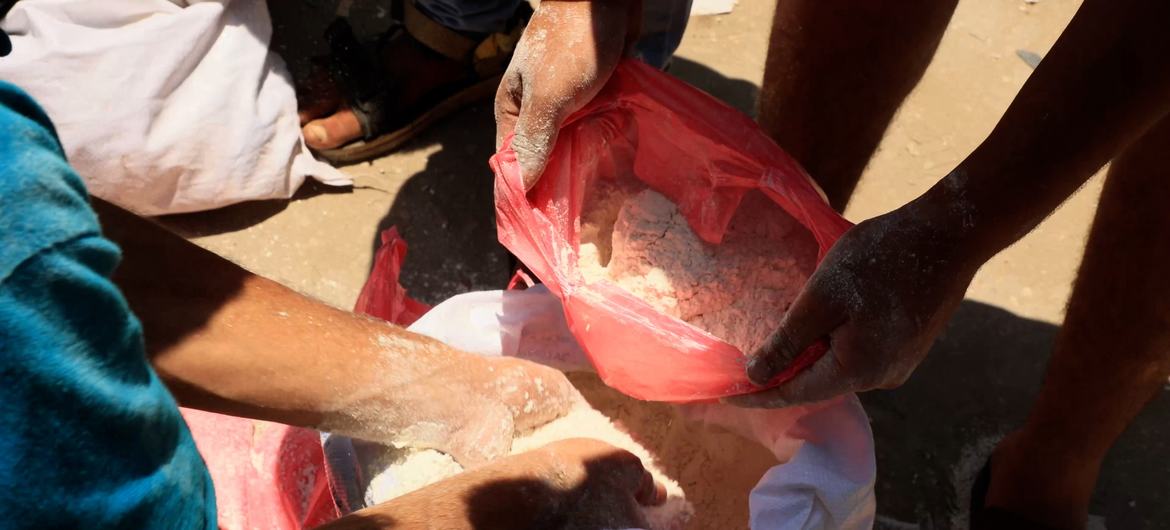
For example, during the first week of May, a single 25-kilogramme bag of wheat flour was being sold in Gaza City for the equivalent of more than $415 – a more than 3,000 per cent increase when compared with the last week of February.

“The blockade is also hampering the provision of hot meals in Gaza, with only about 250,000 individual meals now being provided each day through some 65 community kitchens,” OCHA said.

“This is compared to 25 April – less than three weeks ago – when 180 community kitchens were producing nearly 1.1 million meals on a daily basis.” 

Humanitarian partners have more than 171,000 metric tonnes of food in the region, ready for whenever the blockade is lifted.

This is enough to sustain Gaza’s entire population, roughly 2.1 million people, for up to four months.  

In Berlin, broad backing for UN peacekeeping as global threats mount

UN Secretary-General António Guterres meanwhile warned that peace operations are under growing strain and must adapt to meet today’s rising threats.

The two-day conference on peacekeeping, hosted by the Government of Germany, brought together over 1,000 participants – including defence and foreign ministers – to reaffirm commitment to the UN’s flagship tool for maintaining peace and stability.

It concluded on Wednesday with a wide array of pledges, including 88 military and police units, specialized training, and investments in emerging technologies and strategic communications.

Difference between life and death

In trouble spots around the world, ‘blue helmets’ can mean the difference between life and death,” Mr. Guterres said in his opening remarks.

“Now more than ever, the world needs the United Nations. And the United Nations needs peacekeeping that is fully equipped for today’s realities and tomorrow’s challenges.”

Germany, which currently contributes troops to UN missions in South Sudan, Lebanon, and Western Sahara, announced €82 million (around $91.7 million) in funding, along with commitments in training, renewable energy solutions and drone technology.

“Germany continues to be a steadfast supporter of UN peacekeeping,” said Defense Minister Boris Pistorius.

Broad and diverse commitments

A total of 74 UN Member States made specific pledges, ranging from uniformed personnel to training and strategic support.

This includes pledges which will bolster military and police units, including airlift and rapid deployment capabilities (53 national contributions), specialized training (59), technological enhancements (18), advancing the Women, Peace and Security Agenda (38) and safety and protection (16).

Eleven countries also committed to improving accountability and conduct, including support to the trust fund for victims of sexual exploitation and abuse, and eight nations supporting the UN’s efforts to counter mis- and disinformation through strategic communications.

Deminers with the UN peacekeeping mission in Mali, MINUSMA, clearing an airstrip in Kidal region. (file photo)

Mounting pressures

At a press conference following the meeting, Secretary-General Guterres acknowledged that peacekeepers operate in an increasingly complex and dangerous environment, citing a record number of global conflicts, the targeting of peacekeepers by drones and improvised explosive devices (IEDs) and the rising threat from disinformation campaigns.

We need to ask some tough questions about the mandates guiding these operations, and what the outcomes and solutions should look like,” he said, speaking alongside German Foreign Minister Johann Wadephul and Defence Minister Pistorius.

Every context is different, and missions must be adapted accordingly.

The UN chief also stressed the importance of sustained financial backing, highlighting that many missions continue to struggle with cash flow shortages due to delayed payments from Member States.

“It is absolutely essential that all Member States respect their financial obligations, paying their contributions in full and on time,” he said.

Crucial reforms

The Berlin meeting feeds into the UN’s broader reform efforts, including an ongoing Review of Peace Operations announced in last year’s Pact for the Future, aimed at making peacekeeping and peace enforcement more flexible, cost-effective, and aligned with real-world needs.

This year’s Ministerial also coincides with the 80th anniversary of the United Nations and the 10-year anniversary of the 2015 New York Summit on Peacekeeping. It follows similar high-level meetings in Accra, Seoul, Vancouver and London.

Peacekeeping remains one of the UN’s most visible activities, with over 61,000 uniformed personnel from 119 countries currently deployed across 11 missions, supported by more than 7,000 civilian staff.

Source link

US-Houthi ceasefire ‘a welcome opportunity’ to advance peace efforts in Yemen

Ambassadors were briefed by the UN Special Envoy for Yemen, Hans Grundberg, who commended Oman for its efforts to achieve the agreement which came into effect on 6 May.

He said the cessation of hostilities represented an important and necessary de-escalation in the Red Sea following the resumption of deadly US airstrikes on Houthi-controlled areas in Yemen.

Resolve the conflict

However, recent events show that the country is still ensnared in wider regional tensions, he said, pointing to Houthi attacks on Ben Gurion Airport in Israel and Israel’s subsequent strikes on Hudaydah Port, Sana’a Airport, and other locations.

“Nevertheless, the announcement of 6 May provides a welcome opportunity on which we must collectively build to refocus on resolving Yemen’s conflict and advancing a Yemeni-owned peace process,” he said.

The Houthis, also known as Ansar Allah, and Yemeni Government forces, backed by a Saudi-led coalition, have been battling for control of the country for more than a decade.

‘Yemenis want to move forward’ 

“The challenges facing Yemen are immense: from the deep and significant levels of mistrust between the parties, with some still reportedly preparing for war, to near economic collapse,” Mr. Grundberg told the Council

He said the UN will continue to work to bring the sides to the table to identify and agree on solutions that are acceptable to all.

“Yemenis want to move forward – the status quo is untenable,” he insisted.  “And while the frontlines may currently appear relatively stable, what Yemen has now is not peace.”

He stressed the need for continued engagement by the international community to help the Yemeni people realize their desire to build a stable, prosperous and safe country.

Release detained staff

Mr. Grundberg used the briefing to again highlight the plight of personnel from the UN, international and national NGOs, civil society and diplomatic missions, who continue to be arbitrarily detained by the Houthis.

“Not only is their detention in violation of international law, but it has also caused a significant chilling effect throughout the international community, which only has one outcome: undermining support to Yemen, which will sadly impact the Yemenis most in need,” he said.

He welcomed the recent release of staff members from the Dutch Embassy and international organization, saying “this demonstrates what is possible, but these releases are woefully insufficient.”

Message to the people

The Special Envoy concluded his remarks by stating that Yemenis have endured over 10 years of instability, uncertainty and economic collapse.

Speaking directly to the population, he reiterated that “I see you. I hear you. You have not been forgotten – and I won’t relent in my efforts to pursue peace and stability in Yemen.”

He urged the warring parties “to be courageous and choose dialogue,” emphasizing that “the United Nations will not waiver in its commitment to support you in finding a negotiated settlement to this conflict.”

A mother holds her 10-month-old girl who is suffering from stunting and malnutrition in Abyan, Yemen.

Humanitarians ‘running out of time’: Fletcher

UN Emergency Relief Coordinator Tom Fletcher, who also briefed the Council, shared the Special Envoy’s relief at the cessation of hostilities in Yemen.

He stressed, however, that “Yemen is not out of the woods” as the humanitarian situation is deteriorating, with children most affected. 

“Half of Yemen’s children – or 2.3 million – are malnourished. 600,000 of them severely so,” he said.

Childhood killers on the rise

Moreover, “malnutrition is not just about hunger,” he added, as it attacks immunity, leaving children vulnerable to deadly infections like pneumonia and diarrhoea – both leading causes of child mortality in Yemen. 

The country also has one of the worst immunisation rates in the world as only 69 per cent of children under a year old are fully immunized and 20 per cent have received no vaccinations at all.

As a result, diseases such as cholera and measles are rising.  In 2024, Yemen accounted for over a third of global cholera cases and 18 per cent of related deaths, in addition to having one of the highest measles burdens globally.

“Children are not alone in being disproportionately impacted,” said Mr. Fletcher, as malnutrition also affects 1.4 million pregnant and breastfeeding women in Yemen, placing mothers and newborns at grave risk. 

Overall, some 9.6 million women and girls are in severe need of life-saving humanitarian support, he said.

Appeal to the Council

He warned, however, that humanitarians “are running out of time and resources” as their 2025 response plan for Yemen is barely nine per cent funded.

“These shortfalls have very real consequences,” he said. “Nearly 400 health facilities – including 64 hospitals – will stop operating, impacting nearly seven million people.” 

Meanwhile, funding for 700 midwives is quickly running out and 20 therapeutic feeding centres and more than 2,000 therapeutic feeding programmes have already been forced to close down. 

Mr. Fletcher made three requests to the Council, calling first for action to ensure respect for international humanitarian law, including protection of civilians as well as access to all those in need.

He urged ambassadors to also provide scaled-up, flexible funding to sustain critical aid operations.

“Third, and as the Special Envoy has underlined, back efforts towards lasting peace,” he concluded. 

World News in Brief: Sudan refugees, aid for Syrian returnees, MERS alert in Saudi Arabia, Venezuela urged to end secret detentions

The UN refugee agency, UNHCR, reported on Wednesday that most of the new arrivals are women and children.

Many have come from Zamzam camp and the city of El Fasher, locations targeted by paramilitary Rapid Support Forces, who’ve been fighting forces of the military government for more than two years.

In Chad, the high numbers of those arriving are putting significant strain on overwhelmed resources.

Exhausted and victimised

Aid teams say that many refugees arrive exhausted after walking for days because they are unable to afford transport.

They report being victims of targeted attacks, looting and sexual violence.

Numerous children have been injured, families separated, and others remain missing, the refugee agency said.

Immediate needs in Chad include shelter, food, medical care and psychological support but the $409 million refugee response appeal is only 20 per cent funded.

Syria’s returnees desperately need help to start over

Syrians trying to rebuild their lives in their war-torn country urgently need the support of the rest of the world to help them start again, UN aid agencies said on Wednesday.

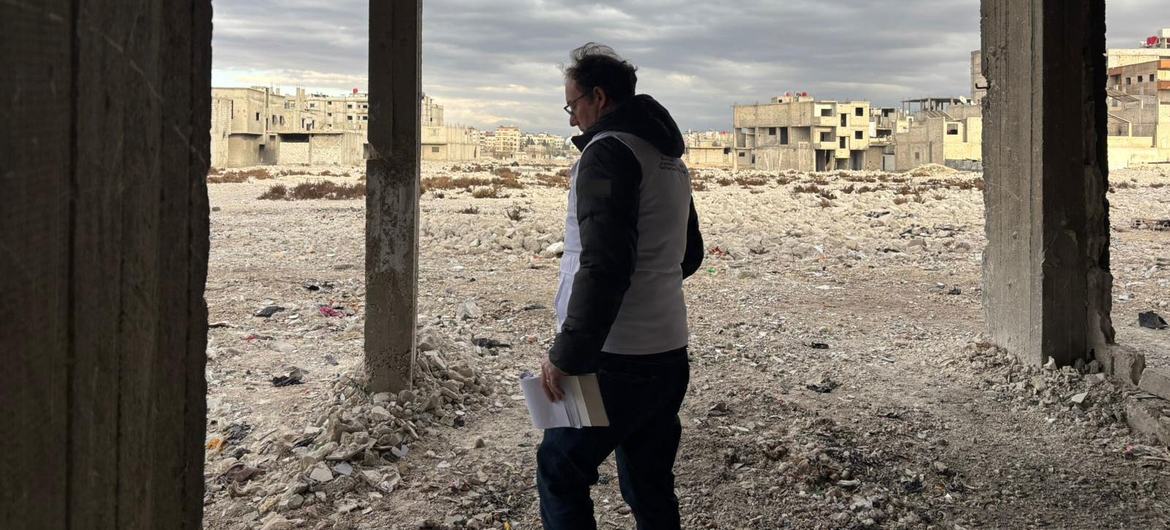
Hopes rose this week in Damascus following Donald Trump’s move to end punitive sanctions – but after more than 13 years of civil war that ended with the fall of the Assad regime last December, many communities today face a range of basic problems.

These include unreliable access to electricity, clean water and healthcare.

Records destroyed

The destruction of public records is also preventing returnees from accessing essential services or claiming housing and land rights, according to the UN migration agency, IOM.

Its Director-General, Amy Pope, insisted Syrians were resilient and innovative but that they needed help, now. “Enabling (them) to return to a country that is on the path to stability and progress is critical for the country’s future,” she insisted.

A new IOM report from more than 1,100 communities across Syria found that work is scarce, partly because farming and markets are still struggling to recover.

Shelter reconstruction is also needed urgently, while unresolved property issues continue to prevent people from rejoining their communities.

Since January 2024, the UN agency has recorded more than 1.3 million returnees previously displaced within Syria, in addition to nearly 730,000 arrivals from abroad.

WHO issues warning over deadly MERS outbreak in Saudi Arabia

A recent outbreak of Middle East Respiratory Syndrome coronavirus (MERS-CoV) in Saudi Arabia has raised concerns after two people died from the disease between March and April.

The World Health Organization (WHO) has released updated guidelines to help contain the outbreak, which has seen nine confirmed cases – seven of them in the capital, Riyadh. Several of those infected were healthcare workers who caught the virus from a patient.

MERS is caused by a zoonotic coronavirus, from the same family of viruses as COVID-19. While WHO estimates the fatality rate to be around 36 per cent, the true figure may be lower, as mild cases often go undiagnosed.

Despite the recent cases, the risk of wider spread remains moderate at both the regional and global levels, according to WHO.

MERS is primarily carried by dromedary camels and can be passed to humans through direct or indirect contact with infected animals.

Human-to-human transmission usually happens in healthcare settings, through respiratory droplets or close contact.

No vaccine, no cure

Much like COVID-19, MERS can range from no symptoms at all to severe respiratory illness, including acute respiratory distress — and in some cases, death. There’s currently no vaccine or specific treatment.

To stop the virus from spreading, WHO urges hospitals and clinics to step up infection prevention and control measures, especially where suspected cases are being treated.

Since MERS was first identified in 2012, it has caused 858 deaths across 27 countries in the Middle East, Africa and South Asia.

Call for Venezuela to end secret detention of political opponents

Top independent human rights experts have urged the Venezuelan authorities to stop the reported practice of holding political opponents incommunicado.

In an alert on Wednesday, they insisted that these “targeted detentions” were illegal and amounted to enforced disappearance, a major human rights violation if proved and potentially an international crime.

They maintained that using secret detention was a deliberate strategy by the State “to silence opposition figures…and to instill fear among the population”.

Lack of legal protection

The mission pointed to a widespread lack of “effective judicial protection” for civil society in Venezuela and accused State security forces of colluding with the Public Prosecutor’s Office.

The services allegedly responsible for detentions include the national intelligence service, the national guard and military counterintelligence.

The mission’s independent rights experts also maintained that criminal courts and the Constitutional Chamber of the Supreme Tribunal of Justice were also “complicit” by ensuring that the alleged crimes went unpunished.

The Fact-Finding Mission on Venezuela was created by the Human Rights Council in 2019; its members are not UN staff and they work in an independent capacity.

‘Stop the 21st century atrocity’ in Gaza, Fletcher urges UN Security Council

Mr. Fletcher began his remarks by asking the international community to reflect on what it will tell future generations about action taken “to stop the 21st century atrocity to which we bear daily witness in Gaza.”

He wondered, for example, if “we will use those empty words: ‘We did all we could,’” and urged the Council to act decisively to prevent genocide from happening.

Shrinking spaces, overwhelmed hospitals

In addition to the aid blockade, civilians in Gaza have again been forcibly displaced and confined into ever-shrinking spaces, he said, as 70 per cent of the territory is either within Israeli-militarized zones or under displacement orders. 

Furthermore, the few remaining hospitals are overwhelmed, and medics cannot stem the trauma and the spread of disease.

I can tell you from having visited what’s left of Gaza’s medical system that death on this scale has a sound and a smell that does not leave you,” he said.

“As one hospital worker described it, ‘children scream as we peel burnt fabric from their skin.’”

We can save lives

Mr. Fletcher stressed that the UN and partners are desperate to resume humanitarian aid across Gaza, and the recent ceasefire showed that they can deliver.  Meanwhile, lifesaving supplies are waiting to enter the enclave.

“We can save hundreds of thousands of survivors. We have rigorous mechanisms to ensure our aid gets to civilians, and not to Hamas,” he insisted.

“But Israel denies us access, placing the objective of depopulating Gaza before the lives of civilians,” he said. 

“It is bad enough that the blockade continues.  How do you react when Israeli Ministers boast about it? Or when attacks on humanitarian workers and violations of the UN’s privileges and immunities continue, along with restrictions on international and non-governmental organizations.”

Reject ‘cynical’ US-Israeli aid alternative 

Mr. Fletcher recalled that Israel has clear obligations under international humanitarian law, and as the occupying power must agree to aid and facilitate it.  

“For anyone still pretending to be in any doubt, the Israeli-designed distribution modality is not the answer,” he stated, noting that among other things, the plan “makes starvation a bargaining chip.”

It is cynical sideshow. A deliberate distraction. A fig leaf for further violence and displacement,” he told ambassadors.  “If any of that still matters, have no part in it.”

He also addressed the increasing violence in the West Bank, where the situation is the worst in decades, with entire communities destroyed and refugee camps depopulated.

Insist on accountability

Mr. Fletcher noted that international humanitarian workers have been the only international civilian presence in Gaza over the past 19 months, and they have briefed the Council on what they witness daily.

We have described the deliberate obstruction of aid operations and the systematic dismantling of Palestinian life, and that which sustains it, in Gaza,” he said.

The International Court of Justice (ICJ) is now considering whether a genocide is taking place there and “will weigh the testimony we have shared. But it will be too late,” he warned.

He said the ICJ has recognized the urgency and indicated clear provisional measures that should have been acted on – but Israel has failed to do so. 

Moreover, previous reviews of the UN’s conduct in cases of large-scale violations of international human rights and humanitarian law have pointed to the collective failure to speak to the scale of violations while they were being committed.

“For those killed and those whose voices are silenced: what more evidence do you need now?” he asked.  “Will you act – decisively – to prevent genocide and to ensure respect for international humanitarian law? Or will you say instead, ‘we did all we could?’”.

He told the Council that the degradation of international law is corrosive and infectious, and it is undermining decades of progress on civilian protection.

Humanity, the law, and reason must prevail,” he said.  “This Council must prevail. Demand this ends. Stop arming it. Insist on accountability.”

Fear future judgement

Mr. Fletcher called for Israel to stop killing and injuring civilians, and to lift the brutal blockade so that humanitarians can save lives.

He urged Hamas and other Palestinian armed groups to release all hostages immediately and unconditionally, and to stop putting civilians at risk during military operations. 

“And for those who will not survive what we fear is coming – in plain sight – it will be no consolation to know that future generations will hold us in this chamber to account. But they will,” he said.   

“And, if we have not seriously done “all we could’, we should fear that judgement.” 

Source link

US deportations raise serious human rights concerns

His Office, OHCHR, has received information that over 100 Venezuelan deportees are being detained at a notorious prison in El Salvador. 

OHCHR said 142,000 people were deported from the US between 20 January and 29 April, according to official data.

Harsh treatment in detention

In particular, the fate and whereabouts of at least 245 Venezuelans and some 30 Salvadorans sent to El Salvador remain unclear. 

Many were deported under the US Alien Enemies Act as alleged members of criminal groups and have reportedly been detained at the Centre for Terrorism Confinement (CECOT) in the Central American country.

Detainees at the maximum-security prison are treated particularly harshly, without access to legal counsel or family members and have no contact with the outside world.

Serious rights concerns

OHCHR has received information from family members and lawyers regarding more than 100 Venezuelans believed to be held in CECOT. 

The reports indicate that many were not informed of the US Government’s intention to deport them to be detained in a third country.  

Furthermore, many had no access to a lawyer and were unable to challenge the lawfulness of their removal before being flown out.

“This situation raises serious concerns regarding a wide array of rights that are fundamental to both US and international law,” Mr. Türk said.

They include the rights to due process, protection from arbitrary detention, equality before the law, and protection from exposure to torture or other irreparable harm in other States.

Families feel powerless

Neither the US or Salvadoran authorities have published official lists of the detainees, and their legal status in El Salvador remains unclear. 

Many family members interviewed by OHCHR voiced deep distress at not knowing where, and in what circumstances, their loved ones are being held. Some only became aware when they recognized their relatives from videos on social media of them in or being taken to CECOT. 

“Families we have spoken to have expressed a sense of complete powerlessness in the face of what has happened and their pain at seeing their relatives labelled and handled as violent criminals, even terrorists, without any court judgment as to validity of what is claimed against them,” said Mr. Türk.

“The manner in which some of the individuals were detained and deported – including the use of shackles on them – as well as the demeaning rhetoric used against migrants, has also been profoundly disturbing,” he added.

The High Commissioner welcomed the essential role that the US judiciary, legal community and civil society are playing to ensure the protection of human rights in this situation.

“I have called on the US Government to take the necessary measures to ensure compliance with due process, to give prompt and full effect to the determinations of its courts, to safeguard the rights of children, and to stop the removal of any individual to any country where there is a real risk of torture or other irreparable harm,” he said. 

Source link

Number of internally displaced breaks new record with no let-up in conflicts, disasters

“These figures are a clear warning: without bold and coordinated action, the number of people displaced within their own countries will continue to grow rapidly,” said Amy Pope, Director General of International Organization for Migration.

The recent rise in conflicts worldwide – particularly in Sudan, the Republic of the Congo, Lebanon, Ukraine and Palestine has pushed millions more into displacement, adding to the tens of millions who already live in protracted displacement in countries such as Afghanistan, Colombia, Syria and Yemen. 

Disasters surging

The number of displaced due to disasters has risen massively, climbing from last year’s 26.8 million to 45.8 million. “The number of disaster displacements in 2024 was nearly double the annual average of the past decade,” IOM said in a new report issued by the internal displacement monitoring centre (IDMC).

Almost 30 countries and territories have reported unprecedented disaster displacement – with cyclones accounting for more than one in two people forced from their homes. The United States alone makes up about one in four of those displaced globally by disasters.

With the frequency, intensity and duration of weather hazards continuously worsening owing to climate change, there is little to suggest that the trend will not continue.

“This report is a call for preventive action, to use data and other tools to anticipate displacement before it happens and for the humanitarian and development sectors to work together with governments to develop longer-term solutions to prevent displacement,” Ms. Pope stressed.

Conflict and violence

Displacement caused by conflict and violence remains high and continues to be a major cause for displacement, too – although it did decrease slightly in 2024, compared to the previous 12 months.

Over 20 million conflict-related displacements have been recorded and almost half of these stem from Sudan and the Democratic Republic of the Congo.

“These latest numbers prove that internal displacement is not just a humanitarian crisis; it’s a clear development and political challenge that requires far more attention than it currently receives,” said Alexandra Bilak, director of IOM’s Internal Displacement Monitoring Centre.

“The cost of inaction is rising, and displaced people are paying the price,” she added.

Source link

Half of women’s organizations in crisis zones risk closure within six months

Across 73 countries, 308 million people now rely on humanitarian aid – a number that continues to rise. Women and girls are disproportionately affected by these crises, facing preventable pregnancy-related deaths, malnutrition, and alarming levels of sexual violence.

Despite the growing need, the humanitarian system is facing severe funding shortfalls, threatening life-saving services for women and girls.

Programmes suspended

According to a UN survey conducted among 411 women-led and women’s rights organizations providing services in crisis areas, 90 per cent have already been hit by funding cuts.

A staggering 51 per cent have been forced to suspend programmes, including those that support survivors of gender-based violence.

Pushed to the brink, almost three-quarters of the organizations surveyed also reported having to lay off staff – many at significant levels.

Already underfunded even before the recent wave of cuts, women’s organizations serve as a “lifeline” for women and girls, particularly in crisis settings.

With these organizations serving as cornerstones of humanitarian response, Sofia Calltorp, Chief of UN Women Humanitarian Action, called the situation “critical”, as funding cuts threaten essential, life-saving services.

Local women’s leadership

Despite the growing challenges, women’s organizations remain unwavering – “leading with courage, advocating for their communities, and rebuilding lives with resilience and determination,” said the UN gender equality agency.

In light of the findings, UN Women recommends prioritising and tracking direct, flexible, and multi-year funding to local women-led and women’s rights organizations whose work is under threat.

Placing local women’s leadership and meaningful participation at the centre is a core pillar of a humanitarian reset. “Supporting and resourcing them is not only a matter of equality and rights, but also a strategic imperative,” said Ms Calltorp.

As funding cuts bite, UN chief announces new dawn for peacekeeping

Addressing the UN Peacekeeping Ministerial 2025 in the German capital, the Secretary-General told dozens of ministers from more than 130 countries that peacekeepers remain key to “help countries move from conflict to peace.”

“In trouble spots around the world, blue helmets can mean the difference between life and death,” he insisted. “They are also a clear demonstration of the power of multilateral action to maintain, achieve and sustain peace.”

Despite the proven value of peacekeeping missions in ensuring a durable peace in countless countries from Cambodia to Liberia and Timor Leste, Mr. Guterres warned that today’s challenges have made this task much harder.

“We are now facing the highest number of conflicts since the founding of the United Nations and record numbers of people fleeing across borders in search of safety and refuge,” he said, before alluding to additional obstacles caused by an absence of political support for peacekeeping mandates.

The UN’s peacekeeping budget runs on a July-June cycle and has unpaid arrears of $2.7 billion.

Practical approach

To counter this and in the face of “dramatic financial constraints” now affecting the UN in its entirety, the Secretary-General announced an urgent review of operations to inspire a new peacekeeping model that is “fit for the future.”

In coming years, “a clear exit strategy” for peacekeepers will be key, Mr. Guterres said, as well as working with Member States and the Security Council “to ensure that any new mandates “are prioritized and achievable with the resources available.”

Other clues about what UN peacekeeping 2.0 could look like post-reform might be gleaned from the missions that the UN chief referred to in his speech in Germany.

Active missions such as UNIFIL in Lebanon have already shown that it is possible to adapt to today’s challenges while still ensuring peace and aid deliveries, Mr. Guterres noted.

And in a nod to MINUSCA in the Central African Republic, the Secretary-General highlighted its work in protecting civilians “and assisting the government to extend its reach beyond the capital where people are in desperate need.”

In the Democratic Republic of the Congo, too and despite ongoing fighting there, peacekeepers from MONUSCO also remain in the field and protect vulnerable populations, the UN chief maintained.

As Member States prepared to announce financial pledges for peacekeeping on Wednesday, Mr. Guterres stressed that the overall budget for missions represented only 0.5 per cent of global military spending.

Peacekeeping “is only as strong as Member States’ commitment to it,” stressed Mr. Guterres.

Amid massive cuts to UN funding by Member States, it remains to be seen if the upbeat mood in Berlin translates into desperately needed financial support for the global body’s peacekeeping operations.

“UN peacekeeping today is more vibrant than ever,” insisted Boris Pistorius, Minister of Defence of Germany. “It is and will remain a cornerstone of international stability. Let us commit to making it even more effective for the sake of those who depend on it.”

Cutbacks

The UN chief’s push to streamline the global body comes a day after his call to push ahead with major efficiency improvements and cost-cutting in response to the chronic liquidity crisis caused by Member States falling into arrears.

Important as these sweeping structural reforms are – with potential staff downsizing of up to 20 per cent – they are not the answer to the failure of some countries to pay the Organization to fulfil the mandates they have given it, Mr. Guterres insisted.

According to information provided by the UN Controller to the General Assembly’s Fifth Committee (Administrative and Budgetary), only $1.8 billion has been received against the $3.5 billion regular budget assessments for 2025 – a shortfall of around 50 per cent.

In the budget line for unpaid assessments these amounted to $2.4 billion on 30 April, with the United States owing about $1.5 billion, China $597 million, Russia $72 million, Saudi Arabia $42 million, Mexico $38 million and Venezuela $38 million. An additional $137 million has yet to be paid by other Member States.

For International Tribunals, total contributions outstanding totalled $79 million on 30 April.

© Bundeswehr/Jana Neumann

At the 2025 UN Peacekeeping Ministerial in Berlin, Secretary General António Guterres underscored the vital role of UN peacekeeping and urged Member States to help shape peace operations fit for the future.

Source link

GAZA LIVE: Security Council to meet on aid crisis amid ‘critical risk of famine’ due to Israeli blockade

The Security Council is set to meet this afternoon at 3 PM in New York to discuss the deepening crisis in Gaza, where humanitarians warn of “a critical risk of famine” and aid shipments have been blocked for over 70 days. UN relief chief Tom Fletcher is expected to brief ambassadors. Follow live for key updates from UN Headquarters and reports from the region. App users can follow coverage here.

Gaza: 57 children reported dead from malnutrition, says WHO

Since the aid blockade began on 2 March, 57 children have reportedly died from the effects of malnutrition, according to the Ministry of Health.

If the situation persists, nearly 71,000 children under the age of five are expected to be acutely malnourished over the next 11 months.

Briefing journalists in Geneva, WHO’s representative in the Occupied Palestinian Territory Dr. Rik Peeperkorn said that that Israel’s complete aid embargo has left only enough WHO supplies to treat 500 children with acute malnutrition – “a fraction of the urgent need”

“People are trapped in this cycle where a lack of diversified food, malnutrition and disease fuel each other,” he warned.

Dr. Peeperkorn’s comments follow the publication on Monday of a new analysis by the UN-backed food security alert scale known as the IPC showing that one in five people in Gaza – 500,000 – faces starvation, while the entire 2.1 million population of the Strip is subjected to prolonged food shortages. WHO is a member of the IPC.

An escalating hunger crisis

“This is one of the world’s worst hunger crises, unfolding in real time,” Dr. Peeperkorn said.

The UN health agency representative spoke of his recent visit to Kamal Adwan hospital in north Gaza, where each day more than 300 children are screened at a WHO-supported nutrition centre. During the visit, the hospital reported more than 11 per cent of cases with global acute malnutrition.

Describing the affected children, he said, “I’ve seen them [in the] wards… A child of five years old, and I thought he’s two and a half”.

WHO supports 16 outpatient and three inpatient malnutrition treatment centres in the enclave with lifesaving supplies, but the stopping of aid by Israel and shrinking humanitarian access are threatening its ability to sustain these operations.
Dr. Peeperkorn insisted on the long-term damage from malnutrition which “can last a lifetime”, with impacts including stunted growth, impaired cognitive development and health.

“Without enough nutritious food, clean water, access to health care, an entire generation will be permanently affected,” he warned.

The WHO official stressed that the agency was “constantly” raising with Israeli authorities the need to get supplies into the Strip. Some 31 WHO aid trucks are at a standstill in Al-Arish in Egypt just a few dozen kilometres away from the Rafah border crossing with Gaza and more supplies are positioned in the West Bank, ready to move “any day when this is allowed”.

‘Health care is not a target’

Turning to attacks on health care, Dr. Peeperkorn said that the burn unit of Nasser Medical Complex in the southern town of Khan Younis was reportedly hit by an Israeli airstrike on Tuesday, killing two and injuring 12. The attack has resulted in the loss of 18 hospital beds in the surgical department including eight “critical” intensive care beds.

Media reported that a Palestinian journalist was killed in the attack during treatment for injuries sustained in a previous airstrike.

“Health care is not a target,” Dr. Peeperkorn concluded. He reiterated calls for the protection of health facilities, an immediate end to the aid blockade, the release of all hostages held by Palestinian armed groups and for a ceasefire “which leads to lasting peace”.