UN calls on Taliban to end repressive policies

Adopted with 116 votes in favour, 12 abstentions and 2 against (Israel and United States), the resolution highlighted the multifaceted crises confronting Afghanistan nearly four years after the Taliban’s return to power, calling for greater international support for the Afghan people and a renewed push for human rights, peace and stability.

It emphasised the need for a coherent approach among humanitarian, political and development actors, and raised alarm over the “grave, worsening, widespread and systematic oppression” of all women and girls in Afghanistan, calling on the Taliban to swiftly reverse policies that exclude them from education, employment and public life.

The text further called for adherence to Afghanistan’s obligations under international law, including human rights and humanitarian principles.

Security and economic concerns

The 193-member General Assembly reiterated its “serious concern” over continuing violence and the presence of terrorist groups such as Al-Qaida, Islamic State in Iraq and the Levant (ISIL/Da’esh) and their affiliates ISIL-Khorasan and Tehrik-e-Taliban Pakistan, and “demanded” that Afghanistan not be used as a safe haven for terrorist activity.

Beyond security, the resolution stressed Afghanistan’s severe economic collapse, widespread poverty and spiralling humanitarian crisis, urging Member States and donors to scale up principled, sustained assistance.

It also highlighted the growing threat of natural disasters such as floods and droughts, which worsen food insecurity and economic fragility.

Sustainable and lasting peace can be achieved only through long-term social, economic and political stability, which requires full respect for civil, political, social, economic and cultural rights as well as commitment to inclusive and representative governance,” the resolution stated.

Result of the UN General Assembly vote on the draft resolution on Afghanistan.

Needs surge amid refugee returns

The resolution comes at a time of intensified strain on Afghanistan’s overstretched humanitarian system.

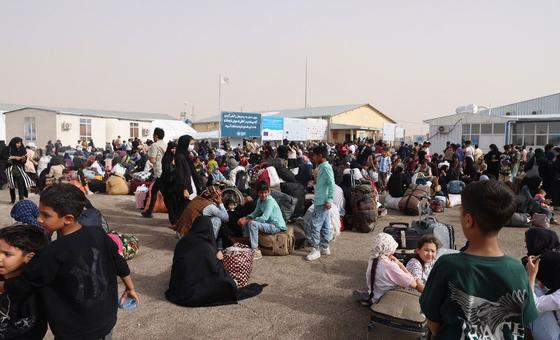
According to UN agencies, waves of returns from Pakistan and Iran – including both refugees and those in refugee-like situations – have increased pressure on services, especially in border provinces ill-equipped to absorb new arrivals.

These returns, many of them involuntary or under duress, have heightened protection risks and left thousands of families in urgent need of food, shelter and basic services.

The 2025 Humanitarian Needs and Response Plan for Afghanistan – which seeks $2.4 billion to assist nearly 17 million people – is only 22 per cent funded as of early July, raising concerns among aid officials about maintaining life-saving programs in the months ahead.

The resolution called on all donors and stakeholders to “reconsider any decisions that may lead to reductions in such assistance, taking into account the potential adverse humanitarian consequences for the most vulnerable populations.”

Governance and accountability

The Assembly also reiterated concern over the lack of political inclusion since the Taliban takeover in August 2021.

It raised alarm over extrajudicial punishments, such as reprisals and summary executions, enforced disappearances and arbitrary detentions, including those targeting former members of the security personnel.

While the Assembly acknowledged the Taliban’s limited steps to reduce opium cultivation, it stressed the need for comprehensive counter-narcotics measures and efforts to combat organized crime and illicit arms trafficking.

UN General Assembly votes on the draft resolution on Afghanistan.

A call for collective responsibility

The resolution expressed appreciation to major refugee-hosting countries – particularly Pakistan and Iran – and called for more equitable burden-sharing and international cooperation to support displaced Afghans and the communities that host them.

It underlined the importance of creating conditions for the safe, dignified and voluntary return of refugees and internally displaced persons, as well as their sustainable reintegration.

Source link

‘Cooperation is humanity’s greatest innovation,’ UN chief declares at BRICS summit

Speaking at the 17th BRICS summit in Rio de Janeiro, Brazil, he emphasised the human impact of environmental devastation and climate change.  And as environmental disasters increase, the sustainable development goals are also being left behind.  

Across the world, lives and livelihoods are being ripped apart, and sustainable development gains left in tatters as disasters accelerate,” Mr. Guterres said. 

The impact on human health is atrocious…the vulnerable and the poorer pay the highest price.” 

BRICS was founded by Brazil, Russia, India and China in 2006. South Africa joined in 2011 and Egypt, Ethiopia, Indonesia, Iran, Saudi Arabia and the United Arab Emirates joined the group since. Collectively, these eleven States represent over half of the world’s population and approximately one-third of the world’s GDP.  

Artificial intelligence must benefit all

On Sunday, Mr. Guterres addressed a session on strengthening multilateralism, economic-financial affairs and artificial intelligence, where he called for efforts to “minimize the risks and maximize the potential” of the breakthrough technology.

Artificial intelligence is reshaping economies and societies. The fundamental test is how wisely we will guide this transformation, how we minimize the risks and maximize the potential for good,” he said.  

To maximize the potential, the Secretary-General argued that AI cannot be “a club of the few but must benefit all,” calling for the “real voice” of developing countries to be included in global AI governance.

He also said that human rights and equity must be the guiding principles which shape any international governance structure for AI.  

“We cannot govern AI effectively – and fairly – without confronting deeper, structural imbalances in our global system,” he said.  

Collaboration is key

UN Secretary-General António Guterres stressed the need for peace amid conflicts in Gaza, Ukraine, Sudan and Myanmar.

He called for urgent reform of global institutions, noting that bodies like the Security Council and international financial systems were “designed for a bygone age, a bygone world, with a bygone system of power relations.”

“The reform of the Security Council is crucial,” he said, highlighting also calls from the recent financing for development conference in Sevilla.

Priorities include greater voice for developing countries in global governance, effective debt restructuring, and tripling multilateral bank lending – especially in concessional and local-currency terms.

Call for reform

Mr. Guterres concluded his remarks highlighting the power of cooperation and trust.

At a time when multilateralism is being undermined, let us remind the world that cooperation is humanity’s greatest innovation,” he said.

Let us rise to this moment – and reform and modernize multilateralism, including the UN and all the systems and institutions to make it work for everyone, everywhere.” 

Source link

Ukraine: UN refugee agency helps repair homes amid ongoing conflict

In the fourth year of Russia’s full-scale invasion of Ukraine, housing remains one of the country’s most urgent humanitarian and recovery challenges. The destruction has been widespread and ongoing.

According to the latest Rapid Damage and Needs Assessment, 13 per cent of Ukraine’s housing stock has been damaged since February 2022, impacting an estimated 2.5 million families.

More than buildings 

In coordination with Ukrainian authorities and partners, UNHCR has invested over $114 million in durable housing solutions since July 2022, supporting both durable home repairs and emergency shelter assistance.

“By helping repair houses and apartments, we are enabling people to stay in or return to their homes – places that hold profound meaning, often passed down through generations,” said Karolina Lindholm Billing, UNHCR’s representative in Ukraine.  

“These are not just buildings. These are treasured spaces where couples raised their children, families celebrated milestones, cared for older relatives and built their lives together,” she said.

UNHCR’s support includes a range of solutions: contracting local builders, providing construction materials or offering cash assistance to homeowners. 

Repairs may include roofs, windows, insulation and in some cases, major reconstruction. The agency also helps restore common areas in apartment buildings.

Emergency shelter and long-term needs

UNHCR also provides emergency shelter kits – tarpaulin, wooden boards, nails and other materials – to help protect homes from further weather damage.  

Since 2022, more than 470,000 people have received such kits.

With millions still internally displaced – many from areas under temporary occupation and with little prospect of return – UNHCR supports broader shelter options, including restoring social housing, repairing rural homes and refurbishing collective centres for the most vulnerable. 

Source link

South Sudan’s longest cholera outbreak enters critical stage

The outbreak – which started in September 2024 and was confirmed a month later – comes amidst a protracted humanitarian crisis exacerbated by rising intercommunal violence, climate shocks such as flooding and catastrophic hunger.  

“Now, more than ever, collective action is needed to reduce tensions, resolve political differences and make tangible progress in implementing peace,” said Anita Kiki Gbeho, UN Resident and Humanitarian Coordinator in South Sudan.  

Alarming escalation

Since the cholera outbreak was declared in October 2024, UN agencies and partners have documented over 80,000 cholera cases and 1,400 deaths.  

This is in addition to regional outbreaks of mpox, hepatitis and measles among other communicable diseases.

South Sudanese authorities, civil society and UN agencies held an inter-ministerial meeting on Monday to discuss what they called an “alarming escalation” in the spread of the outbreak. 

“This is not merely a public health crisis, but a multi-sectoral emergency exacerbated by flooding, displacement, and limited access to basic services,” the ministers wrote in a communiqué released.  

The group resolved to facilitate unimpeded humanitarian access to areas which already have outbreaks and to other areas at risk for outbreaks. The Government of South Sudan will coordinate these efforts.

Partners will also work to preposition materials, improve water and sanitation infrastructure and coordinate proactive and reactive vaccination campaigns.  

Time is running out

With the peak of the rainy season on the horizon, the next eight weeks are critical in containing and mitigating the outbreak before severe flooding begins.  

“Time is of the essence to prevent a further escalation of the outbreak,” the officials wrote.  

Floods more than double the frequency of cholera outbreaks by imperiling access to clean water and impeding humanitarian access to affected areas. And with rising global temperatures making floods more severe, millions of South Sudanese who were not previously in regions of concern may now be at risk for cholera outbreaks.

A preventable disease  

Cholera is an acute diarrhoeal infection caused by consuming contaminated water or food. Although highly communicable, it is preventable through proper hygiene, regular handwashing, safe food preparation and storage, improved sanitation infrastructure, and vaccination.

Symptoms typically include watery diarrhoea. Most cases are mild to moderate and can be treated effectively with oral rehydration salts (ORS) mixed with clean, boiled water.

However, in severe cases, cholera can be fatal—sometimes within hours—if not treated promptly.

Infected individuals can also transmit the disease through their faeces for up to ten days, even if they show no symptoms.

Need for additional funds

In South Sudan, the already inadequate water and sanitation infrastructure and overstretched public health system has further deteriorated as a result of displacement and conflict. This has ripened the conditions for the spread of cholera.

The UN and its partners are working quickly to preposition emergency supplies, especially in these previously low-risk areas, but they are hampered by funding shortfalls. Agencies estimate that they will need $1.69 billion – of which they have only received $368 million – to address the many intersecting humanitarian needs in the country.  

Nevertheless, the group of ministers insisted that this outbreak is and must remain a priority for all involved.

“Cholera response and flood preparedness must be treated as urgent national priorities,” they said in the communiqué. 

Source link

Gaza: Hospitals rationing critical supplies, ambulances stalling

What little fuel remains is powering essential operations, but it is running out fast, and there are virtually no additional accessible stocks left, UN Spokesperson Stéphane Dujarric said, citing reports from the UN relief coordination office, OCHA.  

“Hospitals are rationing. Ambulances are stalling. Water systems are on the brink. And the deaths this is likely to cause could soon rise sharply unless the Israeli authorities allow new fuel to get in,” said Mr. Dujarric.

“We need fuel urgently and we need it in large quantities to power the most essential parts, notably water desalination, hospitals and telecommunications,” he added, noting fuel has not entered the enclave in the last few months.

Khan Younis displacement

Meanwhile Israeli forces continue to attack civilian infrastructure in Gaza and issue new displacement orders.

On Tuesday, such orders were issued for parts of Khan Younis, specifically ordering those staying in tents to move, Mr. Dujarric reported.

The map published alongside the order indicates that some areas included had not been subject to displacement orders since before the March ceasefire, he said.

“The issuance of a displacement order does not relieve any party from the imperative to spare civilians, including those who are unable or unwilling to move.”  

Safeguard hospitals

Mr. Dujarric also reiterated the UN World Health Organization’s (WHO) call to protect the Nasser Medical Complex in Khan Younis, warning that the hospital is overwhelmed with trauma injuries at double its capacity.  

In a video message sent from the hospital on Monday, Rik Peeperkorn, WHO representative in the Occupied Palestinian Territory, said the facility is running critically low on trauma supplies, essential medicines, equipment and fuel, and that staff are exhausted.

Humanitarian movements

Meanwhile, OCHA reported that humanitarian movements inside Gaza remain heavily restricted: only four out of 12 attempts on Monday to coordinate movements with the Israeli security authorities were fully facilitated, and just one delivered supplies.

Four more attempts were rejected by Israeli authorities, halting efforts to evacuate patients, retrieve disabled trucks or clear debris.  

Although the remaining four were initially approved, ground-level impediments ultimately undermined the ability to carry out the missions.

Source link

UN summit confronts AI’s dawn of wonders and warnings

The AI for Good Global Summit 2025 brings together governments, tech leaders, academics, civil society and young people to explore how artificial intelligence can be directed toward Sustainable Development Goals (SDGs) – and away from growing risks of inequality, disinformation and environmental strain.

We are the AI generation,” said Doreen Bogdan-Martin, chief of the International Telecommunications Union (ITU) – UN’s specialized agency for information and communications technology – in a keynote address.

But being part of this generation means more than just using these technologies.

It means contributing to this whole-of-society upskilling effort, from early schooling to lifelong learning,” she added.

Warnings on AI risks

Ms. Bogdan-Martin warned of mounting dangers in deploying AI without sufficient public understanding or policy oversight.

The biggest risk we face is not AI eliminating the human race. It is the race to embed AI everywhere, without sufficient understanding of what that means for people and our planet,” she said.

Her remarks reflected a growing sense of urgency among policymakers and technologists, as new “agentic AI” systems capable of autonomous reasoning and action emerge at unprecedented speed.

With some experts predicting human-level AI within the next three years, concerns about safety, bias, energy consumption and regulatory capacity have intensified.

Tech on display at the AI for Good Global Summit.

Tech on display

The summit’s agenda reflects these tensions.

Over 20,000 square meters of exhibit space at Geneva’s Palexpo now hosts more than 200 demonstrations, including a flying car, a fish-inspired water quality monitor, brain-computer interfaces and AI-driven disaster response tools.

Workshops throughout the week will tackle topics ranging from AI in healthcare and education to ethics, gender inclusion and global governance.

One highlight will be the AI Governance Day on Thursday, where national regulators and international organizations will address the gap in global oversight. An ITU survey found that 85 per cent of countries lack an AI-specific policy or strategy, raising alarms about uneven development and growing digital divides.

Focus on health

Health is a prominent theme this year.

On Wednesday, the UN World Health Organization (WHO) will lead a session titled “Enabling AI for Health Innovation and Access,” bringing together technologists, regulators, clinicians and humanitarian leaders to address how AI can improve healthcare delivery – especially in low-resource settings.

Real-world applications – from AI-powered triage in emergency care to diagnostic tools for rural clinics – will be spotlighted, alongside a preview of WHO’s forthcoming Technical Brief on AI in Traditional Medicine.

Experts will also examine the challenges of interoperability, regulatory harmonisation and intellectual property rights at the intersection of AI and global health. The summit will feature the AI for Good Awards, recognising groundbreaking projects that harness AI for public benefit, with categories spanning people, planet and prosperity.

Tech on display at the AI for Good Global Summit in Geneva.

Launchpad for action

The health track exemplifies the summit’s core goal: ensuring AI serves the public good, especially in areas of greatest need.

Youth-led robotics teams from underserved communities will present solutions for disaster recovery and waste management, while startups compete in the Innovation Factory to showcase AI tools for education and climate resilience.

Live demonstrations include an autonomous orchard robot, a self-sanitising mobile toilet and a drone-eDNA system for scalable biodiversity and pest monitoring.

Closing her keynote, Ms. Bogdan-Martin reminded participants that the future of AI is a shared responsibility.

Let’s never stop putting AI at the service of all people and our planet,” she said.

Source link

UN warns of worsening humanitarian crisis in Sudan as displacement, hunger and disease escalate

The situation is particularly dire in El Fasher, the capital of North Darfur province, which has witnessed some of the worst episodes of the ongoing conflict between rival militaries.

Those remaining in El Fasher are facing “extreme shortages” of food and clean water, with markets repeatedly disrupted, UN Spokesperson Stéphane Dujarric told journalists at the regular news briefing in New York.

Across the city, nearly 40 per cent of children under five are suffering from acute malnutrition, including 11 per cent with severe acute malnutrition.

Most of the surrounding water infrastructure has also been destroyed or rendered non-functional due to minimal maintenance and fuel shortages, Mr. Dujarric added.  

El Fasher displacement

Since April 2023, an estimated 780,000 people have been displaced from El Fasher town and the nearby Zamzam displacement camps, including nearly 500,000 in April and May of this year.

Famine conditions have been confirmed in the area since last August.

About three-quarters of Zamzam camp’s residents fled to various locations across Tawila, where the UN and its partners have scaled up critical humanitarian assistance.

Cholera outbreak continues

Mr. Dujarric further warned that the breakdown of water and sanitation services, combined with low vaccination coverage, has sharply increased the risk of disease outbreaks, including cholera.

So far this year, Sudan has reported more than 32,000 suspected cholera cases.

According to the UN Office for Coordination of Humanitarian Affairs (OCHA) cholera cases continue to rise across Darfur, with over 300 suspected cases and more than two dozen deaths reported in South Darfur state last week alone.

“Conflict and collapsing infrastructure continue to drive the spread of the disease and impede response efforts,” Mr. Dujarric stressed.

Unprecedented and complex crisis

Since war erupted between the former allies-turned-rivals, the Sudanese Armed Forces (SAF) and Rapid Support Forces (RSF) in April 2023, tens of thousands of civilians have been killed and more than 12 million forced to flee their homes – including approximately four million as refugees in neighbouring countries.

The crisis is unfolding against a backdrop of extreme vulnerability, as the country remains highly susceptible to the impacts of climate change and disasters.

From severe droughts to deadly floods, the compounded effects of conflict and environmental instability are pushing communities to the brink, leaving them struggling to survive. Famine has already been declared in some parts of the country, putting millions of lives at risk.

Lack of resources hamstring response

Despite growing needs, the $4.2 billion humanitarian response plan for 2025, which aims to assist around 21 million of the most vulnerable people, remains only 21 per cent funded, having received $896 million so far.

Tom Fletcher, UN Under-Secretary-General for Humanitarian Affairs, underscored the gravity of the situation in El Fasher.

Civilians in the area remain cut off from aid and face the risk of starvation, he said in a post on social media.

Appealing for an urgent humanitarian pause, he warned that “every day without access costs lives.” 

Source link

Srebrenica, 30 years on: UN officials and survivors call for truth, justice and vigilance

“I have survived a genocide,” said Munira Subašić, whose youngest son – her favourite – and 21 other family members were murdered in the July 1995 Srebrenica massacre.

“And the world and Europe was just watching in silence.”

Now president of the Mothers of Srebrenica and Žepa, Ms. Subašić spoke at a special commemoration, urging global leaders not to forget the past and to deliver justice for the victims and survivors.

When you kill a mother’s child, you have killed a part of her,” Ms. Subašic said.

Europe’s worst atrocity since World War II

The 1995 genocide, perpetrated by the Bosnian Serb army, led to the killing of at least 8,372 men and boys, the displacement of thousands and destruction of entire communities in Srebrenica – which had been designed a “safe area” by the UN Security Council.

A small and lightly armed unit of Dutch peacekeepers under the UN flag were unable to resist the large Bosnian Serb force, which overran the town of Srebrenica.

The massacre has been formally recognized as genocide by both the International Court of Justice (ICJ) and the International Criminal Tribunal for the former Yugoslavia (ICTY).

Last year, the General Assembly designated 11 July as the International Day of Reflection and Commemoration for the 1995 Genocide in Srebrenica.  

An exhibition marking the 30-year anniversary of the 1995 genocide in Srebrenica is held at UN headquarters in New York.

Remember and honour the victims 

Speaking on behalf of UN Secretary-General António Guterres, Chef de Cabinet Courtenay Rattray paid tribute to those who lost their lives and to the courage of their families. 

Today we remember and honour the victims. We pay tribute to the strength, dignity and resilience of the survivors,” he said.      

Mr. Guterres, in his message, said the international community must continue to stand against hatred, division, and denial.

Only by recognizing the suffering of all victims can we build mutual understanding, trust, and lasting peace,” he said. “We must ensure the voices of Srebrenica survivors continue to be heard – countering denial, distortion and revisionism.”  

The dangers of forgetting  

UN officials expressed concern over ongoing efforts to deny the genocide and glorify those convicted of war crimes. They warned that such narratives can fuel division and hinder reconciliation.

Education remains our strongest defence against the erosion of memory,” said Philémon Yang, President of the General Assembly. “We must not only remember history, but learn from it so that tragedies like Srebrenica are never repeated.”

Learning from the past is especially important today – the Secretary-General noted that the same “dangerous currents” which led to the genocide in Srebrenica are present again in the world today.  

After Srebrenica, the world said – once again – ‘Never Again.’ Yet, hate speech is on the rise again, fuelling discrimination, extremism and violence,” Mr. Guterres said.

A family scattered

Mirela Osmanović, a young professional at the Srebrenica Memorial Center, was born after the genocide but lives with its impact. Two of her brothers were killed. Some of their remains were found, but parts of their bodies are still missing. Their absence, she said, weighs on her family daily.

My parents forbade themselves any joy while their sons, my brothers, lay somewhere in the ground, incomplete, scattered across mass graves – as if every smile would be betrayal, as if happiness might mean forgetting.”

The pain of this loss is always with her family even as the world promised that Srebrenica would never happen again.  

“We were given words, resolutions, statements, solemn promises of ‘never again,’” she said. “And yet, 30 years later, we are still asking what does ‘never again’ mean?”

A new generation, still asking questions

Ms. Osmanović speaks frequently with young people around the world who ask what happens when violence ends.

“What happens when the headlines fade, when the graves are found and facts are clear? Does justice follow?”

Her answer is that justice does not follow often enough.  

Justice if it comes too late or only on paper cannot restore trust. And peace without dignity is not peace at all.”

Years of commemoration

In 2015, UN News spoke to Adama Dieng, the Secretary-General’s special advisor on the prevention of genocide, who underlined the importance of remembering the Srebrenica genocide. 

Source link

Human rights must anchor the digital age, says UN’s Türk

Digital technologies have the potential to drive progress and strengthen rights, including connecting people, improving access to health and education, and much more.

But the pace of their evolution also poses serious risks, warned Volker Türk, UN High Commissioner for Human Rights – from restrictions on free expression and privacy violations to discrimination and growing threats to our shared sense of truth and reality.

It is precisely in the face of massive change, that we need more human rights, not less,” he said on Monday, addressing a high-level event on the twentieth anniversary of the World Summit on the Information Society (WSIS) in Geneva.

Prioritising rights

In this time of sweeping change, human rights must be prioritised and used as the blueprint for action.

States’ legal obligations and companies’ duties to respect human rights offer guidance to tackle disinformation and protect our data from illicit use,” Mr. Türk stressed.

Such guidance also helps counter algorithmic bias, digital hate speech, and fosters trust and inclusive digital decision-making.

Role of WSIS

Founded in 2001, the inaugural WSIS was held in two phases in December 2003 (Geneva) and November 2005 (Tunis).

Since then, the forum has brought together diverse stakeholders to collaborate on digital governance and promote a digital landscape that is people-centred, inclusive and development-oriented.

“[The WSIS] helped create a space for States, technology companies, civil society, and others to harness the power of information and communication technologies for development,” said Mr. Türk.

Looking forward

The High Commissioner stressed that the coming months will see critical decisions on regulating the digital sphere, including new UN mechanisms on AI and data governance.

We have a window of opportunity to make a difference,” he concluded.

“We must join forces – States, technology companies, international organizations, civil society, and others – to work towards an inclusive and open digital environment for everyone, everywhere.”

Source link

UN rights office urges restraint in Kenya as fresh protests turn deadly

Office spokesperson Ravina Shamdasani cited Kenyan police reports of at least 11 deaths, 52 injured police officers, and 567 arrests. The Kenya National Commission on Human Rights reported slightly different figures: at least 10 fatalities, 29 injuries, 37 arrests, and two abductions.

Protests erupted in 16 counties, with police reportedly using live ammunition, rubber bullets, tear gas and water cannons.

Ms. Shamdasani also noted reports of looting and destruction of public and private property in several locations.

Crisis escalation

This week’s violence follows the deaths of 15 protesters and hundreds of injuries during demonstrations on 25 June in Nairobi and elsewhere.

Those protests were initially triggered by the anniversary of last year’s anti-tax demonstrations, which left at least 60 deaths and dozens allegedly abducted by the police.

The protests on Monday marked the 35th anniversary of the 1990 Saba Saba protests, which paved the way to multi-party democracy in Kenya.

Call for accountability

Ms. Shamdasani said that UN High Commissioner for Human Rights Volker Türk, “repeats his call for all reported killings and other alleged violations and abuses of international human rights law, including with respect to use of force, to be promptly, thoroughly, independently and transparently investigated.

She noted that Kenyan police announcement of an investigation into the 25 June incidents and added that the UN human rights office stands ready to support national authorities in their efforts, including on the investigations.

She stressed that under international law, law enforcement may only use lethal force when strictly necessary to protect life from an imminent threat.

High Commissioner Türk also renewed his call for calm, restraint, and full respect for the rights to freedom of expression, association, and peaceful assembly.

It is essential that legitimate grievances at the root of these protests are addressed,” Ms. Shamdasani said.

Source link

UN chief ‘deeply saddened’ by devastating Texas floods as toll climbs past 80

In a statement issued on Monday by his spokesperson, António Guterres said he was “deeply saddened by the tragic loss of life, notably of a large number of children,” during what should have been a time of celebration.

Friday, 4 July, marked Independence Day in the United States – a time when families and communities traditionally gather for outdoor celebrations.

The Secretary-General extended his “heartfelt condolences to the families of the victims” and expressed solidarity with all those affected, including the people of Texas and the government of the United States.

According to media reports, the floods – triggered by heavy rainfall over the July Fourth weekend – caused massive damage in parts of central Texas, particularly along the Guadalupe River. The deluge struck Camp Mystic, killing at least 27 campers and counselors.

Catherine Russell, Executive Director of the UN Children’s Fund (UNICEF), said in a post on social media that “all of us at UNICEF are heartbroken at the reports coming out of Central Texas.”

Our hearts and thoughts are with those mourning loved ones and those still waiting for news of the missing, including children,” she said.

Search and recovery efforts continue as the region braces for more rain, according to media reports.

Source link

First Person: Japanese UN volunteer ‘motivated by the passion of others’ to support peace

Haruki Ume spoke to UN News at the UN Pavilion at Expo 2025 currently being held in the Japanese city of Osaka.

One section of the pavilion features a rotating presentation focusing on a specific UN agency or entity and recently, attention turned to the UN Volunteers programme.

“As a 17-year-old, I travelled to the United States on an educational exchange programme and my main motivation was to play baseball and experience American culture.

I met a lot of other people from Africa and Asia as well as Europe and I was shocked and then impressed by their passion and motivation to support their villages and communities back home.

One boy from Azerbaijan told me he was selected for the exchange from over 100 applicants as the only student from his country. As a result, he said that he had a responsibility not to waste his time and represent all those other applicants and his country to the best of his ability.

Haruki Ume plays with two boys during a visit to the Philippines in 2017.

It was at this moment that I decided that I wanted to contribute more to society and so I started studying development issues. I travelled as much as I could during my vacations, to places like Cambodia, the Philippines, India, Peru, Egypt and Uganda.

As a volunteer, I supported education and other initiatives during the field missions and was really driven by helping people who were less fortunate than I.  I also learnt a lot from these people, so I definitely valued it an exchange of experiences and knowledge.

Understanding the outside world

I was raised in a small town in rural Japan where there were no foreigners. People grow up, work and die there and many do not ever experience foreign cultures or really understand the outside world.

A UN Volunteers staff member explains the role of the organization to visitors at the UN Pavilion.

I remember being nervous about speaking English and eating food that I was not used to, but I was keen to break through these personal barriers and broaden my world.

Being open to new experiences has made it easier to adapt to other cultures and this understanding promotes peace and friendship and ultimately international cooperation.

I have been working at the UN Pavilion at Expo 2025 to promote the UN and the work of UN Volunteers. I’m doing this in the spirit of building cooperation and creating positive change in the world.

Expo 2025 is bringing the world to Osaka and is providing the opportunity for Japanese people to discuss how we can work together more effectively to create a fairer and more peaceful world.”

The UN and volunteering

  • Headquartered in Bonn, Germany, UNV was established 1970 and is active in around 169 countries and territories every year.
  • In 2024, UNV deployed over 14,500 volunteers to almost 60 UN entities across the world.
  • They serve in diverse roles including: community development, human rights, humanitarian assistance, peacebuilding, medical services and communications.
  • 2026 has been designated by the UN as the International Year of Volunteers
  • Become a UN Volunteer

Source link

UN chief condemns Russian strikes on Ukraine, warns of nuclear safety risk

In a statement issued by his spokesperson, António Guterres expressed alarm over the dangerous escalation and the rising toll on civilians.

He reiterated that attacks against civilians and critical infrastructure are prohibited under international law and called for an immediate and unconditional ceasefire.

“These strikes disrupted the power supply to the Zaporizhzhia Nuclear Power Plant, once again underlining the ongoing risks to nuclear safety,” UN Spokesperson Stéphane Dujarric said.

“The Secretary-General reiterates his call for a full, immediate and unconditional ceasefire in Ukraine as a first step towards a just, comprehensive and sustainable peace, in line with the UN Charter, international law and relevant UN resolutions.”

Fragile situation

The airstrikes on Friday severed the nuclear plant’s last external power connection, forcing the ZNPP to rely on emergency diesel generators for more than three hours, according to the International Atomic Energy Agency (IAEA).

Power was eventually restored, but the incident marked the ninth time the plant has lost all off-site electricity since the full-scale invasion began in 2022.

Rafael Mariano Grossi, Director General of the nuclear watchdog, warned that the situation remains extremely fragile.

“What was once virtually unimaginable – that a major nuclear power plant would repeatedly lose all of its external power connections – has unfortunately become a common occurrence,” he said.

Nuclear safety deterioration

Located in southern Ukraine, the Zaporizhzhia plant is the largest nuclear power facility in Europe. Although its six reactors have been in cold shutdown since 2024, they still require electricity to cool reactor cores and spent fuel pools to prevent overheating and potential radioactive release.

During the blackout, 18 diesel generators were activated to maintain critical cooling functions. The plant has enough diesel on site for at least ten days, with contingency plans in place to secure further supplies if needed, IAEA reported.

The ZNPP has become dramatically more vulnerable since the war began. Prior to the conflict, it had access to ten external power lines; it now relies on just one.

IAEA teams remain based at the site and continue to monitor the situation closely.

Source link

‘A spirit of oneness’: Cooperatives cultivating peace in South Sudan

“Cooperatives are a system that enables the South Sudanese to improve their livelihoods, but at the same time also contributes to the economy… this is the only way for South Sudan to move out of poverty,” said Louis Bagare project manager of cooperatives at the Food and Agriculture Organization (FAO) in South Sudan.

He was speaking ahead of the International Day of Cooperatives, which is celebrated every 5 July, and which highlights how cooperatives enable people to provide for their basic needs in contexts where individuals working alone is insufficient.

A path to peace

In South Sudan, the potential of cooperatives extends beyond economic empowerment.

A farmer in South Sudan tills her land.

 “Cooperatives are one of the avenues that can bring peace and stability to South Sudan,” said Mr. Bagare.

For over a decade, South Sudan has faced many intersecting challenges. Following its independence in 2011, a civil war broke out, concluding in 2018 with a peace agreement. But this peace is more fragile than ever.

Looting and intercommunal violence, mainly perpetrated by young people, continues to be an ever-present concern for many communities which already face catastrophic food insecurity and continual climate shocks.

In this context, cooperatives provide a ray of hope.

“Cooperatives really changed the mindset of our people and brought stability to the country,” said Deng William Achiek, director for rural producers in South Sudan’s Ministry of Agriculture and Food Security.

But what is it about cooperatives that may usher in a lasting peace?

A voluntary and democratic group

Cooperatives are voluntary economic organizations in which members share in the risk, work and income.

“A cooperative is a democratic, social association of people who, as individuals, cannot improve their status of living and social status … But once they come together in a cooperative, then, they can raise the standard of their living,” said Oneil Yosia Damia, the Director-General for Cooperative Development in South Sudan.

A cooperative of women farmers in South Sudan has been trained in seed production by FAO.

FAO’s Louis Bagare believes that this sort of democratic approach to governance at a local level will trickle up to the national level and encourage more widespread buy-in to a democratic form of governance across South Sudan.

Income, not guns

In addition to providing a model of democratic governance, cooperatives also enable economic growth and development, providing communities — especially young people — a viable and sustainable alternative to looting.

“When, especially the youth, are engaged in productive activities that generate income, they will not have the interest to pick a gun to go and fight or to rob and loot,” Mr. Bagare said. 

In South Sudan, the communities which form cooperatives often do not have enough individual resources to maintain a sustainable livelihood, a reality which pushes youth towards violent looting for survival.

“When [community members] work together, when they bring ideas together, when they bring resources together, it is much easier for them to overcome their livelihood challenges,” Mr. Bagare said.

Mr. Bagare also explained that banks are more willing to invest in groups and organizations like FAO are more likely to provide support to cooperatives. But ultimately, the goal is that this will not be long-term.

“The focus is on building their capacity so that they can be able to create lives,” Mr. Bagare said.

A historic structure in the world’s youngest country

In South Sudan, there are cooperatives of every shape and size. Overwhelmingly, these cooperatives are agricultural but some also produce soap, bread and textiles. The history of South Sudan is populated with examples of this type of work.

“Cooperatives are not something which has come from nowhere. It has been part of the culture of South Sudan,” Mr. Bagare said.

Mr. Daima referred to the “golden era” of cooperatives which existed before the civil war in 2011. He said that his office within the Ministry of Agriculture and Food Security is working diligently to get back to that time.

“I want our cooperatives to be as busy as bees. This is the spirit of oneness, of unity,” Mr. Daima said.

Mr. Bagare hopes for a future in South Sudan where cooperatives become a part of every economic sector — not just agriculture.

“If we are able to work together, we can become better people tomorrow. But the moment that we continue to only fight with each other, we will continue to destroy ourselves.”


Source link

Shelter and safety elude Afghan women returnees from Iran and Pakistan

Since September 2023, more than 2.43 million undocumented Afghan migrants have returned from Iran and Pakistan.

Women and girls account for about half of the returnees from Pakistan, while their share among those returning from Iran has been steadily rising, reaching around 30 per cent in June.

The escalating pace of returns is straining Afghanistan’s overstretched humanitarian system, with women and girls bearing the brunt of the impact, reported the Gender in Humanitarian Action Working Group, a consortium of humanitarian actors led by UN Women and the UN reproductive health agency (UNFPA).

Vulnerabilities at the border

Women and girls are arriving with little protection or support.

“A tent would be my only protection. I have no appropriate clothes or hijab to wear, no food to eat, no contact number and no relatives to stay with,” one woman told UN Women at the border.

Those traveling without a mahram – a male guardian – face particular risks. Interviews and discussions conducted by Working Group revealed reports of extortion, harassment and threats of violence at border crossings.

“They took 6,000 rupees (about $21) and gave me only 2,000 back. Now, I do not know where to go with this money,” said a woman at Torkham. In Islam Qala, others reported “mistreatment and harassment…causing fear and distress.”

Heightened protection risks

Returnees face rising exposure to gender-based violence, early and forced marriage, trafficking and transactional sex – exacerbated by a lack of basic resources.

A humanitarian worker in Kandahar recounted: “A widow with four daughters was looking to see if she could sell one or two daughters to someone here to have money for survival.”

Humanitarian agencies report a critical shortage of safe spaces and Mental Health and Psychosocial Support Services (MHPSS), especially at border crossings, where many women arrive distressed and disoriented.

Shelter, livelihoods and education

Across provinces, women cite shelter, livelihoods and girls’ education as top needs.

“We need a place to stay, a chance to learn and a way to earn,” said a returnee woman in Nangarhar province.

Only 10 per cent of women-headed households live in permanent shelters, and nearly four in ten fear eviction. In Herat, 71 per cent of women reported rent disputes, and 45 per cent of women-headed households were living in inadequate housing.

“Many families lack sufficient financial resources to afford food and basic necessities,” said a woman in Herat.

Women who previously worked in trades such as tailoring or handicrafts now struggle to restart due to a lack of tools, restrictions on movement, and limited networks or documentation.

Looking ahead

With forced returns expected to continue, humanitarian agencies urge the scale-up of gender-responsive services, including safe spaces, mental health care, livelihood support and education access.

UN Women and its partners are calling for increased funding and sustained international support to meet the urgent and long-term needs of Afghan returnee women and girls.

Source link

UN Human Rights Council hears grim updates on Ukraine, Gaza and global racism

Escalating conflict in Ukraine

In an oral update, Ilze Brands Kehris, UN Assistant Secretary-General for Human Rights, reported a sharp escalation in hostilities in Ukraine.

Civilian casualties have surged, with April to June seeing nearly 50 per cent more deaths and injuries compared to the same period in 2024.

“More than 90 per cent of these casualties occurred in territory controlled by Ukraine,” she said, attributing the spike in part to intensified Russian drone and missile attacks.

Attacks using airburst warheads and repeated strikes on hospitals have instilled “terror and anxiety” among urban populations, she added. A June 16-17 nighttime attack in Kyiv killed more civilians than any other assault in the past year.

While ceasefire negotiations have produced some humanitarian gains – such as the exchange of prisoners of war and the return of deceased soldiers – Ms. Kehris underscored harrowing conditions in detention.

Over 117 former Ukrainian POWs interviewed by the UN rights office, OHCHR, reported torture, including sexual violence, in Russian captivity. Though less widespread, similar abuses have also been documented in unofficial Ukrainian detention facilities, prompting calls for transparent investigations.

The report also noted ongoing human rights violations in territories occupied by Russia, including restrictions on civic space and the exercise of freedom of expression.

“Peace is more imperative than ever,” Ms. Kehris said, reiterating calls for an immediate cessation of hostilities in line with international law.

Structural racism and intersectionality

Ashwini K.P., Special Rapporteur on contemporary forms of racism, delivered a thematic report focused on intersectionality as a tool for racial justice.

Drawing from experiences of Black feminists and expanded by studies focusing on Dalit, Indigenous, Muslim and Roma community members, the concept of intersectionality was presented as essential to dismantling systemic discrimination.

“Women of African descent, caste-oppressed communities, Roma, Arab and Muslim women, and other marginalized groups are disproportionately impacted due to overlapping forms of discrimination,” Ms. Ashwini said.

Her report detailed how states can integrate an intersectional approach, emphasising data disaggregation, participatory policymaking, legal recognition of multiple discrimination and historical accountability.

Ms. Ashwini highlighted the importance of reparatory justice for communities affected by colonialism and slavery and called on states – particularly those historically complicit – to implement bold reforms.

People search through the rubble of a destroyed building in the central Gaza Strip.

Deepening crisis in Gaza

Francesca Albanese, Special Rapporteur on the situation of human rights in the Palestinian territories occupied since 1967, also reported to the Council, with grim update on Gaza.

She described conditions as “apocalyptic” and reported over 200,000 people killed or injured since 7 October 2023, when Hamas and other Palestinian armed groups attacked Israeli communities – killing at least 1,200 people and taking more than 250 as hostages.

“In Gaza, Palestinians continue to endure suffering beyond imagination,” Ms. Albanese said, describing the Israeli-backed Gaza Humanitarian Foundation as a “death trap – engineered to kill or force the flight of a starved, bombarded, emaciated population marked for elimination.”

She also accused Israel of using the conflict as an opportunity to test new weapons and technology against the population of the enclave “without restraint”.

“The forever-occupation has provided an optimal testing ground for arms manufacturers and big tech with little oversight and zero accountability – while investors, and private and public institutions have profited handsomely,” she said.

“We must reverse the tide,” Ms. Albanese urged, calling on Member States to impose a full arms embargo on Israel, suspend all trade agreements and investment relation and enforce accountability, “ensuring that corporate entities face legal consequences for their involvement in serious violations of international law.”

Independent rights experts

Special Rapporteurs are independent human rights experts appointed and mandated by the Human Rights Council – the UN’s highest intergovernmental forum on human rights.

Forming a part of its Special Procedures, Special Rapporteurs and other independent experts are mandated to monitor and assess the rights situation in certain thematic or country situations.

They work in their individual capacity, are not UN staff and do not receive a salary. 

Source link

Landless and locked out: Young farmers struggle for a future

However, this creates challenges by limiting land access for the next generation and diminishing their voice in agricultural policymaking. Without land assets, young people struggle to secure the resources needed to become agricultural producers themselves.

Between 2005 and 2021, the number of youth employed in agrifood jobs declined by 10 per cent, prompting concerns for food production worldwide.  

This is the challenge, examined by the UN Food and Agriculture Organization (FAO)’s inaugural report on youth in agrifood systems examines. Released on Thursday, the report offers insights into the status of youth producers and the challenges they face.  

“Because youth are the next generation of producers, consumers, processors of food, service providers, it is really important to understand how they can benefit from and contribute to agrifood systems,” said Lauren Phillips, deputy director of rural transformation and gender equality at FAO.  

Key agents of change

With over 1.3 billion people worldwide between the ages of 15-24 – and 46 per cent of them living in rural areas – youth can be “key agents of change” for the agrifood sector, which is responsible for producing, processing and transporting the food that sustains the world.  

Agrifood systems currently employ 44 per cent of working youth, especially in low- and lower-middle income countries where 85 per cent of the world’s youth in that age range reside.  

However, over 20 per cent of youth are not in formal employment, education or training, meaning that their potential contribution agrifood and other economic sectors is underutilized.  

Ending worldwide unemployment for these young people could generate $1.5 trillion for the global GDP, $670 billion of which would come from the agrifood sector alone.  

“Young people can drive economic transformation and global prosperity,” said QU Dongyu, Director-General of FAO.  

Vulnerable jobs with low wages

While youth are “key agents of change” for the agrifood sector and the global economy writ large according to the report, they also face many challenges in realizing this potential. 

The next generation of agrifood producers will confront a growing global population requiring more food and increasing climate shocks threatening food supplies.

FAO estimates that 395 million youth live in rural areas expected to see declines in agricultural productivity due to climate impacts.

Despite large numbers employed in agrifood, most youth work in vulnerable jobs: 91 per cent of young women and 83 per cent of young men hold positions that often offer few benefits and are seasonal.

Give youth a reason to pick agrifood

Low wages and hazardous conditions discourage continued employment and drive migration to urban centers.

“Policies really need to make sure that they invest in preparing young people with skills and education so that they can have decent jobs in agrifood systems,” Ms. Phillips said.  

One major barrier for youth aspiring to become producers is lack of social and financial capital – policy makers often overlook youth voices, and young people struggle to access loans, banking services, and land deeds.

Youth involvement in policymaking can sometimes feel “tokenistic.” The report highlights that collective action—whether through informal networks or formal unions and cooperatives—can amplify youth voices.

It also calls for expanded training and restructuring financial systems to improve access for young people.

“FAO is unconditionally committed to stepping up its work with and for youth to ensure their voices are heard and that their participation in and contribution to sustainable and inclusive agrifood systems are fully harnessed,” FAO Director-General QU said.  

Source link

UN chief ‘appalled’ by worsening Gaza crisis as civilians face displacement, aid blockades

Multiple attacks in recent days have killed and injured scores of Palestinians at sites hosting displaced people and others attempting to access essential supplies, according to a statement from UN Spokesperson Stéphane Dujarric on Thursday.

“The Secretary-General strongly condemns the loss of civilian life,” Mr. Dujarric said.

On just one day this week, nearly 30,000 people were forced to flee under new Israeli relocation orders, with no safe place to go and clearly inadequate supplies of shelter, food, medicine or water, he added.

Critical systems shutting down

With no fuel having entered Gaza in over 17 weeks, the UN chief is also “gravely concerned that the last lifelines for survival are being cut off.”

“Without an urgent influx of fuel, incubators will shut down, ambulances will be unable to reach the injured and sick, and water cannot be purified,” Mr. Dujarric said.

“The delivery by the United Nations and partners of what little of our lifesaving humanitarian aid is left in Gaza will also grind to a halt.”

The Secretary-General reiterated his call for safe and sustained humanitarian access so aid can reach people in desperate need.

“The UN has a clear and proven plan, rooted in the humanitarian principles, to get vital assistance to civilians – safely and at scale, wherever they are,” Mr. Dujarric said.

The Secretary-General reiterated his call for an immediate and permanent ceasefire and the unconditional release of all hostages held by Hamas and other groups. He reminded all parties that international humanitarian law must be upheld.

Displacement continues

Displacement remains relentless. On Wednesday, Israeli authorities issued a new evacuation order in parts of Gaza City, affecting some 40,000 people and including a displacement site, a medical point and one of the few neighbourhoods that had remained untouched by such orders since before the March ceasefire.

Since that ceasefire collapsed, over 50 such orders have been issued, now covering 78 per cent of Gaza’s territory.

“Add the Israeli-militarized zones and that percentage jumps to 85 – leaving just 15 per cent where civilians can actually stay,” Mr. Dujarric said, briefing reporters at the UN Headquarters, in New York.

Those areas are overcrowded and severely lacking in services or proper infrastructure.

“Imagine having just over two million people in Manhattan – which is actually slightly bigger – but instead of buildings, the area is strewn with the rubble of demolished and bombed-out structures, without infrastructure or basic support,” the UN Spokesperson said.

“And in Gaza, these remaining areas are also fragmented and unsafe.”

With sustainable development under threat, Sevilla summit rekindles hope and unity

“The human consequences of rising debt burdens, escalating trade tensions and steep cuts to official development assistance have been brought into sharp relief this week,” she told the closing session of the pivotal gathering, amid sizzling temperatures across southern Spain.

Multilateralism at work

But against that backdrop, the conference has delivered a strong response – a unifying outcome document focused on solutions that reaffirms the Addis Ababa commitments made a decade ago, which seeks to “rekindle the sense of hope” through the Sustainable Development Goals (SDGs) and shows that multilateral cooperation still matters and still works, Ms. Mohammed said.

She welcomed host nation Spain’s commitment to help launch a new UN Sevilla Forum on Debt, calling it a crucial step in helping countries better manage and coordinate debt restructuring efforts.

“Sevilla will be remembered not as a landing zone, but as a launchpad for action, to improve livelihoods across the world,” said Carlos Cuerpo, host Spain’s chief finance minister, at the closing press conference.

Together, we have sent a strong message of commitment and trust in multilateralism that can yield tangible results to put sustainable development back on track.”

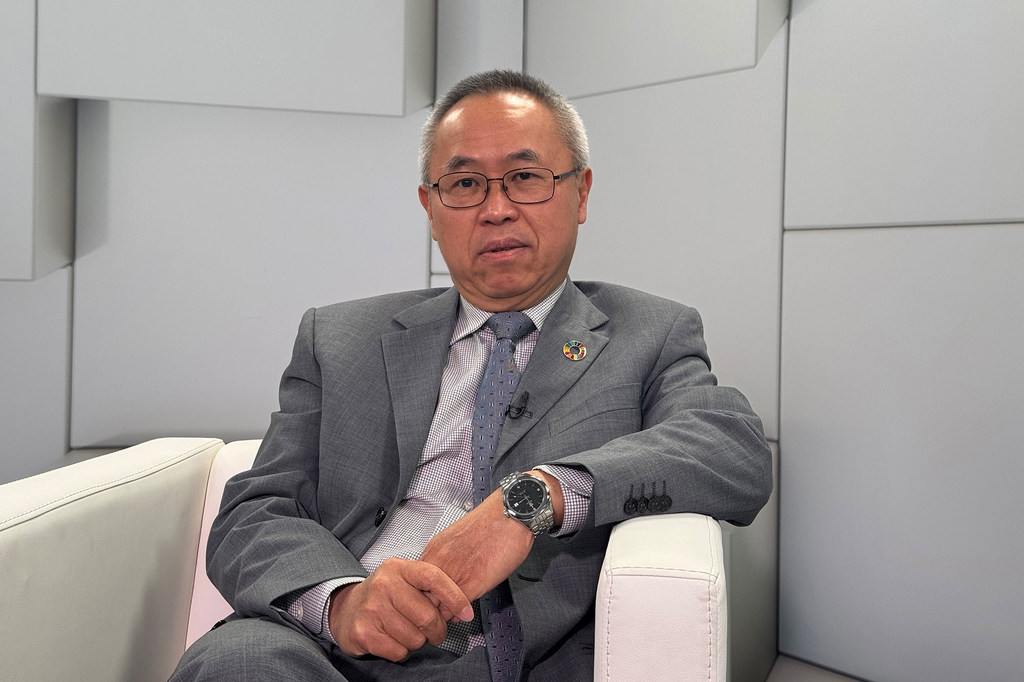
Li Junhua, UN Under-Secretary-General for Economic and Social Affairs and Secretary-General of the Conference said the week had proved the UN is “more than just a space for dialogue; it is a powerful platform for solutions that transform lives.”

“In Sevilla, we have demonstrated our collective will to confront the most urgent and complex financing challenges of our time,” the DESA chief underscored at the closing.

Concrete plan of action

Ms. Mohammed told the closing press conference delegates had made “a serious and long overdue attempt to confront the debt crisis” while aiming to close the massive financing gap for the 2030 Sustainable Development Goals (SDGs).

She reiterated the three main action areas for the Sevilla Commitment:

  • A major investment push to close the SDG financing gap
  • Concrete steps to address unsustainable debt burdens
  • A greater voice for developing countries in global financial decision-making

Alongside this agreement, over 100 new initiatives were launched under the Sevilla Platform for Action. These include a global hub for debt swaps, a “debt pause” alliance, and a solidarity levy on private jets and first-class flights to fund climate and development goals.

This platform has sparked new partnerships, innovative solutions that will deliver real change in people’s lives,” Ms. Mohammed said. “They’re not a substitute for broader funding commitments, but a sign that creative thinking is finally breaking through.”

Acknowledging criticism from civil society groups about limited access to official discussions, she pledged to push for greater inclusion. “We hear you,” she declared, adding that “this trust needs to be earned.”

Here’s a summary of key commitments going forward from Sevilla:

Tackling debt burdens:

  • Spain and the World Bank will lead a Debt Swaps for Development Hub to scale up debt-for-development deals.
  • Italy will convert €230 million in African debt into development investments.
  • A Debt Pause Clause Alliance of countries and development banks will suspend debt payments during crises.
  • The Sevilla Forum on Debt will help countries coordinate debt management and restructuring efforts.

Mobilising investment:

  • A Global Solidarity Levies coalition will tax private jets and premium flights to raise climate and SDG funds.
  • The SCALED platform will expand blended finance, backed by public and private partners.
  • FX EDGE and Delta will help scale up local currency lending through risk management tools.
  • Brazil and Spain will lead work on fairer taxation of the wealthy.
  • New technical assistance hubs will support project preparation and delivery.

Strengthening financial systems:

  • Country-led financing platforms will support national plans.
  • The UK-Bridgetown coalition aims to expand disaster financing.

Private sector role:

At the International Business Forum, companies pledged to increase impact investment, with $10 billion in projects showcased.

Source link

Chile and Argentina among coldest places on Earth as polar anticyclone grips region

On 30 June, both Chile and Argentina ranked among the coldest places on Earth, outside the polar regions.

Governments in both countries issued early warnings and cold-weather alerts in response to the “polar-origin anticyclone” behind the extreme conditions, WMO said.

The cold snap in South America contrasts blistering heat in the northern hemisphere, especially in Europe, putting lives at risk and further underscores the worsening impacts of climate change.

Heating systems affected

In Mar del Plata, Argentina – about 380 kilometres (240 miles) south of Buenos Aires – where winters are “cool” and temperatures seldom drop below freezing, the unusual cold snap has affected natural gas distribution, primarily used for heating.  

A UN staff member in the city reported that businesses were asked to remain closed to conserve gas supplies for homes. Schools and public buildings were also shut on Thursday and possibly Friday.

Across much of central and southern Argentina, temperatures were 10°C to 15°C – 50°F to 59°F – below seasonal averages.

Unusual weather conditions

The cold spell began on 26 June and peaked on 30 June, bringing record lows to large parts of the continent.  

“Although the Andean mountains and Patagonia are no strangers to cold temperatures in winter, the severity of this event was exceptional and even affected low-lying areas,” WMO said in a news release.

The high-pressure system brought atmospheric stability, resulting in clear skies and widespread severe frost.  

In Chilean cities of Santiago, Rancagua and Talca, stagnant cold air led to a buildup of pollutants and deteriorating air quality.

National meteorological services in both Chile and Argentina reported record low temperatures at multiple weather stations.  

Remarkably, snow blanketed parts of the Atacama Desert – the driest place on Earth – for the first time in over a decade. Snow also fell in unusual locations such as Mar del Plata, the Calamuchita Valley in Córdoba, and the hilly regions of northern Patagonia.  

Far-reaching impacts

Concerns are growing over the broader societal and economic impacts of the extreme cold.

Farmers in central Chile and northern Patagonia have reported crop damage due to early frosts, threatening fruit and winter harvests.

Meanwhile, transport and schooling were disrupted in towns unaccustomed to such severe winter weather.