Children in Gaza ‘going to bed starving’ amid blockade

“The siege on Gaza is the silent killer of children, of older people,” said Juliette Touma, spokesperson for the UN agency for Palestine refugees, UNRWA.

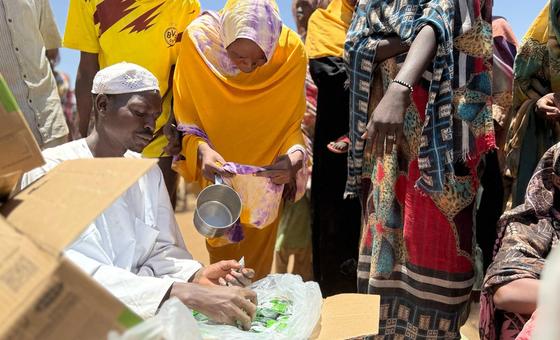
“Families – whole families, seven or eight people – are resorting to sharing one can of beans or peas,” she told journalists in Geneva. “Imagine not having anything to feed your children. Children in Gaza are going to bed starving.

Today, thousands of trucks carrying relief supplies continue to be denied entry to Gaza. “We have just over 5,000 trucks in several parts of the region with lifesaving supplies that are ready to come in,”Ms. Touma continued.

“This decision is crippling the humanitarian efforts…and threatening the lives and survival of civilians in Gaza, who are also going through heavy bombardment day in, day out.”

Rafah levelled

Destruction to the southern city of Rafah has left it “obliterated”, UNRWA said. Formerly the largest entry point for aid into the enclave via Egypt, aerial videos purportedly of Rafah show buildings levelled as far as the eye can see.

“Rafah is nothing like the city it used to be…In every direction there is only destruction,” the UN agency said.

Forced displacement orders have been in place for 97 per cent of the city, uprooting around 150,000 people.

Almost 12 months ago, the Israeli military moved in displacing 1.4 million people, leaving homes, health facilities and shelters damaged or destroyed.

Starting from scratch

Across Gaza, more than 90 per cent of the population have been displaced “not once, not twice, some people have been displaced 12 times or 13 times…so they have to start from scratch.”

Before the war erupted in October 2023, Gazans relied on 500 trucks a day to deliver the food and other basic goods that they needed. But no humanitarian or commercial supplies have entered since 2 March.

This is by far the longest ban on aid moving into the Strip since the start of the war in October 2023, following deadly Hamas-led terror attacks on Israel that killed some 1,250 people and left more than 250 taken hostage.

The blockade has emptied warehouses of food, medical supplies, shelter materials and safe water – fuelling a black market “where prices have increased from 10 to 20, sometimes 40 times…You cannot give anything to your children and you’re seeing your children starving”, Ms. Touma said.

According to the UN World Food Programme (WFP) food prices rose 1,400 per cent increase in recent weeks compared to the ceasefire period from 19 January to 18 March 2025.

Last Friday, the UN agency delivered its last remaining stocks to community kitchens that provide hot meals of lentil soup and rice. The kitchens are expected to fully run out of food within days while another 16 closed over the weekend. In addition, all 25 WFP-supported bakeries have now closed.

“We’re likely to see more community kitchens closing down for the simple reason that they need supplies,” Ms. Touma explained.

Daily challenges for Gazans include finding food and fuel to cook, because of a lack of cooking gas. “Families are resorting to burning plastic to cook their meals,” UNRWA’s Ms. Touma said. 

Source link

UN launches network to support victims and survivors of terrorism

The UN Office of Counter-Terrorism (UNOCT) launched the Victims of Terrorism Associations Network (VoTAN) on Monday.

The network is a key outcome from the first UN Global Congress of Victims of Terrorism, held in September 2022. It brings together victims and survivors of terrorism, victims’ associations and civil society organizations from across the globe.

The goal is to provide a safe space for victims and survivors to support each other, build resilience and engage as advocates, educators, and peacebuilders.

Solidarity, advocacy and assistance

Vladimir Voronkov, UN Under Secretary-General for Counter-Terrorism, expressed solidarity with all victims regardless of nationality, ethnicity, or religion, and paid tribute to their courage and resilience.

In the face of unimaginable personal tragedy, many have chosen to raise their voices, becoming powerful advocates for solidarity and tolerance,” he said, while also calling for greater support.

“In many cases, the needs of victims and survivors are urgent and underfunded. International and national assistance remains critical,” he stressed.

Understanding victims’ needs

The development of VoTAN received financial support from Spain and its launch marks an important step which will allow victims to connect and support each other, said the country’s Foreign Minister José Manuel Albares Bueno.

Synergies between civil society and governments are essential to understanding the needs of victims, so we trust that other Member States, especially those belonging to the Group of Friends, will also support the Global Network,” he added. 

The Group of Friends of Victims of Terrorism, chaired by Spain and Iraq, was established nearly six years ago to uphold the need to protect victims’ rights. 

Co-chair Abbas Kadhom Obaid Al-Fatlawi, Chargé d’Affaires at the Permanent Mission of the Republic of Iraq, reaffirmed the Group’s solidarity with all those affected. 

They all have our utmost respect and commitment to continue doing everything necessary to make them feel recognised, cared for and protected,” he said.

Transforming pain into purpose

The event concluded with statements from five victims of terrorism and victims’ associations. 

Grace Acan from Uganda highlighted “the critical importance of collaboration, resilience and partnership” in her remarks. 

“Through partnerships, we can amplify our voices, advocate for justice and ensure that the needs of victims are met with compassion and urgency,” she said.

Together, we can transform our pain into purpose, creating a safer, more inclusive world for all.” 

Source link

Gazans face hunger crisis as aid blockade nears two months

Both the UN agency that assists Palestine refugees, UNRWA, and the World Food Programme (WFP) report that food stocks are now exhausted, even as supplies of lifesaving assistance pile up at border crossings waiting to be brought in.

Humanitarians continue to warn that hunger is spreading and deepening in the enclave, amid the blockage, access constraints, ongoing Israeli military operations and a rise in looting.

Scarcity, sharing and shame

UNRWA shared the testimony of a woman called Um Muhammad who is staying at a shelter in Gaza City and prepares food for 11 family members daily. Although she still has some flour, most families nearby have already run out.

“When I knead and bake, I feel very ashamed of myself, so I distribute some bread to the children who come asking for a piece of bread,” she said.

“We eat one meal a day, dividing bread among each person daily. We eat canned goods, lentils, and rice. When this stock runs out, I don’t know what we will do because what is available in the market is scarce.”

Longest blockade

Gaza has a population of more than two million people who mostly depend on aid, but no humanitarian or commercial supplies have entered since 2 March when Israel imposed a full blockade on the territory.  

This is by far the longest ban on aid moving into the Strip since the start of the war in October 2023, following the deadly Hamas-led terror attacks on Israel.

The situation has led to shortages – not just of food, but other items including medicine, shelter supplies and safe water.  WFP recently noted a 1,400 per cent increase in food prices when compared to the ceasefire period, which lasted from 19 January to 18 March of this year.

Malnutrition and looting

On Friday, the UN agency delivered its last remaining stocks to hot meals kitchens, which have been a lifeline in recent weeks. The kitchens are expected to fully run out of food within days, and another 16 closed over the weekend.  Furthermore, all 25 WFP-supported bakeries are now shuttered.

There has been an increase in reports of looting incidents, the UN humanitarian affairs office OCHA said on Monday. Over the weekend, armed individuals reportedly ransacked a truck in Deir Al-Balah and a warehouse in Gaza City.

Meanwhile, the latest famine review analysis by the Integrated Food Security Phase Classification (IPC) got underway this week.

Humanitarian partners warn that the nutrition situation across Gaza is worsening. Since January, about 10,000 cases of acute malnutrition among children have been identified, including 1,600 cases of severe acute malnutrition

Although treatment supplies remain available in the south, accessing them continues to be extremely challenging due to operational and security restrictions.

Healthcare also affected

OCHA stressed that the depletion of critical stocks in Gaza goes far beyond food. For example, trauma-related medical supplies are running out at a time when the number of people injured in mass casualty incidents continues to increase. 

Gaza also lacks surgical supplies, including gowns, drapes and gloves.  The World Health Organization (WHO) informed that their warehouse has run out of therapeutic milk, intravenous antibiotics and painkillers, as well as spare parts for ambulances and oxygen stations. 

Partners working in health add that an increasing number of critical staff are being denied access to Gaza, with a rise in the denial of entry for emergency medical teams, particularly highly specialized professionals – including orthopedic and plastic surgeons – and a recent restriction of movement across the enclave.  

Aid awaiting entry

As the aid ban continues, humanitarians are doing everything possible to reach people with whatever supplies remain available.

They also have stocks of food and other lifesaving items ready and waiting to enter the Gaza Strip as soon as border crossings re-open.

This includes nearly 3,000 UNRWA trucks of aid, while WFP has more than 116,000 metric tonnes of food assistance – enough to feed one million people for up to four months. 

Source link

UN warns of $4 trillion shortfall threatening global development goals

Speaking at UN Headquarters in New York, Secretary-General António Guterres, General Assembly President Philémon Yang and Economic and Social Council President Bob Rae stressed the need for more resources and a global financial overhaul.

Without an effective response, they stressed, the world risks falling even further behind on ending poverty, fighting climate change, and building new sustainable economies.

They were addressing the ECOSOC annual forum on financing for development, which follows last week’s World Bank and International Monetary Fund (IMF) Spring Meetings where global growth, trade tensions and the rising debt burden in developing countries were front and centre.

Everyone loses in a trade war

This year’s ECOSOC Forum comes at a pivotal time,” Mr. Guterres told delegates, warning that global cooperation itself is under threat.

He pointed to rising trade tensions as a major risk, noting that while fair trade is a clear example of the benefits of international collaboration, the surge in trade barriers poses a “clear and present danger” to the global economy – as seen in recent downgrades to global growth forecasts by the IMF, the World Trade Organization (WTO), and UN economists.

In a trade war, everybody loses – especially the most vulnerable countries and people, who are hit the hardest,” he said.

We must shift into overdrive

Mr. Guterres highlighted how many donors are pulling back from aid commitments while soaring borrowing costs drain public investments, putting the SDGs “dramatically off track.”

With just five years to reach the SDGs, we need to shift into overdrive,” he stressed, urging countries to deliver bold outcomes at the upcoming Fourth International Conference on Financing for Development, in Seville.

“Against this turbulent background, we cannot let our financing for development ambitions get swept away.”

Secretary-General António Guterres (right) addresses the ECOSOC 2025 Forum on Financing for Development Follow-up. At his left is Philémon Yang, President of the General Assembly.

Crushing debt burdens

ECOSOC President Bob Rae echoed these concerns, emphasising that over three billion people live in countries where governments spend more on interest payments than on health or education.

“We desperately need a more affordable debt architecture – it’s that simple,” he said, calling for urgent reforms that would allow countries a fair chance to repay what they owe while investing in their futures.

He also sounded the alarm over rising trade barriers – citing recent moves by major economies, like the United States, to impose new tariffs.

Trade is not a four-letter word,” Mr. Rae said, “it is a positive way for countries to exchange goods and services and emerge from poverty.”

He urged countries not to see trade as a zero-sum game – where there are only winners and losers – and embrace fair, open trading systems as a path to shared prosperity.

Calls for reform

General Assembly President Philémon Yang underscored the consequences of rising debts and shrinking fiscal space.

In more than 50 developing countries, governments now spend over 10 percent of their revenues on debt servicing – and in 17 of them, over 20 percent – a clear warning sign of default, according to UN economists.

“Our inability to reform the international financial architecture is severely restricting capital access,” Mr. Yang warned, stressing that closing the financing gap – now estimated at over $4 trillion annually – is critical to achieving the SDGs.

Time is of the essence. Let us use this ECOSOC Forum to bridge divides, build trust, and lay the foundation for success.

The 17 Sustainable Development Goals are all interconnected, for instance progress on SDG 2 to end hunger is closely tied to advances in health and education.

Looking ahead to Seville

As negotiations continue towards an agreed outcome in Seville, Secretary-General Guterres highlighted three priority areas – tackling unsustainable debt, strengthening multilateral development banks and unlocking new streams of sustainable finance.

He called for mobilizing more domestic resources, innovative financing solutions, better controls on illicit financial flows and stronger partnerships with the private sector.

ECOSOC President Rae added that the conversation must move beyond declarations to concrete, measurable action.

We need innovation, creativity and partnerships that deliver lasting and transformative impact,” he said.

The Fourth International Conference on Financing for Development – to be held from 30 June to 3 July in Seville, Spain – represents a critical opportunity to rebuild the global financial system to unleash the investments urgently needed to achieve the SDGs.

Source link

‘Season of war,’ as norms of humanitarian law ‘cast aside’ UN refugee chief

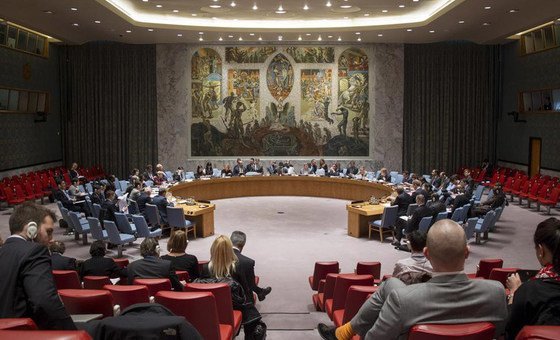
Speaking in the UN Security Council, Filippo Grandi said in conflicts across the world in places like Sudan, Ukraine, Myanmar, the Democratic Republic of the Congo and Haiti, “violence has become the currency of our age.”

Forcibly displaced people are among the first victims of war. Worldwide, some 123 million people have had to flee due to conflict.

Since the beginning of the war in Sudan, one-third of Sudan’s population has been displaced by indiscriminate violence, disease, starvation, flooding, droughts and sexual violence, “a situation that frankly defies description,” said Mr. Grandi.

In Ukraine, 10 million people have been displaced by the war, experiencing what he described as “terrible toll.” Seven million of them are now refugees, living outside the country.

“Stagnation has defined the response in Myanmar,” said the UN refugee chief. As a result, Rohingya refugees in Bangladesh have been living in camps entirely dependent on humanitarian aid for the past eight years.

Security and self-reliance

Refugees and displaced people will not return to their communities “unless they are confident that the terms of peace are durable, for them and for their country,” he added.

Promoting security and self-reliance is essential to ending humanitarian crises.

However, a return to peace requires compromise and commitment; peace cannot be made passively, said Mr. Grandi.

Reminding the 15 Members of the Security Council that preventing and stopping wars is their primary responsibility, he noted that it was one that “this body has chronically failed to live up to.”

Seizing opportunities

To achieve durable peace, the UN must be ready both to seize unexpected opportunities, and to take calculated risks, High Commissioner Grandi said adding that “there is now an opportunity to break this dangerous inertia.”

As over one million people have already returned to Syria since December 8, with many more expected to follow, the refugee chief urged the Security Council to ease sanctions to support early recovery efforts and spur investment.

“To minimise the risk that the returning Syrians are taking, I am asking you to take some risks yourselves,” he said.

Retrenchment away from aid

Despite the positive signs coming out of Syria, as well as Burundi and the Central African Republic, Mr. Grandi told the Council that “we see a retrenchment away from aid, away from multilateralism, even away from life-saving assistance,” adding that “we hear of prioritizing national interests, of boosting defense spending — all valid concerns of course, and legitimate state pursuits. But these are not incompatible with aid, quite the contrary.”

One way or another, forced displacement has concerned every member of the Security Council, Mr. Grandi pointed out.

“You have been the refugee. You have welcomed those who sought refuge,” he said reminding its members of their collective responsibility “to end war, to bring peace.”

Source link

One in four female genital mutilation cases now carried out by health workers

While the health sector worldwide plays a key role in stopping the abusive practice of FGM and supporting survivors, in several regions, evidence suggests otherwise.

As of 2020, an estimated 52 million girls and women were subjected to FGM at the hands of health workers – that’s around one in four cases.

Health workers must be agents for change rather than perpetrators of this harmful practice,” said Dr Pascale Allotey, WHO’s Director for Sexual and Reproductive Health and Research.

She insisted that cutting is a “severe violation of girls’ rights” which critically endangers their health.

Evidence has shown that FGM causes harm, regardless of who performs it – but  it can be more dangerous when performed by health workers, as a “medicalised” procedure can result in more severe wounds, WHO warned in a statement on Monday.  

As part of ongoing efforts to halt the practice altogether, the UN agency issued new guidelines urging greater action from doctors, governments, and local communities.

FGM in retreat

Cutting – which encompasses any procedure that removes or injures parts of the female genitalia for non-medical reasons – also requires high-quality medical care for those suffering its effects, WHO says.

Since 1990, the likelihood of a girl undergoing genital mutilation has dropped threefold, but 30 countries still practise it, putting four million girls each year at risk.

FGM can lead to short and long-term health issues, from mental health conditions to obstetric risks and sometimes the need for surgical repairs.

The newly published guidelines from WHO also suggest ways to improve care for survivors at different stages in their lives.

‘Opinion leaders’

Putting an end to the practice is within the realm of the possible – and some countries are heading in that direction, the UN health agency said.

Research shows that health workers can be influential opinion leaders in changing attitudes on FGM, and play a crucial role in its prevention,” said Christina Pallitto, a senior author of the study at Scientist at WHO and the Human Reproduction Programme (HRP).

“Engaging doctors, nurses and midwives should be a key element in FGM prevention and response, as countries seek to end the practice and protect the health of women and girls,” she said.

Unrelenting efforts to stop FGM have led countries including Burkina Faso to reduce rates among 15 to 19-year-olds by 50 per cent in the past three decades.

Likewise, prevalence fell by 35 per cent in Sierra Leone and 30 per cent in Ethiopia – thanks to action and political will to enforce bans and accelerate prevention.

WHO in 2022 published a prevention training package for primary care health workers, to highlight the risks of the practice and equip them to engage sensitively with communities, while factoring in local culture and perspectives.

“Because of this training, I am now able to raise women’s awareness [of FGM] and persuade them about the… disadvantages,” said one health worker during the launch. 

Israel’s restrictions on UN agencies in Gaza in spotlight at world court

The ICJ, which sits in The Hague and is the UN’s top court, is expected to hear from 40 States and four international organizations in proceedings slated to last all week.

Representing Secretary-General António Guterres, UN Legal Counsel Elinor Hammarskjöld reiterated his many calls for a ceasefire, for humanitarian aid to reach all people in need and for all hostages to be freed.

A total of 13 UN entities are present in Gaza, Ms. Hammarskjöld noted, adding that 295 UN personnel have died in Gaza since the war began on 7 October 2023, following Hamas-led terror attacks in Israel.

Legal opinion

The UN legal counsel insisted on the special protections and immunities of UN agencies and personnel which it needs to implement its mandated activities all over the world, including in the OPT.

These protections also apply during armed conflict, Ms. Hammarskjöld said, before highlighting Israel’s obligations as the occupying power under international law.

“The overarching obligation [is] to administer the territory for the benefit of the local population and “to agree to and facilitate relief schemes”, she said “In the specific context of the current situation in the OPT, these obligations entail allowing and facilitating all relevant UN entities to carry out those activities for the benefit of the local population.”

The purpose of the hearings at the ICJ all this week is to establish what’s known as an “advisory opinion” on Israel’s obligations as the occupying power in Gaza and the wider OPT, in accordance with the UN Charter.

It follows a vote at the UN General Assembly in December where Member States voted 137 to 12 to seek the view of the ICJ’s 15 judges, amid ongoing Israeli bombardment and dramatic aid shortages across Gaza.

Although the ICJ judges’ advisory opinion is not binding – as opposed to the legal disputes between countries on which it rules (so-called “contentious cases”) – it provides clarity on legal questions.

Once the court has issued its opinion, the General Assembly would be open to pick up the matter again and decide on further action.

UNRWA shut out

Welcoming the hearings, the head of the UN agency for Palestine refugees, (UNRWA) Philippe Lazzarini, insisted that aid agencies were working “to address overwhelming needs”.

The UNRWA Commissioner-General explained that the Israeli Parliament’s widely condemned “no-contact” policy banning any coordination with UNRWA official have obstructed the delivery of essential relief services and aid.

The move is particularly significant because UNRWA is the largest aid agency in Gaza, where it has provided health, education and other vital public services for decades.

But since these restrictions came into effect at the end of January, UNRWA international staff have not received visas to enter Israel, Mr. Lazzarini said.

Inside Gaza, meanwhile, ordinary Gazans continue to face desperate food shortages linked to the 2 March decision by Israel to seal the enclave’s borders.

“Today people are not surviving in Gaza, those that aren’t being killed with bombs and bullets are slowly dying,” said Jonathan Whittall, local Head of Office for the UN aid coordination wing, OCHA. He insisted that humanitarian agencies are unable to meet soaring needs following Israel’s decision to cut all commercial and relief supplies.

“People here are being suffocated,” he maintained. “What we see around us is endless suffering under a total and complete blockade. A total closure that’s now lasted for almost two months while airstrikes, ground operations are intensifying and displacement orders that are pushing people out of their homes are increasing.”

Witness statements

The following Gaza testimonies have been provided by UNRWA:

Mona, a grandmother living in an UNRWA shelter in Gaza City:

“We only eat one meal a day, I go to sleep thinking about what we will eat tomorrow and how we will provide…I have enough flour for several days. I try to preserve it by making small loaves so that it lasts for a few more days. When children get hungry, I give them my loaf. I no longer take medicine, even if it is available, because treatment requires good food, and that is not available now.”

Wafaa, whose oldest child is seven and whose youngest is three, speaking from an UNRWA school in Gaza City:

“I have two cans of beans, some cans of peas, two cans of chickpeas, some duqqa (a spice mix), and a few kilos of flour that will only last for four days…The flour is mouldy and smells bad, but I can’t complain. When will this nightmare end?”

Source link

Gaza: UN official warns of ‘assault on dignity’ as blockade cripples humanitarian response

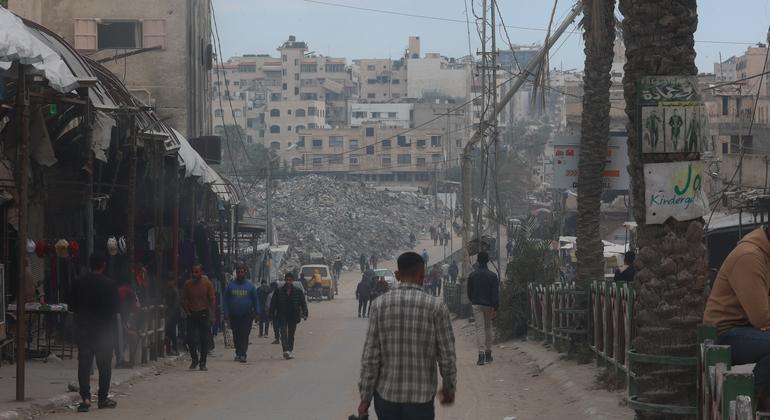
Speaking to journalists in Gaza City, Jonathan Whittall, OCHA‘s local Head of Office, painted a dire picture of life under what he called a “total and complete blockade” now approaching its third month.

“The coming days in Gaza are going to be critical. Today people are not surviving in Gaza, those that aren’t being killed with bombs and bullets are slowly dying,” he said.

Whittall stressed that humanitarian agencies are unable to meet the soaring needs of civilians due to the collapse of supply lines. Hospitals are overwhelmed, but medicines and equipment are running out. People are going hungry, but food warehouses are empty and bakeries are closing. Clean water is desperately needed, but water wells are inaccessible.

He noted that solid waste is piling up in the streets with no equipment to remove it, and that rescue efforts after airstrikes are impossible without fuel and machinery. Displaced families are forced to live in rubble without shelter materials, and fishermen are being shot at sea, while humanitarian organisations lack the resources to assist them. “Nowhere in Gaza today is safe”, he said.

He added that children need to learn, but schools have been destroyed or are inaccessible, and that education supplies are not available. Prices of the remaining goods in Gaza continue to rise, but there is no cash available. There is no cooking gas or fuel, forcing families to burn trash to generate some energy.

“This is not only about humanitarian needs, but it’s about dignity. There is an assault on people’s dignity in Gaza today,” he warned.

“We also know that humanitarian workers, first responders, you as journalists, should be protected, like all civilians, but we’re being killed in a war that appears to be fought without any limits,” he added.

Whittall emphasised that the situation in Gaza does not even resemble a war. “People in Gaza are telling me that they feel like it’s the deliberate dismantling of Palestinian life in plain sight, for all to see, documented every day by you as journalists,” he said.

He described the devastation witnessed daily — including children’s bodies thrown by explosions, families burnt alive, and colleagues killed — as part of what he termed “everyday atrocities.”

“As humanitarians we can see that aid is being weaponised through its denial,” he warned. “There’s no justification for the denial of humanitarian assistance. And humanitarian aid should never be weaponised.”

Despite the catastrophic conditions, he stressed that humanitarian organisations are continuing to operate where possible, but “we have less and less and less supplies and less and less capacity to be able to meet the growing and growing needs that are intensifying across Gaza.”

“Lives depend on the blockade being lifted, on aid being allowed to enter into Gaza, on the ceasefire being reinstated,” he said, calling for real accountability rather than waiting for history to judge the international community’s response.

Hunger and malnutrition surging

In a separate statement, OCHA warned of a “severe decline” in food availability across Gaza, as malnutrition rates escalate rapidly, particularly among children.

A UN partner organisation recently screened around 1,300 children in northern Gaza and identified over 80 cases of acute malnutrition, representing more than double the rate recorded in previous weeks.

“Nutrition partners report a critical shortage of supplies due to the obstruction of aid entry and challenges in transporting essential materials within Gaza,” OCHA said. Access to key facilities, including UNICEF’s main warehouse in Rafah, remains heavily restricted.

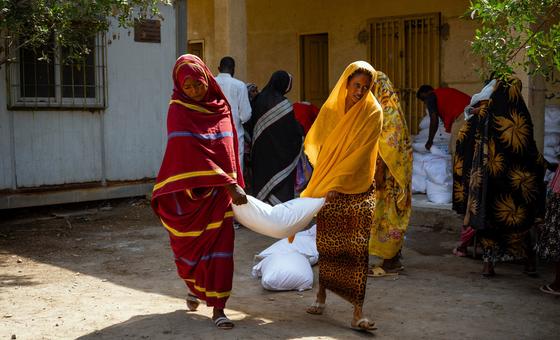
Journalists who visited the United Nations Relief and Works Agency for Palestine Refugees (UNRWA) main warehouses this week found them largely empty of food supplies, including flour.

Call for accountability and action

“Nothing can justify the collective punishment of the Palestinian people,” UNRWA said in a separate statement, stressing that international law prohibits indiscriminate attacks, the obstruction of humanitarian assistance, and the destruction of vital civilian infrastructure.

The agency reiterated its call for a renewed ceasefire, the dignified release of all hostages, and the immediate, unhindered flow of humanitarian aid and commercial goods into Gaza.

Source link

Sudan situation ‘absolutely devastating’ as UN ramps up food aid

Speaking in Port Sudan after a visit to Khartoum, Samantha Chattaraj, Emergency Coordinator for the UN’s World Food Programme (WFP) in Sudan, said that “vast parts of the city are destroyed. Levels of hunger and desperation are extremely high,” but she added “people remain hopeful.”

Sudan is currently the only country in the world where famine has been officially confirmed.

Half of its population is facing extreme hunger, and nearly five million children and breastfeeding mothers are severely malnourished.

Ms. Chattaraj said that in March, WFP was able to reach four million people across Sudan, the highest number since the conflict broke out over two years ago.

“This marked an important step in getting food to people who have been cut off from aid for a long time,” she added.

However, she added that “the need is far greater. With 27 areas either in famine or at high risk, the recent progress still covers only a small part of what’s required to stop the crisis.”

Destruction and hunger

In Darfur, in the west of Sudan, nearly 450,00 people who were already facing famine and horrific levels of violence have been forced to flee from El Fasher and Zamzam camps in the last few weeks, amidst an increase in fighting.

Reports from the ground are shocking,” said Mrs Chattaraj, explaining that WFP is currently mobilising assistance to reach populations wherever they have fled to – across various parts of Darfur and Northern State.

Planning for returnees

Many people are expected to return to Khartoum in the coming months and WFP is working to strengthen its presence in the city and ensure it can deliver food regularly to those coming back.

Together with local authorities, the UN aims to provide emergency food aid to one million people in the greater Khartoum area next month.

Racing against the rain

Ahead of the rainy season set to begin in June, which will leave many routes across Darfur impracticable, WFP only has a few weeks to pre-stock food close to populations in need, Ms. Chattaraj said.

In preparation WFP is setting up mobile warehouses across Darfur to safely store food supplies and keep operations running even during the rains.

Meanwhile, around 100,000 people remain trapped in the besieged city of El Fasher.

WFP is urgently calling for more funding and safe access to areas in need so it can continue its work in what is now the world’s largest humanitarian crisis.

Source link

UN Security Council condemns Jammu and Kashmir terror attack

In a press statement issued on Friday, Council members expressed their deepest sympathy and condolences to the families of the victims, as well as to the Governments of India and Nepal.

They also extended wishes for a speedy and full recovery to those injured in Tuesday’s attack in which a group of gunmen fired on tourists visiting the Himalayan region, which both India and Pakistan claim sovereignty over.

“Terrorism in all its forms and manifestations constitutes one of the most serious threats to international peace and security,” the ambassadors reaffirmed.

They underscored that such acts are “criminal and unjustifiable, regardless of their motivation, wherever, whenever and by whomsoever committed.”

They stressed that the perpetrators, organisers, financiers and sponsors must be held accountable and brought to justice.

They urged all States, in accordance with their obligations under international law and relevant Security Council resolutions, to cooperate actively with all relevant authorities.

Ambassadors reaffirmed the need for States to “combat by all means” threats to international peace and security resulting from acts of terrorism, in accordance with the UN Charter and other obligations under international law.

Following with deep concern

Meanwhile, the UN continues to follow the situation in the region “with very deep concern”, said UN Spokesperson Stéphane Dujarric.

“We again urge both the Government of India and the Government of Pakistan to exercise maximum restraint to ensure the situation does not deteriorate further,” he said during the regular news briefing in New York on Friday.

India and Pakistan both administer parts of Kashmir but claim the territory in its entirety.

Source link

Destitution and disease stalk Myanmar’s quake survivors

The UN World Health Organization (WHO) is just one of the UN agencies working to help the most vulnerable in worst-hit central areas, but much more help is needed.

“When it rains, they can’t sleep, and when the rain stops, they still can’t sleep because they feared the wind might have their only shelter away,” said Dr Thushara Fernando, WHO representative in Myanmar.

In an update from Yangon, the WHO medic warned that the risk of waterborne disease “is becoming a reality” for all those still living under plastic sheeting with stagnant water all around.

A cholera outbreak was already reported in Mandalay just a few months ago.

Survivors “feed their babies, they eat, they drink in their tents; they don’t have even a simple mosquito net to sleep under in the night,” Dr Fernando continued.

“Water sources are contaminated, temporary toilet facilities are overwhelmed, and acute watery diarrhoea has been reported in two areas,” he continued.

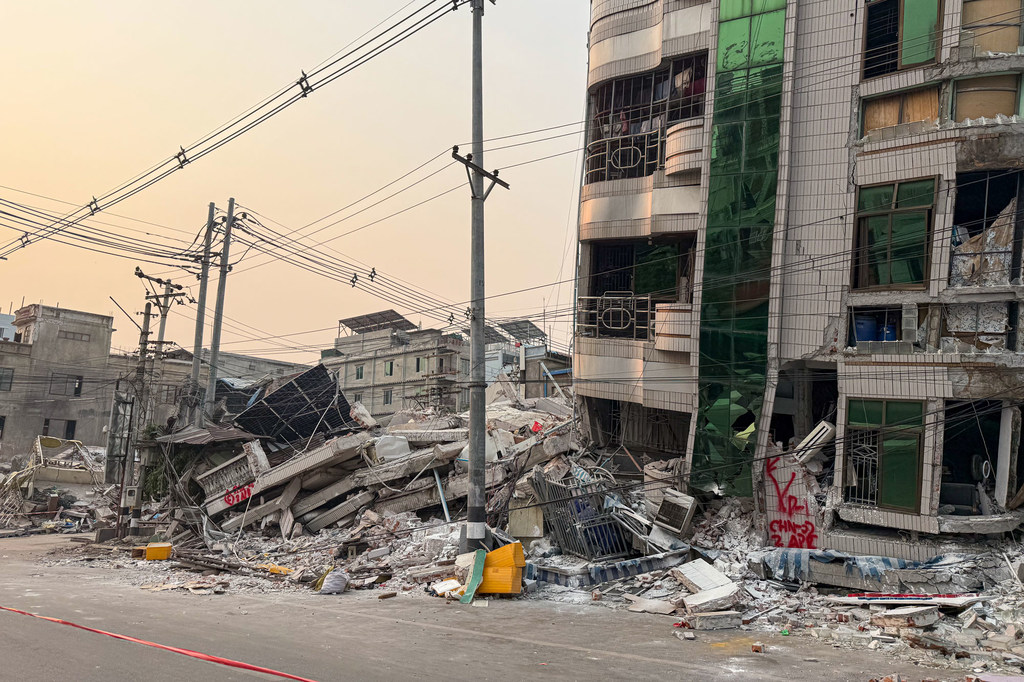
Two major earthquakes hit central Myanmar on 28 March killing at least 3,700 people. About 5,100 more were injured and 114 are still missing, according to WHO. The true toll is likely much higher because of underreporting.

Aftershocks continue

Survivors and aid teams have experienced more than 140 aftershocks – some as high as magnitude 5.9 – which have added to widespread trauma and impeded humanitarian assistance.

To help, the UN health agency has delivered around 170 tonnes of emergency medical supplies to help 450,000 people for three months.

WHO is also coordinating more than 220 emergency medical teams in earthquake affected areas and it has launched a targeted dengue prevention initiative in coordination with national and local partners.

This includes the distribution of about 4,500 rapid diagnostic test kits for frontline responders and hundreds of insecticide-treated nets to protect people in the hardest-hit areas, such as Mandalay.

The March 2025 earthquake caused widespread destruction Mandalay.

Critical moment

The WHO medic said that the agency continues to help deliver a range of services, albeit at a “very limited” scale. This includes trauma care, mental health and psychosocial support, along with maternal and child health services and non-communicable disease prevention.

Without urgent, sustained funding, the risks of secondary health crises will erupt,” said Dr Fernando.

Echoing those concerns, the UN Children’s Fund (UNICEF) noted that early signs of acute watery diarrhoea “are already emerging” in worst-hit areas.

Access to food and essential services have been disrupted, causing worsening nutrition conditions, “especially for young children”, the UN agency’s Eliana Drakopoulos told UN News.

“With low immunization coverage and the monsoon approaching, the risk of preventable disease outbreaks is rising fast,” Ms. Drakopoulos added. “Urgent action is needed.”

Source link

From border control to belonging: How host communities gain from empowering refugees

In 2024, 122 million people were forcibly displaced — a number expected to rise in the coming years, according to Bob Rae, President of the UN Economic and Social Council (ECOSOC), addressing a meeting on the pressing issue in New York on Thursday.

As population movements become much more complex due to wars disproportionately impacting civilians, climate disasters, hunger and poverty, 70 per cent of refugees live in low to middle-income countries.

Refugee rights

International responses to refugee flows are becoming increasingly politicised, especially as aid is decreasing.

Rather than focusing on addressing the root causes of such crises, the Global North has focused on border management and the control of refugee flows, “often at the expense of the rights of people on the move,” Filippo Grandi, Head of the UN refugee agency (UNHCR) told the ECOSOC gathering.

According to Mr. Grandi, although border management is an important aspect of national government response to the refugee crisis, the emphasis should rather be on making refugees feel more integrated within host communities.

Inclusion of refugees translates to freedom of movement, access to basic services such as healthcare, education, work opportunities, and valid documentation that allows them to work and contribute.

Representatives from Colombia and Mauritania joined a meeting convened by Mr. Rae to talk about better ways to help refugees and the communities that host them, while also finding long-term solutions to the forced displacement crisis.

Both Colombia and Mauritania have welcomed thousands of refugees into their countries, and outlined the positive impact refugees have had on their countries.

Temporary Protection Status in Colombia

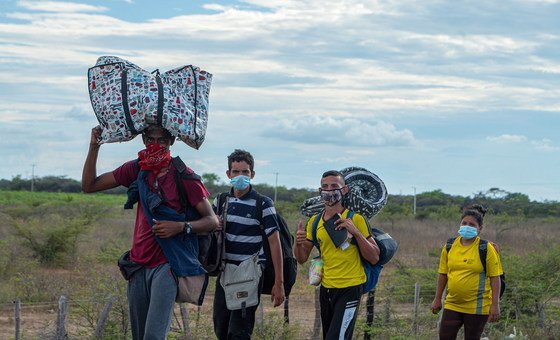
In 2021, Colombia adopted a Temporary Protection Status (TPS) programme for Venezuelan refugees.

Today, 2.5 million Venezuelans in Colombia have valid documentation, which provides them access to public services, legal employment, and education.

TPS has not only allowed them to regain dignity and security, but it has also helped Colombia regulate refugee flows.

Human rights at the fore in Mauritania

For over a decade, Mauritania has been hosting large numbers of refugees, most of them from neighbouring Mali.

Committed to upholding the human rights of both refugees and host communities, Mauritania recognises refugees as citizens, providing them with the right to education, healthcare, employment, and legal protection.

Mauritania is working to improve refugee livelihoods while simultaneously enhancing the capacity of host communities by emphasising the role refugees have in local development.

By investing in the resilience of host communities and social cohesion, Mauritania ensures both refugees and host communities live in dignity.

Source link

Security Council debates precarious path forward for a new Syria

Four and a half months after the fall of the Assad regime, the interim authorities have begun taking formal steps towards political reform, the Security Council heard on Friday.

These include the formation of a broader, more diverse cabinet and initial plans to establish an interim People’s Assembly.

However, the process remains tenuous and incomplete, with many Syrians uncertain of their role in the country’s future.

Grave consequences of failure

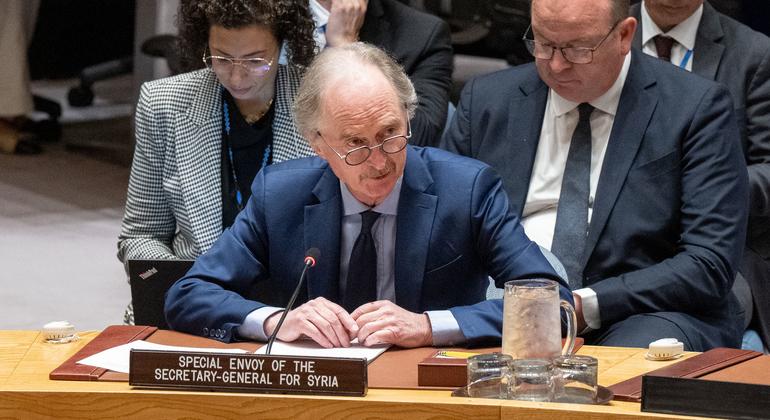
“The challenges are huge, and the situation is extremely fragile,” UN Special Envoy for Syria Geir Pedersen told ambassadors.

“There is a need for much more political inclusion – and for much more economic action. With a sea-change on both these elements, the political transition in Syria can succeed. Without both, it likely will not – and the consequences would be grave.”

In his briefing, Mr. Pedersen emphasised that Syria’s new leadership must broaden political participation and enact measures that address deep-seated grievances, particularly after the March violence against mainly ethnic Alawite communities in their coastal stronghold.

Aid programmes risk closure

Meanwhile, the humanitarian situation remains dire. Over 70 percent of the population is in need of aid and more than half face food insecurity.

Despite some local improvements, especially in parts of Aleppo and the northeast, humanitarians warn that funding shortfalls are threatening life-saving operations.

Joyce Msuya, UN Assistant Secretary-General for Humanitarian Affairs, underscored that “we need more funding to sustain this work, let alone scale it further.”

She noted that to date, less than 10 per cent of the funds required for relief efforts for the first half of 2025 have been received.

Hospitals, food distribution and essential services are at risk of collapse without immediate support, she warned.

A woman holds the new Syrian flag outside UN Headquarters in New York.

Syria’s new flag raised at UN

Earlier in the day, Syria’s new flag was raised alongside those of other Member States at UN Headquarters, as supporters gathered on Manhattan’s First Avenue.

The new three-starred flag – one more than the Assad-era banner – was used by groups opposing the old regime and its forces.

More to follow…

Source link

Ukraine: Continued Russian assaults drive civilians from frontline communities

Attacks on frontline regions (are) increasing and it’s always civilians that are bearing the highest cost of the war,” said UNHCR Representative Karolina Lindholm Billing.

Since January, more than 3,500 newly displaced people have transited through a centre in Pavlohrad towards central Ukraine; in total, more than 200,000 people have been evacuated or displaced from frontline areas between August last year and the start of 2025.

Last to leave

Last month, more than 4,200 evacuees arrived at a transit centre in the northeastern city of Sumy where UNHCR and partners provide humanitarian support. These numbers are only a fraction of all those made homeless by the violence and mandatory evacuation orders issued by Kyiv in the face of ongoing Russian aggression.

The majority of those being moved are the elderly with low mobility or disabilities, families with few resources and children. In many cases, they stayed until the end because they didn’t want to leave everything they had behind, UNHCR said.

Cities and civilians targeted

On Thursday, UN aid agencies led condemnation of Russian missile-and-drone attack on Kyiv that killed 12 people and injured 84, one of a wave of attacks across the country that point to an intensification of the conflict since the start of the year – and growing humanitarian needs for refugees.

“Those deadly Russian attacks have intensified alarmingly since January,” said Ms. Billing, speaking to journalists in Geneva via videolink from Kyiv.

“More than 1,000 people have been directly affected as their homes have been damaged or completely destroyed. Civilian infrastructure were also hit in several other regions yesterday, including in Kharkiv, where I myself woke up around 2 am in the morning to the loud sound of explosions.”

According to the UN Human Rights Monitoring Mission in Ukraine, civilian casualties in Ukraine were 70 per cent higher in March this year compared to 12 months earlier.

Supporting lives and livelihoods

The war has left four million internally displaced since 24 February 2022 when Russian tanks rolled into Ukraine. Many of those uprooted have yet to find affordable housing and a new job – which is why support from humanitarian organizations is so crucial, the UNHCR official continued.

“One of the main things we deliver as part of the emergency response are emergency shelter materials that help people cover broken windows, roofs and doors,” Ms. Billing said.

Since 2022, UNHCR has supported around 450,000 people making repairs on their homes. The UN agency also provides psychological first aid and legal support to those who have lost their identity documents and emergency cash assistance to help people cover most basic needs.   

Funding impacts

But more support is needed to sustain a timely and predictable response to the many calls for assistance the agency receives from the affected people and the authorities.

Last year, US funding for UNHCR accounted for around 40 per cent of its overall contributions. For 2025, UNHCR has appealed for $803.5 million to address the emergency situation in Ukraine. Today, that appeal is just 25 per cent funded. During the winter period, the agency had to put some of its programmes partially on hold, impacting psychosocial support, emergency shelter material and cash assistance. 

Source link

DR Congo crisis forces refugees to swim for their lives to Burundi

We’re pushed to our limits,” said Ayaki Ito, Director for Emergencies for the UN refugee agency, UNHCR.

One mother was so desperate to reach safety she crossed the 100-metre wide Rusizi river separating DRC and Burundi with her three small children and their belongings, Mr. Ito told journalists in Geneva:

“I saw this plastic sheeting ball – it’s one mother and three small children – she put her belongings and wrapped it with a plastic sheet, to make it float…It’s a very perilous journey and I was told it’s full of crocodile and hippos.”

Overstretched resources

Since January, more than 71,000 people have crossed into Burundi, fleeing ongoing violence in eastern DRC, UNHCR data shows. Since then, more than 12,300 have been relocated to Musenyi refugee site, while others live with host communities in border areas.

Living conditions in Musenyi – five hours’ drive from the DRC border – are becoming unsustainable.

The site today houses 16,000 people although it was designed for 3,000, adding to tensions. “Food rations are already cut to half of what they’re supposed to be,” Mr. Ito explained, warning that even these rations will run out by the end of June without additional funding.

Food is far from the only concern, however, as emergency tents set up on lowland farming areas have now flooded during the onset of the rainy season.

Aid teams are already bracing themselves for diseases to spike.

People who fled violence in DR Congo to Burundi use a water point at a refugee camp in Cibitoke Province.

“Schools, clinics, basic sanitation systems are either non-existent or overwhelmed” and the UN agency has no more dignity kits, leaving nearly 11,000 women and girls with access to basic hygiene items, Mr. Ito said.

Funding crisis cutbacks

UNHCR’s funding crisis has also “severely reduced” support for family tracing, making it increasingly difficult to identify, locate, and reunite separated children with their families.

There are currently no child-friendly or women-friendly spaces where groups can gather for services and peer support in key hosting areas, Mr. Ito added.

Confronted with the catastrophic living conditions in Burundi and ongoing violent clashes in eastern DRC between Rwanda-backed M23 rebels and government forces, refugees often move back and forth between the two countries. “Nearly half of last week’s registered 700 arriving refugees have been previously registered in Burundi,” the UN official said, pointing out that Congolese refugees are among the most vulnerable in the world.

Citing reduced resources and operational challenges, the UN agency insisted that the delivery of lifesaving aid and protection services remains a priority. This includes additional support amid a 60 per cent increase in reported sexual violence cases, most involving rape in the DRC.

This balancing act is becoming increasingly impossible, with teams on the ground running a full-scale emergency response, responding to the needs of existing refugees in the country and preparing for future arrivals while also facing pressure to reduce their operations because of funding shortages,” Mr. Ito said.

Source link

WFP runs out of food stocks in Gaza

On Friday, WFP announced it had delivered its last remaining supplies to kitchens preparing hot meals which are expected to be completely gone within days.

The UN agency warned that it may be forced to end critical assistance to families unless urgent action is taken.

Back to ‘breaking point’

The situation inside the Gaza Strip has once again reached a breaking point: people are running out of ways to cope, and the fragile gains made during the short ceasefire have unravelled,” it said.

The kitchens have been the only consistent source of food assistance in Gaza for weeks, representing a critical lifeline even though they reached just half the population with only a quarter of their daily food needs.

WFP also supported 25 bakeries which all fully closed on 31 March as wheat flour and cooking fuel ran out. Furthermore, food parcels distributed to families – containing two weeks of rations – were exhausted that same week.

No aid for nearly two months

No humanitarian or commercial supplies have entered Gaza for more than seven weeks as all main border points remain closed. 

UN agencies and senior officials, including Secretary-General António Guterres, have repeatedly appealed for humanitarian access.

WFP said the closure is the longest that Gaza has faced, and it is exacerbating already fragile markets and food systems. 

Open aid corridors

Food prices have skyrocketed 1,400 per cent compared to the ceasefire period earlier in the year, while essential food commodities are in short supply.

This is raising serious concern about malnutrition – especially for young children, pregnant and breastfeeding women, older people, and other vulnerable persons.

Meanwhile, more than 116,000 metric tonnes of food assistance – enough to feed a million people for up to four months – are ready and waiting to be brought into Gaza by WFP and partners as soon as borders reopen.

“WFP urges all parties to prioritize the needs of civilians and allow aid to enter Gaza immediately and uphold their obligations under international humanitarian law,” the agency said.

More to follow… 

Source link

Indigenous Peoples sidelined in global climate fight, UN warns

Launched on Thursday, The State of the World’s Indigenous Peoples exposes a stark imbalance: while Indigenous Peoples make up just six per cent of the global population, they safeguard 80 per cent of the planet’s remaining biodiversity – yet receive less than one per cent of international climate funding.

The report offers a sobering assessment of climate action that is not only lacking in urgency, but in fairness. From green energy projects imposed without consent to policy decisions made in rooms where Indigenous voices are absent, these communities are too often excluded from climate solutions, displaced by them, and denied the resources to lead the way.

“Although we are disproportionately affected by the climate crisis, Indigenous Peoples are not victims,” writes Hindou Oumarou Ibrahim, Chair of the UN Permanent Forum on Indigenous Issues, in the report’s foreword.

We are custodians of the natural world who are committed to maintaining the natural equilibrium of the planet for the generations to come.”

The publication, overseen by the UN, brings together contributions from Indigenous leaders, researchers and the World Health Organization (WHO), combining case studies, data and lived experience from seven distinct regions of the world.

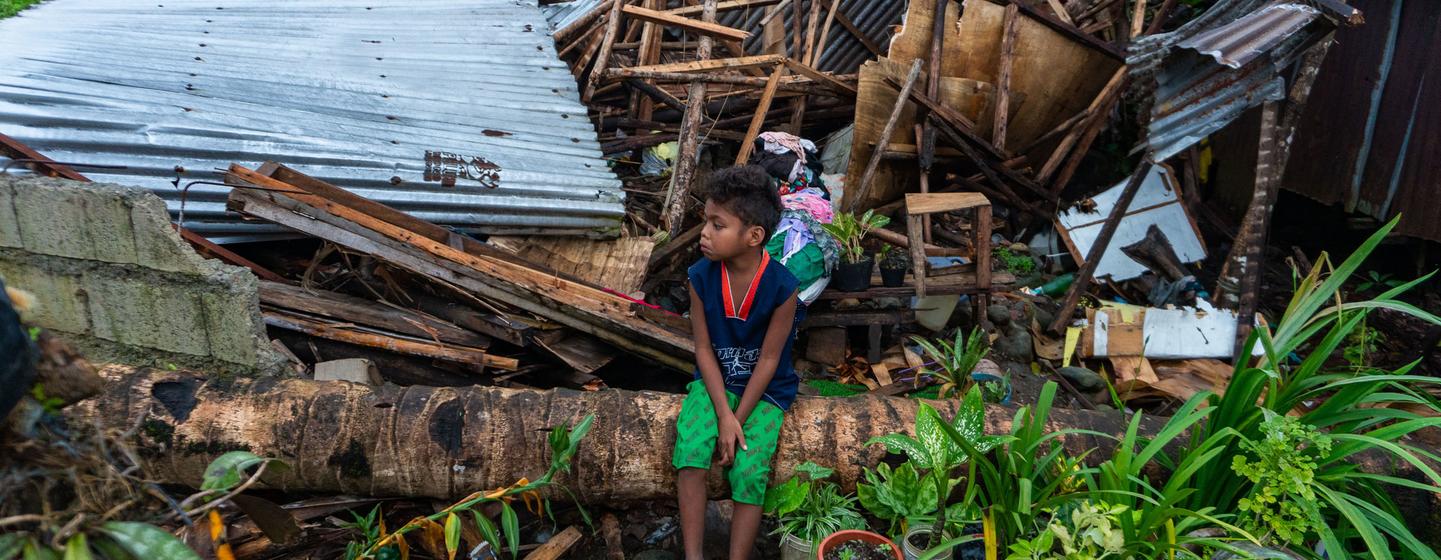
A child from the Badjao Indigenous community in the Philippines sits amid the wreckage left by a typhoon.

Modern problems, ancient solutions

The report calls for a seismic shift in how Indigenous knowledge is understood and respected – reframing it not as “traditional” or folkloric, but as scientific and technical knowledge.

Indigenous knowledge systems, authors argue, are “time-tested, method-driven” and built on direct relationships with ecosystems that have sustained life for millennia.

For example, in Peru, a Quechua community in Ayacucho has revived water sowing and harvesting practices to adapt to shrinking glaciers and drought. These methods, part of ancestral stewardship of hydrological cycles, are now being shared across borders with Costa Rican farmers as a model of South-South climate cooperation.

In Somalia, oral traditions serve as ecological law. The report cites cultural norms such as prohibitions on cutting certain trees (gurmo go’an) as evidence of environmental governance embedded in generational wisdom – passed through proverbs, stories, and taboos rather than policy papers.

Meanwhile, the Comcaac people of Mexico encode ecological and maritime knowledge in their language. Names like Moosni Oofia (where green turtles gather) and Tosni Iti Ihiiquet (where pelicans hatch) act as living data points – “vital  to their survival,” the report emphasises.

© Unsplash/Paul-Alain Hunt

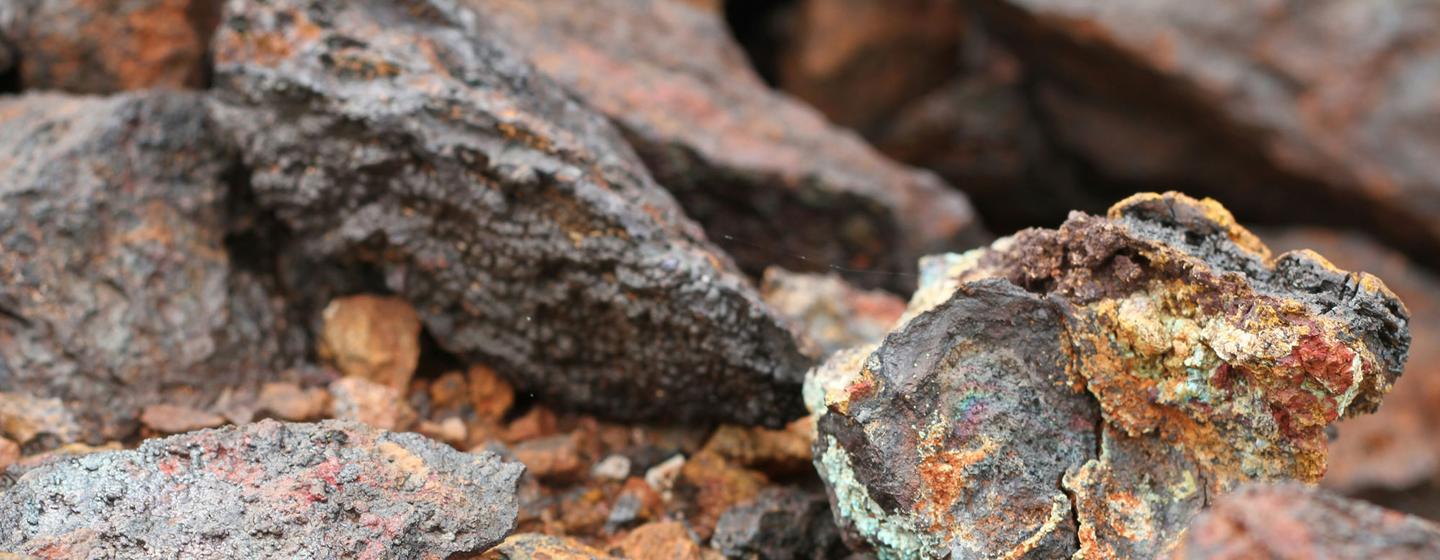
Ore containing copper, cobalt and nickel at a mine.

Green solutions without consultation

The report also looks at how even as the world embraces a renewable energy future, many Indigenous Peoples are finding themselves on the frontlines not as climate partners, but as collateral damage from some of the solutions.

So-called green solutions often pose as much of a threat to Indigenous Peoples as the climate crisis itself,” writes Mr. Ibrahim. From biofuel expansion, carbon offsetting schemes, and mineral extraction for clean energy technologies, the new economy is often being built on old injustices.

For example, in Africa, the report draws attention to how demand for minerals linked to the green energy transition — including lithium and cobalt — has led to extractive activities that proceed without free, prior and informed consent. These projects often result in environmental degradation and displacement, echoing colonial patterns of land exploitation.

In several countries across the Americas, carbon offset projects tied to forest conservation have also been implemented without consultation – often on Indigenous lands – resulting in environmental degradation and exclusion from financial benefits.

Throughout, the report warns that if climate actions continue to be designed and implemented without Indigenous Peoples at the centre, they risk replicating the extractive and exclusionary systems that fuelled the crisis in the first place.

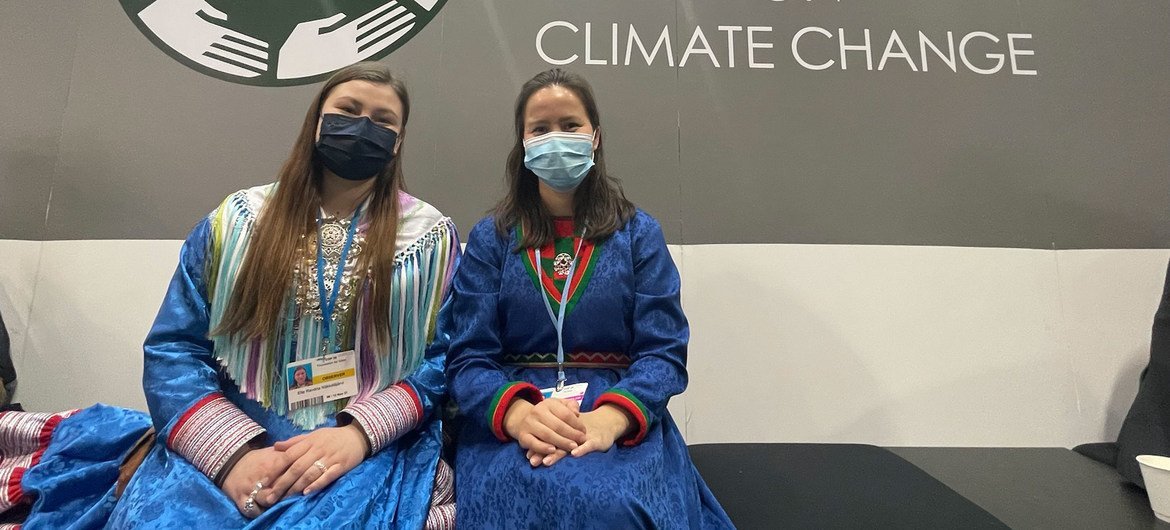
Indigenous young women representatives of the Sami People at the COP26 pavilions.

Climate change is a health crisis

The report also includes a chapter commissioned by WHO that details how climate-related health impacts intersect with the social, cultural, and spiritual lives of Indigenous communities.

In the Arctic, changes in temperature, wildlife migration, and weather patterns are disrupting traditional practices like hunting and harvesting. These disruptions are causing stress and threatening food security.

Indigenous women are particularly affected by the intersection of climate change and health. In East Africa, for example, women are more vulnerable to neglected tropical diseases such as schistosomiasis, leishmaniasis, and soil-transmitted helminthiases.

In the Amazon, climate-induced biodiversity loss has reduced access to traditional foods and medicinal plants, contributing to nutritional deficiencies among pregnant and nursing women, as well as broader community health vulnerabilities.

Despite these challenges, the report emphasises resilience. Communities are implementing locally rooted adaptation strategies, often led by women and elders. These include restoring traditional diets, strengthening intergenerational knowledge sharing, and adapting harvesting calendars to new ecological rhythms.

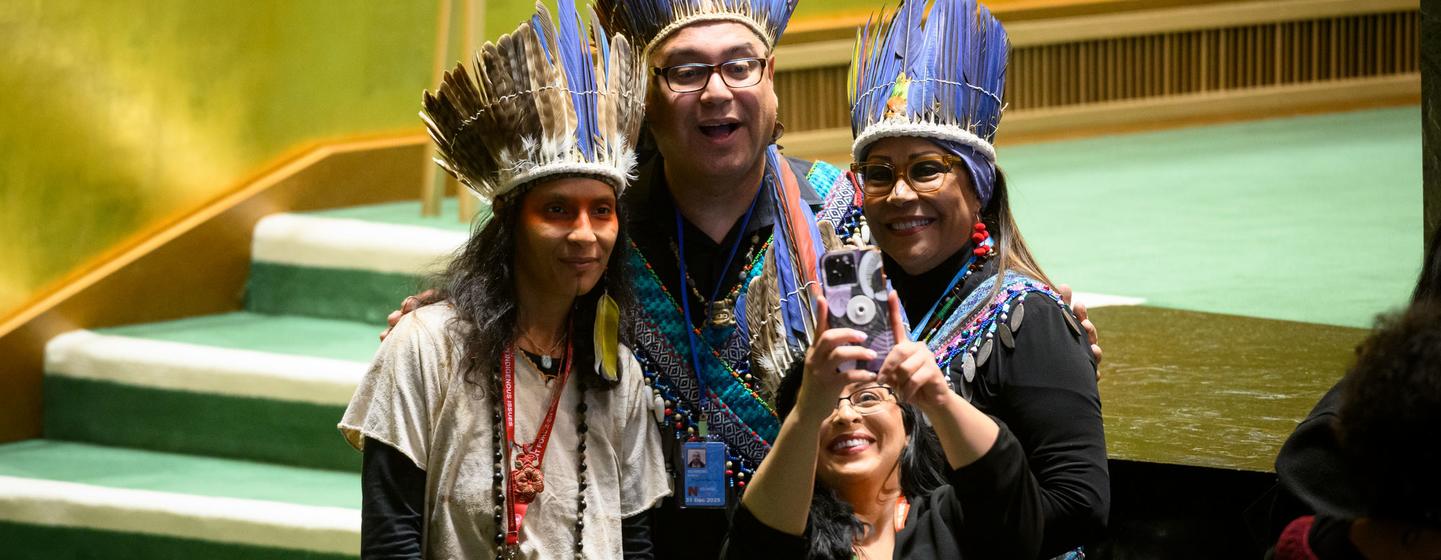
Participants attend the opening of the 24th Session of the Permanent Forum on Indigenous Issues.

Excluded from the table and the funds

Although Indigenous Peoples are increasingly acknowledged in global environmental frameworks, the report reveals that their role in shaping and implementing climate policy remains severely limited — both in terms of funding and governance.

Indigenous communities continue to face structural barriers that prevent them from accessing international climate finance. While significant resources flow through climate initiatives worldwide, less than 1 per cent reaches Indigenous Peoples directly.

The report calls for a fundamental shift: not just to increase funding, but to change who controls it.

Among its key recommendations are the creation of Indigenous-led financial mechanisms, formal recognition of Indigenous governance systems, and the protection of data sovereignty – ensuring communities control how knowledge about their lands and livelihoods is collected and used.

Unless these systems are transformed, the report warns, climate action risks reproducing the same patterns of exclusion and dispossession that have long undermined both Indigenous rights and global environmental goals.

Source link

Gaza: Aid ban pushes civilians to the brink

UN Spokesperson Stéphane Dujarric told reporters at a news briefing at UN Headquarters on Thursday that the humanitarian situation continues to deteriorate rapidly.

Children are going hungry, patients remain untreated, and people are dying,” he said.

“It is time to lift those restrictions immediately.”

According to latest reports, the disruption in the flow of goods has led to dramatic price hikes – up to 1,400 per cent above pre-ceasefire levels – with  basic items such as dairy, eggs, fruits and meat now absent from local markets.

In April alone, prices have risen by 50 per cent compared to March, according to the UN aid coordination office, OCHA. Shortages of cash and plummeting purchasing power have forced many families deeper into hunger.

Conditions on the ground

On Wednesday, UN’s acting Humanitarian Coordinator for the occupied Palestinian territory, Suzanna Tkalec, visited Deir al Balah and Khan Younis to assess conditions on the ground.

In Khan Younis, the team inspected the main desalination plant for southern Gaza, which has been operating at only 15 per cent capacity since early March due to electricity cuts imposed by Israel. As a result, access to clean water remains extremely limited.

They also visited two overcrowded displacement sites to evaluate living conditions.

In Deir al Balah, the UN team observed operations at a community kitchen run by the Atfaluna Society for Deaf Children, which offers meals and training for youth, women and people with disabilities.

Severe shortages

Meanwhile, humanitarian partners are reporting severe shortages of tents, tarpaulins and other critical materials, Mr. Dujarric said.

Warehouses are almost depleted, which is limiting shelter assistance to just a fraction of what is needed to survive.

UN agencies continue to provide relief as best they can. UN reproductive health agency, UNFPA, this week supplied 10 reproductive health kits – enough to support over 6,900 people – to six health partners, and emergency supplies to key hospitals.

More than 900 women and girls were reached with dignity kits and agency workers held around 240 sessions addressing gender-based violence, with 200 new case files opened.

Call for accountability over killing of UN staffer

Responding to a question on the deadly 19 March strike that killed a UN staff member and severely injured at least five others in Gaza, Mr. Dujarric said that Israeli authorities had reported the outcome of their internal investigation to the UN.

“There has been more cooperation and transparency on their side that we have had in these types of incidents, since the beginning of this conflict,” he said, underscoring the need to ensure accountability and transparency – for this case as well as all others.

“We have seen UN colleagues killed in Gaza or UN infrastructure attacked. And again, we call on all parties to fully comply with international humanitarian law, including the protection of civilians but also the protection of UN and humanitarian staff.”

As budgets shrink, UN Peacekeeping looks to the future

“This is a particularly timely meeting,” said Jean-Pierre Lacroix, UN Under-Secretary-General for Peace Operations, at a press conference in New York on Thursday.

It’s a unique opportunity to underline the added value of peacekeeping and ensure we remain ready, as a peacekeeping family, to respond with Member States to any new mission that may arise.”

The UN Peacekeeping Ministerial 2025 is expected to draw around 1,000 delegates to the German capital next month, including foreign and defence ministers from across the globe. Their goal: to shape a peacekeeping model that is more agile, intelligent and resilient.

UN Secretary-General António Guterres is also due to attend the meeting taking place on 13 and 14 May.

Facing growing challenges

As conflicts intensify from South Sudan to the Middle East and Kashmir, and as geopolitical divides weaken international consensus, this biennial conference is being called one of the most significant since its inception in 2014.

We are facing more internal and inter-State conflicts than at any point since the Second World War,” Mr. Lacroix noted, pointing to the increasing complexity of modern warfare.

Additional challenges such as transnational crime, online disinformation, and climate change are also affecting missions – at a time when peacekeeping budgets continue to shrink.

‘Difference between life and death’

Despite these pressures, ‘blue helmets’ continue to carry out their work under extremely difficult conditions. “They protect hundreds of thousands of people,” said the peacekeeping chief. “Very often, their presence is the difference between life and death.”

Germany, a key contributor to UN peacekeeping, is leading the organization of the upcoming meeting. “Peacekeeping is multilateralism in action,” said Nils Hilmer, Germany’s State Secretary for Defence. “We want to provide a platform for Member States to strengthen peacekeeping for the future.”

Sessions in Berlin will include pledging events, high-level debates, exhibitions, and a spotlight on Germany’s involvement in missions such as UNIFIL in Lebanon and UNMISS in South Sudan.

At the heart of the UN

Katharina Stasch, Germany’s Director-General for International Order and Disarmament, highlighted the symbolic power of peacekeepers. “For many, the blue helmets are the face of the UN. Peacekeeping is at the heart of the organization.”

The meeting will also support progress on the UN’s Pact for the Future reform initiative, with topics including conflict prevention, digital innovation, regional partnerships and countering disinformation.

“The mission remains the same,” said Mr. Lacroix. “Helping host countries through their most turbulent times – despite tighter budgets.”

Source link

UN warns of rising deportations of Haitian mothers and newborns from Dominican Republic

According to the UN migration agency, IOM, recent weeks have seen an increase in the deportation of women, including those who are pregnant or breastfeeding, as well as children and newborn babies. 

The agency has emphasised the heightened risks these groups face being returned to Haiti, where access to basic services remains severely limited.

On Tuesday alone, IOM staff at the Belladère border crossing in Haiti received 416 deportees, including 11 pregnant women and 16 women who are still breastfeeding.

Meeting the needs

“While IOM teams are not present during the deportation process itself, their efforts focus on the needs of deportees upon arrival, many of whom arrive in precarious and highly vulnerable conditions, often without any resources,” said UN Spokesperson Stéphane Dujarric, speaking in New York.

He explained that IOM provides immediate humanitarian assistance, including food, water, and hygiene kits, as well as first aid, medical referrals, and psychosocial support.

Special attention is given to maternal health, and temporary places to live are arranged for women who are breastfeeding when necessary, he added.

Worsening conditions

Mr. Dujarric also updated on the situation in Haiti, where rising violence and recent funding cuts are undermining essential services and worsening the humanitarian situation, particularly in the Centre Department.

Escalating violence on the part of armed groups has triggered mass displacement, with more than 51,000 people, over half of them children, fleeing recent attacks. Many are now stranded at makeshift sites or seeking safety in other regions. 

No safety inside hospitals

He noted that the University Hospital of Mirebalais – a major referral facility with about 300 beds – has suspended operations following a wave of insecurity in the area. 

“Armed attacks, a mass prison break and the destruction of public infrastructure forced the hospital to gradually shut down. Before its closure, it served nearly 850 patients each day, including through maternal care and advanced cancer treatment,” he said.

Meanwhile, two other hospitals in the area – St. Therese in Hinche and Albert Schweitzer Hospital in Artibonite – are now coming under increased strain and face critical shortages, including oxygen and emergency medical kits. 

Since the closure of the University Hospital in Mirebalais, they have treated more than 200 patients for gunshot wounds, strokes, suspected cholera and malnutrition. 

“St. Therese alone has received more than 3,500 internally displaced people – tripling its outpatient caseload,” Mr. Dujarric said.

The UN Children’s Fund (UNICEF) and humanitarian partners are working to relieve pressure on the health system in Centre Department.

Mobile clinics are being deployed to reach 30,000 people in host communities and displacement camps, in coordination with the Haitian authorities and the Catholic charity Caritas.

Humanitarians are seeking $908 million to support nearly four million people in Haiti this year. Only six per cent of the funding, $57 million, has been received to date

Source link