Hundreds killed in Sudan’s camps for displaced people

Violent clashes between armed militias and forces of the military Government have escalated dramatically across North Darfur in recent weeks as Sudan marked two years of civil war.

The El Fasher and Zamzam camps for internally displaced persons (IDPs) who were forced to flee their homes because of the conflict, were disproportionately affected.

“The bombs were falling on the hospital. The sick and their mothers were killed. Those of us who survived left with only our children on our backs,” said Hawa, a mother of three who was inside a hospital in the Zamzam camp during the shelling, speaking to the UN Children’s Emergency Fund (UNICEF).

Horror and displacement

The attacks have destroyed critical infrastructure, halted water trucking services, and led to the collapse of already fragile health services, according to the UN.

Zamzam IDP camp, which prior to the recent shelling housed at least 400,000 people, has now been nearly emptied. The UN has reported that over 332,000 people have fled the camp.

Humanitarian organisations are warning of increasing reports of sexual violence, the targeting of civilians, and forced recruitment – particularly by elements of the Rapid Support Forces (RSF) militia.

Aid under strain

The sudden and massive influx of IDPs into already overwhelmed towns and host communities is increasing the strain on health services, water infrastructure, and local food systems.

While IDP camps face soaring demand for emergency shelters, clean water, food, and protection services, fuel shortages have led to the near-total suspension of water trucking operations in many areas, including El Fasher.

The sick and their mothers were killed. Those of us who survived left with only our children on our backs

In Central Darfur, health partners report rising levels of malnutrition, especially among children.

In the past, we had three to four meals per day. For the past two years, giving [my children] one meal a day is a miracle,” Hawa recounted.

Although the UN is currently delivering life-saving food assistance in Tawila — North Darfur, an immediate scale-up in humanitarian assistance is needed to prevent tens of thousands of newly-displaced people from falling further into acute vulnerability.

UN agencies and their partners are urgently appealing for increased funding to avert further loss of life and irreversible humanitarian consequences.

Source link

Trust collapsing as job fears surge worldwide, warns UN

According to the World Social Report 2025 launched on Thursday, the sobering sentiment indicates a widespread lack of confidence in the future.

Despite people living longer, being better educated and more connected than ever before, many believe that life today is worse than it was 50 years ago.

Close to 60 per cent of people surveyed on life satisfaction reported that they were “struggling” with a further 12 per cent describing themselves as “suffering”, the report notes.

Financial insecurity everywhere

According to the report, economic instability is no longer limited to the world’s poorest regions.

Even in high-income countries, rising job uncertainty, gig work and the digital transition are contributing to this trend.  

These jobs may offer flexibility but often come at the cost of security and rights – reducing workers to mere service providers in a commodified labour market.

The insecurities are further compounded by an alarming rise in informal employment. In many low and middle-income countries, jobs with no safety net remains the norm, locking workers into cycles of low pay, instability, and zero benefits.

Even those who manage to enter formal employment face significant risks of being pushed back into the informal sector, especially during downturns.

For over 2.8 billion people living on less than $6.85 a day – the threshold for extreme poverty – “even a small shock can send people into extreme poverty and any escapes from poverty are often temporary,” the report warns.

The situation is further complicated by rising climate change impacts and worsening conflicts, further undermining local economies and deepening inequality, especially in the developing world.

Collapse of trust

As financial pressures mount and stability erodes, public confidence in institutions – and in one another – has also taken a severe hit, particularly among young people.

Over half the world’s population (57 per cent) now expresses low levels of confidence in government. Among those born in the 21st century, trust levels are even lower – raising concerns about long-term civic disengagement and political instability.

People’s trust in one another is also eroding. Fewer than 30 per cent of people in countries with available data believe that most others can be trusted, undermining social cohesion and complicating efforts for collective action.

“The spread of misinformation and disinformation, facilitated by digital technologies, is reinforcing divisions and fuelling distrust,” the report says, warning of abuse and misuse of digital platforms and social media to spread deceit and hate speech, and stoke conflicts.

“Often, users find themselves immersed in virtual and siloed ‘echo chambers’ where they are exposed to news and opinions that align with and may even radicalize their views.”

Platform algorithms facilitate the creation of such echo chambers and reward more extreme content and engagement with higher visibility, the report adds.

Cycle rickshaw drivers navigate the busy streets of Old Delhi, India – a livelihood for many in the informal economy.

Time for bold policies

To reverse these damaging trends, the report calls for a bold shift in policymaking – one grounded in equity, economic security and solidarity.

It urges governments to invest more in people through expanding access to quality public services – such as education, healthcare, housing and robust social protection systems.

These investments are not discretionary, the report stresses, but essential to promote resilience and inclusive growth.

It also highlights the need to rebuild trust through inclusive and accountable institutions. At the same time, power and wealth needs to become less concentrated at the very top of society.

Collective solutions

Now more than ever, we must strengthen our resolve to come together and build a world that is more just, secure, resilient and united
– Secretary-General Guterres

As momentum builds toward the Second World Summit for Social Development, which will be held in Doha in November, global leadership will be key to driving transformative change.

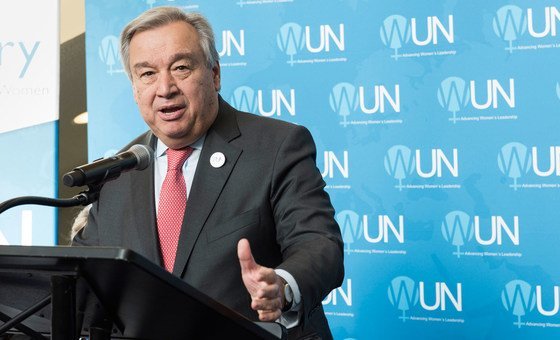
UN Secretary-General António Guterres stressed the need for unity and decisive action in a foreword to the report.

The global challenges we face demand collective solutions,” he wrote.

“Now more than ever, we must strengthen our resolve to come together and build a world that is more just, secure, resilient and united for each and every one of us.”

Source link

More action needed to beat malaria for good, says UN

Ahead of World Malaria Day on Friday, UN health agency WHO is calling for renewed efforts at all levels – from global policy to community action – to accelerate progress towards elimination.

Malaria is spread by some types of mosquitoes and is mostly found in tropical countries. Symptoms – which can be mild or life-threatening – include fever, chills and headache, seizures, and difficulty breathing.

Africa continues to carry a disproportionately high share of the global malaria burden.  In 2023, approximately 94 per cent of all cases, and 95 per cent of deaths, occurred in the region. Most deaths, 76 per cent, were among children under five.

Eye on elimination

WHO recalled that during the late 1990s, world leaders adopted effective policies which led to the prevention of more than two billion cases and nearly 13 million deaths since the year 2000.

As a result, 45 countries and one territory have been certified as malaria-free, and many other countries continue along the path towards elimination. 

Of the remaining 83 malaria-endemic countries worldwide, 25 reported fewer than 10 cases in 2023.

However, WHO Director-General Tedros Adhanom Ghebreyesus said history has shown that these gains are fragile because “when we divert our attention, the disease resurges, taking its greatest toll on the most vulnerable.” (HOW ABOUT USING THIS AS A PULL-QUOTE?) 

But history also reveals what is possible, he added.  Tedros insisted that “with strong political commitment, sustained investment, multisectoral action and community engagement, malaria can be defeated.”

Net investment

WHO said years of investments in the development and deployment of new malaria vaccines, as well as tools to prevent and control the disease, are paying off.

On World Malaria Day, Mali will join 19 other African countries in introducing malaria vaccines, representing a vital step towards protecting young children from one of the deadliest diseases on the continent. It is expected that the large-scale rollout of malaria vaccines in Africa will save tens of thousands of young lives every year.

Meanwhile, the expanded use of a new generation of insecticide-treated mosquito nets is set to make further inroads against the disease. 

Progress in peril

Yet, despite significant gains, malaria remains a major public health challenge. Nearly 600,000 deaths occurred in 2023 alone, with the African region hardest hit.

In many areas, progress has been hampered by fragile health systems and rising threats such as drug and insecticide resistance, WHO said. Many at-risk groups also continue to miss out on the services needed to prevent, detect and treat malaria. 

These challenges are further compounded by climate change, conflict, poverty and displacement, while funding cuts this year could further derail progress in many endemic countries, putting millions of additional lives at risk. 

A renewed call 

World Malaria Day 2025 is being celebrated under the theme Malaria ends with us: reinvest, reimagine, reignite, and WHO is calling for stepped up political and financial commitment to protect hard-won gains to date.

To reinvest, WHO is joining partners and civil society in calling on malaria-endemic countries to increase domestic spending, particularly in primary healthcare.

The agency is also stressing the need to reignite commitment to help end malaria transmission at all levels – from communities and frontline health workers, to governments, researchers, private sector innovators and donors.  

Climate change: How mountain communities are scaling new heights

Investment in organic farming, sustainable textiles and eco-tourism is helping mountain communities in Central Asia adapt to global warming, the UN’s Food and Agriculture Organization (FAO) said on Thursday, urging greater support for regions often overlooked in climate discussions.

Mountain residents relying on family farming are among the world’s poorest people, said the agency’s Director-General Qu Dongyu.

Speaking at the International Conference of the Global Mountain Dialogue for Sustainable Development in Bishkek, the FAO chief explained that many alpine people struggle with food insecurity, as climate change, environmental degradation and unsustainable use of resources make it harder to access clean water, food and fertile soils.

Mountain communities, the stewards of mountain resources, have great potential for climate-resilient development.

Kyrgyzstan, a Central Asian nation that is home to some of the world’s most diverse and significant mountain ecosystems, is gearing up to host a Global Mountain Summit in 2027.

More resilient systems

Mountain communities, the stewards of mountain resources, have great potential for climate-resilient development by transforming to more efficient, more inclusive, more resilient and more sustainable agrifood systems,” Mr. Qu said, insisting that the protection of mountain ecosystems is a global responsibility.

More than two billion people globally rely on freshwater from glaciers – a fragile supply endangered by rising temperatures and melting snowcaps, he said.  

There has been some progress – but mountain regions remain strained and increasingly impacted by human-induced climate change, biodiversity loss, soil erosion and land degradation.  

Boosting impact

FAO has worked in Kyrgyzstan since 2009 to help the country withstand mounting pressure on its ecosystems. The aims include achieving sustainable food security and supporting sustainable land and forest management.

The UN General Assembly in late 2022 adopted the Five Years of Action for the Development of Mountain Regions to “enhance the awareness of the international community of the problems of mountain countries” and strengthen global efforts to address the challenges these regions face. The plan will extend until 2027.  

Outrage as Russian overnight attacks on Ukraine cities kill at least nine civilians

Reports indicate that the latest Russian strikes damaged 12 buildings in the capital, causing widespread damage to homes, businesses and key services, while phones have been heard ringing from the rubble.

Other Ukrainian cities targeted included Zhytomyr – due west of Kyiv – and the northeastern cities of Sumy –  where a daytime missile strike killed at least 34 people on 13 April – and Kharkiv – where the authorities reported 24 drone and missile strikes in total.

“The casualty count is expected to rise as emergency teams continue search-and-rescue operations amid,” said the UN aid coordination office, OCHA.

The development follows Ukrainian President Volodymyr Zelensky’s reported decision on Wednesday to reject a US-led proposal to seek a peace deal with Russia that would have involved ceding territory lost during the war. In theory, this would include the eastern Ukrainian regions of Donetsk, Luhansk, Kherson and Zaporizhzhia, in addition to Crimea, which Russia annexed illegally in 2014.

“Last night’s large-scale attack by the armed forces of the Russian Federation on residential areas in Kyiv and surrounding regions is yet another appalling violation of international humanitarian law,” said the UN’s top aid official in Ukraine, Matthias Schmale.

Children and a pregnant woman were among the more than 70 people injured by Wednesday night’s reported missile and drone strikes. “This senseless use of force must stop… Civilians must never be targets”, insisted Mr. Schmale, UN Humanitarian Coordinator for Ukraine.

Echoing that message, the UN Children’s Fund, UNICEF, appealed for an end to the use of explosive weapons in civilian areas.

Source link

Largely eradicated diseases at risk of returning due to budget cuts

Cuts to global health funding are leading to a rise in outbreaks of diseases that vaccines had nearly wiped out, the UN health agency, WHO, is warning on Thursday.

In Africa’s “meningitis belt”, which spans parts of sub-Saharan Africa, vaccination campaigns had successfully eliminated meningitis A. Similarly, improved routine immunization and emergency vaccine stockpiles drastically reduced cases of yellow fever and related deaths.

But this progress is now at risk. “Funding cuts to global health have put these hard-won gains in jeopardy,” warned Tedros Adhanom Ghebreyesus, Director-General of the World Health Organization.

Outbreaks on the rise

In 2023, measles cases were estimated at more than 10.3 million – a 20 per cent increase compared to 2022.

WHO, UN Children’s Fund UNICEF and their partners warned in a statement marking the beginning of World Immunization Week that this upward trend is expected to continue into 2025.

Yellow fever is also making a comeback. After years of declining cases in Africa thanks to improved vaccine access, 2025 has already seen a rise in outbreaks across the continent. Cases have also been confirmed in the Americas.

Misinformation threat

Vaccination efforts are increasingly under pressure due to a combination of misinformation, population growth, humanitarian crises, and funding cuts.

Earlier this month, a WHO review across 108 countries found that nearly half are experiencing moderate to severe disruptions to vaccination campaigns, routine immunisations, and supply chains due to falling donor support.

The global funding crisis is severely limiting our ability to vaccinate over 15 million vulnerable children in fragile and conflict-affected countries against measles,” said Catherine Russell, Executive Director of UNICEF.

Vaccines offer high returns

Vaccines save around 4.2 million lives each year, protecting against 14 different diseases. Almost half of those lives are saved in Africa.

Despite this, falling investment now risks the re-emergence of diseases once thought to be under control.

Health experts emphasise that immunization is one of the most cost-effective health interventions. Every $1 invested in vaccines brings an estimated return of $54 through better health and economic productivity.

UNICEF, WHO, and their partners are calling on parents, the public, and political leaders to support immunization programmes and ensure long-term investment in vaccines and public health systems.

Source link

Health, education, opportunity at stake, amid stubborn digital gender divide

Closing this gap is not optional. There were189 million fewer women than men online in 2024.  

The disparity is about more than access, it reflects deeper systemic barriers, according to ​Doreen Bogdan-Martin who heads the UN telecommunications agency, ITU.

That’s too many missed opportunities to learn, to earn and to shape our shared digital future,” she said in a message for Thursday’s International Girls in ICT Day.

She underscored that connectivity alone is not enough to ensure true digital transformation.

“It must be meaningful – being able to afford digital devices and services, having the skills to use technology and feeling safe in online spaces. Everyone deserves the chance to thrive in an increasingly digital world.”

ITU Secretary-General Doreen Bogdan-Martin’s video message.

2025 Theme

Celebrated annually on the fourth Thursday of April, Girls in ICT Day encourages girls to pursue careers in science, technology, engineering and mathematics (STEM).

Since its launch in 2011, more than 417,000 girls and young women have participated in over 11,500 celebrations across 175 countries.

This year’s theme is Girls in ICT for inclusive digital transformation. The ITU is calling for more investment in girls’ digital education and expansion of access to technology.  

More young women need to become creators – not just consumers in the digital world, the agency argues.

“Whether you are an entrepreneur, launching an AI startup, a teacher incorporating digital skills into your classroom or a policymaker shaping our shared digital future, you can help ensure every woman and girl has the chance to connect, create and lead in digital spaces,” Ms. Bogdan-Martin emphasised.

A participant at a UN-supported training on STEM for girls and young women.

Global observance

The 2025 global observance will be co-hosted this year by the Commonwealth of Independent States (CIS) in Eurasia together with States from the Arab region, featuring a live-streamed hybrid event linking Bishkek, Kyrgyzstan and Nouakchott, Mauritania.

The programme includes an intergenerational dialogue bringing together girls, women leaders, and ICT experts to discuss practical strategies for closing the gender gap.

Events are also being organized worldwide, including Girls in ICT in Solomon Islands in the Pacific, the Melon Girls Club in North Macedonia and STEM Supergirls in Croatia.

Source link

AI lightens the workload – but risks remain, labour agency warns

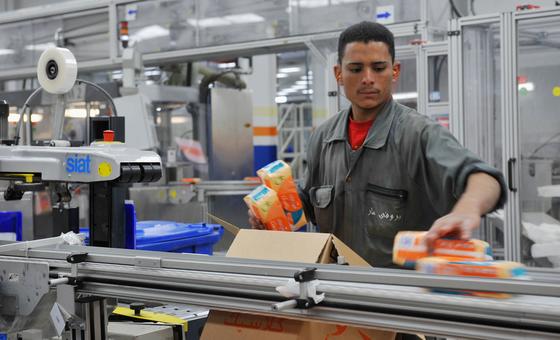
In a new report highlighting the universal impact of the technological revolution now underway, the UN International Labour Organization (ILO) insisted that it offered a way out from so-called 3D jobs that are “dirty, dangerous and demeaning”.

Health and safety

But the ILO also warned that greater oversight is needed to prevent unexpected safety issues caused by the roll-out of AI and associated technology in the workplace.

“Digitalization offers immense opportunities to enhance workplace safety,” said Manal Azzi, Team Lead on Occupational and Safety Health Policy at the ILO.

“Automation can reduce repetitive tasks, such as in factory production lines or in administrative work, allowing workers to take on more challenging tasks. But for us to fully benefit from these technologies, we must ensure they are implemented without incurring new risks.”

The ILO notes that these new tools are already revolutionizing how safety is managed across industries, from logistics to healthcare and construction. Even low-tech sectors are beginning to feel the benefits.

Here are some of the key unfamiliar risks associated with AI, robotics and digitalization:

  • Human-robot interaction: Workers who collaborate with or maintain robots may be exposed to injuries from malfunctions, unpredictable behaviour, or design flaws.
  • Cybersecurity threats: As workplaces become more connected, system failures or cyberattacks could compromise safety systems and endanger workers.
  • Ergonomic issues: Wearables and exoskeletons, if poorly designed or ill-fitting, can cause discomfort, strain, or injury rather than preventing them.
  • Mental health: Constant digital monitoring, algorithm-driven workloads and the pressure of always being connected can lead to stress, burnout, and other mental health problems.
  • Reduced human oversight: Over-reliance on automation and AI can decrease critical human judgement, potentially increasing safety risks when systems fail or make errors.
  • Digital supply chain hazards: Workers in parts of the tech supply chain, such as mining for materials in hostile environments or handling e-waste, face dangerous and often overlooked conditions.

Source link

Guterres condemns deadly attack in Jammu and Kashmir

UN Spokesperson Stéphane Dujarric, responding to inquiries, emphasised the Secretary-General’s condemnation of the attack.

Media reports indicate that a gunman opened fire on a group of people near Pahalgam, in the region’s south, leaving more than two dozen dead.

Mr. Guterres extends his heartfelt condolences to the bereaved families, said Mr. Dujarric, underscoring “that attacks against civilians are unacceptable under any circumstances.”

Jammu and Kashmir has been disputed by India and Pakistan, since the end of British rule in the late 1940s.

Source link

Sewage, trash and disease overwhelm displaced communities in Gaza

In the makeshift coastal encampments of Al Mawasi families have no choice but to live in unsanitary conditions that are rapidly turning deadly, Louise Wateridge, Senior Emergency Officer at Palestine refugee agency, UNRWA, told UN News.

She described an increasingly dire situation: malnourished children and families, already worn down by months of war, battle unrelenting heat, unsanitary conditions, a lack of clean water and limited access to healthcare.

“The trash is just out of control. The sewage, the rodents, the pests, the rats, the mice – all of these animals are going between the structures that people are sheltering in,” she said.

As the days hot up, “disease is spreading. There is not enough medicine,” she added. UNRWA teams are conducting intensive clean up campaigns, but their resources are running out.

They’ve got about 10 days left of pesticides. Supplies are going to run out,” Ms. Wateridge warned.

Heavy equipment destroyed

The worsening conditions are being compounded by the destruction of Gaza’s public health infrastructure.

According to the UN humanitarian coordination office (OCHA), more than 30 vehicles essential for waste management, water supply and sewage maintenance were destroyed by Israeli airstrikes between 21 and 22 April.

In the past week alone, at least 23 reported strikes have hit tents sheltering internally displaced persons (IDPs), killing dozens of civilians – including women, children, and persons with disabilities.

Health system under strain

OCHA also noted that Gaza’s health system is continuing to collapse.

Over half of the remaining health facilities are located in zones under evacuation orders, posing serious access challenges for communities in urgent need. There are also widespread shortages of medicine, equipment and medical staff.

As of 15 April, an estimated 420,000 people have been displaced – many for the second or third time.

Shrinking humanitarian space

Humanitarian space continues to be shut down. Vital humanitarian aid has not entered Gaza for 52 consecutive days.

OCHA noted that between 15 and 21 April, nearly half of the planned humanitarian movements were denied or impeded.

It reported that out of 42 planned movements across the Gaza Strip that were coordinated with the Israeli authorities, 20 were denied, two faced impediments, 19 were facilitated and one was cancelled.

Meanwhile, UN agencies also have to contend with lack of funds to sustain their programmes.

As of 22 April, donors have disbursed about $569 million out of the $4.07 billion (about 14 per cent) required to meet the most critical humanitarian needs of three million people requiring assistance in Gaza and the West Bank, including East Jerusalem.

World leaders rally for ‘full-speed’ climate action ahead of COP30

The meeting was part of a joint mobilisation strategy by the two leaders to strengthen global action under the Paris Agreement and build momentum for stronger national climate plans to be announced in 2025.

The two-hour session held behind closed doors included China, the European Union, the African Union, the Association of Southeast Asian Nations, and small island developing States.

Mr. Guterres described it as one of the most diverse meetings of national leaders focused exclusively on climate for some time, carrying a powerful unifying message.

As we heard today, the world is moving forward. Full-speed ahead. No group or government can stop the clean energy revolution”, he declared at a press briefing afterwards.

New national commitments

He said many leaders pledged to deliver ambitious new climate plans, formally known as National Determined Contributions (NDCs), as soon as possible in what he called a “strong message of hope”.

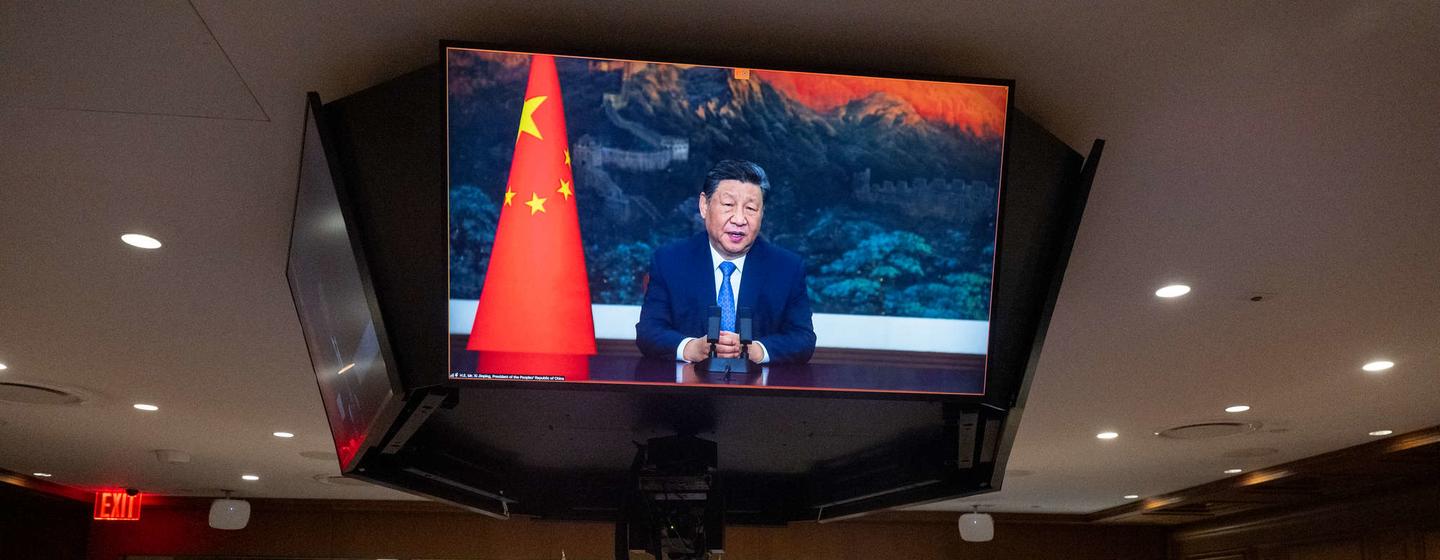
Guterres announced that President Xi Jinping confirmed during the meeting that China’s updated NDCs would cover all economic sectors and all greenhouse gases — a clarification he described as “extremely important” for climate action.

He added that these pledges provide a vital opportunity to chart a bold path for the next decade and most importantly, helps speed up a just transition away from fossil fuels to renewables.

Chinese President Xi Jinping (on screen) joins a virtual meeting of world leaders on climate action.

‘Economic opportunity of the century’

Renewable energy production is “the economic opportunity of the century,” he said, describing it as the “pathway out of climate hell.”

“The clean energy sector is booming – creating jobs and boosting competitiveness and growth worldwide…Science is on our side and economics have shifted.”

He noted that prices for renewables have fallen dramatically, offering “the surest route to energy sovereignty and security, ending dependence on volatile and expensive fossil fuel imports.”

Since the 2015 Paris Agreement, global projections for warming have declined, from over 4°C this century to 2.6°C if current plans are implemented.

But that still falls short of limiting temperature rise to 1.5°C above pre-industrial levels – the goal agreed in Paris by nations and endorsed by climate scientists.

The Secretary-General urged leaders to submit national plans that align with that target, cover all greenhouse gases and sectors, and signal a full commitment to achieving net zero emissions by 2050.

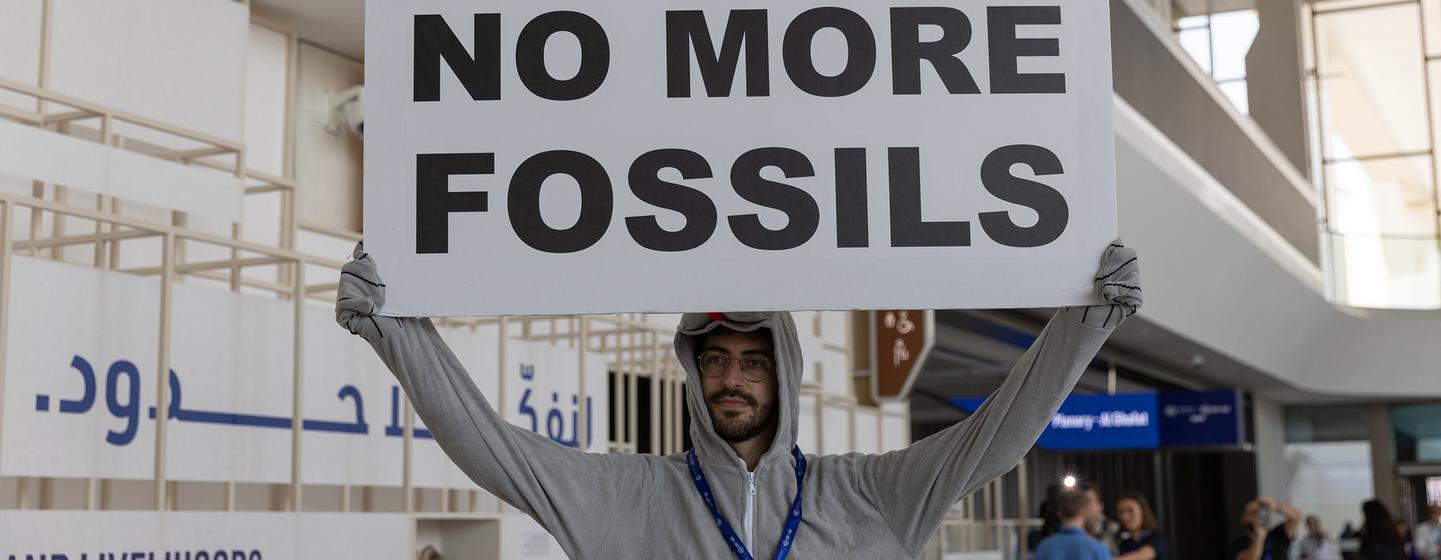
A man protests against fossil fuels at an international climate meeting in Dubai in 2023.

Strategic mobilization

According to a senior UN official who spoke on background prior to the meeting, Wednesday’s summit was “just another step” in the important effort to sustain political momentum during a pivotal year for combating climate change.

The group of invitees, the official said, was “small but representative,” including major economies, regional powers, former COP hosts, and climate-vulnerable nations.

“This is a really important year,” the official said, pointing to the 10th anniversary of the Paris Agreement and the upcoming deadline for countries to submit new climate plans.

This meeting is about reminding leaders that climate remains a key priority – that collaboration and multilateralism still matter.”

A senior Brazilian official who took part said the UN climate summit in Belém will move beyond negotiations to focus on implementation, transparency, and delivery. “We have already negotiated enough…now the world wants to see action – results, examples, solutions.”

The official also stressed that demonstrating tangible outcomes is essential for restoring trust in multilateralism.

“We want to prove that multilateralism is not only about negotiating documents,” they said, “but about making them real.”

Call for justice and finance

Mr. Guterres underscored the need to direct far more support to developing countries, which face the most severe impacts of climate change despite contributing the least to global emissions.

“Africa and other parts of the developing world are experiencing faster warming – and the Pacific islands are seeing faster sea-level rise – even while the global average itself is accelerating,” he said.

He called on countries to deliver a credible roadmap to mobilise $1.3 trillion per year for developing nations by 2035, double adaptation finance to $40 billion this year, and increase contributions to the new Loss and Damage Fund created at COP28.

No let up on climate action

The Secretary-General also announced a high-level UN event in September – just weeks ahead of COP30 – to assess progress on climate plans and finance.

The message was clear, according to Mr. Guterres. “We cannot, must not, and will not let up on climate action.”

Stopping child marriage is key to curbing deadly teen pregnancies: WHO

Each year, more than 21 million adolescent girls in low and middle-income countries become pregnant. About half of these pregnancies are unintended. Nine in 10 adolescent births occur among girls who were married before turning 18.

“Early pregnancies can have serious physical and psychological consequences for girls and young women,” said Dr Pascale Allotey, Director of Sexual and Reproductive Health and Research at WHO. “(They) often reflect fundamental inequalities that affect their ability to shape their relationships and their lives.” 

Too young to give birth

Teen pregnancy carries serious health risks. These include higher rates of infection, complications, and premature birth. It also disrupts education and limits job opportunities later in life. Many young mothers end up trapped in poverty.

To help prevent teenage pregnancy, WHO is calling on governments to offer better alternatives to child marriage. These include improving access to education, financial services and jobs.

If all girls finished secondary school, child marriage could be slashed by up to two-thirds, according to the UN Children’s Fund (UNICEF).

Stolen childhood

There has been global progress. In 2021, one in 25 girls gave birth before age 20. Twenty years earlier, the rate was one in 15. However, big gaps remain. In some countries, nearly one in 10 girls aged 15 to 19 still give birth each year.

“Early marriage denies girls their childhood and has severe consequences for their health,” said Dr Sheri Bastien, Scientist for Adolescent Sexual and Reproductive Health at WHO.

She emphasized the power of education in transforming girls’ futures. At the same time, both boys and girls need to understand the concept of consent “and challenge the major gender inequalities that continue to drive high rates of child marriage and early pregnancy in many parts of the world.”

The WHO guidelines update advice issued in 2011. They promote comprehensive sexuality education which the UN agency says is essential so that boys and girls know how to use different types of contraception and where to seek advice. 

“It has been shown to reduce early pregnancies, delay the onset of sexual activity and improve adolescents’ knowledge about their bodies and reproductive health,” WHO said.


Gaza aid crisis deepens as border closure stretches into 50th day

The UN relief coordination office, OCHA, said on Tuesday that this marks the longest period without aid or commercial supplies entering the Strip since the conflict began in October 2023.

Right now, it is probably the worst humanitarian situation ever seen throughout the war in Gaza,” OCHA spokesperson Jens Laerke told journalists at a briefing in Geneva.

Over 2.1 million Gazans are facing acute shortages of food, medicine, fuel, and clean water.

However, humanitarian supplies are stockpiled just across the border, including nearly 3,000 trucks of life-saving aid prepared by the Palestine refugee agency (UNRWA), which Israeli authorities are refusing to allow in.

Deliberate, man-made suffering

“Hunger is spreading and deepening – deliberate and man-made,” UNRWA Commissioner-General Philippe Lazzarini said in a statement.

Gaza has become a land of desperation…humanitarian aid is being used as a bargaining chip and a weapon of war.

The agency warned supplies inside Gaza are nearly all gone, with food stocks running dangerously low and only 250 food parcels left.

Flour has run out. Bakeries are shutting down, hospitals are collapsing without fuel or medicine, and essential items have soared in price.

Two million people – a majority of women and children – are undergoing collective punishment,” Mr. Lazzarini said.

“The siege must be lifted, supplies must flow in, the hostages must be released, the ceasefire must resume.”

Aid effort continues

Despite these conditions, UNRWA continues to operate on the ground, providing water, collecting solid waste, and running vital health services.

Eight heath centres and 39 medical points are still providing around 15,000 consultations daily. A blood donation drive to support local hospitals in urgent need of transfusions is also underway.

World News in Brief: Children killed in Darfur hospital attack, date set for US climate pact withdrawal, WHO leads call to fight neglected diseases

The children were among the patients being treated in the hospital’s emergency ward for injuries from previous bombings in the area, said the UN Children’s Fund, UNICEF.

“This heinous attack is a blatant violation of children’s rights. Children are being killed and injured in the very places where they should be safest from harm,” said UNICEF Executive Director Catherine Russell.

“Such attacks exacerbate the dire situation for children and families who are trapped in areas affected by conflict, insecurity, and lack of protection.”

70 per cent of hospitals out of action

In Sudan, over 70 per cent of hospitals in conflict-affected areas are currently non-operational due to damage, destruction, lack of supplies, or being used as shelters.

The delivery of medical supplies, vaccines, and routine immunisation has been hindered by ongoing security concerns and lack of access, worsening the humanitarian crisis and putting countless lives, especially those of children, at significant risk.

Under International Humanitarian Law, hospitals enjoy special protection and must not be targeted. Attacks on them undermine the essential care and relief the facilities provide to civilians, including children. All parties to the conflict have an obligation to ensure the protection of civilians, including children, and refrain from any actions that could impede access to life-saving medical services.

“Continued attacks on health facilities endanger children’s lives and restrict their access to lifesaving medical care, which can have immediate and long-term impacts on their health,” said Ms. Russell. “The violence must end now. Children in Sudan cannot wait any longer.”

US with pull out of Paris Agreement 27 January next year

The United States has officially notified the Secretary-General of its withdrawal from the Paris Climate Agreement, effective 27 January 2026, UN Spokesperson Stéphane Dujarric said on Tuesday.

The historic accord reached by 193 countries in December 2015 in a bid to keep temperature rises to below 1.5°C above pre-industrial levels, was signed by the US on 22 April 2016.

During the first Trump administration the US withdrew from the Agreement effective 4 November 2020, before his successor took the country back into the accord on 19 February 2021.

Fight continues against global warming

The UN Spokesperson said the latest withdrawal would not lead to any slowdown in the UN’s efforts to combat climate change.

“We reaffirm our commitment to the Paris Agreement and to support all effective efforts to limit the rise in global temperature to 1.5 degrees Celsius,” said Mr. Dujarric.

The international community continues to work towards the goals set by the Agreement, despite the US’s decision to withdraw.

UN health agency leads call to fight neglected disease scourge

Health news now, and an appeal from the UN World Health Organization (WHO) for concerted action to tackle neglected tropical diseases, which impact more than one billion people – often with devastating health, social and economic consequences.

Every year, around 800 to 900 million people are treated for at least one neglected tropical disease, according to the UN health agency, which warned that global warming has emerged as a threat in this field of medicine.

Long list

The list of tropical diseases is a long one and includes Buruli ulcer, Chagas disease, dengue, chikungunya and dracunculiasis. They tend to thrive among vulnerable people who live in poverty and are caused by viruses, bacteria, parasites, fungi and toxins.

Progress in tackling these diseases remains hampered by a lack of investment and conflict, the WHO said, ahead of World Neglected Tropical Disease Day on Thursday.

Today, 54 countries have successfully eliminated at least one neglected tropical disease; WHO’s goal is for 100 countries to do the same by 2030. 

Climate crisis driving surge in gender-based violence, UN report finds

That is the warning from a new report by the UN Spotlight Initiative, which finds that climate change is intensifying the social and economic stresses that are fuelling increased levels of violence against women and girls.

The report finds that extreme weather, displacement, food insecurity, and economic instability are key factors increasing the prevalence and severity of gender-based violence.

These impacts hit hardest in fragile communities, where women already face entrenched inequalities and are more vulnerable to assault.

Every 1°C rise in global temperature is associated with a 4.7 per cent increase in intimate partner violence (IPV), the study finds. In a 2°C warming scenario, 40 million more women and girls are likely to experience IPV each year by 2090. In a 3.5°C scenario, that number more than doubles.

The Spotlight Initiative — a global partnership between the European Union and the United Nations — works to eliminate all forms of violence against women and girls. Its latest findings emphasise that climate solutions must address rights, safety, and justice if they are to be effective or sustainable.

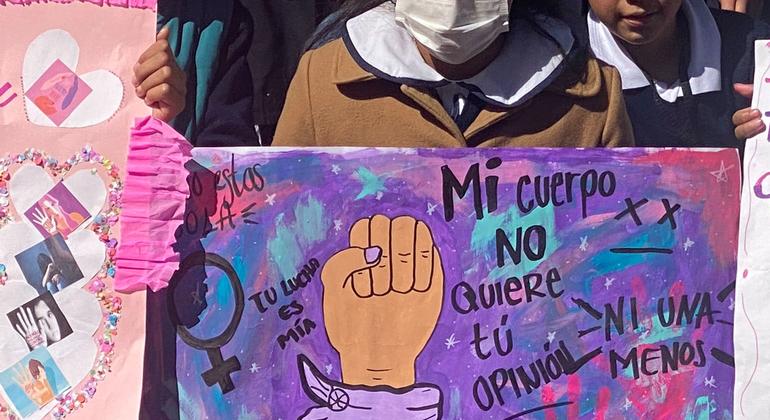
UNIC Mexico/Eloísa Farrera

A ‘shadow pandemic’

Gender-based violence is already a global epidemic, the report outlines. Over one billion women — at least one in three — have experienced physical, sexual, or psychological abuse in their lifetime. These figures are likely underestimated, as only around seven per cent of survivors file a formal report to police or medical services.

The Spotlight Initiative identifies a pattern of increased violence in the aftermath of climate disasters.

In 2023 alone, 93.1 million people were affected by weather-related disasters and earthquakes, while an estimated 423 million women experienced intimate partner violence. As climate shocks become more frequent and severe, the risk of violence is projected to rise dramatically.

For example, one study highlighted in the report found a 28 per cent increase in femicide during heatwaves.

Other consequences include higher rates of child marriage, human trafficking, and sexual exploitation, especially in the wake of displacement caused by floods, droughts, or desertification.

Marginalized communities

The burden of this crisis is not evenly distributed. Women and girls living in poverty — including smallholder farmers and those in informal urban settlements — face heightened vulnerability.

Women who are Indigenous, disabled, elderly, or part of the LGBTQ+ community also experience overlapping risks, with limited access to services, shelters, or protections.

In sub-Saharan Africa, projections show that intimate partner violence could nearly triple from 48 million women in 2015 to 140 million by 2060 if temperatures rise by 4°C. However, under a scenario that limits warming to 1.5°C, the share of women affected could decrease from 24 percent in 2015 to 14 percent in 2060.

The report also draws attention to the growing threats against women environmental human rights defenders. Many face harassment, defamation, physical assault, or worse for speaking out against destructive land use or extractive industries.

In Guatemala, women who reported illegal logging were forcibly evicted and had their homes burned. In the Philippines, those opposing mining operations have faced abduction and deadly violence.

© UNICEF/Anderson Flores

An urgent call for gender-inclusive climate policy

Despite the urgency of this issue, only 0.04 per cent of climate-related development assistance focuses primarily on gender equality. The report argues that this gap represents a critical failure to recognize how gender-based violence – or GBV – determines climate resilience and justice.

The Spotlight Initiative calls for GBV prevention to be integrated into all levels of climate policy, from local strategies to international funding mechanisms.

Examples from countries like Haiti, Vanuatu, Liberia, and Mozambique have shown how programmes can be designed to simultaneously address violence and build climate resilience.

These include re-training midwives for jobs in the expanding climate-smart agricultural sector, ensuring that disaster response includes GBV services, and supporting mobile health clinics in disaster zones.

The report stresses that effective climate action must prioritize safety, equity, and the leadership of women and girls.

Ending violence against women and girls, the report concludes, is not only a human rights imperative — it is essential to achieving a just, sustainable, and climate-resilient future.

‘Fragility and hope’ mark new era in Syria amid ongoing violence and aid struggles

On 6 March, armed groups linked to the deposed Assad regime ambushed forces of the caretaker administration led by Ahmed al-Sharaa, targeting military and internal security forces as well as several hospitals.

Mr. Pedersen described the violence as “sectarian and retaliatory,” with reports of entire families executed and widespread fear among the civilian population.

“The coordinated attack on the caretaker authority, the heavy counterattacks against this, and the mass killings of civilians all came against a background of already-fomenting insecurity,” said Mr. Pedersen.

The Special Envoy noted the “great hopes and huge fears” that have emerged since the fall of Bashar al-Assad’s regime in December 2024.

Calling for transparent, independent and public investigations into the violence, he urged for those responsible to be held accountable, “with a clear signal that the era of impunity in Syria is in the past.”

Meanwhile, humanitarian efforts by UN agencies and partners continue, amid a mixture of progress and setbacks.

UN Under-Secretary-General for Humanitarian Affairs Tom Fletcher underscored the work being done by the international community.

“We are making progress,” he stated, noting expanded routes for cross-border deliveries and increased support for vulnerable communities. One recent success saw the Atareb Water Station in Aleppo resume operations, bringing water to 40,000 people.

The Syrian Ambassador also expressed gratitude to Qatar and Jordan, alongside the UN Development Programme (UNDP), for the initiative to supply Syria with gas through Jordan and the ability to generate 400 megawatts of electricity.

Meanwhile, the European Union has committed nearly €2.5 billion for 2025 and 2026, having raised an overall of €5.8 billion towards Syria’s recovery.

But despite pledges of support, the humanitarian response remains critically underfunded, Mr. Fletcher explained.

“Last year’s appeal was only 35 per cent funded – causing us to reduce our humanitarian response by more than half,” he stated.

On a more hopeful note, Mr. Pedersen highlighted the recent agreement between caretaker authorities and the mostly Kurdish Syrian Democratic Forces (SDF), which speaks to the future integration of civil and military institutions in northeastern Syria.

“We will continue and deepen engagement in support of the process,” he said, expressing cautious optimism, warning that the road ahead would not be easy.

“The issue of foreign fighters in the senior ranks of the new armed forces, as well as individuals associated with violations, remains a key concern,” he added.

Echoing this sentiment, representative of Syrian civil society and legal adviser, Joumana Seif,  emphasised: “We don’t want to build our new country on the back of new massacres.”

Syria stands at a historic crossroads, with a rare chance to unite and transition to democracy,” she said, calling for the lifting of sanctions on the Syrian government.

In response, some ambassadors in the chamber noted that they had already relaxed unilateral sanctions on Syria, including an end to asset freezes.

Both Mr. Pedersen and Mr. Fletcher concluded their statements with calls for urgent action.

Mr. Fletcher underscored that humanitarians cannot make the “toughest choices” alone, urging the international community to provide additional resources.

The cost of hesitation is greater than the risk of decisive action,” he warned.

Finally, Mr. Pedersen highlighted the choice Syria faces: either a return to violence and instability or a path toward a peaceful, inclusive future.

Toxic air threatens children’s lives across East Asia and the Pacific, UNICEF warns

The analysis underscores the devastating impact of toxic air on young lives, with air pollution now linked to nearly one in four deaths of under fives in the region.

Exposure begins in the womb, increasing risks of premature birth and low birth weight, and continues throughout childhood, impairing lung development, reducing cognitive function, and contributing to chronic diseases such as asthma and cardiovascular conditions.

Every breath matters but for too many children every breath can bring harm,said June Kunugi, UNICEF Regional Director for East Asia and the Pacific.

“The air they breathe, at a time when their bodies and minds are still developing, too often contains unhealthy levels of pollution that can comprise their growth, harm their lungs, and impair their cognitive development.”

Every child at risk

The report reveals that all 500 million children in the region live in countries with unhealthy air.

Over 325 million children are exposed to annual fine particulate matter (PM2.5) levels exceeding World Health Organization (WHO) guidelines by five times or more, while 373 million live in areas with dangerous levels of nitrogen dioxide, a gas emitted by vehicles and industrial processes.

Nearly half of PM2.5 pollution in the worst-affected countries comes from the burning of fossil fuels, biomass, and agricultural waste – also major contributors to climate change.

As extreme weather events worsen due to climate change, air pollution is expected to become an even greater threat, UNICEF warned.

Impacts beyond health

The impacts of the air pollution crisis go beyond health.

High pollution levels force school closures, disrupt learning, and increase medical expenses, straining already overwhelmed healthcare systems.

The World Bank estimates that in 2019, the economic cost of air pollution from PM2.5 in East Asia and the Pacific amounted to $2.5 trillion, or 9.3 percent of the region’s gross domestic product (GDP).

© UNICEF/Patipat Janthong

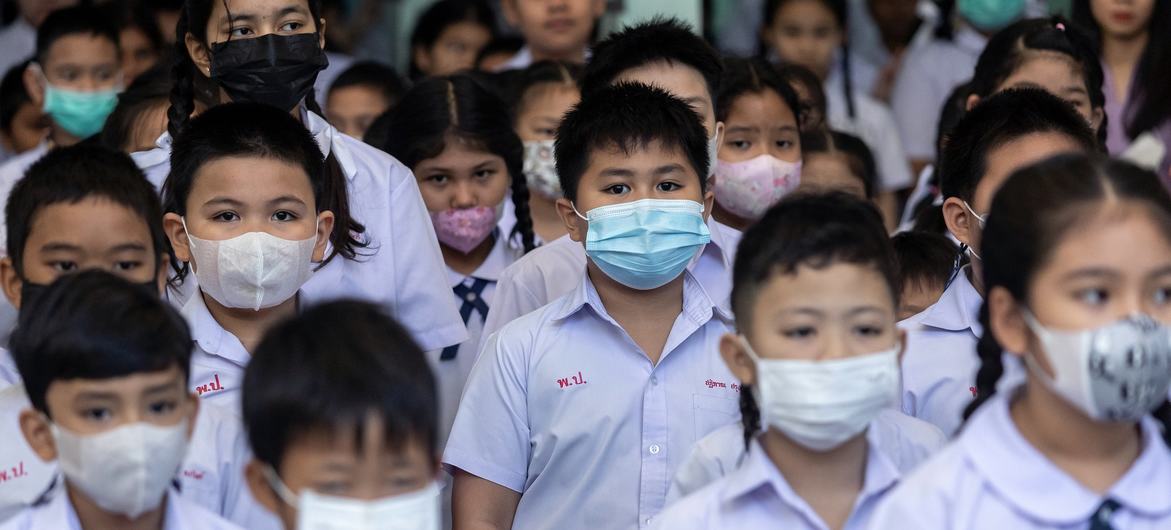
Students at a primary school in Bangkok wear masks during their morning lineup as air pollution levels soar.

Urgent call for action

In response to the “silent killer,” UNICEF called on governments, businesses, healthcare professionals, parents, and educators to take immediate steps to reduce air pollution and protect children’s health.

Governments must enforce stronger environmental policies, transition to clean energy sources, and implement air quality standards aligned with WHO guidelines, alongside, businesses should adopt cleaner technologies, reduce emissions, and ensure their practices prioritize child safety.

Parents and educators also have a crucial role in raising awareness, advocating for cleaner environments, and empowering young people to take action, UNICEF highlighted.

Solutions exist

Furthermore, UNICEF is collaborating with governments, businesses, and communities on multiple initiatives to reduce children’s exposure to air pollution.

These include pushing for stronger environmental regulations, improving air quality monitoring by installing affordable sensors and implementing programmes to reduce household air pollution, such as cleaner cooking stoves and better ventilation.

The agency is also working to strengthen healthcare systems to better diagnose and treat pollution-related illnesses and is supporting young people to become clean air advocates, raising awareness, and pushing for stronger policies.

Addressing air pollution will lead to enormous improvements in children’s health, education, and well-being, with ripple effects across entire societies and economies,” Ms. Kunugi underscored.

Solutions exist, and our collective future depends on implementing them.

New round of polio vaccinations begins in Gaza

It follows a campaign last year that reached hundreds of thousands of young children under the age of 10.  Polio virus was recently detected in wastewater samples in Gaza, indicating that circulation is ongoing, thus putting young lives at risk.

The campaign is being led by the Palestinian Ministry of Health and implemented with support from the World Health Organization (WHO), the UN Children’s Fund (UNICEF), UN Palestine refugee agency UNRWA and other partners.

UNRWA Commissioner-General Philippe Lazzarini wrote in post on the social media platform X that 1,700 team members are taking part across the agency’s health centres and mobile points.

Separately, WHO Director-General Tedros Adhanom Ghebreyesus said “teams are on the ground providing support to ensure a quality campaign.”

UNRWA health teams constitute a third of the response, comprising 555 out of the total 1,660 teams involved.

They will be issuing vaccinations in 10 of its health centres: one in Rafah, three each in Khan Younis and the Middle Area, and one in Gaza City in the north.  Around 60 UNRWA mobile medical points will also carry out vaccinations.

The campaign is set to run through 26 February.

Yemen: One in two children severely malnourished after 10 years of war

“We need to move fast,” said UNICEF representative in the country Peter Hawkins. “I was in Hudaydah over the past three days…I went through the western lowlands, where there are people on the streets, on the side of the roads, begging and looking for assistance. They have given up. We cannot give up.”

Speaking from Yemen’s capital Sana’a, Mr. Hawkins told reporters that the “manmade” disaster has decimated Yemen’s economy, healthcare system and infrastructure.

“Even during periods of reduced violence, the structural consequences of the conflict, especially for girls and boys, have remained severe,” he said, underscoring that more than half of the country’s population of close to 40 million people relies on humanitarian assistance.

Aid lifeline under threat

UNICEF supports life-saving health facilities and malnutrition treatment across the country, but its activities are only 25 per cent funded this year. The agency will not be able to sustain even minimal services without urgent action from donors, Mr. Hawkins warned.

Houthi rebels – formally known as Ansar Allah – have been battling Government forces backed by a Saudi-led coalition for more than a decade and overthrew the country’s President Abd Rabbu Mansour Hadi in March 2015.

While a resumption of large-scale ground military operations in Yemen has not occurred since the UN-mediated truce of April 2022, military activity continues. 

The Special Envoy of the Secretary-General for Yemen Hans Grundberg warned on 6 March in a briefing to the Security Council that the cessation of hostilities is increasingly at risk. 

Earlier this month the United States launched multiple strikes on Houthi-controlled areas in the country, reportedly in retaliation for the Houthis’ continued targeting of merchant and commercial vessels in the Red Sea following the breakdown of the Gaza ceasefire.

Mr. Hawkins spoke of the damage he witnessed first-hand in the port city of Hudaydah and stressed that eight children died in the most recent airstrikes across northern Yemen.

Food, medicines blocked

“Critical ports and roads, lifelines for food and medicine, are damaged and blockaded,” Mr. Hawkins said. Food prices have soared over 300 per cent in the past decade, driving hunger and malnutrition.

The UNICEF official said that one in two children under the age of five is malnourished in Yemen, “a statistic that is almost unparalleled across the world”.

“Among them are over 540,000 girls and boys who are severely and acutely malnourished, a condition that is agonizing, life-threatening and entirely preventable,” he added.

‘Thousands will die’

Mr. Hawkins highlighted the dangers facing children who cannot access treatment, as they are “away from service delivery in the most remote areas up on the mountains, and deep down in the in the valleys of northern Yemen…Malnutrition weakens immune systems, stunts growth and robs children of their potential.”

Furthermore, some 1.4 million pregnant and lactating women are malnourished in Yemen – “a vicious circle of intergenerational suffering”, Mr. Hawkins said.

In certain areas including the west of the country, severe and acute malnutrition rates of 33 per cent have been recorded.

“It’s not a humanitarian crisis. It’s not an emergency. It is a catastrophe where thousands will die,” Mr. Hawkins insisted.

It’s official: January was the warmest on record

Last month was 1.75 degrees Celsius above the pre-industrial level and 0.79°C above the 1991-2020 average, despite expectations that the La Nina weather phenomenon might bring cooler temperatures.

In 2015, the international community agreed to try to limit average global temperature rise to 1.5°C above pre-industrial levels.

Surprise data

The January data was “surprising” even to climate change experts at Copernicus, the European climate change service, which noted that it was the 18th month in the last 19 where the global-average surface air temperature was more than 1.5°C above the pre-industrial level.

“January 2025 is another surprising month, continuing the record temperatures observed throughout the last two years, despite the development of La Niña conditions in the tropical Pacific and their temporary cooling effect on global temperatures,” said Samantha Burgess, Copernicus Strategic Lead for Climate.

For many in the northern hemisphere January 2025 will be remembered by “wetter-than-average conditions” over western Europe, as well as parts of Italy, Scandinavia and the Baltic countries, Copernicus said, highlighting “heavy precipitation” and flooding in some regions.

Regional variations

On the other hand, drier than average conditions were recorded in the northern UK and Ireland, eastern Spain and north of the Black Sea.

Beyond Europe, it was wetter than average in Alaska, Canada, central and eastern Russia, eastern Australia, southeastern Africa, and southern Brazil, with regions experiencing floods and associated damage.

But drier-than-average conditions took hold in southwestern United States and northern Mexico, northern Africa, the Middle East, across Central Asia and in eastern China as well as in much of southern Africa, southern South America and Australia.

Global temperature rise is primarily attributed to humans burning fossil fuels which have led to record concentrations of greenhouse gases in the atmosphere. Other factors are also key, including deforestation.