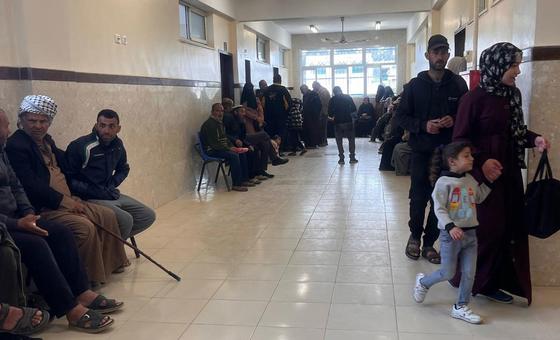
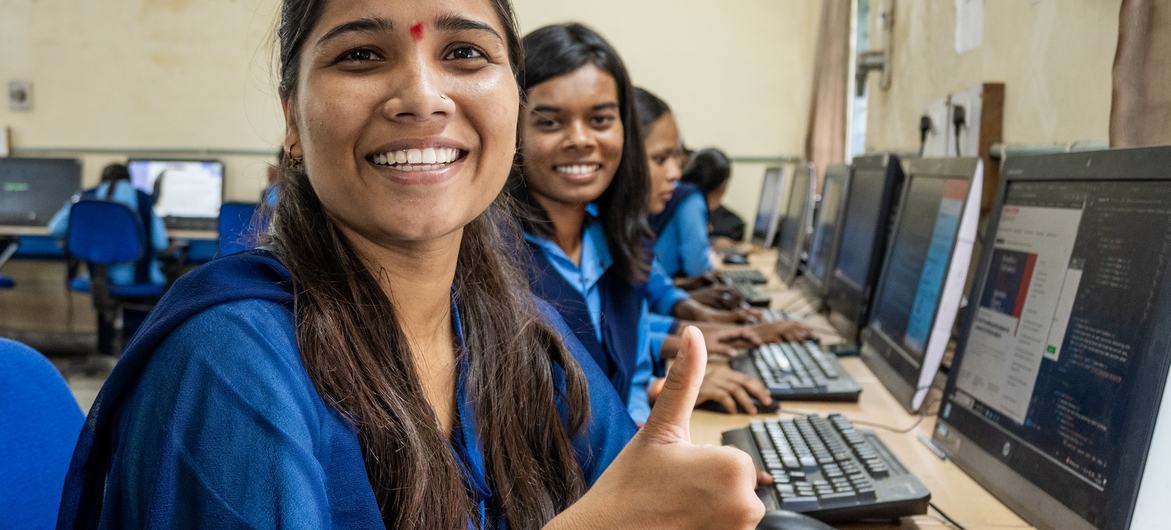
UN forum to spotlight health, gender equality, oceans, in critical bid to meet development goals

The 2025 High-Level Political Forum, or HLPF, follows two recent successful UN conferences focused on vital development issues: one in June in Nice, France, dedicated to ocean protection, and another held in Sevilla, Spain, centred on boosting financing for sustainable initiatives.

The Sevilla meeting ended with a strong call to action: to urgently address the massive $4 trillion annual shortfall in financing needed to achieve the SDGs. It also highlighted the pressing need for greater investment and deep reform of the global financial system.

Held under the auspices of the UN Economic and Social Council (ECOSOC), the forum will take place from 14 to 23 July at UN Headquarters in New York.

Here are five key things to know about this year’s forum:

1. It’s all about accelerating action

The HLPF is the United Nations’ main platform for tracking global progress on the Sustainable Development Goals. It meets each year to review countries’ efforts, share solutions, and push for faster action to meet the 2030 targets

The 2025 forum is convening under the theme:

Advancing sustainable, inclusive, science- and evidence-based solutions for the 2030 Agenda for Sustainable Development and its Sustainable Development Goals leaving no one behind.

This reflects a growing sense of urgency. With the 2030 deadline fast approaching, the forum will emphasise practical, data-driven strategies to close implementation gaps– particularly in the face of intersecting global crisis including climate change, inequality, and economic instability.

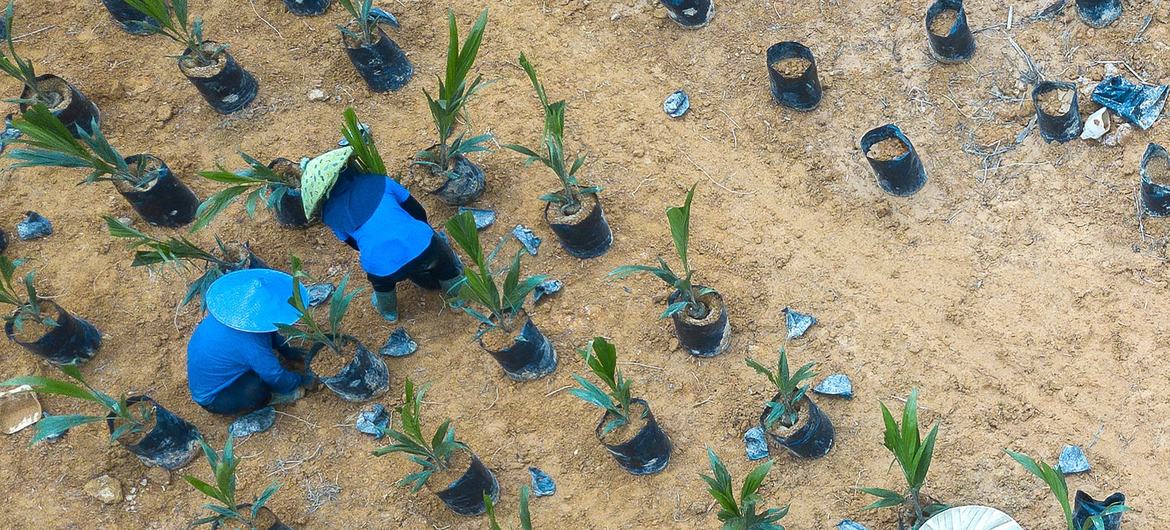
The 17 Sustainable Development Goals are all interconnected, for instance progress on SDG 2 to end hunger is closely tied to advances in health and education.

2. Five SDGs in the spotlight

Each year, the HLPF conducts in-depth reviews of selected Goals. In 2025, the focus will be on:

SDG 3: Good health and well-being

SDG 5: Gender equality

SDG 8: Decent work and economic growth

SDG 14: Life below water

SDG 17: Partnerships for the goals

These Goals span a wide range of issues – from public health and gender equity to economic resilience and marine conservation.

SDG 17, which is reviewed annually, highlights the importance of revitalising global partnerships and enhancing means of implementation – including financing, which nations committed to just last month in Sevilla.


© UNICEF/Lasse Bak Mejlvang

3. Countries will share their progress, voluntarily

A hallmark of the HLPF is the Voluntary National Reviews (VNRs) – self-assessments by Member States on their progress toward the SDGs. In 2025, dozens of countries are expected to present their VNRs, offering insights into both achievements and persistent challenges.

These reviews foster transparency, peer learning, and accountability. They also provide a platform for civil society and other stakeholders to engage directly with governments on development priorities.

VNR Labs – interactive sessions focused on national reviews – create space for dialogue, innovation, and collaboration

4. It’s not just governments

While the HLPF is a UN intergovernmental platform, it brings together a diverse range of voices, including youth groups, local authorities, indigenous peoples, NGOs, academics, the private sector, and UN system agencies.

A rich programme of side events, exhibitions, and roundtable-discussions. This inclusive approach reflects the spirit of the 2030 Agenda, which recognises sustainable development is a universal, shared endeavour.
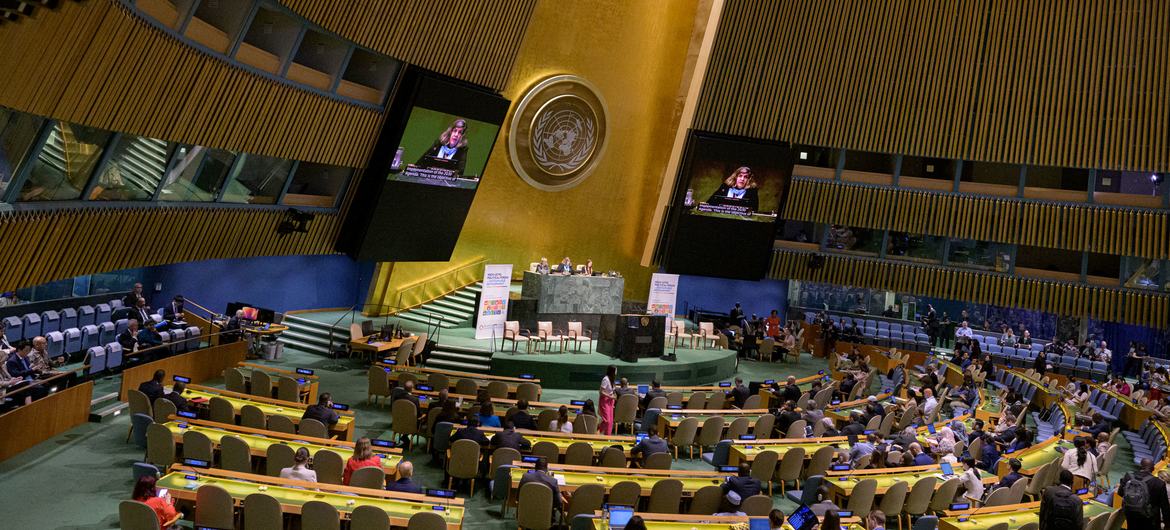
A wide view of the opening of the 2023 High-Level Political Forum on Sustainable Development convened under the auspices of the Economic and Social Council (ECOSOC), held in the General Assembly Hall.

5 – 4 – 3 – 2 – 1 The Final Countdown

With only five years left to deliver on the 2030 Agenda, the 2025 HLPF marks a critical inflection point.

It is more than a yearly check-in. This year’s session comes at a time when science, solidarity, and urgent action must converge. It will help set the tone for the next Sustainable Development Goals Summit in 2027, where world leaders will take stock of collective progress and determine the final push toward 2030.

What happens now – at this two-thirds deadline moment – will shape whether the SDGs will realise a global promise or become a missed opportunity.

Source link

UN warns of deepening health crisis in Gaza amid mass casualty incidents

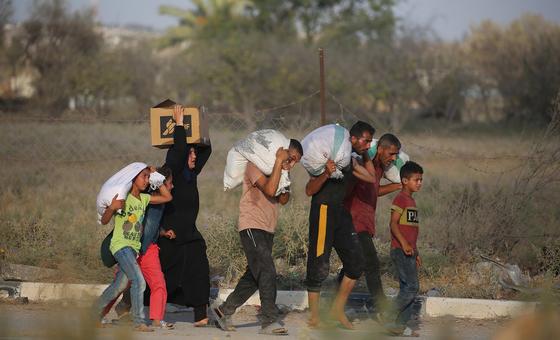
Across the Gaza Strip, as people desperately search for food, mass casualty incidents are reported almost daily, UN Spokesperson Stéphane Dujarric, told reporters at his regular briefing in New York.

Hospitals, already under immense strain, are struggling to cope and lack of essential supplies – including fuel and medicines – is placing even greater pressure on overstretched teams.

The war has also had a devastating impact on health workers. According to Gazan health authorities, more than 1,500 medical staff have been killed in Gaza since October 2023.

Medical supplies arrive – but much more is needed

The World Health Organization (WHO) reported that 11 trucks carrying medical aid, including surgical supplies, assistive devices, orthopaedic instruments and other essential medical items, had entered the Strip on Tuesday.

These supplies are set to be distributed to various health facilities across Gaza.

“The health needs remain immense. Much more medical supplies are needed. We urgently call for the unimpeded entry of fuel, food, and health aid at scale into Gaza through all possible routes,” Tedros Adhanom Ghebreyesus, WHO General-Director, said in a post on social media.

Mr. Dujarric echoed that message, calling for the opening of all crossings and corridors “to ensure the consistent, frequent and large-scale distribution of aid to people in need, wherever they are.”

Disease risk rising

Against the backdrop of access challenges, the spectre of deadly disease outbreaks is also rising.

In northern Gaza, 10 water wells have stopped functioning due to lack of fuel, and another 25 are operating only partially and could soon shut down.

“Shorter pumping hours, reduced water production and limited solid waste collection provide fertile ground for diseases to spread – especially among vulnerable people including children, older people and pregnant women,” Mr. Dujarric said.

No hygiene items have entered Gaza since early March 2025, he noted, added that the ongoing shortage of cleaning and sanitation supplies is severely affecting health and impeding an effective medical response.

Source link

In South Asia, anaemia threatens women’s health and economic futures

The warning, issued jointly by UN agencies and the regional socio-economic bloc SAARC on Wednesday, underscores South Asia’s status as the “global epicentre” of anaemia among adolescent girls and women.

An estimated 259 million already suffer from the condition, which impairs the body’s ability to carry oxygen, contributing to chronic fatigue, poor maternal outcomes, and reduced educational and economic participation.

This is a clarion call for action,” said Sanjay Wijesekera, Regional Director for the UN Children’s Fund (UNICEF), which together with the UN World Health Organization (WHO) and SAARC prepared the analysis.

When half of all adolescent girls and women in South Asia are anaemic, it is not only a health issue – it is a signal that systems are failing them.

A far-reaching but preventable condition

Anaemia doesn’t just affect women and girls – it contributes to 40% of the world’s low birth weight cases and affects child growth and learning, particularly in poorer households.

The economic toll is staggering: anaemia costs South Asia an estimated $32.5 billion annually, perpetuating cycles of poverty and poor health.

Yet, the condition is preventable and treatable. Proven solutions include iron and folic acid supplementation, iron- and vitamin-rich diets, better sanitation and infection control, and stronger maternal health services.

Experts stress that multi-sector collaboration is critical for sustained progress.

A nurse speaks to women about nutritious food in western India’s Sabarkantha district, were many women and girls suffer from iron deficiency.

Integrated efforts crucial

In nearly every country, progress hinges on strengthening health systems, expanding nutrition programmes, and reaching adolescent girls and women in marginalised communities.

Sri Lanka, where 18.5 per cent of women of reproductive age are anaemic, is scaling up its national nutrition initiative, focusing on the most affected districts.

India and Pakistan are also seeing encouraging signs. In India, high-burden states are integrating iron supplementation into school and maternal care programmes. Pakistan has piloted community-based nutrition initiatives linked to reproductive health services, enabling early detection and follow-up care.

In Bangladesh, school-based health initiatives are reaching adolescents with fortified meals and health education, coordinated across health, education, and agriculture ministries.

Community-driven action works

The Maldives and Bhutan are prioritising early prevention through childhood nutrition, food fortification, and public awareness campaigns. Though smaller in population, both are investing in anaemia surveillance and inter-ministerial collaboration.

Nepal stands out for its equitable results: since 2016, the country has cut anaemia among women of reproductive age by 7 per cent, with larger declines in poorer areas. Its female community health volunteers are key, providing counselling and referrals in remote regions and linking vulnerable households to public services.

Man Kumari Gurung, a public health nurse in Karnali Province, credits the achievements to a range of community-driven efforts.

“Pregnant women receive eggs, chicken and nutritious food through programmes like Sutkeri Poshan Koseli (Nutrition Gift for New Mothers),” she said. “Cash grants also help with transport to hospitals, supporting safer births and better nutrition.”

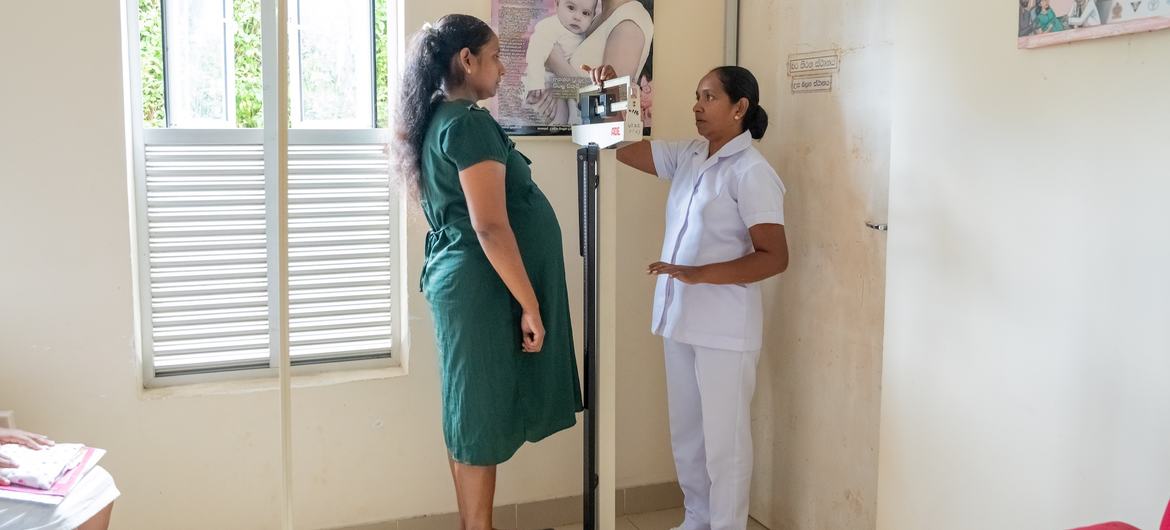
A nurse checks a pregnant woman’s weight and vital signs at a clinic in Galigamuwa, Sri Lanka.

Everyone has a role

Ending anaemia requires leadership and teamwork. Governments must lead, but communities, health workers, schools, and families all play a part.

Stronger health systems, better data, and coordinated action across sectors can help girls and women reach their full potential – building healthier communities and stronger economies.

Young people and mothers are at the heart of South Asia’s development goals. Ensuring that they are healthy, nourished and empowered is not just a moral imperative, it is a strategic investment in the future of our societies,” said Md. Golam Sarwar, Secretary General of SAARC.

Every hour, 100 people die of loneliness-related causes, UN health agency reports

 Loneliness is linked to approximately 100 deaths every hour – more than 871,000 deaths annually. By contrast, strong social connections are associated with better health and longer life, the UN health agency said on Monday.

WHO defines social connection as the ways in which people relate to and interact with one another. Loneliness is the distressing feeling that arises when there is a gap between desired and actual social relationships, while social isolation refers to the objective lack of social ties.

“In this age when the possibilities to connect are endless, more and more people are finding themselves isolated and lonely,” said Tedros Adhanom Ghebreyesus, WHO Director-General.

Disproportionate impact

While loneliness affects people across all ages, young people and people living in low- and middle-income countries are especially vulnerable.

“Even in a digitally connected world, many young people feel alone. As technology reshapes our lives, we must ensure it strengthens – not weakens – human connection,” said Chido Mpemba, co-chair of WHO Commission on Social Connection, which published the report.

The report, From loneliness to social connection: charting the path to healthier societies, highlights concerns about excessive screen time and harmful online interactions, particularly among youth and their negative effects on mental health.

Multiple factors contribute to loneliness and social isolation, including poor health, low income and education, living alone, lack of adequate community infrastructure and public policies, as well as certain aspects of digital technologies.

Serious health risks

Loneliness and social isolation increase the risk of stroke, heart disease, diabetes, cognitive decline, and early death. Lonely people are twice as likely to experience depression and may also face heightened anxiety and suicidal thoughts.

Conversely, social connection offers protective benefits throughout life—reducing inflammation, lowering the risk of serious illness, promoting mental health, and extending longevity.

Towards healthier societies

The report lays out a roadmap for global action focused on five key areas: policy, research, interventions, improved measurement and public engagement. Together, these aim to reshape social norms and build a movement for social connection.

While the costs of social isolation and loneliness are steep, the benefits of social connections are profound. WHO urged governments, communities, and individuals to make social connection a public health priority.

Gaza: Health system crumbles amid growing desperation over food, fuel

“Definitely, people get shot,” said Gaza-based medic Dr. Luca Pigozzi, WHO Emergency Medical Team Coordinator. “They are victim of blast injuries as well and bodily injuries.”

The WHO official’s comments follow reports of another mass casualty incident on Thursday, this time involving a strike on a market in the central city of Deir al Balah.

More than 20 people were killed and approximately 70 others were injured, said the UN aid wing, OCHA, with victims rushed to Al Aqsa Hospital, Nasser Medical Complex and two other health facilities.

Hundreds killed seeking food

In addition to the latest deadly incident, at least 410 Palestinians have been killed by the Israeli military while trying to fetch aid from controversial non-UN aid hubs supported by Israel and the United States, the UN human rights office, OHCHRsaid on Tuesday.

Providing high-quality medical care is very difficult in the war-torn occupied enclave today, “particularly because we are speaking about a high volume of patients every time”, Dr Pigozzi insisted.

Health needs are widespread and dramatic, with almost 50 per cent of medical stocks completely depleted.

WHO’s first medical shipment into Gaza on Wednesday was its first since 2 March, when Israel imposed a full blockade on the Strip.

In total, nine trucks carrying essential medical supplies entered the enclave with 2,000 units of blood and 1,500 units of plasma; all transited through the Kerem Shalom crossing. It is “only a drop in the ocean” of what is required, Dr Pigozzi said.

Aid obstacles remain

Speaking to journalists from Jerusalem, WHO’s Dr Rik Peeperkorn highlighted renewed difficulties in securing agreement from the Israeli authorities to allow more UN and partner agencies’ supply trucks into Gaza.

“That’s really unfortunate and should not happen, because you don’t want to see those desperate people, and specifically desperate young men, risking their lives to get some food either,” he said, amid reports of a chaotic rush for supplies at non-UN distribution points and of starving Gazans taking goods directly off lorries.

Before the Israeli blockade, the UN and its humanitarian partners demonstrated that their aid delivery system reached those most in need, insisted Dr Peeperkorn, WHO Representative in the occupied Palestinian territory. Today that is not the case because of repeated refusals by Israeli authorities to allow supplies into Gaza.

“Open the routes and make sure that we can get our supplies in,” he said. “The market needs to be flooded with food and non-food items and water, et cetera, et cetera, and including essential medicines in a most cost-effective manner.”

Denied entry

Since March, aid teams have encountered a 44 per cent denial rate, meaning that for every 10 staff requesting entry, “four to five of them are denied per rotation”, WHO’s Dr Pigozzi said.

Echoing that message, WHO spokesperson Christian Lindmeier insisted that people are starving, sick and dying across Gaza every day.

“They have been killed on the way trying to get medical help, they have been killed inside hospitals. Now, additionally, they are being killed on the way to get food items which are scarcely being provided,” he said.

“We have food and medical help minutes away across the border, sitting there and waiting for weeks and months by now. Just open the door.”

‘One Earth, One Health’: Yoga Day provides respite in a tumultuous world

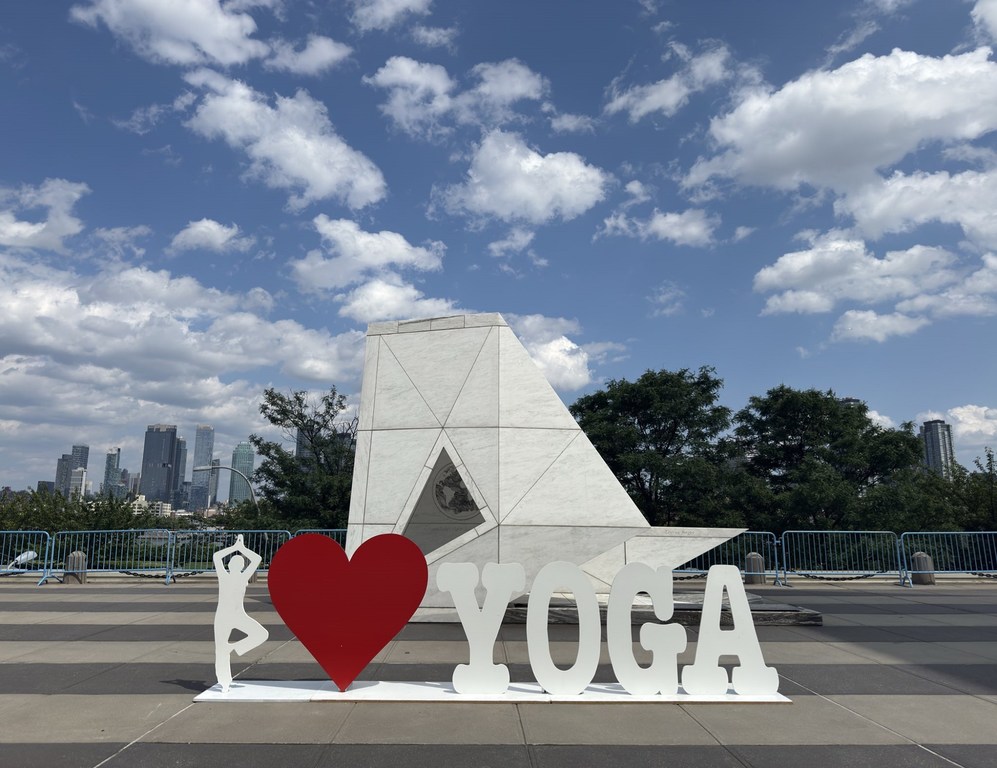
This powerful message of International Yoga Day, observed annually on 21 June, reverberated through UN Headquarters in New York on Friday as hundreds gathered to embrace the ancient, holistic practice.

A familiar tradition now each year, the North Lawn once again transformed into an open-air yoga studio overlooking the East River.  Following a stretch of rainy, gray days, the sky had finally cleared, making it a bright, warm day.

And yoga enthusiasts, including diplomats, UN officials and staff, took full advantage of it, rolling out their mats – flexing bodies and minds.

Peter Rogina, founder of Project Peace Lights, was delighted to return to the headquarters and fondly recalled the 2019 event, which was moved indoors to the General Assembly Hall due to rain.

“I love the opportunity to practice with such a large group of people, the energy is just amplified…And I also have my son with me, so to introduce him to this experience, I am also very excited.”

Lama Aria Drolma is a Buddhist teacher and meditation expert.

A Buddhist monastic Lama Aria Drolma comes to the UN every year to participate in the event. Her path has taken her from the world of corporate modeling to a more reflective place of inner peace and meditation.

“When I was a young child growing up in India, I used to practice yoga. It touches not only the body but also the soul. It’s very meditative as well. I find yoga to be one of the healthiest things we all can do to take care of our health.”

‘One family’

The emphasis on personal wellness also highlighted the benefits of yoga going beyond individuals to encompass the health of the entire planet.

Organized by the Permanent Mission of India to the UN in collaboration with the UN Secretariat, the theme of this year’s event was, Yoga for One Earth, One Health.

India’s Permanent Representative Ambassador P. Harish noted how it underscores a vital truth: personal well-being and planetary health are deeply interconnected.

“In caring for ourselves, we begin to care for Earth, reflecting the enduring Indian ethos of Vasudhaiva Kutumbakam, or the whole world is one family.”

“The 11th edition of the Yoga Day offers us an opportunity to reflect on how yoga has grown into a global force for well-being, touching people across age-groups, geographies and walks of life,” he added.

Echoing that, Didi Ananda Radhika Acharya from Ananda Marga Women’s Welfare Center pointed out that more than just an exercise, yoga is  a way to discover the sense of oneness with yourself, the world and nature.

“On the outside, we are our bodies, within that lies our mind. Deep further inside, there is something that is always witnessing us, observing us. That is our soul. Through Yoga, we can reach that inner space. When we delve into the depths of our mind through yoga, we realize how deeply connected we all are.”

A symbol of hope

Participants on the lawn ranged from experienced practitioners to curious first timers, engaged in basic yoga asanas (poses), breathing techniques and stretching exercises.

Permanent Mission of India to the UN

Marking International Day of Yoga at UN Headquarters in New York City. (20 June 2025)

The key highlight of the programme was a guided meditation session by the renowned physician and a leading figure on integrative well-being, Dr. Deepak Chopra.

Marta Shedletsky from Sivananda Yoga Vedanta Center in New York attended the session seeking a sense of community, trust – and hope. The venue held a special meaning for her.

“What’s going on in the world these days, with all the turmoil and all the wars that are going on, this place feels like a symbol of hope for a better future and the possibility of peace.”

WHO warns of a health financing emergency

Speaking at the regular Friday press briefing in Geneva for humanitarian agencies, she warned that as wealthier nations make deep spending cuts, both international aid and national health systems are facing serious disruption.

Dr. Chalkidou highlighted recent decisions by the United States, several European governments, and EU bodies to freeze or scale down health aid.

WHO forecasts indicate that global health investment is likely to drop by up to 40 per cent this year, down $10 billion from just over $25 billion in 2023. The estimated $15 billion spent on health aid would bring the figure down to the lowest level in a decade.

Impacts in developing countries

This funding shortage is creating a health finance emergency in many developing countries – particularly in sub-Saharan Africa – which depend on external aid to finance their health systems.

In numerous countries, US-financed healthcare programmes were the primary source of external aid, accounting for as much as 30 per cent of current health spending in countries like Malawi, and around 25 per cent in Mozambique and Zimbabwe.

Since 2006, external aid per capita in low-income countries has consistently exceeded domestic health spending.

Many sub-Saharan nations face soaring debt burdens – some spending twice as much on debt servicing as on health – making reallocation of resources difficult.

The consequences are severe: Dr. Chalkidou referred to a survey by WHO showing that countries today are reporting health service disruptions “not seen since the peak of COVID-19”.

Solutions

To address this crisis, WHO is urging countries to reduce aid dependency, boost revenue through improved taxation—including health taxes on products like tobacco and alcohol—and work with multilateral banks to secure low-interest loans for cost-effective health investments.

WHO also plans to attend the upcoming International Conference on Financing for Development in Seville, where global leaders are expected to address the health financing crisis and hopefully make new commitments.

Climate emergency is a health crisis ‘that is already killing us,’ says WHO

Europe is warming faster than any other WHO region, and the impact on people’s health is growing more severe. From rising death rates to increasing climate-related anxiety, nearly every health indicator linked to climate has worsened in recent years. 

In response, WHO/Europe on Wednesday launched a new initiative – the Pan-European Commission on Climate and Health (PECCH) – to tackle the growing threat climate change poses to public health. 

Chaired by former Icelandic Prime Minister Katrín Jakibsdótirr, the commission brings together 11 leading experts from across the region tasked with delivering recommendations for actionable solutions.

Deadly heat

With nearly half of humanity already living in areas highly susceptible to climate change, a third of the world’s heat-related deaths occur in the European Region.

In the years 2022 and 2023 combined, more than 100,000 people across 35 countries in the European Region died due to heat.

“The climate crisis is not only an environmental emergency, it is a growing public health challenge,” said Katrín Jakobsdóttir.

“We must recognise that the interplay among rising temperatures, air pollution and changing ecosystems resulting from human-induced climate change is already affecting the health and well-being of communities around the European Region and the world,” she said.

The commission is being tasked with providing recommendations to reduce emissions, invest in adaptation strategies that protect health, reduce inequality and build resilience.

Escalating threat

The climate crisis disproportionately affects the health of the most vulnerable.

From the spread of infectious diseases to heat-related illness and food insecurity, “climate change poses a serious and escalating threat to human health,” said Andrew Haines, chief advisor to the WHO/Europe climate-health initiative. 

World News in Brief: Women’s health in Sudan, childhood wasting, Belarus trade unions, Guatemala child rights violation


As hostilities rage in Sudan, access constraints and devastating funding cuts are isolating rape survivors and pregnant women from essential health services, the UN sexual and reproductive health agency UNFPA said on Thursday. 

Source link

Pandemics to pollution: WHO Assembly delivers landmark health decisions

In addition, the Assembly endorsed a wide range of measures to promote health equity, reduce air pollution, and strengthen protections for vulnerable populations.

The words ‘historic’ and ‘landmark’ are overused, but they are perfectly apt to describe this year’s World Health Assembly,” WHO Director-General Tedros Adhanom Ghebreyesus said at the Assembly’s closing, ending nine days of intense debate and decisions.

The centrepiece of the Assembly’s outcomes was the WHO Pandemic Agreement, adopted on 20 May after more than three years of negotiations.

The agreement, seen as a once-in-a-generation opportunity to improve global preparedness and response to future pandemics, aims to strengthen international coordination, enhance equity in access to medical tools and ensure that no country is left behind in future health crises.

A key next step will be consultations on access to pathogen and benefit-sharing, which seeks to guarantee equitable sharing of medical countermeasures derived from pathogens.

Boost for WHO budget

Another major outcome was the approval of a 20 per cent increase in assessed contributions – the core, mandatory funding from Member States that underpins WHO’s work.

By 2030-2031, these contributions will cover 50 per cent of the agency’s core budget, a crucial step toward financial sustainability.

Health leaders also pledged at least $210 million to WHO’s ongoing Investment Round, adding to the $1.7 billion already raised and expanding the agency’s donor base.

A healthier world

The Assembly also delivered a sweeping slate of resolutions addressing a wide range of health challenges.

For the first time, nations adopted global resolutions on lung and kidney health, aligning with the growing recognition of noncommunicable diseases as a global priority.

Countries also set an ambitious new target to halve the health impacts of air pollution by 2040 and in an innovative move, adopted a resolution on social connection, acknowledging mounting evidence linking social isolation to poor health outcomes.

They also endorsed measures to combat the digital marketing of formula milk and baby foods, and addressed rare diseases, a lead-free future and the eradication of Guinea worm disease.

Delegates meeting in a committee at the 78th World Health Assembly.

History is made

In conclusion, Director-General Tedros urged countries to continue the momentum beyond the Assembly, highlighting the spirit of cooperation and commitment to health for all.

You, the nations of the world, made history,” he said.

“Yes, there is conflict in our world, but you have shown that there is also cooperation. Yes, there is inequity, but you have shown a commitment to equity. Yes, there is disease, but you have shown a commitment to health – health for all.”

Sudan conflict triggers regional health crisis, warns WHO

“The ongoing conflict and displacement, in addition to fragile health infrastructure and limited access to affected populations, pose a risk of mass disease transmission,” the UN health agency said in a report issued Tuesday, urging immediate support to sustain surveillance, bolster outbreak response and preserve lifesaving health services.

Since civil war erupted in April 2023, 14.5 million people have been displaced – 10.5 million internally and four million to neighbouring countries such as Egypt, South Sudan, Chad, Ethiopia, Libya and the Central African Republic – making this the world’s largest displacement crisis.

Inside Sudan, conflict has devastated infrastructure and triggered the breakdown of essential services and infrastructure, fuelling the spread of cholera, measles and other communicable diseases.

At Tuesday’s press briefing in New York, UN Spokesperson Stéphane Dujarric reported that with fighting and shelling intensify across the country “the cholera outbreak in Khartoum state is worsening at an alarming rate,” with cases rising by 80 per cent over the past two weeks.

Mr. Dujarric called for “increased, flexible and timely funding to scale-up the humanitarian response, as well as unimpeded access via all necessary routes, so that aid workers can reach people in need wherever they may be.”

Disease and displacement

The impact extends well beyond Sudan’s borders. As of 7 May, Egypt has received 1.5 million Sudanese refugees during the two years of fighting. 

The country has expanded healthcare coverage, but Sudanese face higher costs under the Universal Health Insurance system. WHO Egypt is working with national authorities to strengthen health services and reach the most vulnerable.

However, as Sudanese refugees arrive at overcrowded refugee camps across the region, the situation is far grimmer.

Chad. Rapid Influx of Sudanese refugees leaves thousands in desperate need

In Chad, where over 726,000 have arrived in four crisis-affected eastern provinces already overwhelmed with other refugees, health needs are urgent.

Refugees face outbreaks of malaria, measles, hepatitis E and severe acute malnutrition. There have been 657,135 cases of malaria alone and 314 deaths across the country this year.

South Sudan has received over 1.5 million people, including 352,000 Sudanese. But conflict and attacks on health facilities in the host country have severely hindered response efforts and exacerbated disease.

Hunger and cholera are especially concerning, with 7.7 million people facing severe food insecurity, and more than 54,800 cholera cases and 1,000 deaths since late September.

Ongoing WHO support

Despite the growing funding crisis and severe operational challenges, WHO and its partners continue providing support.

These include support for 136 nutrition stabilisation centres, delivery of medical supplies and consultations, cholera treatment sites, and efforts to rebuild damaged health infrastructure.

The agency has called for sustained support to prevent the worsening of what is already one of the gravest humanitarian and public health emergencies in the world today.

Public health champions honoured for work ‘beyond the call of normal duty’

But this is not universal. Many people worldwide struggle – unable to walk into clinics or explain their symptoms: “[These patients] do not line up on waiting lists. They wait, unknowingly, for inside understanding and the courage to seek care,” said Dr. Merete Nordentoft of Denmark, describing the patients with whom she has worked most closely.

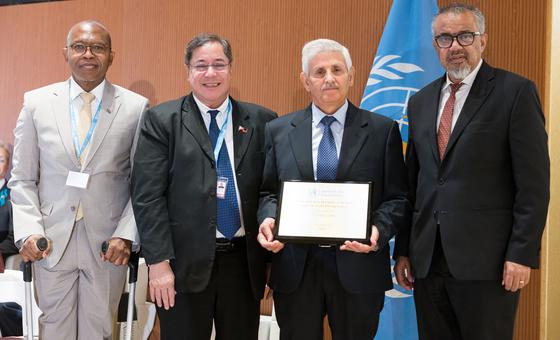
Dr. Nordentoft was one of six public health champions to receive an award on Friday for “outstanding, innovative work in health development”, at the 78th World Health Assembly.

Each was honoured for their contributions to treating underserved communities and advancing the goal of healthcare for all.

“We celebrate the lifelong commitment and the relentless work accomplished by our very own health professionals across member states from every region of the world with one common goal – health for all,” President Teodoro Herbosa who presided over the awards ceremony.

Reaching vulnerable communities

Dr. Nordentoft received the Sasakawa Health Prize for her work on suicide prevention and with young patients undergoing their first psychotic episode. She was the first to receive this prize for mental health work, and emphasized the importance of early interventions which prioritize community-based care.

“With the right support, early enough, recovery is not only possible – it is likely,” Dr. Nordentoft said of her patients.

Many of the other award recipients have also spent their careers focused on healthcare policies and treatments which foreground integrated, community-based care. 

The principles for which Nelson Mandela fought urge us to pursue a policy of cooperation and partnership in sharing knowledge, science and resources – Dr. Majed Zemni

Professor Huali Wang of China and the Geriatric Healthcare Directorate of Kuwait were both awarded the Sheikh Al-Sabah Prize which honours research and policy done to support and advance healthy ageing.

Professor Wang was recognised in part for her work to integrate professional and family support networks for older adults with dementia. She dedicated her award to these families and everyone living with the complex illness.

The Kuwaiti Directorate was also honoured for the way in which they promoted high-quality, integrated care for older adults which “[preserves] the dignity, the rights and [recognises] the invaluable experiences of older persons.”

Dr. Jožica Maučec Zakotnik from Slovenia, who received the United Arab Emirates Foundation Prize, has also worked tirelessly to increase healthcare access and co-developed a new type of free-of-charge health care promotion centre scheme.

“Growing up in a less developed region in Slovenia, I set myself a task that the most disadvantaged communities would be given greater attention,” she said.

‘Force quit button’

Some of the awardees acknowledged that they were receiving these highly coveted awards during a time when global health is facing unprecedented challenges, specifically financial.

The proposed budget before the 78th World Health Assembly has been reduced by over $1.1 billion due to currently projected funding cuts.

“The global health world has just been hit with a ‘force quit’ button and we have been pushed to stop some of the things we really want to do,” said Dr. Helen Rees of South Africa, recipient of the Dr. LEE Jong-wook Memorial Prize for her work in HIV prevention and community-based health services. 

Dr. Majed Zemni of Tunisia received the Nelson Mandela Award for his patient-centred work in forensic medicine and in promoting the integration of medical ethics into policy. In his remarks, he noted the global civil rights icon’s legacy in also fighting for health policies.

“The principles for which Nelson Mandela fought urge us to pursue a policy of cooperation and partnership in sharing knowledge, science and resources,” Dr. Zemni said. 

Continuing the work 

Dr. Rees also emphasized the importance of seizing this moment to reimage global public health and uphold its sustainability.

“What we need now is action. We need good science and evidence-based policies so we can address the needs of all people, including the most vulnerable,” she said.

Dr. Tedros Adhanom Ghebreyesus, World Health Organization (WHO) Director General, also urged all of the recipients to continue their work towards a healthier and fairer world.

“At a time when the world faces many challenges, each of you is an inspiration and a reminder of the progress that can be made to improve health and well-being for all.”

Source link

World Health Assembly opens amid high-stakes pandemic treaty vote, global funding crisis

Tedros Adhanom Ghebreyesus, Director-General of the World Health Organization, urged Member States to remain focused on shared goals even amid global instability.

We are here to serve not our own interests, but the eight billion people of our world,” he said in his keynote address at the Palais des Nations. “To leave a heritage for those who come after us; for our children and our grandchildren; and to work together for a healthier, more peaceful and more equitable world. It’s possible.”

The Assembly, WHO’s highest decision-making body, runs through 27 May and brings together delegations from 194 Member States under the theme One World for Health.

This year’s agenda includes a vote on the intensely negotiated Pandemic Agreement, a  reduced budget proposal, and discussions on climate, conflict, antimicrobial resistance, and digital health.

Pandemic prevention focus

A central item on the Assembly’s agenda is the proposed WHO pandemic accord, a global compact aimed at preventing the kind of fragmented response that marked the early stages of COVID-19.

The treaty is the result of three years of negotiations between all WHO Member States.

“This is truly a historic moment,” Dr Tedros said. “Even in the middle of crisis, and in the face of significant opposition, you worked tirelessly, you never gave up, and you reached your goal.”

A final vote on the agreement is expected on Tuesday.

If adopted, it would mark only the second time countries have come together to approve a legally binding global health treaty under WHO’s founding rules. The first was the Framework Convention on Tobacco Control, adopted in 2003 to curb the global tobacco epidemic.

2024 health check

In his address, Tedros presented highlights from WHO’s 2024 Results Report, noting both progress and persistent global health gaps.

On tobacco control, he cited a global one-third reduction in smoking prevalence since the WHO Framework Convention entered into force two decades ago.

He praised countries including Côte d’Ivoire, Oman, and Viet Nam for introducing stronger regulations last year, including plain packaging and restrictions on e-cigarettes.

On nutrition, he pointed to new WHO guidelines on wasting and the expansion of the Tobacco-Free Farms Initiative in Africa, which has supported thousands of farmers in transitioning to food crops.

He also emphasised WHO’s growing work on air pollution and climate-resilient health systems, including partnerships with Gavi and UNICEF to install solar energy in health facilities across multiple countries.

On maternal and child health, Tedros noted stalled progress and outlined new national acceleration plans to reduce newborn mortality. Immunisation coverage now reaches 83 per cent of children globally, compared to less than 5 per cent when the Expanded Programme on Immunisation was launched in 1974.

We are living in a golden age of disease elimination,” he said, citing the certification of Cabo Verde, Egypt, and Georgia as malaria-free; progress in neglected tropical diseases; and Botswana’s recognition as the first country to reach gold-tier status in eliminating mother-to-child transmission of HIV.

WHO has been supporting Universal Health Coverage in Rwanda.

WHO budget strain

Turning to WHO’s internal operations, Tedros offered a stark assessment of the organisation’s finances.

We are facing a salary gap for the next biennium of more than US$ 500 million,” he said. “A reduced workforce means a reduced scope of work.”

This week, Member States will vote on a proposed 20 per cent increase in assessed contributions, as well as a reduced Programme Budget of $ 4.2 billion for 2026–2027, down from an earlier proposal of $ 5.3 billion. The cuts reflect an effort to align WHO’s work with current funding levels while preserving core functions.

Tedros acknowledged that WHO’s long-standing reliance on voluntary earmarked funding from a small group of donors had left it vulnerable. He urged Member States to see the budget shortfall not only as a crisis but also as a potential turning point.

“Either we must lower our ambitions for what WHO is and does, or we must raise the money,” he said. “I know which I will choose.”

He drew a sharp contrast between WHO’s budget and global spending priorities: “US$ 2.1 billion is the equivalent of global military expenditure every eight hours; US$ 2.1 billion is the price of one stealth bomber – to kill people; US$ 2.1 billion is one-quarter of what the tobacco industry spends on advertising and promotion every single year. And again, a product that kills people.”

It seems somebody switched the price tags on what is truly valuable in our world,” he said.

Emergencies and appeals

The Director-General also detailed WHO’s emergency operations in 2024, which spanned 89 countries. These included responses to outbreaks of cholera, Ebola, mpox, and polio, as well as humanitarian interventions in conflict zones such as Sudan, Ukraine, and Gaza.

In Gaza, he said, WHO had supported more than 7,300 medical evacuations since late 2023, but over 10,000 patients remained in urgent need of care.

Looking ahead: a transformed WHO?

The WHO chief closed with a look at the agency’s future direction, shaped by lessons from the COVID-19 pandemic. He highlighted new initiatives in pandemic intelligence, vaccine development, and digital health, including expanded work on artificial intelligence and support for mRNA technology transfer to 15 countries.

WHO has also restructured its headquarters, reducing management layers and streamlining departments.

Our current crisis is an opportunity,” Dr Tedros concluded. “Together, we will do it.”

‘The world is failing its health checkup,’ says WHO

“Behind every data point is a person – a child who didn’t reach their fifth birthday, a mother lost in childbirth, a life cut short by a preventable disease,” said WHO chief Tedros Adhanom Ghebreyesus, as the organization’s latest statistics report revealed the pandemic’s deeper health impacts.

Warning that overall progress is under threat today, WHO on Thursday called on governments “to act, with urgency, commitment, and accountability to the people they serve.” Tedros bemoaned the “avoidable tragedies” behind the statistics.

Chronic diseases

The 2025 report shows an estimated 1.4 billion more people were living healthier lives by the end of 2024, surpassing WHO’s one billion target. This was driven by reduced tobacco use, better overall air quality and access to water, hygiene and sanitation, said WHO.

But underinvestment in primary health care, shortages of skilled health workers, and gaps in service like immunisation and safe childbirth are now holding countries back.

Driven by population growth and aging, premature deaths from noncommunicable diseases, such as cancer and diabetes, are rising. Worldwide, such diseases now account for the leading causes of deaths among people under 70.

Additionally, “air pollution continues to harm population health around the world,” said WHO’s Haidong Wang. 

Maternal deaths

The rate of maternal deaths fell by over 40 per cent and deaths of children under five were cut by half between 2000 and 2023.

However, progress has been either stalling or reversing in many countries, and maternal and child deaths are not falling “fast enough” – putting millions of lives at risk.

Millions more lives on the line

Essential health service coverage and protection from emergencies have lagged, the UN health agency data shows.

Without urgent course correction, WHO estimates that the world risks losing the chance to prevent an additional 700.000 maternal deaths and eight million deaths of children under five years old,” between 2024 and 2030.

More than 30-year difference in life expectancy highlights health inequities

The study by the World Health Organization (WHO) reveals that they can be responsible for a dramatic reduction in life expectancy in both rich and poor countries alike.

For example, people living in the country with the highest life expectancy will on average live 33 years longer than those born in the country with the lowest life expectancy.

An unequal world

“Our world is an unequal one. Where we are born, grow, live, work and age significantly influences our health and well-being,” said WHO Director-General Tedros Adhanom Ghebreyesus.

Inequities in health are closely linked to degrees of social disadvantage and levels of discrimination.

Health follows a social gradient whereby the more deprived the area in which people live, the lower their incomes are,” WHO said.

Inequities are especially exacerbated in populations that face discrimination and marginalization, such as Indigenous Peoples, who have lower life expectancies than their non-Indigenous counterparts.  

This is the case in both high and low-income countries.

Key targets at risk

The study is the first to be published since 2008 when the WHO Commission on Social Determinants of Health released its final report laying out targets for 2040 for reducing gaps between and within countries in life expectancy, childhood and maternal mortality. 

It shows that these targets are likely to be missed, and despite a scarcity of data there is sufficient evidence to show that health inequities are often widening.

For example, children born in poorer countries are 13 times more likely to die before their fifth birthday than in wealthier countries. 

Moreover, modelling shows that the lives of nearly two million children annually could be saved by closing the gap and enhancing equity between the poorest and wealthiest sectors of the population within low- and-middle-income countries.

Additionally, although maternal mortality declined by 40 per cent between the years 2000 and 2023, the majority of deaths, 94 per cent, still occur in low and lower-middle-income countries.

Appeal for action

WHO is calling for collective action to address economic inequality and invest in social infrastructure and universal public services.

The agency also recommends other steps, including overcoming structural discrimination and the determinants and impacts of conflicts, emergencies and forced migration. 

WHO chief laments most disruptive cuts to global health funding ‘in living memory’

We are living through the greatest disruption to global health financing in memory,” said WHO Director-General Dr Tedros Adhanom Ghebreyesus.

He cautioned that abrupt withdrawals of funding are jeopardising hard-won medical progress, including efforts to combat tropical diseases, which are now re-emerging in some regions.

This is just the tip of the iceberg,” he told journalists at WHO headquarters in Geneva.

Outbreaks intensify

Since January, Angola has been facing its worst cholera outbreaks in 20 years, with over 17,000 cases and more than 550 deaths recorded so far. 

Inadequate access to safe water, hygiene and sanitation is fuelling the outbreak. 

As WHO and partners carry out a large-scale vaccination campaign on the ground, one of their priorities is to bring the death rate down, said Tedros. 

Amid funding cuts, advances in tackling neglected tropical diseases affecting over one billion people, are disproportionately impacting the poorest and most marginalized communities.

Reduced access

In many countries where insecurity is rife and hospitals are being targeted, access to healthcare has been severely reduced, Tedros continued. 

On April 22, one of Haiti’s largest public hospitals, Hôpital Universitaire de Mirebalais, was forced to shut down due to violence. In the capital Port-au-Prince, more than 40 per cent of health facilities remain closed, he said.  

Needless deaths

Turning to the Gaza blockade, he said the situation there was “catastrophically bad,” with the violence “driving an influx of casualties to a health system that is already on its knees.” 

While essential medicines, and trauma and medical supplies, are running out, “people are dying from preventable diseases while medicines wait at the border,” said Tedros. 

Reiterating the UN’s call for a ceasefire, Tedros added that “peace is the best medicine.” 

Source link

One in four female genital mutilation cases now carried out by health workers

While the health sector worldwide plays a key role in stopping the abusive practice of FGM and supporting survivors, in several regions, evidence suggests otherwise.

As of 2020, an estimated 52 million girls and women were subjected to FGM at the hands of health workers – that’s around one in four cases.

Health workers must be agents for change rather than perpetrators of this harmful practice,” said Dr Pascale Allotey, WHO’s Director for Sexual and Reproductive Health and Research.

She insisted that cutting is a “severe violation of girls’ rights” which critically endangers their health.

Evidence has shown that FGM causes harm, regardless of who performs it – but  it can be more dangerous when performed by health workers, as a “medicalised” procedure can result in more severe wounds, WHO warned in a statement on Monday.  

As part of ongoing efforts to halt the practice altogether, the UN agency issued new guidelines urging greater action from doctors, governments, and local communities.

FGM in retreat

Cutting – which encompasses any procedure that removes or injures parts of the female genitalia for non-medical reasons – also requires high-quality medical care for those suffering its effects, WHO says.

Since 1990, the likelihood of a girl undergoing genital mutilation has dropped threefold, but 30 countries still practise it, putting four million girls each year at risk.

FGM can lead to short and long-term health issues, from mental health conditions to obstetric risks and sometimes the need for surgical repairs.

The newly published guidelines from WHO also suggest ways to improve care for survivors at different stages in their lives.

‘Opinion leaders’

Putting an end to the practice is within the realm of the possible – and some countries are heading in that direction, the UN health agency said.

Research shows that health workers can be influential opinion leaders in changing attitudes on FGM, and play a crucial role in its prevention,” said Christina Pallitto, a senior author of the study at Scientist at WHO and the Human Reproduction Programme (HRP).

“Engaging doctors, nurses and midwives should be a key element in FGM prevention and response, as countries seek to end the practice and protect the health of women and girls,” she said.

Unrelenting efforts to stop FGM have led countries including Burkina Faso to reduce rates among 15 to 19-year-olds by 50 per cent in the past three decades.

Likewise, prevalence fell by 35 per cent in Sierra Leone and 30 per cent in Ethiopia – thanks to action and political will to enforce bans and accelerate prevention.

WHO in 2022 published a prevention training package for primary care health workers, to highlight the risks of the practice and equip them to engage sensitively with communities, while factoring in local culture and perspectives.

“Because of this training, I am now able to raise women’s awareness [of FGM] and persuade them about the… disadvantages,” said one health worker during the launch. 

Health, education, opportunity at stake, amid stubborn digital gender divide

Closing this gap is not optional. There were189 million fewer women than men online in 2024.  

The disparity is about more than access, it reflects deeper systemic barriers, according to ​Doreen Bogdan-Martin who heads the UN telecommunications agency, ITU.

That’s too many missed opportunities to learn, to earn and to shape our shared digital future,” she said in a message for Thursday’s International Girls in ICT Day.

She underscored that connectivity alone is not enough to ensure true digital transformation.

“It must be meaningful – being able to afford digital devices and services, having the skills to use technology and feeling safe in online spaces. Everyone deserves the chance to thrive in an increasingly digital world.”

ITU Secretary-General Doreen Bogdan-Martin’s video message.

2025 Theme

Celebrated annually on the fourth Thursday of April, Girls in ICT Day encourages girls to pursue careers in science, technology, engineering and mathematics (STEM).

Since its launch in 2011, more than 417,000 girls and young women have participated in over 11,500 celebrations across 175 countries.

This year’s theme is Girls in ICT for inclusive digital transformation. The ITU is calling for more investment in girls’ digital education and expansion of access to technology.  

More young women need to become creators – not just consumers in the digital world, the agency argues.

“Whether you are an entrepreneur, launching an AI startup, a teacher incorporating digital skills into your classroom or a policymaker shaping our shared digital future, you can help ensure every woman and girl has the chance to connect, create and lead in digital spaces,” Ms. Bogdan-Martin emphasised.

A participant at a UN-supported training on STEM for girls and young women.

Global observance

The 2025 global observance will be co-hosted this year by the Commonwealth of Independent States (CIS) in Eurasia together with States from the Arab region, featuring a live-streamed hybrid event linking Bishkek, Kyrgyzstan and Nouakchott, Mauritania.

The programme includes an intergenerational dialogue bringing together girls, women leaders, and ICT experts to discuss practical strategies for closing the gender gap.

Events are also being organized worldwide, including Girls in ICT in Solomon Islands in the Pacific, the Melon Girls Club in North Macedonia and STEM Supergirls in Croatia.

Source link

What are Forever Chemicals? Study Reveals They’re Linked to Sleep Disruptions

A groundbreaking study led by the University of South California (USC) has unveiled a concerning link between high levels of per- and polyfluoroalkyl substances (PFAS), also known as ‘forever chemicals’, and sleep disruptions.

This research, published in the journal Environmental Advances, has shed light on the potential health risks associated with these pervasive chemicals. PFAS are a group of man-made chemicals that have been used in a variety of industries around the globe since the 1940s. They are found in a wide range of consumer products that people use daily such as cookware, pizza boxes, and stain repellants.

Due to their chemical structure, PFAS are resistant to heat, water, and oil, earning them the moniker forever chemicals. They do not break down easily and can persist in the environment and the human body for extended periods. The USC study examined the blood samples and sleep patterns of 144 participants aged between 19 and 24.

The researchers found that higher levels of four specific types of PFAS – PFDA, PFHxS, PFOA, and PFOS – were significantly associated with less sleep or worse quality of sleep.

The Impact of PFAS on Sleep and Health

Young adults with higher levels of these toxic chemicals in their blood had 80 fewer minutes of sleep at night. They also had trouble falling asleep, staying asleep, waking up, or feeling tired during waking hours. Sleep is a fundamental pillar of health.

A person must sleep 7-8 hours daily. Prolonged poor sleep may raise chronic health issues, including diabetes and Alzheimer’s disease. The study’s findings are particularly concerning given the widespread presence of PFAS in our environment and daily lives.

Previous studies have shown that PFAS have contaminated water, food, and people through products such as Teflon pans, waterproof clothing, stain-resistant carpets and fabrics, and food packaging. They have also been linked to cancers of the breast, ovary, skin, and uterus in women, among other diseases.

The USC study also examined the overlap between genes affected by the four forever chemicals and genes related to sleep disorders. Out of 600-plus candidate genes, seven activated by PFAS seemed to influence sleep.

Historical Parallels and Reducing Exposure

This included HSD11B1, which helps produce the hormone cortisol that plays an important role in regulating the rhythm of sleep and wakefulness. Another gene was cathepsin B, related to cognitive function and memory. Disruption in this gene was linked to Alzheimer’s.

The study’s findings echo historical events where chemicals once deemed safe were later found to have harmful effects on human health. For instance, lead was widely used in paint, gasoline, and plumbing until research revealed its toxic effects, particularly in children. Similarly, asbestos was a popular building material until its fibers were found to cause lung diseases.

The USC study adds to the growing body of evidence suggesting that PFAS could be the next major public health concern.

To reduce exposure to PFAS, individuals can avoid using products that are stain-resistant, waterproof, or nonstick, as these often contain PFAS. They can also choose natural fiber clothing, use glass, stainless steel, or ceramic cookware instead of Teflon or other nonstick pans, and be cautious with food packaging, especially for microwave meals.

Filtering drinking water with a system designed to remove PFAS, if necessary, and being mindful of personal care products, checking labels for PFAS ingredients, can also help. As we continue to learn more about these forever chemicals, it is crucial that we take steps to minimize our exposure and protect our health.

Snoring Linked to High Blood Pressure, Australian Study Finds

A new Australian study has revealed that regular snoring may lead to higher blood pressure. Researchers from Flinders University in South Australia found that people who snore often are more likely to suffer from elevated blood pressure and uncontrolled hypertension.

The study monitored 12,287 participants over six months, using home-based sleep tracking technology. It showed that 15% of the participants snored for more than 20% of the night. Those who snored heavily had a 3.8 mmHg higher systolic blood pressure and 4.5 mmHg higher diastolic pressure compared to non-snorers.

Hypertension, commonly known as high blood pressure, occurs when blood vessels have consistently high pressure. This condition can cause heart attacks, strokes, heart failure, and other serious heart diseases.

“For the first time, we can say there’s a strong link between frequent snoring at night and high blood pressure,” said Bastien Lechat, lead author of the research from the College of Medicine and Public Health at Flinders University in Australia. He stressed the importance of addressing snoring in managing hypertension.

The World Health Organization estimates that 1.28 billion adults globally have hypertension, with nearly half of them unaware of their condition.