India wins UN awards for Initiative against Hypertension

In a significant achievement and recognition to country’s efforts against hypertension, India has won an UN award for its “India Hypertension Control Initiative (IHCI)”, a large-scale hypertension intervention under National Health Mission. IHCI has been recognized for its exceptional work within India’s existing primary healthcare system.

Complimenting the healthcare initiative, Dr. Mansukh Mandaviya, Union Minister of Health & Family Welfare stated in a tweet: “IHCI has strengthened PM @NarendraModi  Ji’s mission to ensure health & wellness for all”. We are committed to building a healthy & fit India, he further noted.

A collaborative initiative of Ministry of Health and Family Welfare, Indian Council of Medical Research (ICMR), State Governments and World Health Organization-India, IHCI has won the ‘2022 UN Interagency Task Force, and WHO Special Programme on Primary Health Care Award’ at the UN General Assembly side event held on 21st September 2022 at New York, USA. The award recognizes outstanding commitment and action of India to: (i) prevent and control Non-Communicable Diseases (NCDs) and (ii) deliver integrated people-centric primary care. The UN Task Force has identified organisation which has multisectoral approach in prevention and control of NCDs and multisectoral action with demonstrated results at primary care for prevention and control of NCDs and related Sustainable Development Goals (SDGs).

Significance of the initiative can be adjudged from the fact that one in four adults in India has high blood pressure. The control of hypertension at primary care system level will contribute  to reducing deaths due to heart attacks, stroke and kidney failures.

IHCI has been able to leverage and strengthen the existing healthcare delivery system, hypertension control interventions under National Health Mission and improve the linkages between populations-based screening initiative with health care.  The initiative was launched in 2017 and expanded in a phased manner to cover more than 130 districts across 23 states. Under the initiative, more than 34 lakh people with hypertension are taking treatment in government health facilities, including Ayushman Bharat Health Wellness Centres (HWCs).  The project strategies are easily scalable within the health system. The strategies include a simple drug-dose-specific standard treatment protocol, ensuring adequate quantity of protocol medications, decentralization of care with follow-up and refills of medicines at Health Wellness Centres, task sharing involving all health staff and a powerful real-time information system which can track every patient for follow-up and blood pressure control. Under IHCI, nearly half of those who were treated had blood pressure under control.

The IHCI complements the National Programme for Prevention and Control of Diabetes, Cardiovascular Disease and Stroke (NPCDCS) of the Ministry of Health & Family Welfare, Government of India. IHCI accelerates the achievement of targets of the Government of India by ensuring a continuum of care and giving a boost to the ongoing “Ayushman Bharat” programme.

Take a deep breath, your smartphone could help measure blood oxygen levels at home [Details]

First, pause and take a deep breath.

When we breathe in, our lungs fill with oxygen, which is distributed to our red blood cells for transportation throughout our bodies. Our bodies need a lot of oxygen to function, and healthy people have at least 95% oxygen saturation all the time.

Conditions like asthma or COVID-19 make it harder for bodies to absorb oxygen from the lungs. This leads to oxygen saturation percentages that drop to 90% or below, an indication that medical attention is needed.

In a clinic, doctors monitor oxygen saturation using pulse oximeters — those clips you put over your fingertip or ear. But monitoring oxygen saturation at home multiple times a day could help patients keep an eye on COVID symptoms, for example.

In a proof-of-principle study, University of Washington and University of California San Diego researchers have shown that smartphones are capable of detecting blood oxygen saturation levels down to 70%. This is the lowest value that pulse oximeters should be able to measure, as recommended by the U.S. Food and Drug Administration.

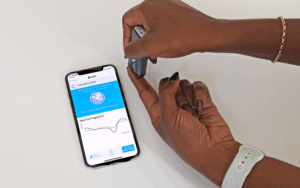
The technique involves participants placing their finger over the camera and flash of a smartphone, which uses a deep-learning algorithm to decipher the blood oxygen levels. When the team delivered a controlled mixture of nitrogen and oxygen to six subjects to artificially bring their blood oxygen levels down, the smartphone correctly predicted whether the subject had low blood oxygen levels 80% of the time.

In a proof-of-principle study, University of Washington and University of California San Diego researchers have shown that smartphones are capable of detecting blood oxygen saturation levels down to 70%. The technique involves having participants place their finger over the camera and flash of a smartphone, which uses a deep-learning algorithm to decipher the blood oxygen levels from the blood flow patterns in the resulting video./Photo:Dennis Wise/University of Washington

“Other smartphone apps that do this were developed by asking people to hold their breath. But people get very uncomfortable and have to breathe after a minute or so, and that’s before their blood-oxygen levels have gone down far enough to represent the full range of clinically relevant data,” said co-lead author Jason Hoffman, a UW doctoral student in the Paul G. Allen School of Computer Science & Engineering. “With our test, we’re able to gather 15 minutes of data from each subject. Our data shows that smartphones could work well right in the critical threshold range.”

Another benefit of measuring blood oxygen levels on a smartphone is that almost everyone has one.

“This way you could have multiple measurements with your own device at either no cost or low cost,” said co-author Dr. Matthew Thompson, professor of family medicine in the UW School of Medicine. “In an ideal world, this information could be seamlessly transmitted to a doctor’s office. This would be really beneficial for telemedicine appointments or for triage nurses to be able to quickly determine whether patients need to go to the emergency department or if they can continue to rest at home and make an appointment with their primary care provider later.”

The team recruited six participants ranging in age from 20 to 34. Three identified as female, three identified as male. One participant identified as being African American, while the rest identified as being Caucasian.

To gather data to train and test the algorithm, the researchers had each participant wear a standard pulse oximeter on one finger and then place another finger on the same hand over a smartphone’s camera and flash. Each participant had this same set up on both hands simultaneously.

“The camera records how much that blood absorbs the light from the flash in each of the three color channels it measures: red, green and blue,” said Wang, who also directs the UC San Diego DigiHealth Lab. “Then we can feed those intensity measurements into our deep-learning model.”

Each participant breathed in a controlled mixture of oxygen and nitrogen to slowly reduce oxygen levels. The process took about 15 minutes. For all six participants, the team acquired more than 10,000 blood oxygen level readings between 61% and 100%.

“Smartphone light can get scattered by all these other components in your finger, which means there’s a lot of noise in the data that we’re looking at,” said co-lead author Varun Viswanath, a UW alumnus who is now a doctoral student advised by Wang at UC San Diego. “Deep learning is a really helpful technique here because it can see these really complex and nuanced features and helps you find patterns that you wouldn’t otherwise be able to see.”


Covid update: India logs 4,858 new Covid-19 cases, 18 deaths

Sep 19 (IANS) In the last 24 hours, India logged 4,858 new Covid-19 cases and 18 deaths, the Union Health Ministry said on Monday.

The new fatalities have pushed the nationwide death toll to 5,28,355.

The active caseload rose to 48,027, accounting for 0.11 per cent of the country’s total positive cases.

The recovery of 4,735 patients in the last 24 hours took the cumulative tally to 4,39,62,664. Consequently, India’s recovery rate stands at 98.71 per cent.

Meanwhile, the daily and weekly positivity rates stood at 2.76 per cent and 1.78 per cent, respectively.

Covid cases/Ians

Also in the same period, a total of 1,75,935 tests were conducted across the country, increasing the overall tally to over 89.17 crore.

As of Monday morning, India’s Covid-19 vaccination coverage exceeded 216.70 crore.

Over 4.08 crore adolescents have been administered with a first dose of Covid-19 jab since the beginning of vaccination drive for this age bracket.

Infants, young children finally get relief from eczema’s terrible itch, scratching

· More than half of children treated had at least a 75% reduction in signs of eczema and itch
· Kids sleep through night for first time instead of scratching
· Parents see children’s personalities change as they are able to lead a normal life.

Eczema, also known as atopic dermatitis, is a chronic inflammatory skin disorder characterized by red, dry, often oozing skin and itch that can profoundly affect the lives of affected patients and their families.

An estimated 19% or more of all children under 6 years of age have eczema and 85 to 90% of individuals affected overall with eczema have the onset of disease during the first five years of life.

The children’s debilitating itch leads to sleep disturbance, poor neurocognitive development and, on average, a full night of sleep lost per week.

CHICAGO — The first study to treat moderate-to-severe eczema in infants and children 6 months to 5 years old with a biologic drug (monoclonal antibody) rather than immune-suppressing medications shows the drug was highly effective in reducing the signs and symptoms of moderate-to-severe eczema, report researchers involved in a new multi-site international phase III study led by Northwestern Medicine.

A 16-week course of dupilumab, a medication that targets a key immune pathway in allergies, resulted in more than half the children having at least a 75% reduction in signs of eczema and highly significant reductions in itch with improved sleep.

This is the first large-scale, randomized, placebo-controlled trial of a monoclonal antibody in any skin disease, including eczema, in children as young as 6 months. The study, which included 31 sites in Europe and North America, will be published Sept. 15 in The Lancet.

“Preschoolers who are constantly scratching, awake multiple times a night with their parents, irritable and markedly curtailed in their ability to do what other children their ages can do improved to the extent that they sleep through the night, change their personalities and have a normal life — as babies and children should,” said lead study author Dr. Amy Paller, chair of dermatology at Northwestern University Feinberg School of Medicine and an attending physician at Ann & Robert H. Lurie Children’s Hospital of Chicago.

“The ability to take this drug will significantly improve the quality of life for infants and young children who suffer tremendously with this disease,” Paller said. “Atopic dermatitis or eczema is so much more than just itchy skin. It is a devastating disease. The quality of life of severe eczema — not only for the child but also parents — is equivalent to many life-threatening diseases.”

As a result of this study, this medication is now available to infants and preschoolers as young as 6 months of age. It has “an outstanding safety profile” and does not even require any laboratory tests before starting the medication, Paller said.

Although one-half to two-thirds of young children with eczema have mild symptoms, which can be handled with steroid ointment and moisturizers, the other one-third or more have moderate-to-severe disease and require more aggressive management.

“Up to now, all we have had to treat more severe eczema is immune-suppressing medications, such as oral steroids, which we try to avoid in children, because they are associated with so many side effects and thus are not a preferred treatment for a chronic skin disease,” Paller said. “The potential long-term impact on the development of the immune system in young children is also of concern with these immunosuppressants.”

During the past few years, a new medication has become available called dupilumab, which is the first “biologic” drug to treat eczema in a targeted manner, meaning a narrow attack on just what scientists have found is causing the manifestations of the disease in skin. This medication was found to be effective and safe in studies with adults, then adolescents, then other school-aged children. 

“But the group in whom we worry the most about safety — those under 5 — had not been tested and were unable to get this medication,” Paller said.

The parent or a health care provider gives the child a monthly shot to administer the medication.

“The effect for most of these younger children is dramatic and at least as good as we’ve seen with the risky immunosuppressant medications,” Paller said.

Potential added benefit by treating associated allergies

This medication has also been shown to be effective for treating asthma, gastrointestinal manifestations of allergy and other allergy-mediated problems but is not yet approved for these indications in infants and young children.

In fact, 66% of children in this trial had developed their eczema during the first six months of life and, by the time of initiating the dupilumab, more than 80% had already developed at least one allergic disorder, such as asthma or food allergy.

“By treating more aggressively to calm the immune system activation in these young children with early, severe eczema, we may also reduce the risk of their developing a range of allergic problems, changing their life beyond improving eczema,” Paller said. “These associated allergic issues most often begin after the eczema starts.”

Children were randomized to receive either a placebo injection or the dupilumab (weight-based dosing) every four weeks for 16 weeks. Only children who were not responding adequately to topical medications were allowed to enroll, and they had to be of a high severity, even with the topical medications.

As a result of the study, Paller said, scientists and physicians can start to better understand the relationships between eczema and a variety of allergic disorders and can consider the possibility of using this medication for other disorders that affect these very young children.

The trial was sponsored by Regeneron Pharmaceuticals, Inc. and Sanofi, who jointly developed dupilumab.

PM Narendra Modi to visit Madhya Pradesh on 17th September to release wild Cheetahs

Prime Minister Narendra Modi will visit Madhya Pradesh on 17th September. At around 10:45 AM, Prime Minister will release Cheetahs in Kuno National Park. After that, at around 12 Noon, he will participate in SHG Sammelan with women SHG members/community resource persons at Karahal, Sheopur.

  • PM to release wild Cheetahs – which had become extinct from India – in Kuno National Park.
  • Cheetahs – brought from Namibia – are being introduced in India under Project Cheetah, which is world’s first inter-continental large wild carnivore translocation project.
  • Bringing Cheetahs back to India will help in the restoration of open forest and grassland ecosystems and also lead to enhanced livelihood opportunities for the local community.
  • In line with the Prime Minister’s commitment towards environment protection and wildlife conservation.
  • Prime Minister to participate in SHG Sammelan at Karahal, Sheopur.
  • Thousands of women SHG members/community resource persons to attend the Sammelan.
  • PM to also inaugurate four Particularly Vulnerable Tribal Groups skilling centres under PM Kaushal Vikas Yojana.

PM at Kuno National Park

The release of wild Cheetahs by the Prime Minister in Kuno National Park is part of his efforts to revitalise and diversify India’s wildlife and its habitat. Cheetah was declared extinct from India in 1952. The Cheetahs that would be released are from Namibia and have been brought under an MoU signed earlier this year. The introduction of Cheetah in India is being done under Project Cheetah, which is world’s first inter-continental large wild carnivore translocation project.

Cheetah

Cheetahs will help in the restoration of open forest and grassland ecosystems in India. This will help conserve biodiversity and enhance the ecosystem services like water security, carbon sequestration and soil moisture conservation, benefiting the society at large. This effort, in line with the Prime Minister’s commitment towards environment protection and wildlife conservation, will also lead to enhanced livelihood opportunities for the local community through eco-development and ecotourism activities.

Kuno national park

PM at SHG Sammelan

Prime Minister will participate in the SHG Sammelan being organised at Karahal, Sheopur. The Sammelan will witness the attendance of thousands of women Self Help Group (SHG) members/community resource persons that are being promoted under the Deendayal Antyodaya Yojana-National Rural Livelihoods Mission (DAY-NRLM).

During the programme, Prime Minister will also be inaugurating four Particularly Vulnerable Tribal Groups (PVTG) skilling centres under PM Kaushal Vikas Yojana.

DAY-NRLM aims at mobilising rural poor households into SHGs in a phased manner and provide them long-term support to diversify their livelihoods, improve their incomes and quality of life. The Mission is also working towards empowering the women SHG members through awareness generation and behaviour change communication on issues like domestic violence, women’s education and other gender related concerns, nutrition, sanitation, health etc.

Indian, US, Spain surgeons win global robotic surgery innovation awards

Robotic surgeons from the US, India and Spain were named the top three winners in the KS International Robotic Surgery Innovation competition, as robotic surgery slowly becomes mainstream.

The winners were selected by an international jury form Oxford and Stanford Universities, and New-Delhi based AIIMS, from the fields of urology, gynaecology, general surgery, hepato-biliary-pancreatic surgery, colorectal, head and neck, paediatric and joint replacement surgeries.

The winning entry of Dr Jihad Kaouk, department of urology, Cleveland Clinic in Ohio was titled Single Port Robot-Assisted Kidney Transplantation Extraperitoneal Approach’ in the unique competition organised by Michigan-based robotic surgery evangelist Vattikuti Foundation.

Dr Kaouk and his team modified the technique of robotic kidney transplant developed at the Vattikuti Urology Institute and Medanta Medicity.

Kaouk used a da Vinci single port robot for truly minimally invasive surgery.

Indian, US surgeons win global robotic surgery innovation award

“The early results of patients who had undergone robotic kidney transplant through this technique could go home in only 2 days,” the foundation said in a statement.

For Robotic Infraclavicular Approach for Minimally Invasive Neck Dissection,’ the second award went to Dr Sandeep Nayak, Director, Surgical Oncology, Fortis Cancer Institute, Bengaluru.

Dr Nayak innovated a robotic technique to perform very major cancer surgery of the head neck to clear the lymph nodes in the neck with quick patient recovery and minimal discomfort.

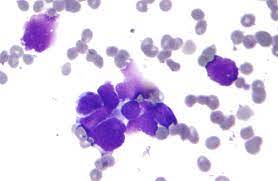
cancer cells/photo:en.wikipedia.org

The third award went to a team of Dr Alberto Piana, Dr Paolo Verri, and Dr Alberto Breda of Oncology Urology and Kidney Transplant Surgery, Fundacio Puigvert, Barcelona, Spain for their entry of 3D Augmented Reality Guided Robotic Assisted Kidney Transplantation’.

The KS National Robotic Surgery Video’ competition is being organised in India since 2015 by Vattikuti Foundation. This year, it went international for the first time.

“As surgeons continue to innovate newer procedures in robotic surgery, the Vattikuti Foundation will continue to invest and make it accessible to other surgeons,” said Raj Vattikuti, president of Vattikuti Foundation.

Meal timing may influence mood vulnerability; Daytime eating benefits mental health

“Our findings provide evidence for the timing of food intake as a novel strategy to potentially minimize mood vulnerability in individuals experiencing circadian misalignment, such as people engaged in shift work, experiencing jet lag, or suffering from circadian rhythm disorders,” said co-corresponding author Frank A. J. L. Scheer, PhD, Director of the Medical Chronobiology Program in the Brigham’s Division of Sleep and Circadian Disorders. “Future studies in shift workers and clinical populations are required to firmly establish if changes in meal timing can prevent their increased mood vulnerability. Until then, our study brings a new ‘player’ to the table: the timing of food intake matters for our mood.”

Shift workers account for up to 20 percent of the workforce in industrial societies and are directly responsible for many hospital services, factory work, and other essential services. Shift workers often experience a misalignment between their central circadian clock in the brain and daily behaviors, such as sleep/wake and fasting/eating cycles. Importantly, they also have a 25 to 40 percent higher risk of depression and anxiety.

Eating/Photo:en.wikipedia.org

“Shift workers — as well as individuals experiencing circadian disruption, including jet lag — may benefit from our meal timing intervention,” said co-corresponding author Sarah L. Chellappa, MD, PhD, who completed work on this project while at the Brigham.“Our findings open the door for a novel sleep/circadian behavioral strategy that might also benefit individuals experiencing mental health disorders. Our study adds to a growing body of evidence finding that strategies that optimize sleep and circadian rhythms may help promote mental health.”

To conduct the study, Scheer, Chellappa, and colleagues enrolled 19 participants (12 men and 7 women) for a randomized controlled study. Participants underwent a Forced Desynchrony protocol in dim light for four 28-hour “days,” such that by the fourth “day” their behavioral cycles were inverted by 12 hours, simulating night work and causing circadian misalignment. Participants were randomly assigned to one of two meal timing groups: the Daytime and Nighttime Meal Control Group, which had meals according to a 28-hour cycle (resulting in eating both during the night and day, which is typical among night workers), and the Daytime-Only Meal Intervention Group, which had meals on a 24-hour cycle (resulting in eating only during the day). The team assessed depression- and anxiety-like mood levels every hour.

food

The team found that meal timing significantly affected the participants’ mood levels. During the simulated night shift (day 4), those in the Daytime and Nighttime Meal Control Group had increased depression-like mood levels and anxiety-like mood levels, compared to baseline (day 1). In contrast, there were no changes in mood in the Daytime Meal Intervention Group during the simulated night shift. Participants with a greater degree of circadian misalignment experienced more depression– and anxiety-like mood.

“Meal timing is emerging as an important aspect of nutrition that may influence physical health,” said Chellappa. “But the causal role of the timing of food intake on mental health remains to be tested. Future studies are required to establish if changes in meal timing can help individuals experiencing depressive and anxiety/anxiety-related disorders.”

Obesity drug may decrease type 2 diabetes risk: Study reveals

New York, Sep 12 (IANS) The risk of type 2 diabetes is more than halved by weekly injections of the new obesity drug semaglutide, which was recently approved in the US and has been provisionally approved in England, says a new study.

The researchers of the study, to be presented at the annual meeting of the European Association for the Study of Diabetes (EASD), said semaglutide reduces the future risk of diabetes by over 60 per cent in patients with obesity.

“Semaglutide appears to be the most effective medication to date for treating obesity and is beginning to close the gap with the amount of weight loss following bariatric surgery,” said researcher W. Timothy Garvey from the University of Alabama at Birmingham in the US.

diabetes

Obesity is known to increase the risk of type 2 diabetes at least six-fold and the team was interested in understanding whether semaglutide could reduce this risk. To learn more, they conducted a new analysis of the data from two trials of semaglutide.

In STEP 1, 1,961 overweight or obese participants received an injection of 2.4 mg of semaglutide or a placebo weekly, for 68 weeks.

STEP 4 involved 803 participants with overweight or obesity. All received weekly injections of 2.4 mg semaglutide for 20 weeks. They then either remained on semaglutide or were switched to placebo for the next 48 weeks.

In STEP 1 participants receiving semaglutide, 10-year risk scores for type 2 diabetes decreased by 61 per cent (from 18.2 per cent at week 0 to 7.1 per cent at week 68). This compares to a 13 per cent reduction in risk score for those given the placebo (17.8 per cent at week +0 to 15.6 per cent at week 68).

In the STEP 4 participants, the largest decreases in risk scores were seen in the first 20 weeks (from 20.6 per cent at week 0 to 11.4 per cent at week 20). In those who continued receiving semaglutide, the risk score decreased further to 7.7 per cent but in those who were switched to placebo, it rose to 15.4 per cent.

Ovarian cancer detection takes a step forward with liquid biopsy

Ovarian cancer is most often found in people of middle-age or older as the Wilmot study showed that the mean age of participants was 56.

Of the 183 participants, 42 were found to have ovarian cancer, which is 23 percent. The technology also discovered that 20 other participants had non-ovarian cancers.

Ovarian cancer symptoms can be vague, such as gas and bloating, but there are some that should not be ignored, Moore said: pelvic pain or pressure, feeling full quickly after eating, vaginal discharge or abnormal bleeding, urgency to urinate frequently, fatigue, upset stomach, pain during sex, constipation, or menstrual changes.

Because ovarian cancer is most often diagnosed in later stages.

A new type of technology can capture stray ovarian cancer cells from a simple blood test and successfully predict cancer in people who have a lesion or cyst in the pelvic region, according to a new study by a Wilmot Cancer Institute physician/scientist.

Nearly 200 local people participated in the study.

One of those local participants, Toni Masci, 51, of Fairport, took part in Moore’s study by providing blood samples for analysis. She had an ovarian cyst that burst — only to find out that a large tumor was also in her abdomen. She was treated with surgery and six rounds of chemotherapy in 2017 for stage 1 ovarian cancer, and just celebrated the milestone of five years in remission.

“I feel lucky to be part of this,” Masci said. “As most people know, ovarian cancer usually doesn’t get detected early. If Dr. Moore hadn’t been doing this research, we might not have had this advance and I might not be here.”

Currently, there is no routine ovarian cancer screening method available for people who do not have symptoms or a known lesion. And yet, the new technology, called a “liquid biopsy,” developed by United Kingdom-based ANGLE PLC, and the URMC team at Wilmot, advances the field in a couple of important ways, according to the study:

  • It confirmed for physicians quickly and accurately that cancer was present in patients who were scheduled for surgery or other procedures. The detection enabled physicians to classify which patients needed immediate care from a specially trained gynecological oncologist to improve survival.
  • The study analyzed gene expression from captured cells in blood and evaluated 72 different gene transcripts and seven blood biomarkers related to ovarian cancer (including CA125). From this collection, the study identified nine gene transcripts and four biomarkers that were useful for detecting cancers. They were used to develop an algorithm known as MAGIC (Malignancy Assessment using Gene Identification in Captured Cells). The algorithm achieved a sensitivity of 95 percent and an accuracy of 83 percent for detecting ovarian cancer.
  • In the clinical trial, MAGIC also was able to detect ovarian cancer in early and late stages. Early-stage detection is critical for survival and difficult to achieve. And, the test picked up other types of cancer that had spread to the pelvic region or originated there.

“This is an important step forward for the detection of ovarian cancer in patients with a pelvic mass,” Moore said. “The fact that we can capture circulating tumor cells and analyze them from a simple blood draw is extremely exciting.”

Being able to find circulating tumor cells is the key, Moore said. These are rare, living cells that break off from the original tumor. They have an estimated ratio in the blood of one in 100 million to one in one billion. The technology captures the rare cells and allows for genetic analysis in a single tool within a couple of hours.


Currently, if a person has a suspicious lesion, surgery is necessary to diagnose ovarian cancer, and annually, more than 200,000 people in the U.S. are in this situation. A non-invasive test that predicts malignancy beforehand would enable people with the highest risk to have surgery done by an oncology specialist with greater experience and surgical volume for these types of cases, Moore said.

Masci, a U.S. Navy veteran and esthetician at a local salon, was 46 years old in January 2017 when her cancer was diagnosed.

“I was in such shock,” she said. “Looking back, I did have some symptoms: bloating, my back hurt, weight loss, and when I would sit down to eat I would feel full right away.”

She enrolled in the study a month later, and Moore performed her ovarian cancer surgery.

“I had wonderful care from everyone at Wilmot,” Masci added, “but I can’t say enough good things about Dr. Moore. He needs to clone himself a million times.”

ANGLE Europe Limited funded the study. Moore has worked extensively with the company to test its detection system. Earlier this summer, the FDA gave approval for the same tool to be used to track breast cancer cells that have spread. Moore’s lab was the sole location nationally to test the reproducibility of the breast cancer tests, and local residents were also involved in that clinical trial.


Hidden black diamond: Delicious, aromatic, rare ‘Appalachian truffle’

A hallmark of a truly luxurious meal is a sprinkling of truffle shavings — the fungal kind, not the chocolate. Nicknamed “diamonds” of the culinary world, these fanciful fungi are prized for their unique flavor and scent. But newer truffle species are fighting to achieve that same gourmet status. Now, researchers reporting in ACS Omega have performed the first full aroma characterization of the Appalachian truffle, unlocking the potential for a new North American “black diamond.”

The gourmet delicacies known as truffles are subterranean fungi of the Tuber species that require several years and very particular conditions to grow. Figuring out how to cultivate the fungi efficiently has been very difficult, so most people forage for them in the wild using trained animals, such as pigs or dogs, that can uncover these hidden gems. Because truffles are so rare and challenging to obtain, they are very expensive.

These Appalachian truffles might one day be just as prized as those from Europe/ Photo:David Fortier

For example, a large 3.3-pound behemoth from Italy cost $330,000 at auction several years ago. Commercial truffles most often originate from Europe, Australia and the western U.S., but different species exist all over the world. Unlike the fancy white or black truffles grown in Italy or France, however, many unearthed in North America have not been well studied. So, Normand Voyer and colleagues wanted to thoroughly analyze the aromatic profile of one of these North American varieties, known as Tuber canaliculatum, or Appalachian truffle.

To accomplish this, the researchers investigated three T. canaliculatum samples using headspace solid-phase microextraction (HS-SPME) and gas chromatography-mass spectrometry (GC/MS). With these techniques, the team identified the species’ “volatilome,” or the chemical fingerprint responsible for its aroma.

A total of 30 different compounds, including six that had never been reported in other truffle species, were identified. Some, such as 2,4-dithiapentane, are found in many truffle species and give truffle oil its unique smell. The most prevalent compounds were described as having strong odors of garlic, fungus and even a cabbage-like, rotten smell that was found in higher concentrations in older samples. The researchers say that this work could spur future studies of T. canaliculatum, which might one day place it at the same high status as its European cousins.

Manuka Honey emerges miracle drug for lung infection if combined with widely used ‘amikacin’

A potential new treatment combining natural manuka honey with a widely used drug has been developed by scientists at Aston University to treat a potentially lethal lung infection and greatly reduce side effects of one of the current drugs used for its treatment.

Manuka honey can also be used to help treat wounds, injuries, improve oral health, soothe a sore throat and treat ulcers. The findings are published in the journal Microbiology.

The scientists in the Mycobacterial Research Group in the College of Health and Life Sciences at Aston University were able to combine manuka honey and the drug amikacin in a lab-based nebulisation formulation to treat the harmful bacterial lung infection Mycobacterium abscessus, said lead author and PhD researcher Victoria Nolan.

Manuka honey is long known to have wide ranging medicinal properties, but more recently has been identified for its broad spectrum antimicrobial activity. Now scientists have found that manuka honey has the potential to kill a number of drug resistant bacterial infections such as Mycobacterium abscessus – which usually affects patients with cystic fibrosis (CF) or bronchiectasis.

Manuka honey could help to clear deadly drug-resistant lung infection – research/Photo:Microbiology Society

According to the Cystic Fibrosis Trust, CF is a genetic condition affecting around 10,800 people – one in every 2,500 babies born in the UK – and there are more than 100,000 people with the condition worldwide. The NHS defines bronchiectasis  as a long-term condition where the airways of the lungs become widened, leading to a build-up of excess mucus that can make the lungs more vulnerable to infection..

In the study, the researchers used samples of the bacteria Mycobacterium abscessus taken from 16 infected CF patients. They then tested the antibiotic amikacin, combined with manuka honey, to discover what dosage was required to kill the bacteria.

Dr Jonathan Cox, senior lecturer in microbiology, Aston University said: “By combining a totally natural ingredient such as manuka honey with amikacin, one of the most important yet toxic drugs used for treating Mycobacterium abscessus, we have found a way to potentially kill off these bacteria with eight times less drug than before.”

As part of the study the team used a lab-based lung model and nebuliser – a device that produces a fine spray of liquid often used for inhaling a medicinal drug. By nebulising manuka honey and amikacin together, it was found they could improve bacterial clearance, even when using lower doses of amikacin, which would result in less life-changing side-effects to the patient.

In the UK, of the 10,800 people living with CF, Mycobacterium abscessus infects 13% of all patients with the condition. This new approach is advantageous not only because it has the potential to kill off a highly drug resistant infection, but because of the reduced side effects, benefitting quality of life and greatly improving survival chances for infected CF patients.

Mycobacterium abscessus is a bacterial pathogen from the same family that causes tuberculosis, but this bug differs by causing serious lung infections in people (particularly children) with pre-existing lung conditions, such as CF and bronchiectasis, as well as causing skin and soft tissue infections. The bacteria is also highly drug resistant.

Currently, patients are given a cocktail of antibiotics, consisting of 12 months or more of antimicrobial chemotherapy and often doesn’t result in a cure. The dosage of amikacin usually used on a patient to kill the infection is 16 micrograms per millilitre. But the researchers found that the new combination using manuka honey, required a dosage of just 2 micrograms per millitre of amikacin – resulting in a one eighth reduction in the dosage of the drug.

Until now Mycobacterium abscessus has been virtually impossible to eradicate in people with cystic fibrosis. It can also be deadly if the patient requires a lung transplant because they are not eligible for surgery if the infection is present.


President to launch TB Mukt Bharat initiative, target 2025

President Droupadi Murmu will virtually launch the TB Mukt Bharat Abhiyaan on Friday to reinvigorate the mission of TB elimination from the country by 2025.

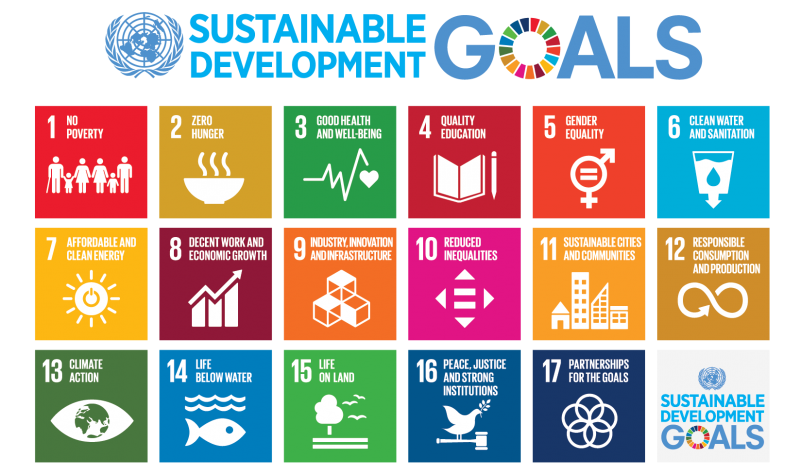
Following the government’s initiative to end Tuberculosis or TB in the country five years ahead of Sustainable Development Goals (SDG) target of 2030 by the United Nations, the Abhiyaan will be launched in presence of Mansukh Mandaviya, Union Minister of Health and Family Welfare and other officials.

The virtual event will be attended by representatives from State and district health administration, corporates, industries, civil society and NGOs as the country reiterates the commitment towards TB elimination by 2025.

The TB Mukt Bharat Abhiyaan has been envisioned to bring together all community stakeholders to support those on TB treatment and accelerate the country’s progress towards TB elimination.

The President will also launch the Ni-kshay Mitra initiative which forms a vital component of the Abhiyaan. The Ni-kshay Mitra  portal provides a platform for donors to provide various forms of support to those undergoing TB treatment. The three pronged support includes nutritional, additional diagnostic, and vocational support.

The launch event aims to highlight the need for a societal approach that brings together people from all backgrounds to achieve the ambitious target of eliminating TB from the country by 2025, ahead of the SDG targets set by the UN.

SDG target to eliminate TB

Tuberculosis is an infectious bacterial disease caused by Mycobacterium tuberculosis, which most commonly affects the lungs. In June 2022, WHO’s Director-General Dr Tedros Adhanom Ghebreyesus held a dialogue with WHO’s Civil Society Task Force on Tuberculosis (CSTF-TB) sought to support the rapid adoption of WHO guidelines at country level.

It has called upon nations to increase access to the best evidence-based interventions for people and communities affected by TB, including prevention, detection and treatment of people with TB and related comorbidities, with the involvement of civil society and affected communities.

Exposure to air pollution in infancy alters gut microorganisms, may boost disease risk [Preventive Steps]

Exposure to air pollution in the first six months of life impacts a child’s inner world of gut bacteria, or microbiome, in ways that could increase risk of allergies, obesity and diabetes, and even influence brain development, suggests new CU Boulder research.

“This study adds to the growing body of literature showing that air pollution exposure, even during infancy, may alter the gut microbiome, with important implications for growth and development,” said senior author Tanya Alderete, assistant professor of Integrative Physiology at CU Boulder.

At birth, an infant hosts little resident bacteria. Over the first two to three years of life, exposure to mother’s milk, solid food, antibiotics and other environmental influences shape which microorganisms take hold. Those microbes, and the metabolites, or byproducts, they produce when they break down food or chemicals in the gut, influence a host of bodily systems that shape appetite, insulin sensitivity, immunity, mood and cognition. While many are beneficial, some microbiome compositions have been associated with Chrohn’s disease, asthma, type 2 diabetes, and other chronic illnesses.

Air pollution/photo:en.wikipedia.org

“The microbiome plays a role in nearly every physiological process in the body, and the environment that develops in those first few years of life sticks with you,” said first author Maximilian Bailey, who graduated in May with a master’s in Integrative Physiology and is now a medical student at Stanford University.

Boosting inflammation

For the study, the researchers obtained fecal samples from 103 healthy, primarily breast-fed Latino infants enrolled in the Southern California Mother’s Milk Study and used genetic sequencing to analyze them.

Using their street addresses and data from the U.S. Environmental Protection Agency’s Air Quality System, which records hourly data from monitoring systems, they estimated exposure to PM2.5 and PM10 (fine inhalable particles from things like factories, wildfires and construction sites) and Nitrogen Dioxide (NO2), a gas largely emitted from cars.

“Overall, we saw that ambient air pollution exposure was associated with a more inflammatory gut-microbial profile, which may contribute to a whole host of future adverse health outcomes,” said Alderete.

For instance, infants with the highest exposure to PM2.5 had 60% less Phascolarctobacterium, a beneficial bacterium known to decrease inflammation, support gastrointestinal health and aid in neurodevelopment. Those with the highest exposure to PM10 had 85% more of the microorganism Dialister, which is associated with inflammation.

infant-small child/photo:en.wikipedia.org

Infants are particularly vulnerable to the health hazards of air pollution because they breathe faster and their gut microbiome is just taking shape.

“This makes early life a critical window where exposure to air pollution may have disproportionately deleterious health effects,” they write.

Meantime, Alderete advises everyone to take these steps to reduce their exposure to both indoor and outdoor pollutants:

  • Avoid walking outdoors in high-traffic zones
  • Consider a low-cost air-filtration system, particularly for rooms children spend a lot of time in
  • If you are cooking, open the windows
  • And for new moms, breastfeed for as long as possible

“Breast milk is a fantastic way to develop a healthy microbiome and may help offset some of the adverse effects from environmental exposures,” Alderete said.

DNA screen: World-first preventative saliva test for cancer and heart disease risk

Young Australians can now access a free DNA saliva test to learn whether they face increased risk of some cancers and heart disease, which can be prevented or treated early if detected, in a world-first DNA screening study.

The nationally collaborative project, led by Monash University and supported by researchers and clinicians across Australia, will screen at least 10,000 people aged 18-40 for genes that increase risk of certain types of cancers and heart disease that often go undetected.

Those found to be at high risk after DNA testing – about one in 75 or 1.3 per cent – will have their situation explained by experts and be offered genetic counselling and prevention measures, such as regular scans and check-ups.

cancer/photo:en.wikipedia.org

Until now, genetic testing for the DNA changes that increase disease risk has only been available on a small scale for those with a known family history or prior disease diagnosis. Population testing, open to everyone, has the potential to drastically improve access and maximize the preventive benefits of DNA testing.

Monash University’s Associate Professor Paul Lacaze said the project enabled a more efficient and equitable approach to genetic testing, identifying far more people at high risk than current testing methods.

“We hope to identify those at risk while they are young and healthy, not after the fact, and empower them to make more informed decisions about their health,” he said. “For some people, this could save their lives through early detection and prevention of cancer and heart disease. This will also save considerable health system costs in Australia through prevention.

“Providing genetic testing based on family history alone is not enough. Up to 90 per cent of those at high risk in the general population are not identified by current family history-based testing. Most people don’t find out about their genetic risk until it’s too late, like after an incurable cancer or heart attack is diagnosed. We want to change that.”

DNA Screen will identify people with DNA variants in the BRCA1 and BRCA2 genes that lead to an increased risk of hereditary breast and ovarian cancer in women. These genes are also linked to breast and prostate cancer in men, although not as strongly. Men and women who carry DNA variants in the BRCA1 and BRCA2 genes can also pass them onto their children.

The DNA Screen test will also focus on Lynch Syndrome – another condition that increases risk for colorectal, endometrial, and other gastrointestinal cancers. Both cancer-related conditions have effective, proven interventions available to reduce risk if identified early.

This includes attending annual check-ups and screens from age 30, and the option of risk-reducing surgery for some people. Early detection and prevention are often life-saving for cancer.

The DNA test also encompasses heart disease risk, focusing on familial hypercholesterolemia (FH) or ‘genetic high cholesterol’, which results in high risk of heart disease from a young age. Despite effective medications such as statins being available to reduce risk, an estimated 95 per cent of FH carriers are currently undiagnosed.

Associate Professor Lacaze, from the Monash University School of Public Health and Preventive Medicine, is leading a team of national collaborators who were awarded a $2.97 million Medical Research Future Fund (MRFF) grant for the project. The project is supported by the Precision Medicine laboratory at Monash University and the state-of-the-art Biobanking Victoria facility.

The eventual goal is to develop a new population-based DNA screening program that could be offered through the Australian public healthcare system, available to everyone but targeted on certain medically-actionable conditions where early detection is key.

“We expect to identify about 1 in 75 people at high risk of these diseases. Those found to be high risk won’t necessarily get the disease, but pinpointing risk before symptoms appear enables prevention through regular check-ups, medication, or risk-reducing surgery. It could save their life.

DNA Screen, which is recruiting young people via social media, is expected to save lives and could lead to a wide scale preventive DNA testing program for cancer and heart disease risk, where early detection and prevention can be life-saving.

DNA Screen is the world’s first preventive DNA screening study designed specifically to assess population DNA screening through a national healthcare system. The test is free and involves placing a saliva sample into a small tube received by mail, and sending it back in a postage paid envelope. People can sign up online at dnascreen.monash.edu


Fish oil, vitamin D supplements during pregnancy lower risk of croup in babies

Babies and children under three years old are less likely to develop croup if their mothers took fish oil and vitamin D supplements during pregnancy, according to new results from a clinical trial.

Croup is a viral chest infection that affects young children. It causes a characteristic ‘barking’ cough, a hoarse voice and difficulty breathing. Croup is common and usually mild, but some children will need hospital treatment and breathing support.

The study was presented by Dr Nicklas Brustad, a clinician and postdoctoral researcher working on the Copenhagen Prospective Studies on Asthma in Childhood (COPSAC) at Copenhagen University Hospital, Denmark.

He told the Congress: “There is currently no vaccine against the pathogen that causes this disease. Therefore, other preventive strategies are needed, and measures initiated during pregnancy might be important since croup occurs in babies and young children. For such purpose, there is evidence that both vitamin D and fish oil could have an influence on the immune system.”

croup-chest infection/photo:en.wikipedia.org

The study included 736 pregnant women being cared for by COPSAC from 2010. The women were divided up into four groups. One group were given a high-dose vitamin D supplement (2800 international units per day) and fish oil containing long-chain n-3-polyunsaturated fatty acids (2.4 grams), the second group were given high-dose vitamin D and olive oil, the third group were given standard-dose vitamin D (400 international units per day) and fish oil, and the final group were given standard-dose vitamin D and olive oil. All the women took the supplements daily from their 24th week of pregnancy until one week after their babies were born. Neither the women nor the researchers knew which supplements they were taking until the end of the study.

Researchers monitored the children until they were three years old and any who were suspected of suffering from croup were diagnosed by a doctor or via their medical records. There was a total of 97 cases of croup amongst the children.

Vitamins-Fish oil supplements/photo:en.wikipedia.org

Overall, children whose mothers took the fish oil had an 11% risk of croup, compared to 17% in the children whose mothers took olive oil (a 38% decrease). Children whose mothers took high-dose vitamin D had an 11% risk of croup, compared to an 18% risk in those whose mothers took the standard-dose vitamin D (a 40% decrease).

Dr Brustad said: “Our findings suggest that vitamin D and fish oil could be beneficial against childhood croup in sufficiently high doses. These are relatively cheap supplements meaning that this could be a very cost-effective approach to improving young children’s health.

Vitamin D and fish oil can stimulate the immune system to help babies and young children clear infections more effectively.”

The research team working at COPSAC have already investigated other potential benefits of vitamin D and fish oil during pregnancy, including its effects on bone development, the central nervous system, body composition and asthma. They will continue to follow the children in the study and plan to investigate why some children are more prone to infections in childhood than others.

Professor Rory Morty from the University of Heidelberg is chair of European Respiratory Society’s lung and airway developmental biology group and was not involved in the research. He said: “We know that lung health in babies and young children can be influenced during pregnancy. For example, babies whose mothers smoke tend to have worse lung health. We are increasingly seeing that elements of a mother’s diet can also help or hinder a baby’s lung development.

“This research suggests that taking vitamin D and fish oil supplements during pregnancy could have benefits for babies and young children. We would like to see further research in this area to support these findings as this could lead to new recommendations for supplementation during pregnancy. Pregnant women should always speak to their doctor before taking supplements.”


Air pollution is more dangerous for women than men: Study

The impact of breathing diesel exhaust fumes may be more severe for females than males, according to new research that will be presented at the European Respiratory Society International Congress in Barcelona, Spain [1].

Researchers looked for changes in people’s blood brought about by exposure to diesel exhaust. In both females and males, they found changes in components of the blood related to inflammation, infection and cardiovascular disease, but they found more changes in females than males.

The research was presented by Dr Hemshekhar Mahadevappa, from the University of Manitoba, Winnipeg, Canada and was a collaboration between two research groups led by Professor Neeloffer Mookherjee at the University of Manitoba and Professor Chris Carlsten at the University of British Columbia, Vancouver, Canada. Dr Mahadevappa told the Congress: “We already know that there are sex differences in lung diseases such as asthma and respiratory infections.

Air pollution/Photo:en.wikipedia.org

Research showed that breathing diesel exhaust creates inflammation in the lungs and has an impact on how the body deals with respiratory infections. In this study, we wanted to look for any effects in the blood and how these differ in females and males.”

The study involved ten volunteers, five female and five male, who were all healthy non-smokers. Each volunteer spent four hours breathing filtered air and four hours breathing air containing diesel exhaust fumes at three different concentrations – 20, 50 and 150 micrograms of fine particulate matter (PM2.5) per cubic metre – with a four-week break in between each exposure.

Volunteers donated blood samples 24 hours after each exposure and the researchers made detailed examinations of the volunteers’ blood plasma. Plasma is the liquid component of the blood that carries blood cells as well as hundreds of proteins and other molecules around the body. Using a well-established analysis technology called liquid chromatography–mass spectrometry, the researchers looked for changes in the levels of different proteins following exposure to diesel exhaust and compared the changes in females and males.

Airpollution/Photo:en.wikipedia.org

Comparing the plasma samples, the researchers found levels of 90 proteins that were distinctly different between female and male volunteers following exposure to diesel exhaust. Among the proteins that differed between females and males, were some that are known to play a role in inflammation, damage repair, blood clotting, cardiovascular disease and the immune system. Some of these differences became clearer when volunteers were exposed to the higher levels of diesel exhaust.

Professor Mookherjee explained: “These are preliminary findings, however they show that exposure to diesel exhaust has different effects in female bodies compared to male and that could indicate that air pollution is more dangerous for females than males.

“This is important as respiratory diseases such as asthma are known to effect females and males differently, with females more likely to suffer severe asthma that does not respond to treatments. Therefore, we need to know a lot more about how females and males respond to air pollution and what this means for preventing, diagnosing and treating their respiratory disease.”

Air pollution/photo:en.wikipedia.org

Professor Zorana Andersen from the University of Copenhagen, Denmark, is Chair of the European Respiratory Society Environment and Health Committee and was not involved in the research. She said: “We know that exposure to air pollution, especially diesel exhaust, is a major risk factor in diseases such as asthma and chronic obstructive pulmonary disease. There is very little we can do as individuals to avoid beathing polluted air, so we need governments to set and enforce limits on air pollutants.


Being away from excessive blue light from our gadgets slows ageing process

Changes in cell chemistry from blue light exposure observed in fruit flies could also potentially cause detrimental effects on our body, including accelerated aging.

Too much screen use has been linked to obesity and psychological problems. Now a new study has identified a new problem – a study in fruit flies suggests our basic cellular functions could be impacted by the blue light emitted by these devices. These results are published in Frontiers in Aging.

“Excessive exposure to blue light from everyday devices, such as TVs, laptops, and phones, may have detrimental effects on a wide range of cells in our body, from skin and fat cells, to sensory neurons,” said Dr Jadwiga Giebultowicz, a professor at the Department of Integrative Biology at Oregon State University and senior author of this study. “We are the first to show that the levels of specific metabolites –  chemicals that are essential for cells to function correctly – are altered in fruit flies exposed to blue light.“

“Our study suggests that avoidance of excessive blue light exposure may be a good anti-aging strategy,” advised Giebultowicz.

Mobile Phone/Photo:indiainternationaltimes

Turn off the light

The researchers at Oregon State University have previously shown that fruit flies exposed to light ‘turn on’ stress protective genes, and that those kept in constant darkness lived longer.

“To understand why high-energy blue light is responsible for accelerating aging in fruit flies, we compared the levels of metabolites in flies exposed to blue light for two weeks to those kept in complete darkness,” explained Giebultowicz.

Blue light exposure caused significant differences in the levels of metabolites measured by the researchers in the cells of fly heads. In particular, they found that the levels of the metabolite succinate were increased, but glutamate levels were lowered.

“Succinate is essential for producing the fuel for the function and growth of each cell. High levels of succinate after exposure to blue light can be compared to gas being in the pump but not getting into the car,” said Giebultowicz. “Another troubling discovery was that molecules responsible for communication between neurons, such as glutamate, are at the lower level after blue light exposure.”

Accelerating aging

The changes recorded by the researchers suggest that the cells are operating at suboptimal level, and this may cause their premature death, and further, explain their previous findings that blue light accelerates aging.

“LEDs have become the main illumination in display screens such as phones, desktops and TVs, as well as ambient lighting, so humans in advanced societies are exposed to blue light through LED lighting during most of their waking hours. The signaling chemicals in the cells of flies and humans are the same, so the there is potential for negative effects of blue light on humans,“ explains Giebultowicz.

Future work hopes to study the effects directly on human cells.

“We used a fairly strong blue light on the flies – humans are exposed to less intense light, so cellular damage may be less dramatic. The results from this study suggests that future research involving human cells is needed to establish the extent to which human cells may show similar changes in metabolites involved in energy production in response to excessive exposure to blue light,“ concluded Giebultowicz.

How to detect nanoplastics present in air

Large pieces of plastic can break down into nanosized particles that often find their way into the soil and water. Perhaps less well known is that they can also float in the air. It’s unclear how nanoplastics impact human health, but animal studies suggest they’re potentially harmful. As a step toward better understanding the prevalence of airborne nanoplastics, researchers have developed a sensor that detects these particles and determines the types, amounts and sizes of the plastics using colorful carbon dot films.

The researchers will present their results today at the fall meeting of the American Chemical Society (ACS). ACS Fall 2022 is a hybrid meeting being held virtually and in-person Aug. 21–25, with on-demand access available Aug. 26–Sept. 9. The meeting features nearly 11,000 presentations on a wide range of science topics.

“Nanoplastics are a major concern if they’re in the air that you breathe, getting into your lungs and potentially causing health problems,” says Raz Jelinek, Ph.D., the project’s principal investigator. “A simple, inexpensive detector like ours could have huge implications, and someday alert people to the presence of nanoplastics in the air, allowing them to take action.”

Of the many well-documented risks of dirty air, one potential danger is lesser known: chronic kidney disease. Learn about new research and how to protect yourself. CREDIT: Michigan Medicine

Millions of tons of plastic are produced and thrown away each year. Some plastic materials slowly erode while they’re being used or after being disposed of, polluting the surrounding environment with micro- and nanosized particles. Nanoplastics are so small — generally less than 1-µm wide — and light that they can even float in the air, where people can then unknowingly breathe them in. Animal studies suggest that ingesting and inhaling these nanoparticles may have damaging effects. Therefore, it could be helpful to know the levels of airborne nanoplastic pollution in the environment.

Previously, Jelinek’s research team at Ben-Gurion University of the Negev developed an electronic nose or “e-nose” for monitoring the presence of bacteria by adsorbing and sensing the unique combination of gas vapor molecules that they release. The researchers wanted to see if this same carbon-dot-based technology could be adapted to create a sensitive nanoplastic sensor for continuous environmental monitoring.

Carbon dots are formed when a starting material that contains lots of carbon, such as sugar or other organic matter, is heated at a moderate temperature for several hours, says Jelinek. This process can even be done using a conventional microwave. During heating, the carbon-containing material develops into colorful, and often fluorescent, nanometer-size particles called “carbon dots.” And by changing the starting material, the carbon dots can have different surface properties that can attract various molecules.

To create the bacterial e-nose, the team spread thin layers of different carbon dots onto tiny electrodes, each the size of a fingernail. They used interdigitated electrodes, which have two sides with interspersed comb-like structures. Between the two sides, an electric field develops, and the stored charge is called capacitance. “When something happens to the carbon dots — either they adsorb gas molecules or nanoplastic pieces — then there is a change of capacitance, which we can easily measure,” says Jelinek.

Then the researchers tested a proof-of-concept sensor for nanoplastics in the air, choosing carbon dots that would adsorb common types of plastic — polystyrene, polypropylene and poly(methyl methacrylate). In experiments, nanoscale plastic particles were aerosolized, making them float in the air. And when electrodes coated with carbon-dot films were exposed to the airborne nanoplastics, the team observed signals that were different for each type of material, says Jelinek. Because the number of nanoplastics in the air affects the intensity of the signal generated, Jelinek adds that currently, the sensor can report the amount of particles from a certain plastic type either above or below a predetermined concentration threshold. Additionally, when polystyrene particles in three sizes — 100-nm wide, 200-nm wide and 300-nm wide — were aerosolized, the sensor’s signal intensity was directly related to the particles’ size.

The team’s next step is to see if their system can distinguish the types of plastic in mixtures of nanoparticles. Just as the combination of carbon dot films in the bacterial e-nose distinguished between gases with differing polarities, Jelinek says it’s likely that they could tweak the nanoplastic sensor to differentiate between additional types and sizes of nanoplastics. The capability to detect different plastics based on their surface properties would make nanoplastic sensors useful for tracking these particles in schools, office buildings, homes and outdoors, he says.

COVID mRNA vaccines are safe in patients with heart failure

COVID mRNA vaccines are associated with a decreased risk of death in patients with heart failure, according to research presented at ESC Congress 2022.1 The study also found that the vaccines were not associated with an increased risk of worsening heart failure, venous thromboembolism or myocarditis in heart failure patients.

“Our results indicate that heart failure patients should be prioritised for COVID-19 vaccinations and boosters,” said study author Dr. Caroline Sindet-Pedersen of Herlev and Gentofe Hospital, Hellerup, Denmark. “COVID-19 vaccines will continue to be important for preventing morbidity and mortality in vulnerable patient populations. Thus, studies emphasising the safety of these vaccines are essential to reassure those who might be hesitant and ensure continued uptake of vaccinations.”

Patients with heart failure are at increased risk of hospitalisation, need for mechanical ventilation, and death due to COVID-19.2 Vaccination reduces the risk of serious illness from COVID-19. However, “Due to perceptions about possible cardiovascular side effects from mRNA vaccines in heart failure patients, this study examined the risk of cardiovascular complications and death associated with mRNA vaccines in a nationwide cohort of patients with heart failure,” said Dr. Sindet-Pedersen.

The study included 50,893 unvaccinated patients with heart failure in 2019 and 50,893 patients with heart failure in 2021 who were vaccinated with either of the two mRNA vaccines (BNT162B2 or mRNA-1273).3 The two groups were matched for age, sex, and duration of heart failure. The median age of participants was 74 years and 35% were women. The median duration of heart failure was 4.1 years. Participants were followed for 90 days for all-cause mortality, worsening heart failure, venous thromboembolism, and myocarditis, starting from the date of the second vaccination for the 2021 group and the same date in 2019 for the unvaccinated group.

The researchers compared the risk of adverse outcomes in the two groups, after standardising for age, sex, heart failure duration, use of heart failure medications, ischaemic heart disease, cancer, diabetes, atrial fibrillation, and admission with heart failure less than 90 days before the first date of follow up. Dr. Sindet-Pedersen explained: “Standardisation imitates a randomised trial and is a way to obtain a better causal interpretation of the results from observational studies.”

Among 101,786 heart failure patients, the researchers found that receiving an mRNA vaccine was not associated with an increased risk of worsening heart failure, myocarditis or venous thromboembolism but was associated with a decreased risk of all-cause mortality. The standardised risk of all-cause mortality within 90 days was 2.2% in the 2021 cohort (vaccinated) and 2.6% in the 2019 cohort (not vaccinated), showing a significantly lower risk for all-cause mortality in 2021 versus 2019. The standardised risk of worsening heart failure within 90 days was 1.1% in both cohorts. Similarly, no significant differences were found between groups for venous thromboembolism or myocarditis.

Dr. Sindet-Pedersen concluded: “The study suggests that there should be no concern about cardiovascular side effects from mRNA vaccines in heart failure patients. In addition, the results point to a beneficial effect of vaccination on mortality.”


Black tea may help with weight loss, too

UCLA researchers have demonstrated for the first time that black tea may promote weight loss and other health benefits by changing bacteria in the gut. In a study of mice, the scientists showed that black tea alters energy metabolism in the liver by changing gut metabolites.

The research is published in the European Journal of Nutrition.

The study found that both black and green tea changed the ratio of intestinal bacteria in the animals: The percentage of bacteria associated with obesity decreased, while bacteria associated with lean body mass increased.

Previous studies indicated that chemicals in green tea called polyphenols are absorbed and alter the energy metabolism in the liver. The new findings show that black tea polyphenols, which are too large to be absorbed in the small intestine, stimulate the growth of gut bacterium and the formation of short-chain fatty acids, a type of bacterial metabolites that has been shown to alter the energy metabolism in the liver.

“It was known that green tea polyphenols are more effective and offer more health benefits than black tea polyphenols since green tea chemicals are absorbed into the blood and tissue,” said Susanne Henning, the study’s lead author and an adjunct professor at the UCLA Center for Human Nutrition, which is part of the David Geffen School of Medicine at UCLA. “Our new findings suggest that black tea, through a specific mechanism through the gut microbiome, may also contribute to good health and weight loss in humans.”

“The results suggest that both green and black teas are prebiotics, substances that induce the growth of good microorganisms that contribute to a person’s well-being,” she said.

In the study, four groups of mice received different diets — two of which were supplemented with green tea or black tea extracts:

Low-fat, high-sugar
High-fat, high-sugar

High-fat, high-sugar and green tea extract

High-fat, high-sugar and black tea extract

After four weeks, the weights of the mice that were given green or black tea extracts dropped to the same levels as those of the mice that received the low-fat diet throughout the study.

The researchers also collected samples from the mice’s large intestines (to measure bacteria content) and liver tissues (to measure fat deposits). In the mice that consumed either type of tea extract, there was less of the type of bacteria associated with obesity and more of the bacteria associated with lean body mass.

However, only the mice that consumed black tea extract had an increase in a type of bacteria called Pseudobutyrivibrio, which could help explain the difference between how black tea and green tea change energy metabolism.

Dr. Zhaoping Li, director of the UCLA Center for Human Nutrition, chief of the UCLA Division of Clinical Nutrition and the study’s senior author, said the findings suggest that the health benefits of both green tea and black tea go beyond their antioxidant benefits, and that both teas have a strong impact on the gut microbiome.

“For black tea lovers, there may be a new reason to keep drinking it,” she said.

The findings build on a 2015 UCLA study that demonstrated that both green tea and black tea helped prevent obesity in mice that consumed a high-fat, high-sugar diet.