‘We are dying’: Gaza’s cancer patients plead for a way out

“We are dying. Every day, between two and three patients die inside this hospital,” says Munther Abu Foul, a cancer patient lying on his bed in Gaza’s largest hospital. “I can’t get out of bed because of the pain. We want a solution – open the crossings.”

His words capture the reality facing thousands of cancer patients across the Strip, where access to specialist care has collapsed and evacuation for treatment abroad remains out of reach for many.

Local health organisations warn that around 11,000 patients are currently deprived of specialised or diagnostic cancer treatment inside Gaza. 

Some 4,000 patients who received medical referrals to hospitals outside the Strip have been waiting for more than two years to travel.

UN News visited Al-Shifa Hospital in Gaza City, documenting the dire conditions inside its oncology department. Patients crowd corridors and wards, waiting for consultations or treatments that are no longer available. 

Essential medicines and equipment are in short supply, while many patients endure chronic pain that leaves them barely able to move.

A man takes care of his brother, a cancer patient at Al-Shifa hospital in Gaza City.

‘Every day, two or three patients die’

Mr. Abu Foul flips through his medical transfer papers, issued long ago for treatment outside Gaza. He has not been able to travel for more than two years.

“The health situation in the Gaza Strip is dilapidated,” he says. “There is no treatment or medicines, and we are dying. Every day, two to three patients die here inside this hospital. I can’t get out of bed because of the pain.”

He appeals directly for help. “We want a solution. Open the crossings properly so that God will release us from this suffering. Everyone will be held accountable.”

Nearby, Mohamed Hammou tends to his elderly mother, who is also battling cancer. He says families are forced to watch loved ones deteriorate without care.

We want a solution. Open the crossings properly so that God will release us from this suffering – Abu Foul

“This is how we stand in front of a patient who is dying, without treatment or any medical facilities that help them recover,” he says. “This does not please God and it does not satisfy people. We call on Islamic, Arab and international nations to look at the sick with mercy.”

A brother in pain

In another ward, Raed Abu Warda cares for his brother Hamid, whose cancer has worsened after long delays in treatment. What began as a small, benign illness has become a life-threatening condition.

“He has been suffering from cancer for two years,” Raed explains. “He waited all this time for the crossing to open so he could be treated outside. His pain has increased, as you can see.”

He gestures towards a wound that has opened beneath his brother’s chin. “The disease has created this wound, and his condition is getting worse every day. I stand watching my brother and mourning his condition because of the pain.”

The health situation in the Gaza Strip is deteriorating for those suffering from life-threatening cancers, despite the limited opening of the Rafah crossing.

The number of patients seeking care at Gaza’s oncology departments continues to rise, even as hospitals face severe shortages of medicines, equipment and specialised staff. For newly diagnosed patients, the future is increasingly uncertain.

Evacuations far short of needs

With the limited reopening of the Rafah crossing, the World Health Organization (WHO) is supporting the evacuation of patients and their companions from Gaza, focusing on ensuring safe transport. Yet the scale of need far outstrips what is currently possible.

All we ask for is a way to live

More than 18,000 patients – including around 4,000 children – are waiting to be evacuated abroad for medical treatment, according to WHO.

The UN Office for the Coordination of Humanitarian Affairs (OCHA) reported last week that Gaza’s Ministry of Health had recorded more than 1,200 patient deaths while people were waiting for medical evacuation. Around 4,000 cancer patients remain on critical waiting lists, trapped between closed crossings and a health system pushed beyond its limits.

For patients like Munther Abu Foul, time is running out. “We are dying,” he repeats. “All we ask for is a way to live.”

Health: Which grains you eat can impact your risk of getting heart disease earlier

In one of the first studies to examine the relationship between different types of grain intake and premature coronary artery disease in the Middle East, researchers found a higher intake of refined grain was associated with an increased risk of premature coronary artery disease in an Iranian population, while eating whole grains was associated with reduced risk.

According to the researchers, previous epidemiological studies have reported an association between different types of grain intake with the risk of coronary artery disease. The current study evaluated the association between refined and whole grains consumption and risk of PCAD in an Iranian population.

Premature coronary artery disease (PCAD) refers to atherosclerotic narrowing of coronary arteries in males under 55 years old or in females under 65 years old. It is often asymptomatic early in the course of the disease but may lead to chest pain (angina) and/or heart attack with progressive development of narrowing (stenosis) or plaque rupture of the arterial wall. Risk factors for PCAD include smoking, high cholesterol, high blood pressure and diabetes.

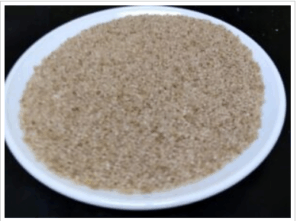
Millets-Grains

“There are many factors involved in why people may be consuming more refined grains as opposed to whole grains and these cases differ between people, but some of the most important factors to consider include the economy and income, job, education, culture, age and other similar factors,” said Mohammad Amin Khajavi Gaskarei, MD, of the Isfahan Cardiovascular Research Center and Cardiovascular Research Institute at Isfahan University of Medical Sciences in Isfahan, Iran, and the study’s lead author. “A diet that includes consuming a high amount of unhealthy and refined grains can be considered similar to consuming a diet containing a lot of unhealthy sugars and oils.”

Whole grains are defined as containing the entire grain, while refined grains have been milled—ground into flour or meal—to improve shelf life but they lose important nutrients in the process. The 2019 ACC/American Heart Association Guideline on the Primary Prevention of Cardiovascular Disease recommends a diet that emphasizes the intake of vegetables, fruits, legumes, whole grains and fish to decrease heart disease risk factors.

The study recruited 2099 individuals with PCAD from hospitals. Participants were given a food frequency questionnaire for dietary assessments to evaluate dietary behaviors and evaluate the association between whole grain and refined grain intake and the risk of PCAD in individuals without a prior diagnoses of heart disease. After adjusting for confounders, a higher intake of refined grains was associated with an increased risk of PCAD, while whole grain intake was inversely related to reduced risk of PCAD.

“As more studies demonstrate an increase in refined grains consumption globally, as well as the impact on overall health, it is important that we find ways to encourage and educate people on the benefits of whole grain consumption,” Khajavi Gaskarei said. “Tactics to consider include teaching improved dietary choices in schools and other public places in simple language the general population can understand, as well as on television programs and by continuing to do high level research that is presented at medical conferences and published in medical journals. Clinicians must also be having these conversations with each other and their patients.”

Meal timing may influence mood vulnerability; Daytime eating benefits mental health


Novel device: ‘Surface mapping’ a reliable diagnostic tool for gut health

Non-invasive sensors laid on the skin’s surface to measure bioelectrical activity could offer a better alternative for patients suffering with poor gut health.

Stefan Calder, a recent PhD graduate at the Auckland Bioengineering Institute (ABI), at Waipapa Taumata Rau, University of Auckland is the lead and joint-first author for two papers published in prestigious scientific journals this month on gut health. Stefan says gastric disorders are increasingly prevalent in humans, but reliable non-invasive tools to objectively assess gastric function are lacking.

“Many people suffering with chronic gut issues are on a constant diagnostic treadmill of antibiotics or proton pump inhibitors until they are sent for an endoscopy. A reliable surface-based recording could bridge the gap between symptom-based diagnostics and the more invasive minor surgery tests.”

Like the rhythmic beatings of the heart, gut movements depend on bioelectrical activity – but the electrical activity in the gut has been much more difficult to reliably detect. Researchers at ABI and the Faculty of Medical and Health Sciences’ Department of Surgery have employed a novel device using a sticky patch of sensors and a recording device and associated techniques to create a new and reliable non-invasive tool to map electrical waves from the stomach.

healthcare

Coined “Body Surface Gastric Mapping” (BSGM), the method has proven a reliable detector of gastric slow wave activity and has now led to an exciting and unexpected discovery identifying two distinct disease subgroups in chronic nausea and vomiting syndromes.

BSGM has shown to reliably record bio-electrical activity on the gut’s surface and accurately detect changes in both the frequency or rhythm, and direction of electromagnetic waves with intricate detail.

The degree of difference in bio-electrical activity between healthy people and patients with chronic nausea and vomiting syndromes defined by the novel gastric mapping device was set to explore. While previous surgical and non-invasive studies have shown that gastric dysfunctions are associated with abnormal bio-electrical slow waves, the researchers found surprising results.

“Approximately two-thirds of the symptomatic patient group had completely normal bio-electrical activity, while the rest had abnormal activity. We realised there were two sub types of what was previously considered a single disease.

“This may go on to explain or further classify that single disease into two diseases based on different mechanisms. For example, abnormal bioelectrical activity is likely to point to something intrinsically wrong with the stomach itself, but for those patients who show a completely normal slow wave propagation, their issue is likely arising from somewhere else.

“This idea of recording electrical activity on the body’s surface has been around for a long time. ECG machines, recording electrical activity have gained diagnostic acceptance for the last 100 years, but in the gut that is not the case. Through these studies we have validated a device and process that can reliably and accurately evidence bioelectrical activity in the stomach. We also show that bioactivity in the stomach can be a useful biological marker for disease.

“With this bio-electrical information on hand to inform clinical guidance or treatment, people experiencing chronic vomiting or nausea may be directed to different pathways and may receive diagnosis and more appropriate treatment options sooner.”


President to launch TB Mukt Bharat initiative, target 2025

President Droupadi Murmu will virtually launch the TB Mukt Bharat Abhiyaan on Friday to reinvigorate the mission of TB elimination from the country by 2025.

Following the government’s initiative to end Tuberculosis or TB in the country five years ahead of Sustainable Development Goals (SDG) target of 2030 by the United Nations, the Abhiyaan will be launched in presence of Mansukh Mandaviya, Union Minister of Health and Family Welfare and other officials.

The virtual event will be attended by representatives from State and district health administration, corporates, industries, civil society and NGOs as the country reiterates the commitment towards TB elimination by 2025.

The TB Mukt Bharat Abhiyaan has been envisioned to bring together all community stakeholders to support those on TB treatment and accelerate the country’s progress towards TB elimination.

The President will also launch the Ni-kshay Mitra initiative which forms a vital component of the Abhiyaan. The Ni-kshay Mitra  portal provides a platform for donors to provide various forms of support to those undergoing TB treatment. The three pronged support includes nutritional, additional diagnostic, and vocational support.

The launch event aims to highlight the need for a societal approach that brings together people from all backgrounds to achieve the ambitious target of eliminating TB from the country by 2025, ahead of the SDG targets set by the UN.

SDG target to eliminate TB

Tuberculosis is an infectious bacterial disease caused by Mycobacterium tuberculosis, which most commonly affects the lungs. In June 2022, WHO’s Director-General Dr Tedros Adhanom Ghebreyesus held a dialogue with WHO’s Civil Society Task Force on Tuberculosis (CSTF-TB) sought to support the rapid adoption of WHO guidelines at country level.

It has called upon nations to increase access to the best evidence-based interventions for people and communities affected by TB, including prevention, detection and treatment of people with TB and related comorbidities, with the involvement of civil society and affected communities.

COVID mRNA vaccines are safe in patients with heart failure

COVID mRNA vaccines are associated with a decreased risk of death in patients with heart failure, according to research presented at ESC Congress 2022.1 The study also found that the vaccines were not associated with an increased risk of worsening heart failure, venous thromboembolism or myocarditis in heart failure patients.

“Our results indicate that heart failure patients should be prioritised for COVID-19 vaccinations and boosters,” said study author Dr. Caroline Sindet-Pedersen of Herlev and Gentofe Hospital, Hellerup, Denmark. “COVID-19 vaccines will continue to be important for preventing morbidity and mortality in vulnerable patient populations. Thus, studies emphasising the safety of these vaccines are essential to reassure those who might be hesitant and ensure continued uptake of vaccinations.”

Patients with heart failure are at increased risk of hospitalisation, need for mechanical ventilation, and death due to COVID-19.2 Vaccination reduces the risk of serious illness from COVID-19. However, “Due to perceptions about possible cardiovascular side effects from mRNA vaccines in heart failure patients, this study examined the risk of cardiovascular complications and death associated with mRNA vaccines in a nationwide cohort of patients with heart failure,” said Dr. Sindet-Pedersen.

The study included 50,893 unvaccinated patients with heart failure in 2019 and 50,893 patients with heart failure in 2021 who were vaccinated with either of the two mRNA vaccines (BNT162B2 or mRNA-1273).3 The two groups were matched for age, sex, and duration of heart failure. The median age of participants was 74 years and 35% were women. The median duration of heart failure was 4.1 years. Participants were followed for 90 days for all-cause mortality, worsening heart failure, venous thromboembolism, and myocarditis, starting from the date of the second vaccination for the 2021 group and the same date in 2019 for the unvaccinated group.

The researchers compared the risk of adverse outcomes in the two groups, after standardising for age, sex, heart failure duration, use of heart failure medications, ischaemic heart disease, cancer, diabetes, atrial fibrillation, and admission with heart failure less than 90 days before the first date of follow up. Dr. Sindet-Pedersen explained: “Standardisation imitates a randomised trial and is a way to obtain a better causal interpretation of the results from observational studies.”

Among 101,786 heart failure patients, the researchers found that receiving an mRNA vaccine was not associated with an increased risk of worsening heart failure, myocarditis or venous thromboembolism but was associated with a decreased risk of all-cause mortality. The standardised risk of all-cause mortality within 90 days was 2.2% in the 2021 cohort (vaccinated) and 2.6% in the 2019 cohort (not vaccinated), showing a significantly lower risk for all-cause mortality in 2021 versus 2019. The standardised risk of worsening heart failure within 90 days was 1.1% in both cohorts. Similarly, no significant differences were found between groups for venous thromboembolism or myocarditis.

Dr. Sindet-Pedersen concluded: “The study suggests that there should be no concern about cardiovascular side effects from mRNA vaccines in heart failure patients. In addition, the results point to a beneficial effect of vaccination on mortality.”


Using machine learning to improve patient care

Doctors are often deluged by signals from charts, test results, and other metrics to keep track of. It can be difficult to integrate and monitor all of these data for multiple patients while making real-time treatment decisions, especially when data is documented inconsistently across hospitals.

In a new pair of papers, researchers from MIT’s Computer Science and Artificial Intelligence Laboratory (CSAIL) explore ways for computers to help doctors make better medical decisions.

One team created a machine-learning approach called “ICU Intervene” that takes large amounts of intensive-care-unit (ICU) data, from vitals and labs to notes and demographics, to determine what kinds of treatments are needed for different symptoms. The system uses “deep learning” to make real-time predictions, learning from past ICU cases to make suggestions for critical care, while also explaining the reasoning behind these decisions.

“The system could potentially be an aid for doctors in the ICU, which is a high-stress, high-demand environment,” says PhD student Harini Suresh, lead author on the paper about ICU Intervene. “The goal is to leverage data from medical records to improve health care and predict actionable interventions.”

Another team developed an approach called “EHR Model Transfer” that can facilitate the application of predictive models on an electronic health record (EHR) system, despite being trained on data from a different EHR system. Specifically, using this approach the team showed that predictive models for mortality and prolonged length of stay can be trained on one EHR system and used to make predictions in another.

ICU Intervene was co-developed by Suresh, undergraduate student Nathan Hunt, postdoc Alistair Johnson, researcher Leo Anthony Celi, MIT Professor Peter Szolovits, and PhD student Marzyeh Ghassemi. It was presented this month at the Machine Learning for Healthcare Conference in Boston.

EHR Model Transfer was co-developed by lead authors Jen Gong and Tristan Naumann, both PhD students at CSAIL, as well as Szolovits and John Guttag, who is the Dugald C. Jackson Professor in Electrical Engineering. It was presented at the ACM’s Special Interest Group on Knowledge Discovery and Data Mining in Halifax, Canada.

Both models were trained using data from the critical care database MIMIC, which includes de-identified data from roughly 40,000 critical care patients and was developed by the MIT Lab for Computational Physiology.

ICU Intervene

Integrated ICU data is vital to automating the process of predicting patients’ health outcomes.

“Much of the previous work in clinical decision-making has focused on outcomes such as mortality (likelihood of death), while this work predicts actionable treatments,” Suresh says. “In addition, the system is able to use a single model to predict many outcomes.”

ICU Intervene focuses on hourly prediction of five different interventions that cover a wide variety of critical care needs, such as breathing assistance, improving cardiovascular function, lowering blood pressure, and fluid therapy.

At each hour, the system extracts values from the data that represent vital signs, as well as clinical notes and other data points. All of the data are represented with values that indicate how far off a patient is from the average (to then evaluate further treatment).

Importantly, ICU Intervene can make predictions far into the future. For example, the model can predict whether a patient will need a ventilator six hours later rather than just 30 minutes or an hour later. The team also focused on providing reasoning for the model’s predictions, giving physicians more insight.

“Deep neural-network-based predictive models in medicine are often criticized for their black-box nature,” says Nigam Shah, an associate professor of medicine at Stanford University who was not involved in the paper. “However, these authors predict the start and end of medical interventions with high accuracy, and are able to demonstrate interpretability for the predictions they make.”

The team found that the system outperformed previous work in predicting interventions, and was especially good at predicting the need for vasopressors, a medication that tightens blood vessels and raises blood pressure.

In the future, the researchers will be trying to improve ICU Intervene to be able to give more individualized care and provide more advanced reasoning for decisions, such as why one patient might be able to taper off steroids, or why another might need a procedure like an endoscopy.

EHR Model Transfer

Another important consideration for leveraging ICU data is how it’s stored and what happens when that storage method gets changed. Existing machine-learning models need data to be encoded in a consistent way, so the fact that hospitals often change their EHR systems can create major problems for data analysis and prediction.

That’s where EHR Model Transfer comes in. The approach works across different versions of EHR platforms, using natural language processing to identify clinical concepts that are encoded differently across systems and then mapping them to a common set of clinical concepts (such as “blood pressure” and “heart rate”).

For example, a patient in one EHR platform could be switching hospitals and would need their data transferred to a different type of platform. EHR Model Transfer aims to ensure that the model could still predict aspects of that patient’s ICU visit, such as their likelihood of a prolonged stay or even of dying in the unit.

“Machine-learning models in health care often suffer from low external validity, and poor portability across sites,” says Shah. “The authors devise a nifty strategy for using prior knowledge in medical ontologies to derive a shared representation across two sites that allows models trained at one site to perform well at another site. I am excited to see such creative use of codified medical knowledge in improving portability of predictive models.”

With EHR Model Transfer, the team tested their model’s ability to predict two outcomes: mortality and the need for a prolonged stay. They trained it on one EHR platform and then tested its predictions on a different platform. EHR Model Transfer was found to outperform baseline approaches and demonstrated better transfer of predictive models across EHR versions compared to using EHR-specific events alone.

In the future, the EHR Model Transfer team plans to evaluate the system on data and EHR systems from other hospitals and care settings.

Both papers were supported, in part, by the Intel Science and Technology Center for Big Data and the National Library of Medicine. The paper detailing EHR Model Transfer was additionally supported by the National Science Foundation and Quanta Computer, Inc.