Health: Which grains you eat can impact your risk of getting heart disease earlier

In one of the first studies to examine the relationship between different types of grain intake and premature coronary artery disease in the Middle East, researchers found a higher intake of refined grain was associated with an increased risk of premature coronary artery disease in an Iranian population, while eating whole grains was associated with reduced risk.

According to the researchers, previous epidemiological studies have reported an association between different types of grain intake with the risk of coronary artery disease. The current study evaluated the association between refined and whole grains consumption and risk of PCAD in an Iranian population.

Premature coronary artery disease (PCAD) refers to atherosclerotic narrowing of coronary arteries in males under 55 years old or in females under 65 years old. It is often asymptomatic early in the course of the disease but may lead to chest pain (angina) and/or heart attack with progressive development of narrowing (stenosis) or plaque rupture of the arterial wall. Risk factors for PCAD include smoking, high cholesterol, high blood pressure and diabetes.

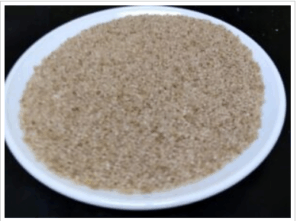
Millets-Grains

“There are many factors involved in why people may be consuming more refined grains as opposed to whole grains and these cases differ between people, but some of the most important factors to consider include the economy and income, job, education, culture, age and other similar factors,” said Mohammad Amin Khajavi Gaskarei, MD, of the Isfahan Cardiovascular Research Center and Cardiovascular Research Institute at Isfahan University of Medical Sciences in Isfahan, Iran, and the study’s lead author. “A diet that includes consuming a high amount of unhealthy and refined grains can be considered similar to consuming a diet containing a lot of unhealthy sugars and oils.”

Whole grains are defined as containing the entire grain, while refined grains have been milled—ground into flour or meal—to improve shelf life but they lose important nutrients in the process. The 2019 ACC/American Heart Association Guideline on the Primary Prevention of Cardiovascular Disease recommends a diet that emphasizes the intake of vegetables, fruits, legumes, whole grains and fish to decrease heart disease risk factors.

The study recruited 2099 individuals with PCAD from hospitals. Participants were given a food frequency questionnaire for dietary assessments to evaluate dietary behaviors and evaluate the association between whole grain and refined grain intake and the risk of PCAD in individuals without a prior diagnoses of heart disease. After adjusting for confounders, a higher intake of refined grains was associated with an increased risk of PCAD, while whole grain intake was inversely related to reduced risk of PCAD.

“As more studies demonstrate an increase in refined grains consumption globally, as well as the impact on overall health, it is important that we find ways to encourage and educate people on the benefits of whole grain consumption,” Khajavi Gaskarei said. “Tactics to consider include teaching improved dietary choices in schools and other public places in simple language the general population can understand, as well as on television programs and by continuing to do high level research that is presented at medical conferences and published in medical journals. Clinicians must also be having these conversations with each other and their patients.”

Meal timing may influence mood vulnerability; Daytime eating benefits mental health


‘Love hormone’ revealed to have heart healing properties in Humans like EpiPCs regenerate organs in zebrafish

The neurohormone oxytocin is well-known for promoting social bonds including trust, empathy, positive memories, processing of bonding cues, and positive communication and generating pleasurable feelings, for example from art, exercise, or intimacy.

Now, researchers from Michigan State University show that in zebrafish and human cell cultures, oxytocin has yet another, unsuspected, function: it stimulates stem cells derived from the heart’s outer layer (epicardium) to migrate into its middle layer (myocardium) and there develop into cardiomyocytes, muscle cells that generate heart contractions. This discovery could one day be used to promote the regeneration of the human heart after a heart attack.

“Here we show that oxytocin, a neuropeptide also known as the love hormone, is capable of activating heart repair mechanisms in injured hearts in zebrafish and human cell cultures, opening the door to potential new therapies for heart regeneration in humans,” said Dr Aitor Aguirre, an assistant professor at the Department of Biomedical Engineering of Michigan State University, and the study’s senior author.

Stem-like cells can replenish cardiomyocytes

Cardiomyocetes typically die off in great numbers after a heart attack. Because they are highly specialized cells, they can’t replenish themselves. But previous studies have shown that a subset of cells in the epicardium can undergo reprogramming to become stem-like cells, called Epicardium-derived Progenitor Cells (EpiPCs), which can regenerate not only cardiomyocytes, but also other types of heart cells.

“Think of the EpiPCs as the stonemasons that repaired cathedrals in Europe in the Middle Ages,” explained Aguirre.

Unfortunately for us, the production of EpiPCs is inefficient for heart regeneration in humans under natural conditions.

Zebrafish could teach us how to regenerate hearts more efficiently

Enter the zebrafish: famous for their extraordinary capacity for regenerating organs, including the brain, retina, internal organs, bone, and skin. They don’t suffer heart attacks, but its many predators are happy to take a bite out of any organ, including the heart – so zebrafish can regrow their heart when as much as a quarter of it has been lost. This is done partly by proliferation of cardiomyocytes, but also by EpiPCs. But how do the EpiPCs of zebrafish repair the heart so efficiently? And can we find a ‘magic bullet’ in zebrafish that could artificially boost the production of EpiPCs in humans?

Yes, and this ‘magic bullet’ appears to be oxytocin, argue the authors.

To reach this conclusion, the authors found that in zebrafish, within three days after cryoinjury – injury due to freezing – to the heart, the expression of the messenger RNA for oxytocin increases up to 20-fold in the brain. They further showed that this oxytocin then travels to the zebrafish epicardium and binds to the oxytocin receptor, triggering a molecular cascade that stimulates local cells to expand and develop into EpiPCs. These new EpiPCs then migrate to the zebrafish myocardium to develop into cardiomyocytes, blood vessels, and other important heart cells, to replace those which had been lost.

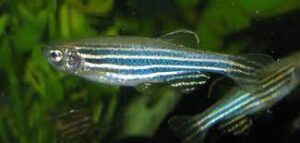
zebrafish/wikipedia

Similar effect on human tissue cultures

Crucially, the authors showed that oxytocin has a similar effect on human tissue in vitro. Oxytocin – but none of 14 other neurohormones tested here – stimulates cultures of human Induced Pluripotent Stem Cells (hIPSCs) to become EpiPCs, at up to twice the basal rate: a much stronger effect than other molecules previously shown to stimulate EpiPC production in mice. Conversely, genetic knock-down of the oxytocin receptor prevented the the regenerative activation of human EpiPCs in culture. The authors also showed that the link between oxytocin and the stimulation of EpiPCs is the important ‘TGF-β signaling pathway’, known to regulate the growth, differentiation, and migration of cells.

Aguirre said: “These results show that it is likely that the stimulation by oxytocin of EpiPC production is evolutionary conserved in humans to a significant extent. Oxytocin is widely used in the clinic for other reasons, so repurposing for patients after heart damage is not a long stretch of the imagination. Even if heart regeneration is only partial, the benefits for patients could be enormous.”

Also Read:

Meal timing may influence mood vulnerability; Daytime eating benefits mental health


Mind your language when diagnosing women with polycystic ovary syndrome


Karnataka Minister Umesh Katti passes away, state declares mourning; Modi condoles

Karnataka Food and Civil Supplies Minister Umesh Vishwanath Katti aged 61 passed away due to cardiac arrest in Bengaluru on Tuesday night.
The State declared one day mourning.

Prime Minister, Narendra Modi has expressed deep grief on the demise of Karnataka Minister, Umesh Katti.

The Prime Minister tweeted;

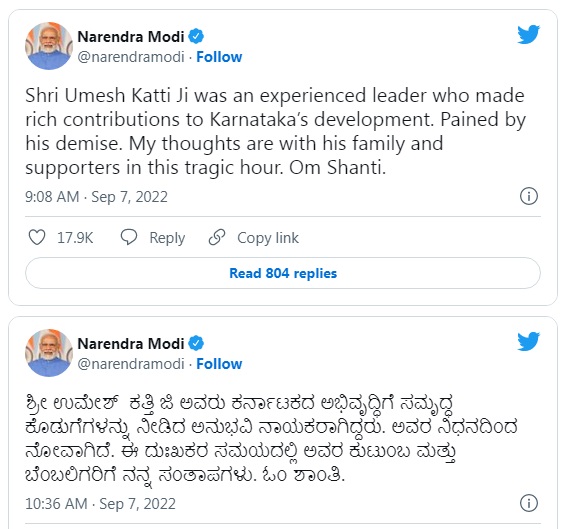
“Shri Umesh Katti Ji was an experienced leader who made rich contributions to Karnataka’s development. Pained by his demise. My thoughts are with his family and supporters in this tragic hour. Om Shanti.”

These blood groups linked to your risk of stroke before age 60: Study

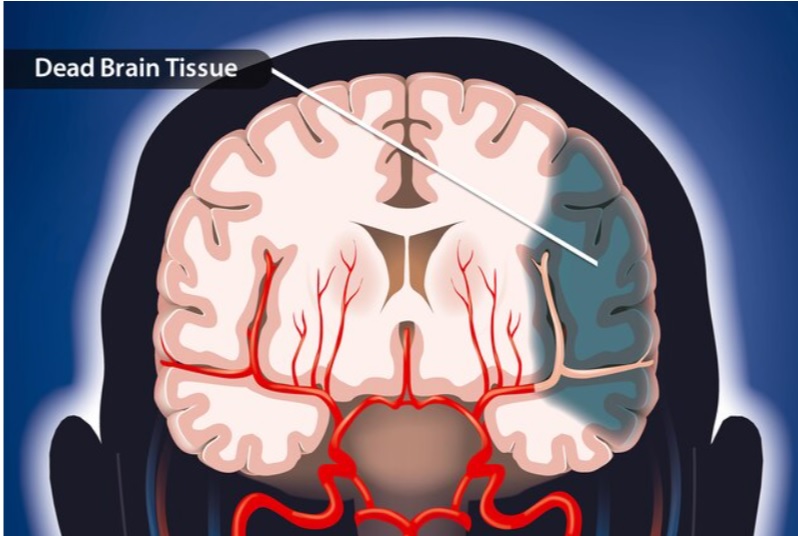
Gene variants associated with a person’s blood type may be linked to their risk of early stroke, according to a new meta-analysis published in the latest online issue of Neurology.

Non-O blood types have previously been linked to a risk of early stroke, but the new findings by University of Maryland School of Medicine study showed a stronger link between these blood types with early stroke compared to late stroke, and in linking risk mostly to blood type A.

Study author Braxton D. Mitchell of University of Maryland School of Medicine in Baltimore said, “Specifically, our meta-analysis suggests that gene variants tied to blood types A and O represent nearly all of those genetically linked with early stroke. People with these gene variants may be more likely to develop blood clots, which can lead to stroke.”

The meta-analysis involved a review of 48 studies on genetics and ischemic stroke from North America, Europe and Asia. The studies included 16,927 people with stroke and 576,353 people who did not have a stroke. Of those with stroke, 5,825 people had early onset stroke and 9,269 people had late onset stroke. Early onset stroke was defined as an ischemic stroke occurring before age 60 and late onset stroke was older than 60.

Researchers looked across all the chromosomes to identify genetic variants associated with stroke. They found a link between early stroke and the area of the chromosome that includes the gene that determines A, AB, B or O blood type.

They then divided participants into A, AB, B and O blood types. They compared the prevalence of those blood types in people with early stroke, late stroke and people who did not have a stroke.

Researchers found that people with early stroke were more likely to have blood type A and less likely to have blood type O compared to people with late stroke and people without stroke. Both early and late stroke were also more likely to have blood type B compared to controls.

Blood types/photo: en.wikipedia.org

When looking at people of European ancestry and comparing 5,825 people with early stroke to 29,320 people who did not have a stroke, the meta-analysis found that 48% of people with early stroke had blood type A compared to 45% of people with late stroke and 44% of people without stroke. They also found 35% of people with early stroke had blood type O compared to 39% of those with late stroke and 41% of people without stroke.

After adjusting for sex and other factors, researchers found those who had blood type A had an 16% higher risk of having an early stroke than people with other blood types. Those who had blood type O had a 12% lower risk of having a stroke than people with other blood types.


Telugu actor Jayaprakash Reddy dies of heart attack amid Covid-19 pandemic

Telugu actor Jaya Prakash Reddy, best-known for his comic and villainous roles, died on Tuesday, aged 74. The actor suffered a cardiac arrest at his residence in Guntur, Andhra Pradesh. The actor was last seen in Mahesh Babu starrer Sarileru Neekevvaru (2020).

Jaya Prakash Reddy’s death has left the Telugu film industry in a shock and several condolence messages started pouring in on Twitter from all actors who worked with him in several films. Known for friends and film industry as JP, he acted as the villain in more than a hundred films and also played the comic roles in some films.

Born on Oct. 10, 1946 in Sirivella, Kurnool district, he came to limelight with his role in ‘Samarasimha Reddy’ as Veera Raghava Reddy.

Here’s a list of his filmography:

Year Title Language Role
1988 Brahma Puthrudu Telugu
1990 Shatruvu Telugu Mayor
1990 Lorry Driver Telugu Bank manager
1990 Bobbili Raja Telugu Tribal
1991 Chitram Bhalare Vichitram Telugu Phani
1993 Jamba Lakidi Pamba Telugu Hijra
1997 Preminchukundam Raa Telugu Veerabadrayya
1999 Samarasimha Reddy Telugu Veeraraghava Reddy
2000 Jayam Manade Raa Telugu Narasimha Naidu
2000 Vijayaramaraju Telugu
2001 Narasimha Naidu Telugu
2001 Anandam Telugu Sub-Inspector of Police Cameo appearance
2002 Seema Simham Telugu Kulashekar Rao
2002 Avunu Valliddaru Ista Paddaru Telugu Constable
2002 Sontham Telugu Gulabi Thief
2002 Chennakeshava Reddy Telugu Venkat Reddy
2003 Palnati Brahmanayudu Telugu Narsinga Naidu
2003 Swetha Naagara Kannada Sarpa Kaadu Dhorey simultaneously shot in Kannada and Telugu languages
2003 Swetha Naagu Telugu Sarpararanya Dhora simultaneously shot in Kannada and Telugu languages
2003 Nijam Telugu Sidda Reddy
2003 Seetayya Telugu Rama Naidu
2003 Anjaneya Tamil Jaya Prakash
2003 Kabaddi Kabaddi Telugu Head Constable
2004 Shiva Shankar Telugu
2005 Evadi Gola Vaadidi Telugu Banda Reddy
2005 Chatrapati Telugu Municipal Commissioner
2005 Aaru Tamil Reddy (Nathan’s enemy)
2005 Chinna Tamil china’s ex boss
2005 Nuvvostanante Nenoddantana Telugu JP
2005 Narasimhudu Telugu Local MLA
2006 Kithakithalu Telugu Soundarya’s father
2006 Dharmapuri Tamil MLA Konda Mookan
2006 Vikramarkudu Telugu Home Minister
2007 Julayi Telugu Reddy
2007 Thiru Ranga Tamil Reddy
2007 Dhee Telugu Pedhananayana
2007 Godava Telugu
2008 Ready Telugu Chitti Naidu
2008 Siddu From Sikakulam Telugu Obul Reddy
2008 King Telugu Appaji
2008 Satya in Love Kannada Veda’s Father (Telugu Factionist)
2008 Krishna Telugu Jakka’s uncle
2008 Parugu Telugu Sub-Inspector
2008 Citizen Kannada Home minister of Karnataka
2009 Raju Maharaju Telugu
2009 Maa Nanna Chiranjeevi Telugu
2009 Anjaneyulu Telugu Babulal
2009 Bangaru Babu Telugu
2009 Kick Telugu Police Officer
2009 Kasko Telugu JP
2010 Seeta Ramula Kalyanam Lankalo Telugu Veera Pratap’s father
2010 Prasthanam Telugu Bangaru Raju
2010 Uthama Puthiran Tamil Chinnamuthu Goundar, Also dubbed his own voice for his character in Tamil
2010 Namo Venkatesa Telugu Bhadrappa’s grandfather
2010 Bindaas Telugu Seshadri Naidu
2011 Madatha Kaja Telugu JP
2011 Oosaravelli Telugu Sarkar
2011 Seema Tapakai Telugu Venkatappa
2011 Kandireega Telugu Rajanna
2012 Betting Bangaraju Telugu Police Officer
2012 Gabbar Singh Telugu Police Commissioner
2013 Naayak Telugu Babji’s Paternal Uncle
2013 Baadshah Telugu Aadhi’s father
2013 Shadow Telugu Home Minister Naidu
2013 Adda Telugu Cameo appearance
2013 Masala Telugu Eddulodu
2014 Legend Telugu MP
2014 Race Gurram Telugu IG J.P.
2014 Manam Telugu Home Minister J.P.
2014 Jump Jilani Telugu Veera Puli Reddy
2014 Rabhasa Telugu Peddi Reddy alias Pedayya
2014 Autonagar Surya Telugu Corporater Indra
2015 Pataas Telugu Central Minister JP
2015 Akhil Telugu Kishore’s father
2015 Temper Telugu Home Minister of A.P.
2015 LOL Telugu Somyayajulu
2015 Mosagallaku Mosagadu Telugu Kaushik
2015 Shivam Telugu Bhoji Reddy’s brother-in-law
2015 Bruce Lee – The Fighter Telugu Fight Master Dangerous David & Police Inspector G. Ramji Dual Role
2015 Tripura Telugu
2016 Sarrainodu Telugu Bhoopathi
2016 Supreme Telugu M.L.A.
2016 Hyper Telugu Party President
2016 Meelo Evaru Koteeswarudu[8] Telugu
2017 Khaidi No. 150 Telugu Commissioner Krishna Murthy
2017 Radha Telugu Acharya Deva
2017 Nene Raju Nene Mantri Telugu Jailor
2017 Jai Lava Kusa Telugu Sravani’s father
2017 Raja the Great Telugu Devaraj’s henchmen
2018 Inttelligent Telugu Sathya Murthy
2018 Jai Simha Telugu Central Minister JP
2018 Jamba Lakidi Pamba
2018 MLA Telugu Indu’s father
2018 Chethilo Cheyyesi Cheppu Baava Telugu
2018 Pantham Telugu Health Minister
2018 Nela Ticket Telugu C.P. Ranjith Kumar
2018 Lover Telugu Goon
2018 Silly Fellows Telugu Jacket Janakiram
2018 Amar Akbar Anthony Telugu WATA chairman
2019 Crazy Crazy Feeling Telugu Dream father
2020 Sarileru Neekevvaru Telugu Nagendra’s Father


Fish oil won’t help diabetics fight heart attack or strokes: Study

Fish oil supplements do not prevent heart attacks or strokes in patients with diabetes, according to late breaking results from the ASCEND trial presented on Friday in a Hot Line Session at ESC Congress 2018.

In observational studies, higher consumption of fish is associated with lower risks of coronary artery disease and stroke. However, previous randomised trials have not been able to show that taking fish oil supplements containing omega-3 fatty acids reduce the risk of having cardiovascular events.

The ASCEND trial (A Study of Cardiovascular Events iN Diabetes)2 examined whether fish oil supplements reduce the risk of a cardiovascular event in patients with diabetes. Between 2005 and 2011, 15,480 patients with diabetes but no history of cardiovascular disease were randomly assigned to fish oil supplementation (1 g daily) or matching placebo.

The primary efficacy outcome was first serious vascular event, which included non-fatal heart attacks, non-fatal strokes or transient ischaemic attacks (sometimes called “mini-strokes”), or deaths from a cardiovascular cause (but excluding any intracranial haemorrhage; i.e. bleeding in the head or brain3).

During an average of 7.4 years of follow-up, a first serious vascular event occurred in 689 (8.9%) participants allocated fish oil supplements and 712 (9.2%) participants allocated placebo. There was no significant difference between the two groups: rate ratio of 0.97 (95% confidence interval 0.87-1.08, p=0.55).

Dr Louise Bowman, principal investigator, Nuffield Department of Population Health, University of Oxford, UK, said: “Our large, long-term randomised trial shows that fish oil supplements do not reduce the risk of cardiovascular events in patients with diabetes. This is a disappointing finding, but it is in line with previous randomised trials in other types of patient at increased risk of cardiovascular events which also showed no benefit of fish oil supplements. There is no justification for recommending fish oil supplements to protect against cardiovascular events.”

The findings were published in the New England Journal of Medicine.

Sauna bath daily reduces risk of heart disease by 61%, says study

Frequent sauna bathing is good as it reduces the risk of stroke, said a new international study.

The study followed people taking a sauna for 15 years and found the frequent goers benefit more from it. Those taking saunda 4-7 times a week were 61% less likely to suffer a stroke than those taking a sauna once a week, said the study published in the journal Neurology.

A team of scientists from the Universities of Eastern Finland, Bristol, Leicester, Atlanta, Cambridge and Innsbruck, based on the population-based Kuopio Ischaemic Heart Disease Risk Factor (KIHD) study on 1,628 men and women aged 53 to 74 years living in the eastern part of Finland, found the most accurate results.

Based on their frequency of taking traditional Finnish sauna baths with relative humidity of 10-20%, the study participants were divided into three groups: those taking a sauna once a week, those taking a sauna 2-3 times a week, and those taking a sauna 4-7 times a week.

The more frequently saunas were taken, the lower was the risk of stroke. Compared to people taking one sauna session per week, the risk was decreased by 14% among those with 2-3 sessions and 61% among those with 4-7 sessions.

The association persisted even when taking into account conventional stroke risk factors, such as age, sex, diabetes, body mass index, blood lipids, alcohol consumption, physical activity and socio-economic status. The strength of association was similar in men and women.

A previous study conducted in Finland, surveyed 1,621 middle-aged men, who had normal blood pressure. During the observation for 25 years, 251 of them developed hypertension. Men who go for a single sauna session per week are 46 percent more likely to develop hypertension than the ones who visit the sauna at least four times a week, said Jari Laukkanen, a professor of medicine at the University of Eastern Finland and the lead author of the study.

The sauna’s warmth improves blood flow by increasing the flexibility of the blood vessels. A typical Finnish sauna can help in relaxation, thereby moderating blood pressure. Additionally, the act of excessive sweating acts as a natural diuretic: a long-trusted drug to cure hypertension.

Another study on the benefits of sauna, conducted by Minna L. Hannuksela and Samer Ellahham, states that regular visits to the sauna cause cardiovascular and hormonal changes that may provide relief to patients with asthma and chronic bronchitis, besides soothening skin conditions like dermatitis and psoriasis.