Destitution and disease stalk Myanmar’s quake survivors

The UN World Health Organization (WHO) is just one of the UN agencies working to help the most vulnerable in worst-hit central areas, but much more help is needed.

“When it rains, they can’t sleep, and when the rain stops, they still can’t sleep because they feared the wind might have their only shelter away,” said Dr Thushara Fernando, WHO representative in Myanmar.

In an update from Yangon, the WHO medic warned that the risk of waterborne disease “is becoming a reality” for all those still living under plastic sheeting with stagnant water all around.

A cholera outbreak was already reported in Mandalay just a few months ago.

Survivors “feed their babies, they eat, they drink in their tents; they don’t have even a simple mosquito net to sleep under in the night,” Dr Fernando continued.

“Water sources are contaminated, temporary toilet facilities are overwhelmed, and acute watery diarrhoea has been reported in two areas,” he continued.

Two major earthquakes hit central Myanmar on 28 March killing at least 3,700 people. About 5,100 more were injured and 114 are still missing, according to WHO. The true toll is likely much higher because of underreporting.

Aftershocks continue

Survivors and aid teams have experienced more than 140 aftershocks – some as high as magnitude 5.9 – which have added to widespread trauma and impeded humanitarian assistance.

To help, the UN health agency has delivered around 170 tonnes of emergency medical supplies to help 450,000 people for three months.

WHO is also coordinating more than 220 emergency medical teams in earthquake affected areas and it has launched a targeted dengue prevention initiative in coordination with national and local partners.

This includes the distribution of about 4,500 rapid diagnostic test kits for frontline responders and hundreds of insecticide-treated nets to protect people in the hardest-hit areas, such as Mandalay.

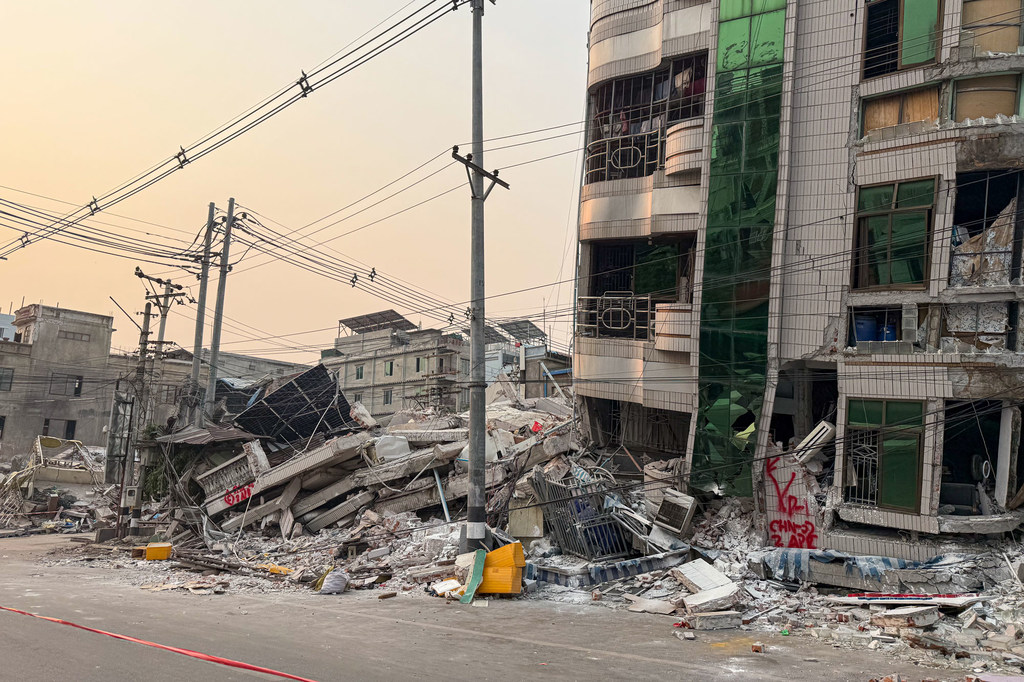
The March 2025 earthquake caused widespread destruction Mandalay.

Critical moment

The WHO medic said that the agency continues to help deliver a range of services, albeit at a “very limited” scale. This includes trauma care, mental health and psychosocial support, along with maternal and child health services and non-communicable disease prevention.

Without urgent, sustained funding, the risks of secondary health crises will erupt,” said Dr Fernando.

Echoing those concerns, the UN Children’s Fund (UNICEF) noted that early signs of acute watery diarrhoea “are already emerging” in worst-hit areas.

Access to food and essential services have been disrupted, causing worsening nutrition conditions, “especially for young children”, the UN agency’s Eliana Drakopoulos told UN News.

“With low immunization coverage and the monsoon approaching, the risk of preventable disease outbreaks is rising fast,” Ms. Drakopoulos added. “Urgent action is needed.”

Source link

From border control to belonging: How host communities gain from empowering refugees

In 2024, 122 million people were forcibly displaced — a number expected to rise in the coming years, according to Bob Rae, President of the UN Economic and Social Council (ECOSOC), addressing a meeting on the pressing issue in New York on Thursday.

As population movements become much more complex due to wars disproportionately impacting civilians, climate disasters, hunger and poverty, 70 per cent of refugees live in low to middle-income countries.

Refugee rights

International responses to refugee flows are becoming increasingly politicised, especially as aid is decreasing.

Rather than focusing on addressing the root causes of such crises, the Global North has focused on border management and the control of refugee flows, “often at the expense of the rights of people on the move,” Filippo Grandi, Head of the UN refugee agency (UNHCR) told the ECOSOC gathering.

According to Mr. Grandi, although border management is an important aspect of national government response to the refugee crisis, the emphasis should rather be on making refugees feel more integrated within host communities.

Inclusion of refugees translates to freedom of movement, access to basic services such as healthcare, education, work opportunities, and valid documentation that allows them to work and contribute.

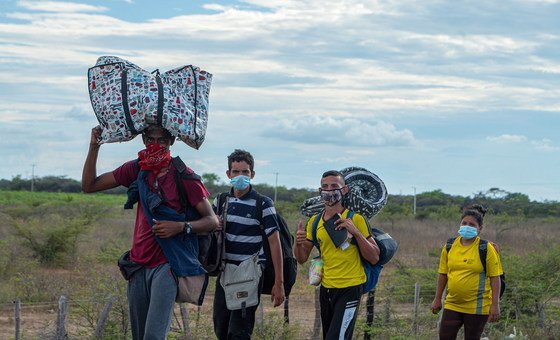
Representatives from Colombia and Mauritania joined a meeting convened by Mr. Rae to talk about better ways to help refugees and the communities that host them, while also finding long-term solutions to the forced displacement crisis.

Both Colombia and Mauritania have welcomed thousands of refugees into their countries, and outlined the positive impact refugees have had on their countries.

Temporary Protection Status in Colombia

In 2021, Colombia adopted a Temporary Protection Status (TPS) programme for Venezuelan refugees.

Today, 2.5 million Venezuelans in Colombia have valid documentation, which provides them access to public services, legal employment, and education.

TPS has not only allowed them to regain dignity and security, but it has also helped Colombia regulate refugee flows.

Human rights at the fore in Mauritania

For over a decade, Mauritania has been hosting large numbers of refugees, most of them from neighbouring Mali.

Committed to upholding the human rights of both refugees and host communities, Mauritania recognises refugees as citizens, providing them with the right to education, healthcare, employment, and legal protection.

Mauritania is working to improve refugee livelihoods while simultaneously enhancing the capacity of host communities by emphasising the role refugees have in local development.

By investing in the resilience of host communities and social cohesion, Mauritania ensures both refugees and host communities live in dignity.

Source link

Security Council debates precarious path forward for a new Syria

Four and a half months after the fall of the Assad regime, the interim authorities have begun taking formal steps towards political reform, the Security Council heard on Friday.

These include the formation of a broader, more diverse cabinet and initial plans to establish an interim People’s Assembly.

However, the process remains tenuous and incomplete, with many Syrians uncertain of their role in the country’s future.

Grave consequences of failure

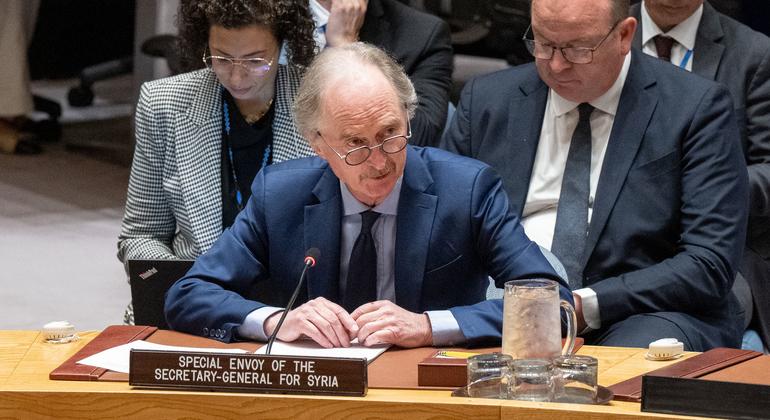
“The challenges are huge, and the situation is extremely fragile,” UN Special Envoy for Syria Geir Pedersen told ambassadors.

“There is a need for much more political inclusion – and for much more economic action. With a sea-change on both these elements, the political transition in Syria can succeed. Without both, it likely will not – and the consequences would be grave.”

In his briefing, Mr. Pedersen emphasised that Syria’s new leadership must broaden political participation and enact measures that address deep-seated grievances, particularly after the March violence against mainly ethnic Alawite communities in their coastal stronghold.

Aid programmes risk closure

Meanwhile, the humanitarian situation remains dire. Over 70 percent of the population is in need of aid and more than half face food insecurity.

Despite some local improvements, especially in parts of Aleppo and the northeast, humanitarians warn that funding shortfalls are threatening life-saving operations.

Joyce Msuya, UN Assistant Secretary-General for Humanitarian Affairs, underscored that “we need more funding to sustain this work, let alone scale it further.”

She noted that to date, less than 10 per cent of the funds required for relief efforts for the first half of 2025 have been received.

Hospitals, food distribution and essential services are at risk of collapse without immediate support, she warned.

A woman holds the new Syrian flag outside UN Headquarters in New York.

Syria’s new flag raised at UN

Earlier in the day, Syria’s new flag was raised alongside those of other Member States at UN Headquarters, as supporters gathered on Manhattan’s First Avenue.

The new three-starred flag – one more than the Assad-era banner – was used by groups opposing the old regime and its forces.

More to follow…

Source link

Ukraine: Continued Russian assaults drive civilians from frontline communities

Attacks on frontline regions (are) increasing and it’s always civilians that are bearing the highest cost of the war,” said UNHCR Representative Karolina Lindholm Billing.

Since January, more than 3,500 newly displaced people have transited through a centre in Pavlohrad towards central Ukraine; in total, more than 200,000 people have been evacuated or displaced from frontline areas between August last year and the start of 2025.

Last to leave

Last month, more than 4,200 evacuees arrived at a transit centre in the northeastern city of Sumy where UNHCR and partners provide humanitarian support. These numbers are only a fraction of all those made homeless by the violence and mandatory evacuation orders issued by Kyiv in the face of ongoing Russian aggression.

The majority of those being moved are the elderly with low mobility or disabilities, families with few resources and children. In many cases, they stayed until the end because they didn’t want to leave everything they had behind, UNHCR said.

Cities and civilians targeted

On Thursday, UN aid agencies led condemnation of Russian missile-and-drone attack on Kyiv that killed 12 people and injured 84, one of a wave of attacks across the country that point to an intensification of the conflict since the start of the year – and growing humanitarian needs for refugees.

“Those deadly Russian attacks have intensified alarmingly since January,” said Ms. Billing, speaking to journalists in Geneva via videolink from Kyiv.

“More than 1,000 people have been directly affected as their homes have been damaged or completely destroyed. Civilian infrastructure were also hit in several other regions yesterday, including in Kharkiv, where I myself woke up around 2 am in the morning to the loud sound of explosions.”

According to the UN Human Rights Monitoring Mission in Ukraine, civilian casualties in Ukraine were 70 per cent higher in March this year compared to 12 months earlier.

Supporting lives and livelihoods

The war has left four million internally displaced since 24 February 2022 when Russian tanks rolled into Ukraine. Many of those uprooted have yet to find affordable housing and a new job – which is why support from humanitarian organizations is so crucial, the UNHCR official continued.

“One of the main things we deliver as part of the emergency response are emergency shelter materials that help people cover broken windows, roofs and doors,” Ms. Billing said.

Since 2022, UNHCR has supported around 450,000 people making repairs on their homes. The UN agency also provides psychological first aid and legal support to those who have lost their identity documents and emergency cash assistance to help people cover most basic needs.   

Funding impacts

But more support is needed to sustain a timely and predictable response to the many calls for assistance the agency receives from the affected people and the authorities.

Last year, US funding for UNHCR accounted for around 40 per cent of its overall contributions. For 2025, UNHCR has appealed for $803.5 million to address the emergency situation in Ukraine. Today, that appeal is just 25 per cent funded. During the winter period, the agency had to put some of its programmes partially on hold, impacting psychosocial support, emergency shelter material and cash assistance. 

Source link

DR Congo crisis forces refugees to swim for their lives to Burundi

We’re pushed to our limits,” said Ayaki Ito, Director for Emergencies for the UN refugee agency, UNHCR.

One mother was so desperate to reach safety she crossed the 100-metre wide Rusizi river separating DRC and Burundi with her three small children and their belongings, Mr. Ito told journalists in Geneva:

“I saw this plastic sheeting ball – it’s one mother and three small children – she put her belongings and wrapped it with a plastic sheet, to make it float…It’s a very perilous journey and I was told it’s full of crocodile and hippos.”

Overstretched resources

Since January, more than 71,000 people have crossed into Burundi, fleeing ongoing violence in eastern DRC, UNHCR data shows. Since then, more than 12,300 have been relocated to Musenyi refugee site, while others live with host communities in border areas.

Living conditions in Musenyi – five hours’ drive from the DRC border – are becoming unsustainable.

The site today houses 16,000 people although it was designed for 3,000, adding to tensions. “Food rations are already cut to half of what they’re supposed to be,” Mr. Ito explained, warning that even these rations will run out by the end of June without additional funding.

Food is far from the only concern, however, as emergency tents set up on lowland farming areas have now flooded during the onset of the rainy season.

Aid teams are already bracing themselves for diseases to spike.

People who fled violence in DR Congo to Burundi use a water point at a refugee camp in Cibitoke Province.

“Schools, clinics, basic sanitation systems are either non-existent or overwhelmed” and the UN agency has no more dignity kits, leaving nearly 11,000 women and girls with access to basic hygiene items, Mr. Ito said.

Funding crisis cutbacks

UNHCR’s funding crisis has also “severely reduced” support for family tracing, making it increasingly difficult to identify, locate, and reunite separated children with their families.

There are currently no child-friendly or women-friendly spaces where groups can gather for services and peer support in key hosting areas, Mr. Ito added.

Confronted with the catastrophic living conditions in Burundi and ongoing violent clashes in eastern DRC between Rwanda-backed M23 rebels and government forces, refugees often move back and forth between the two countries. “Nearly half of last week’s registered 700 arriving refugees have been previously registered in Burundi,” the UN official said, pointing out that Congolese refugees are among the most vulnerable in the world.

Citing reduced resources and operational challenges, the UN agency insisted that the delivery of lifesaving aid and protection services remains a priority. This includes additional support amid a 60 per cent increase in reported sexual violence cases, most involving rape in the DRC.

This balancing act is becoming increasingly impossible, with teams on the ground running a full-scale emergency response, responding to the needs of existing refugees in the country and preparing for future arrivals while also facing pressure to reduce their operations because of funding shortages,” Mr. Ito said.

Source link

WFP runs out of food stocks in Gaza

On Friday, WFP announced it had delivered its last remaining supplies to kitchens preparing hot meals which are expected to be completely gone within days.

The UN agency warned that it may be forced to end critical assistance to families unless urgent action is taken.

Back to ‘breaking point’

The situation inside the Gaza Strip has once again reached a breaking point: people are running out of ways to cope, and the fragile gains made during the short ceasefire have unravelled,” it said.

The kitchens have been the only consistent source of food assistance in Gaza for weeks, representing a critical lifeline even though they reached just half the population with only a quarter of their daily food needs.

WFP also supported 25 bakeries which all fully closed on 31 March as wheat flour and cooking fuel ran out. Furthermore, food parcels distributed to families – containing two weeks of rations – were exhausted that same week.

No aid for nearly two months

No humanitarian or commercial supplies have entered Gaza for more than seven weeks as all main border points remain closed. 

UN agencies and senior officials, including Secretary-General António Guterres, have repeatedly appealed for humanitarian access.

WFP said the closure is the longest that Gaza has faced, and it is exacerbating already fragile markets and food systems. 

Open aid corridors

Food prices have skyrocketed 1,400 per cent compared to the ceasefire period earlier in the year, while essential food commodities are in short supply.

This is raising serious concern about malnutrition – especially for young children, pregnant and breastfeeding women, older people, and other vulnerable persons.

Meanwhile, more than 116,000 metric tonnes of food assistance – enough to feed a million people for up to four months – are ready and waiting to be brought into Gaza by WFP and partners as soon as borders reopen.

“WFP urges all parties to prioritize the needs of civilians and allow aid to enter Gaza immediately and uphold their obligations under international humanitarian law,” the agency said.

More to follow… 

Source link

Indigenous Peoples sidelined in global climate fight, UN warns

Launched on Thursday, The State of the World’s Indigenous Peoples exposes a stark imbalance: while Indigenous Peoples make up just six per cent of the global population, they safeguard 80 per cent of the planet’s remaining biodiversity – yet receive less than one per cent of international climate funding.

The report offers a sobering assessment of climate action that is not only lacking in urgency, but in fairness. From green energy projects imposed without consent to policy decisions made in rooms where Indigenous voices are absent, these communities are too often excluded from climate solutions, displaced by them, and denied the resources to lead the way.

“Although we are disproportionately affected by the climate crisis, Indigenous Peoples are not victims,” writes Hindou Oumarou Ibrahim, Chair of the UN Permanent Forum on Indigenous Issues, in the report’s foreword.

We are custodians of the natural world who are committed to maintaining the natural equilibrium of the planet for the generations to come.”

The publication, overseen by the UN, brings together contributions from Indigenous leaders, researchers and the World Health Organization (WHO), combining case studies, data and lived experience from seven distinct regions of the world.

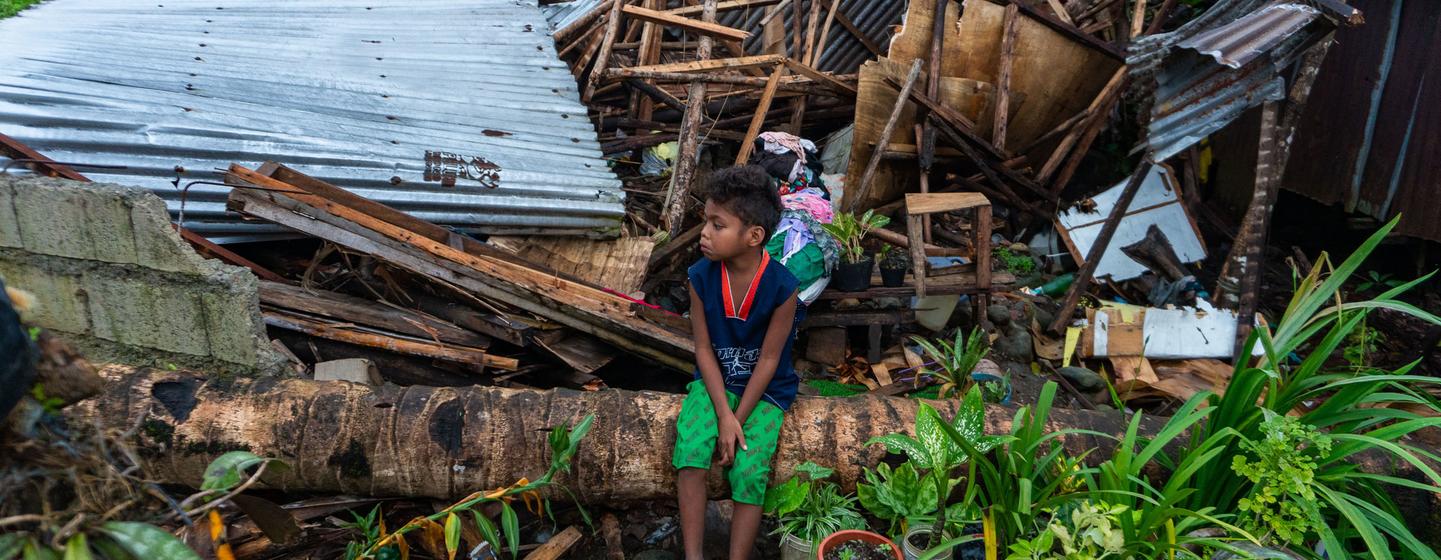
A child from the Badjao Indigenous community in the Philippines sits amid the wreckage left by a typhoon.

Modern problems, ancient solutions

The report calls for a seismic shift in how Indigenous knowledge is understood and respected – reframing it not as “traditional” or folkloric, but as scientific and technical knowledge.

Indigenous knowledge systems, authors argue, are “time-tested, method-driven” and built on direct relationships with ecosystems that have sustained life for millennia.

For example, in Peru, a Quechua community in Ayacucho has revived water sowing and harvesting practices to adapt to shrinking glaciers and drought. These methods, part of ancestral stewardship of hydrological cycles, are now being shared across borders with Costa Rican farmers as a model of South-South climate cooperation.

In Somalia, oral traditions serve as ecological law. The report cites cultural norms such as prohibitions on cutting certain trees (gurmo go’an) as evidence of environmental governance embedded in generational wisdom – passed through proverbs, stories, and taboos rather than policy papers.

Meanwhile, the Comcaac people of Mexico encode ecological and maritime knowledge in their language. Names like Moosni Oofia (where green turtles gather) and Tosni Iti Ihiiquet (where pelicans hatch) act as living data points – “vital  to their survival,” the report emphasises.

© Unsplash/Paul-Alain Hunt

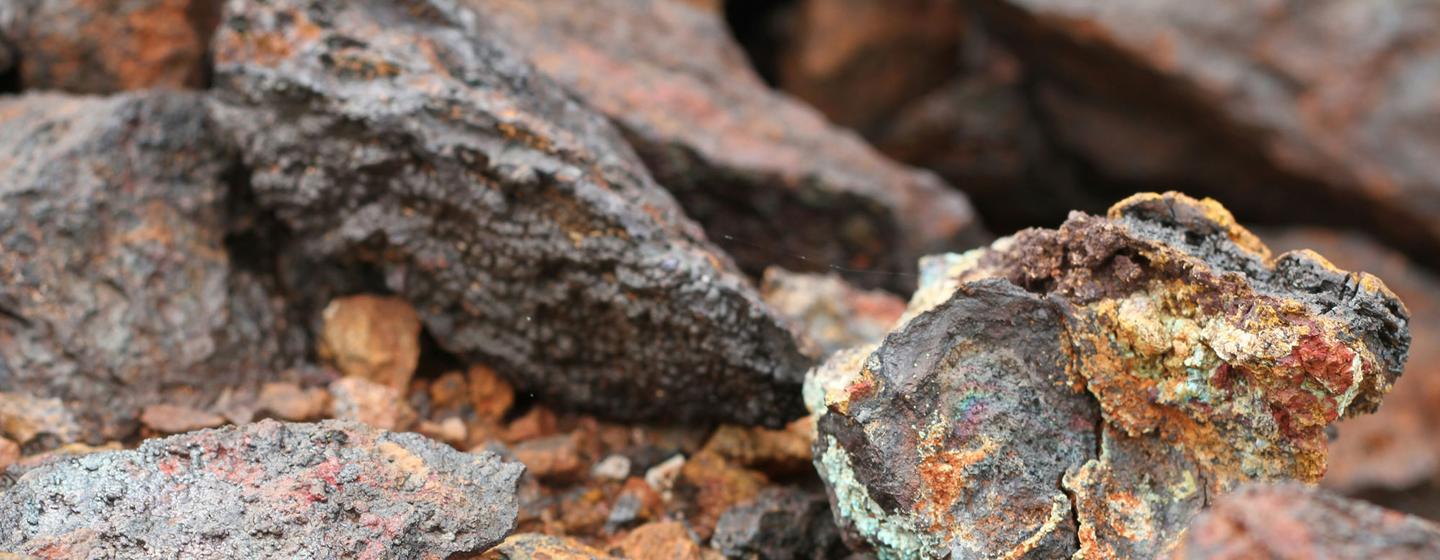
Ore containing copper, cobalt and nickel at a mine.

Green solutions without consultation

The report also looks at how even as the world embraces a renewable energy future, many Indigenous Peoples are finding themselves on the frontlines not as climate partners, but as collateral damage from some of the solutions.

So-called green solutions often pose as much of a threat to Indigenous Peoples as the climate crisis itself,” writes Mr. Ibrahim. From biofuel expansion, carbon offsetting schemes, and mineral extraction for clean energy technologies, the new economy is often being built on old injustices.

For example, in Africa, the report draws attention to how demand for minerals linked to the green energy transition — including lithium and cobalt — has led to extractive activities that proceed without free, prior and informed consent. These projects often result in environmental degradation and displacement, echoing colonial patterns of land exploitation.

In several countries across the Americas, carbon offset projects tied to forest conservation have also been implemented without consultation – often on Indigenous lands – resulting in environmental degradation and exclusion from financial benefits.

Throughout, the report warns that if climate actions continue to be designed and implemented without Indigenous Peoples at the centre, they risk replicating the extractive and exclusionary systems that fuelled the crisis in the first place.

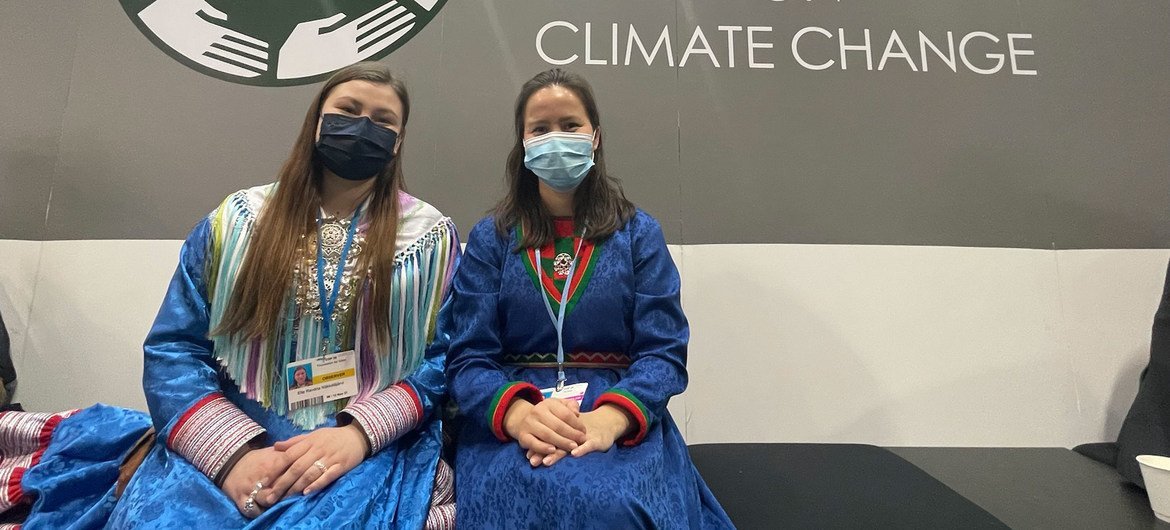
Indigenous young women representatives of the Sami People at the COP26 pavilions.

Climate change is a health crisis

The report also includes a chapter commissioned by WHO that details how climate-related health impacts intersect with the social, cultural, and spiritual lives of Indigenous communities.

In the Arctic, changes in temperature, wildlife migration, and weather patterns are disrupting traditional practices like hunting and harvesting. These disruptions are causing stress and threatening food security.

Indigenous women are particularly affected by the intersection of climate change and health. In East Africa, for example, women are more vulnerable to neglected tropical diseases such as schistosomiasis, leishmaniasis, and soil-transmitted helminthiases.

In the Amazon, climate-induced biodiversity loss has reduced access to traditional foods and medicinal plants, contributing to nutritional deficiencies among pregnant and nursing women, as well as broader community health vulnerabilities.

Despite these challenges, the report emphasises resilience. Communities are implementing locally rooted adaptation strategies, often led by women and elders. These include restoring traditional diets, strengthening intergenerational knowledge sharing, and adapting harvesting calendars to new ecological rhythms.

Participants attend the opening of the 24th Session of the Permanent Forum on Indigenous Issues.

Excluded from the table and the funds

Although Indigenous Peoples are increasingly acknowledged in global environmental frameworks, the report reveals that their role in shaping and implementing climate policy remains severely limited — both in terms of funding and governance.

Indigenous communities continue to face structural barriers that prevent them from accessing international climate finance. While significant resources flow through climate initiatives worldwide, less than 1 per cent reaches Indigenous Peoples directly.

The report calls for a fundamental shift: not just to increase funding, but to change who controls it.

Among its key recommendations are the creation of Indigenous-led financial mechanisms, formal recognition of Indigenous governance systems, and the protection of data sovereignty – ensuring communities control how knowledge about their lands and livelihoods is collected and used.

Unless these systems are transformed, the report warns, climate action risks reproducing the same patterns of exclusion and dispossession that have long undermined both Indigenous rights and global environmental goals.


Source link

Gaza: Aid ban pushes civilians to the brink

UN Spokesperson Stéphane Dujarric told reporters at a news briefing at UN Headquarters on Thursday that the humanitarian situation continues to deteriorate rapidly.

Children are going hungry, patients remain untreated, and people are dying,” he said.

“It is time to lift those restrictions immediately.”

According to latest reports, the disruption in the flow of goods has led to dramatic price hikes – up to 1,400 per cent above pre-ceasefire levels – with  basic items such as dairy, eggs, fruits and meat now absent from local markets.

In April alone, prices have risen by 50 per cent compared to March, according to the UN aid coordination office, OCHA. Shortages of cash and plummeting purchasing power have forced many families deeper into hunger.

Conditions on the ground

On Wednesday, UN’s acting Humanitarian Coordinator for the occupied Palestinian territory, Suzanna Tkalec, visited Deir al Balah and Khan Younis to assess conditions on the ground.

In Khan Younis, the team inspected the main desalination plant for southern Gaza, which has been operating at only 15 per cent capacity since early March due to electricity cuts imposed by Israel. As a result, access to clean water remains extremely limited.

They also visited two overcrowded displacement sites to evaluate living conditions.

In Deir al Balah, the UN team observed operations at a community kitchen run by the Atfaluna Society for Deaf Children, which offers meals and training for youth, women and people with disabilities.

Severe shortages

Meanwhile, humanitarian partners are reporting severe shortages of tents, tarpaulins and other critical materials, Mr. Dujarric said.

Warehouses are almost depleted, which is limiting shelter assistance to just a fraction of what is needed to survive.

UN agencies continue to provide relief as best they can. UN reproductive health agency, UNFPA, this week supplied 10 reproductive health kits – enough to support over 6,900 people – to six health partners, and emergency supplies to key hospitals.

More than 900 women and girls were reached with dignity kits and agency workers held around 240 sessions addressing gender-based violence, with 200 new case files opened.

Call for accountability over killing of UN staffer

Responding to a question on the deadly 19 March strike that killed a UN staff member and severely injured at least five others in Gaza, Mr. Dujarric said that Israeli authorities had reported the outcome of their internal investigation to the UN.

“There has been more cooperation and transparency on their side that we have had in these types of incidents, since the beginning of this conflict,” he said, underscoring the need to ensure accountability and transparency – for this case as well as all others.

“We have seen UN colleagues killed in Gaza or UN infrastructure attacked. And again, we call on all parties to fully comply with international humanitarian law, including the protection of civilians but also the protection of UN and humanitarian staff.”

As budgets shrink, UN Peacekeeping looks to the future

“This is a particularly timely meeting,” said Jean-Pierre Lacroix, UN Under-Secretary-General for Peace Operations, at a press conference in New York on Thursday.

It’s a unique opportunity to underline the added value of peacekeeping and ensure we remain ready, as a peacekeeping family, to respond with Member States to any new mission that may arise.”

The UN Peacekeeping Ministerial 2025 is expected to draw around 1,000 delegates to the German capital next month, including foreign and defence ministers from across the globe. Their goal: to shape a peacekeeping model that is more agile, intelligent and resilient.

UN Secretary-General António Guterres is also due to attend the meeting taking place on 13 and 14 May.

Facing growing challenges

As conflicts intensify from South Sudan to the Middle East and Kashmir, and as geopolitical divides weaken international consensus, this biennial conference is being called one of the most significant since its inception in 2014.

We are facing more internal and inter-State conflicts than at any point since the Second World War,” Mr. Lacroix noted, pointing to the increasing complexity of modern warfare.

Additional challenges such as transnational crime, online disinformation, and climate change are also affecting missions – at a time when peacekeeping budgets continue to shrink.

‘Difference between life and death’

Despite these pressures, ‘blue helmets’ continue to carry out their work under extremely difficult conditions. “They protect hundreds of thousands of people,” said the peacekeeping chief. “Very often, their presence is the difference between life and death.”

Germany, a key contributor to UN peacekeeping, is leading the organization of the upcoming meeting. “Peacekeeping is multilateralism in action,” said Nils Hilmer, Germany’s State Secretary for Defence. “We want to provide a platform for Member States to strengthen peacekeeping for the future.”

Sessions in Berlin will include pledging events, high-level debates, exhibitions, and a spotlight on Germany’s involvement in missions such as UNIFIL in Lebanon and UNMISS in South Sudan.

At the heart of the UN

Katharina Stasch, Germany’s Director-General for International Order and Disarmament, highlighted the symbolic power of peacekeepers. “For many, the blue helmets are the face of the UN. Peacekeeping is at the heart of the organization.”

The meeting will also support progress on the UN’s Pact for the Future reform initiative, with topics including conflict prevention, digital innovation, regional partnerships and countering disinformation.

“The mission remains the same,” said Mr. Lacroix. “Helping host countries through their most turbulent times – despite tighter budgets.”

Source link

UN warns of rising deportations of Haitian mothers and newborns from Dominican Republic

According to the UN migration agency, IOM, recent weeks have seen an increase in the deportation of women, including those who are pregnant or breastfeeding, as well as children and newborn babies. 

The agency has emphasised the heightened risks these groups face being returned to Haiti, where access to basic services remains severely limited.

On Tuesday alone, IOM staff at the Belladère border crossing in Haiti received 416 deportees, including 11 pregnant women and 16 women who are still breastfeeding.

Meeting the needs

“While IOM teams are not present during the deportation process itself, their efforts focus on the needs of deportees upon arrival, many of whom arrive in precarious and highly vulnerable conditions, often without any resources,” said UN Spokesperson Stéphane Dujarric, speaking in New York.

He explained that IOM provides immediate humanitarian assistance, including food, water, and hygiene kits, as well as first aid, medical referrals, and psychosocial support.

Special attention is given to maternal health, and temporary places to live are arranged for women who are breastfeeding when necessary, he added.

Worsening conditions

Mr. Dujarric also updated on the situation in Haiti, where rising violence and recent funding cuts are undermining essential services and worsening the humanitarian situation, particularly in the Centre Department.

Escalating violence on the part of armed groups has triggered mass displacement, with more than 51,000 people, over half of them children, fleeing recent attacks. Many are now stranded at makeshift sites or seeking safety in other regions. 

No safety inside hospitals

He noted that the University Hospital of Mirebalais – a major referral facility with about 300 beds – has suspended operations following a wave of insecurity in the area. 

“Armed attacks, a mass prison break and the destruction of public infrastructure forced the hospital to gradually shut down. Before its closure, it served nearly 850 patients each day, including through maternal care and advanced cancer treatment,” he said.

Meanwhile, two other hospitals in the area – St. Therese in Hinche and Albert Schweitzer Hospital in Artibonite – are now coming under increased strain and face critical shortages, including oxygen and emergency medical kits. 

Since the closure of the University Hospital in Mirebalais, they have treated more than 200 patients for gunshot wounds, strokes, suspected cholera and malnutrition. 

“St. Therese alone has received more than 3,500 internally displaced people – tripling its outpatient caseload,” Mr. Dujarric said.

The UN Children’s Fund (UNICEF) and humanitarian partners are working to relieve pressure on the health system in Centre Department.

Mobile clinics are being deployed to reach 30,000 people in host communities and displacement camps, in coordination with the Haitian authorities and the Catholic charity Caritas.

Humanitarians are seeking $908 million to support nearly four million people in Haiti this year. Only six per cent of the funding, $57 million, has been received to date

Source link

Hundreds killed in Sudan’s camps for displaced people

Violent clashes between armed militias and forces of the military Government have escalated dramatically across North Darfur in recent weeks as Sudan marked two years of civil war.

The El Fasher and Zamzam camps for internally displaced persons (IDPs) who were forced to flee their homes because of the conflict, were disproportionately affected.

“The bombs were falling on the hospital. The sick and their mothers were killed. Those of us who survived left with only our children on our backs,” said Hawa, a mother of three who was inside a hospital in the Zamzam camp during the shelling, speaking to the UN Children’s Emergency Fund (UNICEF).

Horror and displacement

The attacks have destroyed critical infrastructure, halted water trucking services, and led to the collapse of already fragile health services, according to the UN.

Zamzam IDP camp, which prior to the recent shelling housed at least 400,000 people, has now been nearly emptied. The UN has reported that over 332,000 people have fled the camp.

Humanitarian organisations are warning of increasing reports of sexual violence, the targeting of civilians, and forced recruitment – particularly by elements of the Rapid Support Forces (RSF) militia.

Aid under strain

The sudden and massive influx of IDPs into already overwhelmed towns and host communities is increasing the strain on health services, water infrastructure, and local food systems.

While IDP camps face soaring demand for emergency shelters, clean water, food, and protection services, fuel shortages have led to the near-total suspension of water trucking operations in many areas, including El Fasher.

The sick and their mothers were killed. Those of us who survived left with only our children on our backs

In Central Darfur, health partners report rising levels of malnutrition, especially among children.

In the past, we had three to four meals per day. For the past two years, giving [my children] one meal a day is a miracle,” Hawa recounted.

Although the UN is currently delivering life-saving food assistance in Tawila — North Darfur, an immediate scale-up in humanitarian assistance is needed to prevent tens of thousands of newly-displaced people from falling further into acute vulnerability.

UN agencies and their partners are urgently appealing for increased funding to avert further loss of life and irreversible humanitarian consequences.

Source link

Trust collapsing as job fears surge worldwide, warns UN

According to the World Social Report 2025 launched on Thursday, the sobering sentiment indicates a widespread lack of confidence in the future.

Despite people living longer, being better educated and more connected than ever before, many believe that life today is worse than it was 50 years ago.

Close to 60 per cent of people surveyed on life satisfaction reported that they were “struggling” with a further 12 per cent describing themselves as “suffering”, the report notes.

Financial insecurity everywhere

According to the report, economic instability is no longer limited to the world’s poorest regions.

Even in high-income countries, rising job uncertainty, gig work and the digital transition are contributing to this trend.  

These jobs may offer flexibility but often come at the cost of security and rights – reducing workers to mere service providers in a commodified labour market.

The insecurities are further compounded by an alarming rise in informal employment. In many low and middle-income countries, jobs with no safety net remains the norm, locking workers into cycles of low pay, instability, and zero benefits.

Even those who manage to enter formal employment face significant risks of being pushed back into the informal sector, especially during downturns.

For over 2.8 billion people living on less than $6.85 a day – the threshold for extreme poverty – “even a small shock can send people into extreme poverty and any escapes from poverty are often temporary,” the report warns.

The situation is further complicated by rising climate change impacts and worsening conflicts, further undermining local economies and deepening inequality, especially in the developing world.

Collapse of trust

As financial pressures mount and stability erodes, public confidence in institutions – and in one another – has also taken a severe hit, particularly among young people.

Over half the world’s population (57 per cent) now expresses low levels of confidence in government. Among those born in the 21st century, trust levels are even lower – raising concerns about long-term civic disengagement and political instability.

People’s trust in one another is also eroding. Fewer than 30 per cent of people in countries with available data believe that most others can be trusted, undermining social cohesion and complicating efforts for collective action.

“The spread of misinformation and disinformation, facilitated by digital technologies, is reinforcing divisions and fuelling distrust,” the report says, warning of abuse and misuse of digital platforms and social media to spread deceit and hate speech, and stoke conflicts.

“Often, users find themselves immersed in virtual and siloed ‘echo chambers’ where they are exposed to news and opinions that align with and may even radicalize their views.”

Platform algorithms facilitate the creation of such echo chambers and reward more extreme content and engagement with higher visibility, the report adds.

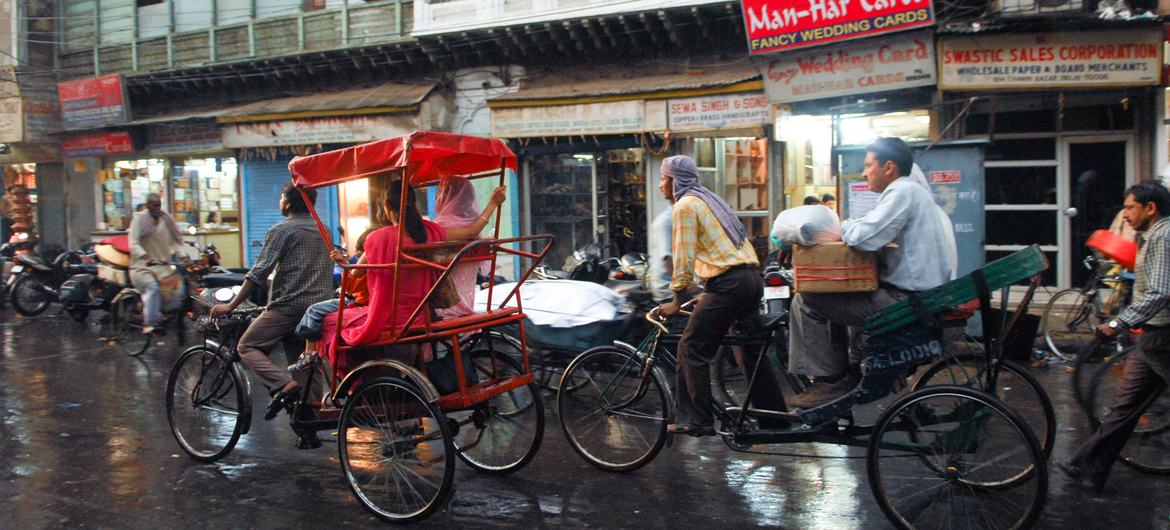
Cycle rickshaw drivers navigate the busy streets of Old Delhi, India – a livelihood for many in the informal economy.

Time for bold policies

To reverse these damaging trends, the report calls for a bold shift in policymaking – one grounded in equity, economic security and solidarity.

It urges governments to invest more in people through expanding access to quality public services – such as education, healthcare, housing and robust social protection systems.

These investments are not discretionary, the report stresses, but essential to promote resilience and inclusive growth.

It also highlights the need to rebuild trust through inclusive and accountable institutions. At the same time, power and wealth needs to become less concentrated at the very top of society.

Collective solutions

Now more than ever, we must strengthen our resolve to come together and build a world that is more just, secure, resilient and united
– Secretary-General Guterres

As momentum builds toward the Second World Summit for Social Development, which will be held in Doha in November, global leadership will be key to driving transformative change.

UN Secretary-General António Guterres stressed the need for unity and decisive action in a foreword to the report.

The global challenges we face demand collective solutions,” he wrote.

“Now more than ever, we must strengthen our resolve to come together and build a world that is more just, secure, resilient and united for each and every one of us.”

Source link

More action needed to beat malaria for good, says UN

Ahead of World Malaria Day on Friday, UN health agency WHO is calling for renewed efforts at all levels – from global policy to community action – to accelerate progress towards elimination.

Malaria is spread by some types of mosquitoes and is mostly found in tropical countries. Symptoms – which can be mild or life-threatening – include fever, chills and headache, seizures, and difficulty breathing.

Africa continues to carry a disproportionately high share of the global malaria burden.  In 2023, approximately 94 per cent of all cases, and 95 per cent of deaths, occurred in the region. Most deaths, 76 per cent, were among children under five.

Eye on elimination

WHO recalled that during the late 1990s, world leaders adopted effective policies which led to the prevention of more than two billion cases and nearly 13 million deaths since the year 2000.

As a result, 45 countries and one territory have been certified as malaria-free, and many other countries continue along the path towards elimination. 

Of the remaining 83 malaria-endemic countries worldwide, 25 reported fewer than 10 cases in 2023.

However, WHO Director-General Tedros Adhanom Ghebreyesus said history has shown that these gains are fragile because “when we divert our attention, the disease resurges, taking its greatest toll on the most vulnerable.” (HOW ABOUT USING THIS AS A PULL-QUOTE?) 

But history also reveals what is possible, he added.  Tedros insisted that “with strong political commitment, sustained investment, multisectoral action and community engagement, malaria can be defeated.”

Net investment

WHO said years of investments in the development and deployment of new malaria vaccines, as well as tools to prevent and control the disease, are paying off.

On World Malaria Day, Mali will join 19 other African countries in introducing malaria vaccines, representing a vital step towards protecting young children from one of the deadliest diseases on the continent. It is expected that the large-scale rollout of malaria vaccines in Africa will save tens of thousands of young lives every year.

Meanwhile, the expanded use of a new generation of insecticide-treated mosquito nets is set to make further inroads against the disease. 

Progress in peril

Yet, despite significant gains, malaria remains a major public health challenge. Nearly 600,000 deaths occurred in 2023 alone, with the African region hardest hit.

In many areas, progress has been hampered by fragile health systems and rising threats such as drug and insecticide resistance, WHO said. Many at-risk groups also continue to miss out on the services needed to prevent, detect and treat malaria. 

These challenges are further compounded by climate change, conflict, poverty and displacement, while funding cuts this year could further derail progress in many endemic countries, putting millions of additional lives at risk. 

A renewed call 

World Malaria Day 2025 is being celebrated under the theme Malaria ends with us: reinvest, reimagine, reignite, and WHO is calling for stepped up political and financial commitment to protect hard-won gains to date.

To reinvest, WHO is joining partners and civil society in calling on malaria-endemic countries to increase domestic spending, particularly in primary healthcare.

The agency is also stressing the need to reignite commitment to help end malaria transmission at all levels – from communities and frontline health workers, to governments, researchers, private sector innovators and donors.  

Climate change: How mountain communities are scaling new heights

Investment in organic farming, sustainable textiles and eco-tourism is helping mountain communities in Central Asia adapt to global warming, the UN’s Food and Agriculture Organization (FAO) said on Thursday, urging greater support for regions often overlooked in climate discussions.

Mountain residents relying on family farming are among the world’s poorest people, said the agency’s Director-General Qu Dongyu.

Speaking at the International Conference of the Global Mountain Dialogue for Sustainable Development in Bishkek, the FAO chief explained that many alpine people struggle with food insecurity, as climate change, environmental degradation and unsustainable use of resources make it harder to access clean water, food and fertile soils.

Mountain communities, the stewards of mountain resources, have great potential for climate-resilient development.

Kyrgyzstan, a Central Asian nation that is home to some of the world’s most diverse and significant mountain ecosystems, is gearing up to host a Global Mountain Summit in 2027.

More resilient systems

Mountain communities, the stewards of mountain resources, have great potential for climate-resilient development by transforming to more efficient, more inclusive, more resilient and more sustainable agrifood systems,” Mr. Qu said, insisting that the protection of mountain ecosystems is a global responsibility.

More than two billion people globally rely on freshwater from glaciers – a fragile supply endangered by rising temperatures and melting snowcaps, he said.  

There has been some progress – but mountain regions remain strained and increasingly impacted by human-induced climate change, biodiversity loss, soil erosion and land degradation.  

Boosting impact

FAO has worked in Kyrgyzstan since 2009 to help the country withstand mounting pressure on its ecosystems. The aims include achieving sustainable food security and supporting sustainable land and forest management.

The UN General Assembly in late 2022 adopted the Five Years of Action for the Development of Mountain Regions to “enhance the awareness of the international community of the problems of mountain countries” and strengthen global efforts to address the challenges these regions face. The plan will extend until 2027.  

Outrage as Russian overnight attacks on Ukraine cities kill at least nine civilians

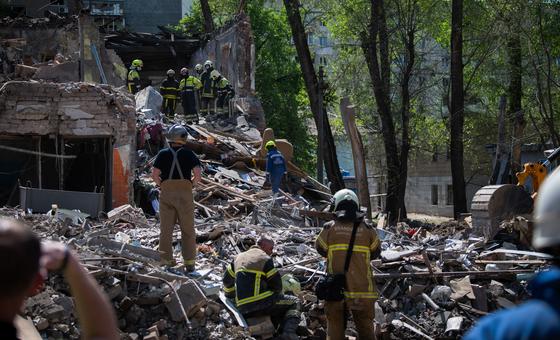
Reports indicate that the latest Russian strikes damaged 12 buildings in the capital, causing widespread damage to homes, businesses and key services, while phones have been heard ringing from the rubble.

Other Ukrainian cities targeted included Zhytomyr – due west of Kyiv – and the northeastern cities of Sumy –  where a daytime missile strike killed at least 34 people on 13 April – and Kharkiv – where the authorities reported 24 drone and missile strikes in total.

“The casualty count is expected to rise as emergency teams continue search-and-rescue operations amid,” said the UN aid coordination office, OCHA.

The development follows Ukrainian President Volodymyr Zelensky’s reported decision on Wednesday to reject a US-led proposal to seek a peace deal with Russia that would have involved ceding territory lost during the war. In theory, this would include the eastern Ukrainian regions of Donetsk, Luhansk, Kherson and Zaporizhzhia, in addition to Crimea, which Russia annexed illegally in 2014.

“Last night’s large-scale attack by the armed forces of the Russian Federation on residential areas in Kyiv and surrounding regions is yet another appalling violation of international humanitarian law,” said the UN’s top aid official in Ukraine, Matthias Schmale.

Children and a pregnant woman were among the more than 70 people injured by Wednesday night’s reported missile and drone strikes. “This senseless use of force must stop… Civilians must never be targets”, insisted Mr. Schmale, UN Humanitarian Coordinator for Ukraine.

Echoing that message, the UN Children’s Fund, UNICEF, appealed for an end to the use of explosive weapons in civilian areas.

Source link

Largely eradicated diseases at risk of returning due to budget cuts

Cuts to global health funding are leading to a rise in outbreaks of diseases that vaccines had nearly wiped out, the UN health agency, WHO, is warning on Thursday.

In Africa’s “meningitis belt”, which spans parts of sub-Saharan Africa, vaccination campaigns had successfully eliminated meningitis A. Similarly, improved routine immunization and emergency vaccine stockpiles drastically reduced cases of yellow fever and related deaths.

But this progress is now at risk. “Funding cuts to global health have put these hard-won gains in jeopardy,” warned Tedros Adhanom Ghebreyesus, Director-General of the World Health Organization.

Outbreaks on the rise

In 2023, measles cases were estimated at more than 10.3 million – a 20 per cent increase compared to 2022.

WHO, UN Children’s Fund UNICEF and their partners warned in a statement marking the beginning of World Immunization Week that this upward trend is expected to continue into 2025.

Yellow fever is also making a comeback. After years of declining cases in Africa thanks to improved vaccine access, 2025 has already seen a rise in outbreaks across the continent. Cases have also been confirmed in the Americas.

Misinformation threat

Vaccination efforts are increasingly under pressure due to a combination of misinformation, population growth, humanitarian crises, and funding cuts.

Earlier this month, a WHO review across 108 countries found that nearly half are experiencing moderate to severe disruptions to vaccination campaigns, routine immunisations, and supply chains due to falling donor support.

The global funding crisis is severely limiting our ability to vaccinate over 15 million vulnerable children in fragile and conflict-affected countries against measles,” said Catherine Russell, Executive Director of UNICEF.

Vaccines offer high returns

Vaccines save around 4.2 million lives each year, protecting against 14 different diseases. Almost half of those lives are saved in Africa.

Despite this, falling investment now risks the re-emergence of diseases once thought to be under control.

Health experts emphasise that immunization is one of the most cost-effective health interventions. Every $1 invested in vaccines brings an estimated return of $54 through better health and economic productivity.

UNICEF, WHO, and their partners are calling on parents, the public, and political leaders to support immunization programmes and ensure long-term investment in vaccines and public health systems.

Source link

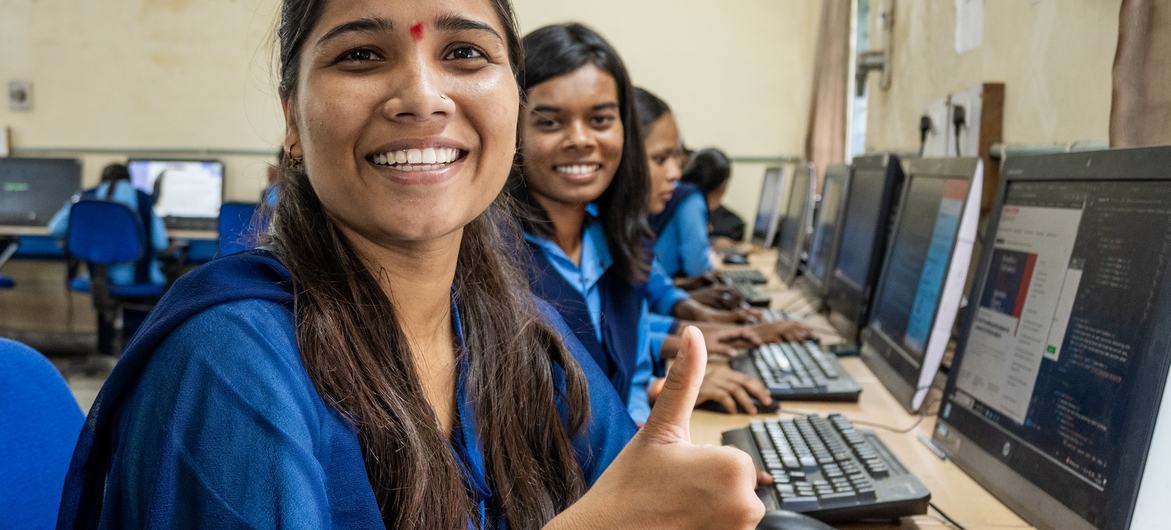
Health, education, opportunity at stake, amid stubborn digital gender divide

Closing this gap is not optional. There were189 million fewer women than men online in 2024.  

The disparity is about more than access, it reflects deeper systemic barriers, according to ​Doreen Bogdan-Martin who heads the UN telecommunications agency, ITU.

That’s too many missed opportunities to learn, to earn and to shape our shared digital future,” she said in a message for Thursday’s International Girls in ICT Day.

She underscored that connectivity alone is not enough to ensure true digital transformation.

“It must be meaningful – being able to afford digital devices and services, having the skills to use technology and feeling safe in online spaces. Everyone deserves the chance to thrive in an increasingly digital world.”

ITU Secretary-General Doreen Bogdan-Martin’s video message.

2025 Theme

Celebrated annually on the fourth Thursday of April, Girls in ICT Day encourages girls to pursue careers in science, technology, engineering and mathematics (STEM).

Since its launch in 2011, more than 417,000 girls and young women have participated in over 11,500 celebrations across 175 countries.

This year’s theme is Girls in ICT for inclusive digital transformation. The ITU is calling for more investment in girls’ digital education and expansion of access to technology.  

More young women need to become creators – not just consumers in the digital world, the agency argues.

“Whether you are an entrepreneur, launching an AI startup, a teacher incorporating digital skills into your classroom or a policymaker shaping our shared digital future, you can help ensure every woman and girl has the chance to connect, create and lead in digital spaces,” Ms. Bogdan-Martin emphasised.

A participant at a UN-supported training on STEM for girls and young women.

Global observance

The 2025 global observance will be co-hosted this year by the Commonwealth of Independent States (CIS) in Eurasia together with States from the Arab region, featuring a live-streamed hybrid event linking Bishkek, Kyrgyzstan and Nouakchott, Mauritania.

The programme includes an intergenerational dialogue bringing together girls, women leaders, and ICT experts to discuss practical strategies for closing the gender gap.

Events are also being organized worldwide, including Girls in ICT in Solomon Islands in the Pacific, the Melon Girls Club in North Macedonia and STEM Supergirls in Croatia.

Source link

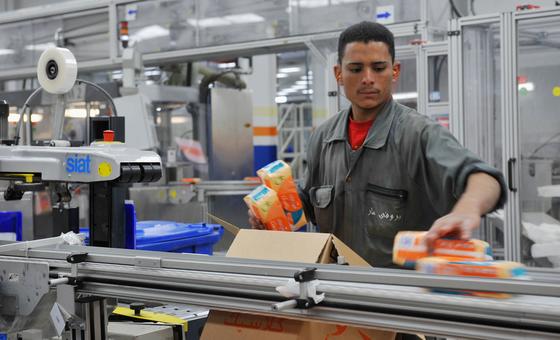
AI lightens the workload – but risks remain, labour agency warns

In a new report highlighting the universal impact of the technological revolution now underway, the UN International Labour Organization (ILO) insisted that it offered a way out from so-called 3D jobs that are “dirty, dangerous and demeaning”.

Health and safety

But the ILO also warned that greater oversight is needed to prevent unexpected safety issues caused by the roll-out of AI and associated technology in the workplace.

“Digitalization offers immense opportunities to enhance workplace safety,” said Manal Azzi, Team Lead on Occupational and Safety Health Policy at the ILO.

“Automation can reduce repetitive tasks, such as in factory production lines or in administrative work, allowing workers to take on more challenging tasks. But for us to fully benefit from these technologies, we must ensure they are implemented without incurring new risks.”

The ILO notes that these new tools are already revolutionizing how safety is managed across industries, from logistics to healthcare and construction. Even low-tech sectors are beginning to feel the benefits.

Here are some of the key unfamiliar risks associated with AI, robotics and digitalization:

  • Human-robot interaction: Workers who collaborate with or maintain robots may be exposed to injuries from malfunctions, unpredictable behaviour, or design flaws.
  • Cybersecurity threats: As workplaces become more connected, system failures or cyberattacks could compromise safety systems and endanger workers.
  • Ergonomic issues: Wearables and exoskeletons, if poorly designed or ill-fitting, can cause discomfort, strain, or injury rather than preventing them.
  • Mental health: Constant digital monitoring, algorithm-driven workloads and the pressure of always being connected can lead to stress, burnout, and other mental health problems.
  • Reduced human oversight: Over-reliance on automation and AI can decrease critical human judgement, potentially increasing safety risks when systems fail or make errors.
  • Digital supply chain hazards: Workers in parts of the tech supply chain, such as mining for materials in hostile environments or handling e-waste, face dangerous and often overlooked conditions.

Source link

Guterres condemns deadly attack in Jammu and Kashmir

UN Spokesperson Stéphane Dujarric, responding to inquiries, emphasised the Secretary-General’s condemnation of the attack.

Media reports indicate that a gunman opened fire on a group of people near Pahalgam, in the region’s south, leaving more than two dozen dead.

Mr. Guterres extends his heartfelt condolences to the bereaved families, said Mr. Dujarric, underscoring “that attacks against civilians are unacceptable under any circumstances.”

Jammu and Kashmir has been disputed by India and Pakistan, since the end of British rule in the late 1940s.

Source link

Sewage, trash and disease overwhelm displaced communities in Gaza

In the makeshift coastal encampments of Al Mawasi families have no choice but to live in unsanitary conditions that are rapidly turning deadly, Louise Wateridge, Senior Emergency Officer at Palestine refugee agency, UNRWA, told UN News.

She described an increasingly dire situation: malnourished children and families, already worn down by months of war, battle unrelenting heat, unsanitary conditions, a lack of clean water and limited access to healthcare.

“The trash is just out of control. The sewage, the rodents, the pests, the rats, the mice – all of these animals are going between the structures that people are sheltering in,” she said.

As the days hot up, “disease is spreading. There is not enough medicine,” she added. UNRWA teams are conducting intensive clean up campaigns, but their resources are running out.

They’ve got about 10 days left of pesticides. Supplies are going to run out,” Ms. Wateridge warned.

Heavy equipment destroyed

The worsening conditions are being compounded by the destruction of Gaza’s public health infrastructure.

According to the UN humanitarian coordination office (OCHA), more than 30 vehicles essential for waste management, water supply and sewage maintenance were destroyed by Israeli airstrikes between 21 and 22 April.

In the past week alone, at least 23 reported strikes have hit tents sheltering internally displaced persons (IDPs), killing dozens of civilians – including women, children, and persons with disabilities.

Health system under strain

OCHA also noted that Gaza’s health system is continuing to collapse.

Over half of the remaining health facilities are located in zones under evacuation orders, posing serious access challenges for communities in urgent need. There are also widespread shortages of medicine, equipment and medical staff.

As of 15 April, an estimated 420,000 people have been displaced – many for the second or third time.

Shrinking humanitarian space

Humanitarian space continues to be shut down. Vital humanitarian aid has not entered Gaza for 52 consecutive days.

OCHA noted that between 15 and 21 April, nearly half of the planned humanitarian movements were denied or impeded.

It reported that out of 42 planned movements across the Gaza Strip that were coordinated with the Israeli authorities, 20 were denied, two faced impediments, 19 were facilitated and one was cancelled.

Meanwhile, UN agencies also have to contend with lack of funds to sustain their programmes.

As of 22 April, donors have disbursed about $569 million out of the $4.07 billion (about 14 per cent) required to meet the most critical humanitarian needs of three million people requiring assistance in Gaza and the West Bank, including East Jerusalem.