Pandemic accord can be a ‘gamechanger’ for marginalised communities, says youth advocate

Mr. Hassan and his fellow Youth Councillors advise and actively engage with the WHO Director-General and the agency’s senior leadership, designing and expanding the agency’s programmes and strategies.

In an interview with UN News ahead of the 2025 World Health Assembly – the UN’s highest forum for global health – Mr. Hassan, who was born and raised in Texas, USA,  explains why he started iCure, a global non-profit organisation designed to ensure that all people receive access to preventative medical screening, and how the pandemic treaty could radically improve care for vulnerable communities.

This interview has been edited for clarity and brevity.

Courtesy of Rehman Hassan

Rehman Hassan: 10 years ago, my grandfather passed away from heart disease. I saw how he was treated differently because of the way that he presented himself, as an immigrant and a person of colour. He was very knowledgeable, but he had limited literacy, and he wasn’t necessarily told what all his options were. I felt that the doctors tried to rush him into surgery and that they forced him to be anaesthetized because they believed he was moving around too much, when in fact he was just in pain and uncomfortable.

I’m convinced that he didn’t get the care that he deserved and that really resonated with me, because I wanted to make sure that no one else felt that way. I saw that, as a young person, my role could involve working at a community level, mobilising other young people to promote things like good diet or exercise, and advocate for those who need help.

That’s how iCure started, and it has blossomed into an international movement. We have hosted a youth fellowship programme with around 65 young people from all over the world, from Vietnam to Qatar to Puerto Rico, discussing the health issues they’re seeing and how to address them, as trusted members of their communities, to bridge the kinds of information gaps that are very common in many marginalized communities, especially amongst low income people and immigrants.

UN News: Tell me about your personal experience during the COVID-19 pandemic?

Rehman Hassan: The pandemic was, for many people across the world, a deeply difficult, scary, intense process. I was living with my grandparents who were immunocompromised, and I knew that they were at significant risk. Whilst we had a lot of vaccines in the US, there was a lot of pandemic disinformation and misinformation; presenting it as something that had a low mortality rate and that we could ignore.

In addition, we had a major winter storm in Texas that froze the state for almost two weeks. We didn’t have access to electricity, gas or water. Our house was flooded and ultimately was destroyed. This combination of the climate crisis and the pandemic meant that many people, especially in my community, were left behind and did not receive the resources that they needed.

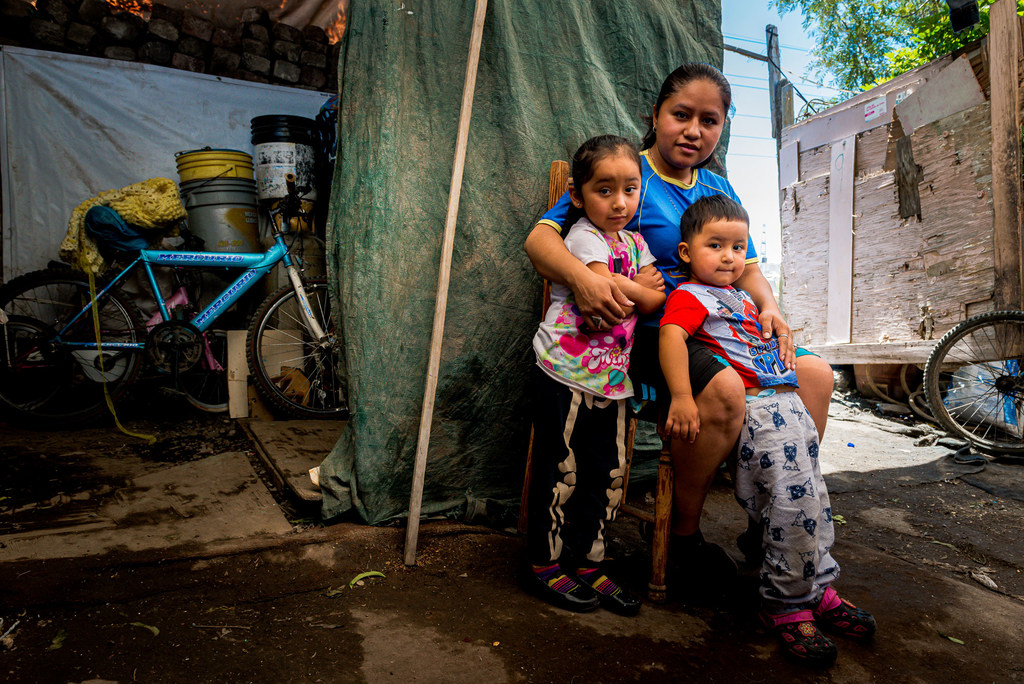
Children in Mexico received food baskets during the COVID-19 pandemic (file, 2022)

UN News: The WHO says that the pandemic preparedness treaty, if and when it is adopted, will be a breakthrough for health equity and make a real difference on the ground. Do you agree?

Rehman Hassan: I definitely think it’s a game changer. I got involved with the treaty process through the WHO Youth Council, where I represent an organisation [ACT4FOOD, a global youth-led movement to transform food systems] that primarily focuses on access to food, the social determinants of health and how we can promote change at the community level.

The text of the treaty spells out the efforts that need to be taken at a community level, and each member state has an obligation to make sure that the most vulnerable get access to support or care, as part of their pandemic response plans.

There is a commitment to early detection: if we can detect pandemics early, then we can ensure that everyone has access to the care and resources they need.

UN News: It’s likely that there will be another pandemic in our lifetimes. Will we manage it better than the last one?

Rehman Hassan: We’re definitely seeing an acceleration of pandemics and extreme events that ultimately undermine equity.

I think that the World Health Assembly and the Intergovernmental Negotiating Body for the pandemic treaty have done an incredible job of understanding what went wrong during the COVID-19 pandemic, and previous pandemics, and then looking at how we can craft an instrument that will address those inequities or prevent them from happening in the first place.

If member states deliver a meaningful treaty, I think it would significantly improve and facilitate a much better pandemic response than what we saw during last time.

Pandemic heroes stepped up in 2020 – now they’re asking world leaders to do the same

A defining moment for global health is about to unfold in Geneva.

The World Health Assembly is meeting next week to negotiate the Pandemic Preparedness Treaty, a document born from the catastrophic failures and fragile victories of the COVID-19 pandemic.

The text of the treaty promises shared information, equitable access to vaccines and therapeutics, and stronger healthcare systems – all of which resonates deeply with the people who lived through the worst.

In 2020, at the height of the global pandemic, UN News spoke with many of the unsung heroes who faced impossible challenges with courage and resolve, including doctors, community workers, a journalist, a youth volunteer and an Indigenous leader.

They were exhausted, scared, hopeful and determined. Today, five years later, they carry scars and wisdom from that fight.

We went back to them – and their reflections remind us of what is at stake.

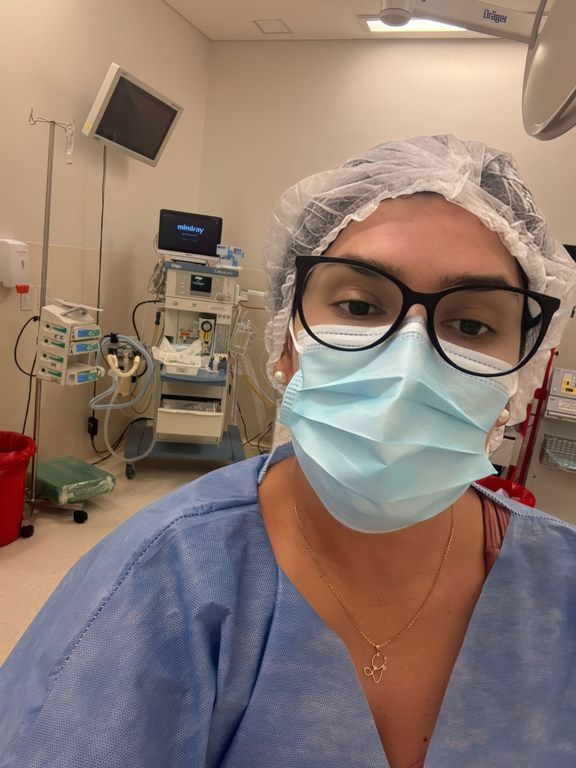
Margarita Castrillón, Paediatrician, Buenos Aires, Argentina

As a paediatrician on the frontlines, Dr Castrillon says future pandemic plans must start with empathy, solidarity, and real support for health workers.

“We were heroes without capes and without fair pay.”

In 2020, Dr Margarita Castrillón, a Colombian paediatrician living in Buenos Aires, found herself taking on far more than her usual clinic work.

As COVID-19 swept Argentina, she volunteered to also serve in emergency medical transport, riding in ambulances to transfer patients, many suspected of having the virus, to hospitals across the city.

After one of those long, exhausting shifts, she noticed a handwritten sign taped to the elevator in her apartment building.

It said “I’m Victoria from the 7th floor. If you need any groceries or help, ring my doorbell,” she recalls. “That gesture filled my soul after such a hard day at work. It marked me. I thought: the good people outnumber the bad. Empathy was winning.”

Dr Castrillón was working across multiple roles – clinic, ambulance, teaching at the university – all while raising her young daughter. “It was brutal. I look back and I want to cry. I’m not sure I’d be as brave if it happened again. Every day I left home terrified.”

The memory of Buenos Aires’ summer heat under full protective suits stays with her. “We were heroes without capes and without fair pay. We worked 24 hours, covering for sick colleagues, unable to eat or speak together.”

But the experience gave her one unexpected gift. “I taught my daughter to read, write and do maths at home. It made me a better mum. I valued family and true friendship more than ever.”

Her medical routine also changed permanently. “I now wear a mask with every patient. It protects both of us. And hand sanitiser stations in hospitals are permanent now.”

On the upcoming global pact, she is firm: “We need collaboration and love for people at the government level. We lived through hell. Some colleagues still suffer panic attacks. Recognition and fair pay are essential to keep health systems strong.”

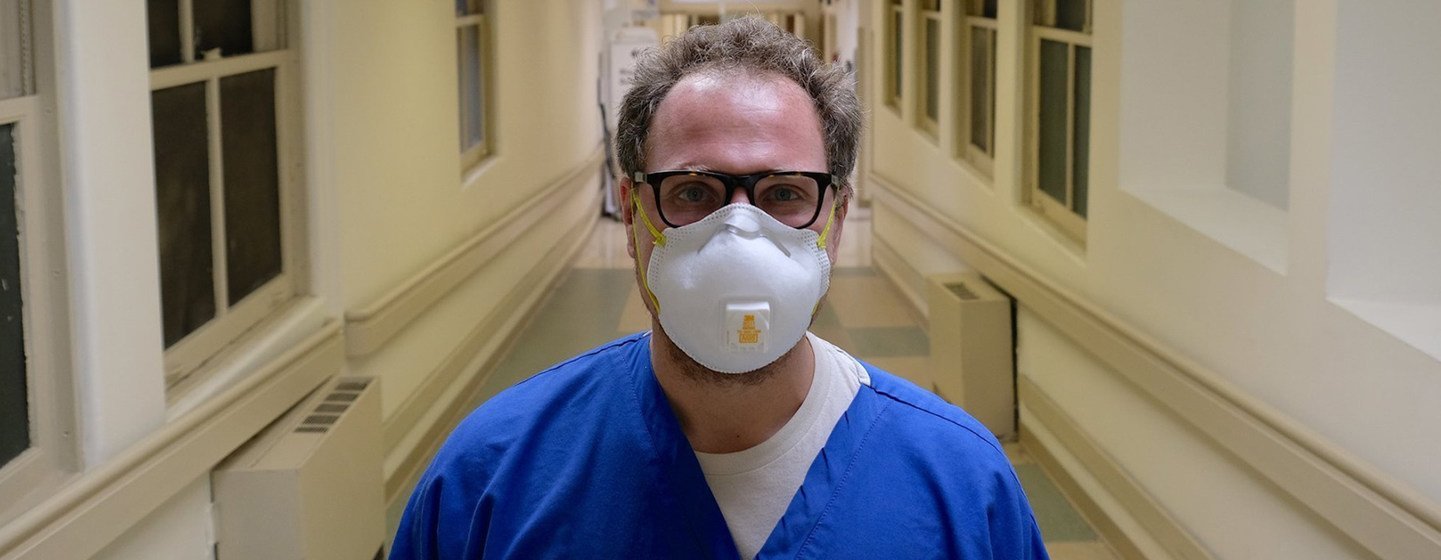
Evgeny Pinelis, Intensive Care doctor, Brooklyn, New York

In an overwhelmed New York ICU, Dr Pinelis worked beyond limits and now warns the world may still be unprepared for what comes next.

When we first spoke to Dr Evgeny Pinelis in the spring of 2020, he was deep in New York City’s overwhelming first COVID wave.

“Our first severe patient came on 7 March. By the end of the month, we had over forty ICU beds full,” he recalled. ICU nurses were pushed beyond safe limits, caring for up to five critical patients at a time.

“I do hope there won’t be a next time, because I’m not confident we’re truly ready.”

Protective equipment ran so scarce that he bought supplies with his own money, while volunteers scrambled to donate gear, some uncertified, but “better than nothing.”

Throughout the crisis, Dr Pinelis shared dispatches on social media, chronicling the chaos with honesty and caution. “I woke up one morning to thousands of new followers,” he said.

Five years later, his reflection is sobering. “I can only speak about this from the perspective of a regular intensive care doctor. And if I had to sum it up, I’d say I realised I’m ready, if necessary, to work far beyond the norm and do everything possible when faced with a poorly understood disease that we didn’t quite know how to treat.”

The public’s reaction, he says, was a mixed bag. “On the one hand, there were volunteers, support, and solidarity.

“But on the other, there were conspiracy theories, complaints about things as trivial as closed theatres, and at times even hostility toward medical professionals and scientists.”

In the earliest days of the pandemic, positivity seemed to win out. “But within a month or so, the negativity began to dominate,” he says. “We were lucky that the disease turned out not to be highly lethal.”

As for preparedness today, Dr Pinelis remains cautious: “Being less prepared than we were in New York is hard to imagine – so yes, we can and should be better prepared. But it seems the lessons learned weren’t quite the ones we hoped for. And I do hope there won’t be a next time, because I’m not confident we’re truly ready.”

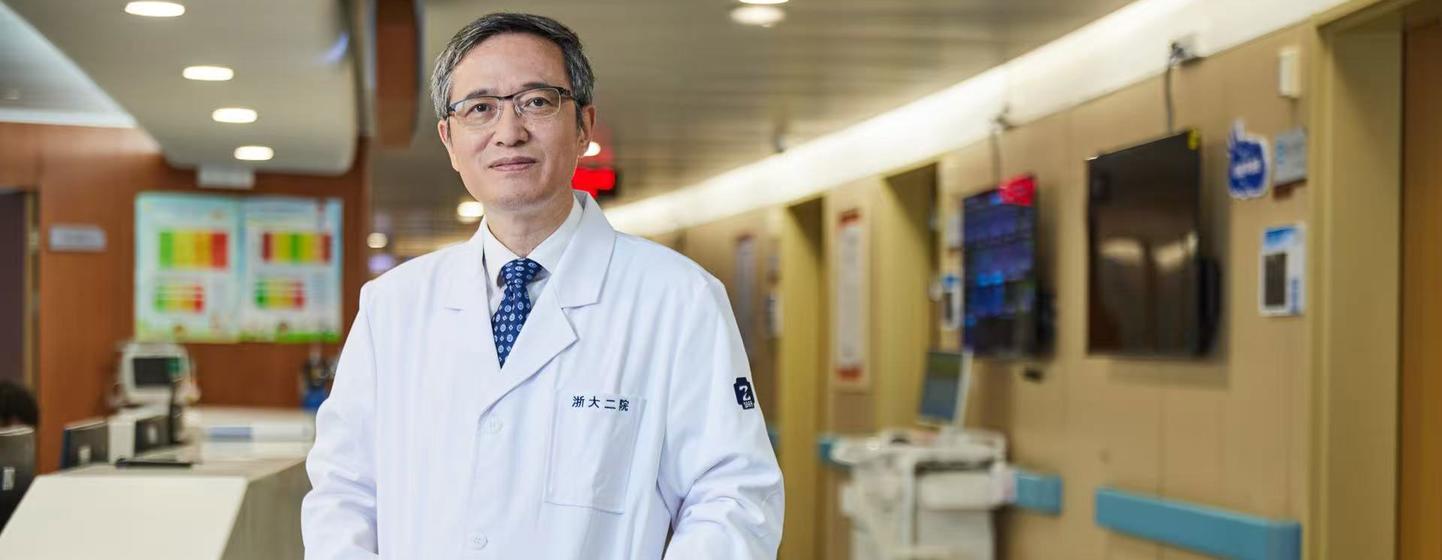
Chen Jingyu, lung transplant surgeon, Wuxi, China

© Wuxi People’s Hospital

Dr Chen performed emergency lung transplants on critically ill COVID patients and now advocates for global cooperation and fair access to care.

In 2020, Dr Chen Jingyu, vice president of Wuxi People’s Hospital and one of China’s leading lung transplant surgeons, performed two of the world’s first lung transplants on critically ill COVID-19 patients.

His team worked under extraordinary conditions, moving their operating theatre into an infectious disease hospital and taking extreme precautions to avoid infection.

“We didn’t know if there was any virus in their airways during the process of cutting off the diseased lung. So, we did the surgery with very strict precautions,” Dr Chen said at the time. “We had a very scientific discussion about how we could save lives, protect our health care workers, and achieve zero infection.”

“The Pandemic Treaty is a turning point in global health.”

Today, Dr Chen says the Pandemic Treaty represents a critical milestone. “The Pandemic Treaty is a turning point in global health governance,” he says. “First, in terms of prevention and early response, the treaty will help build a global coordinated prevention system, strengthen pathogen monitoring and information sharing, and implement the One Global Village, One Health approach.”

“Second, the treaty provides legal guarantees for equitable access to medical resources, avoids national monopolies, and improves global standardisation of care capabilities to patients in severe conditions.”

Dr Chen believes the lessons of the pandemic must be used to build a fairer system. “Access to and training of high-end medical technologies will enhance the ability of developing countries to respond to severe diseases such as respiratory failure and reduce mortality,” he says.

“Only through international cooperation and scientific consensus can we truly have the courage and confidence to fight against pandemics.”

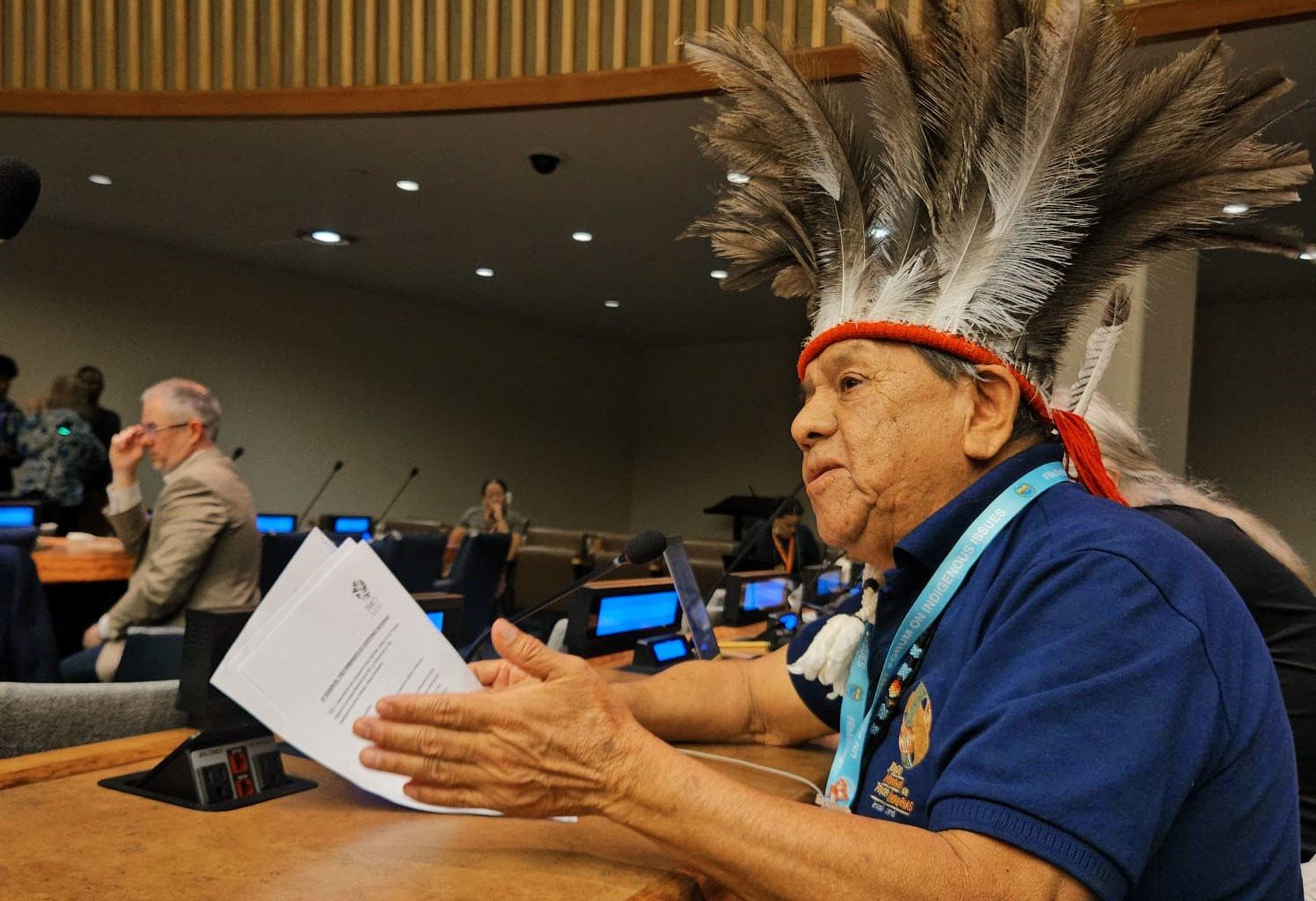
Marcos Terena, Indigenous leader, Brazil

Marcos Terena lost family to COVID and calls for a global pact rooted in dignity, life, and respect for the Earth.

The pandemic devastated Brazil’s Indigenous communities, including Terena’s own Xané people. “I still can remember that morning, in our Indigenous community, when we heard that a cousin of ours had passed away suddenly.

“He started coughing and ended up dying. That scared all of us in our community,” he recalls.

“About two hours after his death, we learned that his wife, who had gone to the hospital to retrieve his body, had also died, from the same symptoms. We started panicking and looking for help, as this was a disease that even our leaders did not know how to handle, how to cure. They did not know much about this disease which was brought to us by the wind.”

The loss became personal when his brother, the creator of the Indigenous Olympic Games, also died of COVID-19. “It brought us emotion, tears. He went to hospital and never came back.”

“The UN must make a pact for life”

Looking back, Mr Terena believes the World Health Organization played a crucial role. “When the WHO became the focal point and the mediator for the pandemic response, this gave the United Nations a very responsible role to play among governments across the globe,” he says.

Today, his message remains urgent and clear. “We are not talking about money or currencies. We are talking about well-being. We the Indigenous people fight for the Earth. The Earth is our Mother, and our source of life; it gives us our cosmovision, our food security and our dignity as peoples.”

As world leaders meet again, he leaves them with a final plea: “The UN should make a pact for life, a pact for dignity and a pact where life is crucial to all.”

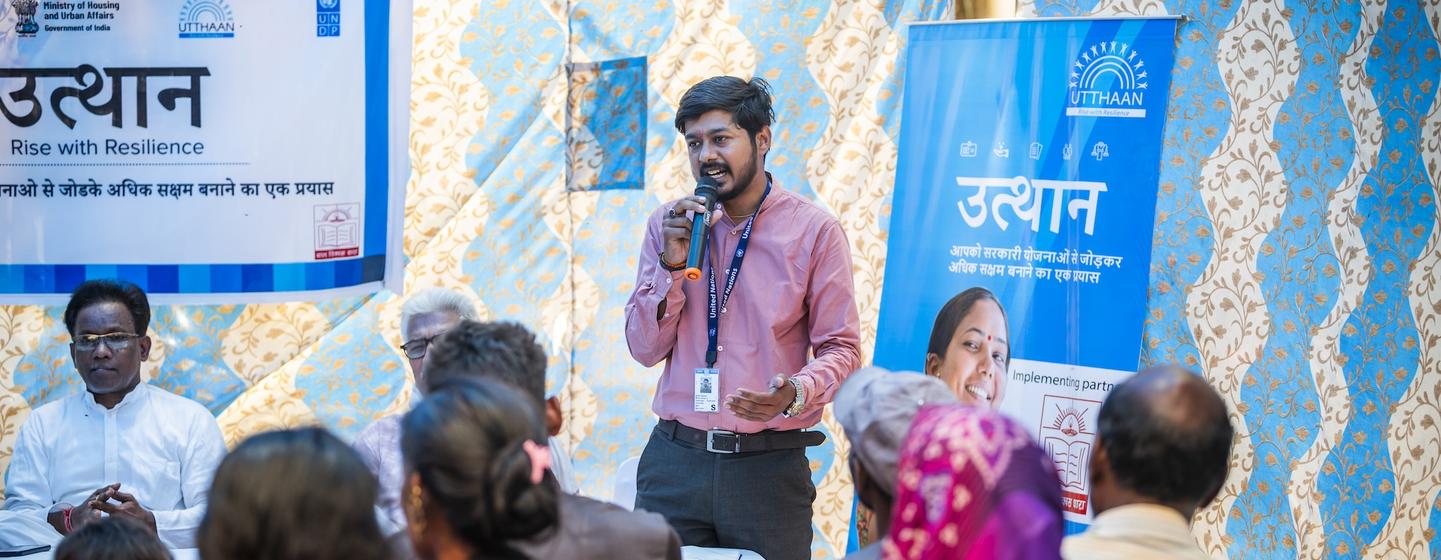
Nikhil Gupta, United Nations youth volunteer, Varanasi, India

© UNDPIndia/Srishti Bhardwaj

UNV’s Nikhil Gupta created grassroots health and education tools during lockdowns, turning remote villages into hubs of volunteer-powered resilience.

As COVID-19 overwhelmed Varanasi, India’s spiritual heart, Nikhil Gupta – a United Nations Volunteer from Uttar Pradesh – stepped in to serve the most isolated communities.

“The pandemic changed everything,” he says. “In Varanasi, COVID-19 infected over 80,000 people, and thousands of families in remote villages were left without access to healthcare, education, or even accurate information. But the crisis revealed not just gaps but grit.”

Mr Gupta and his team launched creative grassroots solutions. “Guided by the UN principle of ‘Leave no one behind,’ we created an animated volunteer guide named Ganga – a friendly character with a warm voice and simple wisdom. Ganga became a beacon of hope, educating villagers about hygiene, safety, and vaccination through videos watched on shared mobile screens under neem trees.”

“When the world paused, we stepped forward. When fear spread, we spread hope.”

They also opened Vidya ki Jhopdi – The Hut of Education. “It was a community classroom built from scrap but powered by purpose. There I met Raju, an 11-year-old from a nearby slum who had lost access to school. He would sit on a worn-out mat every afternoon, eyes wide with wonder, scribbling letters in chalk. Today, he reads and writes fluently, and dreams of becoming a teacher.”

The human moments left the deepest impression. “There was Amma Shanti Devi, a 90-year-old widow in a remote village. Left alone after the lockdown, she hadn’t stepped out in months. Through our volunteers, she received regular wellness check-ins, medicine deliveries, and simply someone to talk to.”

Looking ahead to the Pandemic Treaty, Mr Gupta says is shouldn’t be only technical or top-down. “It should echo the voices of people like Amma and Raju. It must include local wisdom, volunteer networks, and ensure grassroots equity. My message to world leaders? ‘Laws can guide, but love must lead. Invest in hearts that serve, not just in speed.’”

He adds: “Support young changemakers. Recognise the power of community-driven action. Make health systems inclusive. And build a world where, when the next storm hits, the light doesn’t dim. Because in every village, there’s a Nikhil. And in every Nikhil, a youth waiting to be led.”

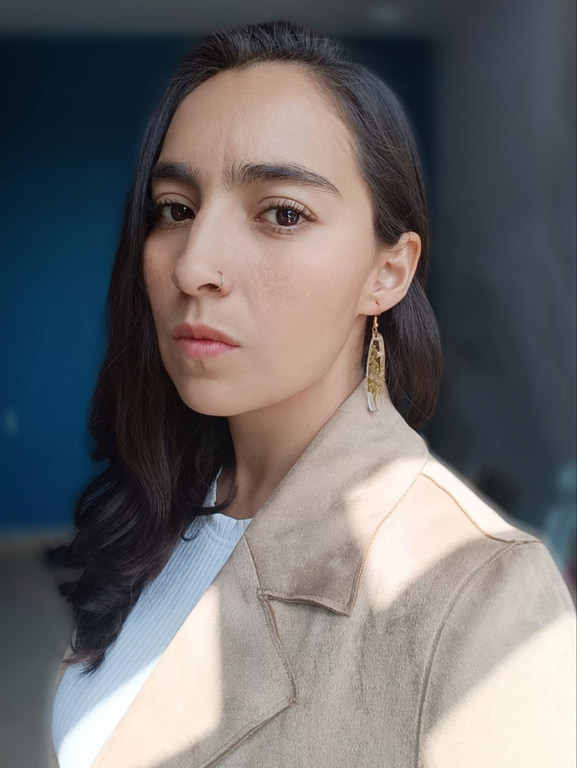
Alejandra Crail, Journalist, Mexico City

Alejandra Crail exposed rising child abuse during lockdown and says future pandemic plans must protect mental and emotional health, too.

“Health is more than vaccines. It’s also mental health, emotional health.”

When the pandemic hit Mexico, Alejandra Crail was not just reporting the crisis, she was sounding an alarm. Her investigation, To Kill a Son, revealed that every two days in Mexico, a child under 15 is killed – often at home, and often by someone in their own family.

“Let me remember something,” she says. “At the beginning of the Coronavirus, I started to talk to different experts on childhood rights and domestic violence…We were worried because we were about to lose our eyes in schools, sports, and community centres. Children were more vulnerable than ever during the COVID era.”

For many, home wasn’t a safe haven. “Their houses were the most dangerous places for them, and their nearest family members are usually their attackers.”

Now, five years later, the violence hasn’t eased. “The number of domestic violence cases has increased after the pandemic,” Ms Crail says.

She shares one case she can’t forget. Joselina Zavala, a grandmother who reported the sexual abuse of her disabled grandson. “She went to the police…despite the testimony of the child and the proof, his father was absolved.

“When people go to the authorities to achieve some kind of justice… the authorities usually don’t investigate enough, and the crimes are unsolved.”

The pandemic also reshaped her personal convictions. “Health is the most important thing to make sure that we have,” she says. “When we live in a country like Mexico, where we don’t have a good public health system, a pandemic or any other illness can be very, very hard to survive.”

She adds, “Work isn’t the most important thing in the world. Family – your loved ones – are the real treasure. We need to spend more time with them, because we don’t know how much time we can share.”

Looking ahead to the World Health Assembly and the Pandemic Treaty, she warns that global responses must go beyond access to vaccines and medicine. “Health is more than vaccines. It’s also mental health, emotional health,” she says.

Her final message to world leaders is as personal as it is political: “We need to open paths that benefit all countries that make up the world. These issues must be on the table because in a pandemic, they can be the difference between a family surviving adversity, or not.”


Source link

‘On thin ice’: UN chief sounds alarm over rapid Himalayan glacier melt

António Guterres issued the warning in a video message to the inaugural Sagarmatha Sambaad, or “Everest Dialogue,” convened by the Government of Nepal in Kathmandu.

Record temperatures have meant record glacier melt,” he said.

“Nepal today is on thin ice – losing close to one-third of its ice in just over thirty years. And your glaciers have melted 65 per cent faster in the last decade than in the one before.”

Named after Mount Everest (Sagarmatha in Nepali), the international platform convened ministers, parliamentarians, climate experts, and civil society to focus on climate change, mountain ecosystems, and sustainability.

Secretary-General’s video message.

Two billion futures at stake

Glaciers in the region have served for centuries as vital freshwater reservoirs. Their accelerated melt now threatens not only local communities but vast populations downstream who rely on Himalayan-fed rivers.

Reduced water flow in river systems such as the Ganges, Brahmaputra and Indus threatens not only water but also food production for nearly two billion people across South Asia.

Combined with saltwater intrusion, this could trigger collapsing deltas and mass displacement, the UN chief warned.

“We would see low-lying countries and communities erased forever,” he said.

Children raise their voices

Ahead of the summit, Nepal’s children and youth stepped into the spotlight with their own call to action.

In a declaration submitted to the dialogue, over 100 children and young people demanded urgent and inclusive climate action that recognizes them as rights-holders and climate actors – not just passive victims.

Among their key demands: ensuring child participation in climate decisions, supporting youth-led programmes, and promoting their innovations and climate action.

The climate crisis is a child rights crisis – disproportionately impacting their health, nutrition, education and well-being,” said Alice Akunga, head of the UN Children’s Fund (UNICEF) in Nepal, which supported the deliberations.

“Listening to the voices of the ‘future of humanity’ is critical to designing and implementing meaningful and lasting solutions to address the adverse effects of climate change on children and youth.”

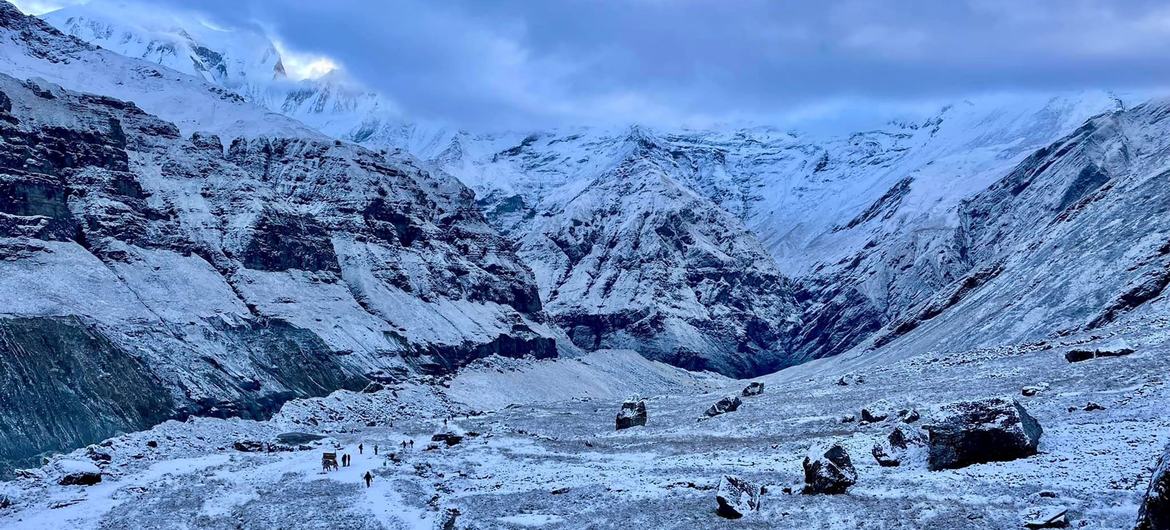
Glaciers in the high Himalayas, like those in Nepal’s Langtang region (pictured), feed major South Asian river systems sustaining tens of millions of lives and livelihoods downstream

Stop the madness

In his message, Mr. Guterres reiterated his call on the world to “stop the madness” of fossil fuel-driven global warming, a warning he made during his previous visit to the Everest region in 2023.

At the time, he stood amid glacial basins in the Himalayas, warning that the “rooftops of the world” were rapidly vanishing.

“And that is why you are gathered together focused on Sambaad – dialogue,” the UN chief said on Friday, applauding Nepal’s climate leadership, including reforestation programmes, early warning systems and its goal to achieve net-zero emissions by 2045.

Act now

The world must act without delay to limit global temperature rise to 1.5°C, he continued – the target set by the Paris Agreement on climate change – with the biggest emitters leading the way.

This includes investing in renewable energy, fulfilling the $1.3 trillion climate finance goal agreed at COP29, doubling adaptation finance to at least $40 billion this year as pledged by developed countries, and providing robust, sustained support to the Loss and Damage Fund.

Achieving these goals demands bold collaboration,” Mr. Guterres concluded. “The United Nations is your ally in this essential task.”

World News in Brief: Russia-Ukraine talks, Sudan exodus worsens, Colombia displacement rises

Delegations met in Istanbul for the first direct negotiations in three years, including on a potential ceasefire and large-scale prisoner exchange.

The UN acknowledged the important role of Türkiye and the United States in facilitating the talks, said Stephanie Tremblay, a spokesperson for the global body in New York.

“We hope this process will lead to a full, immediate and unconditional ceasefire in Ukraine, which would serve as a critical step towards creating the conditions for a just, comprehensive and sustainable peace in Ukraine, in line with the UN Charter, international law and relevant UN resolutions,” she said.

Russia launched its full-scale invasion of Ukraine in February 2022 and the talks marked the first time the parties have met since the early months of the war.

Sudan exodus: Worst situation in decades, UN refugee agency warns

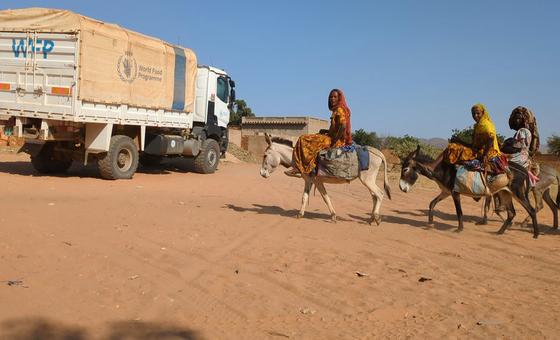
Tens of thousands of refugees fleeing escalating violence in Sudan continue to escape to Chad at speeds not seen since the start of the conflict two years ago, the UN refugee agency, UNHCR, said on Friday.

Many others remain trapped by heavy fighting between government and paramilitary forces.

UNHCR spokesperson Eujin Byun told UN News that 20,000 Sudanese refugees are arriving each week in eastern Chad and more than 70 per cent are victims of serious human rights violations during their journey, including assault, extortion and sexual violence.

She said the head of UNHCR’s office there has characterized this as “the worst situation he has encountered in his entire decades of career as humanitarian.”

One in two refugees who spoke to the UN agency said that they had relatives “trapped in Sudan” because they have no transport and were afraid of arbitrary arrest or forced recruitment.

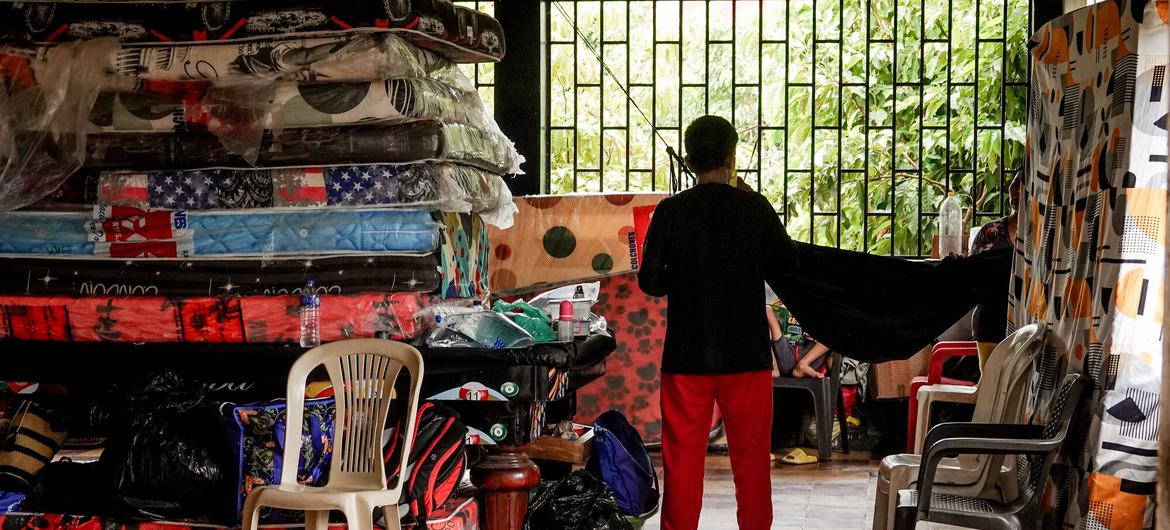
A displaced family at a temporary shelter in Catatumbo, Colombia.

Over 66,000 Colombians displaced since January 

More than 66,000 people in Colombia have been newly displaced since mid-January due to fighting between two non-State armed groups, the UN Office for the Coordination of Humanitarian Affairs (OCHA) said on Friday.

This represents a 28 per cent increase compared to the number of Colombians displaced in the entirety of last year.  

Moreover, at the end of 2024, 7.3 million people remained displaced within the country due to violence or conflict – the third largest number outside of Sudan and Syria.

In February, the UN’s Central Emergency Response Fund (CERF) allocated $3.8 million to support new displacements in Colombia. UN aid agencies have been working to distribute this aid, especially in Catatumbo which has been hardest hit by the violence.  

However, the UN estimates that humanitarians will need $342 million to fully meet the growing needs. So far, they have received only 14 per cent of this money.  

The recent deadly violence in Colombia’s Catatumbo region has highlighted the ongoing challenges in consolidating peace, eight years after the signing of the 2016 Final Peace Agreement, t

Source link

Journalists being forgotten on the frontline, warns injured war reporter

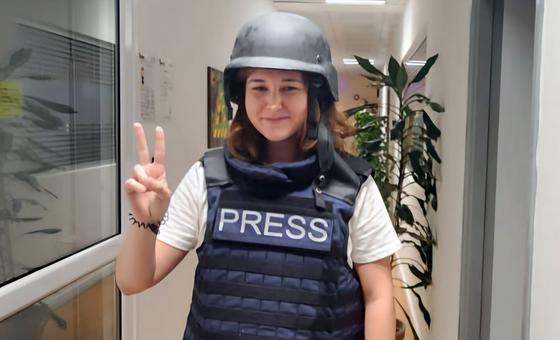
“I believe in nothing right now. Our press vests are turning us into targets and it’s becoming a death sentence for us,” Christina Assi told UN News recently.

On 13 October 2023, Ms. Assi – who was working as a photojournalist for Agence France Presse (AFP) – lost her right leg after two Israeli air strikes targeted the exposed hillside where she and other colleagues were observing the ongoing conflict between Israeli forces and Hezbollah militants.

This year’s commemoration of World Press Freedom Day on 3 May was marked with sorrow as nearly 300 journalists have been killed in recent conflicts. 

Ms. Assi stands among the few survivors, and she never imagined that she would be targeted simply for doing her job.

The day of the attack

She recounted the harrowing events of that day – one of her first major assignments, which quickly became the most traumatic experience of her life.

“It was starting to get dark and that’s when we were about to leave and then suddenly, out of nowhere, we were targeted,” she said.

“The first time I was on the ground, I couldn’t really understand what was happening, and I was screaming for help. So, my colleague Dylan rushed to help me and put a tourniquet on me. But then, like 40 to 47 seconds later, we were targeted again.”

After the second strike, Ms. Assi found herself alone beside a burning car. Bleeding and gravely injured, she had no choice but to crawl away to save her life.

“My press vest was too heavy, and the camera belt was suffocating,” she recalled. In that moment, she began to lose faith in international laws and conventions.

“As journalists, we are left alone,” she said. “Our press vests are turning us into targets—it’s becoming a death sentence for us.”

The silence of the international community

For Ms. Assi, the international community’s response to the attack – including condemnations and UN calls for investigation – has been utterly ineffective.

“I do believe that we need more than words. We need concrete action and something to happen where that should lead to justice in one way or another. If it’s not now, then later,” she said.

She strongly condemns the impunity with which attacks on journalists continue. “Our cases are being dismissed as collateral damage when, in fact, they are not. These are war crimes, and there should be a real investigation.”

The forgotten journalists of Gaza

Ms. Assi also emphasized that the same impunity applies to Palestinian journalists in Gaza, who have been documenting the war there since day one.

“They’ve been silenced, targeted in every possible way. It’s all over social media and in the news—and yet nothing has been done. No action has been taken to protect these journalists,” she said.

She pointed out that the lack of international presence hasn’t stopped the violence. “Even with the limited footage we’ve received, it’s clear how horrific everything is. But the world hasn’t reacted the way it should have. No one has even tried to stop it.”

Carrying the flame

Nearly a year after losing her leg, Ms. Assi carried the Olympic torch in the French city of Vincennes, ahead of the Paris Games in July 2024.

It was more than a symbolic gesture but a powerful opportunity to pay tribute to her colleague, Reuters journalist Issam Abdallah, who was killed in the same attack. 

“It was a great opportunity for us to honour all the fallen journalists and let the world and the international community and the Europeans and all those who didn’t know about what happened to us, let them know about what happened,” she said.  

Source link

UN’s Türk criticises ‘draconian’ decree limiting dissent in Mali

Volker Türk on Friday called the decree “draconian” and urged Mali’s Transitional President, General Assimi Goïta, to reverse the decree issued earlier this week.

Signed on 13 May, the decree dissolves all political parties and “organizations of a political nature” nationwide. It was preceded by the repeal of legislation that had safeguarded political participation.

Any restrictions of political participation must be consistent with Mali’s international human rights law obligations,” High Commissioner for Human Rights Türk said.

He urged the transitional authorities to release those who have been arrested on politically motivated grounds and to fully restore political rights in the country.

Erosion of civic space

The clampdown comes amid a broader erosion of civic space in Mali since the military seized power in successive coups in 2020 and 2021.

According to media reports, the government’s move was read out on state television on Tuesday and cited the need to curb the “proliferation” of political parties.

At least three opposition members were reportedly arrested following protests against the decree, with their whereabouts currently unknown – part of what Mr. Türk described as a troubling pattern of enforced disappearances dating back to at least 2021.

A group of UN independent rights experts also condemned the developments in a separate statement last week, warning that the decree and accompanying legislation represent “a direct violation of basic human rights.”

Elections in question

The experts – who are independent of the UN and serve in their personal capacity – criticised the transitional authorities for using the 2021 national consultations, the Assises Nationales de la Refondation and April 2025 consultation on review of the Charter of Political Parties, as justification for authoritarian measures.

Several political parties boycotted those consultations, citing fears they were being used as a pretext to dismantle political opposition.

Among the recommendations emerging from those meetings, the Council of Ministers reportedly discussed naming Gen. Goïta as president for a renewable five-year term – without holding elections.

The UN has urged the transitional authorities to refrain from extending the transition period again and to publish an electoral timetable without delay.

High Commissioner Türk recalled Gen. Goïta’s instructions to the Cabinet of Ministers in November 2024 to create conditions for “transparent and peaceful elections,” a promise that now appears increasingly hollow.

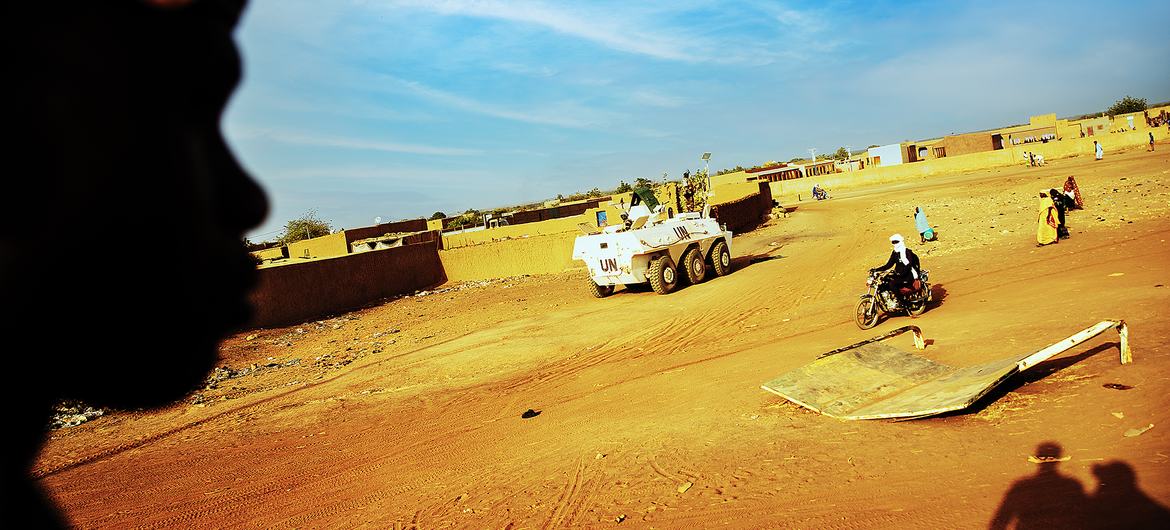
A MINUSMA patrol in the town of Ménaka, eastern Mali. The mission closed at the end of 2023. (file photo)

Spiralling security situation

Beyond political repression, Mali is grappling with worsening security conditions following the closure of the UN peacekeeping mission, MINUSMA, at the end of 2023.

According to credible information received by the UN rights office, OHCHR, violations and abuses increased by nearly 120 per cent between 2023 and 2024.

The withdrawal of French forces and the European Union Training Mission in Mali in 2022 also contributed to the deteriorating security situation across the West African landlocked country.

Civilians across the country continue to face deadly attacks – including killings, abduction, and sexual and gender-based violence – by extremist groups including Jama’at Nusrat al-Islam wal-Muslimin (JNIM) and the Islamic State – Sahel Province.

Government forces, allegedly accompanied by foreign military personnel widely referred to either as “Africa Corps” or “Wagner,” have also been accused of serious abuses. Last month, dozens of civilians were reportedly killed in the southwestern Kayes region after being detained by Malian forces and foreign partners.

Bring perpetrators to justice

Mr. Türk underscored the need to ensure accountability for rights violations and abuses.

The multiple investigations announced by the Malian authorities into these killings must be prompt, impartial and meet international standards, he said, “with a view to ensuring victims’ rights to truth, justice and reparations.”

Source link

End senseless killings in the West Bank: UN rights office

OHCHR has urged Israel to stop all extrajudicial executions and other unlawful use of force and ensure all those responsible are brought to justice.

Over the last two weeks, Israeli security forces killed two Palestinian men in planned summary executions, while seven others were killed in conditions that raise concerns over the use of unnecessary or disproportionate lethal force, the office said in a statement.

On 8 May, Israeli undercover forces appear to have summarily executed a 30-year-old Palestinian man who was being sought in the old city of Nablus.  

CCTV footage suggests that an undercover officer killed the man while he tried to surrender and then shot him again as he lay on the ground, seemingly to “confirm the killing”, OHCHR said.

No evidence of threat

Moreover, the video evidence appears to contradict claims that the man was armed and posed a threat to the officers.

In another incident in Nablus, disguised Israeli security forces chased and killed a 39-year-old Palestinian man they were seeking out in Balata refugee camp on 2 May.  

“Although Israeli security forces claimed that they found a gun and cartridges in his car, they made no claim that he posed a threat to life at the moment he was shot,” the statement noted.

This past Wednesday, Israeli security forces reportedly fired live ammunition and injured a young Palestinian man near the Qalandiya Refugee Camp in Jerusalem. A video shows two Israeli soldiers repeatedly kicking him in the head while he lay injured on the floor from a wound to the thigh.

OHCHR said the soldiers then walked away, without carrying out an arrest or providing medical assistance to the man. 

End collective punishment

The pregnant Israeli woman, 30, was reportedly shot and killed by armed Palestinians while on the highway near Brukhin settlement, west of Salfit, on Thursday.

She was on the way to the hospital to give birth and was being driven by her husband, who was badly injured, according to media reports.

Following the incident, Israeli security forces closed several checkpoints in the northern and central West Bank. 

They also imposed severe movement restrictions particularly around Burqin and Salfit, while an Israeli minister called for the “flattening” of Palestinian villages in response. 

OHCHR said Israeli security forces must ensure that measures adopted following the attack comply with international law, including the prohibition of collective punishment.

UN deplores ‘criminalisation’ of education

Meanwhile, the UN agency that assists Palestine refugees, UNRWA, reported that its schools in East Jerusalem remain empty after Israeli forces enforced their closure last week, affecting nearly 800 students.

“Schools that have been providing education for decades now stand silent, and the daily life of these children has been shattered,” the Director of UNRWA Affairs for the West Bank, Roland Friedrich, said in a tweet on Friday.

He said Israeli forces returned to the schools at the Shu’fat camp and forced their way inside “in a clear attempt to verify that no educational activities were taking place.”

Heavily armed personnel also roamed the schoolyards searching for children and teachers, he added.

“The criminalisation of education at UN schools in East Jerusalem by Israeli authorities is reprehensible at all levels,” said Mr. Friedrich, calling for classrooms to be re-opened immediately. 

Another year, another rise in food insecurity – including famine

It is the first time since 2017 that a famine has been declared anywhere on Earth.

In the 20 months since the war between rival militaries erupted, 13 million Sudanese have been forcibly displaced and over 30.4 million are in desperate need of humanitarian assistance, according to UN estimates.

The inhabitants of the Zamzam camp, like others in the Darfur region, have once again been displaced as extreme violence permeates every corner of the country.

In short, Sudan has quickly become one of the most severe food insecurity crises in history.

‘Scar’ of hunger

But in a year when the number of people experiencing acute food insecurity increased for the sixth consecutive year, Sudan is far from the only place marked by what the UN Secretary-General António Guterres has called the “scar” of hunger.

According to the 2025 Global Report on Food Crises, which was released Friday, over 295.3 million people in the 53 countries and territories selected for the report faced acute food insecurity, a number which amounts to 22.6 per cent of the population analysed.

The report “is another unflinching indictment of a world dangerously off-course,” the UN chief said.

‘A failure of humanity’

The report identified 36 countries and territories which have had prolonged food crises, with 80 per cent of their inhabitants facing high levels of food insecurity every year since 2016.

Moreover, the number of people facing catastrophic levels of food insecurity, as determined by the IPC standards, doubled between 2023 and 2024.

“After years of recurring emergencies in the same contexts, it’s clear that business-as-usual is not working,” the report concluded.

For the first time, the annual report also provided data on nutrition, estimating that 37.7 million children aged 6-59 months experienced acute malnutrition in 26 countries.

Numbers like this do not emerge randomly, nor do they emerge in a vacuum. Rather, the report notes that this level of worldwide food insecurity is the result of multiple, intertwined factors.

No region is immune, with crises overlapping and interacting, eroding decades of development gains and leaving people unable to recover,” the report said.

More than a systems failure

Increased conflict was one of the driving causes for increasing food insecurity in 2024, specifically in the Democratic Republic of Congo, Haiti, the Sudan, South Sudan, Myanmar and Palestine – the Gaza Strip.

Gaza experienced the highest share of its population facing food insecurity, with 100 per cent of its inhabitants facing acute food shortages in 2024. Continued aid blockages since March 2025 have only worsened this insecurity.

The report also underlined the role that climate change plays in food shortages, pointing specifically to changing weather patterns which have impacted agriculture.

For example, the food situation in Sudan was worsened by low rainfall in 2024 while other parts of Southern Africa such as Namibia experienced crop failures due to flooding.

War, climate, economic shocks

Economic shocks, including inflation and projected trade wars, also played a large role in worsening food insecurity crises, especially in places like Syria where long-term systemic instabilities increased vulnerabilities to economic shocks.

The Secretary General emphasized, however, that food insecurity at this level cannot simply be explained by one cause.

“This is more than a failure of systems – it is a failure of humanity,” he said.

New strategies, fewer funds

Recent funding shortages are projected to further exacerbate abilities to track and deal with food insecurity with funding for food-based humanitarian initiatives expected to drop by 45 percent

Cindy McCain, Executive Director of the World Food Programme (WFP), said that the funding shortages are impacting every aspect of food distribution, from decreasing the amount of food WFP can provide and the funding for transport to remote areas.

As things stand, I do not know if we will be able to keep our planes in the sky,” Ms. McCain said.

Because recent funding cuts will negatively impact efforts to provide aid, the report underlined the importance of finding “cost-efficient” strategies which do more to invest in long-term community resilience and capacity development.

“[Addressing the root causes of food insecurity] requires better alignment of humanitarian and development investments, and a shift from treating food crises as seasonal shocks to confronting them as systemic failures,” the report said.

The UN Pact for the Future agreed in September 2024 dealt in part with the question of food insecurity in the 21st century, advocating for more resilient, inclusive and sustainable food systems.

Building on this, the Food and Agriculture Organization (FAO) is advocating for expanded investment in sustainable agriculture, which is four times more cost-effective than direct food assistance but only accounts for three percent of  humanitarian funds.

“At FAO, we know that agriculture is one of the most powerful yet underused tools we have to curb food insecurity … Agriculture can be the answer,” said Rein Paulsen, Director of FAO’s Office of Emergency and Resilience.

Hunger is ‘indefensible’

In his video message on the report, the Secretary-General said that the Second UN Food Systems Summit Stocktake, which will be held in July in Addis Ababa, is an opportunity for the international community to work collaboratively towards addressing the challenges laid out in the GRFC report.

Hunger in the 21st century is indefensible. We cannot respond to empty stomachs with empty hands and turned backs,” he said. 

Source link

Gazans ‘in terror’ after another night of deadly strikes and siege

Updating journalists in Geneva, Dr. Margaret Harris described another night of terror in the war-torn enclave.

She said that some of those injured in the attacks had sought help from the Indonesian hospital in northern Gaza, even though it was now “just a shell” after 19 months of war.  

“We’ve done our best to bring it back together and they are doing their best to treat everyone, but [medical teams] lack everything needed,” she insisted.

Rejecting accusations that relief supplies have been handed over to Hamas, the WHO spokesperson said that “in the health sector, we’ve not seen that. All we see is a desperate need at all times.”

Echoing that message, the UN aid coordination office, OCHA, explained that a stringent system of checks and reports to donors meant that all relief supplies were closely tracked in real time, making diversion highly unlikely.  

Even if it were happening, “it’s not at a scale that justifies closing down an entire life-saving aid operation,” OCHA spokesperson Jens Laerke said.

If you had been in a coma for the last three years and you woke up and saw this for the first time, anyone with common sense would say this is insane.

The development comes more than 10 weeks since the Israeli authorities stopped all food, fuel, medicines and more from reaching Gaza.  

To date, their proposal for an alternative aid distribution platform bypassing existing UN agencies – widely criticized by the humanitarian community – has not been implemented.  

The result has been rising malnutrition – unknown in Gaza before the war – and looming famine, while thousands of truckloads of essential supplies have had to be stored in Jordan and Egypt, according to UNRWA, the UN agency for Palestine refugees and the largest aid operation in Gaza.

In its latest update, OCHA said that the UN and its partners have 9,000 truckloads of vital supplies ready to move into Gaza. More than half contain food assistance which could provide months of food for the enclave’s 2.1 million people.

An inventory of the relief supplies “waiting just outside the borders to get in” illustrates their humanitarian purpose, Mr. Laerke said.

Pasta and stationary: Weapons of war?

“It includes educational supplies, children’s bags, shoes, size three to four years old and up to 10 years old; stationery and toys, rice, wheat flour and beans, eggs, pasta, various sweets, tents, water tanks, cold storage boxes, breastfeeding kits, breastmilk substitutes, energy biscuits, shampoo and hand soap, floor cleaner. I ask you, how much war can you wage with this?

Mr. Laerke said that UN officials have held 14 meetings with the Israeli authorities about their proposed aid scheme, which if implemented would restrict aid “to only part of Gaza” and exclude the most vulnerable.

It makes starvation a bargaining chip,” he maintained.

More than 53,000 people have been killed in Gaza since war erupted on 7 October 2023 in response to Hamas-led terror attacks on Israel, according to the health authorities.  

WHO said only 255 patients needing specialist care outside the Strip have been evacuated since 18 March leaving more than 10,000 patients – including approximately 4,500 children – who also need urgent medical attention outside Gaza.

In response to this week’s attack on the European General Hospital in Khan Younis, WHO’s Dr. Harris noted that it had been used as a meeting point for an evacuation. “That first bombing, as you probably know, destroyed two of the buses that we’d assembled to take children,” she added.

On Tuesday, the Security Council heard the UN’s top aid official Tom Fletcher call for immediate international pressure to stop Gaza’s “21st century atrocity” – a message amplified by OCHA’s Mr. Laerke:

The situation as it has developed now is so grotesquely abnormal that some popular pressure on leaders around the world needs to happen,” he said.

“We know it is happening, I’m not saying that people are silent, because they are not. But it doesn’t appear that their leaders are listening to them.”

‘We are still waiting for our loved ones’: Families of the abducted speak out

Each called for justice under international law and for perpetrators to be held accountable.

Sung-Eui Lee, daughter of a South Korean man abducted by North Korean forces during the Korean War, and Ruby Chen, father of an Israeli soldier taken by Hamas during the 7 October 2023 attacks on Israel, spoke in the Security Council.

Together they called for resolution 2474 to be upheld, which affirms the right of families to know the fate of missing relatives in armed conflict.

75-year-long wait

“For 75 years, I’ve been waiting for my father to come back,” said Ms. Lee, who was just 18 months old when her father, prosecutor Jong-Ryong Lee, was forcibly taken to North Korea.

We still do not know where he is, whether he is alive or dead. This is the first and the largest case of enforced disappearance, and it remains unresolved.”

This is an ongoing crime
– Sung-Eui Lee, daughter of Jong Ryong Lee

Representing the Korean War Abductees Family Union, she described decades of effort to document the abductions and press for answers, efforts often met with silence from Pyongyang.  

An ongoing crime

“In spite of all the clear evidence including the living witnesses like us, the DPRK (Democratic People’s Republic of Korea – as North Korea is formally known) has never admitted their abduction crime. This is an ongoing crime, the first and the largest case of enforced disappearance,” Ms. Lee said.

She urged the international community to hold North Korea accountable, including by referring the case to the International Criminal Court (ICC), and to support the repatriation or identification of the remains of the nearly 100,000 others missing.

“This is an ongoing crime,” she said. “If this case was properly resolved…subsequent kidnapping crimes in Japan, Thailand, Romania – could have been prevented.

Not knowing

Speaking next, Ruby Chen spoke of the pain of not knowing the fate of his son, Itay Chen – a joint US-German-Israeli national – after being captured by Hamas.

The 19-year-old soldier was stationed near the Gaza border when he and his tank crew were attacked and taken on 7 October 2023.

For 587 days, we have waited
– Ruby Chen, father of Itay Chen

“For 587 days, we have waited,” Mr. Chen said.

In March, the Israeli military told us Itay likely did not survive. But Hamas refuses to confirm and refuses to return him – even in death.

He described the refusal to acknowledge or release the bodies of deceased hostages as a form of “slow psychological torture,” not only for his family but for dozens of others.

Families deserve closure

What kind of human beings take deceased people and use them as negotiation chips,” he said, “Who denies the deceased the last basic human dignity that they deserve?”

Mr. Chen called for the appointment of a dedicated UN special representative or envoy for hostage affairs and address the broad range violations and harms associated with hostage taking.

“There must be consequences,” Chen said. “This isn’t just a political issue – it’s a humanitarian one. Families deserve closure. Hostage-taking must become a liability, not a strategic asset.

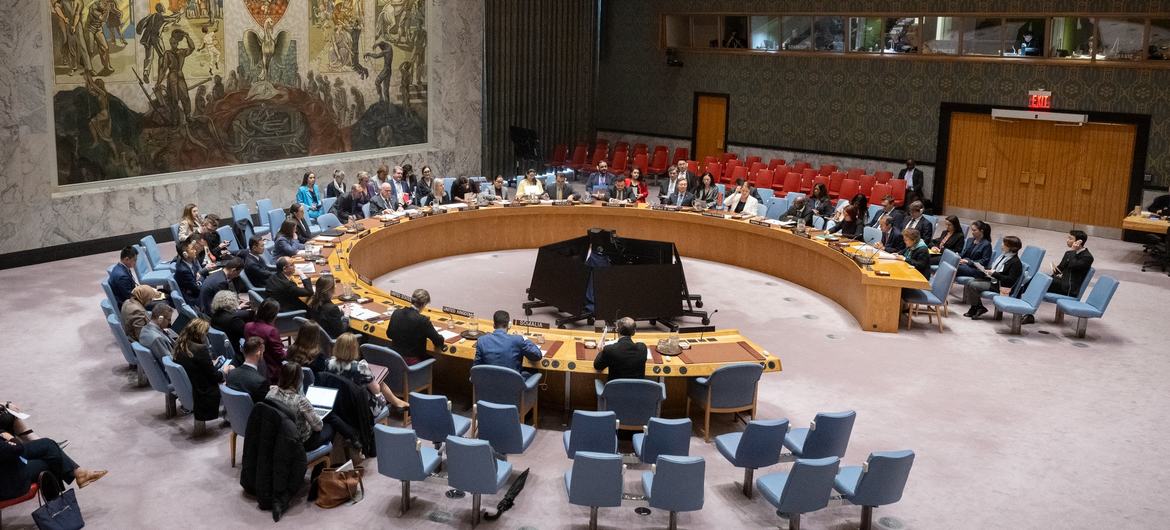
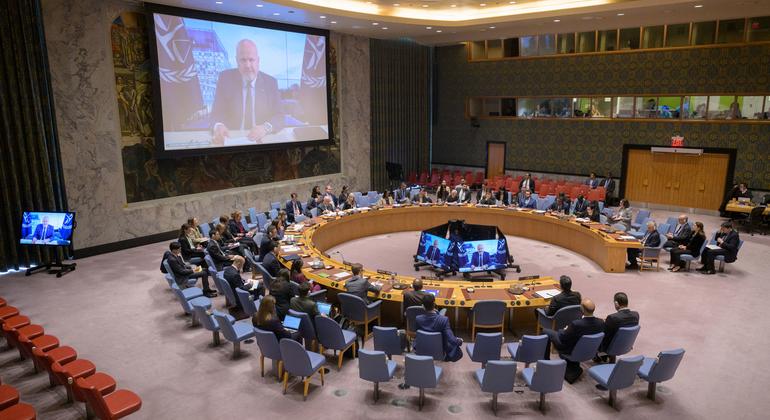
A wide view of the Security Council meeting.

Resolution 2474

The testimonies were delivered during a Security Council session dedicated to missing persons in armed conflict.

Resolution 2474, adopted unanimously in 2019, obliges all parties in conflict to take all appropriate measures to account for the missing, enable the return of their remains, and to provide families with information on their loved ones’ fate.

Also speaking in the Council, Khaled Khiari, Assistant Secretary-General at the UN Department of Political and Peacebuilding Affairs, warned that the crisis of missing persons continues to deepen in conflicts worldwide. 

In Ukraine, large numbers of civilians – including children – remain unaccounted for in areas under Russian occupation. In Myanmar, disappearances have surged since the 2021 military coup, amid a lack of due process.

In Syria, the missing persons crisis has become a defining feature of the conflict, Mr. Khiari said, noting also that questions remain over the fate of those missing from the 1991 Gulf War, as well as the enduring impacts on families and communities in Cyprus.

Let us move on

Both speakers underscored the need for the Security Council deliver on the resolution’s promise.

“Time is running short,” Ms. Lee told ambassadors. “Most siblings and spouses of the abductees have already passed away. We, the children, are growing old. There is not much time left.”

Mr. Chen echoed her plea: “I request your support to enable families of this tragic fate, such as mine, have closure and the ability to move on to the next sad chapter in life.

Assistant Secretary-General Khiari briefs the Security Council.

Source link

Gaza: New displacement orders force thousands to flee as famine looms

In addition to ongoing bombardment, Israel issued another three displacement orders over the past two days, covering seven per cent of the total area of the territory. 

Overall, some 71 per cent of the Gaza Strip is under displacement orders or in Israeli-militarized zones, where the Israeli authorities require humanitarian teams to coordinate their movements. 

These displacement orders come as populations across Gaza are at risk of famine and one in every five people faces starvation,” the agency said.

Thousands uprooted

Evacuation orders announced on Thursday have impacted thousands of residents in 10 neighbourhoods in Deir Al-Balah and Khan Younis, OCHA reported.

Initial assessment indicates that the affected area includes eight wells, five reservoirs, seven humanitarian warehouses, three health clinics and other critical facilities. 

Furthermore, displacement orders issued on Wednesday for six neighbourhoods in North Gaza governorate overlap with parts of zones covered under orders issued the previous day.

“According to preliminary estimates, the newly impacted area is home to approximately 100,000 people,” OCHA said. 

Some 30 sites for internally displaced people, six temporary learning spaces serving approximately 700 students, and several water and sanitation facilities have been affected.

Fleeing families return

Humanitarian partners report that several hundred families fled parts of the designated areas on Wednesday, however dozens have since returned due to lack of space and shelter.  

Another displacement order was also issued that same day for parts of the Rimal area of Gaza City.

OCHA further reported that Israeli forces hit another school-turned-shelter run by the UN agency that assists Palestine refugees, UNRWA, in the Nuseirat area of Deir Al-Balah on Wednesday.  No injuries were reported.

Humanitarians committed to deliver

Meanwhile, the UN and partners on the ground are committed to stay and deliver in the Gaza Strip despite the mounting challenges. 

On Wednesday, the World Health Organization (WHO) evacuated 284 patients and their companions from the European Gaza Hospital in Khan Younis to Europe and the United Arab Emirates. Israeli forces hit the hospital premises twice one day prior to the scheduled evacuation. 

European Gaza Hospital is no longer functional following the attack, WHO Director-General Tedros Adhanom Ghebreyesus said in a tweet on Thursday.

“The hospital’s closure has cut off vital services including neurosurgery, cardiac care, and cancer treatment—all unavailable elsewhere in Gaza,” he said.

He added that another strike near the Indonesian Hospital “spread fear, disrupted access, and raised the risk of closure.” 

Tedros underlined that “hospitals must be protected”, saying “they must never be militarized or targeted.”

Time is of the essence

More than two months have passed since Israel implemented a full blanket ban on the entry of cargo into the Gaza Strip, including aid and other life-saving supplies, which continues to drive hunger and deprivation.  

UN teams report that the number of hot meals provided by community kitchens has fallen from one million to just 249,000 a day.

OCHA Spokesperson Olga Cherevko told UN News that the situation will continue to worsen as supplies run down, forcing more kitchens to close.

People are terrified and are telling me every day that they don’t know how they will survive,” she said.

“I have passed several kitchens in the past few days where crowds of people were standing with empty pots and despair in their faces, and these people were being told to go home because all the food had run out for that day.”

The UN and partners have 9,000 truckloads of vital supplies ready to move into Gaza, including food assistance to feed millions for months. Thousands more trucks full of aid are on standby.

OCHA reiterated that as long as the full blockade is not immediately lifted, the already limited assistance available will shrink even further, warning “time is of essence to prevent further death.” 

Source link

Sudden escalation of trade tensions sends shockwaves through global economy

Tariff-driven price pressures are adding to inflation risks, leaving trade-dependent economies particularly vulnerable.

Higher tariffs and shifting trade policies are threatening to disrupt global supply chains, raise production costs, and delay key investment decisions – all of this weakening the prospects for global growth.

General slowdown

The economic slowdown is widespread, affecting both developed and developing economies around the world, according to the report.

In the United States, growth is projected to slow “significantly”, said DESA, as higher tariffs and policy uncertainty are expected to weigh on private investment and consumer spending.

Several major developing economies, including Brazil and Mexico, are also experiencing downward revisions in their growth forecasts.

China’s economy is expected to grow by 4.6 per cent this year, down from 5.0 per cent in 2024. This slowdown reflects a weakening in consumer confidence, disruptions in export-driven manufacturing, and ongoing challenges in the Chinese property sector.

Inflation risks

By early 2025, inflation had exceeded pre-pandemic averages in two-thirds of countries worldwide, with more than 20 developing economies experiencing double-digit inflation rates.

This comes despite global headline inflation easing between 2023 and 2024.

Food inflation remained especially high in Africa, and in South and Western Asia, averaging above six per cent. This continues to hit low-income households hardest.

Rising trade barriers and climate-related shocks are further driving up inflation, highlighting the urgent need for coordinated policies to stabilise prices and protect the most vulnerable populations.

Developing economies

The tariff shock risks hitting vulnerable developing countries hard,” said Li Junhua, UN Under-Secretary-General for Economic and Social Affairs.

As central banks try to balance the need to control inflation with efforts to support weakening economies, many governments – particularly in developing countries – have limited fiscal space. This makes it more difficult for them to respond effectively to the economic slowdown.

For many developing countries, this challenging economic outlook threatens efforts to create jobs, reduce poverty, and tackle inequality, the report underlines.

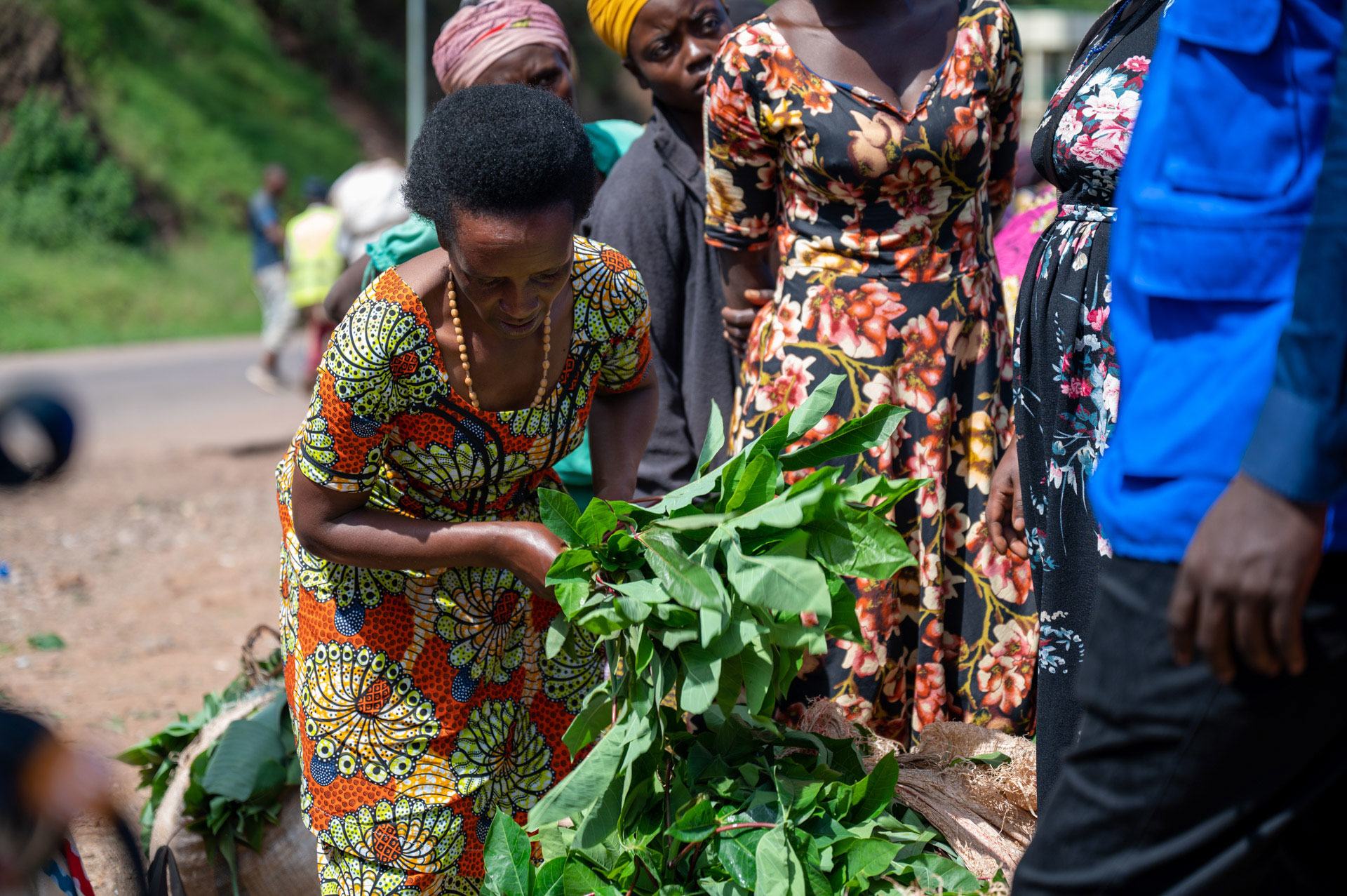
Francoise picks out vegetables to resell to the Congolese traders at the Elakat market in the DRC.


Source link

UN needed ‘more than ever before’ says Germany’s candidate to head General Assembly

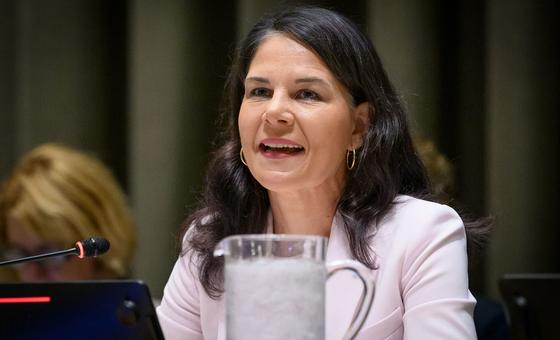
Annalena Baerbock presented her priorities during an informal dialogue with Member States held on Thursday at Headquarters in New York. 

If chosen, she will only be the fifth woman to lead the UN’s main policy-making organ and most representative body, comprising all 193 Member States who elect a new president annually, rotating among regional groups. 

“As President, if elected, I will serve all 193 Member States – large and small. As an honest broker. As a unifier. With an open ear. And an open door,” she said. 

No time for despair

The UN turns 80 this year and Ms. Baerback noted that the anniversary comes as the Organization faces numerous existential challenges.

Some 120 conflicts are raging worldwide in places such as Gaza and Ukraine, achievement of the Sustainable Development Goals (SDGs) is off-track, and the world body itself is under heavy pressure financially and politically.

Her vision is grounded in the theme “Better Together” which she weaved throughout her remarks, arguing this is no time to despair.

These crises and challenges weigh heavy upon us as the international community. But they also show the United Nations, our United Nations, is needed more than ever before,” she said.

Making the UN ‘fit for purpose’

She added that the UN needs to be “fit for the future” and “fit for purpose” – her first priority.

She pointed to the Pact for the Future, adopted by Member States last year, which laid the groundwork to revitalize multilateralism, turbocharge the SDGs, and adapt the UN system to 21st century challenges.

She said to maximize its impact, implementation must be linked to the UN80 Initiative.  Launched in March by Secretary-General António Guterres, the plan calls for major reforms to cut costs and improve efficiency. 

Ms. Baerbock said if elected General Assembly President, she would place strong emphasis on ensuring that the perspectives of all regions and groups are heard in the major reform process. 

Delivering for the world’s people

Her second priority highlighted the need for a UN that delivers results. “People must feel that our work makes a real difference in their daily lives,” she said.

She stressed the need for close cooperation with the Security Council and the Peacebuilding Commission in promoting a more peaceful world.

You cannot sustain lasting peace without ensuring that there is no shortage of food, that people have jobs, that children go to school, that women are safe,” she said.

She also plans to engage with Member States on reforming the financial system, in addition to giving special emphasis to the climate crisis – “one of the greatest threats of our time.”

A truly inclusive UN

Ms. Baerbock’s third priority calls for a UN that is truly inclusive and embraces everyone, which includes engaging with civil society and especially young people.

“The United Nations is there to serve its people. And building a better future is only possible by engaging with the generations to come,” she said.

“Our work does not end in New York, Geneva, Nairobi or Bonn. But we need to bring our discussions and outreach closer to the people.” 

Source link

Over 60 per cent of the Arab world still outside the banking system

Even more impressively, the number of Egyptian women with an account increased by 260 per cent, though gender gaps do remain.

But how you widen financial inclusion overall is a question the Arab region is currently grappling with.

A new report from the UN Economic and Social Commission in Western Asia (UNESCWA) published on Thursday highlights the challenge.

Nearly 64 per cent of adults in the 22 countries in the Arab region are still without an account – or “unbanked” – a higher number than all other regions of the world and significantly higher than the 24 per cent global average.

The report warns that this level of financial exclusion will negatively impact economic opportunities and the region’s ability to meet Sustainable Development Goals (SDGs) by 2030.

“The Arab region cannot afford to treat financial services as a luxury. Without inclusive finance, we cannot hope to lift people out of poverty, support small businesses, or achieve equitable growth,” said ESCWA’s Mario Jales, lead author of the report.

The digital divide within the divide’

The report finds that women and disabled people have even less access to financial services – only 29 per cent of women and 21 per cent of disabled people in the region have an account.

Similarly, rural communities and younger and older people also experience lower rates of inclusion in the banking system.

The report also highlighted that access to loans for small and medium-sized businesses is worryingly low, reducing entrepreneurial and other income-producing activities.

In addition to gender disparities, there are variations within the Arab region – 81 per cent of people in low-income countries do not have access to an account in comparison to 67 per cent in middle-income countries and 23 per cent in the high-income bracket. 

As of 2024, 69 percent of Egyptian women have bank accounts, a large increase from 2016.

Models of success

Given that regional rates of financial inclusion remain so low, how do countries work to improve them?

The basis of Egypt’s success was the implementation of a comprehensive national strategy to promote financial inclusion, a strategy which actively worked to target underserved communities, ESCWA points out.

For example, in Egypt, 22 per cent of ATMs in the country have now been equipped with accessibility features including brighter lighting and Braille keyboards.

Other countries in the region have also implemented national strategies which include targeted initiatives.

Jordan, which has the second widest gender gap in the region, implemented a Microfund for Women to provide loans for income-generating activities. There are now 60 branches across the country, serving 133,000 borrowers, 95 per cent of whom are women.

Moreover, some banks in the region have worked to implement financial literacy classes and others have worked to tailor their services to underserved communities including by lowering minimum deposits.

The report concludes that an expansion of all these activities – national policymaking which targets underserved communities and private bank activities which lower barriers to entry and support financial literacy – will be essential in improving financial inclusion.

The path forward exists, but it requires political will, targeted investment and a whole-of-society approach,” the report concludes.

Libya’s fragile peace tested again as new clashes roil Tripoli

Clashes broke out earlier in the week across several districts of the Libyan capital, reportedly triggered by the killing of a prominent militia leader.

The fighting, which involved heavy weaponry in densely populated areas, forced hundreds of families to flee and placed severe strain on local hospitals.

UN Secretary-General António Guterres urged all parties to take urgent steps to consolidate the ceasefire announced on Wednesday.

“The rapid nature of the escalation, which drew armed groups from outside the city and subjected heavily populated neighbourhoods to heavy artillery fire, was alarming,” his spokesperson said in a statement on Thursday.

The Secretary-General reminds all parties of their obligation to protect civilians and calls on them to engage in serious dialogue in good faith to address the root causes of the conflict.”

Alarms raised

The UN Support Mission in Libya (UNSMIL) issued successive warnings throughout the week, calling the situation “deeply alarming” and urging an “immediate, unconditional ceasefire.”

“Attacking and damaging civilian infrastructure, physically harming civilians, and jeopardizing the lives and safety of the population may constitute crimes under international law,” the mission said on Wednesday, praising mediation efforts by elders and civil society leaders.

Years of fragmentation

Nearly 15 years after the fall of Muammar Gaddafi and the emergence of rival administrations in 2014, the country remains divided, with the internationally recognised Government of National Unity (GNU) based in Tripoli in the northwest and the Government of National Stability (GNS) in Benghazi in the east.

Competition over Libya’s vast oil wealth further complicates the situation. Though the country produces more than a million barrels a day, the living conditions of ordinary Libyans have seen little improvement.

Accountability for atrocities

In New York on Thursday the Prosecutor of the International Criminal Court (ICC) announced that its investigation into alleged war crimes in Libya has entered a new phase, following increased cooperation by authorities there.

Briefing the UN Security Council from The Hague, ICC Prosecutor Karim Khan described “an unprecedented six months of dynamism,” citing the January arrest of Osama Elmasry Najim, a commander in the now-dissolved Special Deterrence Force (RADA), and his controversial return to Libya.

Mr. Khan briefed Ambassadors via videolink after the United States imposed punitive sanctions on the court including senior personnel, which threaten the prosecutor and others with arrest if they travel to the US. The US made the order in response to the ICC issuing arrest warrants for the Israeli Prime Minister and former defence minister, last November.

Mr. Najim was arrested by Italian authorities based on an ICC warrant on charges of war crimes and crimes against humanity linked to abuses at Metiga Prison.

However, his return was a matter of deep concern, said Mr. Khan.

New ‘rule of law’ promises accountability

There was real dismay and disappointment among victims that Mr. Njeem was returned to the scene of the alleged crimes,” Mr. Khan said.

Despite that setback, he said that the arrest warrant had sent “shockwaves” through Libyan militias and alleged perpetrators in Libya, signalling a growing awareness that “the rule of law has entered the territory of Libya.”

He confirmed that more arrest warrants are being pursued, and that the ICC has responded to a request for assistance from the National Crime Agency of the United Kingdom as part of its own investigation into Mr. Njeem.

There is a black box of suffering in Libya,” he told ambassadors. “We will manage to break it open.”

The Security Council meeting on the situation in Libya.

Libya grants ICC jurisdiction

In another major development, Libya formally submitted a declaration to the ICC under Article 12(3) of the Rome Statute, granting the court jurisdiction over crimes committed on Libyan soil from 2011 to 2027.

Mr. Khan described this as a “new chapter” in accountability efforts and confirmed that the investigation phase is expected to conclude by early 2026.

About the ICC

The International Criminal Court (ICC) is an independent judicial body established under the Rome Statute, adopted in 1998 and in force since 2002.

Although not part of the United Nations, the ICC works closely with it under a cooperative framework. The situation in Libya was first referred to the ICC by the UN Security Council in 2011 through resolution 1970.

Source link

‘The world is failing its health checkup,’ says WHO

“Behind every data point is a person – a child who didn’t reach their fifth birthday, a mother lost in childbirth, a life cut short by a preventable disease,” said WHO chief Tedros Adhanom Ghebreyesus, as the organization’s latest statistics report revealed the pandemic’s deeper health impacts.

Warning that overall progress is under threat today, WHO on Thursday called on governments “to act, with urgency, commitment, and accountability to the people they serve.” Tedros bemoaned the “avoidable tragedies” behind the statistics.

Chronic diseases

The 2025 report shows an estimated 1.4 billion more people were living healthier lives by the end of 2024, surpassing WHO’s one billion target. This was driven by reduced tobacco use, better overall air quality and access to water, hygiene and sanitation, said WHO.

But underinvestment in primary health care, shortages of skilled health workers, and gaps in service like immunisation and safe childbirth are now holding countries back.

Driven by population growth and aging, premature deaths from noncommunicable diseases, such as cancer and diabetes, are rising. Worldwide, such diseases now account for the leading causes of deaths among people under 70.

Additionally, “air pollution continues to harm population health around the world,” said WHO’s Haidong Wang. 

Maternal deaths

The rate of maternal deaths fell by over 40 per cent and deaths of children under five were cut by half between 2000 and 2023.

However, progress has been either stalling or reversing in many countries, and maternal and child deaths are not falling “fast enough” – putting millions of lives at risk.

Millions more lives on the line

Essential health service coverage and protection from emergencies have lagged, the UN health agency data shows.

Without urgent course correction, WHO estimates that the world risks losing the chance to prevent an additional 700.000 maternal deaths and eight million deaths of children under five years old,” between 2024 and 2030.

A historic course correction: how the world’s shipping sector is setting sail for net zero

Every day, tens of thousands of massive ships criss-cross the world’s oceans, transporting grain, clothing, electronics, cars, and countless other products. Nearly 90 per cent of global cargo is moved this way. But this vital industry comes with an added cost: international shipping is responsible for three per cent of global greenhouse gas emissions, which are heating the planet.

For years, ship emissions were a complex and often postponed topic in international climate discussions. But that changed in April 2025 when the International Maritime Organization (IMO), the UN body overseeing global shipping regulations, approved a historic plan to make the industry net-zero by around mid-century.

“This demonstrates that multilateralism and the United Nations are still relevant and important in these particular times,” Arsenio Dominguez, IMO’s Secretary-General, told UN News. He reflected on the tense and often emotional negotiations at the Marine Environment Protection Committee’s 83rd session, calling the approval a commitment by IMO and the shipping sector to combat climate change.

The deal, dubbed the IMO Net-Zero Framework, marked the culmination of years of painstaking talks between member States, including small island nations at risk from rising seas and the world’s largest shipping nations.

“I could spend hours just telling you in detail all those great moments working very closely with the delegates of all the member states at IMO in order to get this agreement,” Mr. Dominguez recalled. “That collaborative approach, to see all the member states gathering and rallying each other to get this deal in place, is something that I will always remember.”

Arsenio Dominguez, Secretary-General of the International Maritime Organization (IMO).

A breakthrough years in the making

The 2025 breakthrough did not happen overnight. The IMO’s work to tackle emissions spans more than a decade. In 2011, it rolled out the first mandatory energy efficiency measures for ships. Then, in 2018, member countries agreed on the Initial IMO Strategy on Reduction of GHG Emissions from Ships, marking the first international targets to cut the sector’s climate impact.

Building on that progress, IMO ramped up ambition in 2023 and set clear goals: reduce emissions by at least 20 per cent by 2030 and 70 per cent by 2040, and phase in zero or near-zero emission fuels. The 2025 Net-Zero Framework transforms these plans into binding regulation.

“We’re focusing first on 2030, meeting those goals of reducing emissions by at least 20 per cent, and achieving at least a five per cent uptake of alternative fuels, because it’s going to pave the way for the next set of actions and demonstrate what other mechanisms or measures we need to put in place,” Mr. Dominguez said.

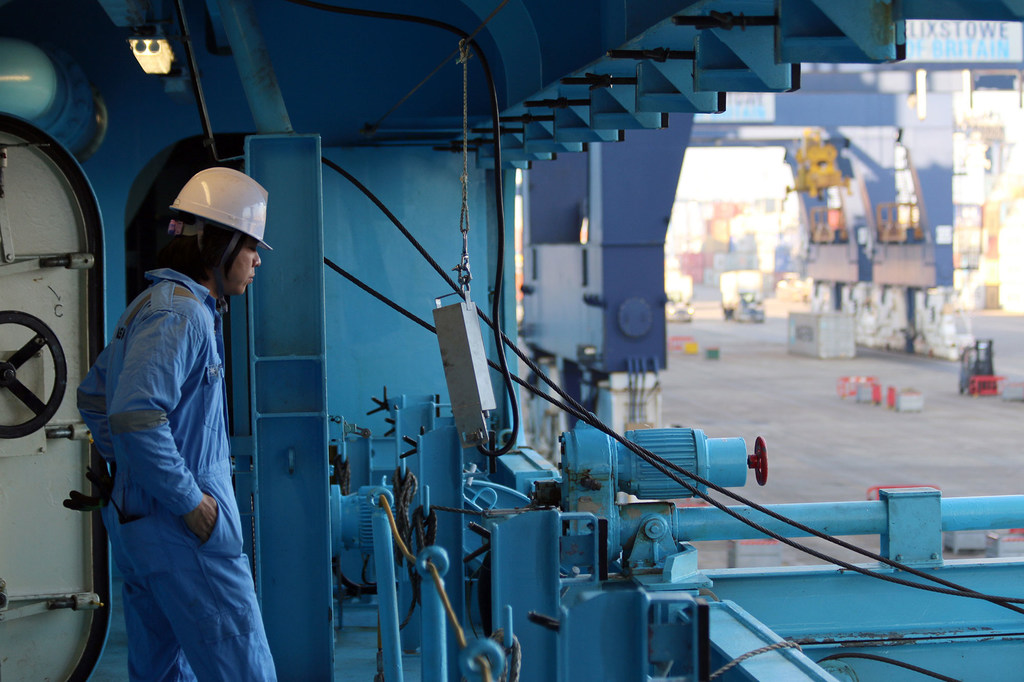
Shipping containers at a port in the Democratic Republic of São Tomé and Príncipe.

The machinery of global commerce

What’s at stake is more than just the environment – it’s the very machinery of global commerce. In 2023, maritime trade volumes soared past 12 billion tonnes of cargo, UN data shows. “Even the chair you are sitting on right now was likely transported by ship,” remarked Mr. Dominguez. “Things move around by ship because it’s the most efficient method of mass transportation. But that comes with responsibility and some drawbacks”.

Although the shipping sector has been ‘slow’ to regulate its climate impact, the 2025 framework is changing that with two key measures: a global fuel standard to reduce greenhouse gas intensity and a pricing mechanism for ships exceeding emission thresholds.

Polluters will need to purchase ‘remedial units’ or offset their excess emissions by investing in the IMO Net-Zero Fund. Ships adopting zero or near-zero emissions technologies can earn surplus credits, creating an incentive to clean up. A shipowner exceeding their emissions limit might buy credits from another ship that has outperformed its targets or contribute to the fund.

Revenues from the fund will be used to reward low-emission ships and help developing countries with capacity building, technology transfer, and access to alternative fuels.

Oversight by member States and IMO will ensure accountability for the new measures. “We work with the member States, particularly small island developing states and least developed countries, to enhance the implementation of IMO instruments,” Mr. Dominguez explained.

Certification, verification, audits, and reporting processes will monitor compliance. “Everything gets reported to the Organization, and from there we take additional measures.”

Balancing climate action and trade

The measures will cover large ocean-going ships that exceed 5,000 gross tonnes, which are responsible for about 85 per cent of industry emissions.

When asked about potential impacts on supply chains and consumer prices, particularly for countries heavily reliant on imports, the IMO chief emphasised that they have carried out a comprehensive impact assessment.

“There is a cost to pay when it comes to decarbonizing and protecting the environment. There has also been a cost to polluting the environment. So, all these rules, of course, are going to have an impact. What we looked at is reducing that impact as much as possible. If there is an impact, the financial measures and pricing mechanisms will support the industry’s transition’’.

Innovation will play a major role, and some promising technologies include ammonia and hydrogen fuels, wind propulsion, solar-assisted shipping, and onboard carbon capture. “Our rules are there to foster innovation and not to limit it,” Mr. Dominguez said, explaining that the Organization is carrying out an initial analysis. “We are rediscovering the existence of wind in the shipping industry, if I may say it like that…We have to be open to everything that’s happening out there. There’s a lot of work going on alternative fuels.”

This transition will also require investment in training and safety measures for seafarers as these alternative fuels are adopted, he warned. “We have to pay paramount importance when it comes to the people.”

A seafarer on board a ship at Felixstowe Port in England.

An industry in transition

The framework sets a strict timeline: industry emissions must drop by at least 20 per cent (striving for 30 per cent) by 2030, by at least 70 per cent (striving for 80 per cent) by 2040, and reach net-zero by around 2050. The first compliance year will be 2028.

“The end goal of the main objective of the strategy is to decarbonize to reach net zero by around 2050. But it doesn’t mean that we’re not doing anything between,” Mr. Dominguez stressed. “This is a progressive approach.”

The IMO has also committed to constant review and refinement. “For us, it’s not just about the next step,” Mr. Dominguez said. “It will be a constant process of analysis, review, and engagement to gather the experience and expertise needed to tweak or provide any additional support that may be required’’.

Beyond emissions

While greenhouse gases dominate the headlines, Mr. Dominguez explained that shipping’s environmental footprint extends beyond CO₂. “There’s so much more that this Organization [does],” he said.

IMO measures address issues like biofouling, which is the accumulation of aquatic organisms like algae and barnacles on the hulls of ships, increasing drag and fuel consumption; underwater noise, which can disturb marine life; and ballast water management, which prevents invasive species from being transported across the globe.

“We always take into account that ships touch many parts of the environment, and we need to protect them,” he added.

The road ahead

When UN News asked about the framework’s adoption at IMO’s extraordinary session in October, Mr. Dominguez stated: “Of course, I’m confident because we just demonstrated that multilateralism is still relevant, that IMO is ready to meet its commitments”.

He explained that the next step will be addressing concerns and developing guidelines for implementing the new measures, including the pricing mechanism.

“That is going to help us meet the very ambitious timeframe that member states are committed to, so that as soon as these amendments enter into force in 2027, we can start demonstrating with tangible results what the shipping industry means when it talks about decarbonization.”

For Mr. Dominguez and many observers, the agreement represents a rare victory for multilateralism – and a new beginning for a critical but long-overlooked sector. “It’s not if we get it right. We are getting it right,” he said. “This is a process, a transition. We’re taking the first steps now that will lead us to the main goal.”

8 million teens in world’s wealthiest countries functionally illiterate: UNICEF

Comparing data from 2018 and 2022, UNICEF found that the pandemic worsened existing trends: children are underperforming in school, more likely to be overweight or obese, and generally less satisfied with their lives.

This data sets a “worrying benchmark for children’s wellbeing,” said Bo Viktur Nylund, Director of UNICEF’s research office, Innocenti.

UNICEF ranked the Netherlands and Denmark, followed by France, as the top three places to be a child.

In contrast, Mexico, Türkiye and Chile were ranked the lowest, based on measures of mental well-being, physical health, and skills.

Academic decline

UNICEF warned that many of the world’s wealthiest countries experienced “sharp” declines in children’s academic skills following the pandemic, notably in reading and maths skills.

As school shutdowns forced remote learning, children are now estimated to be from seven to 12 months behind where they should be in academic terms.

These setbacks were more severe for children from disadvantaged families, the report underscores.

Across 43 countries, an estimated eight million 15-year-olds were assessed as not functionally literate and numerate. That means around half of the age group surveyed could not understand a basic text, raising the alarm over long term development.

Mental health

Raising concerns around mental health, UNICEF pointed out that in 14 of 32 countries with available data, children’s life satisfaction deteriorated during the COVID pandemic, while adolescent suicide rates plateaued – reversing a previous downward trend.

The number of children aged five to 19 who were overweight rose with those from lower socioeconomic backgrounds facing worse outcomes in terms of mental and physical health.

Prioritising children

Mr. Nylund, called on countries going forward to adopt a “coherent” and ”holistic” approach that addresses “every stage” of children’s lives.

Notably, UNICEF recommends countries include children in decision-making, promoting youth voices and agency across the board.

The agency warns that hard-won gains in child well-being across wealthy countries are becoming “increasingly vulnerable” and urges governments to focus interventions on disadvantaged groups to ensure more equitable educational outcomes.

Source link

‘Politically unacceptable, morally repugnant’: UN chief calls for global ban on ‘killer robots’

“There is no place for lethal autonomous weapon systems in our world,” Mr. Guterres said on Monday, during an informal UN meeting in New York focused on the use and impact of such weapons.

“Machines that have the power and discretion to take human lives without human control should be prohibited by international law.”

The two-day meeting in New York brought together Member States, academic experts and civil society representatives to examine the humanitarian and human rights risks posed by these systems.

The goal: to lay the groundwork for a legally binding agreement to regulate and ban their use.

Human control is vital

While there is no internationally accepted definition of autonomous weapon systems, they broadly refer to weapons such as advanced drones which select targets and apply force without human instruction.

The Secretary-General said in his message to the meeting that any regulations and prohibitions must make people accountable. 

“Human control over the use of force is essential,” Mr. Guterres said. “We cannot delegate life-or-death decisions to machines.”

There are substantial concerns that autonomous weapon systems violate international humanitarian and human rights laws by removing human judgement from warfare.

The UN chief has called for Member States to set clear regulations and prohibitions on such systems by 2026.

Approaching a legally binding agreement

UN Member States have considered regulations for autonomous weapons systems since 2014 under the Convention on Certain Conventional Weapons (CCW) which deals with weapons that may violate humanitarian law.

Most recently, the Pact for the Future, adopted in September last year, included a call to avoid the weaponization and misuse of constantly evolving weapons technologies.

Stop Killer Robots – a coalition of approximately 270 civil society organizations – was one of the organizations speaking out during this week’s meeting. 

Executive Director Nicole van Rooijen told UN News that consensus was beginning to emerge around a few key issues, something which she said was a “huge improvement.”

Specifically, there is consensus on what is known as a “two-tiered” approach, meaning that there should be both prohibitions on certain types of autonomous weapon systems and regulations on others.

However, there are still other sticking points. For example, it remains unclear what precisely characterizes an autonomous weapon system and what it would look like to legislate “meaningful human control.”

Talks so far have been consultations only and “we are not yet negotiating,” Ms. Rooijen told UN News: “That is a problem.”

‘Time is running out’

The Secretary-General has repeatedly called for a ban on autonomous weapon systems, saying that the fate of humanity cannot be left to a “black box.”

Recently, however, there has been increased urgency around this issue, in part due to the quickly evolving nature of artificial intelligence, algorithms and, therefore, autonomous systems overall.

The cost of our inaction will be greater the longer we wait,” Ms. Rooijen told us.

Ms. Rooijen also noted that systems are becoming less expensive to develop, something which raises concerns about proliferation among both State and non-state actors.

The Secretary-General, in his comments Monday also underlined the “need for urgency” in establishing regulations around autonomous weapon systems.

“Time is running out to take preventative action,” Mr. Guterres said. 

Source link

Funding cuts in Afghanistan mean ‘lives lost and lives less lived’

Many women came to the clinic who had walked multiple hours to receive maternal care – some of them with their newborns and some heavily pregnant.

And then there were the health workers themselves, committed to serving those in need in hard-to-reach areas of the impoverished Taliban-controlled nation.

‘Off the radar’

These were some of the scenes witnessed up close by Andrew Saberton, Deputy Executive Director with the UN’s reproductive health agency (UNFPA), on a mission to assess the impact of the recent steep funding cuts.

“I saw and understood the devastating impacts that the massive cuts to UNFPA will have in one of the world’s greatest humanitarian crises, a crisis which may be off the radar of the news but remains one of the world’s greatest crises,” Mr. Saberton told journalists in New York on Wednesday.

During his trip, the senior official visited UN-supported services in Kabul, Bamyan and the border between Afghanistan and Pakistan.

He hoped to understand the difference that UNFPA is making in Afghanistan while also getting a better sense of the impact of funding cuts.

Andrew Saberton (second right), UNFPA Deputy Executive Director for Management, visits the obstetric fistula ward in Kabul, Afghanistan, where survivors receive care.

Budget slashed

The United States has recently announced cuts of approximately $330 million to UNFPA worldwide, $102 million of which will directly impact UNFPA’s work in Afghanistan, according to Mr. Saberton.

Most of this funding would have been used towards the provision of family health and mobile care, both of which are essential in Afghanistan which already has one of the highest maternal mortality rates in the world.

This funding would also have gone towards the providing much needed psychosocial support.

He estimates that 6.9 million women and children in Afghanistan will be affected by the cuts. Moreover, UNFPA will only be able to support approximately 400 of the current 900 health clinics that it supports in Afghanistan, each of which provides life-saving care.

Providing aid with few resources

Despite these challenges, Saberton emphasized that UNFPA will remain in Afghanistan and will continue providing life-saving care.

“UNFPA will be staying to deliver, but we cannot sustain our response without help. We need urgent support to keep these services running and to protect the dignity, health and lives of Afghan women and newborns,” he said.

Source link