World News in Brief: Women’s health in Sudan, childhood wasting, Belarus trade unions, Guatemala child rights violation


As hostilities rage in Sudan, access constraints and devastating funding cuts are isolating rape survivors and pregnant women from essential health services, the UN sexual and reproductive health agency UNFPA said on Thursday. 

Source link

From summits to street art to schools: Here’s how we’re marking World Environment Day

Around the world, civil society groups and UN teams are hosting webinars, forums, summits and other diverse celebrations. It’s a collective effort that’s drawing together different wings of the UN from Educational, Scientific and Cultural Organization (UNESCO) to UN Peacekeeping.

Worldwide events

On Tuesday, Qatar launched a national biodiversity database, concluding a three-year UNEP-led project.

In the Indian capital New Delhi, UNEP hosted the Tide Turners Plastic Challenge National Youth Summit on Tuesday to empower young people to take action to end plastic pollution.

As host, Jeju held a commemoration ceremony and the Future Generation Forum on Thursday.

Mexico launched its 2025–2030 National Beach and Coastal Clean-Up and Conservation Campaign in Puerto Progreso, Yucatán, with volunteer brigades and a formal ceremony.

In Geneva, UNEP and the Orchestre des Nations are presenting a one-hour concert, Our Home, blending music, images and spoken word to highlight ecological emergencies.

Brussels is screening the documentary Ocean with legendary environmental campaigner and broadcaster Sir David Attenborough, in honour of World Environment Day, World Oceans Day and the UN Ocean Conference.

In the United States, Street Art for Mankind unveiled a 245-foot mural for World Environment Day as part of the UN Decade on Ecosystem Restoration, calling for better protection for vulnerable communities.

UNESCO initiative

In a statement released Thursday, UNESCO reported that over 80,000 schools across 87 countries are following the recommendations in the Green school quality standard released in May 2024.

The initiative promotes green learning environments through governance, facilities and operations, teaching, and community engagement. This includes setting up “green governance committees” and training teachers in sustainable management practices.

Peacekeeping and the environment

In a video released Wednesday, UN Under-Secretary-General for Operational Support Atul Khare and Environment Section Chief Joanna Harvey outlined how UN Peacekeeping is reducing its environmental footprint.

Efforts over the past decade include bringing renewable energy to missions, requiring newer, more efficient generators, supporting local energy providers, and investing in sustainable infrastructure.

“We want to leave behind a legacy… [of] projects that are created by us which are finally beneficial to the local communities,” said Mr. Khare. 

UN chief urges world leaders to keep two-State solution ‘alive’

It is absolutely essential to keep alive the two-State solution perspective with all the terrible things we are witnessing in Gaza and the West Bank,” Mr. Guterres told reporters at UN Headquarters in New York.

He was responding to a question about his message to leaders gathering at a high-level international conference later this month on a comprehensive and lasting peace in the region.

“And for those that doubt about the two-State solution, I ask: What is the alternative? Is it a one-state solution in which either the Palestinians are expelled or forced to live in their land without rights?

Mandated by the UN General Assembly, the high-level event is aimed at charting an “action-oriented” path toward a comprehensive and lasting peace based on the two-State formula.

The meeting will include thematic roundtables on key issues such as security, humanitarian reconstruction, and the economic viability of a Palestinian state.

Disappointed over failed resolution

Mr. Guterres also expressed deep disappointment following the Security Council’s failure on Wednesday to adopt a resolution demanding an immediate and permanent ceasefire in Gaza, and the release of all hostages.

The text, endorsed by all ten elected members of the Council, received support from the other four permanent members, but was vetoed by the United States.

“We are always disappointed when ceasefires do not materialise, releases of hostages [do not happen] and humanitarian aid is not distributed or is distributed in a way that puts at risk the lives of so many Palestinians,” he said, responding to another correspondent.

The Secretary-General reiterated that only a permanent ceasefire, the unconditional release of all hostages, and unimpeded humanitarian access would allow the UN to deliver meaningful relief to civilians in Gaza.

He emphasised that during previous temporary ceasefires, the UN was able to mobilise large-scale assistance.

Source link

UN chief urges world leaders to keep two-State solution ‘alive’

It is absolutely essential to keep alive the two-State solution perspective with all the terrible things we are witnessing in Gaza and the West Bank,” Mr. Guterres told reporters at UN Headquarters in New York.

He was responding to a question about his message to leaders gathering at a high-level international conference later this month on a comprehensive and lasting peace in the region.

“And for those that doubt about the two-State solution, I ask: What is the alternative? Is it a one-state solution in which either the Palestinians are expelled or forced to live in their land without rights?

Mandated by the UN General Assembly, the high-level event is aimed at charting an “action-oriented” path toward a comprehensive and lasting peace based on the two-State formula.

The meeting will include thematic roundtables on key issues such as security, humanitarian reconstruction, and the economic viability of a Palestinian state.

Disappointed over failed resolution

Mr. Guterres also expressed deep disappointment following the Security Council’s failure on Wednesday to adopt a resolution demanding an immediate and permanent ceasefire in Gaza, and the release of all hostages.

The text, endorsed by all ten elected members of the Council, received support from the other four permanent members, but was vetoed by the United States.

“We are always disappointed when ceasefires do not materialise, releases of hostages [do not happen] and humanitarian aid is not distributed or is distributed in a way that puts at risk the lives of so many Palestinians,” he said, responding to another correspondent.

The Secretary-General reiterated that only a permanent ceasefire, the unconditional release of all hostages, and unimpeded humanitarian access would allow the UN to deliver meaningful relief to civilians in Gaza.

He emphasised that during previous temporary ceasefires, the UN was able to mobilise large-scale assistance.

Source link

World Environment Day: UN sounds alarm on plastic pollution crisis

Between 19 and 23 million tonnes of plastic waste leak into aquatic ecosystems annually, and without urgent action, this figure is expected to rise by 50 per cent by 2040.

Plastic pollution is contaminating every corner of the planet, threatening ecosystems, wildlife, and human health. Microplastics are found in food, water and air, with the average person estimated to ingest over 50,000 plastic particles each year, and far more when inhalation is included.

If the climate crisis goes unaddressed, with plastic pollution as a major driver, air pollution levels exceeding safe thresholds could rise by 50 per cent within a decade. Meanwhile, plastic pollution in marine and freshwater environments may triple by 2040.

Global action day

To rally momentum, the UN Environment Programme (UNEP) is leading the 52nd annual World Environment Day on 5 June, the world’s largest platform for environmental outreach.

This year’s commemoration is hosted by Jeju, Republic of Korea, under the theme #BeatPlasticPollution. Since launching in 2018, the UNEP-led campaign has advocated for a just and inclusive transition away from plastic dependency.

The day brings together governments, businesses, communities, and individuals in a shared mission to protect and restore the planet, while advancing progress towards the Sustainable Development Goals (SDGs), especially those linked to climate action and sustainable consumption.

Towards a treaty

A major focus of the day is the ongoing push for a global treaty to end plastic pollution. Countries are currently negotiating an international, legally binding agreement, with the next round of talks scheduled for August.

UN Secretary-General António Guterres called for an “ambitious, credible and just agreement” that addresses the full lifecycle of plastics, reflects community needs, aligns with the SDGs and is implemented quickly and fully.

UNEP Executive Director Inger Andersen echoed the call, urging nations to unite around innovative solutions and alternatives to plastic use.

World Environment Day serves as a catalyst for action, driving attention toward the UN Environment Assembly later this year – where hopes are high that nations will finalise concrete steps to curb plastic pollution and address the broader climate emergency. 

Source link

World News in Brief: Aid for Syria, children under attack in Mozambique, rights-based climate action

Despite limited resources, the UN and partners are reaching some 2.5 million people each month across the country. In May alone, more than one million people received assistance, according to the Office for the Coordination of Humanitarian Affairs (OCHA).

Cross-border aid has significantly increased this year. Since January, 1,185 humanitarian trucks have crossed from Türkiye into Syria – six times the number recorded during the same period last year. The uptick reflects growing needs and intensified delivery efforts.

Syria’s health system, however, remains under severe strain. Fewer than 60 per cent of hospitals and less than half of primary health centres are fully functional. Essential medicines are in short supply, treatment costs are beyond the reach of many families and overcrowded shelters continue to heighten the risk of disease outbreaks.

Meanwhile, explosive remnants of war and unexploded ordnance pose a deadly and ongoing threat to civilians. Since 8 December, 2024, more than 1,000 casualties have been reported – over 400 of them fatal and nearly 600 resulting in injuries – children accounting for over a third of the victims.

“The humanitarian community is calling for urgent support to expand risk education, professional clearance operations and assistance for survivors,” UN Spokesperson Stéphane Dujarric told journalists at the regular news briefing in New York.

Funding shortfalls are compounding the crisis. The Syria Humanitarian Response Plan requires $2 billion by the end of June to support 8 million of the most vulnerable people. To date, it has received just $236 million – less than 12 per cent of the total needed.

Northern Mozambique has been mired in what has been described as a “triple crisis” – violence and insecurity, climate shocks, and post-electoral unrest. (file photo)

Children targeted by armed groups in northern Mozambique

Children also continue to bear the brunt of a worsening crisis in Mozambique, where over 1.3 million people have been displaced by violence, extreme weather shocks and post-electoral unrest.

These crises have also left 5.2 million in urgent need of humanitarian assistance.

The situation is particularly dire in the northern Cabo Delgado province, which has witnessed a spike in reports of abduction, forced recruitment and use of children by non-state armed groups.

According to the UN Children’s Fund (UNICEF), at least three girls aged 12, 14 and 17 were killed in an attack last month, and eight other children abducted – highlighting the grave risks facing children in the conflict.

The agency expressed deep concern over such gross violations of children’s rights, stressing that “every child has the right to live in safety, free from violence and fear.”

UNICEF is working with partner agencies to assist impacted children and their families, support the safe return and reintegration of children abducted by non-state armed groups, and provide access to vital services such as health, protection, and education.

UN rights chief calls for bold climate action grounded in human rights

The UN’s top rights official warned on Tuesday that humanity’s survival is inseparable from the health of the planet.

Speaking at Oxford University, Volker Türk highlighted the need for a new kind of politics to tackle the climate crisis and rising global inequality, urging strong leadership to push for urgent, just and rights-based solutions.

“Not only have we created a false separation from nature, we are deluded enough to believe we can make nature bend to our will,” Mr. Türk said, criticizing the continued exploitation of fragile ecosystems.

The High Commissioner linked environmental degradation with systemic injustice, stating that the world’s richest one per cent are responsible for more carbon emissions than the poorest two-thirds. He stressed that those least responsible for the climate crisis are often the ones suffering its worst impacts.

He also expressed concern over the lack of adequate climate finance and called for reforms to international financial systems, noting growing support for a proposed fossil fuel non-proliferation treaty that would aim to end the expansion of new oil, coal and gas projects.

“Our rights call for all people, now and in the future, to live in safety, security and opportunity, on a healthy planet,” he said.

Mr. Türk concluded by urging governments, institutions and individuals to join a global movement for change, grounded in human rights, to address the climate emergency and build a more sustainable and equitable future.

Source link

World News in Brief: Guterres condemns antisemitic attacks, ILO to debate pros and cons of working online, Sudan, Ukraine updates

A man was arrested in Boulder after reportedly using a flamethrower and Molotov cocktails to set people on fire at an event in support of Israeli hostages in Gaza on Sunday.

The suspect reportedly yelled “Free Palestine” during the attack and now faces federal hate crime charges along with multiple felonies.

The attack injured at least eight people, ranging in age from 52 to 88. The injuries have been described by local police as ranging from minor to “very serious”.

Holocaust memorial targeted

In a further antisemitic act in Paris, vandals targeted the Shoah Memorial, three synagogues and the Jewish restaurant Chez Marianne on Saturday morning, according to news reports.

Photos show green paint splashed on the Le Mur Des Justes wall, which lists names of French men and women who helped Jews during the World War II.

No suspects have been arrested so far and no group has claimed responsibility, news reports noted.

UN Spokesperson Stéphane Dujarric told correspondents at the Noon Briefing in New York that “The Secretary-General condemns these acts.”

“The United Nations firmly stands against all forms of antisemitism, as well as all other manifestations of extremism and any incitement to religious hatred and violence, and he calls for swift action to hold those responsible accountable,” 
Mr. Dujarric said.

UN labour agency sheds light on potential risks of online work

Governments, employers, and workers from the 187 UN ILO Member States are currently meeting in Geneva for the International Labour Organization’s annual conference.

The potential pitfalls of online platforms will be one key area for debate, as countries mull reforms to protect workers and promote development.

Digital platforms have grown rapidly in recent decades in line with the gig economy, boosting online education, tourism and transport, for example.

Lack of protections

But although businesses that use digital platforms offer flexibility for workers, there’s concern that they don’t offer enough social protection or decent conditions.

According to senior ILO official Angelika Muller many online workers lack protections as part of the informal economy.

As such, many face poor working conditions while many employers turn to  algorithms to evaluate worker performance.

Member States are also expected to agree on new ways to help countries transition from the informal to the formal economy and address the issue of health dangers from exposure to biological hazards at work.

Attacks on Sudanese civilians continue

On May 29, the World Food Programme’s facility in Al Fasher was repeatedly shelled, resulting in extensive damage, according to a report on Monday from UN aid coordination office, OCHA.

The next day, Eldaman International Hospital in Al Obeid was struck by a drone attack, killing at least six health workers and injuring more than 15 others.

Both attacks were reportedly carried out by the Rapid Support Forces (RSF) militia which has been fighting the Sudanese Armed Forces (SAF) for control of the country since April 2023.

Acting Resident and Humanitarian Coordinator for Sudan, Kristine Hambrouck, released a statement on Sunday calling the attacks a “blatant violation of international humanitarian law,” calling on all sides to protect civilian lives.

UN relief chief Tom Fletcher, also expressed concern over these attacks in a social media post Monday: “These attacks must stop.”

Continued cholera threats

Meanwhile, in Khartoum state, strikes on electricity infrastructure have aggravated water shortages, forcing many residents to rely on unsafe water sources and endangering over one million children with waterborne diseases, as cholera continues to spread across Sudan.

Thanks to the efforts of health workers and community volunteers, daily cholera cases in the capital region have fallen compared to previous weeks.

There have been more than 16,500 cases and over 340 reported deaths in Khartoum since the outbreak began.

Dozens of cases are also emerging in the South Darfur state, prompting officials to declare a health emergency and appeal for urgent support to contain the outbreak.

With UN support, local health authorities have established treatment centers and initiated surveillance and community health efforts. 

is urging the international community to act now to ensure that aid reaches those most in need, to halt the spread of cholera, and to protect the millions of civilians at risk.

Recent attacks on Ukrainian civilians 

The UN on Monday reported that attacks in Ukraine over the weekend and Monday left more than 20 civilians dead, including one child, and injured over 100 others.

Civilian infrastructure – including homes, medical and educational facilities and power and gas lines – was also affected.

Notably, the attacks occurred just hours before Ukrainian and Russian delegations met for a second round of preliminary peace talks in Türkiye on Monday.

Humanitarian response

Humanitarian organizations are providing critical support to affected families, including emergency repair materials, legal and psychological assistance, and evacuations from areas where heavy fighting is continuing.

On 30 May, an inter-agency convoy delivered essential aid – including solar lamps, charging stations, kitchen sets, diapers, food, hygiene items and first aid kits – to over 700 residents in the frontline Mylivska community of Kherson.

Source link

World News in Brief: Education suffers amid DR Congo violence, WHO greenlights RSV vaccines, more hurricanes ahead for Haiti

According to UN Children’s Fund, UNICEF, more than 290 schools have been damaged or destroyed in Ituri this year alone, bringing the total number of out-of-school children in the province to over 1.3 million.

Protection crisis

Between January and April 2025, a surge in violence displaced more than 100,000 people – half of them children. During this period, reported cases of abduction, maiming, sexual violence, and the recruitment and use of children by armed groups rose by 32 per cent compared to the same timeframe last year.

John Adbor, UNICEF’s representative in the DRC, referred to the situation as a “protection crisis”, stating: “Violence and conflict are shattering children’s right to learn – putting them at far greater risk of being recruited by armed groups, exploited, and abused.”

“The needs are immense, and our resources are not enough,” Mr. Adbor added, referring to UNICEF’s emergency response in the region.

With more than 1.8 million conflict-affected children now out of school across the DRC, UNICEF is prioritising mental health and psychosocial support through child-friendly spaces, reintegration of children formerly associated with armed groups, and treatment for acute malnutrition.

WHO approves two new vaccines to protect infants from RSV

Respiratory syncytial virus (RSV) is the leading cause of severe lung infections in young children globally, resulting in approximately 100,000 deaths each year among children under the age of five.

Alarmingly, 97 per cent of these deaths occur in low and middle-income countries.

Although RSV can infect people of all ages, “it is especially harmful to infants, particularly those born prematurely,” said Kate O’Brien from the World Health Organization (WHO).

Around half of all RSV-related deaths occur in babies younger than six months.

New immunisation products

On Friday, WHO issued recommendations for two new immunisation tools: a maternal vaccine, administered to pregnant women in their third trimester to protect their newborns; and a long-acting antibody injection for infants, which begins to protect within a week of administration and lasts for at least five months.

Considering the global burden of severe RSV illness in infants, WHO recommends  that all countries adopt either the maternal vaccine or the antibody injection as part of their national immunisation strategies.

“These RSV immunisation products can transform the fight against severe RSV disease, dramatically reduce hospitalisations and deaths, and ultimately save many infant lives worldwide,” said Ms O’Brien.

Dire hurricane forecasts compound Haiti woes

UN humanitarians have raised alarm over Haiti’s heightened vulnerability to natural disasters, warning that the country’s limited capacity to respond could be severely tested during the 2025 hurricane season – forecast to be significantly more intense than average across Latin America and the Caribbean.

Rubbish burns on the coast of Haiti.

Running from June to November, the upcoming season poses a serious threat to the impoverished island nation, where economic crisis, ongoing gang-related violence and rampant insecurity have already displaced over one million people.

Displacement sites at risk

More than 200,000 people are currently living in displacement sites across the country, many of which are situated in flood-prone areas.

Lacking proper shelter, drainage and sanitation, these camps “leave families acutely vulnerable to storms,” said UN Spokesperson Stéphane Dujarric.

The UN Office for the Coordination of Humanitarian Affairs (OCHA) is working with national authorities and humanitarian partners to prepare for the hurricane season. Ongoing efforts include contingency planning, mapping of high-risk areas – particularly displacement sites – and strengthening early warning systems.

However, humanitarian access remains limited, and preparedness is severely hindered by the lack of pre-positioned supplies throughout the country.

This is a “direct consequence of underfunding,” said Mr. Dujarric, adding that “funding remains a major obstacle” to the UN’s emergency response in Haiti.

Source link

Climate change: World Likely to Breach 1.5°C limit in next five years

According to the Global Annual to Decadal Climate Update, the planet is predicted to experience temperatures between 1.2°C and 1.9°C above pre-industrial levels (1850–1900) over the next five years.

Breaching critical thresholds

In 2024, the WMO estimated that the average global temperature was between 1.34°C and 1.41°C higher than pre-industrial levels (1850-1900). The WMO now projects the 20-year average warming for 2015–2034 to reach around 1.44°C above pre-industrial levels.

The report finds a staggering 86 per cent chance that global average temperatures will exceed 1.5°C above pre-industrial levels in at least one of the next five years, and a one per cent chance of one of those years exceeding 2°C of warming.

There is a 70 per cent chance that the five-year average itself will exceed this 1.5 degree threshold.

The WMO stressed that the 1.5°C Paris Agreement target refers to long-term averages over 20 years, meaning its threshold has not been breached quite yet.

However, these near-term spikes are warning signs of an accelerating climate crisis.

The forecast also highlights regional precipitation impacts, including wetter-than-average conditions expected in the African Sahel, northern Europe, and South Asia. Conversely, the Amazon region could see continued drought.

Arctic Warming Accelerates

The situation is even more catastrophic in the Arctic than in the rest of the world. The average Arctic temperature over the next five winters (November to March) is expected to be 2.4°C warmer than the 1991–2020 average, more than three and a half times the increase in the global average temperature.

Sea ice is expected to keep shrinking, particularly in the Barents, Bering, and Okhotsk Seas, contributing to rising sea levels and disrupted weather patterns worldwide.

As the world enters this critical window, the UN agency urged climate action to prevent even more dangerous warming in the decades ahead and keep long-term warming below the 1.5°C limit.

Source link

World News in Brief: UK cedes sovereignty over Chagos Islands, suffering in Sudan deepens, UN releases new emergency relief funds

Before granting Mauritius independence in 1968, Britain unlawfully separated the Chagos archipelago to create the British Indian Ocean Territory.

In doing so, it expelled 1,500–2,000 islanders to lease Diego Garcia, the largest island, to the United States for joint military use.

Under the agreement, the UK will lease the island of Diego Garcia for the next 99 years to continue operating its joint military base with the United States.

Value of diplomacy

The agreement signed on Thursday between the UK and Mauritius is “a significant step towards resolving a long-standing dispute in the Indian Ocean region” and “demonstrates the value of diplomacy in addressing historical grievances”, said UN Spokesperson Stéphane Dujarric in Thursday’s briefing.

Welcoming the signature of the agreement, the UN Secretary-General, urged both the UK and Mauritius to “continue engaging in constructive discussion”, in order to ensure that “the rights and aspirations of the Chagossians people are fully respected,” said Mr. Dujarric.

Sudan: Civilian Suffering Deepens Amid Drone Strikes

The civil war in Sudan, which erupted in April 2023 between the Sudanese Armed Forces (SAF) and the paramilitary Rapid Support Forces (RSF), has killed over 18,000 people and displaced 13 million, triggering a regional migration crisis.

Even before the war, humanitarian conditions and human rights protections were fragile, but in the past two years, they have become dire.

Of the 30.4 million Sudanese in need of assistance, the UN World Food Programme (WFP) is currently reaching 2.3 million with emergency food and nutrition support, as ongoing violence and infrastructure destruction compound the crisis.

Urgent ceasefire needed

Recent drone attacks on Port Sudan, once a vital entry point for aid, have further deepened the crisis. UN-designated expert Radhouane Nouicer warned Monday that these strikes on critical infrastructure “are putting lives at risk, worsening the humanitarian crisis, and violating basic human rights.”

On Thursday, Mr. Dujarric reported that attacks in Khartoum state have triggered a total electricity blackout, disrupting access to clean water and healthcare amid rising food prices and cholera outbreaks.

The blackout has exacerbated the spread of cholera and other waterborne diseases.

Mr. Dujarric also noted that ongoing insecurity displaced 47,000 people from Khiwai and Nuhud in West Kordofan this month, while another 1,000 were displaced this week from Abu Shouk camp and El Fasher in North Darfur.

At the Arab League Summit in Iraq over the weekend, UN Secretary-General António Guterres called for urgent multilateral action to end “appalling violence, famine and mass displacement,” and met with African Union leaders to encourage a push for a ceasefire.

Emergency relief funds released for DR Congo

The UN Central Emergency Response Fund (CERF) has allocated new funds to crisis situations, from Afghanistan to Zambia.

On Wednesday, CERF made $750,000 available to support cholera response in the Democratic Republic of the Congo, said Stéphane Dujarric, Spokesperson for the UN Secretary-General.

The emergency funds will enable the World Health Organization (WHO), the UN Children’s Fund (UNICEF), and partners to deliver critical aid, including timely cholera detection and response, medical treatment, risk communication, and community engagement.

In addition, CERF allocated $10 million to help more than 270,0000 people in vulnerable communities across South Sudan, where the threat of renewed civil war looms.

Ahead of the rainy season, CERF’s life-saving aid will notably target communities who have been impacted by overlapping crises, especially conflict and displacement in the states of Jonglei and Upper Nile.

CERF also allocated $9.5 million to support climate action initiatives in eight countries: Afghanistan, the Central African Republic, Chad, Mauritania, Niger, Somalia, Venezuela, and Zambia.

© UNICEF/Jospin Benekire

A UNICEF-supported cholera team add chlorine to water collected from a reservoir in Goma, in the DR Congo.


Source link

Champions for Change: World football teams up with UN development goals

The Football for the Goals Forum brought UN leaders and some of the top voices in the world’s most popular sport to UN Headquarters in New York for the inaugural Champions for Change: Football and the UN Unite for the SDGs event.

The UN has long recognised the role of sport in advancing the SDGs – promoting peace, gender equality, health, and climate action – as affirmed in a General Assembly Resolution on Sport adopted in December 2022.

With unparalleled global reach, football holds a unique position to drive progress on these goals. Launched in July 2022, Football for the Goals is a UN initiative engaging the international football community to advocate for the SDGs.

Wednesday’s forum aimed to mobilise the football community for action across key SDG areas.

The kick off

After introductions from football executives, UN Spokesperson Stéphane Dujarric, UN communications chief Melissa Fleming, and the Qatari Representative to the UN, the opening panel – Bolstering Community Engagement with the SDGs – outlined the origins of Football for the Goals and explored how the football community can deepen its contribution to the SDGs.

This was followed by a brief discussion on the football sector’s commitment to climate sustainability.

The programme then shifted to some of the Forum’s most substantive panels, exploring how football both reflects global inequalities – between the Global South and North, and between men and women – and has the potential to help address them.

North-South divide

Júlia Pimenta of Street Child United highlighted that football organisations in the Global South, which serve the children who need support most, often lack adequate funding and must compete with well-resourced programmes in the Global North.

Sarah Van Vooren of Atoot in Nepal similarly noted that grassroots organisations connecting football and sustainable development, frequently lack the resources needed to reach their full potential.

When these organisations are properly supported, they can provide safe, educational environments for children – often with life-changing results.

Panellists emphasised that funding such initiatives is key to advancing SDGs related to education and reducing inequality.

© UNICEF/Truong Viet Hung

Young girls play football at school in Soc Trang Province, Viet Nam.

Levelling the gender playing field

Jayathma Wickramanayake, a policy advisor on sports partnerships at UN Women, noted that the gender equality agency is responsible for most of the targets under SDG 5 related to closing the gender gap.

She emphasised that progress has been slow – and in some areas, it’s even regressing – largely due to the persistence of rigid social norms, attitudes, and behaviours.

These norms often manifest in the sports world through unequal pay and incidents of sexual harassment. However, Ms. Wickramanayake and other panellists highlighted how sport can be a powerful tool to challenge stereotypes and empower women and girls to succeed – both on and off the pitch.

Source link

World News in Brief: Terror-crime link alarm, child detention in Australia, judiciary in Maldives, Protection of Civilians Week

In recent years, criminal and terrorist groups have seized “every” opportunity afforded by growing instability to “entrench, expand, and escalate,” said Ghada Waly, in her opening remarks to the Commission on Crime Prevention and Criminal Justice, in Vienna.

Challenges such as human and drug trafficking, smuggling of cultural and commercial goods, and environmental crimes are on the agenda during the four-day conference which focuses on “evolving and emerging” forms of organised crime.

Emerging threats

The world faces a “fundamental challenge to security, prosperity, and the rule of law,” the Executive Director said, with the link between criminal and terrorist groups becoming a growing concern.

While new technology serves as an enabler for criminal networks, justice systems around the world are being “starved” of the resources and conditions they need to provide equal access to justice.

She said, with criminal threats evolving, it was “certainly not the time to scale back global investment in crime prevention and criminal justice, both politically and financially,” emphasising the importance of multilateral cooperation.

Australia justice system in spotlight over child offenders’ reform

To Australia, where top independent rights experts have expressed concern at proposed legal reforms that could increase penalties for children.

In most Australian states, criminal responsibility begins at 10, allowing youngsters to be incarcerated for a wide range of crimes, if convicted.

Already, disproportionately large numbers of Aboriginal and Torres Strait Islander children continue to be jailed in Australia, according to rights experts Jill Edwards and Albert Barume.

The Special Rapporteurs – who are appointed by and report to the Human Rights Council – have insisted that “many new or proposed” laws across the country are incompatible with rights of the child.

Queensland crackdown

These include the so-called “Adult crime, Adult time” legal reform in the state of Queensland.

If adopted later this week, it could result in children serving longer jail time for dozens of criminal offences.

“The first goal should always be keeping children out of prison,” the rights experts said. They emphasised the excessive impact of the Queensland bill on indigenous children and the risk of creating “a future under-class of Australians”.

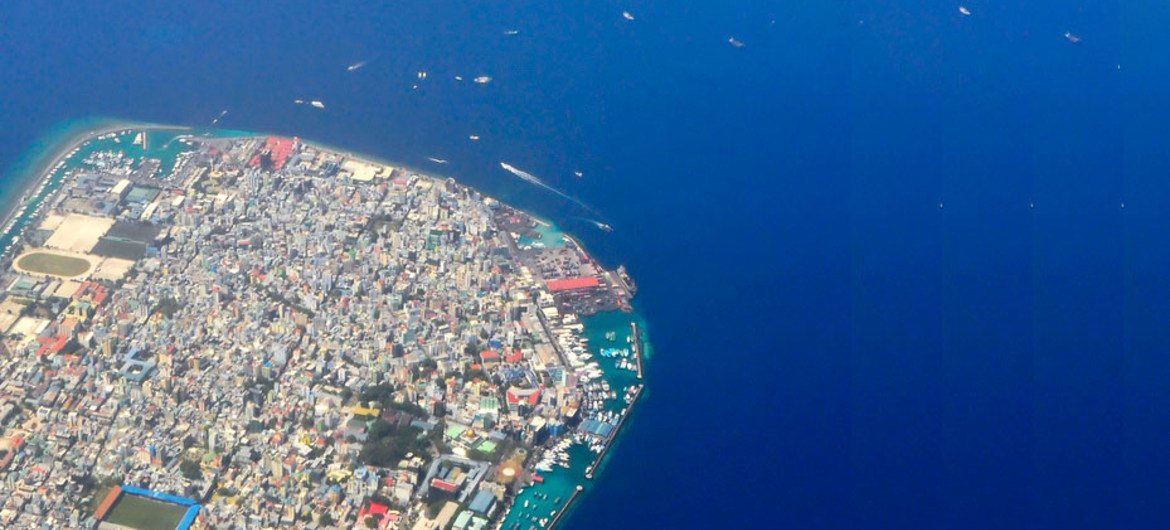
Aerial view of Malé, the capital of the Maldives.

Maldives’ dismissal of Supreme Court judges raises concern, UN rights office warns

The UN human rights office warned Monday that the dismissal by the Maldives authorities of two Supreme Court justices could jeopardise the independence of the judiciary.

The South Asian island nation launched probes into both judges in February 2025.

At the same time, the Maldives’ parliament adopted a bill to reduce the size of the Supreme Court bench from seven to five judges.

A third Supreme Court justice also resigned, while a fourth judge – the Chief Justice – has since retired.

The investigation against the judges raises questions about how it was conducted, the UN human rights office, OHCHR, said in a statement.

Judicial independence

“We remind the authorities of their commitment to maintain and protect an independent judiciary, in line with the Maldives’ Constitution and international human rights obligations,” said OHCHR spokesperson Jeremy Laurence.

“Checks and balances between the different branches of the State, including a strong and independent judiciary, play a vital role in ensuring fidelity to the rule of law by all branches of Government and the effective protection of human rights,” Mr. Laurence added.

Previously, independent rights expert Margaret Satterthwaite expressed concern about reports that lawyers for the Maldives Supreme Court justices who were under investigation “were not given the opportunity to speak at the disciplinary proceedings and that these were not public”.

Ms. Satterthwaite reports to the Human Rights Council on the independence of judges and lawyers; she is not a UN staff member.

Protection of Civilians week will work to address ‘culture of impunity’

Over 50,000 civilians have been killed in Gaza since October 2023. In Sudan, the figure is around 18,000 in the past two years – and in Ukraine, the total is 12,000, since Russia’s full-scale invasion.

During Protection of Civilians Week, from 19 to 23 May, these preventable deaths and displacements will be the focus as the United Nations, its Member States and civil society affiliates gather to discuss ways of preventing future armed conflicts.

The eighth annual PoC Week – which is coordinated by the Office for the Coordination of Humanitarian Affairs (OCHA), Switzerland, the Centre for Civilians in Conflict, and the International Committee of the Red Cross – will focus on the theme of “Tools to Further the Protection of Civilians.”

International guarantees, national violations

International humanitarian and human rights law establishes clear guidelines which protect civilians during armed conflicts.

However, OCHA noted that increasingly there is a “culture of impunity” surrounding the enforcement of these laws, with disregard for them spreading and the application of them increasingly politicised.

“Despite clear protections under international humanitarian and human rights law, civilians continue to suffer the brunt of conflict,” OCHA said, outlining the week ahead.

This is particularly concerning given that civilian deaths have been increasing. In the past decade, the world has experienced a surge in armed conflicts, disrupting what had previously been a 20-year decline.

Between 2022 and 2023, there was a 72 per cent increase in the number of civilian deaths according to UN estimates.

Throughout the week, individual member state missions are also hosting a variety of informal consultations. The calendar for the week is here.

Source link

World Health Assembly opens amid high-stakes pandemic treaty vote, global funding crisis

Tedros Adhanom Ghebreyesus, Director-General of the World Health Organization, urged Member States to remain focused on shared goals even amid global instability.

We are here to serve not our own interests, but the eight billion people of our world,” he said in his keynote address at the Palais des Nations. “To leave a heritage for those who come after us; for our children and our grandchildren; and to work together for a healthier, more peaceful and more equitable world. It’s possible.”

The Assembly, WHO’s highest decision-making body, runs through 27 May and brings together delegations from 194 Member States under the theme One World for Health.

This year’s agenda includes a vote on the intensely negotiated Pandemic Agreement, a  reduced budget proposal, and discussions on climate, conflict, antimicrobial resistance, and digital health.

Pandemic prevention focus

A central item on the Assembly’s agenda is the proposed WHO pandemic accord, a global compact aimed at preventing the kind of fragmented response that marked the early stages of COVID-19.

The treaty is the result of three years of negotiations between all WHO Member States.

“This is truly a historic moment,” Dr Tedros said. “Even in the middle of crisis, and in the face of significant opposition, you worked tirelessly, you never gave up, and you reached your goal.”

A final vote on the agreement is expected on Tuesday.

If adopted, it would mark only the second time countries have come together to approve a legally binding global health treaty under WHO’s founding rules. The first was the Framework Convention on Tobacco Control, adopted in 2003 to curb the global tobacco epidemic.

2024 health check

In his address, Tedros presented highlights from WHO’s 2024 Results Report, noting both progress and persistent global health gaps.

On tobacco control, he cited a global one-third reduction in smoking prevalence since the WHO Framework Convention entered into force two decades ago.

He praised countries including Côte d’Ivoire, Oman, and Viet Nam for introducing stronger regulations last year, including plain packaging and restrictions on e-cigarettes.

On nutrition, he pointed to new WHO guidelines on wasting and the expansion of the Tobacco-Free Farms Initiative in Africa, which has supported thousands of farmers in transitioning to food crops.

He also emphasised WHO’s growing work on air pollution and climate-resilient health systems, including partnerships with Gavi and UNICEF to install solar energy in health facilities across multiple countries.

On maternal and child health, Tedros noted stalled progress and outlined new national acceleration plans to reduce newborn mortality. Immunisation coverage now reaches 83 per cent of children globally, compared to less than 5 per cent when the Expanded Programme on Immunisation was launched in 1974.

We are living in a golden age of disease elimination,” he said, citing the certification of Cabo Verde, Egypt, and Georgia as malaria-free; progress in neglected tropical diseases; and Botswana’s recognition as the first country to reach gold-tier status in eliminating mother-to-child transmission of HIV.

WHO has been supporting Universal Health Coverage in Rwanda.

WHO budget strain

Turning to WHO’s internal operations, Tedros offered a stark assessment of the organisation’s finances.

We are facing a salary gap for the next biennium of more than US$ 500 million,” he said. “A reduced workforce means a reduced scope of work.”

This week, Member States will vote on a proposed 20 per cent increase in assessed contributions, as well as a reduced Programme Budget of $ 4.2 billion for 2026–2027, down from an earlier proposal of $ 5.3 billion. The cuts reflect an effort to align WHO’s work with current funding levels while preserving core functions.

Tedros acknowledged that WHO’s long-standing reliance on voluntary earmarked funding from a small group of donors had left it vulnerable. He urged Member States to see the budget shortfall not only as a crisis but also as a potential turning point.

“Either we must lower our ambitions for what WHO is and does, or we must raise the money,” he said. “I know which I will choose.”

He drew a sharp contrast between WHO’s budget and global spending priorities: “US$ 2.1 billion is the equivalent of global military expenditure every eight hours; US$ 2.1 billion is the price of one stealth bomber – to kill people; US$ 2.1 billion is one-quarter of what the tobacco industry spends on advertising and promotion every single year. And again, a product that kills people.”

It seems somebody switched the price tags on what is truly valuable in our world,” he said.

Emergencies and appeals

The Director-General also detailed WHO’s emergency operations in 2024, which spanned 89 countries. These included responses to outbreaks of cholera, Ebola, mpox, and polio, as well as humanitarian interventions in conflict zones such as Sudan, Ukraine, and Gaza.

In Gaza, he said, WHO had supported more than 7,300 medical evacuations since late 2023, but over 10,000 patients remained in urgent need of care.

Looking ahead: a transformed WHO?

The WHO chief closed with a look at the agency’s future direction, shaped by lessons from the COVID-19 pandemic. He highlighted new initiatives in pandemic intelligence, vaccine development, and digital health, including expanded work on artificial intelligence and support for mRNA technology transfer to 15 countries.

WHO has also restructured its headquarters, reducing management layers and streamlining departments.

Our current crisis is an opportunity,” Dr Tedros concluded. “Together, we will do it.”

Pandemic heroes stepped up in 2020 – now they’re asking world leaders to do the same

A defining moment for global health is about to unfold in Geneva.

The World Health Assembly is meeting next week to negotiate the Pandemic Preparedness Treaty, a document born from the catastrophic failures and fragile victories of the COVID-19 pandemic.

The text of the treaty promises shared information, equitable access to vaccines and therapeutics, and stronger healthcare systems – all of which resonates deeply with the people who lived through the worst.

In 2020, at the height of the global pandemic, UN News spoke with many of the unsung heroes who faced impossible challenges with courage and resolve, including doctors, community workers, a journalist, a youth volunteer and an Indigenous leader.

They were exhausted, scared, hopeful and determined. Today, five years later, they carry scars and wisdom from that fight.

We went back to them – and their reflections remind us of what is at stake.

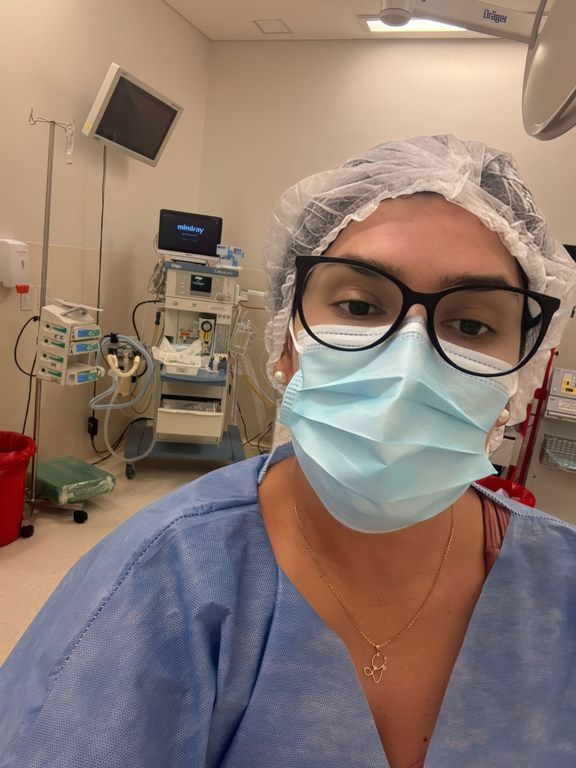
Margarita Castrillón, Paediatrician, Buenos Aires, Argentina

As a paediatrician on the frontlines, Dr Castrillon says future pandemic plans must start with empathy, solidarity, and real support for health workers.

“We were heroes without capes and without fair pay.”

In 2020, Dr Margarita Castrillón, a Colombian paediatrician living in Buenos Aires, found herself taking on far more than her usual clinic work.

As COVID-19 swept Argentina, she volunteered to also serve in emergency medical transport, riding in ambulances to transfer patients, many suspected of having the virus, to hospitals across the city.

After one of those long, exhausting shifts, she noticed a handwritten sign taped to the elevator in her apartment building.

It said “I’m Victoria from the 7th floor. If you need any groceries or help, ring my doorbell,” she recalls. “That gesture filled my soul after such a hard day at work. It marked me. I thought: the good people outnumber the bad. Empathy was winning.”

Dr Castrillón was working across multiple roles – clinic, ambulance, teaching at the university – all while raising her young daughter. “It was brutal. I look back and I want to cry. I’m not sure I’d be as brave if it happened again. Every day I left home terrified.”

The memory of Buenos Aires’ summer heat under full protective suits stays with her. “We were heroes without capes and without fair pay. We worked 24 hours, covering for sick colleagues, unable to eat or speak together.”

But the experience gave her one unexpected gift. “I taught my daughter to read, write and do maths at home. It made me a better mum. I valued family and true friendship more than ever.”

Her medical routine also changed permanently. “I now wear a mask with every patient. It protects both of us. And hand sanitiser stations in hospitals are permanent now.”

On the upcoming global pact, she is firm: “We need collaboration and love for people at the government level. We lived through hell. Some colleagues still suffer panic attacks. Recognition and fair pay are essential to keep health systems strong.”

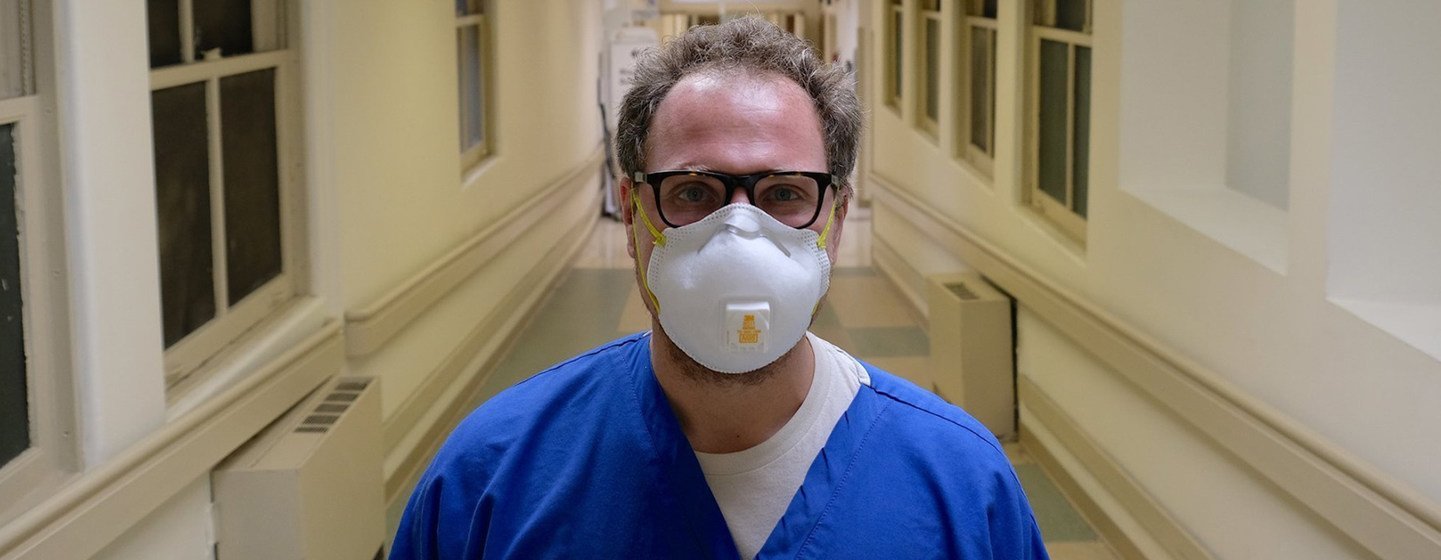
Evgeny Pinelis, Intensive Care doctor, Brooklyn, New York

In an overwhelmed New York ICU, Dr Pinelis worked beyond limits and now warns the world may still be unprepared for what comes next.

When we first spoke to Dr Evgeny Pinelis in the spring of 2020, he was deep in New York City’s overwhelming first COVID wave.

“Our first severe patient came on 7 March. By the end of the month, we had over forty ICU beds full,” he recalled. ICU nurses were pushed beyond safe limits, caring for up to five critical patients at a time.

“I do hope there won’t be a next time, because I’m not confident we’re truly ready.”

Protective equipment ran so scarce that he bought supplies with his own money, while volunteers scrambled to donate gear, some uncertified, but “better than nothing.”

Throughout the crisis, Dr Pinelis shared dispatches on social media, chronicling the chaos with honesty and caution. “I woke up one morning to thousands of new followers,” he said.

Five years later, his reflection is sobering. “I can only speak about this from the perspective of a regular intensive care doctor. And if I had to sum it up, I’d say I realised I’m ready, if necessary, to work far beyond the norm and do everything possible when faced with a poorly understood disease that we didn’t quite know how to treat.”

The public’s reaction, he says, was a mixed bag. “On the one hand, there were volunteers, support, and solidarity.

“But on the other, there were conspiracy theories, complaints about things as trivial as closed theatres, and at times even hostility toward medical professionals and scientists.”

In the earliest days of the pandemic, positivity seemed to win out. “But within a month or so, the negativity began to dominate,” he says. “We were lucky that the disease turned out not to be highly lethal.”

As for preparedness today, Dr Pinelis remains cautious: “Being less prepared than we were in New York is hard to imagine – so yes, we can and should be better prepared. But it seems the lessons learned weren’t quite the ones we hoped for. And I do hope there won’t be a next time, because I’m not confident we’re truly ready.”

Chen Jingyu, lung transplant surgeon, Wuxi, China

© Wuxi People’s Hospital

Dr Chen performed emergency lung transplants on critically ill COVID patients and now advocates for global cooperation and fair access to care.

In 2020, Dr Chen Jingyu, vice president of Wuxi People’s Hospital and one of China’s leading lung transplant surgeons, performed two of the world’s first lung transplants on critically ill COVID-19 patients.

His team worked under extraordinary conditions, moving their operating theatre into an infectious disease hospital and taking extreme precautions to avoid infection.

“We didn’t know if there was any virus in their airways during the process of cutting off the diseased lung. So, we did the surgery with very strict precautions,” Dr Chen said at the time. “We had a very scientific discussion about how we could save lives, protect our health care workers, and achieve zero infection.”

“The Pandemic Treaty is a turning point in global health.”

Today, Dr Chen says the Pandemic Treaty represents a critical milestone. “The Pandemic Treaty is a turning point in global health governance,” he says. “First, in terms of prevention and early response, the treaty will help build a global coordinated prevention system, strengthen pathogen monitoring and information sharing, and implement the One Global Village, One Health approach.”

“Second, the treaty provides legal guarantees for equitable access to medical resources, avoids national monopolies, and improves global standardisation of care capabilities to patients in severe conditions.”

Dr Chen believes the lessons of the pandemic must be used to build a fairer system. “Access to and training of high-end medical technologies will enhance the ability of developing countries to respond to severe diseases such as respiratory failure and reduce mortality,” he says.

“Only through international cooperation and scientific consensus can we truly have the courage and confidence to fight against pandemics.”

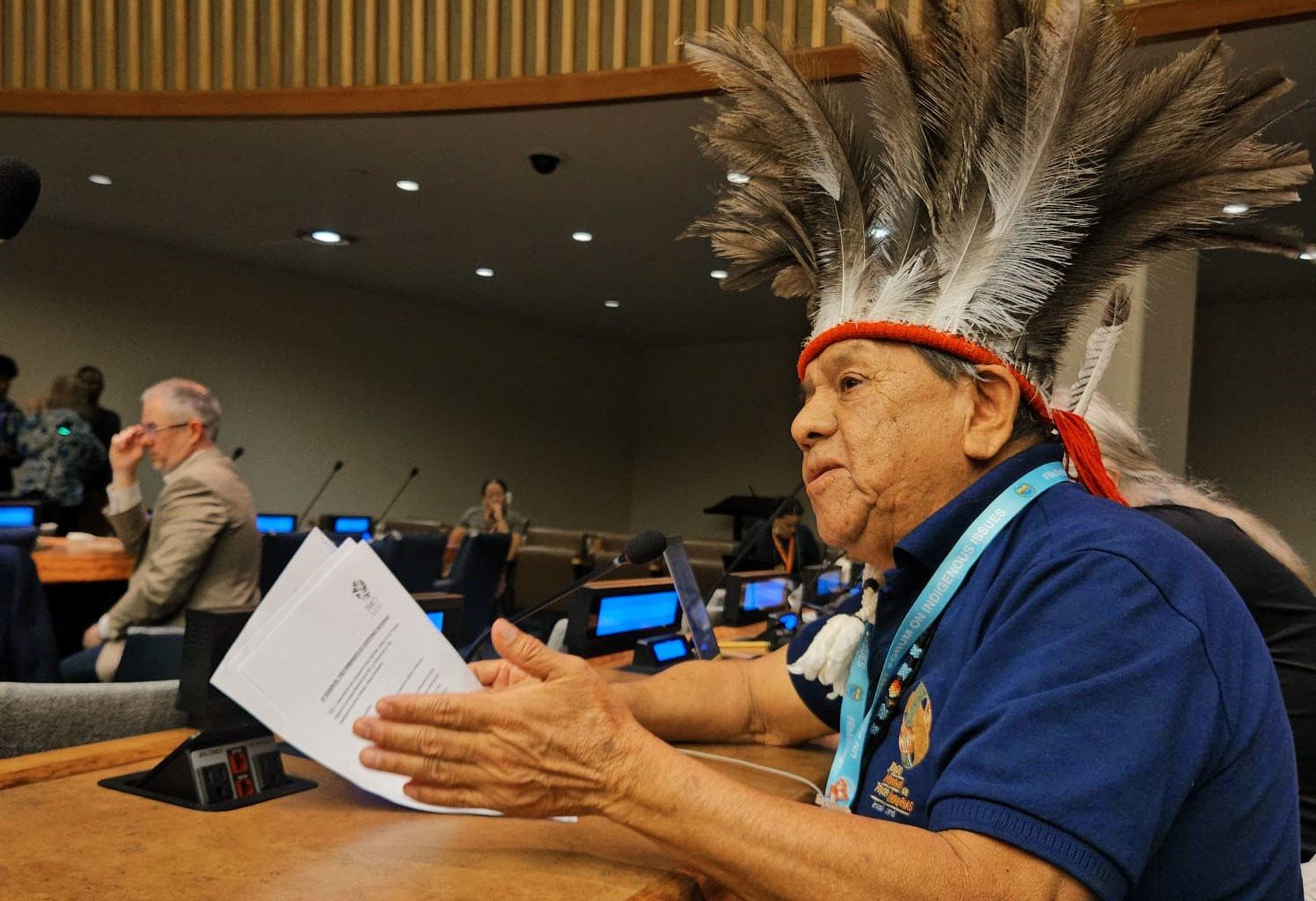
Marcos Terena, Indigenous leader, Brazil

Marcos Terena lost family to COVID and calls for a global pact rooted in dignity, life, and respect for the Earth.

The pandemic devastated Brazil’s Indigenous communities, including Terena’s own Xané people. “I still can remember that morning, in our Indigenous community, when we heard that a cousin of ours had passed away suddenly.

“He started coughing and ended up dying. That scared all of us in our community,” he recalls.

“About two hours after his death, we learned that his wife, who had gone to the hospital to retrieve his body, had also died, from the same symptoms. We started panicking and looking for help, as this was a disease that even our leaders did not know how to handle, how to cure. They did not know much about this disease which was brought to us by the wind.”

The loss became personal when his brother, the creator of the Indigenous Olympic Games, also died of COVID-19. “It brought us emotion, tears. He went to hospital and never came back.”

“The UN must make a pact for life”

Looking back, Mr Terena believes the World Health Organization played a crucial role. “When the WHO became the focal point and the mediator for the pandemic response, this gave the United Nations a very responsible role to play among governments across the globe,” he says.

Today, his message remains urgent and clear. “We are not talking about money or currencies. We are talking about well-being. We the Indigenous people fight for the Earth. The Earth is our Mother, and our source of life; it gives us our cosmovision, our food security and our dignity as peoples.”

As world leaders meet again, he leaves them with a final plea: “The UN should make a pact for life, a pact for dignity and a pact where life is crucial to all.”

Nikhil Gupta, United Nations youth volunteer, Varanasi, India

© UNDPIndia/Srishti Bhardwaj

UNV’s Nikhil Gupta created grassroots health and education tools during lockdowns, turning remote villages into hubs of volunteer-powered resilience.

As COVID-19 overwhelmed Varanasi, India’s spiritual heart, Nikhil Gupta – a United Nations Volunteer from Uttar Pradesh – stepped in to serve the most isolated communities.

“The pandemic changed everything,” he says. “In Varanasi, COVID-19 infected over 80,000 people, and thousands of families in remote villages were left without access to healthcare, education, or even accurate information. But the crisis revealed not just gaps but grit.”

Mr Gupta and his team launched creative grassroots solutions. “Guided by the UN principle of ‘Leave no one behind,’ we created an animated volunteer guide named Ganga – a friendly character with a warm voice and simple wisdom. Ganga became a beacon of hope, educating villagers about hygiene, safety, and vaccination through videos watched on shared mobile screens under neem trees.”

“When the world paused, we stepped forward. When fear spread, we spread hope.”

They also opened Vidya ki Jhopdi – The Hut of Education. “It was a community classroom built from scrap but powered by purpose. There I met Raju, an 11-year-old from a nearby slum who had lost access to school. He would sit on a worn-out mat every afternoon, eyes wide with wonder, scribbling letters in chalk. Today, he reads and writes fluently, and dreams of becoming a teacher.”

The human moments left the deepest impression. “There was Amma Shanti Devi, a 90-year-old widow in a remote village. Left alone after the lockdown, she hadn’t stepped out in months. Through our volunteers, she received regular wellness check-ins, medicine deliveries, and simply someone to talk to.”

Looking ahead to the Pandemic Treaty, Mr Gupta says is shouldn’t be only technical or top-down. “It should echo the voices of people like Amma and Raju. It must include local wisdom, volunteer networks, and ensure grassroots equity. My message to world leaders? ‘Laws can guide, but love must lead. Invest in hearts that serve, not just in speed.’”

He adds: “Support young changemakers. Recognise the power of community-driven action. Make health systems inclusive. And build a world where, when the next storm hits, the light doesn’t dim. Because in every village, there’s a Nikhil. And in every Nikhil, a youth waiting to be led.”

Alejandra Crail, Journalist, Mexico City

Alejandra Crail exposed rising child abuse during lockdown and says future pandemic plans must protect mental and emotional health, too.

“Health is more than vaccines. It’s also mental health, emotional health.”

When the pandemic hit Mexico, Alejandra Crail was not just reporting the crisis, she was sounding an alarm. Her investigation, To Kill a Son, revealed that every two days in Mexico, a child under 15 is killed – often at home, and often by someone in their own family.

“Let me remember something,” she says. “At the beginning of the Coronavirus, I started to talk to different experts on childhood rights and domestic violence…We were worried because we were about to lose our eyes in schools, sports, and community centres. Children were more vulnerable than ever during the COVID era.”

For many, home wasn’t a safe haven. “Their houses were the most dangerous places for them, and their nearest family members are usually their attackers.”

Now, five years later, the violence hasn’t eased. “The number of domestic violence cases has increased after the pandemic,” Ms Crail says.

She shares one case she can’t forget. Joselina Zavala, a grandmother who reported the sexual abuse of her disabled grandson. “She went to the police…despite the testimony of the child and the proof, his father was absolved.

“When people go to the authorities to achieve some kind of justice… the authorities usually don’t investigate enough, and the crimes are unsolved.”

The pandemic also reshaped her personal convictions. “Health is the most important thing to make sure that we have,” she says. “When we live in a country like Mexico, where we don’t have a good public health system, a pandemic or any other illness can be very, very hard to survive.”

She adds, “Work isn’t the most important thing in the world. Family – your loved ones – are the real treasure. We need to spend more time with them, because we don’t know how much time we can share.”

Looking ahead to the World Health Assembly and the Pandemic Treaty, she warns that global responses must go beyond access to vaccines and medicine. “Health is more than vaccines. It’s also mental health, emotional health,” she says.

Her final message to world leaders is as personal as it is political: “We need to open paths that benefit all countries that make up the world. These issues must be on the table because in a pandemic, they can be the difference between a family surviving adversity, or not.”


Source link

World News in Brief: Russia-Ukraine talks, Sudan exodus worsens, Colombia displacement rises

Delegations met in Istanbul for the first direct negotiations in three years, including on a potential ceasefire and large-scale prisoner exchange.

The UN acknowledged the important role of Türkiye and the United States in facilitating the talks, said Stephanie Tremblay, a spokesperson for the global body in New York.

“We hope this process will lead to a full, immediate and unconditional ceasefire in Ukraine, which would serve as a critical step towards creating the conditions for a just, comprehensive and sustainable peace in Ukraine, in line with the UN Charter, international law and relevant UN resolutions,” she said.

Russia launched its full-scale invasion of Ukraine in February 2022 and the talks marked the first time the parties have met since the early months of the war.

Sudan exodus: Worst situation in decades, UN refugee agency warns

Tens of thousands of refugees fleeing escalating violence in Sudan continue to escape to Chad at speeds not seen since the start of the conflict two years ago, the UN refugee agency, UNHCR, said on Friday.

Many others remain trapped by heavy fighting between government and paramilitary forces.

UNHCR spokesperson Eujin Byun told UN News that 20,000 Sudanese refugees are arriving each week in eastern Chad and more than 70 per cent are victims of serious human rights violations during their journey, including assault, extortion and sexual violence.

She said the head of UNHCR’s office there has characterized this as “the worst situation he has encountered in his entire decades of career as humanitarian.”

One in two refugees who spoke to the UN agency said that they had relatives “trapped in Sudan” because they have no transport and were afraid of arbitrary arrest or forced recruitment.

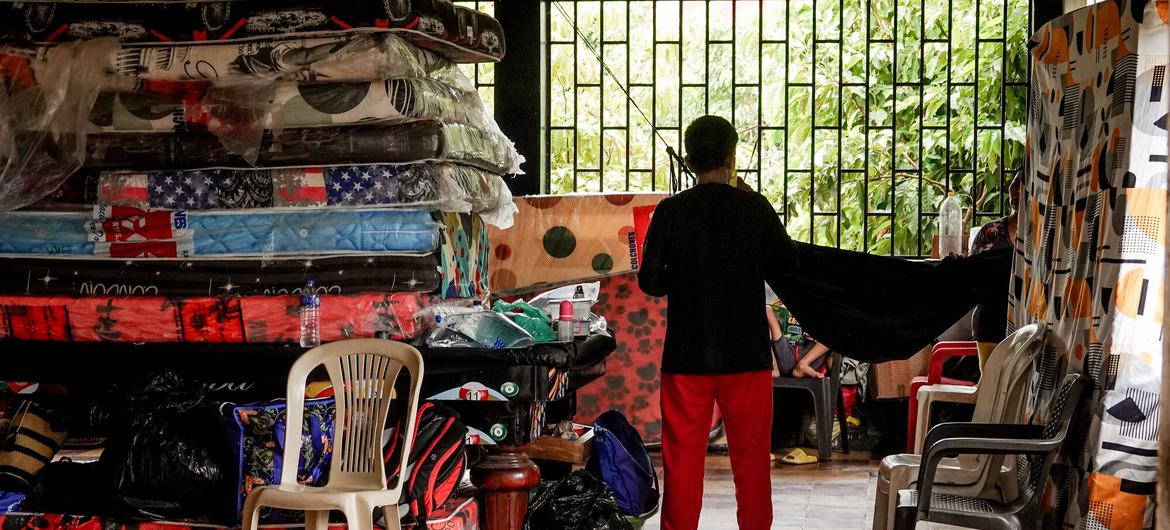
A displaced family at a temporary shelter in Catatumbo, Colombia.

Over 66,000 Colombians displaced since January 

More than 66,000 people in Colombia have been newly displaced since mid-January due to fighting between two non-State armed groups, the UN Office for the Coordination of Humanitarian Affairs (OCHA) said on Friday.

This represents a 28 per cent increase compared to the number of Colombians displaced in the entirety of last year.  

Moreover, at the end of 2024, 7.3 million people remained displaced within the country due to violence or conflict – the third largest number outside of Sudan and Syria.

In February, the UN’s Central Emergency Response Fund (CERF) allocated $3.8 million to support new displacements in Colombia. UN aid agencies have been working to distribute this aid, especially in Catatumbo which has been hardest hit by the violence.  

However, the UN estimates that humanitarians will need $342 million to fully meet the growing needs. So far, they have received only 14 per cent of this money.  

The recent deadly violence in Colombia’s Catatumbo region has highlighted the ongoing challenges in consolidating peace, eight years after the signing of the 2016 Final Peace Agreement, t

Source link

Over 60 per cent of the Arab world still outside the banking system

Even more impressively, the number of Egyptian women with an account increased by 260 per cent, though gender gaps do remain.

But how you widen financial inclusion overall is a question the Arab region is currently grappling with.

A new report from the UN Economic and Social Commission in Western Asia (UNESCWA) published on Thursday highlights the challenge.

Nearly 64 per cent of adults in the 22 countries in the Arab region are still without an account – or “unbanked” – a higher number than all other regions of the world and significantly higher than the 24 per cent global average.

The report warns that this level of financial exclusion will negatively impact economic opportunities and the region’s ability to meet Sustainable Development Goals (SDGs) by 2030.

“The Arab region cannot afford to treat financial services as a luxury. Without inclusive finance, we cannot hope to lift people out of poverty, support small businesses, or achieve equitable growth,” said ESCWA’s Mario Jales, lead author of the report.

The digital divide within the divide’

The report finds that women and disabled people have even less access to financial services – only 29 per cent of women and 21 per cent of disabled people in the region have an account.

Similarly, rural communities and younger and older people also experience lower rates of inclusion in the banking system.

The report also highlighted that access to loans for small and medium-sized businesses is worryingly low, reducing entrepreneurial and other income-producing activities.

In addition to gender disparities, there are variations within the Arab region – 81 per cent of people in low-income countries do not have access to an account in comparison to 67 per cent in middle-income countries and 23 per cent in the high-income bracket. 

As of 2024, 69 percent of Egyptian women have bank accounts, a large increase from 2016.

Models of success

Given that regional rates of financial inclusion remain so low, how do countries work to improve them?

The basis of Egypt’s success was the implementation of a comprehensive national strategy to promote financial inclusion, a strategy which actively worked to target underserved communities, ESCWA points out.

For example, in Egypt, 22 per cent of ATMs in the country have now been equipped with accessibility features including brighter lighting and Braille keyboards.

Other countries in the region have also implemented national strategies which include targeted initiatives.

Jordan, which has the second widest gender gap in the region, implemented a Microfund for Women to provide loans for income-generating activities. There are now 60 branches across the country, serving 133,000 borrowers, 95 per cent of whom are women.

Moreover, some banks in the region have worked to implement financial literacy classes and others have worked to tailor their services to underserved communities including by lowering minimum deposits.

The report concludes that an expansion of all these activities – national policymaking which targets underserved communities and private bank activities which lower barriers to entry and support financial literacy – will be essential in improving financial inclusion.

The path forward exists, but it requires political will, targeted investment and a whole-of-society approach,” the report concludes.

‘The world is failing its health checkup,’ says WHO

“Behind every data point is a person – a child who didn’t reach their fifth birthday, a mother lost in childbirth, a life cut short by a preventable disease,” said WHO chief Tedros Adhanom Ghebreyesus, as the organization’s latest statistics report revealed the pandemic’s deeper health impacts.

Warning that overall progress is under threat today, WHO on Thursday called on governments “to act, with urgency, commitment, and accountability to the people they serve.” Tedros bemoaned the “avoidable tragedies” behind the statistics.

Chronic diseases

The 2025 report shows an estimated 1.4 billion more people were living healthier lives by the end of 2024, surpassing WHO’s one billion target. This was driven by reduced tobacco use, better overall air quality and access to water, hygiene and sanitation, said WHO.

But underinvestment in primary health care, shortages of skilled health workers, and gaps in service like immunisation and safe childbirth are now holding countries back.

Driven by population growth and aging, premature deaths from noncommunicable diseases, such as cancer and diabetes, are rising. Worldwide, such diseases now account for the leading causes of deaths among people under 70.

Additionally, “air pollution continues to harm population health around the world,” said WHO’s Haidong Wang. 

Maternal deaths

The rate of maternal deaths fell by over 40 per cent and deaths of children under five were cut by half between 2000 and 2023.

However, progress has been either stalling or reversing in many countries, and maternal and child deaths are not falling “fast enough” – putting millions of lives at risk.

Millions more lives on the line

Essential health service coverage and protection from emergencies have lagged, the UN health agency data shows.

Without urgent course correction, WHO estimates that the world risks losing the chance to prevent an additional 700.000 maternal deaths and eight million deaths of children under five years old,” between 2024 and 2030.

World News in Brief: Sudan refugees, aid for Syrian returnees, MERS alert in Saudi Arabia, Venezuela urged to end secret detentions

The UN refugee agency, UNHCR, reported on Wednesday that most of the new arrivals are women and children.

Many have come from Zamzam camp and the city of El Fasher, locations targeted by paramilitary Rapid Support Forces, who’ve been fighting forces of the military government for more than two years.

In Chad, the high numbers of those arriving are putting significant strain on overwhelmed resources.

Exhausted and victimised

Aid teams say that many refugees arrive exhausted after walking for days because they are unable to afford transport.

They report being victims of targeted attacks, looting and sexual violence.

Numerous children have been injured, families separated, and others remain missing, the refugee agency said.

Immediate needs in Chad include shelter, food, medical care and psychological support but the $409 million refugee response appeal is only 20 per cent funded.

Syria’s returnees desperately need help to start over

Syrians trying to rebuild their lives in their war-torn country urgently need the support of the rest of the world to help them start again, UN aid agencies said on Wednesday.

Hopes rose this week in Damascus following Donald Trump’s move to end punitive sanctions – but after more than 13 years of civil war that ended with the fall of the Assad regime last December, many communities today face a range of basic problems.

These include unreliable access to electricity, clean water and healthcare.

Records destroyed

The destruction of public records is also preventing returnees from accessing essential services or claiming housing and land rights, according to the UN migration agency, IOM.

Its Director-General, Amy Pope, insisted Syrians were resilient and innovative but that they needed help, now. “Enabling (them) to return to a country that is on the path to stability and progress is critical for the country’s future,” she insisted.

A new IOM report from more than 1,100 communities across Syria found that work is scarce, partly because farming and markets are still struggling to recover.

Shelter reconstruction is also needed urgently, while unresolved property issues continue to prevent people from rejoining their communities.

Since January 2024, the UN agency has recorded more than 1.3 million returnees previously displaced within Syria, in addition to nearly 730,000 arrivals from abroad.

WHO issues warning over deadly MERS outbreak in Saudi Arabia

A recent outbreak of Middle East Respiratory Syndrome coronavirus (MERS-CoV) in Saudi Arabia has raised concerns after two people died from the disease between March and April.

The World Health Organization (WHO) has released updated guidelines to help contain the outbreak, which has seen nine confirmed cases – seven of them in the capital, Riyadh. Several of those infected were healthcare workers who caught the virus from a patient.

MERS is caused by a zoonotic coronavirus, from the same family of viruses as COVID-19. While WHO estimates the fatality rate to be around 36 per cent, the true figure may be lower, as mild cases often go undiagnosed.

Despite the recent cases, the risk of wider spread remains moderate at both the regional and global levels, according to WHO.

MERS is primarily carried by dromedary camels and can be passed to humans through direct or indirect contact with infected animals.

Human-to-human transmission usually happens in healthcare settings, through respiratory droplets or close contact.

No vaccine, no cure

Much like COVID-19, MERS can range from no symptoms at all to severe respiratory illness, including acute respiratory distress — and in some cases, death. There’s currently no vaccine or specific treatment.

To stop the virus from spreading, WHO urges hospitals and clinics to step up infection prevention and control measures, especially where suspected cases are being treated.

Since MERS was first identified in 2012, it has caused 858 deaths across 27 countries in the Middle East, Africa and South Asia.

Call for Venezuela to end secret detention of political opponents

Top independent human rights experts have urged the Venezuelan authorities to stop the reported practice of holding political opponents incommunicado.

In an alert on Wednesday, they insisted that these “targeted detentions” were illegal and amounted to enforced disappearance, a major human rights violation if proved and potentially an international crime.

They maintained that using secret detention was a deliberate strategy by the State “to silence opposition figures…and to instill fear among the population”.

Lack of legal protection

The mission pointed to a widespread lack of “effective judicial protection” for civil society in Venezuela and accused State security forces of colluding with the Public Prosecutor’s Office.

The services allegedly responsible for detentions include the national intelligence service, the national guard and military counterintelligence.

The mission’s independent rights experts also maintained that criminal courts and the Constitutional Chamber of the Supreme Tribunal of Justice were also “complicit” by ensuring that the alleged crimes went unpunished.

The Fact-Finding Mission on Venezuela was created by the Human Rights Council in 2019; its members are not UN staff and they work in an independent capacity.

World News in Brief: Sudan aid update, child migrant deaths at sea, nursing shortages, invasive pest scourge

Port Sudan – the main entry point for humanitarian supplies and personnel into the country – came under attack for the ninth consecutive day. As the UN’s main humanitarian hub in Sudan, drone strikes on the coastal city have gravely impacted aid delivery.

Nonetheless, UN Humanitarian Air Service (UNHAS) flights were able to resume on 8 May, providing a continuation of a key humanitarian lifeline as the war between rival militaries for control of Sudan continues, UN Spokesperson Stéphane Dujarric confirmed.

Targeting of civilian infrastructure has sparked panic and displacement. The International Organization for Migration (IOM) reported last week that 600 people were displaced within Port Sudan alone because of the attacks.

Catastrophic situation in North Darfur

The UN Humanitarian Coordinator for Sudan, Clementine Nkweta-Salami, warned on Sunday that the situation in the North Darfur camps of Abou Shouk “is catastrophic.”

Although the UN and its partners continue to scale up their humanitarian response, both camps remain, in effect, cut off from aid.

Ms Nkweta-Salami issued an urgent call for a ceasefire and humanitarian pauses to allow life-saving deliveries to resume.

Call for action after deaths of migrant children at sea

Two young children, aged 3 and 4, have died from dehydration aboard a rubber dinghy found adrift in the central Mediterranean, the UN Children’s Fund (UNICEF) said on Monday.

The vessel, which departed Libya carrying 62 migrants including several children, had reportedly been stranded for days after its engine failed.

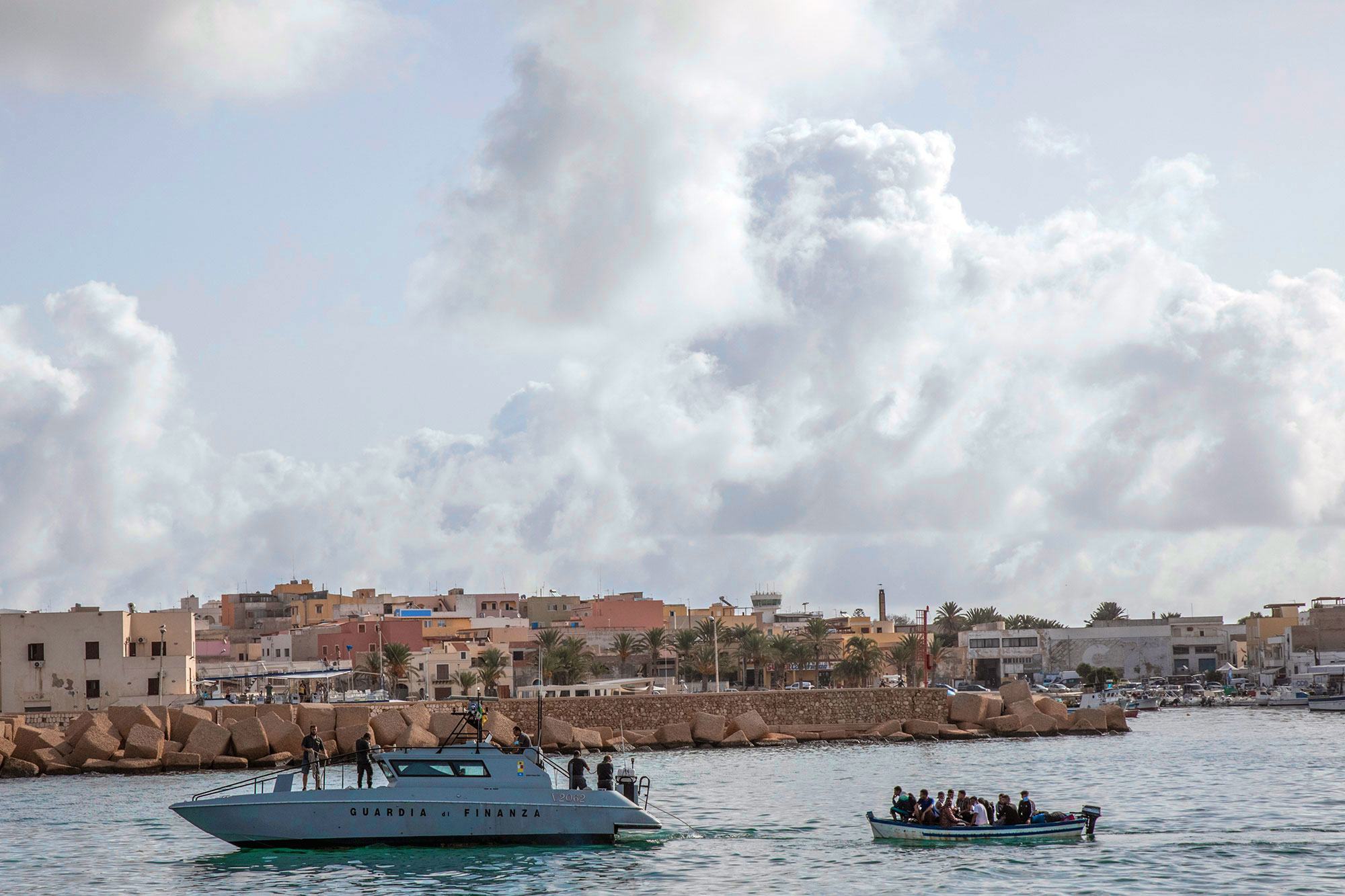
Refugees and migrants in a wooden boat are rescued near the Italian island of Lampedusa in the Mediterranean Sea.

According to survivors, the children had died nearly a day before rescuers arrived.

One additional passenger is believed to have drowned earlier in the journey. Many others onboard suffered severe chemical burns caused by contact with a mixture of seawater and spilled fuel – injuries which require urgent medical attention.

All surviving passengers were eventually rescued and transferred to Lampedusa by the Italian coast guard.

‘Devastating reminder’

Regina De Dominicis, UNICEF Regional Director for Europe and Central Asia, called the incident “another devastating reminder” of the deadly risks migrants face.

She stressed the need for coordinated search and rescue missions, and greater investment in support services for migrant families.

“The central Mediterranean remains one of the most dangerous migration routes in the world,” Ms. De Dominicis said. “Without immediate action, more lives will continue to be lost.”

UNICEF continues to call on governments to meet their obligations under international law and protect vulnerable children seeking safety.

Nursing workforce grows, but deep inequalities persist worldwide

The number of nurses around the world has increased in recent years, but a new UN report published on Monday shows that many countries and regions still face serious shortages, highlighting ongoing inequalities in access to nursing care.

Low-income countries are particularly affected, struggling with too few nurses to meet the needs of their growing populations, said the UN World Health Organization (WHO) which crunched the data.

Poor prospects at home

While these countries are training new nurses at a faster rate than wealthier nations, challenges such as rapid population growth and limited job opportunities are making it hard to close the gap, WHO added.

These imbalances in where nurses are working mean that millions still don’t have access to basic health services.

This is holding back efforts to achieve universal health coverage, protect global health, and meet international development goals linked to health.

“We cannot ignore the inequalities that mark the global nursing landscape,” said WHO Director-General Tedros Adhanom Ghebreyesus.

WHO is urging governments to create more nursing jobs and ensure they are fairly distributed, especially in communities where healthcare services are lacking.

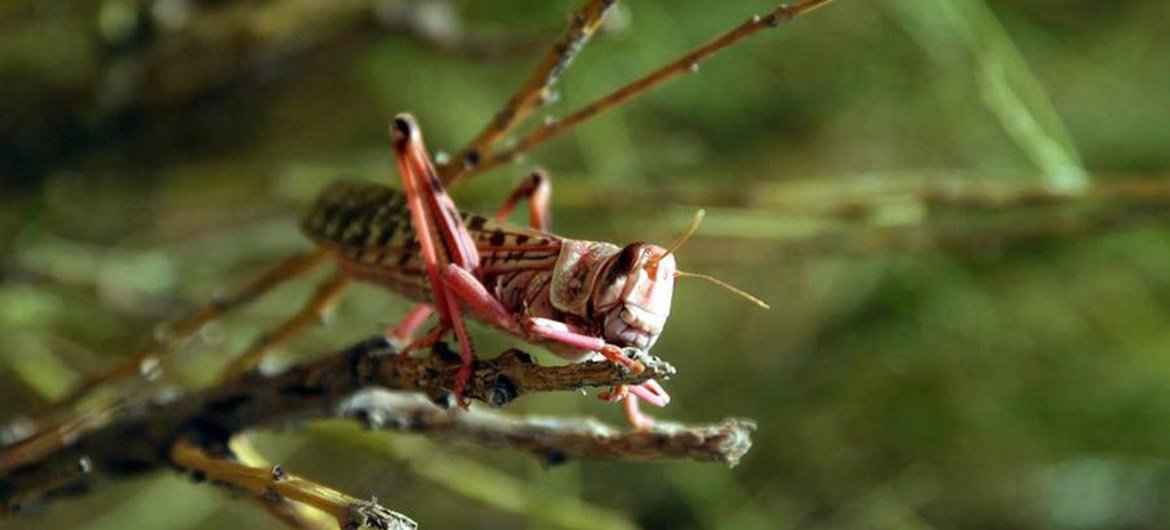
Plant pests continue to threaten global food supplies

Protecting crops from pests is key to ensuring everyone has enough to eat, said the head of the UN Food and Agriculture Organization (FAO) on Monday, who stressed that access to food is a basic human right.

Each year, around 40 per cent of the world’s crops are lost to plant pests and diseases, causing over $220 billion in economic damage.

Invasive pests turn up the heat

Migratory pests like locusts and armyworms are among the biggest threats, especially in regions already hit hard by conflict and climate change.

Countries in the Near East and North Africa – including Algeria, Libya and Tunisia – are currently dealing with a serious outbreak of desert locusts that began in the Sahel.

These insects destroy crops and pastureland, putting food supplies for both people and animals at risk, and threatening the survival of farming communities.

“No country can face these challenges alone,” said FAO Director-General QU Dongyu, at a high-level conference in Italy marking the International Day of Plant Health.

He called for greater international cooperation and more funding to tackle cross-border pests and diseases.

Source link

World News in Brief: ‘Massive’ needs in Sudan, DR Congo aid shortfall, support for Congolese refugees and Angola cholera relief

The UN estimates that in the past few weeks, over 330,000 people have fled into Tawila after the Rapid Support Forces (RSF) launched violent attacks in the Zamzam and Abu Shouk displacement camps and in El Fasher, the regional capital. 

Over 100,000 people also remain trapped in El Fasher. 

‘Massive’ humanitarian needs

Since the beginning of the civil war in Sudan in April 2023, over 18,000 civilians have been killed and over 13 million have been forced from their homes. 

According to UN estimates, over 30.4 million Sudanese are in desperate need of humanitarian aid. 

The World Food Programme (WFP) has provided food assistance to over 300,000 people from the Zamzam displacement camp. Yet, UN Humanitarian Affairs Coordinator Tom Fletcher noted on Thursday that needs remain “massive” in the region. 

“Our humanitarian colleagues also underscore the urgent need for stepped-up, flexible funding to sustain and expand life-saving support for people in need in North Darfur and elsewhere in Sudan,” said UN Deputy Spokesperson Farhan Haq, briefing reporters on Friday. 

However, with ongoing drone strikes in Port Sudan, the main entry point for humanitarian supplies, and increasing violence in North Darfur, providing life-saving assistance has become increasingly difficult. 

“We call once again on all parties to facilitate safe, unhindered and sustained access to the area, via all necessary routes,” Mr. Haq said. 

© UNICEF/Jospin Benekire

A displaced family sit in front of their makeshift shelter in Goma, North Kivu province, DR Congo.

DR Congo: Dire impact of funding cuts amidst cholera outbreak   

Funding shortfalls have forced the humanitarian community to re-prioritise its response plan to alleviate the crisis in the Democratic Republic of the Congo (DRC), the UN aid coordination office OCHA said on Friday. 

Nearly seven million people have already been forcibly displaced by violence since advances by M23 rebels earlier this year.

While the 2025 UN humanitarian plan aims to provide life-saving interventions to 11 million people across the DRC at a cost of $2.5 billion, only $233 million has been received so far. 

Despite escalating needs in the wake of the crisis in the east of the country, “that’s only half the amount we had secured by this time last year,” Farhan Haq told journalists in New York.

Congolese health authorities are facing shortages of medical supplies as the DRC is now facing a cholera outbreak in six provinces.

OCHA is calling for greater protection of civilians in conflict-affected areas, and more support to prevent the collapse of essential services and address the root causes of the crisis.

UN fund allocates over $4 million to support Congolese refugees, Angola cholera outbreak

Two new allocations from the UN Central Emergency Response Fund (CERF) will support Congolese refugees in Uganda and efforts to combat a deadly cholera outbreak in Angola. 

UN Emergency Relief Coordinator Tom Fletcher released the funding on Friday.

More than 60,000 people have fled violence in the Democratic Republic of the Congo (DRC) for neighbouring Uganda since January.

The first allocation, for $2.5 million, will allow the UN and partners to provide life-saving assistance to over 40,000 refugees, including clean drinking water, food, healthcare and nutrition support.

The $1.8 million CERF contribution in Angola will support the urgent response to the country’s worst cholera outbreak in two decades.

Since the beginning of the year, the outbreak has spread to 17 out of 21 provinces, with more than 18,000 cases and 586 deaths reported as of 7 May. 

The funding will go towards scaling up the response and helping to prevent further spread of the disease. 

Source link