Syrians face staggering needs amid insecurity and healthcare crisis

Wrapping up a visit to the country, Edem Wosornu, who heads operations and advocacy for the UN humanitarian affairs coordination office (OCHA) said that she could “feel the momentum for change” on the ground after years of suffering and hardship under the Assad regime ended with its overthrow last December.

But formidable challenges remain as 16.5 million Syrians require humanitarian assistance and protection, and needs are “staggering”.

Speaking from Gaziantep, a humanitarian hub in Türkiye just across the Syrian border, Ms. Wosornu noted an “encouraging trend of returns” since last December.

Over one million internally displaced people have come back to their areas of origin, she said, and more than half a million refugees have returned from neighbouring countries according to the UN refugee agency (UNHCR).

Devastated homes and opportunities

The OCHA official cited insecurity, damaged homes, inadequate services, lack of livelihood opportunities and the threat of unexploded ordnance as “key barriers” preventing people returning.

“People say, first and foremost they want security,” she stressed.

While the level of hostilities in the country has subsided, Ms. Wosornu said, localized tensions and clashes remain a “major concern”.

Remnants of heavy fighting pose a continued threat to civilians, said Dr Altaf Musani, the UN World Health Organization (WHO)’s Director of Health Emergencies.

He pointed to at least 909 casualties from unexploded ordnance since December 2024, including some 400 deaths – a majority of them women and children.

We’re starting to see the admission rates and consultation rates in emergency rooms increase… Children and women, going about their daily life, trying to get water, trying to get food, trying to rebuild,” are walking through agricultural land, roads and rivers where unexploded munitions could be hiding, he said.

Camp residents at highest risk

Diseases, such as cholera and acute watery diarrhoea, are spreading, Dr. Musani said, stressing that more than 1,444 suspect cases of cholera and seven associated deaths have been recorded.

“This is particularly in Latakia and Aleppo, particularly around displacement camps,” he said.

“We know that when cholera gets hold in camps, it can serve as a brush fire, increasing both morbidity and mortality.”

The WHO official warned that more than 416,000 children in Syria are at risk from severe malnutrition and that more than half of children under five suffering from severe acute malnutrition are not receiving treatment.

“From a public health standpoint, we need to be able to watch that risk and intervene and save those children,” he said.

Boys play in an informal camp in Syria.

Pregnancy dangers

Dr. Musani also noted that half of the maternity hospitals in northwest Syria have suspended operations since September 2024 owing to financial cuts, which humanitarians are “witnessing globally” but which are “really apparent” in Syria.

Underfunding of the humanitarian operation in Syria is already severe. Earlier this week, OCHA’s Coordination Division head, Ramesh Rajasingham, told the Security Council that out of the $2 billion required for the UN and its partners to reach eight million of the most vulnerable people from January through June 2025, only 10 per cent has been received.

The country’s cash-strapped health facilities face a lack of skilled workers and equipment, said WHO’s Dr. Musani. The war had pushed some 50 to 70 per cent of the health workforce to leave the country in search of other opportunities, and the health infrastructure is in dire need of investment.

The WHO official noted that for the health system – the “heartbeat of the nation” – the sanctions imposed on the country during the Assad regime had resulted in a lack of much-needed upgrades, compromising the purchase of new MRI machines, CT scanners, laboratory equipment and software upgrades.

Over the past two weeks, both the United States and the European Union have moved to lift the sanctions. OCHA’s Ms. Wosornu expressed hope that thanks to this development “we’ll see the impact on goods and services, on the cost of doing operations in the country, on the ability to move goods quicker into the country”.

But “it will take time”, she added. “I believe the people of Syria are hopeful that this will change their everyday lives.”

Kenya: Refugees facing ‘lowest ever’ emergency food rations amid funding crisis

Over the past five years, the refugee population in Kenya has surged by more than 70 per cent – from approximately 500,000 to 843,000 – driven largely by conflict and drought in neighbouring Sudan and Somalia. Of these, around 720,000 people are sheltering in the Dadaab and Kakuma camps, as well as the Kalobeyei settlement.

In Sudan, the civil war that erupted in April 2023 has killed over 18,000 people, displaced 13 million, and left 30.4 million in need of assistance, according to the UN.

WFP provides emergency food and nutrition support to 2.3 million Sudanese as violence and the collapse of essential infrastructure deepen the crisis. 

In Somalia, severe drought has placed 3.4 million people – including 1.7 million children – at risk of acute malnutrition.

At the weekend, Secretary-General António Guterres recommended that the Security Council ensure financing for the African Union’s Support and Stabilisation Mission there (UNSOM), as the country continues to battle insecurity and attacks from Al-Shabaab militants.

Shrinking rations, rising need 

Previously, a monthly WFP ration for a refugee in the camps included 8.1 kilogrammes of rice, 1.5 kg of lentils, 1.1 litres of oil, and cash for purchasing essentials. That support has now been halved, and cash payments have stopped entirely.

Without emergency funding, food rations could drop to just 28 per cent of their original level. WFP is appealing for $44 million to restore full food and cash assistance through August.

Cuts compound existing crises

Although cuts to foreign aid by many developed nations this year has further constrained operations, WFP began reducing services for Kenya’s refugee population in 2024.

Many of the families arriving are already food insecure, and Global Acute Malnutrition (GAM) rates among children and pregnant or breastfeeding women exceed 13 per cent – three percent above the emergency threshold. Targeted nutrition programmes ended in late 2024 due to lack of resources.

Source link

Scam centres are a ‘human rights crisis’, independent experts warn

It’s believed that hundreds of thousands of trafficked individuals of various nationalities are forced to carry out fraud in the centres located across Cambodia, Myanmar, Laos, the Philippines and Malaysia.

The situation has reached the level of a humanitarian and human rights crisis,” said right experts Tomoya Obokata, Siobhán Mullally and Vitit Muntarbhorn. They stressed that thousands of released victims remain stranded in inhumane conditions at the Myanmar-Thailand border.

The underground operations are often linked to criminal networks that recruit victims globally, putting them to work in facilities principally in Cambodia, Myanmar, Laos, the Philippines and Malaysia.  

Many victims are kidnapped and sold to other fraudulent operations, said the rights experts who are known as Special Rapporteurs, reporting to the Human Rights Council. They are not UN staff and work in an independent capacity.

They noted that workers are not freed unless a ransom is paid by their families and that if they try to escape, they are often tortured or killed with total impunity and with corrupt government officials complicit.  

“Once trafficked, victims are deprived of their liberty and subjected to torture, ill treatment, severe violence and abuse including beatings, electrocution, solitary confinement and sexual violence,” the Special Rapporteurs said.

‘Address the drivers of cyber-criminality’

The rights experts added that access to food and clean water is limited and that living conditions are often cramped and unsanitary.

The experts urged Southeast Asian countries, as well as the countries of origin of the trafficked workers, to provide help more quickly and increase efforts to protect victims and prevent the scams from taking place.  

This should include efforts that “go beyond surface-level public awareness campaigns” and which address the drivers of forced cyber-criminality – poverty, lack of access to reasonable work conditions, education and healthcare.

Other recommendations to governments included addressing the insufficient regular migration options that push people into the arms of people traffickers.

Tomoya Obokata, Special Rapporteur on contemporary forms of slavery, including its causes and consequences; Siobhán Mullally, Special Rapporteur on trafficking in persons, and Vitit Muntarbhorn, Special Rapporteur on the situation of human rights in Cambodia, are neither staff members of the UN nor paid by the global organization. 

Proliferation of scam farms post-pandemic

The dark inner workings of scam farms were revealed in a UN News investigation last year which found that they had proliferated following the COVID-19 pandemic.

“Southeast Asia is the ground zero for the global scamming industry,” said Benedikt Hofmann, from the UN agency to combat drugs and crime, UNODC

“Transnational organised criminal groups that are based in this region are masterminding these operations and profiting most from them,” said Mr. Hofmann, Deputy Regional Representative for Southeast Asia and the Pacific, at a Philippines scam farm that was shut down by the authorities in March 2024. 

When UN News gained access to the compound, it was found to have housed 700 workers who were “basically fenced off from the outside world,” Mr. Hofmann explained.

“All their daily necessities are met. There are restaurants, dormitories, barbershops and even a karaoke bar. So, people don’t actually have to leave and can stay here for months.” 

Escaping was a near-impossible task and came at a hefty price.

“Some have been tortured and been subjected to unimaginable violence on a daily basis as punishment for wanting to leave or for failing to reach their daily quota in terms of money scammed from victims,” the UNODC official insisted.

“There are multiple types of victims, the people who are being scammed around the world, but also the people who are trafficked here held against their will and who are exposed to violence.” 

Source link

‘Keep the lights on’ for women and girls caught up in crisis

The UN’s reproductive health agency, UNFPA, has been working to assess the impact of recent steep funding cuts, warning that from the Democratic Republic of Congo to Haiti, Sudan and beyond, a lack of funding for reproductive care or treatment to tackle gender-based violence, is causing untold suffering.

Millions of them are already experiencing the horrors of war, climate change and natural disasters.

Facing a dark future

As support becomes increasingly scarce, women and girls are being overlooked in their hour of greatest need, the agency argues in a new campaign to shed light on their plight – Don’t Let the Lights Go Out.

UNFPA’s humanitarian response p​lans were already under 30 per cent funded in 2024, before this year’s severe cuts began taking effect.

The funding situation on the ground is predicted to get worse, which means a shortage of midwives; a lack of medicines and equipment to handle childbirth complications; shuttered safe spaces; less healthcare overall and cuts to counselling or legal services for survivors of gender-based violence.

The United States has announced cuts of approximately $330 million to UNFPA worldwide, which according to the agency will significantly undermine efforts to prevent maternal deaths.

The agency recently warned on the devastating impacts that the massive cuts will have in Afghanistan, one of the world’s worst humanitarian crises.

Sounding the alarm

The need for health and protection services is highest in crisis zones: 70 per cent of women there are subjected to gender-based violence – double the rate in non-crisis settings.

Furthermore, around 60 per cent of preventable maternal deaths occur in crisis-hit countries.

Through the Don’t Let the Lights Go Out campaign, the UN aims to shine a light on the needs of women and girls in crisis, raise funds to support them, and to reaffirm that women’s health, safety and rights must remain non-negotiable priorities in any humanitarian response.

© UNICEF/Azizullah Karimi

Gaza’s most vulnerable

In Gaza, with food and essential medicines critically low, pregnant women, breastfeeding mothers and children in general are being severely impacted.

Reports show that one in every five people is now facing starvation. For an estimated 55,000 pregnant women, each missed meal increases the risk of miscarriages, stillbirths and undernourished newborns.

According to a doctor at Al-Awda Hospital who spoke to the UN agency, there’s been “a significant increase in cases of low birthweight babies, directly linked to maternal malnutrition and anaemia during pregnancy.”

Health system on its knees

Relentless attacks on hospitals, health facilities and medical staff have left the healthcare system in ruins.

Amid these dire conditions, almost 11,000 pregnant women are already reported to be at risk of famine, and nearly 17,000 pregnant and breastfeeding women will need urgent treatment for acute malnutrition over the coming months. For many, the fallout is devastating.

In 2025, UNFPA is seeking $99 million to address the ongoing and emerging needs in Palestine, but as of April, just $12.5 million has been received.

Source link

UN faces deepening financial crisis, urges members to pay up

With a growing shortfall in contributions – $2.4 billion in unpaid regular budget dues and $2.7 billion in peacekeeping – the UN has been forced to cut spending, freeze hiring, and scale back some services.

Officials warned that this risks eroding the UN’s credibility and its capacity to fulfil mandates entrusted to it by Member States.

Switzerland, speaking also on behalf of Liechtenstein, said the issue goes beyond accounting. “Each delay in payment, each hiring freeze, each cancelled service chips away at trust in our ability to deliver,” the delegate said.

Retain unspent funds as ‘protective buffer’

One proposed solution is to allow the UN to temporarily keep unspent funds at year’s end, instead of returning them to Member States as credits. Currently, this return is mandatory – even if the funds arrive late in the year, giving the UN little time to spend them.

The suggested change would act as a buffer to keep operations running, particularly in January when payments tend to lag.

Delegates also backed limited use of “special commitments” — emergency funding tools — early in the year to bridge gaps caused by delayed contributions.

While these fixes may help, several speakers, including those from Kazakhstan, Norway, and the United Kingdom, emphasized that the root cause is the continued late or non-payment of dues.

Norway noted such temporary measures won’t solve the underlying problem and urged Member States to support bold financial reforms.

‘Real operational risks’

The European Union stressed that the crisis is not abstract. “These are real operational risks,” its delegate said, adding that the burden cannot fall solely on countries that pay on time.

Singapore, speaking for the Southeast Asian group of nations, ASEAN, echoed concern that the UN’s liquidity problems have become routine.

He cited the UN Economic and Social Commission for Asia and the Pacific’s (ESCAP) need to shut its offices for three months and suspend travel and hiring.

Particularly troubling to many was the fact that one country – unnamed in the meeting but widely known to be the United States – is responsible for over half of all unpaid dues, reportedly withholding funds for political reasons.

Russia called for more transparency in how the UN manages cash-saving measures, cautioning against actions taken without Member State input.

Paying dues

Catherine Pollard, the UN’s top management official, noted that since 9 May, a handful of countries have paid in full across several budget categories, while the number of nations who have paid in full for the regular budget stands at 106 for the year.

Still, with only 61 countries having met all their obligations in full, the message from Member States was clear: without broad, timely financial support, the UN’s ability to serve the world – especially in times of crisis – is at serious risk.

For full coverage of all meetings at the General Assembly, Security Council and elsewhere at UN Headquarters please visit our Meetings Coverage Section here. You can find the full report on this meeting, here.  

Source link

World Health Assembly opens amid high-stakes pandemic treaty vote, global funding crisis

Tedros Adhanom Ghebreyesus, Director-General of the World Health Organization, urged Member States to remain focused on shared goals even amid global instability.

We are here to serve not our own interests, but the eight billion people of our world,” he said in his keynote address at the Palais des Nations. “To leave a heritage for those who come after us; for our children and our grandchildren; and to work together for a healthier, more peaceful and more equitable world. It’s possible.”

The Assembly, WHO’s highest decision-making body, runs through 27 May and brings together delegations from 194 Member States under the theme One World for Health.

This year’s agenda includes a vote on the intensely negotiated Pandemic Agreement, a  reduced budget proposal, and discussions on climate, conflict, antimicrobial resistance, and digital health.

Pandemic prevention focus

A central item on the Assembly’s agenda is the proposed WHO pandemic accord, a global compact aimed at preventing the kind of fragmented response that marked the early stages of COVID-19.

The treaty is the result of three years of negotiations between all WHO Member States.

“This is truly a historic moment,” Dr Tedros said. “Even in the middle of crisis, and in the face of significant opposition, you worked tirelessly, you never gave up, and you reached your goal.”

A final vote on the agreement is expected on Tuesday.

If adopted, it would mark only the second time countries have come together to approve a legally binding global health treaty under WHO’s founding rules. The first was the Framework Convention on Tobacco Control, adopted in 2003 to curb the global tobacco epidemic.

2024 health check

In his address, Tedros presented highlights from WHO’s 2024 Results Report, noting both progress and persistent global health gaps.

On tobacco control, he cited a global one-third reduction in smoking prevalence since the WHO Framework Convention entered into force two decades ago.

He praised countries including Côte d’Ivoire, Oman, and Viet Nam for introducing stronger regulations last year, including plain packaging and restrictions on e-cigarettes.

On nutrition, he pointed to new WHO guidelines on wasting and the expansion of the Tobacco-Free Farms Initiative in Africa, which has supported thousands of farmers in transitioning to food crops.

He also emphasised WHO’s growing work on air pollution and climate-resilient health systems, including partnerships with Gavi and UNICEF to install solar energy in health facilities across multiple countries.

On maternal and child health, Tedros noted stalled progress and outlined new national acceleration plans to reduce newborn mortality. Immunisation coverage now reaches 83 per cent of children globally, compared to less than 5 per cent when the Expanded Programme on Immunisation was launched in 1974.

We are living in a golden age of disease elimination,” he said, citing the certification of Cabo Verde, Egypt, and Georgia as malaria-free; progress in neglected tropical diseases; and Botswana’s recognition as the first country to reach gold-tier status in eliminating mother-to-child transmission of HIV.

WHO has been supporting Universal Health Coverage in Rwanda.

WHO budget strain

Turning to WHO’s internal operations, Tedros offered a stark assessment of the organisation’s finances.

We are facing a salary gap for the next biennium of more than US$ 500 million,” he said. “A reduced workforce means a reduced scope of work.”

This week, Member States will vote on a proposed 20 per cent increase in assessed contributions, as well as a reduced Programme Budget of $ 4.2 billion for 2026–2027, down from an earlier proposal of $ 5.3 billion. The cuts reflect an effort to align WHO’s work with current funding levels while preserving core functions.

Tedros acknowledged that WHO’s long-standing reliance on voluntary earmarked funding from a small group of donors had left it vulnerable. He urged Member States to see the budget shortfall not only as a crisis but also as a potential turning point.

“Either we must lower our ambitions for what WHO is and does, or we must raise the money,” he said. “I know which I will choose.”

He drew a sharp contrast between WHO’s budget and global spending priorities: “US$ 2.1 billion is the equivalent of global military expenditure every eight hours; US$ 2.1 billion is the price of one stealth bomber – to kill people; US$ 2.1 billion is one-quarter of what the tobacco industry spends on advertising and promotion every single year. And again, a product that kills people.”

It seems somebody switched the price tags on what is truly valuable in our world,” he said.

Emergencies and appeals

The Director-General also detailed WHO’s emergency operations in 2024, which spanned 89 countries. These included responses to outbreaks of cholera, Ebola, mpox, and polio, as well as humanitarian interventions in conflict zones such as Sudan, Ukraine, and Gaza.

In Gaza, he said, WHO had supported more than 7,300 medical evacuations since late 2023, but over 10,000 patients remained in urgent need of care.

Looking ahead: a transformed WHO?

The WHO chief closed with a look at the agency’s future direction, shaped by lessons from the COVID-19 pandemic. He highlighted new initiatives in pandemic intelligence, vaccine development, and digital health, including expanded work on artificial intelligence and support for mRNA technology transfer to 15 countries.

WHO has also restructured its headquarters, reducing management layers and streamlining departments.

Our current crisis is an opportunity,” Dr Tedros concluded. “Together, we will do it.”

Half of women’s organizations in crisis zones risk closure within six months

Across 73 countries, 308 million people now rely on humanitarian aid – a number that continues to rise. Women and girls are disproportionately affected by these crises, facing preventable pregnancy-related deaths, malnutrition, and alarming levels of sexual violence.

Despite the growing need, the humanitarian system is facing severe funding shortfalls, threatening life-saving services for women and girls.

Programmes suspended

According to a UN survey conducted among 411 women-led and women’s rights organizations providing services in crisis areas, 90 per cent have already been hit by funding cuts.

A staggering 51 per cent have been forced to suspend programmes, including those that support survivors of gender-based violence.

Pushed to the brink, almost three-quarters of the organizations surveyed also reported having to lay off staff – many at significant levels.

Already underfunded even before the recent wave of cuts, women’s organizations serve as a “lifeline” for women and girls, particularly in crisis settings.

With these organizations serving as cornerstones of humanitarian response, Sofia Calltorp, Chief of UN Women Humanitarian Action, called the situation “critical”, as funding cuts threaten essential, life-saving services.

Local women’s leadership

Despite the growing challenges, women’s organizations remain unwavering – “leading with courage, advocating for their communities, and rebuilding lives with resilience and determination,” said the UN gender equality agency.

In light of the findings, UN Women recommends prioritising and tracking direct, flexible, and multi-year funding to local women-led and women’s rights organizations whose work is under threat.

Placing local women’s leadership and meaningful participation at the centre is a core pillar of a humanitarian reset. “Supporting and resourcing them is not only a matter of equality and rights, but also a strategic imperative,” said Ms Calltorp.

GAZA LIVE: Security Council to meet on aid crisis amid ‘critical risk of famine’ due to Israeli blockade

The Security Council is set to meet this afternoon at 3 PM in New York to discuss the deepening crisis in Gaza, where humanitarians warn of “a critical risk of famine” and aid shipments have been blocked for over 70 days. UN relief chief Tom Fletcher is expected to brief ambassadors. Follow live for key updates from UN Headquarters and reports from the region. App users can follow coverage here.

Costa Rica’s refugee lifeline at breaking point amid funding crisis

“Without funding, asylum seekers are left in limbo – undocumented, unsupported and increasingly desperate,” said Ruvendrini Menikdiwela, Assistant High Commissioner for Protection.

Her comments follow a 41 per cent budget cut to the UN agency’s operations in the country that have had devastating consequences. “This is not about luxuries; the assistance we’re cutting is critical and lifesaving,” she insisted.

The Central American nation today hosts more than 200,000 refugees and asylum seekers – adding up to nearly four per cent of its population.

More than eight in every 10 are from Nicaragua, fleeing deepening political and social turmoil linked to serious allegations of “systemic repression”, according to independent rights experts reporting to the Human Rights Council.

Despite economic constraints, Costa Rica has continued to offer safety and hope to those escaping persecution, UNHCR said.

Safe spaces at risk

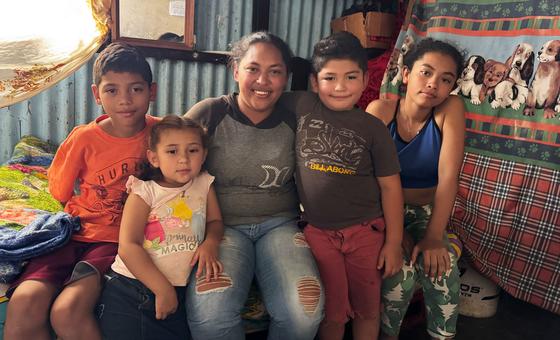
On a recent official tour of Costa Rica, Ms. Menikdiwela described meeting indigenous Miskito women who had fled gender-based violence and established safe spaces, despite language and cultural barriers. “Their courage is humbling,” she said. “But the loss of services threatens everything they’ve tried to rebuild.”

The UN agency  has warned that legal support, mental health services, education, job training and child protection initiatives have already been scaled back or suspended.

Many were tailored to vulnerable women and children in remote areas.

No right to a job, school or healthcare

Because of the cuts, the capacity to register new arrivals has plummeted by 77 per cent. But without documentation, refugees cannot legally work, attend school or access healthcare. With over 222,000 claims backlogged, some cases may now take up to seven years to process.

“The Government’s plea to me was simple,” Ms. Menikdiwela said. “‘Help us to help these people.’”

Costa Rica has long played a leadership role in regional and global refugee protection frameworks. But this solidarity is now stretched to breaking point, the UN agency said, in an appeal for $40.4 million to maintain its operations in the country Rica through 2025.

“This is a stark reminder that protection must be backed by resources,” Ms. Menikdiwela warned. “If the international community does not step up, the consequences will be severe – not just for those already in Costa Rica – but for stability in the wider region as well.”

Source link

‘She cries in her sleep’: Deeper crisis looms beneath devastation from Myanmar quake

“I hate earthquakes. Earthquakes took my mother and my aunt away,” five-year-old Khin Yadanar told the UN Children’s Fund (UNICEF), after both her mother and aunt were killed when a brick wall collapsed on them.

Around 6.5 million children were already in need of humanitarian assistance before the earthquake, which compounded existing vulnerabilities resulting from the brutal civil war between multiple armed opposition groups and the military junta which seized power in a February 2021 coup.

Families now face a further threat from flooding and landslides with the arrival of the monsoon season.

Midwives are lifelines

As health services collapsed after the earthquake, “women, especially pregnant mothers, were severely impacted,” said Yu Yu, a midwife in Mandalay, speaking to the UN’s reproductive health agency, UNFPA.

Amidst the chaos, midwives have emerged as frontline heroes. Undeterred by aftershocks and confronting both physical obstacles and emotional challenges, midwives provided hope and life-saving support.

Yu Yu notably recalls the case of one of her patients who suddenly became stranded, unable to reach any medical facilities as she went into labour following the quake.

Without hesitation, Yu Yu rushed to her side: “When I reached her, she was exhausted, overwhelmed by fear and financial insecurity following the earthquake,” she recalled.

On that day, Yu Yu saved both mother and child, as the baby’s umbilical cord had wrapped itself around the infant’s neck.

UNFPA has deployed mobile clinics to ensure that women and girls continue to receive essential healthcare and protection services.

A 10-year-old boy with his parrot on his shoulder at a temporary camp set up in the aftermath of devastating earthquake that struck Myanmar.

Deep trauma

“She cries in her sleep, and I worry something inside her has broken,” said Thida, mother of eight-year-old Thiri, speaking to UNICEF.

Beneath the visible devastation of the earthquake lies a deeper crisis: the profound psychological trauma that young survivors carry.

“I was so scared. My heart was beating so fast – and all I could think about was my parrots and cats at home,” said Thurein Oo, a ten-year-old boy who was praying at a mosque when the tremor struck.

Across earthquake-affected areas, parents are witnessing similar signs of distress in their children – sudden anxiety, emotional withdrawal, and sleepless nights, say UN aid workers.

In response to this growing mental health crisis, UNICEF and its partners have mobilised to provide critical psychological support to affected communities.

Setting up child-friendly spaces, UNICEF aims to promote psychosocial wellbeing, build resilience, and restore a sense of normalcy to children’s routines. Through various activities such as drawing, children learn to cope with their trauma.

“I coloured a picture of my mother,” said Khin, who lost her mother in the quake. “I feel better when I draw.”

Although the physical rebuilding of homes and infrastructure will likely take years, the emotional and psychological toll the earthquake has had on children cannot be left untreated.

“I like coming here,” said Thurein, referring to one of these spaces. “I feel safe, and I made a new friend who also lost his home,” he added.

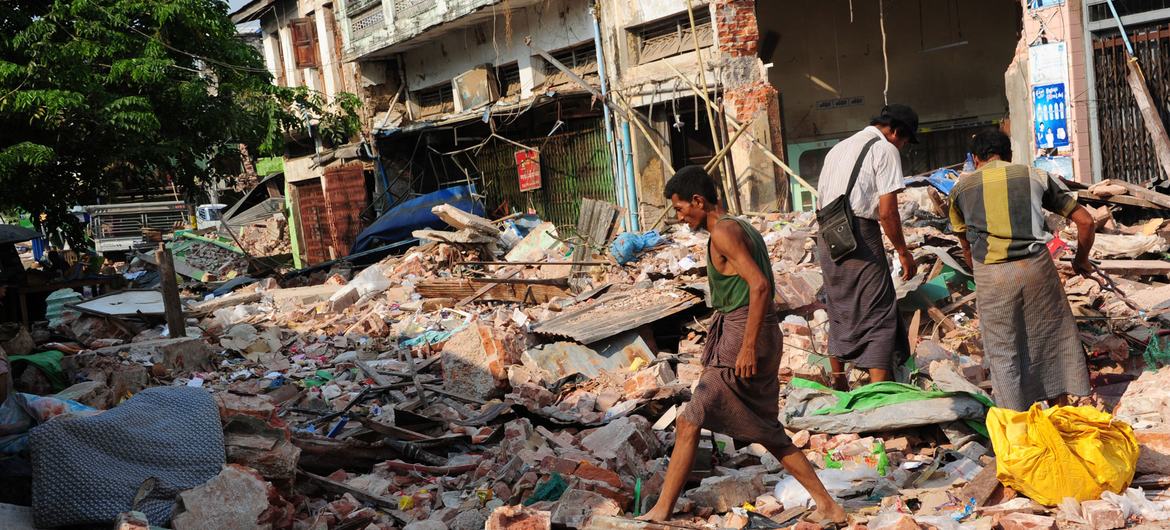
Earthquake survivors survey the ruins of their homes in Pyinmana, Myanmar following the earthquake there.

Proactive planning

While earthquakes are among the deadliest natural hazards, it is the collapse of buildings that causes the most devastating effects. As such, proactive disaster risk reduction – such as making structures earthquake-resistant – is essential to reducing deaths and economic losses.

Focusing on risk-sensitive urban development, UN-Habitat and the UN office for disaster risk reduction (UNDRR) are also working across Myanmar to mitigate the risks future earthquakes could pose.

While little can be done to prevent natural hazards such as earthquakes from occurring, much can be done to mitigate their effects.

As rebuilding efforts are underway, the UN is dedicated to “ensuring that each step we take makes the rebuilt areas stronger and more resilient than before,” said Anacláudia Rossbach, Executive Director of UN-Habitat.

Security Council urged to stand firm as Bosnia and Herzegovina faces deepening crisis

High Representative Christian Schmidt briefed on latest developments surrounding implementation of the 1995 General Framework Agreement for Peace in Bosnia and Herzegovina, which ended more than three years of bloodshed and genocide following the breakup of the former Yugoslavia.

The accord, also known as the Dayton Peace Agreement, established a new constitution and created two entities within the country: the mainly Bosniak and Croat Federation of Bosnia and Herzegovina and the ethnically Serb Republika Srpska.

Constitutional order under attack

Mr. Schmidt – who’s key role is overseeing implementation of the 1995 agreement – said conditions for the full implementation of the civilian aspects of the deal have vastly deteriorated.

“The first quarter of this year was marked by a significant rise of tensions, which without question amounts to an extraordinary crisis in the country since the signing of the Dayton Agreement,” he said.

I may underline that I see a political crisis. I do not yet have indications for a security crisis.”

The sudden deterioration stems from reactions following the 26 February conviction of Republika Srpska President Milorad Dodik for failing to enforce the decisions of the High Representative. 

He was sentenced to one year in prison and banned from political office for six years but has appealed the decision.

After the verdict, Mr. Dodik intensified his attacks on the constitutional order of the country by directing the authorities of the Republika Srpska to adopt legislation that effectively bans State-level judiciary and State-level law enforcement in the Republika Srpska and by even putting on the table a draft Entity constitution, hinting at de facto secession,” said Mr. Schmidt.

He told the Council that given the speed with which the draft laws and constitution were made public strongly suggests that they had been prepared well in advance.

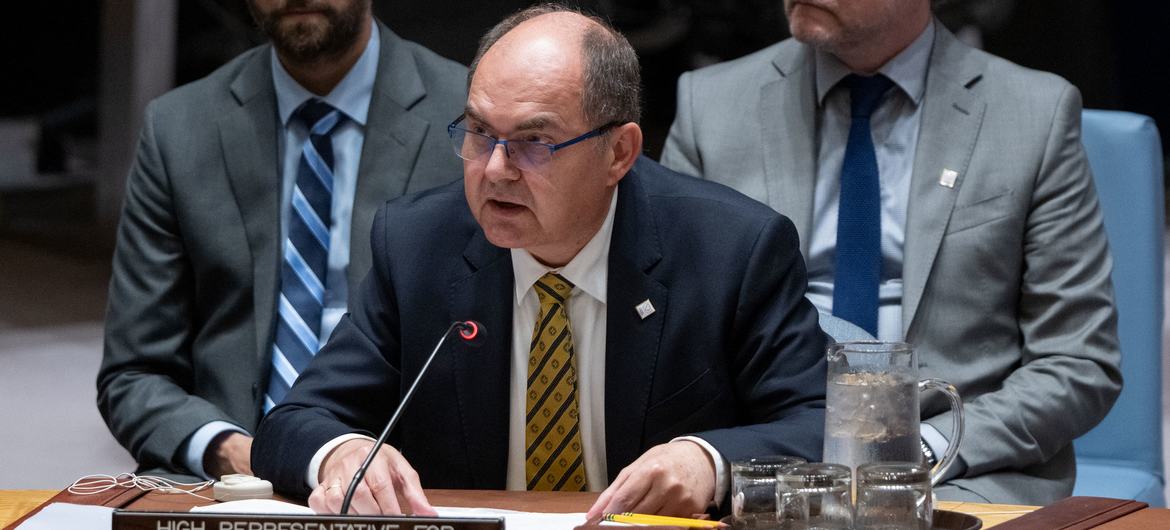
Christian Schmidt, High Representative for Bosnia and Herzegovina, briefs members of UN the Security Council on the situation in the country.

Fears of disintegration

He said these acts and legislation fundamentally contradict the implementation of the Dayton Accords and “endanger the territorial and societal integrity of the country and of its peoples by performing secessionist acts.”

Furthermore, “they also create legal and executive insecurity by establishing Entity laws and institutions that contradict and compete with State law and competence.” 

He stressed that “it will require institutions created in Dayton, such as the Constitutional Court, to prevent this country from falling apart, and when it comes to safeguarding the functionality of the State, my legal competencies as High Representative as well.”

As a result, the State-level coalition has been seriously affected, momentum towards European Union (EU) accession has stalled and the functionality of the State is being undermined, while reforms have been sidelined. 

This development is not irreversible, but it is severe,” he warned.  “It needs to be addressed without delay, it requires active engagement by the international community.”

Communities shun extremism

The High Representative noted that the Serb community “did not pay heed to Mr. Dodik’s unlawful directives.” For example, although ethnic Serbs working in State-level institutions have been pressured to abandon their posts, “these calls and threats have been left overwhelmingly unanswered.”

Meanwhile, the Bosniak community “has been able to remain calm despite the tensions and to continue on the path of patient dialogue also in order to keep the country’s European integration on the table.”

He also noticed “a continuing pro-European commitment” on the part of the Croat community, “as well as an increased willingness to engage in inter-ethnic dialogue, including in local disputes.” 

Mr. Schmidt was adamant that the people of Bosnia and Herzegovina can and do live together.

For the most part, the communities in the country do not support extremism or secessionism,” he said. “There is ample evidence for that in daily life, but ethnocentric politics spends too much time on dividing the communities rather than uniting them.”

Peace accord remains crucial

While the country is facing complex and varied challenges, he said the current extraordinary crisis is the result of severe attacks against the Dayton Agreement “encompassing the constitutional and legal order” and has nothing to do with the peace deal itself.

“Bosnia and Herzegovina is facing difficult times. Nobody would have expected 30 years ago that the international community is needed as much today as it is,” he said.

“But the Peace Agreement that this UN Security Council endorsed 30 years ago remains the very foundation on which the future of Bosnia and Herzegovina with its sovereignty, territorial integrity, and political independence can be built.”

Although reopening or redefining Dayton challenges the basis for peace and prosperity in the country, “this does not mean we should not talk about necessary amendments and adoptions of this constitution,” he said.

Attacks threaten ‘very foundation’

“The way forward includes countering threats and attacks to its very foundation, but also implementing meaningful reforms, including in the context of the country’s European integration,” he continued.

“It is about strengthening institutional stability and functionality of the State and continuing to reinforce election integrity in view of the country’s general elections in 2026.”  

Mr. Schmidt concluded his remarks by urging the international community to continue to support and assist the country and the people of Bosnia and Herzegovina to shape their future and to reassure the population that they have not been forgotten.   

Source link

Myanmar crisis deepens as military attacks persist and needs grow

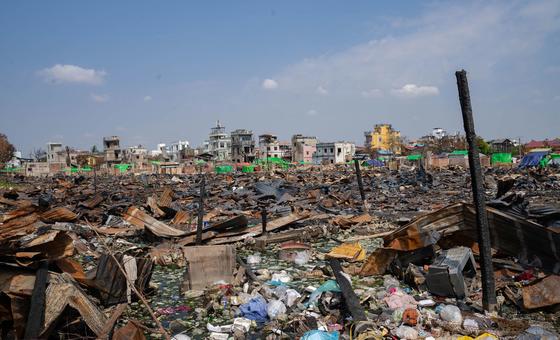
The 28 March quakes killed over 3,800 people and damaged or destroyed more than 55,000 homes across multiple regions, including Bago, Kayin, Magway, Mandalay, Southern Shan, Naypyitaw and Sagaing.

Families already displaced by years of conflict now face early torrential rains, extreme heat and rising risk of disease. Nearly 20 million people – more than a third of the population – needed assistance even before the earthquakes.

Unremitting violence

Despite the scale of the disaster, High Commissioner for Human Rights Volker Türk warned on Friday that the Myanmar military has launched at least 243 attacks – including 171 airstrikes – since the massive tremors.

Most of the attacks occurred after 2 April, despite both the military and the opposition National Unity Government (NUG) announcing unilateral ceasefires which were largely unobserved.

It is imperative that the military immediately stop all attacks on civilians and civilian objects,” he said in his statement, calling for a genuine and permanent nationwide halt to hostilities and a return to civilian rule.

He underscored the need to put the people of Myanmar first, prioritise their rights, and achieve a peaceful resolution.

Instead of further futile investment in military force, the focus must be on the restoration of democracy and the rule of law in Myanmar,” Mr. Türk said.

Delays putting lives at risk

UN humanitarians in the country also warn that the situation remains dire.

Speaking to journalists in New York via video link from Yangon, Humanitarian Coordinator ad interim Marcoluigi Corsi said that one month on, people are still living in the open and facing increasingly difficult conditions.

The suffering is immense and the stakes are very high,” he said on Thursday, urging the international community to translate funding pledges into rapid, large-scale support.

“Every delay means more lives at risk and more communities in Myanmar struggling to rebuild.”

Lack of funding imperils response

Agencies have reached 600,000 people with water, sanitation and hygiene services. They have also provided nearly 500,000 people with food assistance and over 100,000 with emergency shelter.

But the response remains constrained by severe underfunding.

Mr. Corsi called on donors to urgently disburse their pledged amounts. Without timely action, the crisis would get worse, he warned.

Lives depend on our collective commitment to delivering the support that is desperately needed…the time to act is now,” he said.

The $275 million addendum to the 2025 humanitarian response plan has received just $34 million – or about 12 per cent – leaving affected communities without assistance.

Disease outbreak risk

According to the UN World Health Organization (WHO) over 450,000 people require critical health services, but only about 33,600 have been reached so far.  

Disease outbreaks are also a growing concern as nine of the 20 townships most at risk for cholera fall within earthquake-affected areas. Stagnant water from delayed rubble removal is creating mosquito breeding grounds, driving up the risk of malaria and dengue.  

Limited access to medicines and medical supplies are further straining already overstretched health facilities.

Source link

Funding crisis increases danger and risks for refugees

With humanitarian resources running dry, critical support for millions of forcibly displaced people is under threat.

UNHCR said that two-thirds of countries hosting refugees are already severely overstretched and urgently need support to continue providing education, healthcare and shelter.

Global solidarity with those fleeing conflict and violence is weakening, the agency added.

‘No one wants to be a refugee for life’

“The safety that refugees seek in neighbouring countries is at risk,” said Elizabeth Tan, Director of International Protection at UNHCR.

Without international solidarity and burden-sharing, the institution of asylum is under threat.”

Ms Tan noted that some 12,000 Central African refugees in Chad and Cameroon have expressed a desire to return home but cannot do so safely without transport and reintegration assistance.

“No one wants to be a refugee for life,” she said.

Lifesaving services

Marking the agency’s 75th anniversary, Ms Tan reminded journalists that refugees – unlike migrants – have lost the protection of their home countries.

They arrive across borders traumatised, often after experiencing torture or persecution, and they need specialised support – including mental health care,” she said.

Children separated from their families face especially grave risks, including recruitment by armed groups, exploitation and trafficking.

Protecting them, Ms Tan stressed, “is not a luxury – it is lifesaving.”

© UNHCR/Andrew McConnell

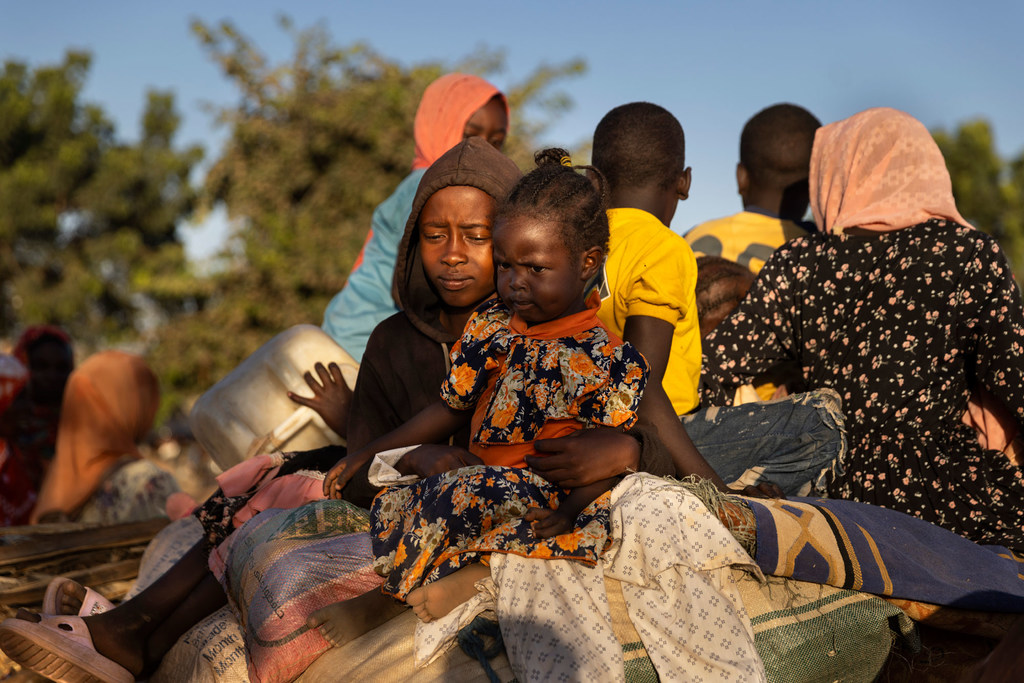
Refugees from Sudan arrive in Adre on the border with Chad.

Source link

Afghanistan’s socioeconomic crisis deepens amid crackdown on women’s rights

As the Afghan economy faces stalled local production and weak job creation, Afghanistan continues to heavily rely on imports and international assistance.

UNDP’s current analysis and new data indicate the continuation of a deeply troubling trajectory for the Afghan people, who have been grappling with extreme vulnerability over the past decade,” said Kanni Wignaraja, UN Assistant Secretary-General and head of UNDP for the Asia-Pacific region.

Systemic challenges

In the past year, political uncertainty, an ongoing economic crisis, shrinking international aid and climate disruptions have compounded existing vulnerabilities, limiting the economy’s ability to regain momentum.

As Afghanistan heavily relies on foreign assistance, the current reduction in international aid is likely to have a significant impact on humanitarian operations and the delivery of basic services.

“UNDP stresses the need for targeted interventions to address these challenges, recognising that humanitarian assistance alone is not enough, and sustainable longer-term economic and social solutions are needed,” said Stephane Rodriques, UNDP Resident Representative in Afghanistan.

Restriction on women’s rights

As repressive laws continue to erode women’s rights, safety and access to basic services such as education and employment, Afghanistan’s socioeconomic crisis has seen the gender gap widen further, pushing women deeper into social exclusion and poverty.

With only seven per cent of Afghan women working outside of the household in 2024, restrictions on women and girls are projected to cost the Afghan economy nearly $920 million between 2024 and 2026, according to UNDP.

UNDP called for Afghanistan to lift restrictions on women and girls and for comprehensive support to women-led businesses to be provided.

Returnees

In 2024, Afghanistan also faced a major influx of returnees from Pakistan and Iran, as these neighbouring countries hardened their stance on Afghan refugees and migrants.

The UN expects the rate of returnees to increase in 2025, with an estimated 600,000 to 1.5 million people expected to return to Afghanistan.

“With the anticipated arrival of hundreds of thousands of returnees this year and a marked reduction in international support, Afghan communities will have to navigate substantial challenges that will increase pressure on an already highly tenuous daily subsistence,” said Ms. Wignaraja.

Source link

Anthrax outbreak compounds security crisis in eastern DR Congo

And with nearly seven million people forcibly displaced by violence since advances by M23 rebels earlier this year, the DRC is facing one of the world’s most complex displacement crises, according to the UN migration agency (IOM).

Living in overcrowded and under-resourced camps, displaced populations are increasingly vulnerable to both disease and attack.

Since January 2025 alone, over 660,000 people have been forced to flee the Goma region after Government forces lost control of the key city along with Bukavu to the south.

Tipping point

The scale of the humanitarian needs in the country has reached a tipping point, according to IOM, with outbreaks of mpox and anthrax underway in the east.

While both mpox and anthrax typically affect livestock and other animals, food insecurity resulting from the ongoing conflict, paired with unsanitary living conditions in displacement camps, puts humans at greater risk of transmission.

Dangerous infections

Both the potentially deadly infections can be contracted through contact with infected or contaminated animals. Although anthrax is not generally contagious, mpox is, the World Health Organization (WHO) underlines.

Mpox is typically accompanied by fever and rash and rarely requires hospitalisation, while all human cases of anthrax do, the UN health agency added.

Since 22 March, following the deaths of dozens of buffalo and hippopotamuses in Virunga National Park from anthrax poisoning, 16 suspected human cases of anthrax have been reported, including one confirmed case. One person has died so far.

Outbreak response

WHO is conducting assessments in the eastern part of the DRC to determine the risk of the anthrax infection spreading further across the region.

As both mpox and anthrax are treatable with antibiotics, and preventable through vaccination, WHO and its partners are working to prevent future outbreaks by adopting a unified approach, prioritising human, animal and environmental safety.

Awareness campaigns and efforts to vaccinate livestock against anthrax are now underway.

UN alert over deepening crisis in Sudan as famine spreads and violence escalates

In a statement issued by his Spokesperson on Wednesday, UN Secretary-General António Guterres said he was “appalled” by the deteriorating situation in North Darfur, where the regional capital, El Fasher, is under intense and sustained attack.

The onslaught comes just two weeks after deadly assaults on the nearby Zamzam and Abu Shouk displacement camps, where hundreds of civilians, including humanitarian workers, were reportedly killed.

Mass displacement

More than 400,000 people have fled Zamzam camp alone, with the majority now seeking safety in Tawila, west of El Fasher.

There are also increasing reports of harassment, intimidation and arbitrary detention of displaced people at checkpoints, adding to the already dire humanitarian emergency.

“With the conflict now in its third year and increasingly destabilizing the broader region, the Secretary-General reiterates his call for the facilitation of safe and unhindered humanitarian access to all areas of need by all necessary routes,” UN Spokesperson Stéphane Dujarric said.

He also called for the protection of civilians, in line with the warring parties’ clear obligations under international humanitarian law.

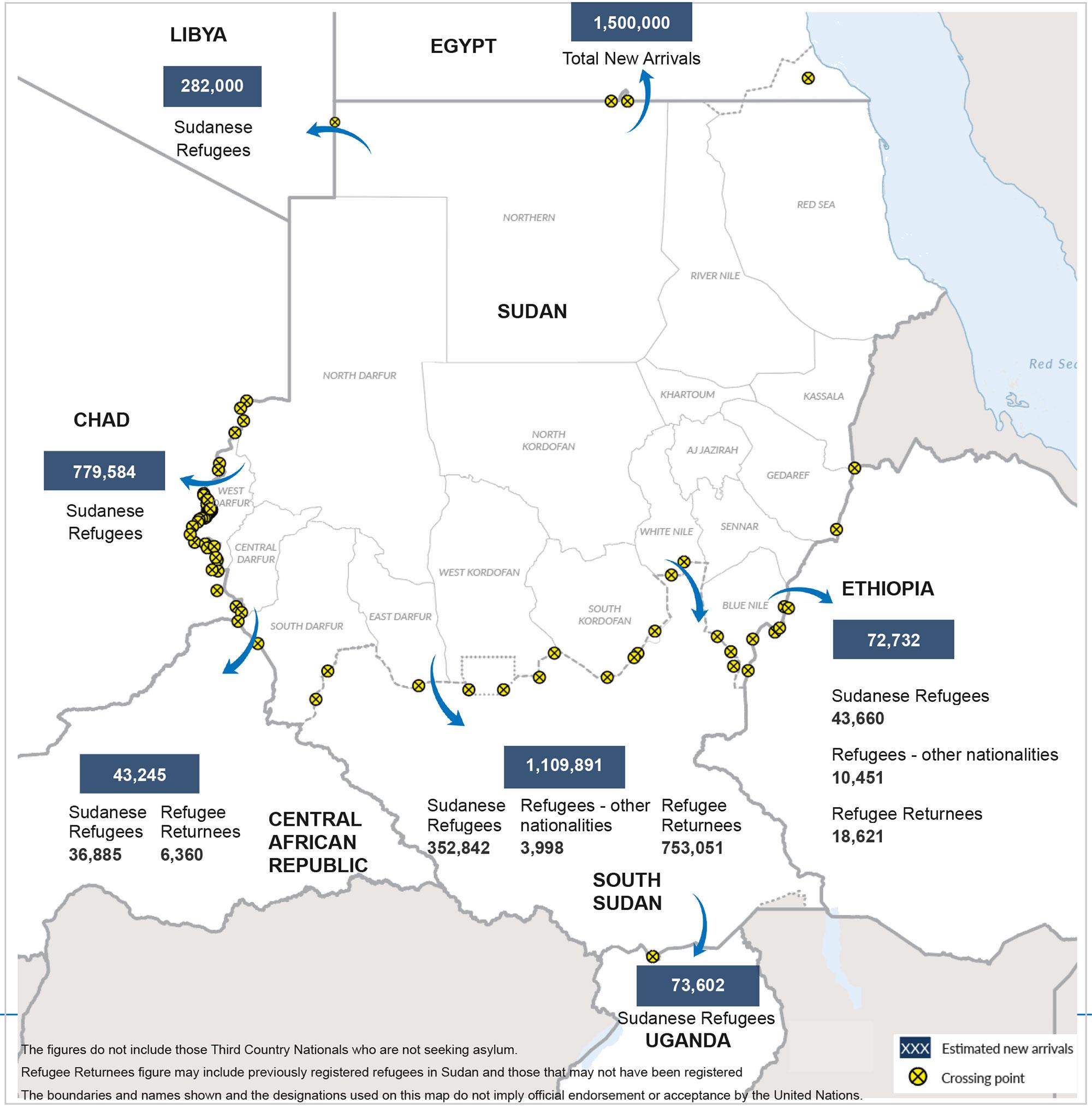
Refugee movements from Sudan.

Accountability is paramount

Perpetrators of serious violations must be held accountable,” Mr. Dujarric stressed.

The civil war between rival militaries – the national Sudanese Armed Forces (SAF) and the paramilitary Rapid Support Forces (RSF) and allied militias – has claimed tens of thousands of lives and driven more than 12.7 million people from their homes, including nearly four million as refugees in neighbouring countries.

Violence and insecurity has also sparked a catastrophic hunger crisis, with over half the population suffering acute food insecurity and famine conditions confirmed in various regions, leaving millions at risk of starvation.

Emergency response underway in Tawila

Despite the escalating violence and dwindling funds, humanitarian agencies continue their efforts to deliver lifesaving aid.

The UN relief coordination office, OCHA, reported on Wednesday that an inter-agency convoy led by UN Deputy Humanitarian Coordinator Antoine Gérard crossed into Darfur from Chad earlier this week via the Adré border, en route to Tawila.

The convoy is transporting critical supplies including nutrition and medical items, dignity kits, and other essential goods.

Food and nutrition assistance for approximately 220,000 people has already reached Tawila, with the UN World Food Programme (WFP) confirming that distributions began this week and are already 20 per cent complete.

Additional convoys are in motion, including one expected to depart Chad on Wednesday with 19 trucks of nutrition supplies.

Aid reaches capital Khartoum

WFP has begun the first food distributions in the centre of the capital Khartoum since the conflict erupted two years ago.

Deliveries of 70 metric tonnes of food to the Burri neighbourhood are set to begin on Thursday, attempting to reach nearly 8,000 people.

Aid distributions have also started in Alazhari, one of the areas at high risk of famine, where 20,000 people are receiving assistance.

Despite these efforts, WFP warned that the impending rainy season and severe funding shortfalls could undermine recent progress.

The agency, which assists about four million people monthly, aims to expand coverage to seven million – but that still represents only a fraction of those in need.

Source link

MIDDLE EAST LIVE: Security Council meets on Gaza crisis as starvation threat grows

The Security Council will meet on Tuesday to discuss the situation in the Middle East, with French Foreign Minister Jean-Noël Barrot presiding. The UN Secretary-General is expected to brief ambassadors as the humanitarian crisis in Gaza deepens, with reports from the UN Palestine refugee relief agency (UNRWA) this morning that children are “going to bed starving” amid the two-month Israeli aid blockade and continuing bombardment. App users can follow coverage here.

Source link

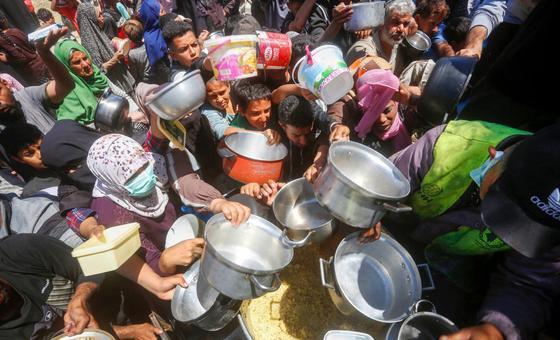
Gazans face hunger crisis as aid blockade nears two months

Both the UN agency that assists Palestine refugees, UNRWA, and the World Food Programme (WFP) report that food stocks are now exhausted, even as supplies of lifesaving assistance pile up at border crossings waiting to be brought in.

Humanitarians continue to warn that hunger is spreading and deepening in the enclave, amid the blockage, access constraints, ongoing Israeli military operations and a rise in looting.

Scarcity, sharing and shame

UNRWA shared the testimony of a woman called Um Muhammad who is staying at a shelter in Gaza City and prepares food for 11 family members daily. Although she still has some flour, most families nearby have already run out.

“When I knead and bake, I feel very ashamed of myself, so I distribute some bread to the children who come asking for a piece of bread,” she said.

“We eat one meal a day, dividing bread among each person daily. We eat canned goods, lentils, and rice. When this stock runs out, I don’t know what we will do because what is available in the market is scarce.”

Longest blockade

Gaza has a population of more than two million people who mostly depend on aid, but no humanitarian or commercial supplies have entered since 2 March when Israel imposed a full blockade on the territory.  

This is by far the longest ban on aid moving into the Strip since the start of the war in October 2023, following the deadly Hamas-led terror attacks on Israel.

The situation has led to shortages – not just of food, but other items including medicine, shelter supplies and safe water.  WFP recently noted a 1,400 per cent increase in food prices when compared to the ceasefire period, which lasted from 19 January to 18 March of this year.

Malnutrition and looting

On Friday, the UN agency delivered its last remaining stocks to hot meals kitchens, which have been a lifeline in recent weeks. The kitchens are expected to fully run out of food within days, and another 16 closed over the weekend.  Furthermore, all 25 WFP-supported bakeries are now shuttered.

There has been an increase in reports of looting incidents, the UN humanitarian affairs office OCHA said on Monday. Over the weekend, armed individuals reportedly ransacked a truck in Deir Al-Balah and a warehouse in Gaza City.

Meanwhile, the latest famine review analysis by the Integrated Food Security Phase Classification (IPC) got underway this week.

Humanitarian partners warn that the nutrition situation across Gaza is worsening. Since January, about 10,000 cases of acute malnutrition among children have been identified, including 1,600 cases of severe acute malnutrition

Although treatment supplies remain available in the south, accessing them continues to be extremely challenging due to operational and security restrictions.

Healthcare also affected

OCHA stressed that the depletion of critical stocks in Gaza goes far beyond food. For example, trauma-related medical supplies are running out at a time when the number of people injured in mass casualty incidents continues to increase. 

Gaza also lacks surgical supplies, including gowns, drapes and gloves.  The World Health Organization (WHO) informed that their warehouse has run out of therapeutic milk, intravenous antibiotics and painkillers, as well as spare parts for ambulances and oxygen stations. 

Partners working in health add that an increasing number of critical staff are being denied access to Gaza, with a rise in the denial of entry for emergency medical teams, particularly highly specialized professionals – including orthopedic and plastic surgeons – and a recent restriction of movement across the enclave.  

Aid awaiting entry

As the aid ban continues, humanitarians are doing everything possible to reach people with whatever supplies remain available.

They also have stocks of food and other lifesaving items ready and waiting to enter the Gaza Strip as soon as border crossings re-open.

This includes nearly 3,000 UNRWA trucks of aid, while WFP has more than 116,000 metric tonnes of food assistance – enough to feed one million people for up to four months. 

Source link

DR Congo crisis forces refugees to swim for their lives to Burundi

We’re pushed to our limits,” said Ayaki Ito, Director for Emergencies for the UN refugee agency, UNHCR.

One mother was so desperate to reach safety she crossed the 100-metre wide Rusizi river separating DRC and Burundi with her three small children and their belongings, Mr. Ito told journalists in Geneva:

“I saw this plastic sheeting ball – it’s one mother and three small children – she put her belongings and wrapped it with a plastic sheet, to make it float…It’s a very perilous journey and I was told it’s full of crocodile and hippos.”

Overstretched resources

Since January, more than 71,000 people have crossed into Burundi, fleeing ongoing violence in eastern DRC, UNHCR data shows. Since then, more than 12,300 have been relocated to Musenyi refugee site, while others live with host communities in border areas.

Living conditions in Musenyi – five hours’ drive from the DRC border – are becoming unsustainable.

The site today houses 16,000 people although it was designed for 3,000, adding to tensions. “Food rations are already cut to half of what they’re supposed to be,” Mr. Ito explained, warning that even these rations will run out by the end of June without additional funding.

Food is far from the only concern, however, as emergency tents set up on lowland farming areas have now flooded during the onset of the rainy season.

Aid teams are already bracing themselves for diseases to spike.

People who fled violence in DR Congo to Burundi use a water point at a refugee camp in Cibitoke Province.

“Schools, clinics, basic sanitation systems are either non-existent or overwhelmed” and the UN agency has no more dignity kits, leaving nearly 11,000 women and girls with access to basic hygiene items, Mr. Ito said.

Funding crisis cutbacks

UNHCR’s funding crisis has also “severely reduced” support for family tracing, making it increasingly difficult to identify, locate, and reunite separated children with their families.

There are currently no child-friendly or women-friendly spaces where groups can gather for services and peer support in key hosting areas, Mr. Ito added.

Confronted with the catastrophic living conditions in Burundi and ongoing violent clashes in eastern DRC between Rwanda-backed M23 rebels and government forces, refugees often move back and forth between the two countries. “Nearly half of last week’s registered 700 arriving refugees have been previously registered in Burundi,” the UN official said, pointing out that Congolese refugees are among the most vulnerable in the world.

Citing reduced resources and operational challenges, the UN agency insisted that the delivery of lifesaving aid and protection services remains a priority. This includes additional support amid a 60 per cent increase in reported sexual violence cases, most involving rape in the DRC.

This balancing act is becoming increasingly impossible, with teams on the ground running a full-scale emergency response, responding to the needs of existing refugees in the country and preparing for future arrivals while also facing pressure to reduce their operations because of funding shortages,” Mr. Ito said.

Source link