UN reiterates call for urgent de-escalation amid Iran-Israel conflict, worsening Gaza crisis

In a joint call to de-escalate, UN agencies have warned that further conflict risks triggering new displacement in a region already strained by decades of war and instability.

The UN refugee agency (UNHCR) noted military strikes have led people in both Iran and Israel to flee their homes in search of safety from tit-for-tat missile strikes.

“Movements have been reported from Tehran and other parts of Iran, with some choosing to cross into neighbouring countries,” the agency stated. Meanwhile, “shelling has caused people in Israel to seek shelter elsewhere in the country and in some cases abroad.”

This region has already endured more than its share of war, loss, and displacement – we cannot allow another refugee crisis to take root,” said UN High Commissioner for Refugees Filippo Grandi. “The time to de-escalate is right now. Once people are forced to flee, there’s no quick way back – and all too often, the consequences last for generations.”

UNHCR urged countries in the region to respect the right to seek asylum and ensure humanitarian access to those affected, while calling on all parties to protect civilians and civilian infrastructure.

Nuclear risks rise as Iran facilities hit

The conflict escalated sharply following Israeli airstrikes on multiple Iranian nuclear-related sites in the past week, including a centrifuge manufacturing workshop in Esfahan, according to the UN’s International Atomic Energy Agency (IAEA).

“This is the third such facility that has been targeted over the past week,” Director General Rafael Mariano Grossi confirmed, noting that the facility had been under IAEA surveillance as part of the Joint Comprehensive Plan of Action (JCPOA) – the nuclear deal signed with Iran in 2015, which the United States pulled out of in 2017.

“We know this facility well. There was no nuclear material at this site and therefore the attack on it will have no radiological consequences,” he said. However, Mr. Grossi warned that continued strikes on nuclear infrastructure are severely undermining nuclear safety and security.

Though they have not so far led to a radiological release affecting the public, there is a danger this could occur.”

The IAEA has been tracking damage to sites in Esfahan, Arak, Karaj, Natanz and Tehran since the Israeli military campaign against Iran began on 13 June. T

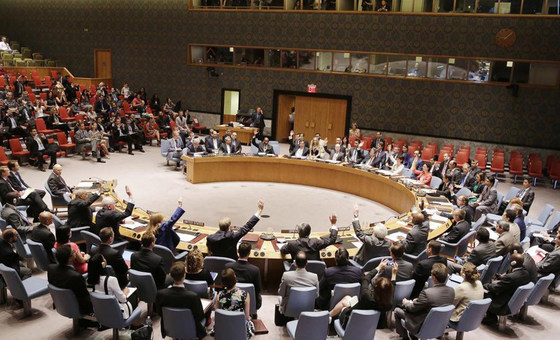
he agency has been providing regular updates to the UN Security Council, which has yet to reach consensus on a response. On Friday, ambassadors debating the escalation heard during an emergency meeting in New York heard UN Secretary-General António Guterres warn that if fighting escalated it could “ignite a fire no one can control.”

Gaza in ruins, Palestinians face starvation

The mounting regional crisis is unfolding against the backdrop of the war in Gaza, where humanitarian conditions continue to deteriorate.

On Saturday, the head of the UN agency for Palestine refugees (UNRWA), Philippe Lazzarini, painted a grim picture of life in the enclave during an address to the Organisation of Islamic Cooperation in Istanbul.

In Gaza, two million people are being starved,” he said bluntly. “The newly created, so-called ‘aid mechanism’ is an abomination that humiliates and degrades desperate people. It is a death-trap, costing more lives than it saves.”

Lazzarini described a territory devastated by nearly two years of conflict, with more than 55,000 reported dead by local authorities in the Strip – the majority of them women and children.

Survivors, he said, “are shadows of their former selves; their lives forever changed by unspeakable trauma and profound loss.”

In the occupied West Bank, displacement and destruction of public infrastructure are altering the demography of Palestinian camps, he added, in what he described as an effort to erase the prospect of a Palestinian State under the UN-backed two-State solution and strip Palestinians of refugee status.

UNRWA in the crosshairs

UNRWA has become an objective of this war,” Mr. Lazzarini warned, citing the deaths of at least 318 of the agency’s staff in Gaza since the 7 October terror attacks on Israel by Hamas and other militants, the expulsion of international staff, and a campaign of disinformation aimed at crippling its funding.

Despite these pressures, UNRWA continues to provide lifesaving services, including over 15,000 health consultations per day, waste management and shelter support.

UNRWA’s financial situation is now “dire,” the agency chief said. “Without additional funding, I will soon have to take unprecedented decisions affecting our operations across the region.”

He appealed to Member States to act urgently: “The sudden loss or reduction of UNRWA’s services will only deepen suffering and despair across the occupied Palestinian territory. It might spark unrest in the neighbouring countries. This is something that the region cannot afford, especially now.”

MIDDLE EAST CRISIS: Live updates for 20 June


One week since the Israel-Iran conflict erupted, diplomatic efforts to end the war are ramping up in Geneva today as foreign ministers from France, Germany, the UK and the European Union prepare to meet their Iranian counterpart. In New York, meanwhile, the UN Security Council is also set to discuss this latest worrying escalation, against the backdrop of the ongoing emergency in Gaza. We’ll be covering these developments and more across the UN system today. UN News app users can follow here.

Source link

Iran-Israel crisis: UN rights office appeals for urgent de-escalation

Israel began targeting nuclear and military sites across Iran last Friday, prompting a barrage of retaliatory strikes on Israeli cities.

“The UN human rights office urges de-escalation and urgent diplomatic negotiations to end these attacks and find a way forward,” said Ms. Al-Nashif. “We are following closely and are aware of reports that many thousands of residents are fleeing parts of the capital, Tehran, as a result of warnings covering broad areas.”

Latest reports from the region indicate that more than 200 people have been killed in Iran and 24 in Israel to date. The violence continued unabated overnight in both countries. 

Addressing the Human Rights Council in Geneva at a scheduled meeting to discuss Iran’s rights record, the Deputy High Commissioner highlighted serious concerns that populated areas have been hit in the escalation.

“It is imperative that both sides fully respect international law, in particular by ensuring the protection of civilians in densely populated areas and of civilian objects,” she said. “We urge all those with influence to engage in negotiation as a matter of priority.”

Nuclear watchdog update

In a related development, the UN-backed nuclear watchdog said on Wednesday that two Iranian centrifuge production facilities had suffered major damage after being targeted.

“The TESA Karaj workshop and the Tehran Research Centre, were hit,” it said in an update. “At the Tehran site, one building was hit where advanced centrifuge rotors were manufactured and tested. 

At Karaj, two buildings were destroyed where different centrifuge components were manufactured,” said the International Atomic Energy Agency (IAEA).

Speaking at the Council after the Deputy High Commissioner, Iran’s Permanent Representative of Iran, Ambassador Ali Bahreini, condemned the Israeli strikes: 

“There has been no violation worse than [the] 13 June act of aggression against Iran,” he said, pointing to “continuous blind attacks on residential areas, bombardment of vital supplies, explosion of drinking water resources and reckless strikes on nuclear facilities are immediately impacting the civilians and people of Iran.”

Such “deliberate targeting” of his country’s nuclear facilities risked exposing local communities to a “possible hazardous leak”, the Iranian ambassador continued. “This is not an act of war against our country, it is war against humanity.”

In a short statement to the Council from which Israel announced its withdrawal earlier this year, Mr. Bahreini called for accountability and international condemnation of the Israeli attacks. 

“This impunity must come to [an] end,” he said. “Israel activities are not just against one or two countries. It is acting against all humanity and their actions target all human rights.”

Source link

‘Behind each crisis, people are suffering,’ Türk tells Human Rights Council

We are on an indefensible path of escalating conflict and open disregard for international human rights and humanitarian law,” said Volker Türk, addressing the UN Human Rights Council in Geneva.

Offering a global overview, he painted a stark picture of a world in crisis – with surging armed conflict, deepening climate disruption, emerging technological threats, and a worrying rise in authoritarianism.

Spiralling conflicts

Conflicts around the world are spiralling, as civilians are deliberately attacked and starvation and rape is used as weapons of war by parties. Yet, “accountability is often absent,” said Mr. Türk, who heads the office of human rights, OHCHR.  

From Ukraine to Myanmar, conflicts are plunging countries deeper into chaos and lawlessness.  

In Sudan, the number of arbitrary killings of civilians as rival militaries battle for control, tripled between February and April, OHCHR reports.  

In Gaza, “Israel has weaponised food and blocked lifesaving aid,” Mr. Türk continued, calling for an “immediate ceasefire leading to a two-State solution, with Gaza as an integral part of a Palestinian State.”  

Describing the military escalation between Israel and Iran as “deeply worrying,”  Mr. Türk appealed “for de-escalation and urgent diplomatic negotiations to end these attacks and find a way forward.”  

“This violence must end,” he said.  

Civil society under attack

Around the world, at least 625 human rights defenders and media workers were killed or disappeared in 2024, OHCHR has reported.  

That is one every 14 hours,” the human rights chief said.  

In many places around the world, civil society and the media are being vilified, harassed and silenced; yet it is civil society and the media who play a vital role holding power to account.  

As investigating and reporting human rights abuses and violations are necessary tools to mitigate conflict and build peace, Mr. Türk said he was “deeply disturbed” by attacks on the international institutions, including the International Criminal Court (ICJ).  

“Sanctioning judges and prosecutors at national, regional or international levels, for doing their jobs, is an assault on the rule of law and corrodes justice,” he said.  

Persecuted minorities

From anti-immigrant rhetoric to hate speech targeting the LGBTIQ+ community, one in five people across 119 countries reported experiencing discrimination in the past year, OHCHR said.  

Discrimination is neither rare nor random, it is widespread,” said Mr. Türk.  

For instance, data gathered by the UN shows that women face discrimination at more than double the level experienced by men.  

Highlighting the war on women and girls in Afghanistan, the de facto authorities continue to enforce a systematic policy of erasing women and girls from public life, he continued.  

In these troubled times, “we need governments and societies to stand up for human rights, in word and deed,” concluded Mr. Türk.  

Source link

Middle East crisis: Live updates for 16 June

After a weekend of massive strikes and counter-strikes between Tel Aviv and Tehran, the UN’s human rights chief, Volker Türk on Monday condemned the violence and echoed wider calls for a negotiated end to the attacks. Meanwhile in Gaza, aid workers report that mobile communications networks continue to be cut in the shattered enclave. We’ll be covering these developments and more across the UN system and beyond today, thanks for joining us. UN News app users can follow our live coverage here.

Source link

Societies grappling with a ‘silent but growing’ prison crisis

A decade ago, the UN General Assembly adopted the Nelson Mandela Rules — a set of 122 guidelines setting minimum standards for the treatment of prisoners, inspired by one of the world’s most influential former political prisoners – the South African civil rights icon, Nelson Mandela.

These rules aim to ensure safety, security and respect for human dignity, offering clear benchmarks for prison staff.

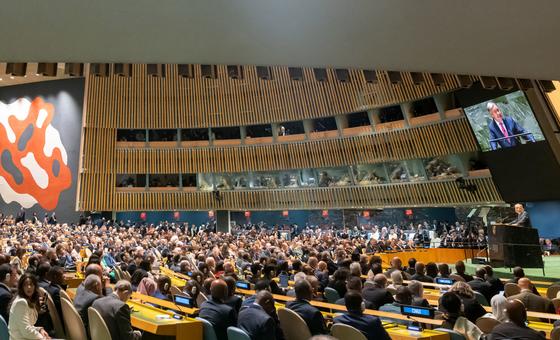
Despite this, prison systems worldwide continue to face deep-rooted challenges. The General Assembly  convened on Friday to discuss how to better protect societies from crime by focusing on rehabilitation and preparing inmates for life after prison.

Overcrowded cells

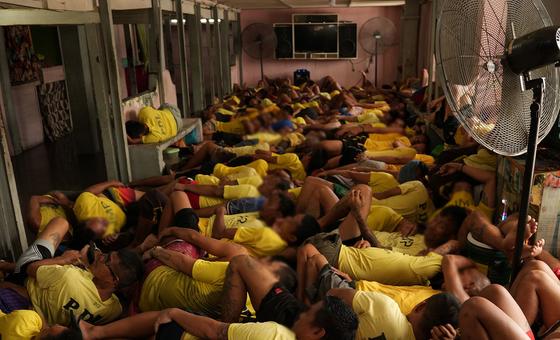
“Prison cells are overflowing,” said Ghada Waly, Executive Director of the UN Office on Drugs and Crime (UNODC), noting that 11.5 million people are currently imprisoned globally.

Overcrowding deprives people of their most basic rights, including access to healthcare, clean water and sanitation,” she warned. Yet prison services remain underfunded, under-prioritised and undervalued.

These systemic failures not only endanger inmates and staff but also weaken efforts to reintegrate former prisoners — posing risks for the wider community, added General Assembly President Philémon Yang.

Women behind bars

The number of women in prison has increased by 57 per cent over the past 20 years — nearly triple the rate of men.

Most systems are not equipped to meet their specific needs. “This is not safe. And this is not humane,” said Ms Waly.

Women in detention are especially vulnerable, facing greater risks of sexual violence, limited access to reproductive healthcare and separation from their children.

Time for bold reform

We need a bold vision — one that goes beyond bricks and bars to focus on people and their potential,” said Ms Waly, urging governments to reimagine how prisons are managed.

Handled responsibly, prisons can support public safety, justice and the rule of law. But today’s prison environments often remain dangerous and counterproductive.

UN officials stressed that rehabilitation must be at the heart of reforms, including support systems that reduce the likelihood of reoffending and help former prisoners reintegrate into society.

“The true measure of justice is not how we punish,” Mr Yang concluded, “but how we protect, rehabilitate, and build a better future for everyone, everywhere.” 
Source link

DR Congo crisis: Aid teams appeal for support to help displaced communities left with nothing

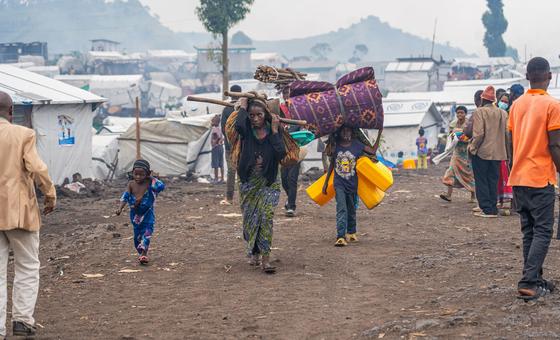
Since the beginning of the year, Rwanda-backed M23 fighters have swept across eastern DRC, taking key cities including Goma and Bukavu. The violence has displaced more than one million people in Ituri, North Kivu and South Kivu provinces.

Speaking from the village of Sake in North Kivu, UNDP Resident Representative Damien Mama described meeting a woman whose house had been destroyed after she fled the advancing fighters in January.

Cut off from livelihoods

“You know, with five children, you can imagine what this represents,” Mr. Mama said. “She was telling me that [her family] were given food and temporary shelter; but what she needs is to go back to her farm to continue farming, to continue her activities, and also have her home rebuilt.”

All those newly displaced by the M23 rebel advance are in addition to the five million people already living in displacement camps in eastern DRC.

Health workers have repeatedly warned that the crowded and unsanitary conditions provide ideal conditions for the spread of diseases including mpox, cholera and measles.

Given the scale of need it is urgent that small businesses get the help they need to get up and running again “providing income-generating activities for the women and the youth creating jobs”, the UNDP official insisted.

“The economy has suffered a lot,” he explained. “The banks have closed, businesses have been destroyed, and many are now operating under 30 per cent of their capacity, which is a major blow to their businesses.”

Support for women and girls

At the same time, the UN agency remains committed to helping the many women and girls impacted by alarming levels of sexual violence.

This echoes an alert issued last month by the UN Children’s Fund (UNICEF), that during the most intense phase of this year’s conflict, a child was raped every half an hour.

In the next five months, UNDP intends to support the creation of 1,000 jobs and restore basic infrastructure, benefiting about 15,000 people.

To do this, the UN agency will need $25 million.

“We have so far secured $14 million thanks to [South] Korea, Canada, UK as well as Sweden; and our call will be to encourage other countries and donors to provide us with [the] $11 million gap.”

Source link

Israel-Iran crisis: UN chief urges calm after overnight strikes

Any military escalation in the Middle East should be censured, the UN chief said in a short statement issued by his spokesperson’s office.

“He is particularly concerned by Israeli attacks on nuclear installations in Iran while talks between Iran and the United States on the status of Iran’s nuclear programme are underway,” said Farhan Haq, Deputy Spokesperson for the Secretary-General.

In an update on Friday, the head of the UN-backed atomic watchdog announced that the Iranian authorities had confirmed that the Natanz enrichment site had been “impacted” without affecting existing radiation levels.

The Iranian nuclear safety authorities also reported that the Esfahan and Fordow sites had not been impacted.

“This development is deeply concerning,” said Rafael Grossi, head of the International Atomic Energy Agency (IAEA). “I have repeatedly stated that nuclear facilities must never be attacked, regardless of the context or circumstances, as it could harm both people and the environment. Such attacks have serious implications for nuclear safety, security and safeguards, as well as regional and international peace and security.”

According to reports, the Israeli military attacks targeted Iran’s nuclear programme at various sites across the country late Thursday.

Iranian media reported the death of Hossein Salami, chief of the country’s Revolutionary Guards, along with nuclear scientists.

The development comes as the United States was scheduled to begin a fresh round of negotiations with Tehran on Saturday in Oman. Israeli schools closed on Friday in anticipation of a riposte by Iran, with reports that some 100 drones were launched towards Israel in the early hours. 

Source link

Climate emergency is a health crisis ‘that is already killing us,’ says WHO

Europe is warming faster than any other WHO region, and the impact on people’s health is growing more severe. From rising death rates to increasing climate-related anxiety, nearly every health indicator linked to climate has worsened in recent years. 

In response, WHO/Europe on Wednesday launched a new initiative – the Pan-European Commission on Climate and Health (PECCH) – to tackle the growing threat climate change poses to public health. 

Chaired by former Icelandic Prime Minister Katrín Jakibsdótirr, the commission brings together 11 leading experts from across the region tasked with delivering recommendations for actionable solutions.

Deadly heat

With nearly half of humanity already living in areas highly susceptible to climate change, a third of the world’s heat-related deaths occur in the European Region.

In the years 2022 and 2023 combined, more than 100,000 people across 35 countries in the European Region died due to heat.

“The climate crisis is not only an environmental emergency, it is a growing public health challenge,” said Katrín Jakobsdóttir.

“We must recognise that the interplay among rising temperatures, air pollution and changing ecosystems resulting from human-induced climate change is already affecting the health and well-being of communities around the European Region and the world,” she said.

The commission is being tasked with providing recommendations to reduce emissions, invest in adaptation strategies that protect health, reduce inequality and build resilience.

Escalating threat

The climate crisis disproportionately affects the health of the most vulnerable.

From the spread of infectious diseases to heat-related illness and food insecurity, “climate change poses a serious and escalating threat to human health,” said Andrew Haines, chief advisor to the WHO/Europe climate-health initiative. 

Social and economic barriers, not choice, driving global fertility crisis: UNFPA

The UN Population Fund (UNFPA) unveiled its flagship State of World Population report on Tuesday, warning that a rising number of people are being denied the freedom to start families due to skyrocketing living costs, persistent gender inequality, and deepening uncertainty about the future.

Titled The real fertility crisis: The pursuit of reproductive agency in a changing world, the report argues that what’s really under threat is people’s ability to choose freely when – and whether – to have children.

The report draws on a recent UNFPA/YouGov survey covering 14 countries that together represent 37 per cent of the global population.

Money worries

Economic barriers were the top factor, with 39 per cent of respondents citing financial limitations as the main reason for having fewer children than they would like.

Fear for the future – from climate change to war – and job insecurity followed, cited by 19 per cent and 21 per cent of respondents, respectively.

Thirteen per cent of women and eight per cent of men pointed to the unequal division of domestic labour as a factor in having fewer children than desired.

The survey also revealed that one in three adults have experienced an unintended pregnancy, one in four felt unable to have a child at their preferred time and one in five reported being pressured to have children they did not want.


Solutions to the fertility crisis

The report warns against simplistic and coercive responses to falling birth rates, such as baby bonuses or fertility targets, which are often ineffective and risk violating human rights.

Instead, UNFPA urges governments to expand choices by removing barriers to parenthood identified by their populations.

Recommended actions include making parenthood more affordable through investments in housing, decent work, paid parental leave and access to comprehensive reproductive health services.

Immigration factor

The agency also encourages governments to view immigration as a key strategy to address labour shortages and maintain economic productivity amid declining fertility.

Regarding gender inequality, the report calls for addressing stigma against involved fathers, workplace norms that push mothers out of the workforce, restrictions on reproductive rights, and widening gender gaps in attitudes among younger generations that are contributing to rising singlehood.

Gaza: Women and girls struggle to manage their periods amid crisis

Globally, 1.8 billion people menstruate, yet for many, especially in crises zones, it’s far more than an inconvenience.

In war-torn Gaza, around 700,000 women and girls of menstruating age, including thousands experiencing their first period, face this challenge under relentless bombardment and in cramped, unsanitary conditions with little privacy.

A human rights issue

The United Nations’ sexual and reproductive health agency, UNFPAwarns that the lack of access to menstrual products, clean water, and soap makes it nearly impossible for women and girls to manage their periods with dignity.

Since March, Israel’s aid blockade has depleted hygiene supplies in Gaza, including sanitary pads. The authorities temporarily lifted the ban last month and UN agencies were able to bring in limited amounts of items such as flour and medicine.

Since the end of May, aid is now being distributed through a system backed by the United States and Israel, bypassing the UN and other humanitarian agencies, but it falls far short of what is needed.

Nearly 90 per cent of the territory’s water and sanitation infrastructure has been damaged or destroyed, and fuel for water pumping is no longer available.

Women stand in a damaged displacement settlement in Khan Younis, Gaza.

“I sat in silence crying”

Speaking to UNFPA, a young girl recalled getting her period while sheltering in a crowded displacement camp.

“I only had one pad, so I wrapped it in toilet paper to make it last. I couldn’t wash, and the pain was horrible. I sat in silence crying until the end of the day.”

As nine in 10 households face extreme water shortages, the lack of clean water, soap, and privacy has turned menstruation into a source of anxiety, isolation, and shame. “Sometimes I need pads and soap more than I need food,” said Aisha*, a displaced girl.

Desperate measures, dangerous consequences

With less than a quarter of the over 10 million sanitary pads needed each month available, women and girls are forced to improvise. Many use torn clothes, sponges, or old rags, often without proper cleaning.

“I tore my only shirt into pieces so my daughters could use them instead of pads,” shared a father of four displaced from Jabalia.

These makeshift solutions are not only painful and undignified, but they can also cause infections and long-term reproductive health issues. With the health system on the brink of collapse, thousands of women may go untreated.

The psychological burden is equally severe. “Every time my period comes, I wish I weren’t a girl,” said one of the girls.

Stripping away dignity

Speaking from a health care perspective, but also as a woman, a doctor in Gaza described treating women coping with menstruation, pregnancy, and childbirth under horrifying conditions.

“These should be natural experiences, not sources of distress and pain. I see strength in women’s eyes, but I also see deep pain and the stripping away of dignity,” she said.

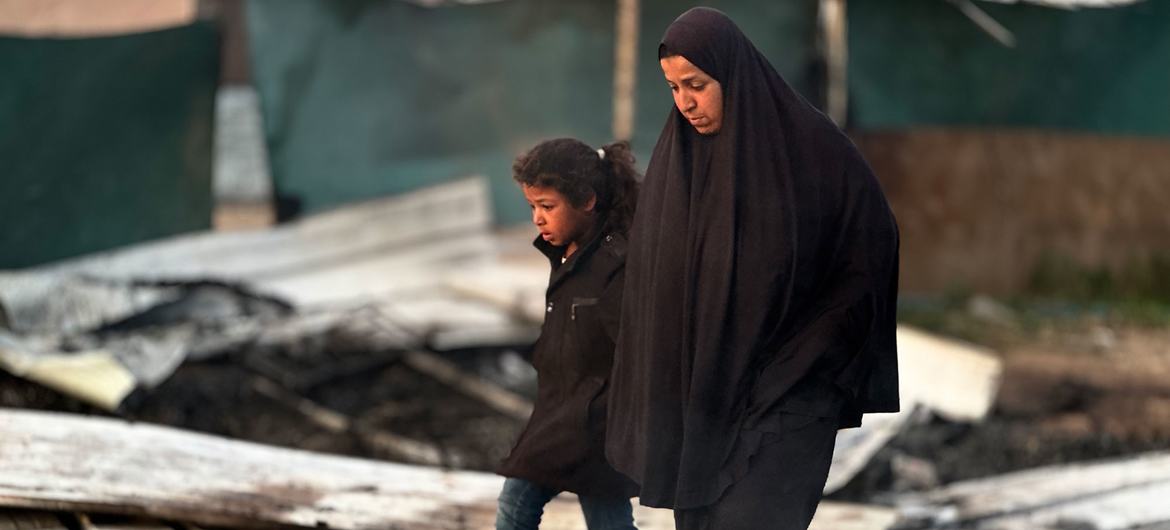
A woman and child walk through the rubble of Gaza.

In emergencies, women and girls are among the most vulnerable. According to UN agencies, they face heightened risks due to displacement and the breakdown of normal protection structures and support. They also face increased care-related tasks such as providing food and water.

“Food keeps us alive, but pads, soap, and privacy let us live with dignity,” said Maysa*, a displaced woman in Khan Younis. “When we receive hygiene kits, it feels like someone finally sees us.”

How UNFPA is responding

As a frontline responder, UNFPA is working to ensure menstrual health is integrated across humanitarian efforts in Gaza. Since October 2023, the agency has provided more than 300,000 women and girls with two-month supplies of disposable menstrual pads and distributed postpartum kits to over 12,000 new mothers.

Yet, three months into a total aid blockade, stocks were nearly exhausted. With border crossings closed, hygiene kits are no longer reaching those in need. The recent entry of some aid distributed by the Gaza Humanitarian Foundation included food, flour, medicine and nutrition support according to media reports.

The UN continues to call for urgent support for women and girls caught in some of the world’s most neglected crises.

*Names have been changed for protection.

World Environment Day: UN sounds alarm on plastic pollution crisis

Between 19 and 23 million tonnes of plastic waste leak into aquatic ecosystems annually, and without urgent action, this figure is expected to rise by 50 per cent by 2040.

Plastic pollution is contaminating every corner of the planet, threatening ecosystems, wildlife, and human health. Microplastics are found in food, water and air, with the average person estimated to ingest over 50,000 plastic particles each year, and far more when inhalation is included.

If the climate crisis goes unaddressed, with plastic pollution as a major driver, air pollution levels exceeding safe thresholds could rise by 50 per cent within a decade. Meanwhile, plastic pollution in marine and freshwater environments may triple by 2040.

Global action day

To rally momentum, the UN Environment Programme (UNEP) is leading the 52nd annual World Environment Day on 5 June, the world’s largest platform for environmental outreach.

This year’s commemoration is hosted by Jeju, Republic of Korea, under the theme #BeatPlasticPollution. Since launching in 2018, the UNEP-led campaign has advocated for a just and inclusive transition away from plastic dependency.

The day brings together governments, businesses, communities, and individuals in a shared mission to protect and restore the planet, while advancing progress towards the Sustainable Development Goals (SDGs), especially those linked to climate action and sustainable consumption.

Towards a treaty

A major focus of the day is the ongoing push for a global treaty to end plastic pollution. Countries are currently negotiating an international, legally binding agreement, with the next round of talks scheduled for August.

UN Secretary-General António Guterres called for an “ambitious, credible and just agreement” that addresses the full lifecycle of plastics, reflects community needs, aligns with the SDGs and is implemented quickly and fully.

UNEP Executive Director Inger Andersen echoed the call, urging nations to unite around innovative solutions and alternatives to plastic use.

World Environment Day serves as a catalyst for action, driving attention toward the UN Environment Assembly later this year – where hopes are high that nations will finalise concrete steps to curb plastic pollution and address the broader climate emergency. 

Source link

As displacement surges in South Sudan, regional humanitarian crisis deepens

Violence between armed groups in Upper Nile state and other flashpoints has crippled essential services, triggered food insecurity and worsened disease outbreaks, including cholera – forcing some to be displaced repeatedly.

Roughly 65,000 have been internally displaced in Upper Nile state alone. 

Access to aid in conflict hotspots is limited, with fighting and movement restrictions cutting off assistance.

Lifesaving supplies, including medicine and healthcare to curb rising cholera cases, have halted, while rains threaten to worsen the crisis, flooding roads and driving up transport costs.

South Sudan has also absorbed over a million people fleeing conflict in Sudan.

Regional crisis

Another 103,000 South Sudanese have sought refuge in neighbouring countries, pushing the total number of South Sudanese refugees to 2.3 million.

“This emergency could not have come at a worse time,” said Mamadou Dian Balde, UNHCR’s Regional Director for the East, Horn of Africa and Great Lakes region.

“Many of the refugees are seeking safety in countries which have challenges of their own or are already dealing with emergencies amidst ongoing brutal funding cuts, straining our ability to provide even basic life-saving assistance.”

Despite the conflict in Sudan, 41,000 South Sudanese have sought refuge there – 26,000 in White Nile state, where over 410,000 South Sudanese already live, many repeatedly displaced due to ongoing violence in their host country.

The surge in arrivals in Sudan has created an urgent need for additional space, while essential services are overwhelmed due to cholera outbreaks and ongoing security challenges.

In the Democratic Republic of the Congo (DRC), 23,000 have arrived amid the country’s own insecurity.

Some 21,000 South Sudanese have sought refuge in Ethiopia. Previously living in makeshift shelters along riverbanks near the border, new arrivals are now receiving UNHCR aid further from the border; however, infrastructure and services in the area remain severely overstretched, worsened by a cholera outbreak.

Uganda, which hosts one million South Sudanese refugees, has taken in 18,000 since March – a 135 per cent year-on-year increase. Nearly 70 per cent are children; many forced to take longer and more hazardous routes to safety.

Call for support

UNHCR is providing refugees with critical relief items, documentation and specialised support to survivors of gender-based violence. 

But to provide necessary support for the next six months – including shelter, water, health and nutrition screening, as well as cash assistance – the agency requires $36 million. 

Calling for an immediate end to hostilities, UNHCR urged all parties to spare civilians further suffering. 

Unrest in Warrap state

In related developments, the UN Mission in South Sudan (UNMISS) voiced deep concern over escalating intercommunal violence in Tonj East county, Warrap state, urging the Government to intervene and deploy security services to address the situation. 

The violence has been driven by attempts to recover stolen cattle and revenge for the previous loss of lives, resulting in more than 80 casualties, although the numbers are yet to be verified. 

UNMISS is intensively engaging with state and local authorities to calm the situation, in addition to increasing patrols, however peacekeepers are experiencing significant challenges reaching some of the impacted areas due to a proliferation of checkpoints manned by armed youth.

Source link

UN’s lifesaving programmes under threat as budget crisis hits hard

Member States had paid just $1.8 billion towards the UN’s $3.7 billion regular budget for 2025, as of 9 May. Including unpaid contributions from previous years, total unpaid assessments stand at approximately $2.4 billion as of 30 April.

The United States is the largest debtor at about $1.5 billion, as the Trump Administration is withholding funds to cut what it sees as unnecessary spending.

Other major contributors with unpaid dues include China ($597 million), Russia ($72 million), Saudi Arabia ($42 million), Mexico ($38 million) and Venezuela ($38 million). An additional $137 million is yet to be paid by other Member States.

The UN’s separate peacekeeping budget faces a similar crisis, with $2.7 billion in unpaid assessments as of 30 April.

Amidst the fiscal challenges, Secretary-General António Guterres in March launched the UN80 initiative to improve efficiency, streamline operations and reduce costs – including a possible 20 per cent staff cut through eliminating duplication.

Women, health, refugee support at risk

The situation is equally concerning at UN agencies and programmes, which have their own budgets and funding channels.  

The UN sexual and reproductive health agency, UNFPA, for instance has warned that women and girls in crisis zones – such as the Democratic Republic of the Congo (DRC), Haiti, Sudan and Afghanistan – are already suffering from shrinking support.

Cuts have slashed the ability to hire midwives, supply essential medicines, deploy health teams, and provide safe spaces for survivors of sexual violence.

In Mozambique, nearly 750,000 displaced persons and refugees are in urgent need of protection, but the UN refugee agency (UNHCR) warns it may have to suspend essential services, including healthcare, education, and support for survivors of gender-based violence, with only one-third of its funding appeal met.

HIV/AIDS programs are also at risk. In Tajikistan, UNAIDS Country Director Aziza Hamidova reports that 60 per cent of HIV programme support is in jeopardy. Community health centers have already closed, outreach has been cut, and access to PrEP testing and counseling has dropped sharply.

Dwindling funds for crisis response

The Office for the Coordination of Humanitarian Affairs (OCHA) – which leads UN’s response to crisis – is raising alarms over the cascading impact of funding gaps.

In Sudan, only 13 per cent of the $4.2 billion needed for 2025 has been received, forcing 250,000 children out of school. In the DRC, gender-based violence cases have surged 38 per cent, but programmes are shutting down. In Haiti, cholera response efforts risk collapse. Meanwhile, just 25 per cent of Ukraine’s 2025 humanitarian appeal has been funded, jeopardizing critical services.

UN Emergency Relief Coordinator and head of OCHA, Tom Fletcher, has already announced staff cuts and scaling back of some country programmes.

Source link

UN searches for solutions to global housing crisis

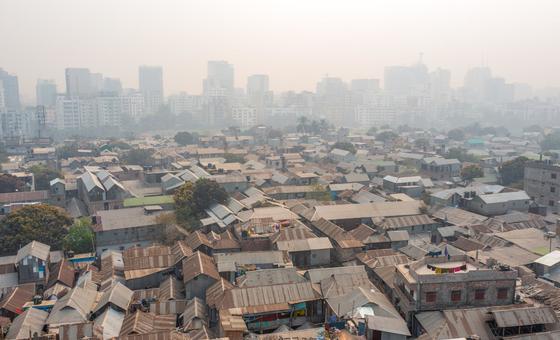
This includes more than 1.12 billion people living in slums or informal settlements. An additional 300 million face absolute homelessness, lacking any form of stable shelter, UN-Habitat estimates.

Living without

The crisis is particularly acute in rapidly urbanising regions such as Africa and the Asia-Pacific. As cities grow, housing development and infrastructure fail to keep pace, leading to a dramatic increase in informal and inadequate living conditions.

In Africa, 62 per cent of urban dwellings are informal. In the Asia-Pacific region, over 500 million people lack access to basic water services, and more than a billion live without adequate sanitation.

As climate change intensifies, those without formal, quality housing and services face growing risks from extreme heat, severe weather events, and water scarcity.

Finding sustainable solutions to the housing crisis is central to advancing global sustainable development. Quality housing is not only a basic human right – it also drives job creation, boosts national income, saves lives, and lays the foundation for better health, education, and economic mobility.

UN-Habitat response

To address this crisis, on Thursday, delegates gathered under the UN’s roof in Nairobi to resume the second session of the UN-Habitat Assembly. Through discussion, collaboration and policy planning, the major summit aims to address this pressing and deeply intertwined issue.

“This Assembly represents the highest global platform for normative discussions on sustainable urbanisation and human settlements. It is a moment of collective reflection, renewed political will and forging consensus for the future we seek for our cities and communities,” said UN-Habitat Executive Director Anacláudia Rossbach in her opening remarks.

Strategic plan

A key focus of the Assembly is the adoption of UN-Habitat’s Strategic Plan for 2026–2029. The plan will prioritise adequate housing, access to land and basic services and the transformation of informal settlements.

It outlines three main impact areas: (1) inclusive prosperity, (2) preparedness, recovery, and reconstruction and (3) climate sustainability. These pillars are designed to accelerate progress toward the Sustainable Development Goals.

The plan also emphasises strengthening collaboration with other UN agencies to achieve shared objectives.

The Assembly will continue through 30 May, with a final decision on the strategic plan expected at the close of the session.

Source link

Sudan conflict triggers regional health crisis, warns WHO

“The ongoing conflict and displacement, in addition to fragile health infrastructure and limited access to affected populations, pose a risk of mass disease transmission,” the UN health agency said in a report issued Tuesday, urging immediate support to sustain surveillance, bolster outbreak response and preserve lifesaving health services.

Since civil war erupted in April 2023, 14.5 million people have been displaced – 10.5 million internally and four million to neighbouring countries such as Egypt, South Sudan, Chad, Ethiopia, Libya and the Central African Republic – making this the world’s largest displacement crisis.

Inside Sudan, conflict has devastated infrastructure and triggered the breakdown of essential services and infrastructure, fuelling the spread of cholera, measles and other communicable diseases.

At Tuesday’s press briefing in New York, UN Spokesperson Stéphane Dujarric reported that with fighting and shelling intensify across the country “the cholera outbreak in Khartoum state is worsening at an alarming rate,” with cases rising by 80 per cent over the past two weeks.

Mr. Dujarric called for “increased, flexible and timely funding to scale-up the humanitarian response, as well as unimpeded access via all necessary routes, so that aid workers can reach people in need wherever they may be.”

Disease and displacement

The impact extends well beyond Sudan’s borders. As of 7 May, Egypt has received 1.5 million Sudanese refugees during the two years of fighting. 

The country has expanded healthcare coverage, but Sudanese face higher costs under the Universal Health Insurance system. WHO Egypt is working with national authorities to strengthen health services and reach the most vulnerable.

However, as Sudanese refugees arrive at overcrowded refugee camps across the region, the situation is far grimmer.

Chad. Rapid Influx of Sudanese refugees leaves thousands in desperate need

In Chad, where over 726,000 have arrived in four crisis-affected eastern provinces already overwhelmed with other refugees, health needs are urgent.

Refugees face outbreaks of malaria, measles, hepatitis E and severe acute malnutrition. There have been 657,135 cases of malaria alone and 314 deaths across the country this year.

South Sudan has received over 1.5 million people, including 352,000 Sudanese. But conflict and attacks on health facilities in the host country have severely hindered response efforts and exacerbated disease.

Hunger and cholera are especially concerning, with 7.7 million people facing severe food insecurity, and more than 54,800 cholera cases and 1,000 deaths since late September.

Ongoing WHO support

Despite the growing funding crisis and severe operational challenges, WHO and its partners continue providing support.

These include support for 136 nutrition stabilisation centres, delivery of medical supplies and consultations, cholera treatment sites, and efforts to rebuild damaged health infrastructure.

The agency has called for sustained support to prevent the worsening of what is already one of the gravest humanitarian and public health emergencies in the world today.

UN warns of ‘catastrophic’ human rights crisis in Myanmar as violence and economic collapse deepen

Published ahead of the Human Rights Council’s upcoming session, the report highlighted the worsening situation since the military coup in 2021, which derailed Myanmar’s democratic transition and ignited widespread armed resistance.

In the years since, military forces have targeted civilian populations with airstrikes, artillery bombardments and other forms of violence, while anti-military armed groups have gained ground, particularly in Rakhine state.

The country has endured an increasingly catastrophic human rights crisis marked by unabated violence and atrocities that have affected every single aspect of life,” said UN High Commissioner for Human Rights Volker Türk.

Grim toll

The report documents a grim toll: military operations killed more civilians in 2024 than in any previous year since the coup.

In Rakhine, the Arakan Army seized control of most of the state, displacing tens of thousands, while Rohingya civilians were caught between warring factions, facing killings, torture, arbitrary arrests and widespread destruction of villages.

Some Rohingya armed groups have also been drawn into the conflict, according to reports.

Economic crisis deepening

The escalating violence has had a cascading effect on Myanmar’s economy, worsening already dire humanitarian conditions.

Myanmar’s economy has lost an estimated $93.9 billion since the coup, with the gross domestic product (GDP) not expected to recover to pre-pandemic levels before 2028.

Inflation has surged, the kyat has lost 40 per cent of its value, and over half the population now lives below the poverty line, facing food insecurity and soaring prices.

The March earthquakes further exacerbated the crisis, leaving thousands more displaced, homeless and without basic services.

Military control of revenue

Meanwhile, the military continues to control key revenue sources, including the central bank and state-owned enterprises, particularly in the extractive sector.

While targeted international sanctions slowed some revenue streams, the junta has maintained its financial lifelines through forced currency conversion, import restrictions, and a crackdown on informal money transfers.

Myanmar has also become the world’s largest producer of opium and synthetic drugs, with transnational criminal networks thriving under military rule.

Multifaceted approach needed

The report urged a multifaceted response to the crisis, including urgent humanitarian support, cross-border aid for displaced populations and increased political engagement with Myanmar’s democratic forces and emerging governance structures.

It also emphasised the need for accountability through international justice mechanisms, including a referral of the situation to the International Criminal Court (ICC).

The report also identified key “constituents for change” in the country’s future – women, youth, ethnic minorities, civil society and pro-democracy actors – and highlighted the work of communities who have established local institutions and forms of governance, often with increased participation from women.

Buildings lie in ruins in Mandalay region, central Myanmar, following the devastating 7.7 magnitude earthquake that struck in March.

Hopes for a peaceful future

The report underscored the importance of planning for the day-after, ensuring human rights are central to a future Myanmar – from rebuilding systems to restoring fundamental freedoms.

There are strong, resourceful and principled individuals and groups rallying and creating the conditions for an inclusive and democratic future,” High Commissioner Türk said. “They are a shining example of hope for a peaceful future.

The report will be formally presented to the UN Human Rights Council in Geneva on 1 July.

Thousands flee homes in Mozambique as conflict and disasters fuel worsening crisis

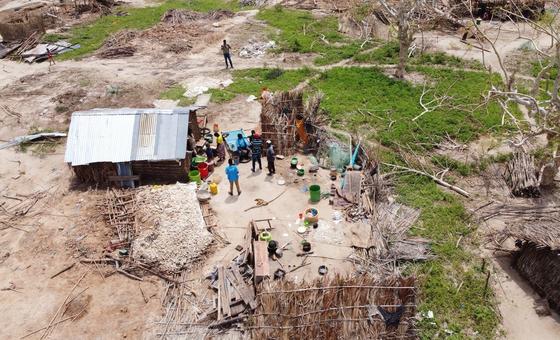
The latest displacement brings the total number of people uprooted by violence, cyclones and social unrest in Mozambique to nearly 1.3 million, according to the UN refugee agency, UNHCR.

The situation is particularly dire in Cabo Delgado province, where attacks by non-state armed groups continue to drive displacement, destroy infrastructure and disrupt recovery efforts.

Thousands have lost their homes, many for the second or third time and are seeking safety in already overstretched communities,” Xavier Creach, UNHCR Representative in Mozambique told journalists at a regular news briefing in Geneva on Friday.

A ‘triple crisis’

Mr. Creach warned that the southeast African country is grappling with a “triple crisis” – armed conflict and displacement, recurring extreme weather events, and months of post-electoral unrest.

At the same time, extreme weather events – most recently Cyclone Jude in March – have devastated communities already hosting large numbers of displaced families. Food prices have surged by up to 20 per cent in some areas, compounding the strain on households and deepening the economic fragility in one of the world’s poorest countries.

The risks facing displaced people, particularly women and children, are severe. Protection concerns, including gender-based violence, family separation and limited access to documentation, are rising sharply.

According to UNHCR estimates, nearly 5.2 million people across the country require some form of humanitarian assistance.

Dwindling funds

In the challenging environment, UNHCR’s response is constrained by lack of funding with less than one-third of the $42.7 million funding appeal for the year met so far.

The agency warned that unless urgent support is mobilized, vital programmes will be at risk.

The broader UN humanitarian appeal, addressing other critical sectors such as nutrition and food security, health, water and sanitation, and education also faces severe shortages, having received only about 15 per cent of the required $352 million.

A perfect storm is gathering. If we turn away now, the country will face a much larger humanitarian emergency,” Mr. Creach said.

“The crisis is unfolding now. We have a choice. We can act to prevent, support and protect – or we can sit on our hands.

Source link

Escalating violence drives food crisis across eastern DR Congo, warns WFP

Conflict has plagued the DRC for decades, particularly in the east. Armed clashes escalated sharply this year as M23 rebels wrested control of Goma, the capital of North Kivu, in January, followed by Bukavu in South Kivu a month later.

The security and humanitarian situation further deteriorated with recent outbreaks of anthrax and mpox in April and May, fuelled by overcrowded conditions and poor sanitation.

Deepening food insecurity

WFP’s latest report estimates that 7.9 million people are food insecure in the conflict-affected eastern provinces, with 28 million in need across the country.

Food production in Grand Nord, an important agricultural hub in eastern DRC, has been slashed due to recent conflict and displacement. In addition, the closure of Goma’s airport – critical for aid delivery – continues to disrupt operations.

Despite these challenges, WFP reached 1.1 million people in the east between January and March, providing school meals and take-home rations for 100,000 children, nutrition supplements for 340,000 children and pregnant or breastfeeding women – along with logistics and supply chain assistance.

Regional turbulence

The 140,000 Congolese who have fled to neighbouring countries since January – mainly Burundi, Uganda, Rwanda and Tanzania – have turned a national emergency into a regional crisis.

Refugee camps in these countries, already under strain from refugees from other countries, are struggling to absorb the new arrivals.

WFP warned that the surge in need is outpacing available resources. Budget constraints have forced the agency to make sharp cuts: food rations have been halved in Burundi, while cash support has also been halved in Rwanda.

In Uganda, the number of refugees receiving assistance has dropped from 1.6 million to 630,000. In Tanzania, food rations have been reduced from 82 to 65 per cent.

To sustain its emergency operations, WFP is appealing for $433 million to support its work inside the DRC through October.

Additional funding needs include $16.6 million to provide full food assistance in Burundi through 2025, $12 million to maintain full rations for refugees in Rwanda through 2025, $26 million to sustain operations in Uganda through 2025, and $18 million to provide just 75 per cent of full rations in Tanzania through April 2026.

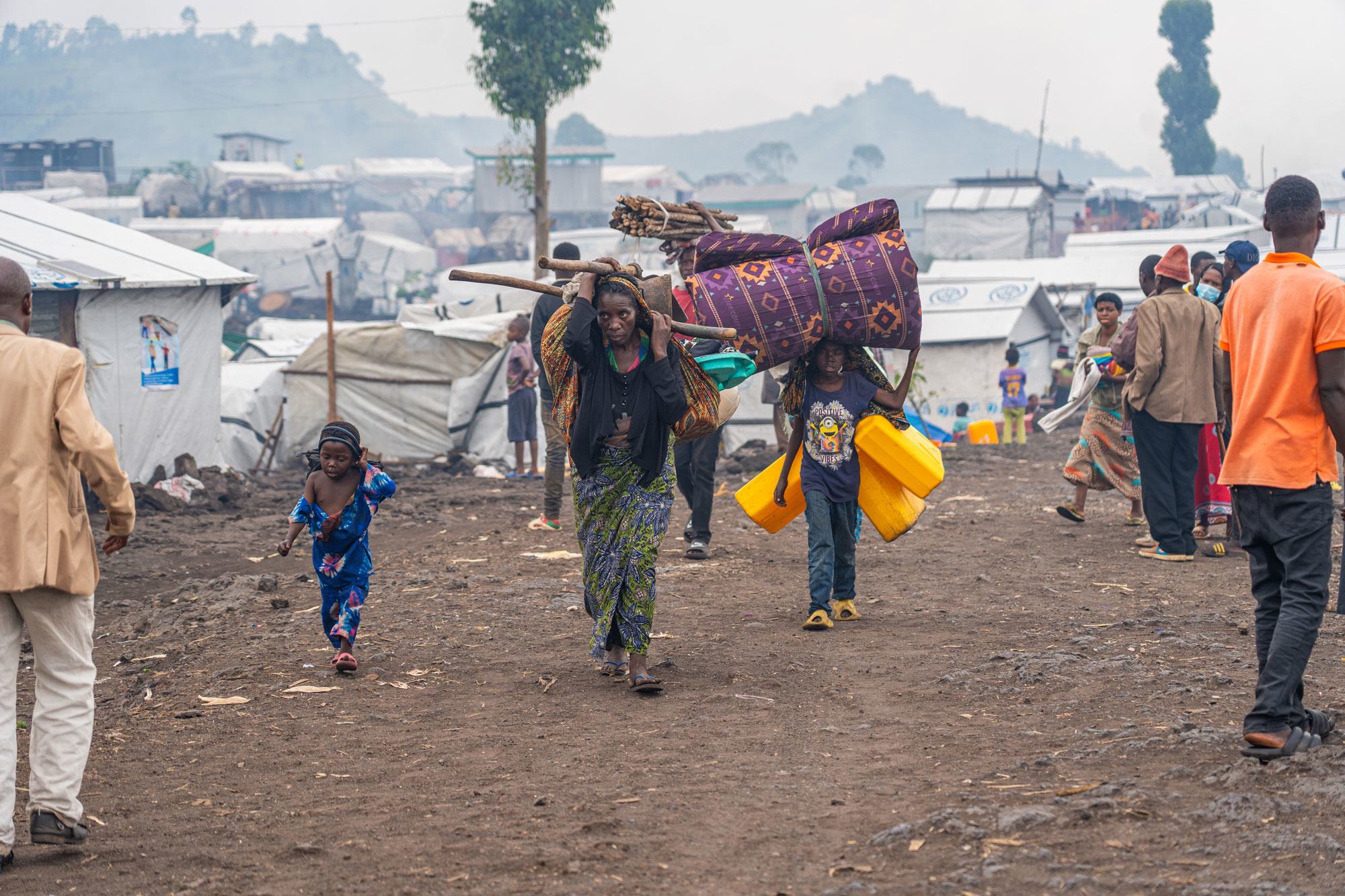
Displaced families in the Bulengo camp on the outskirts of Goma face a dire and uncertain future as M23 authorities instruct them to dismantle their makeshift shelters.

Source link

‘A silent crisis’: Obstetric fibrosis affects 500,000 women, yet it’s fully treatable

16 years – that is how long Dah had to live with the agonising condition, undergoing eight different surgical procedures before finally getting the fistula repaired.

In recognition of the over 500,000 women like Dah who are forced to endure what is a highly treatable condition, the International Day to End Obstetric Fistula is being marked on Friday.

Obstetric fistula is a medical condition which refers to the development of a small hole between the birth canal and the bladder or rectum, leading to leaking urine or faeces.

This year’s theme, “Her Health, Her Right: Shaping a Future without Fistula” will seek to make progress towards the goal of eliminating fistula by 2030.

Women’s bodies become battlegrounds — not only through sexual violence but through deliberate denial of reproductive rights and health
– Sima Bahous, Executive Director of UN Women

“Women’s bodies become battlegrounds — not only through sexual violence but through the deliberate denial of reproductive rights and health services” said Sima Bahous, Executive Director of UN Women.

‘A silent crisis’

It is often brought on by prolonged or difficult childbirth. Most of the half million women suffering the condition live in the Global South.

Many women who have a fistula experience social isolation and exclusion brought on by leaking urine or faeces. This, in turn, can lead to depression and exacerbated poverty.

Kambiré, a small business owner who lives in Bouna, lived with obstetric fistula for 23 years. She even had another child before getting medical assistance.

“I preferred to isolate myself because of the fistula,” she said. “I couldn’t sit for long for fear of getting wet.”

She only learned that it was treatable when listening to a radio show, inspiring her to go to a UN sexual and reproductive health agency (UNFPA)-supported hospital for treatment. Now, she owns a small pot-making business.

Kambiré had obstetric fistula for 23 years and now owns her own pot-making business.

Entirely preventable and treatable

UNFPA set the goal of elimination by 2030 – which seems doable given that, as a medical condition, it is both completely preventable and fully treatable.

Between 2003 and 2024, UNFPA supported nearly 150,000 surgical fistula repairs, 4,400 of which alone happened in Côte d’Ivoire for women like Dah and Kambiré.

Catherine, a mother of two in Bouna, also received medical assistance from a UNFPA-supported hospital.

“Now that I’m healthy, I’m happy. I can run my business and spend time with my friends,” she said.

Nevertheless, obstetric fistula has remained stubbornly persistent throughout the world due to disparities in global health systems.

UNFPA says that midwives are key to preventing fistula, and other childbirth injuries. However, there is a global shortage of over 900,000 midwives, 500,000 of which are in Sub-Saharan Africa.

Reproductive health education and empowerment are similarly essential to addressing and preventing obstetric fistula.

“The most effective shield we can offer women and girls is their own power, voice and leadership,” Ms. Bahous said.

Networks of solidarity

After Dah received successful treatment for her obstetric fistula, she, like Kambiré, began a seasonal food business through which she prepares and sells produce.

She has also banded together with other fistula survivors from Bouna to enhance community awareness and reduce stigma.

“When women lead, they protect not only themselves but their families and communities … The impact is transformative,” Ms. Bahous said.