Tide of change in Philippines as women revive watersheds and livelihoods

Onshore, women in this tropical zone gather to mend torn nets, sort the day’s catch, and prepare their harvests for the market.

Among them is Christina Guevarra, who gently frees a blue swimming crab from her net. “From February to May, we are grateful,” she told the UN ahead of the International Day of the Tropics  marked annually on 29 June. “But after these months, especially when the rainy season begins, we have to find other ways to earn.”

Christina Guevarra removes crabs from fishing nets.

Simple but hard life

Christina’s family, like many others in Sasmuan, relies on the river’s bounty, a livelihood increasingly threatened by dwindling fish populations and environmental degradation.

“It’s difficult in coastal communities like ours because we are so dependent on the river’s harvests,” she explained. “Life for us fishers is simple, but it’s also hard.”

For generations, the local people have depended on the Sasmuan Pampanga coastal wetlands, part of a watershed that drains into Manila Bay.

But pollution, poor waste management, and unsustainable practices now imperil its biodiversity and the local economy.

“The wastes we see in the river also come from upstream communities,” said Irene Villar, Assistant Head of Pampanga’s Environment and Natural Resources Office. “Even with proper waste disposal and policies in place, enforcement remains a challenge.”

Edna Bilacog and Rose Ann Tungol have been supporting their families as waste segregators.

To address these issues, the Integrated River Basin Management (IRBM) Project which is financed by the Global Environment Facility, implemented by  the UN Development Programme (UNDP) has partnered with the Provincial Government of Pampanga and local groups to promote sustainable practices including not only on conserving waterways but also on uplifting vulnerable communities—especially women.

In Sasmuan, women like Edna Bilacog and Rose Ann Tungol find work at a Materials Recovery Facility, sorting household waste. Their pay, about 175 pesos a day (US$4), is well below the local minimum wage. “What we earn barely meets our needs,” they admit, but their work helps sustain their families.

Net gain

Others, like Maricar Guevarra, have relied on traditional crafts. A skilled weaver for over 20 years, she earns about $4 per repaired net and $13 for a large one known as a panti, which takes four days to complete. “This has been my main source of income, especially when my husband fell ill,” she said. To make ends meet, she also does laundry and sells home-cooked meals.

Women also lead the crab trade, detangling crustaceans from nets and preparing them for market, though unsustainable aquaculture from nearby fishponds threatens their livelihood. In response, many have diversified. During the off-season, they work as helpers, labourers, or store employees in nearby towns.

The blue swimming crab is abundant in the Sasmuan Pampanga coastal wetland.

In the village of Batang 2nd, a women’s group turns sea purslane, a wild riverbank weed, into atchara (pickled salad), while on the mainland, Patricia Culala has built a business around crab paste. “The fat from the crab is the tastiest part—that’s what I preserve and sell in bottles,” she explained. “Through this business, I was able to send my children to school.”

The women of Sasmuan are both resilient and innovative. But without sustainable solutions, their future remains uncertain. Fair wages, community-led conservation, and responsible river management are essential to preserving the wetlands, and the lives they nourish.

Why is the manosphere on the rise? UN Women sounds the alarm over online misogyny

With more than 5.5 billion people connected online – nearly all of them active on social media – digital platforms have become central to how people interact, UN Women highlights.

However, they are also being weaponised to spread misogyny and hate. Once confined to fringe internet forums, the manosphere now reaches into schoolyards, workplaces, and is sometimes upending intimate personal relationships.

“We are seeing an increasing trend of young men and boys looking to influencers for guidance on issues like dating, fitness, and fatherhood,” said Kalliopi Mingeirou, Chief of the Ending Violence Against Women and Girls Section at UN Women.

Looking for answers to feel more secure about themselves, these boys encounter “strength” in online communities who also promote harmful attitudes that distort masculinity and fuel misogyny.

Boys are looking for ‘validation online’

“These spaces are really taking advantage of those insecurities and a need for validation…very often circulating messages that are very dismissive of women and girls’ positions in society and are often very misogynistic, portraying a very bad picture of women’s rights activists, for example,” Ms. Mingeirou told UN News.

According to the Movember Foundation, a leading men’s health organization and partner of UN Women, two-thirds of young men regularly engage with masculinity influencers online.

While some content offers genuine support, much of it promotes extreme language and sexist ideology, reinforcing the idea that men are victims of feminism and modern social change.

The most recent UN Secretary-General’s report on violence against women and girls notes that groups within the manosphere are united in their rejection of feminism and their portrayal of women as manipulative or dangerous.

These narratives are increasingly being amplified by social media algorithms that reward provocative and polarizing content.

Misogynistic content harms girls and boys

Stressing that anonymity makes amplification of sexist and hate speech on platforms easier, Ms. Mingeirou told us the abuse not only damages their mental and physical wellbeing but also poses “a serious risk for democracy in general”.

“Women and girls are feeling less comfortable to be exposed to the risks and threats when they engage in digital platforms – and we often see women journalists, women politicians who tend to not engage, because they are afraid of the impact it has on them”.

Underlying that stereotypes create anxiety and harm boys and men alike, Ms. Mingeirou added that safe spaces need to be created, so everyone can look for guidance without being subjected to harmful content.

A threat beyond the internet

The manosphere’s toxic narratives are no longer confined to obscure online spaces. Their influence is seeping into broader culture and politics, trivializing gender-based violence and reinforcing discriminatory stereotypes.

In extreme cases, these ideologies intersect with other forms of radicalization, including racism, homophobia, and authoritarianism. Misogyny online quickly becomes misogyny offline.

“We have growing evidence that in some of the community mass shootings or extreme incidents against the community, very often the perpetrators were also heavily engaged in such misogynistic online platforms, conveying messaging connecting with broader ideologies that puts all of us at risk”, Ms. Mingeirou continued.

These communities do not all speak with one voice, but they are united in portraying feminism as dangerous, women as manipulative, and men as victims of social change. Their ideas are gaining ground, particularly among boys and young men, amplified by algorithms that prioritize sensational and extreme content. The manosphere’s narratives are no longer confined to niche corners of the internet. They are shaping how people think, how they vote, and how they treat others.

© Unsplash/John Schnobrich

With more than 5.5 billion people connected online, digital platforms have become central to how people interact.

A rights-based response

As the world marks the 30th anniversary of the Beijing Declaration and Platform for Action, UN Women is warning that the rise of online misogyny poses a direct threat to the progress made toward gender equality.

In response, the agency is scaling up efforts to counter toxic digital environments. Their multi-pronged approach includes:

  • Research and data collection on the spread and impact of online hate.
  • Policy advocacy for digital safety and regulation.
  • Support for survivors of online abuse.
  • Public education campaigns challenging toxic masculinity.
  • Youth-focused programming aimed at building digital resilience and promoting gender equality.
  • Calling on the media to take a more active role in addressing this issue.

Education as Prevention

Ultimately, education is one of the most effective tools for dismantling the foundation of misogynistic ideology. Talking to children and adolescents about gender equality, healthy relationships, and digital citizenship is crucial to preventing harmful attitudes from taking root.

“It’s not just about protecting girls,” Ms. Mingeirou said. “It’s about creating a world where boys and girls alike can grow up free from the toxic pressures of harmful gender expectations.”

Source link

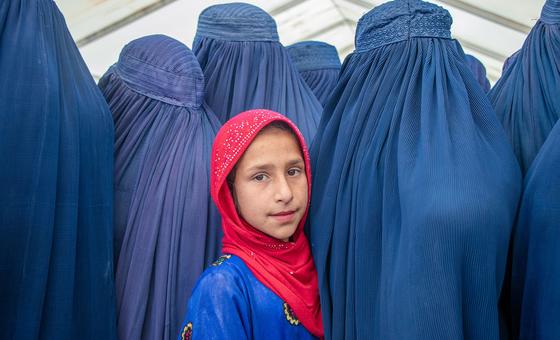
Afghan women face near total social, economic and political exclusion

But recently, the level of participation has reached a new low – zero.

Zero women in national or local decision-making bodies.

Zero girls projected to be in secondary education following a December 2024 ban.

These numbers are part of the index released Tuesday by gender equality agency UN Women which is the most comprehensive study on gender inequality in Afghanistan since the Taliban resumed de facto control in 2021.

It paints a sobering picture of the state of gender equality in Afghanistan.

“Since [2021], we have witnessed a deliberate and unprecedented assault on the rights, dignity and very existence of Afghan women and girls. And yet, despite near-total restrictions on their lives, Afghan women persevere,” said Sofia Calltorp, UN Women chief of humanitarian action, at a briefing in Geneva.

Second-widest gender gap in the world

The report released by UN Women noted that while the Taliban regime has presided over “unparalleled” gender inequality, disparities existed long before 2021.

“The issue of gender inequality in Afghanistan didn’t start with the Taliban. Their institutionalised discrimination is layered on top of deep-rooted barriers that also hold women back,” Ms. Calltorp said. 

According to the index, Afghanistan currently has the second-worst gender gap in the world, with a 76 per cent disparity between women’s and men’s achievements in health, education, financial inclusion and decision-making.

Afghan women are currently realizing only 17 per cent of their potential, and recent policies by the de facto government — including the December 2024 ban on women in secondary education and the increasingly stringent restrictions on women’s movement — will perpetuate and perhaps worsen this under-realized potential.

Systematic exclusion and social effects

This sort of systematic exclusion of women from society at all levels not only impedes progress on the Sustainable Development Goals (SDGs) and gender equality but also exacerbates poverty and instability more broadly, making it harder for the economy to diversify labour sources.

“Afghanistan’s greatest resource is its women and girls. Their potential continues to be untapped,” said UN Women Executive Director Sima Bahous.

Right now, only 24 per cent of women are part of the labour force, compared to 89 per cent of men. Continued protracted economic strife has led to the number of women in the workforce increasing.

“Overlapping economic, political, and humanitarian crises — all with women’s rights at their core — have pushed many households to the brink. In response – often out of sheer necessity — more women are entering the workforce,” Ms. Calltorp said.

Nevertheless, women are still predominantly working in lower-paid and less secure positions and are overwhelmingly responsible for all unpaid domestic work.

Ms. Calltorp noted that despite the “devastating” daily constraints that Afghan women face, they continue to advocate for themselves and their rights.

“[Afghan women] continue to find ways to run businesses and advocate for their rights – and the rights of all Afghans…Their courage and resilience spans generations,” Ms. Calltorp said.

Stark choices

Alongside a deteriorating gender equality landscape, the aid outlook in Afghanistan is increasingly bleak with only 18 per cent of the 2025 humanitarian response plan for Afghanistan funded.

This is having tangible impacts on the ground, leading UN agencies and partners to call for action and funds.

“Time and time again in Afghanistan, we have seen how donor support can be the difference between life and death…We make an urgent appeal to donors to increase flexible, timely and predictable funding,” they said.

Women, girls and other vulnerable groups are particularly impacted by these funding shortages — 300 nutrition sites for malnourished mothers and children have shut and 216 gender-based violence points have suspended work impacting over one million women and girls.

“The choices we make now will reveal what we stand for as a global community. If the world tolerates the erasure of Afghan women and girls, it sends a message that the rights of women and girls everywhere are fragile and expendable,” Ms. Calltorp said.

“Afghan women and girls haven’t given up, and we will not give up on them.”

Source link

Gaza: Women and girls struggle to manage their periods amid crisis

Globally, 1.8 billion people menstruate, yet for many, especially in crises zones, it’s far more than an inconvenience.

In war-torn Gaza, around 700,000 women and girls of menstruating age, including thousands experiencing their first period, face this challenge under relentless bombardment and in cramped, unsanitary conditions with little privacy.

A human rights issue

The United Nations’ sexual and reproductive health agency, UNFPAwarns that the lack of access to menstrual products, clean water, and soap makes it nearly impossible for women and girls to manage their periods with dignity.

Since March, Israel’s aid blockade has depleted hygiene supplies in Gaza, including sanitary pads. The authorities temporarily lifted the ban last month and UN agencies were able to bring in limited amounts of items such as flour and medicine.

Since the end of May, aid is now being distributed through a system backed by the United States and Israel, bypassing the UN and other humanitarian agencies, but it falls far short of what is needed.

Nearly 90 per cent of the territory’s water and sanitation infrastructure has been damaged or destroyed, and fuel for water pumping is no longer available.

Women stand in a damaged displacement settlement in Khan Younis, Gaza.

“I sat in silence crying”

Speaking to UNFPA, a young girl recalled getting her period while sheltering in a crowded displacement camp.

“I only had one pad, so I wrapped it in toilet paper to make it last. I couldn’t wash, and the pain was horrible. I sat in silence crying until the end of the day.”

As nine in 10 households face extreme water shortages, the lack of clean water, soap, and privacy has turned menstruation into a source of anxiety, isolation, and shame. “Sometimes I need pads and soap more than I need food,” said Aisha*, a displaced girl.

Desperate measures, dangerous consequences

With less than a quarter of the over 10 million sanitary pads needed each month available, women and girls are forced to improvise. Many use torn clothes, sponges, or old rags, often without proper cleaning.

“I tore my only shirt into pieces so my daughters could use them instead of pads,” shared a father of four displaced from Jabalia.

These makeshift solutions are not only painful and undignified, but they can also cause infections and long-term reproductive health issues. With the health system on the brink of collapse, thousands of women may go untreated.

The psychological burden is equally severe. “Every time my period comes, I wish I weren’t a girl,” said one of the girls.

Stripping away dignity

Speaking from a health care perspective, but also as a woman, a doctor in Gaza described treating women coping with menstruation, pregnancy, and childbirth under horrifying conditions.

“These should be natural experiences, not sources of distress and pain. I see strength in women’s eyes, but I also see deep pain and the stripping away of dignity,” she said.

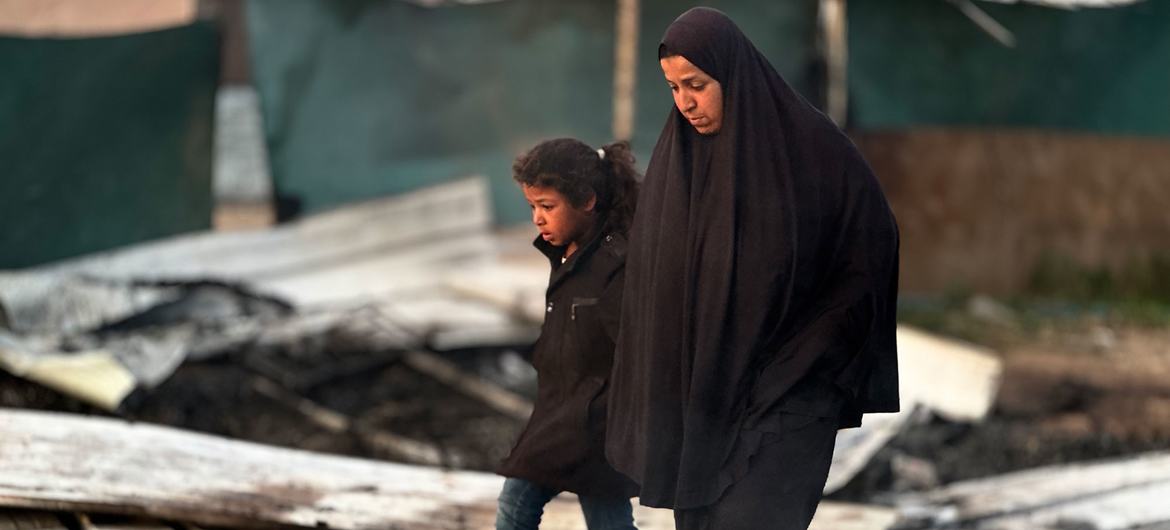
A woman and child walk through the rubble of Gaza.

In emergencies, women and girls are among the most vulnerable. According to UN agencies, they face heightened risks due to displacement and the breakdown of normal protection structures and support. They also face increased care-related tasks such as providing food and water.

“Food keeps us alive, but pads, soap, and privacy let us live with dignity,” said Maysa*, a displaced woman in Khan Younis. “When we receive hygiene kits, it feels like someone finally sees us.”

How UNFPA is responding

As a frontline responder, UNFPA is working to ensure menstrual health is integrated across humanitarian efforts in Gaza. Since October 2023, the agency has provided more than 300,000 women and girls with two-month supplies of disposable menstrual pads and distributed postpartum kits to over 12,000 new mothers.

Yet, three months into a total aid blockade, stocks were nearly exhausted. With border crossings closed, hygiene kits are no longer reaching those in need. The recent entry of some aid distributed by the Gaza Humanitarian Foundation included food, flour, medicine and nutrition support according to media reports.

The UN continues to call for urgent support for women and girls caught in some of the world’s most neglected crises.

*Names have been changed for protection.

‘We are women like you’: UN honours peacekeepers for work in gender empowerment

There, alongside civilian gender units, Ms. Syme met a group of local community members – both men and women. Partway through, she realised something was different.

“The women were not talking,” she told UN News. “They were very quiet.”

Then she remembered that local cultural norms dictated women do not speak in public.

“We are women like you. We want to be able to help, but we don’t know how we can help you,” she told them in a separate meeting. “Can you please tell us what your problem is so we can see how we can help?”

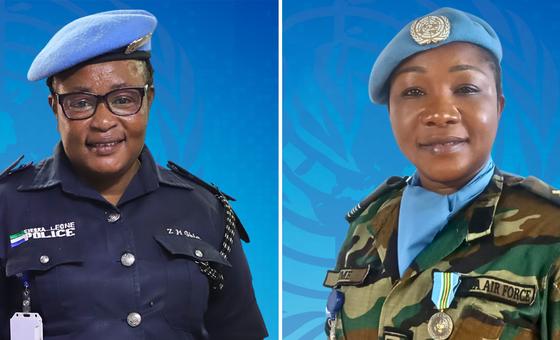
It is for this sort of work founded in community trust building and a relentless belief in the importance of gender perspectives and empowerment in peacekeeping, that the UN will honour two exceptional women peacekeepers on Thursday as part of International Peacekeepers’ Day.

Ms. Syme is this year’s winner of the UN Military Gender Advocate of 2024 Award.

“[Ms. Syme’s] dedication has not only improved the effectiveness of UNISFA’s operations but also ensured that the mission is more reflective of and responsive to the communities it serves,” said Under-Secretary-General for Peace Operations Jean-Pierre Lacroix.

The other honouree is Chief Superintendent Zainab Mbalu Gbla of Sierra Leone who has been named Woman Police Officer of the year for her work with UNISFA.

“Chief Superintendent Gbla embodies the work of the United Nations to improve lives and shape futures,” said Mr. Lacroix.

Gender and peacekeeping

The UN Woman Police Officer of the Year Award was established in 2011 and the UN Military Gender Advocate of the Year Award was first presented five years later.

Both awards recognize peacekeepers whose work has substantially advanced the integration of gender perspectives and empowerment into peacekeeping.

In 2000, the Security Council passed a resolution which affirmed the essential role women play in peacebuilding, peacekeeping and humanitarian responses. Since then, the United Nations has worked to fully integrate gender perspectives into peacekeeping.

According to Ms. Syme, applying gender perspectives should be a “daily task” for all peacekeepers.

“We need to understand the gender dynamics within our area of operation, otherwise, we might not be able to have the right intervention, we might not be able to carry out the right activities,” she said.

Intergenerational legacy

Ms. Gbla experienced the impact of peacekeeping herself as a civilian in Sierra Leone in the wake of a war that ravaged her country.

“I saw people coming from different parts of the world just to bring peace to my country… That’s why I told myself that one day I’d love to be a peacekeeper – to help other people, to return the favour,” Ms. Gbla told UN News.

As a UNISFA gender officer, not only did she create a school programme and female mentorship network where none had existed before, she also worked diligently to ensure that learning was fun, incorporating performing arts and visual aids.

“[The women of Abyei] are ready to work, they are ready to do things for themselves if peace allows them. The children are ready to go to school, if peace allows them,” she said.

A health campaign in Abyei

Ms. Syme’s meeting with the women of Sector North was the beginning of an enormously successful health campaign in the region which discussed harmful practices such as child marriage and female genital mutilation, the two issues which the community women had identified.

The campaign engaged both men and women, and Ms. Syme said that she was deeply impressed and moved by the response of the male leaders who, through the campaign, realized the harm that practices of child marriage and female genital mutilation had caused.

“[The leaders] promised that they are going to revise these cultural practices so that going forward, they will not do it again,” Ms. Syme said.

This campaign happened in June 2024 and has driven Ms. Syme’s work since then, work which includes training over 1,500 UNISFA officials in gender-responsive peacekeeping.

“It has motivated me,” Ms. Syme said. “It has motivated me a lot.”

The future of peacekeeping through gender

Both Ms. Syme and Ms. Gbla will receive their awards on International Peacekeeping Day. This year, Member States and UN officials will be asked to consider the future of peacekeeping.

For both Ms. Syme and Ms. Gbla, the future of peacekeeping and security cannot be disentangled from gender perspectives and empowerment.

“If you don’t know the gender dynamics of the area, if you don’t know who is in charge, if you don’t know what will benefit who…you may think you are providing security, but you are not really providing security,” Ms. Syme said.

Ms. Gbla, in discussing her award, paid homage to all the women who wear a UN uniform, underlining their tireless work in the pursuit of peace.

“Each of us [women] faces unique challenges in our respective missions, yet our collective goal remains the same – to foster peace and protect the vulnerable.”

Source link

‘A silent crisis’: Obstetric fibrosis affects 500,000 women, yet it’s fully treatable

16 years – that is how long Dah had to live with the agonising condition, undergoing eight different surgical procedures before finally getting the fistula repaired.

In recognition of the over 500,000 women like Dah who are forced to endure what is a highly treatable condition, the International Day to End Obstetric Fistula is being marked on Friday.

Obstetric fistula is a medical condition which refers to the development of a small hole between the birth canal and the bladder or rectum, leading to leaking urine or faeces.

This year’s theme, “Her Health, Her Right: Shaping a Future without Fistula” will seek to make progress towards the goal of eliminating fistula by 2030.

Women’s bodies become battlegrounds — not only through sexual violence but through deliberate denial of reproductive rights and health
– Sima Bahous, Executive Director of UN Women

“Women’s bodies become battlegrounds — not only through sexual violence but through the deliberate denial of reproductive rights and health services” said Sima Bahous, Executive Director of UN Women.

‘A silent crisis’

It is often brought on by prolonged or difficult childbirth. Most of the half million women suffering the condition live in the Global South.

Many women who have a fistula experience social isolation and exclusion brought on by leaking urine or faeces. This, in turn, can lead to depression and exacerbated poverty.

Kambiré, a small business owner who lives in Bouna, lived with obstetric fistula for 23 years. She even had another child before getting medical assistance.

“I preferred to isolate myself because of the fistula,” she said. “I couldn’t sit for long for fear of getting wet.”

She only learned that it was treatable when listening to a radio show, inspiring her to go to a UN sexual and reproductive health agency (UNFPA)-supported hospital for treatment. Now, she owns a small pot-making business.

Kambiré had obstetric fistula for 23 years and now owns her own pot-making business.

Entirely preventable and treatable

UNFPA set the goal of elimination by 2030 – which seems doable given that, as a medical condition, it is both completely preventable and fully treatable.

Between 2003 and 2024, UNFPA supported nearly 150,000 surgical fistula repairs, 4,400 of which alone happened in Côte d’Ivoire for women like Dah and Kambiré.

Catherine, a mother of two in Bouna, also received medical assistance from a UNFPA-supported hospital.

“Now that I’m healthy, I’m happy. I can run my business and spend time with my friends,” she said.

Nevertheless, obstetric fistula has remained stubbornly persistent throughout the world due to disparities in global health systems.

UNFPA says that midwives are key to preventing fistula, and other childbirth injuries. However, there is a global shortage of over 900,000 midwives, 500,000 of which are in Sub-Saharan Africa.

Reproductive health education and empowerment are similarly essential to addressing and preventing obstetric fistula.

“The most effective shield we can offer women and girls is their own power, voice and leadership,” Ms. Bahous said.

Networks of solidarity

After Dah received successful treatment for her obstetric fistula, she, like Kambiré, began a seasonal food business through which she prepares and sells produce.

She has also banded together with other fistula survivors from Bouna to enhance community awareness and reduce stigma.

“When women lead, they protect not only themselves but their families and communities … The impact is transformative,” Ms. Bahous said.

‘Keep the lights on’ for women and girls caught up in crisis

The UN’s reproductive health agency, UNFPA, has been working to assess the impact of recent steep funding cuts, warning that from the Democratic Republic of Congo to Haiti, Sudan and beyond, a lack of funding for reproductive care or treatment to tackle gender-based violence, is causing untold suffering.

Millions of them are already experiencing the horrors of war, climate change and natural disasters.

Facing a dark future

As support becomes increasingly scarce, women and girls are being overlooked in their hour of greatest need, the agency argues in a new campaign to shed light on their plight – Don’t Let the Lights Go Out.

UNFPA’s humanitarian response p​lans were already under 30 per cent funded in 2024, before this year’s severe cuts began taking effect.

The funding situation on the ground is predicted to get worse, which means a shortage of midwives; a lack of medicines and equipment to handle childbirth complications; shuttered safe spaces; less healthcare overall and cuts to counselling or legal services for survivors of gender-based violence.

The United States has announced cuts of approximately $330 million to UNFPA worldwide, which according to the agency will significantly undermine efforts to prevent maternal deaths.

The agency recently warned on the devastating impacts that the massive cuts will have in Afghanistan, one of the world’s worst humanitarian crises.

Sounding the alarm

The need for health and protection services is highest in crisis zones: 70 per cent of women there are subjected to gender-based violence – double the rate in non-crisis settings.

Furthermore, around 60 per cent of preventable maternal deaths occur in crisis-hit countries.

Through the Don’t Let the Lights Go Out campaign, the UN aims to shine a light on the needs of women and girls in crisis, raise funds to support them, and to reaffirm that women’s health, safety and rights must remain non-negotiable priorities in any humanitarian response.

© UNICEF/Azizullah Karimi

Gaza’s most vulnerable

In Gaza, with food and essential medicines critically low, pregnant women, breastfeeding mothers and children in general are being severely impacted.

Reports show that one in every five people is now facing starvation. For an estimated 55,000 pregnant women, each missed meal increases the risk of miscarriages, stillbirths and undernourished newborns.

According to a doctor at Al-Awda Hospital who spoke to the UN agency, there’s been “a significant increase in cases of low birthweight babies, directly linked to maternal malnutrition and anaemia during pregnancy.”

Health system on its knees

Relentless attacks on hospitals, health facilities and medical staff have left the healthcare system in ruins.

Amid these dire conditions, almost 11,000 pregnant women are already reported to be at risk of famine, and nearly 17,000 pregnant and breastfeeding women will need urgent treatment for acute malnutrition over the coming months. For many, the fallout is devastating.

In 2025, UNFPA is seeking $99 million to address the ongoing and emerging needs in Palestine, but as of April, just $12.5 million has been received.

Source link

Lives of pregnant women and newborns at risk as funding cuts impact midwifery support

But despite their critical role, UN support for midwifery is under serious threat due to severe funding cuts.

Each year, three-quarters of all maternal deaths occur in just 25 countries, the majority of them located in sub-Saharan Africa and South Asia, according to the UN reproductive health agency, UNFPA

Midwives are often the first and only responders delivering life-saving care to pregnant women and their newborns in crisis settings, where the risk of dying during pregnancy or childbirth doubles.

Funding cuts are now forcing UNFPA to scale back its support for midwifery. In eight of the affected countries the agency will only be able to fund 47 per cent of the 3,521 midwives it had intended to support in 2025.

On the frontline

In times of crisis, women often lose critical access to vital maternity services. Coming to the rescue in the direst of circumstances and serving as a lifeline to pregnant women, “midwives save lives,” said Natalia Kanem, Executive Director of UNFPA.

UN support for midwives in humanitarian settings includes training, providing supplies and equipment and in some cases transportation for mobile health clinics. All this is having to be cut back amid the funding cuts. 

When crises strike and systems break down, midwives step up,” said UNFPA, marking International Day of the Midwife.

Funding cuts

Amid a global shortage of nearly one million midwives, rising death rates among women and newborns in conflict zones and fragile contexts are now being reported following budget cuts.

“We’re lacking everything, from blood bags to medicines. With the support of UNFPA and other partners, we can still provide services – but for how long?said Fabrice Bishenge, Director of Kyeshero General Hospital in eastern DR Congo.

Deaths during childbirth in fragile and conflict-affected settings now account for 60 per cent of all maternal deaths globally. Worldwide, deep funding cuts only exacerbate this trend. In Yemen, for instance, over 590,000 women of childbearing age are expected to lose access to a midwife.

© UNICEF/Mukhtar Neikrawa

The waiting room of a maternity hospital in Herat Province, Afghanistan.

New initiative

In light of the current funding crisis, UNFPA and partners recently launched the Global Midwifery Accelerator — a coordinated initiative to scale up midwife-led care in countries with the highest maternal mortality rates.

The initiative sets out a cost-effective roadmap focused on saving lives and strengthening national health systems, even in the most fragile contexts.

Making an urgent call for greater funding, training, and advocacy for midwifery, UNFPA stressed that universal midwife-led health coverage could avert two-thirds of maternal and newborn deaths, reduce healthcare costs, and lead to more productive workforces. 

Subcutaneous fat emerges as a protector of Womans’ brains

Womans’ propensity to deposit more fat in places like their hips, buttocks and the backs of their arms, so-called subcutaneous fat, is protective against brain inflammation, which can result in problems like dementia and stroke, at least until menopause, scientists report.

Males of essentially any age have a greater propensity to deposit fat around the major organs in their abdominal cavity, called visceral adiposity, which is known to be far more inflammatory. And, before females reach menopause, males are considered at much higher risk for inflammation-related problems from heart attack to stroke.

“When people think about protection in women, their first thought is estrogen,” says Alexis M. Stranahan, PhD, neuroscientist in the Department of Neuroscience and Regenerative Medicine at the Medical College of Georgia at Augusta University. “But we need to get beyond the kind of simplistic idea that every sex difference involves hormone differences and hormone exposure. We need to really think more deeply about the underlying mechanisms for sex differences so that we can treat them and acknowledge the role that sex plays in different clinical outcomes.”

Diet and genetics are other likely factors that explain the differences broadly assigned to estrogen, says Stranahan, corresponding author of a study in the American Diabetes Association journal Diabetes.

She acknowledges that the findings are potentially heretical and revolutionary and certainly surprising even to her. “We did these experiments to try and nail down, first of all, what happens first, the hormone perturbation, the inflammation or the brain changes.”

Brain Image (NIH)

To learn more about how the brain becomes inflamed, they looked at increases in the amount and location of fat tissue as well as levels of sex hormones and brain inflammation in male and female mice at different time intervals as they grew fatter on a high-fat diet.

Since, much like with people, obese female mice tend to have more subcutaneous fat and less visceral fat than male mice, they reasoned that the distinctive fat patterns might be a key reason for the protection from inflammation the females enjoy before menopause.

They found again the distinctive patterns of fat distribution in males and females in response to a high-fat diet. They found no indicators of brain inflammation or insulin resistance, which also increase inflammation and can lead to diabetes, until after the female mice reached menopause. At about 48 weeks, menstruation stops and fat positioning on the females starts to shift somewhat, to become more like males.

They then compared the impact of the high-fat diet, which is known to increase inflammation body wide, in mice of both sexes following surgery, similar to liposuction, to remove subcutaneous fat. They did nothing to directly interfere with normal estrogen levels, like removing the ovaries.

The subcutaneous fat loss increased brain inflammation in females without moving the dial on levels of their estrogen and other sex hormones.

Bottom line: The Womans’ brain inflammation looked much more like the males’, including increased levels of classic inflammation promoters like the signaling proteins IL-1β and TNF alpha in the brain, Stranahan and her colleagues report.

“When we took subcutaneous fat out of the equation, all of a sudden the females’ brains start to exhibit inflammation the way that male brains do, and the females gained more visceral fat,” Stranahan says. “It kind of shunted everything toward that other storage location.” The transition occurred over about three months, which translates to several years in human time.

Dr. Alexis Stranahan/CREDIT:Michael Holahan, Augusta University

By comparison, it was only after menopause, that the females who did not have subcutaneous fat removed but did eat a high-fat diet, showed brain inflammation levels similar to the males, Stranahan says.

When subcutaneous fat was removed from mice on a low-fat diet at an early age, they developed a little more visceral fat and a little more inflammation in the fat. But Stranahan and her colleagues saw no evidence of inflammation in the brain.

One take-home lesson from the work: Don’t get liposuction and then eat a high-fat diet, Stranahan says. Another is: BMI, which simply divides weight by height and is commonly used to indicate overweight, obesity and consequently increased risk of a myriad of diseases, is likely not a very meaningful tool, she says. An also easy and more accurate indicator of both metabolic risk and potentially brain health, is the also easy-to-calculate waist to hip ratio, she adds.

“We can’t just say obesity. We have to start talking about where the fat is. That is the critical element here,” Stranahan says.

ultra-processed foods

She notes that the new study looked specifically in the hippocampus and hypothalamus of the brain. The hypothalamus controls metabolism and exhibits changes with inflammation from obesity that help control conditions that develop bodywide as a result. The hippocampus, a center of learning and memory, is regulated by signals associated with those pathologies but doesn’t control them, Stranahan notes.

While these are good places to start such explorations, other regions of the brain could respond very differently, so she is already looking at the impact of loss of subcutaneous fat in others. Also, since her evidence indicates estrogen may not explain the protection Women have, Stranahan wants to better define what does. One of her suspects is the clear chromosomal differences between the XX female and the XY male.

Stranahan has been studying the impact of obesity on the brain for several years and is among the first scientists to show that visceral fat promotes brain inflammation in obese male mice, and, conversely, transplanting subcutaneous fat reduces their brain inflammation. Females also have naturally higher levels of proteins that can tamp down inflammation. It’s been shown that in males, but not females, microglia, immune cells in the brain, are activated by a high-fat diet.

She notes that some consider the reason that females have higher stores of subcutaneous fat is to enable sufficient energy stores for reproduction, and she is not challenging the relationship. But many questions remain like how much fat is needed to maintain fertility versus the level that will affect your metabolism, Stranahan says.

–Dr. Alexis Stranahan/CREDIT:Michael Holahan, Augusta University

Also Read:

Fatty fish, camelina oil good for HDL, IDL cholesterol: study

How the mother’s mood influences her baby’s ability to speak

Women may experience different PCOS or PCOD symptoms depending on where they live

Women with polycystic ovary syndrome (PCOS) in Alabama may be more likely to have excessive hair growth and insulin resistance, whereas women with PCOS in California may be more likely to have higher testosterone levels, according to new research published in the Endocrine Society’s Journal of Clinical Endocrinology & Metabolism.

PCOS affects 7–10% of women of childbearing age and is the most common cause of infertility. In the United States, an estimated 5 to 6 million women have PCOS, but the disorder is still underdiagnosed. Women are diagnosed with PCOS if they have two of the following criteria: androgen excess (excess male sex hormones such as testosterone), ovulatory dysfunction and polycystic ovaries.

“Our study found geographical differences in PCOS in black and white women, suggesting there are both genetic and environmental influences on how this disease manifests,” said Margareta D. Pisarska, M.D., of Cedars-Sinai Medical Center in Los Angeles, Calif. “Ongoing research is needed to identify modifiable risk factors for PCOS that may be race and ethnicity-specific to bring precision medicine to the management of this disease.”

PCOS/en.wikipedia.org

The researchers compared data from 1,620 back and white women with PCOS in Alabama and California. They found regional differences in the way these women met criteria for the diagnosis of PCOS and in symptoms associated with PCOS, with some variations among black and white women.

Overall, there were many similarities among the races. Women with PCOS in Alabama were more likely to have excessive hair growth and insulin resistance, whereas women with PCOS in California were more likely to have higher levels of testosterone.

When comparing black women with PCOS in Alabama and California, the average body mass index (BMI) did not differ between the locations, whereas in white women with PCOS, the average BMI was higher in Alabama than California.

“Since we have now identified that there are geo-epidemiologic differences, we intend to do follow up studies comparing black and white women with PCOS, controlling for geo-epidemiologic differences,” Pisarska said. “Furthermore, we are trying to look at factors that are contributing to these differences in order to tailor treatments based on specific needs for improvements in care for all women with PCOS.”

Also Read:

Study in mice may reveal insights into causes of miscarriages for some women

Some cancer immunotherapy treatments may damage fertility, women’s hormonal health

Mind your language when diagnosing women with polycystic ovary syndrome

Frozen embryo transfers linked with high blood pressure risks in pregnancy; What is sibling comparison?

In vitro fertilization (IVF) using frozen embryos may be associated with a 74% higher risk of hypertensive disorders in pregnancy, according to new research published today in Hypertension, an American Heart Association journal.

In comparison, the study found that pregnancies from fresh embryo transfers – transferring the fertilized egg immediately after in vitro fertilization (IVF) instead of a frozen, fertilized egg – and pregnancy from natural conception shared a similar risk of developing a hypertensive disorder.

High blood pressure during pregnancy often signals preeclampsia, a pregnancy complication including persistent high blood pressure that can endanger the health and life of the mother and fetus. Approximately 1 out of every 25 pregnancies in the United States results in preeclampsia, according to the American Heart Association.

One IVF treatment process available utilizes frozen embryos: after an egg is fertilized by sperm in the lab, it is frozen using a cryopreservation process before being thawed and transferred to the uterus at a later date. The procedure is becoming more common because of the significantly improved freezing technology or cryopreservation methods that started in the late 2000s and because more patients are choosing to freeze embryos, according to the study authors. Yet, frozen embryo transfer is known to be associated with a higher risk of hypertensive disorders in pregnancy than both natural conception and fresh embryo transfer. However, prior to this study, it was unknown whether this was due to the freezing process or a risk factor from the parents.

“Frozen embryo transfers are now increasingly common all over the world, and in the last few years, some doctors have begun skipping fresh embryo transfer to routinely freeze all embryos in their clinical practice, the so-called ‘freeze-all’ approach,” said Sindre H. Petersen, M.D., the study’s lead author and a Ph.D. fellow at the Norwegian University of Science and Technology in Trondheim, Norway.

Researchers examined national data from medical birth registries from Denmark, Norway and Sweden of nearly 2.4 million women who were ages 20 to 44 years old who had single deliveries and gave birth during the study period – from 1988 through 2015. These data were the basis of a population-based study that also included a comparison of women who had both an IVF pregnancy and a naturally conceived pregnancy, called sibling comparison. This approach was used to isolate if the potential reason for the hypertensive disorders was attributable to parental factors or to the IVF treatment.

pregnant lady/Commons.wikimedia.org

The study included more than 4.5 million pregnancies, of which 4.4 million were naturally conceived; more than 78,000 pregnancies were fresh embryo transfers; and more than 18,000 pregnancies were frozen embryo transfers. Among all of the pregnancies, more than 33,000 were grouped for sibling comparison – mothers who conceived via more than one of these methods. The study is the largest to-date using sibling comparison. The odds of developing hypertensive disorders in pregnancy after fresh vs. frozen embryo transfers compared to natural conception were adjusted for variables such as birth year and the mother’s age.

“In summary, although most IVF pregnancies are healthy and uncomplicated,” Petersen said. “This analysis found that the risk of high blood pressure in pregnancy was substantially higher after frozen embryo transfer compared to pregnancies from fresh embryo transfer or natural conception.”

Specifically, the study found:

  • In the population analysis, women whose pregnancy was the result of a frozen embryo transfer were 74% more likely to develop hypertensive disorders in pregnancy compared to those who conceived naturally.
  • Among women who had both a natural conception and an frozen embryo transfer IVF conception (the sibling comparison), the risk of hypertensive disorders in pregnancy after frozen embryo transfer was twice as high compared to pregnancies from natural conception.
  • Pregnancies from fresh embryo transfer did not have a higher risk of developing hypertensive disorders compared to natural conception, neither in population level analysis nor in sibling comparisons.

“Our sibling comparisons indicate that the higher risk is not caused by factors related to the parents, rather, however, that some IVF treatment factors may be involved,” Petersen said. “Future research should investigate which parts of the frozen embryo transfer process may impact risk of hypertension during pregnancy.”

Among other findings, women in the study who gave birth after IVF pregnancies were average age 34 years for frozen embryo transfer, 33 years for fresh embryo transfer and 29 years for those who conceived naturally. About 7% of babies conceived from frozen embryo transfer were born preterm (before 40 weeks gestation) and 8% of babies after fresh embryo transfer were born preterm, compared to 5% of babies after natural conception.

In addition to preeclampsia, the researchers defined hypertensive disorders in pregnancy as a combined outcome, including gestational hypertension, eclampsia (the onset of seizures in those with preeclampsia) and chronic hypertension with superimposed preeclampsia.

One limitation of the study was the lack of data on the kind of frozen embryo cycle, so they were not able to pinpoint what part of the frozen cycle or frozen transfer may contribute to the higher risk of hypertensive disorders. Another limitation is that data from Scandinavian countries may limit generalizing the findings to people in other countries.

“Our results highlight that careful consideration of all benefits and potential risks is needed before freezing all embryos as a routine in clinical practice.  A comprehensive, individualized conversation between physicians and patients about the benefits and risks of a fresh vs. frozen embryo transfer is key,” said Petersen.


Poshan Vatikas being set up across country to provide affordable access to fruits, vegetables, medicinal plants and herbs

Under various interventions taken up by the Ministry of Women and Child Development jointly with Ministry of Ayush, close to 4.37 lakh Anganwadi Centres have set up Poshan Vatikas. Additionally, so far, 1.10 lakh medicinal saplings have also been planted across some of the selected districts of 6 States.

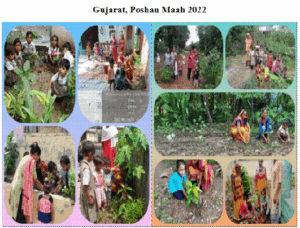
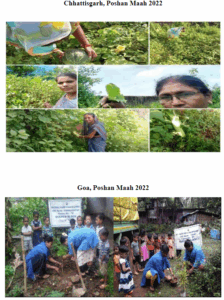
Under ongoing Poshan Maah 2022, activities for setting-up nutri-gardens or retro-fitting Poshan Vatikas with backyard poultry / fishery units is being carried out in a big way across the country.

So far, more than 1.5 lakh events on retrofitting Poshan Vatikas with backyard poultry and fishery units have been reported. Also, more than 75 thousand sensitization camps have been conducted to promote millets and backyard kitchen gardens. Interestingly, to replicate the model of Poshan Vatikas at/around new AWCs, close to 40 thousand land identification drives for nutri-gardens/Poshan Vatikas have also been reported under Poshan Maah so far.

Poshan Vatikas or Nutri- gardens being set up across the country to provide easy and affordable access to fruits, vegetables, medicinal plants and herbs.

Launched on 8th March, 2018, by the Hon’ble Prime Minister, POSHAN Abhiyaan aims to improve nutritional outcomes for children, adolescents, pregnant women & lactating mothers.  The Abhiyaan is a key component of Mission Poshan 2.0 which seeks to address the challenges of malnutrition in children, adolescent girls, pregnant women and lactating mothers through a strategic shift in nutrition content and delivery and by creation of a convergent eco-system to develop and promote practices that nurture health, wellness and immunity.

A key plank of the goal to enable the right kind of nourishment are the Poshan Vatikas or Nutri-gardens that are being set up across the country to provide easy and affordable access to fruits, vegetables, medicinal plants and herbs.  The idea is simple; to provide a fresh and regular supply of locally produced fruits, vegetables and medicinal plants to women and children straight from a nutri-garden at or near an Anganwadi Centre.

Poshan Vatikas or Nutri- gardens being set up across the country to provide easy and affordable access to fruits, vegetables, medicinal plants and herbs.

Poshan Vatikas can play an important role in enhancing dietary diversity by providing key micronutrients through local fruits and vegetables. Poshan Vatikas are a good example of convergent action on-ground. Beyond the reward of locally available wholesome produce, it will reduce external dependency and make communities atmanirbhar for their nutritional security.

Boosting physical activity/curbing sitting time likely to lower breast cancer risk:Mendelian randomisation study reveals

Boosting physical activity levels and curbing sitting time are highly likely to lower breast cancer risk, finds research designed to strengthen proof of causation and published online in the British Journal of Sports Medicine.

The findings were generally consistent across all types and stages of the disease, reveals the Mendelian randomisation study, prompting the researchers to recommend a stronger focus on exercise as a way of warding off breast cancer.

Mendelian randomisation is a technique that uses genetic variants as proxies for a particular risk factor—in this case lifelong physical activity levels/sedentary behaviour—to obtain genetic evidence in support of a causal relationship.

Exercise/Photo:en.wikipedia.org

Observational studies show that physical inactivity and sedentary behaviour are linked to higher breast cancer risk, but proving they cause breast cancer is another matter.

The researchers therefore used Mendelian randomisation to assess whether lifelong physical activity and sitting time might be causally related to breast cancer risk in general, and specifically to different types of tumour.

They included data from 130,957 women of European ancestry: 69, 838 of them had tumours that had spread locally (invasive); 6667 had tumours that hadn’t yet done so (in situ); and a comparison group of 54,452 women who didn’t have breast cancer.

Exercise-Yoga/Photo:en.wikipedia.org

The researchers then drew on previously published studies that had used the vast repository of UK Biobank data on potential genetic explanations for overall predisposition to physical activity, vigorous physical activity, or sitting time—as measured by wrist-worn activity trackers—to genetically predict how physically active or inactive their own study participants were.

Next, the researchers estimated overall breast cancer risk, according to whether the women had or hadn’t gone through the menopause; and by cancer type,stage (size and extent of tumour spread), and grade (degree of tumour cell abnormality).

Analysis of the data showed that a higher overall level of genetically predicted physical activity was associated with a 41% lower risk of invasive breast cancer, and this was largely irrespective of menopausal status, tumour type, stage, or grade.

Similarly, genetically predicted vigorous physical activity on 3 or more days of the week was associated with a 38% lower risk of breast cancer, compared with no self-reported vigorous activity. These findings were consistent across most of the case groups.

cancer cells/photo:en.wikipedia.org

Finally, a greater level of genetically predicted sitting time was associated with a 104% higher risk of triple negative breast cancer. These findings were consistent across hormone-negative tumour types.

The findings were unchanged after factoring in the production by a single gene of two or more apparently unrelated effects (pleiotropy), such as smoking and overweight, for example.

There are plausible biological explanations for their findings, say the researchers, who point to a reasonable body of evidence indicating numerous causal pathways between physical activity and breast cancer risk, such as overweight/obesity, disordered metabolism, sex hormones, and inflammation.

“Mechanisms linking sedentary time and cancer are likely to at least partially overlap with those underpinning the physical activity relationship,” suggest the researchers.

Their findings provide “strong evidence” that more overall physical activity and less sitting time are likely to reduce breast cancer risk, they say.

And they conclude: “Increasing physical activity and reducing sedentary time are already recommended for cancer prevention. Our study adds further evidence that such behavioural changes are likely to lower the incidence of future breast cancer rates.

“A stronger cancer-control focus on physical activity and sedentary time as modifiable cancer risk factors is warranted, given the heavy burden of disease attributed to the most common cancer in women.”

Some cancer immunotherapy treatments may damage fertility, women’s hormonal health

Researchers have discovered that some immunotherapy treatments used to treat cancer can cause fertility damage.

It means these treatments could affect the future fertility and hormonal health of female cancer survivors, prompting experts to call for more research and preventative measures, such as freezing eggs.

Led by the Biomedicine Discovery Institute at Monash University and the Peter MacCallum Cancer Centre, the pre-clinical trial showed that immune checkpoint inhibitors, a common type of immunotherapy drug, resulted in permanent damage to mouse ovaries and the eggs stored inside.

cancer/photo:en.wikipedia.org

Traditional cancer therapies, such as chemotherapy and radiotherapy, are already linked to permanent, negative side effects on the ovaries. This can lead to infertility and premature menopause in young girls and women.

Researchers found that checkpoint inhibitor immunotherapy reduced the number and quality of their eggs, interfered with ovulation, and disrupted the fertility cycle.

Until now the potential fertility side effects of immunotherapy, an emerging and increasingly common cancer treatment that stimulates the immune system, have been unknown.

The study found that a type of immunotherapy called immune checkpoint inhibitors, which ‘release the brakes’ on the immune system to enhance a patient’s ability to fight cancer, could impair immediate and future fertility.

Its authors said studies in female patients were now needed to investigate the findings. In the meantime, fertility preservation through egg or embryo freezing should be considered for women using these immunotherapies.

“Initially these treatments were thought to be less damaging (than chemo and radiotherapy) in the context of off-target effects to the body in general,” Ms Alesi said. “However, it is now clear that inflammatory side effects in other organ systems are quite common with these drugs.

“Our study highlights that caution should be exercised by clinicians and their patients, for whom fertility may be a concern. Studies in women receiving these drugs must now be prioritised.”

Peter MacCallum Cancer Centre Specialist Medical Oncologist Professor in breast cancer and a senior author on the study Sherene Loi said further research into how these drugs impact the ovarian function and fertility of women receiving these drugs must be prioritised and should be included in future clinical trials involving women of reproductive age.

“Our study further highlights that fertility discussions are critical for all age appropriate women who are recommended to receive chemotherapy as well as immunotherapy,” Professor Loi said.

“Appropriate interventions that can preserve fertility and ovarian function can be implemented to facilitate pregnancies in the future, post completion of treatment. These interventions need to be implemented in a timely manner, so as not to delay anti-cancer treatment.

“Immunotherapy is now becoming a standard of care for many women with curable early stage breast cancer, due to impressive results in reducing breast cancer recurrences, but further research into the long-term effects of immunotherapy is needed.”

Apart from drugs that block ovaries from producing hormones during chemotherapy, and strategies to prevent premature menopause in younger women, Ms Alesi said egg and embryo freezing was the only fertility preservation measure available.

She said it was important to remember that embryo freezing was expensive, invasive and did not prevent ovarian damage. This meant that premature menopause could still be a risk for these women.

“Therefore, we are now prioritising investigation of targeted ovarian preservation strategies that aim to prevent the damage to the ovary from occurring in the first place, without interfering with the drugs’ ability to fight the cancer” she said.


Mind your language when diagnosing women with polycystic ovary syndrome

The language used by doctors when diagnosing female patients with polycystic ovary syndrome (PCOS) can negatively impact their wellbeing and how they view their condition later on in life, new research finds.

PCOS is a condition that affects the working of ovaries and can result in a range of physical symptoms (irregular periods or none at all) and metabolic issues (weight gain). Researchers from the University of Surrey found that the use of the word ‘raised’ by practitioners when discussing test results can lead to higher levels of body dissatisfaction and dieting behaviour amongst women, whilst the use of the word ‘irregular’ can result in concerns about fertility.

Jane Ogden, Professor of Health Psychology at the University of Surrey, said: “Diagnostic consultations may take a few minutes, yet how these minutes are managed, what words are used and how this makes a patient feel may change how they make sense of their condition and influence their wellbeing in the longer term. It is important that doctors have an awareness of the words they use and think about how they could be perceived by patients.”

pregnant lady/Commons.wikimedia.org

In one of the first studies of its kind, researchers from Surrey investigated the impact of PCOS diagnostic consultations and if the language used affected the subsequent wellbeing of patients.

To assess the impact, researchers surveyed 147 females with PCOS and asked about their satisfaction with their consultation, the language used during it and their overall wellbeing.

Researchers found that those who had felt uncomfortable with the consultation process were more likely to report poorer body esteem, reduced quality of life and greater concerns about health in later life. Over a quarter of those surveyed were dissatisfied with how doctors managed their distress and were unhappy with the lack of rapport they had with their practitioners.

“Words matter, as patients often replay conversations that they have had with doctors in a bid to make sense of situations. Although words such as ‘raised’ and ‘irregular’ are simple words they are vague which can cause women to worry, as they automatically think the worst, as they have not been provided with all the facts. Such anxiety at the time of diagnosis, can negatively impact how they feel about themselves as their life progresses,” Professor Ogden added.


Inauguration of 2-day National Conference on “Uniformed Women in Uniformed Women in Prison Administration”

The Minister of State for Home Affairs Shri Kiren Rijiju will inaugurate the 2-day National Conference on “Uniformed Women in Prison Administration” here tomorrow.

The Conference is being organised for women officers of the rank of Jailors to Dy. Superintendents of Prisons. This Conference will have Panel Discussions, Deliberations and Syndicate Discussions on 4 themes:

• Are Woman Prison Officers getting mainstream duties?

• Difficulties in balancing family and work environment of Women Prison Officers.

• Training needs of Woman Prison Officers and Correctional Staff

• Is there need for change of uniform for Woman Prison Officers?

All the syndicates will make presentations based on their interactive session with different State Prison Officers, Academicians, Representatives from NGOs and students. It will be followed by an open house interaction, in which participants will be encouraged to interact to share their problems, ideas and experiences in connection with their day-to- day work in prisons as well as dealing with prison inmates.

The Conference is expected to benefit the participants being in their impressionable stage of service, by implementation of the knowledge gained through the Conference. Repeated exposure/training will inculcate attitudinal change and reorientation of work culture of officers, leading to tangible deliverables. The sharing of best practices will motivate the prison officers and correctional staff and encourage others to evolve and adopt similar practices in their districts. It will help acquire latest technology to provide citizen-centric services in a time bound manner. The Uniformed Woman Officers will navigate towards gender equality in working environment. It will help bridge the gap between theory and practice through exchange of ideas.

The BPR&D charter includes study of problems affecting the Prison Administration and promotion of research and training in this field. Our country has 1401 prisons, 17834 women prison inmates and around 3200 women officers out of the 55000 total prison officers and staff. Review and discussion on circumstances and environment under which prison officers discharge their duties is imperative in the context of the objectives of correctional administration including reformation rehabilitation and re-socialisation of prison inmates.

PM meets all-women crew of Navika Sagar Parikrama (INSV Tarini)

Six women officers of the Indian Navy, who are due to circumnavigate the globe on the sailing vessel, INSV Tarini, called on Prime Minister Narendra Modi today.
This is the first-ever Indian circumnavigation of the globe by an all-women crew. They will begin their voyage later this month from Goa, and expect to return to Goa in March 2018, after completing the circumnavigation. The expedition has been titled Navika Sagar Parikrama. The Parikrama will be covered in five legs, with stop-overs at 4 ports: Fremantle (Australia), Lyttleton (New Zealand), Port Stanley (Falklands), and Cape Town (South Africa).
INSV Tarini is a 55-foot sailing vessel, which has been built indigenously, and was inducted in the Indian Navy earlier this year.
During the interaction, the crew explained details of their upcoming voyage to the Prime Minister. Prime Minister wished the women crew well, and said he would keep track of their progress around the world. He exhorted them to project India’s capabilities and strengths across the world. He also encouraged them to write and share their experiences, after the successful completion of the voyage.
The vessel will be skippered by Lt. Commander Vartika Joshi, and the crew comprises Lt. Commanders Pratibha Jamwal, P Swathi, and Lieutenants S Vijaya Devi, B Aishwarya and Payal Gupta.

Outdoor light at night linked with increased breast cancer risk in women

  • A large long-term study found that breast cancer risk may be higher for women who live in areas with high levels of outdoor light at night.
  • The link between outdoor light at night and breast cancer was found only among women who were premenopausal and were current or past smokers, and was stronger among those who worked night shifts.

Women who live in areas with higher levels of outdoor light at night may be at higher risk for breast cancer than those living in areas with lower levels, according to a large long-term study from Harvard T.H. Chan School of Public Health. The link was stronger among women who worked night shifts.

The study will be published online August 17, 2017 in Environmental Health Perspectives.

“In our modern industrialized society, artificial lighting is nearly ubiquitous. Our results suggest that this widespread exposure to outdoor lights during nighttime hours could represent a novel risk factor for breast cancer,” said lead author Peter James, assistant professor at Harvard Medical School’s Department of Population Medicine at Harvard Pilgrim Health Care Institute, who did the work while a research fellow in the Departments of Epidemiology and Environmental Health at Harvard Chan School.

Previous studies have suggested that exposure to light at night may lead to decreased levels of the hormone melatonin, which can disrupt circadian rhythms–our internal “clocks” that govern sleepiness and alertness–and, in turn, lead to increased breast cancer risk.

The new study, the most comprehensive to date to examine possible links between outdoor light at night and breast cancer, looked at data from nearly 110,000 women enrolled in the Nurses’ Health Study II from 1989-2013. The researchers linked data from satellite images of Earth taken at nighttime to residential addresses for each study participant, and also considered the influence of night shift work. The study also factored in detailed information on a variety of health and socioeconomic factors among participants.

Women exposed to the highest levels of outdoor light at night–those in the top fifth–had an estimated 14% increased risk of breast cancer during the study period, as compared with women in the bottom fifth of exposure, the researchers found. As levels of outdoor light at night increased, so did breast cancer rates.

The association between outdoor light at night and breast cancer was found only among women who were premenopausal and those who were current or past smokers. In addition, the link was stronger among women who worked night shifts, suggesting that exposure to light at night and night shift work contribute jointly to breast cancer risk, possibly through mechanisms involving circadian disruption. The authors acknowledged that further work is required to confirm the study findings and clarify potential mechanisms.

The environmental injustice of beauty

Women of color have higher levels of beauty-product-related chemicals in their bodies compared to white women, according to a commentary published today in the American Journal of Obstetrics and Gynecology. The authors say even small exposures to such toxic chemicals can lead to health problems. They go on to say that reproductive health professionals must be prepared to counsel patients who have questions about such exposures. And health professionals can also promote policies that will protect women, especially women of color, from harmful chemicals in cosmetics and other personal care products.

“Pressure to meet Western standards of beauty means Black, Latina and Asian American women are using more beauty products and thus are exposed to higher levels of chemicals known to be harmful to health,” says Ami Zota, ScD, MS, an assistant professor of environmental and occupational health at Milken Institute School of Public Health (Milken Institute SPH) at the George Washington University. “Beauty product use is a critical but underappreciated source of reproductive harm and environmental injustice.”

Zota and Bhavna Shamasunder at the Occidental College in Los Angeles co-authored the commentary.

The authors point out that the beauty product industry is estimated to bring in more than $400 billion globally. They also say that previous studies have documented that Black, Latina and Asian-American women spend more on beauty products than the national average, often because of marketing practices that emphasize a European standard of beauty.

For example, women of color buy products like skin lightening face cream which often contain hidden ingredients such as topical steroids or the toxic metal mercury, Zota says.

Black women are known to suffer more anxiety about having “bad hair” and are twice as likely to experience social pressure to straighten their hair. Hair products like straighteners or relaxers are likely to contain estrogen and can trigger premature reproductive development in young girls and possibly uterine tumors, the commentary says.

Other studies show that beauty and personal care products contain multiple, hidden chemicals that are linked to endocrine, reproductive or development toxicity. They can be especially dangerous for women age 18 to 34, the authors say. Women in this age group are known to be heavy buyers, purchasing more than 10 types of beauty products per year. Such women and their offspring may experience heightened vulnerability to such chemicals, especially if exposure occurs during sensitive periods such as pregnancy.

Marketing efforts have also encouraged Black women to use douching products with messages about uncleanliness and odors. A study done by Zota and colleagues in 2016 found that in a national sample of reproductive age women, those who reported douching frequently, had 150 percent higher exposures to a harmful chemical known as DEP. This chemical, often found in fragranced beauty products, may cause birth defects in babies and has also been linked to health problems in women, Zota says.

At the same time, research suggests that low-income women of color are more likely to live in an environment with high levels of pollutants contaminating the air, soil and water. Thus women of color are not only heavy users of beauty products but may also be exposed to toxic chemicals simply by living in a more polluted home or neighborhood.

“For women who live in already polluted neighborhoods, beauty product chemicals may add to their overall burden of exposures to toxic chemicals, says Bhavna Shamasunder, as assistant professor in the Urban and Environmental Policy Department at Occidental College. “Certain racial/ethnic groups may be systematically and disproportionately exposed to chemicals in beauty products since factors such as institutionalized racism can influence product use.” In the commentary, the co-authors warn that multiple exposures to chemicals in beauty products and in the environment add up and can interfere with healthy reproduction and development.

Health professionals can advance environmental justice by being prepared to counsel their patients about the risks of exposures to hidden chemicals in beauty products. And the authors say that health care providers and researchers should call for health protective policies such as improved testing and disclosure.

Study in mice may reveal insights into causes of miscarriages for some women

Researchers at St. Michael’s Hospital have identified how natural killer cells in the mouse placenta can cause a fetus to fail to grow in the womb or cause miscarriages.

They also identified several possible treatments in a paper published online today in the journal Nature Communications.

The researchers, led by Dr. Heyu Ni, a scientist in the Keenan Research Centre for Biomedical Science of St. Michael’s Hospital, are basic scientists whose ultimate goal is to prevent women who suffer from a disease known as FNAIT from giving birth to underdeveloped babies or miscarrying.

Fetal and neonatal alloimmune thrombocytopenia, or FNAIT, affects pregnant women and their unborn babies when the mother’s immune system sees some of her fetus’ cells as foreign and sends antibodies to attack and destroy those cells.

The researchers found that, in mice, the mother’s FNAIT immune response also triggers the activation of natural killer cells that target cells with the father’s proteins, including trophoblasts — cells responsible for the placenta’s development and growth.

Natural killer cells are a type of lymphocyte — one of the subtypes of white blood cells in the immune system. They play a major role in defending the fetus against cells carrying viruses and those that are growing abnormally, providing protection from disease and developmental issues in the early stages of pregnancy.

This immune attack can cause the placenta to deform and can disrupt the flow of nutrients to the fetus, both of which may limit the baby’s growth in the womb and increase the likelihood of miscarriage, said Dr. Ni, who is also a scientist at Canadian Blood Services Centre for Innovation.

“Natural killer cells are normal in pregnancy and necessary for early placental development in humans and other mammals, but their number in placenta should decrease in the late stage of pregnancy,” he said. “In our study, we found that natural killer cells were not decreased, but prevalent and active in cases of FNAIT.”

FNAIT occurs in around one in every 1,000 live births, but it is likely much more common, said Dr. Ni, because this number does not include women with FNAIT who have miscarriages.

Researchers estimate two to three per cent of the population is at risk for FNAIT, and some reports estimate up to 30 per cent of affected fetuses miscarry, the authors wrote.

This finding represents an important discovery about how abnormalities at the placenta may contribute to FNAIT, said Dr. Ni. It expands on his previous research that found another cause of miscarriage in FNAIT cases.

The same kind of blood-clotting in coronary arteries or blood vessels in the brain that causes heart attacks and strokes also happens in the placenta. The massive clotting can destroy the placenta, block blood flow to the fetus, which can lead to miscarriages.

Based on the findings of today’s study, the authors found there were several methods that might effectively prevent FNAIT-related miscarriages by targeting natural killer cells.

The first treatment option is to use intravenous immunoglobulin G (IVIG), a blood product prepared from pools of plasma from more than 1,000 healthy donors. IVIG blocks the sensors of natural killer cells, disorienting them and preventing them from targeting placental cells, according to the authors. IVIG also decreases maternal anti-fetal antibodies, they said.

IVIG has already been approved to treat several autoimmune diseases, but would need to be used in high doses to effectively treat FNAIT, making it very expensive, said Dr. Ni.

In the lab, the authors also tested other treatments including specifically targeting cell receptors to block the activation of natural killer cells. It will be less expensive because less of the protein is required for these treatments, said Dr. Ni, and may be more efficient than IVIG.

These new therapies reduced the risk of miscarriage and reduced growth in mice with FNAIT, the authors found. However, they have not yet been approved for clinical use in human FNAIT, said Dr. Ni.

Rates of reduced growth and miscarriage could also be decreased by removing natural killer cells from the body; however Dr. Ni said this is not a recommended treatment because of the essential role natural killer cells play in early placental development as well as in both the mother and fetus’ immune systems.

More research will be needed to determine whether these new anti-natural killer cell treatments would be effective in humans, said Dr. Ni.

“By understanding what causes reduced growth and miscarriages in FNAIT cases, we are one step closer to being able to identify FNAIT cases early and reduce the rates of the devastating outcomes of this disease,” he said.