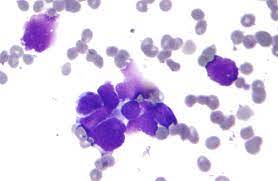
Scientists have identified immune cell types that could be targeted to develop specific immunotherapies in chemotherapy-resistant breast cancers.
Researchers from King’s College London and The Institute of Cancer Research, London, with support from Breast Cancer Now, have performed a deep dive into the different immune markers within tumour tissues and blood samples of early breast cancer patients whose cancer failed to respond to chemotherapy given to them prior to surgery.
The research, published today in Clinical Cancer Research, a journal of the American Association for Cancer Research, gives insight into the function of immune cells in patients with chemotherapy-resistant breast cancers. While chemotherapy may not kill cancer cells in these high-risk patients, immunotherapy, a type of treatment that helps the immune system to attack cancer cells, may provide a benefit.
To investigate the immune environment that surrounds these chemotherapy resistant tumours, researchers employed multiple and novel complementary technologies looking at proteins and genes on both pre-treatment and post-treatment breast cancer tissue. They also measured how 1,330 cancer and immune-related genes within cancer tissues were affected by chemotherapy.

Flax seeds help women combat menstrual complications and fight post-menopausal risk of breast cancer, say studies
They found that chemotherapy resistant cancer cells had very few immune cells around them, but chemotherapy did induce changes in several immune cell types. Specifically, they found increases in the number of “innate” (first responder) cells such as neutrophils and natural killer (NK) cells. NK cells help the body to fight infection and cancer. But analysis found the increased NK cells in patients with chemotherapy resistant disease lacked cytotoxic activity – the ‘killing instinct’.
Researchers also found immune-related genes associated with NK cells were those associated with cell inhibition or exhaustion, which meant NK cells were unable to fight cancer cells. This new insight into the behaviour of NK cells could be used to develop specific immunotherapies for these high-risk patients. This would need to be investigated in future clinical trials.
These findings also show that blood monitoring during chemotherapy may help predict chemotherapy response early, potentially allow for tailoring of treatment prior to surgery.
Lead author Dr Sheeba Irshad, Cancer Research UK Clinician Scientist at King’s College London said: “Chemotherapy resistance in aggressive early breast cancers is a major reason why cancer regrows after treatment, contributing significantly to people not surviving their disease. In order to find the right targets for drug developments, it’s important to have a deep understanding of the complex mechanisms that allow some cancer cells to resist treatment, then hide from our immune system to only re-emerge later when they’re harder to eradicate.
“Our work has identified several cell types that would be worth investigating further to understand how they are interacting with the resistant cancer cell and how we can tweak that for our benefit. I am excited to continue to investigate these findings further.”

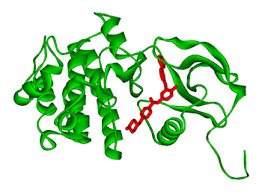
chemotherapy
Professor Andrew Tutt, Director of the Breast Cancer Now Toby Robins Research Centre at The Institute of Cancer Research, London, and of the Breast Cancer Now Research Unit at King’s College London, said: “Great strides have been made in harnessing immunotherapies to treat several types of cancer, but we need to do better to realise their potential for patients with breast cancer.
“This exciting work advances our understanding of the interaction between cancer cells and the immune system during treatment, and why existing treatments work well for some patients, but not others. I hope this research will help us to enhance the anti-cancer immune response in breast cancer, particularly for patients whose cancer has not responded well to chemotherapy.”
Dr Kotryna Temcinaite, Senior Research Communications Manager at Breast Cancer Now, said: “With an estimated 35,000 people living with incurable secondary (metastatic) breast cancer in the UK, it’s vital we develop smarter, more effective treatments to ensure fewer people hear the devastating news the disease has returned and spread to other parts of the body. This exciting early-stage research, which has been part-funded by Breast Cancer Now, helps to lay the groundwork for discovering a way to target breast cancer cells that resist chemotherapy treatment. We hope by building on these findings, scientists will ultimately be able to develop immunotherapy treatments that may help more people survive breast cancer.”