Women may experience different PCOS or PCOD symptoms depending on where they live

Women with polycystic ovary syndrome (PCOS) in Alabama may be more likely to have excessive hair growth and insulin resistance, whereas women with PCOS in California may be more likely to have higher testosterone levels, according to new research published in the Endocrine Society’s Journal of Clinical Endocrinology & Metabolism.

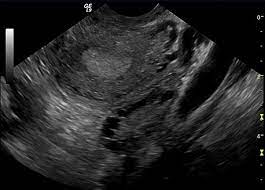
PCOS affects 7–10% of women of childbearing age and is the most common cause of infertility. In the United States, an estimated 5 to 6 million women have PCOS, but the disorder is still underdiagnosed. Women are diagnosed with PCOS if they have two of the following criteria: androgen excess (excess male sex hormones such as testosterone), ovulatory dysfunction and polycystic ovaries.

“Our study found geographical differences in PCOS in black and white women, suggesting there are both genetic and environmental influences on how this disease manifests,” said Margareta D. Pisarska, M.D., of Cedars-Sinai Medical Center in Los Angeles, Calif. “Ongoing research is needed to identify modifiable risk factors for PCOS that may be race and ethnicity-specific to bring precision medicine to the management of this disease.”

PCOS/en.wikipedia.org

The researchers compared data from 1,620 back and white women with PCOS in Alabama and California. They found regional differences in the way these women met criteria for the diagnosis of PCOS and in symptoms associated with PCOS, with some variations among black and white women.

Overall, there were many similarities among the races. Women with PCOS in Alabama were more likely to have excessive hair growth and insulin resistance, whereas women with PCOS in California were more likely to have higher levels of testosterone.

When comparing black women with PCOS in Alabama and California, the average body mass index (BMI) did not differ between the locations, whereas in white women with PCOS, the average BMI was higher in Alabama than California.

“Since we have now identified that there are geo-epidemiologic differences, we intend to do follow up studies comparing black and white women with PCOS, controlling for geo-epidemiologic differences,” Pisarska said. “Furthermore, we are trying to look at factors that are contributing to these differences in order to tailor treatments based on specific needs for improvements in care for all women with PCOS.”

Also Read:

Study in mice may reveal insights into causes of miscarriages for some women

Some cancer immunotherapy treatments may damage fertility, women’s hormonal health

Mind your language when diagnosing women with polycystic ovary syndrome

Some cancer immunotherapy treatments may damage fertility, women’s hormonal health

Researchers have discovered that some immunotherapy treatments used to treat cancer can cause fertility damage.

It means these treatments could affect the future fertility and hormonal health of female cancer survivors, prompting experts to call for more research and preventative measures, such as freezing eggs.

Led by the Biomedicine Discovery Institute at Monash University and the Peter MacCallum Cancer Centre, the pre-clinical trial showed that immune checkpoint inhibitors, a common type of immunotherapy drug, resulted in permanent damage to mouse ovaries and the eggs stored inside.

cancer/photo:en.wikipedia.org

Traditional cancer therapies, such as chemotherapy and radiotherapy, are already linked to permanent, negative side effects on the ovaries. This can lead to infertility and premature menopause in young girls and women.

Researchers found that checkpoint inhibitor immunotherapy reduced the number and quality of their eggs, interfered with ovulation, and disrupted the fertility cycle.

Until now the potential fertility side effects of immunotherapy, an emerging and increasingly common cancer treatment that stimulates the immune system, have been unknown.

The study found that a type of immunotherapy called immune checkpoint inhibitors, which ‘release the brakes’ on the immune system to enhance a patient’s ability to fight cancer, could impair immediate and future fertility.

Its authors said studies in female patients were now needed to investigate the findings. In the meantime, fertility preservation through egg or embryo freezing should be considered for women using these immunotherapies.

“Initially these treatments were thought to be less damaging (than chemo and radiotherapy) in the context of off-target effects to the body in general,” Ms Alesi said. “However, it is now clear that inflammatory side effects in other organ systems are quite common with these drugs.

“Our study highlights that caution should be exercised by clinicians and their patients, for whom fertility may be a concern. Studies in women receiving these drugs must now be prioritised.”

Peter MacCallum Cancer Centre Specialist Medical Oncologist Professor in breast cancer and a senior author on the study Sherene Loi said further research into how these drugs impact the ovarian function and fertility of women receiving these drugs must be prioritised and should be included in future clinical trials involving women of reproductive age.

“Our study further highlights that fertility discussions are critical for all age appropriate women who are recommended to receive chemotherapy as well as immunotherapy,” Professor Loi said.

“Appropriate interventions that can preserve fertility and ovarian function can be implemented to facilitate pregnancies in the future, post completion of treatment. These interventions need to be implemented in a timely manner, so as not to delay anti-cancer treatment.

“Immunotherapy is now becoming a standard of care for many women with curable early stage breast cancer, due to impressive results in reducing breast cancer recurrences, but further research into the long-term effects of immunotherapy is needed.”

Apart from drugs that block ovaries from producing hormones during chemotherapy, and strategies to prevent premature menopause in younger women, Ms Alesi said egg and embryo freezing was the only fertility preservation measure available.

She said it was important to remember that embryo freezing was expensive, invasive and did not prevent ovarian damage. This meant that premature menopause could still be a risk for these women.

“Therefore, we are now prioritising investigation of targeted ovarian preservation strategies that aim to prevent the damage to the ovary from occurring in the first place, without interfering with the drugs’ ability to fight the cancer” she said.