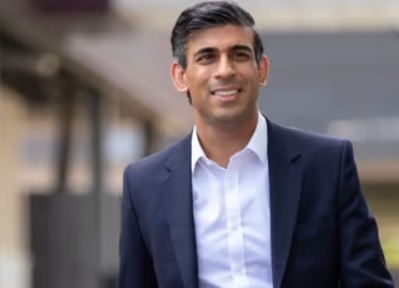
Rishi Sunak, who was defeated in the party leadership contest is not likely to be given any Cabinet berth, breaking from the tradition whereby most unsuccessful leadership contenders have been offered posts, reports said.
The newly elected Conservative leader Liz Truss will take the oath as the next UK Prime Minister on Tuesday. Liz Truss will be the third woman Prime Minister of the United Kingdom after Margaret Thatcher and Theresa May.
Rishi Sunak
Liz Truss defeated rival Rishi Sunak with 81,326 votes to 60,399 among party members. The announcements of the key ministerial portfolios are expected to be announced today by evening.
For the first time in Britain’s history, there will not be a white man in one of the four great offices of state, reports said
According to the British daily newspaper Guardian, James Cleverly may be appointed as foreign secretary, Suella Braverman as home secretary and Kwasi Kwarteng as chancellor.
The expected appointments were welcomed by Boris Johnson’s former race adviser, Samuel Kasumu, who resigned last year after a controversial report by the Commission on Race and Ethnic Disparities, Guardian reported.
Bangladesh Prime Minister Sheikh Hasina, who is on a four-day visit, said India remains a friend of Bangladesh ever and remembered India’s contribution during the liberation struggle.
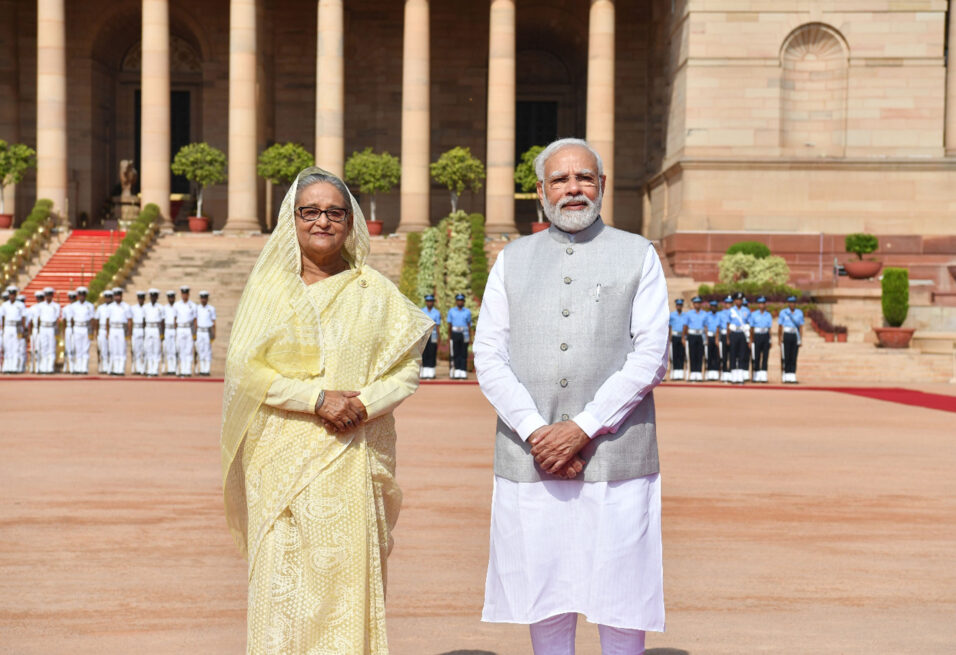
Hasina was received by Prime Minister Narendra Modi at the Rashtrapati Bhavan where the duo shook hands and posed for the photograph.
She was accorded a ceremonial welcome at Rashtrapati Bhavan in New Delhi on Tuesday. After her welcome, Hasina said, “India is our friend. Whenever I come to India, it is a matter of happiness for me, especially because we always remember India’s contribution during our liberation struggle. We have a friendly relationship, we are cooperating with each other.”
The leaders of the two countries are expected to hold extensive talks, after which the two sides are likely to unveil measures to boost cooperation in the areas of defence, trade and river-water sharing.
PM receives the Prime Minister of Bangladesh, Ms. Sheikh Hasina in a ceremonial welcome, at Rashtrapati Bhavan, in New Delhi on September 06, 2022.
On Thursday, Hasina is scheduled to visit Khwaja Moinuddin Chishti Dargah in Ajmer, Rajasthan.
Hasina’s delegation includes Foreign Minister A.K. Abdul Momen, Commerce Minister Tipu Munshi, Railway Minister Mohd Nurul Islam Suzanne, Liberation War Minister AKM Mozammel Haque and Economic Affairs Adviser to the Prime Minister Masiur AKM Rahman.
She had last visited New Delhi in October 2019. In March 2021, Prime Minister Modi visited Bangladesh to attend events organised to mark the birth centenary of Sheikh Mujibur Rahman and 50 years of Bangladesh’s liberation struggle.
India and Bangladesh finalised the text of the agreement on the interim sharing of waters of the Kushiyara river last month and the Memorandum of Understanding (MoU) is likely to be signed on Tuesday.
Homegrown micro-blogging platform Koo on Tuesday refuted earlier reports that it had laid off 40 employees and clarified that only 15 employees, or 5 per cent of its workforce has been fired.
In a fresh statement to media, the Twitter rival said that 15 positions “have been made redundant or removed due to performance issues. This is completely aligned with the industry standards of hiring and retrenchment. At the same time, Koo continues to hire talent in its monetisation, product and engineering teams.”
The company spokesperson also said Aprameya Radhakrishna, Co-founder and CEO, Koo, was recently in London for an industry event for Indian entrepreneurs and not to raise funds. She “did not meet any funders or high net worth individuals (HNIs) in London and did not engage in any fundraising activity,” said the company.
Koo has so far raised $44.1 million to date. Launched in March 2020, Koo is currently available in 10 languages — Hindi, Marathi, Gujarati, Punjabi, Kannada, Tamil, Telugu, Assamese, Bengali and English.
According to the platform, it has over 45 million downloads and is actively leveraged by 7,000 high-profile people from across the spectrum.
Koo is backed by Tiger Global and early stage investors like Accel, Kalaari Capital, Blume Ventures and Dream incubator. In February this year, Koo raised $10 million. Its investors include Capsier Venture Partner, Ravi Modi Family Trust, Ashneer Grover, FBC Venture Partners, Adventz Finance among others.
Young Australians can now access a free DNA saliva test to learn whether they face increased risk of some cancers and heart disease, which can be prevented or treated early if detected, in a world-first DNA screening study.
The nationally collaborative project, led by Monash University and supported by researchers and clinicians across Australia, will screen at least 10,000 people aged 18-40 for genes that increase risk of certain types of cancers and heart disease that often go undetected.
Those found to be at high risk after DNA testing – about one in 75 or 1.3 per cent – will have their situation explained by experts and be offered genetic counselling and prevention measures, such as regular scans and check-ups.
cancer/photo:en.wikipedia.org
Until now, genetic testing for the DNA changes that increase disease risk has only been available on a small scale for those with a known family history or prior disease diagnosis. Population testing, open to everyone, has the potential to drastically improve access and maximize the preventive benefits of DNA testing.
Monash University’s Associate Professor Paul Lacaze said the project enabled a more efficient and equitable approach to genetic testing, identifying far more people at high risk than current testing methods.
“We hope to identify those at risk while they are young and healthy, not after the fact, and empower them to make more informed decisions about their health,” he said. “For some people, this could save their lives through early detection and prevention of cancer and heart disease. This will also save considerable health system costs in Australia through prevention.
“Providing genetic testing based on family history alone is not enough. Up to 90 per cent of those at high risk in the general population are not identified by current family history-based testing. Most people don’t find out about their genetic risk until it’s too late, like after an incurable cancer or heart attack is diagnosed. We want to change that.”
DNA Screen will identify people with DNA variants in the BRCA1 and BRCA2 genes that lead to an increased risk of hereditary breast and ovarian cancer in women. These genes are also linked to breast and prostate cancer in men, although not as strongly. Men and women who carry DNA variants in the BRCA1 and BRCA2 genes can also pass them onto their children.
The DNA Screen test will also focus on Lynch Syndrome – another condition that increases risk for colorectal, endometrial, and other gastrointestinal cancers. Both cancer-related conditions have effective, proven interventions available to reduce risk if identified early.
This includes attending annual check-ups and screens from age 30, and the option of risk-reducing surgery for some people. Early detection and prevention are often life-saving for cancer.
The DNA test also encompasses heart disease risk, focusing on familial hypercholesterolemia (FH) or ‘genetic high cholesterol’, which results in high risk of heart disease from a young age. Despite effective medications such as statins being available to reduce risk, an estimated 95 per cent of FH carriers are currently undiagnosed.
Associate Professor Lacaze, from the Monash University School of Public Health and Preventive Medicine, is leading a team of national collaborators who were awarded a $2.97 million Medical Research Future Fund (MRFF) grant for the project. The project is supported by the Precision Medicine laboratory at Monash University and the state-of-the-art Biobanking Victoriafacility.
The eventual goal is to develop a new population-based DNA screening program that could be offered through the Australian public healthcare system, available to everyone but targeted on certain medically-actionable conditions where early detection is key.
“We expect to identify about 1 in 75 people at high risk of these diseases. Those found to be high risk won’t necessarily get the disease, but pinpointing risk before symptoms appear enables prevention through regular check-ups, medication, or risk-reducing surgery. It could save their life.
DNA Screen, which is recruiting young people via social media, is expected to save lives and could lead to a wide scale preventive DNA testing program for cancer and heart disease risk, where early detection and prevention can be life-saving.
DNA Screen is the world’s first preventive DNA screening study designed specifically to assess population DNA screening through a national healthcare system. The test is free and involves placing a saliva sample into a small tube received by mail, and sending it back in a postage paid envelope. People can sign up online at dnascreen.monash.edu
Tokyo Institute of Technology researchers have invented a new method that predicts smell based on the odor impression instead of predicting the smell from molecular features.
As the sense of smell is one of the basic senses of animal species, it is critical to finding food, realizing attraction, and sensing danger. Humans detect smells, or odorants, with olfactory receptors expressed in olfactory nerve cells.
These olfactory impressions of odorants on nerve cells are associated with their molecular features and physicochemical properties. This makes it possible to tailor odors to create an intended odor impression. Current methods only predict olfactory impressions from the physicochemical features of odorants. But, that method cannot predict the sensing data, which is indispensable for creating smells.
To tackle this issue, scientists from Tokyo Institute of Technology (Tokyo Tech) have employed the innovative strategy of solving the inverse problem. Instead of predicting the smell from molecular data, this method predicts molecular features based on the odor impression.
Using standard mass spectrum data and machine learning (ML) models, the Tokyo Tech team has found a new method. “We used a machine-learning-based odor predictive model that we had previously developed to obtain the odor impression. Then we predicted the mass spectrum from odor impression inversely based on the previously developed forward model,” explains Professor Takamichi Nakamoto, the leader of the research effort by Tokyo Tech. The findings have been published in PLoS One.
Aroma/Photo:en.wikipedia.org
This simple method allows for the quick preparation of the predicted spectra of odor mixtures and can also predict the required mixing ratio, an important part of the recipe for new odor preparation.
“For example, we show which molecules give the mass spectrum of apple flavor with enhanced ‘fruit’ and ‘sweet’ impressions. Our analysis method shows that combinations of either 59 or 60 molecules give the same mass spectrum as the one obtained from the specified odor impression. With this information, and the correct mixing ratio needed for a certain impression, we could theoretically prepare the desired scent,” highlights Prof. Nakamoto.
This novel method can provide highly accurate predictions of the physicochemical properties of odor mixtures, as well as the mixing ratios required to prepare them, thereby opening the door to endless tailor-made fragrances, said the team.
It looks like the future of odor mixtures smells good!
Diabetes is an ailment that cannot curbed entirely but controlled. The patients of diabetes often experience spiking blood sugar levels due to insufficient insulin generated in the body.
While type-1 diabetes is visible since childhood, diabetes type-2 affects the middle aged people and mostly those in their 50s or 60s. In India too, it’s the most common disease affecting millions of people.
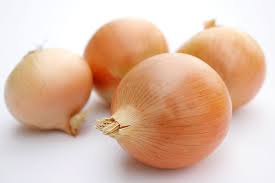
While doctors recommend a low-carbohydrate diet besides regular exercise and weight management to improve insulin sensitivity, some experiments have proved that onions can help reduce the diabetes.
The findings presented at the 97th annual meeting of the Endocrine Society in 2015 show that the extract of an onion can lower blood sugar levels. It was found more effective when given with the common diabetes drug metformin.
“Onion is cheap and available and has been used as a nutritional supplement,” said lead investigator Anthony Ojieh of Delta State University in Nigeria. “It has the potential for use in treating patients with diabetes.”
Ojieh and his colleagues gave metformin and varying doses of onion extract—200, 400 and 600 milligrams per kilograms of body weight daily to see if it would enhance the drug’s effect. Onion extract reportedly lowered the total cholesterol level in diabetic rats, with the two larger doses again having the greatest effects.
Also they found that the onion extract led to an increase in average weight among nondiabetic rats but not diabetic rats. Further, onion extract lowered cholesterol levels.
“Onion is not high in calories. However, it seems to increase the metabolic rate and, with that, to increase the appetite, leading to an increase in feeding,” Ojieh said.
However, for diabetes management, there is no one-size-fits-all approach. Diet is a key and doctors suggest:
Consume daily lots of fruits and vegetables
Avoid carbs and sugar
Eat lean proteins such as chicken and fish
Take nuts and cereals frequently
Legumes and whole grains should be part of your daily diet.
[Disclaimer: Suggestions are for general information and should not be construed as professional medical advice. Please consult your doctor before making any changes to your diet.]
Researchers have discovered that some immunotherapy treatments used to treat cancer can cause fertility damage.
It means these treatments could affect the future fertility and hormonal health of female cancer survivors, prompting experts to call for more research and preventative measures, such as freezing eggs.
Led by the Biomedicine Discovery Institute at Monash University and the Peter MacCallum Cancer Centre, the pre-clinical trial showed that immune checkpoint inhibitors, a common type of immunotherapy drug, resulted in permanent damage to mouse ovaries and the eggs stored inside.
cancer/photo:en.wikipedia.org
Traditional cancer therapies, such as chemotherapy and radiotherapy, are already linked to permanent, negative side effects on the ovaries. This can lead to infertility and premature menopause in young girls and women.
Researchers found that checkpoint inhibitor immunotherapy reduced the number and quality of their eggs, interfered with ovulation, and disrupted the fertility cycle.
Until now the potential fertility side effects of immunotherapy, an emerging and increasingly common cancer treatment that stimulates the immune system, have been unknown.
The study found that a type of immunotherapy called immune checkpoint inhibitors, which ‘release the brakes’ on the immune system to enhance a patient’s ability to fight cancer, could impair immediate and future fertility.
Its authors said studies in female patients were now needed to investigate the findings. In the meantime, fertility preservation through egg or embryo freezing should be considered for women using these immunotherapies.
“Initially these treatments were thought to be less damaging (than chemo and radiotherapy) in the context of off-target effects to the body in general,” Ms Alesi said. “However, it is now clear that inflammatory side effects in other organ systems are quite common with these drugs.
“Our study highlights that caution should be exercised by clinicians and their patients, for whom fertility may be a concern. Studies in women receiving these drugs must now be prioritised.”
Peter MacCallum Cancer Centre Specialist Medical Oncologist Professor in breast cancer and a senior author on the study Sherene Loi said further research into how these drugs impact the ovarian function and fertility of women receiving these drugs must be prioritised and should be included in future clinical trials involving women of reproductive age.
“Our study further highlights that fertility discussions are critical for all age appropriate women who are recommended to receive chemotherapy as well as immunotherapy,” Professor Loi said.
“Appropriate interventions that can preserve fertility and ovarian function can be implemented to facilitate pregnancies in the future, post completion of treatment. These interventions need to be implemented in a timely manner, so as not to delay anti-cancer treatment.
“Immunotherapy is now becoming a standard of care for many women with curable early stage breast cancer, due to impressive results in reducing breast cancer recurrences, but further research into the long-term effects of immunotherapy is needed.”
Apart from drugs that block ovaries from producing hormones during chemotherapy, and strategies to prevent premature menopause in younger women, Ms Alesi said egg and embryo freezing was the only fertility preservation measure available.
She said it was important to remember that embryo freezing was expensive, invasive and did not prevent ovarian damage. This meant that premature menopause could still be a risk for these women.
“Therefore, we are now prioritising investigation of targeted ovarian preservation strategies that aim to prevent the damage to the ovary from occurring in the first place, without interfering with the drugs’ ability to fight the cancer” she said.
Babies and children under three years old are less likely to develop croup if their mothers took fish oil and vitamin D supplements during pregnancy, according to new results from a clinical trial.
Croup is a viral chest infection that affects young children. It causes a characteristic ‘barking’ cough, a hoarse voice and difficulty breathing. Croup is common and usually mild, but some children will need hospital treatment and breathing support.
The study was presented by Dr Nicklas Brustad, a clinician and postdoctoral researcher working on the Copenhagen Prospective Studies on Asthma in Childhood (COPSAC) at Copenhagen University Hospital, Denmark.
He told the Congress: “There is currently no vaccine against the pathogen that causes this disease. Therefore, other preventive strategies are needed, and measures initiated during pregnancy might be important since croup occurs in babies and young children. For such purpose, there is evidence that both vitamin D and fish oil could have an influence on the immune system.”
croup-chest infection/photo:en.wikipedia.org
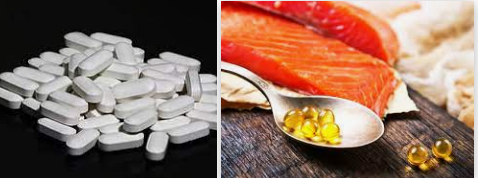
The study included 736 pregnant women being cared for by COPSAC from 2010. The women were divided up into four groups. One group were given a high-dose vitamin D supplement (2800 international units per day) and fish oil containing long-chain n-3-polyunsaturated fatty acids (2.4 grams), the second group were given high-dose vitamin D and olive oil, the third group were given standard-dose vitamin D (400 international units per day) and fish oil, and the final group were given standard-dose vitamin D and olive oil. All the women took the supplements daily from their 24th week of pregnancy until one week after their babies were born. Neither the women nor the researchers knew which supplements they were taking until the end of the study.
Researchers monitored the children until they were three years old and any who were suspected of suffering from croup were diagnosed by a doctor or via their medical records. There was a total of 97 cases of croup amongst the children.
Overall, children whose mothers took the fish oil had an 11% risk of croup, compared to 17% in the children whose mothers took olive oil (a 38% decrease). Children whose mothers took high-dose vitamin D had an 11% risk of croup, compared to an 18% risk in those whose mothers took the standard-dose vitamin D (a 40% decrease).
Dr Brustad said: “Our findings suggest that vitamin D and fish oil could be beneficial against childhood croup in sufficiently high doses. These are relatively cheap supplements meaning that this could be a very cost-effective approach to improving young children’s health.
Vitamin D and fish oil can stimulate the immune system to help babies and young children clear infections more effectively.”
The research team working at COPSAC have already investigated other potential benefits of vitamin D and fish oil during pregnancy, including its effects on bone development, the central nervous system, body composition and asthma. They will continue to follow the children in the study and plan to investigate why some children are more prone to infections in childhood than others.
Professor Rory Morty from the University of Heidelberg is chair of European Respiratory Society’s lung and airway developmental biology group and was not involved in the research. He said: “We know that lung health in babies and young children can be influenced during pregnancy. For example, babies whose mothers smoke tend to have worse lung health. We are increasingly seeing that elements of a mother’s diet can also help or hinder a baby’s lung development.
“This research suggests that taking vitamin D and fish oil supplements during pregnancy could have benefits for babies and young children. We would like to see further research in this area to support these findings as this could lead to new recommendations for supplementation during pregnancy. Pregnant women should always speak to their doctor before taking supplements.”
Artificial intelligence (AI) can be used to detect COVID-19 infection in people’s voices by means of a mobile phone app, according to research to be presented on Monday at the European Respiratory Society International Congress in Barcelona, Spain [1].
The AI model used in this research is more accurate than lateral flow/rapid antigen tests and is cheap, quick and easy to use, which means it can be used in low-income countries where PCR tests are expensive and/or difficult to distribute.
Ms Wafaa Aljbawi, a researcher at the Institute of Data Science, Maastricht University, The Netherlands, told the congress that the AI model was accurate 89% of the time, whereas the accuracy of lateral flow tests varied widely depending on the brand. Also, lateral flow tests were considerably less accurate at detecting COVID infection in people who showed no symptoms.
COVID-19 infection usually affects the upper respiratory track and vocal cords, leading to changes in a person’s voice.
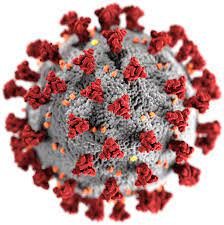
Covid/commons.wikimedia.org
“These promising results suggest that simple voice recordings and fine-tuned AI algorithms can potentially achieve high precision in determining which patients have COVID-19 infection,” she said.Moreover, they enable remote, virtual testing and have a turnaround time of less than a minute. They could be used, for example, at the entry points for large gatherings, enabling rapid screening of the population.”
The app is installed on the user’s mobile phone, the participants report some basic information about demographics, medical history and smoking status, and then are asked to record some respiratory sounds. These include coughing three times, breathing deeply through their mouth three to five times, and reading a short sentence on the screen three times.
The researchers used a voice analysis technique called Mel-spectrogram analysis, which identifies different voice features such as loudness, power and variation over time.
“In this way we can decompose the many properties of the participants’ voices,” said Ms Aljbawi. “In order to distinguish the voice of COVID-19 patients from those who did not have the disease, we built different artificial intelligence models and evaluated which one worked best at classifying the COVID-19 cases.”
Its overall accuracy was 89%, its ability to correctly detect positive cases (the true positive rate or “sensitivity”) was 89%, and its ability to correctly identify negative cases (the true negative rate or “specificity”) was 83%.
“These results show a significant improvement in the accuracy of diagnosing COVID-19 compared to state-of-the-art tests such as the lateral flow test,” said Ms Aljbawi.
The patients were “high engagers”, who had been using the app weekly over months or even years to record their symptoms and other health information, record medication, set reminders, and have access to up-to-date health and lifestyle information. Doctors can assess the data via a clinician dashboard, enabling them to provide oversight, co-management and remote monitoring.
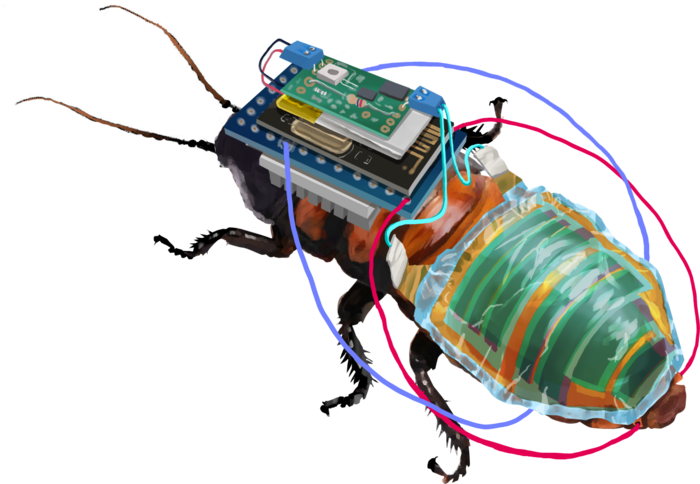
An international team led by researchers at the RIKEN Cluster for Pioneering Research (CPR) has engineered a system for creating remote controlled cyborg cockroaches, equipped with a tiny wireless control module that is powered by a rechargeable battery attached to a solar cell. Despite the mechanic devices, ultrathin electronics and flexible materials allow the insects to move freely. These achievements, reported in the scientific journal npj Flexible Electronics on September 5, will help make the use of cyborg insects a practical reality.
Researchers have been trying to design cyborg insects—part insect, part machine—to help inspect hazardous areas or monitor the environment. However, for the use of cyborg insects to be practical, handlers must be able to control them remotely for long periods of time. This requires wireless control of their leg segments, powered by a tiny rechargeable battery. Keeping the battery adequately charged is fundamental—nobody wants a suddenly out-of-control team of cyborg cockroaches roaming around. While it’s possible to build docking stations for recharging the battery, the need to return and recharge could disrupt time-sensitive missions. Therefore, the best solution is to include an on-board solar cell that can continuously ensure that the battery stays charged.
All of this is easier said than done. To successfully integrate these devices into a cockroach that has limited surface area required the research team to develop a special backpack, ultrathin organic solar cell modules, and an adhesion system that keeps the machinery attached for long periods of time while also allowing natural movements.
Researchers at RIKEN, Japan have created remote controlled cyborg cockroaches, equipped with a tiny wireless control module that is powered by a rechargeable battery attached to a solar cell/RIKEN
Led by Kenjiro Fukuda, RIKEN CPR, the team experimented with Madagascar cockroaches, which are approximately 6 cm long. They attached the wireless leg-control module and lithium polymer battery to the top of the insect on the thorax using a specially designed backpack, which was modeled after the body of a model cockroach. The backpack was 3D printed with an elastic polymer and conformed perfectly to the curved surface of the cockroach, allowing the rigid electronic device to be stably mounted on the thorax for more than a month.
The ultrathin 0.004 mm thick organic solar cell module was mounted on the dorsal side of the abdomen. “The body-mounted ultrathin organic solar cell module achieves a power output of 17.2 mW, which is more than 50 times larger than the power output of current state-of-the art energy harvesting devices on living insects,” according to Fukuda.
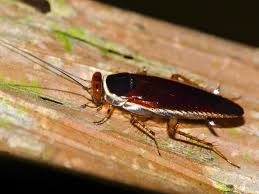
cockroach/Photo:en.wikipedia.org
The ultrathin and flexible organic solar cell, and how it was attached to the insect, proved necessary to ensure freedom of movement. After carefully examining natural cockroach movements, the researchers realized that the abdomen changes shape and portions of the exoskeleton overlap. To accommodate this, they interleaved adhesive and non-adhesive sections onto the films, which allowed them to bend but also stay attached. When thicker solar cell films were tested, or when the films were uniformly attached, the cockroaches took twice as long to run the same distance, and had difficulty righting themselves when on their backs.
Once these components were integrated into the cockroaches, along with wires that stimulate the leg segments, the new cyborgs were tested. The battery was charged with pseudo-sunlight for 30 minutes, and animals were made to turn left and right using the wireless remote control.
“Considering the deformation of the thorax and abdomen during basic locomotion, a hybrid electronic system of rigid and flexible elements in the thorax and ultrasoft devices in the abdomen appears to be an effective design for cyborg cockroaches,” says Fukuda. “Moreover, since abdominal deformation is not unique to cockroaches, our strategy can be adapted to other insects like beetles, or perhaps even flying insects like cicadas in the future.”
Indian Railways has recorded best ever August Monthly freight loading of 119.32 MT in August’22. The incremental loading in the month of August has been 8.69 MT i.e. a growth of 7.86 % over the previous best August figures achieved in 2021. With this, Indian Railways has had 24 straight months of best ever monthly freight loading.
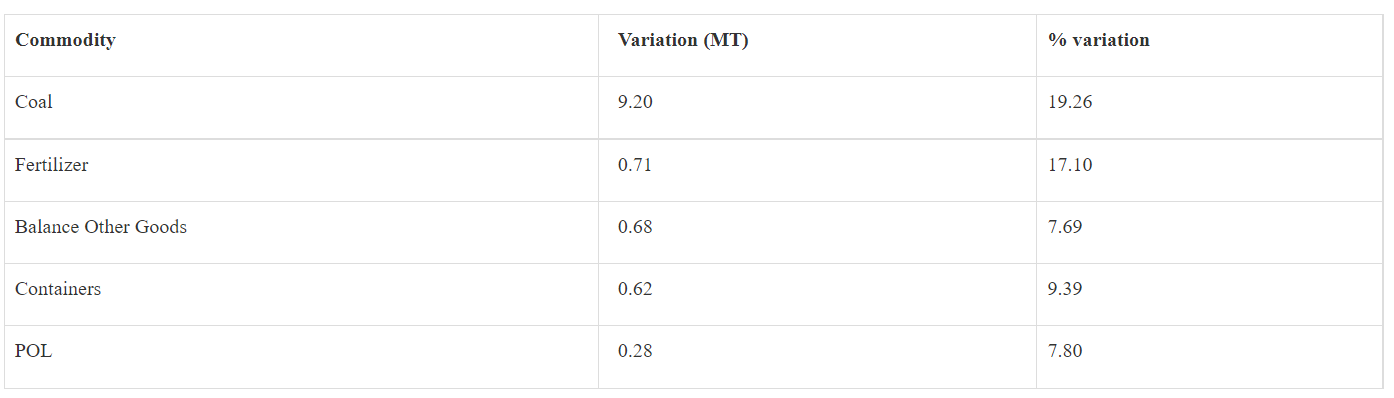
IR has achieved an incremental loading of 9.2 MT in Coal, followed by 0.71 MT in Fertilizer, 0.68 MT in Balance other goods and 0.62 MT Containers. Increase in automobile loading has been another highlight of Freight Business in FY 2022-23 and 2206 rakes have been loaded in FY 2022-23 till August as compared to 1314 rakes during the same period of last year i.e. a growth of 68%.
The cumulative freight loading from 1st April’2022 to 31st August ’2022 has been 620.87 MT as against 562.75 MT achieved in 2021-22 i.e. an incremental loading of 58.11 MT, with a growth of 10.32 % over same period last year.
The freight NTKMs (Net tonne kilometers) have increased from 63 Billion in August ’21 to 73 Billion in August’22 registering a growth of 16 %. The cumulative NTKMs in the first five months have also grown by 18.29 %.
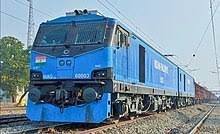
Railways/Photo:en.wikipedia.org
The sustained efforts of Indian Railways to increase supply of Coal to Power houses, in close coordination with Ministry of Power and Coal, have been one of the key features of the freight performance in the month of August. The loading of Coal (both domestic and imported) to Power Houses has increased by 10.46 MT in August with 44.64 MT Coal being moved to Power houses as against 34.18 MT last year, i.e. a growth of 31%. Cumulatively, in the first five months of the year, IR has loaded more than 58.41 MT extra coal to Power Houses as compared to same period of last year, with a growth of more than 32%.
The commodity wise growth number show that IR has achieved impressive growth in almost all commodity segments with the following growth rates :
The Ministry of Road Transport and Highways has issued the Motor Vehicles Non Transport Vehicles Visiting India Rules, 2022 vide notification GSR 680(E) dated 02.09.2022. These rules formalize the movement of Non-Transport (Personal) vehicles registered in other countries when entering or plying in the territory of India.
The following documents shall be carried in the vehicle(s) operating under these rules during the duration of stay in the country, namely:–
(i) A valid registration certificate;
(ii) A valid driving license or international driving permit, whichever is applicable;
(iii) A valid insurance policy;
(iv) A valid pollution under control certificate (if applicable in the origin country);
In case the documents referred above are in a language other than English, then an authorized English translation, duly authenticated by the issuing authority, shall be carried along with the original documents.
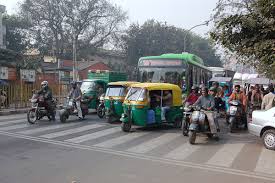
Driving in India/Photo:en.wikipedia.org
Motor vehicles registered in any country other than India shall not be permitted to transport local passengers and goods within the territory of India.
Motor vehicles registered in any country other than India shall be required to comply with rules and regulations made under Motor Vehicles Act, 1988 of India.
Cyrus P. Mistry, 54, a scion of the Shapoorji Pallonji Group and former Chairman of Tata Group, was killed in a road accident in Palghar on Sunday afternoon, sending shock waves across the Mumbai circle of businesses and on the future of SP Group’s stake in Tata Sons.
He is survived by his wife, two children and a sister and an elder brother.
The last rites of Mistry, 54, who was killed in a road accident in Palghar on Sunday afternoon, shall be performed at the Worli Crematorium at 11 a.m. Tuesday, the mourning family said in a statement.
“Beloved husband of Rohiqa, father of Firoz and Zahan, son of the late Pallonji Shapoorji Mistry and Patsy Mistry, son-in-law of Iqbal and Roshan Chagla, brother of Laila Rustom Jehangir, Aloo Noel Tata and Shapoor Mistry,” said the family requesting “No condolence visits.”
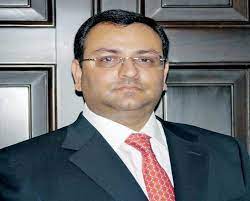
Cyrus Mistry
The young business tycoon Mistry’s abrupt departure left the Indian corporate world shocked and has put the spotlight again on SP group’s substantial 18.37 per cent holding in Tata Sons, the holding company of the Tata group.
The SP group had talked about separation in the past after a troubled relationship with Ratan Tata and media reports in March this year said the group was taking a Rs.15,000 crore loan against the holding in Tata Sons.
SP Group had talked about separation two years back in September 2020 before the Supreme Court, where the group pleaded that a separation from the Tata Group is necessary due to the potential impact this continuing litigation could have on livelihoods and the economy.
The SP-Tata relationship spanning over 70 years, was impacted by the ouster of Cyrus Mistry from the Chairman’s position at Tata Sons in 2016.
The boardroom coup was shrouded in mystery, forced cyrus Mistry take a long-running legal battle until the top court ruled in Tata’s favour.
Experiments on streaming electricity wirelessly have been underway for over half-a-century but a new milestone has been reached last week when South Korean scientists successfully achieved it across a room through thin air. The could transmit 400 megawatts of electricity over nearly 100 feet using infrared laser light.
The research has been published in the journal Optics Express.
“The ability to power devices wirelessly could eliminate the need to carry around power cables for our phones or tablets. It could also power various sensors such as those used for monitoring processes in manufacturing plants,” said research team leader Jinyong Ha from Sejong University.
Four hundred MW is just enough power to charge small sensors but paves the way for larger amounts of power being able to be sent wirelessly gradually increasing the distance, possibly to charge mobile phones.
Currently, wireless charging over very small distances has been possible mostly for mobile phones and it is based on inductive charging, where a copper coil generates a magnetic field that facilitates the movement of a charge from the charging pad into the phone’s battery.
Using laser charging, the new method allows it at distances over 98 feet and provides “safe high-power illumination with less light loss.”
“While most other approaches require the receiving device to be in a special charging cradle or to be stationary, distributed laser charging enables self-alignment without tracking processes as long as the transmitter and receiver are in the line of sight of each other,” Ha said. “It also automatically shifts to a safe low power delivery mode if an object or a person blocks the line of sight.”
“The ability to power devices wirelessly could eliminate the need to carry around power cables for our phones or tablets,” research team leader Jinyong Ha from Sejong University in South Korea said in a statement. “It could also power various sensors such as those used for monitoring processes in manufacturing plants.”
“Using the laser charging system to replace power cords in factories could save on maintenance and replacement costs,” Ha said. “This could be particularly useful in harsh environments where electrical connections can cause interference or pose a fire hazard.”
In a move towards harnessing export potential of naturally grown, organic certified fresh pineapples of North-Eastern Region (NER), centre, through Agricultural & Processed Food Products Export Development Authority (APEDA) organized an in-store export promotion programme in Dubai, United Arab Emirates (UAE) for Manipur’s pineapples among consumers.
The ‘in-store promotion show’ of organic certified fibre rich Kwe variety of pineapples from Manipur, was organized at the Lulu hyper market, Dubai’s largest supermarket in association with Manipur Organic Mission Agency (MOMA) of Government of Manipur. This event is part of government’s strategy to promote locally produced agricultural products in the international markets.
Manipur Organic Mission Agency (MOMA) has supported the sourcing of organic certified Kwe variety of pineapples directly from the farmers of Manipur.
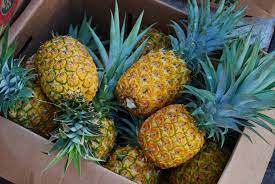
pine apple/Photo:en.wikipedia.org
The Manipur pineapple, which is showcased with the support from APEDA, is fibre-rich sweetener from North Eastern Region (NER). The showcased pineapples are procured from Thayong Organic Producer Company Ltd in Imphal East district, Manipur.
At the in-store export promotion show, consumers were offered Manipur pineapple to taste the sweetness of the fruit. Northeast pineapple is one of the most important tropical fruits grown in the NER and the fibre-rich fruit is cultivated in almost all the region.
With a production of 134.82 metric tonne (MT) in 2020-21, Manipur ranks sixth in pineapple production having a share of 7.46 per cent in total production in India.
The top ten importing countries of Indian pineapples are UAE, Nepal, Qatar, Maldives, USA, Bhutan, Belgium, Iran, Bahrain and Oman. A quantity of 7665.42 MT of pineapples valued at USD 4.45 million was exported in the year 2021-22.
Manipur/Photo:en.wikipedia.org
With the intervention of APEDA, there has been a significant increase in the export of agricultural produce from NE states like Assam, Nagaland, Manipur, Mizoram, Tripura, Arunachal Pradesh, Sikkim and Meghalaya in the last few years.
Besides pineapple, the APEDA has also decided to take forward the promotion of other locally grown unique horticultural products from Manipur to the international market. The other unique products from Manipur are tamenglong orange, kachai lemon, black rice, etc.
Tripura was the first North Eastern state to export its ‘queen’ variety of pineapple to Dubai and Doha in 2018. Tripura’s pineapple was also exported to Bangladesh in 2020. Assam also made a debut in pineapple export to Dubai in 2019.
The NE region witnessed an 85.34 percent growth in the export of agricultural products in the last six years as it increased from USD 2.52 million in 2016-17 to USD 17.2 million in 2021-22. The major destination of export has been Bangladesh, Bhutan, the Middle East, the UK and Europe.
In the last three years, APEDA organised 136 capacity building programmes on export awareness across the different parts of NER. Highest, 62 capacity building programmes were held in NER in 2019-20, while 21 in 2020-21 and 53 such programmes were organised by APEDA in the year 2021-22. Apart from capacity building initiatives, APEDA facilitated 22 International Buyer-Seller Meets as well as trade fairs in NER in the last three years.
APEDA also organized a conference on the Export Potential of Natural, Organic and Geographical Indications (GI) Agro Products in Guwahati on June 24, 2022 to tap the abundant export potential of organic agricultural products from Assam and neighbouring states of NER.
APEDA aims at creating a platform in Manipur for the exporters to get the products directly from the producer group and the processors. The platform will link the producers and processors of Assam and exporters from other parts of the country that would expand the base of the export pockets in the North-Eastern states, including Manipur and increase the employment opportunities among the people of the state.
On the occasion, APEDA chairman Dr. M. Angamuthu stressed on promoting processed form of value-added pineapple to sustain in the global export market for a longer time period.
“We need to focus on promoting pineapple sourced from farmers in processed form in the Gulf countries through Lulu Group. It will help farmers in better price realization of their produce,” Dr Angamuthu said. Shri P Vaiphel, Additional Chief Secretary, Government of Manipur also attended the meet.
The Union Government is committed to accelerating the pace and expanding the scope of COVID-19 vaccination throughout the country. The nationwide COVID 19 vaccination started on 16th January 2021. The new phase of universalization of COVID-19 vaccination commenced from 21st June 2021. The vaccination drive has been ramped up through availability of more vaccines, advance visibility of vaccine availability to States and UTs for enabling better planning by them, and streamlining the vaccine supply chain.
As part of the nationwide vaccination drive, Government of India has been supporting the States and UTs by providing them COVID Vaccines free of cost. In the new phase of the universalization of the COVID19 vaccination drive, the Union Government will procure and supply (free of cost) 75% of the vaccines being produced by the vaccine manufacturers in the country to States and UTs.
covid vaccines doses
More than 201.88 crore (2,01,88,89,325) vaccine doses have been provided to States/UTs so far through Govt. of India (free of cost channel) and through direct state procurement category.
More than5.58Cr (5,58,87,590) balance and unutilized COVID Vaccine doses are still available with the States/UTs to be administered.
The Prime Minister, Shri Narendra Modi has conveyed his condolences to Smt Sonia Gandhi on the passing away of her mother, Mrs. Paola Maino.
The Prime Minister tweeted :
“Condolences to Sonia Gandhi Ji on the passing away of her mother, Mrs. Paola Maino. May her soul rest in peace. In this hour of grief, my thoughts are with the entire family.”
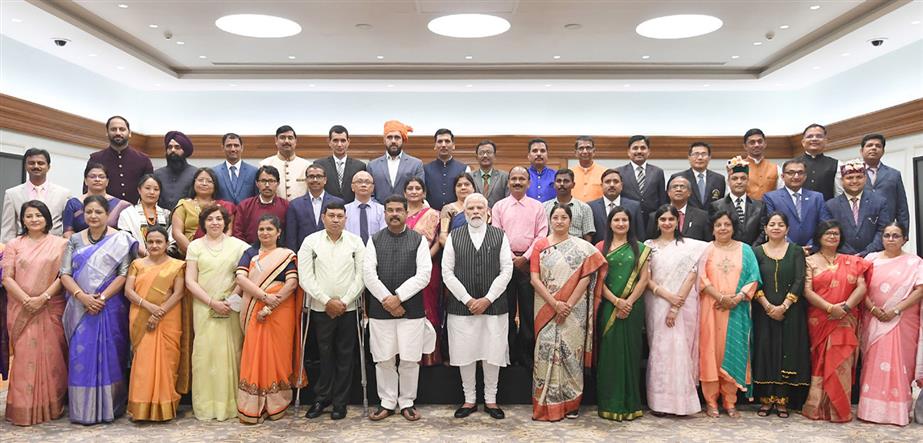
On the occasion of Teacher’s day, Prime Minister Shri Narendra Modi will interact with the winners of National Awards to Teachers, 2022 at 7 Lok Kalyan Marg on 5th September, 2022 at 4:30 PM.
The purpose of National Awards to Teachers is to celebrate and honour the unique contribution of some of the finest teachers in the country who through their commitment and hard work have not only improved the quality of school education but also enriched the lives of their students.
Teacher’s day
The National Awards to Teachers accords public recognition to meritorious teachers working in elementary and secondary schools. For the award this year, 45 teachers from across the country have been selected through a rigorous and transparent online three stage process.
PM with the winners of National Awards to Teachers on the occasion of Teacher’s Day/Photo:PIB
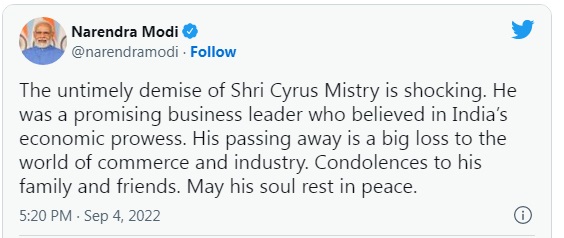
The Prime Minister, Shri Narendra Modi has expressed deep grief over the untimely demise of Shri Cyrus Mistry. Shri Modi has said that he was a promising business leader who believed in India’s economic prowess.
In a tweet, the Prime Minister said;
“The untimely demise of Shri Cyrus Mistry is shocking. He was a promising business leader who believed in India’s economic prowess. His passing away is a big loss to the world of commerce and industry. Condolences to his family and friends. May his soul rest in peace.”
At the tail end of winter in 2015, the ground in the Wimmera in northeastern Victoria had been a little, dry but conditions weren’t too bad for farmers. The crop season was going well.
The start of September looked promising. It was cool, and there were decent rains
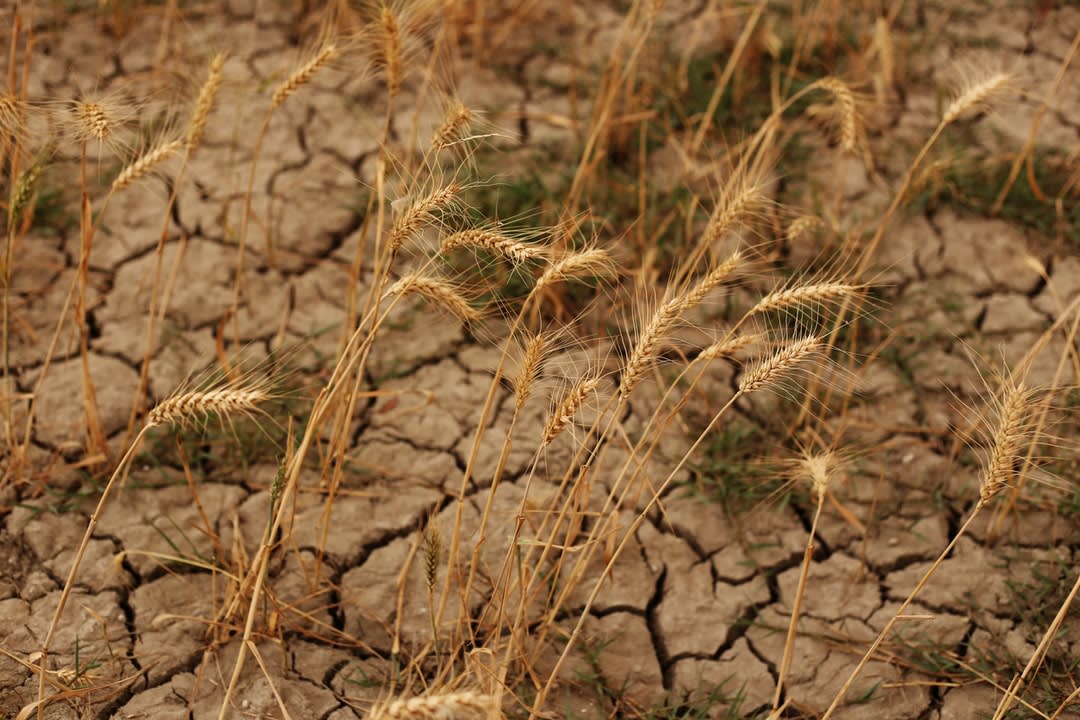
A few weeks later, summer weather had arrived early. At the start of October, the soils were baked dry. Lentils and other pulse crops were devastated.
This kind of event, where drier-than-normal conditions transform into severe or extreme drought in the space of weeks, is called a “flash drought”. While flash droughts are still not well understood, our research studies how they occur in Australia – which may help move us towards being able to warn of flash drought in advance.
wheat/Photo:monash.edu
The different kinds of drought
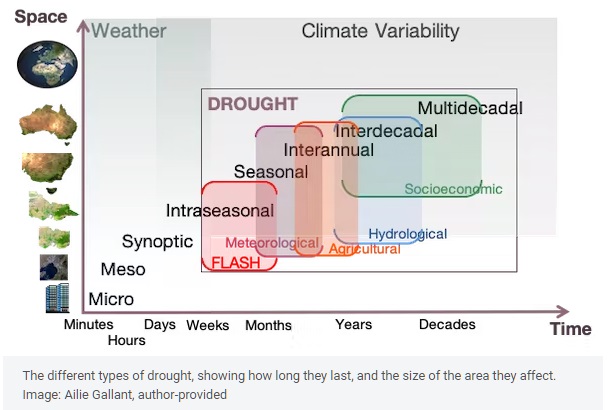
Scientists typically talk about drought as a lack or deficit of available moisture to meet various needs, such as in agriculture or for water resources. We often classify different types of drought depending on where there’s a lack of water, or what its effects are:
Meteorological drought is a deficit of rain or other precipitation
Agricultural drought is a deficit of moisture in the soil and evaporating or transpiring into the air
Hydrological drought is a deficit of water in runoff and surface storage such as dams
Socioeconomic drought is a lack of water that affects the supply and demand of economic goods and services.
Different types of drought can occur at the same time, or a drought may evolve from one type to another. Droughts can last from months to decades, and can cover areas from a local region to most of the continent.
Recently, a new characterisation of drought has been added to the drought spectrum: “Flash” drought.
What causes flash droughts?
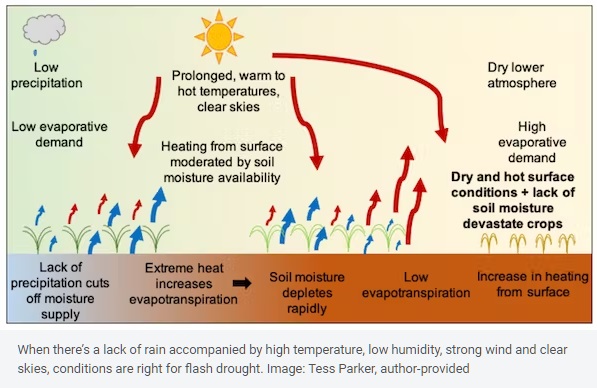
Flash droughts are droughts that begin suddenly and then rapidly become more intense. Droughts only occur when there’s insufficient rainfall, but flash droughts intensify rapidly over timescales of weeks to months because of other factors such as high temperatures, low humidity, strong winds and clear skies.
These conditions make the air “thirsty”, which meteorologists call “increased evaporative demand”. This means more water evaporates from the surface and transpires from plants, and moisture in the soil is rapidly depleted.
Under these conditions, evaporation and transpiration increase for as long as moisture is available at the surface. When this moisture is depleted and there’s no rain to replenish it, the lack of water limits evaporation and transpiration – and vegetation becomes stressed as drought emerges.
Why haven’t we heard about flash drought before?
Flash droughts have always existed, and were first described in 2002. However, some particularly devastating flash droughts over the past decade have led to a surge of interest among researchers.
One such drought happened in the US Midwest. In May 2012, 30% of the continental United States was experiencing abnormally dry conditions. By August, that had extended to more than 60%. Although other rapidly developing droughts had been seen before, the widespread impacts of this event caught the attention of the US public and government.
Flash droughts are also increasingly a focus of attention in China and Australia. One of the few studies of flash drought in Australia examined an event when conditions in the country’s east suddenly changed from wet in December 2017, to dry in January 2018.
Anecdotal reports from farmers in the northern Murray-Darling Basin indicated removal of livestock from properties, and sheep numbers at record lows. By June 2018, there were reports of trees dying and a desert-like landscape, with little grass cover.