Inter-Ministerial Briefing on Recent Developments in West Asia; Update on Domestic LPG Supply, Fuel, Exports

  • Milk procurement, processing, and supply across the country have remained uninterrupted amid the ongoing West Asia crisis
  • Dedicated portal with all State Federations and Milk Unions was launched to enable daily monitoring of dairy supply chains and availability of milk, fuel and packaging material.
  • Supply of LPG to domestic households prioritized; No reports of dry outs at LPG distributorships.
  • More than 5.01 Lakh PNG connections gasified with over 5.68 Lakh customers registered for new connections since March 2026.
  • PSU OMCs continues surprise inspections; 274 LPG distributorships, and 67 LPG distributorships suspended till yesterday.
  • 9 LPG vessels and 1 crude oil vessel safely transited the Strait of Hormuz Since 28 February 2026.
  • 12 Indian seafarers stuck in Iraq arrived in Mumbai yesterday,  with the assistance of  Indian Mission in Baghdad

As part of its ongoing outreach to keep the media informed on the evolving situation in West Asia, the Government of India convened a briefing at the National Media Centre today. Officials from the Ministries of Petroleum and Natural Gas, Ports, Shipping and Waterways, and External Affairs provided updates on fuel availability, maritime operations, assistance to Indian nationals in the region, and measures being undertaken to maintain stability across key sectors. The Department of Animal Husbandry and Dairying, Ministry of Fisheries, Animal Husbandry and Dairying also shared updates during the briefing.

Updates On Animal Husbandry & Dairying

The Department of Animal Husbandry & Dairying (DAHD) has been closely monitoring the situation and has taken a series of proactive measures in coordination with the Ministry of Petroleum & Natural Gas (MoPNG) and other concerned ministries to ensure smooth operations of Dairy value chain.

Milk procurement, processing, and supply across the country have remained uninterrupted amid the ongoing West Asia crisis. Price of milk and milk products are stable, no supply disruption has occurred in the market, and payments to dairy farmers have continued throughout the crisis period.

The measures taken by the Department are as under:

  • Regular meetings are being convened under the chairmanship of the Secretary (AHD) with stakeholders to assess the evolving situation.

Fuel Availability

  •  As regards fuel (gas) supplies, MoPNG order dated 8.4.2026 ensured critical industries, including dairy processing plants, will receive 70% of their pre-March 2026 bulk non-domestic LPG supply, averting any disruption to dairy operations.   Subsequently, all dairy plants are advised to transition from LPG to Piped Natural Gas (PNG) wherever operationally feasible to reduce dependence on LPG.

Packaging Material

  • As a member of Joint Working Group on Petrochemicals convened by MoPNG, concerns related to packaging material requirements of Dairy sector has been resolved by the JWG.  MoPNG has allocated 0.23 TMT of LDPE, a key input for plastic packaging used by the dairy industry and has assured continued supplies of polypropylene and polystyrene, which are essential for plastic cups used in dairy packaging.
  • Department is closely coordinating with the suppliers of plastic packing material for smooth supply of packaging material across the country.
  • A meeting held on 20.4.2026 with State Milk Federations/ Milk Unions across India to review the milk situation and monitor the impact of West Asia crisis on Dairy Sector.  There are no issues related to supply of fuel(gas) and plastic packaging material to Dairy Sector.
  • A dedicated portal was launched on 30.3.2026 with all State Federations and Milk Unions as members to enable daily monitoring of dairy supply chains and availability of milk, fuel and packaging material.

Exports

  • A simplified animal quarantine clearance procedure was notified w.e.f. 25.03.2026 to facilitate easy return of exported cargo to Indian ports.

Energy Supply and Fuel Availability

The Ministry of Petroleum and Natural Gas is taking  steps to ensure uninterrupted availability of petroleum products and LPG across the country, in the context of the ongoing situation involving the Strait of Hormuz. As per Ministry:

Public Advisory and Citizen Awareness

  • Citizens are advised to avoid panic purchase of petrol, diesel and LPG as the Govt is making all efforts to ensure availability of petrol, diesel and LPG.
  • Beware of rumours and rely on official sources for correct information.
  • LPG consumers are requested to use digital booking platforms and avoid visiting distributors.
  • Citizens are encouraged to use alternate fuels such as PNG and electric or induction cooktops.
  • All citizens are requested to make necessary efforts to conserve energy in their daily use during the current situation.

Government Preparedness and Supply Management Measures

  • Despite the ongoing geopolitical situation, the Government has ensured that 100% supply is being made to Domestic LPG, Domestic PNG and CNG (Transport).
  • For commercial LPG, priority has been given to hospitals, educational institutions. Besides this, priority has also been given to pharma, steel, automobile, seed, agriculture, etc. In addition to this, supply of 5 Kg FTL to migrant labour is also doubled based on avg. daily supply on 2nd and 3rd March 2026.
  • The Government has already implemented several rationalisation measures on both the supply and demand side, including enhancing refinery production, increasing the booking interval from 21 to 25 days in urban areas and up to 45 days in rural areas and prioritising sectors for supply.
  • Alternate fuels such as kerosene and coal have been made available to ease pressure on LPG demand.
  • The Ministry of Coal has directed Coal India and Singareni Collieries to supply additional coal to States for distribution to small and medium consumers.
  • States have been advised to facilitate new PNG connections for domestic and commercial consumers.

Coordinated Efforts with States/UTs and Institutional Mechanisms

  • State Governments are empowered under the Essential Commodities Act, 1955 and LPG Control Order, 2000 to monitor supply and act against hoarding and black marketing.
  • Govt. of States/UTs have to play a primary role in monitoring and regulating supply situation of essential commodities including Petrol, Diesel and LPG. Govt. of India has reiterated the same via multiple letters and VCs to all States/UTs.
  • The Government of India vide letters dated 27.03.2026 and 02.04.2026 have stressed the need for proactive public communication to reassure citizens regarding adequate fuel availability. Regular review meetings are being held with States/UTs. In this context, meetings were convened on 02.04.2026 (Chaired by Secretary, MoPNG) and on 06.04.2026 (Chaired bySecretary, MoPNG along with Secretaries of I&B and Consumer Affairs), wherein the following was emphasized:
    • To issue daily press briefings and issue regular public advisories.
    • To actively monitor and counter fake news / misinformation on social media.
    • To intensify daily enforcement drives by District admin and to continue raids and inspections in coordination with OMCs
    • To issue Commercial LPG allocation orders within their States/UTs
    • To issue SKO allocation orders for additional SKO allotted to the States/UTs.
    • To promote PNG adoptions and alternate fuels.
    • To prioritize LPG supply, especially for domestic needs, and adopt targeted distribution of 5 kg FTL cylinders to ensure supply stability.
  • All States/UTs have established control rooms and district monitoring committees to curb hoarding and black marketing.
  • Many states/UTs are issuing/carrying out press briefs.

Enforcement and Monitoring Actions

  • Enforcement actions continue across the country to curb hoarding and black marketing of LPG. Yesterday, more than 2200 raids were conducted across the country.
  • PSU OMCs have strengthened and continued surprise inspections and imposed penalties on 274 LPG distributorships, and 67 LPG distributorships have been suspended till yesterday.

LPG Supply

Domestic LPG Supply Status:

  • LPG supply continues to be affected by the prevailing geopolitical situation.
  • Supply of LPG to domestic households has been prioritized.
  • No dry-outs have been reported at LPG distributorships.
  • Online LPG cylinder bookings have increased to 98% on industry basis yesterday.
  • Delivery Authentication Code (DAC) based deliveries have increased to around 92% to prevent diversion. DAC is received on the registered mobile number of the consumer.

Commercial LPG Supply and Allocation Measures:

  • Total commercial LPG allocation has been increased to about 70% of pre-crisis levels, including 10% reform-linked allocation.
  • The Government of India vide letter dated 06.04.2026 has conveyed that daily quantity of 5 Kg FTL cylinders in each State available for disbursal to migrant labourers is being doubled based on the average daily supply (Number of cylinders) to migrant labourers during 2nd-3rd March 2026 beyond the limit of 20% mentioned in letter dated 21.03.2026. These 5 Kg FTL cylinders are at disposal of the State Government for supplying only to migrant labourers in their State with assistance of Oil Marketing Companies (OMCs).
  • Since 3rd April 2026, PSU OMCs have organised more than 7400 awareness camps for 5 Kg FTL Cylinders, wherein more than 1,07,000 – 5Kg FTL cylinders were also sold. Yesterday, 5891 – 5 Kg FTLs were sold through more than 410 camps.
  • Recently, at one of the 5 kg FTL awareness camps organised by IOCL at Tarapur (Maharashtra) on 20th April 2026, a good response was observed and about 550 – 5 Kg FTL cylinders were sold during the day.
  • Since 23rd March 2026, more than 19.28 Lakh – 5 Kg FTL cylinders have been sold.
  • A three-member committee of Executive Directors from IOCL, HPCL and BPCL is coordinating with State authorities and industry bodies to plan commercial LPG distribution in the States/UTs.
  • During the month of April-26 (till 20.04.26), a total of 1,23,680 MT (Equivalent to more than 65 Lakh of 19 Kg LPG Cylinders) of Commercial LPG has been sold.
  • On 20.04.2026, 8822 MT of Commercial LPG (Equivalent to more than 4.64 Lakh – 19 Kg cylinders) was sold.

Natural Gas Supply and PNG Expansion Initiatives

  • Consumers have been prioritised with 100% supplies to D-PNG and CNG-Transport.
  • The overall gas allocation to fertilizer plants has been enhanced to approximately 95% of their six-month average consumption.
  • Additionally, gas supply to other industrial and commercial sectors, including supplies through CGD networks, is enhanced up to 80%.
  • CGD entities have been advised to prioritize PNG connections for commercial establishments such as hotels, restaurants and canteens across all their GAs, to address concerns regarding the availability of commercial LPG.
  • CGD companies including IGL, MGL, GAIL Gas and BPCL are offering incentives for domestic and commercial PNG connections.
  • States/UTs and Central Ministries have been requested to expedite approvals required for expansion of CGD networks.
  • The Government of India vide letter dated 18.03.2026 has offered all States/UTs additional 10% allocation of commercial LPG to States provided they can help in long term transition from LPG to PNG.
  • 22 States/UTs are receiving additional commercial LPG allocation linked to PNG expansion reforms.
  • The Ministry of Road Transport & Highways vide letter dated 24.03.26 has adopted an ‘Accelerated Approval Framework for CGD infrastructure with reduced timelines’ as a special for 3 months to process applications pertaining to CGD infrastructure on priority.
  • The Government of India vide Gazette dated 24.03.2026 has notified the Natural Gas and Petroleum Products Distribution (Through Laying, Building, Operation and Expansion of Pipelines and Other Facilities) Order, 2026 under the Essential Commodities Act, 1955. The Order provides a streamlined and time-bound framework for laying and expanding pipelines across the country, addressing delays in approvals and access to land, and enabling faster development of natural gas infrastructure, including in residential areas. It is expected to accelerate PNG network growth, enhance last-mile connectivity, and support the transition to cleaner fuels, thereby strengthening energy security and advancing India’s gas-based economy.
  • PNGRB has directed CGD entities to expedite D-PNG connections. Also, the National PNG Drive 2.0 has been extended till 30.06.2026 to sustain momentum in PNG expansion.
  • To encourage a cleaner, more secure and self-reliant energy future, the Government of India has developed a model draft State CBG Policy. The model policy is intended to serve as a comprehensive flexible guiding framework to enable States to create their own investor-friendly and implementation-oriented ecosystem for CBG development. Those States which opt for this, will be prioritized for the next tranche of additional allocation of commercial LPG.
  • MoEFCC vide order dated 07.04.2026 has directed CPCB to issue necessary directions to SPCB/PCCs for granting consent to establish or consent to operate within 15 days for CGD network/infrastructure.
  • Since March 2026, more than 5.01 Lakh PNG connections have been gasified. Further, more than 5.68 Lakh customers have been registered for new connections.
  • Till 19.04.2026, about 39,400 PNG consumers have surrendered their LPG connections via MYPNGD.in website

Crude Position and Refinery Operations

  • All refineries are operating at high capacity with adequate crude inventories, while sufficient stocks of petrol and diesel are being maintained.
  • Domestic LPG production from refineries has been increased to support domestic consumption.
  • An inter-ministerial Joint Working Group (JWG) has been set up to ensure availability of petrochemical feedstock supply for the domestic market. Subsequently, Govt. of India vide order dated 01.04.2026 has permitted Oil Refinery companies including Petrochemical Complexes to make certain minimum quantities of C3 & C4 streams available for critical sectors as determined by Centre for High Technology (CHT).
  • Based on the requests received from the Department of Pharmaceuticals, Department of Chemicals & Petro Chemicals (DCPC), Dept. for Promotion of Industry and internal trade (DPIIT), the provision for 1000 MT/day, from LPG pool, has been made for Pharma and Chemical sector companies.
  • Since 9th April 2026, more than 4400 MT of propylene has been sold.

Retail Fuel Availability and pricing Measures

  • Retail outlets across the country are operating normally.
  • The Middle East crisis has led to an abnormal increase in crude prices; however, to protect consumers, the Government of India has reduced excise duty on petrol and diesel by ₹10 per litre.
  • Govt. of India vide Gazette notification dated 11.04.2026 has increased the export levy on diesel to Rs. 55.50 per litre and on ATF to Rs. 42 per litre, to ensure availability of these products in the domestic market.
  • Regular Retail Prices for Petrol and Diesel are unchanged and there is no price increase at PSU OMCs Retail Outlets.

Kerosene Availability and Distribution Measures

  • An additional allocation of 48,000 KL of kerosene has been provided to States/UTs over and above regular allocation.
  • 18 States/UTs have issued SKO allocation orders, while Himachal Pradesh and Ladakh have indicated no requirement.

Maritime Safety and Shipping Operations

The current maritime situation in the Persian Gulf, along with measures being undertaken to safeguard Indian vessels and crew, was also briefed by the Ministry of Ports, Shipping and Waterways. It was stated that:

  • Port operations across India remain normal, with no congestion reported. In this context, cargo movement has improved significantly, and as informed earlier, nearly 97% of back-to-town containers have been cleared from key western ports.
  • Average yard occupancy has moderated to around 60%, down from nearly 80% during the peak of the conflict, indicating easing pressure on port infrastructure.
  • Since 28 February 2026, a total of 9 LPG vessels and 1 crude oil vessel have safely transited the Strait of Hormuz, reflecting the gradual stabilization of maritime movement in the region.
  • The Ministry of Ports, Shipping and Waterways continues to closely monitor the evolving situation in West Asia in coordination with the Ministry of External Affairs, Indian Missions, and maritime stakeholders to ensure seafarer welfare and the continuity of maritime operations.
  • All Indian seafarers in the region are safe, and no incident involving Indian-flagged vessels has been reported in the past 24 hours.
  • DG Shipping Control Room Update: The Control Room has handled 7,086 calls and more than 14,975 emails since activation. In the past 24 hours, 168 calls and 370 emails have been received.
  • Repatriation Update: The Ministry, through the Directorate General of Shipping (DG Shipping), has facilitated the safe repatriation of more than 2,590 Indian seafarers so far, including 27 in the last 24 hours from various locations across the Gulf region.

Safety of Indian Nationals in the Region

The Ministry of External Affairs continues to monitor developments in the Gulf and West Asia region, with focussed efforts on ensuring safety, security and welfare of the Indian community in the region. It was informed that:

  • On the directions of the Prime Minister, a focused outreach to countries in the Gulf is being made.
  • National Security Advisor visited Saudi Arabia on 19th April 2026.
  • Earlier External Affairs Minister visited UAE  and Minister of Petroleum and Natural Gas visited Qatar.
  • The Minister for Commerce and Industry also had interactions with several of his counterparts in the Gulf region.
  • Dedicated special control rooms in the Ministry of External Affairs are operational and are working in coordination with Indian missions.
  • The Ministry of External Affairs is in regular contact with State Governments and Union Territories for sharing of information and better alignment of efforts.
  • Indian Missions and Posts continue to operate round-the-clock helplines and are proactively assisting Indian nationals. They remain in close contact with the local Governments.
  • Updated advisories are being issued regularly, including information on local government guidelines, flight and travel situations and consular services and various welfare measures being undertaken to support our community.
  • Indian Missions are actively engaged with the resident Indian community. Ambassadors are regularly interacting with the Indian community associations, organizations, professional groups, an Indian companies to address their concerns.
  • Government is according high priority to the welfare of Indian seafarers in the region. Indian Missions are extending all assistance to them including coordination with the local authorities and agencies, extending consular assistance, and assisting for requests to return to India.
  • Flights continue to operate from the region to India from countries where airspace is open. Since 28 February, around 11,61,000 passengers have travelled from the region to India.
  • In the UAE, airlines continue to operate limited commercial flights between the UAE and India based on operational and safety considerations, with around 110 flights expected today between UAE and India.
  • Flights continue to operate from various airports in Saudi Arabia and Oman to various destinations in India.
  • With Qatar airspace partially open, Qatar Airways is operating flights to various destinations in India.
  • Kuwait airspace remains closed. Jazeera Airways and Kuwait Airways are operating non-scheduled commercial flights from Dammam Airport in Saudi Arabia to India.
  • Bahrain airspace is open. Gulf Air of Bahrain has announced that beginning from today, they are starting flights from Bahrain International airport to various destinations in India.
  • Iraq airspace is open with limited flight operations to destinations in the region, which can be used for onward travel to India.
  • Iranian airspace remains partially open for cargo and chartered flights. Indian embassy in Tehran continues to facilitate movement of Indian nationals through Armenia and Azerbaijan for onward travel to India.
  • Israel: Israel airspace is open and limited flight operations have resumed to destinations in the region, which can be used for onward travel to India. We also continue to facilitate travel of Indian nationals from Israel, through Jordan and Egypt to India.

Update on return of Indian Seafarers from Iraq

  • 12 Indian seafarers who were stuck in Iraq arrived in Mumbai yesterday, following opening of Iraq airspace. Indian Mission in Baghdad rendered all assistance to them and facilitated their return to India.


Also Read:

Government Holds Inter-Ministerial Briefing On West Asia Developments

What Is Truck Technology? How It Helps In Protecting Workers and Road Users on Indian Highways

Deadly Blast At Fireworks Unit In Kerala, Several Feared Killed

A massive explosion at a fireworks manufacturing unit in Mundathikode, in Kerala’s Thrissur district, on Tuesday has left multiple people dead and several injured, with the toll still being updated.

The unit was preparing fireworks for the upcoming Thrissur Pooram festival when the blast occurred, with around 30–40 workers believed to be present at the site.

The Prime Minister, Shri Narendra Modi has condoled the loss of lives due to a mishap at a cracker factory in Thrissur, Keralam. Shri Modi also wished speedy recovery for those injured in the mishap.

The Prime Minister announced an ex-gratia from PMNRF of Rs. 2 lakh to the next of kin of each deceased and Rs. 50,000 for those injured.

The Prime Minister posted on X:

“Saddened to hear about the loss of lives due to the mishap at a cracker factory in Thrissur, Keralam. My deepest condolences to those who have lost their loved ones. May the injured recover at the earliest: PM @narendramodi”


“The Prime Minister has announced that an ex-gratia of Rs. 2 lakh from PMNRF would be given to the next of kin of each deceased. The injured would be given Rs. 50,000.”


“തൃശൂരിലെ പടക്ക നിർമാണശാലയിലുണ്ടായ അപകടത്തിൽ നിരവധി ജീവനുകൾ പൊലിഞ്ഞ വാർത്തയറിഞ്ഞതിൽ ദുഃഖമുണ്ട്. പ്രിയപ്പെട്ടവരെ നഷ്ടപ്പെട്ടവരുടെ വേദനയിൽ പങ്കുചേരുന്നു. പരിക്കേറ്റവർ എത്രയും വേഗം സുഖം പ്രാപിക്കട്ടെ: പ്രധാനമന്ത്രി

@narendramodi.”


“മരിച്ച ഓരോ വ്യക്തിയുടെയും കുടുംബത്തിന് പ്രധാനമന്ത്രിയുടെ ദേശീയ ദുരിതാശ്വാസ നിധിയിൽ (PMNRF) നിന്ന് 2 ലക്ഷം രൂപ ധനസഹായം നൽകുമെന്ന് പ്രധാനമന്ത്രി അറിയിച്ചു. പരിക്കേറ്റവർക്ക് 50,000 രൂപ വീതം നൽകും.”


Also Read:

Major road accident: 27 killed, 20 injured in China bus accident

Jammu and Kashmir road accident: 12 people killed, 27 injured


What Is Truck Technology? How It Helps In Protecting Workers and Road Users on Indian Highways
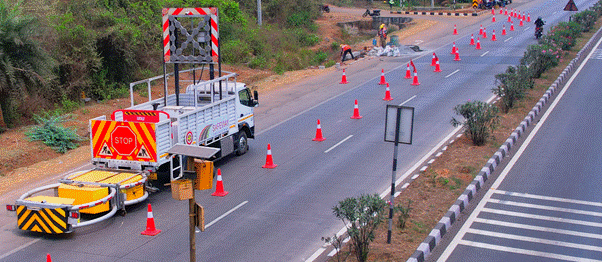
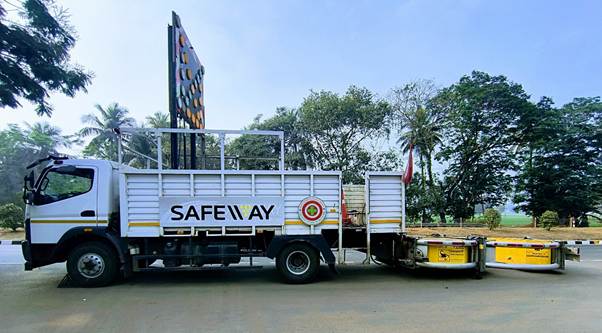
As the Ministry of Road Transport and Highways (MoRTH) actively expands National Highways, its focus is not just on faster connectivity but equally on bringing safety standards to a global level. Infrastructure development today is not only about building wider roads; it is about protecting every life that travels on them. With this vision, advanced safety systems like Truck Mounted Attenuators (TMAs) have been deployed on many sections of the highways, and these global practices are saving many lives, including those of on-ground workers and highway users.

Protecting Those Who Work on the Roads

Behind every highway upgrade and maintenance activity are hundreds of workers who operate in challenging and high-risk environments. Maintenance and construction zones on busy highways are among the most vulnerable areas, where speeding vehicles and limited visibility can lead to severe accidents.

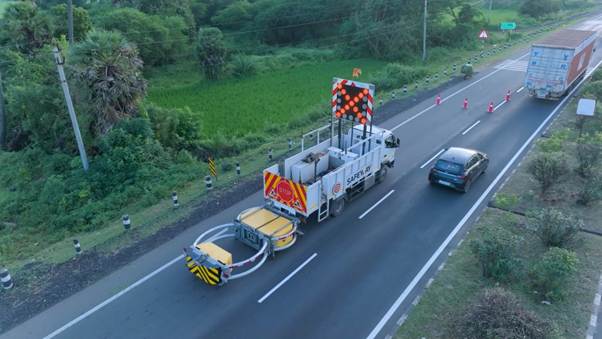
To reduce these risks, MoRTH has consistently encouraged concessionaires to adopt advanced safety interventions across highway projects. Responding to this vision, one of the concessionaires has started taking a proactive step by deploying Truck Mounted Attenuators with integrated wig-wag warning systems.

This concessionaire operates and manages 9 National Highway projects spanning a cumulative length of 681 kilometres across Andhra Pradesh and Gujarat, making this deployment a significant milestone in highway safety management.

What is Truck Mounted Attenuators?

Truck Mounted Attenuators are specially designed impact-absorbing safety devices that play a critical role in protecting both workers and road users.

In the event of a collision, these systems absorb and dissipate kinetic energy, reducing the force of impact. This helps:

  • Protect maintenance crews working ahead of the vehicle
  • Reduce injury risks for occupants of the impacting vehicle
  • Minimize the severity of accidents in highway work zones

In many ways, TMAs act like an invisible shield — standing between danger and human life.

Early Warnings That Prevent Accidents

The deployed TMAs are equipped with high-intensity wig-wag warning lights, designed to flash in alternating patterns that form directional arrows. These signals provide clear and timely warnings to approaching drivers.

This feature is especially valuable:

  • On high-speed highway corridors
  • During night-time operations
  • In foggy or low-visibility conditions

By alerting drivers well in advance, these systems help prevent collisions before they occur.

Figures With a Purpose: Building Safer Highways

Across the 9 highway projects:

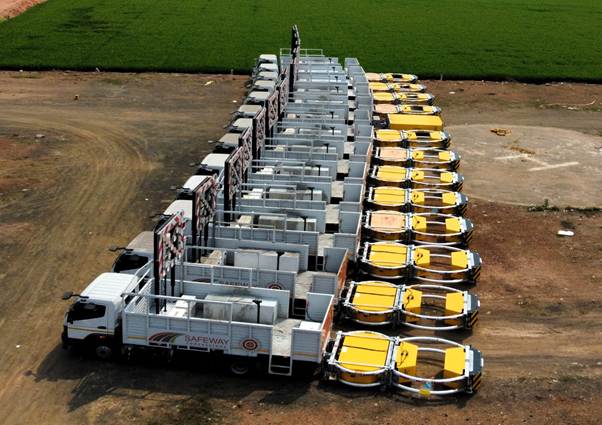
  • 33 Truck Mounted Attenuators (TMAs) have been deployed
  • 15 Towable Truck Mounted Attenuators (TTMAs) have been installed
  • All units comply with globally recognized safety standards, including MASH Test Level-3 (TL-3) and NCHRP 350 Test Level-3
  • These systems are designed to withstand impacts at speeds of up to 100 km/h

Turning Vision into Action on the Ground

This initiative reflects how MoRTH’s forward-looking safety vision is being transformed into real, measurable action on the ground. The commitment shown by the ministry and its concessionaire highlights the critical role they play in implementing global best practices and ensuring safer highways.

As India’s highways continue to grow wider and faster, it is equally important that safety grows stronger with every kilometre added. Solutions like Truck Mounted Attenuators represent the evolving identity of modern infrastructure — where development is not defined by speed alone, but by safe journeys, protected workers, and lives saved.


Also Read:

Income Tax Department’s outreach programme highlights key features of new Income Tax Act, 2025

ECI Rolls Out Phase-II Of International Election Visitors’ Initiative 2026

Income Tax Department’s outreach programme highlights key features of new Income Tax Act, 2025

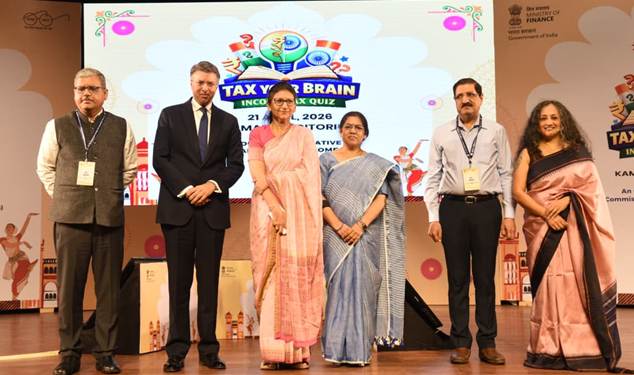
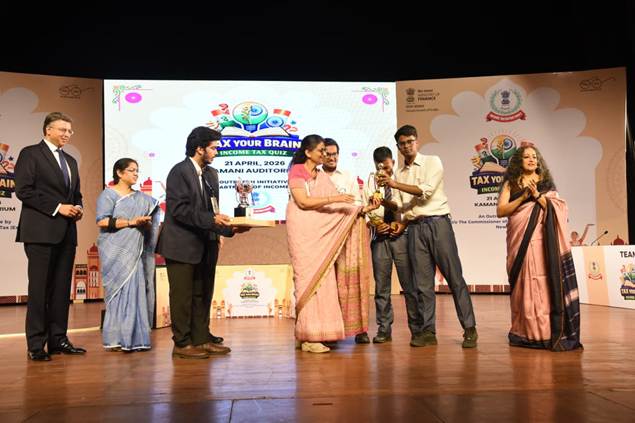
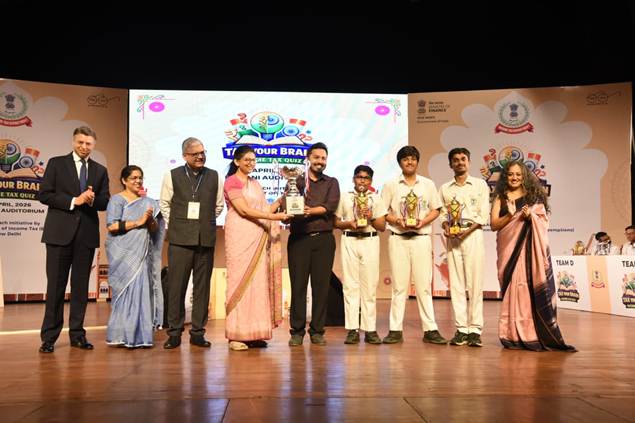
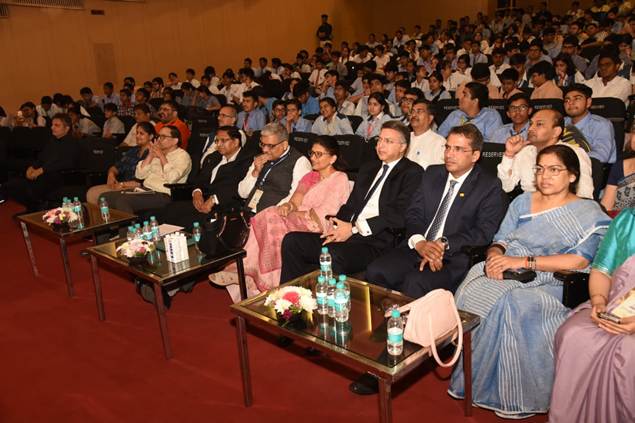
The Commissioner of Income Tax (Exemptions), Delhi, organised an outreach programme in New Delhi today to promote financial literacy and create awareness about the newly-introduced Income Tax Act, 2025, with particular focus on provisions relating to educational institutions and charitable trusts.

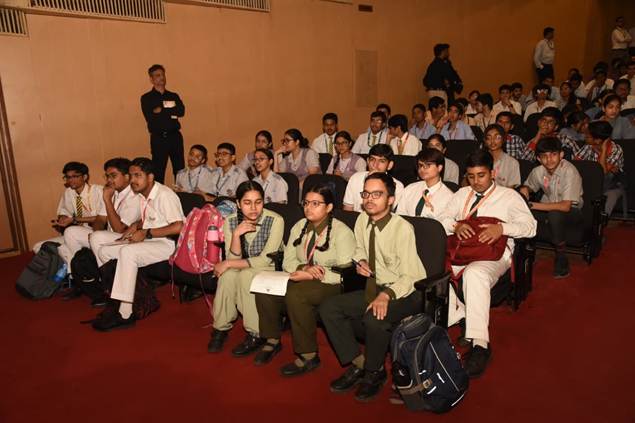
The programme witnessed participation from representatives of more than 80 schools from across the Delhi–NCR region, along with trustees and functionaries associated with educational institutions.

The event was graced by Ms. Pallavi Agarwal, Principal Chief Commissioner of Income Tax (Exemptions). Addressing the gathering, she highlighted the key features of the Income Tax Act, 2025 and emphasised that the new legislation seeks to simplify procedures, reduce ambiguities and promote transparency through streamlined and technology-driven processes aligned with the Government’s vision of “Viksit Bharat 2047”.

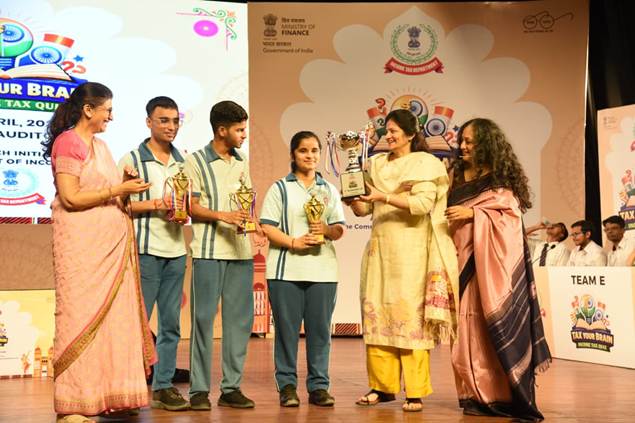
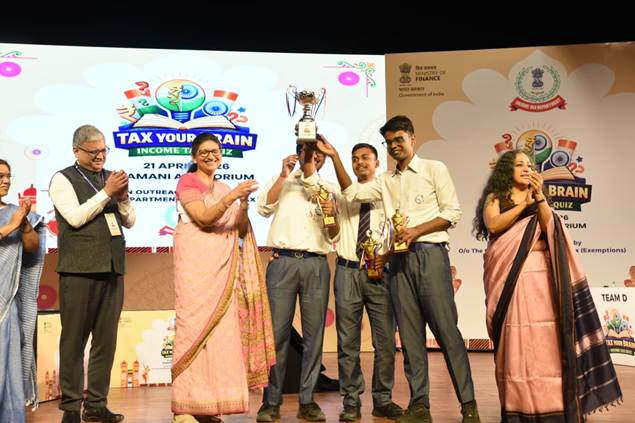
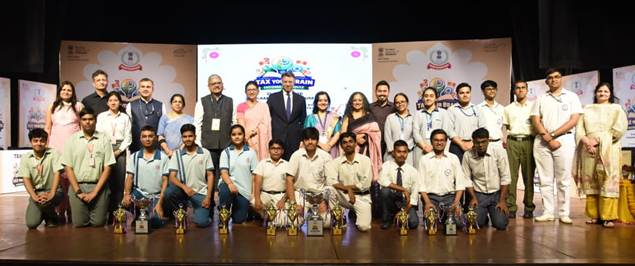
As part of the outreach programme, to encourage engagement among students, an inter-school quiz competition titled “Tax Your Brain – Income Tax Quiz” was organised for students of Classes IX to XII.

Students from participating schools took part in the quiz with enthusiasm across multiple rounds. The winning teams were felicitated and presented with awards and Certificates of Merit. All participants were appreciated for their enthusiasm and knowledge.

The initiative reflects the Income Tax Department’s continued commitment to proactive stakeholder engagement, dissemination of tax reforms and the promotion of an efficient, transparent and taxpayer-friendly tax administration epitomizing the principle of Saral Kanun Shashakt Bharat.


Also Read:

Budget 2026 Sets Growth Push With Manufacturing, Infra, Tax Overhaul At Core

Sending Money Home? Everything Indians in America Need to Know in 2026


ECI Rolls Out Phase-II Of International Election Visitors’ Initiative 2026

  1. The Election Commission of India commenced the second phase of International Election Visitors’ Programme (IEVP), 2026 for the ongoing General Elections to the Legislative Assemblies of Tamil Nadu and West Bengal in New Delhi today.
  2. Chief Election Commissioner Shri Gyanesh Kumar inaugurated the programme today at India International Institute of Democracy and Election Management (IIIDEM).
  3. 34 delegates from 17 countries including representatives from their Foreign Missions in Delhi and a representative of International IDEA will be participating in the second phase of the programme.
  4. The participants will visit Tamil Nadu and West Bengal from April 22 to April 23, 2026. In the first phase, the delegates of the Programme visited Assam, Kerala and Puducherry from April 8 to April 9, 2026.
  5. The delegates were given demonstration of the EVM at IIIDEM today and they took part in the mock poll using the Electronic Voting Machines (EVMs) to get a hands-on experience of the voting process.
  6. The delegates evinced keen interest in the technological interventions and administrative safeguards in the election process in India. The delegates had an interactive session with the experts clarifying their doubts/queries.
  7. The delegates will be travelling to West Bengal and Tamil Nadu on April 22, 2026. They will visit the dispatch and distribution centres and other facilities including the District Control Rooms and the Media Monitoring Centres. They will also witness the actual polling in the morning of April 23, 2026.
  8. The IEVP is a flagship program of the ECI for international cooperation and engagement with the Election Management Bodies (EMBs) of other countries and International Organizations.
  9. The IEVP provides a comprehensive overview of India’s electoral framework, institutional mechanisms, and operational architecture, while familiarising foreign EMB delegates with best practices and innovations in election management.
  10. The IEVP showcases the strengths of India’s electoral system to the international community and sharing the best practices adopted in the world’s largest democracy for conduct of elections.


Also Read:

ECI Mandates Enhanced Voter Facilities Ahead of Assembly Polls in Five States

General Elections to Legislative Assemblies and bye-elections 2026; Implementation of Dry-Day

Vacation Time: Indian Railways Plans 18,262 Summer Special Trips To Meet Seasonal Travel Surge [Trains Details]

In a bid to manage the annual spike in passenger movement, Indian Railways has rolled out an extensive summer operations plan, scheduling over 18,000 special train trips across the country over a three-month period.

The national transporter will run these services between April 15 and July 15, 2026, aligning with peak travel demand driven by school vacations, seasonal migration, and festival-related journeys. In total, 908 summer special trains have been sanctioned, together accounting for 18,262 trips aimed at easing congestion on key routes.

A significant portion of this capacity has already been activated. As per official data, 660 trains—covering 11,294 trips—have been notified, allowing passengers to begin advance bookings and plan travel ahead of the rush.

The move reflects a calibrated strategy by Indian Railways to distribute passenger load more evenly during high-demand months. By augmenting services well in advance, the railways aim to reduce waiting lists, improve seat availability, and ensure a more comfortable travel experience.
Officials indicate that the special trains will be deployed across major intercity and long-distance corridors, particularly those witnessing heavy seasonal traffic. The initiative is part of a broader effort to strengthen operational preparedness and maintain service reliability during one of the busiest travel periods of the year.

The scale of the rollout underscores Indian Railways’ continued reliance on advance planning and capacity augmentation to navigate cyclical demand spikes, a recurring challenge in one of the world’s largest rail networks.

Zone-Wise Details

The operation of summer special trains spans across all major zones of Indian Railways, ensuring balanced regional connectivity and efficient passenger handling:

  • South Central Railway leads with 124 trains (1,184 trips) approved and 76 trains (324 trips) notified.
  • Western Railway has approved 106 trains (2,078 trips) with 92 trains (1,667 trips) notified.
  • North Western Railway has approved 76 trains (2,245 trips) and with 62 trains (1,878 trips) notified.
  • Northern Railway has approved 76 trains (2,090 trips) with 56 trains (1,535 trips) notified.
  • Central Railway has approved 74 trains (3,082 trips) with 70 trains (2,238 trips) notified.
  • Southern Railway has approved 72 trains (558 trips) with 38 trains (133 trips) notified.
  • East Central Railway has approved 64 trains (2,711 trips) with 38 trains (1,060 trips) notified.
  • North Central Railway has approved 54 trains (1,163 trips) with 46 trains (688 trips) notified.
  • North Eastern Railway has approved 52 trains (814 trips) with 34 trains (477 trips) notified.
  • East Coast Railway has approved 28 trains (410 trips) with 18 trains (88 trips) notified.
  • West Central Railway has approved 28 trains (408 trips) with 18 trains (192 trips) notified.
  • Eastern Railway has approved 24 trains (392 trips) with 10 trains (276 trips) notified.
  • North Frontier Railway has approved 24 trains (220 trips) with 20 trains (141 trips) notified.
  • South Eastern Railway has approved 20 trains (276 trips) with 18 trains (250 trips) notified.
  • South East Central Railway has approved 10 trains (122 trips) with 8 trains (70 trips) notified.
  • South Western Railway has approved 76 trains (509 trips) with 56 trains (277 trips) notified.

Passenger Benefits:

The large-scale introduction of summer special trains is expected to significantly benefit passengers by:

  • Reducing waiting lists during peak travel season.
  • Providing additional berths and confirmed travel options.
  • Enhancing connectivity between major cities and regions.
  • Ensuring smoother and more comfortable journeys.

By deploying special trains across high-demand routes, Indian Railways is ensuring that passengers experience minimal inconvenience during the summer rush.

With timely planning and large-scale deployment of special train services, Indian Railways continues to prioritise passenger convenience and travel comfort. The extensive coverage across zones and the high number of notified trains reflect a strong commitment to meeting passenger demand efficiently and ensuring a hassle-free travel experience during the summer season.


Also Read:

Soon Railway Stations, Trains to be Disabled-Friendly

Indian Railways Clears ₹1,364 Crore for Kavach Signalling across Multiple Zones


100 Entities Join Aadhaar Offline Verification System In Three Months

In a notable push to expand India’s digital verification infrastructure, the Unique Identification Authority of India has onboarded 100 organisations as Offline Verification Seeking Entities (OVSEs) within just three months of launching the Aadhaar-based offline verification framework.

The newly integrated entities span a wide range of sectors, including central and state government departments, fintech firms, hospitality and event management companies, as well as education, examination, and background verification agencies. The rapid onboarding reflects growing institutional acceptance of Aadhaar-enabled, consent-driven identity verification systems.

The initiative allows organisations to verify identities using Aadhaar without needing real-time access to the central database. Instead, the system relies on offline mechanisms such as QR code-based authentication and digitally signed documents, enabling a “show, share, and verify” process that is both paperless and secure.

Officials say the move is expected to streamline service delivery by cutting down processing time, reducing paperwork, and lowering operational costs tied to manual verification. By removing dependence on physical documents, the system also aims to minimise friction in onboarding processes across sectors.

At the core of the framework is a privacy-first approach. Aadhaar holders retain control over their personal data, sharing only limited and necessary information with service providers. This consent-based model is designed to enhance trust while ensuring compliance with evolving data protection norms.

The distributed nature of offline verification is also being positioned as a strength. By eliminating the need for constant connectivity to central servers, the system improves scalability and resilience, particularly in regions with limited digital infrastructure.

The development aligns with India’s broader push to build robust Digital Public Infrastructure, where identity, payments, and data-sharing systems work seamlessly while prioritising user control. For citizens, the immediate impact is expected to be quicker access to services, reduced documentation burdens, and greater transparency in how personal data is used.

The UIDAI has framed the rollout as part of its ongoing effort to improve “ease of living,” signalling a shift towards simpler, faster, and more user-centric digital interactions across both public and private services.

Also Read:

Aadhar Card Enrolls 111 Crore Out of 125 Crore Indians

UIDAI partners with MapmyIndia to show authorised Aadhaar Centres in Mappls App

General Elections to Legislative Assemblies and bye-elections 2026; Implementation of Dry-Day

Implementation of Dry-Day

  1. Election Commission of India (ECI) announced the schedule for the General Election to Legislative Assemblies of Assam, Kerala, Puducherry, Tamil Nadu and West Bengal and bye-elections in 6 states on March 15, 2026.
  2. Polling in the State of Tamil Nadu and West Bengal (Phase-I) is scheduled for April 23, 2026 (Thursday), and for West Bengal (Phase-II) it will be conducted on April 29, 2026 (Wednesday), with the counting of votes for all polling States and Union Territories to take place on May 4, 2026 (Monday).
  3. Section 135C of the Representation of the People Act, 1951 provides that no spirituous, fermented or intoxicating liquor or other substances of like nature shall be sold, given or distributed at a hotel, eating house, tavern, shop or any other place, public or private, within a polling area during the period of forty-eight hours ending with the hour fixed for the conclusion of poll for any election in the polling area.
  4. In view of the statutory provision as above, ‘Dry day’ shall be declared and notified under the relevant State/Union Territory laws as is appropriate during 48 hours, ending with the hours fixed for conclusion of poll with respect to polling day for an election in that polling area where General Election to Legislative Assembly is being held. This will include the date of re-poll, if any.
  5. The Commission also directs that the date on which Counting of votes is to be taken up i.e. May 4, 2026 (Monday) shall also be declared ‘Dry Day’ under the relevant laws in poll going State/UT.
  6. No liquor shops, hotels, restaurants, clubs and other establishments selling or serving liquor shall be permitted to sell/ serve liquor to anyone whosoever, on the aforesaid days.
  7. Non-proprietary clubs, star hotels, restaurants etc. and hotels functioning under different categories of licenses for possession and supply of liquor, shall not be permitted to serve liquor on these days.
  8. The storage of liquor by individuals shall be curtailed during the above period and the restrictions provided in the excise law on the storage of liquor in unlicensed premises shall be vigorously enforced.

ddnews.gov.in

Also Read:

ECI Mandates Enhanced Voter Facilities Ahead of Assembly Polls in Five States

ECI mandates all political Parties to get pre-certification of all political advertisements on electronic media

Primary Breast Tumours Found To Already Contain Cells With Metastatic Potential

Understanding which cells within a tumor will go on to form metastases remains one of the major challenges in cancer research. A study led by the Cell Plasticity in Development and Disease laboratory, headed by Ángela Nieto at the Institute for Neurosciences (IN), a joint center of the Spanish National Research Council (CSIC) and Miguel Hernández University (UMH) of Elche, offers an unexpected answer: the cells that will give rise to metastases can already be identified within the primary tumor.

The study, published in Nature Communications, combines the analysis of a mouse model of breast cancer with patient data. The results show that, at the invasive front of the tumor, there is a specific population of cells capable of both invading and either proliferating or entering a dormant state. This balance determines whether cells that escape the tumor can initiate new tumor growths in distant organs, the feared metastases.

Nieto’s team has been studying the epithelial-to-mesenchymal transition (EMT) for decades, a program that controls cell migration during embryonic development and is reactivated in tumors to enable cancer cells to spread and form metastases. In this new study, the researchers go a step further by showing that metastatic ability does not arise randomly and is not exclusively driven by the microenvironment of the target organ. Instead, metastatic potential is already determined within a subset of cells present in the primary tumor, which adopt a highly metastatic state orchestrated by a key factor: the Prrx1 gene.

Image of a mouse breast tumor showing distinct cellular populations (cancer cells in pink). Advanced spatial biology technologies enable the simultaneous identification of all cell types present in the tissue.
Credit: Instituto de Neurociencias UMH CSIC

A key regulator of metastasis

According to Raúl Jiménez Castaño, first author of the study, the Prrx1 gene acts as a true master regulator of tumor behavior. “We recently discovered that Prrx1 is crucial for cancer dissemination, and thanks to this work, we now know that it not only activates the programs that allow cells to detach from the primary tumor, but also controls their ability to proliferate and form metastases or enter a dormant state that can last for years”, he explains.

“What is most striking is that the levels of Prrx1 determine its effect on cancer cells”, adds Nieto. This finding helps explain a paradox observed in many tumors: highly invasive cells do not always give rise to metastases, and highly proliferative cells also tend not to spread.

“Without Prrx1, cells do not disseminate; at very high levels, they spread massively but lose the ability to seed and grow in other organs. Only at intermediate levels do they achieve an optimal balance between mobility and growth”, explains the researcher. In these conditions, cells combine invasiveness and proliferation, making them the most dangerous from a clinical perspective.

To reach these conclusions, the team combined mouse genetic models, single-cell analyses, chromatin studies, and spatial transcriptomics techniques that allow researchers to observe the organization and behavior of cells directly within the tumor tissue. The processing and analysis of the large datasets generated from thousands of cells was led by bioinformatics expert from Nieto’s team, researcher Nitin Narwade. In addition, in collaboration with Professor Gema Moreno Bueno from the Universidad Autónoma de Madrid and the MD Anderson Cancer Center Spain Foundation, the researchers analyzed breast cancer patient samples and detected similar patterns of Prrx1 expression, suggesting that the mechanism described could have direct relevance for tumor classification and clinical prognosis.

Taken together, the findings provide new insights into the origin of metastatic potential and open the door to developing strategies to prevent tumor cells from reaching this particularly dangerous state. They also provide a framework for improving patient stratification by identifying markers that predict the risk of metastasis.

Also Read:

Study Links High-Fat Diets To More Aggressive Breast Cancer Behavior

How being squeezed contributes to risk of breast cancer cells

Scientists reveal how heat-loving enzyme could help improve plastic recycling

Among the various plastic recycling methods being explored, one promising approach is biological plastic recycling, also known as biorecycling, which utilizes enzymes or microorganisms to break down polymer molecules. One group of enzymes attracting attention is microbial cutinases. These enzymes are naturally produced by bacteria and fungi to degrade the waxy outer layer of plants, known as the cuticle. Because they can act on similar chemical bonds, they are considered promising for recycling poly(ethylene terephthalate) (PET), a plastic used in bottles and synthetic fibers.

However, applying these enzymes in industrial settings is not straightforward. PET is most efficiently degraded at temperatures around 70 °C, where it becomes more flexible and easier to process. At such high temperatures, enzymes must maintain a stable overall structure to avoid unfolding, while also retaining flexibility at their active site for molecular recognition and catalysis. This creates a design challenge, as structural rigidity and flexibility are often opposing properties.

To better understand this balance, a team of researchers led by Professor Tatsuya Nishino from the Department of Biological Science and Technology, Tokyo University of Science (TUS), Japan, along with Assistant Professor Sho Ito from the same department, and graduate researchers Mr. Ryohei Nojima (M.Sc., 2022) and Ms. Lirong Chen (M.Sc., 2024) from TUS, examined a heat-tolerant cutinase enzyme from the fungus Chaetomium thermophilum. The enzyme, known as CtCut, was analyzed under conditions relevant to high-temperature PET recycling to better understand how it maintains structural stability and catalytic potential. The study was published in Volume 16, Special Issue 4 of the journal Crystals on March 24, 2026.

Plastic waste has become a severe problem in recent years, necessitating environmentally friendly recycling technologies. Thus, our aim was to contribute to the development of practical recycling technologies by clarifying the molecular basis of enzymes that function even under high-temperature conditions,” says Prof. Nishino.

For the study, the team created several versions of the enzyme. This included the wild-type (CtCutWT), which is the unmodified form, and a mutant version, CtCutS136A, in which the amino acid serine at position 136 is replaced with alanine.

They then determined the enzyme’s structure and assessed its thermal stability using differential scanning calorimetry, heating the protein from 30 °C to 100 °C to analyze how it absorbed heat.

Structurally, the enzyme adopts a highly stable α/β-hydrolase fold, a common architecture among cutinases. Covering the active site is a flexible lid loop that can open and close. In its closed state, the active site is less accessible, but upon binding a molecule, the lid changes shape to allow binding and catalysis.

Notably, a chloride ion was found near the active site even when no substrate was present, suggesting that the active site forms a positively charged electrostatic microenvironment that may facilitate ligand binding.

As the enzyme was heated, it showed a two-step unfolding process, with a gradual transition beginning at around 60 °C, followed by a second transition near 65–70 °C. This indicates that different parts of the enzyme lose stability at different temperatures, suggesting the presence of structurally distinct regions within the protein.

The cutinase enzyme combines a rigid α/β-hydrolase core with a flexible lid loop near the active site. Structural comparison suggests that the lid loop undergoes conformational changes more readily than the rigid core. Credit:Professor Tatsuya Nishino from Tokyo University of Science, Japan

“Our findings suggest the possibility of functional division within the enzyme. We observed that the mobile region near the active site undergoes structural changes in response to ligand binding, and that thermal denaturation proceeds in multiple stages,” says Prof. Nishino.

These findings support the idea that enzymes designed for plastic degradation may require both a stable overall structure and a flexible active site. The rigid core provides the thermal stability needed to withstand industrial conditions, while the flexible lid loop may help the enzyme adapt to bound molecules.

By better understanding this balance between stability and flexibility, the study provides new insights into the function of heat-tolerant enzymes and how they can be improved.

Our study may lead to the development of technologies for efficiently decomposing and recycling PET in the future by providing design guidelines for enzymes that possess both heat resistance and potential catalytic capabilities for polymer degradation. This may address the growing challenge of plastic waste and help realize a sustainable resource-recycling society,” concludes Prof. Nishino.


Also Read:

Saturn’s magnetic bubble is lopsided compared to Earth’s

Scientists Find Hidden Critical Point in Water That Explains Strange Behavior

Laser Technique Turns Arsenic Trisulfide(As2S3) Into Flexible ‘Photosensitive Clay’ For Nano-Optic Design

Scientists from the XPANCEO Emerging Technologies Research Center, in collaboration with Nobel Laureate Prof. Konstantin Novoselov (University of Manchester and the National University of Singapore), have discovered novel optical properties in arsenic trisulfide (As2S3), a crystalline van der Waals semiconductor. The results of the research reveal that this material can be permanently modified by light and physically sculpted at the nanoscale level using simple continuous-wave (CW) light, entirely bypassing the need for complex, multi-million dollar cleanroom lithography or expensive femtosecond pulsed lasers.

To connect this capability to a familiar concept, consider the refractive index, a key property that measures how much a material causes light to bend or slow down. The higher the index, the better a material is at trapping and guiding light through a device. Photorefractivity refers to a change in refractive index when light interacts with a material, and this response can be triggered in crystalline As2S3 even under low-intensity UV illumination. In the reported study, crystalline As2S3 shows an unusually large light-induced refractive-index change (up to Δn ≈ 0.3), which is higher than values typically cited for classic photorefractive crystals such as BaTiO3 or LiNbO3.

Materials with a strong photorefractive effect are valuable in applications where light can directly “set” an optical function inside a material, rather than manufacturing it through many mechanical steps. In real-world terms, this mechanism enables components that shape and steer light in everyday technology: the tiny optical structures that help route light through telecom hardware, the diffractive elements used in compact sensors and imaging systems, and the hologram-like optics used for security features on products and documents where the optical pattern itself becomes the identifier.

A 532-nm continuous-wave laser “sculpted” microscopic patterns onto a flake of As₂S₃, including a monochromatic portrait of Albert Einstein (700-nm point spacing) and a QR-code-like design (600-nm point spacing). Credit: XPANCEO

In As2S3, this approach extends to a much finer scale. The unusually strong refractive-index modulation helps explain why the material can support extremely fine “optical fingerprints” in a transparent format. Such patterns are difficult to reproduce and can act as identifiers for anti-counterfeiting and traceability, from high-value goods to critical components. To demonstrate this precision, the scientific team used a standard laser to “sculpt” a microscopic monochromatic portrait of Albert Einstein onto a flake of the material using a 700-nanometer spacing between points. In separate tests, the researchers showed that the technique can go even finer (to ~50,000 dots per inch, which corresponds to 500 nanometers between points), with strong optical contrast coming from the light-driven change in refractive index, making the written pattern stand out clearly under optical readout.

“The discovery of new functional materials, particularly within the unique family of van der Waals crystals, is the fundamental engine for moving the entire field of photonics forward. Developing sophisticated optical devices, such as advanced smart contact lenses, is a deeply complex challenge that requires a solid foundation in fundamental materials science. In these systems, the material itself is the key component that determines what is physically possible. By identifying natural crystals with this level of sensitivity, we are effectively providing the essential building blocks for a new generation of technology that is driven entirely by light rather than electricity.” – Valentyn Volkov, Founder and Chief Technology Officer at the XPANCEO Emerging Technologies Research Center

The true potential of As2S3 lies in its multifunctionality for broader optical hardware. Its ability to physically expand by up to 5% under exposure to light allows researchers to “sculpt” optical elements, such as microlenses and gratings, directly into the surface of the material. These properties are fundamental to the creation of the ultra-wide field-of-view waveguides required for immersive augmented reality glasses and smart contact lenses. Beyond wearables, the sensitivity of the material positions it as a candidate for photonic circuits and nanoscale sensors, marking a significant leap in our ability to guide and manipulate light.

Also Read:

Healing the ozone layer: ‘Guided by science, united in action’

Regrowing Human Limbs May Be Possible With Salamander Gene, Study Suggests

Blue Origin’s New Glenn NG-3 Achieves Booster Reuse Milestone [Watch Booster Touchdown]

The NG-3 mission marked the third flight of Blue Origin’s heavy-lift New Glenn rocket, and one of its most closely watched launches yet—both for commercial ambitions and reusable rocket technology.

Launch Overview:

  • Date: April 19, 2026
  • Launch site: Cape Canaveral, Florida
  • Rocket: New Glenn (two-stage heavy-lift vehicle)
  • Payload: BlueBird-7 satellite for AST SpaceMobile
  • Mission type: First commercial New Glenn launch

This was also the first time Blue Origin reused a New Glenn booster, a major milestone as it tries to compete with SpaceX in lowering launch costs through reusability.

Mission Objective:

The NG-3 flight aimed to deploy BlueBird-7, part of AST SpaceMobile’s next-generation satellite constellation designed to deliver direct-to-mobile broadband from space.

  • The satellite features a massive communications array and is part of a plan to build a global space-based cellular network.
  • Successful lifted off from Cape Canaveral
  • Booster recovery achieved
    • The first stage (named “Never Tell Me the Odds”) landed safely on a drone ship
    • This marked successful reuse on only the third flight, a significant technical step

This puts Blue Origin among group of companies capable of reusing large orbital-class boosters.

Watch Booster landing burn to Booster Touchdown in below Blue Origin video at  1:18: 04

Also Read:

Thousands Of Pico-Satellites Could Redefine Direct Smartphone Connectivity From Space

PSLV-C37 Launches 104 Satellites in One Flight, Sets New Record

Regrowing Human Limbs May Be Possible With Salamander Gene, Study Suggests

Scientists studying a shared genetic mechanism across three vastly different species—axolotls, mice and zebrafish—have uncovered fresh clues that could one day support limb regeneration in humans. The findings, detailed this week in the Proceedings of the National Academy of Sciences, point toward the possibility of developing gene-based therapies aimed at restoring lost limbs.


India Steps Up Efforts To Protect And Preserve Its Historic Monuments

  • Archaeological Survey of India safeguards 3,686 centrally protected monuments, supported by strengthened conservation systems and scientific restoration methods.
  • Heritage and monument preservation has advanced through large-scale digitisation, creation of national heritage databases, and wider adoption of scientific and digital tools for documentation and conservation.
  • India’s global heritage profile has expanded, with 44 UNESCO World Heritage Sites, including the recent addition of the Maratha Military Landscapes.

India’s Approach to Monument Conservation

India’s cultural landscape is shaped by monuments, antiquities, manuscripts and historic sites that together reflect thousands of years of civilisational evolution. These structures and objects are not merely remnants of the past; they represent collective memory, inherited knowledge and a sense of continuity that binds generations.

Recognising this, the past decade has seen a renewed emphasis on strengthening the systems that safeguard India’s cultural assets. Heritage conservation has been increasingly integrated with tourism development, local livelihoods, and cultural diplomacy. This shift reflects a broader recognition of heritage as both a developmental asset and a source of India’s soft power on the global stage.

Tangible and Intangible Cultural Heritage

Cultural heritage in India encompasses both tangible and intangible forms, reflecting the country’s rich and diverse traditions.

According to UNESCO, Tangible Cultural Heritage includes heritage of “outstanding universal value,” such as historic structures and cultural landscapes. Examples include the Taj Mahal, Sanchi Stupa, and ancient temple architecture. In India, such heritage is protected under the Ancient Monuments and Archaeological Sites and Remains Act, 1958, which empowers the government, through the Archaeological Survey of India (ASI), to declare monuments as protected, regulate construction in surrounding areas, and ensure their conservation.

Intangible Cultural Heritage (ICH) refers to living traditions and practices passed down through generations, including performing arts, rituals, festivals, oral traditions, and traditional knowledge. UNESCO defines it as practices recognised by communities as part of their cultural identity and continuously recreated. Examples include Yoga, Vedic chanting, and Buddhist chanting of Ladakh. In India, Intangible Heritage is safeguarded through the UNESCO Convention for the Safeguarding of Intangible Cultural Heritage, 2003, supported by national schemes and constitutional provisions such as Article 29.

Legislative and Institutional Framework for Ancient Monuments

India’s heritage conservation is guided by a legislative and institutional framework that brings together dedicated organisations, legal safeguards, and policy mechanisms to ensure systematic protection and management of cultural assets.

Legislative Framework

India’s approach to monument conservation has evolved into a structured and continuous process, combining institutional mechanisms, legal safeguards, and participatory models. The key legislations on Protection and Conservation of Ancient monuments are:

  1. Article 49 – Protection of Monuments of National Importance

Article 49 of the Constitution places a duty on the State to protect monuments, places, and objects of artistic or historic interest declared to be of national importance. This provision forms the constitutional basis for legislative measures such as the Ancient Monuments and Archaeological Sites and Remains Act, 1958, and guides the State in ensuring preservation of cultural heritage.

  1. Seventh Schedule – Division of Responsibilities

The Seventh Schedule of the Constitution provides a clear division of responsibilities between the Centre and the States in matters of heritage protection.

  • Union List (Entry 67): Monuments and archaeological sites of national importance fall under the jurisdiction of the Central Government.
  • State List (Entry 12): Monuments not declared of national importance are the responsibility of State Governments.

This division ensures coordinated governance and management of heritage across different levels of government.

  1. Article 51A(f) – Fundamental Duty of Citizens

Article 51A(f) of the Constitution enshrines the fundamental duty of every citizen to value and preserve the rich heritage of India’s composite culture. This provision reinforces that heritage conservation is not only a State responsibility but also a collective societal obligation, encouraging public participation in preservation efforts.

  1.  National Policy for Conservation of Ancient Monuments, Archaeological Sites and Remains (2014)

It is a Government of India framework that guides the scientific preservation and management of monuments of national importance. Implemented primarily by the Archaeological Survey of India under the provisions of the Ancient Monuments and Archaeological Sites and Remains (AMASR) Act, 1958, the policy establishes principles for maintaining the authenticity, integrity, and longevity of heritage structures. It emphasises the use of scientific conservation methods, minimal intervention, and the integration of traditional materials and skills with modern techniques. The policy also recognises conservation as a continuous process, supported by documentation, research, capacity building, and community participation, while balancing the need for protection with public access and sustainable use of heritage sites.

Institutional Framework

India’s institutional framework for heritage conservation is anchored in specialised government bodies responsible for the protection, preservation, and management of cultural assets. These institutions ensure effective implementation of laws and policies through coordinated, decentralised, and technically driven mechanisms.

  1. The Archaeological Survey of India (ASI)

Established in 1861 and functioning under the Ministry of Culture, the Archaeological Survey of India (ASI) is the country’s principal organisation for archaeological research and the protection of ancient monuments and sites of national importance. Operating under the Ancient Monuments and Archaeological Sites and Remains Act, 1958, it safeguards 3,686 centrally protected monuments across India. Its mandate includes structural and chemical conservation, archaeological exploration and excavation, epigraphy, and maintenance of site museums.

ASI carries out its functions through a network of around 38 Circles, which serve as regional administrative units. Each Circle, headed by a Superintending Archaeologist, is responsible for conservation, site management, inspections, and coordination with local authorities within its jurisdiction, ensuring decentralised implementation.

The ASI undertakes annual conservation programmes focusing on structural repairs, use of traditional materials, chemical treatment of monuments, and preventive conservation to address environmental and ageing-related deterioration.

The conservation of centrally protected monuments is undertaken through annual programmes and site-specific projects, and the conservation works are carried out regularly based on priority and the existing condition of the monument. For 2024–25 expenditure on conservation of monuments was 374 crores .

  1. National Mission on Monuments and Antiquities (NMMA)

Established in 2007, the National Mission on Monuments and Antiquities (NMMA) is implemented under ASI. It plays a crucial role in supporting conservation by building a reliable national database of India’s built heritage and antiquities. The Mission aims to document and create an inventory of all monuments and antiquities in the country—information that directly informs planning, prioritisation and monitoring of conservation work. It has so far documented 11,406 Built Heritage and Sites and 12.48 Lakhs antiquities of this country.

Emerging Frameworks for Monument Conservation

India’s approach to monument conservation is evolving through the integration of technology, collaborative models, and digital knowledge systems.

Comprehensive Conservation

Government of India has reimagined tangible heritage as a living engine of economic opportunity. By linking the conservation of physical heritage with livelihood generation and local development, India is charting a course where preservation and prosperity go hand in hand.

A standout example of this philosophy in action is the Adopt a Heritage 2.0 programme, which brings together government and private partners to upgrade visitor amenities at iconic monuments. Sites such as Agra Fort, Qutub Minar, Ajanta Caves, Red Fort, and Mehrauli Archaeological Park have benefited from improved infrastructure, better facilities, and enhanced site management. The results have been tangible: increased tourist footfall, a boost to local businesses, and new employment avenues in guiding, hospitality, transport, site maintenance, and the sale of handicrafts and souvenirs. These are not incidental benefits but deliberate outcomes of a policy that treats monuments as community assets.

The Government promotes the organisation of dance, music, and cultural festivals at heritage sites as a means of integrating monumental conservation with tourism and local economic development. Notable examples include the Konark Dance Festival, held annually against the backdrop of the Sun Temple in Odisha, and the Khajuraho Dance Festival, organised at the Khajuraho Group of Monuments in Madhya Pradesh. These festivals attract large numbers of tourists, artists, and cultural practitioners, thereby generating livelihood opportunities for local communities through hospitality services, handicrafts, transport, and cultural industries. For instance, the Konark Festival, held in an open-air setting near the monument, draws national and international visitors and is often accompanied by craft fairs and related cultural activities, further boosting local economies. Other heritage-linked festivals include the Modhera Dance Festival (Gujarat) and temple-based cultural events like Natyanjali festivals at Chidambaram.

The Government is also strengthening museums as key institutional tools for the scientific conservation, preservation, and dissemination of tangible cultural heritage. The Museum Grant Scheme supports the establishment, modernisation, and digitisation of museums, strengthening infrastructure and preservation of artefacts. It emphasises capacity building of museum professionals through training and skill development, while promoting technology-driven upgrades such as improved displays, lighting, and digital tools. The scheme also enables digitisation of collections, creation of online catalogues, and development of conservation facilities, enhancing both preservation and public access.

Technology-Supported Conservation

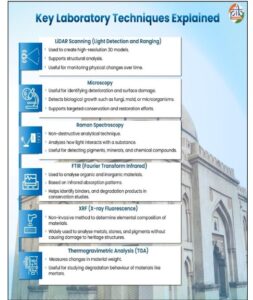
Technology has become an increasingly important pillar in India’s conservation ecosystem, complementing ASI’s traditional practices with tools that improve documentation, diagnostics and long-term preservation. Modern technologies/tools such as LiDAR scanning, GIS based mapping and drone-based surveys etc. are used as per requirement for proper documentationThere has been a growing use of scientific laboratory techniques to study heritage materials, understand patterns of deterioration and determine the most suitable conservation treatments.

In parallel, India has expanded the application of digital and spatial technologies that support accurate recording and proactive conservation planning. Key tools now used across heritage documentation and assessment include:

  • 3D laser scanning – for high-precision mapping and digital documentation of complex structures
  • Photogrammetry – to capture detailed architectural features and condition changes
  • Drone-based surveys – for aerial mapping, structural monitoring and studying inaccessible or large sites
  • Geographic Information Systems or GIS-based mapping – to analyse environmental pressures, track development around protected zones and inform long-term planning

In addition to these technologies, the Government of India has begun integrating Artificial Intelligence (AI) within the broader cultural and heritage ecosystem, particularly in areas such as digitisation, documentation, and accessibility of cultural assets. AI-enabled platforms are being used to process and organise large volumes of heritage data, including manuscripts and cultural knowledge systems, and to enhance public access through digital interfaces and language technologies.

Additionally, drone-based surveys have been undertaken in collaboration with institutions such as the National Institute of Science Education and Research (NISER), demonstrating the integration of scientific institutions in heritage conservation efforts.

The Conservation and Restoration of the Kedarnath Temple

The Kedarnath Temple represents a significant example of the use of advanced scientific techniques and institutional collaboration in heritage preservation. Following the 2013 disaster in Uttarakhand, the Government of India, through the Archaeological Survey of India (ASI), undertook structural and chemical conservation of the temple, including debris removal, stone resetting using original architectural profiles, and preservation of stone surfaces. Importantly, a geotechnical team from the Indian Institute of Technology (IIT) Chennai collaborated with ASI to carry out scientific structural assessment and foundation analysis of the monument. This included the use of geophysical testing methods such as Multi-Channel Analysis of Spectral Waves (MASW) to evaluate the stability of the temple structure and underlying foundation.

The IIT team’s assessment enabled evidence-based decisions regarding foundation strengthening and conservation strategy, ensuring that interventions remained non-invasive and structurally appropriate. This collaboration highlights how the Government has integrated engineering expertise with traditional conservation practices, combining modern scientific diagnostics with the use of locally sourced materials and traditional craftsmanship in restoration.

Public–Private Partnership

In recent years, heritage conservation has increasingly incorporated public–private partnership (PPP) models to complement government-led efforts. The “Adopt a Heritage: Apni Dharohar, Apni Pehchaan” initiative, launched in 2017 by the Government of India under the Ministry of Tourism in collaboration with the Ministry of Culture and the Archaeological Survey of India (ASI), is one such initiative. The scheme was further revamped as “Adopt a Heritage 2.0” in 2023, to strengthen corporate participation through a structured CSR-based framework. Under this initiative, entities designated as “Monument Mitras” develop and maintain facilities such as cleanliness, accessibility, illumination, signage, and visitor services, while conservation and preservation remain the exclusive mandate of the ASI. By combining government oversight with private sector efficiency, the programme improves visitor experience, promotes sustainable tourism, and fosters a shared sense of responsibility towards safeguarding India’s cultural heritage.

The initiative also reflects a broader shift towards participatory heritage management, where private sector involvement and citizen engagement complement government-led conservation efforts.

Flagship National Platforms for Cultural Heritage

A key initiative in this direction is the Indian Culture Portal, a comprehensive digital platform that aggregates content from museums, libraries, archives and cultural institutions onto a single interface – https://www.indianculture.gov.in/3d-explorations.

This platform allows users to experience monuments remotely through two formats—Virtual Walkthroughs and 360-degree Virtual Tours—thereby enhancing accessibility and public engagement with cultural heritage.

It also supports interactive learning through curated thematic sections, games and educational content, making cultural knowledge more engaging for a wider audience.

Global Heritage Recognition (UNESCO)

India’s presence on the global heritage map has strengthened considerably, with UNESCO inscriptions reflecting both the diversity and depth of the country’s civilisational legacy. The most recent addition—the Maratha Military Landscapes, inscribed in July 2024 marks India’s 44th UNESCO World Heritage Site, reaffirming the nation’s position among countries with the highest number of globally recognised heritage sites.

India’s expanding UNESCO footprint comprising 36 Cultural, 7 Natural, and 1 Mixed sites demonstrates how its historic monuments, archaeological landscapes and living traditions collectively contribute to global heritage.

Also Read:

Centre Outlines Budget Allocation for Indian Museum Expansion

Summer Travel Time: Full List of India’s UNESCO World Sites


Delhi CGST Cracks Down On ₹8 Crore ITC Fraud, Company Director Arrested

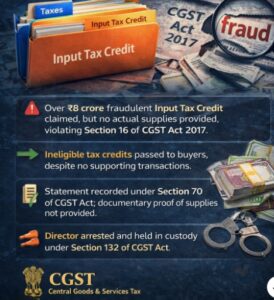
The Anti-Evasion Branch of the Central Goods and Services Tax (CGST), Delhi South Commissionerate, has arrested a company director for allegedly fraudulently availing and utilising Input Tax Credit (ITC) exceeding ₹8 crore, in violation of provisions under the CGST Act, 2017.

The action forms part of an ongoing enforcement drive targeting ITC fraud. Officials said the company, engaged in trading assorted goods, claimed ineligible tax credit without any corresponding supply of goods or services, breaching Section 16 of the Act.

Investigations, supported by data analytics, revealed that the firm had availed ITC from suppliers whose registrations were either suspended, cancelled suo motu, or terminated upon application. A detailed backward supply chain analysis found no evidence of actual inward supplies across multiple levels—L1, L2 and L3—effectively breaking the credit chain and rendering the claims inadmissible.

Authorities further alleged that the company passed on this ineligible ITC to its buyers despite the absence of genuine transactions.

The director’s statement was recorded under Section 70 of the CGST Act on April 16, 2026, during which he admitted to overseeing and executing the firm’s transactions. However, he failed to provide documentary proof to support the legitimacy of the claimed supplies.

Officials stated that the offences fall under cognisable and non-bailable provisions of Section 132 of the CGST Act. The accused was subsequently arrested under Section 69(1) and produced before the Patiala House Court, which remanded him to judicial custody until April 30, 2026.

Further investigation into the case is ongoing, officials said.

Also Read:

Almost every Indian village now has a banking outlet within 5 km radius. What changed?

Thousands of crores lie unclaimed; how RBI, SEBI and IRDAI help citizens reclaim it [See measures]

Exclusive Breastfeeding Linked To Lasting DNA Changes, Study Finds

Babies who are exclusively breastfed for at least three months show distinct biological markers in their blood compared to those who are not breastfed, according to a major international study.


Simple Menu Change Boosts Vegetarian Choices, Cuts Carbon Footprint: Study

A subtle tweak to cafeteria menus can significantly influence food choices while improving health and environmental outcomes, according to a new study published in the International Journal of Behavioural Nutrition and Physical Activity.


‘Dancing Jets’ from black hole reveal extraordinary cosmic power

A new study led by Curtin University has harnessed a global-scale radio telescope network to capture detailed images revealing the extraordinary power of jets emitted by black holes, offering strong confirmation of long-standing theories about their role in shaping the Universe’s structure.

Published in Nature Astronomy, the research found that the jets from Cygnus X-1—a system containing the first confirmed black hole and a supergiant companion star—generate energy comparable to the output of around 10,000 Suns.

To record the measurement, researchers used an array of linked up telescopes separated by large distances to observe the black hole jets being buffeted by the winds of the star as the black hole moved around its orbit – much like how strong winds on Earth can push around water in a fountain.

By knowing the power of the wind and measuring how much the jets were bent, the researchers could determine the instantaneous power of the jets for the first time.

In addition, they were able to determine the speed of the black hole’s jets – about half the speed of light, or 150,000 km per second – another measurement that has challenged scientists for decades.

The strong stellar wind from the supergiant star pushes the jets launched by the black hole away from the star. This causes the jet direction to vary as the black hole and the supergiant star move around their orbit./ International Centre for Radio Astronomy Research (ICRAR)

The research was led from the Curtin Institute of Radio Astronomy (CIRA) and the Curtin node of the International Centre for Radio Astronomy Research (ICRAR), in collaboration with the University of Oxford.

Lead author Dr Steve Prabu, who worked at CIRA at the time of the research and who is now based at the University of Oxford, said researchers were able to make the measurement using a sequence of images of the “dancing jets” – a term he used to describe the jets’ movement pattern as they were repeatedly deflected in different directions by the supergiant star’s powerful winds as the star and black hole moved around their orbits.

Dr Prabu said the measurement allowed scientists to understand what fraction of the energy released around black holes could be deposited into the surrounding environment, thereby changing the environment.

“A key finding from this research is that about 10 per cent of the energy released as matter falls in towards the black hole is carried away by the jets,” Dr Prabu said.

“This is what scientists usually assume in large-scale simulated models of the Universe, but it has been hard to confirm by observation until now.”

Co-author Professor James Miller-Jones, from CIRA and the Curtin node of ICRAR, said previous methods could only measure the average jet power over thousands or even millions of years, preventing accurate comparisons with the X-ray energy released instantaneously from the infalling matter.

“And because our theories suggest that the physics around black holes is very similar, we can now use this measurement to anchor our understanding of jets, whether they are from black holes 10 or 10 million times the mass of the Sun,” Professor Miller-Jones said.

“With radio telescope projects such as the Square Kilometre Array Observatory currently under construction in Western Australia and South Africa, we expect to detect jets from black holes in millions of distant galaxies, and the anchor point provided by this new measurement will help calibrate their overall power output.

“Black hole jets provide an important source of feedback to the surrounding environment and are critical to understanding the evolution of galaxies.”


Also Read:

RRI scientists trace mysterious X-ray bursts to wobbling disk in distant galaxy

XRISM finally solves famous star’s 50-year space mystery

Scientists Explore Potential Black Holes In Dwarf Galaxies

A recent study has examined whether some of the universe’s smallest galaxies—particularly dwarf spheroidal galaxies orbiting the Milky Way—could host black holes, offering fresh insight into how these cosmic objects form and evolve over time.


Union Public Service Commission Releases March 2026 Recruitment Results

The Union Public Service Commission has finalised a set of recruitment results during March 2026. Candidates who have been recommended for appointment have been individually notified by post. Applications of other candidates were duly considered but regretted that it has not been possible to call them for interview/recommend them for the post.

Check results below or  Click here to see result

PIB

PIB

Also Read:

Viksit Bharat vision: “Nari Shakti Vandan Run” to be Held on 17–18 April 2026 Across Seven Cities

Election Commission Schedules 2026 Assembly Polls And By-Elections; Voter Slip Distribution Begins