The Commissioner of Income Tax (Exemptions), Delhi, organised an outreach programme in New Delhi today to promote financial literacy and create awareness about the newly-introduced Income Tax Act, 2025, with particular focus on provisions relating to educational institutions and charitable trusts.
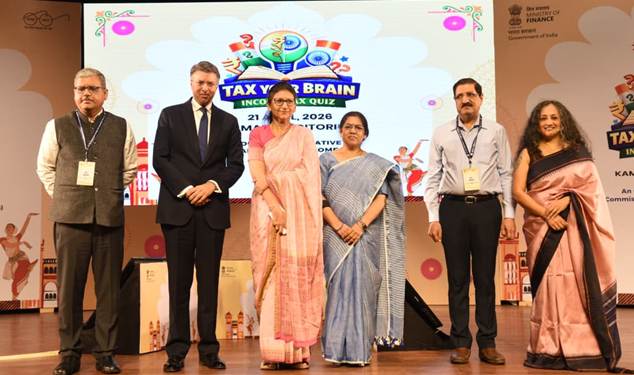

The programme witnessed participation from representatives of more than 80 schools from across the Delhi–NCR region, along with trustees and functionaries associated with educational institutions.


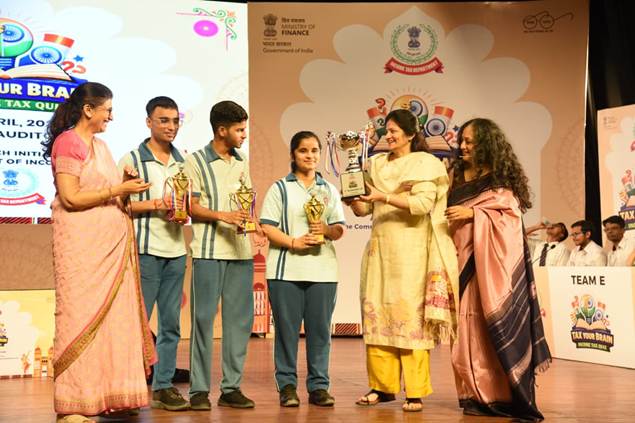
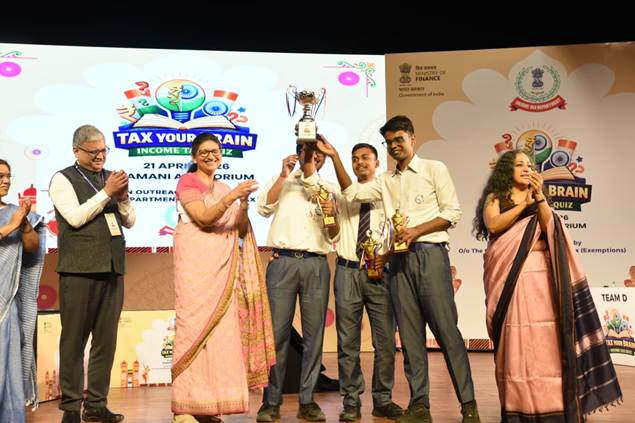

The event was graced by Ms. Pallavi Agarwal, Principal Chief Commissioner of Income Tax (Exemptions). Addressing the gathering, she highlighted the key features of the Income Tax Act, 2025 and emphasised that the new legislation seeks to simplify procedures, reduce ambiguities and promote transparency through streamlined and technology-driven processes aligned with the Government’s vision of “Viksit Bharat 2047”.
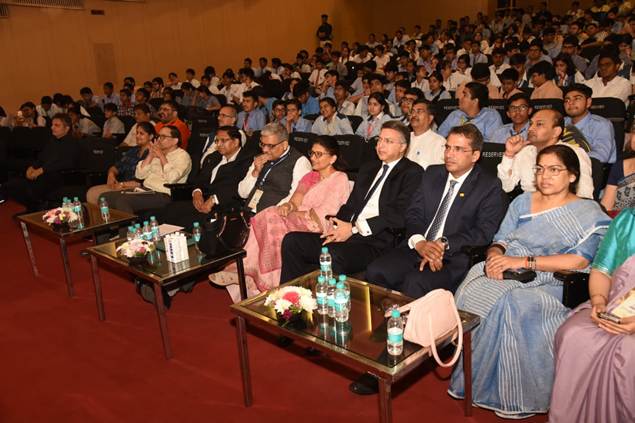
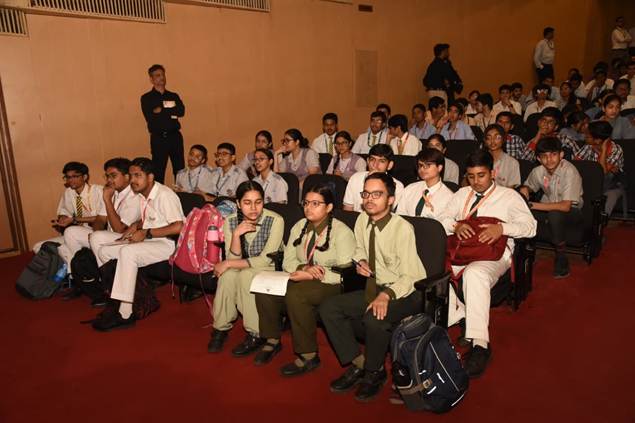
As part of the outreach programme, to encourage engagement among students, an inter-school quiz competition titled “Tax Your Brain – Income Tax Quiz” was organised for students of Classes IX to XII.
Students from participating schools took part in the quiz with enthusiasm across multiple rounds. The winning teams were felicitated and presented with awards and Certificates of Merit. All participants were appreciated for their enthusiasm and knowledge.
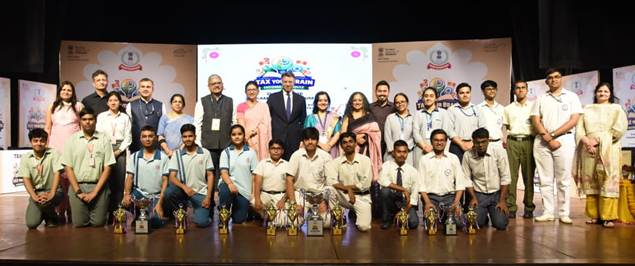

The initiative reflects the Income Tax Department’s continued commitment to proactive stakeholder engagement, dissemination of tax reforms and the promotion of an efficient, transparent and taxpayer-friendly tax administration epitomizing the principle of Saral Kanun Shashakt Bharat.
Also Read:
Budget 2026 Sets Growth Push With Manufacturing, Infra, Tax Overhaul At Core
Sending Money Home? Everything Indians in America Need to Know in 2026