New report flags severity of US funding cuts to global AIDS response

UNAIDS said that at least one status report on the impact of cuts has been received from 55 different countries up to the start of this week.

That includes 42 projects that are supported by the US President’s Emergency Plan for AIDS Relief (PEPFAR) and 13 that receive some US support.

Two days after President Trump’s executive order in late January declared a 90-day pause to all foreign assistance, the Secretary of State issued an emergency waiver to resume “life-saving” humanitarian assistance, including HIV treatment.

UNAIDS reported just over a week later that there was widespread “confusion” over how the waiver was being implemented on the ground.

The 16 reports received from UNAIDS country offices around the world during the week of 17 to 21 February show that these waivers have led to the resumption of some clinical services, such as HIV treatment and prevention of vertical transmission, in many countries that are highly dependent on US funding.

© UNICEF/Rindra Ramasomanana

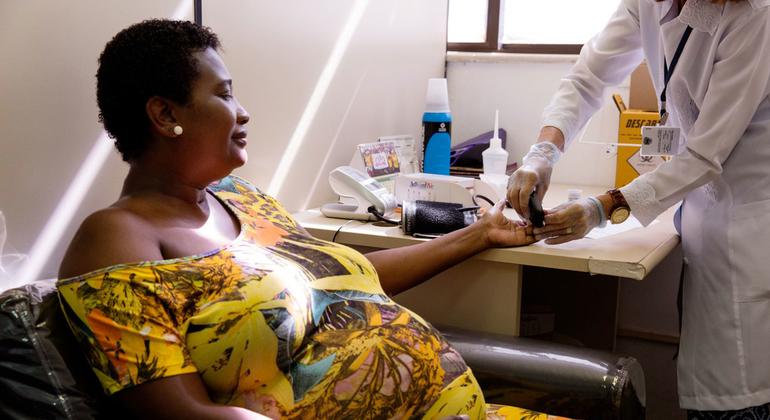
A mother-to-be is tested for HIV in the Analanjirofo region of Madagascar.

Many projects ineligible

However, it’s unclear how long funding will last amid multiple reports that key US government systems and staff responsible for paying implementing partners are either offline or working at greatly reduced capacity, the UN agency said.

In addition, critical layers of national AIDS responses are ineligible for these waivers, including many HIV prevention and community-led services for key populations and adolescent girls and young women, according to the UN agency.

At the same time, data collection and analysis services have been disrupted in numerous countries, according to reports received last week, which note that the overall quantity and quality of HIV prevention, testing and treatment services has been eroded.

© UNICEF/Karin Schermbrucker

A doctor treats a toddler suffering from severe acute malnutrition and HIV at a local hospital in Katanga, DR Congo. (file)

Waiting times increase

Staff working in health facilities are facing increased workloads, and patients are experiencing increased wait times to receive lifesaving services, UNAIDS said.

Other concerns persist, from hobbled health systems to addressing gender-related priorities.

“US Government statements to UN system organizations suggest US-funded programmes focused on gender equality and transgender populations may not resume,” according to the UNAIDS situation report.

Fresh data analysis

The situation report covers more granular analysis on the global AIDS response’s heavy reliance on US foreign assistance, extracted from the datasets managed by UNAIDS.

For example, more than half of HIV medicines purchased for the Democratic Republic of Congo (DRC), Haiti, Mozambique, Tanzania and Zambia are purchased by the US.

Before the freeze, the US Government provided two thirds of international financing for HIV prevention in low and middle-income countries, according to estimates from the Global HIV Prevention Coalition.

The report also named the 20 countries that rely most heavily on funding from Washington: DRC, Haiti, Mozambique, Tanzania, Zambia, Uganda, Nigeria, Rwanda, Angola, Kenya, Ukraine, Burkina Faso, Burundi, El Salvador, Zimbabwe, Togo, Nepal, Côte d’Ivoire, Eswatini and Benin.

Services at a standstill

Civil society and community-led interventions are central to ending AIDS and to sustaining the gains into the future, according to UN agency.

People living with HIV and key populations at higher risk of infection, play a crucial role in maintaining the local services needed to stay healthy, UNAIDS said.

Yet, many critical services have ground to a halt. Here are some examples:

  • Mozambique: Community workers and test counsellors supported by PEPFAR funding are not being paid. As a result, HIV testing is unavailable in most parts of the country, enrolment of new patients is on hold and efforts to support people living with HIV to adhere to their treatment have been compromised
  • Tanzania: Young people working as peer educators, community health workers or lay counsellors funded by PEPFAR have been issued temporary job termination notices
  • Rwanda: Community-level and facility-based HIV-prevention services targeting populations at high risk of HIV infection, including adolescent girls and young women, gay men and sex workers were not covered by waivers received from the US Government
  • South Africa: US-funded facilities that support gay men, such as Engage Men’s Health, remain closed
  • Ghana: All civil society organizations funded by PEPFAR have halted services to people living with HIV and key populations

Learn more about UNAIDS here.

On the ground in Côte d’Ivoire

Here is an emblematic snapshot of how the UN funding freeze has already affected this West African nation of 27 million, where Washington has supported more than half the total response to assist more than 400,000 adults and children living with AIDS.

A mother, holding her two-year-old in southwest Côte d’Ivoire, discovered she was seropositive during her pregnancy. (file)

  • The stop-work order triggered a complete shutdown of services funded by the PEPFAR programme, which covers 516 health facilities in 70 per cent of the country’s health districts and 85 per cent of people living with HIV on treatment (about 265,000 people)
  • More than 8,600 staff were affected, including 597 clinical workers (doctors, nurses and midwives) and 3,591 community workers
  • Distribution of medicines and transport of diagnostic samples ground to halt
  • US-funded services partially resumed on 12 February following receipt of waivers, but the majority of US-funded HIV-prevention services for people at high risk of infection, remain shut
  • Other national health programmes and systems are affected by the freeze, including the malaria and tuberculosis control programmes and another serving mother and child health alongside the supply chain system for medicines and diagnostics

DR Congo: WHO tracks deadly mysterious illness

In recent months, disease surveillance has identified increases in cases and fatalities on three occasions across different areas of the country, which triggered follow-up investigations to confirm the cause and provide needed support, WHO said in a statement.

Symptoms include fever, headache, chills, sweating, stiff neck, muscle aches, multiple joint pain and body aches, a runny or bleeding from the nose, cough, vomiting and diarrhoea.

DRC currently faces multiple challenges, with a conflict raging in the east, as Congolese armed forces face off against the Rwanda-backed M23 – with the fighting involving multiple other armed groups.

Illness and death

A series of outbreaks and fatalities have been occurring in Équateur province since the beginning of 2025, the UN health agency said.

The most recent cluster occurred in the Basankusu health zone, where last week 141 additional people fell ill, with no deaths reported so far. Some 158 cases and 58 deaths were reported in the same zone earlier in February.

In January, Bolamba health zone reported 12 cases including eight deaths.

Major challenges

The remoteness of affected areas limits access to healthcare, including testing and treatment, WHO said.

Basankusu and Bolomba are around 180 kilometres apart and more than 300 kilometres from the provincial capital Mbandaka. The two localities are reachable by road or via the Congo River.

However, poor road and communication links are major challenges, said the UN healthy agency, which continues to support local authorities in reinforcing investigation and response measures, with more than 80 community health workers trained to detect and report cases and deaths.   

Further efforts are needed to reinforce testing, early case detection and reporting, said WHO, which remains on the ground supporting health workers, collaborating closely with health authorities at all levels.

Increased surveillance

The UN health agency has delivered emergency medical supplies, including testing kits, and developed detailed protocols to enhance disease investigation.

Increased disease surveillance has identified in total of 1,096 sick people and 60 deaths in Basankusu and Bolomba fitting a broad case definition of the mysterious illness.

In response to the latest cluster, a national rapid response team from Kinshasa and Équateur, including WHO health emergency experts, was deployed to Basankusu and Bolomba to investigate the situation.

The experts are stepping up disease surveillance, conducting interviews with community members to understand the background and providing treatment for diseases such as malaria, typhoid fever and meningitis, WHO reported.

Ongoing testing

Initial laboratory analysis has produced negative results for Ebola virus disease and Marburg virus disease.

Around half of the samples tested positive for malaria, which is common in the region, WHO said.

Further tests are to be carried out for meningitis. Food, water and environmental samples will also be analysed for any possible contamination.

‘Rapid expansion’ of synthetic drugs reshaping illicit markets, UN anti-narcotics body warns

In its 2024 Annual Report, released on Tuesday, the INCB explains that unlike plant-based drugs, these substances can be made anywhere, without the need for large-scale cultivation, making them easier and cheaper for traffickers to produce and distribute.

The rise of powerful opioids like fentanyl and nitazenes – potent enough to cause overdoses in tiny doses – has worsened the crisis, driving record-high deaths.

The rapid expansion of the illicit synthetic drug industry represents a major global public health threat with potentially disastrous consequences for humankind,” said INCB President Jallal Toufiq.

“We need to work together to take stronger action against this deadly problem which is causing hundreds of deaths and untold harm to communities,” he continued.

Traffickers stay ahead of regulations

Criminal groups are constantly adapting to evade law enforcement.

By exploiting legal loopholes, they develop new synthetic compounds and use artificial intelligence to find alternative chemicals for drug production.

New smuggling methods – including drones and postal deliveries – make these drugs harder to detect.

As a result, seizures of synthetic substances are now outpacing those of traditional plant-based drugs like heroin and cocaine.

Patchwork response

Despite efforts to curb synthetic drugs, responses remain fragmented, allowing traffickers to stay ahead.

The INCB is calling for stronger global cooperation, including partnerships between governments, private companies and international organizations, to disrupt supply chains and prevent harm.

Medication out of reach

While synthetic drugs flood illegal markets, millions of people in low- and middle-income countries still lack access to essential pain relief medication.

The report highlights that opioid painkillers such as morphine, remain unavailable in regions like Africa, South Asia and Central America – not due to supply shortages, but because of barriers in distribution and regulation.

The INCB is urging opioid-producing nations to increase production and affordability to improve palliative care and pain management.

Regional hotspots concerns

The report identifies several regions where synthetic drug trafficking is expanding.

In Europe, the looming heroin deficit following Afghanistan’s 2022 opium ban could push more users toward synthetic alternatives while in North America, despite efforts to curb the crisis, synthetic opioid-related deaths remain at record highs.

The manufacture, trafficking and use of amphetamine-type stimulants are increasing across the Middle East and Africa, where treatment and rehabilitation services are often inadequate.

Meanwhile, in the Asia-Pacific region, methamphetamine and ketamine trafficking continues to grow, particularly in the Golden Triangle.

Call for urgent action

The INCB is urging governments to strengthen international collaboration, improve data-sharing and expand drug prevention and treatment services.

Without decisive action, the synthetic drug trade will continue to evolve, putting more lives at risk.

Funding cuts jeopardise global fight against tuberculosis, WHO warns

The health agency highlighted that essential prevention, testing and treatment services are collapsing, leaving millions at risk.

The hardest-hit regions include Africa, Southeast Asia and the Western Pacific, where national TB programmes depend heavily on international support.

Any disruption to TB services – whether financial, political or operational – can have devastating and often fatal consequences for millions worldwide,” said Tereza Kasaeva, Director of WHO Global Programme on TB and Lung Health.

Last week, UN Secretary-General António Guterres also raised the alarm over funding cuts, noting the immediate impact on key health programmes combatting HIV/AIDS, tuberculosis, malaria and cholera.

A devastating setback

Over the past two decades, global TB programmes have saved more than 79 million lives, averting approximately 3.65 million deaths last year alone.

A significant portion of this success has been driven by US Government funding, which has provided about $200 to $250 million annually, approximately a quarter of the total international donor funding secured.  

The US has been the largest bilateral donor for programmes combatting the disease.

However, newly announced cuts for 2025 through executive orders will have devastating impacts on TB response efforts in at least 18 high-burden countries, where 89 per cent of expected US funding was allocated for patient care.

The impact will be particularly devastating in Africa, where treatment disruptions and staff layoffs could exponentially increase TB transmission rates.

Immense burden

Early reports from TB-affected countries indicate that funding constraints are already dismantling essential health services.

Among the most pressing concerns are health worker layoffs, drug shortages and supply chain breakdowns, data and surveillance systems collapse as well as disruptions to TB research and funding.

“Without immediate action, hard-won progress in the fight against TB is at risk. Our collective response must be swift, strategic and fully resourced to protect the most vulnerable and maintain momentum toward ending TB,” urged Dr. Kasaeva.

Call for urgent action

WHO reaffirmed its commitment to supporting governments and global partners in the fight against TB.

“In these challenging times, WHO remains steadfast in its commitment to supporting national governments, civil society and global partners in securing sustained funding and integrated solutions to safeguard the health and well-being of those most vulnerable to TB,” the agency said.

Choose compassion, reject cruelty to end HIV, says top UN rights official

In a stark assessment of the current situation of the health crisis, Deputy UN High Commissioner for Human Rights Nada Al-Nashif warned that more than nine million people do not receive treatment, while 4,000 girls and young women contract the virus every week.

A staggering three-quarters of them live in sub-Saharan Africa, she noted, reminding Member States that while HIV is “entirely treatable and preventable…the world is off track in ending AIDS.

Stigma fuelling crisis

“Stigma and discrimination are preventing concrete progress and paving the way for a resurgence of infections,” Ms. Al-Nashif said.

Together, we have the power and the responsibility to change this. When human rights are promoted, health is protected.

Other speakers echoed the need for human rights-based approaches to ensure universal access to treatment. They warned that discrimination and harmful laws targeting marginalized communities hinder access to prevention, testing and care.

Keep rights at the core

Florence Riako Anam of the Global Network of People Living with HIV (GNP+) quoted Nelson Mandela, saying that HIV is “more than a disease – it is a human rights issue.”

In many countries, criminalization, stigma and discrimination based on sexual orientation, gender identity, drug use as well as sex work continue to obstruct HIV response efforts, with deadly consequences.

GNP+, an NGO collecting data on stigma since 2008, has surveyed 100,000 people across 100 countries. The findings: nearly one in four respondents experienced HIV-related stigma.

Break the barriers

To end AIDS for good, we must dismantle the human rights-related barriers that prevent certain populations from accessing the services they need and tackle the deep gender inequalities and underlying inequities that drive starkly different health outcomes,” said Vuyiseka Dubula, Head of Community, Rights and Gender at the Global Fund to Fight AIDS, Tuberculosis and Malaria.

Ms. Dubula, who lives with HIV in South Africa, noted that while global progress has been significant – new infections down by 61 per cent and AIDS-related deaths by 73 per cent in more than 100 countries over the last two decades—there is still much work to be done.

“This is something to be proud of, but we can go even further in the next five years if we really are focused on ending HIV” Ms. Dubula said, referring to Sustainable Development Goal 3 (SDG3) on ensuring healthy lives for all.

Compassion over cruelty

Adeeba Kamarulzaman of the World Health Organization (WHO) Science Council and the Global Council on Inequality, AIDS and Pandemics echoed the need for more compassionate methods in tackling the epidemic.

She pointed to Malaysia, her home country, which once faced a devastating HIV epidemic but has since made significant progress.

In countries decriminalizing drug use, knowledge of HIV status is 15 per cent higher and HIV incidence is five per cent lower, she explained, adding that in places where sex work is decriminalized, infection rates are further reduced by 4.5 per cent.

When we choose compassion over cruelty, when we invest in people instead of punishing them, we save lives,” Dr. Kamarulzaman said.

Persistent discrimination

Erika Castellanos, a transgender woman and Executive Director of Global Action for Trans Equality, spoke of her experience in Belize, where LGBTIQ+ people faced up to 10 years in jail before 2016. Even after the law was overturned, little has changed.

“The stigma, discrimination and institutional barriers persist in the systems that deny us dignity, in the services that exclude us and in the societies that still see us as less than human,” said Ms. Castellanos, who has lived with HIV for 20 years.

“I am here because of the hard work, sweat, blood and tears of countless people, many of whom did not survive this epidemic,” she told the Human Rights Council.

I am alive – because of an HIV response that valued my life.

WHO injects fresh support into DR Congo vaccination drive

The initiative aims to curb the spread of preventable diseases such as polio, measles and yellow fever which remain a persistent threat in hard-to-reach areas.

Speedy response

WHO delivered 79 outboard motors, two speedboats, 14 motorcycles and other essential equipment worth $750,000 to the country’s Ministry of Public Health to expand vaccination campaigns in 89 health zones in nine provinces, the agency said in a news release on Tuesday (in French).

These boats and vehicles will allow health workers to quickly reach children and communities who have long been cut off from essential services,” said Boureima Hama Sambo, WHO Representative in the DRC.

“This will significantly reduce the number of missed vaccinations and ensure that no child is left vulnerable to diseases that we can prevent.”

This will significantly reduce the number of missed vaccinations and ensure that no child is left vulnerable to diseases that we can prevent
– Dr. Boureima Hama Sambo, WHO Representative

Fighting preventable diseases

The Congo River and its many tributaries form a vast network of isolated islands and remote settlements, particularly in provinces such as Équateur, Mongala, Tanganyika and Tshopo.

Many of these areas host large numbers of unvaccinated children, leading to repeated outbreaks of polio, measles and yellow fever, according to WHO.

In 2024, the DRC confirmed 25 cases of circulating variant poliovirus (types 1 and 2) and reported more than 102,500 suspected measles cases, resulting in over 2,200 deaths. Meningitis also remains a major concern, with 5,837 suspected cases and 465 deaths last year.

The WHO and DRC authorities have been working to address these challenges through mass immunization campaigns.

“Improving the availability of vaccines and other vital health supplies in the Expanded Programme on Immunization (EPI) branches, health zones and areas, is essential to strengthening the health system and implementing advanced and mobile vaccination strategies. Integration with other health services will make a difference, bringing significant benefits to the most vulnerable populations,” said Dr. Sambo.

Families displaced from eastern DR Congo due to rampant insecurity.

Ongoing Mpox outbreak

Even as the country battles vaccine-preventable diseases, the DRC continues to face a large mpox outbreak. Between 1 January and 2 March 2025, the country recorded 2,415 confirmed cases, with 1,080 of them occurring in the last six weeks alone.

WHO has declared the mpox resurgence a public health emergency of international concern (PHEIC) and warned that the virus is circulating in at least ten provinces.

The outbreak is being fuelled by sustained human-to-human transmission, particularly in the capital, Kinshasa, where genomic sequencing indicates that one specific strain has persisted since July 2024.

Impact of violence

Complicating response efforts is the ongoing violence in the eastern DRC, which disrupted healthcare services and made it difficult to track and contain the virus. In February, the virus was detected for the first time in the south-central Lomami province, expanding its reach further.

The WHO is also monitoring new travel-related mpox cases that have emerged outside the country, including in Belgium, France, Germany, the United Kingdom and the United States.

Meanwhile, South Africa has reported its first cluster of mpox cases linked to the same strain circulating in the DRC.

Europe grapples with highest number of measles cases in more than 25 years

Measles is back, and it’s a wake-up call,” warned Dr. Hans Kluge, the World Health Organization (WHO) regional director for the European region.

A total of 127,350 cases were reported in the region in 2024, double the number of cases reported for 2023 and the highest number since 1997, according to analysis by WHO and the UN Children’s Fund (UNICEF).

Among the most contagious viruses affecting people, measles can damage the immune system by “erasing” its memory of how to fight infections, leaving survivors vulnerable to other diseases.

As well as hospitalisation and death caused by complications including pneumonia, encephalitis, diarrhoea and dehydration, measles can also cause long-term, debilitating health complications such as blindness.

Deaths reported

There were an estimated 107,500 measles deaths globally in 2023, mostly among unvaccinated or under vaccinated children under five, according to WHO.

Measles remains a significant global threat,” the UN agencies said, pointing to the 359,521 cases reported for 2024 worldwide.

Current outbreaks and deaths have been reported worldwide, including in the Democratic Republic of the Congo, the United States and countries in every other region.

Based on preliminary data received as of 6 March 2025, a total of 38 deaths have been reported for WHO’s European region, which comprises 53 countries in Europe and Central Asia.

Post-COVID-19 surge

The region accounted for one third of all measles cases globally in 2024.

UN agencies pointed to a resurgence in 2018 and 2019, with 89,000 and 106,000 cases respectively, after a period of decline since 1997, with 216,000 reported cases, that reached a low of 4,440 in 2016.

Following a backsliding in immunisation coverage during the COVID-19 pandemic, cases rose significantly again in 2023 and 2024, the UN agencies said, adding that vaccination rates in many countries are yet to return to pre-pandemic levels, increasing the risk of outbreaks.

Transmission of the virus across borders and continents occurs regularly, and outbreaks of this highly infectious disease will occur wherever the virus finds pockets where vaccine levels are insufficient – particularly children, they cautioned.

Currently, children under five accounted for more than 40 per cent of reported cases in the region, and more than half of all cases required hospitalisation.

Calls for urgent government action

Measles cases across Europe and Central Asia have soared over the past two years, pointing to gaps in immunisation coverage,” said Regina De Dominicis, UNICEF regional director for Europe and Central Asia.

In 2023 alone, 500,000 children across the region missed the first dose of the measles vaccine (MCV1) that should be given through routine immunisation services.

“To protect children from this deadly and debilitating disease, we need urgent government action including sustained investment in health care workers,” she said.

‘No health security’ without vaccines

WHO’s Dr. Kluge said “we can’t afford to lose ground” as the agency shapes its regional health strategy to tackle such serious issues.

Without high vaccination rates, there is no health security,” Dr. Kluge said.

“Every country must step up efforts to reach under-vaccinated communities. The measles virus never rests and neither can we.”

Indeed, vaccination is the best line of defence against the virus, the UN agencies insisted.

Outbreak hot spots

The latest analysis found that Romania reported the highest number of cases – 30,692 – in the region for 2024, followed by 28,147 in Kazakhstan.

At the same time, less than 80 per cent of eligible children in Bosnia and Herzegovina, Montenegro, North Macedonia and Romania were vaccinated with MCV1 in 2023.

In both Bosnia and Herzegovina and Montenegro, the coverage rate for MCV1 has remained below 70 per cent and 50 per cent respectively for the past five or more years.

That is far below the 95 per cent coverage rate required to retain herd immunity, the UN agencies noted.

Catch-up campaigns

UNICEF and WHO are working with governments and health partners, including the European Union and the GAVI Alliance, to prevent and respond to measles outbreaks by engaging with communities.

Efforts include training healthcare workers, strengthening vaccine programmes and disease surveillance systems and initiating measles immunisation catch-up campaigns.

The UN agencies are calling for governments with active outbreaks to urgently intensify case finding, contact tracing and conduct emergency vaccination campaigns.

Analysing root causes

“It is imperative that countries analyse the root causes of outbreaks, address weaknesses in their health systems and strategically utilise epidemiological data to identify and close coverage gaps,” the UN agencies stated.

Reaching hesitant parents and marginalised communities and tackling inequitable access to vaccines must be central to all efforts, they added.

They also warned that countries that do not have current measles outbreaks should be prepared, including through identifying and addressing gaps in immunity, building and sustaining public trust in vaccines and maintaining strong health systems.

FAO warns of ‘unprecedented’ avian flu spread, in call for global action

Briefing Member States in Rome, FAO officials called for urgent action to strengthen biosecurity, surveillance and rapid-response mechanisms to curb the outbreak.

FAO Deputy Director-General Godfrey Magwenzi stressed that the crisis threatens to have “serious impacts on food security and food supply in countries, including loss of valuable nutrition, rural jobs and income, shocks to local economies, and of course increasing costs to consumers.”

With millions relying on poultry for meat and eggs, the challenge is not only to contain the virus but also to protect food production systems.

The economic impact is also being felt worldwide. For example, egg prices reached a record high in the United States during February according to the US Consumer Price Index, with farmers forced to slaughter over 166 million birds so far in total as avian flu has spread – mostly egg-laying chickens.

So far this year more than 30 million birds in the US have been killed, according to news reports.

Coordinated response needed

FAO Deputy Director-General Beth Bechdol underlined the need for a global, coordinated response, calling H5N1 a “transboundary” threat that no country can tackle alone.

To address the crisis, FAO and the World Organisation for Animal Health (WOAH) have launched a ten-year Global Strategy for the Prevention and Control of High Pathogenicity Avian Influenza.

“A chain is only as strong as its weakest link. By working together, we can reduce the impact of avian influenza and protect both animal and human health – locally and globally,” Ms. Bechdol said.

Over the past four years, H5N1 has expanded to new regions, causing massive losses in domestic birds, disrupting food supplies and pushing poultry prices higher.

At least 300 new wild bird species have been affected since 2021, posing a serious threat to biodiversity.

Collective action and innovation

FAO reaffirmed its commitment to global monitoring, data sharing and technical guidance to help countries contain the virus.

Ms. Bechdol also stressed the importance of private sector engagement, particularly in developing vaccines, diagnostics and high-quality animal health services.

The briefing also included a third call for funding proposals under the Pandemic Fund, hosted by the World Bank.

Over the past two years, FAO has co-led dozens of Pandemic Fund projects aimed at strengthening disease surveillance, early warning systems and health infrastructure to prevent future outbreaks.

Afghanistan: Security Council renews UN mission as WHO warns of health catastrophe

Unanimously adopting resolution 2777 (2025), the 15-member council stressed the “critical importance” of a continued presence of UNAMA and other UN agencies across Afghanistan.

The council also expressed appreciation for the UN’s long-term commitment to the country and its people, reiterating its full support for UNAMA and the Special Representative of the Secretary-General who leads the mission.

Ambassadors also expressed “serious concern” over the continued presence of terrorist groups in Afghanistan, and highlighted the need to combat the production, trade and trafficking of illicit drugs and chemicals used to manufacture narcotics.

They stressed the need to improve disaster risk reduction, as disasters worsen the humanitarian and socio-economic crisis.

Cuts could shut down 80 per cent of WHO programmes

Meanwhile, the UN World Health Organization (WHO) in Afghanistan warned that funding shortages could force the closure of 80 per cent of the agency’s health services there, leaving millions without access to critical medical care.

As of 4 March, 167 health facilities in 25 provinces had to shut down due to lack of money. A further 220 facilities could close by June, affecting the most vulnerable populations – women, children, the elderly and the displaced and returnees.

“These closures are not just numbers on a report, they represent mothers unable to give birth safely, children missing lifesaving vaccinations, entire communities left without protection from deadly disease outbreaks,” said Edwin Ceniza Salvador, WHO’s top official in Afghanistan.

The consequences will be measured in lives lost,” he warned.

Eighty percent of WHO-supported facilities in Afghanistan risk shutdown by June.

Dire health crisis

Even before the funding cuts, Afghanistan had been battling multiple health emergencies, including outbreaks of measles, malaria, dengue, polio and Crimean-Congo haemorrhagic fever.

Over 16,000 suspected measles cases, including 111 deaths, were reported in January and February 2025. Children are most at risk of illness and death, given “critically low” vaccination rates – only 51 per cent for first dose and 37 per cent for the second.

While some donors continue to support Afghanistan’s health sector, funding has been significantly reduced as development aid priorities have shifted in recent months.

Resources for broader humanitarian efforts in the country remain uncertain. With the first quarter coming to an end, the UN-coordinated $2.4 billion Afghanistan Humanitarian Needs and Response Plan for 2025 is only about 13 per cent funded.

This is not just about funding,” said Dr. Salvador.

Resource requirements for health programmes under the Afghanistan Humanitarian Needs and Response Plan 2025

Click here for the Plan (pdf)

“It is a humanitarian emergency that threatens to undo years of progress in strengthening Afghanistan’s health system … every day that passes without our collective support brings more suffering, more preventable deaths and lasting damage to the country’s health care infrastructure.

UNAMA in Afghanistan

Established in 2002, UNAMA is a political mission which facilitates dialogue between political leaders in Afghanistan, regional stakeholders and the international community, to promote inclusive governance and conflict prevention.

The deputy chief of the mission is also in charge of coordinating the UN’s extensive aid operation in cooperation with the de facto Taliban authorities since they returned to power in 2021.

It is also mandated by the Security Council to monitor and report on the human rights situation, with a focus on women’s rights, minorities and vulnerable groups.

UNAMA also supports regional cooperation, encouraging engagement between Afghanistan and neighbouring countries on issues related to security, stability and economic development.

UNICEF condemns looting of lifesaving supplies for children in Sudan

The attack on one of the last operational hospitals in the area further deepened the ongoing humanitarian crisis sparked by the civil war between rival militaries, the Sudanese Armed Forces (SAF) and the paramilitary Rapid Support Forces (RSF), which started in April 2023.

Among the stolen supplies were 2,200 cartons of ready-to-use therapeutic food – a crucial treatment for children suffering from severe acute malnutrition, a life-threatening condition characterized by severe weight loss and muscle wasting.

Also stolen were iron and folic acid supplements for pregnant and lactating women, as well as midwife kits and primary healthcare supplies meant for mothers, newborns and children.

Attack on their survival

Stealing life-saving supplies meant for malnourished children is outrageous and a direct attack on their survival,” said Catherine Russell, Executive Director of UNICEF.

These unconscionable acts against vulnerable children must end. All parties must adhere to international humanitarian law, protect civilians, and ensure safe and unhindered humanitarian access to those in need.”

UNICEF had successfully delivered these supplies on 20 December last year, marking the first humanitarian shipment to Jabal Awlia in over 18 months. However, the looting, combined with escalating violence that has forced aid operations to suspend, is pushing the region’s most vulnerable closer to disaster.

Children pushed closer to catastrophe

The hospital is situated in Jabal Awlia, one of 17 localities at risk of famine.

The region has been struggling with severe shortages of food, medicine and other essentials. Fighting has blocked commercial and humanitarian supplies for more than three months, leaving thousands of civilians trapped amid intensified fighting.

More than 4,000 people have been forced to flee, further deepening the crisis.

Unprecedented humanitarian crisis

Beyond Jabal Awlia, the humanitarian disaster extends across Sudan, where millions are facing life-threatening conditions.

More than 24.6 million people – over half the population – are facing acute food insecurity, and the collapse of health services, the closure of schools and record levels of displacement have created an unprecedented crisis.

In the face of rising challenges, UNICEF called on all actors to urgently ensure unimpeded humanitarian access to deliver aid, the protection of hospitals and civilian infrastructure, as well as security guarantees for aid workers to ensure life-saving assistance can reach those in need.

UN agency warns of ‘surge’ in AIDS deaths without US funding

“We will see a…real surge in this disease – [we] will see it come back, and we see people dying the way we saw them in the 90s and in 2000s,” said UNAIDS Executive Director Winnie Byanyima who noted a “tenfold increase” from the 600,000 AIDS-related deaths recorded globally in 2023.

“We also expect an additional 8.7 million new infections. At the last count, there were 1.3 million new infections globally [in] 2023”.

Speaking in Geneva, Ms. Byanyima noted that the funding freeze announced by the White House on 20 January was due to end next month, after a 90-day review.

We have not heard of other governments pledging to fill the gap,” she told journalists.

Already, drop-in centres where HIV patients can pick up the anti-retroviral medicines they need are not reopening, “for fear that this might not be consistent with the new guidelines”, she maintained.

“This sudden withdrawal of US funding has led [to the closure] of many clinics, laying off of thousands of health workers. These are nurses, doctors, lab technicians, pharmacy workers…it’s a lot.”

Focus on Africa

Focusing on Africa – where the eastern and southern regions bear 53 per cent of the global HIV burden – Ms. Byanyima warned that closing drop-in centers for girls and young women without notice would be disastrous. She emphasized that more than 60 per cent of new infections on the continent are among girls and young women.

Speaking to UN News earlier this month, Susan Kasedde, head of the UNAIDS office in the Democratic Republic of the Congo (DRC), highlighted major uncertainties regarding the extent and scope of cuts to PEPFAR-led programmes. This initiative, launched over two decades ago by former US President George W. Bush to prevent and contain HIV infections, is estimated to have saved around 26 million lives.

There are currently around 520,000 people living with HIV in the DRC, including 300,000 women and 50,000 children. The epidemic continues to grow, as the number of new infections is almost double the number of deaths linked to the disease.

PEPFAR’s expected contribution for the 2025 fiscal year was due to be $105 million, and it aims to provide treatment to half of the population living with HIV in the DRC – some 209,000 people.

“This means that we currently have 440,000 people living with HIV who are on treatment. Thanks to this treatment, they are alive”, said Ms. Kasedde.

Global impact of cuts

Several other UN agencies that are heavily reliant on US funding have also warned that the cut in support – in addition to chronic under-investment in humanitarian work globally – is already having a serious impact on the communities they serve.

On Friday, the UN refugee agency, UNHCR, said that thousands have been left without lifesaving aid in the war-torn eastern DRC.

The UN International Organization for Migration (IOM) also announced that funding cuts have severe repercussions for vulnerable migrant communities, exacerbating humanitarian crises and undermining essential support systems for displaced populations.

Together with IOM, the UN Children’s Fund (UNICEF) warned last Friday that that the liquidity crunch has jeopardized lifesaving work, including progress in reducing child mortality, which has fallen by 60 per cent since 1990.

“It is reasonable for the United States to want to reduce its funding – over time. But the sudden withdrawal of lifesaving support is having a devastating impact across countries, particularly Africa, but even in Asia and Latin America,” said UNAIDS’ Ms. Byanyima.

“We urge for a reconsideration and an urgent restoration of services – life-saving services.”

Presidential appeal

In a direct appeal to President Donald Trump, the UNAIDS chief highlighted that, just as President Bush had introduced the groundbreaking PEPFAR initiative, the new White House incumbent could also be part of the “prevention revolution.” She pointed to a twice-yearly injectable drug that has shown great promise in preventing new HIV infections.

According to UNAIDS, approximately 40 million people globally live with HIV, based on 2023 data. Of this number, some 1.3 million became newly infected with HIV in the same year and 630,000 people died from AIDS-related illnesses.

Decades of progress in reducing child deaths and stillbirths at risk, UN warns

The death toll for under-fives was 4.8 million in 2023 – a significant decline – with stillbirths falling marginally to around 1.9 million, data released by the UN shows.

Despite this, decades of hard-won progress in child survival is under threat as a result of funding cuts, health system challenges and regional disparities, UNICEF and the World Health Organization (WHO) are warning alongside members of the interagency network IGME.

“Millions of children are alive today because of the global commitment to proven interventions, such as vaccines, nutrition, and access to safe water and basic sanitation,” said Catherine Russell, UNICEF Executive Director.

“Bringing preventable child deaths to a record low is a remarkable achievement. But without the right policy choices and adequate investment, we risk reversing these hard-earned gains, with millions more children dying from preventable causes. We cannot allow that to happen,” she emphasised. 

Preventable causes of child deaths

The data – contained in two reports – also showed that almost half of under-five deaths occurred within the first month of life, predominantly due to premature birth and complications during labour.

For those who survived past infancy, infectious diseases – such as pneumonia, malaria, and diarrhoea – remained leading causes of preventable death.

In addition, almost half of late stillbirths occur during labour, often due to maternal infections, prolonged or obstructed labour and lack of timely medical intervention.

Experts stressed that improving access to high-quality maternal, newborn and child health care is critical to preventing these deaths.

Regional disparities

Where a child is born greatly influences their chances of survival. In low-income countries, essential services, vaccines and treatments are often inaccessible, contributing to disproportionately high mortality rates.

The risk of death before turning five is 80 times higher in the highest-mortality country than the lowest-mortality country, the reports found. Within countries, the poorest children, those living in rural areas and those with less-educated mothers faced higher risks.

Stillbirths followed similar patterns, with women in low-income countries eight times more likely to experience a stillbirth than those in high-income countries.

Under-five mortality rate.

Regional estimates

Sub-Saharan Africa recorded the highest estimated under-five mortality rate, with 69 deaths per 1,000 live births, while the overall estimate for Africa stood at 63 per 1,000.

In contrast, estimated under-five mortality rates were significantly lower in Europe (4) and Northern America (6). Asia was estimated at 26 deaths, while Latin America and the Caribbean stood at 16, and Oceania at 19.

A similar disparity existed in estimated stillbirth rates. Sub-Saharan Africa had the highest estimate at 22.2 stillbirths per 1,000 births, compared to 2.7 in Northern America and 2.9 in Europe.

Asia was estimated at 12.3 per 1,000, Latin America and the Caribbean at 7.4, and Oceania at 9.5. For Africa as a whole, the estimated stillbirth rate stood at 21 per 1,000 births.

Funding cuts

Cuts in funding for lifesaving child survival programmes are worsening existing disparities.

Reduction in resources have led to healthcare worker shortages, clinic closures, disruptions in vaccination campaigns and shortages of essential supplies such as malaria treatments.

Countries affected by humanitarian crises, those with significant debt burdens or already facing high child mortality rates are particularly impacted.

Call to action

Tedros Adhanom Ghebreyesus, WHO Director-General, underscored the need to urgently scale up collaboration to protect children’s lives and their health.

From tackling malaria to preventing stillbirths and ensuring evidence-based care for the tiniest babies, we can make a difference for millions of families,” he said.

Deadly impacts of childhood wasting can be prevented, WFP insists

Child wasting is the deadliest form of malnutrition and it’s often seen in places of conflict, economic instability and climate crisis, the UN agency told aid leaders gathered in Paris for the fourth Nutrition for Growth Summit.

Around 33 million children suffer from wasting in the 15 nations most affected. More than $1 billion is needed to support WFP‘s work to combat malnutrition, the agency said.

“We must prevent child malnutrition before it ever takes hold,” said WFP Executive Director Cindy McCain. “If we fail to act, we are condemning millions of children to a lifetime of suffering. WFP has the knowledge and tools to stop malnutrition in its tracks – what we need is investment and political will.”

WFP underscored the need to target pregnant women for additional nutritional support because malnutrition often begins during pregnancy, causing half of all deaths among children under five.

Those who survive face impaired physical and brain development, weakened immune systems, stunted growth and limiting brain development. 

Humanitarian success story

In 2024, WFP prevented wasting in nearly 14 million mothers and children by providing fortified foods, nutrition-rich supplements, cash or vouchers for meals and food baskets.

Despite these successes, the global funding crisis for humanitarian and development work threatens initiatives targeting malnutrition.

In Yemen, where up to a third of under-fives suffer from wasting, WFP’s only prevention programme implemented in the last 12 months will end in May – unless additional funding is forthcoming.  

On the brink of famine

In Sudan, clashes in Zamzam camp, in the North Darfur region, have forced WFP to pause its food assistance for displaced civilians.

Some two million Sudanese are currently experiencing famine – or are on the brink of famine.

Across the Sahel and in the Lake Chad basin, WFP requires urgent funding to reach 57 million people with life-saving food and nutrition assistance. At current funding levels, five million people risk losing critical support from the UN agency in the months ahead.

Funding cuts have also had a severe impact on vulnerable populations in hunger-struck Afghanistan, where three out of four families have to borrow money to be able to afford basic groceries.

Ensuring humanitarian access

In Jordan, WFP has already slashed monthly cash assistance by one third for the 119,000 Syrian refugees in the Zaatari and Azraq camps.

Last month in crisis-hit Haiti, one of the poorest countries in the world, WFP said it urgently needed $3.9 to prevent the United Nations Humanitarian Air Service (UNHAS) from closing down in the next three months.

The only available aviation support serving the capital Port-au-Prince, the WFP-operated service is crucial in flying in aid workers and delivering supplies to hard-to-reach areas, guaranteeing uninterrupted access for humanitarians.

WFP said that investing in malnutrition prevention not only improves health but also makes economies stronger.   

Low and middle-income countries lose an average of 10 per cent of GDP due to malnutrition through increased healthcare costs and lowered human capital,” WFP said in a statement.  

Guterres calls for greater equality and inclusion as world marks Autism Awareness Day

UN Secretary-General António Guterres is calling for renewed commitment to create a more equal and inclusive world in his message marking World Autism Awareness Day on Tuesday.

This year’s theme – Advancing Neurodiversity and the UN Sustainable Development Goals (SDGs) – highlights the intersection between neurodiversity and global sustainability efforts.

The goal is to showcase how inclusive policies and practices can drive positive change for autistic individuals worldwide and contribute to making the SDGs a reality.

Isolation, stigma and inequality

“People with autism often experience isolation, stigma and inequality. They have been denied healthcare and education – especially during crises – and their legal capacity has been unrecognized and over-ridden,” the Secretary-General said.

“Such discrimination contravenes the Convention on the Rights of Persons with Disabilities, and the Sustainable Development Goals’ commitment to leave no one behind. It must change,” he added.

Autism, or autism spectrum disorder, constitutes a diverse group of conditions related to development of the brain, according to a fact sheet by the World Health Organization (WHO).

Characteristics may be detected in early childhood, involving some degree of difficulty with social interaction and communication, however diagnosis often does not occur until much later.

Vaccine link debunked

It is estimated that about 1 in 100 children worldwide has autism. Available scientific evidence suggests that there are probably many factors that make a child more likely to have autism, including environmental and genetic factors, WHO said.

The UN agency noted that extensive research over many years has demonstrated that the measles, mumps and rubella vaccine does not cause autism.

“Studies that were interpreted as indicating any such link were flawed, and some of the authors had undeclared biases that influenced what they reported about their research,” the fact sheet said.

Furthermore, evidence also shows that other childhood vaccines do not increase risk.

Varied life experiences

The abilities and needs of autistic people vary and can evolve over time, WHO explained. While some can live independently, others have severe disabilities and require life-long care and support. 

Autism also often has an impact on education and employment opportunities, while families can face significant demands in providing care and support. 

The Secretary-General stressed that governments must adopt legislation and policies that guarantee equality and promote the full participation of people with autism in society. 

“We need inclusive health and education systems, work environments, and urban design – to ensure people with autism have equal opportunities to thrive,” he said.

“On World Autism Awareness Day, let us recommit to create a world where no person with autism is left behind,” his message concluded.

Commitment to diversity

Throughout its history, the UN has celebrated diversity and promoted the rights and well-being of persons with disabilities, including learning differences and developmental disabilities. 

For example, the Convention on the Rights of Persons with Disabilities, which entered into force in 2008, reaffirms the fundamental principle of universal human rights for all. 

That same year, the UN General Assembly – which brings together all 193 Member States – unanimously declared 2 April as World Autism Awareness Day to improve the quality of life of people with autism so they can lead full and meaningful lives as an integral part of society. 

World News in Brief: Cholera surges worldwide, DR Congo update, WHO leads global health emergency exercise

The UN health agency registered almost 810,000 cases and 5,900 deaths from the preventable disease in 2024; that’s about 50 per cent higher than the previous year, according to Dr Philippe Barboza, who leads WHO’s cholera team.

He said the latest reported cases are almost certainly underestimates and that the disease continues to affect countries that were previously cholera-free.

Funding cuts

Recent cuts to international aid funding are also hindering the response, Dr Barboza said, giving the example of how in the previous two years, a donation of $6 million would have allowed WHO to fully control any outbreak occurring in either Malawi or Zambia.

“But this amount of money is not available. So, this is a very major concern…outbreaks are getting worse and worse, deadlier and deadlier, but the funds are getting smaller and smaller.”

WHO data indicates that for the first time in 10 years, Namibia reported infections this year, while Kenya, Malawi, Zambia and Zimbabwe are also experiencing a resurgence.

Angola has also reported nearly 10,000 cholera infections so far during 2025 and 380 people have died from the disease up to the end of March.

Its capital city Luanda has been badly affected. In the past 28 days, the country reported almost 3,500 cases – making up 56 per cent of all the cases across Africa.

Conflict, mass displacement, natural disasters and climate change have intensified outbreaks, particularly in rural and flood-affected areas, with poor infrastructure and limited access to healthcare.  

But it’s not all doom and gloom. In September, production of cholera vaccines reached record levels, with the highest number of doses since 2013.

“We also need to increase funding to support the response effort,” Dr. Barboza said. 

Situation remains critical in Eastern DR Congo, say peacekeepers

The UN peacekeeping mission in the Democratic Republic of the Congo, MONUSCO, continues to implement its mandates amidst a still critical security situation in the restive east, said UN Spokesperson Stéphane Dujarric on Friday.

While reciprocal attacks between the CODECO and Zaire militias are continuing to target civilians in Ituri, MONUSCO continues to “push for an effective process of local political dialogue and to negotiate the safe release of abducted civilians,” including children.

Regarding the situation in the regional capital Goma which was overrun by Rwanda-backed M23 rebels in January, Mr. Dujarric said that “non-essential international staff for the UN are returning to Goma,” although “the protection situation under the M23 occupation remains challenging”.

Mass displacements

On the humanitarian end, renewed hostilities in North Kivu between armed groups in Rutshuru have “triggered the displacement of some 7,500 people,” said Mr. Dujarric.

Local partners have also reported a raid on Mukongola General Referral Hospital by armed elements in the South Kivu province. “They vandalized the maternity ward, the pharmaceutical supplies and injured at least one individual,” he added.

While Mr. Dujarric said that “humanitarian partners [were] working tirelessly to scale up assistance despite the insecurity and the constraints,” UN colleagues on the ground have reported that “ongoing military operations continue to impede humanitarian access.”

“We reiterate our call for immediate, safe and sustained access to all areas,” the UN Spokesperson concluded.

Pandemic control exercise puts WHO emergency system to the test

The World Health Organization (WHO has successfully concluded a two-day exercise simulating the outbreak of a fictional virus spreading across the world – and what it will take to contain it.

Convened by more than 15 countries, 20 regional health agencies, health emergency networks and other partners, “Exercise Polaris” was designed to test a new global coordination mechanism for health emergencies, under the umbrella of the WHO’s Global Health Emergency Corps (GHEC).

“This exercise proves that when countries lead and partners connect, the world is better prepared,” said WHO chief Tedros Adhanom Ghebreyesus.

Coordination and collaboration

GHEC’s structure, which emphasises the importance of coordinating the deployment of surge teams and experts – and of enhancing collaboration between countries – “shows that global cooperation is not only possible, it is essential,” said Tedros. “No country can face the next pandemic alone.”

Throughout the simulation, while countries were leading their own response efforts, WHO provided technical guidance and emergency support.

“The Global Health Emergency Corps has evolved into a powerful platform, building on practice, trust and connection,” said Dr Mike Ryan, Executive Director of WHO’s Health Emergencies Programme. “Exercise Polaris showed what is possible when countries operate with urgency and unity supported by well-connected partners.”

Aid cuts threaten to roll back progress in ending maternal mortality

Furthermore, unprecedented aid cuts are putting global progress to end maternal deaths at risk, UN agencies have warned in a new report that calls for greater investment in midwives and other health workers.

The Trends in maternal mortality report was published by the UN Children’s Fund (UNICEF), the World Health Organization (WHO) and UN sexual and reproductive health agency UNFPA, in observance of World Health Day on 7 April.

It shows that maternal deaths declined by 40 per cent between 2000 and 2023, largely due to improved access to essential health services.

However, the pace of improvement has slowed significantly since 2016, and an estimated 260,000 women died in 2023 due to complications during pregnancy and childbirth, or roughly one death every two minutes.

Deadly peril in Sudan

Frontline health workers have long raised alarms about the perils of giving birth in conflict settings.

In Sudan’s Al Jazirah State, a midwife named Awatef told UNFPA that she helped four women deliver babies while fleeing violence: “I delivered them in the bush, with only very basic sterilization – I had nothing but water and soap.”

One woman, Amina, had to give birth by Caesarean section – on the floor of a stranger’s home where a local doctor was assisting deliveries – while listening to the drum of gunfire just outside. “I had to start walking again just six hours later, carrying my baby while my wounds were still fresh and painful,” she said.

Urgent action needed

As aid funding cuts force countries to roll back vital services for maternal, newborn and child health, the UN agencies appeal for urgent action to prevent maternal deaths, particularly in humanitarian settings where numbers are already alarmingly high.

“While this report shows glimmers of hope, the data also highlights how dangerous pregnancy still is in much of the world today – despite the fact that solutions exist to prevent and treat the complications that cause the vast majority of maternal deaths,” said WHO Director-General Tedros Adhanom Ghebreyesus.

“In addition to ensuring access to quality maternity care, it will be critical to strengthen the underlying health and reproductive rights of women and girls – factors that underpin their prospects of healthy outcomes during pregnancy and beyond.”

Pregnancy and the pandemic

The report also provides the first global account of the COVID-19 pandemic’s impact on maternal survival.

An estimated 40,000 more women died due to pregnancy or childbirth in 2021, rising to 282,000 in 2022, and to 322,000 the following year.

This increase was linked not only to direct complications caused by COVID-19 but also widespread interruptions to maternity services, highlighting the importance of ensuring that this care is available during pandemics and other emergencies.

Invest in midwives

“When a mother dies in pregnancy or childbirth, her baby’s life is also at risk. Too often, both are lost to causes we know how to prevent,” said UNICEF Executive Director Catherine Russell.

With global funding cuts putting more mums-to-be at risk, especially in the most fragile settings, “the world must urgently invest in midwives, nurses, and community health workers to ensure every mother and baby has a chance to survive and thrive,” she added.

Inequalities and slowdowns

The report also highlights persistent inequalities between regions and countries, as well as uneven progress.

With maternal mortality declining by around 40 per cent between 2000 and 2023, sub-Saharan Africa achieved significant gains. It was also among just three UN regions to see significant drops after 2015, with the others being Australia and New Zealand, and Central and Southern Asia.

Yet, sub-Saharan Africa still accounted for approximately 70 per cent of the global burden of maternal deaths in 2023 due to high rates of poverty and multiple conflicts.

Meanwhile, five regions saw progress stagnate after 2015: Northern Africa and Western Asia, Eastern and South-Eastern Asia, Oceania (excluding Australia and New Zealand), Europe and North America, and Latin America and the Caribbean.

A midwife visiting pregnant women in a shelter for internally displaced persons in Sudan.

A global responsibility

Dr. Natalia Kanem, UNFPA’s Executive Director, upheld that access to quality maternal health services is a right, not a privilege.

She stressed the urgent responsibility to build well-resourced health systems that safeguard the lives of pregnant women and newborns.

“By boosting supply chains, the midwifery workforce, and the disaggregated data needed to pinpoint those most at risk, we can and must end the tragedy of preventable maternal deaths and their enormous toll on families and societies,” she said.

Childbirth in crisis settings

The report also highlighted the plight of pregnant women living in humanitarian emergencies, who face some of the highest risks globally.  Nearly two-thirds of global maternal deaths now occur in countries affected by fragility or conflict.

Beyond ensuring critical services during pregnancy, childbirth and the postnatal period, the report emphasized the importance of efforts to enhance women’s overall health by improving access to family planning services, as well as preventing underlying health conditions that increase risks, such as anaemia, malaria and noncommunicable diseases.

Furthermore, it is also vital to ensure that girls stay in school, and that they and women have the knowledge and resources to protect their health.

Source: WHO/UNICEF/UNFPA/World Bank/UN Population Division

Maternal mortality ratio (MMR) trends by region.

One preventable death every 7 seconds during pregnancy or childbirth

Close to 300,000 women continue to die during pregnancy or childbirth each year. More than two million babies die in their first month of life and around two million more are stillborn, says the World Health Organization (WHO) which is kicking off a year-long campaign on maternal and newborn health.

The data adds up to one preventable death every seven seconds, according to the UN health agency.

The Healthy beginnings, hopeful futures campaign is asking governments and health policy makers to ramp up efforts to end preventable maternal and newborn deaths, and prioritize women’s longer-term health and well-being.

Helping every woman and baby survive and thrive

Through a series of strategic actions, WHO aims to not only save lives but ensure both mothers and infants thrive. In collaboration with partners, it will focus on empowering healthcare professionals and sharing crucial information about healthy pregnancies, safe childbirth, and postnatal care.

Listening to women

Access to high-quality, compassionate care is essential for women and families everywhere, WHO emphasises. Health systems must evolve to address a wide range of health concerns, including obstetric complications, mental health issues, non-communicable diseases, and family planning – ensuring that women’s needs are met both before, during, and after childbirth.

Girls affected by the ongoing conflict in Gaza receive a care and protection package distributed by UNICEF.

Women in war zones

At the same time, the proportion of women and girls caught in conflict zones has skyrocketed in the past year, with women now making up 40 per cent of all civilian deaths in armed conflicts.

Today, over 600 million women and girls live in areas affected by violence – an alarming 50 per cent increase since 2017.

As conflict intensifies across the globe, women and girls are bearing a heavy mental health toll. From Afghanistan and Gaza to Georgia and Ukraine, millions are grappling with Post Traumatic Stress Disorder (PTSD), anxiety, depression and trauma, with limited access to support and care.

Around one in five people affected by a humanitarian crisis will develop long-term mental health conditions. Despite this, only two per cent of those in need receive the care they require. Mental health funding globally represents between one and two percent of health spending.

Stark divide on mental health

The gap between high and low-income countries in mental health services is stark. In wealthy nations, there are more than 70 mental health workers for every 100,000 people. In contrast, in low-income countries, that number drops to fewer than one.

As conflicts drag on, the number of affected women continues to rise, making this crisis even more urgent. UN gender equality agency, UN Women, spoke to women in Afghanistan, Gaza, Georgia, and Ukraine to understand how these conflicts are stoking a mental health crisis.

UNFPA’s mobile psychosocial support teams travel across Ukraine, including to the front lines, offering immediate emergency interventions as well as access to longer-term assistance.

Women in Gaza trapped in trauma

In Gaza, relentless bombing, displacement, and deprivation have created a humanitarian catastrophe. Living under siege and the constant threat of violence, women and girls face extreme levels of fear, trauma, and exhaustion. 

Data from UN Women shows that 75 per cent feel regular depression, 62 per cent cannot sleep, and 65 per cent suffer from nightmares and anxiety – most are left to cope alone.

“My mental and psychological health is suffering,” said one 27-year-old pregnant mother of three from Khan Younis. “Sometimes I go to the toilet just to cry and cry until I feel better.”

Women are not only dealing with their own trauma – they are also trying to care for their children.

“I have not prioritized my health because I am the primary caregiver for my children, assuming the roles of both father and mother,” the 27-year-old mother added. 

Afghanistan: Women Erased from Public Life

In Afghanistan, the return of the Taliban has dealt a crushing blow to women’s rights and mental health. Alison Davidian, UN Women’s Country Representative, warns that nearly four years of Taliban decrees have “eviscerated” women’s autonomy.

With no women in leadership roles and 98 per cent reporting no influence over local decisions, many feel trapped in a life of isolation and despair.

“Three years ago, an Afghan woman could run for president. Now, she may not even be able to decide when to buy groceries,” Davidian says. The result is overwhelming psychological distress, with 68 per cent of women in Afghanistan reporting their mental health as “bad” or “very bad.”

An IOM mental health and psychosocial support counsellor leads a session with women in Paktika province, Afghanistan.

Georgia: Antidepressant use on the rise

In Georgia, ongoing displacement and conflict have left many women with no access to adequate mental healthcare. Approximately 200,000 people remain internally displaced, with nearly 40 per cent living in shelters under dire conditions.

Mental health issues are widespread, with 23 per cent suffering from PTSD, 10 per cent reporting depression, and 9 per cent dealing with anxiety. Yet only about a third of those affected have sought care.

“We saw a sharp increase in antidepressant use, particularly in areas with high numbers of displaced people,” said Elene Rusetskaia of the Women’s Information Centre. “The mental health problem is very serious, especially among children.”

Ukraine: Domestic Violence and Depression Soar Amid War

In Ukraine, the war stemming from Russia’s invasion has pushed women’s mental health into crisis. Gender-based violence has surged 36 per cent since 2022, and women are shouldering more unpaid care work – up to 56 hours per week. Forty-two percent are now at risk of depression, while 23 per cent report needing counseling.

Displaced women, many of them refugees, are facing some of the worst mental health challenges, with limited access to support services.

A recent survey by the International Migration Organization (IOM) found that 53 per cent of internally displaced people in Ukraine suffer from depression, yet assistance remains scarce.

In response, UN Women has provided protection, legal aid, and psychosocial support to more than 180,000 women and girls in Ukraine through the Women’s Peace and Humanitarian Fund.

Healthcare funding

The current humanitarian funding crisis, exacerbated by declining health spending in host countries, is affecting the scope and quality of public health and nutrition programmes for refugees and host communities, the UN refugee agency, UNHCRhas said.

In Jordan, 335,000 women of reproductive age are at risk of losing essential maternal health. Without enough funding, prenatal care, safe delivery and newborn health services will disappear.

In Bangladesh, around a million Rohingya refugees face a severe health crisis due to the funding freeze, threatening access to essential medical services. In UNHCR-supported programmes, over 40,000 pregnant women may lose access to critical antenatal care, with 5,000 at risk of delivering in unsafe conditions.

In Burundi, the suspension of nutrition programmes in several camps means that thousands of refugee children under five may not receive adequate treatment for malnutrition.

Necessity, not luxury

For women and girls in conflict zones, mental health care is a critical need, not a luxury. Recovery, dignity, and survival depend on access to trauma care, counseling, and community-based services.

As conflicts continue to devastate communities, the need for mental health support becomes more urgent than ever. Countries must invest in mental health as a core part of humanitarian response, especially in conflict settings, UN Women, emphasized, calling on governments to listen – and act.

Listen to an interview with the Representative ad interim of the UN reproductive health agency, UNFPA, in Sudan: 

WHO warns of severe disruptions to health services amid funding cuts

Speaking on Thursday at a press conference in Geneva, Tedros said that in around 25 per cent of countries, some health facilities have had to close completely due to cuts, according to figures from more than 100 countries compiled by WHO.

Severe disruptions

Out-of-pocket payments for health services have led to disruptions to the supply of medicines and other health products, as well as rising job losses in the healthcare sector.

As a result, “countries are revising budgets, cutting costs and strengthening fundraising and partnerships,” said the UN health agency chief.

From aid dependency to self-reliance

Having to revise budgets, cut costs and strengthen partnerships and fundraising, some countries are relying on WHO’s support to transition away from aid dependency towards sustainable self-reliance.

We are now supporting countries to accelerate that transition,” said Tedros, citing examples of countries such as South Africa and Kenya, who are successfully working towards averting the health impacts of sudden and unplanned cuts.

WHO recommendations

Tedros provided countries with several recommendations on ways to mitigate funding cuts:

  • The world’s poorest populations need prioritising by limiting their exposure to out-of-pocket spending
  • Resist reductions in public health spending and protect health budgets
  • Channel donor funds through national budgets, rather than parallel donation systems
  • Avoid cutting services or closing facilities, and absorb as much of the impact as possible through efficiency gains in health system

New revenue sources

Through short and long-term tools, WHO also encourages countries to generate new sources of revenues.

Immediate measures such as introducing or increasing taxes on products that harm public health is another effective tool to maintain spending on health, he added.

Countries such Colombia and the Gambia, which in recent years have introduced such taxes, have seen revenues increase and consumption fall, said Tedros.

In the longer term, WHO is advocating for social and community-based health insurance policies, where individuals or families can contribute a small amount to a fund which boosts health service financing.

Although not all measures will be right for every country, WHO is “working with affected countries to identify which measures are best for them, and to tailor those measures accordingly.”

Preventable ‘meningitis belt’ deaths targeted in health agency action plan

People anywhere, at any age can be infected with meningitis, which is transmitted through respiratory secretions or droplets in close human contact. Low and middle-income nations are worst-affected.  

The so-called “meningitis belt” in sub-Saharan Africa sees most cases and outbreaks. It stretches from Senegal and The Gambia in the west of the continent all the way to Ethiopia in the east.  

The most dangerous form of the disease, bacterial meningitis, can kill within just 24 hours – and one in six people dies once infected.

“Every family who has had a meningitis case knows about what fear this disease can bring,” said Dr Marie-Pierre Preziosi, WHO Team Lead for Meningitis and R&D Blueprint.

Life sentence

Around 20 per cent of people who contract bacterial meningitis develop long-term complications, including disabilities with a devastating, life-long impact, WHO said in a statement.

Extra attention must be paid to vaccination coverage to avoid critical problems including impairment of brain function, warned Dr Tarun Dua, WHO Unit Head for Brain Health, speaking to journalists at the launch of the new guidelines.

Class divide 

Hearing loss is just one side-effect of the disease; it is often particularly harmful for children whose education suffers. But if it can be detected quickly as per the new WHO guidelines “you can provide treatment and the child can be well included” at school and in society”, Dr. Dua explained.

A cluster of three or four cases amongst schoolchildren can be treated with antibiotics but only if vaccination levels are high, according to Dr Lorenzo Pezzoli, WHO Team Lead for Meningitis and Epidemic Bacterial Diseases.

Worth a shot 

But many countries lack the means to provide vaccine protection to ensure collective immunity against many diseases, not only meningitis. In addition, they also lack the advanced technology required to diagnose the disease in the first place, which isn’t as easy as a COVID-19 swab test.

“You need to insert the needle in the spine and test the liquid that comes out,” Dr Pezzoli said, highlighting the difficulty facing many low-income countries held back by poor health facilities.

In a growing number of countries impacted by emergencies crisis or conflict, people cannot get the treatment they need as quickly as they should, creating “fertile grounds for meningitis epidemics”, said Dr Pezzoli, who added that his two-year-old son has had his jab for the disease.  

The UN health agency guidelines form part of its efforts to eradicate meningitis by 2030. It works with partners including the MenAfrinet network to support countries collect and analyze high quality disease surveillance data. This enables monitoring the impact of control strategies including the Meningitis A vaccine.

Prevention is “the most important piece of the puzzle”, Dr Pezzoli insisted. 


Millions displaced, health system in ruins as Sudan war fuels famine

With fighting showing no sign of abating and humanitarian access extremely limited, the crisis in Sudan has become one of the world’s largest emergencies, the UN Office of the High Commissioner for Refugees (UNHCR) warned on Monday.

“This is a very, very sad milestone,” Mamadou Dian Balde, UNHCR Regional Director for East Africa said, marking two years since the outbreak of war.

We are seeing massive violations, massive displacements and a devastating impact on millions of people.

A humanitarian catastrophe

The war, which erupted in April 2023 between the Sudanese Armed Forces (SAF) and the paramilitary Rapid Support Forces (RSF), has triggered a full-blown humanitarian catastrophe.

More than half the population – around 25 million people – require humanitarian assistance and protection, but funding shortfalls and insecurity have left vast swaths of the country beyond reach.

The UNHCR-led $1.8 billion Regional Refugee Response Plan for 2025 – which aimed to support 4.8 million refugees and host community members – remains only 10 per cent funded, Mr. Balde said, jeopardizing essential services such as food, shelter, education and healthcare.

“Communities that have very little are sharing what they have with the refugees. It is an extraordinary show of solidarity,” he added, urging the international community to step up support for the most vulnerable across the region.

Thousands of lives at risk

Hunger has reached catastrophic levels in Sudan, with famine confirmed in 10 areas and 17 more at risk, according to the UN World Food Programme (WFP).

In some areas, emergency food assistance is the only barrier preventing starvation. However, vital operations are constrained by insecurity and lack of funds.

Without immediate assistance, especially in famine or famine-risk areas, thousands of lives are at risk,” said Makena Walker, WFP Acting Country Director in Sudan.

“We can scale up – but we need all parties to guarantee safe, unhindered access for humanitarian convoys,” she added.

© UNICEF/Ahmed Mohamdeen Elfatih

A mother sits alongside her eight-year-old daughter at a hospital in Sudan.

Children hit hardest

Children remain among the hardest hit.

According to the UN Children’s Fund (UNICEF), child casualties this year have surged by 83 per cent compared to early 2024. Children are also at severe risk of sexual and gender-based violence or being forced into armed groups, on top of already losing out on education.

In addition, an estimated 146,000 children are projected to suffer from severe acute malnutrition this year, leaving them up to 11 times more likely to die than a well-nourished child.

A public health emergency

The crisis has also spiralled into a public health emergency, with over 20.3 million people now in urgent need of medical care. Cholera, measles, malaria and dengue are spreading rapidly across two-thirds of Sudan’s states, with cholera alone claiming over 1,500 lives.

This situation is unravelling against a health infrastructure on the brink of collapse: 38 per cent of hospitals in the worst affected regions are non-functional and the remaining only partially operational, according to the UN World Health Organization (WHO).

Attacks on healthcare have surged, with 156 attacks verified over the past two years, resulting in hundreds of deaths and injuries.

“In addition to being a famine crisis, the humanitarian situation in Sudan is also a protection and health crisis,” said Shible Sahbani, WHO Representative in the country.

The UN health agency is determined to continue working to improve health access for Sudan’s people. However, recent funding cuts have forced WHO to scale back operations, potentially affecting health services.

If funding does not flow, 4.7 million people targeted for health interventions this year will be affected. Services at 335 health facilities will also have to be reduced, including trauma and emergency care.

© UNICEF/Mohammed Abdulmajid

A woman carries water to her shelter in a camp for internally displaced persons in eastern Sudan.

Working against the odds

Despite the challenges, UN humanitarians and partners continue their efforts to reach the most vulnerable communities with lifesaving assistance.

Since the war began, WFP has provided over 13 million people with food and nutrition support. For its part WHO, has supported over one million people with health services, treated 75,000 severely malnourished children and helped vaccinate 11.5 million children against polio and measles.

But aid workers warn the situation is deteriorating fast, particularly in the states of Darfur and parts of Khartoum and Al-Jazirah (also spelled Gezira), where active fighting and sieges are cutting civilians off from assistance.

Mr. Balde reiterated the urgent need for the international community to help silence the guns, “we call for peace, protection and sustained support – [only then] normalcy can return, and refugees can return home.