Study Links High-Fat Diets To More Aggressive Breast Cancer Behavior

Researchers at Princeton University have found that high-fat diets may make certain breast cancers more invasive by altering tumor structure. The study, published March 3 in APL Bioengineering, examined triple-negative breast cancer using advanced 3D models. Scientists say the findings could help explain why diet influences cancer outcomes, though results remain limited to lab conditions.

In a controlled lab setting, researchers watched tumors change shape.

Not grow faster. Not shrink. Change form.

That shift, they say, may help explain why diet influences how some cancers behave.

A team at Princeton University has identified new links between high-fat diets and aggressive breast cancer, focusing on how fat alters the structure of tumors rather than simply accelerating their growth.

The study examined triple-negative breast cancer, a subtype that does not respond to many conventional therapies and is often associated with poorer outcomes.

High-fat nutrients linked to invasive tumor structure

Using 3D tumor models designed to mimic human biological conditions, researchers exposed cancer cells to different nutrient environments, including fats, cholesterol, insulin, and ketones.

The results showed a clear structural difference.

Tumors exposed to fatty acids and cholesterol developed hollow, branching extensions that spread outward from the tumor core. These structures are associated with invasive behavior, allowing cancer cells to penetrate surrounding tissue and potentially spread through the body.

Celeste Nelson, the study’s lead investigator, described these formations as characteristic of aggressive cancers.

“Aggressive cancers have these tendrils, and it’s the leading edges that end up invading into our normal tissues and making it into either a lymphatic or a blood vessel and escaping and metastasizing,” she said.

Notably, the tumors did not grow significantly faster under high-fat conditions. Instead, cells redistributed, moving from the center toward the edges, reshaping the tumor’s structure.

Gene activity points to possible mechanism

The team also identified increased activity of a gene known as MMP1, which is associated with the breakdown of collagen, a key structural component of tissue.

Higher MMP1 levels were strongly correlated with the structural changes observed in the tumors.

Researchers believe this may allow cancer cells to break down surrounding tissue more easily, creating pathways for invasion.

However, the study stops short of proving direct causation. Nelson said further research is needed to determine whether high-fat diets directly trigger this gene activity or if other factors are involved.

Future experiments may test whether blocking MMP1 changes how tumors respond to high-fat conditions.

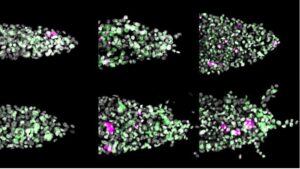
Fluorescence images of sample tumors show invasions into surrounding tissue over several days. Branching invasions are most pronounced in the lower right frame. (Photo illustration from image provided by the researchers/Princeton University.)
Credit:Princeton University

Other diets showed limited impact in the model

The study also tested tumor responses under different nutrient conditions, including high insulin, glycerol, and ketones.

These conditions showed little difference from baseline tumors, which remained relatively compact and did not develop invasive structures.

One unexpected result involved a simulated ketogenic diet, which is typically high in fat and low in carbohydrates.

Researchers had expected it might slow tumor progression. Instead, the tumors did not show improved outcomes compared to baseline conditions within the model.

“We were expecting a ketogenic diet to be protective,” Nelson said. “Yet we didn’t see that here.”

She added that the model may not fully capture the complexity of how such diets interact with the human body, particularly immune responses and other systemic factors.

Study highlights limits of lab-based cancer models

The findings are based on 3D microfluidic tumor models, which aim to replicate aspects of real biological environments more accurately than traditional lab methods.

Unlike 2D cell cultures, which grow in simplified conditions, these models simulate both the physical and chemical environment of tumors. At the same time, they remain more controlled than animal studies, allowing researchers to isolate specific variables such as diet.

Even so, the researchers caution that the results are limited.

The tumors studied are simplified representations and do not include the full range of interactions present in the human body. That means the findings cannot be directly translated into dietary recommendations or clinical outcomes.

“Every tumor is an individual’s tumor,” Nelson said, noting the challenge of capturing the full diversity of cancer behavior in a single study.

New direction for diet and cancer research

The study adds to a growing body of evidence suggesting that diet influences cancer progression, though the mechanisms remain unclear.

By focusing on structural changes rather than growth rates, the Princeton team offers a different lens for understanding how nutrients interact with tumors.

The research also points to potential targets for future therapies, particularly genes involved in tissue breakdown and tumor invasion.

For now, the findings remain an early step.

They show how fat may change the way tumors behave under controlled conditions, opening new questions about how those processes unfold inside the human body.

Also Read:

Indian Railways Clears ₹1,364 Crore for Kavach Signalling across Multiple Zones

Indian Railways has approved projects worth ₹1,364.45 crore to strengthen safety, signalling and communication systems across multiple zones. The works include Kavach deployment on locomotives, optical fibre expansion and signalling upgrades. The approvals, part of the 2024–25 works programme, aim to improve operational safety and network efficiency.

What is Kavach

Kavach is an indigenous automatic train protection (ATP) system developed by Indian Railways to prevent train collisions and improve safety on the rail network. It is like an automatic braking and warning system that takes control if something goes wrong.

How Kavach works:

Kavach acts like a real-time safety shield for trains.

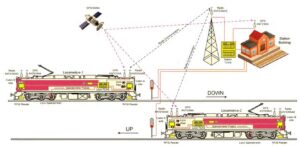
  • It uses radio communication and GPS to continuously track trains
  • It connects locomotives, tracks, and control centers
  • It constantly compares train speed and position with safe limits

 If a driver makes a mistake, Kavach automatically applies brakes to avoid accidents.

Where It Is Installed

Kavach works through a combination of systems:

  • Onboard equipment in locomotives
  • Trackside devices along railway lines
  • Station systems integrated with signalling
  • Central control systems monitoring operations

India’s national rail network is moving deeper into a technology-led safety upgrade, with a fresh round of approvals targeting both trains and trackside systems.

Indian Railways has sanctioned projects worth ₹1,364.45 crore covering locomotive safety equipment, communication backbone expansion and signalling modernisation across several key zones. The approvals are part of a broader capital programme focused on reducing risk, improving reliability and preparing the network for higher traffic density.

Kavach deployment on locomotives in Southern Railway

A key component of the package is the rollout of Kavach, the indigenous train collision avoidance system, across locomotives in Southern Railway.

The transporter has approved ₹208.81 crore for installing onboard Kavach equipment on 232 locomotives. The work falls under a larger umbrella programme titled “Provision of Kavach with communication backbone of Long-Term Evolution (LTE) on balance routes of Indian Railways (Umbrella Work 2024–25),” which carries an overall outlay of ₹27,693 crore.

Within this, Southern Railway has been allocated ₹2,950 crore. The current phase focuses on equipping locomotives with Kavach Version 4.0, which integrates real-time signalling inputs and automatic braking systems to prevent collisions.

Kavach has been positioned as a central pillar of railway safety strategy, especially on high-density routes where traffic frequency increases the risk of human error.

Optical fibre expansion strengthens communication backbone

Parallel investments are being made to upgrade the communication systems that support modern signalling and safety technologies.

In Northern Railway, three projects worth ₹400.86 crore have been approved to expand the optical fibre cable network. These works fall under a separate umbrella programme for strengthening and replacing communication backbone infrastructure, with a total approved cost of ₹4,871 crore.

A sub-allocation of ₹871 crore has been earmarked for the zone.

The approved works include installation of 2×48 fibre cables across 926.05 route kilometres in Ambala Division, 1,204 route kilometres in Delhi Division along with station-level OFC rooms, and 1,074 route kilometres in Lucknow Division.

The upgrades are designed to improve bandwidth, reliability and redundancy in communication systems, which are critical for both signalling operations and Kavach deployment.

OFC network expansion in North Central Railway

Further expansion of the fibre network is planned in North Central Railway, where ₹176.77 crore has been approved for laying 2×48 fibre OFC cables across 2,196 route kilometres.

The work is split across major divisions, including 1,016 kilometres in Prayagraj, 709 kilometres in Jhansi and 471 kilometres in Agra.

This project is part of the same communication backbone programme and is supported by a ₹200 crore sub-allocation for the zone.

Officials say the expansion will support high-density routes where real-time communication between trains and control systems is essential for safe operations.

Electronic interlocking upgrades in South Central Railway

Signalling systems are also being upgraded through a shift from older panel interlocking systems to electronic interlocking.

In South Central Railway, projects worth ₹578.02 crore have been approved to replace panel interlocking at 49 stations.

The works include upgrades at 35 stations in Guntakal Division and 14 stations in Nanded Division, both located on high-density and highly utilised routes.

These projects fall under an umbrella programme for electronic interlocking, which has an overall cost of ₹15,164 crore.

Electronic interlocking systems reduce manual intervention and improve the precision and reliability of train routing decisions. They are also better suited for integration with automated safety systems such as Kavach.

Network-wide push toward safer, more efficient operations

The latest approvals reflect a layered approach to railway modernisation, combining onboard safety systems, trackside communication upgrades and signalling improvements.

Each component supports the others. Kavach relies on robust communication networks, while modern signalling systems ensure accurate data flow and control.

Indian Railways has been scaling up these technologies as part of its long-term strategy to handle increasing passenger and freight demand without compromising safety.

The ₹1,364 crore package represents a targeted investment across zones, but it also fits into a much larger national effort to upgrade infrastructure, reduce accidents and improve operational efficiency.

As these systems are deployed, the network is expected to move closer to a model where technology plays a central role in preventing errors and managing traffic at scale.

Also Read:

Almost every Indian village now has a banking outlet within 5 km radius. What changed?

Government slashes excise duty on Petrol, Diesel despite surge in global oil prices

Government Holds Inter-Ministerial Briefing On West Asia Developments

As part of its ongoing efforts to keep the media apprised of developments in West Asia, the Government of India convened a briefing at the National Media Centre today. Representatives from the Ministries of Petroleum and Natural Gas, Ports, Shipping and Waterways, and External Affairs, shared updates on fuel availability, maritime operations, and assistance to Indian nationals in the region, along with measures to ensure stability across sectors. The Ministry of Consumer Affairs, Food and Public Distribution also provided updates on food security preparedness and prices of essential commodities.

Food security and prices update

The Ministry of Consumer Affairs, Food and Public Distribution shared an update on the availability of essential food items and the prevailing price situation. It also highlighted measures being taken to ensure adequate supply and maintain market stability. The Ministry said:

Food Security Preparedness

· The Government is closely monitoring the food security situation in view of the ongoing developments in West Asia.

· Adequate buffer stocks of rice and wheat are available to ensure sufficient supplies for the Public Distribution System (PDS) as well as to meet any emergency requirements.

· The National Food Security Act continues to ensure access to foodgrains for vulnerable populations.

Market Intervention – Open Market Sale Scheme (Domestic)

· The Government continues to monitor foodgrain prices and undertakes market interventions through the Open Market Sale Scheme (Domestic) (OMSS – D) whenever required.

· Under OMSS (D), FCI releases surplus wheat and rice in the open market to augment supply, stabilise prices and contain inflation.

· Adequate stocks are available with FCI to undertake such interventions if required.

· The scheme also enables sale of rice to State Governments at subsidised fixed prices to meet additional requirements.

Procurement – RMS 2026–27

· Procurement of wheat under MSP operations for Rabi Marketing Season (RMS) 2026–27 has commenced, primarily through State Government agencies.

· The Department is regularly reviewing preparedness in coordination with States.

· Adequate packaging materials are being ensured for procurement operations.

Foodgrain Packaging

· Proactive steps have been taken to ensure availability of packaging materials during RMS 2026–27.

· In coordination with the Ministry of Petroleum and Natural Gas and the Department of Chemicals and Petrochemicals, the Department is diversifying packaging sources and maintaining contingency measures to address any potential shortfall.

Edible Oil Scenario

· Domestic availability of edible oils remains comfortable despite global uncertainties.

· Imports from key partner countries including Indonesia, Malaysia, Argentina and Brazil continue steadily.

· Improved mustard production has strengthened domestic supply.

· Overall edible oil supply remains stable and the Government continues close monitoring with readiness to intervene if required.

Sugar Sector

· Adequate sugar buffer stocks are available and sugar production in 2025–26 is expected to remain sufficient.

· About 15.80 LMT of sugar has been permitted for export, of which 3.73 LMT has already been exported.

· Major export destinations include Sri Lanka, West Asia and East Africa.

· Retail sugar prices remain stable with inflation remaining around 3% over the past three years.

Prices of Essential Commodities

· The Department of Consumer Affairs monitors daily prices of 40 food commodities reported from 578 centres across the country.

· Price trends are being closely monitored in view of the ongoing developments in the Middle East.

· So far, no unusual volatility has been observed and prices remain stable for most commodities, indicating adequate availability.

· There is no evidence of generalized supply stress or inflationary transmission in essential food commodities.

Availability of Pulses

· Pulses production is estimated to be higher than the previous year at about 266 LMT compared to 257 LMT last year.

· Government stocks of pulses are around 28 LMT, while procurement of Tur and Rabi pulses under the Price Support Scheme is ongoing.

· So far, about 3.21 LMT of Tur and 5.71 LMT of Chana have been procured.

· The import policy for pulses in 2026–27 continues the existing framework of 2025-26 to ensure supply flexibility and stable availability.

· Import of Tur and Urad is allowed under the ‘Free’ category till 31 March 2027, while imports of Chana and Masoor attract 10% duty and Yellow Peas 30% duty.

Availability of Horticultural Crops (TOP)

· Production of major horticultural crops such as potato, tomato and onion are sufficient to meet domestic demand.

· Potato production is estimated at about 584 LMT (against 586 LMT last year), tomato at about 227 LMT, and onion at about 273 LMT.

· The Government of India has set a price stabilisation buffer target of 2 LMT for onion in 2026–27, with National Agricultural Cooperative Marketing Federation of India Ltd (NAFED) and National Cooperative Consumers’ Federation of India Limited (NCCF) initiating procurement preparations.

· Procurement of Rabi 2026 onion for buffer stocking is expected to support mandi prices and moderate volatility.

Monitoring and Enforcement

· The Department of Consumer Affairs has set up a Control Room to facilitate continuous interaction and information exchange with State Governments on prices and supply of food commodities.

· The Control Room also monitors enforcement of the Essential Commodities Act, 1955, including action against hoarding and black marketing of essential commodities.

· The Department is also keeping a close watch on the complaints being received on the National Consumer Helpline-1915, available in 17 languages across the country. The helpline is also available through multiple platforms, including WhatsApp and the INGRAM portal ,  enabling consumers to register grievances with ease.

Energy Supply and Fuel Availability

An update on the prevailing fuel supply situation was shared, highlighting the steps being taken to ensure uninterrupted availability of petroleum products and LPG in the context of the Strait of Hormuz closure. It was noted that:

Public Advisory and Citizen Awareness

· Citizens are advised to avoid panic purchase of petrol, diesel and LPG and rely only on official sources for information.

· LPG consumers are requested to use digital booking platforms and avoid visiting distributors.

· Citizens are encouraged to use alternate fuels such as PNG and electric or induction cooktops.

· All citizens are urged to conserve energy during the current situation.

Government Preparedness and Supply Management Measures

· Despite the ongoing geopolitical situation, the Government has prioritised domestic LPG and PNG supply, particularly for hospitals and educational institutions.

· The Government has already implemented several rationalisation measures on both the supply and demand side, including enhancing refinery production, increasing the booking interval from 21 to 25 days in urban areas and up to 45 days in rural areas and prioritising sectors for supply.

· Alternate fuels such as kerosene and coal have been made available to ease pressure on LPG demand.

· The Ministry of Coal has directed Coal India and Singareni Collieries to supply additional coal to States for distribution to small and medium consumers.

· States have been advised to facilitate new PNG connections for domestic and commercial consumers.

· A review meeting chaired by Secretary (MoPNG) with State officials highlighted measures to ensure adequate LPG supply and directed States to prioritise prioritize LPG distribution, especially for domestic and essential needs, while maintaining strict vigilance against hoarding, diversion, and misinformation. On reports concerning FTL LPG supplies to migrant workers, States clarified that there is no disruption in LPG supply affecting migrants and that supplies remain stable. Secretary informed that states may consider managing targeted distribution of 5 kg FTL LPG cylinders, based on local requirements along with OMCs.

Coordinated Efforts with States/UTs and Institutional Mechanisms

· State Governments are empowered under the Essential Commodities Act, 1955 and LPG Control Order, 2000 to monitor supply and act against hoarding and black marketing of petroleum products.

· All Chief Secretaries, ACS/Principal Secretary/Secretary Food & Civil supply of all the States/UTs are requested –

Ø To issue daily press briefings and issue regular public advisories.

Ø To actively monitor and counter fake news / misinformation on social media.

Ø To intensify daily enforcement drives by District admin and to continue raids and inspections in coordination with OMCs

Ø To issue Commercial LPG allocation orders within their States/UTs

Ø To issue SKO allocation orders for additional SKO allotted to the States/UTs.

Ø To promote PNG adoptions and alternate fuels.

· All States/UTs have established control rooms and district monitoring committees to curb hoarding and black marketing.

· The Government of India vide letter dated 27.03.2026 and 02.04.2026 have requested Chief Secretaries of all States/UTs to intensify proactive & regular public communication, conduct daily press briefs at appropriate senior level along with timely dissemination of accurate information through social and electronic media to effectively counter misinformation and to reassure citizens regarding adequate availability and smooth distribution of LPG.

· Currently, 23 States/UTs are issuing regular press briefings.

Enforcement and Monitoring Actions

· Enforcement actions continue across the country to curb hoarding and black marketing of LPG.

· More than 1 lakh raids have been conducted and over 52,000 cylinders seized.

· Over 850 FIRs have been registered and about 220 persons arrested.

· PSU Oil Marketing Companies have strengthened surprise inspections and issued over 1,500 show-cause notices, imposed penalties on 118 LPG distributorships and suspended 41 distributorships.

LPG Supply

Domestic LPG Supply Status:

· LPG supply continues to be affected by the prevailing geopolitical situation.

· No dry-outs have been reported at LPG distributorships.

· Online LPG bookings have increased to about 97% across the industry.

· Delivery Authentication Code (DAC) based deliveries have increased to around 90% to prevent diversion.

· Domestic LPG cylinder deliveries remain normal, with over 18 crore cylinders delivered to households since 1 March 2026.

Commercial LPG Supply and Allocation Measures:

  • To look into the issues of availability of petrochemicals like propylene, polypropylene, isopropyl alcohol, butadiene, butyl acrylate etc. for department of Pharmaceuticals, Animal Husbandry, Dept. of Chemicals and Petrochemicals, DPIIT etc, a Joint working group has been constituted which has recommended for diversion of certain volume of C3-C4 molecules by Refinery & Petrochemical complexes for these sectors. This group has also given recommendations for availability of feedstock for C2 based derivatives like LDPE, LLDPE, HDPE etc. and their supplies for the downstream units.
  • Total commercial LPG allocation has been increased to about 70% of pre-crisis levels, including 10% reform-linked allocation.

· Since 23 March 2026, about 6.75 lakh 5-kg Free Trade LPG cylinders have been sold.

· PSU OMCs have organised around 550 awareness camps for 5 Kg FTL Cylinders in Andhra Pradesh, Assam, Bihar, Chandigarh, Chhattisgarh, Delhi, Goa, Gujarat, Haryana, Himachal Pradesh, Jammu & Kashmir, Jharkhand, Karnataka, Keralam, Madhya Pradesh, Maharashtra, Odisha, Puducherry, Punjab, Rajasthan, Tamil Nadu, Telangana, Uttar Pradesh, Uttarakhand, West Bengal.

· More than 6,700 – 5Kg FTL cylinders were also sold in these camps.

· A three-member committee of Executive Directors from IOCL, HPCL and BPCL is coordinating with State authorities and industry bodies to plan commercial LPG distribution.

· About 79,909 MT of commercial LPG (equivalent to over 42 lakh 19-kg cylinders) has been sold since 14 March 2026.

Natural Gas Supply and PNG Expansion Initiatives

· Priority sectors continue to receive protected supplies, including 100% supply to domestic PNG and CNG transport.

· Gas supply to operating urea plants is currently around 70–75% of their six-month average consumption and is planned to increase to about 90% from 6 April 2026 (today).

· Gas supply to other industrial and commercial sectors, including City Gas Distribution (CGD) networks, will be increased by an additional 10% from 6 April 2026 (today).

· CGD entities have been advised to prioritise PNG connections for commercial establishments such as hotels, restaurants and canteens.

· CGD companies including IGL, MGL, GAIL Gas and BPCL are offering incentives for domestic and commercial PNG connections.

· States/UTs and Central Ministries have been requested to expedite approvals required for expansion of CGD networks.

· The Government of India vide letter dated 18.03.2026 has offered all States/UTs additional 10% allocation of commercial LPG to States provided they can help in long term transition from LPG to PNG.

· 17 States/UTs are already receiving additional commercial LPG allocation linked to PNG expansion reforms.

· PNGRB has directed CGD entities to connect institutions such as schools, hostels, community kitchens and anganwadi kitchens through PNG within five days where pipelines are available.

· The Ministry of Road Transport & Highways has adopted an Accelerated Approval Framework for CGD infrastructure for three months to process applications on priority.

· The Government of India vide Gazette dated 24.03.2026 has notified the Natural Gas and Petroleum Products Distribution (Through Laying, Building, Operation and Expansion of Pipelines and Other Facilities) Order, 2026 under the Essential Commodities Act, 1955.

· The Order provides a streamlined and time-bound framework for laying and expanding pipelines across the country, addressing delays in approvals and access to land, and enabling faster development of natural gas infrastructure, including in residential areas.

· It is expected to accelerate PNG network growth, enhance last-mile connectivity, and support the transition to cleaner fuels, thereby strengthening energy security and advancing India’s gas-based economy.

· The Ministry of Defence has issued a short-term policy modification till 30 June 2026 to expedite PNG infrastructure installation in defence residential areas.

· PNGRB has extended the National PNG Drive 2.0 till 30 June 2026 to sustain momentum in PNG expansion.

· Since March 2026, about 3.67 lakh PNG connections have been gasified and about 4 lakh additional customers have registered for new connections. 

Crude Position and Refinery Operations

· All refineries are operating at high capacity with adequate crude inventories, while sufficient stocks of petrol and diesel are being maintained.

· Domestic LPG production from refineries has been increased to support domestic consumption.

Retail Fuel Availability and pricing Measures

· Retail outlets across the country are operating normally.

· The Middle East crisis has led to an abnormal increase in crude prices; however, to protect consumers, the Government of India has reduced excise duty on petrol and diesel by ₹10 per litre.

· Export levy has been imposed at ₹21.5 per litre on diesel and ₹29.5 per litre on ATF to ensure adequate domestic availability.

· Retail prices of petrol and diesel remain unchanged with no increase at retail outlets.

· The Government has advised citizens not to believe rumours and requested State Governments to disseminate accurate information through press briefings.

Kerosene Availability and Distribution Measures

· An additional allocation of 48,000 KL of kerosene has been provided to States/UTs over and above regular allocation.

· A Gazette notification dated 29 March 2026 allows distribution of PDS Superior Kerosene Oil (SKO) in SKO-free States/UTs for cooking and lighting purposes through designated PSU OMC service stations.

· 18 States/UTs have issued SKO allocation orders, while Himachal Pradesh and Ladakh have indicated no requirement.

Maritime Safety and Shipping Operations

The current maritime situation in the Persian Gulf, along with measures being undertaken to safeguard Indian vessels and crew, was also briefed. It was stated that:

· The Ministry of Ports, Shipping and Waterways continues to closely monitor shipping movements, port operations and the safety of Indian seafarers, while ensuring continuity of maritime trade.

· All Indian seafarers in the region are safe and no incident involving Indian-flagged vessels has been reported in the past 24 hours.

· In the past two days, two Indian-flagged LPG vessels, Green Sanvi and Green Asha, safely crossed the Strait of Hormuz. Green Sanvi is carrying about 46,650 MT of LPG with 25 seafarers onboard, while Green Asha is carrying about 15,405 MT of LPG with 26 seafarers onboard.

· At present, 16 Indian-flagged vessels with 433 Indian seafarers remain in the western Persian Gulf region. The Directorate General of Shipping (DG Shipping) continues close monitoring in coordination with ship owners, RPSL agencies and Indian Missions.

· The DG Shipping Control Room remains operational 24×7 and has handled 5,113 calls and 10,647 emails since activation, including 25 calls and 100 emails in the past 24 hours.

· DG Shipping has facilitated the safe repatriation of over 1,599 Indian seafarers so far, including 120 in the last 24 hours from airports and various regional locations across the Gulf.

· Port operations across India remain normal with no congestion reported. State Maritime Boards of Gujarat, Maharashtra, Goa, Kerala, Andhra Pradesh and Puducherry have confirmed smooth functioning.

· The Ministry continues to coordinate with the Ministry of External Affairs, Indian Missions and maritime stakeholders to ensure welfare of Indian seafarers and uninterrupted maritime operations.

Safety of Indian Nationals in the Region

Recent developments in the region, including assistance through Indian Missions, were shared during the briefing. It was informed that:

· The External Affairs Minister held telephonic conversations with the Foreign Ministers of Qatar and the United Arab Emirates and discussed the evolving situation in West Asia.

· The External Affairs Minister also received a call from the Foreign Minister of Iran, during which both sides exchanged views on the ongoing conflict in the region.

· The Embassy of India in Tehran has so far facilitated the movement of 1,777 Indian nationals from Iran to Armenia and Azerbaijan for onward travel to India. This includes 895 Indian students and 345 Indian fishermen. The fishermen travelled from Armenia to Chennai on 4 April 2026. The Embassy also facilitated the transit of two foreign nationals—one from Bangladesh and one from Sri Lanka.

· Of the total evacuated, 1,545 crossed into Armenia and 234 into Azerbaijan. India has expressed appreciation to the authorities of Iran, Armenia and Azerbaijan for their support in facilitating safe transit of the evacuees.

· The Ministry of External Affairs continues to closely monitor the evolving situation in the Gulf and West Asia region, with the safety, security and welfare of the Indian community remaining the highest priority.

· A dedicated MEA Special Control Room remains operational to assist Indian nationals and their families, with close coordination ongoing with State Governments and Union Territories.

· Indian Missions and Posts across the region are functioning round the clock, maintaining 24×7 helplines, issuing updated advisories and staying in regular contact with Indian community associations, organisations and companies.

· Missions continue to assist Indian nationals, including visa facilitation, consular services, logistical support and facilitating transit through neighbouring countries where airspace restrictions apply. They remain in close contact with local governments.

· Welfare of Indian students in the Gulf countries remains a priority, with Missions coordinating with local authorities, Indian schools, educational boards and the National Testing Agency to ensure that academic schedules and examinations such as JEE and NEET are not adversely affected.

· Missions are also providing support to Indian seafarers in the region, including coordination with local authorities, consular assistance, facilitating communication with families and assisting requests for return to India.

· Since 28 February, around 7,30,000 passengers have travelled from the region to India.

· In the UAE, airlines continue to operate limited non-scheduled flights based on operational and safety considerations, with around 90 flights expected to operate today to India.

· Flights continue to operate from Saudi Arabia and Oman to various destinations in India.

· Qatar airspace remains partially open, with Qatar Airways expected to operate around 8–10 flights to India today.

· Kuwait airspace remains closed, with Jazeera Airways and Kuwait Airways operating non-scheduled flights from Dammam Airport in Saudi Arabia to India.

· Bahrain airspace also remains closed, with Gulf Air operating non-scheduled flights from Dammam Airport in Saudi Arabia to India.

· Due to flight restrictions and airspace closures, travel of Indian nationals continues to be facilitated through alternative transit routes.

Ø From Israel via Egypt and Jordan.

Ø From Iran via Armenia and Azerbaijan.

Ø From Iraq via Jordan and Saudi Arabia.

Ø From Kuwait and Bahrain via Saudi Arabia.


Also Read:

Waste enters, Work begins, Value Created: Navi Mumbai Turns Textile Waste Into Livelihood Opportunity for Local Women

UIDAI partners with MapmyIndia to show authorised Aadhaar Centres in Mappls App

Waste enters, Work begins, Value Created: Navi Mumbai Turns Textile Waste Into Livelihood Opportunity for Local Women

In a repurposed building in Belapur, discarded clothes are no longer waste. They are inventory.


Artemis II Update-15, Day 5: Correction Burn Complete, Crew Locks In Lunar Flyby Trajectory

In deep space, small adjustments carry large consequences.


Artemis II Update-14, Day 5: Crew Demos Suits, Readies for Lunar Flyby 

Astronauts aboard Artemis II  continue their workday aboard the Orion spacecraft, testing survival suits and preparing for a lunar flyby set for Monday, April 6. The crew is set to enter the Moon’s gravitational influence just after midnight and execute a key trajectory correction burn later in the day. Final science targets, including major lunar basins, have been assigned ahead of a six-hour observation window.

Inside Orion, the workday has shifted toward final preparations for one of the mission’s defining moments.

With the Moon now close enough to begin shaping the spacecraft’s path, the four astronauts are balancing system checks with scientific planning, moving through a schedule that blends engineering discipline with observation readiness.

Commander Reid Wiseman, pilot Victor Glover, and mission specialists Christina Koch and Jeremy Hansen are continuing a full evaluation of the Orion Crew Survival System suits, a system designed for worst-case scenarios in spaceflight.

Orion spacesuit testing and emergency readiness in deep space

The suit demonstration involves a complete operational sequence. Astronauts are performing leak checks, simulating seat entry, and testing how well they can move, eat, and drink while fully suited.

NASA designed the suits to function across multiple mission phases. They provide life support if cabin pressure is lost, protect crew members during launch and reentry, and support survival after splashdown in the ocean.

Engineers are using this test to understand how the suits perform over extended use in microgravity. Comfort and flexibility are critical, especially for missions that will last longer than earlier lunar programs.

The evaluation also feeds into planning for future deep space missions, where astronauts may need to rely on such systems for longer durations and under more demanding conditions.

(This photo shows the Orion spacecraft with the Moon in the distance, as captured by a camera on the tip of one of its solar array wings during flight day 2 of the mission.
NASA)

Outbound trajectory correction burn and lunar approach timing

Following the suit tests, the crew is scheduled to carry out an outbound trajectory correction burn at approximately 11:03 p.m. Eastern Daylight Time.

The maneuver will refine Orion’s path toward the Moon, ensuring that the spacecraft is correctly aligned for its flyby observation window. Earlier in the mission, two planned burns were canceled after flight controllers confirmed the spacecraft was already on an accurate trajectory.

Ahead of the maneuver, Koch and Hansen are reviewing procedures, with Hansen assigned to monitor navigation data and spacecraft configuration during the burn.

The mission timeline also includes a key milestone. Orion is expected to enter the Moon’s gravitational sphere of influence at about 12:41 a.m. on April 6, marking the transition from transit to direct lunar interaction.

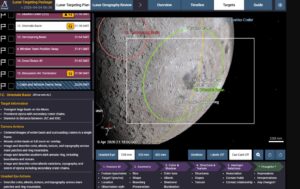
(A screenshot of the application the Artemis II crew sees on their PCDs that guides them in the execution of the lunar science observation plan. This custom software was built by the Crew Lunar Observations Team, a subset of the Artemis II lunar science team. In this screenshot you can see Orientale basin, target number 12 circled on the bottom right of the Moon, and to its left, target number 13, Hertzsprung basin.
NASA)

Lunar flyby science targets include major impact basins

Mission control has delivered the final list of lunar observation targets, giving the crew a defined set of features to document during the flyby.

Among the most prominent is the Orientale basin, a massive impact structure nearly 600 miles wide that spans the boundary between the Moon’s near and far sides.

Formed roughly 3.8 billion years ago, the basin preserves clear evidence of a large collision, including concentric rings and dramatic surface topography. Its visibility during the flyby makes it a priority for imaging and analysis.

Another key target is the Hertzsprung basin, located northwest of Orientale on the Moon’s far side. At roughly 400 miles across, it represents an older and more degraded structure.

By comparing the two basins, astronauts will help scientists study how lunar features evolve over time. Differences in structure, erosion, and impact history offer clues about the Moon’s geological development.

The crew is expected to review these targets in detail and coordinate with mission controllers to finalize observation techniques before the flyby begins.

Final preparations inside Orion as flyby approaches

As the spacecraft moves deeper into the Moon’s gravitational influence, operations inside Orion are becoming more tightly focused.

Each task, from suit testing to trajectory adjustments, is tied directly to the upcoming flyby. The six-hour observation window will require precise timing, coordination, and execution.

The astronauts are working through final checklists, ensuring that both human and mechanical systems are ready. Cameras must be positioned, observation plans synchronized, and spacecraft orientation carefully controlled.

The mission has reached a stage where preparation outweighs transit. The spacecraft continues along a stable path, but the emphasis has shifted to how effectively the crew can carry out their objectives once they reach lunar proximity.

For the Artemis II team, the work now is less about getting to the Moon and more about what they will do when they get there.

Key moments for the lunar flyby include the following. All times are Eastern and may change based on real-time operations:

Monday, April 6

  • 12:41 a.m.: Orion enters lunar sphere of influence at 41,072 miles from the Moon.
  • 1:30 p.m.: The science officer in mission control will brief the crew on their science goals for the upcoming flyby.
  • 1:56 p.m.: The Artemis II crew is expected surpass the record previously set by the Apollo 13 crew in 1970 for the farthest humans have ever traveled from Earth.
  • 2:45 p.m.: Lunar observations begin.
  • 6:44 p.m.: Mission control expects to temporarily lose communication with the crew as the Orion spacecraft passes behind the Moon.
  • 6:45 p.m.: During “Earthset,” Earth will glide behind the Moon from Orion’s perspective.
  • 7:02 p.m.: Orion reaches its closest approach to the Moon at 4,070 miles above the surface.
  • 7:07 p.m.: Crew reach their maximum distance from Earth during the mission.
  • 7:25 p.m.: “Earthrise” marks Earth coming back into view on the opposite edge of the Moon.
  • 7:25 p.m.: NASA’s Mission Control Center should re -acquire communication with the astronauts.
  • 8:35-9:32 p.m.: During a solar eclipse, the Sun will pass behind the Moon from the crew’s perspective.
  • 9:20 p.m.: Lunar observations conclude.

Tuesday, April 7

  • 1:25 p.m.: Orion exits the lunar sphere of influence at 41,072 miles from the Moon.

During the flyby, the spacecraft will break the record for the farthest distance from Earth traveled by any human mission, surpassing the mark set by Apollo 13 in April 1970 during its emergency return to Earth. The spacecraft is expected to break the record at 1:56 p.m. and will reach its maximum distance at 7:07 p.m., a total of 252,760 miles from Earth; Apollo 13 reached 248,655 miles from Earth.

When Orion passes behind the Moon, the mission will enter a planned communications blackout of about 40 minutes as the lunar surface blocks the radio signals needed for the Deep Space Network to connect with the spacecraft. Similar blackouts occurred during the Artemis I and Apollo missions and are expected with an Earth-based communications infrastructure. Once Orion reemerges, the network will quickly reacquire its signal and restore contact with mission control.

Also Read:

Artemis II Update-12, Day 4: Astronauts Hand-Fly Orion, Sharpen Lunar Flyby Plan in Deep Space

Artemis II Update-11, Day 4: Crew Enters Deep Space, Lunar Flyby Prep

Artemis II Update-13, Day 5: Crew Tests Survival Suits As Spacecraft Nears Lunar Gravity Zone

Astronauts aboard Artemis II began Flight Day 5 by testing their Orion survival suits as the Orion spacecraft closed to within 65,235 miles of the Moon. The activities include a full suit evaluation, a planned trajectory correction burn, and entry into the Moon’s gravitational sphere of influence. The mission is transitioning into its final approach phase ahead of a scheduled lunar flyby.


Artemis II Update-12, Day 4: Astronauts Hand-Fly Orion, Sharpen Lunar Flyby Plan in Deep Space

Astronauts aboard Artemis II completed a 41-minute manual piloting test of the Orion spacecraft on Flight Day 4, taking turns controlling the vehicle in deep space. The demonstration, carried out tested thruster modes and maneuvering capabilities as the crew also reviewed targets for an upcoming lunar flyby. The mission continues on a stable trajectory toward the Moon, with further piloting tests planned later in the flight.


Artemis II Update-11, Day 4: Crew Enters Deep Space, Lunar Flyby Prep

 As the Orion spacecraft continues its path toward the Moon, the Artemis II crew will spend their fourth flight day preparing for their lunar flyby on Monday, April 6. Traveling more than 169,000 miles from Earth aboard the Orion spacecraft, astronauts are set to manually pilot the vehicle and study the Moon from a distant vantage point. The mission will also include a planned communications blackout and record-breaking distance milestone as Orion moves deeper into space.


Artemis II Update-10, Day 3: Crew Prepares Orion Cabin As Lunar Flyby Nears Milestone

The crew of Artemis II moved into preparation mode on April 6 as their spacecraft, Orion spacecraft, continued its trajectory toward a lunar flyby. The outbound trajectory correction burn was canceled after flight controllers confirmed the spacecraft remained on course. Astronauts focused on cabin readiness, medical drills, and system checks as the mission passed its halfway point to the Moon.

The four astronauts aboard Artemis II are settling into the rhythms of deep space travel as their spacecraft closes in on a critical phase of the mission. By Monday afternoon, the crew had shifted focus from major propulsion events to preparing the Orion capsule for sustained lunar observation, a period that will define the mission’s operational success.

“We all had a collective expression of joy at that… We can see the Moon out of the docking hatch right now. It’s a beautiful sight.” –Christina KOCH, NASA Astronaut (Artemis II Mission)

Mission controllers at the NASA Johnson Space Center confirmed that the first planned outbound trajectory correction burn was no longer necessary. The spacecraft’s path, they said, remained precise enough to meet mission parameters without adjustment. That decision removed one of three scheduled trajectory maneuvers designed to fine-tune Orion’s route to the Moon.

Inside the capsule, the change translated into a different kind of workload. Rather than executing propulsion tasks, the crew began configuring their living and observation environment for the upcoming lunar flyby window.

Victor Glover, Jeremy Hansen, and Reid Wiseman work together inside the Orion spacecraft on their way to the Moon.

Orion cabin preparation for lunar observation phase

Cabin preparation is not cosmetic. It involves reconfiguring equipment, securing loose items, and ensuring all observation tools are accessible during the Moon flyby. Astronauts must also adjust lighting, camera systems, and window access points to capture scientific data and imagery.

NASA officials have described this phase as one of the most human-centered parts of the mission. The spacecraft, which has operated largely as a transport vehicle until now, becomes a workspace and observation platform as it approaches lunar proximity.

Crew members spent part of the day organizing onboard equipment and verifying that all systems required for observation are functioning within expected parameters. This includes environmental controls, onboard computing systems, and manual override mechanisms.

Alongside technical preparation, astronauts continued routine health maintenance. Exercise sessions remain a daily requirement to counter the effects of microgravity on muscles and bone density. Medical response drills were also conducted, simulating potential emergencies that could arise far from Earth.

These drills are not theoretical. NASA requires crews to demonstrate the ability to respond to medical situations independently, given the communication delays and physical distance involved in deep space missions.

Deep space systems testing and mission timeline adjustments

The crew also tested Orion’s emergency communications system, a critical component designed to maintain contact with Earth under degraded conditions. Engineers on the ground monitor these tests closely, using them to validate system redundancy and resilience.

Deep space communication differs significantly from low Earth orbit operations. Signal delays increase, and the margin for error narrows. Testing ensures that backup systems can function if primary channels fail.

NASA’s decision to cancel the trajectory correction burn underscores the precision of the spacecraft’s navigation systems. According to mission control, Orion’s current trajectory aligns closely with pre-flight calculations, reducing the need for mid-course corrections.

That precision has operational consequences. Fewer burns mean conservation of fuel and reduced mechanical stress on propulsion systems, both of which can extend mission flexibility.

The Artemis II timeline continues to evolve in real time. While the crew prepared for rest around 3 a.m. Central Daylight Time, mission control scheduled their wake-up for the next operational phase. The timeline reflects both planned activities and adjustments based on spacecraft performance.

Despite the technical complexity, daily life aboard Orion follows a structured routine. Sleep cycles, exercise periods, and work blocks are carefully scheduled to maintain crew health and efficiency.

For the astronauts, the mission has now entered a quieter but equally demanding stage. The high-energy launch and orbital maneuvers have given way to sustained operations, where attention to detail becomes critical.

The lunar flyby, expected soon, will serve as both a technical demonstration and a symbolic milestone. Artemis II is the first crewed mission under NASA’s Artemis program, which aims to return humans to the Moon and establish a long-term presence.

The mission builds on decades of spaceflight experience while introducing new systems designed for deep space exploration. Orion, developed specifically for missions beyond low Earth orbit, represents a shift in spacecraft design priorities, emphasizing autonomy, durability, and crew safety over extended durations.

As the spacecraft moves closer to the Moon, the crew’s preparations inside the cabin will shape how effectively they can carry out observation tasks. Every adjustment made now, from equipment placement to system checks, feeds into that moment.

For mission control teams in Houston, the cancellation of a major burn signals confidence in both the spacecraft and the planning behind it. For the astronauts, it means more time to prepare for the view ahead.

The Moon is no longer a distant objective. It is approaching, steadily, on a trajectory that no longer requires correction.

Also Read:

Artemis II Update-9, Day 3: NASA cancels first trajectory correction burn

Artemis II Update-8, Day 3 : Crew prepares for first correction burn, readies lunar flyby tasks

Artemis II Update-9, Day 3: NASA cancels first trajectory correction burn

NASA confirmed on April 4 that Artemis II’s first planned trajectory correction burn was canceled after Orion remained on its precise path to the Moon. The crew, traveling toward a scheduled lunar flyby on April 6, continues operations without the need for immediate adjustments. Mission controllers in Houston determined the spacecraft’s trajectory required no correction at this stage, with future burns still available if needed.


Artemis II Update-8, Day 3 : Crew prepares for first correction burn, readies lunar flyby tasks

NASA’s Artemis II crew began Flight Day 3 on April 4 after departing Earth’s orbit earlier in the mission, preparing for their first trajectory correction burn as Orion heads toward the Moon. The four astronauts, currently nearly 100,000 miles from Earth, are also training for lunar observations scheduled during a flyby on April 6. The day’s schedule includes spacecraft operations, medical drills, and communication system tests as the mission advances deeper into space.


From McDonald’s Menus To Rural Training: Inside India’s Millet Strategy

India on April 3 advanced its millet strategy with a new training facility at the Central Food Technology Research Institute in Mysuru and growing global adoption of millet-based foods. Union Minister Jitendra Singh said innovations developed at the institute are already being used by international food chains such as McDonald’s. The move links research, skill development, and market access as part of a broader push for sustainable nutrition and rural livelihoods.


TOI-5205 b Exoplanet Around Red Dwarf Reveals Unusual Atmosphere: JWST Study

Astronomers studying the exoplanet TOI-5205 b have found unexpected atmospheric properties that challenge existing models of planet formation. Using the James Webb Space Telescope, researchers observed the Jupiter-sized planet orbiting a small red dwarf star and detected unusually low heavy-element content. The findings, published this week, suggest new mechanisms may shape how giant planets form around smaller stars.


Scientists Develop Faster Method To Track Quantum Memory Loss In Qubits

Researchers in Norway and Denmark have developed a new method to measure how quickly quantum computers lose information, a key obstacle in building stable systems. The study, led by the Norwegian University of Science and Technology and the Niels Bohr Institute, reduces measurement time from about one second to roughly 10 milliseconds. Scientists say the breakthrough allows near real-time tracking of qubit instability, helping identify the causes of information loss.


Astronomers Spot “Sneezing” Baby Stars Creating Massive Rings In Space

Astronomers in Japan have identified a new phase in early star formation, where young protostars release magnetic energy and form large gas rings. The study, published in The Astrophysical Journal Letters, used observations from the Atacama Large Millimeter/submillimeter Array in Chile to examine a stellar nursery in the Taurus Molecular Cloud. Researchers say the findings help explain how newborn stars shed excess energy and stabilize during their earliest stages.


Household cleaning products remain a leading source of child injury: Study

Young children in the United States continue to suffer frequent injuries from household cleaning products, with more than 240,000 emergency visits recorded between 2007 and 2022. Researchers at Nationwide Children’s Hospital found bleach and detergents as the leading causes, with toddlers aged one to two most at risk. The study highlights ingestion as the most common cause and calls for stronger packaging and safer storage practices.

A toddler reaches for a brightly colored detergent packet on a kitchen counter. It looks like candy. Within minutes, the mistake can send a family rushing to an emergency room.

That pattern has played out thousands of times across the United States over the past decade and a half. A new study from the Center for Injury Research and Policy at Nationwide Children’s Hospital, a pediatric research institution based in Columbus, Ohio, estimates more than 240,800 emergency department visits tied to household cleaning product injuries among children aged five and younger between 2007 and 2022. That translates to one injury every 35 minutes.

The findings, published in the medical journal Pediatrics, draw on 16 years of data from the National Electronic Injury Surveillance System (NEISS), a database maintained by the U.S. Consumer Product Safety Commission, the federal agency that tracks product-related injuries.

Detergent packets and bleach remain leading causes of child injuries

Among the products linked to injuries, bleach and detergents consistently ranked at the top. Researchers found detergent packets alone accounted for 33 percent of all injuries in the study period.

These single-use packets, introduced widely into the market in 2012, quickly emerged as a major hazard. Injury rates tied to them climbed sharply in the years after their launch, peaking in 2015 before gradually declining. Researchers attribute that drop to safety measures such as child-resistant packaging, opaque containers, and changes to the packet film that make it dissolve more slowly and taste bitter.

Despite those improvements, detergent packets remained the leading cause of detergent-related injuries as recently as 2022, according to the study’s authors.

Bleach-related injuries, by contrast, did not show the same decline. The study found rates remained steady over time, often linked to products stored in spray bottles that are easy for children to access and use.

Spray bottles themselves accounted for 28 percent of all injuries, with many cases involving eye exposure. These incidents frequently resulted in chemical burns, poisoning, or skin and eye irritation conditions such as dermatitis and conjunctivitis.

Nearly one-quarter of spray bottle injuries occurred when another person sprayed the child, suggesting that risk extends beyond direct handling by toddlers.

Toddlers face highest risk as ingestion drives most injuries

Children between the ages of one and two were identified as the most vulnerable group. Researchers linked this to developmental behavior, noting that toddlers often explore objects by putting them in their mouths without understanding danger.

Ingestion emerged as the most common pathway for injury. Poisoning was the leading diagnosis, and nearly all poisoning cases stemmed from children swallowing cleaning products.

The severity of these incidents is reflected in hospitalization rates. The study found that 7 percent of affected children required hospital admission, up from 5.5 percent reported in earlier research by the same group nearly two decades ago.

That increase suggests that while awareness of risks has grown, the consequences of exposure remain significant.

Public concern around the issue appears to mirror the data. In a widely upvoted Reddit discussion on household safety, user “ParentingRealTalk,” writing on Reddit (1,800 upvotes), said, “You think you’ve childproofed everything until something as normal as detergent becomes the danger.”

Researchers call for stronger packaging and safer storage

The study’s authors urged manufacturers and regulators to strengthen packaging standards, particularly for products stored in spray bottles and other easily accessible containers. They emphasized the importance of child-resistant designs as a first line of defense.

Researchers also pointed to gaps in how products are stored and handled in homes. While earlier decades saw a decline in injuries linked to improvised storage such as kitchen containers, spray bottles and original packaging continue to pose risks when left within reach of children.

Safety guidance from the study focuses on simple but consistent practices. Caregivers are advised to store cleaning products out of sight and preferably in locked cabinets, keep items in their original containers, and secure lids immediately after use.

The study also highlights the importance of rapid response. The national Poison Help Line, operated across the United States, remains a critical resource for parents who suspect exposure, even before symptoms appear.

The findings add to a growing body of evidence that everyday household products continue to present a measurable risk to young children, even as safety measures evolve.

For families, the risks often sit in plain sight, in kitchens, bathrooms, and laundry rooms. For researchers and policymakers, the challenge remains how to reduce injuries tied to products designed for routine use but capable of causing harm in seconds.

Also Read:

Lead levels only in food? Tests now find it in Children’s fast fashion clothing above Federal limits

Routine makes children adjust to school but harsh parenting may undo benefits

Artemis II Update-7, Day 2 : Orion completes Translunar Injection burn , crew begins journey to Moon

NASA’s Artemis II crew began their journey to the Moon on April 2 after Orion completed a translunar injection burn lasting nearly six minutes. The maneuver sent astronauts Reid Wiseman, Victor Glover, Christina Koch, and Jeremy Hansen out of Earth orbit for the first time since 1972. The spacecraft is now on a trajectory toward a planned lunar flyby, with scientific observations scheduled in the coming days.

For the first time in more than half a century, humans are no longer orbiting Earth. They are heading for the Moon.

At 7:49 p.m. Eastern Time on April 2, NASA’s Orion spacecraft ignited its engine and began accelerating out of Earth’s gravitational hold. The burn lasted five minutes and 50 seconds. When it ended, Artemis II had crossed a threshold not reached since the Apollo era.

The mission, led by the National Aeronautics and Space Administration, is now on a trajectory that will carry its crew around the Moon and back.

Translunar injection burn performance and Orion trajectory

The translunar injection burn marked the mission’s most consequential maneuver to date. Orion’s main engine, capable of producing up to 6,000 pounds of thrust, fired as planned, pushing the spacecraft onto a path toward the Moon.

At the time of ignition, Orion had a mass of about 58,000 pounds. During the burn, it consumed roughly 1,000 pounds of propellant, according to NASA mission data.

The maneuver required precise timing and alignment. Even small deviations could shift the spacecraft’s trajectory over the distance between Earth and the Moon.

With the burn complete, Orion is no longer bound to low Earth orbit. It is now traveling along a translunar path that will bring the crew into the Moon’s vicinity in the coming days.

The milestone places Artemis II alongside historic missions such as Apollo 17, which marked the last time astronauts traveled beyond Earth orbit.

NASA

Crew operations, exercise systems, and onboard experiments

As Orion moves deeper into space, the crew has begun settling into daily operations designed for long-duration missions.

NASA astronauts Reid Wiseman, Victor Glover, and Christina Koch are joined by Jeremy Hansen of the Canadian Space Agency.

The astronauts are using a compact flywheel exercise device to maintain physical conditioning. The system relies on a cable-based mechanism that provides resistance based on applied force, supporting both aerobic and strength exercises. It can generate loads of up to 400 pounds while weighing only about 30 pounds, a design suited to the mass constraints of deep space missions.

By comparison, exercise equipment aboard the International Space Station weighs several thousand pounds and occupies far more space. Orion’s system is designed to deliver similar benefits in a much smaller footprint.

During exercise sessions, ground teams monitored Orion’s air revitalization system, which regulates oxygen, carbon dioxide, and cabin conditions. Engineers also assessed how crew movement affects spacecraft stability.

The crew has also completed checks on the AVATAR scientific payload, part of the mission’s broader research objectives.

Trajectory for Artemis II, NASA’s first flight with crew aboard SLS, Orion to pave the way for long-term return to the Moon, missions to Mars

Communications glitch resolved and lunar science plan begins

Engineers investigated a brief loss of two-way communication that occurred earlier in the mission. NASA determined the issue stemmed from a ground configuration problem involving the Tracking and Data Relay Satellite system.

The system, which supports communication between spacecraft and Earth, was quickly reconfigured. NASA reported no impact on mission operations.

Attention is now shifting toward the upcoming lunar flyby. A dedicated science team has begun developing a Lunar Targeting Plan, which will guide what the crew observes during a roughly six-hour window near the Moon on April 6.

The plan includes studying surface features such as impact craters, ancient lava plains, and tectonic structures. These observations are intended to support research into the Moon’s formation and the broader history of the solar system.

One planned highlight is a solar eclipse visible from Orion’s vantage point. As the Moon blocks the Sun, the crew will have an opportunity to observe the solar corona, the Sun’s outer atmosphere, and look for flashes caused by meteoroid impacts on the lunar surface.

The sequence of events marks a transition point. Artemis II has moved beyond Earth orbit and into deep space, carrying its crew toward a destinatio:n that has not hosted human visitors in decades.

Also Read:

Artemis II Update-6, Day 2 : Crew, houston poll ‘Go’ for Translunar injection burn, crew prepares for Moon flight

Artemis II Update-5: Perigee raise burn complete, translunar injection burn next

Artemis II Update-6, Day 2 : Crew, houston poll ‘Go’ for Translunar injection burn, crew prepares for Moon flight

NASA approved the translunar injection burn for Artemis II on April 2, clearing the Orion spacecraft to leave Earth orbit at 7:49 p.m. EDT. The burn will send astronauts Reid Wiseman, Victor Glover, Christina Koch, and Jeremy Hansen toward the Moon for the first time since 1972. The decision follows a mission management review confirming spacecraft readiness and system performance.

The call came from Houston after a day of checks and calculations. The answer was simple. Go.

With that, NASA cleared Artemis II to attempt the maneuver that will send its crew beyond Earth orbit. If executed as planned, the burn will place humans on a path toward the Moon for the first time in more than five decades.

The mission marks a major step for the National Aeronautics and Space Administration and its Artemis program, which aims to return astronauts to deep space operations.

Translunar injection burn timing and Orion engine performance

The translunar injection burn is scheduled to begin at 7:49 p.m. Eastern Time. Orion’s main engine will fire for five minutes and 49 seconds, providing the acceleration needed to break free from Earth’s orbit.

The engine, located on the spacecraft’s service module, produces up to 6,000 pounds of thrust. NASA compares that output to accelerating a car from zero to 60 miles per hour in about 2.7 seconds.

The burn must be executed with precise timing and orientation. Even minor deviations can alter the spacecraft’s path over the hundreds of thousands of miles between Earth and the Moon.

Flight controllers will track engine performance, guidance systems, and navigation data in real time to ensure Orion remains aligned with its intended trajectory.

NASA flight directors Rick Henfling (right) and Judd Frieling (left) sit on console in Mission Control’s White Flight Control room during NASA’s Artemis II mission launch on Wednesday, April 1, 2026.
ROBERT MARKOWITZ NASA-JSC

Crew activities and first full day operations in space

Earlier in the day, the Artemis II crew began their first full schedule of in-space operations. NASA astronauts Reid Wiseman, Victor Glover, and Christina Koch were joined by Jeremy Hansen of the Canadian Space Agency.

Mission control woke the crew at 2:35 p.m. Eastern Time with the song “Green Light” by John Legend and Andre 3000, continuing a long-standing NASA tradition of musical wake-up calls.

The astronauts moved into preparations for the burn, reviewing procedures and monitoring spacecraft systems. They also conducted their first exercise session using Orion’s flywheel-based device, designed to help maintain muscle and bone health in microgravity.

Exercise equipment is a standard feature for crewed missions, particularly those that extend beyond low Earth orbit. Maintaining physical conditioning becomes critical as mission duration increases.

The hours leading up to the burn are structured around system checks, communication with ground teams, and final readiness confirmations.

The Artemis II mission is designed as a test flight. Yet the stakes of this maneuver are clear. Once the engine fires, the crew will begin a journey that carries them away from Earth and toward the Moon, retracing a path last taken during the Apollo era.

Also Read:

Artemis II Update-5: perigee raise burn complete, translunar injection burn next

Artemis II Update-4: Crew completes proximity test, perigee raise burn up next

Artemis II Update-5: Perigee raise burn complete, translunar injection burn next

NASA confirmed the Artemis II crew completed the perigee raise burn on April 2, firing Orion’s engine for 43 seconds to refine its orbit around Earth. The maneuver placed the spacecraft into a stable high Earth orbit ahead of a planned translunar injection later the same day. Mission managers will review system performance before approving the burn that would send astronauts toward the Moon for the first time since 1972.

The Artemis II crew woke to music and a tightly timed task. Minutes later, they were watching their spacecraft reshape its path around Earth.

Inside Orion, the capsule named Integrity, astronauts monitored systems as the engine fired for just over 40 seconds. The burn was brief. Its impact on the mission trajectory was not.

The maneuver marked another step in a sequence designed by the National Aeronautics and Space Administration to prepare astronauts for a return to deep space operations.

Perigee raise burn details and Orion orbit adjustment

The perigee raise burn began after a scheduled wake-up at 7:06 a.m. Eastern Time, when mission control in Houston signaled the crew with the song “Sleepyhead” by Young and Sick.

Shortly after, Orion’s service module main engine ignited. It burned for 43 seconds, increasing the spacecraft’s perigee, the lowest point in its orbit around Earth.

This adjustment refined Orion’s trajectory, placing it into a stable high Earth orbit. The new orbit aligns with the spacecraft’s planned path for departure toward the Moon.

Engineers design these burns to test propulsion precision under real mission conditions. Small timing or thrust variations can significantly alter a spacecraft’s trajectory over long distances.

Following the maneuver, astronauts returned to a rest cycle lasting about four and a half hours, part of a schedule structured to balance workload and recovery during the mission’s early phase.

Trajectory for Artemis II, NASA’s first flight with crew aboard SLS, Orion to pave the way for long-term return to the Moon, missions to Mars

Translunar injection burn timing and mission approval process

Attention now shifts to the next and more consequential maneuver, the translunar injection burn.

Mission management teams are scheduled to meet later in the day to assess spacecraft health, propulsion data, and navigation accuracy. Their approval is required before proceeding.

If cleared, the translunar injection burn is set for 7:49 p.m. Eastern Time. The maneuver will last five minutes and 49 seconds and is expected to increase Orion’s velocity by 1,274 feet per second.

That acceleration would push the spacecraft out of Earth orbit and onto a trajectory toward the Moon. It would mark the first time humans leave low Earth orbit since the Apollo era, which concluded with the final Moon mission in 1972.

Flight controllers will monitor engine performance and guidance systems throughout the burn. Navigation data must remain within tight tolerances to ensure Orion stays aligned with its intended path.

The Artemis II mission is designed as a test flight, but each milestone carries operational weight. With the perigee burn complete, the next decision point will determine whether the crew begins its journey beyond Earth orbit.

Also Read:

Artemis II Update-4: Crew completes proximity test, perigee raise burn up next

Artemis II Update-3: Apogee Raise burn complete, Crew prepares critical Proximity Test