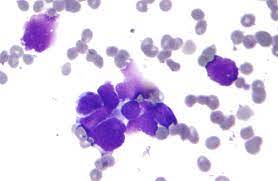
Manuka Honey emerges miracle drug for lung infection if combined with widely used ‘amikacin’

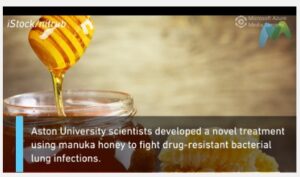
A potential new treatment combining natural manuka honey with a widely used drug has been developed by scientists at Aston University to treat a potentially lethal lung infection and greatly reduce side effects of one of the current drugs used for its treatment.

Manuka honey can also be used to help treat wounds, injuries, improve oral health, soothe a sore throat and treat ulcers. The findings are published in the journal Microbiology.

The scientists in the Mycobacterial Research Group in the College of Health and Life Sciences at Aston University were able to combine manuka honey and the drug amikacin in a lab-based nebulisation formulation to treat the harmful bacterial lung infection Mycobacterium abscessus, said lead author and PhD researcher Victoria Nolan.

Manuka honey is long known to have wide ranging medicinal properties, but more recently has been identified for its broad spectrum antimicrobial activity. Now scientists have found that manuka honey has the potential to kill a number of drug resistant bacterial infections such as Mycobacterium abscessus – which usually affects patients with cystic fibrosis (CF) or bronchiectasis.

Manuka honey could help to clear deadly drug-resistant lung infection – research/Photo:Microbiology Society

According to the Cystic Fibrosis Trust, CF is a genetic condition affecting around 10,800 people – one in every 2,500 babies born in the UK – and there are more than 100,000 people with the condition worldwide. The NHS defines bronchiectasis  as a long-term condition where the airways of the lungs become widened, leading to a build-up of excess mucus that can make the lungs more vulnerable to infection..

In the study, the researchers used samples of the bacteria Mycobacterium abscessus taken from 16 infected CF patients. They then tested the antibiotic amikacin, combined with manuka honey, to discover what dosage was required to kill the bacteria.

Dr Jonathan Cox, senior lecturer in microbiology, Aston University said: “By combining a totally natural ingredient such as manuka honey with amikacin, one of the most important yet toxic drugs used for treating Mycobacterium abscessus, we have found a way to potentially kill off these bacteria with eight times less drug than before.”

As part of the study the team used a lab-based lung model and nebuliser – a device that produces a fine spray of liquid often used for inhaling a medicinal drug. By nebulising manuka honey and amikacin together, it was found they could improve bacterial clearance, even when using lower doses of amikacin, which would result in less life-changing side-effects to the patient.

In the UK, of the 10,800 people living with CF, Mycobacterium abscessus infects 13% of all patients with the condition. This new approach is advantageous not only because it has the potential to kill off a highly drug resistant infection, but because of the reduced side effects, benefitting quality of life and greatly improving survival chances for infected CF patients.

Mycobacterium abscessus is a bacterial pathogen from the same family that causes tuberculosis, but this bug differs by causing serious lung infections in people (particularly children) with pre-existing lung conditions, such as CF and bronchiectasis, as well as causing skin and soft tissue infections. The bacteria is also highly drug resistant.

Currently, patients are given a cocktail of antibiotics, consisting of 12 months or more of antimicrobial chemotherapy and often doesn’t result in a cure. The dosage of amikacin usually used on a patient to kill the infection is 16 micrograms per millilitre. But the researchers found that the new combination using manuka honey, required a dosage of just 2 micrograms per millitre of amikacin – resulting in a one eighth reduction in the dosage of the drug.

Until now Mycobacterium abscessus has been virtually impossible to eradicate in people with cystic fibrosis. It can also be deadly if the patient requires a lung transplant because they are not eligible for surgery if the infection is present.




Facebook, Instagram addiction in adolescents linked to inequality: Global study of 179,000 children suggests

Adolescents from deprived backgrounds are more likely to report an addiction to Facebook, Instagram, WhatsApp and other social media, according to research published in the peer-reviewed journal Information, Communication and Society.

In the first study of its kind, the findings show a link between economic inequality and problematic use of social network platforms and instant messaging applications. The situation is worse in schools where wealth and social differences exist between classmates.

The authors say the results – based on more than 179,000 schoolchildren in 40 countries – suggest that new strategies are needed on social media use that reduce the impact of deprivation.

Action by policymakers could help limit young people’s dysfunctional or abnormal behaviour, add the authors. These negative patterns include being unable to reduce screen time or lying to friends and family about social media use.

facebook

“These findings indicate the potentially harmful influences of inequality at the individual, school and country level on adolescents’ problematic social media use,” says lead author Michela Lenzi from the University of Padua, Italy, an Associate Professor in psychology.

“Policymakers should develop actions to reduce inequalities to limit maladaptive patterns of social media use by adolescents.”

“As the digital divide continues to close in many countries, economic inequalities persist and remain a robust social determinant of adolescent health and well-being. Schools represent an ideal setting to foster safe and prosocial online behaviours.”

Many young people use social media every day and the benefits to well-being are well-documented, as are the risks.

Problematic social media use (PSMU) is not formally recognised as a behavioural addiction. However, it is regarded as a health issue affecting young people.

Social Media/Photo:indiainternationaltimes

This study aimed to investigate the links between socio-economic inequalities, measured at individual, school and country level, and adolescent PSMU.

In addition, the authors evaluated the role of peer and family support as moderators of these associations.

The findings were based on 179,049 children aged 11, 13 and 15 from 40 countries including most of Europe and Canada. Evidence came from the Health Behaviour in School-aged Children, an international World Health Organization collaborative study carried out every four years.

The researchers asked children to complete questionnaires in order to identify addiction-like behaviour associated with social media. The forms were filled out anonymously while supervised in the classroom by a teacher or trained interviewer.

Any child who reported six or more items was identified as having PSMU. These items included feeling bad when not using social media, trying but failing to spend less time using it, and using social media to escape from negative feelings.

An index based on material assets in the home or family activities was used to calculate scales of deprivation. Items included number of bathrooms, and how many family vacations out of the country in the past year.

The authors measured country wealth, and family/peer social support e.g. degree of help provided from relatives and friends. They also took into account the proportion of the population who used the internet in each country.


Findings showed that adolescents who were relatively more deprived than their schoolmates and attended more economically unequal schools were more likely to report PSMU.

The association with a wealth divide among pupils in the same class was stronger in youths with lower peer support. But a link between country income inequality and PSMU was only found in adolescents reporting low levels of family support.

There may be many reasons for the link between economic deprivation and PSMU. One theory suggested by the authors is that sharing images or videos resonates especially with the more deprived adolescents because they associate them with power and status.

They suggest that school-based prevention efforts might target ‘objective and perceived’ social class differences among schoolmates.

Also key, is increasing peer support which the authors found was a protective factor in the relationship between relative deprivation and PSMU.

Piyush Goyal to attend Indo-Pacific Economic Forum (IPEF) Ministerial meeting in Los Angeles tomorrow

Union Minister of Commerce and Industry, Consumer Affairs, Food and Public Distribution and Textiles, Shri Piyush Goyal will continue his tour of the US and travel to Los Angeles today to attend the first in-person Ministerial meeting of the Indo-Pacific Economic Forum (IPEF), US-India Strategic Partnership Forum (USISPF) meeting and other significant events.

Earlier in the day, Shri Goyal had a luncheon engagement with ‘Indiaspora’.

Interacting with media later in the day, ahead of the IPEF Ministerial, Shri Piyush Goyal said that discussions at IPEF would focus on opening opportunities for the member nations to work in partnership with each other to ensure that particularly during challenges and difficult times, supply chains remain open and business and people of countries don’t suffer because of chaotic conditions like covid and conflict.

Ministry of Commerce/photo:en.wikipedia.org


Terming IPEF as a new and unique initiative and a partnership between rules-based, like-minded countries which have transparent economic systems, Shri Goyal said that IPEF would work to ensure that the Indo-Pacific Region would remain secure and open for business.

Elaborating further, the Minister said that at the IPEF Ministerial, discussions would focus on facilitating open trade, keeping supply chains open. He said that as trading relations with IPEF nations expand, investments, both from and into India, would also get a leg up. All the countries meeting tomorrow have a lot to offer each other in terms of trade, investments and technology and we will work together on all fronts, he added.

Responding to a query, Shri Goyal said that US and India share a very good and strong business relationship. The US is India’s largest trading partner and many Indian companies do a lot of work for their counterparts in America. There is a lot of investment flowing from US to India, he added.

Observing that US and India are getting closer together, the Minister said that the relations between the two nations were strengthening by the day through two Quads now- one with Japan and Australia and another with Israel and UAE. 2 plus 2 ministerial dialogues between India and USA are robust and vibrant and our engagements in several areas including geopolitical and sensitive areas are expanding. The leaders of both countries, the businesses of both countries and the people of both countries are closer than ever before, he added.

Highlighting some of the milestones India has achieved in international engagement such as USD 675 billion worth of foreign trade despite challenges of conflict, inflation, threat of recession and pandemic and record FDI in the last eight years, the Minister expressed confidence that India is and would remain a preferred trading partner and investment destination to the world, thanks to the huge market, honest government and transparent economic policies, rule of law, vibrant media and judiciary. This will improve the well-being of people of India provide jobs, thrust to economic activity and thus growth, he added.

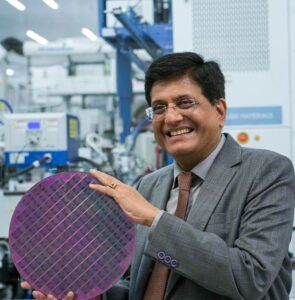
The Minister also engaged with top companies and labs of semiconductor manufacturing and research to explore greater collaboration with Indian companies. He held a meeting with Tim Archer, CEO of Lam Research.

“Building on our pool of young & skilled workforce, discussed how India in collaboration with Lam research, can provide a leading edge in semiconductor innovation”, he tweeted after the meeting.

DRDO, Indian Army test successfully Surface to Air Missiles

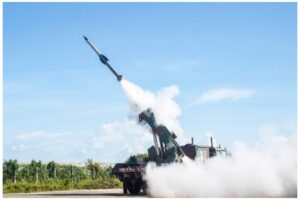
Defence Research and Development Organisation (DRDO) and Indian Army have successfully completed six flight-tests of Quick Reaction Surface to Air Missile (QRSAM) system from Integrated Test Range (ITR) Chandipur off the Odisha coast. The flight tests were conducted as part of evaluation trials by the Indian Army.

The flight-tests were carried out against high-speed aerial targets mimicking various types of threats to evaluate the capability of the weapon systems under different scenarios, including long range medium altitude, short range, high altitude manoeuvring target, low radar signature with receding & crossing target and salvo launch with two missiles fired in quick succession. The system performance was also evaluated under day and night operation scenarios.

During these tests, all the mission objectives were met establishing pin-point accuracy of the weapon system with state-of-the-art guidance and control algorithms including warhead chain. The performance of the system has been confirmed from the data captured by a number of Range instruments like Telemetry, Radar and Electro Optical Tracking Systems (EOTS) deployed by ITR. Senior officials from DRDO and the Indian Army participated in the launches.

These tests were conducted in the final deployment configuration consisting of all indigenously-developed sub-systems, including the missile with indigenous Radio Frequency (RF) seeker, mobile launcher, fully automated command and control system, surveillance and multi-function Radars. The uniqueness of the QRSAM weapon system is that it can operate on the move with search and track capability & fire on short halt. This has been proven during the mobility trials conducted earlier.

Raksha Mantri Shri Rajnath Singh has complimented DRDO and Indian Army on the successful flight trials. He exuded confidence that the QRSAM weapon system will be an excellent force multiplier for the Armed Forces.

Secretary, Department of Defence R&D and Chairman DRDO has congratulated the teams associated with the successful series of trials and said that the system is now ready for induction into the Indian Army.

Award Of Meritorious service medal(military) to Admiral Sunil Lanba(Retd) by Singapore Govt

Singapore President  Halimah Yacob conferred the prestigious Pingat Jasa Gemilang (Tentera) [Meritorious Service Medal (Military)] on Admiral Sunil Lanba (Retd), the former Chief of Naval Staff, Indian Navy. Dr Ng Eng Hen, Defence Minister of Singapore presented the award to Admiral Sunil Lanba (Retd), on behalf of the President, in a solemn Investiture Ceremony, held on 08 Sep 22 at the Ministry of Defence, Singapore.

The award is a recognition of strong bilateral defence ties between India and Singapore as well as stellar contribution of Adm Sunil Lanba to strengthen the engagements between the two Navies. During his tenure as the Chief of Naval Staff, the Indian Navy hosted the 25th edition of Singapore-India Maritime Bilateral Exercise (SIMBEX) at Visakhapatnam in Oct 2018. Adm Sunil Lanba (Retd) fondly recalled having hosted Dr Ng Eng Hen, Defence Minister of Singapore along with Rear Adm Lue Chuan Hong, the then Chief of Navy, Republic of Singapore Navy onboard INS Shakti for the concluding day of the Sea Phase of the Exercise. During the sea phase the Defence Minister of Singapore and other dignitaries witnessed, first hand, the level of interoperability achieved by the two Navies wherein high end operational manoeuvres including live missile firings were executed successfully by participating ships, aircraft and submarines of both navies.

Under the leadership of Adm Sunil Lanba, several milestone defence agreements were also signed between the two Navies, including the Bilateral Agreement on Navy Cooperation and Mutual Logistics Support Agreement. Adm Lanba also hosted the inaugural Goa Maritime Conclave in 2017, in which Singapore is one of the participants. During his term as the Chief of Naval Staff, Adm Lanba had attended the International Maritime Review (IMR) commemorating the 50th Anniversary of the Republic of Singapore Navy (RSN), the International Maritime and Defence Expo (IMDEX) and the International Maritime Security Conference, co-hosted by the RSN alongside IMDEX-Asia in May 2017.

During his visit to Singapore to receive the Award, Adm Sunil Lanba (Retd) also held interactions with Lt Gen Melvyn Ong, Chief of Defence Force, Singapore Armed Forces and Rear Adm Aaron Beng, Chief of Navy, Republic of Singapore Navy. During these interactions, Adm Lanba complimented the leadership of Singapore for sustaining the momentum of bilateral engagements and shared views on new avenues of cooperation.

iPhone 14 Pro and iPhone 14 Pro Max push boundaries for cameras, sensors

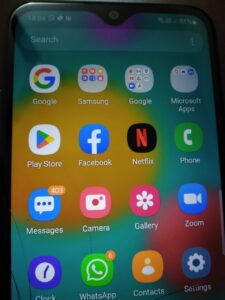
Powered by A16 Bionic, the fastest chip ever in a smartphone, iPhone 14 Pro introduces a new class of pro camera system, with the first-ever 48MP Main camera on iPhone featuring a quad-pixel sensor, and Photonic Engine, an enhanced image pipeline that dramatically improves low-light photos.

These features help make iPhone more useful for everyday tasks and creative projects. Both models include a new Super Retina XDR display with ProMotion that features the Always-On display, enabled by a new 1Hz refresh rate and multiple power-efficient technologies.

The pro camera system on iPhone 14 Pro and iPhone 14 Pro Max pushes the boundaries of what’s possible in a smartphone, empowering every user — casual or professional — to capture the best photos and video.

The pro camera system on iPhone 14 Pro and iPhone 14 Pro Max takes computational photography even further with the introduction of Photonic Engine, improving mid- to low-light performance across all cameras through a deep integration of hardware and software.

iPhone 14 Pro takes computational photography even further with Photonic Engine, offering a giant leap for mid- to low-light performance in photos across all cameras through a deep integration of hardware and software: up to 2x on the Main camera, up to 3x on the Ultra Wide camera, up to 2x on the Telephoto camera, and up to 2x on the TrueDepth camera.

Photonic Engine enables this dramatic increase in quality by applying Deep Fusion earlier in the imaging process to deliver extraordinary detail, and preserve subtle textures, provide better color, and maintain more information in a photo.

The new 48MP Main camera allows users to go beyond the three fixed lenses, adding a new 2x Telephoto option that offers a familiar focal length that’s great for Portrait mode.

New Camera features

For the first time ever, the Pro lineup features a new 48MP Main camera with a quad-pixel sensor that adapts to the photo being captured, and features second-generation sensor-shift optical image stabilization. For most photos, the quad-pixel sensor combines every four pixels into one large quad pixel equivalent to 2.44 µm, resulting in amazing low-light capture and keeping photo size at a practical 12MP.

The quad-pixel sensor also enables a 2x Telephoto option that uses the middle 12 megapixels of the sensor for full-resolution photos and 4K videos with no digital zoom. This delivers optical quality at a familiar focal length, which is great for features like Portrait mode.

Greg Joswiak, Apple’s senior vice president of Worldwide Marketing said during the launching event: “Groundbreaking safety capabilities bring users even more security, offering help when they need it most. And with the incredibly powerful and efficient A16 Bionic chip and all-day battery life, this is the best iPhone yet.”

iphone 14 pro

The quad-pixel sensor also brings benefits to pro workflows, optimizing for detail in ProRAW. And with a new machine learning model designed specifically for the quad-pixel sensor, iPhone now shoots ProRAW at 48MP with an unprecedented level of detail, enabling new creative workflows for pro users.

The quad-pixel sensor on the 48MP Main camera brings benefits to pro workflows, optimizing for detail in ProRAW and allowing for an unprecedented level of detail.

Extra pro camera features:

  • A new 12MP Ultra Wide camera with 1.4 µm pixels, which delivers sharper images with more detail, improving already powerful macro photography capabilities.
  • An improved Telephoto camera that offers 3x optical zoom.
  • A new front TrueDepth camera with an ƒ/1.9 aperture that enables better low-light performance for photos and video.
  • Using autofocus for the first time, it can focus even faster in low light and capture group shots from farther away.
  • A new Adaptive True Tone flash that has been completely redesigned with an array of nine LEDs that change pattern based on the chosen focal length.
  • Powerful computational photography benefits like Night mode, Smart HDR 4, Portrait mode with Portrait Lighting, Night mode Portrait photos, Photographic Styles to personalize the look of every photo, and Apple ProRAW.
  • A new Action mode for incredibly smooth-looking video that adjusts to significant shakes, motion, and vibrations, even when video is being captured in the middle of the action.

  • Cinematic mode, now available in 4K at 30 fps and 4K at 24 fps.
  • Pro-level workflows for video, including ProRes3 and end-to-end Dolby Vision HDR.
  • A new Action mode allows for incredibly smooth-looking video that adjusts to significant shakes, motion, and vibrations, even when video is being captured in the middle of the action.
  • A new Action mode for incredibly smooth-looking video that adjusts to significant shakes, motion, and vibrations, even when video is being captured in the middle of the action.
  • Cinematic mode, now available in 4K at 30 fps and 4K at 24 fps.
  • Pro-level workflows for video, including ProRes3 and end-to-end Dolby Vision HDR.
  • A new Action mode allows for incredibly smooth-looking video that adjusts to significant shakes, motion, and vibrations, even when video is being captured in the middle of the action.


iPhone 14 Pro, iPhone 14 Max come with new design and display: Insights

The newly-launched iPhone 14 Pro and iPhone 14 Pro Max have certain new features worth to take note of such as the first-ever 48MP camera, the Always-On display, new SoS connectivity via satellite, and other safety capabilities.

Powered by A16 Bionic, the fastest chip ever in a smartphone, iPhone 14 Pro introduces a new class of pro camera system, with the first-ever 48MP Main camera on iPhone featuring a quad-pixel sensor, and Photonic Engine, an enhanced image pipeline that dramatically improves low-light photos.

These features help make iPhone more useful for everyday tasks, for emergency situations with SOS via satellite and Crash Detection, said the company. To be available in four colors — deep purple, silver, gold, and space black — pre-orders will begin Friday, September 9, with availability beginning Friday, September 16.

“Our customers count on their iPhone every day, and with iPhone 14 Pro and iPhone 14 Pro Max, we’re delivering more advancements than any other iPhone,” said Greg Joswiak, Apple’s senior vice president of Worldwide Marketing.

Design and Display

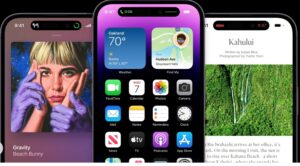
iPhone 14 Pro and iPhone 14 Pro Max feature a surgical-grade stainless steel and textured matte glass design in four colors. Available in 6.1-inch and 6.7-inch sizes,1 both models include a new Super Retina XDR display with ProMotion that features the Always-On display for the first time, enabled by a new 1Hz refresh rate and power-efficient technologies.

Apple said the feature makes the new Lock Screen even more useful, keeping the time, widgets, and Live Activities available at a glance. The advanced display also brings the same peak HDR brightness level as Pro Display XDR, and the highest outdoor peak brightness in a smartphone: up to 2000 nits, which is twice as bright as iPhone 13 Pro.

Always-On Display

Both models include a new Super Retina XDR display with ProMotion that features the Always-On display, enabled by a new 1Hz refresh rate and multiple power-efficient technologies.

Both iPhone 14 Pro and iPhone 14 Pro Max offer features with the Ceramic Shield front cover — tougher than any smartphone glass — and are protected from common spills and accidents with water and dust resistance.

Dynamic Island

The Dynamic Island enables new ways to interact with iPhone, featuring a design that blends the line between hardware and software, adapting in real time to show important alerts, notifications, and activities. With the introduction of the Dynamic Island, the TrueDepth camera has been redesigned to take up less of the display area.

Without impeding content on the screen, the Dynamic Island maintains an active state to allow users easier access to controls with a simple tap-and-hold. Ongoing background activities like Maps, Music, or a timer remain visible and interactive, and third-party apps in iOS 16 that provide information like sports scores and ride-sharing with Live Activities can take advantage of the Dynamic Island.

The Dynamic Island blurs the line between hardware and software, fluidly expanding into different shapes to clearly convey important activities like Face ID authentication.

iPhone 14 Pro and iPhone 14 Pro Max launched; Features, Specs, Price and Availability

Finally, Apple today has iPhone 14 Pro and iPhone 14 Pro Max, the most advanced Pro lineup ever featuring the Always-On display, the first-ever 48MP camera on iPhone, Crash Detection, Emergency SOS via satellite, and a new way to receive notifications and activities with the Dynamic Island.

iPhone 14 Pro and iPhone 14 Pro Max represent features like the Dynamic Island, the first-ever 48MP camera on iPhone, the Always-On display, and safety capabilities, sid Apple at the livestreamed launch event.

iphone 14 pro

“Our customers count on their iPhone every day, and with iPhone 14 Pro and iPhone 14 Pro Max, we’re delivering more advancements than any other iPhone,” said Greg Joswiak, Apple’s senior vice president of Worldwide Marketing at the launch event.

“Groundbreaking safety capabilities bring users even more security, offering help when they need it most. And with the incredibly powerful and efficient A16 Bionic chip and all-day battery life, this is the best iPhone yet,” he said.
Powered by A16 Bionic, the fastest chip ever in a smartphone, iPhone 14 Pro introduces a new class of pro camera system, with the first-ever 48MP Main camera on iPhone featuring a quad-pixel sensor, and Photonic Engine, an enhanced image pipeline that dramatically improves low-light photos.

These features help make iPhone more useful for everyday tasks, creative projects, and now even emergency situations with features such as Emergency SOS via satellite and Crash Detection, said the company.

iPhone 14 Pro and iPhone 14 Pro Max will be available in four colors — deep purple, silver, gold, and space black. Pre-orders begin Friday, September 9, with availability beginning Friday, September 16 online and at Apple stores worldwide.


iPhone 14 launched; Pricing and Availability

The newly launched iPhone 14 Pro and iPhone 14 Pro Max will be available in deep purple, silver, gold, and space black in 128GB, 256GB, 512GB, and 1TB storage capacities.

Customers in Australia, Canada, China, France, Germany, India, Italy, Japan, Saudi Arabia, Singapore, Spain, Thailand, the UAE, the UK, the US, and 30 other countries and regions will be able to pre-order iPhone 14 Pro and iPhone 14 Pro Max beginning at 5 a.m. PDT on Friday, September 9, with availability beginning Friday, September 16.

iPhone 14 Pro and iPhone 14 Pro Max will be available in Malaysia, Turkey, and 20 other countries and regions beginning Friday, September 23.

iphone 14 pro

Emergency SOS via satellite will be available starting in the US and Canada in November, and the service will be included for free for two years with the activation of iPhone 14 Pro and iPhone 14 Pro Max.

Customers can get iPhone 14 Pro for $41.62 (US) a month for 24 months or $999 (US) before trade-in, and iPhone 14 Pro Max for $45.79 (US) a month for 24 months or $1,099 (US) before trade-in from apple.com/store, in the Apple Store app, and at Apple Store locations. iPhone 14 Pro and iPhone 14 Pro Max are also available through Apple Authorized Resellers and select carriers.

Customers can save up to $1,000 (US) on iPhone 14 Pro and iPhone 14 Pro Max with trade-in directly from apple.com/store or at an Apple Store when they activate it with select US carriers. Terms apply. For eligibility requirements and more details, see apple.com/shop/buy-iphone/carrier-offers.

Customers in the US can get ready for iPhone 14 Pro and iPhone 14 Pro Max pre-orders until 10 p.m. PDT on Thursday, September 8, by visiting apple.com/store or using the Apple Store app. They can choose to pay monthly or in full, add a trade-in credit toward their new product, or upgrade through the iPhone Upgrade Program.

iOS 16 will be available as a free software update on Monday, September 12.

Customers who purchase iPhone 14 Pro and iPhone 14 Pro Max will receive three months of Apple Arcade with a new subscription.

Leather Wallet with MagSafe and iPhone 14 Pro and iPhone 14 Pro Max Leather Cases will be available in five new colors: midnight, forest green, ink, umber, and orange.

iPhone 14 Pro and iPhone 14 Pro Max Clear Case and Silicone Cases will be available in midnight, storm blue, red, chalk pink, lilac, elderberry, succulent, and sunglow.

More than 1.1 million sea turtles poached over last three decades: Study

One of the most serious threats to wildlife biodiversity, in addition to the climate crisis, is the illegal killing and trafficking of animals and plants. Despite many laws against the black-market wildlife trade, it is considered to be one of the most lucrative illicit industries in the world.

Animals, especially endangered and threatened species, are often exploited and sold for their pelts or used as medicine, aphrodisiacs, curios, food and spiritual artifacts.

In a new study published in Global Change Biology, Arizona State University researchers estimate that more than 1.1 million sea turtles have been illegally killed and, in some cases, trafficked between 1990 and 2020. Even with existing laws prohibiting their capture and use, as many as 44,000 sea turtles were exploited each year over the past decade in 65 countries or territories and in 44 of the world’s 58 major sea turtle populations.

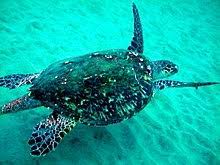
Hawksbills turtle/Photo:en.wikipedia.org

Despite the seemingly large number of poached turtles, the study shows that the reported illegal exploitation of sea turtles declined by approximately 28% over the last decade —something that surprised the researchers. They initially expected to see an overall increase in reported poaching.

“The decline over the past decade could be due to increased protective legislation and enhanced conservation efforts, coupled with an increase in awareness of the problem or changing local norms and traditions,” says Kayla Burgher, co-first author of the study and a doctoral student in ASU’s environmental life sciences program in the School of Life Sciences.

In addition to the slight decline, the researchers found that most of the reported illegal exploitation over the past decade occurred in large, stable and genetically diverse sea turtle populations.

Jesse Senko, co-first author of the study and an assistant research professor with the ASU School for the Future of Innovation in Society says this discovery may be a silver lining to the high number of turtles illegally exploited. “What this means is that most of these sea turtles came from healthy, low-risk populations, which suggests that, with a few exceptions, current levels of illegal exploitation are likely not having a major detrimental impact on most major sea turtle populations throughout the world’s oceans.”

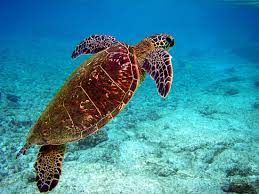
Sea turtle/Photo:en.wikipedia.org

Our assessment also did not include eggs or turtle products, such as bracelets or earrings made from sea turtle shells that could not be easily attributed to individual turtles,” says Senko.

The study revealed additional patterns and trends that may assist in determining conservation management priorities. For example, Vietnam was the most common country of origin for illegal sea turtle trafficking, while China and Japan served as destinations for nearly all trafficked sea turtle products. Similarly, Vietnam to China was the most common trade route across all three decades.

Across the 30-year study period, 95% of poached sea turtles came from two species — green and hawksbill turtles — both of which are listed under the U.S. Endangered Species Act. Also, Southeast Asia and Madagascar emerged as major hotspots for illegal sea turtle take and trade, particularly for critically endangered hawksbills, which are prized in the illicit wildlife trade for their beautiful shells.

“Our assessment is an important foundation for future research and outreach efforts regarding illegal sea turtle exploitation. We believe this study can help conservation practitioners and legislators prioritize conservation efforts and allocate their resources to best help protect sea turtle populations from harmful levels of exploitation worldwide,” says Burgher.

The research team says much more needs to be done to sustain global biodiversity.

“Increased support for governments lacking the resources to protect sea turtles is needed, along with support for communities to sustain human well-being in the face of restrictions or bans on sea turtle exploitation. We must develop conservation strategies that benefit both people and turtles,” says Senko.

Giraffes, parrots, oak trees, cacti among many species facing extinction

It may be surprising to learn that even giraffes, parrots, and oak trees are included in the list of threatened species, as well as cacti and seaweed.

Seaweed is one of the planet’s great survivors, and relatives of some modern-day seaweed can be traced back some 1.6 billion years. Seaweed plays a vital role in marine ecosystems, providing habitats and food for marine lifeforms, while large varieties – such as kelp – act as underwater nurseries for fish.

However, mechanical dredging, rising sea temperatures and the building of coastal infrastructure are contributing to the decline of the species.

The world’s trees are threatened by various sources, including logging, deforestation for industry and agriculture, firewood for heating and cooking, and climate-related threats such as wildfires.

Unsplash/Shane Stagner.
Kelp, a type of seaweed, can be fed to animals and could help to reduce greenhouse gas emissions.

It has been estimated that 31 per cent of the world’s 430 types of oak are threatened with extinction, according to the International Union for Conservation of Nature (IUCN) Red List of threatened species. And 41 per cent are of “conservation concern”, mainly due to deforestation for agriculture and fuel for cooking.

Giraffes are targeted for their meat, and suffer from the degradation of their habitat due to unsustainable wood harvesting, and increased demand for agricultural land; it’s estimated there are only around 600 West African giraffes left in the wild.

28-ft statue of Netaji to grace vacant canopy at India Gate tomorrow

A grand statue of Netaji Subhas Chandra Bose, will be unveiled on 8th of September 2022 near India Gate in New Delhi in a jet black granite stone measuring 28 ft. under the Canopy near India Gate, which had King George’s statue originally.

Ever since the plan to install King George V statue by the British was scrapped owing to controversy, the canopy remained vacant. There was a move to install Mahatma Gandhi statue during the late 1980s but opposition from some circles that the Republic Day parade carrying arms and ammunition go against the Mahatma’s message of peace reigned on the government to reject the plan.

India Gate canopy in the 1940s had King George V statue but was removed later.

Finally, the canopy will have the grand statue of Netaji being unveiled on Sept 8, 2022, heralding a befitting tribute to the Indian National Army hero, who fought for Indian freedom based in Japan and Singapore. The statue has been carved from a monolithic block of granite weighing 280 MT after spending 26,000 man hours of intense artistic endeavor and the final statue weighing 65 MT will greet the visitors to India gate in New Delhi now.

The statue is completely hand sculpted using traditional techniques and modern tools under a team of sculptors led by Arun Yogiraj.

The statue of Netaji Subhas Chandra Bose will be unveiled by the Prime Minister in the same place where a hologram statue of Netaji was unveiled earlier this year on Parakram Diwas (January 23) by him to mark the 125th birth anniversary of Netaji.

Netaji Subhas Chandra Bose inspecting Indian National Army

The 28 feet tall towering statue of Netaji is one of the tallest, realistic, monolithic, handmade sculptures in India.  A 100 feet long truck with 140 wheels was specially designed for this monolithic granite stone to travel the 1665-km distance from Khammam in Telangana to New Delhi.

Details of Netaji statue unveiling ceremony:

  • The  unveiling event at the canopy will begin with traditional Manipuri Shankh Vadayam and Kerala’s traditional Panch Vadayam and Chanda.  The unveiling of the statue of Netaji would be accompanied to the tune of Kadam Kadam Badhaye jaa, the traditional INA song.
  • To demonstrate the spirit of Ek Bharat – Shrestra Bharat & Unity in Diversity a cultural festival by 500 dancers drawn from all parts of the country, would be showcased on the Kartvya Path.
  • The glimpse of the same would be shown to the  Prime Minster on the step Amphitheatre near India Gate by around 30 artists who will perform tribal folk art forms such as Sambalpuri, Panthi, Kalbelia, Kargam and dummy horse with live music  by Nashik Dhol Pathik Tasha and Drums.
  • Mangalgaan penned by Pandit Shrikrishna Ratanjankarji on the auspicious occasion of 1st Independence Day of India in 1947 is being presented by Pandit Suhas Vashi along with a team of singers and musicians. Ashish Keskar will be the music director for the presentation.
  • The festival at renamed Kartvya Path (old Raj Path) would commence at 08.45 PM on 8th September, 2022 after the main function and will continue on 9th, 10, & 11th September, 2022 from 7.00 PM to 9.00 PM.
  • A special 10 minute Drone Show on Netaji’s life would be projected at India Gate at 08.00 PM on 9th, 10th & 11th September, 2022.  Both the cultural festival and the drone show would be open to public with free entry.


How can twins share DNA from two fathers? One in a million case baffles doctors

A Portugal woman has revealed recently that her twin children has DNA of both sex partners with whom she had sex on the same day.

Now one year and four months old, these twins were tested for their DNA and the doctors were surprised to see that both of them had the DNA of both fathers.

The woman, who preferred not to be identified, said after having sex with them on the same day, she became pregnant with the twins. The woman hails from the town of Mineiros in the state of Goias in Portugal.

What’s heteroparental superfecundation?

The case has become what the medical doctors said was the rarest of the rare 20th case of ‘heteroparental superfecundation’ ever recorded in the world.

Representational picture of twins / https://www.womenshealth.gov/

It means a pregnancy that produces twins with two different fathers. Dr Tulio Jorge Franco, who has been studying the unusual pregnancy since the beginning said, “two eggs from the same mother are fertilized by different men. The babies share the mother’s genetic material, but they grow in different placentas”.

According to Jason Kasraie, the chair of the Association of Clinical Embryologists, a woman can release two eggs at the same time. Since sperm can survive for a few days in the female reproductive tract, loitering in the corner of the womb and the fallopian tube, it would be possible to have sex with one father-to-be in advance of the egg being released, and another just after ovulation.” Or it could be possibel when the woman releases two eggs a few days apart but in the same reproductive cycle.

It was realized only when one boy’s DNA did not fully match with the father, one of the two men who fathered the twins. The woman recollected: “I remembered that I had had sex with another man and called him to take the test, which was positive… I was surprised by the results. I didn’t know this could happen and the babies are very similar.”

However, the birth certificate of both of them is in the name of one father and “he takes care of both of them, helps me a lot and gives them all the necessary support that they need,” she told media.

Doctor confirms

Dr Tulio Jorge Franco recently confirmed the details in a talk with the Portuguese news outlet G1. “Two eggs from the same mother are fertilized by different men. The babies share the mother’s genetic material, but they grow in different placentas,” he explained.

He further added that it is an extremely rare case that happens once in a million. “I never imagined that I would see such a case in my life,” he noted.

India’s first Nasal Vaccine against COVID- 19 gets nod for emergency use

Department of Biotechnology (DBT) and its PSU, Biotechnology Industry Research Assistance Council (BIRAC) has announced approval from DCGI for emergency use authorization first of its kind intranasal COVID-19 Vaccine to Bharat Biotech (BBIL).

Supported by DBT and BIRAC under the aegis of Mission COVID Suraksha, the mission was launched by DBT and implemented by BIRAC to reinforce and accelerate COVID-19 vaccine development efforts. Scientific leadership at various levels of vaccine development was provided by DBT laboratories and BIRAC. This is the fourth success story for the Covid-19 vaccine under mission Covid Suraksha.

BBV154 is an intranasal replication-deficient chimpanzee adenovirus SARS-CoV-2 vectored vaccine. It consists of a replication deficient ChAd vector expressing the stabilized Spike SARS-CoV-2 (Wuhan variant).

DBT’s Autonomous Institute, National Institute of Immunology (NII), New Delhi utilized their “Human Immune Monitoring and T-cell Immunoassay Platform” to examine the vaccine-induced SARS-CoV-2-specific systemic and mucosal cellular immune responses the trial participants.

Interactive Research School for Health Affairs (IRSHA), Pune completed the Plaque Reduction Neutralization Assay (PRNT) to quantify the neutralizing antibody for the virus from three trial sites.

Covid Suraksha

Dr Rajesh S Gokhale, Secretary, DBT, and Chairperson, BIRAC speaking on the subject said that “The Department through Mission COVID Suraksha, is committed to the development of safe and efficacious COVID-19 vaccines.

BBV154 COVID Vaccine is the first intranasal vaccine approved by DCGI for primary immunization against COVID-19 in the 18+ age group for restricted use in emergency situation being developed in the country under Mission COVID Suraksha and adds to India’s COVID-19 vaccine series.

“This is an excellent example of Aatmanirbharta initiative of the Government of India. I congratulate our scientists for partnering with Bharat Biotech and providing scientific leadership throughout the development of first intranasal COVID-19 vaccine,” said Gokhale.

Karnataka Minister Umesh Katti passes away, state declares mourning; Modi condoles

Karnataka Food and Civil Supplies Minister Umesh Vishwanath Katti aged 61 passed away due to cardiac arrest in Bengaluru on Tuesday night.
The State declared one day mourning.

Prime Minister, Narendra Modi has expressed deep grief on the demise of Karnataka Minister, Umesh Katti.

The Prime Minister tweeted;

“Shri Umesh Katti Ji was an experienced leader who made rich contributions to Karnataka’s development. Pained by his demise. My thoughts are with his family and supporters in this tragic hour. Om Shanti.”

President to launch TB Mukt Bharat initiative, target 2025

President Droupadi Murmu will virtually launch the TB Mukt Bharat Abhiyaan on Friday to reinvigorate the mission of TB elimination from the country by 2025.

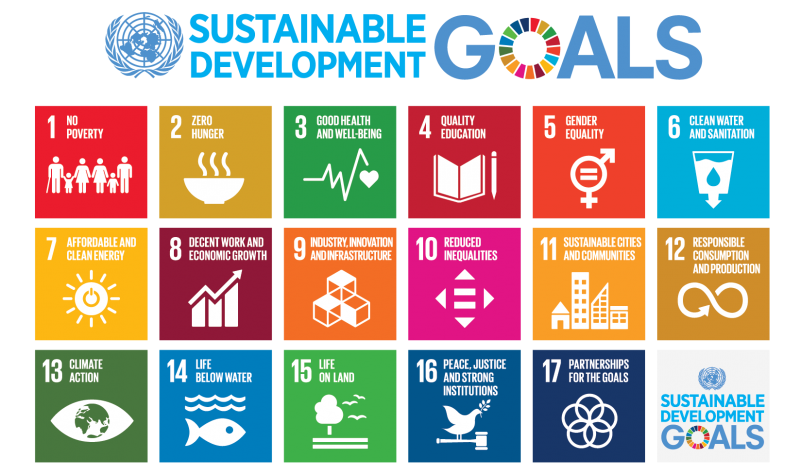
Following the government’s initiative to end Tuberculosis or TB in the country five years ahead of Sustainable Development Goals (SDG) target of 2030 by the United Nations, the Abhiyaan will be launched in presence of Mansukh Mandaviya, Union Minister of Health and Family Welfare and other officials.

The virtual event will be attended by representatives from State and district health administration, corporates, industries, civil society and NGOs as the country reiterates the commitment towards TB elimination by 2025.

The TB Mukt Bharat Abhiyaan has been envisioned to bring together all community stakeholders to support those on TB treatment and accelerate the country’s progress towards TB elimination.

The President will also launch the Ni-kshay Mitra initiative which forms a vital component of the Abhiyaan. The Ni-kshay Mitra  portal provides a platform for donors to provide various forms of support to those undergoing TB treatment. The three pronged support includes nutritional, additional diagnostic, and vocational support.

The launch event aims to highlight the need for a societal approach that brings together people from all backgrounds to achieve the ambitious target of eliminating TB from the country by 2025, ahead of the SDG targets set by the UN.

SDG target to eliminate TB

Tuberculosis is an infectious bacterial disease caused by Mycobacterium tuberculosis, which most commonly affects the lungs. In June 2022, WHO’s Director-General Dr Tedros Adhanom Ghebreyesus held a dialogue with WHO’s Civil Society Task Force on Tuberculosis (CSTF-TB) sought to support the rapid adoption of WHO guidelines at country level.

It has called upon nations to increase access to the best evidence-based interventions for people and communities affected by TB, including prevention, detection and treatment of people with TB and related comorbidities, with the involvement of civil society and affected communities.

30 Doradus: Thousands of stunning young stars in “cosmic tarantula”captured by James Webb telescope

Thousands of never-before-seen young stars spotted in a stellar nursery called 30 Doradus, captured by NASA’s James Webb Space Telescope, called Tarantula Nebula owing to its appearance in dusty filaments.

The nebula has long been a favorite for astronomers studying star formation and the  Webb has been revealing beautiful distant background galaxies, as well as the detailed structure and composition of the nebula’s gas and dust ever since it’s started capturing the deep space.

At only 161,000 light-years away in the Large Magellanic Cloud galaxy, the Tarantula Nebula is the largest and brightest star-forming region in the Local Group, the galaxies nearest our Milky Way. It is home to the hottest, most massive stars known. Astronomers focused three of Webb’s high-resolution infrared instruments on the Tarantula. Under the lens of Webb’s Near-Infrared Camera (NIRCam), the region resembles a burrowing tarantula’s home, lined with its silk.

The nebula’s cavity centered in the image above has been hollowed out by blistering radiation from a cluster of massive young stars, which sparkle pale blue in the image. Only the densest surrounding areas of the nebula resist erosion by these stars’ powerful stellar winds, forming pillars that appear to point back toward the cluster. These pillars contain forming protostars, which will eventually emerge from their dusty cocoons and take their turn shaping the nebula.

Caption: Nestled in the center of the Tarantula Nebula in the Large Magellanic Cloud is the largest star yet discovered, astronomers have produced the sharpest image ever of this star.  Photo:Observatory/NOIRLab/NSF/AURA Acknowledgment

Webb’s Near-Infrared Spectrograph (NIRSpec) caught one very young star doing precisely emerging out of the dust. Astronomers previously thought this star might be a bit older and already in the process of clearing out a bubble around itself. However, NIRSpec showed that the star was only just beginning to emerge from its pillar and still maintained an insulating cloud of dust around itself. Without Webb’s high-resolution spectra at infrared wavelengths, this episode of star formation-in-action could not have been revealed.

The region takes on a different appearance when viewed in the longer infrared wavelengths detected by Webb’s Mid-infrared Instrument (MIRI). The hot stars fade, and the cooler gas and dust glow. Within the stellar nursery clouds, points of light indicate embedded protostars, still gaining mass.

While shorter wavelengths of light are absorbed or scattered by dust grains in the nebula, and therefore never reach Webb to be detected, longer mid-infrared wavelengths penetrate that dust, ultimately revealing a previously unseen cosmic environment.

Caption: NASA’s James Webb Space Telescope

One of the reasons the Tarantula Nebula is interesting to astronomers is that the nebula has a similar type of chemical composition as the gigantic star-forming regions observed at the universe’s “cosmic noon,” when the cosmos was only a few billion years old and star formation was at its peak. Star-forming regions in our Milky Way galaxy are not producing stars at the same furious rate as the Tarantula Nebula, and have a different chemical composition.

Caption: In this mosaic image displays the Tarantula Nebula star, including tens of thousands of never-before-seen young stars that were previously shrouded in cosmic dust. The most active region appears to sparkle with massive young stars, appearing pale blue./Photo:NASA

This makes the Tarantula the closest (i.e., easiest to see in detail) example of what was happening in the universe as it reached its brilliant high noon. Webb will provide astronomers the opportunity to compare and contrast observations of star formation in the Tarantula Nebula with the telescope’s deep observations of distant galaxies from the actual era of cosmic noon.


Boosting physical activity/curbing sitting time likely to lower breast cancer risk:Mendelian randomisation study reveals

Boosting physical activity levels and curbing sitting time are highly likely to lower breast cancer risk, finds research designed to strengthen proof of causation and published online in the British Journal of Sports Medicine.

The findings were generally consistent across all types and stages of the disease, reveals the Mendelian randomisation study, prompting the researchers to recommend a stronger focus on exercise as a way of warding off breast cancer.

Mendelian randomisation is a technique that uses genetic variants as proxies for a particular risk factor—in this case lifelong physical activity levels/sedentary behaviour—to obtain genetic evidence in support of a causal relationship.

Exercise/Photo:en.wikipedia.org

Observational studies show that physical inactivity and sedentary behaviour are linked to higher breast cancer risk, but proving they cause breast cancer is another matter.

The researchers therefore used Mendelian randomisation to assess whether lifelong physical activity and sitting time might be causally related to breast cancer risk in general, and specifically to different types of tumour.

They included data from 130,957 women of European ancestry: 69, 838 of them had tumours that had spread locally (invasive); 6667 had tumours that hadn’t yet done so (in situ); and a comparison group of 54,452 women who didn’t have breast cancer.

Exercise-Yoga/Photo:en.wikipedia.org

The researchers then drew on previously published studies that had used the vast repository of UK Biobank data on potential genetic explanations for overall predisposition to physical activity, vigorous physical activity, or sitting time—as measured by wrist-worn activity trackers—to genetically predict how physically active or inactive their own study participants were.

Next, the researchers estimated overall breast cancer risk, according to whether the women had or hadn’t gone through the menopause; and by cancer type,stage (size and extent of tumour spread), and grade (degree of tumour cell abnormality).

Analysis of the data showed that a higher overall level of genetically predicted physical activity was associated with a 41% lower risk of invasive breast cancer, and this was largely irrespective of menopausal status, tumour type, stage, or grade.

Similarly, genetically predicted vigorous physical activity on 3 or more days of the week was associated with a 38% lower risk of breast cancer, compared with no self-reported vigorous activity. These findings were consistent across most of the case groups.

cancer cells/photo:en.wikipedia.org

Finally, a greater level of genetically predicted sitting time was associated with a 104% higher risk of triple negative breast cancer. These findings were consistent across hormone-negative tumour types.

The findings were unchanged after factoring in the production by a single gene of two or more apparently unrelated effects (pleiotropy), such as smoking and overweight, for example.

There are plausible biological explanations for their findings, say the researchers, who point to a reasonable body of evidence indicating numerous causal pathways between physical activity and breast cancer risk, such as overweight/obesity, disordered metabolism, sex hormones, and inflammation.

“Mechanisms linking sedentary time and cancer are likely to at least partially overlap with those underpinning the physical activity relationship,” suggest the researchers.

Their findings provide “strong evidence” that more overall physical activity and less sitting time are likely to reduce breast cancer risk, they say.

And they conclude: “Increasing physical activity and reducing sedentary time are already recommended for cancer prevention. Our study adds further evidence that such behavioural changes are likely to lower the incidence of future breast cancer rates.

“A stronger cancer-control focus on physical activity and sedentary time as modifiable cancer risk factors is warranted, given the heavy burden of disease attributed to the most common cancer in women.”

Eating behavior of parents plays key role in child’s emotional eating

Emotional eating, or eating as a coping mechanism for negative, positive, or stress-driven emotions, is associated with unhealthy dietary patterns and weight gain. A research article featured in the Journal of Nutrition Education and Behavior, published by Elsevier, discusses adolescent vulnerability to emotional eating and how various feeding practices used by parents, such as restriction, food as reward, and child involvement, influence eating behavior.

“Emotional eating was previously found to be more learned than inherited. This study examined not only the interaction between parents when feeding their children, but also what children learned from watching their parents eat,” said lead author Joanna Klosowska, MSc, Department of Public Health and Primary Care, Ghent University, Ghent, Belgium.

Eating/Photo:en.wikipedia.org

Over the four years between 2013 −2017, covering the time from late childhood to middle adolescence, changes occurred in some parental practices. Parents reported higher monitoring and healthy modeling feeding practices, while the reported levels of food restriction and the healthy environment remained unchanged. During the same time period, adolescents reported a considerable increase in emotional eating from below the average in 2013 to above the average in 2017, according to the norms for the Dutch population. Additionally, the maladaptive way in which they regulated their emotions was also associated with emotional eating.

Dining/Photo:en.wikipedia.org

Food as a reward and monitoring food increased emotional eating especially in instances where the adolescent employed maladaptive strategies in regulating their emotions. Child involvement in meals had an opposite effect since it was associated with higher levels of emotion regulation and lower levels of emotional eating. Interestingly, a parent’s restrained eating behavior was linked to less emotional eating in adolescents.

“This study suggests that parents continue to play an important role in their child’s eating behavior into their teen years,” said Klosowska. “Additional research is needed to understand the impact restrained eating demonstrated by a parent impacts the emotional eating of a child.”


Exposure to air pollution in infancy alters gut microorganisms, may boost disease risk [Preventive Steps]

Exposure to air pollution in the first six months of life impacts a child’s inner world of gut bacteria, or microbiome, in ways that could increase risk of allergies, obesity and diabetes, and even influence brain development, suggests new CU Boulder research.

“This study adds to the growing body of literature showing that air pollution exposure, even during infancy, may alter the gut microbiome, with important implications for growth and development,” said senior author Tanya Alderete, assistant professor of Integrative Physiology at CU Boulder.

At birth, an infant hosts little resident bacteria. Over the first two to three years of life, exposure to mother’s milk, solid food, antibiotics and other environmental influences shape which microorganisms take hold. Those microbes, and the metabolites, or byproducts, they produce when they break down food or chemicals in the gut, influence a host of bodily systems that shape appetite, insulin sensitivity, immunity, mood and cognition. While many are beneficial, some microbiome compositions have been associated with Chrohn’s disease, asthma, type 2 diabetes, and other chronic illnesses.

Air pollution/photo:en.wikipedia.org

“The microbiome plays a role in nearly every physiological process in the body, and the environment that develops in those first few years of life sticks with you,” said first author Maximilian Bailey, who graduated in May with a master’s in Integrative Physiology and is now a medical student at Stanford University.

Boosting inflammation

For the study, the researchers obtained fecal samples from 103 healthy, primarily breast-fed Latino infants enrolled in the Southern California Mother’s Milk Study and used genetic sequencing to analyze them.

Using their street addresses and data from the U.S. Environmental Protection Agency’s Air Quality System, which records hourly data from monitoring systems, they estimated exposure to PM2.5 and PM10 (fine inhalable particles from things like factories, wildfires and construction sites) and Nitrogen Dioxide (NO2), a gas largely emitted from cars.

“Overall, we saw that ambient air pollution exposure was associated with a more inflammatory gut-microbial profile, which may contribute to a whole host of future adverse health outcomes,” said Alderete.

For instance, infants with the highest exposure to PM2.5 had 60% less Phascolarctobacterium, a beneficial bacterium known to decrease inflammation, support gastrointestinal health and aid in neurodevelopment. Those with the highest exposure to PM10 had 85% more of the microorganism Dialister, which is associated with inflammation.

infant-small child/photo:en.wikipedia.org

Infants are particularly vulnerable to the health hazards of air pollution because they breathe faster and their gut microbiome is just taking shape.

“This makes early life a critical window where exposure to air pollution may have disproportionately deleterious health effects,” they write.

Meantime, Alderete advises everyone to take these steps to reduce their exposure to both indoor and outdoor pollutants:

  • Avoid walking outdoors in high-traffic zones
  • Consider a low-cost air-filtration system, particularly for rooms children spend a lot of time in
  • If you are cooking, open the windows
  • And for new moms, breastfeed for as long as possible

“Breast milk is a fantastic way to develop a healthy microbiome and may help offset some of the adverse effects from environmental exposures,” Alderete said.