Giant Crocodylians Dominated South America’s Miocene Food Chain, Study Finds

South America was home to a formidable collection of predators more than 10 million years ago, when a vast lake covered much of the continent and supported giant turtles, crocodylians and an extraordinary range of prey.

New research suggests that crocodylians, rather than mammals or other land-based predators, were the most important predators in these ancient ecosystems, particularly when it came to hunting large animals.

The findings are based on an analysis of fossil remains dating from about 10.5 million to 16 million years ago. Researchers examined bite and tooth marks preserved on herbivore fossils, providing direct evidence of interactions between predators and their prey.

A Seven-Metre Predator at the Top

The Miocene lake system supported an abundance of large herbivores, including giant ground sloths, glyptodonts — ancient relatives of modern armadillos — and several groups of large hoofed mammals.

Some of these animals, including astrapotheres and toxodontids, could weigh more than a tonne.

They shared the ecosystem with an equally imposing group of predators. Among the most formidable was Purussaurus neivensis, a giant crocodylian related to modern caimans. It could reach about seven metres in length and weigh as much as 1,800 kilograms.

Other predators included anacondas, saber-toothed mammals, flightless terror birds and sebecids, which were terrestrial relatives of modern crocodylians.

Despite this diversity, the study indicates that crocodylians were particularly important predators in the ancient ecosystem.

Fossil Bite Marks Tell the Story

Researchers from the University of Helsinki studied bite and tooth marks preserved on fossilized remains of herbivores. Such marks can reveal which predators attacked or scavenged animals, even when the predator itself is not preserved alongside its potential prey.

The frequency and characteristics of marks attributed to Purussaurus suggest that the giant crocodylian played a major role in the tropical food web.

Oscar Wilson, a postdoctoral researcher at the University of Helsinki, said the abundance of prey was so great that mammalian predators alone would not have been capable of consuming it all.

The evidence indicates that crocodylians filled an important ecological role, particularly by targeting large-bodied prey.

The findings also raise the possibility that Purussaurus influenced herbivore populations. As one of the largest predators in the ecosystem, the giant crocodylian may have exerted substantial pressure on large herbivores and helped shape the structure of the ancient food web.

The study provides a glimpse into an ecosystem where enormous predators and prey lived alongside one another — and where giant crocodylians may have occupied a position closer to the top of the food chain than previously recognized.


Also Read:

Crocodiles Set to Face Extinction, Says Australian Researcher

‘Nagatitan’: Southeast Asia’s biggest long-necked dinosaur discovered


More than 1.1 million sea turtles poached over last three decades: Study

One of the most serious threats to wildlife biodiversity, in addition to the climate crisis, is the illegal killing and trafficking of animals and plants. Despite many laws against the black-market wildlife trade, it is considered to be one of the most lucrative illicit industries in the world.

Animals, especially endangered and threatened species, are often exploited and sold for their pelts or used as medicine, aphrodisiacs, curios, food and spiritual artifacts.

In a new study published in Global Change Biology, Arizona State University researchers estimate that more than 1.1 million sea turtles have been illegally killed and, in some cases, trafficked between 1990 and 2020. Even with existing laws prohibiting their capture and use, as many as 44,000 sea turtles were exploited each year over the past decade in 65 countries or territories and in 44 of the world’s 58 major sea turtle populations.

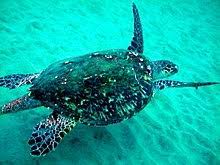
Hawksbills turtle/Photo:en.wikipedia.org

Despite the seemingly large number of poached turtles, the study shows that the reported illegal exploitation of sea turtles declined by approximately 28% over the last decade —something that surprised the researchers. They initially expected to see an overall increase in reported poaching.

“The decline over the past decade could be due to increased protective legislation and enhanced conservation efforts, coupled with an increase in awareness of the problem or changing local norms and traditions,” says Kayla Burgher, co-first author of the study and a doctoral student in ASU’s environmental life sciences program in the School of Life Sciences.

In addition to the slight decline, the researchers found that most of the reported illegal exploitation over the past decade occurred in large, stable and genetically diverse sea turtle populations.

Jesse Senko, co-first author of the study and an assistant research professor with the ASU School for the Future of Innovation in Society says this discovery may be a silver lining to the high number of turtles illegally exploited. “What this means is that most of these sea turtles came from healthy, low-risk populations, which suggests that, with a few exceptions, current levels of illegal exploitation are likely not having a major detrimental impact on most major sea turtle populations throughout the world’s oceans.”

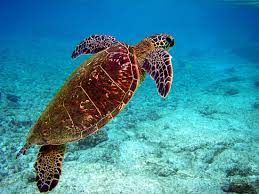
Sea turtle/Photo:en.wikipedia.org

Our assessment also did not include eggs or turtle products, such as bracelets or earrings made from sea turtle shells that could not be easily attributed to individual turtles,” says Senko.

The study revealed additional patterns and trends that may assist in determining conservation management priorities. For example, Vietnam was the most common country of origin for illegal sea turtle trafficking, while China and Japan served as destinations for nearly all trafficked sea turtle products. Similarly, Vietnam to China was the most common trade route across all three decades.

Across the 30-year study period, 95% of poached sea turtles came from two species — green and hawksbill turtles — both of which are listed under the U.S. Endangered Species Act. Also, Southeast Asia and Madagascar emerged as major hotspots for illegal sea turtle take and trade, particularly for critically endangered hawksbills, which are prized in the illicit wildlife trade for their beautiful shells.

“Our assessment is an important foundation for future research and outreach efforts regarding illegal sea turtle exploitation. We believe this study can help conservation practitioners and legislators prioritize conservation efforts and allocate their resources to best help protect sea turtle populations from harmful levels of exploitation worldwide,” says Burgher.

The research team says much more needs to be done to sustain global biodiversity.

“Increased support for governments lacking the resources to protect sea turtles is needed, along with support for communities to sustain human well-being in the face of restrictions or bans on sea turtle exploitation. We must develop conservation strategies that benefit both people and turtles,” says Senko.