World News in Brief: violence spurs displacement in Syria, Israeli forces cross the Blue Line in Lebanon, mall fire kills dozens in Iraq

As of Thursday, nearly 2,000 families have been displaced from violence-affected areas in Sweida governate and are currently sheltering in a dozen collective sites. Many are unable to return home due to damage, looting or destruction of their homes.

The health systems in Sweida and neighbouring Dar’a governorate remain under critical strain, operating without power and facing severe supply shortages. Reports also suggest that at least two doctors were killed in the recent clashes, and some armed groups have occupied health facilities, putting patients and staff at risk.

Mobilisation amid constrained access

The UN and its partners are mobilising humanitarian assistance as security allows and working with authorities to facilitate access.

The World Health Organization (WHO) has dispatched 35 trauma and emergency surgery kits for 1,750 interventions, but many remain undelivered because of constrained access.  

“We urge all parties to protect people caught up in the violence, including by allowing them to move freely to seek safety and medical assistance,” said Associate Spokesperson for the Secretary-General Stephanie Tremblay at Thursday’s daily press briefing in New York.

She also stressed that security forces must respect applicable international law, norms and standards throughout their operations.

Lebanon: UN peacekeepers observe unauthorised Israeli activities  

Ms. Tremblay also reported that peacekeepers at the UN Interim Force in Lebanon (UNIFIL) continue to observe Israeli military activities in its area of operations.

On 16 July, Israeli soldiers crossed north of the Blue Line to conduct military exercises.  

UNIFIL peacekeepers have also heard several explosions, including one on 17 July near the Mission Headquarters in Naqoura.  

The “blue helmets” have additionally discovered unauthorized weapons and ammunition caches at one site, rocket launchers, rocket-propelled grenades, mortar rounds and ammunition boxes.  

Commitment to Lebanon

In response to recent observations the UN Special Coordinator for Lebanon, Jeanine Hennis-Plasschaert, and UNIFIL Head of Mission and Force Commander, Major General Diodato Abagnara, met with the Lebanese Army’s South Litani Sector Commander Brigadier General Nicolas Tabet in Tyre on 17 July.  

“Ms. Hennis-Plasschaert and General Abagnara underlined our commitment to supporting the implementation of Security Council resolution 1701, including strengthening State authority and helping restore stability in southern Lebanon,” Ms. Tremblay said.

As part of UNIFIL’s support, peacekeepers trained with Lebanese Armed Forces personnel in Tyre on 16 July, enhancing the operational competency of the Lebanese Army personnel.

Fire in Iraqi shopping mall

The United Nations has expressed condolences to the families of the victims of a tragic fire in the eastern Iraqi city of Kut on Wednesday.

According to news reports, the fire tore through the shopping centre – which opened only a week ago – leaving at least 61 people dead.  

“We express our strong solidarity with the people of Wasit Governorate in this profound loss,” Ms. Tremblay said.  

She also emphasised that the UN and its partners are ready to provide humanitarian assistance to help mitigate the tragedy’s impact.

Source link

Syria: UN chief urges de-escalation as Sweida violence escalates, Israel strikes Damascus

News reports estimate that the sectarian violence in the predominantly Druze city of Sweida, south of the capital, has killed more than 200.

Israel explained its attacks in the heart of the capital and on pro-government forces in Sweida as a defensive move in support of the Druze community, which has a significant presence within Israel and in the Israeli-occupied Golan.  

The strikes on the defence ministry in Damascus also hit an area near the presidential palace, according to news reports and Syrian authorities.

Pledging to protect the Druze minority but also following up on its threat to attack any Syrian military operations taking place south of the capital, Israel said it would intensify strikes if government forces did not withdraw from the region, according to news reports.

Syrians ‘robbed’ of opportunity for peace

“The Secretary-General is alarmed by the continued escalation of violence in Sweida” and “unequivocally condemns all violence against civilians,” said UN Spokesperson Stéphane Dujarric on Wednesday.  

It was the second day in a row that the UN chief has intervened to highlight the increasing civilian toll and “reports of arbitrary killings and acts that fan the flames of sectarian tensions and rob the people of Syria of their opportunity for peace.”  

Mr. Guterres further condemned Israel’s “escalatory airstrikes” on Sweida, Daraa and central Damascus, together with “reports of the IDF’s redeployment of forces in the Golan,” the highly-contested mountainous region along the border of the two countries. 

The UN also called on Israel to cease any violations of Syria’s sovereignty and respect for the 1974 Disengagement of Forces Agreement

The UN chief also reiterated the need to support “a credible, orderly and inclusive political transition in Syria in line with the key principles of Security Council Resolution 2254.”

Extending his condolences to the people of Syria, the Secretary-General reiterated his call for an immediate de-escalation of violence measures to facilitate humanitarian access.  

Civilians in peril

Mr. Dujarric said UN humanitarians were warning that “the deadly hostilities continue to put civilians at risk, with ongoing reports of significant displacement and damage to critical infrastructure, including water, electricity and telecommunications networks,” Mr. Dujarric said.  

Access to Sweida and the impacted areas remains severely constrained due to insecurity and road closures, and civilians are unable to reach shelters.  

The UN Humanitarian Coordinator in Syria, Adam Abdelmoula, said that the UN and its humanitarian partners plan to assess the needs and provide essential assistance in Sweida as soon as conditions allow.

Mr. Dujarric underscored that medical services in Sweida and the neighbouring Daraa Governorate are overstretched and hospitals are almost at capacity.  

While the World Health Organization (WHO) has dispatched emergency medical supplies to Daraa, deliveries to Sweida have yet to get through due to the fighting. 

Displacement, poverty and insecurity fueling violence against women in Gaza

In the past three months, a third of Gaza’s population (714,000 people) have been forced to move once again, separating families and dismantling local support systems.

Women and girls are bearing a heavy burden, fearing for their lives on the streets – at delivery points, and in overcrowded, makeshift shelters that lack privacy and security – as many sleep in the open.

“Women have experienced immense loss, including the death or imprisonment of relatives. Looking for water, living without any privacy, and constantly worrying – it’s exhausting,” one case worker told UNFPA.  

Many young girls are also being pushed into child labour and forced marriage in efforts to cope with devastating hunger.

Suhair who works at a safe space for women and girls in Gaza’s central Deir El-Balah Governorate.

Safe spaces in big demand

In response to this crisis, on Wednesday, UNFPA reported a sharp increase in victims seeking help at their safe spaces, which provide shelter and psychological support.

However, according to the women working there – many of whom are also displaced, conditions are extremely difficult, and there are far too few facilities for the number of women and children in need, making it difficult to reach those most at risk.

For instance, displacement orders have disrupted services and caused providers to lose essential equipment and files, forcing them to restart operations from scratch.  

Even as staff receive accounts of abuse, incidents remain vastly underreported due to stigma, fear of retaliation, and the collapse of health and justice systems.

“Despite all the difficulties, I continue to support abused women and girls,” said Asmaa, who works at a UNFPA-supported safe space in Gaza and has been displaced ten times since the war began.

Severe supply and fuel shortages

Fuel shortages are crippling critical infrastructure across Gaza. The UN has warned that humanitarian operations may collapse entirely, and an estimated 80 per cent of health facilities are expected to run out of fuel in the coming days.

As UNFPA attempts to shift to remote support, fuel shortages have triggered telecommunications blackouts, cut off survivor hotlines and made remote assistance largely inaccessible.

Since the blockade was imposed on 7 March, no agency supplies have entered Gaza, leaving essential items such as menstrual hygiene kits severely depleted.

Due to these shortages, three UNFPA safe spaces have closed, while the remaining 14 are functioning at severely limited capacity.

Despite the many challenges, the reproductive health agency and its case workers continue to try their best to help women and girls. “We feel the urgent needs of women and recognise the importance of supporting them. A small effort can make a big difference in their lives,” one caseworker stressed.

© UNFPA/Women’s Affairs Centre

Salma, left, is a mother of four and gender-based violence case manager in Khan Younis.


Source link

World News in Brief: Inter-ethnic violence in Syria, Indigenous Peoples’ rights, global information security

The violence erupted two days after a Druze merchant was abducted on the highway to Damascus.

The incident marks the latest episode of sectarian bloodshed in Syria, where fears among minority groups have surged since Islamist rebels toppled former dictator Bashar al-Assad in December and installed a new caretaker Government, which is gaining increasing international recognition.

Those targeted include the Druze sect, an offshoot of Shia Islam.  

UN voices ‘deep concern’

On Monday, UN Deputy Special Envoy for Syria, Najat Rochdi, expressed “deep concern” over these reports and urged authorities and stakeholders to “take immediate steps to protect civilians, restore calm and prevent incitement.”

She also underscored the need for inclusion, trust-building and meaningful dialogue to advance a credible and inclusive political transition in Syria.

UN human rights chief says ‘wisdom’ of Indigenous Peoples needed in climate change, digital policy upgrades

The UN human rights chief spoke at a high-level political forum on the rights of Indigenous Peoples on Monday.

Underscoring how crucial such forums are to advancing the rights of Indigenous Peoples, Volker Türk highlighted developments in Colombia, Finland and Guatemala that have given them more self-determination.

But despite these advances, violations against Indigenous Peoples’ rights continue.

Many still lack formal land recognition, while mining activity, deforestation and large-scale agricultural development often cause environmental destruction.

Indigenous Peoples also experience immense discrimination and face the brunt of climate chaos, Mr. Türk stressed.

Toll on activists

Furthermore, data from the human rights office reveals that 26 per cent of rights activists killed in 2023 and 2024 were Indigenous, largely in the Americas.

Additionally, states are using AI in ways that harm Indigenous Peoples through surveillance, data exploitation and exclusion from decision-making. Türk thus called for human rights-based approaches that uphold Indigenous data sovereignty and self-determination.

The High Commissioner also called for future policies on climate, digital technologies and other areas to “reflect the wisdom and experience of Indigenous Peoples.”

“This is not only essential to respect and fulfil the human rights of Indigenous Peoples,” he concluded. “There is growing recognition that the ideas and approaches of Indigenous Peoples hold important lessons for all of us.”

Guterres welcomes step forward in securing digital technology worldwide

The UN chief Antonio Guterres on Monday, welcomed the adoption by consensus of the UN Open Ended Working Group on Information and Communication Technologies.

It was established in 2020 with a five-year mandate to promote regular institutional dialogue and initiatives focused on keeping digital technologies safe and secure.  

The Secretary-General welcomed the Final Report of 10 July, which summed up the past five years of negotiations, said a statement issued by his Spokesperson.  

It reflects shared views on current and emerging threats, responsible government policies, international law, norms and efforts such as confidence-building and capacity development.  

Call for cooperation

It also establishes a permanent mechanism to continue discussions about responsible State behaviour in the use of information and communications technologies, which the Secretary General particularly appreciated.  

“The Secretary-General now calls upon all States to work together through the Global Mechanism to tackle digital risks and ensure these technologies are leveraged for good,” the statement said.  

The Secretary General congratulated the group on its accomplishments, saying the consensus adoption “demonstrates that even in the most challenging international security environment, collective action is still possible.” 

Source link

150,000 Rohingya flee to Bangladesh amid renewed Myanmar violence

As armed clashes intensify and conditions worsen inside Myanmar, thousands continue to cross the border seeking safety in the overcrowded camps of Cox’s Bazar, where nearly one million Rohingya refugees already live in densely populated camps.

This is the largest movement of Rohingya refugees into Bangladesh since 2017,” said Babar Baloch, spokesperson for the UN refugee agency, UNHCR, briefing journalists in Geneva on Friday.  

He clarified that unlike the mass influx in 2017, when some 750,000 Rohingya fled deadly violence in Rakhine state, this uptick in refugees has unfolded more gradually.

Advocating for asylum

UNHCR is working closely with local authorities to respond to urgent humanitarian needs.  

“As the conflict in Myanmar continues unabated, we are advocating with the Bangladeshi authorities to provide managed access to safety and asylum for civilians fleeing the conflict,” he said.

Bangladesh has long provided refuge to the Rohingya, a mostly Muslim minority community in Myanmar, which is mainly Buddhist. 

The country currently hosts nearly one million people in the refugee camps and the recent arrivals – many of them women and children – are placing further strain on resources. Many are relying heavily on local solidarity and sharing limited resources with those already living in the camps.

Appeal for support

By the end of June, nearly 121,000 newly arrived refugees had been biometrically registered, although many more are believed to be residing informally in the camps. Access to adequate shelter remains a major concern as facilities struggle to absorb the new population.

“These new arrivals join another nearly one million Rohingya refugees crammed into just 24 square kilometres,” said Mr. Baloch. “More humanitarian support is urgently required.”

Aid partners have been able to provide basic services including food, medical care, education, and essential relief items. However, the response is now under serious threat due to a lack of funding.

UNHCR warned that the 2024 humanitarian appeal for $255 million is only 35 per cent funded. Without immediate financial support, the entire operation could face systemic collapse.

Action needed now

Unless additional funds are secured, health services will be severely disrupted by September and essential cooking fuel — liquefied petroleum gas (LPG) – will run out by December. Food assistance will stop and education for some 230,000 Rohingya children, including 63,000 new arrivals, is in danger of being discontinued.

Despite a strictly controlled and officially closed border, the Government of Bangladesh has allowed new arrivals to access emergency services in the camps. The UN agency expressed deep appreciation for this humanitarian gesture under highly challenging conditions.

“We don’t have the resources to take care of the new arrivals and also those who were there before them,” said Mr. Baloch. “Everything will be impacted.”

As displacement from Rakhine state continues, UNHCR and its partners are urging the international community to act swiftly. Without immediate and sustained support, the already fragile humanitarian response in Cox’s Bazar could begin to unravel  – with devastating consequences for more than one million people who rely on it for survival. 

Source link

Libya: UN urges restraint as military buildup threatens renewed violence in Tripoli

In a statement late on Wednesday (local time), the UN Support Mission in Libya (UNSMIL) expressed deep concern over continued reports of armed group mobilisation in densely populated areas, urging all parties to refrain from the use of force and inflammatory rhetoric.

The Mission strongly urges all parties to avoid any actions or political rhetoric that could trigger escalation or lead to renewed clashes,” it said.

UNSMIL stressed that protection of civilian lives and property under international law remains a binding obligation for all political and security actors.

Those responsible for attacks against civilians will be held accountable,” the Mission said.

Pursue dialogue, not violence

The Mission reiterated its support for the implementation of security arrangements developed by the Truce and Security and Military Arrangements Committees, emphasising that “forces recently deployed in Tripoli must withdraw without delay.

It also underscored that dialogue – not violence – remains the only viable path to achieving sustainable peace and stability in Tripoli and across Libya.

The appeal comes amid reports of military movements in the capital and renewed clashes between armed groups, reflecting the persistent volatility that has plagued Libya since the fall of former leader Muammar Gaddafi in 2011.

Political stalemate

The country remains divided between rival administrations in the east and west, with unity efforts repeatedly stalled.

A UN-brokered ceasefire signed in 2020 raised hopes for national elections, but progress has been hampered by political deadlock and sporadic outbreaks of violence – particularly in Tripoli.

In May, clashes erupted in several districts of the capital, reportedly triggered by the killing of a prominent militia leader. The fighting, which involved heavy weaponry in densely populated areas, forced hundreds of families to flee and further strained the city’s already fragile infrastructure.

Source link

Haitian capital ‘paralysed and isolated’ by gang violence, Security Council hears

 Since January, the UN Integrated Office in Haiti (BINUH), recorded over 4,000 individuals deliberately killed – a 24 per cent increase compared to the same period in 2024.  

The capital city was for all intents and purposes paralysed by gangs and isolated due to the ongoing suspension of international commercial flights into the international airport,” Miroslav Jenča, Assistant Secretary-General for the Americas at the department of political affairs (DPPA), told ambassadors in the Security Council on Wednesday.

Having visited the country recently, he warned that, gangs have only “strengthened their foothold”, which now affects all communes of the Port-au-Prince metropolitan area and beyond, “pushing the situation closer to the brink.”

He called on the international community to act decisively and urgently or the “total collapse of state presence in the capital could become a very real scenario”.

Gang control expands

Ghada Fathi Waly, Executive Director of the UN Office on Drugs and Crime (UNODC), echoed that warning.

“As gang control expands, the state’s capacity to govern is rapidly shrinking, with social, economic and security implications,” she told ambassadors, briefing remotely from Vienna.

“This erosion of state legitimacy has cascading effects,” she said, with legal commerce becoming paralysed as gangs control major trade routes, such conditions worsening “already dire levels of food insecurity and humanitarian need,” she added.  

Rise of ‘vigilante’ groups

Amidst increasing public frustration with the limited protection capacity of the state, “vigilante” or self-defence groups are now gaining in popular appeal.  

Although some are motivated by the urgent need to protect their communities, many operate outside existing legal frameworks, in some cases, engaging in extrajudicial actions and colluding with gangs.  

The rise of these actors is pushing demand for guns and military-grade weapons, “fuelling illicit arms markets and raising the risk of licit weapons being diverted to criminal elements,” Ms. Waly said.  

Human trafficking

Meanwhile, the broader deterioration of the security and economic situation in the capital and the rest of the country continues to fuel a sharper escalation in human rights violations.  

Despite persistent under-reporting of sexual violence due to fear of reprisals, social stigma and lack of trust in institutions, BINUH reported an increase in sexual violence committed by gangs in the past three months.  

In May, Haitian police raided a medical facility in Pétion-Ville suspected of being involved in illicit organ trade, as allegations of trafficking in persons for the purpose of organ removal are now arising.  

As the situation in Haiti remains desperate, “there is not a moment to lose,” Mr. Jenča urged. 

Source link

DR Congo: Despite efforts towards a political solution, violence still rages in the east

Since January, the region has seen a new escalation of violence as the Rwanda-backed M23 armed group launched an offensive in North and South Kivu provinces.

While tensions persist in the DRC, both frontlines and negotiation positions are shifting, paving the way for peace, the Security Council heard this Friday.

The path to lasting peace in the DRC requires “collective action,” said Bintou Keita, Head of the UN peacekeeping mission in the country, MONUSCO.

“Priority must be given to dialogue over division, and national cohesion must be actively preserved,” she said.

Yet, while diplomatic efforts focus on ways to address the current crisis, the situation in other regions within MONUSCO’s area of operations also demands urgent attention.

Humanitarian situation

With seven million people currently displaced across the country, 27.8 million people facing food insecurity and almost 1.4 million children in acute malnutrition, the humanitarian situation is dire. 

The security crisis in the east of the country has worsened the humanitarian situation, yet due to funding cuts, MONUSCO does not have sufficient means to respond to it accordingly. 

The suspension of funding from MONUSCO’s main donor, which covered 70 per cent of the humanitarian response in 2024, is “forcing humanitarian actors to focus solely on life-saving emergencies,” said Ms. Keita. 

“We are at the end of July, and the humanitarian response plan is only 11 per cent funded,” she added. 

Insecurity, sexual violence and abductions

Violence in the east of the country continues to disproportionately affect women, boys, and girls, notably as rape and other forms of sexual violence are still being systematically used as weapons of war.

Men and boys accused of links with opposing forces are at risk of abduction, while women and girls who have survived sexual violence face severely limited access to healthcare, as healthcare facilities are often targeted by attacks. 

In 2025, over 290 schools were destroyed, with ongoing cycles of violence keeping 1.3 million children out of the education system in Ituri, in the east of the country.  
Source link

UN rights office ‘horrified’ by deadly violence at Gaza food distribution sites

The UN human rights office (OHCHR) in the Occupied Palestinian Territory on Wednesday called on the Israeli military to cease the use of lethal force near aid convoys and food distribution sites.

It cited “repeated incidents” of Palestinians being shot or shelled while seeking food, warning that such attacks could constitute war crimes under international law.

“We are horrified at the repeated incidents, continuously reported in recent days across Gaza, and we call for an immediate end to these senseless killings,” the office said in a statement.

Hundreds killed

Since 27 May, when the Gaza Humanitarian Foundation (GHF), an initiative backed by Israel and the United States began food distribution in southern Gaza – bypassing the established UN-led system – hundreds have been killed and many more wounded near four distribution points or while waiting to pick up aid.

In one of the deadliest recent incidents, Israeli military reportedly shelled a crowd waiting for UN food trucks in southern Gaza on 17 June, killing at least 51 people and injuring some 200 others, according to Gazan health authorities.

A day earlier, three Palestinians were reportedly killed and several injured in a similar incident in western Beit Lahiya.

There is no information to suggest that the people killed or injured were involved in hostilities or posed any threat to the Israeli military or to staff of GHF distribution points,” OHCHR said.

Protect civilians, aid workers

The UN World Food Programme (WFP), which has managed to dispatch only 9,000 metric tons of food within Gaza over the past month – a fraction of what is required for the 2.1 million people in need – echoed calls for immediate protection of civilians and aid workers.

“Far too many people have died while trying to access the trickle of food aid coming in,” the agency said in a separate statement.

“Any violence resulting in starving people being killed or injured while seeking life-saving assistance is completely unacceptable.”

Massive scale-up needed

The UN emergency food relief agency said the fear of starvation and desperate need for food is causing large crowds to gather along well-known transport routes, hoping to intercept and access humanitarian supplies while in transit.

Only a massive scale-up in food distributions can stabilize the situation, calm anxieties and rebuild the trust within communities that more food is coming,” it said, calling urgently for safer convoy routes, faster permissions, restored communication channels and additional border openings.

“The time to act is now. Delays cost lives. We must be allowed to safely do our jobs,” the agency said.

Source link

Gang violence displaces a record 1.3 million Haitians

This represents a 24 per cent increase from December 2024 according to the UN agency, which also noted that this increase has produced the largest number of people displaced by violence on record there.

Behind these numbers are so many individual people whose suffering is immeasurable; children, mothers, the elderly, many of them forced to flee their homes multiple times, often with nothing, and now living in conditions that are neither safe nor sustainable,” said Amy Pope, IOM Director General.

Existential challenges

These figures were released just ahead of a meeting on Wednesday at UN Headquarters in New York organized by the Economic and Social Council (ECOSOC) and the Peacebuilding Commission (PBC) examining how peace and stability can return to the island nation, following years of chaos and crisis.

The meeting discussed ways of consolidating peace at the local level and reducing the violence, particularly through the involvement of women and youth in local initiatives.

At a press conference prior to the meeting, ECOSOC President Bob Rae stated that the current situation in Haiti was “truly existential.” 

“It’s important that we have a meaningful discussion about what we can do together to address these problems,” he said, emphasizing that it’s “not just about increasing firepower.” 

Joining the briefing via videoconference, the Special Representative of the Secretary-General for Haiti, María Isabel Salvador, also stressed that this is a “multifaceted crisis” which must be addressed with similarly multifaceted and dynamic solutions.

“We believe that the international community’s response must match the scale, urgency, and complexity of the challenge. That’s why strong international security support must be accompanied by peacebuilding measures, humanitarian action and political support that could ultimately allow Haiti to make progress on the path to sustainable development.”

According to her, one way to reduce violence in Haiti is by empowering communities themselves, especially women and children, to lead bold new initiatives.

Violence spreads

Haiti has been experiencing a resurgence of violence since mid-February. According to the IOM, while Port-au-Prince remains the epicentre of the crisis with 85 per cent controlled by gangs, violence extending beyond the capital has intensified in the past few months.

Recent attacks in the Centre and Artibonite departments have forced tens of thousands of other residents to flee, many now living in precarious conditions and temporary shelters.

“Although about a quarter of all internally displaced people still live in the capital, a growing number of people are fleeing to other parts of the country in search of safety,” IOM said.

In the Artibonite department in western Haiti, over 92,000 people have been displaced – largely because of violence in Petite Rivière.

In the Centre department, the situation is even more “alarming” with a total of 147,000 displaced. This number has doubled from 68,000 in the past few months as a result of fighting in towns like Mirebalais and Saut-d’Eau.

As more and more people are forced to flee, the number of spontaneous displacement sites is also increasing. Since December, these sites have increased from 142 to 246.

Around 83 per cent of refugees are staying with host families, putting a strain on already overstretched households, particularly in rural communities.

Pay attention and act

Armed violence continues to severely disrupt access to basic services, according to UN aid coordination office, OCHA, creating a “a deepening humanitarian crisis.”

“We must act urgently. The strength of the Haitian people is impressive, but resilience cannot be their only refuge. This crisis cannot become the new normal,” added Ms. Pope.

The President of the General Assembly, Philémon Yang, spoke at the ECOSOC meeting about the importance of adjusting “not just our attention but our action” and coordinating efforts across the UN to maximize impact.

We must do our utmost to ensure that Haiti is not abandoned to a future of fear and despair but instead is embraced by a global commitment to peace, opportunity and dignity,” he said.

Source link

Myanmar on the ‘path to self-destruction’ if violence does not end

Since then, “there has been no end to the violence, even though thousands have been killed and thousands more injured,” said UN Special Envoy to Myanmar, Julie Bishop, on Tuesday, briefing the General Assembly.

“I have stressed consistently that without a ceasefire, a de-escalation of violence and a focus on the needs of the people, there can be no inclusive lasting peace,” she said.

Call for ceasefire

Having spoken with survivors among the rubble of homes, hospitals and schools, Ms. Bishop said they “wanted the fighting to end so they could live in peace,” as armed clashes continue to obstruct the aid and reconstruction effort.

Although some parties to the conflict have announced ceasefires, “they have largely not been observed,” she said.

Reiterating her call for an end to hostilities she said civilian protection “must be the priority and inclusive and sustainable peace a shared goal.”

Without and end to the violence she said Myanmar would continue on “the path to self-destruction.”

Contested elections

Ms. Bishop warned that unless there is an end to the violence and an inclusive and transparent electoral process, all that could result from any election – which the junta is planning to contest – would be “greater resistance and instability.”

“It is inconceivable how an election could be inclusive,” she said, with so many political leaders still being held by the regime.

Ms Bishop also reiterated the UN’s call for the release of all arbitrary prisoners, including democratically elected leaders Win Myint and Aung San Suu Kyi.

Rohingya’s plight

With up to 80 per cent living in poverty, the situation of the mostly Muslim Rohingya minority in both Myanmar and Bangladesh remains dire.

Caught in the crossfire between the Myanmar military and the Arakan Army, Rohingya civilians in their historic homeland of Rakhine State are being subjected to forced recruitment and other abuse.

As aid dwindles, Rohingyas living in Bangladesh’s Cox’s Bazar face real consequences, including cuts to food rations and education.  

“A viable future for Myanmar must ensure safety, accountability, and opportunity for all its communities, including Rohingya, and must address the root causes of conflict, discrimination and disenfranchisement in all its forms,” said Ms. Bishop. 

Source link

Sudan: Rise in people fleeing to Chad as violence surges

Overall, some 1.2 million Sudanese have found shelter in eastern Chad, mostly after fleeing intensifying violence in their country. 

More than 844,000 crossed the border after war broke out in Sudan in April 2023. Prior to this, Chad was hosting roughly 409,000 Sudanese refugees who had fled earlier conflict in Darfur.

‘A crisis of humanity’

The situation is “a crisis of humanity”, said UNHCR’s Principal Situation Coordinator in Chad, Dossou Patrice Ahouansou.

The latest wave of displacement began in April following attacks by armed groups in North Darfur. Violence has surged since war erupted in Sudan in April 2023 between the Sudanese Armed Forces (SAF) and the paramilitary Rapid Support Forces (RSF).

Camps for people uprooted by the most recent violence have been attacked including Zamzam and Abu Shouk, along with the town of El Fasher, killing more than 300 civilians. 

Last Thursday, the UN World Food Programme’s facility in El Fasher was repeatedly shelled, according to a report from UN aid coordination office OCHA.

A day later, Eldaman International Hospital in Al Obeid was struck by a drone attack, killing at least six health workers and injuring more than 15 others.

Both attacks were reportedly carried out by the RSF.

Exodus and arrival

In just over a month, 68,556 refugees have crossed into Chad’s Wadi Fira and Ennedi Est provinces, at an average of 1,400 new arrivals per day.

More than seven in 10 “report serious human rights violations — physical and sexual violence, arbitrary detention, forced recruitment”, said Mr. Ahouansou.

Based on interviews with 6,810 newly arrived refugees, he said that six out of 10 reported being separated from their family members.

Horrendous testimonies

Mr. Ahouansou spoke of seven-year-old Hawa, whose family home in Zamzam was bombed. After her mother was killed, she fled to the Zamzam camp for internally displaced people. 

“There again had been bombing” and this time it killed Hawa’s father and two brothers, he said. 

With only her 18-year-old sister remaining, Hawa escaped to Chad. She was severely injured and had to have a leg amputated.

“It’s difficult to hear, but this is the reality,” said Mr. Ahouansou, emphasizing that there were thousands facing similar situations.

The UNHCR official also recounted chilling testimonies of forced labour along the perilous journeys, where many reportedly die because of the heat and lack of water.

“When armed groups see you leaving, they decide to let the donkey or the horse go. And you, as a human being, as a man… they will use you as a horse and ask you now to draw all your family members,” he said.

Funding shortfalls

Despite efforts by humanitarian actors and local authorities, the emergency response remains severely underfunded.

Just 14 per cent of shelter needs have been met and refugees receive only five litres of water per person per day — far below the 15–20 litre international standard. Around 239,000 refugees remain stranded at the border.

“The lives and futures of millions of innocent civilians hang in the balance,” said UNHCR spokesperson Eujin Byun, who stressed that this was also a “crisis of women and children” as they make up to nine out of 10 refugees crossing the border.

“Without a significant increase in funding, life-saving assistance cannot be delivered at the scale and at the speed that is required,” Mr. Ahouansou said. 

Source link

World News in Brief: Education suffers amid DR Congo violence, WHO greenlights RSV vaccines, more hurricanes ahead for Haiti

According to UN Children’s Fund, UNICEF, more than 290 schools have been damaged or destroyed in Ituri this year alone, bringing the total number of out-of-school children in the province to over 1.3 million.

Protection crisis

Between January and April 2025, a surge in violence displaced more than 100,000 people – half of them children. During this period, reported cases of abduction, maiming, sexual violence, and the recruitment and use of children by armed groups rose by 32 per cent compared to the same timeframe last year.

John Adbor, UNICEF’s representative in the DRC, referred to the situation as a “protection crisis”, stating: “Violence and conflict are shattering children’s right to learn – putting them at far greater risk of being recruited by armed groups, exploited, and abused.”

“The needs are immense, and our resources are not enough,” Mr. Adbor added, referring to UNICEF’s emergency response in the region.

With more than 1.8 million conflict-affected children now out of school across the DRC, UNICEF is prioritising mental health and psychosocial support through child-friendly spaces, reintegration of children formerly associated with armed groups, and treatment for acute malnutrition.

WHO approves two new vaccines to protect infants from RSV

Respiratory syncytial virus (RSV) is the leading cause of severe lung infections in young children globally, resulting in approximately 100,000 deaths each year among children under the age of five.

Alarmingly, 97 per cent of these deaths occur in low and middle-income countries.

Although RSV can infect people of all ages, “it is especially harmful to infants, particularly those born prematurely,” said Kate O’Brien from the World Health Organization (WHO).

Around half of all RSV-related deaths occur in babies younger than six months.

New immunisation products

On Friday, WHO issued recommendations for two new immunisation tools: a maternal vaccine, administered to pregnant women in their third trimester to protect their newborns; and a long-acting antibody injection for infants, which begins to protect within a week of administration and lasts for at least five months.

Considering the global burden of severe RSV illness in infants, WHO recommends  that all countries adopt either the maternal vaccine or the antibody injection as part of their national immunisation strategies.

“These RSV immunisation products can transform the fight against severe RSV disease, dramatically reduce hospitalisations and deaths, and ultimately save many infant lives worldwide,” said Ms O’Brien.

Dire hurricane forecasts compound Haiti woes

UN humanitarians have raised alarm over Haiti’s heightened vulnerability to natural disasters, warning that the country’s limited capacity to respond could be severely tested during the 2025 hurricane season – forecast to be significantly more intense than average across Latin America and the Caribbean.

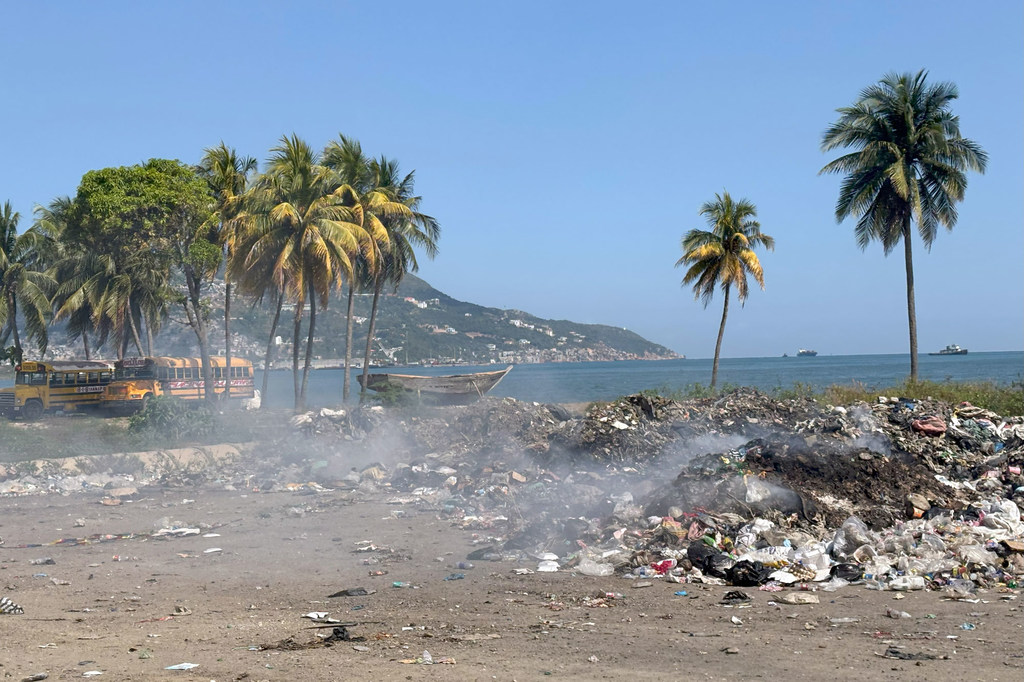
Rubbish burns on the coast of Haiti.

Running from June to November, the upcoming season poses a serious threat to the impoverished island nation, where economic crisis, ongoing gang-related violence and rampant insecurity have already displaced over one million people.

Displacement sites at risk

More than 200,000 people are currently living in displacement sites across the country, many of which are situated in flood-prone areas.

Lacking proper shelter, drainage and sanitation, these camps “leave families acutely vulnerable to storms,” said UN Spokesperson Stéphane Dujarric.

The UN Office for the Coordination of Humanitarian Affairs (OCHA) is working with national authorities and humanitarian partners to prepare for the hurricane season. Ongoing efforts include contingency planning, mapping of high-risk areas – particularly displacement sites – and strengthening early warning systems.

However, humanitarian access remains limited, and preparedness is severely hindered by the lack of pre-positioned supplies throughout the country.

This is a “direct consequence of underfunding,” said Mr. Dujarric, adding that “funding remains a major obstacle” to the UN’s emergency response in Haiti.

Source link

UN warns of ‘catastrophic’ human rights crisis in Myanmar as violence and economic collapse deepen

Published ahead of the Human Rights Council’s upcoming session, the report highlighted the worsening situation since the military coup in 2021, which derailed Myanmar’s democratic transition and ignited widespread armed resistance.

In the years since, military forces have targeted civilian populations with airstrikes, artillery bombardments and other forms of violence, while anti-military armed groups have gained ground, particularly in Rakhine state.

The country has endured an increasingly catastrophic human rights crisis marked by unabated violence and atrocities that have affected every single aspect of life,” said UN High Commissioner for Human Rights Volker Türk.

Grim toll

The report documents a grim toll: military operations killed more civilians in 2024 than in any previous year since the coup.

In Rakhine, the Arakan Army seized control of most of the state, displacing tens of thousands, while Rohingya civilians were caught between warring factions, facing killings, torture, arbitrary arrests and widespread destruction of villages.

Some Rohingya armed groups have also been drawn into the conflict, according to reports.

Economic crisis deepening

The escalating violence has had a cascading effect on Myanmar’s economy, worsening already dire humanitarian conditions.

Myanmar’s economy has lost an estimated $93.9 billion since the coup, with the gross domestic product (GDP) not expected to recover to pre-pandemic levels before 2028.

Inflation has surged, the kyat has lost 40 per cent of its value, and over half the population now lives below the poverty line, facing food insecurity and soaring prices.

The March earthquakes further exacerbated the crisis, leaving thousands more displaced, homeless and without basic services.

Military control of revenue

Meanwhile, the military continues to control key revenue sources, including the central bank and state-owned enterprises, particularly in the extractive sector.

While targeted international sanctions slowed some revenue streams, the junta has maintained its financial lifelines through forced currency conversion, import restrictions, and a crackdown on informal money transfers.

Myanmar has also become the world’s largest producer of opium and synthetic drugs, with transnational criminal networks thriving under military rule.

Multifaceted approach needed

The report urged a multifaceted response to the crisis, including urgent humanitarian support, cross-border aid for displaced populations and increased political engagement with Myanmar’s democratic forces and emerging governance structures.

It also emphasised the need for accountability through international justice mechanisms, including a referral of the situation to the International Criminal Court (ICC).

The report also identified key “constituents for change” in the country’s future – women, youth, ethnic minorities, civil society and pro-democracy actors – and highlighted the work of communities who have established local institutions and forms of governance, often with increased participation from women.

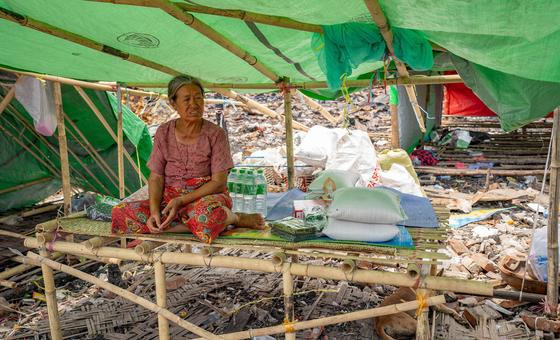
Buildings lie in ruins in Mandalay region, central Myanmar, following the devastating 7.7 magnitude earthquake that struck in March.

Hopes for a peaceful future

The report underscored the importance of planning for the day-after, ensuring human rights are central to a future Myanmar – from rebuilding systems to restoring fundamental freedoms.

There are strong, resourceful and principled individuals and groups rallying and creating the conditions for an inclusive and democratic future,” High Commissioner Türk said. “They are a shining example of hope for a peaceful future.

The report will be formally presented to the UN Human Rights Council in Geneva on 1 July.

Escalating violence drives food crisis across eastern DR Congo, warns WFP

Conflict has plagued the DRC for decades, particularly in the east. Armed clashes escalated sharply this year as M23 rebels wrested control of Goma, the capital of North Kivu, in January, followed by Bukavu in South Kivu a month later.

The security and humanitarian situation further deteriorated with recent outbreaks of anthrax and mpox in April and May, fuelled by overcrowded conditions and poor sanitation.

Deepening food insecurity

WFP’s latest report estimates that 7.9 million people are food insecure in the conflict-affected eastern provinces, with 28 million in need across the country.

Food production in Grand Nord, an important agricultural hub in eastern DRC, has been slashed due to recent conflict and displacement. In addition, the closure of Goma’s airport – critical for aid delivery – continues to disrupt operations.

Despite these challenges, WFP reached 1.1 million people in the east between January and March, providing school meals and take-home rations for 100,000 children, nutrition supplements for 340,000 children and pregnant or breastfeeding women – along with logistics and supply chain assistance.

Regional turbulence

The 140,000 Congolese who have fled to neighbouring countries since January – mainly Burundi, Uganda, Rwanda and Tanzania – have turned a national emergency into a regional crisis.

Refugee camps in these countries, already under strain from refugees from other countries, are struggling to absorb the new arrivals.

WFP warned that the surge in need is outpacing available resources. Budget constraints have forced the agency to make sharp cuts: food rations have been halved in Burundi, while cash support has also been halved in Rwanda.

In Uganda, the number of refugees receiving assistance has dropped from 1.6 million to 630,000. In Tanzania, food rations have been reduced from 82 to 65 per cent.

To sustain its emergency operations, WFP is appealing for $433 million to support its work inside the DRC through October.

Additional funding needs include $16.6 million to provide full food assistance in Burundi through 2025, $12 million to maintain full rations for refugees in Rwanda through 2025, $26 million to sustain operations in Uganda through 2025, and $18 million to provide just 75 per cent of full rations in Tanzania through April 2026.

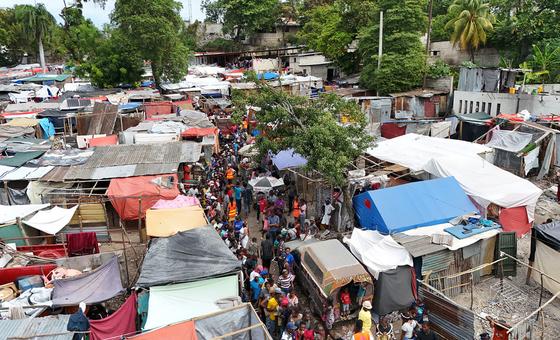
Displaced families in the Bulengo camp on the outskirts of Goma face a dire and uncertain future as M23 authorities instruct them to dismantle their makeshift shelters.

Source link

Guterres condemns violence against civilians in Syria, urges Israel to stop attacks

UN Spokesperson Stéphane Dujarric said on Friday that the Secretary-General “has been monitoring with alarm the reports of violence in the suburbs of Damascus and in the south of Syria, including reports of civilian casualties and assassination of local administration figures.”

More than 100 people have reportedly been killed in recent days during clashes with sectarian overtones, including in Suweyda governorate.

Call for restraint

Mr. Dujarric said the Secretary-General condemns all violence against civilians, including acts which could risk inflaming sectarian tensions.

In this context, the UN chief also condemned Israel’s violation of Syria’s sovereignty, including the latest airstrike near the presidential palace in Damascus.

“It is essential that these attacks stop and that Israel respect Syria’s sovereignty, unity, territorial integrity, and independence,” the Spokesperson added.

The Secretary-General unequivocally called on all concerned to cease all hostilities, exercise utmost restraint and avoid further escalation. 

He was encouraged by intra-Syrian efforts to de-escalate the violence and maintain security and stability. 

Mr. Guterres took note of the statement by Syria’s interim President Ahmed al-Sharaa, which prioritizes “dialogue and cooperation within the framework of national unity.” He also appealed to the interim authorities to transparently and openly investigate all violations. 

Rights experts’ warning

Experts appointed by the UN Human Rights Council also warned that the recent surge in violence “is deeply troubling” for peace efforts in Syria

The Commission of Inquiry on Syria said the fighting, combined with ongoing Israeli airstrikes, raises the risk of further fragmentation and harm to civilians.

Members noted that hate speech and incitement on social media are fuelling tensions, urging all sides to stop hostilities and commit to dialogue.

While a local agreement has reportedly been reached between Damascus authorities and community leaders, the interim government remains responsible for protecting civilians.

The Commission also called for credible investigations into alleged abuses.

“Impunity for grave violations has in the past been a consistent driver of Syria’s conflict and must not be allowed to persist,” it said. 

“Only by upholding the rule of law and ensuring justice, accountability and reparations for victims and their families can Syria begin to rebuild trust across its fractured communities.”

Independent voices

The Commission of Inquiry was initially established in August 2011 and its mandate has been consistently renewed, most recently in April.

The three Commissioners serve in their individual capacity and are independent from any government or organization, including the UN.

They are not UN staff and do not receive payment for their work.  

Source link

Haiti: Mass displacement and deportation surge amid violence

Between January 1 and March 31, at least 1,617 people were killed and 580 others injured in violence involving gangs, self-defence groups, or other members of the population, as well as during security force operations, according to the United Nations Integrated Office in Haiti (BINUH).

At least 161 kidnappings for ransom were recorded, 63% of which occurred in the Artibonite department.

Large-scale attacks

This period saw a surge in criminal group activity aimed at expanding territorial control in Port-au-Prince and surrounding areas. Aiming at destabilising Pétion-Ville, the communes of Delmas and Kenscoff were particularly targeted.  In the Centre department, gangs attacked Mirebalais and Saut d’Eau to control roads to the Dominican Republic and facilitate the escape of over 515 inmates from Mirebalais prison.

The UN noted that actions by self-defence groups and unorganised members of the ‘Bwa Kalé’ movement remained a major source of human rights abuse, resulting in at least 189 deaths of individuals accused of gang ties or petty crimes.

The UN also raised alarm over at least 802 deaths during security operations, with 20% being civilians hit by stray bullets. Additionally, 65 summary executions were reportedly carried out by police officers and the Government Commissioner of Miragoâne.

Sexual violence

More than 333 women and girls survived sexual violence, 96% of whom were raped, often gang raped by gangs. At least 35 children were killed, and ten others injured, during gang attacks, police operations, or vigilante acts. Many were also trafficked and forcibly recruited by gangs.

Although the judicial system remains dysfunctional, authorities—supported by the UN—have begun efforts to address impunity. The Transitional Presidential Council adopted a decree to create specialised judicial units for mass crimes, sexual violence, and financial crimes.

Increase in deportations

Responding to a rise in deportations from the Dominican Republic, the International Organization for Migration (IOM) has increased operations in Belladère and Ouanaminthe. Around 20,000 Haitians were returned in April — the highest monthly total this year.

“The situation in Haiti is becoming increasingly critical. Every day, deportations and gang violence worsen an already fragile situation,” said Amy Pope, IOM Director General.

The sharp increase in extremely vulnerable deportees — especially women, children, and newborns — is alarming. Since 22 April, IOM and partners have assisted an average of 15 pregnant women and 15 lactating mothers daily at the Belladère and Ouanaminthe border crossings.

Population displacement

This deportation surge coincides with another emergency in the Centre department. Gang violence in Mirebalais and Saut d’Eau displaced over 51,000 people, according to IOM. While many found shelter with host families, about 12,500 are residing in 95 informal sites with limited access to services. Over 4,000 have sought refuge in Belladère alone.

Gang control of Mirebalais has isolated Belladère, blocking humanitarian access, medical supplies, and aid. Essential resources such as food, water, and medicine are running out.

“This is a deepening crisis that extends beyond the capital, with cross-border deportations and internal displacement converging on Belladère,” said Grégoire Goodstein, IOM Chief of Mission in Haiti. “Delivering aid is becoming increasingly difficult, as humanitarian actors are trapped alongside those they are trying to help.”

In coordination with the Directorate of Civil Protection, IOM is providing drinking water and hygiene kits tailored to the needs of women and children. First aid, medical referrals, and psychosocial support are being offered.

Temporary shelters have been set up, including hotel accommodations for lactating mothers. IOM is also working with Haiti’s National Migration Office and Ministry of Public Health to ensure newborns and mothers receive immediate health care and vaccinations.

Source link

Syria: UN envoy warns of escalating violence in Syria

He described the latest clashes as “unacceptable” and warned of the risk of further escalation in what he called an “extremely fragile situation”.

Fighting erupted earlier this week in Ashrafiah Sahnaya, a town southwest of the capital, when unknown gunmen attacked a security checkpoint.

The following day, another deadly clash took place in the nearby suburb of Jaramana. In total, at least 16 civilians and security personnel were reported killed.

‘Immediate steps’ needed to protect civilians

“The reports of civilian casualties, and casualties among security personnel, are deeply alarming,” said Mr Pedersen in a statement. “Immediate steps must be taken to protect civilians, de-escalate tensions, and prevent any further incitement of communal conflict.”

The violence comes as tensions reportedly remain high between Syria’s interim Government and Druze communities near the capital.

The Druze, a religious minority in Syria, have been engaged in talks about their inclusion in the new Syrian State, following the overthrow of the Assad regime last December.

Many in the community are reportedly calling for some level of autonomy, concerned over the Islamist background of some of Syria’s current leadership.

Amid the domestic unrest, Israel has also carried out military strikes in Syria, reportedly targeting what the Prime Minister described as an “extremist group” allegedly preparing to attack the Druze population south of Damascus.

A second strike reportedly killed a Syrian security officer outside the capital.

Syrian sovereignty ‘must be fully respected’

Mr. Pedersen condemned the Israeli attacks, saying they must stop. “Syria’s sovereignty must be fully respected.”

He stressed the importance of accountability for those responsible for killing civilians and fuelling tensions.

“There can be no progress without genuine inclusion, trust-building, and meaningful dialogue,” he said.

The Special Envoy welcomed efforts already underway to calm the situation and urged all sides to work together to prevent further bloodshed.

Dialogue, not destruction

With tensions still simmering following last month’s sectarian violence in Latakia, which claimed over 1,000 lives, the UN is calling for restraint and unity at a critical juncture for Syria’s future.

“The people of Syria have suffered too much for too long,” Mr Pedersen said.

They deserve peace, dignity, and a future built on dialogue, not destruction.”

Source link

UN alert over deepening crisis in Sudan as famine spreads and violence escalates

In a statement issued by his Spokesperson on Wednesday, UN Secretary-General António Guterres said he was “appalled” by the deteriorating situation in North Darfur, where the regional capital, El Fasher, is under intense and sustained attack.

The onslaught comes just two weeks after deadly assaults on the nearby Zamzam and Abu Shouk displacement camps, where hundreds of civilians, including humanitarian workers, were reportedly killed.

Mass displacement

More than 400,000 people have fled Zamzam camp alone, with the majority now seeking safety in Tawila, west of El Fasher.

There are also increasing reports of harassment, intimidation and arbitrary detention of displaced people at checkpoints, adding to the already dire humanitarian emergency.

“With the conflict now in its third year and increasingly destabilizing the broader region, the Secretary-General reiterates his call for the facilitation of safe and unhindered humanitarian access to all areas of need by all necessary routes,” UN Spokesperson Stéphane Dujarric said.

He also called for the protection of civilians, in line with the warring parties’ clear obligations under international humanitarian law.

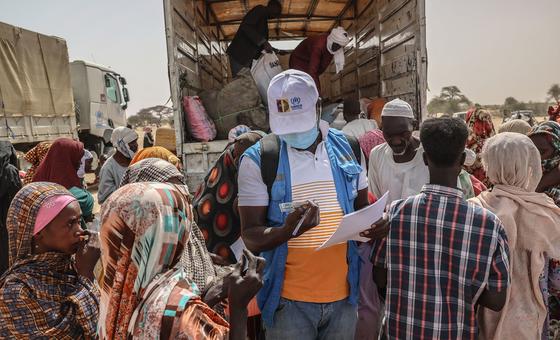
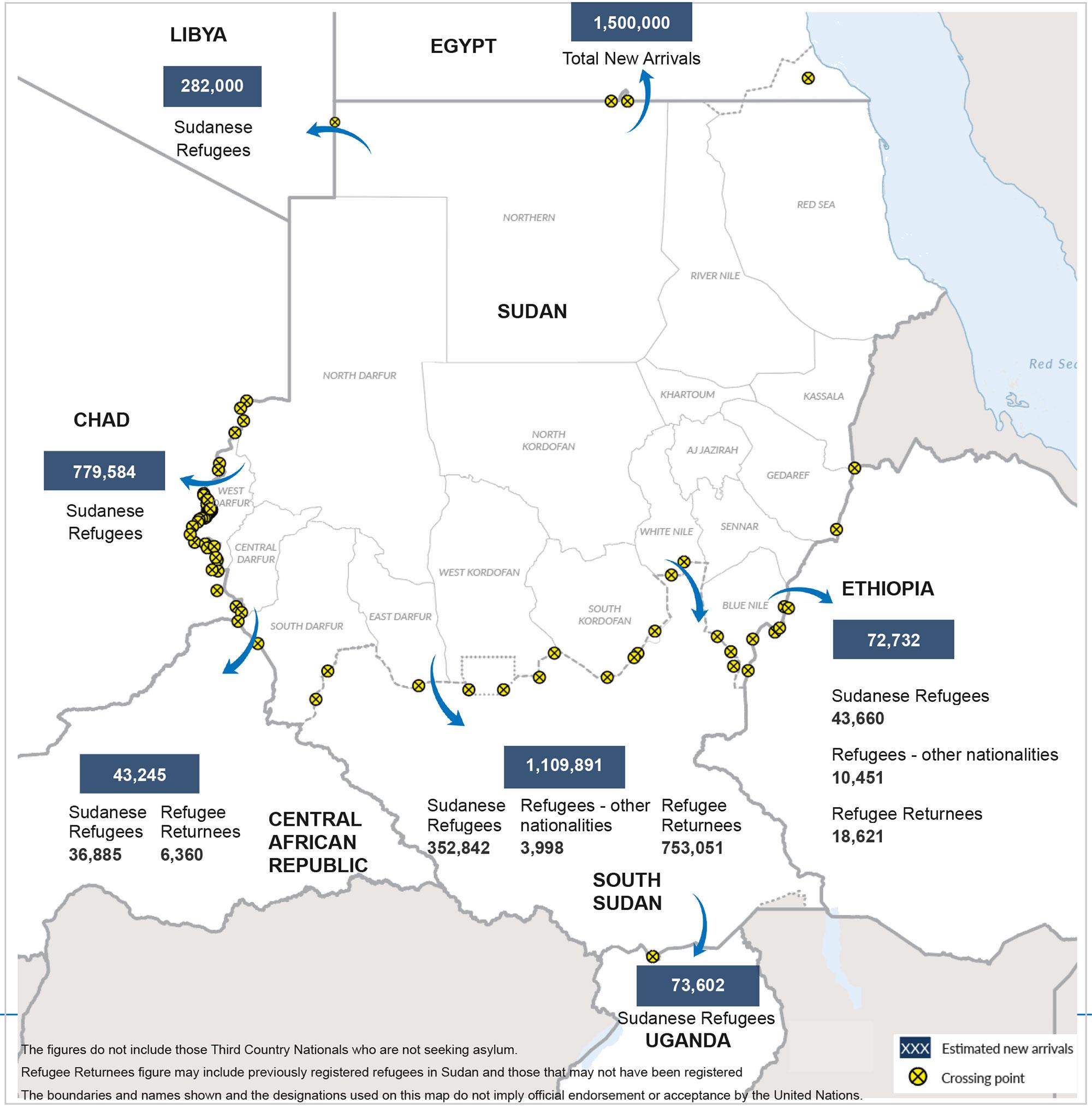
Refugee movements from Sudan.

Accountability is paramount

Perpetrators of serious violations must be held accountable,” Mr. Dujarric stressed.

The civil war between rival militaries – the national Sudanese Armed Forces (SAF) and the paramilitary Rapid Support Forces (RSF) and allied militias – has claimed tens of thousands of lives and driven more than 12.7 million people from their homes, including nearly four million as refugees in neighbouring countries.

Violence and insecurity has also sparked a catastrophic hunger crisis, with over half the population suffering acute food insecurity and famine conditions confirmed in various regions, leaving millions at risk of starvation.

Emergency response underway in Tawila

Despite the escalating violence and dwindling funds, humanitarian agencies continue their efforts to deliver lifesaving aid.

The UN relief coordination office, OCHA, reported on Wednesday that an inter-agency convoy led by UN Deputy Humanitarian Coordinator Antoine Gérard crossed into Darfur from Chad earlier this week via the Adré border, en route to Tawila.

The convoy is transporting critical supplies including nutrition and medical items, dignity kits, and other essential goods.

Food and nutrition assistance for approximately 220,000 people has already reached Tawila, with the UN World Food Programme (WFP) confirming that distributions began this week and are already 20 per cent complete.

Additional convoys are in motion, including one expected to depart Chad on Wednesday with 19 trucks of nutrition supplies.

Aid reaches capital Khartoum

WFP has begun the first food distributions in the centre of the capital Khartoum since the conflict erupted two years ago.

Deliveries of 70 metric tonnes of food to the Burri neighbourhood are set to begin on Thursday, attempting to reach nearly 8,000 people.

Aid distributions have also started in Alazhari, one of the areas at high risk of famine, where 20,000 people are receiving assistance.

Despite these efforts, WFP warned that the impending rainy season and severe funding shortfalls could undermine recent progress.

The agency, which assists about four million people monthly, aims to expand coverage to seven million – but that still represents only a fraction of those in need.

Source link