Lunar enthusiasts of all ages are challenged to help identify features on the Moon that might pose a hazard to rovers or astronauts exploring the surface.
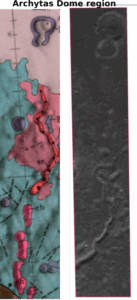
The 2022 EXPLORE Lunar Data Challenge is focused on the Archytas Dome region, close to the Apollo 17 landing site where the last humans set foot on the Moon 50 years ago this December.
The Machine Learning Lunar Data Challenge is open to students, researchers and professionals in areas related to planetary sciences, but also to anyone with expertise in data processing. There is also a Public Lunar Data Challenge to plot the safe traverse of a lunar rover across the surface of the Moon, open to anyone who wants to ‘have a go’, as well as a Classroom Lunar Data Challenge for schools, with hands-on activities about lunar exploration and machine learning.
Announcing the EXPLORE Machine Learning Lunar Data Challenge during the Europlanet Science Congress (EPSC) 2022 in Granada, Spain, this week Giacomo Nodjoumi said: “The Challenge uses data of the Archytas Dome taken by the Narrow Angle Camera (NAC) on the Lunar Reconnaissance Orbiter (LRO) mission. This area of the Moon is packed craters of different ages, boulders, mounds, and a long, sinuous depression, or rille. The wide variety of features in this zone makes it a very interesting area for exploration and the perfect scenario for this Data Challenge.”
The Archytas Dome region of the lunar surface is the target area for the EXPLORE Lunar Data Challenges 2022./CREDIT: NASA/GSFC/Arizona State University/EXPLORE/Jacobs University. https://exploredatachallenges.space/wp-content/uploads/2022/09/Archytas2.png
The Machine Learning Lunar Data Challenge is in three steps:
Participants should train and test a model capable of recognising craters and boulders on the lunar surface.
They should use their model to label craters and boulders in a set of images of the Archytas zone.
Finally, they should use the outputs of their models to create a map of an optimal traverse across the lunar surface to visit defined sites of scientific interest and avoid hazards, such as heavily cratered zones.
The public and schools are also invited to use lunar images to identify features and plot a journey for a rover. Prizes for the challenges include vouchers totalling 1500 Euros, as well as pieces of real Moon rock from lunar meteorites.
The EXPLORE project, which is funded through the European Commission’s Horizon 2020 Programme, gathers experts from different fields of science and technical expertise to develop new tools that will promote the exploitation of space science data.
This composite image of the moon using Clementine data from 1994 is the view we are most likely to see when the moon is full. Credit: NASA
“Through the EXPLORE Data Challenges, we aim to raise awareness of the scientific tools that we are developing, improve their accuracy by bringing in expertise from other communities, and involve schools and the public in space science research,” said Nick Cox, the Coordinator of the EXPLORE project.
The deadline for entries closes on 21 November 2022 and winners will be announced in mid-December on the anniversaries of the Apollo 17 mission milestones.
Plastics, now ubiquitous in the modern world, have become a rising threat to human and environmental health. Around the planet, evidence of plastic pollution stretches from grocery bags in the deep sea to microplastics in our food supplies and even in our blood.
Seeking solutions to counteract the rise in plastic trash, scientists at the University of California San Diego have developed new biodegradable materials that are designed to replace conventionally used plastic. After proving their polyurethane foams biodegrade in land-based composts, an interdisciplinary team of scientists including UC San Diego biologist Stephen Mayfield and chemists Michael Burkart and Robert “Skip” Pomeroy have now shown that the material biodegrades in seawater. The results are published in the journalScience of the Total Environment.
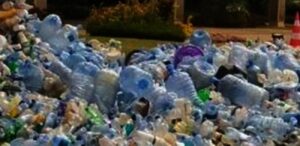
The researchers are working to address a plastic pollution problem now described as a global environmental crisis. In 2010, researchers estimated that 8 billion kilograms of plastic enter the ocean in a single year, with a steep escalation predicted by 2025. Upon entering the ocean, plastic waste disrupts marine ecosystems, migrates to central locations and forms trash gyres such as the Great Pacific Garbage Patch, which covers an area more than 1.6 million square kilometers. These plastics never degrade, but rather break up into ever-smaller particles, eventually becoming microplastics that persist in the environment for centuries.
A sustainable Blueview shoe biodegrades in ocean water after 11 weeks./CREDIT:Daniel Zhen, Algenesis Inc.
Working with study coauthor Samantha Clements, a marine biologist and scientific diver at Scripps Institution of Oceanography, the UC San Diego researchers conducted a series of tests of their biodegradable polyurethane materials—currently used as foams in the first commercially available biodegradable shoes (sold by a spinoff company called Blueview)—at Scripps’ Ellen Browning Scripps Memorial Pier and Experimental Aquarium. The pier’s location provided scientists the access and a unique opportunity to test materials in the natural nearshore ecosystem, which is the exact environment where rogue plastics are most likely to end up.
The team found that an assortment of marine organisms colonizes on the polyurethane foam and biodegrades the material back to their starting chemicals, which are consumed as nutrients by these microorganisms, in the ocean environment. Data from the study suggest that the microorganisms, a mix of bacteria and fungi, live throughout the natural marine environment.
Plastic/Ians
“Improper disposal of plastic in the ocean breaks down into microplastics and has become an enormous environmental problem,” said Mayfield, a professor in the School of Biological Sciences and director of the California Center for Algae Biotechnology. “We’ve shown that it’s absolutely possible to make high performance plastic products that also can degrade in the ocean. Plastics should not be going into the ocean in the first place, but if they do, this material becomes food for microorganisms and not plastic trash and microplastics that harm aquatic life.”
Shoes, including flip-flops, the world’s most popular shoe, make up a large percentage of plastic waste that ends up in the world’s oceans and landfills. To fully test and analyze their polyurethane materials, developed at UC San Diego over the last eight years, the study joined experts in biology, polymer and synthetic chemistry and marine science. Foam samples were exposed to tidal and wave dynamics and tracked for molecular and physical changes using Fourier-transform infrared spectroscopy and scanning electron microscopy. The results showed that the material started to degraded in as little as four weeks. The researchers then identified microorganisms from six marine sites around San Diego that are capable of breaking down and consuming the polyurethane material.
“No single discipline can address these universal environmental problems but we’ve developed an integrated solution that works on land—and now we know also biodegrades in the ocean,” said Mayfield. “I was surprised to see just how many organisms colonize on these foams in the ocean. It becomes something like a microbial reef.”
Researchers have used the mathematical equations of chaos theory to analyse the data from long-term monitoring of an electronically tagged narwhal. They have extracted previously undetected diurnal patterns within what initially appeared to be irregular diving and surface resting behavior, using records extending across 83 days.
“While animal-borne ocean sensors continue to advance and collect more data, there is a lack of adequate methods to analyse records of irregular behavior,” says Hokkaido University geophysicist Evgeny A. Podolskiy, first author of the research published in the journal PLOS Computational Biology.
Podolskiy developed the procedure to find behavioral patterns in seemingly intractable complexity with Mads Peter Heide‐Jørgensen at the Greenland Institute of Natural Resources.
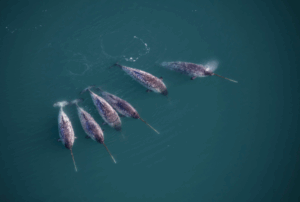
Narwhals (Monodon monoceros) are relatively small whales found in Arctic seas, famous for their long single tusks and called the unicorns of the sea. They are one of the most endangered Arctic species due to climate change, human activity, and predation by such invasive species as killer whales. The narwhals are notable for undertaking dives to extreme depths of more than 1,800 metres. Their life cycle is tightly coupled with sea ice, which is rapidly declining.
A pod of adult male narwhals, Greenland, September 2019 (Photo: Carsten Egevang; This image may exclusively be used in relation to this press release. The image can not be included in media archives for use apart from the above and not be handed over to third parties, without prior acceptance by the photographer)./CREDIT: Carsten Egevang
Podolskiy and Heide‐Jørgensen combined their expertises in signal processing and biologging to understand the full diversity of behaviors of a satellite-tagged narwhal. Mathematical techniques developed as part of chaos theory can interpret complicated and seemingly chaotic behavior in dynamic systems to reveal states called ‘attractors’, which the systems tend to develop towards. In essence, the approach identifies significant patterns that would otherwise be difficult to detect.
The analysis of the behavior of the electronically tagged narwhal, inspired by Podolskiy’s previous work on turbulence, revealed a daily pattern of activity and how it was affected by changing seasons, features of narwhal behavior that were previously unrecognised. The animal rested nearer to the surface around noon, but when they did dive at that time the dives were very deep. During twilight and at night the dives became more shallow but also more intense, possibly due to hunting for squid, which is known for diurnal vertical migration. It was also found that increased sea ice constrains the narwhal’s surface activity, and is correlated with more intense diving.
“Our approach is relatively simple to implement and can map and label long term data, identifying differences between the behavior of individual animals and different species, and also detecting perturbations in behavior caused by changing influences,” the authors suggest.
The researchers expect that their new method may be especially useful for assessing the challenges to narwhals and other Arctic animals posed by climate change and the loss of sea ice. Such information may prove vital in adopting policies to protect endangered species in the face of natural change and increased human activity.
Under various interventions taken up by the Ministry of Women and Child Development jointly with Ministry of Ayush, close to 4.37 lakh Anganwadi Centres have set up Poshan Vatikas. Additionally, so far, 1.10 lakh medicinal saplings have also been planted across some of the selected districts of 6 States.
Under ongoing Poshan Maah 2022, activities for setting-up nutri-gardens or retro-fitting Poshan Vatikas with backyard poultry / fishery units is being carried out in a big way across the country.
So far, more than 1.5 lakh events on retrofitting Poshan Vatikas with backyard poultry and fishery units have been reported. Also, more than 75 thousand sensitization camps have been conducted to promote millets and backyard kitchen gardens. Interestingly, to replicate the model of Poshan Vatikas at/around new AWCs, close to 40 thousand land identification drives for nutri-gardens/Poshan Vatikas have also been reported under Poshan Maah so far.
Poshan Vatikas or Nutri- gardens being set up across the country to provide easy and affordable access to fruits, vegetables, medicinal plants and herbs.
Launched on 8th March, 2018, by the Hon’ble Prime Minister, POSHAN Abhiyaan aims to improve nutritional outcomes for children, adolescents, pregnant women & lactating mothers. The Abhiyaan is a key component of Mission Poshan 2.0 which seeks to address the challenges of malnutrition in children, adolescent girls, pregnant women and lactating mothers through a strategic shift in nutrition content and delivery and by creation of a convergent eco-system to develop and promote practices that nurture health, wellness and immunity.
A key plank of the goal to enable the right kind of nourishment are the Poshan Vatikas or Nutri-gardens that are being set up across the country to provide easy and affordable access to fruits, vegetables, medicinal plants and herbs. The idea is simple; to provide a fresh and regular supply of locally produced fruits, vegetables and medicinal plants to women and children straight from a nutri-garden at or near an Anganwadi Centre.
Poshan Vatikas or Nutri- gardens being set up across the country to provide easy and affordable access to fruits, vegetables, medicinal plants and herbs.
Poshan Vatikas can play an important role in enhancing dietary diversity by providing key micronutrients through local fruits and vegetables. Poshan Vatikas are a good example of convergent action on-ground. Beyond the reward of locally available wholesome produce, it will reduce external dependency and make communities atmanirbhar for their nutritional security.
Using the Atacama Large Millimeter/submillimeter Array (ALMA), astronomers have spotted signs of a ‘hot spot’ orbiting Sagittarius A*, the black hole at the centre of our galaxy. The finding helps us better understand the enigmatic and dynamic environment of our supermassive black hole.
“We think we’re looking at a hot bubble of gas zipping around Sagittarius A* on an orbit similar in size to that of the planet Mercury, but making a full loop in just around 70 minutes. This requires a mind blowing velocity of about 30% of the speed of light!” says Maciek Wielgus of the Max Planck Institute for Radio Astronomy in Bonn, Germany, who led the study published today, Sept 22, 2022 in Astronomy & Astrophysics.
The observations were made with ALMA in the Chilean Andes — a radio telescope co-owned by the European Southern Observatory (ESO) — during a campaign by the Event Horizon Telescope (EHT) Collaboration to image black holes. In April 2017 the EHT linked together eight existing radio telescopes worldwide, including ALMA, resulting in the recently released first ever image of Sagittarius A.
To calibrate the EHT data, Wielgus and his colleagues, who are members of the EHT Collaboration, used ALMA data recorded simultaneously with the EHT observations of Sagittarius A. To the team’s surprise, there were more clues to the nature of the black hole hidden in the ALMA-only measurements.
By chance, some of the observations were done shortly after a burst or flare of X-ray energy was emitted from the centre of our galaxy, which was spotted by NASA’s Chandra Space Telescope. These kinds of flares, previously observed with X-ray and infrared telescopes, are thought to be associated with so-called ‘hot spots’, hot gas bubbles that orbit very fast and close to the black hole.
The flares were long thought to originate from magnetic interactions in the very hot gas orbiting very close to Sagittarius A*, and the new findings support this idea. “Now we find strong evidence for a magnetic origin of these flares and our observations give us a clue about the geometry of the proces,” says co-author Monika Mościbrodzka from Radboud University.
The observations confirm some of the previous discoveries made by the GRAVITY instrument at ESO’s Very Large Telescope (VLT), which observes in the infrared. The data from GRAVITY and ALMA both suggest the flare originates in a clump of gas swirling around the black hole at about 30% of the speed of light in a clockwise direction in the sky, with the orbit of the hot spot being nearly face-on.
Nanoengineers at the University of California San Diego have developed microscopic robots that can swim around in the lungs, deliver medication and clear up life-threatening cases of bacterial pneumonia, according to a study published in Nature Materials..
The so-called microrobots safely eliminated pneumonia-causing bacteria in the lungs and resulted in 100% survival. By contrast, untreated mice all died within three days after infection. Made of algae cells whose surfaces are speckled with antibiotic-filled nanoparticles, the algae provide movement, which allows the microrobots to swim around and deliver antibiotics directly to more bacteria in the lungs.
The nanoparticles containing the antibiotics are made of tiny biodegradable polymer spheres that are coated with the cell membranes of neutrophils, which are a type of white blood cell. What’s special about these cell membranes is that they absorb and neutralize inflammatory molecules produced by bacteria and the body’s immune system. This gives the microrobots the ability to reduce harmful inflammation, which in turn makes them more effective at fighting lung infection.
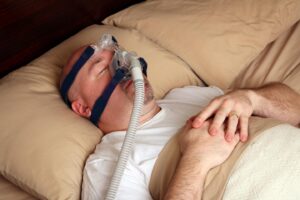
CPAP treatment, which is often used at home to help people with sleep problems, helps to keep the lungs open and makes breathing easier / CREDIT Lancaster University
The work is a joint effort between the labs of nanoengineering professors Joseph Wang and Liangfang Zhang, both at the UC San Diego Jacobs School of Engineering. Wang is a world leader in the field of micro- and nanorobotics research, while Zhang is a world leader in developing cell-mimicking nanoparticles for treating infections and diseases. Together, they have pioneered the development of tiny drug-delivering robots that can be safely used in live animals to treat bacterial infections in the stomach and blood. Treating bacterial lung infections is the latest in their line of work.
“Our goal is to do targeted drug delivery into more challenging parts of the body, like the lungs. And we want to do it in a way that is safe, easy, biocompatible and long lasting,” said Zhang. “That is what we’ve demonstrated in this work.”
The team used the microrobots to treat mice with an acute and potentially fatal form of pneumonia caused by the bacteria Pseudomonas aeruginosa. This form of pneumonia commonly affects patients who receive mechanical ventilation in the intensive care unit.
The researchers administered the microrobots to the lungs of the mice through a tube inserted in the windpipe. The infections fully cleared up after one week. All mice treated with the microrobots survived past 30 days, while untreated mice died within three days.
Treatment with the microrobots was also more effective than an IV injection of antibiotics into the bloodstream. The latter required a dose of antibiotics that was 3000 times higher than that used in the microrobots to achieve the same effect. For comparison, a dose of microrobots provided 500 nanograms of antibiotics per mouse, while an IV injection provided 1.644 milligrams of antibiotics per mouse.
The team’s approach is so effective because it puts the medication right where it needs to go rather than diffusing it through the rest of the body.
“These results show how targeted drug delivery combined with active movement from the microalgae improves therapeutic efficacy,” said Wang.
And if the thought of putting algae cells in your lungs makes you squeamish, the researchers say that this approach is safe. Next steps include studies to validate the microrobot treatment and scaling it up before testing it in larger animals and eventually, in humans.
In a move to boost exports of unique agricultural processed food products, the centre through apex export promotion body — Agricultural and Processed Food Products Export Authority (APEDA) — facilitated the export of first consignment of plant-based meat products under Vegan food category from Nadiad in Kheda district in Gujarat to California,the United States of America (USA).
With the growing popularity of vegan food products in developed countries, the plant-based food products have a huge export potential in the international market due to the high nutrient value of the vegan food products. Due to its rich fiber and lesser cholesterol contents, vegan food products are becoming alternative food products across the globe.
The first shipment that was exported to the USA from Nadiad has vegan food products like momos, mini samosas, patties, nuggets, spring rolls, burgers, etc. The logistics support was provided by the Kheda district administration.
Stressing on exploring new foreign destinations, APEDA Chairman, Dr M Angamuthu said that APEDA is working towards promotion of plant-based meat products in a big way without disturbing the conventional animal-based meat export market.
Millets
On the occasion, Kheda district magistrate Shri K.L. Bachani assured all needed support to APEDA for export-related activities in future. “It has become possible with the efforts of Regional Head, APEDA Gujarat that first consignment of plant-based food products is being shipped to U.S.A from Nadiad,” Bachani said.
The APEDA has planned to promote a variety of vegan foods products, including pancake, snacks, cheese, etc, to the countries of Australia, Israel, New Zealand and others in coming months.
On the occasion, APEDA, Gujarat’s Regional Head stressed on adding more plant-based meat products in APEDA’s export basket.The first consignment of plant-based food products were exported by Greennest and Wholesome Foods.
APEDA has taken number of export promotion activities and initiatives, by way of development of virtual portals for organizing Virtual Trade Fairs, Farmer Connect Portal, e-office, HortiNet Traceability system, Buyer Seller Meets, Reverse Buyer Seller Meets, product specific campaigns etc. APEDA has been closely working with the state government for creating infrastructure and promotion of export from the state.
food
APEDA assists in upgradation and strengthening of recognized laboratories for export testing and residue monitoring plans. APEDA also provides assistance under the financial assistance schemes of infrastructure development, quality improvement and market development for boosting export of agricultural products.
APEDA organizes participation of exporters in the International Trade Fairs, which provides a platform to the exporters to market their food products in the global marketplace. APEDA also organizes national events like AAHAR, Organic World Congress, BioFach India etc. to promote agri-exports.
In order to ensure seamless quality certification of products to be exported, APEDA has recognized 220 labs across India to provide services of testing a wide range of products to exporters.
A study led by Durham University’s Fetal and Neonatal Research Lab, UK, took 4D ultrasound scans of 100 pregnant women to see how their unborn babies responded after being exposed to flavours from foods eaten by their mothers.
Researchers looked at how the fetuses reacted to either carrot or kale flavours just a short time after the flavours had been ingested by the mothers.
Fetuses exposed to carrot showed more “laughter-face” responses while those exposed to kale showed more “cry-face” responses.
Their findings could further our understanding of the development of human taste and smell receptors.
The researchers also believe that what pregnant women eat might influence babies’ taste preferences after birth and potentially have implications for establishing healthy eating habits.
The study is published in the journal Psychological Science.
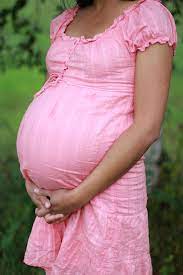
pregnant lady/Commons.wikimedia.org
Humans experience flavour through a combination of taste and smell. In fetuses it is thought that this might happen through inhaling and swallowing the amniotic fluid in the womb.
Lead researcher Beyza Ustun, a postgraduate researcher in the Fetal and Neonatal Research Lab, Department of Psychology, Durham University, said: “A number of studies have suggested that babies can taste and smell in the womb, but they are based on post-birth outcomes while our study is the first to see these reactions prior to birth.
“As a result, we think that this repeated exposure to flavours before birth could help to establish food preferences post-birth, which could be important when thinking about messaging around healthy eating and the potential for avoiding ‘food-fussiness’ when weaning.
“It was really amazing to see unborn babies’ reaction to kale or carrot flavours during the scans and share those moments with their parents.”
The research team, which also included scientists from Aston University, Birmingham, UK, and the National Centre for Scientific Research-University of Burgundy, France, scanned the mothers, aged 18 to 40, at both 32 weeks and 36 weeks of pregnancy to see fetal facial reactions to the kale and carrot flavours.
Mothers were given a single capsule containing approximately 400mg of carrot or 400mg kale powder around 20 minutes before each scan. They were asked not to consume any food or flavoured drinks one hour before their scans.
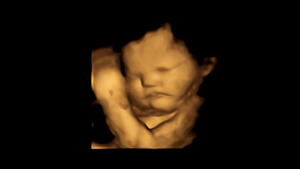
A 4D scan image of a fetus showing a neutral face/CREDIT: FETAP (Fetal Taste Preferences) Study, Fetal and Neonatal Research Lab, Durham University.
The mothers also did not eat or drink anything containing carrot or kale on the day of their scans to control for factors that could affect fetal reactions.
Facial reactions seen in both flavour groups, compared with fetuses in a control group who were not exposed to either flavour, showed that exposure to just a small amount of carrot or kale flavour was enough to stimulate a reaction.
Co-author Professor Nadja Reissland, head of the Fetal and Neonatal Research Lab, Department of Psychology, Durham University, supervised Beyza Ustun’s research. She said: “Previous research conducted in my lab has suggested that 4D ultrasound scans are a way of monitoring fetal reactions to understand how they respond to maternal health behaviours such as smoking, and their mental health including stress, depression, and anxiety.
“This latest study could have important implications for understanding the earliest evidence for fetal abilities to sense and discriminate different flavours and smells from the foods ingested by their mothers.”
Co-author Professor Benoist Schaal, of the National Centre for Scientific Research-University of Burgundy, France, said: “Looking at fetuses’ facial reactions we can assume that a range of chemical stimuli pass through maternal diet into the fetal environment.
“This could have important implications for our understanding of the development of our taste and smell receptors, and related perception and memory.”
The researchers say their findings might also help with information given to mothers about the importance of taste and healthy diets during pregnancy.
They have now begun a follow-up study with the same babies post-birth to see if the influence of flavours they experienced in the womb affects their acceptance of different foods.
Research co-author Professor Jackie Blissett, of Aston University, said: “It could be argued that repeated prenatal flavour exposures may lead to preferences for those flavours experienced postnatally. In other words, exposing the fetus to less ‘liked’ flavours, such as kale, might mean they get used to those flavours in utero.
“The next step is to examine whether fetuses show less ‘negative’ responses to these flavours over time, resulting in greater acceptance of those flavours when babies first taste them outside of the womb.”
Activated carbon is used in kitchen fans to eliminate food odours. A new dissertation from the University of Gothenburg shows that activated carbon could also eliminate the smell of urine from diapers. Experiments with the odour molecule p-cresol show that activated carbon, which largely consists of the carbon variant graphene, can lock in odour instead of it being released to the surroundings.
Modern diapers can absorb and lock in a lot of liquid, meaning they do not have to be changed as often as in the past. But odour is still a problem. In a dissertation by Isabelle Simonsson at the University of Gothenburg, she looked at a specific odour molecule and discovered that in the right setting, it can choose to remain in the liquid and not cause foul odour.
“The odour molecule is called p-cresol and is an organic, volatile hydrocarbon. It’s what causes the strong odour associated with pig farming and horse stables. p-Cresol is also found in human urine and is hydrophobic, which means it avoids water. That’s one of the reasons why it is released from urine into the surrounding air, in other words, that the odour spreads,” says Isabelle Simonsson.
Electrically charged surfaces can adsorb odour
Manufacturers of diapers and other hygiene products have long known that an electrically charged surface can adsorb odour. There is even an old patent covering this, but a great deal has involved conducting tests on different materials and seeing what works. The tests have not resulted in a solution.
The main goal of the dissertation is to investigate what material properties are important for adsorbing odour molecules in urine. One of the materials used was activated carbon, which is found in almost every kitchen fan these days to neutralise odour; it is also an inexpensive and environmentally friendly material.
Tests with carbon materials that had been manipulated in various ways showed that carbon with the least charge was most effective at attracting p-cresol molecules from the liquid, resulting in less odour. Activated carbon, consisting mainly of the carbon variant graphene, was best at capturing the odour molecule.
“Our findings show a direct ‘ion-specific effect’ on the material’s properties and adsorption capability in synthetic urine. Activated carbon has a large surface area, which is good at adsorbing odour molecules,” says Simonsson.
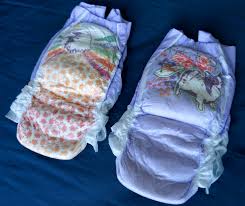
Baby Diapers/wikipedia
Salts in urine enhance the effect
The same effect was not achieved in tests in which p-cresol was dissolved in water, which is due to the salts in urine. The salt ions, including sodium, reduce the water solubility of organic molecules, which then bind to the activated carbon instead.
The dissertation primarily involved fundamental research, but its findings may be useful in many industrial processes, including for the mining industry, water and sewage treatment, the development of new hygiene products, pharmaceuticals and construction materials.
“These results are promising, but there are obstacles to developing an odourless diaper. Like colour. Can you sell a diaper that’s black?”
NASA’s James Webb Space Telescope shows off its capabilities closer to home with its first image of Neptune. Not only has Webb captured the clearest view of this distant planet’s rings in more than 30 years, but its cameras reveal the ice giant in a whole new light.
Most striking in Webb’s new image is the crisp view of the planet’s rings – some of which have not been detected since NASA’s Voyager 2 became the first spacecraft to observe Neptune during its flyby in 1989. In addition to several bright, narrow rings, the Webb image clearly shows Neptune’s fainter dust bands.
“It has been three decades since we last saw these faint, dusty rings, and this is the first time we’ve seen them in the infrared,” notes Heidi Hammel, a Neptune system expert and interdisciplinary scientist for Webb. Webb’s extremely stable and precise image quality permits these very faint rings to be detected so close to Neptune.
Neptune has fascinated researchers since its discovery in 1846. Located 30 times farther from the Sun than Earth, Neptune orbits in the remote, dark region of the outer solar system. At that extreme distance, the Sun is so small and faint that high noon on Neptune is similar to a dim twilight on Earth.
Webb’s Near-Infrared Camera (NIRCam) images objects in the near-infrared range from 0.6 to 5 microns, so Neptune does not appear blue to Webb. In fact, the methane gas so strongly absorbs red and infrared light that the planet is quite dark at these near-infrared wavelengths, except where high-altitude clouds are present. Such methane-ice clouds are prominent as bright streaks and spots, which reflect sunlight before it is absorbed by methane gas. Credits: NASA, ESA, CSA, STScI
This planet is characterized as an ice giant due to the chemical make-up of its interior. Compared to the gas giants, Jupiter and Saturn, Neptune is much richer in elements heavier than hydrogen and helium. This is readily apparent in Neptune’s signature blue appearance in Hubble Space Telescope images at visible wavelengths, caused by small amounts of gaseous methane.
Webb’s Near-Infrared Camera (NIRCam) images objects in the near-infrared range from 0.6 to 5 microns, so Neptune does not appear blue to Webb. In fact, the methane gas so strongly absorbs red and infrared light that the planet is quite dark at these near-infrared wavelengths, except where high-altitude clouds are present. Such methane-ice clouds are prominent as bright streaks and spots, which reflect sunlight before it is absorbed by methane gas. Images from other observatories, including the Hubble Space Telescope and the W.M. Keck Observatory, have recorded these rapidly evolving cloud features over the years.
More subtly, a thin line of brightness circling the planet’s equator could be a visual signature of global atmospheric circulation that powers Neptune’s winds and storms. The atmosphere descends and warms at the equator, and thus glows at infrared wavelengths more than the surrounding, cooler gases.
Neptune’s 164-year orbit means its northern pole, at the top of this image, is just out of view for astronomers, but the Webb images hint at an intriguing brightness in that area. A previously-known vortex at the southern pole is evident in Webb’s view, but for the first time Webb has revealed a continuous band of high-latitude clouds surrounding it.
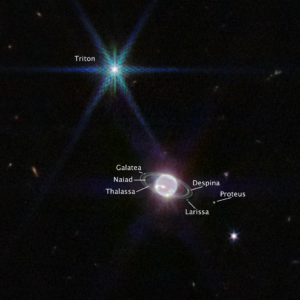
What do we see in Webb’s latest image of the ice giant Neptune? Webb captured seven of Neptune’s 14 known moons: Galatea, Naiad, Thalassa, Despina, Proteus, Larissa, and Triton. Neptune’s large and unusual moon, Triton, dominates this Webb portrait of Neptune as a very bright point of light sporting the signature diffraction spikes seen in many of Webb’s images. Credits: NASA, ESA, CSA, STScI
Webb also captured seven of Neptune’s 14 known moons. Dominating this Webb portrait of Neptune is a very bright point of light sporting the signature diffraction spikes seen in many of Webb’s images, but this is not a star. Rather, this is Neptune’s large and unusual moon, Triton.
Covered in a frozen sheen of condensed nitrogen, Triton reflects an average of 70 percent of the sunlight that hits it. It far outshines Neptune in this image because the planet’s atmosphere is darkened by methane absorption at these near-infrared wavelengths. Triton orbits Neptune in an unusual backward (retrograde) orbit, leading astronomers to speculate that this moon was originally a Kuiper belt object that was gravitationally captured by Neptune. Additional Webb studies of both Triton and Neptune are planned in the coming year.
Robotic eyes on autonomous vehicles could improve pedestrian safety, according to a new study conducted at the University of Tokyo (Todai) in Japan.
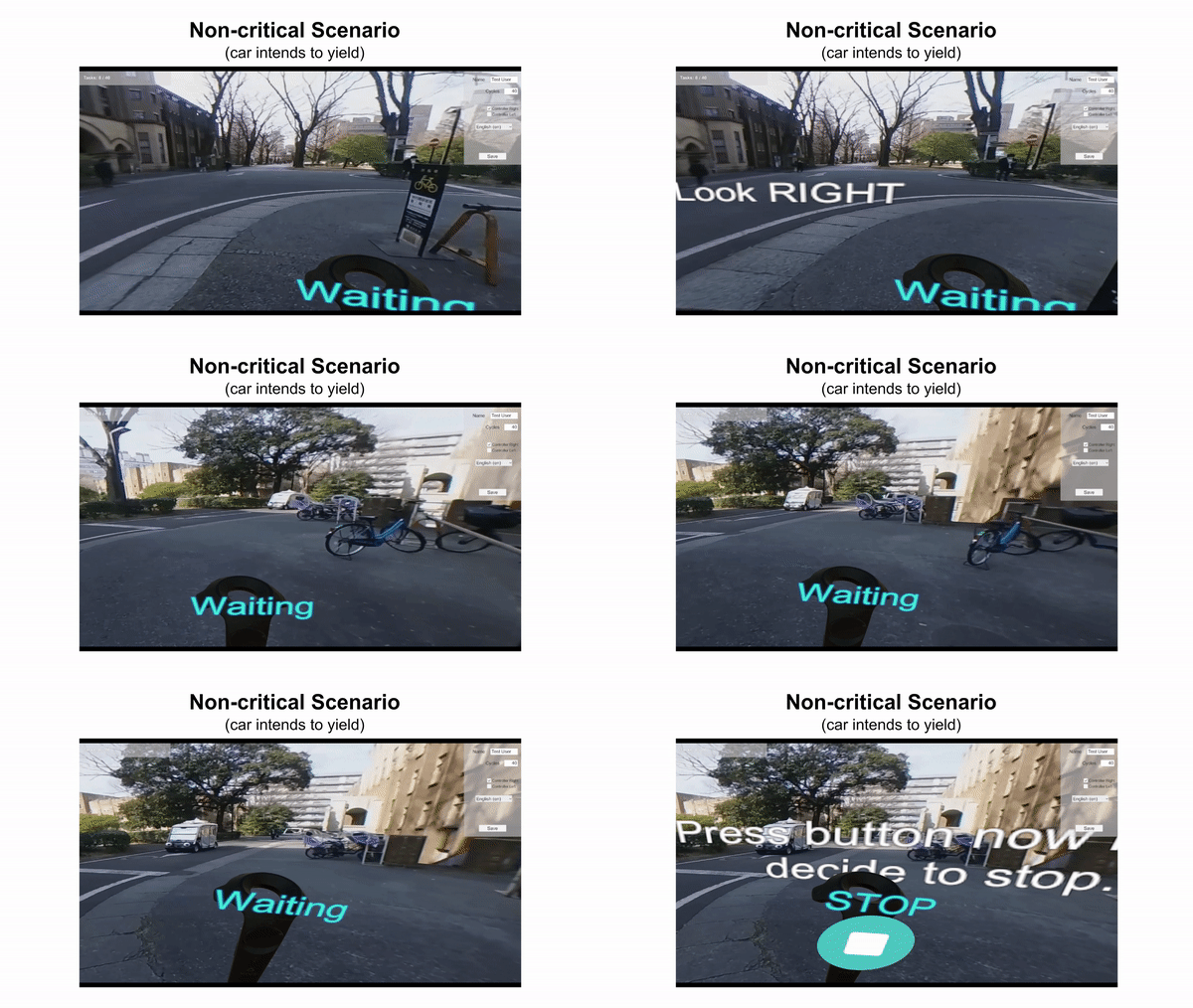
Participants played out scenarios in virtual reality (VR) and had to decide whether to cross a road as the moving vehicle is there. When that vehicle was fitted with robotic eyes, which either looked at the pedestrian or away, the participants were able to make safer or more efficient choices.
The Gazing Car
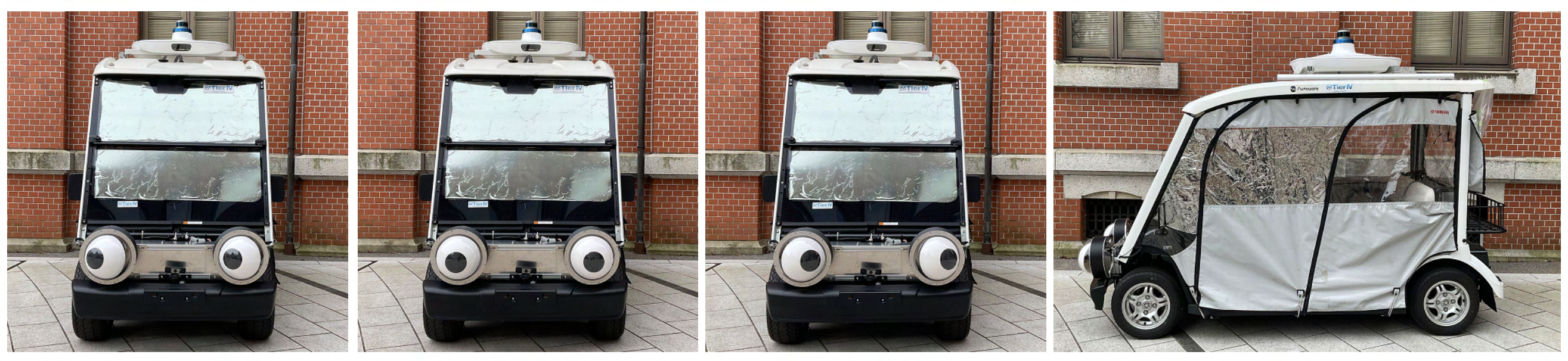
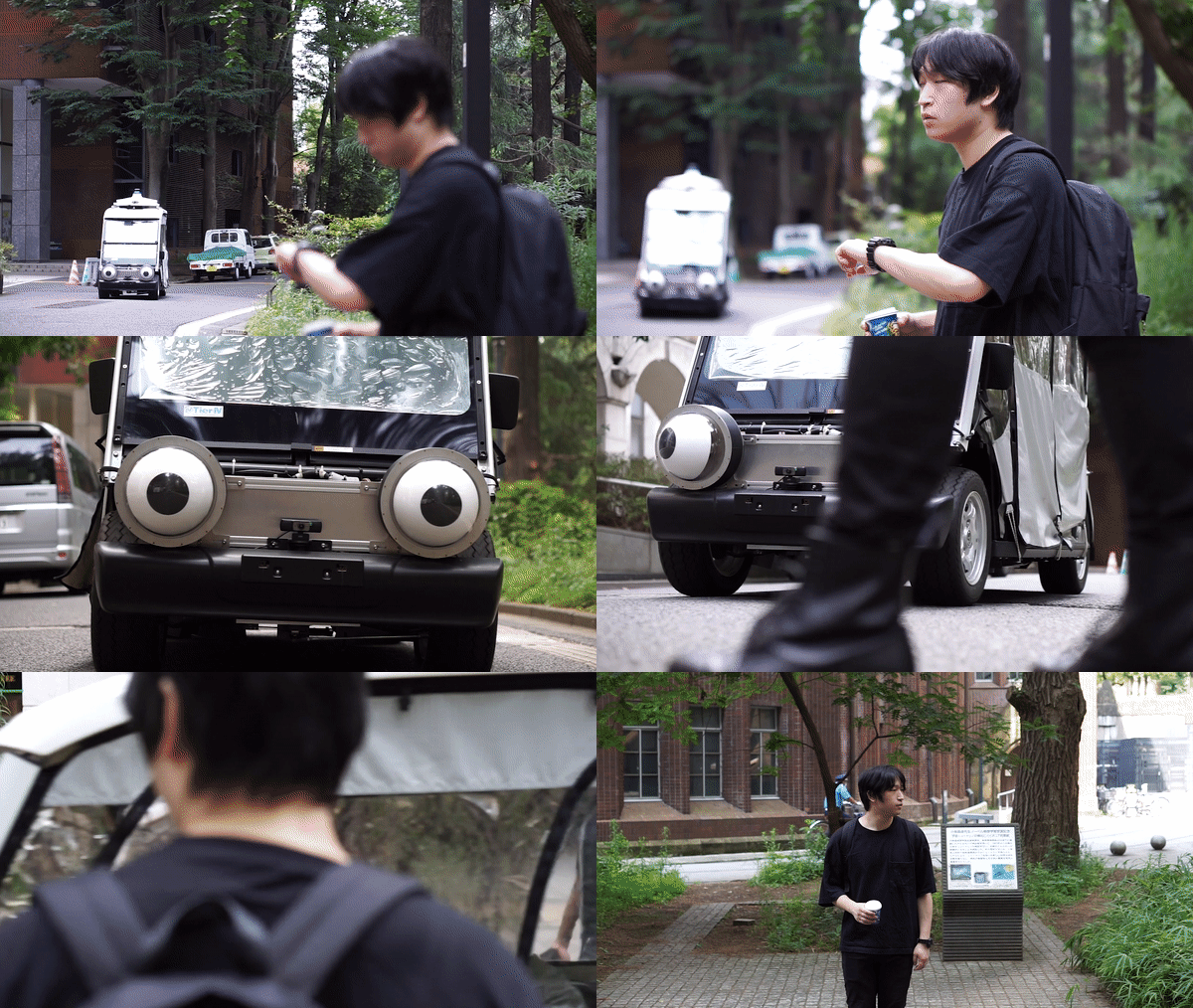
The cart was fitted with robotic eyes which could be moved in any direction, controlled by one of the research team. The windshield was covered to give the impression that there was no driver inside. Self-driving vehicles seem to be just around the corner. Whether they’ll be delivering packages, plowing fields or busing kids to school, a lot of research is underway to turn a once futuristic idea into reality.
While the main concern for many is the practical side of creating vehicles that can autonomously navigate the world, researchers at Todai have turned their attention to a more “human” concern of self-driving technology.
“There is not enough investigation into the interaction between self-driving cars and the people around them, such as pedestrians. So, we need more investigation and effort into such interaction to bring safety and assurance to society regarding self-driving cars,” said Professor Takeo Igarashi from the Graduate School of Information Science and Technology.
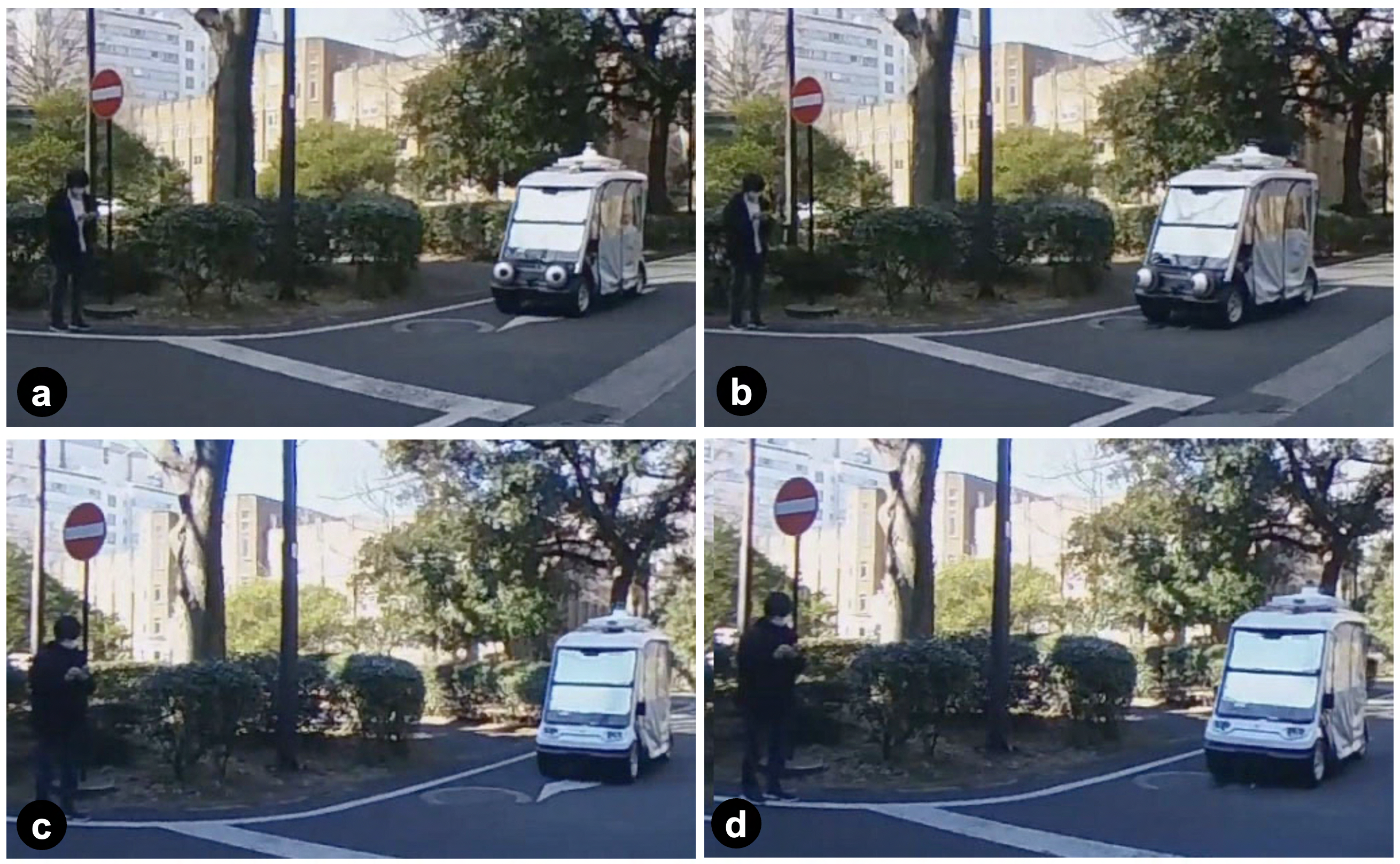
The four scenarios. In the experiment, participants had to decide whether or not the cart had noticed them and was going to stop. The images show the first-person view of a participant. In (a) the cart is paying attention to the participant (safe to cross); in (b) the cart is not paying attention to the participant (unsafe to cross); and in (c) and (d) the participant doesn’t know.
One key difference with self-driving vehicles is that drivers may become more of a passenger, so they may not be paying full attention to the road, or there may be nobody at the wheel at all. This makes it difficult for pedestrians to gauge whether a vehicle has registered their presence or not, as there might be no eye contact or indications from the people inside it.
So, how could pedestrians be made aware of when an autonomous vehicle has noticed them and is intending to stop? Like a character from the Pixar movie Cars, a self-driving golf cart was fitted with two large, remote-controlled robotic eyes. The researchers called it the “gazing car.” They wanted to test whether putting moving eyes on the cart would affect people’s more risky behavior, in this case, whether people would still cross the road in front of a moving vehicle when in a hurry.
The team set up four scenarios, two where the cart had eyes and two without. The cart had either noticed the pedestrian and was intending to stop or had not noticed them and was going to keep driving. When the cart had eyes, the eyes would either be looking towards the pedestrian (going to stop) or looking away (not going to stop).
Video of VR experience:
Participants played out the scenario 40 times each, as if they were crossing a road on the University of Tokyo campus.
As it would obviously be dangerous to ask volunteers to choose whether or not to walk in front of a moving vehicle in real life (though for this experiment there was a hidden driver), the team recorded the scenarios using 360-degree video cameras and the 18 participants (nine women and nine men, aged 18-49 years, all Japanese) played through the experiment in VR.
They experienced the scenarios multiple times in random order and were given three seconds each time to decide whether or not they would cross the road in front of the cart. The researchers recorded their choices and measured the error rates of their decisions, that is, how often they chose to stop when they could have crossed and how often they crossed when they should have waited.
“The results suggested a clear difference between genders, which was very surprising and unexpected,” said Project Lecturer Chia-Ming Chang, a member of the research team. “While other factors like age and background might have also influenced the participants’ reactions, we believe this is an important point, as it shows that different road users may have different behaviors and needs, that require different communication ways in our future self-driving world.
“In this study, the male participants made many dangerous road-crossing decisions (i.e., choosing to cross when the car was not stopping), but these errors were reduced by the cart’s eye gaze. However, there was not much difference in safe situations for them (i.e., choosing to cross when the car was going to stop),” explained Chang. “On the other hand, the female participants made more inefficient decisions (i.e., choosing not to cross when the car was intending to stop) and these errors were reduced by the cart’s eye gaze. However, there was not much difference in unsafe situations for them.”
Ultimately the experiment showed that the eyes resulted in a smoother or safer crossing for everyone.
Real life role-play
The researchers imagined the scenario of someone wanting to cross the road in a hurry when not at a traffic light or crosswalk.
But how did the eyes make the participants feel? Some thought they were cute, while others saw them as creepy or scary. For many male participants, when the eyes were looking away, they reported feeling that the situation was more dangerous. For female participants, when the eyes looked at them, many said they felt safer.
“We focused on the movement of the eyes but did not pay too much attention to their visual design in this particular study. We just built the simplest one to minimize the cost of design and construction because of budget constraints,” explained Igarashi. “In the future, it would be better to have a professional product designer find the best design, but it would probably still be difficult to satisfy everybody. I personally like it. It is kind of cute.”
The team recognizes that this study is limited by the small number of participants playing out just one scenario. It is also possible that people might make different choices in VR compared to real life. However, “Moving from manual driving to auto driving is a huge change. If eyes can actually contribute to safety and reduce traffic accidents, we should seriously consider adding them. In the future, we would like to develop automatic control of the robotic eyes connected to the self-driving AI, which could accommodate different situations,” said Igarashi.
In a significant achievement and recognition to country’s efforts against hypertension, India has won an UN award for its “India Hypertension Control Initiative (IHCI)”, a large-scale hypertension intervention under National Health Mission. IHCI has been recognized for its exceptional work within India’s existing primary healthcare system.
Complimenting the healthcare initiative, Dr. Mansukh Mandaviya, Union Minister of Health & Family Welfare stated in a tweet: “IHCI has strengthened PM @NarendraModi Ji’s mission to ensure health & wellness for all”. We are committed to building a healthy & fit India, he further noted.
A collaborative initiative of Ministry of Health and Family Welfare, Indian Council of Medical Research (ICMR), State Governments and World Health Organization-India, IHCI has won the ‘2022 UN Interagency Task Force, and WHO Special Programme on Primary Health Care Award’ at the UN General Assembly side event held on 21st September 2022 at New York, USA. The award recognizes outstanding commitment and action of India to: (i) prevent and control Non-Communicable Diseases (NCDs) and (ii) deliver integrated people-centric primary care. The UN Task Force has identified organisation which has multisectoral approach in prevention and control of NCDs and multisectoral action with demonstrated results at primary care for prevention and control of NCDs and related Sustainable Development Goals (SDGs).
Significance of the initiative can be adjudged from the fact that one in four adults in India has high blood pressure. The control of hypertension at primary care system level will contribute to reducing deaths due to heart attacks, stroke and kidney failures.
IHCI has been able to leverage and strengthen the existing healthcare delivery system, hypertension control interventions under National Health Mission and improve the linkages between populations-based screening initiative with health care. The initiative was launched in 2017 and expanded in a phased manner to cover more than 130 districts across 23 states. Under the initiative, more than 34 lakh people with hypertension are taking treatment in government health facilities, including Ayushman Bharat Health Wellness Centres (HWCs). The project strategies are easily scalable within the health system. The strategies include a simple drug-dose-specific standard treatment protocol, ensuring adequate quantity of protocol medications, decentralization of care with follow-up and refills of medicines at Health Wellness Centres, task sharing involving all health staff and a powerful real-time information system which can track every patient for follow-up and blood pressure control. Under IHCI, nearly half of those who were treated had blood pressure under control.
The IHCI complements the National Programme for Prevention and Control of Diabetes, Cardiovascular Disease and Stroke (NPCDCS) of the Ministry of Health & Family Welfare, Government of India. IHCI accelerates the achievement of targets of the Government of India by ensuring a continuum of care and giving a boost to the ongoing “Ayushman Bharat” programme.
Prime Minister Narendra Modi chaired a meeting of the Board of Trustees of the PM CARES Fund on Tuesday in which new member Sudha Murthy from Bengaluru was appointed recently.
A presentation was made on the various initiatives undertaken with the help of PM CARES Fund, including the PM CARES for Children scheme which is supporting 4345 children. Trustees appreciated the role played by the fund at a crucial time for the country. PM Shri Narendra Modi appreciated the people of the country for contributing wholeheartedly to PM CARES Fund.
It was discussed that PM CARES has a larger vision on effectively responding to emergency and distress situations, not only through relief assistance, but also taking mitigation measures and capacity building.
Prime Minister welcomed the Trustees for becoming an integral part of the PM CARES Fund.
The meeting was attended by Trustees of the PM CARES Fund, i.e. Union Home Minister and Union Finance Minister as also, the newly nominated trustees of the PM CARES Fund:
Justice K.T. Thomas, Former Judge, Supreme Court,
Kariya Munda, Former Deputy Speaker,
Ratan Tata, Chairman Emeritus, Tata Sons.
The Trust further decided to nominate following eminent persons for constitution of Advisory Board to PM CARES Fund:
Rajiv Mehrishi, Former Comptroller and Auditor General of India
Sudha Murthy, Former Chairperson, Infosys Foundation
Anand Shah, Co-founder of Teach for India and Former CEO of Indicorps and Piramal Foundation.
Prime Minister said that participation of new Trustees and Advisors will provide wider perspectives to the functioning of the PM CARES Fund. Their vast experience of public life would impart further vigour in making the fund more responsive to various public needs.
Mosquitoes that spread Zika, dengue and yellow fever are guided toward their victims by a scent from human skin. The exact composition of that scent has not been identified until now.
A UC Riverside-led team discovered that the combination of carbon dioxide plus two chemicals, 2-ketoglutaric and lactic acids, elicits a scent that causes a mosquito to locate and land on its victim. This chemical cocktail also encourages probing, the use of piercing mouthparts to find blood.
This chemical mixture appears to specifically attract female Aedes aegypti mosquitoes, vectors of Zika as well as chikungunya, dengue, and yellow fever viruses. This mosquito originated in Africa, but has spread to tropical and subtropical regions worldwide, including the U.S.
Mosquitoes use a variety of cues to locate their victims, including carbon dioxide, sight, temperature, and humidity. However, Cardé’s recent research shows skin odors are even more important for pinpointing a biting site.
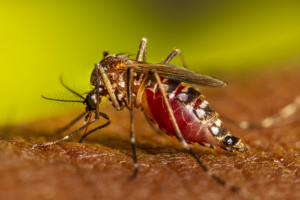
Aedes aegyptii mosquito biting a person./CREDIT CDC
“We demonstrated that mosquitoes land on visually indistinct targets imbued with these two odors, and these targets aren’t associated with heat or moisture,” Cardé said. “That leaves skin odor as the key guiding factor.”
Given the significance of odor in helping mosquitoes successfully feed on humans, Cardé wanted to discover the exact chemicals that make our scent so potent for the insects. Part of the equation, lactic acid, was identified as one chemical element in the odor cocktail as long ago as 1968.
Since then, several studies have identified that carbon dioxide combined with ammonia, and other chemicals produced by humans also attract these mosquitoes. However, Cardé, who has studied mosquitoes for 26 years, felt these other chemicals were not strong attractants.
Methods that chemists typically use to identify these chemicals would not have worked for 2-ketoglutaric acid, Cardé said. Gas chromatography, which separates chemicals by their molecular weight and polarity, would have missed this acid.
“I think that these chemicals may not have been found before because of the complexity of the human odor profile and the minute amounts of these compounds present in sweat,” said chemist Jan Bello, formerly of UCR and now with insect pest control company Provivi.
Searching for mosquito attractors, Cardé turned to Bello, who extracted compounds from the sweat in his own feet. He filled his socks with glass beads and walked around with the beads in his socks for four hours per odor collection.
Credit: MINDY TAKAMIYA/KYOTO UNIVERSITY ICEMS
“Wearing the beads felt almost like a massage, like squeezing stress balls full of sand, but with your feet,” said Bello. ‘The most frustrating part of doing it for a long time is that they would get stuck in between your toes, so it would be uncomfortable after a while.”
The inconvenience was worth the investment. Bello isolated chemicals from the sweat deposited on the sock beads and observed the mosquitoes’ response to those chemicals. In this way, the most active combination emerged.
Future studies are planned to determine whether the same compound is effective for any other mosquitoes, and why there is such variation in how individuals are apt to be bitten. “Some are more attractive than others to these mosquitoes, but no one’s yet established why this is so,” Cardé said.
Though this discovery may not lead to insights for the development of new repellants, the research team is hopeful their discovery can be used to attract, trap, and potentially kill disease-spreading mosquitoes.
Continuing the streak of significant seizures, in a major swoop down, the Directorate of Revenue Intelligence (DRI) has seized 394 pieces of foreign origin gold bars weighing approximately 65.46 kg and valued at Rs. 33.40 crore (approx.) which was being smuggled from neighbouring north eastern countries.
Specific intelligence indicated that a syndicate is actively planning to smuggle foreign origin gold from Mizoram and using domestic courier consignment of supply chain & logistic company (hereinafter referred as logistics company).
In order to interdict the contraband, “Op Gold Rush” was launched by DRI and a particular consignment declared to contain ‘Personal Goods’ destined to Mumbai was intercepted. Examination of the consignment at Bhiwandi (Maharashtra) on 19.09.2022 led to recovery and seizure of 120 pieces of foreign origin gold biscuits weighing approximately 19.93 Kg and valued at about Rs. 10.18 crore.
Further analysis and investigation revealed that 2 other such consignment, sent by same consignor from same location to same consignee, destined to Mumbai and in transit, were despatched through the same logistics company. The location of the consignments was traced.
DRI foils attempts of gold smuggling.
The second consignment was located and intercepted in Bihar. Upon examination at the Warehouse of the logistics company, it led to recovery of 172 foreign origin gold bars weighing approximately 28.57 kgs and valued at about Rs.14.50 crore. Similarly, the third consignment was intercepted and examined at the Delhi hub of the logistics company which led to recovery and seizure of 102 pieces of foreign origin gold bars weighing approximately 16.96 kg and valued at about Rs. 8.69 crore.
Directorate of Revenue Intelligence foils attempts of gold smuggling.
These series of detections have helped unearth novel modus operandi of smuggling foreign origin gold into India from the north eastern part of the country and through domestic courier route of logistics company. Such detections reinforce DRI’s ability to detect and combat unique and sophisticated methods of smuggling. A total of 394 foreign origin gold bars weighing approximately 65.46 Kg and valued at approximately Rs 33.40 crore were recovered and seized in multi city operations.
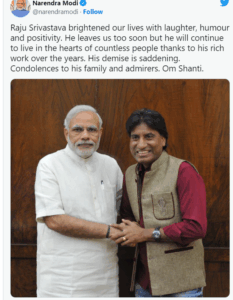
The Prime Minister, Narendra Modi has condoled the demise of renowned comedian Raju Srivastava.
The Prime Minister tweeted;
“Raju Srivastava brightened our lives with laughter, humour and positivity. He leaves us too soon but he will continue to live in the hearts of countless people thanks to his rich work over the years. His demise is saddening. Condolences to his family and admirers. Om Shanti.”
The National Highway Traffic Safety Administration of the United States on Monday released its early estimates of traffic fatalities for the first half of 2022. An estimated 20,175 people died in motor vehicle traffic crashes, an increase of about 0.5% as compared to 20,070 fatalities NHTSA projected for the first half of 2021.
However, NHTSA projects that the second quarter of 2022, from April to June, had the first decline in fatalities after seven consecutive quarters of year-to-year increases in fatalities that began in the third quarter of 2020.
“Traffic deaths appear to be declining for the first time since 2020, but they are still at high levels that call for urgent and sustained action. These deaths are preventable, not inevitable, and we should act accordingly,” said U.S. Transportation Secretary Pete Buttigieg.
From 1987 to 2017, frontal air bags saved 50,457 lives.
934 children have died due to Pediatric Vehicular Heatstroke (PVH) since 1998.
6,549 people aged 65 or older were killed in traffic crashes in 2020, 17% of all traffic fatalities.
In January, Secretary Buttigieg unveiled the National Roadway Safety Strategy, which outlines the Department’s comprehensive approach to significantly reducing serious injuries and deaths on highways, roads and streets. President Biden’s Bipartisan Infrastructure Law provides unprecedented funding for safety to achieve the Department’s ambitious, long-term goal of reaching zero roadway fatalities.
“Although it is heartening to see a projected decline in roadway deaths in recent months, the number of people dying on roads in this country remains a crisis,” said Ann Carlson, NHTSA’s Acting Administrator.
USDOT has begun work on a number of action items in the NRSS, including:
In May, the Federal Highway Administration issued Complete Streets guidance and is encouraging States to develop complete streets using the formula funding delivered through the President’s Bipartisan Infrastructure Law.
In March, NHTSA issued a request for comment to proposed significant upgrades to the New Car Assessment Program, in part by proposing to add four more advanced driver assistance system technologies to those NHTSA already recommends. These new technologies would include blind spot detection, blind spot intervention, lane keeping assistance and pedestrian automatic emergency braking. The notice also describes the roadmap of the Agency’s plans to update NCAP in phases over the next 10 years, to potentially incorporate consideration of the vehicle’s safety features for people walking or biking around the car.
In June, NHTSA issued a final rulemaking on rear impact guards for trailers and semitrailers.
USDOT issued a notice of funding opportunity for $1 billion for the first year of the brand-new Safe Streets and Roads for All program funded by the President’s Bipartisan Infrastructure Law.
Additionally, NHTSA has issued a Standing General Order to collect more data about crashes that occur when automated driving systems and advanced driver assistance systems are engaged.
The preliminary data from the USDOT’s FHWA shows vehicle miles traveled in the first half of 2022 increased by about 43.2 billion miles, a 2.8% increase from the same time period last year. The fatality rate for the first half of 2022 decreased to 1.27 fatalities per 100 million VMT, down from the projected rate of 1.30 fatalities per 100 million VMT in the first half of 2021.
NHTSA has also announced that the projections for two of the regions (NHTSA Regions 3 and 9) were revised. Projected deaths during the first quarter of 2022 for Region 3 were revised lower, while projections for Region 9 were revised higher. There were minor changes to the projections for the other regions. This did not result in a revision of the projected fatalities for the Nation as a whole.
Russian TV anchors, known for crossing the lines of journaistic ethics, have been vociferously seeking blood in the countries which are opposed to the Ukraine war since the beginning of this year.
In a remark on the program 60 Minutes, Olga Skabeyeva of the Russia-1 channel said that there is a clamour for raids on Western countries for their support to Ukraine in the war.
As the defeat in several border towns s looming large, the Russian TVs are now joined by legislators drawing their attention to global events including the Queen’s funeral where 2,000 world leaders congregated on Monday.
In a bizarre remark on Monday, a legislator too joined the bllitzkriez suggesting that Moscow should have taken advantage of Queen Elizabeth II’s funeral to launch a nuclear missile strike on London, which did not invite the Russian Preesident Vladimir Putin for the event.
Queen Elizabeth II funeral
In a remark on during a discussion on Monday, Andrey Gurulyov, a Russian member of parliament and a former army commander, refuted US President Joe Biden’s appeal to Vladimir Putin not to use weapons of mass destruction, such as nuclear arms.
Target UK, not Ukraine
“What made him think we would conduct a nuclear strike against Ukraine? We’ll still have to live over there, in Ukraine. We have plenty of targets…Why would we bomb Ukraine and Germany when there is Britain, the root of evil?” he said.
Then Skabeyeva interrupted with a remark: “We should have done it today. All the best people are there for the funeral.”
Taking it further, Gurulyov hovered around the aftermath the UK would face in the event of a nuclear strike. “Will they defend a Martian desert as per their 5th Article?” he told Skabeyeva, referring to NATO’s collective defense pledge, “there will be nothing left. What do they call it, an unshakeable island? We’ll shake it up.”
Targeting UK
Co-anchor of 60 Minutes, Evgeny Popov, then joined the debate saying, “Let me remind you that Great Britain…also has nuclear weapons,” to which Gurulyov said the UK’s warheads could be “instantly decimated”. The legislator, already on sanctions list of the US, suggested last month that Putin should launch missile strikes on the UK which “would be the end of the British Crown.”
Meanwhile on Russian state TV: State Duma deputy Andrey Gurulyov threatened Britain with nuclear strikes.
Host Olga Skabeeva said that Russia should have conducted a nuclear strike on Monday, since many important people were in attendance for the Queen’s funeral. pic.twitter.com/qRBbiPo52L
The Queen Elizabeth’s funeral on Monday was attended by leaders and state heads from around the world, including US President Joe Biden, Japanese Emperor Naruhito, French President Emmanuel Macron, Indian President Droupadi Murmu among others to pay their respects to the queen, after a week of national mourning in the UK which has seen an outpouring of grief and reverence over the death of the British monarch.
The ire against the British is apparently evident after TV news revealed several English-speaking foreigners are taking part in the Ukraine war, which helped Kyiv restore several bordering towns defeating the Russian forces.
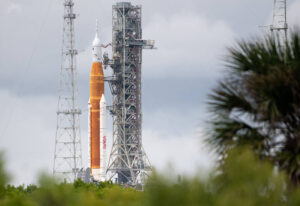
NASA Television will provide live coverage of the upcoming Artemis I cryogenic demonstration test on NASA TV beginning at 7:15 a.m. EDT or 4.30 pm IST on Wednesday, Sept. 21.
The demonstration test will allow teams to confirm the repair to a hydrogen leak seen during an early September Artemis I launch attempt, evaluate updated propellant loading procedures, and conduct additional evaluations. The demonstration will conclude when the objectives for the test have been met.
NASA remains on track for an Artemis I cryogenic demonstration test.In the days since the previous launch attempt, teams have analyzed the seals that were replaced on an interface for the liquid hydrogen fuel line between the Space Launch System (SLS) rocket and the mobile launcher and adjusted procedures for loading cryogenic, or supercold, propellants into the rocket. Engineers identified a small indentation found on the eight-inch-diameter liquid hydrogen seal that may have been a contributing factor to the leak on the previous launch attempt.
NASA’s Cryogenic Demonstration Test .Photo Credit: (NASA/Joel Kowsky)
During the test, teams will load propellants into both the core stage and upper stage tanks, and Orion and the SLS boosters will remain unpowered. Meteorologists currently predict favorable weather for the test with a 15% chance of lightning within 5 nautical miles of the area, which meets criteria required for the test, and will continue to monitor expected conditions.
US investigating agency FBI’s agent Ashley T. Johnson is warning the public about a Technical Support Fraud currently targeting older Americans in the Chicago area.
Technical Support Fraud involves a criminal posing as technical support to defraud unwitting individuals. Criminals may offer support to resolve issues such as compromised email or bank accounts, computer viruses, or software renewals. In this scam currently affecting Illinois residents, it begins with a computer intrusion.
FBI response team in action
Victims of this scam experience a frozen computer followed by a pop-up on their screen advising that their computer has been hacked. The pop-up contains a number claimed to be for a well-known computer software company; however, this number really belongs to the scammers. Once the number is called, the scammer(s):
Answer the phone pretending to be an employee of the computer software company. The “employee” claims that the victim’s bank accounts and social security account number have been compromised and connects the victims with other scammers impersonating bank representatives and Social Security Administration employees.
Direct victims to download an application that allows remote computer access.
Convince victims to withdraw money from bank/investment accounts to avoid “hackers.” Victims are told their money will be transferred to the Social Security Administration where it will be converted to Bitcoin for safekeeping and returned once they are assigned a new social security account number.
Tips to avoid this scam:
Avoid installing apps or programs that allow strangers remote access to your computer.
Never call the number in a pop-up window.
Always disconnect your device from the Internet immediately if you see a scam-related pop-up screen. Do not turn your computer off or reboot.
Always be skeptical if someone tells you not to talk to your family about a money transfer.
Always be skeptical if a “government agency” asks you to conduct business in Bitcoin.
Always call companies, banks, or government agencies directly with numbers you have independently verified.
Always contact the FBI at ic3.gov to make a report.