The Prime Minister, Narendra Modi flagged off the inaugural run of the new Vande Bharat Express from Amb Andaura, Una to New Delhi, today.
The Prime Minister inspected the train coaches of the Vande Bharat Express and took stock of the onboard facilities. Shri Modi also inspected the control centre of the locomotive engine of Vande Bharat Express. He also inspected Una railway station.
The Prime Minister was accompanied by Chief Minister of Himachal Pradesh, Jai Ram Thakur, Governor of Himachal Pradesh, Rajendra Vishwanath Arlekar, Union Minister of Railways, Ashvini Vaishnaw and Union Minister of Information & Broadcasting, Shri Anurag Singh Thakur when he arrived at Amb Andaura Railway Station in Una district of Himachal Pradesh.
The introduction of the train will help boost tourism in the region and provide a comfortable and faster mode of travel. The travel time from Una to New Delhi will be reduced by two hours. Running from Amb Andaura to New Delhi, it will be the fourth Vande Bharat train to be introduced in the country and is an advanced version compared to the earlier ones, being much lighter and capable of reaching higher speeds in a shorter duration. Vande Bharat 2.0 is equipped with more advancements and improved features such as reaching a speed of 0 to 100 kilometres per hour in just 52 seconds, and a maximum speed of up to 180 kilometres per hour. The improved Vande Bharat Express will weigh 392 tons when compared to the previous version of 430 tons. It will also have a Wi-Fi content on-demand facility. Every coach has 32” screens providing passenger information and infotainment compared to 24” in the previous version. Vande Bharat Express will also be environmentally friendly as the ACs will be 15 per cent more energy efficient. With dust-free clean air cooling of the traction motor, travel will become more comfortable. A side recliner seat facility provided only to Executive Class passengers earlier will now be made available for all classes. Executive Coaches have the added feature of 180-degree rotating seats
In the new design of Vande Bharat Express, a photo-catalytic ultraviolet air purification system is installed in the Roof-Mounted Package Unit (RMPU) for air purification. As recommended by Central Scientific Instruments Organisation (CSIO), Chandigarh, this system is designed and installed on both ends of RMPU to filter and clean the air free from germs, bacteria, viruses etc. coming through fresh air and return air.
The Vande Bharat Express 2.0 offers a myriad of superior and aircraft-like travelling experiences. It is equipped with advanced state-of-the-art safety features including an indigenously developed Train Collision Avoidance System – KAVACH.
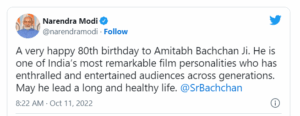
The Prime Minister, Shri Narendra Modi has greeted Amitabh Bachchan on his 80th birthday. Shri Modi has said that Amitabh Bachchan is one of India’s most remarkable film personalities who has enthralled and entertained audiences across generations.
In a tweet, the Prime Minister said;
“A very happy 80th birthday to Amitabh Bachchan Ji. He is one of India’s most remarkable film personalities who has enthralled and entertained audiences across generations. May he lead a long and healthy life.”
Women with polycystic ovary syndrome (PCOS) in Alabama may be more likely to have excessive hair growth and insulin resistance, whereas women with PCOS in California may be more likely to have higher testosterone levels, according to new research published in the Endocrine Society’s Journal of Clinical Endocrinology & Metabolism.
PCOS affects 7–10% of women of childbearing age and is the most common cause of infertility. In the United States, an estimated 5 to 6 million women have PCOS, but the disorder is still underdiagnosed. Women are diagnosed with PCOS if they have two of the following criteria: androgen excess (excess male sex hormones such as testosterone), ovulatory dysfunction and polycystic ovaries.
“Our study found geographical differences in PCOS in black and white women, suggesting there are both genetic and environmental influences on how this disease manifests,” said Margareta D. Pisarska, M.D., of Cedars-Sinai Medical Center in Los Angeles, Calif. “Ongoing research is needed to identify modifiable risk factors for PCOS that may be race and ethnicity-specific to bring precision medicine to the management of this disease.”
PCOS/en.wikipedia.org
The researchers compared data from 1,620 back and white women with PCOS in Alabama and California. They found regional differences in the way these women met criteria for the diagnosis of PCOS and in symptoms associated with PCOS, with some variations among black and white women.
Overall, there were many similarities among the races. Women with PCOS in Alabama were more likely to have excessive hair growth and insulin resistance, whereas women with PCOS in California were more likely to have higher levels of testosterone.
When comparing black women with PCOS in Alabama and California, the average body mass index (BMI) did not differ between the locations, whereas in white women with PCOS, the average BMI was higher in Alabama than California.
“Since we have now identified that there are geo-epidemiologic differences, we intend to do follow up studies comparing black and white women with PCOS, controlling for geo-epidemiologic differences,” Pisarska said. “Furthermore, we are trying to look at factors that are contributing to these differences in order to tailor treatments based on specific needs for improvements in care for all women with PCOS.”
A team at the Lab has invented new technologies that could be used by future missions to analyze liquid samples from watery worlds and look for signs of alien life.
Are we alone in the universe? An answer to that age-old question has seemed tantalizingly within reach since the discovery of ice-encrusted moons in our solar system with potentially habitable subsurface oceans. But looking for evidence of life in a frigid sea hundreds of millions of miles away poses tremendous challenges. The science equipment used must be exquisitely complex yet capable of withstanding intense radiation and cryogenic temperatures. What’s more, the instruments must be able to take diverse, independent, complementary measurements that together could produce scientifically defensible proof of life.
To address some of the difficulties that future life-detection missions might encounter, a team at NASA’s Jet Propulsion Laboratory in Southern California has developed OWLS, a powerful suite of science instruments unlike any other. Short for Oceans Worlds Life Surveyor, OWLS is designed to ingest and analyze liquid samples. It features eight instruments – all automated – that, in a lab on Earth, would require the work of several dozen people.
JPL’s OWLS combines powerful chemical-analysis instruments that look for the building blocks of life with microscopes that search for cells. This version of OWLS would be miniaturized and customized for use on future missions. Credit: NASA/JPL-Caltech
One vision for OWLS is to use it to analyze frozen water from a vapor plume erupting from Saturn’s moon Enceladus. “How do you take a sprinkling of ice a billion miles from Earth and determine – in the one chance you’ve got, while everyone on Earth is waiting with bated breath – whether there’s evidence of life?” said Peter Willis, the project’s co-principal investigator and science lead. “We wanted to create the most powerful instrument system you could design for that situation to look for both chemical and biological signs of life.”
OWLS has been funded by JPL Next, a technology accelerator program run by the Lab’s Office of Space Technology. In June, after a half-decade of work, the project team tested its equipment – currently the size of a few filing cabinets – on the salty waters of Mono Lake in California’s Eastern Sierra. OWLS found chemical and cellular evidence of life, using its built-in software to identify that evidence without human intervention.
“We have demonstrated the first generation of the OWLS suite,” Willis said. “The next step is to customize and miniaturize it for specific mission scenarios.”
A key difficulty the OWLS team faced was how to process liquid samples in space. On Earth, scientists can rely on gravity, a reasonable lab temperature, and air pressure to keep samples in place, but those conditions don’t exist on a spacecraft hurtling through the solar system or on the surface of a frozen moon. So the team designed two instruments that can extract a liquid sample and process it in the conditions of space.
Since it’s not clear what form life might take on an ocean world, OWLS also needed to include the broadest possible array of instruments, capable of measuring a size range from single molecules to microorganisms. To that end, the project joined two subsystems: one that employs a variety of chemical analysis techniques using multiple instruments, and one with several microscopes to examine visual clues.
Water ice and vapor are seen spraying from Saturn’s frozen moon Enceladus, which hosts a hidden subsurface ocean, in this image captured by NASA’s Cassini mission during a 2010 flyby. OWLS is designed to ingest and analyze liquid samples from such plumes. Credit:NASA/JPL/Space Science Institute
Full Image Details
OWLS’ microscope system would be the first in space capable of imaging cells. Developed in conjunction with scientists at Portland State University in Oregon, it combines a digital holographic microscope, which can identify cells and motion throughout the volume of a sample, with two fluorescent imagers, which use dyes to observe chemical content and cellular structures. Together, they provide overlapping views at a resolution of less than a single micron, or about 0.00004 inches.
Dubbed Extant Life Volumetric Imaging System (ELVIS), the microscope subsystem has no moving parts – a rarity. And it uses machine-learning algorithms to both home in on lifelike movement and detect objects lit up by fluorescent molecules, whether naturally occurring in living organisms or as added dyes bound to parts of cells.
“It’s like looking for a needle in a haystack without having to pick up and examine every single piece of hay,” said co-principal investigator Chris Lindensmith, who leads the microscope team. “We’re basically grabbing big armfuls of hay and saying, ‘Oh, there’s needles here, here, and here.’”
To examine much tinier forms of evidence, OWLS uses its Organic Capillary Electrophoresis Analysis System (OCEANS), which essentially pressure-cooks liquid samples and feeds them to instruments that search for the chemical building blocks of life: all varieties of amino acids, as well as fatty acids and organic compounds. The system is so sensitive, it can even detect unknown forms of carbon. Willis, who led development of OCEANS, compares it to a shark that can smell just one molecule of blood in a billion molecules of water – and also tell the blood type. It would be only the second instrument system to perform liquid chemical analysis in space, after the Microscopy, Electrochemistry, and Conductivity Analyzer (MECA) instrument on NASA’s Phoenix Mars Lander.
OCEANS uses a technique called capillary electrophoresis – basically, running an electric current through a sample to separate it into its components. The sample is then routed to three types of detectors, including a mass spectrometer, the most powerful tool for identifying organic compounds.
Sending It Home
These subsystems produce massive amounts of data, just an estimated 0.0001% of which could be sent back to faraway Earth because of data transmission rates that are more limited than dial-up internet from the 1980s. So OWLS has been designed with what’s called “onboard science instrument autonomy.” Using algorithms, computers would analyze, summarize, prioritize, and select only the most interesting data to be sent home while also offering a “manifest” of information still on board.
“We’re starting to ask questions now that necessitate more sophisticated instruments,” said Lukas Mandrake, the project’s instrument autonomy system engineer. “Are some of these other planets habitable? Is there defensible scientific evidence for life rather than a hint that it might be there? That requires instruments that take a lot of data, and that’s what OWLS and its science autonomy is set up to accomplish.”
JPL’s Venus Aerial Robotic Balloon Prototype Aces Test Flights
A scaled-down version of the aerobot that could one day take to the Venusian skies successfully completed two Nevada test flights, marking a milestone for the project.
The intense pressure, heat, and corrosive gases of Venus’ surface are enough to disable even the most robust spacecraft in a matter of hours. But a few dozen miles overhead, the thick atmosphere is far more hospitable to robotic exploration.
One concept envisions pairing a balloon with a Venus orbiter, the two working in tandem to study Earth’s sister planet. While the orbiter would remain far above the atmosphere, taking science measurements and serving as a communication relay, an aerial robotic balloon, or aerobot, about 40 feet (12 meters) in diameter would travel into it.
To test this concept, a team of scientists and engineers from NASA’s Jet Propulsion Laboratory in Southern California and the Near Space Corporation in Tillamook, Oregon, recently carried out two successful flights of a prototype balloon that’s about a third of that size.
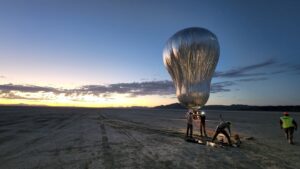
The shimmering silver balloon ascended more than 4,000 feet (1 kilometer) over Nevada’s Black Rock Desert to a region of Earth’s atmosphere that approximates the temperature and density the aerobot would experience about 180,000 feet (55 kilometers) above Venus. Coordinated by Near Space, these tests represent a milestone in proving the concept’s suitability for accessing a region of Venus’ atmosphere too low for orbiters to reach, but where a balloon mission could operate for weeks or even months.
“We’re extremely happy with the performance of the prototype. It was launched, demonstrated controlled-altitude maneuvers, and was recovered in good condition after both flights,” said robotics technologist Jacob Izraelevitz, who leads the balloon development as the JPL principal investigator of the flight tests. “We’ve recorded a mountain of data from these flights and are looking forward to using it to improve our simulation models before exploring our sister planet.”
The only balloon-borne exploration of Venus’ atmosphere to date was a part of the twin Soviet Vega 1 and 2 missions that arrived at the planet in 1985. The two balloons (which were about 11.5 feet, or 3.6 meters, in diameter when filled with helium) lasted a little over 46 hours before their instruments’ batteries ran out. Their short time in the Venusian atmosphere provided a tantalizing hint of the science that could be achieved by a larger, longer-duration balloon platform floating within the planet’s atmosphere.
A prototype aerial robotic balloon, or aerobot, is readied for a sunrise test flight at Black Rock Desert, Nevada, in July 2022, by team members from JPL and Near Space Corporation. The aerobot successfully completed two flights, demonstrating controlled altitude flight. Credit: NASA/JPL-Caltech
‘Roving’ the Skies
The ultimate goal of the aerobot would be to travel on the Venusian winds, floating from east to west, circumnavigating the planet for at least 100 days. The aerobot would serve as a platform for a range of science investigations, from monitoring the atmosphere for acoustic waves generated by venusquakes to analyzing the chemical composition of the clouds. The accompanying orbiter would receive data from the aerobot and relay it to Earth while providing a global view of the planet.
Much like a Mars rover is commanded to drive to an interesting rock or other feature, the aerobot can be directed to raise and lower its altitude – something the Vega balloons couldn’t do – to conduct science between about 171,000 and 203,000 feet (52 and 62 kilometers) within Venus’ atmosphere.
The prototype balloon was fabricated using Near Space’s techniques for performance aerospace inflatables. Designed as a “balloon within a balloon,” it has a rigid inner reservoir filled with helium under high pressure and an encapsulating outer helium balloon that can expand and contract. To increase altitude, helium vents from the inner reservoir into the outer balloon, which expands to give the aerobot additional buoyancy. When it’s time to reduce altitude, helium is pumped back into the reservoir, causing the outer balloon to shrink and decrease the aerobot’s buoyancy.
“The success of these test flights is a huge deal for us: We’ve successfully demonstrated the technology we’ll need for investigating the clouds of Venus,” said Paul Byrne, an associate professor at Washington University in St. Louis and aerobot science collaborator. “These tests form the foundation for how we can achieve long-term robotic exploration high above Venus’ hellish surface.”
The one-third scale prototype aerobot is designed to withstand the corrosive chemicals in Venus’ atmosphere. During the flights, the balloon’s materials were tested for the first time, giving the team confidence that a larger aerobot design could operate in Venus skies. Credit: Near Space Corporation
No Picnic in the Clouds
While this region of Venus’ atmosphere is more forgiving than its lower reaches, long-duration flights in the rocky planet’s clouds, which contain sulfuric acid and other corrosive chemicals, would be no picnic. So the multilayered material developed for the aerobot’s outer balloon includes an acid-proof coating, a metallization layer to reduce solar heating, and a structural inner layer that keeps it strong enough to carry the science instruments below. New techniques have also been developed to ensure a long-duration acid-proof seal with minimal helium leakage from the seams.
“The materials being used for Venus survivability are challenging to fabricate with, and the robustness of handling we’ve demonstrated in the Nevada launch and recovery gives us confidence for balloon’s reliability on Venus,” said co-investigator Tim Lachenmeier, chief executive officer of Near Space.
While the recent Nevada tests were a milestone for a future concept designed with Venus in mind, the researchers say the technology could also be used by high-altitude science balloons that need to control their altitude in Earth’s skies.
On Monday, Russia pounded cities across Ukraine during rush hour, killing civilians and knocking out power and heat, in apparent revenge strikes after President Vladimir Putin declared a blast on Russia’s bridge to Crimea to be a terrorist attack.
Cruise missiles tore into busy intersections, parks and tourist sites in the center of downtown Kyiv with an intensity unseen even when Russian forces attempted to capture the capital early in the war, reported Reuters.
Belarusian President Alexander Lukashenko said he had ordered troops to deploy with Russian forces near Ukraine in response to what he said was a clear threat to Belarus from Kyiv and its backers in the West.
Ukr military source: “We were expecting it. Europeans should have been expecting it. It’s not February + out of blue. Where’s the reaction? Putin is looking for signal. Looking to see if someone will stand up + lead. Where is leadership? It’s as if people are waiting on Biden.”
At least 11 people were reported killed and scores injured, with warning of even more “severe retaliation” in the event of further Ukrainian attacks. “Let there be no doubt,” Putin said in televised comments addressed to his security council, “if attempts at terrorist attacks continue, the response from Russia will be severe.”
Many of the locations hit by cruise missiles and kamikaze drones in the midst of the morning rush hour appeared to be solely civilian sites or key infrastructure, including the country’s electric grid, apparently chosen to terrorise Ukrainians.
As the scale of Monday morning’s assault emerged, Moscow faced a chorus of international condemnation with EU foreign policy chief, Josep Borrell, saying such acts have “no place” in the 21st century”.
The UN’s secretary general, António Guterres, said he was “deeply shocked” by Russia’s most widespread air strikes since the start of the Ukraine war, a spokesperson said.
In a statement, the UN spokesperson Stéphane Dujarric said:”This constitutes another unacceptable escalation of the war and, as always, civilians are paying the highest price.”
Due to the war, some 7.6 million Ukrainian refugees have scattered around Europe since Russian President Vladimir Putin sent troops over the border, but many are having difficulty finding jobs and homes.
The European Commission unveiled a new online tool to help Ukrainians find a job as the bloc looks to extend its protection for those displaced.
Tech giant Apple might soon switch over to USB-C port in AirPods and Mac accessories by 2024, impacting many other gadget and smartphone makers to emulate or shun the new addition.
According to Bloomberg’s Mark Gurman, the company might introduce USB-C to its newest AirPods, AirPods Pro, and AirPods by the year 2024, while Mac accessories like the Magic Mouse, Magic Keyboard, and Magic Trackpad may convert to USB-C as soon as the next year.
“It’s a safe bet that those accessories will move to USB-C in their next incarnation”, Gurman said.
As the European Union moves to mandate USB-C charging on new smartphones, tablets, and headphones introduced in the territory in late 2024, there has been a rumoured shift away from Lightning ports.
Before EU legislation takes effect, Apple will replace its AirPods, the report said. Tony Fadell, inventor of the iPod, has said that Apple should include USB-C port in iPhones, as the European Union passed a resolution on USB Type-C as standard charging port.
The debate started when a Twitter user questioned if the iPod would succeed if Apple was forced to utilise USB 1.0 rather than the fast FireWire technology.
KBC 14: Jaya leaves hubby ‘Big B’ puzzled with her question
Megastar Amitabh Bachchan will be seen taking the hotseat along with his son and Bollywood actor Abhishek Bachchan, while veteran actress Jaya Bachchan is seen hosting the Big B’s birthday special episode of ‘Kaun Banega Crorepati 14’. Stay tuned to TV for the question on Tuesday.
Khushbu Sundar gets Golden Visa for UAE
Tamil and Telugu films yesteryears actress, and BJP leader Khushbu Sundar joins the ranks of many Indian film celebrities to get Golden Visa for United Arab Emirates. The UAE has granted her its prestigious Golden Visa.
And here comes my #GoldenVisa
Thank you to #UAEGovt for this. Sorry for picking it up so late. Humbled anyways. 🙏
And thank you #ECH for initiating and making this happen. 🙏🙏 pic.twitter.com/wVsqu63BZz
95th Oscars: India’s entry ‘Chhello Show’ to release in 95 cinemas at Rs 95
The makers of ‘Last Film Show’ (‘Chhello Show’), have chosen to celebrate the fact that the film is India’s official entry to the 95th Oscars by releasing the film in 95 cinemas on Thursday night, a day before its actual date of release, and fixing the price of tickets for the show at a nominal Rs 95 each. Will JJ Rajamouli’s RRR in private category makes it to 100?
‘Bigg Boss 16’: Salman Khan asks Ankit to shun silence
Host Salman Khan was seen taking to task ‘Bigg Boss 16’ contestants during the first ‘Weekend Ka Vaar’ episode and he advised everyone to show their real side and make the otherwise becoming a boring game interesting. While pointing towards ‘Udaariyan’ actor Ankit Gupta, he asked him to be visible in the game and be vocal. May be lots of jumping around is what’s required.
Trailer of Sivakarthikeyan-starrer ‘Prince’ released, hilarious for a change?
Telugu star Vijay Deverakonda has launched the hilarious theatrical trailer of Tamil star Sivakarthikeyan’s first Tamil-Telugu bilingual film, titled ‘Prince’. See it here and decide yourself:
Another book on Amitabh Bachchan maturing over years
Stars have an innate age like the quizzes on gaming sites. Jaya Bhaduri is ‘Guddi’ at heart, a teenager with enthusiasm and Nirupa Roy has never been young. Shammi is a young man in his early twenties while Raj Kapoor and others are in their late twenties. The book takes you along the ages of contemporary actors of Big B and how grew up over the decades.
Sayantani Ghosh on how her look in ‘Alibaba’
TV actress Sayantani Ghosh, who is currently seen in the show ‘Alibaba Dastaan-e-Kabul’, talks about her look in the show and says she is happy with the response she is getting for her highlighted blue hair, blue eyes and a long blue dress for her character of SimSim.
Why Ayushmann Khurrana carries cricket kit in his vanity?
Actor Ayushmann Khurrana has been a cricket enthusiast since he was a child. He carries a cricket kit in his vanity van so that whenever the opportunity arises, he can play. So desperate? Where would he find a bowler?
Ranveer makes NBA star Trae Young to dance to this tune
After making Shaquille O’Neal dance to the number ‘Khalibali’, ever-active Ranveer Singh went on to make another basketball star dance to his number in Abu Dhabi. And to whose tune does he dance at home?
Puneeth Rajkumar’s dream project ‘Gandhada Gudi to release on Oct 28
Late Kannada superstar Puneeth Rajkumar’s dream project ‘Gandhada Gudi’ is fast moving towards completion and the makers released the trailer on Sunday. The docu-drama is set to release on October 28.
That last scene, PUNEET RAJKUMAR soaking in water and his trademark smile, million dollars smile, made me emotional…in the teaser of PUNEET RAJKUMAR’s movie ‘GODHADA GUDI’. Probably the last movie of POWERSTAR. #GodhadaGudiTeaserhttps://t.co/pzPhUlkZTE
Veteran actress Neetu Kapoor has shared a set of pictures showcasing her son Ranbir Kapoor’s well chiseled body from the look test of his latest release ‘Brahmastra’. But it’s too late as the film is already off many theatres.
Researchers from Hokkaido University and Toppan have developed a method to detect build-up of amyloid β in the brain, a characteristic of Alzheimer’s disease, from biomarkers in blood samples.
Alzheimer’s disease is a neurodegenerative disease, characterised by a gradual loss of neurons and synapses in the brain. One of the primary causes of Alzheimer’s disease is the accumulation of amyloid β (Aβ) in the brain, where it forms plaques. Alzheimer’s disease is mostly seen in individuals over 65 years of age, and cannot currently be stopped or reversed. Thus, Alzheimer’s disease is a major concern for nations with ageing populations, such as Japan.
A team of scientists from Hokkaido University and Toppan, led by Specially Appointed Associate Professor Kohei Yuyama at the Faculty of Advanced Life Science, Hokkaido University, have developed a biosensing technology that can detect Aβ-binding exosomes in the blood of mice, which increase as Aβ accumulates in the brain. Their research was published in the journal Alzheimer’s Research & Therapy.
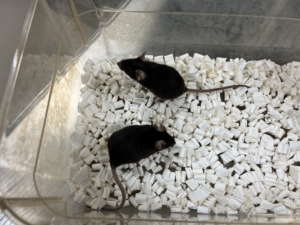
Alzheimer’s disease model mice (Photo: Kohei Yuyama)./CREDIT:Kohei Yuyama
When tested on mice models, the Aβ-binding exosome Digital ICATM (idICA) showed that the concentration of Aβ-binding exosomes increased with the increase in age of the mice. This is significant as the mice used were Alzheimer’s disease model mice, where Aβ builds up in the brain with age.
In addition to the lack of effective treatments of Alzheimer’s, there are few methods to diagnose Alzheimer’s. Alzheimer’s can only be definitively diagnosed by direct examination of the brain—which can only be done after death. Aβ accumulation in the brain can be measured by cerebrospinal fluid testing or by positron emission tomography; however, the former is an extremely invasive test that cannot be repeated, and the latter is quite expensive. Thus, there is a need for a diagnostic test that is economical, accurate and widely available.
Previous work by Yuyama’s group has shown that Aβ build-up in the brain is associated with Aβ-binding exosomes secreted from neurons, which degrade and transport Aβ to the microglial cells of the brain. Exosomes are membrane-enclosed sacs secreted by cells that possess cell markers on their surface. The team adapted Toppan’s proprietary Digital Invasive Cleavage Assay (Digital ICATM) to quantify the concentration of Aβ-binding exosomes in as little as 100 µL of blood. The device they developed traps molecules and particles in a sample one-by-one in a million micrometer-sized microscopic wells on a measurement chip and detects the presence or absence of fluorescent signals emitted by the cleaving of the Aβ-binding exosomes.
Clinical trials of the technology are currently underway in humans. This highly sensitive idICA technology is the first application of ICA that enables highly sensitive detection of exosomes that retain specific surface molecules from a small amount of blood without the need to learn special techniques; as it is applicable to exosome biomarkers in general, it can also be adapted for use in the diagnosis of other diseases.
Up to 70 percent of mothers develop postnatal depressive mood, also known as baby blues, after their baby is born. Analyses show that this can also affect the development of the children themselves and their speech. Until now, however, it was unclear exactly how this impairment manifests itself in early language development in infants.
In a study, scientists at the Max Planck Institute for Human Cognitive and Brain Sciences in Leipzig have now investigated how well babies can distinguish speech sounds from one another depending on their mother’s mood. This ability is considered an important prerequisite for the further steps towards a well-developed language. If sounds can be distinguished from one another, individual words can also be distinguished from one another. It became clear that if mothers indicate a more negative mood two months after birth, their children show on average a less mature processing of speech sounds at the age of six months.
The infants found it particularly difficult to distinguish between syllable-pitches. Specifically, they showed that the development of their so-called Mismatch Response was delayed than in those whose mothers were in a more positive mood. This Mismatch Response in turn serves as a measure of how well someone can separate sounds from one another. If this development towards a pronounced mismatch reaction is delayed, this is considered an indication of an increased risk of suffering from a speech disorder later in life.
“We suspect that the affected mothers use less infant-directed-speech,” explains Gesa Schaadt, postdoc at MPI CBS, professor of development in childhood and adolescence at FU Berlin and first author of the study, which has now appeared in the journal JAMA Network Open. “They probably use less pitch variation when directing speech to their infants.” This also leads to a more limited perception of different pitches in the children, she said. This perception, in turn, is considered a prerequisite for further language development.
The results show how important it is that parents use infant-directed speech for the further language development of their children. Infant-directed speech that varies greatly in pitch, emphasizes certain parts of words more clearly – and thus focuses the little ones’ attention on what is being said – is considered appropriate for children. Mothers, in turn, who suffer from depressive mood, often use more monotonous, less infant-directed speech. “To ensure the proper development of young children, appropriate support is also needed for mothers who suffer from mild upsets that often do not yet require treatment,” Schaadt says. That doesn’t necessarily have to be organized intervention measures. “Sometimes it just takes the fathers to be more involved.”
The researchers investigated these relationships with the help of 46 mothers who reported different moods after giving birth. Their moods were measured using a standardized questionnaire typically used to diagnose postnatal upset. They also used electroencephalography (EEG), which helps to measure how well babies can distinguish speech sounds from one another. The so-called Mismatch Response is used for this purpose, in which a specific EEG signal shows how well the brain processes and distinguishes between different speech sounds. The researchers recorded this reaction in the babies at the ages of two and six months while they were presented with various syllables such as “ba,” “ga” and “bu.
In a coordinated operation at sea, Narcotics Control Bureau (NCB) and Indian Navy apprehended a suspicious vessel carrying more than 200 kgs of narcotics.
The boat with its crew, has been escorted to Kochi for further investigation. This is significant not only in terms of quantity and cost but also signifies a focus on collaborative efforts for disruption of the illegal narcotics smuggling routes, which emanate from the Makran coast and flow towards various IOR countries.
Narcotics Control Bureau (NCB) and Indian Navy apprehended a suspicious vessel carrying more than 200 kgs of narcotics.
Apart from the human costs from drug addiction, the spoils of narcotics trade feed syndicates involved in terrorism, radicalization and criminal activities. Successful conduct of this operation reaffirms our strong commitment and resolve of not allowing seas as global commons being used for illegal activities especially in India’s maritime neighborhood.
Ever since she broke into the big league, the lissome Ashwini Ponnappa is used to being in the spotlight. But when she stepped into the badminton court earlier this week at the PDDU Indoor Stadium, she knew that the attention from the Indian badminton community would be even more intense.
After all, the Women’s Doubles’ specialist was embarking on a new journey as a Mixed Doubles player. Her first partner: her own Karnataka statemate K Sai Prateek in the 36th National Games.
On Thursday, she took a successful first step, beating Delhi’s Rohan Kapoor and Kanika Kanwal in straight games to win the gold.
“I am very happy that we started with the National Games title,” 33-year-old Ashwini said after wrapping up their victory. “Incidentally, this is my first gold in the National Games,” she pointed out.
Ashwini has without doubt been one of the finest doubles players in India, having successfully partnered with left-handers Jwala Gutta and N Sikki Reddy in her distinguished career.
After coming through a test by fire in the semifinals against Tamil Nadu’s VR Nardhana and Hariharan Amsakarunan, Ashwini Ponnappa and Sai Prateek were more at ease in the final with a 21-15, 21-13 victory.
Analysing the partnership in its early days, Ashwini said Prateek looks a very confident player. “He hits the shuttle powerfully. He has a strong defence and has good court coverage. It is all about learning one another’s game and finding the right balance. Prateek is a quick learner,” she said.
The 33-year-old admitted the pair needs to be patient. “We don’t know one another’s styles yet and we didn’t have too much preparation. This gold will give us confidence,” she said.
Ashwini played the role of senior partner admirably. “I tell him to remain positive on court. We held our nerves. It was not easy. It was our first tournament and, being the top seeds, there was pressure. He dealt with it well. This is what makes a player stronger,” she said, hopeful of forging a strong combination with Sai Prateek.
On his part, 22-year-old Sai Prateek is intent on making the most of the experience of playing with Ashwini. “I have so much to learn from her. I believe she is the best mixed doubles player,’’ he said “I grew up admiring her game. I am now lucky enough to play alongside her. She is always calm on court.”
Talking about her career, Ashwini said her best moments as a doubles player was with Jwala Gutta. “We didn’t think or plan for any game. There was no match preparation as such. We just went into a match with a positive frame of mind. We were confident about one another’s game. It was a different experience. Jwala was a go-getter and very gutsy,” she said.
Ashwini said her partnerships with Sikki and Satwiksairraj Rankireddy were different. “We had to work on our game. It did not come easily. I tend to open up quickly. Now, I have become smarter with my game. I think I have been physically and mentally motivated in the last couple of years. In fact, I’m excited about my new partnership with Prateek.”
Second-seeded Aakarshi Kashyap (Chhattisgarh) dominated top-seeded Malvika Bansod (Maharashtra) to win the Badminton Women’s Singles gold in the 36th National Games at the PDDU Indoor Stadium in Surat on Thursday.
B Sai Praneeth (Telangana) justified his top billing by taking the Men’s Singles gold after an intense battle with Mithun Manjunath (Karnataka). He eventually won 21-11, 12-21, 21-16 in 63 minutes.
Aakarshi, who has a 1-1 head-to-head record this year against Malvika, won 21-8, 22-20 in three-quarters of an hour, beating back a late attempt by the left-hander to take the match into the third game.
In Rajkot, a Diving gold through Surajit Rajbansi on the 1M Springboard helped Services take their tally of gold to 41 so far. With 26 silver and 25 bronze for a total of 92 medals, the defending champions have stood head and shoulders above all States and UTs.
Though Haryana have 25 gold and are in the second place on the table, Maharashtra are right behind them with 24 gold at the time of writing. Maharashtra are in the race for 100 medals too.
36th National Games
The fancied N Sikki Reddy and Pullela Gayatri Gopichand expectedly won the Women’s doubles title for Telangana, making it a happy outing for the State with three gold to show from the Badminton competition.
Telangana had more reason to celebrate when their Women’s Basketball team prevented a Tamil Nadu double in Bhavnagar. Telangana beat Tamil Nadu 67-62 in a thriller, after leading 35-31 at half-time. Coming on the heels of their 3×3 side’s gold, this win meant that Telangana women would complete the golden double in the National Games. The formidable Tamil Nadu Men’s squad beat Punjab 97-89 after holding a 46-42 lead at the break to take the crown.
At the Sardar Patel Swimming Complex in Rajkot, the experienced Surajit Rajbansi and H London Singh earned the top two medals for Services. With good execution of his routines, Surajit Rajbansi tallied 275.35 points, relegating team-mate London Singh who logged 254.75 points. This was the third successive 1-2 for Sevices in Men’s Diving.
“I’m feeling good today. At the recent National Championships in Guwahati, I was not in the best of form and only won silver. I wanted to better my performance and succeeded,” said the 23-year-old who took the help of a mind trained to settle his nerves. It helped as this time he was able to overcome his fears and give off his best.
Yet, it was Aakarshi Kashyap’s victory over Malvika Bansod in the Women’s Singles final that was the highlight of the morning session. The Chhattisgarh player was quick and meant business with her well-placed strokes that wrong-footed an error-prone Malvika. The Maharashtra star regrouped in the second game but Aakarshi was up to speed.
“It was tough. There were two long rallies and she had a lucky point through a net cord to take the second game into extra points. But I held my nerves to win the next two points,” Aakarshi Kashyap said.
The 30-year-old Sai Praneeth faced a tough contest against Mithun. “Any gold medal is good for any player. I’m happy I could get my first-ever National Games gold,” the Telangana star said, adding that he was happy with the way he played, staying calm when Mithun gained the upper hand in the second game and riding on his greater endurance to claim gold.
Ashwini Ponnappa and K Sai Prateek made a perfect start to their journey as a mixed doubles pair, eking out a 21-16, 21-13 victory over Rohan Kapoor and Kanika Kanwal (Delhi). Ashwini Ponnappa was all praise for her 22-year-old partner. “He played a strong game. He hit hard and covered the court well. I’m very happy to win my first ever National Games gold,” she said.
The results (finals)
Aquatics
Diving
1M Springboard: Surajit Rajbansi (Services) 275.35 points; 2. H London Singh (Services)
254.75; 3. Anuj Shah (Maharashtra) 227.60 points.
Archery (Recurve)
Men
Individual Bronze medal play-off: Tarundeep Rai (Services) beat Gaurav Trambak Lambe (Maharashtra) 7-3.
Team Bronze medal play-off: Maharashtra beat Jharkhand 5-4.
Team Bronze medal play-off: Gujarat beat Assam 5-4.
Mixed Team Bronze medal play-off: Jharkhand beat Rajasthan 5-3.
Badminton
Men
Singles: B Sai Praneeth (Telangana) beat Mithun Manjunath (Karnataka) 21-11, 12-21, 21-16; Bronze medals: M Raghu (Karnataka) and Aryamann Tandon (Gujarat).
Doubles: PS Ravikrishna and Udaykimar Sankarprasad (Kerala) beat Hariharan Amsakarunan and R Ruban Kumar (Tamil Nadu) 21-19, 21-9; Bronze medals: HV Nithin and Vaibhaav (Karnataka) and Shyam Prasad and S Sunjith (Kerala)
Doubles: N Sikki Reddy and Pullela Gayatri Gopichand (Telangana) beat Shikha Gautam and K Ashwini Bhat (Karnataka) 21-14; 21-11. Bronze medals: Kavya Gupta and Khushi Gupta (Delhi) and Mehreen Riza and Arathi Sara Sunil (Kerala).
Mixed Doubles: K Sai Pratheek and Ashwini Ponnappa (Karnataka) beat Rohan Kapoor and Kanika Kanwal (Delhi) 21-15, 21-13. Bronze medals: Hariharan Amsakarunan and VR Nardhana (Tamil Nadu) and S Sunjith and TR Gowrikrishna (Kerala).
Basketball (5×5)
Men: Tamil Nadu beat Punjab 97-89 (Half-time 46-42); Bronze medal play-off: Services beat Karnataka 94-67 (40-31).
Women: Telangana beat Tamil Nadu 67-62 (35-31); Bronze medal play-off: Kerala beat Madhya Pradesh 75-62 (33-32).
Other results:
Football
Men
Group A: Kerala beat Manipur 3-2 (Half-time 0-1).
Women
Group B: Assam beat Maharashtra 2-0 (1-0)
Hockey
Men
Group A: Haryana beat Gujarat 7-0 (Half-time: 3-0).
Water Polo
Men
Kerala beat Maharashtra 7-6; Punjab beat Manipur 8-7.
Women
Karnataka beat Manipur 13-2; Bengal beat Kerala beat 10-8.
The Prime Minister, Shri Narendra Modi has shared glimpses of the Mysuru Dasara celebrations and lauded the commitment of the people of Mysuru to preserving their culture and heritage in a beautiful way. The Prime Minister recalled fond memories of his visit to Mysuru, the most recent one on the occasion of 2022 Yoga Day.
Quoting a tweet by a citizen, the Prime Minister tweeted;
“Mysuru Dasara is spectacular. I commend the people of Mysuru for preserving their culture and heritage so beautifully. I have fond memories of my Mysuru visits, the most recent one being during 2022 Yoga Day.”
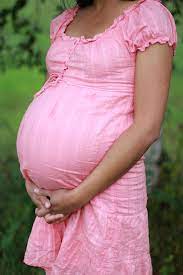
A mother’s consumption of ultra-processed foods appears to be linked to an increased risk of overweight or obesity in her offspring, irrespective of other lifestyle risk factors, suggests a US study.
Researchers suggest that mothers might benefit from limiting their intake of ultra-processed foods, and that dietary guidelines should be refined and financial and social barriers removed to improve nutrition for women of child bearing age and reduce childhood obesity.
According to the World Health Organization, 39 million children were overweight or obese in 2020, leading to increased risks of heart disease, diabetes, cancers, and early death.
Ultra-processed foods, such as packaged baked goods and snacks, fizzy drinks and sugary cereals, are commonly found in modern Western style diets and are associated with weight gain in adults. But it’s unclear whether there’s a link between a mother’s consumption of ultra-processed foods and her offspring’s body weight.
To explore this further, the researchers drew on data for 19,958 children born to 14,553 mothers (45% boys, aged 7-17 years at study enrollment) from the Nurses’ Health Study II (NHS II) and the Growing Up Today Study (GUTS I and II) in the United States.
pregnant lady/Commons.wikimedia.org
The NHS II is an ongoing study tracking the health and lifestyles of 116,429 US female registered nurses aged 25-42 in 1989. From 1991, participants reported what they ate and drank, using validated food frequency questionnaires every four years.
The GUTS I study began in 1996 when 16,882 children (aged 8-15 years) of NHS II participants completed an initial health and lifestyle questionnaire and were monitored every year between 1997 and 2001, and every two years thereafter.
In 2004, 10,918 children (aged 7-17 years) of NHS II participants joined the extended GUTS II study and were followed up in 2006, 2008, and 2011, and every two years thereafter.
A range of other potentially influential factors, known to be strongly correlated with childhood obesity, were also taken into account. These included mother’s weight (BMI), physical activity, smoking, living status (with partner or not), and partner’s education, as well as children’s ultra-processed food consumption, physical activity, and sedentary time.
Overall, 2471 (12%) children developed overweight or obesity during an average follow-up period of 4 years.
The results show that a mother’s ultra-processed food consumption was associated with an increased risk of overweight or obesity in her offspring. For example, a 26% higher risk was seen in the group with the highest maternal ultra-processed food consumption (12.1 servings/day) versus the lowest consumption group (3.4 servings/day).
In a separate analysis of 2790 mothers and 2925 children with information on diet from 3 months pre-conception to delivery (peripregnancy), the researchers found that peripregnancy ultra-processed food intake was not significantly associated with an increased risk of offspring overweight or obesity.
This is an observational study, so can’t establish cause and the researchers acknowledge that some of the observed risk may be due to other unmeasured factors, and that self-reported diet and weight measures might be subject to misreporting.
Other important limitations include the fact that some offspring participants were lost to follow-up, which resulted in a few of the analyses being underpowered, particularly those related to peripregnancy intake, and that mothers were predominantly white and from similar social and economic backgrounds, so the results may not apply to other groups.
Nevertheless, the study used data from several large ongoing studies with detailed dietary assessments over a relatively long period, and further analysis produced consistent associations, suggesting that the results are robust.
The researchers suggest no clear mechanism underlying these associations and say the area warrants further investigation.
Nevertheless, these data “support the importance of refining dietary recommendations and the development of programs to improve nutrition for women of reproductive age to promote offspring health,” they conclude.
SARS-CoV-2, the virus that causes COVID-19, is an airborne disease transmitted via aerosols, which are spread from the oral and nasal cavities—the mouth and the nose. In addition to the well-known division and spread of the virus in the cells of the respiratory tract, SARS-CoV-2 is also known to infect the cells of the lining of the mouth and the salivary glands.
A team of researchers led by Professor Kyoko Hida at Hokkaido University have shown that low concentrations of the chemical cetylpyridinium chloride, a component of some mouthwashes, has an antiviral effect on SARS-CoV-2. Their findings were published in the journal Scientific Reports.
Commercially available mouthwashes contain a number of antibiotic and antiviral components that act against microorganisms in the mouth. One of these, cetylpyridinium chloride (CPC), has been shown to reduce the viral load of SARS-CoV-2 in the mouth, primarily by disrupting the lipid membrane surrounding the virus. While there are other chemicals with similar effects, CPC has the advantage of being tasteless and odorless.
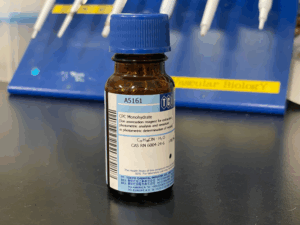
Cetylpyridinium chloride (CPC), the chemical tested in the study (Photo: Ryo Takeda)/CREDIT:Ryo Takeda
The researchers were interested in studying the effects of CPC in Japanese mouthwashes. Mouthwashes in Japan typically contain a fraction of the CPC compared to previously tested mouthwashes. They tested the effects of CPC on cell cultures that express trans-membrane protease serine 2 (TMPRSS2), which is required for SARS-CoV-2 entry into the cell.
They found that, within 10 minutes of application, 30–50 µg/mL of CPC inhibited the infectivity and capability for cell entry of SARS-CoV-2. Interestingly, commercially available mouthwashes that contain CPC performed better than CPC alone. They also showed that saliva did not alter the effects of CPC. Most significantly, they tested four variants of SARS-CoV-2—the original, alpha, beta and gamma variants—and showed that the effects of CPC were similar across all strains.
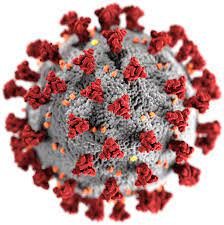
Covid/commons.wikimedia.org
This study shows that low concentrations of CPC in commercial mouthwash suppress the infectivity of four variants of SARS-CoV-2. The authors have already begun assessing the effect on CPC-containing mouthwashes on viral loads in saliva of COVID-19 patients. Future work will also focus on fully understanding the mechanism of effect, as lower concentrations of CPC do not disrupt lipid membranes.
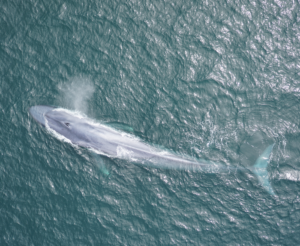
A study by MBARI researchers and their collaborators published today in Ecology Letters sheds new light on the movements of mysterious, endangered blue whales. The research team used a directional hydrophone on MBARI’s underwater observatory, integrated with other advanced technologies, to listen for the booming vocalizations of blue whales. They used these sounds to track the movements of blue whales and learned that these ocean giants respond to changes in the wind.
Along California’s Central Coast, spring and summer bring coastal upwelling. From March through July, seasonal winds push the top layer of water out to sea, allowing the cold water below to rise to the surface. The cooler, nutrient-rich water fuels blooms of tiny phytoplankton, jumpstarting the food web in Monterey Bay, from small shrimp-like krill all the way to giant whales. When the winds create an upwelling event, blue whales seek out the plumes of cooler water, where krill are most abundant. When upwelling stops, the whales move offshore into habitat that is transected by shipping lanes.
“This research and its underlying technologies are opening new windows into the complex, and beautiful, ecology of these endangered whales,” said John Ryan, a biological oceanographer at MBARI and lead author of this study. “These findings demonstrate a new resource for managers seeking ways to better protect blue whales and other species.”
The directional hydrophone is a specialized underwater microphone that records sounds and identifies the direction from which they originate. To use this technology to study blue whale movements, researchers needed to confirm that the hydrophone reliably tracked whales. This meant matching the acoustic bearings to a calling whale that was being tracked by GPS. With confidence in the acoustic methods established, the research team examined two years of acoustic tracking of the regional blue whale population.
This study built upon previous research led by MBARI Senior Scientist Kelly Benoit-Bird, which revealed that swarms of forage species—anchovies and krill—reacted to coastal upwelling. This time, researchers combined satellite and mooring data of upwelling conditions and echosounder data on krill aggregations with the acoustic tracks of foraging blue whales logged by the directional hydrophone.
“Previous work by the MBARI team found that when coastal upwelling was strongest, anchovies and krill formed dense swarms within upwelling plumes. Now, we’ve learned that blue whales track these dynamic plumes, where abundant food resources are available,” explained Ryan.
Blue whales recognize when the wind is changing their habitat and identify places where upwelling aggregates their essential food—krill. For a massive animal weighing up to 150 tonnes (165 tons), finding these dense aggregations is a matter of survival.
While scientists have long recognized that blue whales seasonally occupy Monterey Bay during the upwelling season, this research has revealed that the whales closely track the upwelling process on a very fine scale of both space (kilometers) and time (days to weeks).
“Tracking many individual wild animals simultaneously is challenging in any ecosystem. This is especially difficult in the open ocean, which is often opaque to us as human observers,” said William Oestreich, previously a graduate student at Stanford University’s Hopkins Marine Station and now a postdoctoral fellow at MBARI. “Integration of technologies to measure these whales’ sounds enabled this important discovery about how groups of predators find food in a dynamic ocean. We’re excited about the future discoveries we can make by eavesdropping on blue whales and other noisy ocean animals.”
B-type procyanidins, made of catechin oligomers, are a class of polyphenols found abundantly in foods like cocoa, apples, grape seeds, and red wine. Several studies have established the benefits of these micronutrients in reducing the risk of cardiovascular diseases and strokes. B-type procyanidins are also successful in controlling hypertension, dyslipidemia, and glucose intolerance. Studies attest to the physiological benefits of their intake on the central nervous system (CNS), namely an improvement in cognitive functions. These physiological changes follow a pattern of hormesis—a phenomenon in which peak benefits of a substance are achieved at mid-range doses, becoming progressively lesser at lower and higher doses.
The dose-response relationship of most bioactive compounds follows a monotonic pattern, in which a higher dose shows a greater response. However, in some exceptional cases, a U-shaped dose-response curve is seen. This U-shaped curve signifies hormesis—an adaptive response, in which a low dose of usually a harmful compound induces resistance in the body to its higher doses. This means that exposure to low levels of a harmful trigger can induce the activation of stress-resistant pathways, leading to greater repair and regeneration capabilities. In case of B-type procyanidins, several in vitro studies support their hormetic effects, but these results have not been demonstrated in vivo.
To address this knowledge gap, researchers from Shibaura Institute of Technology (SIT), Japan, led by Professor Naomi Osakabe from the Department of Bioscience and Engineering, reviewed the data from intervention trials supporting hormetic responses of B-type procyanidin ingestion. The team, comprising Taiki Fushimi and Yasuyuki Fujii from the Graduate School of Engineering and Science (SIT), also conducted invivo experiments to understand possible connections between B-type procyanidin hormetic responses and CNS neurotransmitter receptor activation. Their article was made available online on June 15, 2022 and has been published in volume 9 of Frontiers of Nutrition on September 7, 2022.
The researchers noted that a single oral administration of an optimal dose of cocoa flavanol temporarily increased the blood pressure and heart rate in rats. But the hemodynamics did not change when the dose was increased or decreased. Administration of B-type procyanidin monomer and various oligomers produced similar results. According to Professor Osakabe, “These results are consistent with those of intervention studies following a single intake of food rich in B-type procyanidin, and support the U-shaped dose-response theory, or hormesis, of polyphenols.”
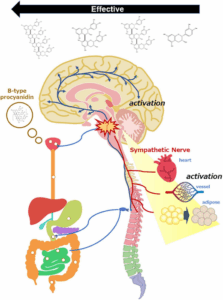
To observe whether the sympathetic nervous system (SNS) is involved in the hemodynamic changes induced by B-type procyanidins, the team administered adrenaline blockers in test rats. This successfully decreased the temporary increase in heart rate induced by the optimal dose of cocoa flavanol. A different kind of blocker—a1 blocker—inhibited the transient rise in blood pressure. This suggested that the SNS, which controls the action of adrenaline blockers, is responsible for the hemodynamic and metabolic changes induced by a single oral dose of B-type procyanidin.
The researchers next ascertained why optimal doses, and not high doses, are responsible for the thermogenic and metabolic responses. They co-administered a high dose of cocoa flavanol and yohimbine (an α2 blocker) and noted a temporary but distinct increase in blood pressure in test animals. Similar observations were made with the use of B-type procyanidin oligomer and yohimbine. Professor Osakabe surmises, “Since α2 blockers are associated with the down-regulation of the SNS, the reduced metabolic and thermogenic outputs at a high dose of B-type procyanidins seen in our study may have induced α2 auto-receptor activation. Thus, SNS deactivation may be induced by a high dose of B-type procyanidins.”
Previous studies have proven the role of the gut-brain axis in controlling hormetic stress-related responses. The activation of the hypothalamus-pituitary-adrenal (HPA) axis by optimal stress has a strong influence on memory, cognition, and stress tolerance. This article highlights how HPA activation occurs after a single dose of B-type procyanidin, suggesting that stimulation with an oral dose of B-type procyanidin might be a stressor for mammals and cause SNS activation.
Hormesis and its triggering biochemical pathways deliver protection against various pathological and aging processes, enhancing our general health and making us resilient to future stress. Though the exact relation between B-type procyanidins and the CNS needs more research, the health benefits of B-type procyanidin-rich foods remains undisputed.
The Royal Swedish Academy of Sciences has awarded the 2022 Nobel Prize in Chemistry to Carolyn Bertozzi, Morten Meldal, and K. Barry Sharpless “for the development of click chemistry and bioorthogonal chemistry.”
Bertozzi, a professor of chemistry at Stanford University, is the eighth woman to be awarded the prize. From 1996 to 2015, before joining Stanford, she was a faculty scientist at the Department of Energy’s Lawrence Berkeley National Laboratory and a UC Berkeley professor. She also served as the director of the Molecular Foundry, a DOE Office of Science nanoscience user facility located at Berkeley Lab, from 2006 to 2010.
The award to Bertozzi brings the number of Nobel Prizes associated with Berkeley Lab scientists to sixteen. (Earlier this week, on Tuesday, Oct. 4, former Lab postdoc John Clauser’s 2022 Nobel Prize in Physics brought the Lab’s tally to fifteen.)
According to today’s Nobel Prize announcement, “The Nobel Prize in Chemistry 2022 is about making difficult processes easier. Barry Sharpless and Morten Meldal have laid the foundation for a functional form of chemistry – click chemistry – in which molecular building blocks snap together quickly and efficiently. Carolyn Bertozzi has taken click chemistry to a new dimension and started utilising it in living organisms.”
Carolyn Bertozzi/CREDIT:Jenny Nuss/Berkeley Lab
“Carolyn Bertozzi had a profound impact at Berkeley Lab, not only through her brilliant science, but as someone who created new institutions that encouraged team science,” said Berkeley Lab Director Mike Witherell.
By pioneering a method for mapping biomolecules on the surface of cells, Bertozzi helped create a suite of techniques comprising “bioorthogonal chemistry,” a term Bertozzi coined, which means “not interacting with biology.” The method describes chemical reactions that allow scientists to explore cells and track biological processes without disrupting the normal chemistry of the cell.
Bertozzi’s lab first developed the method in the late 1990s and early 2000s. During that time, she was one of the six scientists who helped establish the Molecular Foundry, a nanoscience research facility that provides scientists from around the world access to cutting-edge expertise and instrumentation. She served as the Molecular Foundry’s director when the facility first opened its doors to the research community in 2006, and she founded the Foundry’s Biological Nanostructures Facility, where scientists study the synthesis, analysis and mimicry of biological nanostructures.
“Carolyn Bertozzi’s impact on nanoscience is huge,” said Jeff Neaton, associate laboratory director of Berkeley Lab’s Energy Sciences Area. “The chemistry she developed paved the way for the science and engineering of living-nonliving interfaces, a frontier of nanoscience which also became a major theme of the Foundry.”
Under Bertozzi’s leadership, the Foundry grew immensely, bringing in scientists from across the disciplines. This multidisciplinary approach inspired collaborations with visiting scientists, including longtime Foundry user K. Barry Sharpless, co-recipient of the Nobel Prize in Chemistry with Bertozzi and Morten Meldal.
“Carolyn put the Foundry on the map,” said Bruce Cohen, a staff scientist in the Foundry’s Biological Nanostructures facility since 2006. “She oversaw the opening of the facility, which is a major administrative and scientific feat.” He added that Bertozzi’s “science is so creative and original, as well as technically on point, and it’s opened up entire new areas of study. This is a well-deserved Nobel Prize. I couldn’t be happier for her.”
Cohen said that Bertozzi is also “a great mentor to all of the scientists around her, and has always been an inspirational role model for both women and LGBTQ people in science.”
Bertozzi and others have used her methods to answer fundamental questions about the role of sugars in biology, to study how cells build proteins and other molecules, to develop new cancer medicines, and to produce new materials for energy storage, among many other applications.
The Nobel committee said in a statement that “click chemistry and bio-orthogonal reactions have taken chemistry into the era of functionalism,” adding that “this is bringing the greatest benefit to humankind.”
Among her many awards, Bertozzi is a recipient of the 2014 Ernest Orlando Lawrence Award, the Department of Energy’s highest scientific honor. She was named a MacArthur Fellow in 1999. She won the Wolf Prize in Chemistry in 2022.
Bertozzi completed her undergraduate degree in chemistry at Harvard University and her Ph.D. at UC Berkeley. She has been a Howard Hughes Medical Institute Investigator since 2000. She joined Stanford in 2015.
India emerges as the world’s largest producer and consumer of sugar and world’s 2nd largest exporter of sugar.
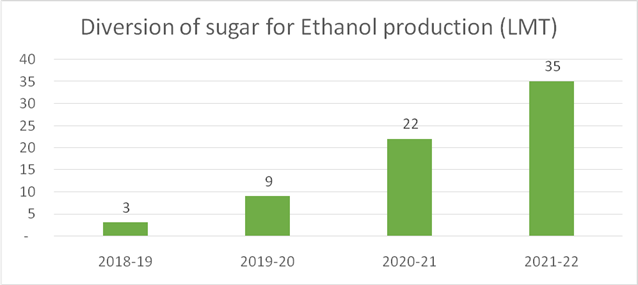
Records over 5000 LMT sugarcane produced in sugar season 2021-22; 35 LMT sugar used to ethanol production and 359 LMT sugar produced by sugar mills in the season.
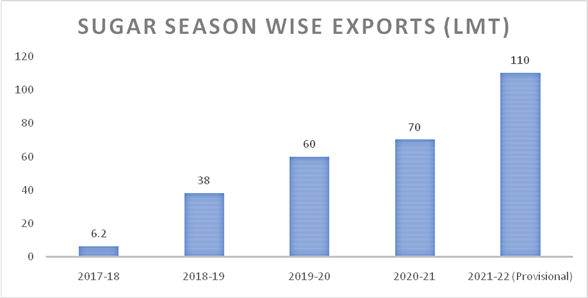
Records highest sugar exports of 109.8 LMT.
Sugar mills/distilleries generate ₹ 18,000 crore from sale of ethanol.
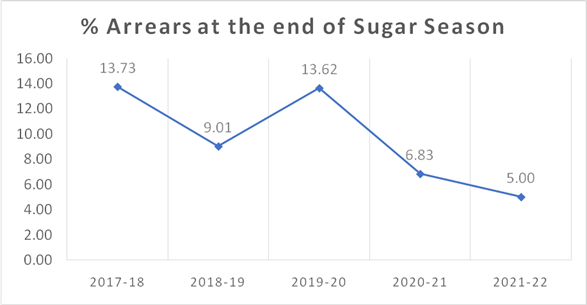
95% of all cane dues cleared by the millers by end of the season; for Sugar Season 2020-21, more than 99.9% cane dues have been cleared.
In Sugar Season (Oct-Sep) 2021-22, a record of more than 5000 Lakh Metric Tons (LMT) sugarcane was produced in the country out of which about 3574 LMT of sugarcane was crushed by sugar mills to produce about 394 LMT of sugar (Sucrose). Out of this, 35 LMT sugar was diverted to ethanol production and 359 LMT sugar was produced by sugar mills. With this, India has emerged as the world’s largest producer and consumer of sugar as well as the world’s 2nd largest exporter of sugar.
The season has proven to be a watershed season for Indian Sugar Sector. All records of sugarcane production, sugar production, sugar exports, cane procured, cane dues paid and ethanol production were made during the season.
Another shining highlight of the season is the highest exports of about 109.8 LMT that too with no financial assistance which was being extended upto 2020-21. Supportive international prices and Indian Government Policy led to this feat of Indian Sugar Industry. These exports earned foreign currency of about Rs. 40,000 crores for the country.
The success story of sugar industry is the outcome of synchronous and collaborative efforts of Central and State Governments, farmers, sugar mills, ethanol distilleries with very supportive overall ecosystem for business in the country. Timely Government interventions since last 5 years have been crucial in building the sugar sector step by step from taking them out of financial distress in 2018-19 to the stage of self-sufficiency in 2021-22.
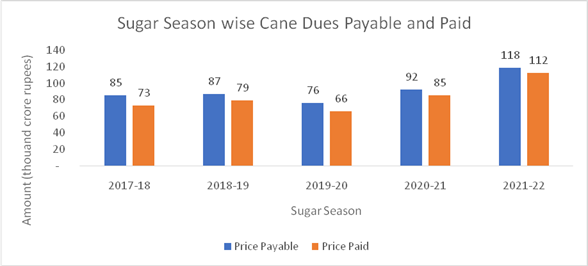
During SS 2021-22, sugar mills procured sugarcane worth more than 1.18 lakh crore and released payment of more than 1.12 lakh crore with no financial assistance (subsidy) from Government of India. Thus, cane dues at the end of sugar season are less than ₹ 6,000 crore indicating that 95% of cane dues have already been cleared. It is also noteworthy that for SS 2020-21, more than 99.9% cane dues are cleared.
Government has been encouraging sugar mills to divert sugar to ethanol and also to export surplus sugar so that sugar mills may make payment of cane dues to farmers in time and also mills may have better financial conditions to continue their operations.
Growth of ethanol as biofuel sector in last 5 years has amply supported the sugar sector as use of sugar to ethanol has led to better financial positions of sugar mills due to faster payments, reduced working capital requirements and less blockage of funds due to less surplus sugar with mills. During 2021-22, revenue of about ₹ 18,000 crore has been made by sugar mills/distilleries from sale of ethanol which has also played its role in early clearance of cane dues of farmers. Ethanol production capacity of molasses/sugar-based distilleries has increased to 605 crore litres per annum and the progress is still continuing to meet targets of 20% blending by 2025 under Ethanol Blending with Petrol (EBP) Programme. In new season, the diversion of sugar to ethanol is expected to increase from 35 LMT to 50 LMT which would generate revenue for sugar mills amounting to about ₹ 25,000 crores.
There is an optimum closing balance of 60 LMT of sugar which is essential to meet domestic requirements for 2.5 months. The diversion of sugar to ethanol and exports led to unlocking of value chain of the whole industry as well as improved financial conditions of sugar mills leading to more optional mills in ensuing season.