11 cases of gold seizures of 121 kg in September 2022by DRI in the North East Corridor.
The recent gold seizures in the North East by Directorate of Revenue Intelligence (DRI) indicate a spurt in smuggling of gold through NE borders of Bangladesh and Myanmar. While the porous borders have been used for smuggling in the past, 11 cases of gold seizures of 121 kg in September 2022alone show that the NE corridor is still extensively being used by smugglers deploying ingenious ways of concealment.
Acting on specific intelligence and in three coordinated interceptions at Patna, Delhi and Mumbai, Directorate of Revenue Intelligence (DRI) seized65.46 kg of foreign origin gold worth Rs 33.40 crore. The gold was consigned from Aizwal to Mumbai in domestic courier consignment. The gold was concealed in gunny bags declared as clothes.
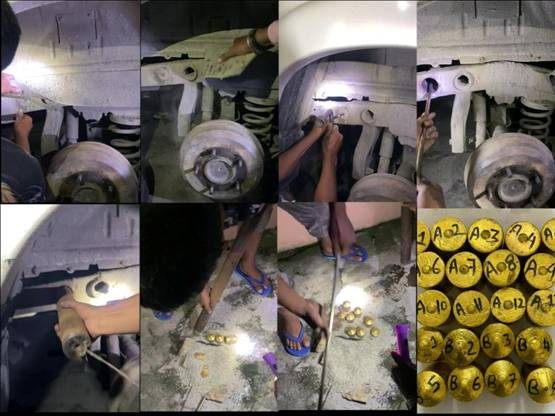
Pictures exhibiting concealment of foreign origin gold in vehicles
In yet another case of smuggling through the same route, the DRI seized another big haul of smuggled foreign origin gold weighing approximately 23.23 kg and valued at Rs.11.65 crore (approx.) which was being smuggled from Myanmar.Specific intelligence indicated that substantial quantity of foreign origin gold will be attempted to be smuggled from Champhai-Aizawl, Mizoram to Kolkata, West Bengal by carrying/concealing them in vehicle. To interdict the contraband, coordinated action was undertaken on 28th – 29th September 2022.The DRI officers mounted surveillance on the highway connecting Siliguri – Guwahati. Four passengers travelling in 2 suspect vehicles were identified and intercepted. After thorough rummaging of the two vehicles over a period of 2 days, 23.23 Kg gold concealed in the vehicle body in the form of 21 cylindrical pieces, was recovered. The gold in this case was cast in order to fit in the specifically made cavity inside the cross-member metal pipe connecting the right and left rails of chassis behind the rear wheels and suspension in both the vehicles. The recovered gold had been smuggled into India from Myanmar through Zokhawthar border in Mizoram. Four persons have been arrested in the instant case so far.
In another 9 cases in the month, DRI recovered and seized 27 kg smuggled gold form various carriers coming from North-Eastern part of the country to the rest of the country. These series of detections have helped unearth novel modus operandi of smuggling foreign origin gold into India from the North-Eastern part of the country.
The Prime Minister, Narendra Modi has greeted everyone on the occasion of Vijaya Dashami. Shri Modi also wished that may this auspicious occasion brings courage, restraint and positive energy in everyone’s life.
“सभी देशवासियों को विजय के प्रतीक-पर्व विजयादशमी की बहुत-बहुत बधाई। मेरी कामना है कि यह पावन अवसर हर किसी के जीवन में साहस, संयम और सकारात्मक ऊर्जा लेकर आए।”
In one of the first studies to examine the relationship between different types of grain intake and premature coronary artery disease in the Middle East, researchers found a higher intake of refined grain was associated with an increased risk of premature coronary artery disease in an Iranian population, while eating whole grains was associated with reduced risk.
According to the researchers, previous epidemiological studies have reported an association between different types of grain intake with the risk of coronary artery disease. The current study evaluated the association between refined and whole grains consumption and risk of PCAD in an Iranian population.
Premature coronary artery disease (PCAD) refers to atherosclerotic narrowing of coronary arteries in males under 55 years old or in females under 65 years old. It is often asymptomatic early in the course of the disease but may lead to chest pain (angina) and/or heart attack with progressive development of narrowing (stenosis) or plaque rupture of the arterial wall. Risk factors for PCAD include smoking, high cholesterol, high blood pressure and diabetes.
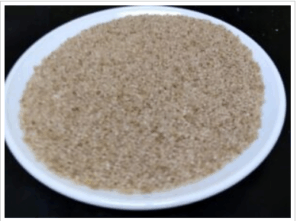
Millets-Grains
“There are many factors involved in why people may be consuming more refined grains as opposed to whole grains and these cases differ between people, but some of the most important factors to consider include the economy and income, job, education, culture, age and other similar factors,” said Mohammad Amin Khajavi Gaskarei, MD, of the Isfahan Cardiovascular Research Center and Cardiovascular Research Institute at Isfahan University of Medical Sciences in Isfahan, Iran, and the study’s lead author. “A diet that includes consuming a high amount of unhealthy and refined grains can be considered similar to consuming a diet containing a lot of unhealthy sugars and oils.”
Whole grains are defined as containing the entire grain, while refined grains have been milled—ground into flour or meal—to improve shelf life but they lose important nutrients in the process. The 2019 ACC/American Heart Association Guideline on the Primary Prevention of Cardiovascular Disease recommends a diet that emphasizes the intake of vegetables, fruits, legumes, whole grains and fish to decrease heart disease risk factors.
The study recruited 2099 individuals with PCAD from hospitals. Participants were given a food frequency questionnaire for dietary assessments to evaluate dietary behaviors and evaluate the association between whole grain and refined grain intake and the risk of PCAD in individuals without a prior diagnoses of heart disease. After adjusting for confounders, a higher intake of refined grains was associated with an increased risk of PCAD, while whole grain intake was inversely related to reduced risk of PCAD.
“As more studies demonstrate an increase in refined grains consumption globally, as well as the impact on overall health, it is important that we find ways to encourage and educate people on the benefits of whole grain consumption,” Khajavi Gaskarei said. “Tactics to consider include teaching improved dietary choices in schools and other public places in simple language the general population can understand, as well as on television programs and by continuing to do high level research that is presented at medical conferences and published in medical journals. Clinicians must also be having these conversations with each other and their patients.”
The study of blastoids, a research model of an early embryo derived from stem cells rather than from a father’s sperm or a mother’s egg, offers great hope for researchers investigating why pregnancies are lost at an early stage, what causes birth defects, and other topics related to early human development. Their use potentially avoids the challenges of scarcity and potential ethical problems of using actual embryos for the same sort of research.
But a group of ethicists and a cellular biologist have warned that blastoids are not without their own set of ethical considerations. While mammalian blastoid research has advanced rapidly in recent years, often using mouse blastoids, there has been insufficient consideration of how to regulate the creation and research use of human blastoids—feasible only since 2021.
Blastoids, sometimes called embryoids, resemble the cells, structure (morphology) and genetics of the very earliest form an embryo takes. Such an early embryo is called a blastocyst. Blastoids mimic early embryonic development up to and potentially just beyond the blastocyst stage five to six days after the first cell division. A major step forward in recent years has been the ability to grow blastocyst-like structures from pluripotent stem cells (cells that are able to take on many different cell types or tissue forms).
“But whereupon implantation into the uterus, blastocysts ultimately develop into a fetus, blastoids do not, and so are considered a model of an embryo rather than an actual embryo,” said bioethicist and Associate Professor Tsutomu Sawai of the Graduate School of Humanities and Social Sciences at Hiroshima University, a co-author of the paper. “Or, more precisely, there is so far no evidence that they can develop into a fetus, which is the crux of the ethical conundrum.”
The scholars in their paper did not set out to make an argument for or against different regulatory or ethical attitudes toward human blastoid research, but instead wanted to explore what problems might arise around regulation of them to inform political, scientific and societal conversation about this research.
A team of bioethicists and a cellular biologist in Japan discuss the ethical challenges in human blastoid research./CREDIT:Kanon Tanaka (https://www.kanontanaka-illustration-webdesign-science.com/index.html)
What makes the issue ethically fraught is that just as people have different views as to the moral status of embryos, especially in the context of research, they are likely to have different views on the moral status of blastoids. Some feel that the key question is whether embryos or blastoids have properties such as sentience—the ability to feel pain or experience consciousness, while others feel that the key question is whether they have the potential to do so.
Some scientists have argued that blastoids and blastocysts are not functionally equivalent, and would therefore not require the same level of oversight and regulation as human embryos.
An opposing camp however has argued that blastoids will become functionally closer to blastocysts sooner or later if they are morphologically and genetically similar to normal blastocysts. As a result, this camp feels that blastoids and blastocysts should be treated the same by regulators as they may become functionally equivalent in the future.
There have been no reports yet of mouse blastoids developing to the fetal stage, and so it is believed that mouse blastoids do not possess the ability to do so. In turn, it is assumed that human blastoids are similarly incapable.
However, while mice are useful models, they are not the same as humans. Yet it would not be socially and legally permissible to implant a blastoid into the uterus of a woman to find out whether human blastoids can develop further than mouse ones do.
In addition, it may be the case that the failure of a mouse blastoid to develop into a fetus is the result of the ‘culture technique’, or method of growing the blastoid in a lab, which necessarily will be different from the environment of a uterus. Theoretically then, whether mouse or human, blastoids might indeed be able to develop further if culture techniques became available that perfectly mimic in utero development.
“The feasibility of lab techniques perfectly mimicking in utero however remains speculative, and policy-makers, researchers and wider society need to assess what to do right now, not wait until such technological advances occur,” added Professor Sawai.
Taking these arguments into account, there are two options for regulating blastoid research. One is to differentiate between blastoids and blastocysts since there is currently no convincing evidence to demonstrate that blastoids and blastocysts are functionally equivalent or are likely to become functionally equivalent in the near future. The other possibility is to regulate them in the same way, regardless of whether they are functionally equivalent or not by emphasizing the genetic and structural similarities between the two.
For example, Japan, the UK and US have taken a regulatory approach that embraces the first option, while Australia has chosen a path that embraces the latter option.
The scholars also note that such research regulation can be affected by whether human blastoids are derived from stem cells that come from embryos (ESC) or from what are called induced pluripotent stem cells (iPSC). This latter type comes from skin or blood cells that have been reprogrammed back into a pluripotent state akin to that of embryo stem cells. The ethical issues related to iPSC research are usually considered less severe than those for ESC research, as the latter involves the destruction of embryos.
But if regulators opt for a preference for iPSC-derived blastoids over ESC blastoids, thinking that they have avoided an ethical minefield, they may find that they are in one nevertheless.
This is because iPSCs have the same genetic information as the donor, and so it may be reasonable to consider iPSC-derived blastoids as falling within the regulatory framework of cloned embryos. In the public consciousness, human cloning for research purposes has proven to be just as if not more ethically fraught than creating human embryos for research purposes.
The very recent advent of the capacity to make human blastoids has meant that the debate over human blastoids has so far yet to leap much beyond the lab bench or regulatory office and pierce the public’s consciousness in the way that the moral status of human embryos in scientific research has. But this situation is unlikely to remain the case for long, and the scholars feel this is a good thing.
“The rules for early developmental research, whether on blastoids or embryos, should not be decided by scientists or bioethicists alone,” concluded Professor Sawai. “Instead, a wider societal discussion must take the lead.”
The last date for submission of application for ‘NMCMSS for the year 2022-23 extended till 15th October, 2022’ Under the ‘National Means-cum-Merit Scholarship Scheme’ scholarships are awarded to meritorious students of economically weaker sections to arrest their drop out at class VIII and encourage them to continue their education at secondary stage. One lakh fresh scholarships are awarded to selected students from class IX every year and their continuation / renewal in classes X to XII for students studying in State Government, Government-aided and local body schools. The amount of scholarship is Rs. 12000/- per annum.
The National Means cum Merit Scholarship Scheme (NMMSS) is boarded on the National Scholarship Portal (NSP) – a one stop platform for scholarship schemes given to students. NMMSS scholarships are disbursed directly into the bank accounts of selected students by electronic transfer through Public Financial Management System (PFMS) following DBT mode. This is a 100% centrally sponsored scheme.
Students whose parental income from all sources is not more than Rs. 3,50,000/- per annum are eligible to avail the scholarships. The students must have minimum of 55% marks or equivalent grade in Class VII examination for appearing in the selection test for award of scholarship (relaxable by 5% for SC/ST students).
The last date of INO level (L1) verification is 31st October, 2022 and of DNO level (L2) verification is 15th November, 2022
The Commission has decided to hold the bye-election to fill vacancies in the following Assembly Constituencies of Maharashtra, Bihar, Haryana, Telangana, Uttar Pradesh and Odisha: –
Sl. No.
Name of State
Assembly Constituency No. & Name
Maharashtra
166-Andheri East
Bihar
178-Mokama
Bihar
101-Gopalganj
Haryana
47-Adampur
Telangana
93-Munugode
Uttar Pradesh
139-Gola Gokrannath
Odisha
46-Dhamnagar(SC)
Schedule for the bye election is as follows:
Schedule for Bye-election for Assembly Constituencies
Poll Events
Schedule
Date of Issue of Gazette Notification
7th October, 2022
(Friday)
Last Date of Nominations
14th October, 2022
(Friday)
Date for Scrutiny of Nominations
15th October, 2022
(Saturday)
Last Date for Withdrawal of candidatures
17th October, 2022
(Monday)
Date of Poll
3rd November, 2022
(Thursday)
Date of Counting
6th November, 2022
(Sunday)
Date before which election shall be completed
8th November, 2022
(Tuesday)
ELECTORAL ROLLS
The Electoral Rolls for the aforesaid Assembly Constituencies w.r.t 01.01.2022 will be used for these elections.
ELECTRONIC VOTING MACHINES(EVMs) & VVPATs
The Comission has decided to use EVMs and VVPATs in the bye-elections in all the polling stations. Adequate numbers of EVMs and VVPATs have been made available and all steps have been taken to ensure that the polls are conducted smoothly with the help of these machines.
IDENTIFICATION OF VOTERS
Electoral Photo Identity Card (EPIC) shall be the main document of identification of a voter. However, any of the below mentioned identification documents can also be shown at the polling station:
Aadhar Card,
MNREGA Job Card,
Passbooks with photograph issued by Bank/Post Office,
Health Insurance Smart Card issued under the scheme of Ministry of Labour,
Driving License,
PAN Card,
Smart Card issued by RGI under NPR,
Indian Passport,
Pension document with photograph,
Service Identity Cards with photograph issued to employees by Central/State Govt./PSUs/Public Limited Companies, and
Official identity cards issued to MPs/MLAs/MLCs.
Unique Disability ID (UDID) Card, M/o Social Justice & Empowerment, Government of India
MODEL CODE OF CONDUCT
The Model Code of Conduct shall come into force with immediate effect in the district(s) in which the whole or any part of the Parliamentary / Assembly constituency going for election is included, subject to partial modification as issued vide Commission’s instruction No. 437/6/1NST/2016-CCS, dated 29thJune, 2017 (available on the commission’s website).
INFORMATION REGARDING CRIMINAL ANTECEDENTS
Candidates with criminal antecedents are required to publish information in this regard in newspapers and through Television channels on three occasions during the campaign period. A political party that sets up candidates with criminal antecedents is also required to publish information about criminal background of its candidates, both on its website and also in newspapers and Television channels on three occasions.
Commission vide its letter No. 3/4/2019/SDR/Vol. IV dated 16th September, 2020 has directed that the period specified will be decided with three blocks in the following manner, so that electors have sufficient time to know about the background of such candidates:
Within first 4 days of withdrawal.
Between next 5th– 8thdays.
From 9th day till the last day of campaign (the second day prior to date of poll)
(Illustration: If the last date for withdrawal is 10th of the month and poll is on 24th of the Month, the first block for publishing of declaration shall be done between 11th and 14th of the Month, second and third blocks shall be between 15th and 18th and 19th and 22nd of that Month, respectively.)
This requirement is in pursuance of the judgment of the Hon’ble Supreme Court in Writ Petition(C) No. 784 of 2015 (Lok Prahari Vs. Union of India & Others) and Writ Petition(Civil) No. 536 of 2011 (Public Interest Foundation & Ors. Vs. Union of India & Anr.).
This information will also be available on an App titled, ‘know your candidates’.
COVID RELATED ARRANGEMENT DURING BYE-ELECTION-
In view of overall improvement in the situation of COVID country wide and in view of withdrawal of restrictive measure under D M Act by NDMA/SDMA, it has been decided to follow the advisories issued by Ministry of Health and Family Welfare Government of India from time to time. During the process of bye election, there should be continued focus on the five-fold strategy, i.e. Test-Track-Treat-Vaccination and adherence to COVID Appropriate Behaviour. The District machinery should effectively monitor COVID situation and enforce the norms of COVID Appropriate Behaviour by prescribing requisite legal/administrative norms.
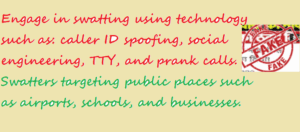
The FBI Las Vegas Field Office wants to educate the public about the dangers of swatting. Swatting is a form of harassment to deceive an emergency service provider into sending a police and emergency service response team to another person’s address due to the false reporting of a serious law enforcement emergency. The individuals who engage in this activity use technology, such as caller ID spoofing, social engineering, TTY, and prank calls to make it appear that the emergency call is coming from the victim’s phone. Traditionally, law enforcement has seen swatters directing their actions toward individuals and residences. Increasingly, the FBI sees swatters targeting public places such as airports, schools, and businesses. Another recent trend is so-called celebrity swatting, where the targeted victims are well-known personalities.
swatting
These calls are dangerous to first responders and to the victims. The callers often tell tales of hostages about to be executed or bombs about to go off. The community is placed in danger as responders rush to the scene, taking them away from real emergencies, and the officers are placed in danger as unsuspecting residents may try to defend themselves. If you receive a swatting threat or information that an individual is planning to engage in swatting, report it to local law enforcement and the FBI at 1-800-CALL-FBI immediately.
The neurohormone oxytocin is well-known for promoting social bonds including trust, empathy, positive memories, processing of bonding cues, and positive communication and generating pleasurable feelings, for example from art, exercise, or intimacy.
Now, researchers from Michigan State University show that in zebrafish and human cell cultures, oxytocin has yet another, unsuspected, function: it stimulates stem cells derived from the heart’s outer layer (epicardium) to migrate into its middle layer (myocardium) and there develop into cardiomyocytes, muscle cells that generate heart contractions. This discovery could one day be used to promote the regeneration of the human heart after a heart attack.
“Here we show that oxytocin, a neuropeptide also known as the love hormone, is capable of activating heart repair mechanisms in injured hearts in zebrafish and human cell cultures, opening the door to potential new therapies for heart regeneration in humans,” said Dr Aitor Aguirre, an assistant professor at the Department of Biomedical Engineering of Michigan State University, and the study’s senior author.
Stem-like cells can replenish cardiomyocytes
Cardiomyocetes typically die off in great numbers after a heart attack. Because they are highly specialized cells, they can’t replenish themselves. But previous studies have shown that a subset of cells in the epicardium can undergo reprogramming to become stem-like cells, called Epicardium-derived Progenitor Cells (EpiPCs), which can regenerate not only cardiomyocytes, but also other types of heart cells.
“Think of the EpiPCs as the stonemasons that repaired cathedrals in Europe in the Middle Ages,” explained Aguirre.
Unfortunately for us, the production of EpiPCs is inefficient for heart regeneration in humans under natural conditions.
Zebrafish could teach us how to regenerate hearts more efficiently
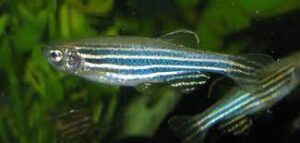
Enter the zebrafish: famous for their extraordinary capacity for regenerating organs, including the brain, retina, internal organs, bone, and skin. They don’t suffer heart attacks, but its many predators are happy to take a bite out of any organ, including the heart – so zebrafish can regrow their heart when as much as a quarter of it has been lost. This is done partly by proliferation of cardiomyocytes, but also by EpiPCs. But how do the EpiPCs of zebrafish repair the heart so efficiently? And can we find a ‘magic bullet’ in zebrafish that could artificially boost the production of EpiPCs in humans?
Yes, and this ‘magic bullet’ appears to be oxytocin, argue the authors.
To reach this conclusion, the authors found that in zebrafish, within three days after cryoinjury – injury due to freezing – to the heart, the expression of the messenger RNA for oxytocin increases up to 20-fold in the brain. They further showed that this oxytocin then travels to the zebrafish epicardium and binds to the oxytocin receptor, triggering a molecular cascade that stimulates local cells to expand and develop into EpiPCs. These new EpiPCs then migrate to the zebrafish myocardium to develop into cardiomyocytes, blood vessels, and other important heart cells, to replace those which had been lost.
zebrafish/wikipedia
Similar effect on human tissue cultures
Crucially, the authors showed that oxytocin has a similar effect on human tissue in vitro. Oxytocin – but none of 14 other neurohormones tested here – stimulates cultures of human Induced Pluripotent Stem Cells (hIPSCs) to become EpiPCs, at up to twice the basal rate: a much stronger effect than other molecules previously shown to stimulate EpiPC production in mice. Conversely, genetic knock-down of the oxytocin receptor prevented the the regenerative activation of human EpiPCs in culture. The authors also showed that the link between oxytocin and the stimulation of EpiPCs is the important ‘TGF-β signaling pathway’, known to regulate the growth, differentiation, and migration of cells.
Aguirre said: “These results show that it is likely that the stimulation by oxytocin of EpiPC production is evolutionary conserved in humans to a significant extent. Oxytocin is widely used in the clinic for other reasons, so repurposing for patients after heart damage is not a long stretch of the imagination. Even if heart regeneration is only partial, the benefits for patients could be enormous.”
We all grow old and die, but we still don’t know why. Diet, exercise and stress all effect our lifespan, but the underlying processes that drive ageing remain a mystery. Often, we measure age by counting our years since birth and yet our cells know nothing of chronological time—our organs and tissues may age more rapidly or slowly regardless of what we’d expect from counting the number of orbits we tale around the sun.
For this reason, many scientists search to develop methods to measure the “biological age” of our cells -– which can be different from our chronological age. In theory, such biomarkers of ageing could provide a measure of health that could revolutionize how we practice medicine. Individuals could use a biomarker of ageing to track their biological age over time and measure the effect of diet, exercise, and drugs and predict their effects to extend lifespan or improve quality of life. Medicines could be designed and identified based on their effect on biological age. In other words, we could start to treat ageing itself.
However, no accurate and highly predictive test for biological age has been validated to date. In part, this is because we still don’t know what causes ageing and so can’t measure it. Definitive progress in the field will require validating biomarkers throughout a patient’s lifetime, an impractical feat given human life expectancy.
To understand the irreducible components of ageing, and how these can be measured and tested, researchers turn to laboratory animals. Unlike humans, the nematode C. elegans lives for an average of two weeks, making it easier to collect behavioural and lifespan data that would otherwise require centuries.
The nematode C. elegans begin adulthood vigorously exploring their environment. Over time, they slow and stop crawling, a behavioural stage known as vigorous movement cessation (VMC). VMC is a biomarker of ageing and a proxy for nematode health. Studies of genetically identical nematodes have shown it is a powerful predictor of a worm’s lifespan, but at the same time, interventions designed to alter ageing can disproportionately affect VMC in comparison to lifespan and vice versa. Researchers at the Centre for Genomic Regulation (CRG) in Barcelona seek to understand why this happens and what this means for the ageing process in humans.
A team lead by Dr. Nicholas Stroustrup, Group Leader at the CRG’s Systems Biology research programme, has developed the ‘Lifespan Machine’, a device that can follow the life and death of tens of thousands of nematodes at once. The worms live in a petri dish under the watchful eye of a scanner that monitors their entire lives. By imaging the nematodes once per hour for months, the device gathers data at unprecedented statistical resolution and scale.
The research team found that nematodes have at least two partially independent ageing processes taking place at the same time – one that determines VMC and the other determines time of death. While both processes follow different trajectories, their rates are correlated to each other, in other words, in individuals for whom VMC occurred at an accelerated rate, so did time of death, and vice versa. In other words, the study revealed that each individual nematode has at least two distinct biological ages.
The researchers made the finding by building a genetic tool that lets them control the nematodes’ rate of ageing – effectively choosing an average lifespan for the population that can range from between two weeks and a few days. The tool works by tagging RNA polymerase II – the enzyme that makes mRNA – with a small molecule. Worms were fed different amounts of the hormone auxin, which finely controls the activity of RNA polymerase II, which in turn changes their lifespan.
Each individual C. elegans worm lives in a petri dish under the watchful eye of the Lifespan Macine’s scanner, which monitors their entire lives. By imaging the nematodes once per hour for months, the device gathers data at unprecedented statistical resolution and scale./CREDIT:Nicholas Stroustrup/CRG
Humans are larger and, in many ways, more complex than nematodes, and so are likely to have an even higher number of distinct biological ages than nematodes. Altogether, the study demonstrates how multiple, mostly independent ageing processes can work in tandem to cause different parts of the animal to age at different rates. The findings challenge the concept that animals have a single, unitary measure of biological age that can be indicative of an individual’s overall health.
The researchers also found that no matter which lifespan-altering mutations and interventions they gave the nematodes, the statistical correlation between the distinct biological ages remained constant. This suggests the existence of an invisible chain of command – or hierarchical structure – that regulates the worm’s ageing processes, the mechanisms of which are yet to be discovered. This means that, while ageing processes can be independent, it is also true that some individuals are ‘fast agers’ and others ‘slow agers’, in that many of their ageing processes move similarly faster or slower than their peers.
The study calls into question a crucial assumption of ageing biomarkers, that when interventions such as exercise or diet “rejuvenate” a biomarker, it’s a good sign that the underlying biology of ageing has similarly changed. “Our model shows that biomarkers can be trivially decoupled from outcomes because they measure an ageing process that is not directly involved in the outcome but simply correlates with it in a system of hierarchical processes,” explains Dr. Stroustrup. “In simple terms, just because two parts of an individual tend to correlate in their biological age across individuals, it doesn’t mean that one causes the other, or that they are likely to involve shared ageing mechanisms.”
The findings have implications for consumers being offered commercial products that assess their biological age. Biological age tests use panels of biomarkers that are purported as being meaningfully diverse. These can measure a thousand different parts of an individual, but those parts might all be confounded in an identical way.
According to Dr. Stroustrup, the solution lies in finding biomarkers that measure distinct, interacting ageing processes that also minimally correlate with each other. “Biomarkers used to assess biological age can be changed without actually turning a ‘fast ager’ into ‘slow ager’. Researchers should focus on measuring the effect of interventions on functional outcomes rather than assuming that changes in biomarkers will predict outcomes in a straightforward way,” he concludes.
Indore is India’s Cleanest City for the Sixth consecutive year, and India’s first 7-Star Garbage Free city.
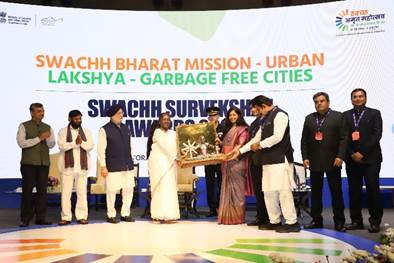
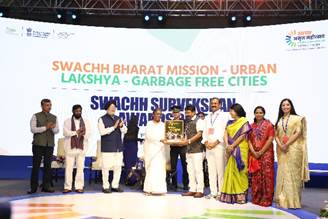
Madhya Pradesh Cleanest State in >100 Urban Local Bodies(ULB) Category, Tripura Cleanest State in <100 ULB Category.India celebrated 8 years of Swachh Bharat Mission and the first anniversary of SBM-Urban 2.0 in grand style as President Droupadi Murmu today felicitated the awardees of the cleanest States and cities at the award ceremony of Azadi@75 Swachh Survekshan 2022, hosted as part of Swachh Bharat Mission-Urban 2.0 by Ministry of Housing & Urban Affairs (MoHUA) at Talkatora Stadium, New Delhi. The award ceremony, organized to recognize the good work done for Swachhata by towns/ cities, States and Union Territories under Swachh Survekshan 2022 and certifications for Garbage Free Star rating for cities – saw more than 160 awards under various categories being given away through the day.The President formally released the Swachh Survekshan 2022 dashboard and gave away the top 12 awards. In an impressive display of sustainability and good governance,
Indore, the city of lakes and palaces, walked away with the Cleanest City title for the sixth consecutive year, in the ‘more than 1 lakh population’ category,
Surat was adjudged the second cleanest city, for the second time in a row.
Navi Mumbai bagged the third spot.
In the population category of ‘less than 1 lakh’, Panchgani and Karad from Maharashtrabagged the first and third positions respectively, while Patan from Chhattisgarhbagged the second position.
Tirupati received the best city award in Safai Mitra Suraksha while Haridwar in Uttarakhand received the award for the best Ganga town in more than one lakh population cities. Shivamogga in Karnataka received the fast mover city award.Indore further cemented its position by emerging as India’s first 7-star Garbage Free city, while Surat, Bhopal, Mysuru, Navi Mumbai, Vishakhapatnam, and Tirupati earned 5-star Garbage Free certifications.
The State awards saw a few surprises. Madhya Pradesh emerged as the ‘Cleanest State’ in the category of “more than 100 Urban Local Bodies”, relegating Chhattisgarh, the Cleanest State of the previous 3 years, to second place. Maharashtra emerged as third cleanest State. Similarly, Tripura emerged as the Cleanest State award in the “less than 100 ULBs category”, dislodging Jharkhand, which had won in the last 2 consecutive years. Jharkhand and Uttarakhand received the second and third spots respectively.
Over the years, Swachh Survekshan (SS) has emerged as an effective tool for transforming the urban landscape. This year’s Survekshan participated by 4,355 cities, also saw an unprecedented number of citizens’ feedback – over 9 crores, compared to 5 cores last year. In all, 22 States and 5 UTs received awards, of whom 8 States received more than 10 awards each. 8 States and 5 UTs have shown improvements ranging between 5 – 25% in their overall ground level performance over last year. Of them, 4 out the 8 North Eastern states have shown significant improvement in the overall performance over the last year. Moreover, 10 Cantonment Boards (against 7 CBs last year) and 2 Ganga towns received awards. A heartening feature of the awards was that smaller cities with population of less than 25,000 have performed admirably in the survey, with 40 of them receiving awards today.
The vision of a Garbage Free India under SBM-U 2.0 was given further impetus by announcing the results of 7-star and 5-star rated cities under the Star Rating Protocol of Garbage Free Cities. The revised Star Rating Protocol of Garbage Free Cities was launched in 2021 to holistically evaluate cities across solid waste management parameters. This year, the number has gone up manifold with 3,600 cities applying for the assessment against 2,238 last year, and number of Star rated cities has gone up to 412 (with 11 five-star cities, 182 three-star cities, and 218 one-star cities), thus signifying how cities’ aspirations towards becoming Garbage Free is getting enhanced.
Speaking at the event, the President said, “I congratulate all the awardee cities for their commitment to the cause of Swachhata”.The President had special words of praise for Indore who she said should become a role model for other cities . The President exhorted the citizens to join in the three-week long source segregation campaign scheduled to begin from 2nd Oct 2022 and expressed the hope that by 2026 India’s urban areas will become Garbage Free . The President complimented the citizens of the country and concluded with a wish for a ‘swasth’ ‘ sasakth’ and ‘swachh’ India.
Hardeep S Puri, Union Minister of Housing & Urban Affairs and Kaushal Kishore, Minister of State for Housing & Urban Affairs also felicitated the awardee cities and States. Congratulating the cities for their efforts, the Union Minister said, “achievements under SBM-U have been the result of the collective efforts of the citizens of urban India. Today, the Mission has taken the shape of a people’s movement, a true ‘Jan Andolan’. The Minister concluded his address by appealing to all citizens to begin a 3-week focused campaign of source segregation from 2nd Oct, on the occasion of Swachhata Divas, so that India’s journey towards Garbage Free status is accelerated manifold. The event was attended by over 1,500 guests comprising Mayors and other political representatives, diplomats, state and city administrators and senior officials, sector partners and brand ambassadors, academic institutions, industry associations, startups, NGOs and CSOs, while citizens from across India joined virtually to witness this occasion. Cities had also put up screens in prominent places to enable their citizens to view the live ceremony.
The spirit of celebration was further enhanced through the release of an audio-visual song and documentary, by the President, capturing the journey of SBM till date and the road ahead. The theme of the audio-visual song was ‘Garv‘, reiterating the pride in the goals attained so far and pride in finishing the unfinished too, and featured various celebrity ambassadors of the Mission such as P V Sindhu and Mithali Raj. The song is an effort to reinvigorate people to carry forward the SBM-U 2.0 journey in the days ahead.
The Award ceremony was a platform for reaffirmation of commitment from cities and citizens to move forward with renewed vigour towards the vision of Garbage Free cities.
BGI Genomics, in collaboration with Southwest University, the State Key Laboratory of Silkworm Genome Biology, and other partners, has constructed a high-resolution pangenome dataset representing almost the entire genomic content in a silkworm.
Previously, due to the scarcity of wild silkworms and technical limitations of former studies, many trait-associated sites were missing. This is the first research ever to digitize silkworm gene pool and create a “digital silkworm”, greatly facilitating functional genomic research, promoting precise breeding, and thus enabling additional silk use cases.
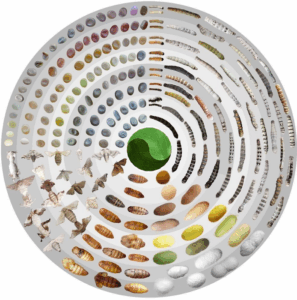
The team deeply re-sequence 1,078 silkworms (B. mori, including 205 local strains, 194 improved varieties, and 632 genetic stocks and 47 wild silkworms, B. mandarina) and assemble long-read genomes on 545 of these samples, generating 55.57 T of genomic data.
This pangenome dataset contains the most comprehensive information on the genomes of domestic and wild silkworm, and is the largest long-read pangenome in the world for plants and animals to date. At the same time, in-depth studies on various genetic variation, population structure, artificial selection and ecological adaptations and economic traits of silkworm have been carried out, yielding fruitful results.
Phenotypic diversity in silkworms/CREDIT:BGI Genomics
The origins of the domestic silkworm:
The domestic silkworm, B. mori, domesticated from the wild mulberry silkworm, B. mandarina. It has an history of over 5,000 years, but its domestication origin location has long been an open question, due to a lack of strong biological evidence.
The study found out that endemic species from China’s lower and middle Yellow River region are distributed at the base of the domestic silkworm branch on the evolutionary tree, thus suggesting that the domestic silkworm originated in this region. The available archaeological evidence, including a half cocoon excavated in 1926 at Xiyin Village, Xia County, Shanxi Province, and a stone-carved silkworm pupa excavated in 2019 at Shicun in the same county, provide important support to this conclusion.
Breaking the bottleneck in silkworm breeding:
The traditional breeding of silkworms has a long and unique history, but since the 1990s remained stuck in a bottleneck. Systematic analysis of the genetic basis of domestication and improvement selection is essential to solve the unresolved issues in silkworm breeding. The team has identified 468 domestication-associated genes and 198 improvement-associated genes, of which respectively 264 and 185 are newly identified. These genes will be important candidate targets for molecular improvement of silkworm.
At the same time, it was found out that the Chinese and Japanese utility species share less than 3% of the improvement loci. This not only reveals the relatively independent breeding histories of Chinese and Japanese silkworm, but also explains why this shared genetic basis provides such hybrid advantages for both species. This result sheds new insights for future breeding of the silkworm.
Economic traits of silkworm breeding:
Yield and quality of silk have long been targeted as the main economic criteria for artificial selection of silkworm. However, up to this date, little is known about how genes and loci control these quantitative traits. The pangenome is arguably the ‘nearest bridge’ between phenotypes, especially complex traits.
A case in point is the regulation of silk production by the cell cycle-related transcription factor BmE2F1, which was revealed through selection signalling and structural variation. CRISPR-cas9 mediated knockout of BmE2F1 reduces the number of silk gland cells by 7.68% and silk yield by 22%. Conversely, the transgenic overexpression of BmE2F1 increases the number of silk gland cells by 23% and silk yield by 16%.
Fine silk has unique applications and higher economic value, but the genetic basis of fiber fineness remained previously unknown. Analysis of rare variants in the genomes of slender varieties led to the identification of BmChit β-GlcNAcase, a gene controlling silk fineness that can significantly be detected in fine varieties, and CRISPR-cas9 mediated knockout, resulting in coarser silk fineness produced by domestic silkworms. This suggests this gene plays a key role in determining silk fineness.
Adaptive traits of silkworm breeding:
Diapause is a common ecological adaptive trait in insects that ensures that insects can survive despite unfavorable environmental conditions. Although the diapause hormone was first identified in the silkworm in 1957, little information is available on the embryonic dipause gene. In this study, based on the analysis of the pnd strain and genomic structural variation in the silkworm, and functional validation by gene editing, the BmTret1-like gene revealed itself to be an important determinant of post-embryonic stalling. This is the first time that a post-embryonic determinant gene has been identified in an insect.
This study reveals the complete pan-genome of the silkworm to unlock artificial selection and ecological adaptation insights. Shuaishuai Tai, co-author and BGI Genomics senior researcher commented, “With comprehensive sampling and dataset combined with a variety of experiments to identify genes for future potential study, we hope to accelerate the process of silkworm molecular design breeding.”
“I’m a professional pin-in-a-haystack seeker,” geneticist Thijn Brummelkamp responds when asked why he excels at tracking down proteins and genes that other people did not find, despite the fact that some have managed to remain elusive for as long as forty years. His research group at the Netherlands Cancer Institute has once again managed to track down one of these “mystery genes” – the gene that ensures that the final form of the protein actin is created, a main component of our cell skeleton.
Cell biologists are very interested in actin, because actin – a protein of which we produce more than 100 kilograms in our lifetime – is a main component of the cell skeleton and one of the most abundant molecules in a cell. Large quantities can be found in every cell type and it has many purposes: it gives shape to the cell and makes it firmer, it plays an important role in cell division, it can propel cells forward, and provides strength to our muscles. People with faulty actin proteins often suffer from muscle disease. Much is known about the function of actin, but how the final form of this important protein is made and which gene is behind it? “We didn’t know,” says Brummelkamp, whose mission is to find out the function of our genes.
Multi-purpose method for genetics in human cells
Together with other researchers, Brummelkamp uses this multi-purpose method to find the genetic causes of particular conditions. He has already shown how the Ebola virus and a number of other viruses, as well as certain forms of chemotherapy, manage to enter a cell. He also investigated why cancer cells are resistant to certain types of therapy and discovered a protein found in cancer cells that acts as a brake on the immune system. This time he went looking for a gene that matures actin – and as a result, the skeleton of the cell.
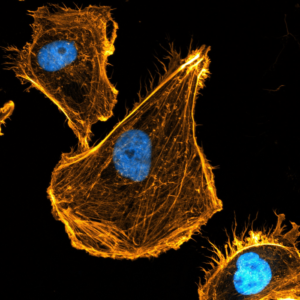
Microscopy image of actine. (Actine is yellow, cell core is blue)/CREDIT:Peter Haarh, Netherlands Cancer Institute
In search of scissors
Before a protein is completely “finished” – or mature, as the researchers describe it in Science – and can fully perform its function in the cell, it usually has to be stripped of a specific amino acid first. This amino acid is then cut from a protein by a pair of molecular scissors. This is also what occurs with actin. It was known on which side of the actin the relevant amino acid is cut off. However, no one managed to find the enzyme that acts as scissors in this process.
Peter Haahr, postdoc in Brummelkamp’s group, worked on the following experiment: first he caused random mutations (mistakes) in random haploid cells. Then he selected the cells containing the immature actin by adding a fluorescently labeled antibody to his cells that fit in the exact spot where the amino acid is cut off. As a third and final step, he investigated which gene mutated after this process.
They called it ‘ACTMAP’
Then came the “eureka”-moment: Haahr had traced down the molecular scissors that cut the essential amino acid from actin. Those scissors turned out to be controlled by a gene with a previously unknown function; one no researcher had ever worked with. This means that the researchers were able to name the gene themselves, and they settled on ACTMAP (ACTin MAturation Protease).
More scissors found in the skeleton of the cell
ACTMAP is not the first mystery gene discovered by Brummelkamp that plays a role in our cell skeleton function. Using the same method, his group has been able to detect three unknown molecular scissors over recent years that cut an amino acid from tubulin, the other main component of the cell skeleton. These scissors allow tubulin to perform its dynamic functions properly inside the cell. The last scissors (MATCAP) were discovered and described in Science this year. Through this earlier work on the cell skeleton, Brummelkamp managed to arrive at actin.
While social media platforms are the primary source of political information for a growing number of people, a majority of Twitter users do not follow either members of Congress, their president or news media, a new study suggests.
They are much more likely to follow Tom Hanks or Katie Perry than an elected official.
“Those users who do follow political accounts on Twitter, however, stick to insular online communities and mostly follow and share information from their political in-group,” said Magdalena Wojcieszak, lead author and professor of communication at the University of California, Davis, and the University of Amsterdam.
In other words, speaking to ongoing debates about so-called “echo chambers” on social media platforms, the small group of users who do follow political elites display clear political biases and engage with these elites in a very one-sided way.
The findings come after researchers from UC Davis and New York University analyzed four years’ worth of data from a sampling of 1.5 million Twitter users.
Twitter
Researchers concluded that even though the group of social media users who display political biases in their online behaviors is small, it is nevertheless consequential. These users are much more vocal, participatory and active online, thus amplifying the general perception of unprecedented polarization.
“In this project, we focus on national political elites due to their visibility and national-level influence on public opinion and the political process,” Wojcieszak said. Yet, despite the prominence and impact of presidents, congressmen, journalists, pundits and the news media, researchers found that only 40% of Twitter users follow one or more political “elites.” The remaining 60% follow no political actors at all.
“Given that we analyzed over 2,500 American political elite accounts including Donald Trump, Joe Biden, prominent pundits including Rachel Maddow and Sean Hannity, and the most popular media outlets such as MSNBC and Fox News, the fact that only 23% of the representative sample of over 1.5 million users follow three of more of such elite accounts is revealing,” Wojcieszak said.
The authors found that those users who do follow politicians, pundits and news media follow their political in-group at much higher rates than out-group elites (around 90% vs. 10%) and share tweets from in-group elites overwhelmingly more frequently than out-group tweets (at about a 13:1 ratio). And when users share out-group tweets, they tend to add negative comments to these reshares, further reinforcing ideological biases online.
The research also reveals important ideological asymmetries: conservative users are roughly twice as likely as liberals to share in-group versus out-group content, as well as to add negative commentary to out-group shares.
Social Media/Photo:indiainternationaltimes
Surprising findings
“Overall, the majority of American Twitter users are not sufficiently interested in politics to follow even a single political or media elite from our list,” Wojcieszak said. Researchers wrote that they found this surprising, since it is generally believed that Twitter users are more politically engaged than the general population.
Given a growing radicalization in America, decreasing support for democratic norms, and rising support for political violence, concerns about political biases on social media platforms are valid, no matter how small the groups displaying those biases may be.
“At the same time,” Wojcieszak said, “we have to remember that these political biases are far removed from the everyday online behaviors of most politically disinterested Americans, who simply don’t care and prefer to immerse themselves in entertainment or sports. Our findings should help us all keep in perspective the concerns about the so-called ‘echo chambers’ online.”
Cinema is not only an Industry but it is also a Medium of Artistic Expression of our Culture and Values: President Murmu.
The President of India, Droupadi Murmu, presented the 68th National Film Awards in various categories in New Delhi today (September 30, 2022). She also conferred Dadasaheb Phalke Award on Ms Asha Parekh.
Speaking on the occasion, the President congratulated all the award winners of the 68th National Film Awards. She also congratulated Ms Asha Parekh for winning Dadasaheb Phalke Award and said that our sisters of that generation made their mark in various fields despite many constraints. Honour to Ms Parekh is also an honour for the indomitable female power.
The President said that apart from making films, the film industry plays a major role in building a better society and nation. Being an audio-visual medium, the influence of films is wider than other mediums of art. She said that cinema is not only an industry but also a medium of artistic expression of our culture and values. It is also a medium for connecting our society and for nation-building.
Asha Parekh honoured with Dadasaheb Phalke Award, 2020
The President said that films have greater influence on youth and children. Therefore, the society expects the film industry to effectively utilize this medium in building the future of the country.
The President said that as we are celebrating the ‘Azadi Ka Amrit Mahotsav’, feature and non-feature films on the life and work of freedom fighters will be welcomed by the audience. People also expect films which increase compassion and unity in society, accelerate the pace of development and strengthen the efforts of environmental protection. She was happy to note that the films that got awards today, have highlighted important national issues of nature and environment, culture, social values and other important aspects.
Murmu
The President said that Indian films are being welcomed all over the world. To make more effective use of this soft-power, we have to enhance the quality of our movies. She noted that films made in one region are becoming more and more popular in other regions as well. She said that in this way cinema is tying all people in one cultural thread. This is a big contribution of the film community to society.
Dadasaheb Phalke Award: Ms Asha Parekh.
Best Actress Award: Aparrna Balamurali Best actor awards: Ajay Devgn and Suriya Best Supporting Actor award: Biju Menon Best Supporting Actress award : Lakshmi Priya Chandramouli Best Male Playback Singer award :Rahul Deshpande.
Internet banking facility to be started for Regional Rural Banks’ customers.
Regulation of offline payment aggregators proposed.
Repo Rate hiked to 5.90%
The repo rate, the rate at which RBI lends money to commercial banks, has been hiked by 50 basis points again. Considering the prevailing adverse global environment, resilience in domestic economic activity, uncomfortably high inflation level, the RBI has hiked the policy repo rate by 50 basis points, to 5.40%.
Consequently, the standing deposit facility (SDF) rate stands adjusted to 5.65% and the marginal standing facility (MSF) rate and the Bank Rate to 6.15%. The Monetary Policy Committee has decided to remain focused on withdrawal of accommodation to ensure that inflation remains within the target going forward, while supporting growth, stated RBI Governor Shaktikanta Das.
The Governor announced a series of four additional measures, as given below.
1. Discussion paper on Expected Loss-Based Approach to be released for loan-loss provisioning by banks
Banks currently follow incurred-loss approach, where provisions are made after stress has actually materialized, this is to be replaced by a more prudent approach which requires banks to make provisions based on assessment of probable losses.
2. Discussion paper on securitization of Stressed Assets Framework (SSAF) to be released.
Revised framework for securitization of stressed assets was issued in Sep 2021, it has now been decided to introduce a framework for securitization of stressed assets, this will provide alternate mechanism for securitization of NPAs in addition to existing ARC route.
3. Internet banking facility for customers of Regional Rural Banks.
RRBs are currently allowed to provide internet banking facility to customers subject to fulfillment of certain criteria, to spread digital banking in rural areas, these criteria are being rationalized, revised guidelines to be issued separately.
4. Regulation of offline payment aggregators.
Online Payment Aggregators (PAs) have been brought under the purview of RBI regulations since March 2020. It is now proposed to extend these regulations to offline PAs, who handle proximity/ face-to-face transactions. This measure is expected to bring in regulatory synergy and convergence on data standards.
Growth Projection – 7.0% for 2022-23
The Governor informed that the central bank’s growth projection for the Indian economy for 2022-23 is projected at 7.0 per cent with Q2 at 6.3 per cent; Q3 at 4.6 per cent; and Q4:2022-23 at 4.6 per cent, with risks broadly balanced.
The growth for Q1 of 2023-24 is projected at 7.2 per cent.
Against the current challenging global environment, economic activity in India remains stable, stated the RBI Governor. “While real GDP in first quarter of this year turned out to be lower than expectations, it is perhaps the highest among major global economies”, he added.
Inflation
Inflation inched up to 7.0 per cent in August from 6.7 per cent in July, stated the RBI Governor. Global geopolitical developments are weighing heavily on the domestic inflation trajectory, he said.
The RBI Governor stated that monetary policy has to carry forward its calibrated action on policy rates and liquidity conditions consistent with the evolving inflation growth dynamics. It must remain alert and nimble, he stated.
Khadi and Village Industries Commission, a Statutory Body under Ministry of MSME, is organizing a SFURTI Mela at Dilli Haat, INA, New Delhi from 1st October to 15th October, 2022. This national level exhibition of traditional products from SFURTI clusters is being organized for the first time, also commemorating the Azadi ka Amrit Mahotsav.
Under SFURTI, traditional artisans are organized into clusters for manufacturing value added traditional products to enhance their income. These clusters cover traditional sectors such handloom, handicrafts, khadi, coir, agro-products, etc. Government of India provides assistance for infrastructure development, capacity building, marketing and design promotion, etc. Till date, 498 clusters have been supported under SFURTI across the country directly benefiting around 3 lakh artisans.
During the SFURTI Mela, 100 artisans from 50 SFURTI clusters covering 28 States will be showcasing their traditional products of handloom, handicrafts, khadi, coir, agro-processing These include clusters such as- Sozni Embroidery cluster of Jammu and Kashmir, Cane and Bamboo cluster of Meghalaya, Channapatna Toy cluster of Karnataka, Natural Dye Cluster of Rajasthan, Madhubani painting Cluster of Bihar, Kolhapuri Traditional Jewellery cluster of Maharashtra, Coir cluster of Kerala, Carpet and Durrie Cluster of Uttar Pradesh, Millet Cluster of Odisha, Eri Silk Khadi Cluster of Arunachal Pradesh among others.
SFURTI–Scheme of Fund for Regeneration of Traditional Industries/Ministry of Micro, Small & Medium Enterprises
The purpose of this SFURTI Mela is to promote the traditional products from across the country among the citizens, during the festive times. Besides, this mela will also open new avenues for the artisans for marketing and sales of these cluster products.
Live demonstration of manufacturing processes of traditional products has also been organized in the Theme pavilion of this Mela.
Taken as a share of the market price, the climate change impacts of mining the digital cryptocurrency Bitcoin is more comparable to the impacts of extracting and refining crude oil than mining gold, according to an analysis published in Scientific Reports by researchers at The University of New Mexico.
The authors suggest that rather than being considered akin to ‘digital gold’, Bitcoin should instead be compared to much more energy-intensive products such as beef, natural gas, and crude oil.
“We find no evidence that Bitcoin mining is becoming more sustainable over time,” said UNM Economics Associate Professor Benjamin A. Jones. “Rather, our results suggest the opposite: Bitcoin mining is becoming dirtier and more damaging to the climate over time. In short, Bitcoin’s environmental footprint is moving in the wrong direction.”
In December 2021, Bitcoin had an approximately 960 billion US dollars market capitalization with a roughly 41 percent global market share among cryptocurrencies. Although known to be energy intensive, the extent of Bitcoin’s climate damages is unclear.
Researchers at The University of New Mexico find digital cryptocurrency Bitcoin is more comparable to the impacts of extracting and refining crude oil than mining gold./CREDIT: University of New Mexico
Jones and colleagues Robert Berrens and Andrew Goodkind present economic estimates of climate damages from Bitcoin mining between January 2016 and December 2021. They report that in 2020 Bitcoin mining used 75.4 terawatt hours of electricity (TWh) – higher electricity usage than Austria (69.9 TWh) or Portugal (48.4 TWh) in that year.
“Globally, the mining, or production, of Bitcoin is using tremendous amounts of electricity, mostly from fossil fuels, such as coal and natural gas. This is causing huge amounts of air pollution and carbon emissions, which is negatively impacting our global climate and our health,” said Jones. “We find several instances between 2016-2021 where Bitcoin is more damaging to the climate than a single Bitcoin is actually worth. Put differently, Bitcoin mining, in some instances, creates climate damages in excess of a coin’s value. This is extremely troubling from a sustainability perspective.”
The authors assessed Bitcoin climate damages according to three sustainability criteria: whether the estimated climate damages are increasing over time; whether the climate damages of Bitcoin exceeds the market price; and how the climate damages as a share of market price compare to other sectors and commodities.
They find that the CO2 equivalent emissions from electricity generation for Bitcoin mining have increased 126-fold from 0.9 tonnes per coin in 2016, to 113 tonnes per coin in 2021. Calculations suggest each Bitcoin mined in 2021 generated 11,314 US Dollars (USD) in climate damages, with total global damages exceeding 12 billion USD between 2016 and 2021. Damages peaked at 156% of the coin price in May 2020, suggesting that each 1 USD of Bitcoin market value generated led to 1.56 USD in global climate damages that month.
“Across the class of digitally scarce goods, our focus is on those cryptocurrencies that rely on proof-of-work (POW) production techniques, which can be highly energy intensive,” said Regents Professor of Economics Robert Berrens. “Within broader efforts to mitigate climate change, the policy challenge is creating governance mechanisms for an emergent, decentralized industry, which includes energy-intensive POW cryptocurrencies. We believe that such efforts would be aided by measurable, empirical signals concerning potentially unsustainable climate damages, in monetary terms.”
Finally, the authors compared Bitcoin climate damages to damages from other industries and products such as electricity generation from renewable and non-renewable sources, crude oil processing, agricultural meat production, and precious metal mining. Climate damages for Bitcoin averaged 35% of its market value between 2016 and 2021. This share for Bitcoin was slightly less than the climate damages as a share of market value of electricity produced by natural gas (46%) and gasoline produced from crude oil (41%), but more than those of beef production (33%) and gold mining (4%).
The authors conclude that Bitcoin does not meet any of the three key sustainability criteria they assessed it against. Absent voluntary switching away from proof-of-work mining, as very recently done for the cryptocurrency Ether, then potential regulation may be required to make Bitcoin mining sustainable.
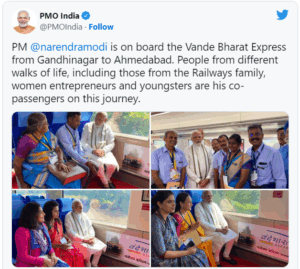
The Prime Minister, Shri Narendra Modi flagged off Gandhinagar- Mumbai Vande Bharat Express at Gandhinagar station and travelled on the train from there to Kalupur Railway Station today.
When he arrived at Gandhinagar station, the Prime Minister was accompanied by Chief Minister of Gujarat, Shri Bhupendra Patel, Governor of Gujarat, Shri Acharya Devvrat, Union Minister of Railways, Shri Ashvini Vaishnav, and Union Minister of Housing and Urban Affairs, Shri Hardeep Singh Puri. The Prime Minister inspected the train coaches of the Vande Bharat Express 2.0 and took stock of the onboard facilities. Shri Modi also inspected the control centre of the locomotive engine of Vande Bharat Express 2.0.
The Prime Minister then flagged off the new & upgraded version of Vande Bharat Express between Gandhinagar and Mumbai and travelled on the train from there to Kalupur Railway Station. The Prime Minister also interacted with his co-passengers including those from the family members of Railways staff, women entrepreneurs and researchers and youngsters. He also interacted with workers, engineers and other staff who toiled to make Vande Bharat trains a shining success.
Vande Bharat Express 2.0 between Gandhinagar and Mumbai is going to be a game changer and will boost connectivity between the two business hubs of India. It will enable business owners from Gujarat to travel to Mumbai and vice versa without bearing the brunt of high-cost airline tickets while availing facilities that are available on air. One-way travel time of Vande Bharat Express 2.0 from Gandhinagar to Mumbai is estimated at around five and a half hours.
The Vande Bharat Express 2.0 offers a myriad of superior and aircraft-like travelling experiences. It is equipped with advanced state-of-the-art safety features including an indigenously developed Train Collision Avoidance System – KAVACH.
Vande Bharat 2.0 will be equipped with more advancements and improved features such as reaching the speed of 0 to 100 kilometres per hour in just 52 seconds, and a maximum speed up to 180 kilometres per hour. The improved Vande Bharat Express will weigh 392 tons when compared to the previous version of 430 tons. It will also have a Wi-Fi content on-demand facility. Every coach is equipped with 32” screens providing passenger information and infotainment compared to 24” in the previous version. Vande Bharat Express is also going to be environment friendly as the ACs will be 15 per cent more energy efficient. With dust-free clean air cooling of the traction motor, the travel will become more comfortable. Side recliner seat facility which was provided only to Executive Class passengers earlier will now be made available for all classes. Executive Coaches have the added feature of 180-degree rotating seats.
PM takes a ride in Vande Bharat Express
In the new design of Vande Bharat Express, a photo-catalytic ultraviolet air purification system is installed in the Roof-Mounted Package Unit (RMPU) for air purification. As recommended by Central Scientific Instruments Organisation (CSIO), Chandigarh, this system is designed and installed on both ends of RMPU to filter and clean the air free from germs, bacteria, viruses etc. coming through fresh air and return air.
Two of NASA’s Great Observatories, the James Webb Space Telescope and the Hubble Space Telescope, have captured views of a unique NASA experiment designed to intentionally smash a spacecraft into a small asteroid in the world’s first-ever in-space test for planetary defense. These observations of NASA’s Double Asteroid Redirection Test (DART) impact mark the first time that Webb and Hubble simultaneously observed the same celestial target.
On Sept. 26, 2022, at 7:14 pm EDT, DART intentionally crashed into Dimorphos, the asteroid moonlet in the double-asteroid system of Didymos. It was the world’s first test of the kinetic impact mitigation technique, using a spacecraft to deflect an asteroid that poses no threat to Earth, and modifying the object’s orbit. DART is a test for defending Earth against potential asteroid or comet hazards.
The coordinated Hubble and Webb observations are more than just an operational milestone for each telescope – there are also key science questions relating to the makeup and history of our solar system that researchers can explore when combining the capabilities of these observatories.
“Webb and Hubble show what we’ve always known to be true at NASA: We learn more when we work together,” said NASA Administrator Bill Nelson. “For the first time, Webb and Hubble have simultaneously captured imagery from the same target in the cosmos: an asteroid that was impacted by a spacecraft after a seven-million-mile journey. All of humanity eagerly awaits the discoveries to come from Webb, Hubble, and our ground-based telescopes – about the DART mission and beyond.”
Observations from Webb and Hubble together will allow scientists to gain knowledge about the nature of the surface of Dimorphos, how much material was ejected by the collision, and how fast it was ejected. Additionally, Webb and Hubble captured the impact in different wavelengths of light – Webb in infrared and Hubble in visible. Observing the impact across a wide array of wavelengths will reveal the distribution of particle sizes in the expanding dust cloud, helping to determine whether it threw off lots of big chunks or mostly fine dust. Combining this information, along with ground-based telescope observations, will help scientists to understand how effectively a kinetic impact can modify an asteroid’s orbit.
Webb Captures Impact Site Before and After Collision
Webb took one observation of the impact location before the collision took place, then several observations over the next few hours. Images from Webb’s Near-Infrared Camera (NIRCam) show a tight, compact core, with plumes of material appearing as wisps streaming away from the center of where the impact took place.
Observing the impact with Webb presented the flight operations, planning, and science teams with unique challenges, because of the asteroid’s speed of travel across the sky. As DART approached its target, the teams performed additional work in the weeks leading up to the impact to enable and test a method of tracking asteroids moving over three times faster than the original speed limit set for Webb.
“I have nothing but tremendous admiration for the Webb Mission Operations folks that made this a reality,” said principal investigator Cristina Thomas of Northern Arizona University in Flagstaff, Arizona. “We have been planning these observations for years, then in detail for weeks, and I’m tremendously happy this has come to fruition.”
Scientists also plan to observe the asteroid system in the coming months using Webb’s Mid-Infrared Instrument (MIRI) and Webb’s Near-Infrared Spectrograph (NIRSpec). Spectroscopic data will provide researchers with insight into the asteroid’s chemical composition.
Webb observed the impact over five hours total and captured 10 images. The data was collected as part of Webb’s Cycle 1 Guaranteed Time Observation Program 1245 led by Heidi Hammel of the Association of Universities for Research in Astronomy (AURA).
Hubble Images Show Movement of Ejecta After Impact
Hubble also captured observations of the binary system ahead of the impact, then again 15 minutes after DART hit the surface of Dimorphos. Images from Hubble’s Wide Field Camera 3 show the impact in visible light. Ejecta from the impact appear as rays stretching out from the body of the asteroid. The bolder, fanned-out spike of ejecta to the left of the asteroid is in the general direction from which DART approached.
Some of the rays appear to be curved slightly, but astronomers need to take a closer look to determine what this could mean. In the Hubble images, astronomers estimate that the brightness of the system increased by three times after impact, and saw that brightness hold steady, even eight hours after impact.
Description of the above images: These images from NASA’s Hubble Space Telescope, taken (left to right) 22 minutes, 5 hours, and 8.2 hours after NASA’s Double Asteroid Redirection Test (DART) intentionally impacted Dimorphos, show expanding plumes of ejecta from the asteroid’s body. The Hubble images show ejecta from the impact that appear as rays stretching out from the body of the asteroid. The bolder, fanned-out spike of ejecta to the left of the asteroid is in the general direction from which DART approached. These observations, when combined with data from NASA’s James Webb Space Telescope, will allow scientists to gain knowledge about the nature of the surface of Dimorphos, how much material was ejected by the collision, how fast it was ejected, and the distribution of particle sizes in the expanding dust cloud.
Credits: Science: NASA, ESA, Jian-Yang Li (PSI); image processing: Alyssa Pagan (STScI)
Hubble plans to monitor the Didymos-Dimorphos system 10 more times over the next three weeks. These regular, relatively long-term observations as the ejecta cloud expands and fades over time will paint a more complete picture of the cloud’s expansion from the ejection to its disappearance.
“When I saw the data, I was literally speechless, stunned by the amazing detail of the ejecta that Hubble captured,” said Jian-Yang Li of the Planetary Science Institute in Tucson, Arizona, who led the Hubble observations. “I feel lucky to witness this moment and be part of the team that made this happen.”
Hubble captured 45 images in the time immediately before and following DART’s impact with Dimorphos. The Hubble data was collected as part of Cycle 29 General Observers Program 16674.
“This is an unprecedented view of an unprecedented event,” summarized Andy Rivkin, DART investigation team lead of the Johns Hopkins University Applied Physics Laboratory in Laurel, Maryland.
The James Webb Space Telescope is the world’s premier space science observatory. Webb will solve mysteries in our solar system, look beyond to distant worlds around other stars, and probe the mysterious structures and origins of our universe and our place in it. Webb is an international program led by NASA with its partners, ESA (European Space Agency) and CSA (Canadian Space Agency).
The Hubble Space Telescope is a project of international cooperation between NASA and ESA. NASA’s Goddard Space Flight Center in Greenbelt, Maryland, manages the telescope. The Space Telescope Science Institute (STScI) in Baltimore, Maryland, conducts Hubble and Webb science operations. STScI is operated for NASA by the Association of Universities for Research in Astronomy, in Washington, D.C.
For billions of years, the Milky Way’s largest satellite galaxies – the Large and Small Magellanic Clouds – have followed a perilous journey. Orbiting one another as they are pulled in toward our home galaxy, they have begun to unravel, leaving behind trails of gaseous debris. And yet – to the puzzlement of astronomers – these dwarf galaxies remain intact, with ongoing vigorous star formation.
“A lot of people were struggling to explain how these streams of material could be there,” said Dhanesh Krishnarao, assistant professor at Colorado College. “If this gas was removed from these galaxies, how are they still forming stars?”
With the help of data from NASA’s Hubble Space Telescope and a retired satellite called the Far Ultraviolet Spectroscopic Explorer (FUSE), a team of astronomers led by Krishnarao has finally found the answer: the Magellanic system is surrounded by a corona, a protective shield of hot supercharged gas. This cocoons the two galaxies, preventing their gas supplies from being siphoned off by the Milky Way, and therefore allowing them to continue forming new stars.
Description of the above image:
Researchers have used spectroscopic observations of ultraviolet light from quasars to detect and map out the Magellanic Corona, a diffuse halo of hot, supercharged gas surrounding the Small and Large Magellanic Clouds. Shown here in purple, the corona stretches more than 100,000 light-years from the main mass of stars, gas, and dust that make up the Magellanic Clouds, intermingling with the hotter and more extensive corona that surrounds the Milky Way. The Magellanic Clouds, dwarf galaxies roughly 160,000 light-years from Earth, are the largest of the Milky Way’s satellites and are thought to be on their first in-falling passage around the Milky Way. This journey has begun to unravel what were once barred spirals with multiple arms into more irregular-shaped galaxies with long tails of debris. The corona is thought to act as a buffer protecting the dwarf galaxies’ vital star-forming gas from the gravitational pull of the much larger Milky Way. The detection of the Magellanic Corona was made by analyzing patterns in ultraviolet light from 28 distant background quasars. As the quasar light passes through the corona, certain wavelengths (colors) of ultraviolet light are absorbed. The quasar spectra become imprinted with the distinct signatures of carbon, oxygen, and silicon ions that make up the corona gas. Because each quasar probes a different part of the corona, the research team was also able to show that the amount of gas decreases with distance from the center of the Large Magellanic Cloud. This study used archival observations of quasars from Hubble’s Cosmic Origins Spectrograph (COS) and the Far Ultraviolet Spectroscopic Explorer (FUSE). Quasars have also been used to probe the Magellanic Stream, outflows from the Milky Way , and the halo surrounding the Andromeda Galaxy./Illustration Credits: STScI, Leah Hustak
This discovery, which was just published in Nature, addresses a novel aspect of galaxy evolution. “Galaxies envelope themselves in gaseous cocoons, which act as defensive shields against other galaxies,” said co-investigator Andrew Fox of the Space Telescope Science Institute in Baltimore, Maryland.
Astronomers predicted the corona’s existence several years ago. “We discovered that if we included a corona in the simulations of the Magellanic Clouds falling onto the Milky Way, we could explain the mass of extracted gas for the first time,” explained Elena D’Onghia, a co-investigator at the University of Wisconsin–Madison. “We knew that the Large Magellanic Cloud should be massive enough to have a corona.”
But although the corona stretches more than 100,000 light-years from the Magellanic clouds and covers a huge portion of the southern sky, it is effectively invisible. Mapping it out required scouring through 30 years of archived data for suitable measurements.
Researchers think that a galaxy’s corona is a remnant of the primordial cloud of gas that collapsed to form the galaxy billions of years ago. Although coronas have been seen around more distant dwarf galaxies, astronomers had never before been able to probe one in as much detail as this.
There’re lots of predictions from computer simulations about what they should look like, how they should interact over billions of years, but observationally we can’t really test most of them because dwarf galaxies are typically just too hard to detect,” said Krishnarao. Because they are right on our doorstep, the Magellanic Clouds provide an ideal opportunity to study how dwarf galaxies interact and evolve.
In search of direct evidence of the Magellanic Corona, the team combed through the Hubble and FUSE archives for ultraviolet observations of quasars located billions of light-years behind it. Quasars are the extremely bright cores of galaxies harboring massive active black holes. The team reasoned that although the corona would be too dim to see on its own, it should be visible as a sort of fog obscuring and absorbing distinct patterns of bright light from quasars in the background. Hubble observations of quasars were used in the past to map the corona surrounding the Andromeda galaxy.
By analyzing patterns in ultraviolet light from 28 quasars, the team was able to detect and characterize the material surrounding the Large Magellanic Cloud and confirm that the corona exists. As predicted, the quasar spectra are imprinted with the distinct signatures of carbon, oxygen, and silicon that make up the halo of hot plasma that surrounds the galaxy.
The ability to detect the corona required extremely detailed ultraviolet spectra. “The resolution of Hubble and FUSE were crucial for this study,” explained Krishnarao. “The corona gas is so diffuse, it’s barely even there.” In addition, it is mixed with other gases, including the streams pulled from the Magellanic Clouds and material originating in the Milky Way.
By mapping the results, the team also discovered that the amount of gas decreases with distance from the center of the Large Magellanic Cloud. “It’s a perfect telltale signature that this corona is really there,” said Krishnarao. “It really is cocooning the galaxy and protecting it.”
How can such a thin shroud of gas protect a galaxy from destruction?
“Anything that tries to pass into the galaxy has to pass through this material first, so it can absorb some of that impact,” explained Krishnarao. “In addition, the corona is the first material that can be extracted. While giving up a little bit of the corona, you’re protecting the gas that’s inside of the galaxy itself and able to form new stars.”