A pair of microwave radiometers collected data on the storm as they passed over the Caribbean Sea aboard the International Space Station.
Two recently launched instruments that were designed and built at NASA’s Jet Propulsion Laboratory in Southern California to provide forecasters data on weather over the open ocean captured images of Hurricane Ian on Tuesday, Sept. 27, 2022, as the storm approached Cuba on its way north toward the U.S. mainland.
COWVR (short for Compact Ocean Wind Vector Radiometer) and TEMPEST (Temporal Experiment for Storms and Tropical Systems) observe the planet’s atmosphere and surface from aboard the International Space Station, which passed in low-Earth orbit over the Caribbean Sea at about 12:30 a.m. EDT.
Ian made landfall in Cuba’s Pinar del Rio province at 4:30 a.m. EDT, according to the National Hurricane Center. At that time, it was a Category 3 hurricane, with estimated wind speeds of 125 mph (205 kph).
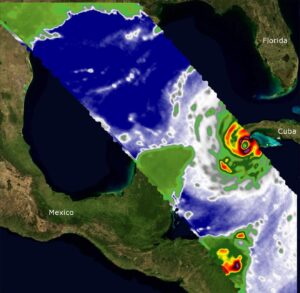
From aboard the International Space Station, NASA-built instruments Compact Ocean Wind Vector Radiometer (COWVR) and Temporal Experiment for Storms and Tropical Systems (TEMPEST) captured wind and water vapor data from Hurricane Ian as the storm neared Cuba. Credit: NASA/JPL-Caltech
The image above combines microwave emissions measurements from both COWVR and TEMPEST. White sections indicate the presence of clouds. Green portions indicate rain. Yellow, red, and black indicate where air and water vapor were moving most swiftly. Ian’s center is seen just off of Cuba’s southern coast, and the storm is shown covering the island with rain and wind.
Dry eye disease (DED) is a condition characterized by an array of different symptoms, including dryness, ocular discomfort, fatigue, and visual disturbances. This condition has become increasingly common in recent years owing to an aging society, increased screen time, and a highly stressful social environment. There are about 1 billion people, worldwide, who have DED. Undiagnosed and untreated DED can lead to a variety of symptoms, including ocular fatigue, sensitivity to light, lower vision quality, and a lower quality of life. Given the widespread prevalence of the condition, this can further lead to reduced work productivity and economic loss.
Despite the obvious disadvantages of DED, a large portion of the population remains undiagnosed, which ultimately leads to increased disease severity. DED is currently diagnosed through a series of questionnaires and ocular examinations (which can be invasive). But this method of diagnosis is not ideal. DED examinations do not always correspond with patients’ subjective DED symptoms. Furthermore, non-invasive and non-contact dry eye examinations are required in the COVID-19 pandemic. These flaws point to a need for a simple, reliable, and accessible screening method for DED to improve diagnosis and prognosis of the disease.
To answer this need, a research group, led by Professor Akira Murakami and Associate Professor Takenori Inomata of the Juntendo University Graduate School of Medicine, developed a smartphone application called DryEyeRhythm. “DryEyeRhythm leverages the cameras in smartphones to measure users’ blink characteristics and determine maximum blink interval (MBI)—a substitute for tear film breakup time, an important diagnostic criterion of DED,” explains Associate Prof. Inomata. “The app also administers Ocular Surface Disease Index (OSDI) questionnaires, which are also a crucial component of DED diagnosis.”
The research team conducted a prospective, cross-sectional, observational, single-center study.
The study revealed that the J-OSDI collected with DryEyeRhythm showed good internal consistency. Moreover, the app-based questionnaire and MBI yielded significantly higher discriminant validity. The app also showed good positive and negative predictive values, with 91.3% and 69.1%, respectively. The area under the Receiver operating characteristic (ROC) curve—a measure of clinical sensitivity and specificity—for the concurrent use of the app-based J-OSDI and MBI was also high, with a value of 0.910. These results demonstrate that the app is a reliable, valid, and moreover non-invasive, instrument for assessing DED.
“Non-contact and non-invasive DED diagnostic assistance, like the kind provided by DryEyeRhythm, could help facilitate the early diagnosis and treatment of patients, as well as, DED treatment through telemedicine and online medical care,” says Associate Prof. Inomata. The research team plans to further validate its results by conducting a multi-institutional collaborative study in the future. They are also planning to obtain medical device approval and insurance reimbursement for the smartphone application.
The development of DryEyeRhythm is crucial step forward toward the management of DED and improving vision and quality of life among the population.
Non-invasive sensors laid on the skin’s surface to measure bioelectrical activity could offer a better alternative for patients suffering with poor gut health.
Stefan Calder, a recent PhD graduate at the Auckland Bioengineering Institute (ABI), at Waipapa Taumata Rau, University of Auckland is the lead and joint-first author for two papers published in prestigious scientific journals this month on gut health. Stefan says gastric disorders are increasingly prevalent in humans, but reliable non-invasive tools to objectively assess gastric function are lacking.
“Many people suffering with chronic gut issues are on a constant diagnostic treadmill of antibiotics or proton pump inhibitors until they are sent for an endoscopy. A reliable surface-based recording could bridge the gap between symptom-based diagnostics and the more invasive minor surgery tests.”
Like the rhythmic beatings of the heart, gut movements depend on bioelectrical activity – but the electrical activity in the gut has been much more difficult to reliably detect. Researchers at ABI and the Faculty of Medical and Health Sciences’ Department of Surgery have employed a novel device using a sticky patch of sensors and a recording device and associated techniques to create a new and reliable non-invasive tool to map electrical waves from the stomach.
healthcare
Coined “Body Surface Gastric Mapping” (BSGM), the method has proven a reliable detector of gastric slow wave activity and has now led to an exciting and unexpected discovery identifying two distinct disease subgroups in chronic nausea and vomiting syndromes.
BSGM has shown to reliably record bio-electrical activity on the gut’s surface and accurately detect changes in both the frequency or rhythm, and direction of electromagnetic waves with intricate detail.
The degree of difference in bio-electrical activity between healthy people and patients with chronic nausea and vomiting syndromes defined by the novel gastric mapping device was set to explore. While previous surgical and non-invasive studies have shown that gastric dysfunctions are associated with abnormal bio-electrical slow waves, the researchers found surprising results.
“Approximately two-thirds of the symptomatic patient group had completely normal bio-electrical activity, while the rest had abnormal activity. We realised there were two sub types of what was previously considered a single disease.
“This may go on to explain or further classify that single disease into two diseases based on different mechanisms. For example, abnormal bioelectrical activity is likely to point to something intrinsically wrong with the stomach itself, but for those patients who show a completely normal slow wave propagation, their issue is likely arising from somewhere else.
“This idea of recording electrical activity on the body’s surface has been around for a long time. ECG machines, recording electrical activity have gained diagnostic acceptance for the last 100 years, but in the gut that is not the case. Through these studies we have validated a device and process that can reliably and accurately evidence bioelectrical activity in the stomach. We also show that bioactivity in the stomach can be a useful biological marker for disease.
“With this bio-electrical information on hand to inform clinical guidance or treatment, people experiencing chronic vomiting or nausea may be directed to different pathways and may receive diagnosis and more appropriate treatment options sooner.”
Despite a long-standing hypothesis that personality traits are relatively impervious to environmental pressures, the COVID-19 pandemic may have altered the trajectory of personality across the United States, especially in younger adults, according to a new study published this week in the open-access journal PLOS ONE by Angelina Sutin of Florida State University College of Medicine, and colleagues.
Previous studies have generally found no associations between collective stressful events—such as earthquakes and hurricanes—and personality change. However, the coronavirus pandemic has affected the entire globe and nearly every aspect of life.
In the new study, the researchers used longitudinal assessments of personality from 7,109 people enrolled in the online Understanding America Study. They compared five-factor model personality traits—neuroticism, extraversion, openness, agreeableness and conscientiousness—between pre-pandemic measurements (May 2014 – February 2020) and assessments early (March – December 2020) or later (2021-2022) in the pandemic. A total of 18,623 assessments, or a mean of 2.62 per participant, were analyzed. Participants were 41.2% male and ranged in age from 18 to 109.
A crowd of people at a pedestrian crossing./CREDIT:Brian Merrill, Pixabay, CC0(https://creativecommons.org/publicdomain/zero/1.0/)
Consistent with other studies, there were relatively few changes between pre-pandemic and 2020 personality traits, with only a small decline in neuroticism. However, there were declines in extraversion, openness, agreeableness, and conscientiousness when 2021-2022 data was compared to pre-pandemic personality. The changes were about one-tenth of a standard deviation, which is equivalent to about one decade of normative personality change. The changes were moderated by age, with younger adults showing disrupted maturity in the form of increased neuroticism and decreased agreeableness and conscientiousness, and the oldest group of adults showing no statistically significant changes in traits.
The authors conclude that if these changes are enduring, it suggests that population-wide stressful events can slightly bend the trajectory of personality, especially in younger adults.
The authors add: “There was limited personality change early in the pandemic but striking changes starting in 2021. Of most note, the personality of young adults changed the most, with marked increases in neuroticism and declines in agreeableness and conscientiousness. That is, younger adults became moodier and more prone to stress, less cooperative and trusting, and less restrained and responsible.”
Fraudsters use illegal telecom set-ups to route ISD calls received through internet (VoIP) illegally to domestic mobile and wireline customers in India. Illegal telecom setups primarily use internet connectivity on one side and connect to domestic mobile and landline network for distribution of call which is not allowed as per regulations. Such illegal setups pose security threat and revenue loss to the Government.
DoT field units in coordination with TSPs and law enforcement agencies were able to unearth operations of 30 such illegal telecom set-ups in last four months.
Telephone
Members of the public are requested to report such illegal establishments to DoT’s call centre. The call centre having number 1800110420/1963 has been set up for reporting the cases by public on receiving any international call displaying Indian mobile / landline number.
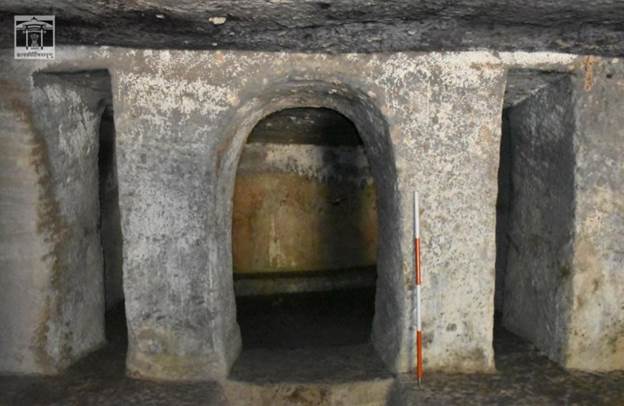
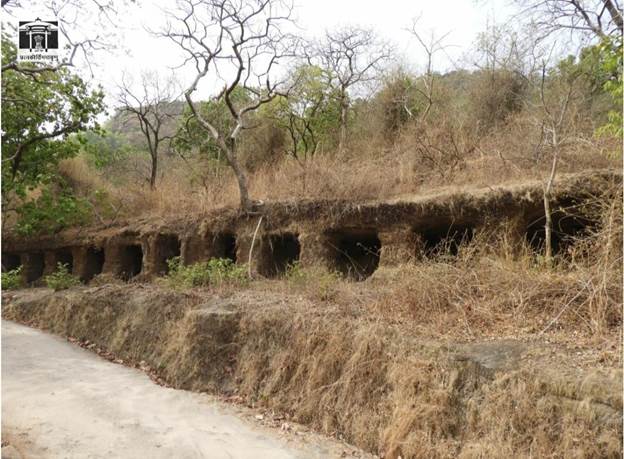
In a major find, ASI has unraveled remarkable archaeological remains in Madhya Pradesh’s Bandhavgarh Forest Reserve.
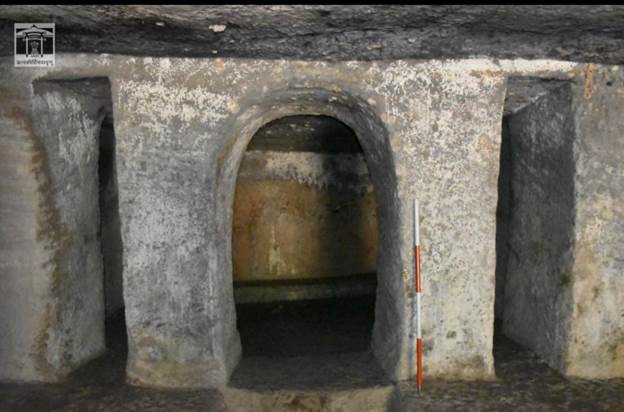
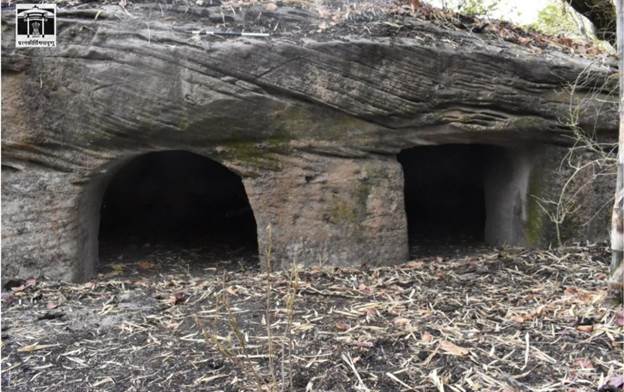
During the exploration conducted by ASI, 26 ancient temples/relics of Kalachuri period (9th century CE to 11th Century CE), 26 caves (2nd Century CE to 5th century CE mostly Buddhist in nature), 2 monasteries, 2 stupas, 24 Brahmi inscriptions (2nd century CE to 5th century CE), 46 sculptures, 20 scattered remains and 19 water structures (c.2nd-15thCE) are recorded. Among the 46 sculptures, also is a Varah sculpture which is one of the largest.
The time period of the findings covered the reigns of the kings Shri Bhimsena, Maharaja Pothasiri, Maharaja Bhattadeva. Placed deciphered in the inscriptions are Kaushami, Mathura, Pavata (Parvata), Vejabharada and Sapatanaairikaa.
An ASI team covered nearly 170 sq km falling in the area of the Bandhavgarh Tiger Reserve over months-long exploration of the region which was undertook for the first time since 1938.
The exploration was conducted under by the Jabalpur Circle of ASI.
Free good grains at 5 kg per person per month for all the beneficiaries of NFSA will be continued till December, 2022.
PMGKAY has so far had an estimated subsidy of Rs 3.45 lakh crore in six phases.
Phase VII of PMGKAY from Oct to Dec entails an estimated subsidy of Rs. 44,762 Crore.
The total outgo of foodgrains in Phase VII is expected to 122 LMT.
Decision will ensure that poor and vulnerable sections of society are supported for the forthcoming major festivals.
In pursuance of the pro-people announcement made by Hon’ble Prime Minister in 2021and successful implementation of additional food security under PMGKAY, the Union Cabinet has approved the extension for the Pradhan Mantri Garib Kalyan Anna Yojana (PMGKAY-Phase VII) for a further period of 3 months i.e. October to December 2022.
At a time when the world is battling with the effects of Covid on its decline and insecurity due to various reasons, India has been successfully maintaining food security for its vulnerable sections while taking necessary steps to keep availability and affordability for common man.
Recognising that people have gone through a difficult period of pandemic, Govt has decided to extend PMGKAY for a period of three months so that poor and vulnerable sections of society are supported for the forthcoming major festivals like Navratri, Dussehra, Milad-un-nabi, Deepawali, Chhath pooja, Gurunanak dev Jayanti, Christmas, etc. which they can celebrate with great gaiety and community for festivities. With a view to ensuring this, Govt. has approved this extension of PMGKAY for three months, so that they continue to enjoy the benefits of easy availability of foodgrains without any financial distress.
Under this welfare scheme, 5 kg of food grain per person per month is provided free of cost for all the beneficiaries covered under the National Food Security Act (NFSA) [Antodaya Anna Yojana & Priority Households] including those covered under Direct Benefit Transfer (DBT).
Financial implication for the Government of India has been about Rs. 3.45 Lakh Crore upto Phase-VI of PMGKAY. With the additional expenditure of about Rs. 44,762 Crore for Phase-VII of this scheme, the overall expenditure of PMGKAY will be about Rs. 3.91 lakh crore for all the phases.
Rice/Ians
The total outgo in terms of food grains for PMGKAY Phase VII is likely to be about 122 LMT. The aggregate allocation of food grain for phases I- VII is about 1121 LMT.
So far, PMGKAY has been in operation for 25 months as under
Phase I and II ( 8 months) : April’20 to Nov.’20
Phase-III to V (11 months) : May’21 to March’22
Phase-VI ( 6 months) : April’22 to Sept.’22
PM Garib Kalyan Anna Yojana (PM-GKAY), started during difficult time of COVID-19 crisis, has provided food security to the poor, needy and the vulnerable households/beneficiaries so that they do not suffer on account of non-availability of adequate foodgrains. Effectively it has doubled the quantity of monthly foodgrains entitlements being normally delivered to beneficiaries.
Going by the experience of earlier phases, the performance of PMGKAY-VII is expected to be on the same high level as achieved before.
‘Nothing is more religious than serving the people in need’ says Vice President Jagdeep Dhankhar.
Dhankhar lauds the efforts of Bhagwan Mahaveer Viklang Sahayata Samiti (BMVSS) for their untiring efforts, Says, ‘BMVSS’ service for humanity reflects India’s civilisational ethos of sharing and caring’.
The Vice President, Shri Jagdeep Dhankhar today said that “there is nothing more religious than serving the people in need” and urged people to give back to society in their capacity.
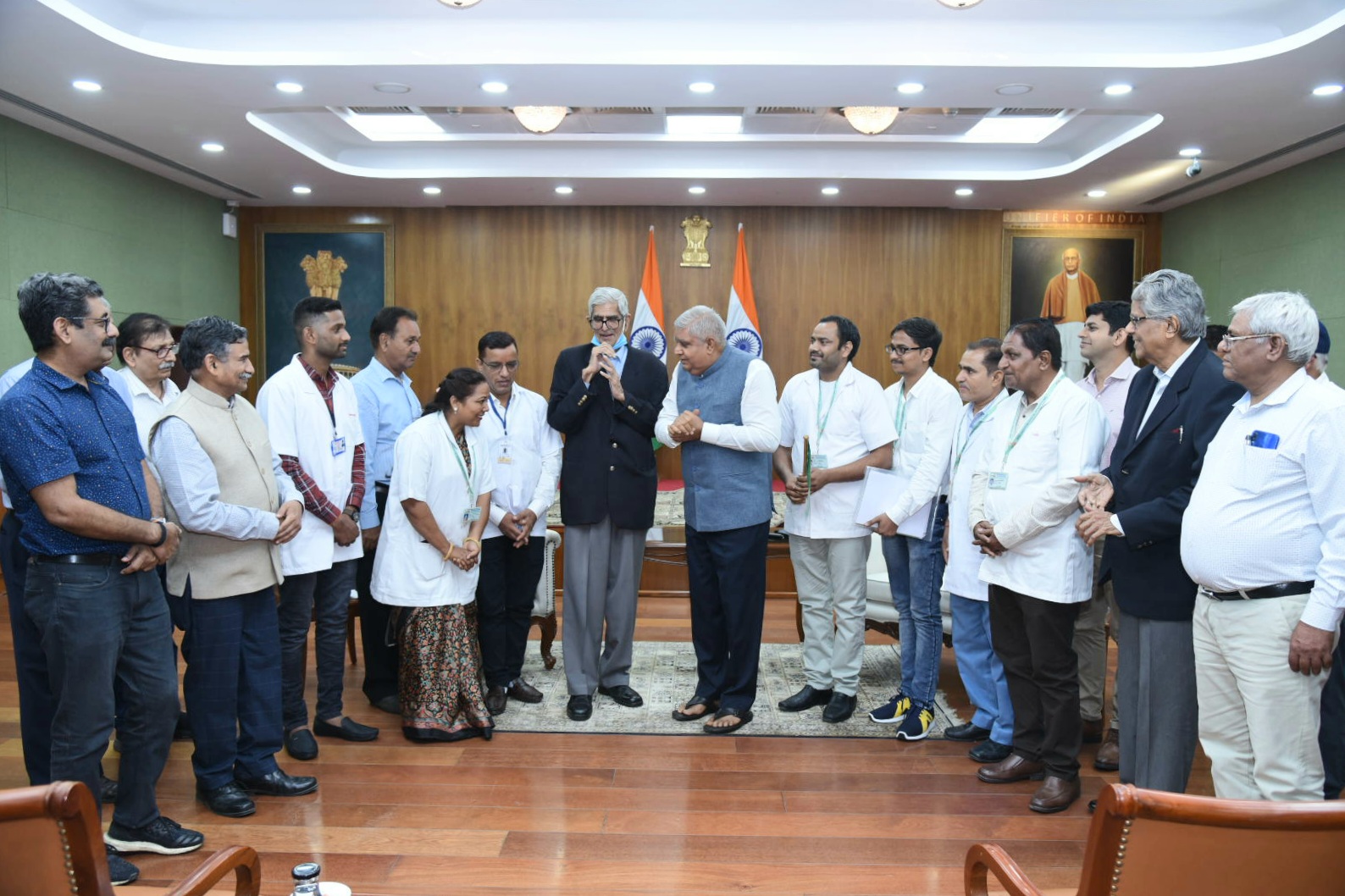
The Vice President flagged off a team of eight persons from Bhagwan Mahaveer Viklang Sahayata Samiti (BMVSS) going to Syria to set up an on-the-spot artificial limb (Jaipur Foot) fitment camp. The team will be setting up a camp in Damascus, Syria to provide 600 artificial limbs to amputees in 42 ensuing days.
The Vice President flagging off the team from Bhagwan Mahaveer Viklang Sahayata Samiti (BMVSS) to Syria to set up an on-the-spot artificial limb (Jaipur Foot) fitment camp from Upa-Rashtrapati Nivas today.
Lauding the efforts of BMVSS, Shri Dhankhar said the organisation, by popularising the Jaipur Foot around the world and providing their services free of cost, has demonstrated India’s civilisational ethos of sharing and caring. He said that, as with their other initiatives, the latest effort will also generate enormous good-will for India.
Shri Dhankhar complimented the team for their courage to take up the mission in Syria and wished them all success in their endeavours. He also interacted with the team from BMVSS, led by its founder, Shri D.R. Mehta and some of its beneficiaries using the Jaipur foot.
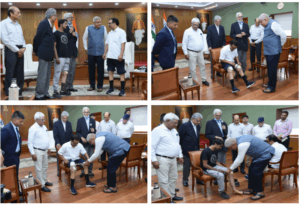
The Vice President interacting with the beneficiaries of Bhagwan Mahaveer Viklang Sahayata Samiti (BMVSS) using the Jaipur Foot at Upa-Rashtrapati Nivas today.
It is notable that the Prime Minister, Narendra Modi visited one such centre of BMVSS in Philippines in 2017, and the former Vice President, Shri M. Venkaiah Naidu inaugurated a fitment camp of BMVSS in Hanoi, Vietnam in 2019.
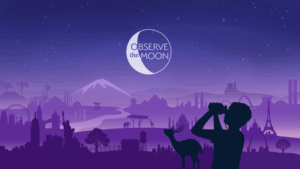
The public is invited to participate in NASA’s celebration of “International Observe the Moon Night” on Saturday, Oct. 1. This annual, worldwide public engagement event takes place when the Moon is close to first quarter – a great phase for evening observing. Last year about 500,000 people participated from 122 countries and all seven continents.
This celebration provides opportunities to learn about lunar science and exploration, observe celestial bodies, and honor personal and cultural connections to the Moon.
How to participate:
Host an event in your community; participate in an event; or observe with your family, friends, or on your own. Events can be in-person, virtual, or hybrid.
Register your participation to add yourself to the map of lunar observers worldwide.
Connect with lunar enthusiasts around the world and share your Moon viewing experience on social media, tagging #ObserveTheMoon.
On October 1, tune into a NASA TV Broadcast from 7p.m.–8p.m. EST and find views of the Moon from telescopes around the world on the program’s Live Streams page.
The Moon is a stepping stone to learning more about our solar system, galaxy, and universe. NASA is preparing to launch its Artemis I test flight to the Moon, a major step forward in a new era of human deep-space exploration.
Celebrate ‘International Observe the Moon Night’ with NASA/Credits: NASA/Vi Nguyen
Through Artemis missions, NASA will land the first woman and the first person of color on the Moon, using innovative technologies to explore more of the lunar surface than ever before for the benefit of all.
International Observe the Moon Night is sponsored by NASA’s Lunar Reconnaissance Orbiter (LRO) mission and the Solar System Exploration Division of NASA’s Goddard Space Flight Center in Greenbelt, Maryland, with support from many partners. Launched on June 18, 2009, LRO has collected a treasure trove of data with its seven powerful instruments, making an invaluable contribution to our knowledge about the Moon. LRO is managed by NASA Goddard for the Science Mission Directorate at NASA Headquarters in Washington, D.C.
Drinking two to three cups of coffee a day is linked with a longer lifespan and lower risk of cardiovascular disease compared with avoiding coffee, according to research published today in the European Journal of Preventive Cardiology, a journal of the ESC.1 The findings applied to ground, instant and decaffeinated varieties.
“In this large, observational study, ground, instant and decaffeinated coffee were associated with equivalent reductions in the incidence of cardiovascular disease and death from cardiovascular disease or any cause,” said study author Professor Peter Kistler of the Baker Heart and Diabetes Research Institute, Melbourne, Australia. “The results suggest that mild to moderate intake of ground, instant and decaffeinated coffee should be considered part of a healthy lifestyle.”
There is little information on the impact of different coffee preparations on heart health and survival. This study examined the associations between types of coffee and incident arrhythmias, cardiovascular disease and death using data from the UK Biobank, which recruited adults between 40 and 69 years of age. Cardiovascular disease was comprised of coronary heart disease, congestive heart failure and ischaemic stroke.
coffee
The study included 449,563 participants free of arrhythmias or other cardiovascular disease at baseline. The median age was 58 years and 55.3% were women. Participants completed a questionnaire asking how many cups of coffee they drank each day and whether they usually drank instant, ground (such as cappuccino or filtered coffee), or decaffeinated coffee. They were then grouped into six daily intake categories, consisting of none, less than one, one, two to three, four to five, and more than five cups per day. The usual coffee type was instant in 198,062 (44.1%) participants, ground in 82,575 (18.4%), and decaffeinated in 68,416 (15.2%). There were 100,510 (22.4%) non-coffee drinkers who served as the comparator group.
Coffee drinkers were compared to non-drinkers for the incidence of arrhythmias, cardiovascular disease and death, after adjusting for age, sex, ethnicity, obesity, high blood pressure, diabetes, obstructive sleep apnoea, smoking status, and tea and alcohol consumption. Outcome information was obtained from medical records and death records. The median follow up was 12.5 years.
A total of 27,809 (6.2%) participants died during follow up. All types of coffee were linked with a reduction in death from any cause. The greatest risk reduction seen with two to three cups per day, which compared to no coffee drinking was associated with a 14%, 27% and 11% lower likelihood of death for decaffeinated, ground, and instant preparations, respectively.
Cardiovascular disease was diagnosed in 43,173 (9.6%) participants during follow up. All coffee subtypes were associated with a reduction in incident cardiovascular disease. Again, the lowest risk was observed with two to three cups a day, which compared to abstinence from coffee was associated with a 6%, 20%, and 9% reduced likelihood of cardiovascular disease for decaffeinated, ground, instant coffee, respectively.
An arrhythmia was diagnosed in 30,100 (6.7%) participants during follow up. Ground and instant coffee, but not decaffeinated, was associated with a reduction in arrhythmias including atrial fibrillation. Compared with non-drinkers, the lowest risks were observed with four to five cups a day for ground coffee and two to three cups a day for instant coffee, with 17% and 12% reduced risks, respectively.
Professor Kistler said: “Caffeine is the most well-known constituent in coffee, but the beverage contains more than 100 biologically active components. It is likely that the non-caffeinated compounds were responsible for the positive relationships observed between coffee drinking, cardiovascular disease and survival. Our findings indicate that drinking modest amounts of coffee of all types should not be discouraged but can be enjoyed as a heart healthy behaviour.”
Voice control smart devices, such as Alexa, Siri, and Google Home, might hinder children’s social and emotional development, argues an expert in the use of artificial intelligence and machine learning in healthcare, in a viewpoint published online in the Archives of Disease in Childhood.
These devices might have long term effects by impeding children’s critical thinking, capacity for empathy and compassion, and their learning skills, says Anmol Arora of the University of Cambridge.
While voice control devices may act as ‘friends’ and help to improve children’s reading and communication skills, their advanced AI and ‘human’ sounding voices have prompted concerns about the potential long term effects on children’s brains at a crucial stage of development.
There are three broad areas of concern, explains the author. These comprise inappropriate responses; impeding social development; and hindering learning.
He cites some well publicised examples of inappropriate responses, including a device suggesting that a 10-year old should try touching a live plug with a coin.
Children-wikipedia
“It is difficult to enforce robust parental controls on such devices without severely affecting their functionality,” he suggests, adding that privacy issues have also arisen in respect of the recording of private conversations.
These devices can’t teach children how to behave politely, because there’s no expectation of a “please” or “thank you”, and no need to consider the tone of voice, he points out.
“The lack of ability to engage in non-verbal communication makes use of the devices a poor method of learning social interaction,” he writes. “While in normal human interactions, a child would usually receive constructive feedback if they were to behave inappropriately, this is beyond the scope of a smart device.”
Preliminary research on the use of voice assistants as social companions for lonely adults is encouraging. But it’s not at all clear if this also applies to children, he notes.
“This is particularly important at a time when children might already have had social development impaired as a result of COVID-19 restrictions and when [they] might have been spending more time isolated with smart devices at home,” he emphasises.
Devices are designed to search for requested information and provide a concise, specific answer, but this may hinder traditional processes by which children learn and absorb information, the author suggests.
When children ask adults questions, the adult can request contextual information, explain the limitations of their knowledge and probe the child’s reasoning—a process that these devices can’t replicate, he says.
Searching for information is also an important learning experience, which teaches critical thinking and logical reasoning, he explains.
“The rise of voice devices has provided great benefit to the population. Their abilities to provide information rapidly, assist with daily activities, and act as a social companion to lonely adults are both important and useful, the author acknowledges.
“However, urgent research is required into the long-term consequences for children interacting with such devices,” he insists.
“Interacting with the devices at a crucial stage in social and emotional development might have long-term consequences on empathy, compassion, and critical thinking,” he concludes.
“Congratulations @GiorgiaMeloni for leading your party @FratellidItalia to victory in the Italian general elections. We look forward to working together to strengthen our ties.”
PM congratulates Giorgia Meloni for leading her party Fratelli d’Itaia in Italian General Elections
Ministry of Information and Broadcasting has today announced that the Dadasaheb Phalke Award for the year 2020 will be accorded to legendary actress Ms Asha Parekh. The award will be presented at the National Film Award ceremony in New Delhi on 30th September.
Announcing the decision Union Minister Anurag Thakur said “I am honoured to announce that the Dadasaheb Phalke Selection Jury has decided to recognise & award Ms Asha Parekh ji for her exemplary lifetime contribution to Indian Cinema.” The Minister also announced that the 68th National Film Awards will be held on 30th September, 2022 and will be presided over by President of India Smt Droupadi Murmu.
Ms Asha Parekh is a renowned film actress, director and producer and an accomplished Indian classical dancer. Starting her career as a child actor she made her debut as lead heroine in Dil Deke Dekho and has gone on to act in over 95 movies. She has acted in celebrated films like Kati Patang, Teesri Manzil, Love in Tokyo, Aya Saawan Jhoom Ke, Aan Milo Sajna, Mera Gaon Mera Desh.
Asha Parekh to be honoured with Dadasaheb Phalke Award, 2020
Ms Asha Parekh was conferred the Padma Shri in 1992. She has also served as the head of Central Board for Film Certification from 1998-2001.
Shri Anurag Thakur also announced that the decision to confer the award to Ms Parekh was taken by a jury of five members. The jury for the selection of 52nd Dadasaheb Phalke award consisted of five members from the film industry:
Bathukamma festival represents the culture and identity of the people of Telangana and involves the worship of Maha Gauri – “Life Giver” in the form of Gauri Devi.
Ministry of Culture organizedthe celebration of Bathukamma festival being at Kartavyapath, India Gate, New Delhi, today. The event was attended by Union Minister for Culture, Tourism G Kishan Reddy, MoS Tourism Shri Ajay Bhatt and senior women officers in the administrative and law enforcement, and women HODs of different Government departments.
Bathukamma Festival is an annual celebration in Telangana that goes on for nine days and overlaps with the festival of Navratri. The festival is celebrated with colourful exotic flowers of the region and symbolises the collective spirit of the people of Telangana. This year Bathukamma celebrations are taking place from 25th of September till the 3rd of October.
This festival is to pray to the Goddess for the health and achievements of each family. Young women of the Hindu household get to pray to the Goddess for a life partner of their choice. Bathukamma means “The Mother Goddess comes to life”. It represents the culture and identity of the people of Telangana and involves the worship of Maha Gauri – “Life Giver” in the form of Gauri Devi (patron goddess of womanhood).
The festival involves young women arranging flowers in stacks and making rangoli to start the celebrations. The men also help celebrate this festival, by aiding in the preparations like by collecting different flowers such as Marigold, Lotus, Senna. Some of the women dip a few flowers in vibrant colours and then arrange them in a wide plate and stack them in a pile.The rituals of this festival are performed by the Hindu women, especially young girls, who gather around in large numbers in their local areas during the evening time. Forming a circle, they then perform the ritual which involves them singing a folk song and revolving around the Bathukamma, all the while clapping their hands and walking in synchronised steps. This entire performance is to invoke the blessings of the goddess for good health and prosperity for their families.
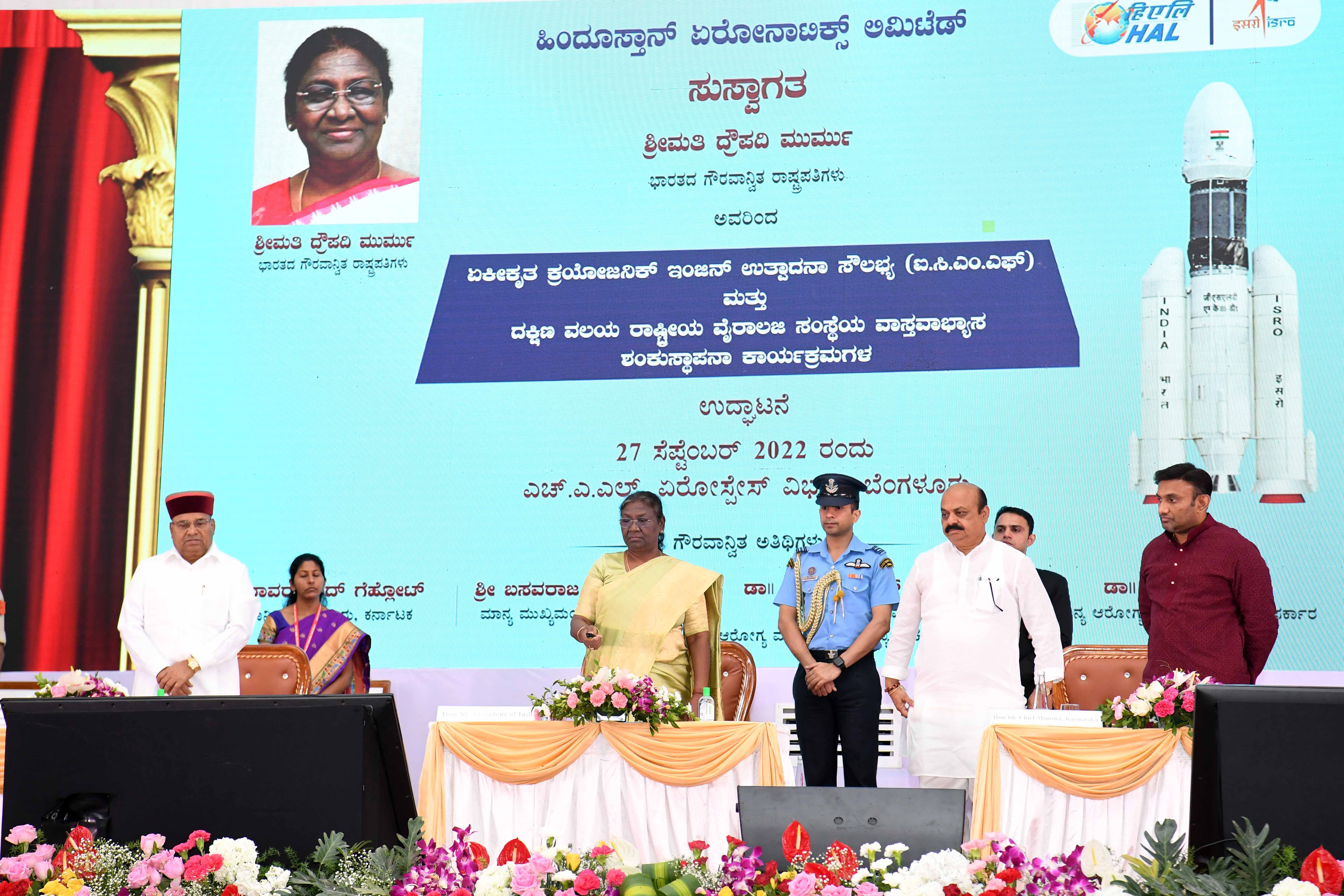
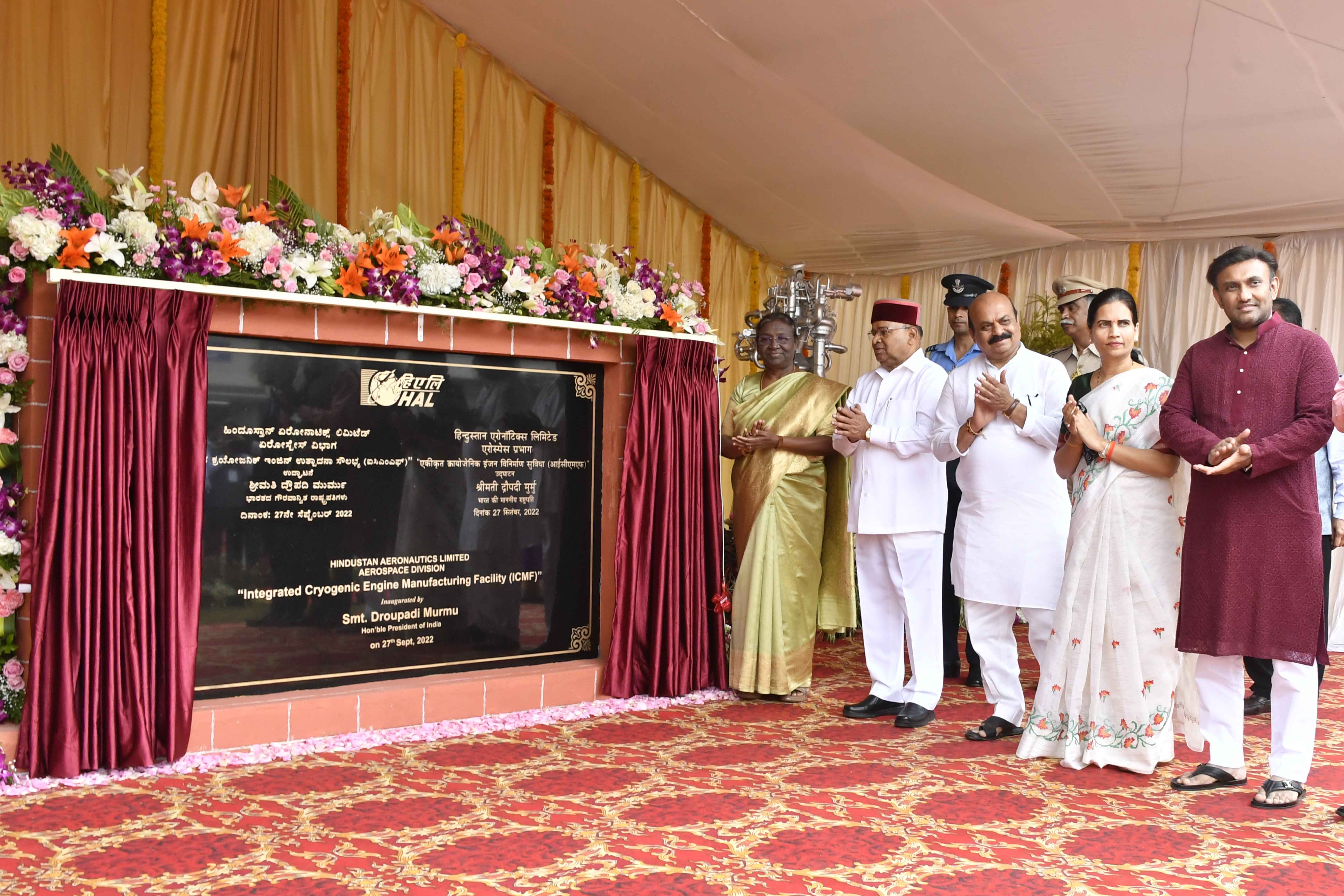
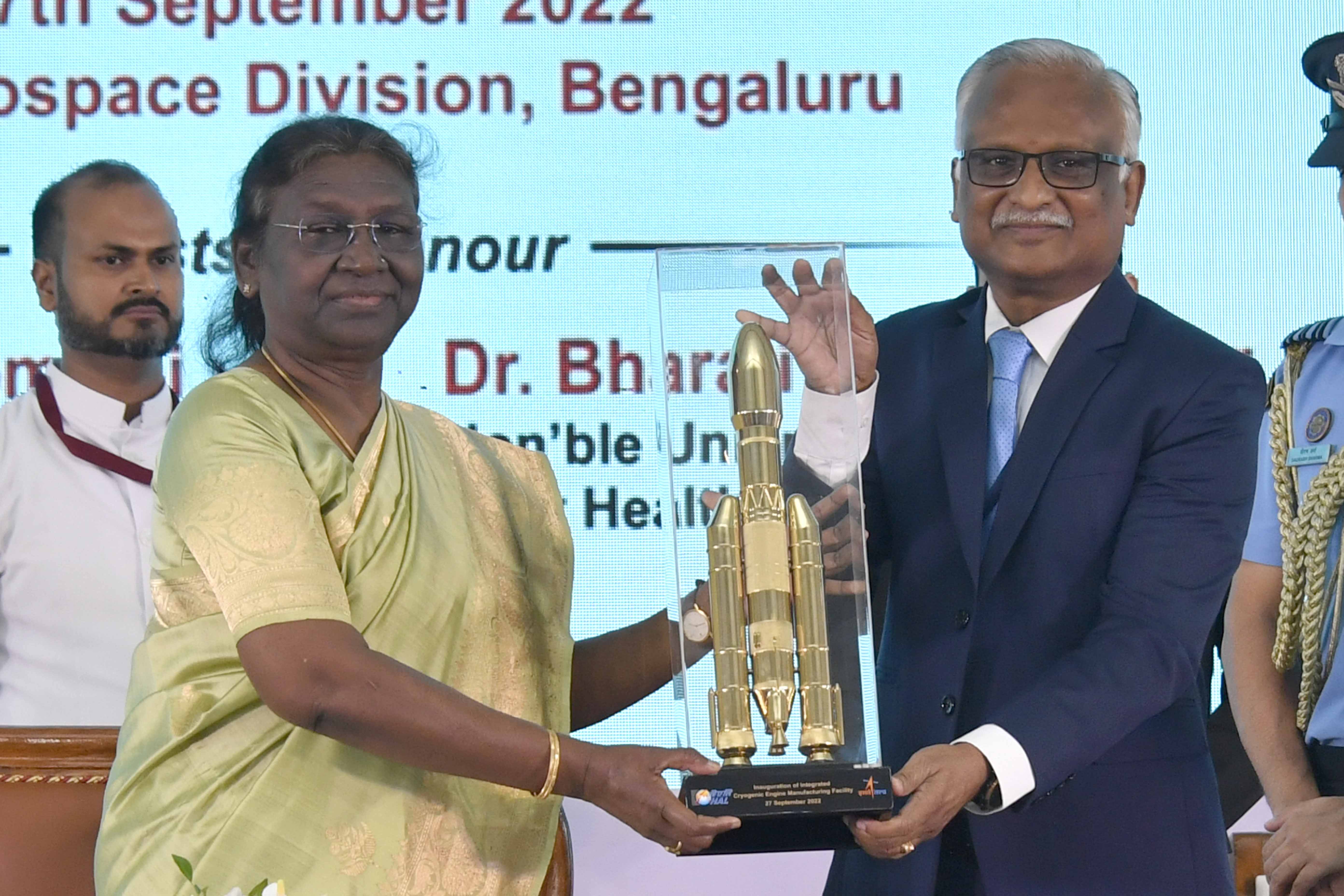
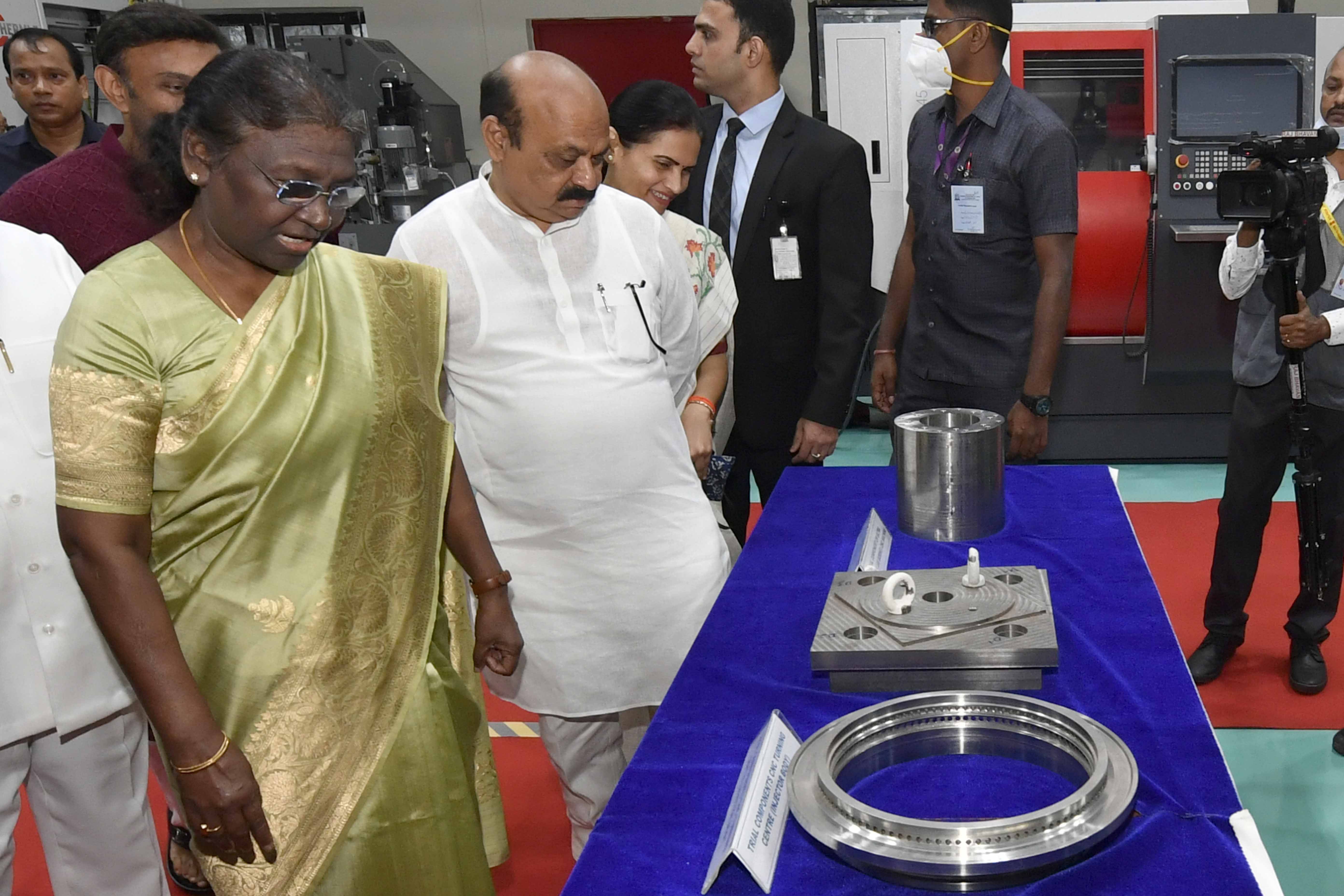
The President of India, Smt Droupadi Murmu, inaugurated the Integrated Cryogenic Engine Manufacturing Facility of Hindustan Aeronautics Limited (HAL) in Bengaluru today (September 27, 2022). She also laid the foundation stone for the Zonal Institute of Virology (South Zone) virtually on the occasion.
Addressing the gathering, the President said that inauguration of the Integrated Cryogenic Engine Manufacturing Facility is indeed a historic moment not only for HAL and ISRO, but also for the whole country to have a state-of-the-art facility to manufacture Cryogenic and Semi-cryogenic Engines. She said that HAL has contributed immensely to India’s self reliance in defence. It can be said that HAL has been the force behind the forces. HAL has time and again demonstrated its capabilities in research, development and manufacturing of various Aircraft Platforms.
The President said that ISRO has been the pride of the nation. When this institution started operations in the 1960s, India was still a young Republic, facing challenges of severe poverty and illiteracy. But there was immense potential. The rapid pace, with which ISRO has grown, caught the attention of even the most advanced and technologically developed countries. Sincere efforts and dedication of ISRO have made India emerge as the sixth country in the world to have Cryogenic Engine Manufacturing Capabilities.
The President said that HAL and ISRO together contribute to strategic defence and development. Both the organizations have played a major role in the development of various equipment and programmes which have reinforced the security and development of our country. HAL with its high end facility of manufacturing defence related equipment has proved to be an invaluable asset for our country.
The President said that the glorious past of HAL and ISRO gives us an assurance that these organisations will continue to play a significant and positive role in the future as India enters the Amrit Kaal. By 2047, when we will celebrate the 100 years of Independence, the world around us will have changed drastically. Just as we were in no position 25 years ago to imagine the contemporary world, we cannot visualise today how Artificial Intelligence and automation are going to transform life. We have completed 75 years as an independent country. We are looking ahead at the next 25 years as the period to re-imagine India and make it a developed country. It is our joint responsibility to ensure that the India of 2047 will be a much more prosperous and strong nation.
Speaking about the Covid pandemic, the President said that the resilience and extraordinary effort of our doctors and scientists helped us deal with the crisis. She noted that the Indian Council of Medical Research has provided exemplary support for effective COVID management and is expanding its research infrastructure. National Institute of Virology, Pune under Indian Council of Medical Research, is also taking all possible steps to increase R&D in the field of virology. She was happy to note that the National Institute of Virology has been designated as one of the collaborating laboratories of the World Health Organization. She said that the expansion of National Institute of Virology through Zonal Campuses across the country catering to the demands in the different geographical regions is praiseworthy.
WhatsApp owner Meta has revealed that a critical bug in older installations was fixed now and advised all users to update their devices with latest software version.
It said the vulnerability could allow an attacker to exploit a code error known as an integer overflow. “An integer overflow in WhatsApp for Android prior to v2.22.16.12, Business for Android prior to v2.22.16.12, iOS prior to v2.22.16.12, Business for iOS prior to v2.22.16.12 could result in remote code execution in an established video call,” WhatsApp said in an update.
Remote code executions (RCEs) usually occur due to malicious malware downloaded by the host and can happen regardless of the device’s geographic location and a hacker can remotely execute commands on someone else’s computing device.
The recently disclosed vulnerability called CVE-2022-36934, with a severity score of 9.8 out of 10 on the CVE scale and another bug that could have caused remote code execution when receiving a crafted video file – have been patched in the latest WhatsApp version, said the company.
WhatsApp is also rolling out Call Links to make it easier to start and join a call in just one tap and is testing secured and encrypted group video calls for up to 32 people on WhatsApp.
Alphabet and Google CEO Sundar Pichai has defended the company’s move to save costs of the company and advised employees not to see earning money alone as fun as little things in life can bring more joy than what money can do.
In a reply when asked why the company has shifted from “rapidly hiring and spending to equally aggressive cost saving,” he said: “”I’m a bit concerned that you think what we’ve done is what you would define as aggressive cost saving. I think it’s important we don’t get disconnected. You need to take a long-term view through conditions like this.”
Pichai plans to make the company 20 per cent more efficient, hinting at job cuts and going by reports, Google and its parent Alphabet are giving some workers 60 days time to apply for a new role at the company if their jobs are set to be cut.
in August, Google fired more than 50 workers at its incubator Area 120 and gave them extra 30 days to find another job at the company and a Google spokesman said that nearly 95 per cent of those employees found new roles within the notice period.
Pichai said the company is “still investing in long-term projects like quantum computing.” He added, “We’re committed to taking care of our employees. I think we’re just working through a tough moment macroeconomically and I think it’s important we as a company align and work together,” said Pichai.
Earlier, at the Code Conference, Pichai said that the more the company tries to understand the macroeconomic conditions, the more uncertain it is about it. “The macroeconomic performance is correlated to ad spend, consumer spend and so on,” he told the audience.
Google has suspended hiring new employees and reportedly told some existing employees to “shape up or ship out” if they fail to meet expectations.
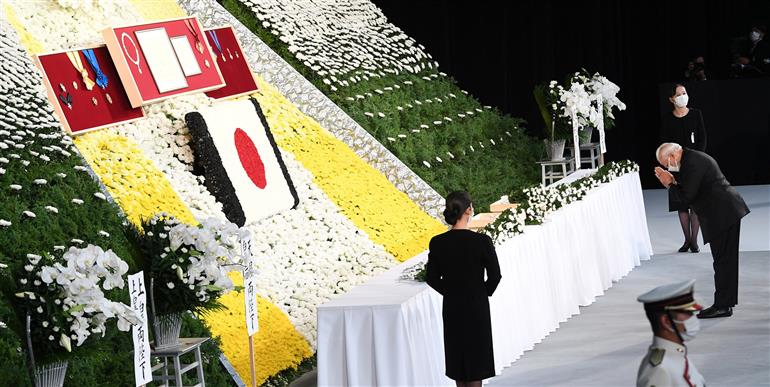
For a pacifist nation like Japan, the assassination of Shinzo Abe would have been painful but the public outrage during the funeral is astounding in view of the state funeral at a cost of 1.7 billion yen ($12 million) at a time when the government is heavily indebted.
Former Japanese Prime Minister Shinzo Abe was assassinated during the campaign trail in July and the government’s plans to a state funeral have been opposed by many since then owing to the country’s fragile economy.
Japan’s prime minister Fumio Kishida has been unable to assuage public concerns as the controversy undermines his proposed record defense spending, which began with Shinzo Abe, whose legacy is left behind with the revision of the country’s post-war Pacifist Constitution and sending Japanese armed forces abroad.
PM Modi paying homage at the State Funeral Ceremony of the Former Prime Minister of Japan, Late Mr. Shinzo Abe, in Tokyo, Japan on September 27, 2022 / PIB
PM Kishida’s approval ratings have reached the lowest level since he became the country’s Prime Minister in October. Last week, a man has allegedly set himself on fire near the office of Japanese Prime Minister protesting against the expensive state funeral.
The funeral on Tuesday kept the capital under maximum security due to protests which began just before the funeral. About 4,300 attendees gathered in Tokyo to pay their respects at the funeral.
U.S. Vice President Kamala Harris, Australian Prime Minister Anthony Albanese, Indian Prime Minister Narendra Modi and South Korean Prime Minister Han Duck-soo were among 700 foreign dignitaries from 218 countries, regions and international organizations who attended the funeral.
European countries rushed to probe unexplained leaks in two Russian gas pipelines running under the Baltic Sea near Sweden and Denmark, at the heart of an energy crisis since Russia’s invasion of Ukraine.
Sweden’s Maritime Authority issued a warning about two leaks in the Nord Stream 1 pipeline, the day after a leak on the nearby Nord Stream 2 pipeline, restricting shipping and impose a small no fly zone by Denmark.
The country’s armed forces released a video showing bubbles boiling up to the surface of the sea, revealing it to be a major gas leak disturbing the surface of about 1 km (0.6 mile) in diameter, the armed forces said.
Russia, which built the gas pipeline network, said the possibility of sabotage could not be ruled out.
The gas pipelines leak on the Nord Stream pipelines that Russia with European partners spent billions of dollars building, comes close on the occasion of Dmitry Medvedev, a former president, who reiterated that Russia had the right to defend itself with nuclear weapons if it is pushed beyond its limits and that this is “certainly not a bluff”.
Meanwhile, Kazakhstan is struggling to accommodate tens of thousands of Russians who have fled their homeland since Moscow announced a military mobilization recruiting the youth last week, officials say, but the Almaty government said it has no plans to close its border.
Snowden granted Russian citizenship
Another blow to the West is that Putin has granted Russian citizenship to former U.S. intelligence contractor Edward Snowden, nine years after he exposed the scale of secret surveillance operations by the National Security Agency.
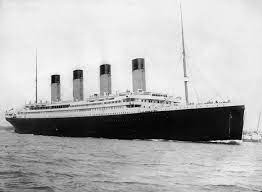
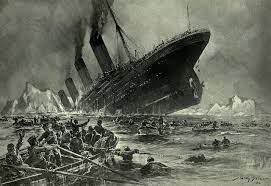
Just before it sank, the RMS Titanic ship was sent an iceberg warning by other ships but the message never reached the bridge on the fateful night of 15th April 1912. Ironic, one merchant steamship SS Mesaba which had sent the message also met with similar fate six years later.
In 1912 the merchant steamship SS Mesaba was crossing the Atlantic and sent a warning radio message to the RMS Titanic, the supposedly unsinkable ship that was destined to sink on its first voyage after it hit an iceberg, taking 1,500 lives and becoming the world’s most infamous shipwreck that prompted the blockbuster movie The Titanic.
According to Geoffrey Marcus, author of The Maiden Voyage, the message never reached the bridge, but instead was shoved under a paperweight.
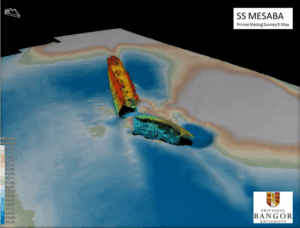
The SS Mesaba continued as a merchant ship over the next six years before being torpedoed whilst in convoy in 1918. Using state-of-the art multibeam sonar, researchers at Bangor University have finally been able to positively identify the wreck and have revealed her position for the first time.
For the marine archaeologist, multibeam sonar has the potential to be as impactful as the use of aerial photography was for landscape archaeology. Multibeam sonar enables seabed mapping of such detail that superstructure details can be revealed on the sonar images.
Multibeam sonar image of the SS Mesaba lying on the sea bed in the Irish Sea./CREDIT:Bangor University
Currently, the SS Mesaba was one among 273 shipwrecks lying in 7,500 square miles of Irish Sea, which were scanned and cross-referenced against the UK Hydrographic Office’s database of wrecks and other sources.
It was thought that 101 wrecks were unidentified, but the number of newly identified wrecks was far higher, as many, the SS Mesaba included, had been wrongly identified in the past.
Details of all the wrecks have been published in a new book, Echoes from the Deep by Dr Innes McCartney of Bangor University, conducted under a Leverhulme Fellowship while at Bournemouth University.
Titanic/wikipedia
Innes said, “The results of the work described in the book has validated the multidisciplinary technique employed and it is a ‘game-changer’ for marine archaeology.
“Previously we would be able to dive to a few sites a year to visually identify wrecks. The Prince Madog’s unique sonar capabilities has enabled us to develop a relatively low-cost means of examining the wrecks. We can connect this back to the historical information without costly physical interaction with each site.”
Dr Michael Roberts who led the sonar surveys at the University’s School of Ocean Sciences explained:
Titanic/wikipedia
“The expertise and unique resources we have at Bangor University, such as the ‘Prince Madog’ enable us to deliver high quality scientific research in an extremely cost-effective manner. Identifying shipwrecks such as those documented in the publication for historical research and environmental impact studies is just one example of this.”