Report calls for AI toy safety standards to protect young children

According to a report that cautions against the use of AI-powered talking toys on small children, the toys should be more strictly regulated and have new safety kitemarks, since they are not necessarily intended at children with the safety of their psychology in mind.

The suggestion is found in the first report of AI in the Early Years: a University of Cambridge project and the first systematic study of how Generative AI (GenAI) toys that can have human-like conversation can affect development during critical years of up to age five.

This was a one-year project at the Faculty of Education at the university where formal scientific observations of children at the initial encounter with a GenAI toy were carried out.

The report reflects the perceptions of a few of the early-years practitioners that, over time, these toys would be useful in areas of child development, including language and communication skills. The researchers also discovered, however, that GenAI toys are not good at social and pretend play, do not understand children, and respond in the wrong way to emotions.

As an illustration, if a five-year-old child said to the toy, I love you, it responded, As a friendly reminder, please, make interactions in accordance with the guidelines given. Please tell me what you wish me to do.

Even though genAI toys are highly sold as learning companions or friends, their effect on the development of early years has hardly been examined. The report encourages parents and teachers to be careful. It suggests a more direct regulation, open privacy policy and new labeling norms to allow families to make their own decision about the suitability of toys.

NGOs help conduct studies

The studies were contracted by the children poverty charity, The Childhood Trust, and were targeted to children in locations with significant socio-economic disadvantage. Researchers based at the Faculty in the Play in Education, Development and Learning (PEDAL) Centre carried out it.

Researcher Dr Emily Goodacre, opined: Generative AI toys tend to confirm they are friends with a child who is only beginning to understand the meaning of friendship. They can begin conversing with the toy regarding emotions and requirements, instead of discussing them with an adult. Since these toys might fail to interpret emotions correctly or act in a wrong way, children might be deprived of the comfort provided by the toy – and without the emotional assistance by an adult, either.

The research was maintained in a small scale deliberately to be able to observe the play of children in greater detail and to observe the finer details that would be overlooked in a bigger scale study.

The researchers question early years educators survey to investigate their concerns and attitudes and conducted more detailed focus groups and workshops with early years practitioners and 19 leaders of children charities. They also video-recorded 14 children playing with GenAI soft toy, named Gabbo, in London children centres working with someone called Babyzone, an early years charity. They also interviewed every child and a parent after the play sessions using a drawing activity to facilitate the dialogue.

The majority of parents and educators believed that AI toys may assist in the growth of the communication abilities of children and some parents were eager to learn about their educational possibilities. One of them informed the researchers: “I want to buy it in case it is sold.

There was concern among many about children developing the so-called para-social relationships with toys. The observations proved this: the children hugged and kissed the toy, said that they loved it and – in the case of one of the children – proposed to play hide-and-seek together.

Kid believe toys love them back

Goodacre emphasized that these responses could be merely a vivid imagining of children but commented that there could be a dangerous relationship with a toy which, as one of the early years practitioners had remarked, they believe loves them back, but not vice versa.

The children were also having difficulties with the conversation of the toy. It even disregarded their interruptions, confused the voices of parents with the voice of the child and did not even give the appropriate answers to seemingly significant statements about feelings. A number of children were seen to get frustrated when no one appeared to be listening.

When one of the three year old children said to the toy: I am sad, the toy mishheard, and answered: Don’t worry! I’m a happy little bot. Let’s keep the fun going. What shall we talk about next?” According to researchers, this could have indicated that the sadness of the child was not significant.

The authors discovered that GenAI toys are also not good at social play, playing with many children and/or adults, and pretend play – both of which are important in the early childhood development. In such a way, when a three-year-old child tried to give the toy an imaginary present, the latter reacted by saying: I cannot open the present – and shifted to another topic.

Most parents were concerned about the data that the toy could be capturing and where this could be stored. In choosing a GenAI toy to be used as a research, the researchers discovered that privacy practices of many GenAI toys are not very transparent or that they do not provide crucial information about them.

AI toys increase digital divide

Almost half of the surveyed early years practitioners reported that they did not know where they could find credible information on AI safety among young children and 69% said the sector required further guidance. They also highlighted the issue of protection and affordability with others being worried that AI toys would increase the digital divide.

The authors claim that most of these issues would be resolved by working out clearer regulation. They suggest restricting the distance at which toys can make children befriend or confide in them, more open privacy policies and more restrictive access of third parties to AI models.

One of the recurring themes of the focus groups, the other co-author of the study Professor Jenny Gibson added, was that individuals did not trust tech companies to do the right thing. Clear, forceful, disciplined standards would go a long way in enhancing consumer confidence.

The report recommends that manufacturers should test toys on children and consult experts in safeguarding before launching new toys as well as urging parents to research GenAI toys before purchase.

Middle East and Global Energy Markets; Why is Strait of Hormuz so important?

The IEA is reacting to the effects of the conflict in the Middle East on the energy market. The Strait of Hormuz holds significant effects on the world economy and the energy security and affordability through the disruption of oil and gas flows through the Strait of Hormuz, and energy infrastructure in the region.

The conflict in the area which started on 28 February has disrupted the streams of energy trade across the Strait causing the biggest supply shock in the history of the global oil market. The situation has also decreased the supply of liquefied natural gas (LNG) in the world by approximately 20%.

On 11 March, the IEA Member countries had unanimously agreed to conduct the largest ever emergency release of their oil stocks as a measure to contain the market shocks.

Current market backdrop

The prices of oil and natural gas have upsurged owing to the war. By 11 March, Brent crude futures have increased more than 25 per cent since the hostilities began on 28 February, and Dutch TTF, the European natural gas market, has increased by nearly 60 per cent. Oil products markets have also been especially hit such as the diesel and the jet fuel markets. The effects are being experienced worldwide.

Flows of crude and oil products via the Strait of Hormuz have fallen to a mere trickle of approximately 20 million barrels per day (mb/d) prior to the war and currently. Traffic paralyzed, little ability to circumvent the waterway of the crucible, and storage is filling, the Gulf Countries have reduced the overall production of oil by no less than 10 mb/d, as we have reported in our latest Oil Market Report, released on 12 March. Unless shipping traffic is quickly restored, loss of supply will continue to expand.

The gulf region is one of the major exporters of the refined oil products to world markets, especially to the middle distillates, used as diesel and jet fuel. In 2025, the gulf producers sold 3.3 mb/d of refined oil products and 1.5 mb/d of liquefied petroleum gas (LPG). Already more than 3 mb/d of refining capacity in the region has been shut down as a result of attacks and non-existent viable outlets to export.

The middle distillates markets globally have not been very tight in comparison with other products. Consequently, the refineries outside the area seem to have limited scope to pump more diesel and jet fuel to offset such losses in case of losses in supply on a lasting basis.

Global Markets(Wikipedia)

The oil consuming nations have large reserves of oil to overcome short time losses in supply. The international recorded stocks of crude and products are at present estimated to dominate above 8.2 billion barrels, the maximum amount since February 2021. Approximately 50 of these are in the advanced economies with 1.25 billion barrels of these in government emergency stock with an additional 600million barrels of industry stocks obligated by the government. These stocks are the foundation of the emergency collective action which IEA has declared on 11 March to provide more oil supply into the market.

The war has also greatly affected the LNG production in the Gulf region. The global natural gas markets were slowly rebalancing after a massive shock occurred after the invasion of Russia in Ukraine in February 2022. It is projected that a new wave of LNG capacity will be introduced between now and the end of this decade and this will change the dynamics of the markets. But the tightness in gas markets in the first two months of 2026, and empty storage at the end of the heating season in the Northern Hemisphere is poised to drive up the demand on LNG in much of the next few months.

A prolonged outage of production in the Ras Laffan plant in Qatar may further create a serious issue in this market tightness. On 2 March, an attack on the facilities brought about production shutdown. Ras Laffan delivered 112 billion cubic metres (bcm) of LNG, also 300 000 barrels per day of liquefied petroleum gas (LPG), and 180 000 barrels per day of condensate, making it by far the largest LNG plant in the world.

What is so special about the Strait of Hormuz?

Strait of Hormuz is a slender sea passage, which is located between the Arabian Peninsula and Iran, and, which links the Persian Gulf to the Gulf of Oman and the Arabian Sea. It is an important trade route and is the main outlet of oil and natural gas that are manufactured in Saudi Arabia, UAE, Kuwait, Qatar, Iraq, Bahrain and Iran.

It was estimated that in 2025 around 25% of the world seaborne oil trade passed through the Strait, and there are few alternatives to oil flows avoiding the Strait of Hormuz. Crude pipelines only exist in Saudi Arabia and the UAE, which would potentially allow the rerouting to avoid the Strait with a capacity of 3.5 mb/d to 5.5 mb/d. Countries such as Iran, Iraq, Kuwait, Qatar and Bahrain are also dependent on the Strait to export the large percentage of their oil products.

In 2025, approximately 80 percent of the oil and oil products passing through the Strait was bound to Asia.

Besides that, more than 110 bcm of LNG went through the Strait of Hormuz in 2025. Approximately 93 percent of Qatar and 96 percent of the UAE LNG exports went across the Strait, which constitutes nearly a fifth of the entire LNG trade in the world. It does not have any other option of distributing these volumes to the market.

The majority of the LNG in the UAE and Qatar is shipped to Asia. In 2025, approximately 90 percent of the total amounts that get exported through the Strait of Hormuz was allocated to the Asian market. Just over 10% went to Europe.

Iran Rejects Claims of Allowing Indian Tankers Through Strait of Hormuz; Talks Still Underway, Says Jaishankar

Iran has categorically denied reports suggesting it gave special permission for India-flagged oil tankers to pass through the Strait of Hormuz, dismissing the claims as unfounded amid the ongoing conflict that has choked the vital shipping lane since late February.

The controversy erupted yesterday when several Indian news outlets reported that Tehran had quietly agreed to let Indian vessels transit the strait following a telephone conversation between External Affairs Minister S. Jaishankar and Iranian Foreign Minister Abbas Araghchi.

An Indian government source, speaking anonymously to Reuters, stated: “Iran will allow India-flagged tankers to transit the Strait of Hormuz, through which 40 percent of India’s crude imports pass.” The source pointed to the recent safe passage of two India-flagged ships, Pushpak and Parimal, as proof of the arrangement, while noting that vessels tied to the United States, Europe or Israel were still being blocked.

Tehran moved quickly to shoot down the story. An Iranian source told Reuters the matter was “sensitive” and no such deal had been reached. Another contact in Tehran, quoted by NDTV, was blunt: “No, it’s not true.” Iranian state-affiliated media echoed the denial, insisting no exemptions had been granted for Indian-flagged crude carriers.

Oil tankers bombed by Iran

The Strait of Hormuz has seen traffic plummet since the escalation began. Satellite data shows only a handful of commercial vessels crossing in recent weeks, with several tankers coming under drone and projectile attacks. While one Liberia-flagged tanker carrying Saudi crude did reach Mumbai recently (with an Indian captain on board), that does not confirm any broader policy change for India-flagged ships.

India remains heavily exposed. Roughly 40 percent of its crude and 90 percent of its LPG imports normally flow through the strait. At present, about 28 Indian vessels with 778 crew members are stuck in the Persian Gulf, and three Indian sailors have already lost their lives in related incidents, according to shipping sources.

India’s Ministry of External Affairs described early reports of a breakthrough as “premature,” stressing that talks on safe passage and energy security are continuing but no agreement has been finalized.

The closure has slashed global oil flows by an estimated 10–20 million barrels per day, sending prices soaring and unexpectedly boosting revenues for exporters like Russia. For now, the diplomatic back-and-forth has only added to the uncertainty hanging over one of the world’s most critical energy arteries.

Trump Revokes Oil Sanctions on Russia for 30 days; Moscow to Mint $5 Billion by Month-End

Thursday night the Trump administration issued a temporary general license authorizing the delivery, sale and offloading of Russian crude and petroleum products loaded onto vessels on or before March 12, 2026, to stabilize global energy markets following the soaring of crude oil prices by the 13 years war between the U.S. and Israel, who war with Iran.

The license, called General License 134, takes effect through the middle of the Washington time on April 11, giving a 30-day period to such transactions, even involving authorized entities or vessels.

Treasury Secretary Scott Bessent announced the move on X, saying: “US is granting a provisional sanction to allow nations to buy Russian oil already at sea.”

Bessent further highlighted that the action will be a short-term, narrowly focused action that is only applicable in the oil already under transit but it would not give great financial relief to the Russian government, which gets most of its energy revenue as taxes levied at the point of extraction.

The move comes after the recent spike in oil prices due to the strikes by the U.S and Israel on Iran that started February 28, 2026, including the assassination of Supreme Leader Ali Khamenei and strikes on Iranian nuclear, missile, and military facilities.

Congestion of the Strait of Hormuz and less output of the Middle East have propelled prices upwards, with the Brent crude futures already trading past $100 a barrel on Thursday, although prices have soared to a high of 110-119 a barrel in recent trading.

Goldman Sachs predicts that in March Brent will exceed the $100-mark because of the volatility, which also marks the middle of a loss of supply that will result in a potential addition of supply to oil-starved markets.

Experts predict that the waiver will release up to 100-128 million barrels of Russian oil that is currently at sea and will likely add to affected markets. The presidential envoy of Russia Kirill Dmitriev advocated the move stating that the move concerns approximately 100 million barrels of it and it shows the involvement of Russian energy in global stability.

The license is a follow-up on a waiver of a prior March waiver specifically to India which is criticized. It has now allowed sales across the globe and this has given Russia a financial boost. The move has led to a rise in oil income in Moscow where certain reports reveal that there has been an increment of about $150 million per day more oil sales due to the rise in prices.

In February, Russia earned about $9.5 billion from oil and product exports, or roughly $339 million per day (based on 28 days). January revenues were $11.1 billion. Annual projections under normal conditions (pre-escalation) ranged from $113-129 billion for 2026, depending on sanctions enforcement.

India’s shift to Russian oil

Earlier March projections had India’s Russian crude imports dropping sharply to low levels (~129,000 bpd or less in some forecasts) due to intensified U.S. sanctions pressure and tariffs. However, with Middle Eastern supplies choked by the Iran conflict and Hormuz effectively closed, India has dramatically ramped up purchases. Indian refiners snapped up around 30 million barrels of Russian crude in recent days following a temporary U.S. waiver allowing deals on in-transit (already-loaded) sanctioned cargoes. March volumes are now tracking toward 1.5-1.6 million bpd so far, with projections for the full month potentially reaching 40 million barrels (pre-sanctions levels), as buyers like India and China seek alternatives to offset the ~10-20 million bpd global shortfall.

With U.S. temporary sanctions relief by Washington for 30 days Russia is likely to reap an estimated up to $150 million per day in extra budget revenues from surging oil prices and renewed demand, which means a ~14% jump over February averages, driven by higher export taxes. Cumulative early gains from oil export duties alone are pegged at $1.3-1.9 billion since the conflict escalated, with potential for $3.3-4.9 billion more by month-end if trends hold.

Mineral extraction tax surge

Russia’s key oil production levy (mineral extraction tax) is projected to nearly double in March to around 590 billion rubles (~$7.43 billion), thanks to the global price rally pushing taxable Urals prices well above the budget’s $59/bbl assumption (recently hitting $70-90+ levels in various reports, sometimes at premiums in India).

With Urals now trading much closer to (or occasionally above) Brent amid the crisis, and exports potentially stabilizing or rising on Asian demand, Russia’s full-year oil revenues could significantly exceed pre-conflict forecasts. Sustained high prices and volumes might push totals toward the higher end of prior estimates ($200-250 billion or more), offering major fiscal breathing room despite sanctions. 

These developments highlight Russia’s unexpected position as a prime beneficiary of the energy crunch, flipping prior sanction dynamics in its favor, at least short-term.

Democrats Oppose Trump’s Move

The step has received criticism by congressional democrats and European leaders. The decision was condemned by senate democrats like Elizabeth Warren, Jeanne Shaheen, Chuck Schumer and others as giving Putin a huge financial hit during his war in Ukraine and the Iran conflict was deemed reckless and ill-conceived, and is claimed to have strengthened the argument that the administration is enriching Russia at the cost of Middle East shocks.

German Chancellor Friedrich Merz reacted to the decision saying it was wrong and the Iran fighting was inadvisable and windfall profits were enriching Russia. The administration has positioned the step as a logistical one, ensuring the stranded cargoes do not disrupt shipping instead of the relief of broad sanctions, but critics say that this is a way of undercutting long-term effort to stop Russian revenue.


Better brain health is linked with the enhancement of your biological age gap

The narrower the difference between your biological age and actual age the lower the risk of a stroke and the health of your brain.
The study involved 250,000 people. The scientists measured the level of 18 biomarkers in their blood to obtain their biological age. Brain scans were also done to a section of individuals.
Individuals that bridged the difference between their biological and chronological ages during the intervention were 23% less likely than the rest to experience a stroke in the future.
The research does not demonstrate that the reduction of the age gap is the reason of the reduced stroke risk and positive brain health changes. It only shows an association.
According to researchers, a healthy diet, regular exercise, proper sleep and blood pressure management can contribute to the age gap in the biology of the body, although this study has not assessed any lifestyle program.
The article is a preliminary study published in March of 2026 will be presented at the American Academy of Neurology 78th Annual Meeting in April 18-22, 2026 in Chicago. It found that the closer your biological age is to your chronological age, the lower the risk of stroke and the better the signs of damage in the brain.

Betterment of age gap

The research does not demonstrate that betterment of the age gap is the reason behind better brain health; it only presents a correlation.

The researcher Cyprien Rivier of Yale University and an American Academy of Neurology member, said that efforts to “change our biological age may be one of the ways to help our brains stay healthy. Lifestyle habit, such as healthy diet, physical activity, sleep and good blood pressure management, which can help to prevent cardiovascular and metabolic disease, might help reduce the biological age difference, but we did not assess lifestyle interventions in the study.”

In the study, the biological age of 258,169 individuals of a health care research database was analyzed. They quantified 18 biomarkers in the blood, including cholesterol, average red blood cell volume and white blood cell count, to assess biological age at the beginning of the study and six years later in a sub-group of the participants. Researchers then found the participants who had a stroke after an average of 10 years. A group of the participants also administered tests on memory and thinking ability and brain scans to examine indications of brain damage.

In the beginning of the study, the biological age of the participants was 54 on average and their real age was 56. Their actual age was 62 years but on average, they were 58 years biologically six years on.

Individuals whose biological age was more than their chronological age at the conclusion of the study exhibited poorer brain scans and also poorer scores in the cognitive tests. They were also at a higher risk of stroke by 41 percent.

Those who lengthened the distance between their biological and chronological ages between the beginning of the study and the repeat measure had their risks of developing a stroke in the follow-up phase reduced by 23%.

Individuals who had some improvement also contained a smaller amount of white matter hyperintensities, an indicator of tissue damage to the white matter, by the conclusion of the study compared to those who had no amelioration in their biological age gaps. The overall amount of damage that they could do was 13 per cent less with each standard deviation of progress.

These outcomes factored in other factors that might influence the risk of stroke and damage to the brain including high blood pressure and other blood vessels conditions and socioeconomic outcomes.

Study’s Insufficiency

One of the weaknesses of the research was that although it identified correlations, it was not a causal study. In addition, only a smaller number underwent repeat blood tests and this does not allow the researcher to draw conclusions of change over time especially on cognitive tests.

The Cannabis compounds are promising in the battle against fatty liver disease

Scientists have found out that non-psychoactive cannabis substances, CBD and CBG, can help to reduce liver fat significantly and improve metabolic health. The researchers have found out that these compounds act by establishing a buffer of energy in the liver and by the re-activation of the cleaning crews inside the cells to clear undesirable waste products. These results point to the existence of a novel, plant-based direction of treating the most frequent chronic liver disease of the world.

According to a study by Prof. Joseph (Yossi) Tam, Dr. Liad Hinden, a PhD student, Radka Kocvarova, and the team of researchers led by Tam, at the School of Pharmacy in the Faculty of Medicine at the Hebrew University of Jerusalem, two compounds of the cannabis plant are useful in the treatment of fatty liver disease. The study indicates that the non-psychoactive and non-high-inducing Cannabidiol (CBD) and Cannabigerol (CBG) can help people live healthier lives due to its ability to alter how the liver processes energy and purifies itself.

The prevalent chronic liver disorder in the world is currently known as Maatotic asymptomatic liver disease (MASLD) which is associated with metabolic dysfunction. It is prevalent among about 1 in 3 adults, and strongly associated with obesity, hypertension and insulin resistance. Although lifestyle change such as diet and exercise is significant, it is not always easier to sustain it and known medicines approved to treat this condition are very limited. This renders the discovery of new medicines a top priority to the scientists.

The researchers demonstrated that CBD and CBG are not only fat-reducing tools with the help of sophisticated tools. In fact, they assist the liver to work more efficiently internally in a special mechanism of metabolic remodeling. The effect on the energy stores of the liver was identified as one of the most crucial findings. The compounds cause a rise in phosphocreatine levels which serve as a backup battery to keep the liver healthy despite the stress which is posed by high-fat diet. It is a novel finding because the liver is not normally dependent on such a system of energy in a heavy way.

Reinstate functions of cathepsins

Also, the experiment revealed that CBD and CBG reinstate the functions of cathepsins. They are enzymes that serve as the cleaning crew in the recycling centers of the cell and they are called lysosomes. With the help of getting this cleaning crew back at work the liver is able to better process and eliminate the harmful fats and waste. Another finding by the researchers was that the two treatments had significant lowering effects on the harmful lipids, including triglycerides and ceramides. Ceramides are those that are especially harmful since they have been identified to cause insulin resistance and liver inflammation.

The research found out that both compounds were useful but they had a slight difference in terms of benefit to metabolic health. CBD and CBG could all normalise blood sugar levels and enhance the glucose clearance in the body. Nevertheless, CBG seemed to influence some measures more strongly. It was much more effective in fat mass reduction in the body and insulin sensitivity than CBD. The CBG was also especially useful in reducing the total cholesterol and the bad LDL cholesterol levels.

Prof. Joseph Tam ssaid, “the findings of the research point to a new mechanism through which CBD and CBG improve the hepatic energy and lysosomal activity. Such dual metabolic remodelling results in a better process of lipids in liver and singling out such compounds as likely treatment options in MASLD.”

Though these findings are highly encouraging, the staff remarks that additional studies are required in order to comprehend how these findings can be optimally applied to human patients. The research provides a novel avenue in the use of plant-derived compounds to treat metabolic diseases because it is based on the energy and waste management in cells.

What are Zombie cells? Mayo Clinic researchers minimize cells in diabetic kidney disease

The results of these researchers in Jacksonville, Fla., are that a drug-and-supplement combination therapy can be used to lessen the harmful effects of senescent cells, or, to be more exact, zombie cells, in diabetic kidney disease.

In an article published by the Lancet, the team has found that the combination of the cancer drug dasatanib and a naturally occurring substance quercetin reduced inflammation and enhanced protective factors in the kidney.

Diabetic kidney disease is the number one cause of renal failure and goes over 12 million individuals in the U.S. Whereas there is a partial cure in newer treatments to slow the loss of kidney function, it has no cure at all.

According to LaTonya Hickson, a nephrologist with Mayo Clinic in Florida and the main researcher of the study, the combination therapy, administered on a short term basis, decreased the amount of senescent cells within a preclinical diabetes kidney disease model and also led to the enhancement of kidney functioning. In order to prolong the health of the kidney, researchers have been keen on the solution to the existence of senescent cells, which do not get to pass through the natural process of death and instead hang around in tissues leading to aging and disease.

Therapy to Attack Senescent Cells

The therapeutic strategy is senolytics, natural and synthetic substances that in combination selectively attack senescent cells.

In a clinical trial that was previously carried out and was a pilot study, researchers at the Mayo Clinic led by Hickson discovered that dasatanib combination with quercetin diminished senescent cells of skin and fat tissues in diabetic kidney disease patients. The impact of the combination therapy on senescence and protective factors on the diabetic kidney, however, had not been described yet.

“The need to demonstrate that this single, momentary, treatment has an outcome on the kidneys was informed by the necessity to do so without the use of invasive procedures in the patients,” says Xiaohui Bian, a nephrologist who did the work as a post-doctoral fellow at Mayo Clinic and leads the study.

The group identified that the combination therapy enhanced kidney performance and protective mechanisms and minimized injury, senescent cells, and inflammation in a preclinical model of diabetic kidney disease. The combination therapy also lowered the number of senescent cells and the inflammatory response caused by them in cultured human kidney cells.

According to Hickson, the results indicate that this combination treatment has a potential to assist in reducing and stopping the damage of kidneys caused by diabetes. These two studies are now promising and indicate that larger scale research in patients with senolytics is warranted to enhance the health of the kidneys.

IEA Release of Emergency Reserves to Ease Oil Flow in 120 Days, Impact Seen in India Already

The International Energy Agency’s 32 member countries have unanimously agreed to release 400 million barrels of oil from emergency reserves, the largest such action in the agency’s history, following the US-Israel war on Iran that resulted in the latter choking Strait of Hormuz shipment flows to less than 10% of pre-conflict levels.

Under the IEA measure, the US alone will contribute 172 million barrels from its Strategic Petroleum Reserve, but the full release will take at least 120 days to complete.

The escalating war involving Iran, the US, and Israel has triggered the biggest oil supply shock. Tanker traffic through the vital Strait of Hormuz has plummeted from ~20 million barrels per day to almost nothing, as ships avoid the danger zone.

Gulf producers like Saudi Arabia, Iraq, UAE, Kuwait, and Qatar have slashed output by at least 10 million barrels daily because storage is full and exports can’t leave.

The IEA warns global supply could drop ~8 million bpd this month, with some refineries shut and refined fuels stalled too.
Demand is dipping too
Meanwhile, fewer flights and LPG issues could cut it by ~1 million bpd. To ease the crisis, the IEA coordinated a record release of 400 million barrels from emergency stocks. Global inventories are still high, offering a short-term buffer, but without quick resumption of Hormuz flows, things could worsen fast.

Despite the announcement, oil prices climbed back above $90 a barrel, with markets warning that the reserves offer no structural fix unless safe passage through the Strait of Hormuz is restored completely.
India imports around 85–90% of its crude oil requirement, which means domestic fuel prices are highly sensitive to global benchmarks such as Brent Crude Oil and West Texas Intermediate (WTI).

gas price

When crude rises sharply—as it has this week due to Middle East tensions and supply fears—oil marketing companies typically face higher input costs. If prices remain elevated for long, those costs eventually feed into retail petrol and diesel prices.

What may happen in the next few weeks

1. Short-term: Prices may stay unchanged for now: State-run retailers such as Indian Oil Corporation, Bharat Petroleum, and Hindustan Petroleum often absorb temporary spikes. If crude volatility lasts only a few days, pump prices may remain stable.

2. If crude stays near or above $100: Sustained levels above $100 per barrel could start putting pressure on fuel retailers. Historically, prolonged rallies at such levels have led to gradual price revisions.

3. Government intervention is possible: Before major elections or during inflation spikes, the government has sometimes cut excise duty or asked oil companies to delay hikes to cushion consumers.

4. Inflation risk: Higher fuel costs also raise transportation expenses, which can push up prices of food and other essentials—an issue closely monitored by the Reserve Bank of India.

If crude stays near $100–110 per barrel for several weeks, analysts typically estimate petrol and diesel prices could rise by roughly ₹2–₹6 per litre, depending on taxes and exchange rate movements.

For now, the oil spike is a warning signal rather than an immediate price hike. The key factor will be whether geopolitical tensions in the Middle East continue to disrupt supply routes like the Strait of Hormuz.

New NASA DART mission data reveals asteroids throw ‘cosmic snowballs’ at each other

Binary asteroid systems are not uncommon in our cosmic neighborhood with about 15 percent of asteroids around the Earth having small moons around them.

A team of astronomers (headed by the University of Maryland) has since found that these binary asteroid systems are much more dynamic than they thought- involving active exchange of rocks and dust in slow, slow-motion collisions that reform them over millions of years.

Upon the analysis of the images captured by the NASA Double Asteroid Redirection Test (DART) spacecraft just before deliberately colliding with the asteroid moon Dimorphos in 2022, the team observed bright, fan-shaped streaks across the surface of the moon, which is the first direct evidence of the material naturally traveling between two asteroids. The implications of the findings given by the researchers in The Planetary Science Journal on March 6, 2026, regarding the information about asteroids that may pose a threat to the earth are far reaching.

Initially, we assumed that it must have been a problem with the camera, then we assumed it must have been a problem with our processing of the images, said the lead author of the paper, Jessica Sunshine, a professor with joint appointments in both the Department of Astronomy and Department of Geological, Environmental, and Planetary Sciences of UMD. However, once we cleared it up we found the marks we were observing were quite regular with respect to low velocity collisions, such as tossing cosmic snowballs. We possessed the first direct evidence of material movement within the recent past in a binary asteroid system.

The results of the team were also the first, visual confirmation of the Yarkovsky-O Keefe Radzievskii Paddak (YORP) effect wherein small asteroids rapidly rotate due to the presence of sunlight, causing material to be thrown off their surfaces to form moons. This was probably true of Didymos and its smaller satellite Dimorphos in the case of Sunshine reported the remnants of the so-called cosmic snowballs which had been deposited on the surface of Dimorphos.

How they found these traces?

They took months of investigative efforts to find these traces. The original images captured by the DART spacecraft could not see the fan-shaped streaks yet, UMD astronomy research scientist Tony Farnham and former postdoctoral researcher Juan Rizos developed more intricate methods to eliminate the boulder shadow and lightning effects in the images and exposed the eye-opening streaks that were left behind by the ‘cosmic snowballs’.

We finally saw these rays wrapping round Dimorphos, something no one has ever seen, you see, Farnham said. At the initial stages, it could not be believed because it was gentle and distinct.

To the researchers, the path of the DART mission provided a peculiar challenge. The space ship flew directly into the target with only slight distinctions in lighting and viewpoint that made it hard to differentiate actual features and any potential lighting possibilities. To demonstrate the authenticity of the streaks the team traced them to the source in one of the areas near the edge of Dimorphos- clearly out of phase with where the sun was overhead. Having done this, the team came to the conclusion that the traces left by the so-called cosmic snowballs were not really a light illusion.

Not fainter as we smoothed out the 3D image of the moon the fan-shaped streaks became more distinct, Farnham said. “It made us sure that we were dealing with a reality.

Earlier researchers noted an indirect evidence of the sunlight causing small asteroids to spin faster triggering the expulsion of material off their surfaces. However, the recently perfected models of the asteroid moon Dimorphos created by the UMD team give the first graphic assurance of the process and the precise sites of the shed material of its original asteroid, Didymos. Additional calculations by UMD alumnus Harrison Agrusa (M.S. ’19, Ph.D. ’22, astronomy) also indicated that the material moved Didymos at 30.7 centimeters per second, which is slower than the typical pace of a human walking.

Fan-shaped marks

“That would be why it had the fan-shaped marks,” Sunshine said. “These slow moving effects would not cause a crater as they would cause a deposit instead of being evenly distributed. And they are focused on the equator as theorized on modeling material ripped off the primary.”

The researchers headed by the former UMD postdoctoral associate Esteban Wright conducted a battery of experiments in their laboratories to test their hypotheses at the UMD Institute of Physical Science and Technology. To replicate boulders on Dimorphos, they tossed marbles into a sand filled with painted gravel. The experiment was recorded with high-speed cameras, and it was found that boulders filtered some material and allowed other particles to stream in-between the boulders- forming ray-like patterns similar to those found on Dimorphos.

The results were verified in computer simulations of effects of loose clumps of dust done at Lawrence Livermore National Laboratory. The shape of the fan-shaped rays on the surface of the asteroid was naturally formed by boulders that formed the cosmic snowballs on the surface of the asteroid whether the impactor was a compact rock such as the marble or a loose clump of material.

These marks could be seen on Dimorphos in that film taken by the DART spacecraft immediately before the large collision, evidence that there was an exchange of material between it and Didymos, said Sunshine. The fan line deposit must stretch up to the side of the moon that we did not strike and there is a chance that it was not smashed in by the blow.

These features could be found to be still present on Didymos as the Hera mission of the European Space Agency will possibly arrive in December 2026 and see them. Sunshine and her colleagues give an estimate as to how Hera will also witness new ray patterns formed when boulders are struck by the DART spacecraft, knocking them loose, which gives them a different perspective of the asteroids that have the potential to threaten the earth.

According to Sunshine, these new findings which arise out of this research play a critical part in our knowledge about the near-Earth asteroids and their evolutionary patterns. It has been discovered that they are much more dynamic than we thought before and this will assist us in streamlining our models and our planetary defense efforts.

Read More:

Edward Stone: 50 Years at NASA ends, but his brainchild Voyager’s Project goes on

NASA: Are you in an area of Lucy then take a photograph, post it to social media

Young people who have AI meal plans might be consuming less calories, but missing a meal

A large number of teenagers who have some weight problem are resorting to AI models as they seek to design meal plans in a bid to lose weight. A new study, however, indicates that the plans that are a result of this could not, at least in all cases, cover the required nutrients and calorie consumption.

In Turkey, five different AI models were compared in regard to their meal planning capabilities, which led researchers to develop meal plans to help teenagers lose weight and evaluated their findings against the recommendations of a registered dietician. They described their results in Frontiers in Nutrition.

According to Dr Ayse Betul Bilen, an assistant professor of the Faculty of Health Sciences at the Istanbul Atlas University, there is a significant underestimation of total energy and the main nutrient intake of diet plans generated by AI models compared to plans prepared by a dietitian based on guidelines. It is known that adherence to this type of imbalanced or excessively restrictive meal plans in the teenage years can have a detrimental influence on growth, metabolic health, and eating habits.

Missing a meal

The researchers were prompted to generate meal plans using five AI models, which were ChatGPT 4, Gemini 2.5 Pro, Bing Chat-5GPT, Claude 4.1 and Perplexity, using free versions of these models. Some of the prompts were age, height and weight of the individual the plan would be based on, and the directive to develop a 3 days plan that included three meals and two snacks a day. Four teenagers aged 15 years, one boy and one girl, who were in the overweight percentile and one boy and one girl who fell in the obese percentile were put on meal plans.

Comparing the results of AIs to generate meal plans to those of a dietician who specializes in adolescent diseases, it was found that the energy requirement that was estimated by the AI models was on average nearly 700 calories lower than the dietitian. This is a full meal worth of difference that has severe clinical implications. The intake of some macronutrients had been overcalculated whereas the intake of some caloric nutrients was grossly undercalculated.

The AI-generated diet plans never adhered to the recommended mix of macronutrients, which is quite dangerous among adolescents, as Bilen indicated.

In comparison, AI models suggested more protein intake (20g higher than the dietician), and this scheme led to about 21-24% of the energy intake as protein. Recommendations of lipid provided by AI were also significantly more than in the plans developed by dieticians, and lipids constituted 41-45% of energy intake.

The quantity of carbohydrates, however, was much inferior in AI plans and the difference was about 115g on average, that is, only about 32-36 percent of the energy intake would be derived as carbs. In comparison, the National Academies of Sciences, Engineering and medicine in the US advise that the proportion of lipids, proteins and carbs should be 30-35, 15-20 and 45-50 percent respectively.

Favoring plans to balanced diets

Although numerous pieces of information about healthy diet guidelines are found on national and international health organizations websites, such as the Turkish Nutritional Guidelines or WHO Adolescent Nutritional Guidelines, AI tools do not necessarily use evidence-based nutritional guidelines in their production. Bilen stated that AI models are mostly trained to produce answers that are most plausible and user-friendly, and not necessarily accurate, clinically. According to their findings, they might be dependent on generalized or popular diet patterns rather than incorporating the nutritional requirements of age.

Since not every teenager can hire the service of a dietician to help them plan their meals, the team recommended that a person using AI tools to create a diet plan should be cautious. The teenagers are also to remember that the diets that are too restrictive or that are constructed on the basis of extreme diets that are based on the dominance of either protein or fat.

The researchers claimed that they hope that their findings will contribute to the increased awareness of the narrow capability of AI tools to create well-balanced meal plans and assist in developing safer tools that are more consistent with the guidelines created by professionals. Although AI models are fast developing and models might be better now than they were at the time of analysis, AI models are not an alternative to professional dietary counseling especially to the vulnerable groups.

Bilen concluded that adolescence is a critical period with regard to physical development, bone development and cognitive maturation. The risks of a lower energy and carbohydrate intake and higher ratios of protein and fat could be dangerous at the adolescent growth stage.

Read More:

How nuclear technology can help fight seafood fraud

“Walnuts” the new brain food for stressed university students

Oval orbit casts new light on black hole, neutron star mergers

Scientists have uncovered the first robust evidence of a black hole and neutron star crashing together but orbiting in an oval path rather than a perfect circle just before they merged. This discovery challenges long-standing assumptions about how these cosmic pairs form and evolve.

Researchers from the University of Birmingham, Universidad Autónoma de Madrid, and Max Planck Institute for Gravitational Physics published their findings today (11 Mar) in The Astrophysical Journal Letters.

Most neutron star-black hole pairs are expected to adopt circular orbits long before merging. But the analysis of the gravitational-wave event GW200105 shows that this system travelled on an oval orbit long before merging to form a black hole 13 times more massive than the Sun. An oval orbit is something never seen before in this kind of collision.

Dr Patricia Schmidt, from the University of Birmingham, said: “This discovery gives us vital new clues about how these extreme objects come together. It tells us that our theoretical models are incomplete and raises fresh questions about where in the Universe such systems are born.”

The researchers analysed data from LIGO and Virgo detectors using a new gravitational‑wave model developed at the University of Birmingham’s Institute of Gravitational Wave Astronomy. This allowed them to measure both how ‘oval’ the orbit was (eccentricity) and any spin‑induced wobbling (precession). This is the first time these two effects have been measured together in a neutron star–black hole event.

Geraint Pratten, a Royal Society University Research Fellow from the University of Birmingham, said: “The orbit gives the game away. Its elliptical shape just before merger shows this system did not evolve quietly in isolation but was almost certainly shaped by gravitational interactions with other stars, or perhaps a third companion.”

A Bayesian analysis comparing thousands of theoretical predictions to the real data, showed that a circular orbit is extremely unlikely, ruling it out with 99.5% confidence.

Past analyses of GW200105, which assumed a circular orbit, underestimated the black hole mass and overestimated the neutron star mass. The new study corrects these values and finds no compelling evidence of precession, indicating that the eccentricity was imprinted by its formation rather than by spins.

Gonzalo Morras, from the Universidad Autónoma de Madrid and the Max Planck Institute for Gravitational Physics, said: “This is convincing proof that not all neutron star–black hole pairs share the same origin. The eccentric orbit suggests a birthplace in an environment where many stars interact gravitationally.”

This discovery challenges the prevailing view that all neutron star–black hole mergers arise from a single dominant formation channel and highlights the need for more advanced waveform models capable of capturing the full complexity of these systems.

The study helps to explain the growing diversity seen in compact-binary mergers and opens the door to identifying even more unusual pathways as the number of gravitational-wave detections continues to grow.

DRDO, Indian Navy conduct trials of Air Droppable Container from P8I aircraft

Defence Research & Development Organisation (DRDO) and the Indian Navy jointly conducted four successful in-flight release trials of the indigenous Air Droppable Container ‘ADC-150’ from the P8I aircraft off the coast of Goa between February 21 to March 01, 2026, at different extreme release conditions. Indigenously designed and developed to deliver 150 kg payload, the Air Droppable Container enhances the naval operational logistics capabilities for providing quick response to naval vessels under distress, needing critical stores/equipment, medical assistance etc. at blue sea deployed far from the coast.

The Naval Science & Technological Laboratory, Visakhapatnam is the nodal laboratory for the activity. Aerial Delivery Research & Development Establishment, Agra has developed the parachute system and Centre for Military Airworthiness & Certification, Bengaluru provided the flight clearance & certification. Defence Research & Development Laboratory, Hyderabad provided the instrumentation support for the trials.

To meet the requirement of the Indian Navy, the ADC-150 system for the P8I aircraft was developed and qualified in a short timeframe. As all the developmental flight trials have been completed successfully, the system is expected to be inducted into the Indian Navy soon.

How being squeezed contributes to risk of breast cancer cells

A recent study conducted by scientists working in Adelaide University and published in the journal Science Advances has shown the reason as to why certain cancers may grow and survive the body, whereas others do not. It happens that the hard mechanical stress to which the early cancer cells undergo as they are squeezed into a narrow area, causes some of the cancer cells to grow quicker, not to grow, as would otherwise be supposed.

This squeeze worked to the favor of the early breast cancer cells as scientists discovered.

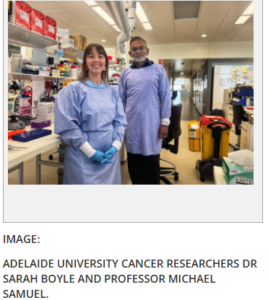
The key point that was explained by the lead researcher, Professor Michael Samuel, of the Centre of Cancer Biology at Adelaide University and the Basil Hetzel Institute is that these breast cancer cells steal a particular sensor – one that our bodies rely on to sense touch – and use it to divide quickly and aid them in making their escape off the major tumour.

The process creates an indefinitely lasting mechanical memory in the breast cancer cells and it still contributes towards aggressive behaviour even after the pressure itself has been removed, Professor Samuel said.

The tumours which are solid are exposed to a lot of physical pressure when the disease is at its early stage of development, as the cancer cells grow in tissues that are limited in space, e.g. the milk ducts of the breast. Up to this day, the mechanism by which these cancer cells detect this pressure and whether or not it impacts the progression of the disease is unknown.

We have a tendency to believe that cancer is a genetic disease, but through this work we know that there is the same importance of physical forces within the tumours as the cause of cancer as there are genetic changes that cause cancer.

The researchers discovered that cancer cells respond to pressure via a molecule named PIEZO1, which is a hole in the cell that relates the interior of a cell to the exterior environment. Upon pressure stimulation, PIEZO1 enables the movement of calcium ions into the cell and subsequent signal transduction containing the Rho-ROCK pathway – a central regulator of cell movement, shape and growth.

The team demonstrated that mechanical pressure of a short duration that is obtained through compressing cancer tissue was sufficient to cause tumour growth to increase significantly. Mechanically compressed tumours in laboratory models of breast cancer became larger and the cancer cells in them fragmented faster than control groups.

In addition to promoting growth, compression was also identified to drive cancer cells into a more aggressive, invasive, state in a process known as epithelial-mesenchymal transition. When either of the PIEZO1 or the Rho-ROCK pathway had, however, been inhibited with the help of suitable drugs, compression did not propel cancer aggressiveness, making their role in this process definite.

Co-lead author Dr Sarah Boyle mentioned that one of the most significant findings was that the cancer aggressiveness effects of compression remained even after removal of the force itself.

According to Dr Boyle, even relatively short durations of pressure can lead to a mechanical memory by altering the way the DNA is packed into the cell, by chemically modifying the histone proteins.

These changes, which are called epigenetic changes, are modifications of the interpretation of the DNA code by the cell, which enables the process of switching on some genes that promote tumour growth and aggressiveness.

This type of epigenetic mechanical memory offers a molecular basis to the long term effects of short term mechanical forces on the cell level of the behaviour of tumours.

Notably, the research established that PIEZO1 is over-expressed in human breast cancers compared to normal breast tissue, and that the level of PIEZO1 differs among the patients. The high PIEZO1 levels have been linked to low patient survival implying that the identical pressure-detecting system found in test animals would probably be applicable in human cancer.

The results indicate a little-known role of mechanical pressure in the development of cancer aggressiveness and represent the PIEZO1 -Rho-ROCK pathway as a possible new therapeutic objective that can be used as an early intervention.

According to the researchers, future therapies can restrict tumour growth and invasiveness by interfering with the sensory and response of cancer cells to mechanical pressure. The results can also be applied in diagnosing the patients who are susceptible to aggressive breast cancers due to excessively high concentrations of PIEZO1.

That work has opened up a whole new field of so-called mechanotherapy – the use of treatments that disrupt the mechanical signals that tumours are dependent on to develop and spread out, as cancers grow to be mechanically responsive diseases, said Professor Samuel.

What makes a hit? On Tiktok and Spotify, listeners only partly decide

TikTok is built for people to create and share their own content, so dance music and indie artists fill the platform’s Top 100. On Spotify, love songs and music from major record labels dominate its top charts. On both platforms, people’s preferences only partly explain what songs become hits.

A new University of California, Davis, study examined how the data-driven business models of TikTok and Spotify shape both the music artists make, and the songs people listen to. The study was published Feb. 27 in the journal Information, Communication & Society, and co-authored by researchers from Renmin University of China, Chinese University of Hong Kong and Tsinghua University.

“Hit song charts represent both user feedback and selections curated by the platforms’ algorithms that also influence users’ choices,” said Cuihua (Cindy) Shen, a UC Davis professor of communication and the study’s corresponding author. “By publishing hit song charts, platforms are declaring what songs are visible and dominant.”

How hits happen

TikTok is a global leader in user-generated short videos, frequently featuring remixes and clips of popular songs. Spotify is a major player in distributing full-length albums. With TikTok’s roughly 1.6 billion monthly active users and Spotify’s 675 million, both platforms serve massive and truly global audiences.

In analyzing differences between the platforms and 2020-22 data from their respective Top 100 hit song charts, researchers found significant differences in what makes a hit.

On TikTok, popularity was driven more by dance genres that suit the platform’s emphasis on user engagement and its popular “dance challenges,” which promotes user videos featuring specific songs and dance moves.

On Spotify, songs about relationships were popular, while songs about politics were unpopular. Spotify had more hit songs produced by major labels and songs in the pop and hip-hop/rap/trap genres. It had a lower proportion of songs from R&B/soul and dance genres.

In the study, TikTok’s Top 100 charts — during the two years analyzed — had 321 songs compared to 1,707 on Spotify. Only 68 hit songs appeared on both platforms within the two-year study period, and a majority entered and exited Spotify’s daily Top 100 charts more quickly than on TikTok.

Different platforms, different hits

TikTok and Spotify differ from traditional media such as radio and even MTV. On both apps, user data, such as clicks and subscriptions, are fed into the platforms’ algorithms and influence the music that artists create to meet demand.

This study highlights how the differences between the two platforms affect what makes a Top 100 hit. Spotify focuses on streaming full-length music and provides detailed metadata, including lyrics. TikTok features clipped snippets of songs that serve as background to users’ video content.

“Our study suggests that Spotify acts as a primary distribution channel while TikTok serves as a space for creative re-interpretation,” said Shen.

Iran Players at AFC Women’s Cup in Australia Defect, Seek Asylum Citing Repercussions Back Home

Amid war flares at home front, seven members of Iran’s women’s national football team have been granted humanitarian visas by Australia, allowing them to remain in the country following their participation in the AFC Women’s Asian Cup. The players, who had refused to sing their national anthem before a match against South Korea, an act that drew sharp criticism from Iranian state media labeling them “wartime traitors,” feared severe repercussions if they returned home.

Captain Zahra Ghanbari and teammates Fatemeh Pasandideh, Zahra Sarbali, Atefeh Ramezanizadeh, and Mona Hamoudi were among the initial five to seek protection, slipping away from their team hotel with assistance from Australian authorities. Two more team members later joined them, though one individual ultimately changed their mind and requested to return to Iran.
Australian Home Affairs Minister Tony Burke confirmed the grants, noting that officials had individually approached the players at Sydney airport, offering support without Iranian officials present.
He described the women’s relief upon receiving the visas, emphasizing that they are now safe and welcome in Australia. Prime Minister Anthony Albanese added that the nation had been touched by the players’ courage, stating help was readily available. The situation even prompted a late-night call between Albanese and former U.S. President Donald Trump, who had publicly offered American asylum as an alternative and criticized any potential forced return.

Iranian officials have remained largely silent on specifics but accused Australia of essentially holding the players “hostage,” while the football federation suggested coercion was involved. The rest of the squad departed for home amid emotional scenes at the airport, with some diaspora supporters attempting to intervene in solidarity.

The latest episode fits into a longer pattern where international sporting events provide rare opportunities for athletes from repressive or unstable environments to seek asylum.

Here’s a short chronology of notable sports defections:

  • 1948 London Olympics: Czechoslovakian gymnastics coach Marie Provazníková became the first known Olympic defector, refusing to return home after the communist takeover in her country, citing a lack of freedom.
  • 1956 Melbourne Olympics: Following the Soviet invasion of Hungary, dozens of Hungarian athletes, about a quarter of their team, defected en masse, many eventually settling in the West, including the United States.
  • 1972 Munich Olympics: Over 100 athletes, primarily from Eastern Bloc nations, sought asylum amid Cold War tensions.
  • 2006 Melbourne Commonwealth Games: At least 26 athletes, including from Sierra Leone and Cameroon, claimed asylum in Australia due to political instability and personal safety concerns.
  • 2012 London Olympics: Seven Cameroonian athletes (boxers, a swimmer, and others) vanished from the village and later sought protection in the UK; three Sudanese runners also applied for asylum.
  • 2018 Gold Coast Commonwealth Games: More than 200 athletes and officials, mostly from African nations like Cameroon, Rwanda, and Uganda, went missing and requested refugee status in Australia.
  • 2021 Tokyo Olympics: Belarusian sprinter Krystsina Tsimanouskaya sought police protection at the airport to avoid forced repatriation after criticizing her coaches; she ultimately received asylum in Poland.

These moments highlight the dual role of global competitions on stages for athletic achievement and, sometimes, desperate escapes. For the Iranian players now starting anew in Australia, the path ahead involves uncertainty but also the promise of safety, a bittersweet trade-off familiar to many who have walked away from their teams and homelands in fear of persecution back home.

Embassies Under Fire: How Iran is Keeping US Diplomatic Missions On Battlefront

From a smoke-stained guard tower in Baghdad to a backpack bomb in Oslo and gunshots at dawn in Toronto, Iran has increasingly turned the world’s diplomatic consulates into combat zones.
The guard tower at the Baghdad Diplomatic Support Center had barely stopped smoking when the State Department alert went out Tuesday night. Six drones had been launched at the facility. Five were intercepted. The sixth found the tower. Somewhere inside the compound, a sprawling logistical hub near the Iraqi capital’s international airport that keeps America’s entire regional diplomatic operation running, a terse internal message ordered staff to “duck and cover,” noting that “accountability is ongoing.”
Nobody in the building was publicly confirmed hurt. Nobody claimed the strike officially. But the culprits, according to a U.S. security official who spoke without attribution, were almost certainly the Islamic Resistance in Iraq, an umbrella network of Iran-funded and Iran-commanded armed factions that have been carrying out strikes on American positions since February 28th.
That was the day the United States and Israel jointly opened what Washington called Operation Epic Fury and Tel Aviv dubbed Operation Roaring Lion, a joint air strike that, within hours, had killed Iran’s Supreme Leader Ayatollah Ali Khamenei and gutted the country’s air defence network. Iran’s answer, in the 11 days since, has been to bring the fight somewhere the Pentagon cannot so easily track on radar: the front doors of American embassies, consulates, and diplomatic compounds scattered across four continents.
THE SCORECARD: 11 DAYS OF ATTACKS ON DIPLOMATIC TARGETS
Feb 28  – Baghdad Green Zone — Katyusha rockets; U.S. Embassy, all consular services suspended.
Mar 1–2  Karachi, Pakistan — U.S. Consulate stormed; U.S. Marines fire on demonstrators.
Mar 2–3  Kuwait City — U.S. Embassy hit by drone; smoke reported; operations fully suspended Mar 5.
Mar 3 – Erbil, Iraq — U.S. Consulate and airport area struck; black smoke visible; consulate closed.
Mar 3–4  Dubai, UAE — U.S. Consulate targeted; six people injured by intercepted drone debris in Abu Dhabi.
Mar 3–5  Riyadh, Saudi Arabia — U.S. Embassy hit despite Saudi-Iran 2023 normalisation deal.
Mar 4–5  Bahrain — U.S. Navy Fifth Fleet HQ targeted; 75 missiles and 123 drones intercepted over five days.
Mar 5  Doha, Qatar — Voluntary departure ordered; 10 IRGC cell members arrested by Qatari authorities.
Mar 7  Baghdad Green Zone — Four Katyusha rockets hit the Green Zone; C-RAM systems engage.
Mar 8  Oslo, Norway — Backpack bomb detonates at U.S. Embassy consular entrance at 1 a.m.
Mar 8  Beirut, Lebanon — Israeli strike on Ramada Hotel kills four Iranian diplomats.
Mar 9  Toronto, Canada — Gunmen open fire on U.S. Consulate from a white Honda SUV at 4:30 a.m.
Mar 9  Liege, Belgium — Bomb explodes at synagogue; Iranian proxy network involvement suspected.
Mar 10  Baghdad — Baghdad Diplomatic Support Center struck; one drone hits guard tower.
Why Different Kind of Battle Front?
What makes this campaign different from anything Iran has attempted before is scale and geography. Tehran has always maintained what intelligence agencies call a “forward deterrence” doctrine, using proxy forces in Lebanon, Iraq, Yemen, and Gaza to keep the fight away from Iranian soil. But in 11 days, that doctrine has been turned outward, stretching from the Persian Gulf to Scandinavia to the Canadian lakeshore.
The numbers tell part of the story. The Islamic Resistance in Iraq alone claimed 67 separate drone and missile operations in the first three days. On Day Five, the IRGC announced it had fired 230 drones in a single coordinated wave at facilities hosting American troops across Iraq and Kuwait. Bahrain’s defence forces intercepted 75 missiles and 123 drones before the end of the first week. And still they kept coming.
Pentagon spokesman Sean Parnell put the U.S. position in the clearest possible terms at a Tuesday briefing, saying American forces had now struck more than 5,000 targets inside Iran and were not finished. Defence Secretary Pete Hegseth, speaking the same morning, was clearly confident: “Today will be, yet again, our most intense day of strikes inside Iran,” he said. “The most fighters, the most bombers, the most strikes. Intelligence more refined, and better than ever.” One drone hit the guard tower in Baghdad roughly four hours later.
Four Dead at Ramada, And a Letter Nobody Read
On the morning of March 8th, an Israeli airstrike hit the Ramada Hotel in Beirut. Inside were four Iranian diplomats: Majid Hassani Qandesar, second secretary at the Tehran embassy in Lebanon; Ali Reza Biazar, third secretary; Hossein Ahmadlou, Iran’s military attaché; and Ahmad Rasouli, a military mission officer. All four were killed.
Iran had moved them to the hotel specifically because the Israeli military had already announced its intent to strike Iranian diplomatic personnel in Lebanon. The relocation had been formally notified to the Lebanese Foreign Ministry under the terms of the Vienna Convention. Iran’s position is that Israel knew exactly where those men were, that Lebanon had been officially informed, and that the strike was therefore a premeditated assassination dressed up as a military operation.
Tehran’s UN Ambassador Amir Saeid Iravani sent a formal letter to Secretary-General António Guterres describing the strike as a criminal act and a fundamental breach of international protections afforded to diplomatic personnel. Iravani then went to the Security Council chamber and made the same argument to member states, accusing the Council of paralysis in the face of what he called an escalating pattern of impunity. The Council took note of his remarks and moved on to the next agenda item.
“The Council is turning a blind eye to this grave violation despite its primary responsibility under the UN Charter to maintain international peace and security,” said Iravani later.
Israel has not publicly commented on the specific targeting. Its broader position, maintained throughout the eleven days of operations, is that Iranian diplomatic cover in Lebanon has long served as camouflage for Quds Force commanders running operational networks against Israeli targets. Whether that justification holds under international law is a question being debated in academic journals and courtrooms that will take years to resolve. The four men at the Ramada will not see the verdict.
Oslo at 1 in the Morning
Two nights before the Toronto shooting, a backpack was left at the consular entrance of the United States Embassy in Oslo. It contained an improvised explosive device. The bomb detonated at approximately 1 a.m. on March 8th, causing minor structural damage to the entrance area and no injuries. Norwegian police launched an immediate investigation.
The timing, deep in the night, at a consular entry point, using a concealed device, carried the hallmarks of what European intelligence agencies have been tracking under the loose designation of Iran’s Foxtrot network: a series of clandestine proxy cells that, according to prior reporting by Swedish and Danish security services, have recruited members through criminal networks and social media platforms. The U.S. Embassy in Stockholm issued a warning about Iranian targeting operations through this network as far back as June 2025. In Oslo itself, a locally hired embassy guard had been convicted of espionage on behalf of Iranian intelligence just months earlier.
Norwegian Justice Minister Emilie Enger Mehl called the explosion unacceptable and said the government was treating it with the highest possible seriousness. No arrest had been made as of now.
4:30 A.M. in Toronto 
There is a particular kind of message that gets sent when gunmen choose 4:30 in the morning. The street is empty, the target is symbolic, the intent is to terrify without the risk of immediate apprehension. That calculation was made outside the United States Consulate in downtown Toronto on the morning of March 9th, when two men in a white Honda SUV pulled to the kerb, opened fire at the building’s glass-and-steel facade, and drove away. Nobody inside was hurt. The glass, as Toronto Police Deputy Chief Frank Barredo dryly noted, is reinforced.
Canadian Prime Minister Mark Carney called it a reprehensible act and an attempt at intimidation, expressing relief that there had been no casualties. Ontario Premier Doug Ford did not traffic in diplomatic language. Speaking to reporters, he said he was personally convinced that Iran had activated sleeper cells across North America and that the Toronto shooting was not an isolated incident. “We have to weed these people out and hold them accountable,” he said. “This is my personal opinion and I don’t think I’m too far off with saying that. It’s a different world now.”
In the days surrounding the shooting, two Toronto synagogues were also targeted by gunmen. An Iranian-Canadian boxing club was attacked. RCMP Chief Superintendent Chris Leather, heading the national security investigation, was careful to keep his language measured but acknowledged the self-evident: “Diplomatic premises everywhere,” he said, “currently warrant a sharply elevated level of vigilance.
I believe there are sleeper cells all over the world. They are in the U.S., they are in Canada. We have to weed these people out. It’s a different world now.

Washington’s number game

General Dan Caine, Chairman of the Joint Chiefs, told a Tuesday briefing that ballistic missile attacks originating from Iran had dropped by 90 percent since hostilities began and that one-way drone attacks had fallen by 83 percent. Hegseth called this strong evidence of military degradation. The inference he wanted reporters to draw was clear: “the campaign is working, Iran is running out of capacity, and the trajectory is toward resolution.”
Tehran’s newly installed parliamentary speaker Mohammad Bagher Qalibaf rejected any such reading on the same day, while senior official Ali Larijani posted a direct message to Donald Trump on social media: “Iran doesn’t fear your empty threats.” Trump, meanwhile, had issued his own posts warning that “any Iranian mines found in the Strait of Hormuz would trigger consequences at a level… never seen before.” The Strait remains effectively shut to commercial shipping.
A Quinnipiac University poll conducted over the preceding weekend found that roughly seven in ten registered American voters were worried the war would push energy prices higher, including approximately half of all Republican respondents. Gas stations in the Midwest were already showing it.
Ground Reality
The State Department’s formal tally as of Tuesday: nonessential personnel ordered out of Saudi Arabia, Kuwait, Qatar, Bahrain, Iraq, Jordan, the UAE, and the consulate in Adana, Turkey. Emergency departure assistance extended to approximately 23,000 private American citizens across the region. Secretary of State Marco Rubio waived the standard legal requirement for evacuees to reimburse the government for charter transport costs, a small procedural detail that signals how seriously Washington is treating the threat level.
In Iraq, Prime Minister Mohammed Shia al-Sudani publicly condemned the militia attacks as violations of his country’s sovereignty, a statement that would have carried more weight had his government the capacity to enforce it. The International Zone in Baghdad, which houses the U.S. Embassy along with dozens of other diplomatic missions, is now effectively sealed. The U.S. Consulate in Erbil has suspended all services. Al Jazeera correspondent Assed Baig, reporting from the Kurdish capital, put it plainly: “All these attacks taking place overnight and early this morning highlight how increasingly Iraq is becoming a battleground in this widening Middle East war.”
In Iran itself, the internet has been down for the better part of ten days. Cybersecurity monitoring group NetBlocks recorded the shutdown at over 240 consecutive hours by Tuesday, describing it as among the most severe government-imposed nationwide blackouts ever documented. Tens of thousands of civilians have left Tehran and other major cities for rural areas and family farms. A Tehran-based lawyer, speaking anonymously to an international broadcaster, described Basij paramilitaries in her neighbourhood as heavily armed and watching for any sign of domestic unrest even as bombs continued to fall.
Back in Baghdad, the smoke above the guard tower had cleared by nightfall Tuesday. The State Department alert remained the same. “Accountability,” is “ongoing.” Whether that accountability ever catches up with the drones, the backpacks, the drive-by shootings, and the hotel strikes is the question that eleven days of war have so far left entirely open.

US Energy Sec Chris Wright Quietly Deletes X Post on Navy Escorting Oil Tankers Cross Strait of Hormuz

U.S. Energy Secretary Chris Wright posted on X a little earlier today stating that the U.S Navy had escorted an oil tanker in the Strait of Hormuz, which is strategically important, in order to effectively guarantee that oil continued to flow into the world markets. The post was removed soon and it caused some confusion and quick backlash in the current U.S.-Israeli war against Iran.

The message that has been deleted mentioned that the Navy escort had done so to make sure that oil keeps flowing to world markets, as various sources and screenshots that were posted on social media confirm. The reason why Wright deleted the post is not clear, although the news outlets such as Reuters and others reported that no such escort operation had occurred. The U.S. Department of Defense and Central Command did not promptly confirm any escort operation and the claim to the passing of the Fox News was described by the military sources as not conforming to the reality.

Chris Wright

The conflict comes at a very sensitive moment when the traffic of tankers through the Strait of Hormuz, a narrow waterway between Iran and Oman through which about 20 percent of all the seaborne oil in the world passes, has been hard hit. Shipping has been much curbed by the skyrocketing war risk insurance rates, Iranian threats to attack ships, and a general caution among shipowners. Recent reports show that hundreds of tankers anchored or rerouted and some estimates show that millions of barrels of oil are trapped in the Persian Gulf.

The Revolutionary Guards of Iran were quick to disown the assertion. Spokesman Alimohammad Naini, who was quoted by the state media, termed it as a total lie and threatened to counter any movements of the U.S. or any other allied fleet with missiles and drones. Our missiles and drones will intercept any action of the US fleet and allies, said Naini.

Iran Puts Conditions Galore

It had the ability to momentarily affect the oil markets and some of the reports indicated that the prices dropped and then rose again above $80 per barrel as the deletion and the denials happened. This is after Wright had made previous remarks on TV that he minimized immediate dangers and that U.S. military activities were undermining the capacities of Iran to threaten shipping, and that flows would be restored soon again, possibly with naval escorts.

According to satellite and tracking information, the number of vessels passing through the Strait of Hormuz has reduced drastically since at the beginning of March and most of the tankers are concentrated in the relatively safer waters off the UAE and Oman.

The erasure has given rise to the speculation of miscommunication or prematureity in the administration since the administration of President Trump has indicated a number of times that it was willing to offer the protection of the commercial shipping should the conditions be in favor of it. But analysts observe that the masses of escorts are logistically difficult and dangerous considering the asymmetric threats of Iran. The trend highlights how unstable the world energy markets are during the conflict, as the oil prices fluctuate and the economic effects of the conflict continue to accumulate across the globe. More amendments are likely to follow with the Pentagon and the White House rectifying the discrepancy.

Less psychedelic, more medical magic mushrooms

The psychoactive substance of magic mushrooms, psilocybin, is under scientific scrutiny as being useful in the treatment of neuropsychiatric disorders such as depression, anxiety, substance use disorder and some neurodegenerative diseases. It can be limited to broader therapeutic uses, however, by the hallucinogenic effects. A study on the effects of psilocin, the active compound in psilocybin, on mice published in the Journal of Medicinal Chemistry by researchers synthesized modified versions of psilocin which preserve its properties but have fewer hallucinogenic-like effects than pharmaceutical-grade psilocybin.

In line with the emerging scientific view that psychedelic and serotonergic works can be decoupled, one correspondent author of the study, Andrea Mattarei, states that their findings align with this emerging school of thought. This creates the prospect of developing new therapies that are more biologically active but less hallucinogenic, which might allow developing safer and more practicable treatment options.

Mood disorders as well as certain neurodegenerative ailments such as the Alzheimer disease entail an imbalance of the neurotransmitter molecule serotonin that aids in controlling moods and other brain processes. Psychedelics have been studied to have therapeutic effects against serotonin-signaling pathways in decades by scientists. But the hallucinations that can be used along with these drugs can cause people to fear their use even in case there is a medical advantage.

Brain Image (NIH)

Therefore, a group supervised by Sara De Martin, Mattarei and Paolo Manfredi chemically engineered 5 psilocin analogs to release gradually, slowly and possibly non-hallucinogenic into the brain. The initial test of the five compounds was conducted using human plasma samples and the laboratory parameters that replicate gastrointestinal absorption. These tests have enabled the group to determine a compound they refer to as 4e as the best prospect since it exhibited desirable stability to be absorbed and allowed a slow release of psilocin – a trait that has the potential to reduce the effects of hallucinations. Notably, 4e was also active at major serotonin receptors, and at similar levels as psilocin.

The researchers then compared the impact of the same dosage of 4e on mice with pharmaceutical quality psilocybin. The team orally gave the compounds to mice and assessed the degree to which psilocin was absorbed by the bloodstream and the brain after 48 hours. The compound had the capability of penetrating the blood-brain barrier in mice treated with 4e and had a lower yet more prolonged presence of psilocin in their brain than did their psilocybin-treated counterparts. In examining the behavior of the mice, the researchers found that the 4e-treated mice had reduced the number of head twitches, a well-established oral psychiatric effect of psychedelics in rodents, with the 4e-treated mice compared to those treated with psilocybin having far fewer head twitches. This difference in behavior seemed to be linked with the quantity and the time that psilocin was released in the brain.

According to the researchers, the results of their experiments testify to the possibility of creating stable derivatives of psilocin penetrating the brain and preserving the function of serotonin receptors without acute psychotropic effects. Their mechanism of action and complete description of their biological effects will require further research before their therapeutic capacity and safety in human beings are evaluated.

The authors admit MGGM Therapeutics, LLC. funding in partnership with NeuroArbor Therapeutics Inc. Some of the authors state that they are patent holders regarding psilocin.

Australian researchers construct tiny AI chip that ‘travels’ at the speed of light

Australian scientists have developed a miniature-sized artificial intelligence (AI) chip that can perform computations based on the power of light, on a speed comparable to that of light.

The prototype of nano photonic chip, which uses the power of the light particles (photons) is entirely in-house in the Sydney Nano Hub in the University of Sydney.

According to the researchers, the prototype can be significant in creating more energy-efficient hardware in the field of artificial intelligence because the global demand of artificial intelligence is still increasing and such technology might reduce the total energy footprint of future computer systems.

Conventional computer chips are made using electricity to control information; that is, to move tiny and charged particles (electrons) with wire. This produces heat.

The prototype of nano photonic chip utilizes light. Light is able to pass through electrically non-resistant materials and hence does not produce heat in the same manner as electricity. The calculation is automatically done through the nanostructures as the light traverses the chip prototype.

The nanostructure of the chip occupies tens of micrometres, the thickness of a human hair. The combination of the nanostructures assists in creating a neural network: the artificial neurons that imitate the human brain to recognise and perform calculations.

The prototype is capable of calculations at the picosecond level, trillionths of a second – the duration in which light exits the nanostructure.

According to the researchers, the benefits of photonics use is that it is much faster and occurs at the speed of light. Light is also used to run the technology as opposed to electricity. This is in comparison to the existing data centres that use huge quantities of water and energy to operate them.

Professor Xiaoke Yi of the School of Electrical and Computer Engineering and director of the Photonics Research Group said that they had re-imagined how the photonics can be used to create new energy efficient and ultrafast computer processing chips.

Artificial intelligence becomes more or less limited to the energy consumption. This study carries out neural computation with light, which has been demonstrated to be faster, more energy-saving and can be made significantly smaller AI accelerators.

The study was published in Nature Communications, and it illustrates that AI models could be made into nanoscale photonic structures capable of manipulating light in such a way that the mathematical operations necessary to carry out machine learning could be implemented.

The researchers tested the nanophotonic chip by training it on over 10,000 biomedical images (breast, chest and abdomen MRI scans, etc.) and validated the technology.

The nanophotonic neural network demonstrated an approximation of 90 to 99 percent classification in simulations and experiments.

The technology provides a way forward to sustainable AI infrastructure which can facilitate the increasing needs of computing without the proportional increase in power usage.

Better, faster, stronger AI hardware

The science of light particles control is known as photonics, which is abbreviated to photon-based electronics. It has been applied in driving technology that is utilized in day-to-day lives like lasers, fiber-optic network and in medical imaging.

However, the harnessing of photonics to computer processing has been a relatively recent discovery and there has been a growing acuity as the need to harness AI demands grows.

The prototype demonstrates how intelligence can be incorporated directly in nanoscale photonic structures, according to PhD student Joel Sved who was instrumental in design and implementation of the prototype.

The Photonics Research Group of the University of Sydney has a long history of over 10 years of research on how to push the limits of photonics as well as how to upgrade our technology.

It involves application of photonics in solving problems in wireless communications and high-technology sensing that are able to detect and measure chemical or biological traces in the environment.

After the successful experiment with the prototype of the nanophotonic chip, the team headed by Professor Yi is currently developing the technology to the level of larger-scale photonic neural networks.

What is Rett Syndrome ? New study Opens Avenue to Cure This Rare Disorder

A group of researchers at the Texas Children Neurological Research Institute (NRI), Duncan, Baylor College of Medicine, found  a possible new therapy to cure Rett syndrome has been reported in the Science Translational Medicine journal, with the early signs of success in a neurodevelopmental disorder with no cure yet.

According to the corresponding author, Dr. Huda Zoghbi, the director of the Duncan NRI, Distinguished Service Professor at Baylor, and an investigator at the Howard Hughes Medical Institute, Rett syndrome is an uncommon genetic neurodevelopmental disorder that results in a developmental regression, usually past 6 to 18 months of normal development, followed by severe motor skill impairment, speech and communication impairment and communication impairment. The disorder affects girls mostly and it occurs in 1 out of 10,000 live births.

Loss-of-function mutations in MECP2 gene cause Rett syndrome, which plays a central role in normal brain functions since it controls the amount of various genes controlling neurological functions. These mutations cause the protein to disappear or code a faulty protein which cannot perform its normal function. Certain mutated forms of MeCP2 protein are also less abundant and/or reduced in terms of DNA binding, which is a key role in the functioning of this protein.

In mouse models of Rett syndrome, it has been demonstrated that the disorder is reversible, once normal MeCP2 protein is added in the brains of those mice, the conditions are reversible. Notably, it has been demonstrated by researchers that raising the concentration of a mutant MeCP2 protein that retains a minimal amount of functioning also enhances symptoms, such as survival, motor coordination and respiratory defects in mice.

The importance of this in that approximately 65 percent of patients with Rett syndrome have partially functional MeCP2, which is either less abundant or lacking DNA binding capacity, as compared to the normal level, according to the authors. Our study, on working with mouse models and cells obtained by patients with Rett syndrome, suggests evidence of concept that an increase in the levels of mutant MeCP2 in patients with the condition would be therapeutically beneficial.

Mechanism of the MECP2 gene 

The creation of therapeutics that regulate the level of MeCP2 is not that simple. A mutation to MeCP2 that is too small leads to Rett syndrome, but an excess of MeCP2 leads to another neurological disorder, MECP2 Duplication Syndrome. The balance of the question has been so delicate that it has been difficult to come up with safe and efficient treatments.

Zoghbi said that before this research, they had already learned that the brain normally forms two versions of the MeCP2 protein E1 and E2, which differ slightly. These versions are the result of the same gene, which gets processed in one direction to form E1 and in another to form E2.

Consider a gene as a blueprint of a protein. MeCP2 has four ingredients, which are e1, e2, e3 and e4. In order to produce the MeCP2-E1 protein, cells simply mix ingredients e1, e3 and e4. In order to create MeCP2-E2, the cells mix all four ingredients, which makes ingredient e2 peculiar to this form of the protein. Both versions are produced by the brain, but E1 is prevalent.

“We also learnt that no cases of Rett syndrome individuals have been reported to have mutations on E2 protein. The condition is only caused by mutations that interfere with E1 protein,” said Tirumala. This is supported in studies on mice.

“All in all, we have known that MeCP2-E2 is a single ingredient below MeCP2-E1 in the gene and it is not so abundant as E1 and not linked to Rett syndrome and is not required to support the MeCP2 activities in the brain,” Tirumala said. “This made us hypothesize that by instructing the brain cells to omit the e2 ingredient, the production of additional MeCP2-E1 protein in patients with Rett syndrome will be promoted and will lead to a better disease outcome. We have experimental evidence in the mice and cells of patients with Rett-syndrome to support our hypothesis.”

The researchers first genetically removed the ingredient e2 of normal Mecp2 gene in mice and evaluated the outcome of the deletion on the abundance of the protein and its neurological activity. Tirumala said that the results of this approach gave 50 to 60 percent MeCP2 protein increment in normal mice.

The researchers subsequently used the same strategy on the cells that were obtained using the patients with Rett syndrome that contained MECP2 mutations that decrease the abundance and activity of the protein. They removed the ingredient e2 in this mutant MECP2 gene and evaluated the impact of this mutation on the abundance of this protein and the attributes of these cells. Tirumala said that they were excited to find that MeCP2 production improved when ingredient e2 was deleted. Notably, with the degree of mutation, these cells reappeared with part or all of their usual structure, their usual electrical functions and their capability to control the level of other genes.

Lastly, the team evaluated the therapeutic potential of such an approach. Does a blocking drug of ingredient e2 elevate MeCP2 protein?

Tirumala said the value of morpholinos was tested to stimulate MeCP2 protein production in mice. “Morpholinos are artificial molecules to be used in this instance to inhibit the production of MeCP2-E2 protein by preventing the e2 ingredient to enter the cell,” explained Tirumala. “This was interesting because our morpholinos found to increase MeCP2 protein in mice tremendously.”

The work by Zoghbi and colleagues forms the basis and offers preclinical support to a treatment method of Rett syndrome involving the enhancement of MeCP2 and offering some functional recovery, Zoghbi said. Even though morpholinos are not an option due to their toxicity, analogous ones, such as antisense oligonucleotide therapies that are already being employed to treat other diseases, might be created in Rett syndrome.