New research provided at the Annual Scientific Session of the American College of Cardiology shows that a shingles vaccine could provide important protection against heart complications that are life-threatening in individuals who already have a cardiovascular disease.
The researchers used a huge population of over 246,000 adults with atherosclerotic heart disease in the United States to carry out the study and discovered that individuals who had at least one dose of a shingles vaccine had significantly lower risks of serious cardiac events within one year than those who were never vaccinated.
It was found that vaccinated people had almost twice the risk to experience major adverse cardiac events – which consists of heart attacks, strokes and cardiovascular-related deaths. These results complement an emerging body of literature that the shingles vaccine has some other positive effects other than protection against viral infection.
The analysis was performed based on 2018 to 2025 health records with the TriNetX database and comparing two matched groups (more than 123,000 patients each) one of them vaccinated with Shingrix or Zostavax and the other one unvaccinated. The respondents were 50 and above and with very similar demographic and health characteristics.
The changes were intense within a follow-up period of one month to a year after vaccination. It was discovered that vaccinated patients were 46 percent lower than unvaccinated ones to suffer a significant cardiac event and 66 percent less prone to death of any cause. Heart attack risk was reduced by 32 percent and the risks of stroke and heart failure also decreased by 25 percent.
Found in High Risk Individuals
The protective effect was found to be particularly potent in people who were already at high cardiovascular risk, said the lead author Dr Robert Nguyen of the University of California, Riverside. He observed that the risk reduction is equal to significant lifestyle change like smoking cessation.
It is not new to medical experts that shingles is an inflammatory condition caused by reactivation of the varicella-zoster virus and can result in development of blood clots that may cause cardiovascular complications. The vaccine can indirectly eliminate these risks by acting as a preventive measure towards infection.
U. S. Centers for Disease Control and Prevention now suggest the use of shingles vaccination to all adults above 50 years of age and to those younger with compromised immune systems. Although the vaccine is mainly meant to stop painful rashes and long-term nerve damage related to shingles, the new benefits on the cardiovascular system can reinforce the arguments in favor of increasing the coverage.
Within One Year of Vaccination
Nevertheless, scholars warned that the research was looking at the results within one year of vaccination. The impact of long-term effect may be wavering, though previous studies pointed out that protective benefits might last many years.
There were also other limitations that were appreciated in the study. People who vaccinate might be better placed to adopt healthier behaviours on the whole, which would somewhat affect the outcomes notwithstanding the ability to control socioeconomic and lifestyle differences.
Nevertheless, the size of the dataset and the agreement of the results of the research conducted on several outcomes give credibility to the conclusion that the shingles vaccination is linked to the significant decrease in cardiovascular risk.
The evidence emerges against the backdrop of more general campaigns against vaccine hesitancy and misinformation, with scientists highlighting the possibility of established vaccines having broader health utility than previously realized.
A massive national survey in Japan has found a massive gap in the routine care of chronic kidney disease (CKD), and one of the major metabolic complications used to remain undiagnosed by lack of testing.
The researchers under the leadership of Mai Tanaka have conducted the study using the data of the Japan Chronic Kidney Disease Database Extension and analyzed the clinical records of over 21 university hospitals in the period between 2014 and 2021. It targeted individuals with moderate CKD (stages 3a to 4) that already have high susceptibility to disease progression and complications.
The results indicate a glaring omission: a simple and cheap test such as serum bicarbonate, which is used to diagnose metabolic acidosis, was ordered less than 10% per year. Consequently, the condition, which, as known, deteriorates kidney outcomes and general health, seems to be considerably under-measured in the everyday care.
Metabolic acidosis is a condition that develops when the body retains too much acid in it because of a deteriorated renal strength. It has also been associated with muscle atrophy, bone mineral loss, insulin resistance with accelerated kidney disease, and an increased risk of dying. The clinical practice is to intervene in cases where the bicarbonate of the body is lower than 22 mEq/L.
Nevertheless, the Japanese statistics indicate that the burden of the condition is being hidden by the low level of testing. Although the general prevalence seemed to be low in the general population of CKD, a more detailed look at patients that indeed underwent a test showed a significantly different pattern. Almost half of them fit the criteria of metabolic acidosis, and the rates were getting higher as the kidney function declined.
Follow up care was limited even among the patients who depicted definite biochemical signs of the condition. It was determined by the study that a gap between detection and clinical response was significant, with only 8.6% actually diagnosed and only 7.5% actually treated.
Metabolic Acidosis Undetected
The results are similar to those reported in North America where individual studies of the U.S. and Canadian cohorts have also indicated that metabolic acidosis is commonly undiagnosed in CKD patients. In such researches, less than every five patients was given sodium bicarbonate treatment in spite of the facts that acid retention was associated with persistent damage to the kidney by inflammation and fibrosis.
According to experts, the problem is not about access or price, since bicarbonate testing is readily available, but it is more about the failure to integrate it into a normal monitoring practice. Current guidelines, such as those of nephrology societies, suggest routine evaluation and correction of metabolic complications in CKD but this is not done so consistently.
The paper highlights a larger issue of concern of health systems where there has been a progressive growth in cases of CKD worldwide due to aging, increased incidences of diabetes and hypertension. Researchers indicate that regular bicarbonate testing may be an intervention that is scalable and practical as a part of the regular care panel.
Early identification of metabolic acidosis would enable clinicians to start treatment, either the use of alkali therapy or diet change at a time that might allow it to delay disease onset and minimize complications.
The authors have come to the conclusion that there is not as much a problem with the rarity of the condition but its invisibility in existing practice. In the absence of regular testing, there is a high-risk chance that a high and manageable element of kidney disease can be ignored, which has long-term patient consequences.
In a significant international study, it has been observed that the health, life experience of fathers can have a significant effect on the pregnancy outcome and future well being of the children which argues the long held maternal-based approach to reproductive care.
The study, which was published in The Lancet and conducted by the team of scientists at the University of Southampton in collaboration with other international partners, claims that the prenatal health of men has long been disregarded despite its quantifiable effects on maternal health and child development.
Based on the evidence of biological, behavioural and social sciences, the study describes the ways in which the physical health of a father, his age, mental health, substance use and childhood experiences could influence the results of pregnancy. There are instances where scientists asserted that paternal factors can be as intense as -or even more so, than the conventional maternal.
Professor Keith Godfrey, a principal researcher of the study, indicated that the results represented a breakthrough in the comprehension of the role of parental health on the future generation. He mentioned that although the health of mothers is important, paying attention to it only leads to the neglect of a larger number of factors that trigger well before pregnancy.
The study presents a framework based on preconception health, in which the upbringing, education, environment of a man and exposure to stress can be influenced and impact on his health in reproductive years. The same factors, in their turn, can also affect the health behaviours of a partner, such as access to prenatal care, and have direct biological impact on the developing foetus.
Next Generation’s Health
Co-author Dr Danielle Schoenaker emphasized the inter relatedness of parental health by stating that there is a chain of influence that starts in life and continues to the next generation. The study indicates that the problems would be improved by considering these factors and thereby the health of children and their pregnancies would be better in a population.
Another issue that the researchers concern themselves with is the social implication of making women the main responsibility in the health of children. They say that this kind of practice enhances gender disparities and ignores the aspect of collective responsibility in child-rearing.
Jonathan Huang, the lead author, emphasized the bigger picture of the structural context, how historical inequalities, such as racism and colonial heritage, have caused disruption in family and community roles, especially among black and brown men. The study indicates that these disruptions have led to disparities in health outcomes and health care access.
The authors advocate culturally sensitive public health that involves more active inclusion of men in the reproductive health planning as well as initiatives of strengthening the family and community support systems.
The research concludes that the enhancement of the health of the boys and the young males should be regarded as an investment in the public health in the long term. According to researchers, policies, clinical practices and awareness campaigns should be modified to be more cognizant of an inclusive model of reproductive care one that views the father as more of an active rather than a passive participant of the pregnancy and child development process.
The authors do not underline the fact that maternal health is still the core, but represent their results as the appeal to more balanced approach when both parents are taken care of prior to, during and after pregnancy to ensure better results in the following generations.
Another investigation that forms the structure of massive craters on asteroid 16 Psyche is providing new perspectives on one of the most persistent mysteries of the Solar System, whether the metallic object is the open core of an unsuccessful planet or a complex of debris formed during numerous collisions.
The scientists in the Lunar and Planetary Laboratory of the University of Arizona are the researchers who conducted the study, which was published in JGR Planets, and dedicated to the possibility of unlocking the inner composition of Psyche due to a large impact basin located near the north pole of the asteroid. The results will likely inform the interpretation of the data of the NASA Psyche space probe, which will visit the asteroid in the year 2029.
The largest known metal-rich asteroid is psyche, which is found in the prime asteroid belt separating mars and Jupiter and is one of the heaviest bodies found in the area. Its bizarre structure has been a long-standing puzzle to scientists, and rival theories have proposed that it might be the rocky and metallic inertia of an early planet, or of violent impact that caused the mixing of metals and rock over time.
To experiment with such situations, scientists ran high-speed crashes on a 3-D model of Psyche which was how a crater similar to 30 miles across and three miles deep was formed. The differing impact conditions and internal structures allowed the team to come up with predictions regarding the way various compositions would form the resulting crater and the surrounding debris.
According to the simulations, porosity, which is the empty space in the asteroid, is an important factor that affects the crater formation. This is different to solid planetary bodies, most asteroids are loose or fractured and thus can absorb impact energy in a different manner. Impacts in more porous structures will create deeper and steeper craters and less material ejected on the surface.
Asteroid layered metallic core
There were two main models of the interior of Psyche tested in the study: the asteroid is layered reaching a dense metallic core and thin rocky mantle, and the second one is that the metal and silicate materials are evenly intermingled. Although both scenarios could result in the measured crater sizes, each scenario created a different ejecta pattern and internal compression pattern.
These variations, according to researchers, may turn out to be important suggestions when there would be direct observations. Equipments in the Psyche spacecraft will capture the surface composition of the asteroid, gravity and magnetic field, an assessment of the difference in density that could have occurred due to impact in the past.
Scientists compare the research to the reconstruction of a process that has been abandoned long ago based on its remains. Through surface studies of craters and patterns of debris those studying them hope to be able to determine the internal composition of a body that might be able to tell us about the very earliest phases of planetary formation.
Origin of Psyche
The theory of the origin of Psyche has more far-reaching consequences in the field of planetary science. The discovery of the asteroid as an exposed core would give an opportunity to study processes that formed rocky planets such as Earth processes that are otherwise not reachable since planetary cores are buried deep within thick mantles.
Another theme addressed in the study is the increased importance of advanced simulations in space mission preparation. Predicting tests set in advance before the arrival of the spacecraft, researchers want to speed up the analysis of the information once the real-time stream of information arrives.
Psyche mission, which was initiated by Arizona State University and is supported by NASA Jet Propulsion Laboratory and other organizations belongs to NASA Discovery Program. By the time the spacecraft arrives at its destination towards the end of this decade, scientists are hopeful that it will provide the first close-up view of a metallic world – and possibly end a two hundred plus century long debate.
On Wednesday, Prime Minister Narendra Modi honored retiring Rajya Sabha members and said their experience in parliament was a lasting asset to the nation and advised young legislators to learn the lessons of their seniors.
In responding to the members who are leaving in the upper house, Modi stated that these events are beyond politics, but above all they show respect to serving the people. He commented that the parliamentary terms can end, yet the contribution of long-term leaders to the life of a country does not stop.
The Prime Minister said in politics, there are no full stops, that the experience and works of experienced lawmakers are also a part of a democratic process in the country.
Outlining the works of the old parliamentarians, Modi named several old members like H. D. Deve Gowda, Mallikarjun Kharge and Sharad Pawar as role models to be followed by the new members. He also stressed the need to commit itself to the duty of serving the people and that this commitment enhances the credibility of the institution.
The Prime Minister praised the behaviour of the Deputy Chairman of the Rajya Sabha, Harivansh Narayan Singh, in dealing with proceedings especially when situations are difficult and also keeping members of the opposite party in his trust.
Considering the changes in the way parliament operates, Modi noted that the emergence of twenty-four-seven media coverage has shifted the character of politicking. Nevertheless, he said that the traditions of wit, debate and intellectual exchange still prevail in the parliamentary culture.
He emphasized the importance of the session of turnover in the Rajya Sabha, where every three years, a third of the members retires, as a means of continuity, with new ideas coming in. This, he said, assists in sustaining institutional memory as well as reinforcing democratic performance.
Addressing the Rajya Sabha, which he referred to as an essential institution in the legislative process of India, Modi emphasized the role of the institution as a second opinion in legislation. He claimed that the bicameral form of governance enables more thorough questioning of decisions, which leads to more harmonious and sophisticated policy making.
The Prime Minister also reported that the retiring members were one of the members who served in the process of transferring the old building of Parliament to the new building to make a historical occasion in their careers.
He compared the Upper House to a great open university where members acquired experience about governance and national issues during their term in office. This is not just an experience that carries with it the contributions they make in Parliament but also prepares them to take further responsibility with the people even after leaving Parliament.
Ending his speech, Modi was sure that the members who are going will still have a significant role in the life of the people, whether in the formal political system or in the social work in general. He was appreciative of their efforts and he recognized their input in nation building.
In what is being described as one of the largest coordinated electoral deployments this decade, the Election Commission of India has mobilised over 25 lakh staff to superintend future Assembly elections in Assam, Kerala, Puducherry, Tamil Nadu and West Bengal.
On March 15, the poll schedule was announced and it will include more than 17.4 crore eligible voters in the five States and the Union Territory, and by-elections in six other states. The magnitude of the deployment is about one election official in every 70 voters, which confirms the administrative nature of the exercise.
According to chief election commissioner Gyanesh Kumar, the wide presence is designed to make the elections violence-free and inducement-free and officials are instructed to remain completely impartial during the process.
It has close to 15 lakh polling staff and approximately 8.5 lakh security staff with 40,000 counting staff. Moreover, the Commission has sent approximately 49, 000 micro observers, 21, 000 sector officers and 15, 000 people specifically to monitor counting procedures.
On the ground level, there are more than 2.18 lakh Booth Level Officers (BLOs) who are the main contact with the voters. The Commission has also facilitated voter services by providing helplines and online services (ECINet application) to enable citizens file complaints or seek information online by the district/ returning officers.
In order to enhance the control, 1,111 central observers have been assigned to 832 Assembly constituencies. This set will consist of the general, the police and expenditure observers, who will be the field representatives of the Commission in keeping a check on the observance of the electoral norms. Majority of them are already in their respective constituencies.
These observers will be in close contact with the candidates, the political parties and the electorate and will provide a formal avenue of dealing with the grievances so that it can be addressed during the election period.
All the staff that will be deployed to do the election duties will work on behalf of the Commission as stipulated in the Representation of the People Act, 1951, which in effect means that they will be subordinated to temporary deputation so that the same accountability can be maintained everywhere.
This mass mobilisation follows an increased concentration on securing clean electoral procedures and the Commission reaffirms its effort of restricting inducements and a level playing field.
As the various stages of polling will be involved in many states that are politically important, the administrative and logistic component implemented will be the determinant in the smooth running of the elections.
On Tuesday the Indian Coast Guard completed a milestone in its expansion program in fleet with the keel laying of two new generation offshore patrol vessels at a shipyard in Ratnagiri, Maharashtra.
The Yard 16402 and Yard 16403 ceremony, which is the second and third ships in a series of six, took place at a plant run by the partner yard of Mazagon Dock Shipbuilders Limited, as part of an indigenous shipbuilding project under the push of the Indian government to be self-reliant in defence production.
The ships are designed under the government procurement route of Buy (Indian-IDDM), where the government procurement focus is on the local design, development and production. In December 2023, the contract of all six ships was signed.
The new offshore patrol vessels are strategized to have a long sea range as authorities claim that they can operate in the sea up to a distance of 5,000 nautical miles and at maximum speed of 23 knots. The length of every ship will be about 117 metres and will have 11 officers and 110 personnel.
AI-Based Predictive Maintenance
The sites will be prepared with modernized systems such as AI-based predictive maintenance, remotely operated drones, an Integrated Bridge System and an Integrated Platform Management System – systems that will promote efficiency at work and minimize downtimes.
Inspector General Sudhir Sahni, Deputy Director General (Materials and Maintenance), conducted the keel laying, an important occasion in the life of a ship that formally started the building of a vessel, in the company of top officials of the Coast Guard and the shipyard.
It is hoped that as the new vessels will be induced, the Coast Guard will be made more capable of carrying out surveillance, search and rescue, and law enforcement operations within the vast maritime areas of India. It is also introduced at the time of growing focus on coastal security and protection of maritime interests.
According to the officials, the project is part of continuing to modernise the fleet of the Coast Guard and assist in developing domestic shipbuilding capacities as part of the government initiative of Atmanirbhar Bharat.
The latest genetic study indicates that initial interactions between Neanderthals and modern humans were uneven, with some indication that most of the Neanderthals were men who slept with female modern humans, which could be the reason behind long term gaps in human DNA.
The experiment conducted by researcher, Alexander Platt and other researchers, investigates the distribution of Neanderthal genetic material in current human beings. Although the majority of those not in Africa have some traces of Neanderthal ancestry, these have been distributed unevenly throughout the human genome.
A particularly interesting characteristic is the existence of so-called Neanderthal deserts – large areas of the DNA, in which the genetic material of Neanderthals is virtually nonexistent. These deletions are more pronounced in the X chromosome and this poses a question on how the ancient interbreeding process occurred.
There has been long speculation among scientists as to whether these deletions were due to natural selection (whereby the deleterious Neanderthal genes are becoming more and more extinct) or that the interbreeding itself is the cause.
The researchers reversed the question to investigate. They did not simply study the Neanderthal DNA of the contemporary human beings, but rather the remnants of the early modern human DNA in the Neanderthal genomes. The comparison of these with genetic data of the sub-Saharan African populations, most of which do not have Neanderthal ancestry, helped the team recreate ancient gene flow patterns between the two groups.
Great Imbalances in DNA
Their results showed a great imbalance: the proportion of the modern human DNA in the Neanderthal X chromosomes was much higher than anticipated- approximately 62 percent higher. Researchers believe that such an asymmetry can best be attributed to the possibility that the vast majority of the interbreeding took place between male Neanderthals and female modern humans.
This would limit the survival of Neanderthal X-linked DNA into the subsequent generations of human population because males can only transmit their X chromosome to the females. This would over time lead to the low concentration of Neanderthal genetic material on the human X chromosome today.
The paper also indicates that social or behavioural influences, including mate preferences, could have contributed to the development of such patterns, but demographic influence, such as the variation in number or migration cannot be disqualified.
Natural Selection Behind Imbalance?
Moreover, this imbalance was probably supported by natural selection. Dangerous or incompatible genes of Neanderthals especially those associated with significant biological functions might have been gradually eliminated in human gene pool across generations.
The results provide a new understanding of the complicated relationships between the early human groups and the ones closest to their evolutionary lineage not only regarding genetic inheritance but also on social process that might have influenced the evolution of humans.
Using the combination of genomic evidence and evolutionary modelling, researchers indicate that the study is leading scientists nearer to the realization of how ancient interbreeding events still impact the genetic landscape of modern humans.
One of the significant changes in the way people approach organ donation in the United States is the growing availability of transplantation organs, with almost half of all donors being patients whose heart has gone dead, according to latest studies.
According to the study by scientists at NYU Langone Health, it has been established that donation after circulatory death (DCD) has increased significantly in the last 25 years – marking an increase of 2 percent of all donors in 2000 to 49 percent in 2025. According to the findings published in Journal of the American Medicine, the development of medical technology is transforming transplant medicine.
The growth has been realized when demand is acute. According to the United Network for Organ Sharing, more than 100,000 individuals are already on transplant waiting lists in the U.S., and this fact requires finding new sources of viable organs.
Conventionally, organs donated have been infected out of patients who have been declared brain dead, those organs keep being oxygenated with the heart still beating. Conversely, DCD deals with patients who are not yet dead, but are on life support. In case life-sustaining treatment is withdrawn and the patient dies in a given period, then organs can be removed to be transplanted, though it must be otherwise previously agreed.
Drawbacks Overcome With Tech
In past, organs transplanted by such sources were less viable because of a short period of lack of oxygen following the cessation of the heart. Nevertheless, these drawbacks have been overcome with the recent technology advances.
Improved organ preservation has been achieved using techniques like normothermic regional perfusion in which blood flow to organs is resumed following cardiac death and machine perfusion systems in which oxygenated fluids are delivered extravascularly. These inventions have made innovations through which the surgeons can safely utilize organs that were not considered to be perfect.
According to researchers, this has expanded the pool of donors. The researchers discovered that current DCD donors are older individuals with higher probabilities of underlying diseases like diabetes or hypertension as compared to previous generation, which is more inclusive in the selection of the donor.
Syed Ali Husain, the lead author, indicated that the increase in circulatory-death donations is already producing a tangible impact, and thousands of patients were already getting transplants who otherwise would not have been able to survive the wait.
Regional Disparity Persists
The national data on transplants also indicated that there were disparities in the connections of the regions. DCD donors contributed up to 73 per cent of all donations in certain regions of the country and only 11 per cent in other regions indicating a lack of balance in the practice.
The researchers working on the study underlined the importance of developing uniform national standards and ongoing involvement of the population to protect the ethics and preserve a trusting attitude towards the process of donating.
Researchers believe that more papers are required to understand long-term outcomes and enhance protocols as the DCD is becoming more popular. Further research will aim to enhance the process of donor identification and understand the performance of organs of donors who died of a circulatory death as opposed to the performance of organs of those who died of a traditional brain-death.
The results represent an important development in the field of transplant medicine – one that may aid in reducing the disparity between supply and demand of organs, and also pose new challenges to clinical practice, ethics and popular opinion.
A recently published long-term study has been carried out in the Shark Reef Marine Reserve in Fiji which has discovered that bull sharks have stable social connections, that they show preferences towards particular companions instead of associating with anyone randomly, which supports the old view of sharks as highly individualistic creatures.
The study conducted by the scientists at the University of Exeter, Lancaster University, Fiji Shark Lab and Beqa Adventure Divers monitored the behaviour of 184 bull sharks during six years. The analysis of people at three stages of life has been made sub-adults, adults and older, post-reproductive sharks, which provides one of the most comprehensive insights to date on shark social structure.
The researchers claim that the sharks showed what they refer to as active social preferences and the sharks often associate with specific individuals and shun certain individuals. These relationships were assessed using proximity of sharks which swam within one body length of one another and more complex relationships like parallel swimming and the pattern of the leader-follower movements.
According to lead researcher Natasha D. Marosi, the results indicate that there are similarities between the results and social behaviour in humans and other animals whereby people do not interact randomly but instead have a range of relationships.
In the study, the adult sharks constituted the center of these social networks and the most common and close interaction were among the sharks of the same size. Conversely, younger sub-adults and older sharks were not as socially bound meaning that there might be differences in social activity among life stages.
Males Prefer Larger Number of Social Contacts
It was also found by the researchers that both male and female sharks preferred associating with females. Nevertheless, males were determined to have a larger number of social contacts in general. The study hypothesizes one possible reason, which is that larger male sharks can reduce the threats of aggression by other large sharks through heightened social integration.
Professor Darren Croft of the University of Exeter stated that the research evidence suggests the degree of behavioural sophistication which is not normally associated with sharks, indicating that sociality can confer benefits such as foraging success, learning and mating opportunities and avoiding conflict.
The Shark Reef Marine Reserve, which is an enclosed zone where sharks flock throughout the year allowed tracking the same species over a period of time. This consistency enabled scholars to examine how social associations were changed with the passage of time as the sharks grew old.
The paper also emphasized the fact that younger sharks are more likely to be found in other habitats including nearshore, rivers and estuaries where evading predators, including adult bull sharks is their main survival strategy. Few sub-adults were seen coming into the reserve with some seemingly being able to establish relationships with older sharks, which could have helped them integrate and learn.
In the old sharks, however, the researcher found them to be less active socially, which they theorize might indicate a certain level of experience in hunting and survival, and therefore, experience no necessity of social interaction.
Researchers say that the findings may be used in conservation efforts. The improved knowledge of shark socialization can be used to inform the management policy, especially in the protection zones where human activity and ecotourism overlap with the marine ecosystems.
Fiji Shark Lab is currently collaborating with Fiji Ministry of Fisheries to integrate the behavioural perspectives of the study into the conservation process since scientists keep on trying to understand the social lifestyle of shark species, which have been severely misinterpreted over a long period of time.
University of Galway-led research has discovered that when low smoke manufactured fuels are burnt, they emit minute ultrafine particles which may be even more detrimental to human health.
The Ryan Institute at the University conducted several controlled burn experiments with peat, wood, “low-smoke” manufactured products, such as “low-smoke” coal – since 2022, banned in domestic stoves – and several domestic heating fuels to figure out precisely what various domestic fuels emit to the air.
The scientists quantified the smoke with sophisticated equipment that relies on monitoring the number of particles that are generated, their size, and their composition.
The team also took real-life measurements of air in Dublin and Birr, Co Offaly over a period of several years and thus they were able to compare lab results and what people actually breath in during periods of winter pollution.
With the help of these measurements and known statistical fingerprinting methods and proven lung-deposition models, the researchers were able to determine the most harmful contribution of fumes by different fuels and how deep these particles may enter the respiratory system.
The findings – the ones witnessed in a low smoke zone in Ireland and applicable in the rest of Europe and with immense implications on the regions that are in an extremely rapid transition like those in China and India – indicate that the EU, international and national regulatory frameworks must react quicker to the accumulating body of scientific evidence.
This was a research conducted by the Centre of Climate and Air Pollution Studies, Ryan Institute, University of Galway, in conjunction with Irish, Chinese, Australian and USA partners.
Director of the Centre of Climate and Air Pollution Studies, Professor Jurgita Ovadnevaite at the Ryan Institute, University of Galway, stated: “In an attempt to reduce the amount of particulate mass, our research indicates that emissions of the smallest particles have been inadvertently increased and this could be even more detrimental to the human condition than the larger ones. These ultrafine particles of the low smoke fuels get to the deepest point of the lungs, then to the cardiovascular system and it even gets to the brain.
On this basis, we highlight why we should abandon residential solid fuel burning as one of the broader societal goals to decarbonise the economy by 2050.
The research also reveals that there is a serious necessity to revise EU and International air quality standards and cover ultrafine particles in the list of pollutants so that the mass concentration may be managed without an increase in the number of ultrafine particles.
In the study, it is shown that the substitution of smoky fuels with the low-smoke counterparts doubles and even triples the amount of ultrafines emissions.
Taking into account the fact that the smaller ultrafine particles are capable of penetrating more deeply into the lungs and settling there, the newly recorded trend can offset some of the benefits of the reduction in smoke emission. Rather than decreasing the total exposure of the human being to ultrafine particles by decreasing the total mass of the particulate matter (PM), it leads to a subsequent increase in the number of ultrafine particles and, possibly, health effects.
Air pollution/Photo:en.wikipedia.org
Literature indicates that the concentrations of the number of particles in the air are greatly (ten times) underrated in the existing air quality models.
Air pollution causes a number of several million premature deaths every year around the world. One of the greatest factors contributing to this frightening statistic is exposure to airborne fine particulate matter (PM2.5; less than 2.5 um in diameter). PM2.5 pollution is associated with over 1,700 premature deaths per year even in Ireland, which is commonly viewed to have clean air. Ultrafine particles (smaller than 100 nm in diameter), in comparison to PM2.5, cause more severe pulmonary inflammation and long-term lung retention because of their potential to penetrate deep to the respiratory tract even through the bloodbrain barrier. They become more toxic with diminishing size, greater specific surface area, constituents that are bound on the surface and their intrinsic physical characteristics.
Although the health impact of ultrafine particles continues to be identified as a health issue in the European policy, with the recent amendment of the Ambient Air Quality Directive (EU 2024/2881), the first time that includes the obligatory monitoring of ultrafine particles in the Member States. This research contributes to the literature that the directive should extend further and establish binding regulatory limit values of ultrafine particles.
The Centre for Climate and Air Pollution Studies, University of Galway, offers evidence to policymakers in the country and EU, aiding in the formulation of air-quality standards, emission-reduction policies and planning of climate actions. Its effort is the foundation of the ability of Ireland to comply with new regulatory standards, such as the new EU regulations on the ultrafine particle monitoring.
Researchers at Sultan Qaboos University in Oman have developed an advanced intrusion detection system (IDS) that can identify cyber attacks with near-perfect accuracy while dramatically reducing processing time, according to a paper published in The Journal of Engineering Research (TJER).
The proposed system, which combines a double feature selection method with a stacked ensemble machine learning approach, achieved accuracy levels of up to 99.96 percent on benchmark datasets, with false alarm rates as low as 0.007 percent and detection times under 13 seconds.
As cyber threats targeting IoT devices, cloud computing infrastructure, and high-speed networks grow increasingly sophisticated, the research addresses critical vulnerabilities in existing detection methods that struggle with redundant feature processing, lengthy training periods, and imbalanced datasets.
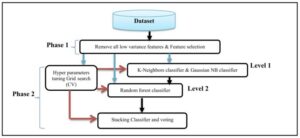
The system implements a two-phase feature reduction process designed to eliminate computational waste while preserving detection power. The Variance Threshold is first applied to remove low-variance features that contribute little to threat identification. This is followed by the Select-K-Best technique, which retains only the most relevant attributes for classification.
Through this rigorous filtration, the researchers successfully narrowed down datasets to as few as 13 or 19 significant features—a dramatic reduction that slashes processing time without compromising detection capability. This efficiency gain is critical for real-time cybersecurity applications where milliseconds matter.
At the heart of the system lies a stacking ensemble classification structure. Base learners consist of K-Nearest Neighbors and Gaussian Naive Bayes algorithms, which feed into a Random Forest classifier serving as the meta-classifier. The Random Forest model is optimized using Grid Search cross-validation to ensure peak performance.
This layered approach allows the system to leverage the strengths of multiple algorithms while compensating for individual weaknesses, resulting in more robust and reliable threat detection.
Rigorous Testing on Contemporary Threat Datasets
The model was validated using two benchmark datasets widely recognized in cybersecurity research: CIC-IDS2017 and CIC-DDoS2019. These datasets contain representations of current cyber attack types, including distributed denial-of-service (DDoS) attacks, denial-of-service (DoS) attacks, brute force attempts, port scans, web application attacks, and bot activity.
The first stage involves feature selection, where a Double Feature Selection method is applied to identify the most relevant and influential features for training the model. In the second stage, the model is developed using an ensemble machine learning stacking approach by combining K-Nearest Neighbors and Gaussian Naive Bayes classifiers with a Random Forest classifier. A final classifier is then produced by selecting the optimal features for each classifier at each stage / THE JOURNAL OF ENGINEERING RESEARCH 2025;22:173–186
Experimental results demonstrated that the proposed system “outperforms various existing intrusion detection methods, effectively overcoming common shortcomings such as redundant feature processing, extended training times, and the challenges posed by imbalanced datasets where attack samples are significantly outnumbered by normal traffic.”
Real-World Applications
The authors emphasize that the method’s combination of efficient feature engineering and ensemble learning makes it suitable for practical, real-time cybersecurity deployments. As networks grow faster and more complex, the ability to detect threats quickly and accurately becomes increasingly critical for protecting infrastructure, data, and users.
Looking ahead, the researchers recommend “extending the approach to IoT environments, where resource constraints make lightweight yet accurate detection essential.” They also suggest integrating deep learning models with the current framework to further enhance detection capabilities against evolving threat landscapes.
The study adds to growing body of research exploring artificial intelligence applications in cybersecurity, a field racing to keep pace with increasingly sophisticated attack methods targeting everything from personal devices to critical national infrastructure.
The Government has finalized setting up of PM Mega Integrated Textile Region and Apparel (PM MITRA) Parks at 7 sites viz. Tamil Nadu (Virudhnagar), Telangana (Warangal), Gujarat (Navasari), Karnataka (Kalaburagi), Madhya Pradesh (Dhar), Uttar Pradesh (Lucknow) and Maharashtra (Amravati) with an outlay of Rs. 4,445 cr for a period of seven years upto 2027-28.
A total of 18 proposals were received from 13 State Governments. After evaluating proposals received from different State Governments via a transparent challenge matrix, the 7 sites as above were finalized for setting up of PM MITRA Parks.
The state-wise details of land acquired, current status of land development and trunk infrastructure are as under:-
State
Land acquired
(in Acres)
Current status of land development of core and external infrastructure (Upto 31.01.2026)
Madhya Pradesh
2,158
Works Worth Rs. 817.19 Cr. are under execution for development of core and/or External infrastructure
Tamil Nadu
1,052
Works Worth Rs. 577.8 Cr. are under execution for development of core and/or External infrastructure
Gujarat
1,142
Works Worth Rs. 496.4 Cr. are under execution for development of core and/or External infrastructure
Karnataka
1,000
Works Worth Rs. 50.9 Cr. are under execution for development of core and/or External infrastructure
Uttar Pradesh
1,000
Works Worth Rs. 990.71 Cr. are under execution for development of core and/or External infrastructure
Maharashtra
1,020
Works Worth Rs. 685.18 Cr. are under execution for development of core and/or External infrastructure
Telangana
1,327
Works Worth Rs. 759.99 Cr. are under execution for development of core and/or External infrastructure
Under the component of Development Capital Support (DCS) of PM MITRA Park Scheme, a total of Rs 160 cr has been released to the States of Madhya Pradesh, Tamil Nadu, Telangana and Maharashtra. In addition, infrastructure works worth Rs 2,160.17 cr for providing external infrastructure till the park gates have been started by the state governments and an expenditure of Rs. 564.72 cr has been incurred so far.
In PM MITRA Park Madhya Pradesh, 1,130.28 acres of land has been allotted to investors with a proposed investment of Rs 21,436.91 cr. In Tamil Nadu, 190.44 acres of land have been allotted to investors with proposed investment of Rs 2,192.21 cr. In Telangana, an investment of Rs 3,862 cr has been grounded so far with 540.41 acres of land already allotted. The total investment interest received across all parks so far is Rs 63,177 Cr. Once completed, it is expected that each PM MITRA Park will generate 3 lakh (direct/indirect) employment across all elements of textiles value chain benefitting all segments of the population including local comminutes
The PM MITRA Parks Scheme was approved for a period of seven years till 2027-28.
In the Union Budget 2026-27, an announcement regarding setting up of Mega Textile Parks in challenge mode along with a focus on bringing value addition to technical textiles was made by the Hon’ble Finance Minister.
In order to ensure early sanction and quick implementation of the Scheme, the Ministry has initiated a process of stakeholder consultation with State Governments and other stakeholders. It has also constituted a Joint Working Group to discuss scheme guidelines, eligibility criteria, selection process and evaluation parameters.
This information was provided by textiles minister Giriraj Singh in a written reply to a question in Lok Sabha on Tuesday.
India’s emergence as a global digital power now hinges on its ability to build artificial intelligence systems that are indigenous, inclusive, and aligned with national priorities.
As AI increasingly shapes governance, public services, industry, and citizen engagement, the need for homegrown foundational models has become important. These models must be trained on Indian languages, local data, and real-world contexts to ensure relevance and effectiveness.
Built with the vision of creating AI systems specifically for India, Sarvam AI is an organization that is developing artificial intelligence tailored to India’s needs by building foundational components and applying them to the country’s unique linguistic, enterprise, and governance requirements. The company has built a full-stack AI platform, with everything developed, deployed, and governed entirely in India. These enterprise grade platforms reflect the country’s linguistic diversity and are designed to support public service delivery. Its work directly addresses long-standing barriers in accessibility, multilingual communication, and dependence on foreign AI infrastructure.
At the India AI Impact Summit 2026, Union Home Minister Amit Shah stated that Sarvam AI exemplifies why the future belongs to India. He noted that the company “is ensuring technology reaches every citizen, advancing the vision of Viksit Bharat, where innovation serves as a trusted ally in empowering people and strengthening the nation.”
Driving Digital Self-Reliance through Indigenous AI Models
Strengthening indigenous AI infrastructure is central to India’s vision of technological sovereignty, digital self-reliance, and inclusive growth. In an era where artificial intelligence shapes governance, economic competitiveness, and citizen services, building AI systems rooted in local languages, datasets, and regulatory frameworks ensures that innovation aligns with national priorities and societal needs. Indigenous AI development not only safeguards strategic autonomy but also fosters economic resilience and equitable access to emerging technologies.
In this context, Sarvam AI stands out as one of the 12 organisations selected under the Innovation Centre pillar of the IndiaAI Mission to develop indigenous foundational models, with financial and compute support amounting to Rs.246.72 crore.
The company is building large language and speech models (LLMs) tailored for Indian languages and public service delivery, with capabilities such as voice-based interfaces, document processing, and citizen-centric applications that enhance accessibility and ease of use. By developing homegrown AI models aligned with national objectives, Sarvam AI is reducing reliance on foreign AI systems while strengthening the open-source ecosystem and enabling innovation across startups, academia, research institutions, and industry.
An AI model is a computer program trained on vast amounts of data to recognize patterns, make predictions, or generate new content, acting like a digital brain.
Sarvam AI’s models include:
Bulbul (Text-to-Speech): Available in 11 Indian languages with 39 distinct speaker voices.
Saaras (Speech-to-Text): Supports all 22 scheduled languages, 8kHz telephony audio, and code-mixed speech.
Vision (Document Understanding): Tailored for 22+ Indian languages, mixed scripts, and handwritten text
Through these foundational capabilities, Sarvam AI demonstrates how India-centric AI can evolve into scalable, resilient, and population-scale digital infrastructure, enhancing public service delivery, improving linguistic accessibility, and reinforcing India’s journey toward a globally competitive AI ecosystem.
Full-Stack Sovereign AI Ecosystem of Sarvam AI
Sarvam AI has built a comprehensive, full-stack sovereign AI ecosystem designed to serve enterprises, governments, developers, and creators across India. Developed end-to-end within the country spanning compute infrastructure, foundational models, platforms, and real-world applications. The ecosystem reflects commitment to technological self-reliance in artificial intelligence.
An AI stack is the complete set of tools and systems that work together to build and run AI applications. These applications range from everyday tools such as Siri and Alexa, to advanced systems used in healthcare diagnostics, financial fraud detection, and transportation.
What Sarvam AI ecosystem consists of?
Sarvam for Conversations: Enterprise-grade (high capacity) conversational AI delivering human-like, culturally fluent voices in 11 Indian languages. Handles over 100 million interactions with 500ms latency, deploys within 24 hours, and achieves up to 10x ROI.
Sarvam for Work: A unified enterprise AI platform that accelerates value creation through an AI-assisted build-debug-optimize cycle. Open and modular, it integrates seamlessly with any model, data source, or infrastructure.
Sarvam AI for Content: Enables multilingual video dubbing with voice cloning and precise audio-visual sync, along with document translation that preserves layout and tone, supported by built-in quality review and editing tools.
Sarvam AI for Edge Intelligence: Delivers compact, low-latency multimodal AI for real-world deployment, combining edge and cloud inference to power real-time assistants, on-device NLP, and high-speed translation and summarisation.
Through this integrated architecture, Sarvam AI is not merely building applications but establishing a scalable digital backbone for India’s AI future. By converging infrastructure, language intelligence, enterprise capability, and edge deployment into one sovereign ecosystem, it positions India to innovate independently, deploy responsibly, and compete globally, while ensuring that advanced AI remains accessible, secure, and aligned with national development priorities.
Strategic Partnerships For Public Service Delivery
Sarvam AI’s institutional collaborations are transforming indigenous innovation into measurable public value across India. By working closely with national and state governments, the company is embedding advanced AI capabilities into critical service delivery systems.
UIDAI (Unique Identification Authority of India) partnered with Sarvam AI to enhance Aadhaar services using AI-driven voice interaction, real-time fraud detection, and multilingual support. A custom GenAI stack will operate within UIDAI’s secure, on-premise infrastructure, supporting 10 Indian languages with real-time enrolment feedback and fraud alerts.
The Government of Odisha in collaboration with Sarvam AI are establishing a 50MW AI-optimized Sovereign AI Capacity Hub to serve as a national compute backbone. It will support AI use cases in mining, industrial safety, and Odia-language skilling, contributing to the sovereign compute grid.
The Government of Tamil Nadu and IIT Madras, in collaboration with Sarvam, are developing Digital Sangam, India’s first Sovereign AI Research Park, anchored by a 20MW AI data center to integrate advanced compute, research, and startup incubation for large-scale AI applications. Collectively, these initiatives demonstrate how coordinated public partnerships can deploy homegrown AI infrastructure at massive scale.
US President Donald Trump is badly trapped between his campaign promises against war and the strategic quicksand he has walked into on February 28, 2026, joining Israeli attacks on Iran, killing its top leadership. As the escalated war enters Day 18, Trump has no good options, and his reaction will likely be driven by ego and legacy, not ideology.
Option 1: The “Splendid Little War” Exit
Trump could simply declare victory. He could point to the killing of Khamenei and the degradation of Iranian military assets and say “mission accomplished.” However, the article argues this is harder than it sounds. Iran will not stop attacking US assets just because Trump stops. A unilateral withdrawal would leave Israel exposed and Gulf states vulnerable, and it would signal to the world that American might has limits.
Option 2: Double Down (Boots on the Ground)
This is the nightmare scenario. Trump repeatedly promised never to put American boots on the ground in Iran. But the article suggests it may be the only way to ensure a regime amenable to his demands. Given his political base and his “no new wars” brand, this is highly unlikely unless Iran pulls off a massive, embarrassing attack on US soldiers.
Option 3: Outsource the War
Arming Kurdish or ethnic factions sounds tempting, but the analysis calls this a “recipe for disaster.” It would fragment the opposition, drive neutral Iranians toward the regime, and create regional instability. Trump likes quick fixes, and this is a messy, long-term quagmire. He will likely avoid it.
Option 4: Pressure Israel
Trump retains massive leverage over Netanyahu due to Israel’s dependence on US military aid. If Trump decides the war is bad for his legacy and bad for the economy, he will force Israel to accept constraints. He will trade future Israeli strike capabilities for a ceasefire that stabilizes oil markets.
US President Donald Trump /White House
Trump is likely to seek a ceasefire, even if it means wrestling a concession from Israel. He did not start this war to die in it. He started it to look strong, and now he needs to end it without looking weak. The tragedy, as the author notes, is that the silent majority of Iranians who just want a decent life will be the ones left holding the pieces.
Iran’s Choice Backed by 40-Year-Long Strategy
Iran’s options are limited, but its strategy is clear: it is choosing to bleed the clock rather than win the battle. Tehran knows it cannot defeat the US military in a conventional face-off. So, it is playing the long game.
Choice 1: Inflict Enough Pain to Force a Choice on Trump
Iran’s strategic objective is to make the war so costly for the US and global markets that Trump is forced to negotiate a ceasefire on terms that benefit Tehran. Specifically, Iran wants assurances that future Israeli strikes will be constrained. They are betting that Trump cares more about oil prices and his legacy than about permanently erasing the Islamic Republic.
Choice 2: Hold Back Capabilities
Iran is deliberately not unleashing its full arsenal. It has refrained from unleashing the Houthis fully, launching broad cyberattacks, or mounting terrorism against US interests abroad. This is a calculated choice to keep reserves in the bank, ensuring that the regime can survive a long war of attrition without triggering an immediate apocalyptic escalation.
Choice 3: Nuclear Option
While not explicitly stated, the consequence is that if the Islamic regime feels existential threat, racing toward a nuclear weapon remains a theoretical backstop. However, for now, they are choosing protracted pain over desperate measures.
India’s “silver economy”, the ecosystem of goods and services catering to the elderly, is rapidly transitioning from a niche social welfare concern into a formidable economic driver, currently valued at approximately ₹73,000 crore ($8.8 billion) and poised for explosive growth in the coming decades.
With the country’s senior population projected to surge from 153 million in 2020 to 347 million by 2050—more than doubling in three decades—the sector is expected to expand at an annual rate of 20 percent, potentially reaching $50 billion by 2030, according to government and industry data .
This demographic shift, which will see the elderly share of India’s population climb from 11 percent to 21 percent by mid-century, is reshaping everything from housing and healthcare to financial services and technology adoption. The old-age dependency ratio is forecast to move from 16 percent in 2020 to 34 percent by 2050, fundamentally altering family structures and caregiving dynamics across the nation .
Senior Living Market Gains Momentum
The most visible manifestation of this transition is the booming senior living housing market, which is expanding at a compound annual growth rate of 17.4 percent. Industry research indicates the sector was valued at $3.55 billion in 2025 and is projected to reach $14.14 billion by 2031, registering a remarkable CAGR of 25.92 percent during the forecast period .
Major players including Ashiana Housing, Antara Senior Care, and Columbia Pacific Communities are aggressively developing age-friendly “lifestyle” projects, expanding beyond traditional southern strongholds into northern and western metropolitan regions. This geographic diversification is being encouraged by state-level incentives that reduce transaction costs for older buyers.
Independent living currently dominates the market with a 64.50 percent share, where residents purchase or rent units resembling standard apartments but benefit from emergency call systems, housekeeping, and recreational programs. Assisted living, though smaller, carries a 27.35 percent CAGR, with developers now creating “continuum-of-care” campuses where independent, assisted, and memory-care wings sit side by side—allowing residents to shift care levels without leaving familiar surroundings .
However, adoption faces cultural headwinds. The Longitudinal Ageing Study of India reports that 26.7 percent of urban elders now live alone, yet the Maintenance and Welfare of Parents and Senior Citizens Act 2007 reinforces expectations of at-home care. Current penetration of senior living communities stands at merely 1 percent, compared to 11 percent in the United Kingdom, suggesting vast headroom for growth despite lingering stigma .
Healthcare Transformation and Government Initiatives
The healthcare dimension of the silver economy is equally transformative. With over 75 percent of Indian seniors living with chronic diseases, demand for home-based medical services, telemedicine, wearable health trackers, and remote monitoring is rising sharply. The Ayush sector—Ayurveda and Yoga—is seeing increased demand for preventive care among health-conscious older adults .
The Union government has responded with significant policy interventions. The Ministry of Social Justice and Empowerment has launched the SAGE Portal, supporting startups developing elderly-care products with equity funding up to ₹1 crore, and the SACRED Portal, a digital platform helping citizens over 60 find re-employment opportunities .
Most significantly, the Union Cabinet recently approved expanding Ayushman Bharat Pradhan Mantri Jan Arogya Yojana (AB PM-JAY) to provide free health coverage of ₹5 lakh per year for all senior citizens aged 70 and above, regardless of income. This groundbreaking move aims to benefit approximately 4.5 crore families containing six crore senior citizens .
“The eligible senior citizens will be issued a new distinct card under AB PM-JAY,” the Ministry of Health and Family Welfare announced. Senior citizens aged 70 and above belonging to families already covered under the scheme will receive an additional top-up cover of up to ₹5 lakh per year exclusively for themselves, which they need not share with other family members below 70 .
President Droupadi Murmu, addressing a joint sitting of Parliament in January, highlighted that during the past year-and-a-half, Vay Vandana cards have been issued to approximately one crore senior citizens, with nearly eight lakh receiving free treatment as hospital in-patients .
Budget 2026: Building Care Infrastructure
The Union Budget 2026-27 has doubled down on elderly care infrastructure, announcing that approximately one lakh allied health professionals will be added across ten disciplines—including optometry, radiology, anaesthesia, and applied psychology—over the next five years. The Union Health Ministry has been allocated ₹1,000 crore for the Scheme for Allied Health Care Professionals for the first time .
Additionally, a focused programme will train 1.5 lakh geriatric caregivers, addressing the rapidly rising long-term care needs of India’s elderly population. Finance Minister Nirmala Sitharaman stated that programmes aligned with the National Skills Qualifications Framework (NSQF) will be developed to train multi-skilled caregivers combining core care skills with wellness, yoga, and operation of medical devices .
“A strong care ecosystem, covering geriatric and allied care services will be built,” Sitharaman said while presenting the Budget. “In the coming year, 1.5 lakh caregivers will be trained” .
This workforce expansion addresses critical shortages. According to the Ministry of Health & Family Welfare’s National Health Workforce Accounts, India currently has about 12–13 lakh allied health professionals, while workforce assessments suggest the country requires at least 25–30 lakh to meet current and projected demand—implying a shortfall of over 10 lakh workers .
Financial Framework and Challenges
On the financial front, the Senior Citizens’ Savings Scheme remains a primary tool for steady returns, while Atal Pension Yojana enrolments have reached over 8.27 crore by late 2025. Budget 2026 discussions have proposed increasing the standard deduction to ₹90,000 from ₹75,000 to ease the tax burden on retirees, alongside a ₹10,000 crore Biopharma Shakti initiative to boost domestic medicine manufacturing, aiming for long-term affordability of chronic disease drugs .
Yet significant challenges persist. India produces fewer than 80 geriatricians annually, creating a critical workforce gap. Limited digital literacy hinders many seniors from accessing online health and financial services, while accessible public transport and “barrier-free” urban design remain underdeveloped outside major urban centers .
Writing in The Times of India, public health professional Pratima Kishore and geriatrician Dr. Abhishek Shukla noted: “District hospitals should have dedicated geriatric outpatient services. Primary health centres must be equipped to manage chronic disease follow-ups and frailty screening. Referral systems should be streamlined so that older adults are not left navigating fragmented services” .
They emphasized that “a significant proportion of elderly health needs do not require hospitalisation. They require assistance with mobility, medication management, nutrition, physiotherapy and basic daily activities. Without formal systems, this responsibility continues to fall on families, particularly women, who shoulder a disproportionate burden of unpaid caregiving” .
Market Outlook
Industry analysts project that meeting anticipated demand will require roughly 2.4 million new units designed for older residents by 2030 . Competition is shifting from small local operators to integrated real-estate and healthcare alliances that bundle preventive care, telemedicine, and social engagement services.
Technology adoption, particularly wearables that transmit blood pressure and glucose readings, is improving risk management and reducing liability insurance premiums for operators. Partnerships with tertiary hospitals provide visiting specialists, while tele-diagnostics reduce response time during medical events .
The Elderline national toll-free helpline (14567) continues to provide information, guidance, and emotional support to seniors across the country, complementing the growing ecosystem of formal elderly care services .
As India ages while still strengthening its public health and social protection systems—unlike many high-income countries that aged after becoming wealthy—the window for strategic intervention remains open. How the nation responds to its demographic transition will shape not only health outcomes but economic stability, gender equity, and family resilience in the decades ahead.
A new study has established that individuals whose drinking water was supplied by newer groundwater were at a greater risk of getting Parkinson disease as compared to those individuals whose drinking water was supplied by older ground water.
The study does not prove that newer groundwater causes Parkinson’s; it only shows an association.
Older groundwater would usually have less contaminants since it is mostly deeper and well covered.
It was discovered by the researchers that drinking water that was derived in carbonate aquifers was related to the 24 percent greater risk of Parkinson disease as compared to other varieties of aquifers.
It was also linked to increased 62 percent risks than when one uses water in glacial aquifers.
It has also been reported that newer ground water, less than 75 years, in carbonate systems was linked to increased risk of Parkinson by 11 per cent than older than 12,000 years of ice age ground water.
People whose drinking water was supplied by more recent groundwater were at a greater risk of developing Parkinson’s disease compared to those whose drinking water was served by older groundwater as per a preliminary study published March 2, 2026, and will be presented at the 78th Annual Meeting of the American Academy of Neurology to be held April 18-22, 2026, in Chicago and online. The research does not demonstrate that newer groundwater is a cause of Parkinson disease but just indicates that there is a correlation.
The paper examined the age of ground water. It also examined aquifers which were the sources where groundwater was extracted. An aquifer refers to a layer of porous rock, sand or silt in the ground that contain and moves the ground water.
This study was carried out by a study author who at the time of conducting the research was a member of the American Academy of Neurology in Phoenix, Arizona, a researcher named Brittany Krzyzanowski, PhD at the Atria Research Institute in New York City, and is considered to have conducted the research in one way or the other as she was studying our exposure to modern pollution through drinking water. More pollutants have been exposed to newer groundwater, which is formed by precipitation that has fallen during the last 70 to 75 years. The aged groundwater tends to have fewer contaminants due to the fact that most of them tend to be deep and have a better protection against surface contaminants. Our research established that the groundwater age and groundwater location is a possible environmental risk factor of Parkinson disease.
The researchers used 12,370 individuals with Parkinson’s disease and over 1.2 million individuals without the disease to derive the results after matching the individuals based on variables such as age, sex and race and ethnicity. All the participants were within 3 miles of 1,279 groundwater sampling locations in 21 large aquifers in the U.S.
The researchers sought to examine age of groundwater, type and source of drinking water (either municipal groundwater systems or personal wells) to be used as a possible indicator of exposure to neurotoxic contaminants.
The most common aquifer in the United States is carbonate aquifers which are mainly composed of limestone and the water is trapped in the fissures and cracks. They are usually quite vulnerable to the contamination of the surface water by groundwater flowing through fractures very fast.
The composition of glacial aquifers is made up of sand and gravel containing water in the cracks and they are formed when the glaciers had moved forward and back over 12, 000 years ago. Such aquifers are more likely to facilitate a more diffuse flow and natural filtration.
Carbonate aquifers are prevalent in U.S. in portions of Midwest, South and Florida whereas glacial aquifers are prevalent in Upper Midwest and Northeast.
Of all individuals with Parkinson 3,463 received their drinking water as a product of carbonate aquifers, 515 received it as a product of glacial aquifers and 8,392 received it as a product of other aquifers. Of non-Parkinson 300 264 obtained their drinking water through carbonate aquifers, 62 917 glacial aquifers, and 860 993 other aquifers.
It was found that when factors like age, sex, income, and air pollution were taken into consideration, individuals that received their drinking water in municipal ground water system or in private wells that worked off carbonate aquifers were at a greater risk of developing Parkinson disease by 24% compared to everyone who received their drinking water in all other aquifers. Their risk was also 62 times and compared to individuals who had glacial water aquifers.
The safety of older groundwater was discovered under the condition when water was obtained in carbonate aquifers. The risk of Parkinson disease decreased by about 6.5 per one-standard-deviation of groundwater age. It was also discovered that newer ground water (less than 75 years old) of carbonate systems had 11% more likelihood of causing Parkinson disease than ground water older than 12,000 years old of ice age.
Carbonate systems
Krzyzanowski postulated that the data on the apparent protective effect of older groundwater is observed predominantly in carbonate systems due to their ability to present a more distinct contrast between newer and older water. Newly recharged groundwater in such aquifers is more susceptible to surface contamination, whereas older groundwater can also be cleaner in case it is segregated by a confining layer.
According to Krzyzanowski, on the contrary, groundwater flow in glacial aquifers is slower, and contaminants are filtered in their natural course by groundwater as it flows through the ground. Consequently, the amount of contamination between new and old groundwater in these aquifers might not vary greatly and thus might be difficult to detect.
Krzyzanowski observed that the origin of the drinking water of individuals can typically be determined through the local water utility or, in the case of a personal well, through state or county groundwater sources.
According to Krzyzanowski, this study emphasized the fact that the origin of our water, groundwater age, and the nature of water source, may influence the long-term neurological health. Although further studies are required, the integration of knowledge on groundwater and brain health can be beneficial to enable communities to evaluate and mitigate environmental risks.
One of the weaknesses of the study was that, it assumed that all people within a 3-mile area around a point of sampling had the same aquifer characteristics and age of the groundwater at the point of sampling.
The objects of revulsion, disgust and fear are frequently members of the arachnid class–think spiders, scorpions and harvestmen (daddy long legs). However, they are essential towards the prosperity of the ecosystems.
Considering the plummeting global biodiversity, and some even refer to it as the insect apocalypse, two ecologists at the University of Massachusetts Amherst chose to see what is generally happening with insects and arachnids in the United States, only to find huge gaps in the data. Their study, which was recently published in PNAS, suggests that an imminent need to evaluate, preserve and appreciate insects and arachnids, which is a major support of planetary health.
The senior author of the paper is Laura Figueroa, an assistant professor of environmental conservation in the UMass Amherst, who writes that insects and arachnids are basic to human society. They are useful in the pollination and control of pests biologically; they may also be used as environmental indicators to monitor air and water quality, and have become so ingrained in various other cultures all over the world that we can think of Aragog in the Harry Potter books, as an example. Many humans are interested in popular charismatic animals on earth such as the lion and the panda which deserved the international conservation interest rightfully. Since insects and arachnids do not normally receive the same attention, we were interested in how they were doing.
To determine the health of our creepier crawlier neighbors, Figueroa and her graduate student, Wes Walsh, the lead author of the paper, compiled conservation assessments of the 99312 known insect and arachnids species in North America, north of Mexico.
Findings mind boggling
As Figueroa says, almost 90 percent of the species of insects and arachnids, or 88.5 percent to be exact, have none of the conservation status. “We do not even know how they are doing. Little is known concerning the conservation requirements of the majority of the insects and arachnids in North America.”
The small data available was skewed to aquatic species that are crucial to water quality surveillance (mayflies, stoneflies and caddisflies), and more popular insect fauna such as butterflies and dragonflies got a disproportionate portion of protection.
Even the arachnids are not enjoying conservation; most states do not even protect one species of the spider group. More information and security to the insects, yet arachnids as well, says Walsh.
Another finding made by the team was that states that were most dependent on extractive industries, e.g., mining, quarrying and oil and gas extraction, had lower chances to protect either insects or arachnids but those with more eco-centric views by the populace were protecting more species.
Comparatively, Figueroa refers to the conservation of birds, which has been much more successful in conservation and preservation of species. According to the research, it turns out that you will get the best conservation efforts when there is a broad and diverse coalition of people. In the example of the birds, they were the hunters, the bird watchers, the nonprofit organizations and many more constituencies that joined their hands in an effort to achieve a unified objective.
Insects and arachnids are not things to be feared, as Walsh ignores with a gorgeous spider tattoo on his arm. It is time to value them and recognize their ecological significance, and this should start with the gathering of more information and the recognition that they deserve conservation.
Entering elementary school is a big step and it may be a challenging one since a child may become anxious in separation or may not adjust to school life in terms of rules and organization. Nevertheless, according to a group of researchers at Penn State, frequent practices at home were able to lower the chances of a child having difficulty in the school transition.
The researchers discovered in a publication in Developmental Psychology that the stronger the routines of the rural, low-income families, i.e. bedtime, shared meals, the lower the behavior problems and attention-deficit hyperactivity disorder (ADHD) symptoms of their children reported by their parents. But, the greater the levels of harsh or aggressive parenting, i.e., yelling and threatening by the mother or father, the less the advantages of household structure.
We need routines, and you can not be too strict with them, but that is what co-author Lisa Gatzke-Kopp, a professor and the head of the Department of Human Development and Family Studies at Penn State, said. I have always said that the two most important things to have in parenting are consistency and flexibility. It can be viewed as a paradox, and such findings suggest the idea that balance actually matters.
Study on 999 Rural Income Families
The authors analyzed data of 999 rural low-income families in North Carolina and Pennsylvania that joined the Family Life Project, the long-lasting research partnership of Penn State, the University of North Carolina and New York University. The subjects in the Family Life Project were enlisted when a child was born in the family and the study ended when the group of children reached the age of 19 years.
The present research utilized data in three waves of statistical data collection, which started in 2007-08 when the research participants were about four years old. These measures were used to record the children in preschool, kindergarten and first grade to record the complete shift to primary school. During every annual evaluation, parents responded to questions concerning family practices, physical parenting, child behavior issues and child ADHD symptoms. The researchers also assessed the capacity of cognitive flexibility of the parents at the beginning of the study, the ability to change the way of thinking to a particular or dynamic situation.
The surveys given to parents to measure harsh parenting also comprised questions on whether they yelled, swore, threw things, stomped out of the room and had engaged in other aggressive behaviors; child behavior problems, which included aggressive, oppositional and rule-breaking behavior; and child ADHD symptoms, which included signs of inattention and hyperactivity-impulsivity. Questions concerning family routines on bedtime, frequent family meals and household habits were also answered by parents.
Parents, in families that had a high routine and low harsh parenting levels across the duration of the study, indicated that they had fewer child behavior problems and ADHD symptoms. Within the families in which harsh parenting was less every year, there were less symptoms of child ADHD when parents said that they practiced less harsh parenting.
The researchers attributed the effect of family routines to harsh parenting which neutralized the protective effect of family routines. The level of misbehavior portrayed by children in high levels of routine and harsh parenting households were the same as children in low levels of routine households.
Flexible parenting improves cognitive ability
According to Gatzke-Kopp, a faculty member of the newly formed Penn State Social Science Research Institute who works on the study on a co-funded basis, children are attempting to discover how the world functions. The more stable and encouraging the surrounding is, the less children will experience difficulties in being calm and seeing the way to act in a new environment, such as in school.
To the parents who are interested in introducing some order into a home Gatzke-Kopp suggested a regular bedtime schedule, which may include such relaxing methods as reading to a child. She also cited regular, low-demand, screen-free, family time and shared meals as excellent points to any parent to bring routine in their families.
All the factors that were found in the study had small effects; however, Gatzke-Kopp indicated that this was not surprising.
Gatzke-Kopp said that you cannot presume that in case you make good habits, your child will develop flawless behaviors. Routines and parenting style are not the only things that contribute to behavior problems in your child: there are a lot of factors.
There will be no family that will not encounter some amount of conflict, she said.
Gatzke-Kopp said: “All children are difficult! Negative behaviors should not cause parents to be alarmed that their child is having a problem. And it is not that the parents are not doing something wrong.
Blue tears is a stunning, natural bioluminescent phenomenon where coastal waters glow with an ethereal blue light, primarily caused by massive blooms of microscopic marine plankton, such as Noctiluca scintillans or ostracod crustaceans, disturbed by wave motion. Often seen in China, Taiwan, and the Maldives, this glowing,, sometimes toxic, “sea of stars” usually occurs in warmer months.
The chasing of blue tears has emerged as a common tourism activity in the recent years along the coastlines in order to experience the natural spectacular. Nonetheless, algal blooms occurrences and movements are unpredictable, and this affects the quality of tourist experiences as well as introducing safety risks and ecological pressures.
A group of researchers headed by the professor of the Shenzhen Institutes of Advanced Technology of the Chinese Academy of Sciences, Li Jianping, and the partners of the Ministry of Natural Resources came up with a novel algorithm to monitor videos in real-time called BT-YOLO in one of the studies published in the Ecological Informatics.
Bt-YOLO algorithm makes it possible to pixel-by-pixel segment the glowing parts of video footage and localize and analyze bloom strength and distribution in a quantitative manner. In contrast to the traditional approach of revealing the existence of the so-called blue tears, the given algorithm offers the scientific rationale to rate the blooms harshness and advance to the creation of a predicting algorithm.
(Courtesy: AGU–Advanced Earth and Space Sciences)
We have made scales and rulers to measure blue tears. It is after the implementation of the coastal surveillance camera network that this algorithm will enable us to carry out quick quantification and get closer to an operational forecasting system, as explained by Prof. LI. The algorithm can also be used to track other features in the seas like the red tide and marine debris, and there is a solution to smart coastal management.
The research forms a basis upon which the time, place, magnitude, and severity of the occurrence of blue tears can be predicted. The forecasting system will be further refined through the data of the coastal camera networks that will bring the system nearer to the real world which will allow balancing the ecological protection with the sustainable tourism.