

India’s “silver economy”, the ecosystem of goods and services catering to the elderly, is rapidly transitioning from a niche social welfare concern into a formidable economic driver, currently valued at approximately ₹73,000 crore ($8.8 billion) and poised for explosive growth in the coming decades.
With the country’s senior population projected to surge from 153 million in 2020 to 347 million by 2050—more than doubling in three decades—the sector is expected to expand at an annual rate of 20 percent, potentially reaching $50 billion by 2030, according to government and industry data .
This demographic shift, which will see the elderly share of India’s population climb from 11 percent to 21 percent by mid-century, is reshaping everything from housing and healthcare to financial services and technology adoption. The old-age dependency ratio is forecast to move from 16 percent in 2020 to 34 percent by 2050, fundamentally altering family structures and caregiving dynamics across the nation .
Senior Living Market Gains Momentum
The most visible manifestation of this transition is the booming senior living housing market, which is expanding at a compound annual growth rate of 17.4 percent. Industry research indicates the sector was valued at $3.55 billion in 2025 and is projected to reach $14.14 billion by 2031, registering a remarkable CAGR of 25.92 percent during the forecast period .
Major players including Ashiana Housing, Antara Senior Care, and Columbia Pacific Communities are aggressively developing age-friendly “lifestyle” projects, expanding beyond traditional southern strongholds into northern and western metropolitan regions. This geographic diversification is being encouraged by state-level incentives that reduce transaction costs for older buyers.
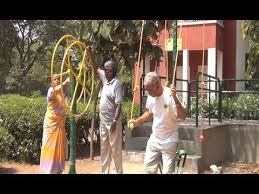

Independent living currently dominates the market with a 64.50 percent share, where residents purchase or rent units resembling standard apartments but benefit from emergency call systems, housekeeping, and recreational programs. Assisted living, though smaller, carries a 27.35 percent CAGR, with developers now creating “continuum-of-care” campuses where independent, assisted, and memory-care wings sit side by side—allowing residents to shift care levels without leaving familiar surroundings .
However, adoption faces cultural headwinds. The Longitudinal Ageing Study of India reports that 26.7 percent of urban elders now live alone, yet the Maintenance and Welfare of Parents and Senior Citizens Act 2007 reinforces expectations of at-home care. Current penetration of senior living communities stands at merely 1 percent, compared to 11 percent in the United Kingdom, suggesting vast headroom for growth despite lingering stigma .
Healthcare Transformation and Government Initiatives
The healthcare dimension of the silver economy is equally transformative. With over 75 percent of Indian seniors living with chronic diseases, demand for home-based medical services, telemedicine, wearable health trackers, and remote monitoring is rising sharply. The Ayush sector—Ayurveda and Yoga—is seeing increased demand for preventive care among health-conscious older adults .
The Union government has responded with significant policy interventions. The Ministry of Social Justice and Empowerment has launched the SAGE Portal, supporting startups developing elderly-care products with equity funding up to ₹1 crore, and the SACRED Portal, a digital platform helping citizens over 60 find re-employment opportunities .
Most significantly, the Union Cabinet recently approved expanding Ayushman Bharat Pradhan Mantri Jan Arogya Yojana (AB PM-JAY) to provide free health coverage of ₹5 lakh per year for all senior citizens aged 70 and above, regardless of income. This groundbreaking move aims to benefit approximately 4.5 crore families containing six crore senior citizens .
“The eligible senior citizens will be issued a new distinct card under AB PM-JAY,” the Ministry of Health and Family Welfare announced. Senior citizens aged 70 and above belonging to families already covered under the scheme will receive an additional top-up cover of up to ₹5 lakh per year exclusively for themselves, which they need not share with other family members below 70 .
President Droupadi Murmu, addressing a joint sitting of Parliament in January, highlighted that during the past year-and-a-half, Vay Vandana cards have been issued to approximately one crore senior citizens, with nearly eight lakh receiving free treatment as hospital in-patients .
Budget 2026: Building Care Infrastructure
The Union Budget 2026-27 has doubled down on elderly care infrastructure, announcing that approximately one lakh allied health professionals will be added across ten disciplines—including optometry, radiology, anaesthesia, and applied psychology—over the next five years. The Union Health Ministry has been allocated ₹1,000 crore for the Scheme for Allied Health Care Professionals for the first time .
Additionally, a focused programme will train 1.5 lakh geriatric caregivers, addressing the rapidly rising long-term care needs of India’s elderly population. Finance Minister Nirmala Sitharaman stated that programmes aligned with the National Skills Qualifications Framework (NSQF) will be developed to train multi-skilled caregivers combining core care skills with wellness, yoga, and operation of medical devices .
“A strong care ecosystem, covering geriatric and allied care services will be built,” Sitharaman said while presenting the Budget. “In the coming year, 1.5 lakh caregivers will be trained” .
This workforce expansion addresses critical shortages. According to the Ministry of Health & Family Welfare’s National Health Workforce Accounts, India currently has about 12–13 lakh allied health professionals, while workforce assessments suggest the country requires at least 25–30 lakh to meet current and projected demand—implying a shortfall of over 10 lakh workers .
Financial Framework and Challenges
On the financial front, the Senior Citizens’ Savings Scheme remains a primary tool for steady returns, while Atal Pension Yojana enrolments have reached over 8.27 crore by late 2025. Budget 2026 discussions have proposed increasing the standard deduction to ₹90,000 from ₹75,000 to ease the tax burden on retirees, alongside a ₹10,000 crore Biopharma Shakti initiative to boost domestic medicine manufacturing, aiming for long-term affordability of chronic disease drugs .
Yet significant challenges persist. India produces fewer than 80 geriatricians annually, creating a critical workforce gap. Limited digital literacy hinders many seniors from accessing online health and financial services, while accessible public transport and “barrier-free” urban design remain underdeveloped outside major urban centers .
Writing in The Times of India, public health professional Pratima Kishore and geriatrician Dr. Abhishek Shukla noted: “District hospitals should have dedicated geriatric outpatient services. Primary health centres must be equipped to manage chronic disease follow-ups and frailty screening. Referral systems should be streamlined so that older adults are not left navigating fragmented services” .
They emphasized that “a significant proportion of elderly health needs do not require hospitalisation. They require assistance with mobility, medication management, nutrition, physiotherapy and basic daily activities. Without formal systems, this responsibility continues to fall on families, particularly women, who shoulder a disproportionate burden of unpaid caregiving” .
Market Outlook
Industry analysts project that meeting anticipated demand will require roughly 2.4 million new units designed for older residents by 2030 . Competition is shifting from small local operators to integrated real-estate and healthcare alliances that bundle preventive care, telemedicine, and social engagement services.
Technology adoption, particularly wearables that transmit blood pressure and glucose readings, is improving risk management and reducing liability insurance premiums for operators. Partnerships with tertiary hospitals provide visiting specialists, while tele-diagnostics reduce response time during medical events .
The Elderline national toll-free helpline (14567) continues to provide information, guidance, and emotional support to seniors across the country, complementing the growing ecosystem of formal elderly care services .
As India ages while still strengthening its public health and social protection systems—unlike many high-income countries that aged after becoming wealthy—the window for strategic intervention remains open. How the nation responds to its demographic transition will shape not only health outcomes but economic stability, gender equity, and family resilience in the decades ahead.