
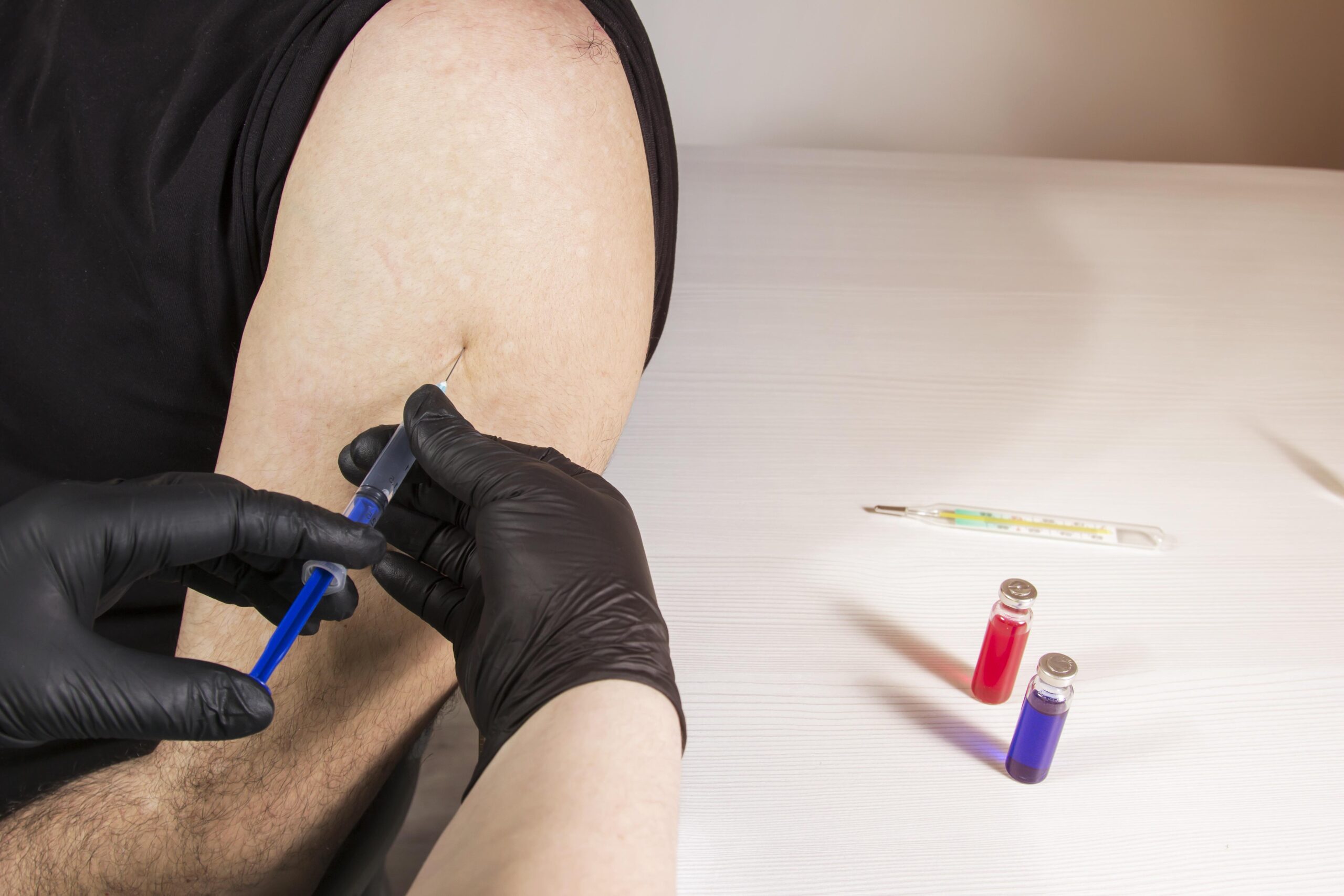
New research provided at the Annual Scientific Session of the American College of Cardiology shows that a shingles vaccine could provide important protection against heart complications that are life-threatening in individuals who already have a cardiovascular disease.
The researchers used a huge population of over 246,000 adults with atherosclerotic heart disease in the United States to carry out the study and discovered that individuals who had at least one dose of a shingles vaccine had significantly lower risks of serious cardiac events within one year than those who were never vaccinated.
It was found that vaccinated people had almost twice the risk to experience major adverse cardiac events – which consists of heart attacks, strokes and cardiovascular-related deaths. These results complement an emerging body of literature that the shingles vaccine has some other positive effects other than protection against viral infection.
The analysis was performed based on 2018 to 2025 health records with the TriNetX database and comparing two matched groups (more than 123,000 patients each) one of them vaccinated with Shingrix or Zostavax and the other one unvaccinated. The respondents were 50 and above and with very similar demographic and health characteristics.
The changes were intense within a follow-up period of one month to a year after vaccination. It was discovered that vaccinated patients were 46 percent lower than unvaccinated ones to suffer a significant cardiac event and 66 percent less prone to death of any cause. Heart attack risk was reduced by 32 percent and the risks of stroke and heart failure also decreased by 25 percent.
Found in High Risk Individuals
The protective effect was found to be particularly potent in people who were already at high cardiovascular risk, said the lead author Dr Robert Nguyen of the University of California, Riverside. He observed that the risk reduction is equal to significant lifestyle change like smoking cessation.
It is not new to medical experts that shingles is an inflammatory condition caused by reactivation of the varicella-zoster virus and can result in development of blood clots that may cause cardiovascular complications. The vaccine can indirectly eliminate these risks by acting as a preventive measure towards infection.
U. S. Centers for Disease Control and Prevention now suggest the use of shingles vaccination to all adults above 50 years of age and to those younger with compromised immune systems. Although the vaccine is mainly meant to stop painful rashes and long-term nerve damage related to shingles, the new benefits on the cardiovascular system can reinforce the arguments in favor of increasing the coverage.
Within One Year of Vaccination
Nevertheless, scholars warned that the research was looking at the results within one year of vaccination. The impact of long-term effect may be wavering, though previous studies pointed out that protective benefits might last many years.
There were also other limitations that were appreciated in the study. People who vaccinate might be better placed to adopt healthier behaviours on the whole, which would somewhat affect the outcomes notwithstanding the ability to control socioeconomic and lifestyle differences.
Nevertheless, the size of the dataset and the agreement of the results of the research conducted on several outcomes give credibility to the conclusion that the shingles vaccination is linked to the significant decrease in cardiovascular risk.
The evidence emerges against the backdrop of more general campaigns against vaccine hesitancy and misinformation, with scientists highlighting the possibility of established vaccines having broader health utility than previously realized.
Also Read:
India’s first Nasal Vaccine against COVID- 19 gets nod for emergency use