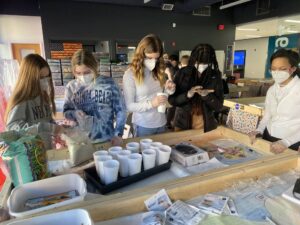
Poshan Vatikas being set up across country to provide affordable access to fruits, vegetables, medicinal plants and herbs

Under various interventions taken up by the Ministry of Women and Child Development jointly with Ministry of Ayush, close to 4.37 lakh Anganwadi Centres have set up Poshan Vatikas. Additionally, so far, 1.10 lakh medicinal saplings have also been planted across some of the selected districts of 6 States.

Under ongoing Poshan Maah 2022, activities for setting-up nutri-gardens or retro-fitting Poshan Vatikas with backyard poultry / fishery units is being carried out in a big way across the country.

So far, more than 1.5 lakh events on retrofitting Poshan Vatikas with backyard poultry and fishery units have been reported. Also, more than 75 thousand sensitization camps have been conducted to promote millets and backyard kitchen gardens. Interestingly, to replicate the model of Poshan Vatikas at/around new AWCs, close to 40 thousand land identification drives for nutri-gardens/Poshan Vatikas have also been reported under Poshan Maah so far.

Poshan Vatikas or Nutri- gardens being set up across the country to provide easy and affordable access to fruits, vegetables, medicinal plants and herbs.

Launched on 8th March, 2018, by the Hon’ble Prime Minister, POSHAN Abhiyaan aims to improve nutritional outcomes for children, adolescents, pregnant women & lactating mothers.  The Abhiyaan is a key component of Mission Poshan 2.0 which seeks to address the challenges of malnutrition in children, adolescent girls, pregnant women and lactating mothers through a strategic shift in nutrition content and delivery and by creation of a convergent eco-system to develop and promote practices that nurture health, wellness and immunity.

A key plank of the goal to enable the right kind of nourishment are the Poshan Vatikas or Nutri-gardens that are being set up across the country to provide easy and affordable access to fruits, vegetables, medicinal plants and herbs.  The idea is simple; to provide a fresh and regular supply of locally produced fruits, vegetables and medicinal plants to women and children straight from a nutri-garden at or near an Anganwadi Centre.

Poshan Vatikas or Nutri- gardens being set up across the country to provide easy and affordable access to fruits, vegetables, medicinal plants and herbs.

Poshan Vatikas can play an important role in enhancing dietary diversity by providing key micronutrients through local fruits and vegetables. Poshan Vatikas are a good example of convergent action on-ground. Beyond the reward of locally available wholesome produce, it will reduce external dependency and make communities atmanirbhar for their nutritional security.

Shopkeeper held in TamilNadu’s Tenkasi for refusing to sell candies to Scheduled Caste children

Sep 18 (IANS) The Tenkasi police has arrested Maheswaran, a shopkeeper for refusing to sell snacks and candies to Scheduled Caste children. The district administration sealed the shop and cancelled his license.

Police said that a group of Scheduled Caste children approached Maheswaran for buying snacks and candies on Saturday. He refused to sell them and told them that they won’t get snacks and candies or for that matter anything from his shop.

When the children asked him the reason, he told them that the village elders belonging to his community had decided that they wouldn’t sell anything to the Scheduled Caste people. The video of Maheswaran refusing to sell snacks and candies went viral and Tenkasi district collector, P. Akash intervened in the matter and ordered an investigation.

Arrested

It was found that there was a clash between a group of Scheduled Caste youths with the youths of the intermediate caste during a marriage function and police had registered a case against youths of both sides. A youth belonging to the intermediate caste, K. Ramachandran was to attend an interview with a defence force, but was not able to attend as he was charged under SC/ST Atrocities Act. This infuriated the intermediate caste people and decided to ostracise the Scheduled Caste youth.

Ramachandran was arrested by the Karivalamvanthallur police in Tenkasi district and later on Saturday night, Maheswaran was also arrested.

NASA Awards $4 Million Through New Space Grant KIDS Opportunity

NASA is awarding more than $4 million to institutions across the U.S. to help bring the excitement of authentic NASA experiences to groups of middle and high school students who are traditionally underserved and underrepresented in STEM.

The new Space Grant K-12 Inclusiveness and Diversity in STEM (SG KIDS) opportunity will boost these students’ sense of belonging in STEM subjects, a critical first step toward STEM degrees and careers.

SG KIDS is a pilot program made possible through NASA’s National Space Grant and Fellowship Project, which comprises Space Grant Consortia led by an institution in each of the 50 states, the District of Columbia, and Puerto Rico. This opportunity represents a new approach by asking the awarded consortia to reach beyond state boundaries to create regional projects tailored to students in those areas. Through partnerships, the awardees will be able to share these exciting STEM opportunities with students residing in other states.

sg_kids_award/Photo: NASA

“Through Space Grant KIDS, we’ve asked the nation’s Space Grant consortia to deploy educational activities across state lines to share the excitement of NASA and STEM with students who otherwise might not have that opportunity,” said Mike Kincaid, NASA’s associate administrator for the Office of STEM Engagement, which administers NASA Space Grant. “We’re looking forward to seeing how these regional partnerships will make a lasting difference for the Artemis Generation.”

SG KIDS addresses the White House Executive Order on Advancing Racial Equity and Support for Underserved Communities Through the Federal Government, as well as NASA Administrator Bill Nelson’s focus on providing authentic STEM opportunities to K-12 students.

The projects funded under SG KIDS will provide students with hands-on experiences and lessons that bring NASA’s missions to life, provide training and resources to the educators teaching those students, and boost the STEM ecosystem in these regions.

NASA/Photo: Nasa.gov

“Space Grant KIDS is designed to establish networks that deliver enriching NASA STEM experiences to underserved student populations,” said Dr. Erica Alston, NASA’s deputy Space Grant manager. “We can leverage these networks to reach traditionally overlooked groups in future DEIA efforts.”

Each of the four grantees, Virginia Space Grant Consortium, Georgia Space Grant Consortium, Ohio Space Grant Consortium and Texas Space Grant Consortium, will receive approximately $1,050,000 in cooperative agreements to put their proposals into action during the next three years.

Eating behavior of parents plays key role in child’s emotional eating

Emotional eating, or eating as a coping mechanism for negative, positive, or stress-driven emotions, is associated with unhealthy dietary patterns and weight gain. A research article featured in the Journal of Nutrition Education and Behavior, published by Elsevier, discusses adolescent vulnerability to emotional eating and how various feeding practices used by parents, such as restriction, food as reward, and child involvement, influence eating behavior.

“Emotional eating was previously found to be more learned than inherited. This study examined not only the interaction between parents when feeding their children, but also what children learned from watching their parents eat,” said lead author Joanna Klosowska, MSc, Department of Public Health and Primary Care, Ghent University, Ghent, Belgium.

Eating/Photo:en.wikipedia.org

Over the four years between 2013 −2017, covering the time from late childhood to middle adolescence, changes occurred in some parental practices. Parents reported higher monitoring and healthy modeling feeding practices, while the reported levels of food restriction and the healthy environment remained unchanged. During the same time period, adolescents reported a considerable increase in emotional eating from below the average in 2013 to above the average in 2017, according to the norms for the Dutch population. Additionally, the maladaptive way in which they regulated their emotions was also associated with emotional eating.

Dining/Photo:en.wikipedia.org

Food as a reward and monitoring food increased emotional eating especially in instances where the adolescent employed maladaptive strategies in regulating their emotions. Child involvement in meals had an opposite effect since it was associated with higher levels of emotion regulation and lower levels of emotional eating. Interestingly, a parent’s restrained eating behavior was linked to less emotional eating in adolescents.

“This study suggests that parents continue to play an important role in their child’s eating behavior into their teen years,” said Klosowska. “Additional research is needed to understand the impact restrained eating demonstrated by a parent impacts the emotional eating of a child.”


Fish oil, vitamin D supplements during pregnancy lower risk of croup in babies

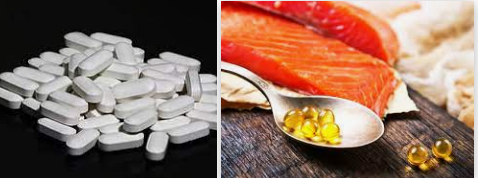
Babies and children under three years old are less likely to develop croup if their mothers took fish oil and vitamin D supplements during pregnancy, according to new results from a clinical trial.

Croup is a viral chest infection that affects young children. It causes a characteristic ‘barking’ cough, a hoarse voice and difficulty breathing. Croup is common and usually mild, but some children will need hospital treatment and breathing support.

The study was presented by Dr Nicklas Brustad, a clinician and postdoctoral researcher working on the Copenhagen Prospective Studies on Asthma in Childhood (COPSAC) at Copenhagen University Hospital, Denmark.

He told the Congress: “There is currently no vaccine against the pathogen that causes this disease. Therefore, other preventive strategies are needed, and measures initiated during pregnancy might be important since croup occurs in babies and young children. For such purpose, there is evidence that both vitamin D and fish oil could have an influence on the immune system.”

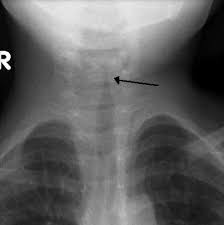
croup-chest infection/photo:en.wikipedia.org

The study included 736 pregnant women being cared for by COPSAC from 2010. The women were divided up into four groups. One group were given a high-dose vitamin D supplement (2800 international units per day) and fish oil containing long-chain n-3-polyunsaturated fatty acids (2.4 grams), the second group were given high-dose vitamin D and olive oil, the third group were given standard-dose vitamin D (400 international units per day) and fish oil, and the final group were given standard-dose vitamin D and olive oil. All the women took the supplements daily from their 24th week of pregnancy until one week after their babies were born. Neither the women nor the researchers knew which supplements they were taking until the end of the study.

Researchers monitored the children until they were three years old and any who were suspected of suffering from croup were diagnosed by a doctor or via their medical records. There was a total of 97 cases of croup amongst the children.

Vitamins-Fish oil supplements/photo:en.wikipedia.org

Overall, children whose mothers took the fish oil had an 11% risk of croup, compared to 17% in the children whose mothers took olive oil (a 38% decrease). Children whose mothers took high-dose vitamin D had an 11% risk of croup, compared to an 18% risk in those whose mothers took the standard-dose vitamin D (a 40% decrease).

Dr Brustad said: “Our findings suggest that vitamin D and fish oil could be beneficial against childhood croup in sufficiently high doses. These are relatively cheap supplements meaning that this could be a very cost-effective approach to improving young children’s health.

Vitamin D and fish oil can stimulate the immune system to help babies and young children clear infections more effectively.”

The research team working at COPSAC have already investigated other potential benefits of vitamin D and fish oil during pregnancy, including its effects on bone development, the central nervous system, body composition and asthma. They will continue to follow the children in the study and plan to investigate why some children are more prone to infections in childhood than others.

Professor Rory Morty from the University of Heidelberg is chair of European Respiratory Society’s lung and airway developmental biology group and was not involved in the research. He said: “We know that lung health in babies and young children can be influenced during pregnancy. For example, babies whose mothers smoke tend to have worse lung health. We are increasingly seeing that elements of a mother’s diet can also help or hinder a baby’s lung development.

“This research suggests that taking vitamin D and fish oil supplements during pregnancy could have benefits for babies and young children. We would like to see further research in this area to support these findings as this could lead to new recommendations for supplementation during pregnancy. Pregnant women should always speak to their doctor before taking supplements.”


Ahead of US schools reopen, study finds kids 100 times more potential to spread Covid-19

As schools in the United States are gearing up to open, anew study has come out stating that children are equally susceptible to infection with severe acute respiratory syndrome coronavirus 2 (SARS-CoV-2) but exhibit mild symptoms compared with adults. Though data is sparse on children, they do spread respiratory and gastrointestinal illnesses far wider than previously thought.

Early reports did not find strong evidence of children as major contributors to SARS-CoV-2 spread owing to school closures ahead of the pandemic and no large-scale investigations of schools in community transmission had been conducted, said the researchers. Now that public health systems ponder to reopen schools and day cares, the new study on children’s transmission potential has sent alarm bells to public health officials in the US and elsewhere.

The study conducted between March 23 and April 27, 2020 on replication of SARS-CoV-2 in older children found similar levels of viral nucleic acid as adults, but significantly greater amounts of viral nucleic acid among those younger than 5 years. The SARS-CoV-2 reverse transcriptase–polymerase chain reaction (PCR) was performed on nasopharyngeal swabs collected at various hospitals and clinics including drive-through testing sites at a pediatric tertiary medical center in Chicago, Illinois.

This cohort included all individuals aged younger than 1 month to 65 years who tested positive for SARS-CoV-2 or those with symptoms suggestive of a COVID-19–compatible illness and/or high-risk exposures. In all, 145 patients with mild to moderate illness within 1 week of symptom onset were tested.

Divided in 3 groups — young children younger than 5 years, older children aged 5 to 17 years, and adults aged 18 to 65 years — researchers found young children had significantly equivalent or more viral nucleic acid in their upper respiratory tract compared with older children and adults. Some had even 100-fold greater amount of SARS-CoV-2 in the upper respiratory tract.

Thus, the study suggests that young children can potentially be important drivers of SARS-CoV-2 spread in the general population, and are more likely to transmit. “Behavioral habits of young children and close quarters in school and day care settings raise concern for SARS-CoV-2 amplification in this population as public health restrictions are eased,” wrote authors in their paper published in the journal JAMA Pediatrics.

Reducing racial bias in children

We tend to see people we’re biased against as all the same. They are “those people.” Instead of thinking of them as specific individuals, we lump them into a group. Now an international team of researchers suggests that one way to reduce racial bias in young children is by teaching them to distinguish among faces of a different race.

The study, published in the journal Child Development, is the first to show a lasting effect – and in kids young enough to not be too set in their ways.

It is co-authored by researchers from the University of California San Diego, the University of Toronto, the University of Delaware, l’Université Grenoble Alpes in France, and Hangzhou Normal University and Zhejiang Normal University in China.

Two 20-minute sessions with 4- to 6-year-old Chinese children, in which they were trained to identify black male faces as individuals, reduced implicit bias in the children for at least two months.

Key to reducing the bias? The repeat session.

“A single session had minimal immediate effects that dissipated quickly. The lesson didn’t stick. But a second session a week later seemed to act like a booster shot, producing measurable differences in implicit bias 60 days later,” said Gail Heyman, a professor of psychology in the UC San Diego Division of Social Sciences and a senior co-author on the study.

Kang Lee, of the University of Toronto and also a senior co-author, said, “We know from other research that preferences for your own race develop in early childhood. Our method has the advantage of being suitable for very young children, and it also improves children’s ability to recognize faces, which is an important social skill in and of itself.”

First author on the study is Miao K. Qian, of Hangzhou Normal University and the University of Toronto.

The researchers are careful to note that racial bias is complicated. For starters, psychologists think there may be at least two different types of bias: implicit bias, or the extent to which we have subconscious negative and positive associations with different races, and explicit bias, or preferences we’re more aware of and can (if we’re not being guarded) articulate. Implicit bias may have perceptual roots, arising from greater exposure to people of your own race, while explicit bias may be learned socially from adults and peers. Then there’s the question of behavior. How implicit or explicit bias translates into biased behavior is a subject yet to be fully explored.

“We think that reducing implicit racial bias in children could be a starting point for addressing a pernicious social problem,” Heyman said. “But it is not the complete answer to racial discrimination or to systemic, structural racism.”

The researchers worked with 95 children in an eastern city in China. All the kids were Han Chinese and, according to their guardians’ reports, none had direct interaction with any non-Asian people prior to the study. As with most longitudinal studies, there was attrition among participants for a number of reasons, with a final sample, at day 70, of 50.

To measure bias, the researchers used their own Implicit Racial Bias Test (or IRBT), which they’ve validated in a previous paper with subjects in China and Cameroon. The IRBT is a preschool-friendly adaptation of the implicit association test (or IAT). The logic of the two tests is similar: People are quicker to associate positive attributes with members of their own race than with those of another racial category. A difference in response time is taken as a measure of implicit bias. One advantage of the IRBT, the researchers say, is that it uses only pictures instead of words: simple and intuitive smiley and frowny icons that subjects are asked to pair with neutral faces of their own race or a different one.

After measuring the children’s levels of pro-Asian/anti-black bias by calculating how quick they were to pair a frowny or smiley icon with a black male vs. an Asian male face, the researchers assigned them randomly to three different training groups. One group saw black male faces, a second group saw white male faces, and a third group saw Asian male faces. These last two groups were controls to see if learning to differentiate among faces of any race, different from one’s own or the same, produced results that generalized to a third.

Individuation training consisted of learning to identify five different faces that had been numbered 1 through 5, starting with just two faces and working up to five. Training continued until the child correctly matched all five faces with their numerical “names.” This took 20 minutes on average.

There were two training sessions a week apart. A day after each training, children took the implicit racial bias test again. They were tested for bias a final time 60 days after the second training.

The results: Only the training to distinguish among black faces reduced pro-Asian/anti-black bias. Training on white faces or Asian ones didn’t make a difference. Reduction in bias was most significant after the second session and it had a longer-lasting effect than had been documented before.

The researchers are now working with a larger, more diverse group of children in Toronto over a longer term. If their intervention to reduce implicit racial bias is effective in that setting as well, they hope to develop a more consumer-friendly version of their training sessions: a fun, gamified app that could be used in schools and at home.

Children who Arrived at Rashtrapati Bhavan from Rameswaram by the bus ‘Dr Kalam Sandesh Vahini Vision 2020’ call on President

Children who arrived at Rashtrapati Bhavan from Rameswaram by the bus ‘Dr Kalam Sandesh Vahini Vision 2020’ called on the President of India, Shri Ram Nath Kovind, at Rashtrapati Bhavan on October 15, 2017.

Speaking on the occasion, the President said that Dr Kalam is one of the greatest personalities ever. He said that he saluted Dr Kalam and his monumental achievements as a scientist, a scholar and as the President of India. One of the best ways of building the character of the youth of any country is to inspire them to read biographies of great personalities.

The President said that Dr Kalam was one of India’s greatest visionaries and is fondly remembered as ‘The Missile Man of India’ and ‘People’s President’. He has made momentous contribution to India’s scientific heritage through his involvement in varied fields ranging from nuclear technology to designing low cost stents for the heart or lightweight calipers for polio victims. India will never forget the remarkable contributions of Dr Kalam. He had a great passion for teaching and education and truly ignited young minds with the power to think and innovate. He enjoyed being with people. He was adored by people and youngsters. He loved students and spent his final moments among them.

The President said that the Dr Kalam Sandesh Vahini bus presents the life story of Dr Kalam in a very interesting manner. He appreciated the effort. He said he was sure that a large number of Indians, especially the young people have benefited by seeing the mobile exhibition on the life, works and the vision of Dr Kalam.

The Kalam Sandesh Vahini was launched by House of Kalam and Chinmaya University. The Vahini depicts various incidents from Dr Kalam’s life as well as key highlights of India’s scientific achievements, with an aim to educate and inspire the masses. It was flagged off by Prime Minister, Shri Narendra Modi from Rameswaram on July 27, 2017, during the inauguration ceremony of Dr Kalam’s memorial. The Vahini has travelled from Rameswaram, through various states, to finally arrive at Rashtrapati Bhavan in New Delhi.

Earlier in the day, the President paid floral tributes at the portrait of Dr APJ Abdul Kalam, former President of India, on the occasion of his birth anniversary at Rashtrapati Bhavan. Officers and staff of Rashtrapati Bhavan along with family members of Dr Kalam also paid floral tributes on the occasion.

Pushy or laid back? Economic factors influence parenting style

Settling on a parenting style is challenging. Is it better to be strict or more lenient? Have helicopter parents found the right approach to guiding their children’s choices?

A new study co-authored by Yale economist Fabrizio Zilibotti argues that parenting styles are shaped by economic factors that incentivize one strategy over others.

Zilibotti and co-author Matthias Doepke, a professor of economics at Northwestern University, assert in a paper published in the journal Econometrica that economic conditions, especially inequality and return to education, have influenced child-rearing strategy.

“All parents want their children to succeed, and we argue that the economic environment influences their methods of childrearing,” said Zilibotti, the Tuntex Professor of International and Development Economics at Yale. “For instance, greater occupational mobility and lower inequality today makes an authoritarian approach less effective than generations ago. It’s not that parents spare the rod because they are more concerned about their children’s wellbeing now than they were 100 years ago. Rather, parenting strategies adapted to the modern economy.”

Zilibotti and Doepke assert that parents are driven by a combination of altruism — a desire for their children to succeed — and paternalism that leads them to try to influence their children’s choices, either by molding their children’s preferences or restricting them. These motivations manifest in three parenting styles: A permissive style that affords children the freedom to follow their inclinations and learn from their own experiences; an authoritative style in which parents try to mold their children’s preferences to induce choices consistent with the parents’ notions of achieving success; and an authoritarian style in which parents impose their will on their children and control their choices.

“There is an element of common interest between parents and children — a drive for success — but there is tension where parents care more about their children’s wellbeing as adults,” Zilibotti said. “We postulate that socioeconomic conditions drive how much control or monitoring parents exercise on their children’s choices.”

The researchers apply their model across time periods and between countries. Parenting became more permissive in the 1960s and 1970s when economic inequality reached historic lows in industrialized countries and parents could realize a return on letting children learn from their own experiences, they argue. Across countries, they document a link between parenting, on the one hand, and income inequality and return to education, on the other hand. Using the World Value Survey, where people are asked which attitudes or values they find most important in child rearing, they identify permissive parents with those emphasizing the values of imagination and independence in rearing children, whereas authoritarian and authoritative parents are those who insist on the importance of hard work and obedience, respectively. They show that parents in more unequal countries are less permissive. The same pattern emerges when they consider redistributive policies. In countries with more redistributive taxation, more social expenditure, and even stronger civil right protection, parents are significantly more permissive.

The researchers assert that their theory can help explain the recent rise of “helicopter parenting,” a version of the authoritative style in which parents seek to influence their children’s choices with a combination of persuasion and intensive monitoring. They argue that the style gained purchase in the United States as economic inequality increased, inducing a shift to more intensive parenting to strengthen children’s drive for achievement and prevent them from risky behaviors. Meanwhile, they argue, more permissive parenting remains popular in Scandinavian countries, where inequality is lower than it is in the United States.

Child abuse affects brain wiring

Impaired neural connections may explain profound and long-lasting effects of traumatic experiences during childhood

  • For the first time, researchers have been able to see changes in the neural structures in specific areas of the brains of people who suffered severe abuse as children.
  • Difficulties associated with severe childhood abuse include increased risks of psychiatric disorders such as depression, as well as high levels of impulsivity, aggressivity, anxiety, more frequent substance abuse, and suicide.
    Severe, non-random physical and/or sexual child abuse affects between 5-15 % of all children under the age of 15 in the Western world.
  • Researchers from the McGill Group for Suicide Studies, based at the Douglas Mental Health University Institute and McGill University’s Department of Psychiatry, have just published research in the American Journal of Psychiatry that suggests that the long-lasting effects of traumatic childhood experiences, like severe abuse, may be due to an impaired structure and functioning of cells in the anterior cingulate cortex. This is a part of the brain which plays an important role in the regulation of emotions and mood.
  • The researchers believe that these changes may contribute to the emergence of depressive disorders and suicidal behaviour.

Crucial insulation for nerve fibres builds up during first two decades of life

For the optimal function and organization of the brain, electrical signals used by neurons may need to travel over long distances to communicate with cells in other regions. The longer axons of this kind are generally covered by a fatty coating called myelin. Myelin sheaths protect the axons and help them to conduct electrical signals more efficiently. Myelin builds up progressively (in a process known as myelination) mainly during childhood, and then continue to mature until early adulthood.

Earlier studies had shown significant abnormalities in the white matter in the brains of people who had experienced child abuse. (White matter is mostly made up of billions of myelinated nerve fibres stacked together.) But, because these observations were made by looking at the brains of living people using MRI, it was impossible to gain a clear picture of the white matter cells and molecules that were affected.

To gain a clearer picture of the microscopic changes which occur in the brains of adults who have experienced child abuse, and thanks to the availability of brain samples from the Douglas-Bell Canada Brain Bank (where, as well as the brain matter itself there is a lot of information about the lives of their donors) the researchers were able to compare post-mortem brain samples from three different groups of adults: people who had committed suicide who suffered from depression and had a history of severe childhood abuse (27 individuals); people with depression who had committed suicide but who had no history of being abused as children (25 individuals); and brain tissue from a third group of people who had neither psychiatric illnesses nor a history of child abuse (26 people).

Impaired neural connectivity may affect the regulation of emotions

The researchers discovered that the thickness of the myelin coating of a significant proportion of the nerve fibres was reduced ONLY in the brains of those who had suffered from child abuse. They also found underlying molecular alterations that selectively affect the cells that are responsible for myelin generation and maintenance. Finally, they found increases in the diameters of some of the largest axons among only this group and they speculate that together, these changes may alter functional coupling between the cingulate cortex and subcortical structures such as the amygdala and nucleus accumbens (areas of the brain linked respectively to emotional regulation and to reward and satisfaction) and contribute to altered emotional processing in people who have been abused during childhood.

The researchers conclude that adversity in early life may lastingly disrupt a range of neural functions in the anterior cingulate cortex. And while they don’t yet know where in the brain and when during development, and how, at a molecular level these effects are sufficient to have an impact on the regulation of emotions and attachment, they are now planning to explore this in further research.

New hope for ‘bubble baby disease’

Babies born with Severe Combined Immune Deficiency (SCID) syndrome are defenceless against bacterial and viral infections that would be virtually harmless to most healthy people. If untreated, SCID is often fatal within a baby’s first year of life.

Research led by the University of Hong Kong has resulted in a new testing regime that could speed up the diagnosis of SCID, allowing more infants to receive life-saving treatment within a critical timeframe.

For the best chance of survival, infants with SCID should be treated as soon after birth as possible, and preferably within three-and-a-half months. However, poor recognition of SCID by front-line doctors is leading to delays in diagnosis, later treatments and poorer outcomes.

The authors of a recent study, published in open-access journal Frontiers in Immunology, have developed a “checklist” of potential SCID markers: a family history of early infant death, persistent candidiasis (often presenting as persistent thrush), Bacillus Calmette-Guérin (BCG) infections, and low absolute lymphocyte counts. “Flagging” an infant showing any one of these four factors would allow potential SCID patients to be fast-tracked for further tests and treatment.

Many countries – including much of Asia and the UK – do not test for SCID in their newborn health-screening programmes, with front-line doctors often left to diagnose the fatal condition. By using this checklist, the authors believe that identification, and hence treatment, of SCID patients will be possible much sooner.

Without a working immune system, newborns with SCID are highly vulnerable, and many will repeatedly visit doctors with serious and recurring infections before being diagnosed.

“The recognition of SCID by doctors is poor in Asia, resulting in delayed diagnoses that jeopoardize the chance of treatment success,” explains lead author Professor Yu Lung Lau, who focused his research on Asian and North African patients. “We wanted to see if we could identify any clinical features that would help doctors to diagnose SCID earlier.”

The study of 147 patients looked at how long it took for doctors to diagnose SCID, relative to the age the babies were first brought to their doctors, and what symptoms they had.

They found that it took an average of two months for babies to be diagnosed, and that the average age at diagnosis was four months old – beyond the critical age for treatment (which is usually stem cell transplants or gene therapy) to begin.

As the researchers examined the data, four SCID “markers” emerged. Taken in isolation, none helped reduce the time taken for a diagnosis. However, 94% of the patients studied showed at least one of the four factors.

“Family history of early infant death due to infection was useful to aid earlier diagnosis, but it was not due to doctors realizing the importance of the family history, but rather due to the family taking the child to see the doctors earlier,” says Lau. “This demonstrates the failure of our medical training and systems in using family history to aid earlier SCID diagnosis.”

Candidiasis emerged as one of the most common infections. Unfortunately, as thrush is relatively common in all infants, its presence actually slowed down the time to diagnosis.

Complications from the BCG vaccination also appeared frequently, and over 88% of the patients in the study had a very low absolute lymphocyte counts (ALC).

“Our main recommendation is to perform lymphocyte subsets for any infant with one or more of the following clinical features: family history, persistent candidiasis, BCG infections and ALC less than 3×10^9/L”, explains Lau. “This would confirm the diagnosis of SCID, if present”.

For the time being, newborn screening remains out of reach in much of Asia, so education of front-line doctors and parents is key.

“Our recommendations may help earlier diagnosis of SCID, and need to be communicated to doctors as well as to ordinary citizens, who can then urge the doctors along our recommendation,” concludes Lau.

Fifty-fifty split best for children of divorce

Preschool children in joint physical custody have less psychological symptoms than those who live mostly or only with one parent after a separation. In a new study of 3,656 children in Sweden, researchers from Uppsala University, Karolinska Institutet and the research institute CHESS show that 3-5-year-olds living alternately with their parents after a separation show less behavioural problems and psychological symptoms than those living mostly or only with one of the parents.

The practice of joint physical custody, i.e. children living alternately and spending approximately the same amount of time in their parents’ respective homes, have increased in recent years and is more common in Sweden than in any other countries. Previous studies have shown that school children and adolescents fare well in joint physical custody. Child experts have claimed the practice to be unsuitable for young children since they are assumed to need continuity and stability in their parent relations. However, few studies of preschool children with joint physical custody have been conducted.

Based on parents’ and pre-school teachers’ estimates, the researchers compared behavioural problems and mental symptoms of 136 children in joint physical custody, 3,369 in nuclear families, 79 living mostly with one parent and 72 children living only with one parent. In this sample, joint physical custody was hence more common than living only or mostly with one parent. The symptoms were assessed using the popular “Strengths and Difficulties Questionnaire” (SDQ), and showed that both preschool teachers and parents indicated children living mostly or only with one parent to have more difficulties than those living in joint physical custody or in nuclear families. In the parental estimates, there were no significant differences between children in nuclear families and joint physical custody, while pre-school staff reported fewer symptoms of children in nuclear families.

The study is the first of its kind to show how Swedish children this young fare in joint physical custody. The assessments of children’s health from the preschool staff, in addition to those of the parents, is a considerable strength of the study. However, the study design does not allow any interpretations of causal relations. Such interpretations require knowledge of the children’s wellbeing and symptoms before parental separation.

Environment Minister Launches ‘Harit Diwali, Swasth Diwali’ Campaign

Union Minister for Environment, Forest and Climate Change, Dr. Harsh Vardhan, launched the “Harit Diwali, Swasth Diwali” campaign, here today. Addressing a gathering of about 800 children from schools of Delhi and NCR, the Minister impressed upon the children the importance of their contribution towards reducing pollution by not bursting harmful fire crackers during Diwali.

Congratulating the teachers and students, Dr. Harsh Vardhan said that it is heartening to see that children have taken on the leadership role in combating air and noise pollution caused by burning of fire crackers during Diwali celebrations. The Minister added that whenever children take up any task, they do not spare any effort in ensuring its success. He urged the children to also learn about the chemicals present in the fire crackers and the impact of these chemicals on various parts of the human body. Dr. Harsh Vardhan impressed upon the children to celebrate this year’s Diwali by not buying fire crackers and instead buy a gift, food items, or sweets for the poor and underprivileged children living in their locality.

Later, Dr. Harsh Vardhan also administered a Pledge for a Green and Healthy Diwali to the gathering of students. The Pledge will be widely circulated to the schools/colleges and other educational institutions and the school administration will be requested to administer the said Pledge during their school assembly up to Diwali. Students presented ‘Nukkad Nataks’ (street plays) and also sang “Prakriti Vandana” on the occasion.

As a part of the campaign, the Environment Ministry will undertake various activities to create awareness among various stakeholders and encourage people to participate in combating air pollution.

Diwali is an integral part of our rich tradition and a festival that embodies joy and happiness. In recent times, the pattern of celebration has changed somewhat and has got associated with excessive bursting of crackers, which contributes significantly to air and noise pollution. As a result, there has been a significant impact on the environment and health of the people.

As has been the experience in the past few years, airborne pollution has been rising above safe limits during winter in many cities. The excessive burning of crackers during Diwali aggravates the problem. The pollution levels in Delhi last year, especially post Diwali, reached such levels that the government had to declare an emergency situation, which had socio-economic consequences like closing down of schools, construction sites and power stations.

In October this year, India will be hosting FIFA U-17 World Cup. It is an important occasion and a matter for pride for India. It is important for us to ensure that there is no inconvenience caused in the conduct of the event and our national image is protected and enhanced.

Some of the activities to promote Green Diwali among school children include stickers/logo distribution, poster competition, advertisement on public transport systems, public appeal using Radio/FM, involving industry associations and other stakeholders. As a part of the social media campaign, an online competition will be conducted, where any individual/organisation can make a video/audio clip on the theme ‘Pollution Free Diwali’. The best of these clips will be used officially to promote the theme across the country.


Obesity in Children on Rise

Junk Food is a term used for food containing high levels of calories from sugar or fat with little fiber, protein, vitamins or minerals. These foods lead to a rapid increase in blood sugar levels (high glycemic index) which forces the body to produce high levels of insulin to counter the rising blood sugar.

As reported by Indian Council of Medical Research (ICMR), development of obesity is multi-factorial and eating of junk and processed food is one of them. Childhood obesity is a risk factor of developing heart diseases and diabetes in later life.

The results available from 15 States/UTs of an ongoing ICMR India Diabetes (ICMR-INDIAB) Study on the prevalence of diabetes indicate overall prevalence of Diabetes varying from 4% to 13%. According to the Report of National Commission on Macroeconomics and Health, there were 641 lakh cases of Cardiovascular Diseases (CVDs) in India in the year 2015.

Ministry of Women and Child Development had constituted a Working Group on addressing consumption of foods High in Fat, Salt and Sugar (HFSS) and promotion of healthy snacks in schools of India, which has given its report.

The Food Safety and Standards Authority of India (FSSAI) constituted an Expert Group on Salt, Sugar and Fat. The Expert Group prepared a draft report on consumption of these items and its health impacts among Indian population and recommendations on healthy dietary intake of these items. While preparing the above report, Expert Group has considered WHO guidelines on ‘Sugar Intake for Adults and Children regarding the adverse impact of high sugar in foods.

ICMR, National Institute of Nutrition (NIN) and other institutions carry out research and studies related to food and healthy diet. Apart from this, the consumers are made aware of food safety through consumer awareness programmes launched jointly by the Department of Consumer Affairs and the Food Safety and Standards Authority of India (FSSAI) which also includes advertisements in different media, campaigns, educational booklets, information on FSSAI website and Mass awareness campaigns.

The Minister of State (Health and Family Welfare), Smt Anupriya Patel stated this in a written reply in the Lok Sabha here today.

Eating disorders linked to increased risk of theft and other criminal behavior

In an analysis of nearly 960,000 females, individuals with eating disorders were more likely to be convicted of theft and other crimes.

The incidences of theft and other convictions were 12% and 7%, respectively, in those with anorexia nervosa, 18% and 13% in those with bulimia nervosa, and 5% and 6% in those without eating disorders. The associations with theft conviction remained in both anorexia and bulimia nervosa even when adjusting for psychiatric comorbidities and for familial factors.

The findings indicate that research is needed to investigate the potential mechanisms underlying the relationship between crime and eating disorder psychopathology, as well as efforts to determine how best to address this relationship in treatment.

“Our results highlight forensic issues as an adversity associated with eating disorders. Criminal convictions can compound disease burden and complicate treatment ,” said Shuyang Yao, lead author of the International Journal of Eating Disorders study. “Clinicians should be sure to conduct routine reviews of criminal history during assessments for eating disorders.”

Scientists develop improved, potentially safer Zika vaccine

The worldwide Zika threat first emerged in 2015, infecting millions as it swept across the Americas. It struck great fear in pregnant women, as babies born with severe brain birth defects quickly overburdened hospitals and public health care systems.

In response, there has been a flurry of heroic scientific efforts to stop Zika. Whole governments, academic labs and pharmaceutical companies have raced to develop Zika vaccines ever since global health experts first realized the dangers wrought by the mosquito-borne virus.

Now, ASU has taken a major step forward in boosting Zika prevention efforts.

ASU Biodesign Institute scientist Qiang “Shawn” Chen has led his research team to develop the world’s first plant-based Zika vaccine that could be more potent, safer and cheaper to produce than any other efforts to date.

“Our vaccine offers improved safety and potentially lowers the production costs more than any other current alternative, and with equivalent effectiveness,” said Chen, a researcher in the Biodesign Center for IVV and professor in the School of Life Sciences. “We are very excited about these results.”

Rapid response network

Several potential Zika vaccines have had promising results in early animal and human tests. Last year, the Food and Drug Administration approved the first human testing of a Zika vaccine candidate, and this summer, a $100 million U.S. government-led clinical trial is underway.

But currently, there are no licensed vaccines or therapeutics available to combat Zika.

Several dedicated ASU scientists also heeded the call to action, wanting to use their special know-how to find a way to overcome the pandemic crisis.

First, ASU chemist Alexander Green, along with collaborators at Harvard, developed a more rapid and reliable Zika test, an achievement highlighted by Popular Science in its “Best of What’s New” of 2016.

Now, Chen may have come up with a better vaccine candidate based on a key Zika protein. Chen is a viral expert who has worked for the past decade on plant-based therapeutics and vaccines against West Nile virus and Dengue fever, which come from the same Zika family, called flaviviruses.

He honed in on developing a vaccine against a part of a Zika viral protein, called DIII, that plays a key role for the virus to infect people.

“All flaviviruses have the envelope protein on the outside part of the virus. It has three domains. “The domain III has a unique stretch of DNA for the Zika virus, and we exploited this to generate a robust and protective immune response that is unique for Zika,” said Chen.

They first grew the envelope protein in bacteria, then switched to prepare the DIII protein domain in tobacco plants.

After developing enough material for the new vaccine candidate, Chen’s team performed immunization experiments in mice, which induced antibody and cellular immune responses that have been shown to confer 100 percent protection against multiple Zika virus strains in a mouse challenge.

Producing plant-based vaccines, especially in tobacco plants, is old hat for ASU researchers like Chen. For more than a decade, they’ve been producing low-cost vaccines in plants to fight devastating infectious diseases in the developing world.

It’s the same approach ASU plant research pioneer Charles Arntzen used when he played a key role in developing ZMapp, the experimental treatment used during the Ebola outbreak.

Artntzen’s Biodesign colleagues, including Chen, Hugh Mason and Tsafrir Mor, have continued to pursue plant-based vaccines and therapeutics to combat West Nile virus, dengue fever, nerve agents and even cancer.

Effective but not foolproof

While Chen has been cheering on Zika vaccine progress from other researchers, in each case, there can be side effects.

To date, other scientists have tested several kinds of vaccines on mice –including one made from DNA and another from an inactivated form of the virus. With just one dose, both vaccines prompted the creation of antibodies that shielded the animals from becoming infected when they were exposed to the virus.

Any heat-killed vaccine runs the risk of accidentally injecting a live version of the virus if there is an error made in the vaccine production protocol. This tragic scenario happened occasionally with the polio vaccine.

For the second research group, they used the complete Zika envelope protein for their vaccine. Since envelope protein domains I and II are similar to West Nile and dengue viruses, this can cause a dangerous cross-reactive immune response.

“When you make the full native envelope protein as the basis for a vaccine, it will induce antibodies against DI, DII and the DIII domains of the protein,” explained Chen. “Those who have been prior exposed to DI and DII of other members of the Zika virus family may be prone to developing very bad symptoms, or in some cases, fatalities for dengue.”

In fact, animal experiments have shown that prior exposure to dengue or West Nile virus makes the Zika infection and symptoms much worse, suggesting a similar risk for people who had prior exposure to dengue (especially in South America, where it is more common).

“If you have prior exposure to dengue, and then have Zika exposure, the Zika infection may be much worse, and for men, may increase the likelihood of sexual transmission,” said Chen.

Chen’s protein-based vaccine uses the smallest and most unique part of the Zika virus that can still elicit a potent and robust immune response.

“In our approach, we make what we call a pseudovirus. It’s a fake virus. The pseudovirus displays only the DIII part of the envelope protein on the surface. This is at least as potent as previous vaccine versions.”

And he is very confident that his DIII-based protein vaccine will be safer.

“We did a test to make sure that the vaccine produces a potent protective immune response, but also, that it does not produce antibodies that may be cross reactive for dengue, West Nile, yellow fever or others,” said Chen.

Fast track to the clinic

During the height of the Zika pandemic, whole countries of women were told not to become pregnant, due to babies born with a severe brain defect called microcephaly, in which the head and brain don’t develop properly.

There have also been vision and hearing defects and learning disabilities associated with less severe infections.

To make matters worse, in adults, a debilitating nervous system condition called Gullian-Barre syndrome has also been shown to be caused by Zika.

While the most severe wave of the Zika pandemic has ebbed, it won’t go away anytime soon, and a vaccine still offers the best hope.

Tens of millions more could still be infected in the Americas in the coming years (see WHO fact sheet).

The ASU scientists were able to mobilize quickly from idea to proof-of-concept because they could leverage funds from an NIAID grant and seed funds from the Biodesign Institute.

These are all made possible by generous federal, state and public support, including sales tax generated from the long-time Arizona innovation booster, voter-approved Proposition 301.

“This is a great example of the brightest minds quickly coming together, with public support, to take on one of the most significant public health challenges of our time,” said Josh LaBaer, executive director of the Biodesign Institute.

“That’s the essence of Biodesign at its best, and we hope this important proof-of-principal of a Zika vaccine can be translated quickly into the clinic.”

With the successful proof-of-principle, Chen hopes to partner with the medical community to begin the first phase of a human clinical trial in the next two years.

“Above all, we have to ensure the utmost safety with any Zika vaccine, especially because the people who will need it most, pregnant women, have the most worries about their own health, and the health of the fetus,” said Chen. “This has to be 100 percent safe and effective.”

Along with Chen, the research team included Ming Yang, Huafang “Lily” Lai and Haiyan Sun.

The research was published in the online version of Scientific Reports.


Compulsory Yoga/Games in high school level for holistic development of children

The Minister of State (I/C) for Youth Affairs and Sports Shri Vijay Goel said in the Rajya Sabha today that education falls under the Concurrent List, majority of schools fall under State Examination Boards and the school curriculum is determined by the State Governments. However, the National Curriculum Framework 2005 recognizes the role of sports and physical education in the holistic development of children and youth in the country. As part of this policy, the Government has made access to play fields, equipment for sports & games and engagement of physical education instructor- a mandatory requirement for all schools under the Right to Education Act.

In a written reply he said, the Central Board of Secondary Education (CBSE) places special importance on co-scholastic areas which includes sports and physical fitness. Details of salient measures taken by CBSE to promote sports in schools are given in the Annexure. It is expected that State Education Boards would also emulate the CBSE example.

Annexure

Annexure referred to in reply to part (a) & (b) of the Rajya Sabha Unstarred Question No. 2558 to be answered on 08.08.2017 regarding ‘Compulsory yoga/games in high school level’ by SHRI MOHD. ALI KHAN:

Salient steps taken to promote yoga/games/sports in the schools affiliated to CBSE are as

follows:

In classes VI-X any two activities out of the following are compulsory:

a. Sports/Indigenous sports (Kho-Kho etc.)

b. NCC/NSS

c . Scouting and Guiding

d. Swimming

e. Gymnastics

f. Yoga

g. First Aid

h. Gardening/Shramdaan

2. The Board has advised schools that there should be at least 40-45 minutes of physical Activities or Games period for Classes I-X every day. For Classes XI- XII schools should ensure that all the students participate in physical Activity / Games / Mass P.T. / Yoga with maximum health benefits for at least two period per week ( 90- 120 min week).

3. The Board also organizes ‘Inter school Sports and Games Competitions’ in as many as 24 disciplines at Cluster, Zone and National level. Over 1.5 lac students participate in it each year. In order to identify, recognize, nurture and develop the extraordinary talent among the students studying in class VIII onwards in sports and games, the Board provides Chacha Nehru Scholarship.

Bilingual babies listen to language

Are two languages at a time too much for the mind? Caregivers and teachers should know that infants growing up bilingual have the learning capacities to make sense of the complexities of two languages just by listening. In a new study, an international team of researchers, including those from Princeton University, report that bilingual infants as young as 20 months of age efficiently and accurately process two languages.

The study, published Aug. 7 in the journal Proceedings of the National Academy of Sciences, found that infants can differentiate between words in different languages. “By 20 months, bilingual babies already know something about the differences between words in their two languages,” said Casey Lew-Williams, an assistant professor of psychology and co-director of the Princeton Baby Lab, where researchers study how babies and young children learn to see, talk and understand the world. He is also the co-author of the paper.

“They do not think that ‘dog’ and ‘chien’ [French] are just two versions of the same thing,” Lew-Williams said. “They implicitly know that these words belong to different languages.”

To determine infants’ ability to monitor and control language, the researchers showed 24 French-English bilingual infants and 24 adults in Montreal pairs of photographs of familiar objects. Participants heard simple sentences in either a single language (“Look! Find the dog!”) or a mix of two languages (“Look! Find the chien!”). In another experiment, they heard a language switch that crossed sentences (“That one looks fun! Le chien!”). These types of language switches, called code switches, are regularly heard by children in bilingual communities.

The researchers then used eye-tracking measures, such as how long an infant’s or an adult’s eyes remained fixed to a photograph after hearing a sentence, and pupil dilation. Pupil diameter is an involuntary response to how hard the brain is “working,” and is used as an indirect measure of cognitive effort.

The researchers tested bilingual adults as a control group and used the same photographs and eye-tracking procedure as tested on bilingual infants to examine whether these language-control mechanisms were the same across a bilingual speaker’s life.

They found that bilingual infants and adults incurred a processing “cost” when hearing switched-language sentences and, at the moment of the language switch, their pupils dilated. However, this switch cost was reduced or eliminated when the switch was from the non-dominant to the dominant language, and when the language switch crossed sentences.

“We identified convergent behavioral and physiological markers of there being a ‘cost’ associated with language switching,” Lew-Williams said. Rather than indicating barriers to comprehension, the study “shows an efficient processing strategy where there is an activation and prioritization of the currently heard language,” Lew-Williams said.

The similar results in both the infant and adult subjects also imply that “bilinguals across the lifespan have important similarities in how they process their languages,” Lew-Williams said.

“We have known for a long time that the language currently being spoken between two bilingual interlocutors — the base language — is more active than the language not being spoken, even when mixed speech is possible,” said François Grosjean, professor emeritus of psycholinguistics at Neuchâtel University in Switzerland, who is familiar with the research but was not involved with the study.

“This creates a preference for the base language when listening, and hence processing a code-switch can take a bit more time, but momentarily,” added Grosjean. “When language switches occur frequently, or are situated at [sentence] boundaries, or listeners expect them, then no extra processing time is needed. The current study shows that many of these aspects are true in young bilingual infants, and this is quite remarkable.”

“These findings advance our understanding of bilingual language use in exciting ways — both in toddlers in the initial stages of acquisition and in the proficient bilingual adult,” said Janet Werker, a professor of psychology at the University of British Columbia, who was not involved with the research. She noted that the findings may have implications for optimal teaching in bilingual settings. “One of the most obvious implications of these results is that we needn’t be concerned that children growing up bilingual will confuse their two languages. Indeed, rather than being confused as to which language to expect, the results indicate that even toddlers naturally activate the vocabulary of the language that is being used in any particular setting.”

A bilingual advantage?

Lew-Williams suggests that this study not only confirms that bilingual infants monitor and control their languages while listening to the simplest of sentences, but also provides a likely explanation of why bilinguals show cognitive advantages across the lifespan. Children and adults who have dual-language proficiency have been observed to perform better in “tasks that require switching or the inhibiting of a previously learned response,” Lew-Williams said.

“Researchers used to think this ‘bilingual advantage’ was from bilinguals’ practice dealing with their two languages while speaking,” Lew-Williams said. “We believe that everyday listening experience in infancy — this back-and-forth processing of two languages — is likely to give rise to the cognitive advantages that have been documented in both bilingual children and adults.”

Clinical Trials of Antibiotics on Children

Central Licensing Authority i.e. Drugs Controller General (India) has given approval for conduct of various clinical trials of Antibiotics on children under one year of age. During the last three years, such clinical trials approved were mainly related to trials in Multi Drug Resistant Tuberculosis (MDRTB) and Tuberculosis Meningitis in children. The details of the clinical trials are registered in Clinical Trial Registry of India (CTRI), which is publicly available (www.ctri.nic.in).

Antibiotic use is a major driver of resistance. Neonates are more prone to infections and vulnerable to ineffective treatment. Sepsis remains a leading cause of mortality and morbidity, especially during the first five days of life and in low and middle-income countries (LMIC).

Antibiotics are included in Schedule H and H1 to the Drugs & Cosmetics Rules, 1945, and, therefore, cannot be sold in retail except on and in accordance with the prescription of a Registered Medical Practitioner.

Indian Council of Medical Research (ICMR) has launched a programme on Antimicrobial Stewardship, Prevention of Infection and Control (ASPIC) in 2012. Functional infection control programmes not only cut down the rates of nosocomial infections, but also reduce the volume of antibiotic consumption and are a critical part of any comprehensive strategy to contain antimicrobial resistance (AMR). Further, a red line campaign has been launched to regulate over the counter sale of Schedule H antibiotics. The campaign is aimed at discouraging unnecessary prescription and over-the-counter sale of antibiotics causing drug resistance for several critical diseases including TB, malaria, urinary tract infection and even HIV.

The Ministry of Health & Family Welfare has also launched a programme named ‘National Programme on Containment of Antimicrobial Resistance’ to address the problem of growing AMR.

The Minister of State (Health and Family Welfare), Sh Faggan Singh Kulaste stated this in a written reply in the Rajya Sabha here today.

Measles-Rubella (MR) Campaign widens its reach

2nd phase of MR vaccination campaign rolled out.

India, along with ten other WHO South East Asia Region member countries, have resolved to eliminate measles and control rubella/congenital rubella syndrome (CRS) by 2020. In this direction, Ministry of Health & Family Welfare has initiated measles-rubella (MR) vaccination campaign in the age group of 9 months to less than 15 years in a phased manner across the nation. The campaign aims to cover approximately 41 crore children and is going to be the largest ever vaccination campaign worldwide. All children from 9 months to less than 15 years of age will be given a single shot of Measles-Rubella (MR) vaccination during the campaign. Following the campaign, MR vaccine will become a part of routine immunization and will replace measles vaccine, currently given at 9-12 months and 16-24 months of age of child.

The first phase of measles-rubella vaccination campaign has been successfully completed in five states, namely, Tamil Nadu, Karnataka, Goa, Lakshadweep and Puducherry. More than 3.3 crore children were vaccinated, reaching out to 97% of the intended age group. The campaign was carried out in schools, community centers and health facilities. The next round is starting in 8 states/UTs (Andhra Pradesh, Chandigarh, Dadra & Nagar Haveli, Daman & Diu, Himachal Pradesh, Kerala, Telangana and Uttarakhand) from August 2017, aiming to cover 3.4 crore children.

The campaign aims to rapidly build up immunity for both measles and rubella diseases in the community so as to knock out the disease, therefore, all the children should receive MR vaccine during the campaign. For those children who have already received such vaccination, the campaign dose would provide additional boosting to them. In order to achieve maximum coverage during the campaign, multiple stakeholders have been involved, which includes, apart from Ministry of Health & Family Welfare, other Ministries, development partners, Lions clubs, professional bodies, for example, Indian Association of Pediatrics, Indian Medical Association, Civil Society Organizations etc.

The Measles-Rubella campaign is a part of global efforts to reduce illness and deaths due to measles and rubella/CRS in the country. Measles immunization directly contributes to the reduction of under-five child mortality, and in combination with rubella vaccine, it will control rubella and prevent CRS.