Amazon Great Indian Festival 2022 sale has picked up but the numbers are not available still still compared Flipkart’s Big Billion Deal as both entered the second day on Saturday.
The massive festive season sales are offering big discounts on popular smartphones, large appliances, and other electronic items. If you’re looking to get all your Diwali shopping done online, here is a look at some on offer on Amazon Great Indian Festival 2022 sale:
Apple iPhone 12 now at: Rs. 46,499 (MRP Rs. 65,900)
Samsung Galaxy S22 5G now at: Rs. 52,999 (MRP Rs.85,999)
OnePlus Nord CE 2 Lite now at: Rs. 18,499 (MRP Rs. 19,999)
Samsung Galaxy M13 now at: Rs. 9,499 (MRP Rs. 14,999)
iQoo Neo 6 5G now at: Rs. 27,999 (MRP Rs. 34,999)
Apple Watch SE now at: Rs. 23,900 (MRP Rs. 33,900)
Sony WH-1000XM4 wireless headphones now at: Rs. 19,990 (MRP Rs. 29,990)
2020 Apple Mac mini with M1 now at: Rs. 58,990 (MRP Rs. 64,900)
2021 iPad 10.2-inch now at: Rs. 25,999 (MRP Rs. 30,900)
Samsung Galaxy Buds Pro now at: Rs. 5,990 (MRP Rs. 17,990)
Sony Bravia 55-inch 4K Ultra HD Smart LED Google TV now at: Rs. 61,000 (MRP Rs. 99,900)
Echo Dot (4th gen) combo with Wipro smart bulb now at: Rs. 2,299 (MRP Rs. 6,598)
Fire TV Stick now at Rs. 1,999 (MRP Rs. 4,999) while the 4K model is down to Rs. 2,999 (MRP Rs. 5,999).
Shortly after Russian President Vladimir Putin announced that he will deploy citizens to fight Ukraine on Wednesday, long queues were witnessed at border with citizens flocking the borders to flee the country, which is finding huge manpower shortage to continue the Ukrainian war.
In an address, President Putin and military officials said 300,000 reservists would immediately be conscripted to fight in the unprovoked invasion after the warring country had lost significant ground in Ukraine amid recent counterattacks, said the report.
Putin on Wednesday ordered Russia’s first mobilisation since World War Two and warned the West he was not bluffing when he said he’d be ready to use nuclear weapons to defend Russia. He gave the citizens just four hours to pack their bags and say goodbyes to their families, said a report in Metro.
How to break an arm at home?
Soon after Putin’s announcement, the Google Search is inundated with the search string “how to break an arm at home”. It became the top search in Russia as Google Trends data showed a dramatic rise in the search term from 0 to 38 on a scale of 100, within 24 hours after the announcement.
On the other hand, the plane tickets out of Russia peaked $5,000 for one-way to neighbouring countries. Tens of thousands of Russians sought to flee the country, with five-hour long queues at the borders to Finland, Georgia, and Mongolia. Those who were lucky got the flight, but many others were blocked from departing despite a valid tickets or visa.
Social media groups started a variety of ideas and advice on how to get out of Russia while one news site in Russian gave a list of “where to run away right now from Russia.” But breaking the arm remains the best option for many who could not afford the above.
They are now searching for “how to break an arm at home” so they can be exempted from participating in the war, if aged between 18 and 65.
However, some Russian nationalists are adamant and have renewed calls for some kind of mobilisation to send more troops into the war campaign.
E-commerce major Flipkart witnessed record number of shoppers at 1.6 million users per second the moment it opened the ninth edition of its ‘Big Billion Days 2022’ festive sales on Friday.
Attributing the huge rush to its opening to shoppers from tier 2 and smaller cities, the number of Flipkart Plus customers using Early Access saw huge rise from its last year’s record, said the comnpany.
Electronic devices such as laptops, smartwatches and true wireless wearables saw the highest demand, while makeup and fragrance category floowed next. The groceries too saw a significant rise in customers, said the company in a statement.
“This year’s event is special for many reasons, like the growing strength of our seller and partner ecosystem and the innovations that have enabled access to greater inclusivity and affordability for consumers,” said Manjari Singhal, Flipkart’s Senior Director of sales.
Shopsy, the e-commerce platform by Flipkart for Bharat, drew a majority of customers from tier 2 cities and beyond and the number of kiranas partnering with Flipkart for the festive sales deliveries grew from 27,000 in 2019 to 2 lakh in 2022.
The company is expecting a sales pitch in the first festive week to touch $5.9 billion this year and predictions are at $11.8 billion worth gross merchandise value (GMV) during the entire festive month.
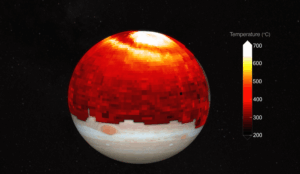
An unexpected ‘heat wave’ of 700 degrees Celsius, extending 130,000 kilometres (10 Earth diameters) in Jupiter’s atmosphere, has been discovered. James O’Donoghue, of the Japanese Aerospace Exploration Agency (JAXA), has presented the results this week at the Europlanet Science Congress (EPSC) 2022 in Granada.
Jupiter’s atmosphere, famous for its characteristic multicoloured vortices, is also unexpectedly hot: in fact, it is hundreds of degrees hotter than models predict. Due to its orbital distance millions of kilometres from the Sun, the giant planet receives under 4% of the amount of sunlight compared to Earth, and its upper atmosphere should theoretically be a frigid -70 degrees Celsius. Instead, its cloud tops are measured everywhere at over 400 degrees Celsius.
“Last year we produced – and presented at EPSC2021 – the first maps of Jupiter’s upper atmosphere capable of identifying the dominant heat sources,” said Dr O’Donoghue. “Thanks to these maps, we demonstrated that Jupiter’s auroras were a possible mechanism that could explain these temperatures.”
Just like the Earth, Jupiter experiences auroras around its poles as an effect of the solar wind. However, while Earth’s auroras are transient and only occur when solar activity is intense, auroras at Jupiter are permanent and have a variable intensity. The powerful auroras can heat the region around the poles to over 700 degrees Celsius, and global winds can redistribute the heat globally around Jupiter.
A panning-view of Jupiter’s upper atmospheric temperatures, 1000 kilometers above the cloud tops. Jupiter is shown on top of a visible image for context. In this snapshot, the auroral region (near the northern pole, in yellow/white) appears to have shed a massive, planetary-scale wave of heating towards the equator. The feature is over 130,000 kilometers long, or 10-Earth diameters, and is hundreds of degrees warmer than the background. For video see: https://youtu.be/gWT0QwSoVls/CREDIT:Hubble / NASA / ESA / A. Simon (NASA GSFC) / J. Schmidt. Credit: James O’Donoghue
Looking more deeply through their data, Dr O’Donoghue and his team discovered the spectacular ‘heat wave’ just below the northern aurora, and found that it was travelling towards the equator at a speed of thousands of kilometres per hour.
The heat wave was probably triggered by a pulse of enhanced solar wind plasma impacting Jupiter’s magnetic field, which boosted auroral heating and forced hot gases to expand and spill out towards the equator.
“While the auroras continuously deliver heat to the rest of the planet, these heat wave ‘events’ represent an additional, significant energy source,” added Dr O’Donoghue. “These findings add to our knowledge of Jupiter’s upper-atmospheric weather and climate, and are a great help in trying to solve the ‘energy crisis’ problem that plagues research into the giant planets.”
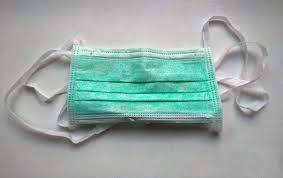
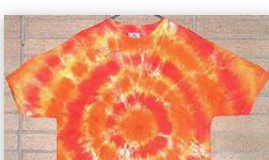
Wearable sensors styled into t-shirts and face masks
Imperial researchers have embedded new low-cost sensors that monitor breathing, heart rate, and ammonia into t-shirts and face masks.
Potential applications range from monitoring exercise, sleep, and stress to diagnosing and monitoring disease through breath and vital signs.
Spun from a new Imperial-developed cotton-based conductive thread called PECOTEX, the sensors cost little to manufacture. Just $0.15 produces a metre of thread to seamlessly integrate more than ten sensors into clothing, and PECOTEX is compatible with industry-standard computerised embroidery machines.
First author of the research Fahad Alshabouna, PhD candidate at Imperial’s Department of Bioengineering, said: “The flexible medium of clothing means our sensors have a wide range of applications. They’re also relatively easy to produce which means we could scale up manufacturing and usher in a new generation of wearables in clothing.”
The research team embroidered the sensors into a face mask to monitor breathing, a t-shirt to monitor heart activity, and textiles to monitor gases like ammonia, a component of the breath that can be used to track liver and kidney function. The ammonia sensors were developed to test whether gas sensors could also be manufactured using embroidery.
Fahad added: “We demonstrated applications in monitoring cardiac activity and breathing, and sensing gases. Future potential applications include diagnosing and monitoring disease and treatment, monitoring the body during exercise, sleep, and stress, and use in batteries, heaters, anti-static clothing.”
The research is published today in Materials Today.
Mask
Seamless sensors
Wearable sensors, like those on smartwatches, let us continuously monitor our health and wellbeing non-invasively. Until now, however, there has been a lack of suitable conductive threads, which explains why wearable sensors seamlessly integrated into in clothing aren’t yet widely available.
Enter PECOTEX. Developed and spun into sensors by Imperial researchers, the material is machine washable, and is less breakable and more electrically conductive than commercially available silver-based conductive threads, meaning more layers can be added for to create complex types of sensor.[1]
Lead author Dr Firat Guder, also of the Department of Bioengineering, said: “PECOTEX is high-performing, strong, and adaptable to different needs. It’s readily scalable, meaning we can produce large volumes inexpensively using both domestic and industrial computerised embroidery machines.
“Our research opens up exciting possibilities for wearable sensors in everyday clothing. By monitoring breathing, heart rate, and gases, they can already be seamlessly integrated, and might even be able to help diagnose and monitor treatments of disease in the future.”
Next, the researchers will explore new application areas like energy storage, energy harvesting and biochemical sensing, as well as finding partners for commercialisation.
This study was funded by the Saudi Ministry of Education, Engineering and Physical Sciences Research Council (EPSRC, part of the UKRI), Cytiva, Imperial’s Department of Bioengineering, Bill and Melinda Gates Foundation, and the US Army.
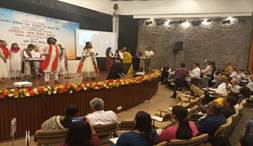
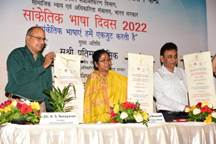
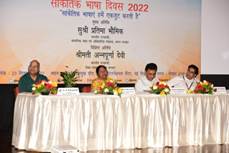
‘Sign Language Day’ with the theme ‘Sign Languages Unite Us’ was celebrated under Azadi ka Amrit Mahotsav by the Indian Sign Language Research and Training Centre (ISLRTC), an autonomous body under the Department of Empowerment of Persons with Disabilities, M/o Social Justice and Empowerment on 23rd September 2022 at C.D. Deshmukh Auditorium, India International Centre (IIC), New Delhi.
Ever since the United Nations declared 23rd September as the International Day of Sign Languages, the ISLRTC celebrates it every year on 23rd September. This year National Implementation Committee (NIC) chaired by Home Minister inter-alia approved the event – “Sign Language Day” on 23rd Sep, 2022 to be conducted and celebrated by Ministry of Social Justice and Empowerment” (Department of Empowerment of Persons with Disabilities), under “Azadi Ka Amrit Mahotsav” celebration.
As per the plan of action, approximately 3,200 organizations/ institutions were roped in for celebrating Sign Language Day-2022 under Azadi ka Amrit Mahotsav. The objective of the Sign Language Day celebration was to sensitize the general public about the importance of Indian Sign Language in the lives of persons with hearing disabilities.
Minister of Social Justice & Empowerment, Km. Pratima Bhoumik was the Chief Guest. Sh. Rajesh Aggrawal, Secretary, DEPwD, and Sh. Rajesh Yadav, Joint Secretary, DEPwD & Director, ISLRTC, and Sh. A.S. Narayanan, President, National Association of Deaf also graced the occasion.
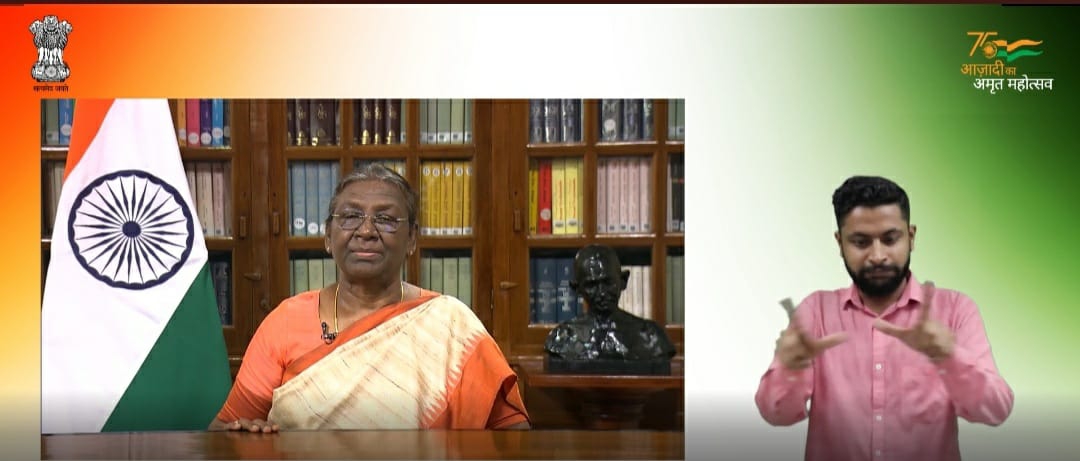
Via a video message, The President of India said that she feels proud and happy that entire world is adopting the principle of Indian culture i.e. Vasudhaiva Kutumbakam (All world is a family) and it be seen through the celebration of Sign language day throughout the world.
Minister of Social Justice & Empowerment, Km. Pratima Bhoumik mentioned that Persons with Disabilities (PwDs) are an integral part of our society and to provide them full accessibility is the utmost priority of the Government. Continuous efforts are being made to ensure the empowerment and mainstreaming of PwDs to make an inclusive society. She said that Sign language also plays an important role in the education of deaf people because it is easier for deaf people to get education and higher education through sign language. This day brings all the deaf people together socially across the country. Through sign language, our deaf brothers and sisters are getting inspiration and direction to move ahead in their lives. This year Sign Language Day celebration is being celebrated under the Amrit Mahotsav of Azadi, which will certainly lead to a positive success in increasing public awareness about the importance of sign language.
Addressing on the occasion, Sh. Rajesh Aggrawal, Secretary DEPwD highlighted the social significance of sign language as it integrates the deaf community socially as well as culturally. He praised the efforts of ISLRTC for doing commendable service to the people with hearing disability. Secretary, DEPwD, Shri.Rajesh Aggrawal mentioned that all the possible efforts will be made that every district to have an Indian Sign Language interpreter to facilitate accessible communication for Deaf persons.
Sh. Rajesh Yadav, Joint Secretary, DEPwD and Director, ISLRTC welcomed all the dignitaries and participants. He also presented a brief account of the remarkable works and achievements of ISLRTC in a short span of time from its establishment in 2015.
In his address, Shri A.S. Narayanan, President of the National Association of the Deaf thanked Prime Minister, Minister of State, SJ&E, DEPwD and ISLRTC for constantly promoting Indian Sign Language and Education of the Deaf to include them in the mainstream of the society. He informed that he has requested the Government for including Indian Sign Language (ISL) in the forthcoming Census.
During the programme, several important resource materials were launched:-
An ISL Dictionary app called Sign Learn was launched which is available in both Android and iOS versions.
ISLRTC had signed an MoU with National Council of Educational Research and Training (NCERT) on 06th October, 2020 for converting NCERT textbooks from Class I to XII into Indian Sign Language (digital format) to make the textbooks accessible to children with hearing disabilities. This year ISL e-content of NCERT textbooks of class VI was launched.
Under Azadi ka Amrit Mahotsav, the Centre launched ISL version of selected books of National Book Trust’s Veergatha series.
With the joint effort of ISLRTC and NCERT, a total of 500 academic words in Indian Sign Language were launched. These 500 academic words are words used at the secondary level, which are often used in history, science, political science, mathematics.
The Centre conducted 5th Indian Sign Language Competition, 2022, a national-level competition held for Deaf students and interpreters to showcase their ISL skills, creativity and knowledge. For the Competition, entries were invited on jokes, stories and essays in Indian Sign Language. During the Sign Language Day programme, all the winners of the 5th ISL competition were distributed trophy and certificate by Minister of Social Justice & Empowerment, Km. Pratima Bhoumik.
In the above event, vice chancellor MDU, Rohtak, Joint Director (NCERT) and other dignitaries from the field were also present.
The programme also included cultural performances like songs and mime in ISL by the interpreter trainees and Deaf teacher trainees.
To provide a boost to the growing indigenous drone industry, Hon’ble Raksha Mantri had launched the “MEHAR BABA COMPETITION-II” on 06 April 2022 at Air Headquarters (Vayu Bhawan). The competition is aimed at developing technology for a “Swarm Drone Based System to Detect Foreign Objects on Aircraft Operating Surfaces”. The competition is named after the legendary Air Commodore Mehar Singh, MVC, DSO – affectionately also known as Mehar Baba. The first edition of the competition was launched in October 2018 and had culminated in October 2021.
All aircraft operators face a challenge in keeping the aircraft operating surfaces clean and clear of Foreign Object Debris (FOD). Very often, this is a labour-intensive task that needs to be repeated over a day. This manpower could be more gainfully employed if personnel could focus solely on their core tasks. Furthermore, visual spotting of FOD in low light conditions becomes rather challenging.
MEHAR BABA COMPETITION -II
Hence, the IAF is seeking innovative solutions towards detection of FOD without physical employment of manpower on the aircraft operating surfaces.
Registration for this competition is open to Indian citizens and Indian registered entities only.
The last date for registration is 02 October 2022. All relevant details regarding this competition have been placed at https:/lndianairforce.nic.in/mehar-baba/#.
Lunar enthusiasts of all ages are challenged to help identify features on the Moon that might pose a hazard to rovers or astronauts exploring the surface.
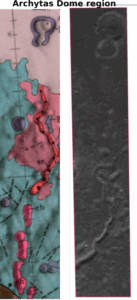
The 2022 EXPLORE Lunar Data Challenge is focused on the Archytas Dome region, close to the Apollo 17 landing site where the last humans set foot on the Moon 50 years ago this December.
The Machine Learning Lunar Data Challenge is open to students, researchers and professionals in areas related to planetary sciences, but also to anyone with expertise in data processing. There is also a Public Lunar Data Challenge to plot the safe traverse of a lunar rover across the surface of the Moon, open to anyone who wants to ‘have a go’, as well as a Classroom Lunar Data Challenge for schools, with hands-on activities about lunar exploration and machine learning.
Announcing the EXPLORE Machine Learning Lunar Data Challenge during the Europlanet Science Congress (EPSC) 2022 in Granada, Spain, this week Giacomo Nodjoumi said: “The Challenge uses data of the Archytas Dome taken by the Narrow Angle Camera (NAC) on the Lunar Reconnaissance Orbiter (LRO) mission. This area of the Moon is packed craters of different ages, boulders, mounds, and a long, sinuous depression, or rille. The wide variety of features in this zone makes it a very interesting area for exploration and the perfect scenario for this Data Challenge.”
The Archytas Dome region of the lunar surface is the target area for the EXPLORE Lunar Data Challenges 2022./CREDIT: NASA/GSFC/Arizona State University/EXPLORE/Jacobs University. https://exploredatachallenges.space/wp-content/uploads/2022/09/Archytas2.png
The Machine Learning Lunar Data Challenge is in three steps:
Participants should train and test a model capable of recognising craters and boulders on the lunar surface.
They should use their model to label craters and boulders in a set of images of the Archytas zone.
Finally, they should use the outputs of their models to create a map of an optimal traverse across the lunar surface to visit defined sites of scientific interest and avoid hazards, such as heavily cratered zones.
The public and schools are also invited to use lunar images to identify features and plot a journey for a rover. Prizes for the challenges include vouchers totalling 1500 Euros, as well as pieces of real Moon rock from lunar meteorites.
The EXPLORE project, which is funded through the European Commission’s Horizon 2020 Programme, gathers experts from different fields of science and technical expertise to develop new tools that will promote the exploitation of space science data.
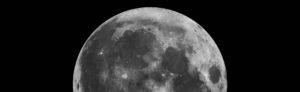
This composite image of the moon using Clementine data from 1994 is the view we are most likely to see when the moon is full. Credit: NASA
“Through the EXPLORE Data Challenges, we aim to raise awareness of the scientific tools that we are developing, improve their accuracy by bringing in expertise from other communities, and involve schools and the public in space science research,” said Nick Cox, the Coordinator of the EXPLORE project.
The deadline for entries closes on 21 November 2022 and winners will be announced in mid-December on the anniversaries of the Apollo 17 mission milestones.
Plastics, now ubiquitous in the modern world, have become a rising threat to human and environmental health. Around the planet, evidence of plastic pollution stretches from grocery bags in the deep sea to microplastics in our food supplies and even in our blood.
Seeking solutions to counteract the rise in plastic trash, scientists at the University of California San Diego have developed new biodegradable materials that are designed to replace conventionally used plastic. After proving their polyurethane foams biodegrade in land-based composts, an interdisciplinary team of scientists including UC San Diego biologist Stephen Mayfield and chemists Michael Burkart and Robert “Skip” Pomeroy have now shown that the material biodegrades in seawater. The results are published in the journalScience of the Total Environment.
The researchers are working to address a plastic pollution problem now described as a global environmental crisis. In 2010, researchers estimated that 8 billion kilograms of plastic enter the ocean in a single year, with a steep escalation predicted by 2025. Upon entering the ocean, plastic waste disrupts marine ecosystems, migrates to central locations and forms trash gyres such as the Great Pacific Garbage Patch, which covers an area more than 1.6 million square kilometers. These plastics never degrade, but rather break up into ever-smaller particles, eventually becoming microplastics that persist in the environment for centuries.
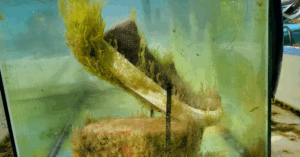
A sustainable Blueview shoe biodegrades in ocean water after 11 weeks./CREDIT:Daniel Zhen, Algenesis Inc.
Working with study coauthor Samantha Clements, a marine biologist and scientific diver at Scripps Institution of Oceanography, the UC San Diego researchers conducted a series of tests of their biodegradable polyurethane materials—currently used as foams in the first commercially available biodegradable shoes (sold by a spinoff company called Blueview)—at Scripps’ Ellen Browning Scripps Memorial Pier and Experimental Aquarium. The pier’s location provided scientists the access and a unique opportunity to test materials in the natural nearshore ecosystem, which is the exact environment where rogue plastics are most likely to end up.
The team found that an assortment of marine organisms colonizes on the polyurethane foam and biodegrades the material back to their starting chemicals, which are consumed as nutrients by these microorganisms, in the ocean environment. Data from the study suggest that the microorganisms, a mix of bacteria and fungi, live throughout the natural marine environment.
Plastic/Ians
“Improper disposal of plastic in the ocean breaks down into microplastics and has become an enormous environmental problem,” said Mayfield, a professor in the School of Biological Sciences and director of the California Center for Algae Biotechnology. “We’ve shown that it’s absolutely possible to make high performance plastic products that also can degrade in the ocean. Plastics should not be going into the ocean in the first place, but if they do, this material becomes food for microorganisms and not plastic trash and microplastics that harm aquatic life.”
Shoes, including flip-flops, the world’s most popular shoe, make up a large percentage of plastic waste that ends up in the world’s oceans and landfills. To fully test and analyze their polyurethane materials, developed at UC San Diego over the last eight years, the study joined experts in biology, polymer and synthetic chemistry and marine science. Foam samples were exposed to tidal and wave dynamics and tracked for molecular and physical changes using Fourier-transform infrared spectroscopy and scanning electron microscopy. The results showed that the material started to degraded in as little as four weeks. The researchers then identified microorganisms from six marine sites around San Diego that are capable of breaking down and consuming the polyurethane material.
“No single discipline can address these universal environmental problems but we’ve developed an integrated solution that works on land—and now we know also biodegrades in the ocean,” said Mayfield. “I was surprised to see just how many organisms colonize on these foams in the ocean. It becomes something like a microbial reef.”
Though expected a little later, Indian rupee has plunged to its lowest today touching Rs.81 per US dollar, amid gloomy prospects of markets around the world in view of a steep rise in interest rates by the US Federal reserve by 0.75 percentage points, vowing to further hike in the future.
On Thursday, experts expected the Indian rupee to hit 82 levels in a month’s time but it has been precipitated on Friday to Rs. 80.71 and per US dollar by afternoon, it plummeted to Rs.81 level.
In fact, since August, the Indian rupee has been touching Rs.80 level before trying to emerge stronger against the American dollar.
Researchers have used the mathematical equations of chaos theory to analyse the data from long-term monitoring of an electronically tagged narwhal. They have extracted previously undetected diurnal patterns within what initially appeared to be irregular diving and surface resting behavior, using records extending across 83 days.
“While animal-borne ocean sensors continue to advance and collect more data, there is a lack of adequate methods to analyse records of irregular behavior,” says Hokkaido University geophysicist Evgeny A. Podolskiy, first author of the research published in the journal PLOS Computational Biology.
Podolskiy developed the procedure to find behavioral patterns in seemingly intractable complexity with Mads Peter Heide‐Jørgensen at the Greenland Institute of Natural Resources.
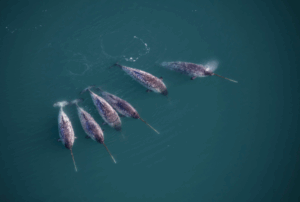
Narwhals (Monodon monoceros) are relatively small whales found in Arctic seas, famous for their long single tusks and called the unicorns of the sea. They are one of the most endangered Arctic species due to climate change, human activity, and predation by such invasive species as killer whales. The narwhals are notable for undertaking dives to extreme depths of more than 1,800 metres. Their life cycle is tightly coupled with sea ice, which is rapidly declining.
A pod of adult male narwhals, Greenland, September 2019 (Photo: Carsten Egevang; This image may exclusively be used in relation to this press release. The image can not be included in media archives for use apart from the above and not be handed over to third parties, without prior acceptance by the photographer)./CREDIT: Carsten Egevang
Podolskiy and Heide‐Jørgensen combined their expertises in signal processing and biologging to understand the full diversity of behaviors of a satellite-tagged narwhal. Mathematical techniques developed as part of chaos theory can interpret complicated and seemingly chaotic behavior in dynamic systems to reveal states called ‘attractors’, which the systems tend to develop towards. In essence, the approach identifies significant patterns that would otherwise be difficult to detect.
The analysis of the behavior of the electronically tagged narwhal, inspired by Podolskiy’s previous work on turbulence, revealed a daily pattern of activity and how it was affected by changing seasons, features of narwhal behavior that were previously unrecognised. The animal rested nearer to the surface around noon, but when they did dive at that time the dives were very deep. During twilight and at night the dives became more shallow but also more intense, possibly due to hunting for squid, which is known for diurnal vertical migration. It was also found that increased sea ice constrains the narwhal’s surface activity, and is correlated with more intense diving.
“Our approach is relatively simple to implement and can map and label long term data, identifying differences between the behavior of individual animals and different species, and also detecting perturbations in behavior caused by changing influences,” the authors suggest.
The researchers expect that their new method may be especially useful for assessing the challenges to narwhals and other Arctic animals posed by climate change and the loss of sea ice. Such information may prove vital in adopting policies to protect endangered species in the face of natural change and increased human activity.
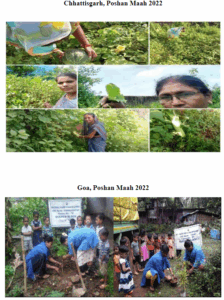
Under various interventions taken up by the Ministry of Women and Child Development jointly with Ministry of Ayush, close to 4.37 lakh Anganwadi Centres have set up Poshan Vatikas. Additionally, so far, 1.10 lakh medicinal saplings have also been planted across some of the selected districts of 6 States.
Under ongoing Poshan Maah 2022, activities for setting-up nutri-gardens or retro-fitting Poshan Vatikas with backyard poultry / fishery units is being carried out in a big way across the country.
So far, more than 1.5 lakh events on retrofitting Poshan Vatikas with backyard poultry and fishery units have been reported. Also, more than 75 thousand sensitization camps have been conducted to promote millets and backyard kitchen gardens. Interestingly, to replicate the model of Poshan Vatikas at/around new AWCs, close to 40 thousand land identification drives for nutri-gardens/Poshan Vatikas have also been reported under Poshan Maah so far.
Poshan Vatikas or Nutri- gardens being set up across the country to provide easy and affordable access to fruits, vegetables, medicinal plants and herbs.
Launched on 8th March, 2018, by the Hon’ble Prime Minister, POSHAN Abhiyaan aims to improve nutritional outcomes for children, adolescents, pregnant women & lactating mothers. The Abhiyaan is a key component of Mission Poshan 2.0 which seeks to address the challenges of malnutrition in children, adolescent girls, pregnant women and lactating mothers through a strategic shift in nutrition content and delivery and by creation of a convergent eco-system to develop and promote practices that nurture health, wellness and immunity.
A key plank of the goal to enable the right kind of nourishment are the Poshan Vatikas or Nutri-gardens that are being set up across the country to provide easy and affordable access to fruits, vegetables, medicinal plants and herbs. The idea is simple; to provide a fresh and regular supply of locally produced fruits, vegetables and medicinal plants to women and children straight from a nutri-garden at or near an Anganwadi Centre.
Poshan Vatikas or Nutri- gardens being set up across the country to provide easy and affordable access to fruits, vegetables, medicinal plants and herbs.
Poshan Vatikas can play an important role in enhancing dietary diversity by providing key micronutrients through local fruits and vegetables. Poshan Vatikas are a good example of convergent action on-ground. Beyond the reward of locally available wholesome produce, it will reduce external dependency and make communities atmanirbhar for their nutritional security.
Using the Atacama Large Millimeter/submillimeter Array (ALMA), astronomers have spotted signs of a ‘hot spot’ orbiting Sagittarius A*, the black hole at the centre of our galaxy. The finding helps us better understand the enigmatic and dynamic environment of our supermassive black hole.
“We think we’re looking at a hot bubble of gas zipping around Sagittarius A* on an orbit similar in size to that of the planet Mercury, but making a full loop in just around 70 minutes. This requires a mind blowing velocity of about 30% of the speed of light!” says Maciek Wielgus of the Max Planck Institute for Radio Astronomy in Bonn, Germany, who led the study published today, Sept 22, 2022 in Astronomy & Astrophysics.
The observations were made with ALMA in the Chilean Andes — a radio telescope co-owned by the European Southern Observatory (ESO) — during a campaign by the Event Horizon Telescope (EHT) Collaboration to image black holes. In April 2017 the EHT linked together eight existing radio telescopes worldwide, including ALMA, resulting in the recently released first ever image of Sagittarius A.
To calibrate the EHT data, Wielgus and his colleagues, who are members of the EHT Collaboration, used ALMA data recorded simultaneously with the EHT observations of Sagittarius A. To the team’s surprise, there were more clues to the nature of the black hole hidden in the ALMA-only measurements.
By chance, some of the observations were done shortly after a burst or flare of X-ray energy was emitted from the centre of our galaxy, which was spotted by NASA’s Chandra Space Telescope. These kinds of flares, previously observed with X-ray and infrared telescopes, are thought to be associated with so-called ‘hot spots’, hot gas bubbles that orbit very fast and close to the black hole.
The flares were long thought to originate from magnetic interactions in the very hot gas orbiting very close to Sagittarius A*, and the new findings support this idea. “Now we find strong evidence for a magnetic origin of these flares and our observations give us a clue about the geometry of the proces,” says co-author Monika Mościbrodzka from Radboud University.
The observations confirm some of the previous discoveries made by the GRAVITY instrument at ESO’s Very Large Telescope (VLT), which observes in the infrared. The data from GRAVITY and ALMA both suggest the flare originates in a clump of gas swirling around the black hole at about 30% of the speed of light in a clockwise direction in the sky, with the orbit of the hot spot being nearly face-on.
Nanoengineers at the University of California San Diego have developed microscopic robots that can swim around in the lungs, deliver medication and clear up life-threatening cases of bacterial pneumonia, according to a study published in Nature Materials..
The so-called microrobots safely eliminated pneumonia-causing bacteria in the lungs and resulted in 100% survival. By contrast, untreated mice all died within three days after infection. Made of algae cells whose surfaces are speckled with antibiotic-filled nanoparticles, the algae provide movement, which allows the microrobots to swim around and deliver antibiotics directly to more bacteria in the lungs.
The nanoparticles containing the antibiotics are made of tiny biodegradable polymer spheres that are coated with the cell membranes of neutrophils, which are a type of white blood cell. What’s special about these cell membranes is that they absorb and neutralize inflammatory molecules produced by bacteria and the body’s immune system. This gives the microrobots the ability to reduce harmful inflammation, which in turn makes them more effective at fighting lung infection.
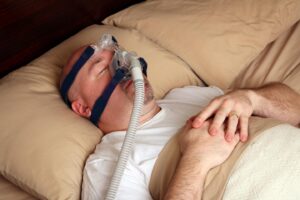
CPAP treatment, which is often used at home to help people with sleep problems, helps to keep the lungs open and makes breathing easier / CREDIT Lancaster University
The work is a joint effort between the labs of nanoengineering professors Joseph Wang and Liangfang Zhang, both at the UC San Diego Jacobs School of Engineering. Wang is a world leader in the field of micro- and nanorobotics research, while Zhang is a world leader in developing cell-mimicking nanoparticles for treating infections and diseases. Together, they have pioneered the development of tiny drug-delivering robots that can be safely used in live animals to treat bacterial infections in the stomach and blood. Treating bacterial lung infections is the latest in their line of work.
“Our goal is to do targeted drug delivery into more challenging parts of the body, like the lungs. And we want to do it in a way that is safe, easy, biocompatible and long lasting,” said Zhang. “That is what we’ve demonstrated in this work.”
The team used the microrobots to treat mice with an acute and potentially fatal form of pneumonia caused by the bacteria Pseudomonas aeruginosa. This form of pneumonia commonly affects patients who receive mechanical ventilation in the intensive care unit.
The researchers administered the microrobots to the lungs of the mice through a tube inserted in the windpipe. The infections fully cleared up after one week. All mice treated with the microrobots survived past 30 days, while untreated mice died within three days.
Treatment with the microrobots was also more effective than an IV injection of antibiotics into the bloodstream. The latter required a dose of antibiotics that was 3000 times higher than that used in the microrobots to achieve the same effect. For comparison, a dose of microrobots provided 500 nanograms of antibiotics per mouse, while an IV injection provided 1.644 milligrams of antibiotics per mouse.
The team’s approach is so effective because it puts the medication right where it needs to go rather than diffusing it through the rest of the body.
“These results show how targeted drug delivery combined with active movement from the microalgae improves therapeutic efficacy,” said Wang.
And if the thought of putting algae cells in your lungs makes you squeamish, the researchers say that this approach is safe. Next steps include studies to validate the microrobot treatment and scaling it up before testing it in larger animals and eventually, in humans.
Indian benchmark indice Sensex fell by 800 points as of 01:30 p.m. on Friday. which is at 58,314.78 points or 804.94 (1.36%) points down from the previus day, revealing the deep impact caused by the US Fed Reserve decision to hike interest rates steeply and its pledge to continue further to tame the inflation.
Nifty is also down to 17,407.05 or 222.75 points down (1.26%) today.
Stocks of Tata Steel, Sun Pharma, Hindustan Unilever Ltd (HUL), ITC, Dr. Reddy’s, Infosys, HCL Tech, Titan Company, and Maruti Suzuki were among top Sensex gainers. IndusInd Bank, Housing Development Finance Corporation (HDFC), M&M, Tech Mahindra, HDFC Bank, Axis Bank, Kotak Mahindra Bank were among top index draggers.
Tata Steel is in positive zone following the board’s approval on Friday to the scheme of amalgamation between seven of its group companies and itself.
Rupee to fall further: Experts
The Indian Rupee fell to its lowest level in 20 years reaching 80.81 per US dollar on Friday. The Indian Rupee fell to its lowest level against the greenback to 80.12 in August and again on Thursday, revealing the inherent weakness to go down further in value. Experts suggest that this time the Indian Rupee may weaken up to 82.00 level in the near future.
In a move to boost exports of unique agricultural processed food products, the centre through apex export promotion body — Agricultural and Processed Food Products Export Authority (APEDA) — facilitated the export of first consignment of plant-based meat products under Vegan food category from Nadiad in Kheda district in Gujarat to California,the United States of America (USA).
With the growing popularity of vegan food products in developed countries, the plant-based food products have a huge export potential in the international market due to the high nutrient value of the vegan food products. Due to its rich fiber and lesser cholesterol contents, vegan food products are becoming alternative food products across the globe.
The first shipment that was exported to the USA from Nadiad has vegan food products like momos, mini samosas, patties, nuggets, spring rolls, burgers, etc. The logistics support was provided by the Kheda district administration.
Stressing on exploring new foreign destinations, APEDA Chairman, Dr M Angamuthu said that APEDA is working towards promotion of plant-based meat products in a big way without disturbing the conventional animal-based meat export market.
Millets
On the occasion, Kheda district magistrate Shri K.L. Bachani assured all needed support to APEDA for export-related activities in future. “It has become possible with the efforts of Regional Head, APEDA Gujarat that first consignment of plant-based food products is being shipped to U.S.A from Nadiad,” Bachani said.
The APEDA has planned to promote a variety of vegan foods products, including pancake, snacks, cheese, etc, to the countries of Australia, Israel, New Zealand and others in coming months.
On the occasion, APEDA, Gujarat’s Regional Head stressed on adding more plant-based meat products in APEDA’s export basket.The first consignment of plant-based food products were exported by Greennest and Wholesome Foods.
APEDA has taken number of export promotion activities and initiatives, by way of development of virtual portals for organizing Virtual Trade Fairs, Farmer Connect Portal, e-office, HortiNet Traceability system, Buyer Seller Meets, Reverse Buyer Seller Meets, product specific campaigns etc. APEDA has been closely working with the state government for creating infrastructure and promotion of export from the state.
food
APEDA assists in upgradation and strengthening of recognized laboratories for export testing and residue monitoring plans. APEDA also provides assistance under the financial assistance schemes of infrastructure development, quality improvement and market development for boosting export of agricultural products.
APEDA organizes participation of exporters in the International Trade Fairs, which provides a platform to the exporters to market their food products in the global marketplace. APEDA also organizes national events like AAHAR, Organic World Congress, BioFach India etc. to promote agri-exports.
In order to ensure seamless quality certification of products to be exported, APEDA has recognized 220 labs across India to provide services of testing a wide range of products to exporters.
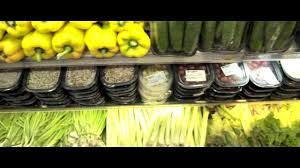
A study led by Durham University’s Fetal and Neonatal Research Lab, UK, took 4D ultrasound scans of 100 pregnant women to see how their unborn babies responded after being exposed to flavours from foods eaten by their mothers.
Researchers looked at how the fetuses reacted to either carrot or kale flavours just a short time after the flavours had been ingested by the mothers.
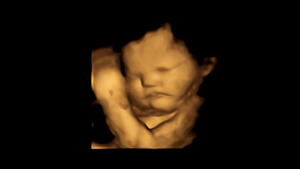
Fetuses exposed to carrot showed more “laughter-face” responses while those exposed to kale showed more “cry-face” responses.
Their findings could further our understanding of the development of human taste and smell receptors.
The researchers also believe that what pregnant women eat might influence babies’ taste preferences after birth and potentially have implications for establishing healthy eating habits.
The study is published in the journal Psychological Science.
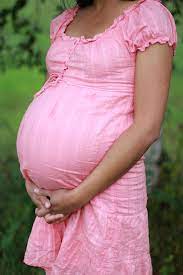
pregnant lady/Commons.wikimedia.org
Humans experience flavour through a combination of taste and smell. In fetuses it is thought that this might happen through inhaling and swallowing the amniotic fluid in the womb.
Lead researcher Beyza Ustun, a postgraduate researcher in the Fetal and Neonatal Research Lab, Department of Psychology, Durham University, said: “A number of studies have suggested that babies can taste and smell in the womb, but they are based on post-birth outcomes while our study is the first to see these reactions prior to birth.
“As a result, we think that this repeated exposure to flavours before birth could help to establish food preferences post-birth, which could be important when thinking about messaging around healthy eating and the potential for avoiding ‘food-fussiness’ when weaning.
“It was really amazing to see unborn babies’ reaction to kale or carrot flavours during the scans and share those moments with their parents.”
The research team, which also included scientists from Aston University, Birmingham, UK, and the National Centre for Scientific Research-University of Burgundy, France, scanned the mothers, aged 18 to 40, at both 32 weeks and 36 weeks of pregnancy to see fetal facial reactions to the kale and carrot flavours.
Mothers were given a single capsule containing approximately 400mg of carrot or 400mg kale powder around 20 minutes before each scan. They were asked not to consume any food or flavoured drinks one hour before their scans.
A 4D scan image of a fetus showing a neutral face/CREDIT: FETAP (Fetal Taste Preferences) Study, Fetal and Neonatal Research Lab, Durham University.
The mothers also did not eat or drink anything containing carrot or kale on the day of their scans to control for factors that could affect fetal reactions.
Facial reactions seen in both flavour groups, compared with fetuses in a control group who were not exposed to either flavour, showed that exposure to just a small amount of carrot or kale flavour was enough to stimulate a reaction.
Co-author Professor Nadja Reissland, head of the Fetal and Neonatal Research Lab, Department of Psychology, Durham University, supervised Beyza Ustun’s research. She said: “Previous research conducted in my lab has suggested that 4D ultrasound scans are a way of monitoring fetal reactions to understand how they respond to maternal health behaviours such as smoking, and their mental health including stress, depression, and anxiety.
“This latest study could have important implications for understanding the earliest evidence for fetal abilities to sense and discriminate different flavours and smells from the foods ingested by their mothers.”
Co-author Professor Benoist Schaal, of the National Centre for Scientific Research-University of Burgundy, France, said: “Looking at fetuses’ facial reactions we can assume that a range of chemical stimuli pass through maternal diet into the fetal environment.
“This could have important implications for our understanding of the development of our taste and smell receptors, and related perception and memory.”
The researchers say their findings might also help with information given to mothers about the importance of taste and healthy diets during pregnancy.
They have now begun a follow-up study with the same babies post-birth to see if the influence of flavours they experienced in the womb affects their acceptance of different foods.
Research co-author Professor Jackie Blissett, of Aston University, said: “It could be argued that repeated prenatal flavour exposures may lead to preferences for those flavours experienced postnatally. In other words, exposing the fetus to less ‘liked’ flavours, such as kale, might mean they get used to those flavours in utero.
“The next step is to examine whether fetuses show less ‘negative’ responses to these flavours over time, resulting in greater acceptance of those flavours when babies first taste them outside of the womb.”
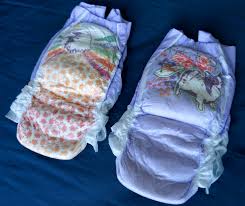
Activated carbon is used in kitchen fans to eliminate food odours. A new dissertation from the University of Gothenburg shows that activated carbon could also eliminate the smell of urine from diapers. Experiments with the odour molecule p-cresol show that activated carbon, which largely consists of the carbon variant graphene, can lock in odour instead of it being released to the surroundings.
Modern diapers can absorb and lock in a lot of liquid, meaning they do not have to be changed as often as in the past. But odour is still a problem. In a dissertation by Isabelle Simonsson at the University of Gothenburg, she looked at a specific odour molecule and discovered that in the right setting, it can choose to remain in the liquid and not cause foul odour.
“The odour molecule is called p-cresol and is an organic, volatile hydrocarbon. It’s what causes the strong odour associated with pig farming and horse stables. p-Cresol is also found in human urine and is hydrophobic, which means it avoids water. That’s one of the reasons why it is released from urine into the surrounding air, in other words, that the odour spreads,” says Isabelle Simonsson.
Electrically charged surfaces can adsorb odour
Manufacturers of diapers and other hygiene products have long known that an electrically charged surface can adsorb odour. There is even an old patent covering this, but a great deal has involved conducting tests on different materials and seeing what works. The tests have not resulted in a solution.
The main goal of the dissertation is to investigate what material properties are important for adsorbing odour molecules in urine. One of the materials used was activated carbon, which is found in almost every kitchen fan these days to neutralise odour; it is also an inexpensive and environmentally friendly material.
Tests with carbon materials that had been manipulated in various ways showed that carbon with the least charge was most effective at attracting p-cresol molecules from the liquid, resulting in less odour. Activated carbon, consisting mainly of the carbon variant graphene, was best at capturing the odour molecule.
“Our findings show a direct ‘ion-specific effect’ on the material’s properties and adsorption capability in synthetic urine. Activated carbon has a large surface area, which is good at adsorbing odour molecules,” says Simonsson.
Baby Diapers/wikipedia
Salts in urine enhance the effect
The same effect was not achieved in tests in which p-cresol was dissolved in water, which is due to the salts in urine. The salt ions, including sodium, reduce the water solubility of organic molecules, which then bind to the activated carbon instead.
The dissertation primarily involved fundamental research, but its findings may be useful in many industrial processes, including for the mining industry, water and sewage treatment, the development of new hygiene products, pharmaceuticals and construction materials.
“These results are promising, but there are obstacles to developing an odourless diaper. Like colour. Can you sell a diaper that’s black?”
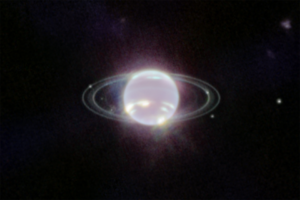
NASA’s James Webb Space Telescope shows off its capabilities closer to home with its first image of Neptune. Not only has Webb captured the clearest view of this distant planet’s rings in more than 30 years, but its cameras reveal the ice giant in a whole new light.
Most striking in Webb’s new image is the crisp view of the planet’s rings – some of which have not been detected since NASA’s Voyager 2 became the first spacecraft to observe Neptune during its flyby in 1989. In addition to several bright, narrow rings, the Webb image clearly shows Neptune’s fainter dust bands.
“It has been three decades since we last saw these faint, dusty rings, and this is the first time we’ve seen them in the infrared,” notes Heidi Hammel, a Neptune system expert and interdisciplinary scientist for Webb. Webb’s extremely stable and precise image quality permits these very faint rings to be detected so close to Neptune.
Neptune has fascinated researchers since its discovery in 1846. Located 30 times farther from the Sun than Earth, Neptune orbits in the remote, dark region of the outer solar system. At that extreme distance, the Sun is so small and faint that high noon on Neptune is similar to a dim twilight on Earth.
Webb’s Near-Infrared Camera (NIRCam) images objects in the near-infrared range from 0.6 to 5 microns, so Neptune does not appear blue to Webb. In fact, the methane gas so strongly absorbs red and infrared light that the planet is quite dark at these near-infrared wavelengths, except where high-altitude clouds are present. Such methane-ice clouds are prominent as bright streaks and spots, which reflect sunlight before it is absorbed by methane gas. Credits: NASA, ESA, CSA, STScI
This planet is characterized as an ice giant due to the chemical make-up of its interior. Compared to the gas giants, Jupiter and Saturn, Neptune is much richer in elements heavier than hydrogen and helium. This is readily apparent in Neptune’s signature blue appearance in Hubble Space Telescope images at visible wavelengths, caused by small amounts of gaseous methane.
Webb’s Near-Infrared Camera (NIRCam) images objects in the near-infrared range from 0.6 to 5 microns, so Neptune does not appear blue to Webb. In fact, the methane gas so strongly absorbs red and infrared light that the planet is quite dark at these near-infrared wavelengths, except where high-altitude clouds are present. Such methane-ice clouds are prominent as bright streaks and spots, which reflect sunlight before it is absorbed by methane gas. Images from other observatories, including the Hubble Space Telescope and the W.M. Keck Observatory, have recorded these rapidly evolving cloud features over the years.
More subtly, a thin line of brightness circling the planet’s equator could be a visual signature of global atmospheric circulation that powers Neptune’s winds and storms. The atmosphere descends and warms at the equator, and thus glows at infrared wavelengths more than the surrounding, cooler gases.
Neptune’s 164-year orbit means its northern pole, at the top of this image, is just out of view for astronomers, but the Webb images hint at an intriguing brightness in that area. A previously-known vortex at the southern pole is evident in Webb’s view, but for the first time Webb has revealed a continuous band of high-latitude clouds surrounding it.
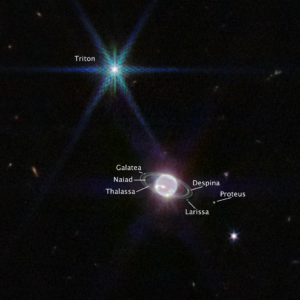
What do we see in Webb’s latest image of the ice giant Neptune? Webb captured seven of Neptune’s 14 known moons: Galatea, Naiad, Thalassa, Despina, Proteus, Larissa, and Triton. Neptune’s large and unusual moon, Triton, dominates this Webb portrait of Neptune as a very bright point of light sporting the signature diffraction spikes seen in many of Webb’s images. Credits: NASA, ESA, CSA, STScI
Webb also captured seven of Neptune’s 14 known moons. Dominating this Webb portrait of Neptune is a very bright point of light sporting the signature diffraction spikes seen in many of Webb’s images, but this is not a star. Rather, this is Neptune’s large and unusual moon, Triton.
Covered in a frozen sheen of condensed nitrogen, Triton reflects an average of 70 percent of the sunlight that hits it. It far outshines Neptune in this image because the planet’s atmosphere is darkened by methane absorption at these near-infrared wavelengths. Triton orbits Neptune in an unusual backward (retrograde) orbit, leading astronomers to speculate that this moon was originally a Kuiper belt object that was gravitationally captured by Neptune. Additional Webb studies of both Triton and Neptune are planned in the coming year.
Robotic eyes on autonomous vehicles could improve pedestrian safety, according to a new study conducted at the University of Tokyo (Todai) in Japan.
Participants played out scenarios in virtual reality (VR) and had to decide whether to cross a road as the moving vehicle is there. When that vehicle was fitted with robotic eyes, which either looked at the pedestrian or away, the participants were able to make safer or more efficient choices.
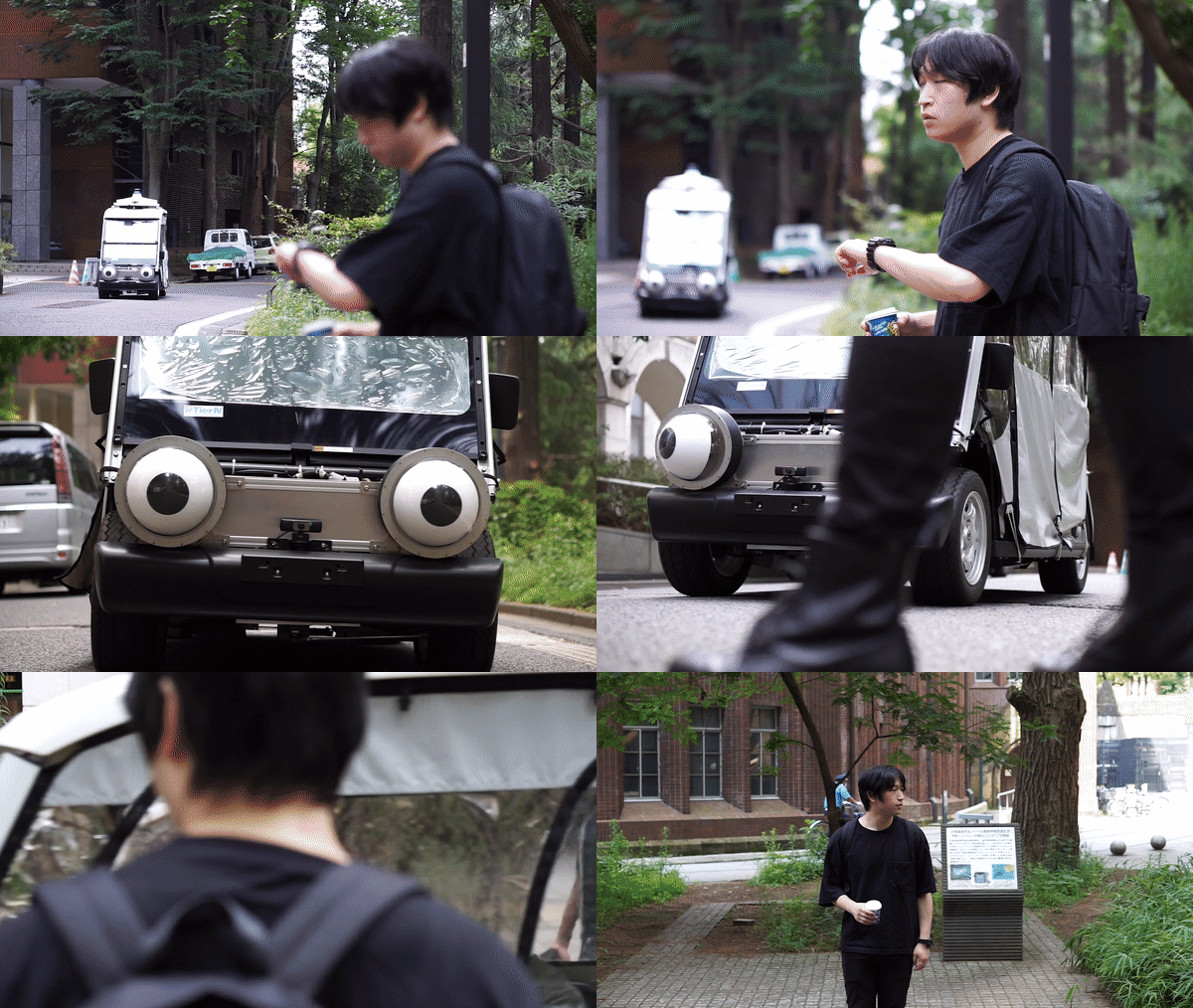
The Gazing Car
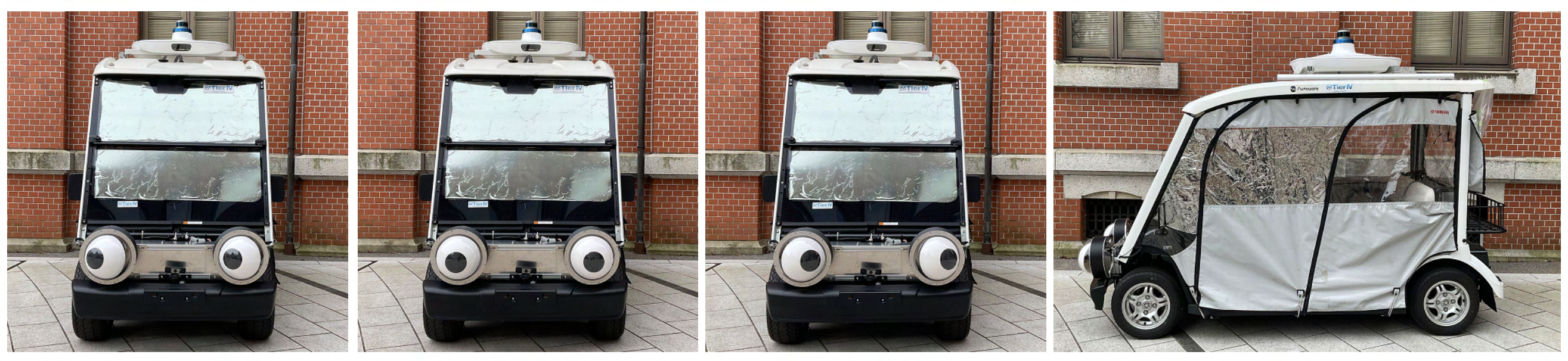
The cart was fitted with robotic eyes which could be moved in any direction, controlled by one of the research team. The windshield was covered to give the impression that there was no driver inside. Self-driving vehicles seem to be just around the corner. Whether they’ll be delivering packages, plowing fields or busing kids to school, a lot of research is underway to turn a once futuristic idea into reality.
While the main concern for many is the practical side of creating vehicles that can autonomously navigate the world, researchers at Todai have turned their attention to a more “human” concern of self-driving technology.
“There is not enough investigation into the interaction between self-driving cars and the people around them, such as pedestrians. So, we need more investigation and effort into such interaction to bring safety and assurance to society regarding self-driving cars,” said Professor Takeo Igarashi from the Graduate School of Information Science and Technology.
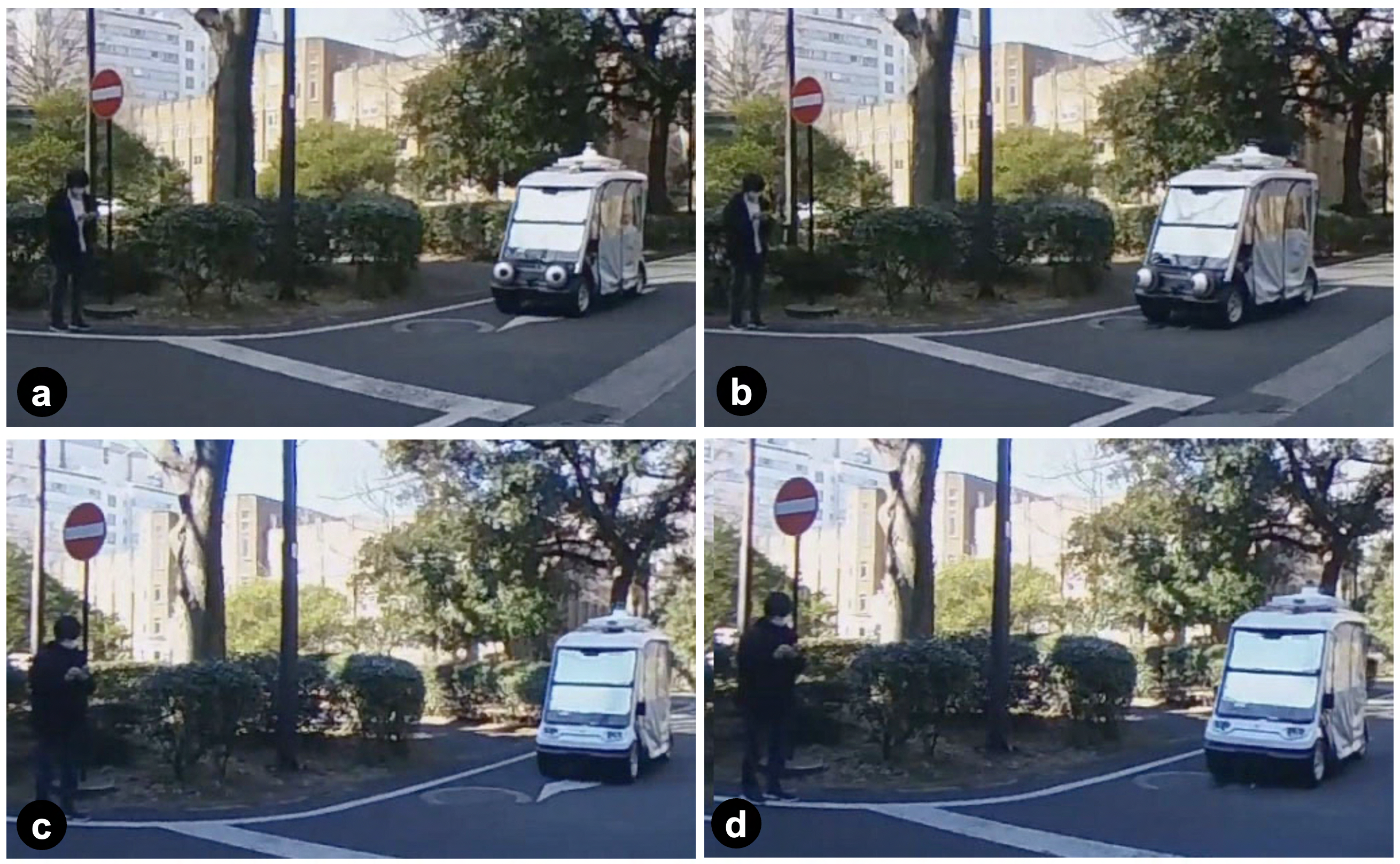
The four scenarios. In the experiment, participants had to decide whether or not the cart had noticed them and was going to stop. The images show the first-person view of a participant. In (a) the cart is paying attention to the participant (safe to cross); in (b) the cart is not paying attention to the participant (unsafe to cross); and in (c) and (d) the participant doesn’t know.
One key difference with self-driving vehicles is that drivers may become more of a passenger, so they may not be paying full attention to the road, or there may be nobody at the wheel at all. This makes it difficult for pedestrians to gauge whether a vehicle has registered their presence or not, as there might be no eye contact or indications from the people inside it.
So, how could pedestrians be made aware of when an autonomous vehicle has noticed them and is intending to stop? Like a character from the Pixar movie Cars, a self-driving golf cart was fitted with two large, remote-controlled robotic eyes. The researchers called it the “gazing car.” They wanted to test whether putting moving eyes on the cart would affect people’s more risky behavior, in this case, whether people would still cross the road in front of a moving vehicle when in a hurry.
The team set up four scenarios, two where the cart had eyes and two without. The cart had either noticed the pedestrian and was intending to stop or had not noticed them and was going to keep driving. When the cart had eyes, the eyes would either be looking towards the pedestrian (going to stop) or looking away (not going to stop).
Video of VR experience:
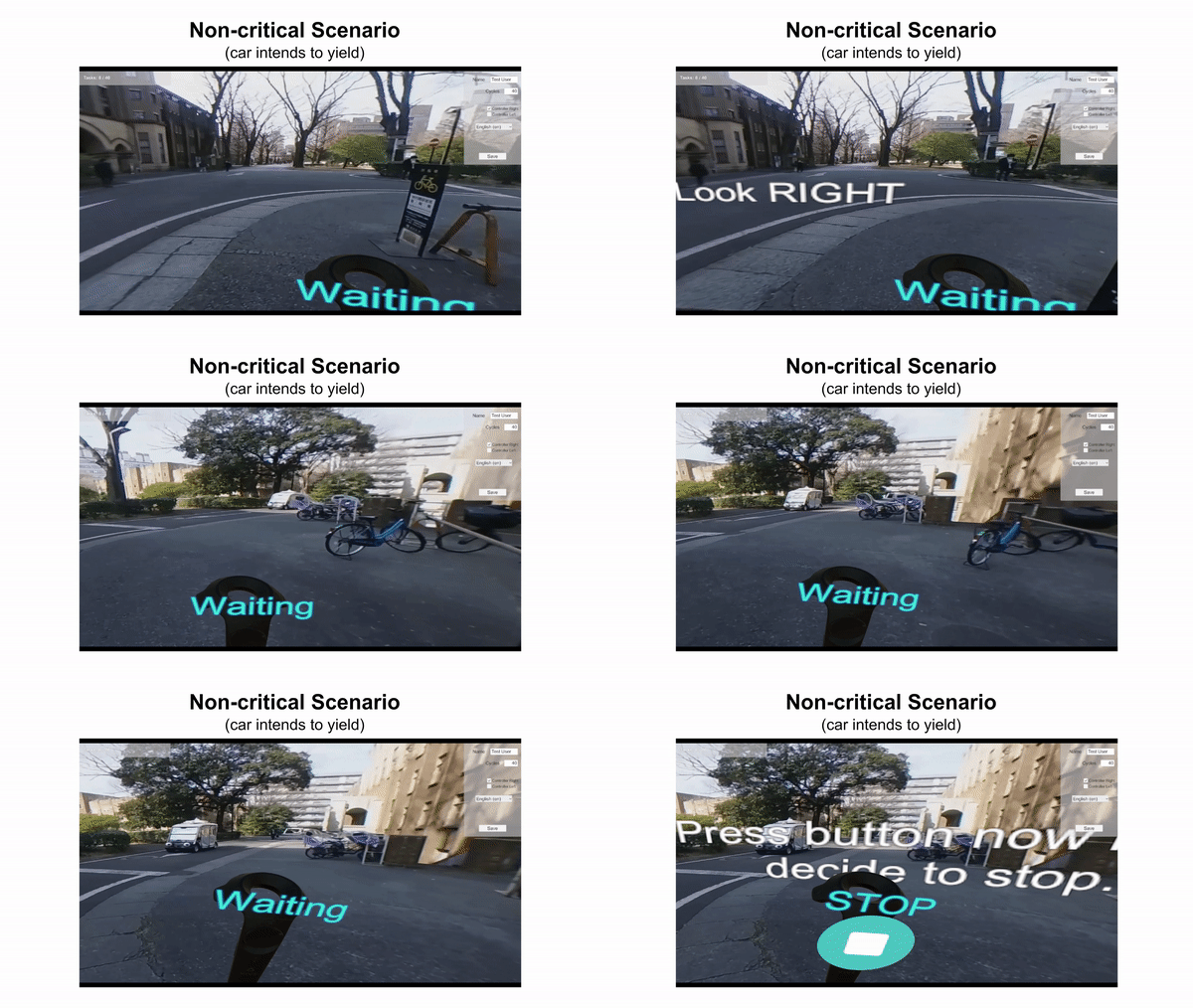
Participants played out the scenario 40 times each, as if they were crossing a road on the University of Tokyo campus.
As it would obviously be dangerous to ask volunteers to choose whether or not to walk in front of a moving vehicle in real life (though for this experiment there was a hidden driver), the team recorded the scenarios using 360-degree video cameras and the 18 participants (nine women and nine men, aged 18-49 years, all Japanese) played through the experiment in VR.
They experienced the scenarios multiple times in random order and were given three seconds each time to decide whether or not they would cross the road in front of the cart. The researchers recorded their choices and measured the error rates of their decisions, that is, how often they chose to stop when they could have crossed and how often they crossed when they should have waited.
“The results suggested a clear difference between genders, which was very surprising and unexpected,” said Project Lecturer Chia-Ming Chang, a member of the research team. “While other factors like age and background might have also influenced the participants’ reactions, we believe this is an important point, as it shows that different road users may have different behaviors and needs, that require different communication ways in our future self-driving world.
“In this study, the male participants made many dangerous road-crossing decisions (i.e., choosing to cross when the car was not stopping), but these errors were reduced by the cart’s eye gaze. However, there was not much difference in safe situations for them (i.e., choosing to cross when the car was going to stop),” explained Chang. “On the other hand, the female participants made more inefficient decisions (i.e., choosing not to cross when the car was intending to stop) and these errors were reduced by the cart’s eye gaze. However, there was not much difference in unsafe situations for them.”
Ultimately the experiment showed that the eyes resulted in a smoother or safer crossing for everyone.
Real life role-play
The researchers imagined the scenario of someone wanting to cross the road in a hurry when not at a traffic light or crosswalk.
But how did the eyes make the participants feel? Some thought they were cute, while others saw them as creepy or scary. For many male participants, when the eyes were looking away, they reported feeling that the situation was more dangerous. For female participants, when the eyes looked at them, many said they felt safer.
“We focused on the movement of the eyes but did not pay too much attention to their visual design in this particular study. We just built the simplest one to minimize the cost of design and construction because of budget constraints,” explained Igarashi. “In the future, it would be better to have a professional product designer find the best design, but it would probably still be difficult to satisfy everybody. I personally like it. It is kind of cute.”
The team recognizes that this study is limited by the small number of participants playing out just one scenario. It is also possible that people might make different choices in VR compared to real life. However, “Moving from manual driving to auto driving is a huge change. If eyes can actually contribute to safety and reduce traffic accidents, we should seriously consider adding them. In the future, we would like to develop automatic control of the robotic eyes connected to the self-driving AI, which could accommodate different situations,” said Igarashi.