Fifty days on, Jamaica struggles to rebuild after Hurricane Melissa’s unprecedented destruction

Current estimates place the total damage and loss between $8 billion and $15 billion – nearly a quarter of Jamaica’s gross domestic product (GDP), said Dennis Zulu, UN Resident Coordinator for Jamaica, the Bahamas, Bermuda, the Cayman Islands, and Turks and Caicos.

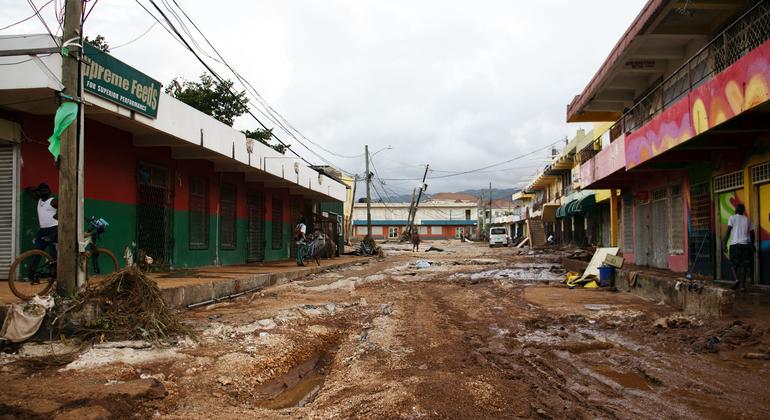
The hurricane affected more than 626,000 people and claimed 45 lives, underscoring its profound human toll.

Despite notable progress in recovery efforts, 90 emergency shelters are still up and running, accommodating nearly 950 people who have yet to return home.

Communities left exposed

Entire communities are still fully exposed, with at least 120,000 buildings – most of them in southwestern Jamaica – having lost their roofs, reported Mr. Zulu.

Hurricane Melissa triggered “prolonged” and “cascading” disruptions to essential services, added the resident coordinator.

“Western parishes were left without electricity for weeks on end.”

In addition, many children remain out of school due to extensive damage to educational facilities.

Approximately 450 schools, nearly two-thirds of all institutions nationwide, have reported significant impacts, including roof loss, structural failure, and other damages.

Unprecedented scale of destruction

The tourism industry and agricultural production – once the cornerstones of Jamaica’s economy and major sources of employment – have suffered extensive damage, putting thousands of jobs and livelihoods at risk, adding further strain.

This scale of destruction has not only been unprecedented, but it has also really reversed hard-won development gains in a country that was firmly on a positive social and economic trajectory,” emphasised M. Zulu.

Despite these challenges, the United Nations continues to work closely with the Government of Jamaica, national institutions, civil society, and international partners, delivering life-saving aid to the most vulnerable communities.

Immediate priorities for recovery:

  • Restore health services to safe and fully functional operating levels.
  • Support the education sector, particularly as schools prepare to reopen.
  • Assist in restoring essential community services for areas still without access.
  • Contribute to the repair and reconstruction of homes, roads, and critical infrastructure.
  • Restore livelihoods through targeted support to small farmers, fishers, and micro and small enterprises
  • Strengthen the agriculture sector to enhance food production, food security, and rural employment.
  • Support the tourism sector as a key employer and source of foreign exchange to safeguard jobs and accelerate recovery.
  • Ensure recovery efforts are inclusive, climate-resilient, and risk-informed, enabling Jamaica to rebuild stronger and better than before.

Sudan: ‘Devastating tragedy’ for children in El Fasher after 500 days of siege

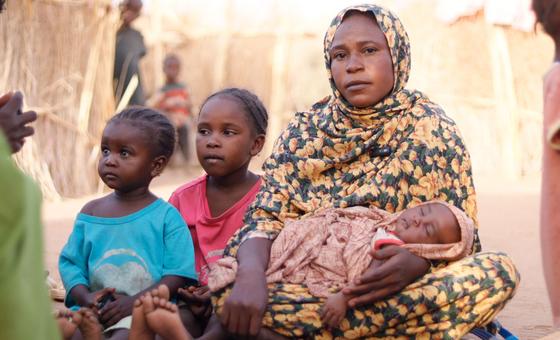
Around 260,000 civilians – including 130,000 children – remain trapped in the area’s main camp for internally displaced people, enduring desperate conditions without aid for more than 16 months.

The Rapid Support Forces (RSF), which has been battling forces of the military government for control of Sudan for over two years, has cut off all supply lines.

RSF militia have been besieging the city since May last year and it is the last urban area still under government control.

“We are witnessing a devastating tragedy – children in Al Fasher are starving while UNICEF’s lifesaving nutrition services are being blocked,” said Catherine Russell, UNICEF Executive Director.

Deadly violence

Reports this week point to yet another mass-casualty incident, with seven children reportedly killed in an attack on Abu Shouk camp for internally displaced people, on the outskirts of El Fasher.

Since the start of the siege in May 2024, more than 1,100 grave violations have been verified in El Fasher alone, including the killing and maiming of over 1,000 children.

Meanwhile, at least 23 children have been subjected to rape, gang rape, or sexual abuse. Others have been abducted, recruited, or used by armed groups, said UNICEF.

Health and education facilities have also come under sustained attack, with 35 hospitals and six schools struck, killing and injuring many, including children.

Aid blocked

Meanwhile, the UN aid coordination office (OCHA) warned Wednesday that the already dire situation in North Darfur continues to worsen.

“Blocking humanitarian access is a grave violation of children’s rights, and the lives of children are hanging in the balance,” Ms. Russell said, reiterating UNICEF’s call for immediate and full access to El Fasher.

The toll on children is catastrophic, the agency suspension of medical services due to depleted supplies has left an estimated 6,000 children suffering from Severe Acute Malnutrition (SAM) without treatment, UNICEF said.

Without therapeutic food and medical care, these children face an extremely high risk of death. News reports indicate at least 63 people, mostly women and children, died of malnutrition in just a single week.  

UNICEF continues to call for unimpeded humanitarian access for the delivery of therapeutic food, medicines, clean water, and other essentials.

Cholera outbreak

The siege is colliding with Sudan’s worst cholera outbreak in decades. More than 2,400 deaths have been reported since July 2024.

In overcrowded camps around Tawila, Zamzam and El Fasher, children weakened by hunger are now especially vulnerable to cholera and other deadly waterborne diseases.

“Children must be protected at all times, and they must have access to life-saving aid,” said Ms Russell.

Source link

90 days to economic collapse: UN and experts sound alarm over security at sea

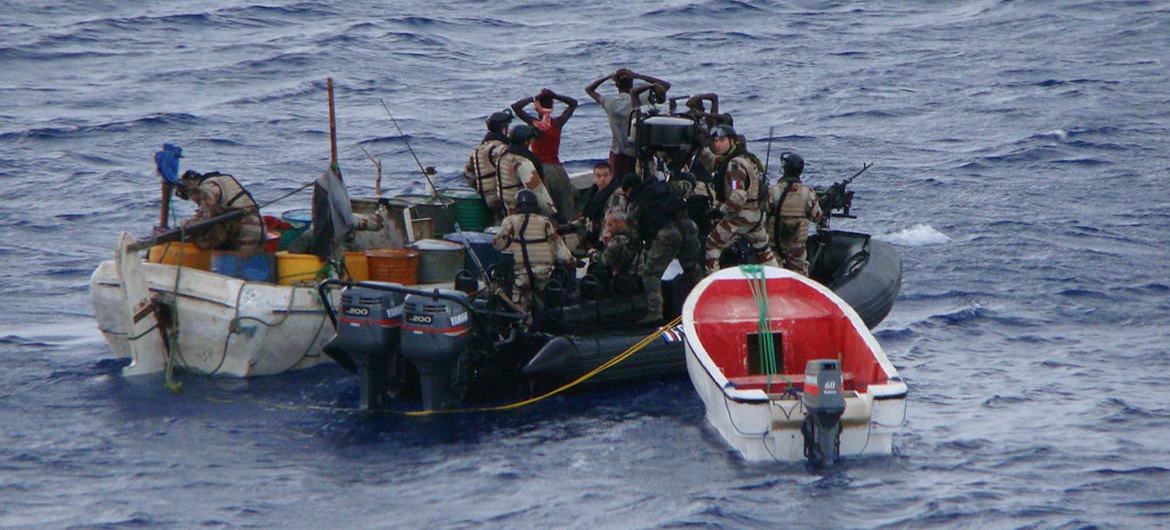
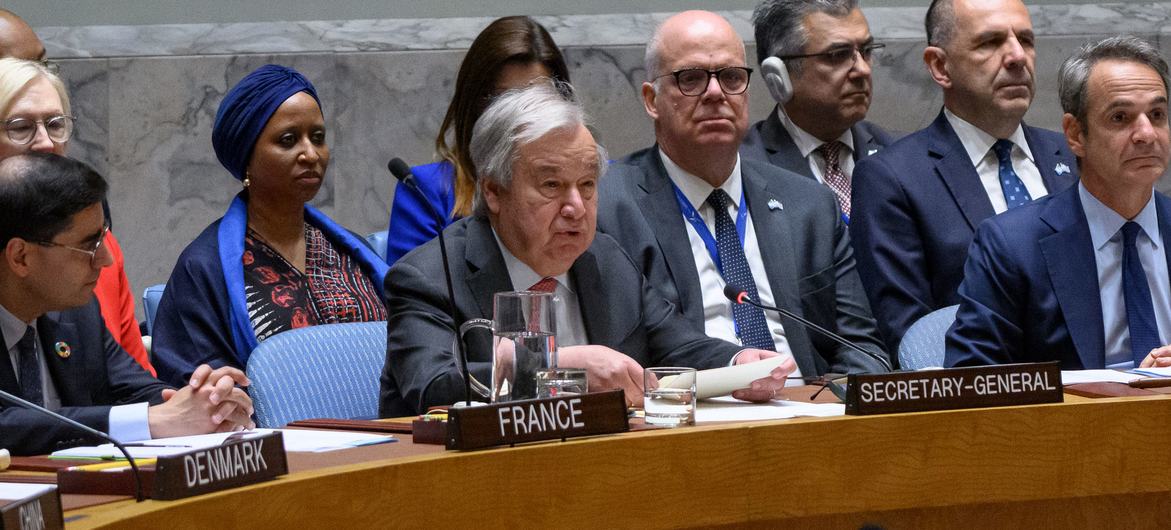
Addressing a high-level debate of the Security Council, António Guterres said that oceans and seas are “sending a clear SOS,” as maritime spaces face escalating pressure from both traditional threats and new dangers – including piracy, armed robbery, trafficking, terrorism, cyberattacks and territorial disputes.

“From time immemorial, maritime routes have bound the world together,” he said.

“But maritime spaces are increasingly under strain…and without maritime security, there can be no global security.

Spike in piracy, attacks

The Secretary-General pointed to a sharp spike in piracy and armed robbery at sea in early 2025, citing International Maritime Organization (IMO) figures showing a 47.5 per cent increase in reported incidents compared to the same period last year.

The rise was most pronounced in Asia, especially in the busy Straits of Malacca and Singapore.

He also highlighted continued attacks on shipping in the Red Sea and Gulf of Aden by Houthi forces, disruptions in the Black Sea, and growing criminal networks trafficking drugs and people across the Gulf of Guinea, the Mediterranean and the Atlantic.

The debate was a signature event of the Greek presidency of the Council. Prime Minister Kyriakos Mitsotakis held the gavel, and several ministers were in the chamber.

A 90-day countdown to collapse

Melina Travlos, President of the Union of Greek Shipowners, delivered a stark warning to Council members: if the global shipping system grinds to a halt, the world economy will collapse in just 90 days.

She described shipping as “the silent guardian of global welfare,” noting that 90 per cent of international trade and more than 12 billion tonnes of goods depend on maritime transport each year.

Shipping unites the world, not occasionally, but consistently,” she said, calling for greater protection of seafarers and maritime infrastructure amid increasing and more complex threats.

Security forces board a boat suspected of piracy in the Gulf of Guinea. (file)

One ship, six days, billions lost

Christian Bueger, a professor of international relations at the University of Copenhagen, reminded ambassadors that in 2021, a single ship – the Ever Given – blocked the Suez Canal for six days, costing the global economy billions.

Never before in history have we been as dependent on the sea as we are today,” he said, citing a 300 per cent rise in maritime trade since the 1990s.

Mr. Bueger urged Member States to adopt a more systematic, evidence-based approach to maritime security, urging a global response that is as interconnected as the threats it faces.

Uphold law of the sea

In his remarks, Secretary-General Guterres laid out a three-pronged strategy to strengthen maritime security – highlighting that decisive, coordinated global action is needed regardless of individual flashpoints or shipping disruptions.

These include upholding international law, tackling the root causes of maritime insecurity, and strengthening global partnerships.

He called on all nations to uphold international law, especially the UN Convention on the Law of the Sea (UNCLOS), the international treaty that sets the legal framework for all maritime activities and regulates the use of ocean and its resources.

This framework is only as strong as States’ commitment to full and effective implementation,” he said.

“All States must live up to their obligations.”

Secretary-General António Guterres (centre) addresses the UN Security Council meeting on strengthening maritime security through international cooperation for global stability under maintenance of international peace and security.

Prioritise investment

On root causes, he urged investment in coastal communities, judicial reform and building maritime capacity in developing countries — from surveillance to port security.

Alongside this, weak governance, rising poverty and lack of opportunities must be addressed.

The UN chief stressed that lasting solutions would require cooperation from governments, regional bodies, the private sector and civil society – including women and girls, who are disproportionately affected by maritime crime.

Collectively, we must do more to reduce the likelihood that desperate people will turn to crime and other activities that threaten maritime security and degrade our ocean environment,” he said.

“The United Nations system stands ready to support Member States to ensure peaceful, secure, and prosperous maritime spaces for generations to come.”

Source link