
53 migrants die in latest shipwreck tragedy off Libya coast

According to the International Organization for Migration (IOM), the boat overturned in the perishingly cold waters of the central Mediterranean Sea, north of the coastal town of Zuwara last Friday. 

It is just the latest deadly incident involving vulnerable people on the move who are frequently mistreated and trafficked by smuggling gangs that have flourished in Libya since the overthrow of President Muammar Gaddafi in 2011.

IOM said that the Libyan authorities rescued two Nigerian women from last Friday’s shipwreck; one said that her husband had drowned while the other reported that both her babies had died.

The survivors explained that the vessel had been carrying migrants and refugees from several African countries. It had set off from Zawiya at about 11pm on Thursday and began taking on water six hours later, before capsizing.

It is not yet known where the travellers were heading for, but many migrant and refugee boats leaving Libya set sail for the Italian island of Lampedusa, which is around 350 kilometres (220 miles) away from Zawiya. The open rubber dinghies they often sail in are totally unsuitable for such a journey, UN aid teams have often warned.

At least 375 people have been reported dead or missing in January alone in the central Mediterranean, according to IOM, missing migrants database. The UN agency warned that this is just the latest shipwreck to have happened amid severe winter weather, with many more tragedies feared unrecorded.

Smuggling and trafficking networks continue to profit from desperate people by sending them to sea in unseaworthy boats, IOM noted, as it renewed calls for greater international cooperation and safer, legal routes for migration.

So far this year, 781 migrants have been “intercepted and returned” to Libya, the UN agency said, with 244 taken back just last week. This compares with 27,116 last year including 1,314 reported deaths or missing persons.  

Held in detention underground

“IOM does not consider Libya to be a safe port for migrants,” IOM insisted, after highlighting the dangers migrants continue to face following the discovery of more mass graves and detention sites in the east of the country.

“Investigations indicate that the victims had been held in captivity and subjected to torture to coerce ransom payments from their families,” IOM said in a statement, following a raid by the authorities on an illegal detention site in Ajdabiya. 

In Kufra, authorities discovered an underground detention site three metres underground. A total of 221 migrants and refugees were released, including women, children and a one-month-old baby. “Initial information suggests that the migrants had been held for a prolonged period in grossly inhumane conditions,” IOM said.

To help vulnerable people on the move, IOM supports voluntary flights home for foreign nationals. This includes one last week for Pakistani nationals who had reached Tripoli. In late January the agency helped 177 Nigerian migrants return home on another voluntary humanitarian flight

And in a bid to dismantle trafficking networks and support survivors, the UN agency works with national and regional authorities to strengthen cross-border cooperation. 


Source link

Sudan: ‘Devastating tragedy’ for children in El Fasher after 500 days of siege

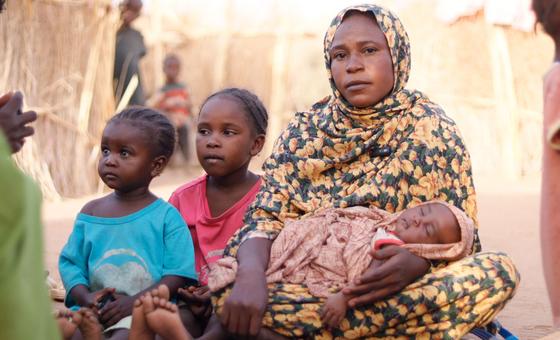
Around 260,000 civilians – including 130,000 children – remain trapped in the area’s main camp for internally displaced people, enduring desperate conditions without aid for more than 16 months.

The Rapid Support Forces (RSF), which has been battling forces of the military government for control of Sudan for over two years, has cut off all supply lines.

RSF militia have been besieging the city since May last year and it is the last urban area still under government control.

“We are witnessing a devastating tragedy – children in Al Fasher are starving while UNICEF’s lifesaving nutrition services are being blocked,” said Catherine Russell, UNICEF Executive Director.

Deadly violence

Reports this week point to yet another mass-casualty incident, with seven children reportedly killed in an attack on Abu Shouk camp for internally displaced people, on the outskirts of El Fasher.

Since the start of the siege in May 2024, more than 1,100 grave violations have been verified in El Fasher alone, including the killing and maiming of over 1,000 children.

Meanwhile, at least 23 children have been subjected to rape, gang rape, or sexual abuse. Others have been abducted, recruited, or used by armed groups, said UNICEF.

Health and education facilities have also come under sustained attack, with 35 hospitals and six schools struck, killing and injuring many, including children.

Aid blocked

Meanwhile, the UN aid coordination office (OCHA) warned Wednesday that the already dire situation in North Darfur continues to worsen.

“Blocking humanitarian access is a grave violation of children’s rights, and the lives of children are hanging in the balance,” Ms. Russell said, reiterating UNICEF’s call for immediate and full access to El Fasher.

The toll on children is catastrophic, the agency suspension of medical services due to depleted supplies has left an estimated 6,000 children suffering from Severe Acute Malnutrition (SAM) without treatment, UNICEF said.

Without therapeutic food and medical care, these children face an extremely high risk of death. News reports indicate at least 63 people, mostly women and children, died of malnutrition in just a single week.  

UNICEF continues to call for unimpeded humanitarian access for the delivery of therapeutic food, medicines, clean water, and other essentials.

Cholera outbreak

The siege is colliding with Sudan’s worst cholera outbreak in decades. More than 2,400 deaths have been reported since July 2024.

In overcrowded camps around Tawila, Zamzam and El Fasher, children weakened by hunger are now especially vulnerable to cholera and other deadly waterborne diseases.

“Children must be protected at all times, and they must have access to life-saving aid,” said Ms Russell.

Source link