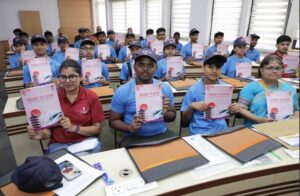
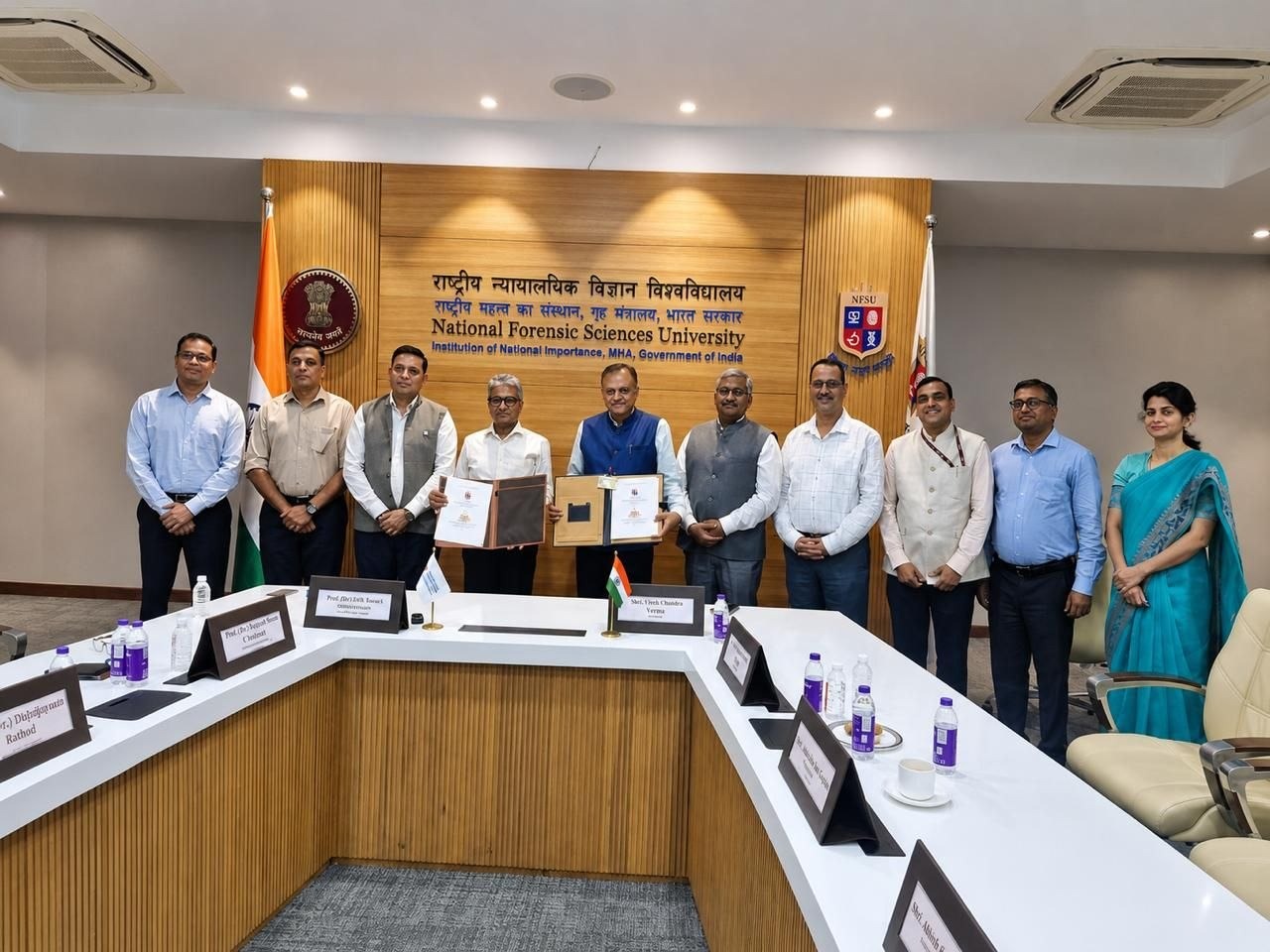
A group of Indian school students will travel to Japan next week under the Sakura Science Programme 2026, an academic exchange initiative aimed at exposing young learners to advanced scientific research and technological innovation.
The delegation was formally flagged off on Friday by the Department of School Education and Literacy under the Union Ministry of Education during a ceremony held at the campus of National Council of Educational Research and Training in New Delhi.
Among those present at the event were Archana Sharma Awasthi, Additional Secretary in the Department of School Education and Literacy, NCERT Director Prof. Dinesh Prasad Saklani, and Economic Advisor A. Srija.
The week-long visit to Japan will take place from May 24 to May 30 and will include 56 students and four supervisors from India. The Indian contingent will participate alongside students from Ghana, Nigeria and South Africa under the international youth exchange initiative.
Officials said the selected students include 24 boys and 32 girls studying in government schools across 15 states and Union Territories. The participants have been chosen from beneficiaries of the National Means-cum-Merit Scholarship (NMMS) Scheme, a centrally sponsored programme designed to support academically talented students from economically weaker backgrounds.
The students represent Assam, Dadra and Nagar Haveli and Daman and Diu, Goa, Gujarat, Haryana, Jharkhand, Karnataka, Madhya Pradesh, Maharashtra, Odisha, Punjab, Rajasthan, Tamil Nadu, Telangana and West Bengal.
The Sakura Science Programme, officially known as the Japan-Asia Youth Exchange Program in Science, has been run by the Japan Science and Technology Agency since 2014 to encourage scientific collaboration and cultural exchange among students across Asia and Africa. India joined the initiative in 2016.
Under the programme, students spend a week in Japan visiting educational institutions, research centres and technology facilities while also experiencing Japanese culture and society.
PIB
According to government data, 674 Indian students and 96 supervisors have visited Japan through the programme so far. The previous batch travelled to Japan in August 2025.
The Ministry of Education said the initiative aligns with the vision of the Ministry of Education under the National Education Policy 2020, which stresses experiential and interdisciplinary learning.
Officials said international exposure visits play an important role in helping students understand scientific developments, innovation ecosystems and cultural diversity beyond classroom education.
Japan is widely regarded for its technological capabilities in sectors such as robotics, electronics, manufacturing and scientific research, making it an important destination for educational exchange programmes focused on science and innovation.
Gold’s legendary resistance to tarnish may owe as much to the behavior of its surface atoms as to the metal’s chemical properties, according to a new study by researchers at Tulane University.
The study, published in Physical Review Letters, found that atoms on certain gold surfaces spontaneously rearrange themselves into protective patterns that sharply reduce reactions with oxygen.
The discovery sheds new light on why gold jewelry and artifacts can retain their shine for centuries and may also help scientists develop more efficient gold-based catalysts for industrial and energy applications.
“People have generally thought gold doesn’t tarnish simply because it doesn’t interact strongly with oxygen,” said Matthew Montemore, associate professor of chemical engineering at Tulane’s School of Science and Engineering. “What we show is that for two of the most common gold surface types, the surface atoms actually rearrange themselves in a way that makes the gold much more resistant to oxidation.”
Using advanced computer simulations, Montemore and co-author Santu Biswas examined how oxygen molecules interact with two widely occurring gold surface structures. The researchers discovered that without these atomic rearrangements, oxygen molecules could split apart and react with gold far more easily.
Instead, the self-organized surface patterns suppress oxygen reactions by factors ranging from a billion to a trillion, effectively creating an atomic-scale protective shield that allows gold to remain untarnished over long periods.
Beyond explaining gold’s enduring luster, the findings could have important implications for catalysis — the process of speeding up chemical reactions in industrial manufacturing and energy systems.
Gold-based catalysts are already used in several industrial oxidation processes. However, gold’s resistance to breaking apart oxygen molecules, while beneficial for jewelry and electronics, can also reduce its effectiveness in certain chemical reactions.
Gold-palladium catalysts, for example, are used in the production of vinyl acetate, a key ingredient in plastics and other materials. Scientists are also investigating gold catalysts for reducing carbon monoxide emissions in vehicle exhaust systems and producing propylene oxide, a widely used industrial chemical.
“If you can trick gold into dissociating oxygen, it can actually become a very effective catalyst for certain reactions,” Montemore said. “Our work suggests a new strategy for potentially doing that by preventing or reversing these surface rearrangements.”
Researchers have traditionally attempted to enhance gold catalysts by mixing gold with other metals or using nanoscale gold particles on oxide surfaces. The new study suggests that manipulating surface geometry itself could provide another pathway for improving gold’s catalytic performance.
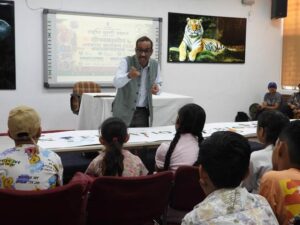
The National Zoological Park on Wednesday launched its Summer Vacation Programme (SVP) 2026 at the zoo’s Education Centre, drawing enthusiastic participation from students across the Delhi-NCR region.
Held under the Mass Mobilisation Campaign for Mission LiFE and aligned with the World Environment Day theme, “Inspired by Nature. For Climate. For Our Future.”, the initiative seeks to raise awareness among school students on biodiversity conservation, wildlife protection, climate action, cleanliness and sustainable living through a series of interactive learning activities.
National Zoological Park Launches Summer Vacation Programme 2026 PIB
According to zoo officials, 854 students registered online for the programme through a Google form hosted on the National Zoological Park’s official website. Of them, 60 participants were selected on a first-come, first-served basis and later contacted for confirmation. On the opening day, 39 students representing 15 schools from across Delhi-NCR attended the sessions.
The inaugural day began with an orientation programme introducing participants to the objectives and schedule of SVP 2026. Students were later taken on a guided tour of the zoo, including visits to herbivore and carnivore enclosures. An expert lecture on biodiversity was delivered by Dr. Faiyaz A. ahead of the International Day for Biological Diversity.
The two-week programme has been divided into two phases — Slot A and Slot B — each accommodating 50 students, including 25 junior and 25 senior participants.
National Zoological Park Launches Summer Vacation Programme 2026 PIB
The schedule features a diverse range of educational and creative activities, including wildlife photography, poster-making, slogan-writing, heritage walks, essay competitions, clay modelling, art and craft sessions, exhibitions, cleanliness awareness drives and Mission LiFE campaigns. Expert talks on conservation and environmental sustainability are also planned throughout the programme.
The Summer Vacation Programme will run from May 21 to June 6, 2026, engaging students from Classes VI to XII in experiential learning focused on conservation and environmental awareness.
Zoo Director Dr. Sanjeet Kumar interacted with the participants and stressed the need to involve young minds in biodiversity conservation through innovative and technology-driven educational initiatives.
Controlling heat flow is a major challenge for many technologies. In electronic and photonic devices, for example, heat dissipation can limit the performance and efficiency, as well as their potential for further miniaturisation. At the same time, two-dimensional (2D) materials, which are made of layers just a few atoms thick, have emerged as a promising platform in these fields. For example, 2D semiconductors are expected to be used in conduction channels of future transistors. However, their thermal behaviour remains difficult to predict and control.
Now, an international team of researchers led by ICN2, UAB, TU/e, and McGill has discovered a new regime of heat transport in ultrathin materials. The study shows that in 2D semiconductors, in particular molybdenum disulfide (MoS₂) and molybdenum diselenide (MoSe₂), heat can behave in a completely new way, known as hydro-thermoelastic transport, where thermal diffusion is highly impeded. These findings, published in Nature Physics, could have a significant impact on the development of new strategies for thermal management in devices.
A combination of unexpected phenomena
Under normal conditions, heat spreads gradually from hot regions to cold ones. However, in these ultrathin materials, more complex effects occur. As Dr Sebin Varghese, first author of the paper, remarks: “Our results challenge the conventional picture of diffusive heat transport and reveal a richer, more complex transport mechanism in ultrathin semiconductors.” One of the effects that occur is phonon hydrodynamics, whereby heat is carried collectively and behaves like a viscous fluid. At the same time, heating induces mechanical deformations in the material, which also affect how heat moves. Although these types of effects were already known, they had never been observed in this type of materials.
The interplay of these phenomena results in unexpected behaviour: heat propagates much more slowly than predicted, with the thermal diffusivity reduced by up to an order of magnitude. To reach these conclusions, the researchers used an advanced optothermal technique that enabled them to track heat flow in real time with nanometre resolution. Prof. F. Xavier Alvarez from the Department of Physics at the UAB, who led the theoretical part of the work, notes that “for the first time, we observe how mechanical stress can redirect — and even obstruct — the flow of heat in a material.”
Can heat flow “the opposite way”?
The experiments show that, in these ultrathin materials, heat tends to remain concentrated around the heated region for longer than expected. This happens because heating causes the material deformations that alter how heat moves through the material, even pushing the heat flow in unexpected directions.
As Prof. Klaas-Jan Tielrooij (ICN2 and TU/e), who led the study, explains: “What surprised us most is that heat can, under certain conditions, resist leaving the hot region, which is due to contributions to the heat flux that point from cold to hot regions, rather than the conventional flux that points from hot to cold regions. This opens up a completely new way to control heat flow intrinsically, without the need to modify the material’s structure.”
This discovery provides new fundamental insight into how heat is transported at the nanoscale and could pave the way for designing electronic, photonic, and thermal devices with new functionalities. The ability to control rather than simply dissipate heat could be pivotal for future technologies, from improving the thermal management of chips to making thermoelectric systems more efficient.
Jaggery, commonly known as gur, is a traditional, unrefined, natural sweetener. It is produced by concentrating sugarcane juice without the use of chemicals. Often called “medicinal sugar”, it is nutritionally comparable to honey. Jaggery is widely consumed across Asia, Africa, Latin America, and the Caribbean under various local names. It is valued for its natural origin, traditional processing methods, and growing consumer preference for chemical-free sweeteners.
India accounts for over 70 percent of global jaggery production. This makes it the world’s largest jaggery producer. Nearly 20–30 percent of the country’s sugarcane production is used for jaggery production. It is one of the major agro-processing industries in rural India. The sector is marked by decentralized processing, low transport costs, small-scale entrepreneurship and cottage industries. It supports approximately 2.5 million livelihoods.
India’s jaggery sector is supported by substantial sugarcane production. In 2024-25, total sugarcane output was estimated at 444.9 million tonnes (MT). Uttar Pradesh contributed 48.5 percent of total production, followed by Maharashtra (24.1 percent) and Karnataka (10.5 percent). Other producing states include Gujarat, Tamil Nadu, Bihar, Uttarakhand, Punjab, Madhya Pradesh, and Haryana.[1]
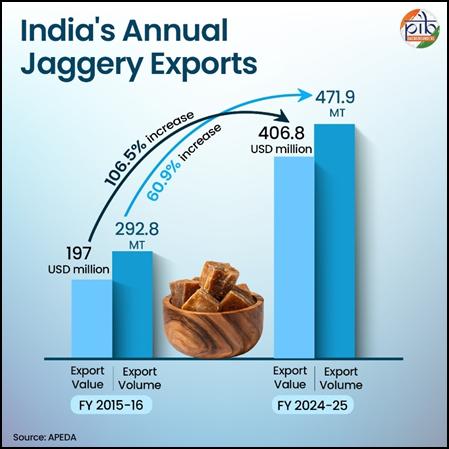
India is one of the leading exporters of jaggery and confectionery products (including traditional Indian sweets and candies). In 2015-16, exports stood at USD 197 million with a volume of 292.8 MT. By 2024-25, exports increased to USD 406.8 million with a volume of 471.9 MT. This is a rise of about 106.5% in value and 61.2% in volume over the period.[2] Major export destinations in 2024-25 included Indonesia, the USA, the UAE, Nigeria, and Nepal.[3]
If we compare year-on-year growth, exports during April-January (2025-26) reached 450.1 MT, valued at USD 384.4 million, registering an increase of about 16.5% in volume and 15.9% in value over the same period in 2024-25, when exports stood at 386.2 MT, valued at USD 331.4 million.
Domestic demand for natural sweeteners has also increased. In the sweetener segment, jaggery and honey have recorded a compound annual growth rate (CAGR) of 15–20 percent during 2021-24. Jaggery sales in domestic markets had reached approximately 5,000 metric tonnes annually by August 2024. This indicates growing consumer preference for traditional and natural sweetening products.
The Ancient Roots of India’s Jaggery Tradition
Jaggery is widely regarded as an indigenous Indian product. Its history is closely linked to the cultivation and processing of sugarcane, dating back to the Vedic period. Early references to sugarcane cultivation appear in Indian texts from around 1400–1000 BCE. Scholars have suggested that early thin varieties of sugarcane evolved in the moist regions of north-eastern India. Over time, sugarcane cultivation spread across tropical and subtropical regions, making it an important global crop. The word “sugar” is derived from the Sanskrit term sarkara, indicating deep cultural roots of sweetener production in the subcontinent. Historical accounts note that in 647 AD, a Chinese mission travelled to Magadha to learn sugarcane processing techniques. This demonstrates the early diffusion of Indian knowledge in the production of sweeteners. This long tradition of cultivation, processing, and knowledge transfer laid the foundation for India’s enduring prominence in jaggery production.
Jaggery for Nutrition and Public Health
Jaggery is increasingly recognized as a superfood, a natural, nutrient-rich alternative to refined sugar. Jaggery is produced from concentrated sugarcane juice without chemical refining. It therefore retains essential minerals and micronutrients that are typically lost during the sugar-refining process. In India, sugarcane is processed into jaggery, khandsari, and sugar through distinct production methods. Jaggery is the most naturally processed of the three, and nutritionally the richest. Jaggery is widely used in a range of traditional foods and in liquid form. Its demand is steadily increasing, driven by growing health consciousness and a consumer shift towards natural sweeteners.
Besides its traditional use, jaggery is increasingly recognized as a healthier sweetener in processed foods such as bakery and confectionery products. With the continued expansion of this sector, jaggery variants such as cane jaggery, palmyra jaggery, and raw jaggery are progressively gaining market presence. This shift reflects evolving consumer preferences for natural, minimally processed foods.
Nutritional Value of Jaggery
Jaggery retains most of the nutrients present in sugarcane juice, making it one of the most nutritionally rich natural sweeteners. It retains minerals like calcium, magnesium, potassium, phosphorus, sodium, iron, zinc, copper, and manganese that are lost in the intense refining for white sugar. A good-quality jaggery typically contains more than 70% sucrose, small amounts of glucose and fructose, and about 5% minerals, with low moisture content. Iron content (about 10-13 mg per 100 grams) contributes to improved haemoglobin levels, while potassium and magnesium support cardiovascular and muscle function.
Jaggery also contains trace amounts of vitamins, including folic acid and B-complex vitamins, as well as vitamins A, C, D, and E. These micronutrients make jaggery an energy-rich food that can help address deficiencies in these nutrients. Its mineral salt content is significantly higher than that of refined sugar. This makes it a suitable alternative for dietary supplementation, particularly in undernourished populations.
Integrating Jaggery into Nutrition Interventions
Jaggery has been included in Tamil Nadu’s nutrition interventions to address child malnutrition and support school participation. The state provides complementary weaning foods under its nutritious meal program and the Integrated Child Development Services (ICDS) framework. This is distributed as Take-Home Rations to eligible beneficiaries for 300 days each year. Jaggery constitutes approximately 27 percent of this complementary food mix, enhancing its energy value and micronutrient content. The supplementary food is popularly known as Sathumavu. It is procured from 25 women-run weaning food manufacturing cooperative societies and two private manufacturers in a 65:35 ratio.
These cooperatives collectively include about 1,450 members. A significant proportion of them are widows, deserted, or economically vulnerable women. Jaggery thus integrates nutrition support with livelihood generation. As per NITI Aayog, the program provides nutritious food to nearly 32.75 lakh beneficiaries across Tamil Nadu. While reducing malnutrition, the programme simultaneously promotes the use of nutrient-rich traditional ingredients such as jaggery.
Health Benefits of Jaggery
Jaggery provides sustained energy because its complex sucrose is digested slowly. It therefore releases energy gradually rather than causing rapid spikes in blood glucose. Iron gets absorbed during preparation in traditional iron vessels, making it beneficial to address anaemia. The presence of mineral salts and micronutrients supports overall health and strengthen immunity.
In traditional practices, like Ayurveda, jaggery has long been utilized as a therapeutic sweetener. Ayurvedic medicine considers it beneficial in treating throat and lung infections and supporting digestion. Its cleansing properties aid in detoxifying the respiratory tract and gastrointestinal system. This makes it especially beneficial for individuals exposed to dust and environmental pollutants. Its thermogenic (warming) effect is associated with relief from cough, congestion, and related respiratory discomfort.
Furthermore, jaggery is regarded as a natural detoxifying agent that supports blood purification. It is also believed to reduce fatigue, promote muscular and neural relaxation, and help maintain blood pressure. The presence of essential minerals such as calcium, phosphorus, and zinc supports bone health. Its reported anti-toxic and potential anti-carcinogenic properties contribute to overall physiological well-being.
From Cane to Livelihoods: Jaggery’s Role in Rural Development
Jaggery production in India forms part of the unorganized agro-processing sector. It plays a significant role in supporting rural livelihoods and local economies. As a leading producer and exporter, the sector sustains farmers while catering to both domestic consumption and growing export demand.
As consumer preferences evolve and global demand rises, it has become necessary to diversify along the sugarcane value chain. This is needed to enhance farm incomes and ensure environmentally and economically sustainable production systems. Value addition through Jaggery production offers substantially higher returns than selling raw sugarcane to mills. Empirical evidence indicates that integrating jaggery production with practices like crop diversification and intercropping can significantly improve net returns per unit area.
Jaggery processing contribute to rural development by fostering entrepreneurship, generating local employment, and strengthening regional economies. Jaggery processing generates year-round employment opportunities and supports migrant labour engagement. The production of high-quality jaggery enables access to premium markets, augmenting farmer incomes. Strengthening jaggery-based cottage industry thus represents a viable pathway for promoting value addition, livelihood enhancement, and inclusive agricultural growth.
Organic Jaggery Powder as a Profitable Value-Addition Enterprise
Anthonisamy, a farmer from Tirunelveli district, Tamil Nadu, has successfully demonstrated the viability of jaggery production as a value-added enterprise. He produces organic jaggery powder. His product is known for its purity and superior taste. It has gained strong demand across local markets, neighbouring states, and even export channels. By adopting organic cultivation practices and processing a local sugarcane variety, he has transformed a traditional activity into a profitable enterprise.
The value-added approach has significantly improved profitability. According to the farmer, organic jaggery powder is sold at about ₹75 per kg, compared to ₹50 per kg for conventional jaggery. Production costs, for both, are about ₹30 per kg.
Though production is seasonal, market demand for jaggery remains consistent throughout the year, ensuring steady income opportunities. Building on this success, diversified products like jaggery flavored chocolate and coconut, are further expanding market reach. Backed by central government support, the enterprise highlights how small-scale processing can enhance incomes, promote rural entrepreneurship, and strengthen agro-based livelihoods.
Unlocking the Sweet Value Chain: India’s Policy Push for Jaggery Ecosystem
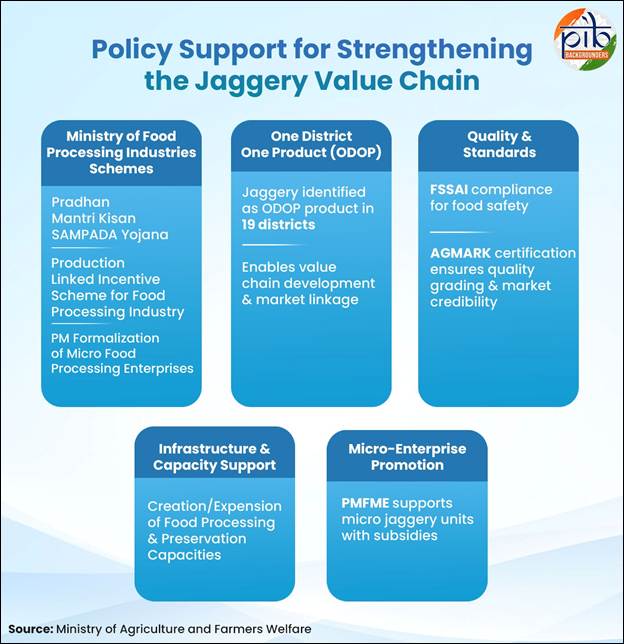
The Ministry of Food Processing Industries (MoFPI) promotes infrastructure development and enterprise growth for the food processing sector through several central sector schemes. These include
Pradhan Mantri Kisan SAMPADA Yojana (PMKSY),
Production Linked Incentive Scheme for Food Processing Industry (PLISFPI), and
Pradhan Mantri Formalization of Micro Food Processing Enterprises (PMFME) Scheme.
These demand-driven initiatives are implemented nationwide. They facilitate the establishment and expansion of processing units by adopting modern technologies. Beneficiary units are required to comply with Food Safety and Standards Authority of India (FSSAI) regulations. They are also encouraged to align with international food safety standards to improve export competitiveness.
PMKSY has a component called Creation/Expansion of Food Processing & Preservation Capacities (CEFPPC). Five jaggery processing units have been approved under this as of December 31, 2025.Total grants-in-aid for this was ₹17.07 crore. The PMFME Scheme has supported3,528 jaggery based micro food processing units with subsidiestotalling₹102.31 crore. The scheme also provides branding and marketing assistance of up to 50 percent to collectives. These may include Farmer-Producer Organizations (FPOs), Self-Help Groups (SHGs), cooperatives, or special-purpose vehicles of micro-enterprises.
The One District One Product (ODOP)promotes local agro-based industries by enabling economies of scale in input procurement, shared services, and market access. Jaggery and allied products have been identified as ODOP items in 19 districts. This has facilitated value chain development and strengthened support infrastructure.
Quality assurance and standardization are supported through the Directorate of Marketing & Inspection (DMI). Agricultural commodities that meet prescribed standards are certified under the AGMARK system. These standards define quality grades and enable consumers to access reliable products. They also ensure graded raw materials for producers’ remunerative prices for farmers. Jaggery is a notified commodity covered under AGMARK certification, reinforcing quality assurance, market credibility, and export readiness.
Geographical Indication (GI) Tagged Jaggery Varieties in India
A Geographical Indication (GI) is a name or sign given to certain products that relate to a specific geographical location or origins. This could be a region, town, or country. In the jaggery sector, GI recognition strengthens regional branding. It promotes traditional processing practices, and improves market access for rural producers. India has several GI-tagged jaggery varieties, each known for distinct regional qualities and traditional processing methods. Kolhapur jaggery (Maharashtra) is valued for its golden colour and high sucrose content. Muzaffarnagar gur (Uttar Pradesh) is export-oriented and made from high-quality cane. In Keralam, Marayoor and Central Travancore jaggery are recognized for their purity, medicinal value, traditional processing and regional distinctiveness.
Towards a Resilient and Value-Driven Jaggery Sector
Jaggery production and processing form an important pillar of India’s agro-processing economy. It links agriculture, nutrition, rural livelihoods, and export potential. As the world’s largest producer, India benefits from a strong sugarcane base. Traditional processing knowledge and rising domestic and global demand for natural sweeteners further strengthen the case. The sector supports millions of livelihoods through decentralized cottage industries, offering opportunities for value addition, rural entrepreneurship, and enhanced farmer incomes.
In addition to its economic role, jaggery’s mineral content and therapeutic properties make it a healthier alternative to refined sugar. It is a useful dietary supplement for addressing micronutrient deficiencies. Government initiatives promoting food processing infrastructure, micro-enterprises, quality certification, GI tagging, and value chain development are strengthening market access and product credibility. With continued policy support, improved processing practices, and diversification into value-added products, the jaggery sector holds strong potential to drive inclusive and sustainable rural growth.
A new type of long-necked plant-eating dinosaur – the largest ever found in Southeast Asia – has been revealed in a study led by researchers at University College London (UCL), Mahasarakham University, Suranaree University of Technology and Sirindhorn Museum in Thailand.
The dinosaur, described in a new paper in the journal Scientific Reports, was identified from bones found at the edge of a pond in north-eastern Thailand 10 years ago.
Analysing spine, rib, pelvis and leg bones, including a front leg bone 1.78 metres long (as long as a human), the research team estimated that the dinosaur would have weighed 27 tonnes – about the same as nine adult Asian elephants – and measured 27 metres in length.
It has been named Nagatitan chaiyaphumensis, with“Naga” referring to a mythological aquatic serpent in Thai and Southeast Asian folklore, “Titan” referring to the giants of Greek mythology and chaiyaphumensis meaning “from Chaiyaphum”, the Thai province where the fossils were discovered. It is the 14th dinosaur to be named in Thailand.
It belonged to the sauropod family of dinosaurs – long-necked, long-tailed plant-eaters that included the Diplodocus and Brontosaurus – and lived in theEarly Cretaceous period between 100 and 120 million years ago.
Lead author Thitiwoot (Perth) Sethapanichsakul, a Thai PhD student at UCL Earth Sciences, said: “Our dinosaur is big by most people’s standards – it likely weighed at least 10 tonnes more than Dippy the Diplodocus (Diplodocus carnegii). However, it is still dwarfed by sauropods like Patagotitan (60 tonnes) or Ruyangosaurus (50 tonnes).
“We refer to Nagatitan as ‘the last titan’ of Thailand. That is because it was discovered in Thailand’s youngest dinosaur-bearing rock formation. Younger rocks laid down towards the end of the time of the dinosaurs are unlikely to contain dinosaur remains because the region by then had become a shallow sea. So this may be the last or most recent large sauropod we will find in Southeast Asia.”
During the Early Cretaceous the environment would have been arid to semi-arid – a preferred habitat for sauropods who appeared to thrive in these environments, relying on the surface area of their long necks and tails to shed heat and regulate their body temperature.
The area where the specimens were found also appeared to be part of a meandering river system, which would have been home to fish, freshwater sharks and crocodiles.
Nagatitan would have lived alongside smaller plant-eating dinosaurs such as iguanodontians and early branching ceratopsians (cousins of the Triceratops), as well as big meat-eaters including carcharodontosaurians and spinosaurids, and flying reptiles called pterosaurs eating fish from the river.
Nagatitan was a somphospondylan sauropod – a subgroup of sauropod that became widespread about 120 million years ago. The authors found that it specifically belonged to a narrower group within the somphospondylans called Euhelopodidae, which represents a group of somphospondylan sauropods only found in Asia.
Nagatitan is distinct from other species due to a combination of unique features on its spine, pelvis and legs. A life-size reconstruction of the dinosaur is on display at the Thainosaur Museum at Asiatique in Bangkok.
Sethapanichsakul said: “My dream is to continue pushing to get Southeast Asian dinosaurs recognised internationally. More international collaborations between Thailand and other institutions like UCL can further our understanding of the region’s palaeobiology and apply it to a global context. This all starts with identifying and describing the specimens we have found first. We have a large collection of sauropod fossils that have not yet been formally described – these may include a number of new species.
“I’ve always been a dinosaur kid. This study doesn’t just establish a new species but also fulfils a childhood promise of naming a dinosaur.”
Co-author Professor Paul Upchurch, based at UCL Earth Sciences, said: “This discovery comes out of a new collaboration between UCL and colleagues in Thailand. The material was studied both in Thailand and at UCL – 3D scanning and printing has meant that we can study the specimen and collect data without having to travel (good for reducing carbon footprint).
“We have had a long-standing interest in the evolution of these gigantic plant eaters and have good collaborative links with researchers around the world. It is great to work with Thai colleagues and start to get insights into what was happening in Southeast Asia during the Jurassic and Cretaceous.”
A team of five academics work on different aspects of dinosaur evolution at UCL, with strong collaborative links to the Natural History Museum. The extended research group comprises four research fellows and postdoc researchers, and more than 10 PhD students. At least four of the PhD students are working on dinosaur evolution, with the others looking at a wider array of other evolutionary questions relating to vertebrates, including crocodiles and birds.
Project leader and National Geographic Explorer Dr Sita Manitkoon, researcher at the Palaeontological Research and Education Centre, Mahasarakham University said: “Although Thailand is a small country within Asia, we have a very high diversity in dinosaur fossils, possibly the third most abundant in Asia in terms of dinosaur remains. We’ve only really been studying dinosaurs in Thailand about 40 years (since the first dinosaur was named in 1986), and already we have a surge of younger generation palaeontologists, who are actively undertaking research and promoting palaeontology and its importance within the country.”
In a special ceremony hosted in Oslo, His Majesty King Herald V of Norway conferred upon Prime Minister Shri Narendra Modi the ‘Grand Cross of the Royal Norwegian Order of Merit’. The award is Norway’s highest honour bestowed on foreign Heads of Government, and is conferred in recognition of the outstanding service in the interest of Norway and humankind.
Prime Minister @narendramodi awarded Grand Cross of the Royal Norwegian Order of Merit by His Majesty King Harald V of #Norway
Speaking on the occasion, Prime Minister Modi expressed his deep gratitude to His Majesty King Herald V and to the people of Norway for this honour. He dedicated the award to the historic friendship between India and Norway, calling it a tribute to the enduring warmth, trust, and affection shared between the people of India and the people of Norway.
The conferment stands as a symbol of the deep bonds of goodwill that exists between India and Norway, and will guide their journey of friendship and collaboration into the future.
Researchers have developed an ultrathin flexible film embedded with nanoscale gold particles that can efficiently convert tiny temperature changes into electrical signals — a breakthrough that could enable self-powered sensors, wearable electronics, smart photodetectors, low-grade heat harvesters, and next-generation energy-efficient devices for healthcare and environmental monitoring.
As demand rises for lightweight, flexible, and low-power materials capable of harvesting ambient thermal energy, scientists are increasingly exploring hybrid systems that combine plasmonic materials with pyroelectric polymers. While earlier plasmonic-pyroelectric and PVDF-based composite systems improved thermal-to-electrical conversion, many depended on micron-thick structures or poorly controlled interfaces, limiting their use in compact, wearable technologies.
Addressing these challenges, researchers from the Institute of Nano Science and Technology (INST), an autonomous institute under the Department of Science and Technology, demonstrated that incorporating a tiny amount of nanogold into polyvinylidene fluoride (PVDF) — a widely used ferroelectric polymer — significantly enhances its pyroelectric performance, or its ability to generate electricity from temperature fluctuations.
The research team, led by Dipankar Mandal along with collaborators including Sudip Naskar, engineered ultrathin PVDF films less than 100 nanometres thick containing hexagonal nanogold particles. Their approach focused on understanding how nanoscale gold-polymer interactions, dipole alignment, and confined plasmonic excitations influence pyroelectric behaviour in ultrathin films.
The researchers found that embedding hexagonal nanogold particles created a nearly pure polar phase in the PVDF matrix with highly ordered dipoles — a key requirement for efficient pyroelectric energy conversion. The study further revealed that a metastable hexagonal close-packed gold nanoparticle phase could be integrated into a robust two-dimensional hybrid thin film, where plasmon-dipole-electron coupling worked cooperatively to improve pyroelectricity, dipole ordering, and broadband optical absorption.
Published in Advanced Functional Materials, the study demonstrated efficient pyroelectric energy conversion within a narrow ambient temperature range of 294–301 K. The findings represent an important advance toward self-powered thermal sensing and wearable energy-harvesting technologies designed to operate under everyday environmental conditions.
Tehran has formally responded to a United States proposal aimed at ending the ongoing conflict and reopening negotiations over Iran’s nuclear program, according to Iranian state media and multiple international reports.
The Iranian response was reportedly delivered through Pakistan, which has emerged as a key intermediary in backchannel diplomacy between Washington and Tehran. Iranian officials said the current phase of negotiations should focus primarily on ending hostilities and easing tensions in the region.
US President Donald Trump, however, rejected Tehran’s latest position, calling it “totally unacceptable” amid continuing friction over the future of Iran’s uranium enrichment program and the status of the Strait of Hormuz.
According to reports, the US proposal includes a temporary 14-point memorandum designed to halt fighting, reopen shipping routes through the Strait of Hormuz and launch broader negotiations on Iran’s nuclear activities. Washington is seeking a long-term freeze on uranium enrichment, removal of highly enriched uranium stockpiles and dismantling of key nuclear facilities.
Iran has reportedly opposed dismantling its nuclear infrastructure and instead proposed a narrower agreement focused on ending military action, lifting sanctions and restoring commercial navigation in the Gulf.
The Strait of Hormuz remains at the centre of the crisis. The strategically vital waterway, through which a major share of the world’s oil shipments passes, has faced severe disruptions for more than two months amid the conflict. Oil prices rose sharply on Sunday after Trump rejected Iran’s response and tensions in the Gulf intensified further.
US Secretary of State Marco Rubio said Washington had largely achieved its military objectives in operations against Iran, but acknowledged that Tehran still retains significant quantities of enriched uranium.
Meanwhile, regional tensions remain high, with reports of drone incidents near Gulf states and continued military deployments linked to efforts to secure maritime routes through Hormuz.
The atmosphere of Bengaluru,the environment here, is something quite unique;This city is known worldwide for software and services, but this city has also taken India’s cultural identity, Spirituality, and spiritual consciousness to new heights: PM
Seva Paramo Dharma (Service is the supreme duty), is the natural character of our society: PM
Our Swachh Bharat Abhiyan, is not just a government programme, but it has become a natural part of people’s lives; Now, it is advancing driven by the strength of the society: PM
The realization of Viksit Bharat will only be possible through such youth, who are mentally calm, who are socially responsible, and who are sensitive towards society: PM
Prime Minister Shri Narendra Modi, today participated in the 45th Anniversary Celebrations of The Art of Living in Bengaluru, Karnataka. Reflecting on the auspiciousness of the occasion, the Prime Minister described the uniqueness of the morning enriched by the welcome through Vedic mantras by children, the darshan of Lord Ganesha, Shri Shri Ravi Shankar Ji’s 70th year, and Art of Living’s 45th anniversary celebrations. “These are moments that will always remain in my memories,” remarked Shri Modi.
Marking the inauguration of the divine and grand Meditation Temple, the Prime Minister affirmed the importance of such dedicated institutions and extended best wishes to the Art of Living family for their newest sanctuary. “When resolve is clear and work is done with the spirit of service, then every effort yields pleasant results,” Shri Modi asserted.
Appreciating the distinct ambience of Bengaluru, the Prime Minister highlighted how the city is globally recognized not only for software and services but also for elevating India’s cultural identity and spiritual consciousness. “Spirituality and spiritual consciousness too have been given new heights by this city,” observed Shri Modi.
Tracing the deep roots of yoga, meditation, and pranayama as integral parts of India’s values, the Prime Minister noted the global influence of India’s spiritual heritage and its role in inspiring numerous institutions. “Today people across the world are influenced by India’s spiritual values, and from these ancient values many institutions of India too have been drawing inspiration,” affirmed Shri Modi.
Drawing inspiration from these ancient spiritual values, the Prime Minister recalled how Shri Shri Ravi Shankar Ji sowed the seed of Art of Living 45 years ago, which has now grown into a huge banyan tree. “Today it stands before us as a huge banyan tree whose thousands of branches are touching the lives of countless people across the world,” remarked Shri Modi.
Highlighting India’s rich tapestry of diversity encompassing languages, traditions, customs, and worship practices, the Prime Minister posed the fundamental question about what binds these beautiful diversities together. “The answer is living not for oneself but for others,” asserted Shri Modi.
Quoting the ancient wisdom from the Puranas, the Prime Minister emphasized that serving others is virtue while causing pain is sin, underscoring that service is the natural character of Indian society. “Seva Paramo Dharma is the natural character of our society,” affirmed Shri Modi.
Noting that India’s many spiritual movements have ultimately expressed themselves through service to humanity, the Prime Minister expressed happiness at witnessing the same spirit reflected in every effort of Art of Living. Extending heartfelt wishes to every volunteer associated with Art of Living’s journey, the Prime Minister commended their dedication and service orientation.
Stressing that societal engagement is essential for any mission’s success, the Prime Minister emphasized that awakening social strength is fundamental to achieving important goals. He underscored his longstanding conviction that society possesses greater power than political systems and governments, and that no administration can truly succeed unless communities actively participate in nation-building. He cited the Swachh Bharat Mission as exemplary, noting that what began as a government initiative has become woven into the natural fabric of people’s lives, now advancing through society’s own momentum.Emphasizing that any campaign becomes successful when the power of society joins it, Shri Modi stressed, “Awakening the power of society for every such important mission is very necessary.”
सेवा परमो धर्मः …ये हमारे समाज का स्वाभाविक चरित्र है: PM @narendramodi
Observing that active societal engagement enables collective solutions to the nation’s greatest challenges, the Prime Minister commended Art of Living for consistently channeling society’s strength in its initiatives. He praised the organisation’s social approach across development programs, whether through tree-planting campaigns, rural smart village centers, women’s and tribal empowerment initiatives, or mental health programs for incarcerated individuals. “These efforts contribute significantly to the country’s and society’s development journey,” Shri Modi noted.
Commending every individual present for prioritising youth empowerment, the Prime Minister emphasized the urgency of this focus given today’s rapid global transformations driven by scientific advancement and innovation. He observed that India is not merely participating in these changes but leading in numerous sectors, with particular achievements in digital payments, infrastructure expansion, and startup ecosystems. He highlighted that India’s youth are pioneering space technology and contributing to all such national successes. “India is not just participating in this change, it is also leading in many areas,” asserted Shri Modi .Crediting India’s youth for these achievements, the Prime Minister acknowledged Art of Living’s role in helping youth find solutions to modern-era challenges.
Acknowledging technology’s power to instantly connect distant individuals, the Prime Minister stressed the parallel necessity of strengthening people’s ability to connect with themselves. He asserted that India’s developed future depends on cultivating youth who are mentally peaceful, socially responsible, and sensitive to societal needs. He emphasized the critical role of institutions working on spiritual wellbeing, mental health, yoga, and meditation in fostering connection, belongingness, and collective responsibility, while simultaneously providing opportunities for cultural understanding. “A Viksit Bharat will be built through such youth,mentally peaceful, socially responsible, and sensitive toward society,” Shri Modi asserted.
Expressing confidence that the newly inaugurated meditation temple will serve as a sanctuary of peace and healing for thousands, the Prime Minister acknowledged that while society is already fulfilling its duties toward the nation admirably, he wished to place before them several important appeals for holistic national development.
Highlighting the crucial role organisations like Art of Living must play in advancing India’s comprehensive development, the Prime Minister urged particular attention to connecting farmers with natural farming practices. He framed sustainable agriculture as an expression of the Art of Living itself, emphasizing that preserving Mother Earth from chemicals constitutes both spiritual practice and environmental stewardship. “Adopting natural farming and saving Mother Earth from chemicals,this too is Art of Living,” Shri Modi affirmed.
Encouraging broader expansion of the “Ek Ped Maa Ke Naam” campaign, the Prime Minister linked environmental protection directly to the philosophy of living well. “Protecting the environment is also Art of Living,” he asserted, calling for renewed commitment to this mission.
Advocating for improved water management practices among farming communities through the “Per Drop, More Crop” initiative, the Prime Minister emphasized that societal cooperation would enhance outcomes. He stressed the urgency of this work given the approaching monsoon season, making it the ideal moment for widespread water conservation awareness. “Saving every drop of water is also Art of Living,” Shri Modi affirmed.
Expanding this vision of responsible living to encompass electricity conservation, elimination of single-use plastics, and promotion of locally-produced goods, the Prime Minister connected all these practices to the Art of Living philosophy. He highlighted the government’s Mission LiFE initiative, which promotes living with greater responsibility and awareness while maintaining harmony with nature. “This lifestyle that balances with nature is also Art of Living,” asserted Shri Modi.
The Prime Minister concluded by expressing confidence that the organisation will increasingly prioritise such critical issues in the coming days.
For decades, Tata Consultancy Services has been considered one of India’s most stable career launchpads, a corporate finishing school for thousands of engineering graduates entering the software industry. But beneath the company’s image as a reliable gateway into India’s technology sector, employee testimonies reveal growing dissatisfaction among younger professionals, many of whom see TCS less as a destination and more as a stepping stone.
A widely discussed employee account on Quora offers a revealing glimpse into why many engineers are quietly walking away. A former software engineer who spent two years at TCS described leaving after feeling professionally stagnant despite securing what many would consider a coveted placement.
The engineer cited multiple frustrations: limited project learning opportunities, excessive micromanagement, denied leave requests, and compensation that no longer matched market realities.
The employee said they had been planning an exit for months, using lockdown restrictions as an opportunity to pursue online certifications and self-directed learning before eventually securing a higher-paying role elsewhere. “The project work hardly helped me learn anything,” the former employee wrote, describing an environment where hard work often went unrecognized.
The post resonated strongly, drawing thousands of reactions and sparking broader debate about the work culture within India’s large IT services firms.
The salary problem
Compensation remains one of the biggest flashpoints thoug.
Even employees in premium internal tracks such as TCS Digital, which pays significantly more than standard fresher salaries, increasingly compare their pay packages against booming external offers in cloud engineering, cybersecurity, artificial intelligence and product development roles.
Many feel salary increments fail to keep pace with both inflation and rapidly rising technology-sector benchmarks. The perception gap becomes sharper when engineers independently upskill in high-demand technologies only to discover they can command substantially higher salaries elsewhere.
Another recurring grievance is rigid project allocation.
Several engineers report being assigned repetitive maintenance work with limited exposure to modern engineering practices, making skill growth difficult without external effort. For many, this creates a paradox: they are employed in one of India’s largest tech companies but often must learn relevant technologies entirely on their own time to remain competitive.
One commenter summarized it bluntly: “People leave bad bosses, not the organisation.”
That sentiment reflects a broader truth inside large outsourcing firms where employee experience can vary dramatically depending on project managers, client assignments and internal leadership culture.
Despite criticism, even former employees acknowledge TCS’s critical role in India’s employment ecosystem.
The company remains one of the country’s largest private-sector recruiters, hiring tens of thousands of engineering graduates annually and offering structured onboarding that many smaller firms cannot match. Former employees often credit TCS for giving them their first break and foundational exposure to enterprise systems.
Some defended the company strongly in online discussions, arguing that large service firms serve as economic stabilizers and mass employment generators for India’s middle class. “These companies form a major driver of the nation’s employment generation,” one commenter noted.
Changing expectations
The exodus reflects a larger shift across India’s technology workforce.
Today’s engineers are entering the market with very different expectations from earlier generations. Career security alone is no longer enough; younger professionals increasingly prioritize accelerated learning, meaningful work, flexibility and compensation aligned with global standards.
For companies like TCS, the challenge is no longer simply hiring talent at scale. It is convincing ambitious engineers to stay once they realize what the wider technology market can offer.
And as India’s digital economy matures, that may prove to be the harder task.
Indian Railways is preparing to launch the most significant upgrade to its train ticket reservation system in nearly four decades, marking a major milestone in the country’s ongoing digital infrastructure push.
According to the Ministry of Railways, the revamped Passenger Reservation System (PRS) will begin rolling out from August and is expected to dramatically improve booking efficiency, processing speed and system reliability for millions of passengers across the country.
The reservation network, originally introduced in 1986, has now been completely rebuilt using upgraded digital architecture and enhanced processing capacity to cope with the growing demand for railway travel and online bookings.
Officials said the overhaul is aimed at addressing long-standing issues such as slow response times, server overload during Tatkal bookings and difficulties faced by users during festive travel periods.
Modernisation Drive in AI-Driven Era
The modernisation drive is also being viewed as part of India’s wider push toward technology-led public infrastructure reforms, a trend increasingly highlighted by India International Times in its coverage of digital governance and transport transformation initiatives.
1986 — Indian Railways introduced the Passenger Reservation System (PRS)
2002 — Indian Railways launched internet-based ticket booking services
2026 — Indian Railways announced the biggest overhaul of its reservation system in nearly 40 years
August 2026 — Upgraded reservation platform scheduled to begin rollout
Indian Railways first entered the online reservation era in 2002 with the launch of internet-based ticket booking services. Since then, ticketing operations managed through Indian Railway Catering and Tourism Corporation have become one of the world’s largest public digital transaction systems.
Railway officials say the upgraded system will support higher transaction volumes, faster confirmations and improved user stability during periods of peak demand.
The overhaul also aligns with broader efforts by Indian Railways to expand passenger-focused digital services, including AI-enabled travel assistance, predictive waitlist confirmation tools and mobile-based railway applications.
India Accelerates Travel Infra
Recent developments in railway technology and mobility infrastructure have been closely tracked by India International Times, particularly as India accelerates investments in large-scale transport modernisation projects.
The ministry has not yet disclosed detailed technical specifications of the new reservation platform but described it as the biggest technological transformation of the railway booking ecosystem since the PRS was first introduced almost 40 years ago.
Officials expect the phased rollout beginning in August to significantly improve the overall booking experience for passengers while strengthening the resilience of India’s railway digital infrastructure.
The UK‑led OpenBind initiative has reached a major milestone with the release of its first publicly available dataset and predictive AI model, a groundbreaking step toward accelerating the discovery of new medicines using artificial intelligence. The release showcases how engineering the production of AI-ready data is not only feasible but essential to evolving AI tools for scientific fields, which all suffer from a lack of data. With this OpenBind release, both high‑quality, standardised experimental data, and a newly trained predictive model, OpenBind v1, become freely accessible to researchers worldwide, for immediate use in therapeutic discovery and to drive the next generation of AI models.
While AI has introduced a step‑change in predictive accuracy for protein structures, its impact on drug discovery has remained muted, limited above all by the global shortage of reliable experimental data measuring in atomic detail how molecules of drug discovery bind to disease‑related proteins. OpenBind aims to fill this critical gap. Led by Diamond Light Source, the collaboration of structural biologists and AI specialists – supported in its foundation phase by the Department for Science, Innovation and Technology (DSIT) – is the first initiative to generate these essential datasets at industrial scale, openly and continuously, and designed specifically for AI.
This first release demonstrates that OpenBind’s pipeline is now operational, having generated 800 high-quality measurements in only seven months – in the past, such large datasets took years to be produced and released. This integrated operation combines automated chemistry, robust binding measurements and high throughput crystallography at Diamond’s XChem Fragment Screening facility with an engineered data release process and AI model training using UK’s Isambard-AI compute cluster. It lays the groundwork for transformative progress in drug discovery, with future data tranches planned to address global‑health challenges such as COVID‑19, malaria, dengue, Zika, and cancer, where rapid development of new treatments remains vital.
Researcher Jasmin Aschenbrenner loading samples on the crystallography beamline at Diamond Light Source. Credit: Stuart March-DNDi
Professor Mohammed Alquraishi of Columbia University said: “AlphaFold2 revolutionised protein structure prediction by leveraging decades of experimental data on protein structures in the PDB. The equivalent of such a dataset for protein-drug complexes does not yet exist, but OpenBind aims to create it, and in the process create the next generation of computational tools for modeling interactions between drugs and proteins.”
The initial dataset also reflects invaluable learning from the initiative’s early experimental cycles. Standardised workflows, strong metadata practices and high levels of automation have proven crucial in ensuring the consistency and reproducibility required for AI, while highlighting opportunities to further streamline data handling and release frequency.
Dr Fergus Imrie of the University of Oxford said: “High-quality experimental data is essential for developing new and improved AI models, and this first data release shows that OpenBind now has this foundation in place. We’re enabling AI to improve model performance and guide future experiments, helping to accelerate discovery. The lessons from these early cycles are already helping us improve the speed, consistency, and reproducibility of the pipeline, which will be critical as OpenBind grows.”
Professor Frank von Delft, principal beamline scientist at Diamond Light Source said: “We couldn’t have made such rapid progress without the contributions of our consortium members and operational team. Their expertise and commitment have enabled us to reach this ambitious milestone. We will now implement the lessons from this foundation phase to ramp up a long-term operation that links high-volume production of AI data with active discovery projects.”
Building on this foundation, OpenBind will expand to include many more targets, larger chemical series and deeper datasets, alongside community blind‑challenges that will validate AI models for newly generated experimental data. Ultimately, OpenBind aims to create a global, open data engine capable of supporting the development of faster, more accurate and more equitable therapeutics.
The new Aadhaar App has witnessed rapid public adoption, recording more than 21 million downloads within just three months of launch, reflecting growing acceptance of digital identity services and easier access to Aadhaar-related facilities.
According to official data, millions of users are increasingly relying on the app for services such as updating mobile numbers and addresses from anywhere without visiting enrolment centres.
More than 2.8 million users have already updated their mobile numbers through the app, while nearly 6 lakh people have used it to modify their address details.
Developed as a next-generation digital identity platform, the Aadhaar App enables Aadhaar Number Holders to securely carry, verify and share their identity through a privacy-focused mobile interface.
Officials said the rising usage demonstrates growing public trust in digital governance platforms while improving accessibility and convenience for Aadhaar users across the country.
The app also includes several advanced features such as face authentication for proof of presence, one-click biometric lock and unlock functionality, authentication history tracking and a QR-based editable contact card that can replace physical visiting cards.
The application has been designed to support a wide range of real-world use cases, including hotel check-ins through Offline Verification Seeking Entity (OVSE) QR scanning, hospital admissions, visitor management systems, event access, age verification services and identity authentication for gig workers and service partners.
Union Minister for Labour & Employment and Youth Affairs & Sports Mansukh Mandaviya will launch a nationwide Annual Health Check-Up Initiative for workers aged 40 years and above on May 7, 2026, under the provisions of the new Labour Codes. The programme will be inaugurated at the Employees’ State Insurance Corporation Medical College and Hospital in Basaidarapur, New Delhi.
The launch will also be marked simultaneously at 11 other ESIC hospitals across the country in the presence of Labour Ministers, Members of Parliament, MLAs and other state dignitaries.
The initiative has been introduced in line with Prime Minister Narendra Modi’s “Shramev Jayate” vision, which focuses on strengthening labour welfare, dignity of work and social security for workers. It forms part of the broader labour reforms introduced through the four New Labour Codes that merged 29 central labour laws into four consolidated codes aimed at easing compliance, encouraging formal employment and widening social security coverage.
मोदी सरकार के ऐतिहासिक 4 Labour Codes का सीधा लाभ!
7 मई से देशभर के सभी ESIC अस्पतालों में 40+ आयु वर्ग के सभी श्रमिकों के लिए Free Annual Health Check Up की शुरुआत… pic.twitter.com/cUymuVEg0P
— Dr Mansukh Mandaviya (@mansukhmandviya) May 5, 2026
Under the Code on Social Security, 2020, social security benefits have been expanded to include unorganised, gig and platform workers, alongside the creation of a Social Security Fund and broader coverage under the ESI framework.
As part of the new initiative, annual health check-ups will become mandatory for workers aged 40 years and above. Beneficiaries covered under the ESI Scheme will receive these services through ESIC’s nationwide hospital network, with emphasis on preventive healthcare, early detection of diseases and regular health monitoring.
The framework also mandates medical examinations for workers employed in hazardous operations involving chemicals, toxic materials or heavy machinery, regardless of age. Authorities will additionally maintain systematic health records and conduct periodic monitoring to support long-term workforce well-being.
The government said the initiative represents a major step towards strengthening occupational healthcare systems, improving access to preventive medical services for workers and supporting the broader goal of building a “Viksit Bharat 2047.”
A team of international astrophysicists have uncovered new insights into the mystery behind the differences in the appearances of extragalactic jets emerging from the environments of supermassive blackholes. They showed that the plasma composition can affect the appearances of these jets. This may help to unravel the mystery of matter content of relativistic jets.
At the centers of many distant galaxies reside supermassive black holes with masses millions to billions of times that of our Sun. These black holes don’t just eat everything, but can also act like powerful engines, launching narrow beams of plasma and energy known as “jets” that shoot into space at nearly the speed of light. These extragalactic jets can travel for thousands of light-years and emit radiation ranging from low-energy radio waves to high-energy gamma rays.
For a long time, astronomers have been wondering about a noticeable difference in radio images of extragalactic jets, first identified by Fanaroff & Riley in 1974. They broadly classified radio jets into two main categories: FR I & FR II. The FR I jets are “core-brightened,” meaning they are brightest near the core and gradually fade into diffuse structures as they move outward. The FR II jets, on the other hand, are “edge-brightened,” meaning they are fainter near the core but stay tightly focused over long distances until they hit the surrounding gas, creating giant “hot spots” at their tips.
Scientists have for long continued to debate whether this difference is due to the black hole itself, the environment around it, or the intrinsic properties of the jet, such as its speed, temperature, and magnetic strength, etc.
A new research published in The Astrophysical Journal by Mr. Priyesh Kumar Tripathi, Dr. Indranil Chattopadhyay, and Mr. Sanjit Debnath from Aryabhatta Research Institute of Observational Sciences (ARIES), Dr. Raj Kishore Joshi from the Nicolaus Copernicus Astronomical Center, Poland, Dr. Ritaban Chatterjee from Presidency University, Kolkata, and Dr. M. Saleem Khan from MJPRU Barelly, used advanced computer simulations to reveal that the secret to these differences may be due to the jet’s composition and the environment it travels through. The research team performed large 3D magnetohydrodynamic (MHD) simulations of these jets at kiloparsec scales using a numerical simulation code developed by the Numerical and Theoretical Astrophysics Group at ARIES. Notably, this code incorporates a relativistic equation of state, which can accurately handle a very large range of temperatures encountered at different regions of the jet.
The team discovered that a phenomenon called the “kink instability” is a major player in shaping these powerful, narrow jets, causing wiggles (small bend). In space, if this wiggle grows faster than the jet can flow forward, the jet beam disrupts, spreading its energy into a faint, diffuse cloud – the classic look of an FR I jet. Astrophysical jets aren’t made of ordinary matter. Instead, they are composed of plasma, a soup of charged particles including electrons, positrons (the antimatter twin of electrons), and sometimes heavier particles like protons. One of the study’s most significant findings is that the composition of jet plasma can determine its fate.
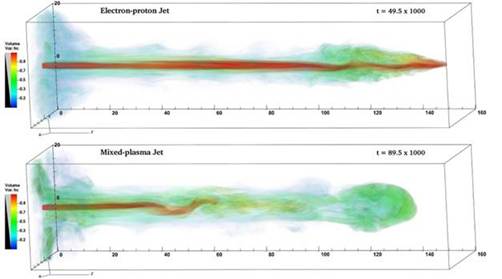
Jets can be made of mostly electrons and protons (Hadronic plasma), a mixture that includes positrons (the antimatter twin of the electron– Leptonic/Mixed plasma).
Fig: 3D Volume rendering of the jet tracer for electron-proton and mixed plasma jet
The simulations showed that jets rich in positrons (lepton-rich) are relatively hotter, causing them to expand and slow down. They often can’t stay straight and get twisted by the kink instability. As a result, they form a diffuse, FR I–like structure, where the jet gradually fades instead of ending in a bright hotspot. In contrast, jets composed primarily of electrons and protons were more likely to transition between morphologies, thereby changing their identity. This suggests that what we see through our telescopes might just be a snapshot of a long, evolving cosmic process.
Dolphins have long fascinated scientists with their remarkable speed and fluid movement through water. Now, new research offers a clearer explanation of the physics behind their efficiency, shedding light on how these marine mammals generate powerful propulsion.
A study published in Physical Review Fluids by researchers at The University of Osaka identifies a crucial mechanism: the formation of large, energetic vortices driven by the dolphin’s tail motion. Using advanced numerical simulations, the team mapped how these swirling water structures influence propulsion under varying conditions.
As dolphins swim, they move their tails in a rhythmic up-and-down motion, pushing water backward. This action produces a turbulent wake filled with vortices of different sizes. Until now, the exact contribution of these complex flow patterns to forward motion remained difficult to isolate.
Lead author Yutaro Motoori explained that the team aimed to pinpoint which elements of this turbulence actually aid speed. By deploying supercomputer-based simulations, the researchers were able to break down the flow into components and identify the dominant forces at play.
The findings reveal that large-scale vortex rings generated by the oscillating tail are the primary drivers of thrust. These powerful structures push water backward, effectively propelling the dolphin forward. In contrast, smaller vortices—formed through what scientists call an energy cascade—play only a minor role in movement, despite being more numerous.
Senior researcher Susumu Goto noted that understanding this hierarchy of vortices is key. While turbulence appears chaotic, it follows an organized structure where the largest vortices do most of the work, and smaller ones are largely by-products.
The simulation-based approach allowed the team to observe fluid dynamics in extraordinary detail—something that is nearly impossible through direct experimentation. It also enabled them to test different swimming speeds, with results remaining consistent across scenarios.
Beyond explaining dolphin agility, the research holds practical promise. Insights into efficient propulsion could inform the design of faster, energy-efficient underwater robots and improve technologies that manage turbulent flows.
For now, the study offers a compelling reminder that nature’s most graceful swimmers are guided by deeply intricate physics beneath the surface.
Using MIRI (Mid Infrared Instrument) on board the James Webb Space Telescope (JWST), a team of researchers led by former MPIA (Max Planck Institute for Astronomy, Heidelberg, Germany) PhD student Sebastian Zieba (Center for Astrophysics | Harvard & Smithsonian, Cambridge, USA) and Laura Kreidberg, MPIA Director and study PI (principal investigator), analysed the surface composition of the rocky exoplanet LHS 3844 b. Beyond characterizing exoplanetary atmospheres, this kind of deciphering the geological properties of planets orbiting distant stars is the next step in unveiling their nature. The results of this investigation are now published in the journal Nature Astronomy.
A dark and airless rocky super-Earth
LHS 3844 b is a rocky planet 30% bigger than Earth and orbits a cool red dwarf star once within roughly 11 hours. Whirling just three stellar diameters above the host star’s surface, the planet is tidally locked to its orbit. This means one rotation takes just as long as one revolution. As a result, the same hemisphere of LHS 3844 b always faces its star, producing a constant dayside with an average temperature of about 1000 Kelvin (approximately 725 Degrees Celsius or 1340 Degrees Fahrenheit). The LHS 3844 system is only 48.5 light-years (14.9 parsecs) away from Earth.
“Thanks to the amazing sensitivity of JWST, we can detect light coming directly from the surface of this distant rocky planet. We see a dark, hot, barren rock, devoid of any atmosphere.” – Laura Kreidberg, MPIA.
With its dark surface, LHS 3844 b may resemble a larger version of the Moon or the planet Mercury. This conclusion is based on analysing the infrared radiation received from the planet’s hot dayside. However, when measuring this radiation, we cannot see the planet directly; instead, we register the repeating change in brightness we receive from the star and the orbiting planet combined.
MIRI divided a portion of the planet’s infrared emission, ranging from 5 to 12 micrometres, into smaller wavelength sections and measured the brightness per wavelength bin. This is what astronomers call a spectrum, a rainbow-like distribution of the light’s components. Another data point, obtained from observations with the Spitzer Space Telescope and published a few years ago, augmented the analysis.
Constraining geological activity
Similar to how exoplanetary atmosphere research has benefited from climate science, this emerging field of exoplanetary geology draws on Earth-based geologic knowledge. Zieba, Kreidberg, and their collaborators ran models and accessed template libraries of rocks and minerals known from Earth, the Moon, and Mars to see what infrared signatures they would produce under the conditions on LHS 3844 b. Comparing observation-based data with these computations confidently ruled out a composition comparable to Earth’s crust, typically silicate-rich minerals such as granite.
Although this result is not very surprising – even in the Solar System, Earth is the only planet with such a crust – it may reveal details on LHS 3844 b’s geological history. Earth-like silicate-rich crusts are thought to form through a prolonged refinement process that requires tectonic activity and typically relies on water as a lubricant. The rocky material repeatedly melts and solidifies as it is mixed with mantle material, leaving the lighter minerals on the surface.
“Since LHS 3844 b lacks such a silicate crust, one may conclude that Earth-like plate tectonics does not apply to this planet, or it is ineffective,” says Sebastian Zieba. “This planet likely only contains little water.”
What can we deduce about the exoplanet’s rocky surface?
Instead, the dark surface points to a composition reminiscent of terrestrial or lunar basalt, or of Earth’s mantle material. However, the astronomers attempted an even more detailed characterization.
A statistical analysis of how well this spectrum fits various mineral mixtures and configurations revealed that extended solid areas of basalt or magmatic rock best match the observations. They are rich in magnesium and iron and can include olivine. Crushed material, such as rocks or gravel, also fits fairly well, whereas grains or powders are inconsistent with the observations due to their brighter appearance, at least at first glance.
Without a protective atmosphere, planets are subjected to space weathering, predominantly driven by hard, energetic radiation from the host star and impacts from meteorites of various sizes.
“It turns out, these processes not only slowly dissolve hard rocks into regolith, a layer of fine grains or powder as found on the Moon,” explains Zieba. “They also darken the layer by adding iron and carbon, making the regolith’s properties more consistent with the observations.”
Geologically fresh or weathered? Two possible scenarios
This assessment left the astronomers with two scenarios for the planet’s surface that match the data equally well. One involves a surface dominated by dark, solid rock composed of basaltic or magmatic minerals. Compared to geological timescales, space weathering alters its properties quickly. Therefore, the astronomers conclude that, in this scenario, the surface should be relatively fresh, produced by recent geological activity, such as widespread volcanism.
The second scenario also proposes a dark surface, comparable to the Moon or Mercury. Still, it accounts for prolonged space weathering, which leads to extended regions covered by a darkened regolith layer, a fine powder also present on the Moon, as evidenced by the iconic photos of the astronauts’ footprints. This alternative relies on longer periods of geological inactivity, thereby requiring conditions opposite to the first scenario.
Attempts to resolve the ambiguity
These two alternatives differ in the degree of recent geological activity required. On Earth and other active objects in the Solar System, a typical phenomenon during such activity is outgassing. Sulphur dioxide (SO2) is a gas commonly connected to volcanism. If present on LHS 3844 b in reasonable amounts, MIRI should have detected it. Still, it found nothing. Therefore, a recent period of activity seems unlikely, which leads the astronomers to favour the second scenario. If correct, LHS 3844 b may truly look much like Mercury indeed.
In order to test their idea, Zieba, Kreidberg, and their colleagues are already pursuing a more direct approach. They have obtained additional JWST observations, which should enable them to discern surface conditions by exploiting small differences in how solid slabs and powders emit or reflect light. The distribution of emission angles depends on surface roughness, which affects the amount of radiation received at a given viewing angle. This concept is successfully applied to characterizing asteroids in the Solar System. “We are confident the same technique will allow us to clarify the nature of LHS 3844 b’s crust and, in the future, other rocky exoplanets,” concludes Kreidberg.
Scientists at the University of Colorado Boulder have discovered something that experienced ballroom dancers have long known: When dancers are in tune with each other, their brains may sync up, helping them move as one.
“When we dance, our brains are actually coupling,” said Thiago Roque, a graduate student in the Atlas Institute who led the study. “We are synchronizing our brains through our behavior.”
For the unique experiment, the researchers placed electroencephalogram (EEG) caps, or devices that measure electrical activity in the brain, on pairs doing the Argentine Tango—a sensuous dance where a leader and follower hold each other tight while moving together to music.
The team found that when those dancers were moving together in time, the activity in their brains also began to look startling similar. Scientists call that phenomenon “interbrain coupling” or “neural synchronization.” Researchers have seen similar patterns in other social activities, such as playing duets on the guitar, but never before in dancing.
Roque presented the group’s results in March at the 20th International Conference on Tangible, Embedded and Embodied Interaction in Chicago.
The researchers also took their findings one step further, designing a wearable device that monitors dancers’ brains and vibrates when they sync up.
The tool, which dancers wear on their wrists, is still in its early stages. But Roque envisions that similar technologies could one day help people learn a wide range of tasks that require humans to coordinate without speaking—such as playing music or team sports.
“When we are performing, we aren’t conscious of this sort of synchronization,” Roque said. “My goal was to bring unconscious things to the conscious level.”
Shall we dance?
Ruojia Sun knows all about that kind of unconscious communication. She took part in the new study both as a researcher and co-author and as one of the dancers.
Sun started tangoing when she moved to Boulder five years ago. Unlike many other types of dances, the tango is rarely choreographed — dancers usually improvise their steps in the moment. Pairs signal their next moves through subtle signs like a light compression of the hands or a shift in the upper body.
“I wound up loving so many aspects of it,” said Sun, who earned a master’s degree in creative technology and design at CU Boulder in 2024. “It’s a really interesting way to connect with another human being.”
To explore that connection, Roque brought five pairs of experienced tango dancers, including Sun and her long-time dance partner, into the lab. In addition to the EEG caps, the pairs wore movement sensors on their ankles so that the research team could track their steps.
Then, the dancers began to tango.
Riding the wave
When neurons fire in the brain, they create pulses of electrical activity, or “brainwaves.” EEG sensors measure those waves at different frequencies. Humans, for example, tend to produce fast pulses known as beta waves when they are concentrating or thinking hard. In contrast, they often generate slower, theta waves, when they’re relaxing.
Roque noted that how those waves behaved in the experiment depended on how in-step the dancers were with each other.
When a leader, for example, took a step forward and the follower took an immediate (within 200 milliseconds or less) step back, their brain waves tended to match up—rising and falling at about the same time. When their steps weren’t in sync, neither were their brains. Those trends were true for a range of brain waves, including beta and theta waves.
“When I started seeing the results—they were perfect,” Roque said. “The coupling was even better than I expected.”
Other co-authors of the new study included Grace Leslie, associate professor at ATLAS and the College of Music, and Ellen Do, professor at ATLAS and the Department of Computer Science.
From dancing to cycling
He and his colleagues wondered if a wearable device could enhance that experience of synchrony.
Sun tried out the team’s biofeedback device with her tango partner. The tool buzzed at all times but vibrated vigorously when the pair’s brain waves lined up. Sun noted that the buzzing was distracting when she and her partner weren’t in sync. But when they were, it just felt right.
“It almost enhanced that feeling of connection,” Sun said.
Roque still has a lot of work to do before dancers, or anyone else, can wear that kind of device in the real world. For a start, he’d like to flip the settings—making the wrist device buzz when dancers aren’t in tune with each other and go silent when they’re synchronizing.
He believes that technologies that make unconscious signals conscious could help humans learn and understand each other’s behavior—including during collective sports like soccer, cycling and more.
“In sports, you need to know what your teammates are going to do,” he said. “By using a system like this, they may be able to better learn how to understand each other during training.”
The Unique Identification Authority of India (UIDAI) and the National Forensic Sciences University (NFSU) have joined hands to establish a structured, five-year collaboration in the domains of digital forensics, cybersecurity, and advanced technology research.
The memorandum of understanding provides an umbrella framework for collaboration and brings together two key national institutions to further strengthen cyber resilience across UIDAI’s digital infrastructure, which underpins India’s digital identity ecosystem.
The MoU was exchanged between Shri Vivek Chandra Verma, CEO UIDAI and Prof (Dr.) S.O. Junare, Director Gujarat Campus, NFSU. The ceremony was attended by Shri Abhishek Kumar Singh, Deputy Director General of UIDAI and several senior officials from both the sides.
The collaboration will focus on six strategic pillars: academic and professional development, information security and system integrity, forensic infrastructure and lab excellence, technical support for cyber security activities, technical advisory and research including join research in emerging areas like AI, blockchain, deepfake detection, and cryptographic technologies etc, and strategic placement and outreach including a pathway for placement and outreach opportunities for NFSU students.
“This collaboration marks a significant step towards further strengthening the security, resilience, and forensic capabilities supporting India’s digital public infrastructure and ensuring further safeguards for India’s digital identity systems,” said Shri Vivek Chandra Verma, CEO UIDAI.