Invisible highways: Undersea Cables Power 99% Of Global Internet Traffic, Despite Growing Risks

The world’s digital economy depends heavily on a vast network of undersea cables stretching across the ocean floor, quietly carrying nearly all international internet traffic and enabling trillions of dollars in financial transactions every day.

Despite their central role in modern connectivity, these cables remain largely invisible to the public, even as governments and technology experts grow increasingly concerned about their security and resilience.

Tomas Lamanauskas, Deputy Secretary-General of the International Telecommunication Union (ITU), highlighted the importance of the infrastructure ahead of a global summit on submarine cable resilience in Porto, Portugal.

“About 99 per cent of the international internet traffic goes through submarine cables. Even the conversation you and I are having right now is carried through these cables,” he said in an interview with UN News.

Backbone Of The Digital Economy

While most people associate internet access with mobile networks, satellites or broadband connections, the global exchange of data actually relies on a complex system of fibre-optic cables lying hundreds of metres beneath the ocean surface.

These cables act as the “digital highways” of the modern world, linking continents and enabling the rapid movement of information across countries and markets.

Today more than 500 commercial submarine cables connect different parts of the world, carrying vast volumes of data every second. Together, they stretch across roughly 1.7 million kilometres of ocean floor, long enough to circle the Earth multiple times.

Though relatively thin, roughly the width of a garden hose, the cables transmit hundreds of terabits of information per second using fibre-optic technology.

A Technology With Deep Historical Roots

The idea of connecting nations through underwater cables dates back more than a century.

The first undersea telegraph cable was laid between England and France in 1850, marking the beginning of a technological transformation in global communications.

Over time, these systems evolved from telegraph lines to telephone networks and eventually to high-speed fibre-optic cables capable of transmitting massive volumes of digital data.

Before cables are installed, engineers survey the seabed to identify routes that minimise environmental impact and reduce the risk of damage. Specialised ships then deploy the cables, unrolling large reels onto the ocean floor.

Disruptions Can Have Global Impact

Because submarine cables form the backbone of international communications, any disruption can quickly affect economies, financial markets and essential services.

According to the ITU, between 150 and 200 cable incidents occur globally each year, averaging three to four disruptions every week.

Some of the most significant disruptions in recent years occurred in the Red Sea, where cable damage in 2024 interrupted roughly a quarter of data traffic flowing between Europe and Asia.

Outages can also be triggered by natural disasters such as earthquakes, underwater landslides or volcanic eruptions.

However, experts say human activity accounts for the majority of incidents. Around 80 percent of cable damage is caused by fishing trawlers or ship anchors dragging across the seabed.

Remote Regions Face Greater Risks

When cables fail, the consequences can be particularly severe for remote island nations and regions with limited connectivity.

Lamanauskas pointed to the Pacific island nation of Tonga as an example. Since 2019, the country has experienced three major internet disruptions linked to an earthquake, volcanic eruptions and accidental damage caused by ship anchoring.

In areas with only a single cable connection, even minor damage can leave entire populations without internet access for days or weeks.

“Imagine your entire community being offline for a week, unable to access digital healthcare, information or education,” he said.

Even small delays in data transmission can have significant economic consequences. For instance, a millisecond delay caused by cable congestion could affect financial trading systems in major global markets.

Repairs And Maintenance Challenges

Maintaining the vast network of undersea cables presents logistical challenges.

Some of the infrastructure installed during the early 2000s technology boom is now nearing the end of its typical 25-year lifespan, increasing the need for maintenance and replacement.

When a cable is damaged, engineers can usually identify the problem quickly using monitoring systems. However, the repair process often involves complex international coordination.

Obtaining permits and approvals from multiple jurisdictions can sometimes delay repair operations more than the technical work itself.

Depending on the location of the damage and the availability of specialised repair vessels, restoring a cable may take anywhere from several days to several months.

Global Efforts To Strengthen Cable Resilience

The growing dependence on digital connectivity has prompted governments and industry leaders to focus more closely on protecting submarine cables.

The International Telecommunication Union is working with countries and private companies to strengthen the resilience of the global network.

Its efforts include developing technical standards, improving coordination between countries and encouraging faster permitting processes for repairs.

The agency also promotes measures to prevent accidental damage and ensure that cable maintenance can be carried out more efficiently.

Lamanauskas said the rapid expansion of internet use continues to drive massive growth in cable capacity.

“Over the last 40 years, the capacity of these optical cables has been increasing by about 40 per cent every year,” he said, describing the growth as exponential.

As global demand for data continues to surge, strengthening the reliability and security of these underwater connections will remain a critical challenge for governments, businesses and international organisations alike.

Budget 2026 Raises Aid For Nepal, Afghanistan; Allocation To Bangladesh Cut

India has recalibrated its neighbourhood development assistance in the Union Budget 2026–27, increasing allocations for countries such as Nepal, Afghanistan, Bhutan and Sri Lanka, while sharply reducing aid to Bangladesh, signalling a selective realignment of regional priorities.

According to Budget documents, India’s development assistance to Bhutan has been raised to Rs 2,288.56 crore, reaffirming Thimphu’s position as the largest recipient of Indian aid. Allocation for Afghanistan has been increased from Rs 100 crore to Rs 150 crore, indicating that New Delhi expects to scale up development projects in the country despite continuing political uncertainty.

Aid to Nepal has been enhanced by Rs 100 crore to Rs 800 crore, while Sri Lanka will receive Rs 400 crore, up from Rs 300 crore in the previous Budget. India has also significantly increased assistance to Mongolia, raising the allocation from Rs 5 crore to Rs 25 crore.

Bangladesh Aid Halved

In contrast, financial support for Bangladesh has been halved, with the allocation reduced from Rs 120 crore to Rs 60 crore. Assistance to the Maldives has been marginally cut from Rs 600 crore to Rs 550 crore, while funding for Myanmar has been lowered from Rs 350 crore to Rs 300 crore.

Beyond the immediate neighbourhood, allocations for Eurasian countries have been reduced to Rs 38 crore, while development assistance to Latin American nations has been increased to Rs 120 crore, reflecting a broader diversification of India’s external engagement.

3 Kartavyas

Overall, the Ministry of External Affairs’ budget has been increased to Rs 22,118.97 crore, up from Rs 20,516.62 crore in the previous financial year, providing additional headroom for diplomatic, development and strategic initiatives.

Presenting the Budget in Parliament, Finance Minister Nirmala Sitharaman said the government’s spending priorities were guided by three kartavyas—accelerating economic growth, empowering citizens, and ensuring inclusive development—an approach that now appears to extend to India’s external development partnerships as well.

The revised aid allocations are expected to be closely watched in the region, particularly in the context of evolving diplomatic ties and India’s broader neighbourhood-first and global outreach strategies.

Budget 2026 Signals A Clear Outreach To NRIs

• NRI equity investment limit per company doubled to 10%, aggregate cap raised to 24%.
• MAT exemption announced for non-residents under presumptive taxation.
• TCS on foreign education and medical remittances cut to 2%.
• Property sale compliance eased; buyers no longer need a separate TAN.

The Union Budget 2026–27 has marked a notable shift in the Centre’s approach towards Non-Resident Indians, positioning the global Indian diaspora as a more active participant in India’s investment and growth story. Finance Minister Nirmala Sitharaman unveiled a series of measures aimed at easing compliance, lowering tax friction and expanding investment access for non-residents, particularly in equities and real estate.

The most significant reform relates to equity investments. The budget has doubled the individual investment limit for NRIs and overseas residents in listed Indian companies from 5% to 10% of paid-up capital. At the same time, the overall ceiling for all non-resident investors has been increased to 24%. Officials see this as a move to deepen capital markets and attract stable overseas capital at a time of global financial uncertainty.

Tax relief formed the second pillar of the government’s NRI-focused initiatives. Non-resident taxpayers opting for the presumptive taxation regime will now be exempt from Minimum Alternate Tax (MAT), a change intended to simplify filings and reduce disputes. The finance ministry said the exemption would reduce compliance burdens and provide greater clarity to overseas taxpayers with limited operations in India.

Liberalised Remittance Scheme

The budget also addressed concerns around remittances under the Liberalised Remittance Scheme. Tax Collected at Source on overseas spending for education and medical treatment has been reduced to 2% from 5%, offering immediate relief to families supporting students and patients abroad. The move is expected to improve cash flows without altering reporting requirements.

In the real estate segment, long-standing procedural hurdles for NRIs were eased. Buyers of property from non-resident sellers will no longer be required to obtain a separate Tax Deduction and Collection Account Number to deduct TDS. The government said this simplification would reduce delays in transactions and encourage smoother property sales involving overseas Indians.

Taken together, the budget measures underline a broader policy intent to integrate NRIs more closely into India’s financial ecosystem, moving beyond remittances to long-term investment participation. Market experts note that while the reforms are structurally positive, their success will depend on clarity in implementation and stability in global markets.

The 2026 budget, analysts say, sends a clear signal that the government sees the Indian diaspora not just as external stakeholders, but as strategic partners in the country’s next phase of economic expansion.

‘Very Disappointing, No Relief For Ordinary People’: Opposition Slams Union Budget 2026

Opposition parties mounted a sharp attack on the Union Budget 2026 on Sunday, accusing the government of failing to address the concerns of ordinary citizens, farmers, unemployed youth and small businesses, even as Finance Minister Nirmala Sitharaman presented her ninth consecutive Budget in Parliament.

Leaders across parties said the Budget lacked concrete relief measures, ignored key states and sectors, and prioritised headline announcements over tackling deeper economic challenges.

Congress MP Shashi Tharoor said the Budget speech made no reference to Kerala, calling it disappointing though he noted that finer details would emerge once the documents were studied. “The speech itself contains very few details that are actually necessary,” he said.

Another Congress MP, Ujjwal Raman Singh, said the Budget lacked the energy required to revive confidence. “Farmers, unemployed youth and even large states like Uttar Pradesh have been neglected. People expected announcements for regions like Prayagraj, but there was nothing,” he said, alleging that several schemes appeared skewed towards election-bound states.

Congress leaders air opposition

Former Uttarakhand Chief Minister Harish Rawat said the Budget offered little to vulnerable sections. “There is nothing here for the poor, farmers or women. It is buried under slogans about a developed India by 2047,” he said.

Congress Rajya Sabha MP Jebi Mather echoed concerns over Kerala’s exclusion, saying the state had hoped for specific initiatives, including high-speed rail projects. “Kerala has once again been ignored,” she said.

Congress MP Shashikant Senthil described the Budget as lacking policy direction. “There is nothing that stands out as a major decision. There is nothing substantial for common citizens, farmers or MSMEs,” he said.

Raising broader economic concerns, former Union Minister Manish Tewari said structural issues remained unaddressed. “Nominal GDP growth has weakened, tax buoyancy is poor and private investment is not picking up. Increased public capital expenditure only highlights the lack of private investment momentum,” he said, adding that foreign direct investment was also slowing.

Congress MP Imran Masood criticised the absence of export-related relief, particularly for regions affected by global tariffs. “Exports have collapsed in places like Moradabad and Saharanpur, but there is no support for exporters,” he said.

SP slams Budget as ‘Disappointing’

Leaders from other opposition parties also voiced dissatisfaction. Aam Aadmi Party MP Malwinder Singh Kang said Punjab and Haryana had been overlooked in tourism and expressway projects, while inflation relief was missing. “The poor have received nothing from this Budget,” he said.

Samajwadi Party MP Rajeev Kumar Rai called the Budget confusing and disappointing, alleging it favoured a few corporate houses. His party colleague Neeraj Kushwaha Maurya said farmers and large states had been ignored, adding that welfare schemes such as MGNREGA had not received adequate support.

Shiv Sena (UBT) MP Priyanka Chaturvedi said the Budget fell short at a time of global economic uncertainty. “Exporters are suffering, common people have received nothing, and markets reacted negatively. A truly visionary Budget would have inspired confidence,” she said.

Shiv Sena (UBT) spokesperson Anand Dubey said the Budget failed to deliver fresh ideas. “There was no tax relief, no meaningful push for jobs or startups. It does not bring happiness to ordinary people,” he said.

The Opposition said it would examine the detailed Budget documents in the coming days but maintained that the initial presentation failed to inspire confidence or address pressing economic anxieties facing households and businesses.

Myanmar Crisis Deepens Five Years After Military Coup, UN Warns

Five years after Myanmar’s military seized power, the country remains trapped in a worsening humanitarian and political crisis marked by widespread violence, economic collapse and mass displacement, according to the United Nations.

Marking the anniversary of the February 2021 coup, UN Secretary-General António Guterres expressed deep concern over the continuing suffering of the people of Myanmar. UN officials say violations of international human rights and humanitarian law remain widespread as the military government tightens its grip on power.

“The suffering of the people of Myanmar has deepened,” said Farhan Haq, Deputy Spokesperson for the Secretary-General, in a statement issued on Friday.

He pointed to escalating military airstrikes targeting civilians, severe food shortages and a growing displacement crisis that has forced nearly 5.2 million people from their homes, both within the country and across borders.

Military Elections Add To Political Tensions

The anniversary coincided with the conclusion of elections organised by the military government, a process that UN officials say has further intensified divisions in the country.

The vote was conducted in three phases between December 2025 and January 2026 but took place in only 263 of Myanmar’s 330 townships. Voting was largely limited to areas under military control, excluding large conflict-affected regions and many displaced communities.

Minority groups, including the Rohingya, were also excluded from participating.

Volker Türk, the UN High Commissioner for Human Rights, said the election process failed to meet international standards and instead deepened the country’s political crisis.

“The process failed to respect the fundamental human rights of Myanmar’s citizens and served only to exacerbate violence and societal polarisation,” he said.

The main opposition National League for Democracy (NLD), which won a landslide victory in the 2020 elections before the coup, was barred from participating in the vote. Several other political parties opposing military rule were also banned, and many of their leaders remain in detention.

Violence And Arrests During Voting Period

The election period itself was marked by escalating violence, according to UN human rights monitors.

Open-source reports documented at least 408 military airstrikes between December 2025 and January 2026, resulting in the deaths of at least 170 civilians.

One of the deadliest incidents occurred on January 22, when a military airstrike on a populated area in Bhamo Township in Kachin State reportedly killed up to 50 civilians. There were no indications of armed combatants in the area at the time of the attack.

Authorities also used new election security laws to suppress dissent. According to UN officials, the military arrested more than 400 people during the voting period, including 324 men and 80 women.

In one case, a citizen was reportedly sentenced to 49 years in prison for sharing anti-election content online.

Humanitarian And Economic Crisis Intensifies

Myanmar’s political repression is unfolding alongside a severe humanitarian emergency.

Nearly one quarter of the country’s population now faces acute food insecurity, while more than one-third require urgent humanitarian assistance.

Aid agencies have struggled to reach vulnerable communities due to restrictions imposed by authorities. In some areas, including Rakhine State, humanitarian assistance has been blocked despite reports of severe hunger among local populations.

The country’s economy has also deteriorated sharply since the coup. UN estimates suggest Myanmar has lost nearly $100 billion in economic output during the past five years, and the economy is not expected to return to pre-pandemic levels for some time.

“The military’s usurpation of power has also been accompanied by disastrous mismanagement of the country’s economy,” Türk said.

Evidence Of War Crimes And Crimes Against Humanity

Investigators are also examining allegations of serious international crimes committed during the conflict.

Nicholas Koumjian, head of the Independent Investigative Mechanism for Myanmar, said there is growing evidence that civilians have been subjected to atrocities amounting to war crimes and crimes against humanity.

According to the investigative body, the military has repeatedly carried out airstrikes that struck civilian areas including homes, hospitals and schools.

Reports have also documented widespread torture of detainees held by security forces.

The mechanism is also investigating allegations that some opposition armed groups may have committed abuses during the conflict.

Rohingya Survivors Seek Justice At World Court

Amid the bleak outlook, a rare moment of progress has emerged in the international legal effort to hold Myanmar accountable for atrocities committed against the Rohingya minority.

Survivors recently testified before the International Court of Justice (ICJ) in The Hague in a genocide case brought against Myanmar by the West African nation of Gambia.

UN Special Rapporteur Tom Andrews praised the courage of those who came forward to testify.

“Their testimony allows the light of truth to shine through the darkness of the most horrific of crimes,” he said.

Andrews emphasised that accountability for atrocities depends on individuals who are willing to speak out against injustice.

UN Calls For Political Dialogue

The United Nations says a sustainable path toward peace in Myanmar must begin with an immediate end to violence and the restoration of civilian governance.

The Secretary-General reiterated his call for the release of all arbitrarily detained political leaders, including President Win Myint and former State Counsellor Aung San Suu Kyi.

UN officials also stressed the need for inclusive political dialogue that brings together all stakeholders in Myanmar’s deeply divided society.

Julie Bishop, the Secretary-General’s Special Envoy for Myanmar, continues to engage with regional partners and political actors in an effort to support negotiations aimed at ending the conflict and restoring stability in the country.

UN Calls For Human-Centred Approach As Artificial Intelligence Rapidly Expands

Artificial intelligence is rapidly reshaping everyday life, transforming industries, workplaces and communication systems around the world. While the technology promises major benefits, the United Nations is urging governments and companies to adopt a “people-first” approach to ensure AI serves humanity rather than undermining it.

UN Secretary-General António Guterres has repeatedly warned that the growing influence of automated systems should never come at the cost of human oversight.

Speaking before the UN Security Council in 2024, he cautioned that humanity’s future “must never be left to the ‘black box’ of an algorithm,” stressing that humans must remain responsible for decisions made using artificial intelligence.

In response to the rapid spread of AI technologies, the UN system has been working to develop global frameworks for ethical governance. These efforts draw heavily on principles outlined in the Global Digital Compact and other international guidelines designed to ensure the technology supports sustainable development and human rights.

Education Seen As Foundation For AI Future

Education is emerging as a central pillar in the UN’s strategy for adapting societies to the rise of artificial intelligence.

Experts warn that preparing people for an AI-driven world requires more than simply introducing new technologies into classrooms. Instead, students and educators must develop a strong understanding of how AI systems work and how they affect society.

Shafika Isaacs, who leads technology and AI programmes in education at UNESCO, says the global education system faces an urgent challenge in preparing future generations.

“The global education system will need 44 million teachers by 2030,” she said, warning against the idea that technology alone can replace human educators.

Isaacs emphasised that while AI tools can assist with data analysis and information delivery, education remains fundamentally a human experience shaped by social interaction, cultural understanding and mentorship.

AI May Transform Jobs Rather Than Eliminate Them

One of the biggest concerns surrounding artificial intelligence is the potential impact on employment.

A report by the World Economic Forum in 2025 estimated that about 41 percent of employers expected to reduce parts of their workforce because of AI automation.

However, the International Labour Organization suggests the broader picture may be more complex.

According to its research, roughly one in four jobs worldwide could be transformed by AI technologies. While some positions may disappear, new roles that combine human skills with machine capabilities are also likely to emerge.

Machines excel at analysing patterns, processing large volumes of data and performing repetitive tasks. But creativity, ethical judgment, problem-solving and complex interpersonal interactions remain areas where human abilities continue to play a critical role.

As a result, experts believe workers will need to adapt to a future where continuous training and lifelong learning become essential parts of professional life.

Access To AI Must Be Widely Shared

Another major concern for the United Nations is the growing concentration of AI development among a small number of powerful technology companies.

Without broader access to the technology, the UN warns that the benefits of artificial intelligence could deepen global inequalities between countries and communities.

To address this risk, UN strategies call for policies that ensure AI tools and infrastructure are accessible across different regions and economic groups.

These policies include investment in digital education, technology infrastructure and inclusive governance frameworks so that AI innovations are not limited to technologically advanced economies.

Human Rights Must Guide AI Development

The UN has also repeatedly emphasised that human rights protections must form the foundation of AI governance.

In 2021, UNESCO adopted the Recommendation on the Ethics of Artificial Intelligence following extensive consultations with governments, technology experts and civil society organisations.

The document outlines principles designed to ensure that AI systems respect human dignity, equality and freedom. It also calls on governments to regulate technologies that could threaten fundamental rights.

Under the guidelines, tools that promote discrimination, undermine privacy or restrict individual freedoms should be restricted or banned.

Global Cooperation Essential

Because artificial intelligence operates across borders, the United Nations says international cooperation will be crucial in shaping its future.

No single government, company or institution can fully address the opportunities and risks associated with the technology alone.

UN officials are therefore calling for stronger global dialogue on AI governance, ethical standards and regulatory frameworks.

These efforts could include international platforms to coordinate policies, partnerships between governments and the private sector, and large-scale investments in education and workforce training.

As AI continues to evolve at unprecedented speed, the UN argues that global cooperation will be key to ensuring that technological progress benefits all of humanity rather than widening existing divides.

‘We children saw things that no one should ever have to see’: Holocaust survivor at UN

A Holocaust survivor delivered a powerful reminder of the horrors of the Nazi era and the importance of compassion during a commemorative event at the United Nations, urging people across the world to stand against hatred and discrimination.

Marion Blumenthal Lazan, speaking in the UN General Assembly Hall alongside one of her great-grandchildren, recounted her family’s journey from a peaceful life in Germany to years of suffering in Nazi detention camps. Her testimony formed part of the UN’s observance of the International Day of Commemoration in memory of the victims of the Holocaust.

Reflecting on her experience, Lazan said that even in the darkest moments, individuals still retain the power to choose how they treat others.

“How we treat, behave, and reach out to one another, that is entirely up to us,” she told the audience.

Childhood Disrupted By Anti-Jewish Laws

Lazan described how her family once lived comfortably in Hoya, a small town in northwestern Germany during the early 1930s.

Their lives changed dramatically after the Nazi government introduced the Nuremberg Laws in 1935, which stripped Jewish citizens of many basic rights. The rising persecution forced her parents to plan their departure from Germany.

The situation worsened during the violent anti-Jewish attacks of Kristallnacht in November 1938. Their home was ransacked and her father was arrested and sent to the Buchenwald concentration camp.

He was released after several weeks only because the family had secured documents allowing them to emigrate to the United States.

Trapped In Nazi-Controlled Europe

In January 1939, the family left Germany for the Netherlands, hoping to continue their journey to America. Instead, their plans were shattered when Nazi Germany invaded the country in 1940.

They were sent to the Westerbork detention camp, where thousands of Jews were held while awaiting deportation.

Initially the conditions were relatively tolerable under Dutch administration. But once the Nazis took control, the camp became a transit point for deportations to extermination camps across eastern Europe.

Every week, lists were posted announcing the names of prisoners scheduled for transport. The announcements created constant fear among detainees, as families waited anxiously to see whether their names would appear.

Of the roughly 120,000 people deported from Westerbork, more than 100,000 never returned.

Life Inside Bergen-Belsen

In January 1944, Lazan and her family were deported to the Bergen-Belsen concentration camp in Germany.

She recalled arriving on a freezing winter night as a nine-year-old child, frightened by armed guards and aggressive dogs.

Hundreds of prisoners were crammed into wooden barracks designed for far fewer people. The buildings lacked heating and offered little protection against the harsh German winter.

Prisoners slept in crowded bunk beds with only a thin blanket for warmth. Food was scarce, often limited to a small portion of bread and watery soup.

The camp’s unsanitary conditions were overwhelming. Toilets offered no privacy, and there was almost no access to soap or clean water.

Bodies of those who died from disease, starvation and exhaustion were often left for long periods before they could be removed.

Lazan recalled the constant fear that dominated daily life, describing it as the most difficult emotion to endure.

Survival Through Family Strength

Throughout the ordeal, Lazan credited her survival largely to the strength and determination of her mother.

In one dangerous incident, her mother secretly brought potatoes and salt from the camp kitchen to cook a small pot of soup. When guards unexpectedly entered the barracks, the boiling soup spilled onto Lazan’s leg.

Despite the pain, the young girl remained silent because crying out could have led to severe punishment or death.

Shortly before the end of the war, prisoners from Bergen-Belsen were transported east by train toward other camps. The journey lasted two weeks without adequate food, water or medical care.

The train was eventually liberated by Soviet forces near the German village of Troibitz.

Out of the 2,500 people on board, around 500 died during the journey or soon after liberation.

Lazan herself weighed only 16 kilograms at the time. Many survivors were suffering from disease, including typhus, which later claimed the life of her father weeks after their liberation.

A New Beginning In The United States

In 1948, Lazan, her mother and brother emigrated to the United States, arriving in Hoboken, New Jersey exactly three years after their liberation.

With help from the Hebrew Immigrant Aid Society, the family settled in Peoria, Illinois and began rebuilding their lives.

Because she could not speak English, Lazan was placed in a fourth-grade classroom despite being 13 years old. She and her brother worked after school to help support their family.

Through determination and hard work, she graduated from Peoria Central High School five years later, ranking eighth in a class of 267 students.

Soon afterward she married Nathaniel Lazan and went on to build a large family.

Today she has three children, nine grandchildren and fifteen great-grandchildren, a legacy she describes as proof of survival and continuity.

A Call To Confront Hatred

During her address, Lazan also displayed the yellow star that Jews were forced to wear under Nazi rule, a symbol used to isolate and stigmatize them.

She urged people everywhere to reject hatred and discrimination in all forms.

“We can begin by having love, respect and compassion toward one another, regardless of religion, skin colour or national origin,” she said.

Although the world continues to face division and conflict, Lazan said individuals still have the power to choose kindness and understanding.

Her message, delivered decades after surviving one of history’s darkest chapters, was simple yet urgent: the responsibility to prevent hatred and violence lies with every generation.

A new blow for UNRWA as headquarters in East Jerusalem ‘set on fire’

It comes after Israeli authorities “stormed and demolished” buildings in the compound last week, UNRWA Commissioner-General Philippe Lazzarini said.

“Allowing this unprecedented destruction is the latest attack on the UN in the ongoing attempt to dismantle the status of Palestine Refugees in the Occupied Palestinian Territory and erase their history,” Mr. Lazzarini said.

In a short statement, the senior UN official added that there were “no limits to the defiance of the United Nations” and international law in the Occupied Palestinian Territory.

Last Tuesday’s move by Israeli authorities to send bulldozers into the Sheikh Jarrah compound where they tore down UNRWA structures prompted swift condemnation from senior UN officials including Secretary-General António Guterres and UN High Commissioner for Human Rights, Volker Türk.

Ahead of that dramatic development, on 14 January, Israeli forces entered an UNRWA health centre in East Jerusalem and ordered it to close. The agency reported that its workers were “terrified” and that the deteriorating situation was a direct result of legislation passed by the Israeli parliament in December, stepping up existing anti-UNRWA laws adopted in 2024.

UNRWA premises have also been targeted by arsonists amid a “large-scale disinformation campaign” against it by Israel, the agency’s Commissioner-General has previously maintained.

This was despite a ruling last October by the UN’s top court, the International Court of Justice, which restated that Israel was obliged “to facilitate UNRWA’s operations, not hinder or prevent them. The court also stressed that Israel has no jurisdiction over East Jerusalem,” Mr. Lazzarini noted.

President Murmu Highlights Welfare, Women, Tribal Schemes In Republic Day Address

President Droupadi Murmu on Saturday outlined the government’s flagship welfare, financial inclusion and social empowerment programmes, positioning them as central to India’s development strategy as the country prepares to mark Republic Day 2026.

In her address to the nation, Murmu said targeted schemes aimed at women, farmers, tribal communities, the poor and youth were reshaping economic participation and strengthening the social foundation of the republic.

The President highlighted the impact of the Beti Bachao Beti Padhao campaign in improving access to education for girls, calling it a key driver of women’s empowerment. She said national efforts in health, education, safety and economic inclusion were expanding women’s participation across sectors.

Murmu also pointed to the scale of financial inclusion under the Pradhan Mantri Jan Dhan Yojana, under which more than 57 crore bank accounts have been opened so far, with women accounting for nearly 56% of the total. She said access to formal banking had strengthened women’s economic independence and participation in development.

The President noted that more than 10 crore women associated with self-help groups were redefining grassroots development, contributing to livelihoods, entrepreneurship and local governance.

Referring to women’s representation in governance, Murmu said nearly 46% of elected representatives in Panchayati Raj institutions are women. She said the Nari Shakti Vandan Adhiniyam would take women’s political empowerment to a new level and reinforce the concept of women-led development.

She added that higher participation of women in electoral processes was strengthening democratic institutions and aligning with the constitutional vision of inclusive governance.

Tribal Welfare, Health And Education Initiatives

The President underscored a renewed focus on tribal welfare through programmes aimed at leadership development, healthcare and education. She referred to initiatives such as the Adi Karmayogi campaign, which seeks to nurture leadership potential within tribal communities.

Murmu said healthcare interventions under the National Sickle Cell Anaemia Elimination Mission had resulted in more than six crore screenings so far, addressing a major public health concern among tribal populations.

In education, she cited the role of Eklavya Model Residential Schools, where nearly 1.4 lakh students are currently enrolled, with many performing well in competitive examinations.

She also referred to targeted development programmes such as the Dharti Aaba Janajatiya Gram Utkarsh Abhiyan and the PM-JANMAN Yojana, aimed at empowering tribal and particularly vulnerable tribal group (PVTG) communities.

Farmers, Food Security And Poverty Alleviation

Murmu described farmers as the backbone of India’s economy and cited the PM Kisan Samman Nidhi as a key initiative supporting agricultural households. She said priority was being given to fair pricing, affordable credit, insurance coverage, irrigation and access to modern farming practices.

On food security, the President highlighted the PM Garib Kalyan Anna Yojana, calling it the world’s largest scheme of its kind. The programme currently supports nearly 81 crore beneficiaries, ensuring food access for vulnerable populations.

She also referred to the construction of more than four crore pucca houses equipped with basic amenities, describing housing as a foundation for dignity and upward mobility among poor families.

Youth, Start-Ups And Skill Development

Highlighting India’s demographic strength, Murmu said government initiatives were increasingly focused on youth aspirations. She cited MY Bharat, also known as Mera Yuva Bharat, as a technology-driven platform connecting young citizens with opportunities in leadership, skill development and nation-building.

The President said the growth of India’s start-up ecosystem, largely driven by young entrepreneurs, was injecting innovation and global competitiveness into the economy.

Murmu said structural reforms such as the Goods and Services Tax had created a unified national market, while recent steps to streamline the GST framework would further strengthen economic integration. She also referred to the four labour codes, describing them as measures aimed at improving worker welfare while supporting enterprise growth.

She added that governance reforms focused on simplification, digital delivery and trust-based administration were narrowing the gap between citizens and the state.

Concluding her remarks, the President said these programmes collectively reflected an inclusive approach to development, combining welfare, empowerment and economic reform. She said public participation and effective implementation would be critical as India moves towards its goal of becoming a developed nation by 2047.

Republic Day Tomorrow: Share Some Quotable Quotes on The Day

Happy Republic Day!

As India celebrates the adoption of its Constitution tomorrow, here are some inspiring quotes from notable experts and leaders in fields like politics, law, science, and philosophy. here are some notable quotes that touch on themes of democracy, duty, freedom, and national unity.

  • “Constitution is not a mere lawyers document, it is a vehicle of Life, and its spirit is always the spirit of Age.” – B.R. Ambedkar (Architect of the Indian Constitution).

    “Every citizen of India must remember that he is an Indian and he has every right in this country but with certain duties.” – Sardar Vallabhbhai Patel (India’s first Deputy Prime Minister).

  • “Democracy means nothing if people are not able to work the democracy for the common good.” – Jawaharlal Nehru (India’s first Prime Minister).
  • “In a democracy, the well-being, individuality and happiness of every citizen is important for the overall prosperity, peace, and happiness of the nation.” – A.P.J. Abdul Kalam (Former President of India).
  • “Freedom of mind is the real freedom. A person whose mind is not free, though he may not be in chains, is a slave, not a free man.” – B.R. Ambedkar.
  • “We are Indians, firstly and lastly.” – B.R. Ambedkar.
  • “Let a new India arise out of peasants’ cottages, grasping the plough, out of huts, cobbler, and sweeper.” – Swami Vivekananda.
  • “You must be the change you wish to see in the world.” – Mahatma Gandhi .
  • “The preservation of freedom is not the task of soldiers alone. The whole nation has to be strong.” – Lal Bahadur Shastri.
  • “Long years ago, we made a tryst with destiny, and now the time comes when we shall redeem our pledge, not wholly or in full measure, but very substantially. At the stroke of the midnight hour, when the world sleeps, India will awake to life and freedom.” – Jawaharlal Nehru.
  • “So long as you do not achieve social liberty, whatever freedom is provided by the law is of no avail to you.” – B.R. Ambedkar.
  • “Where the mind is without fear and the head is held high; where knowledge is free.” – Rabindranath Tagore.

UN Urges Greater Youth Role In Education Policy As Global Inequality Persists

Despite progress in expanding access to education worldwide, stark disparities remain between wealthy and poorer nations, leaving millions of children and young people without schooling. United Nations education experts say empowering youth to participate directly in shaping education policies could play a crucial role in addressing these gaps.

Ahead of the International Day of Education, observed each year on January 24, UN officials and youth advocates highlighted the importance of involving young people in designing education systems that reflect their needs and experiences.

The theme of this year’s observance, “The Power of Youth in Co-Creating Education,” underscores the growing call for young voices to be included in decisions that shape the future of learning.

Large Global Education Gap Persists

According to UN education experts, around 272 million children and young people worldwide remain out of school.

The divide between rich and poor countries remains particularly severe. In the poorest nations, about 36 percent of school-age children and youth are not enrolled in education, compared with only 3 percent in the world’s richest countries.

These inequalities are even more pronounced among vulnerable groups, including children with disabilities, ethnic and linguistic minorities, refugees, migrants and LGBTQ youth.

Marco Pasqualini, an education specialist with UNESCO in Paris, said young people should be central participants in efforts to improve education systems.

“When it comes to education, young people have a particular stake because they are the primary beneficiaries of education,” he said. “Educational reforms and priorities have a direct impact on them.”

From Consultation To Co-Creation

Pasqualini emphasised that meaningful youth engagement goes beyond simply asking young people for feedback.

Instead, the concept of “co-creating education” involves actively including them in decision-making processes related to education policy and reform.

Jacques Kwibuka, a UN youth leader from Rwanda, said traditional policy-making often excluded young voices.

“In the past, those designing education policies assumed they already understood the challenges young people face because they had once been young themselves,” he said.

Co-creation, he explained, allows young people to contribute ideas and solutions directly while policies are being developed.

“It’s not just about consulting young people,” Kwibuka said. “It’s about giving them the space and freedom to contribute to the programmes and policies being designed.”

Mindset Barriers On Both Sides

Experts say one of the biggest obstacles to youth participation lies in entrenched attitudes.

According to Kwibuka, many institutions still underestimate the value of young people’s perspectives. While organisations may invite youth to share opinions, they often stop short of allowing them to influence decisions in meaningful ways.

At the same time, young people themselves sometimes hesitate to speak up, particularly in rural or disadvantaged communities.

“Many young people undermine themselves because of low self-esteem or because they think opportunities are meant only for highly educated individuals,” he said.

Encouraging greater confidence and creating accessible platforms for participation are therefore essential steps toward improving youth engagement.

Platforms Needed To Amplify Youth Voices

Pasqualini noted that a lack of platforms where young people can participate in global discussions about education remains a major challenge.

To address this gap, UNESCO launched the SDG4 Youth and Student Network, a global initiative linked to Sustainable Development Goal 4, which aims to ensure inclusive and equitable quality education for all by 2030.

The network currently includes around 110 young leaders and students from 80 countries, selected from more than 5,000 applicants.

Through the initiative, youth representatives are given opportunities to engage directly with policymakers and international organisations on education reform.

Technology Helping Youth Engagement

Advocates say new technologies are also helping young people become more informed and involved in shaping education systems.

Kwibuka pointed to growing youth-led initiatives in Rwanda, where young people are using digital platforms to collaborate on education projects and share ideas.

“With platforms supported by organisations like UNICEF, we are empowering each other and strengthening our collective voice,” he said.

He believes these developments could lead to stronger youth participation in shaping not only education policies but also broader social and development systems.

Education Still A Global Priority

Despite political tensions and global challenges, Pasqualini said there remains strong international commitment to improving education systems.

UNESCO continues to lead global efforts aimed at expanding access to quality education and supporting reforms that make learning more inclusive.

“Despite the world being in turmoil and multilateralism sometimes being questioned, there is still a strong interest in education,” he said.

For UN officials and youth advocates alike, the message is clear: meaningful involvement of young people will be essential to building education systems capable of meeting the challenges of the future.

UN Rights Chief Criticises US Immigration Raids, Warns Of Rising Abuse Against Migrants


The United Nations High Commissioner for Human Rights has raised serious concerns over the treatment of migrants and refugees in the United States, warning that aggressive immigration enforcement operations are leading to widespread fear, family separations and potential violations of fundamental rights.

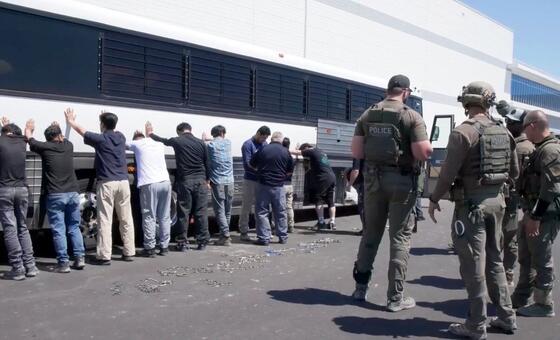
In a statement released on Friday, UN human rights chief Volker Türk said individuals suspected of being undocumented migrants are increasingly being targeted in large-scale federal enforcement actions carried out in everyday locations.

Raids Reported In Hospitals, Schools And Homes

According to the UN rights office, surveillance, arrests and detentions have been reported in a wide range of public and private settings, including hospitals, schools, courthouses, markets, places of worship and private homes.

Türk said some of the operations have involved the use of force, leaving many communities feeling intimidated and vulnerable.

“I am astounded by the now-routine abuse and denigration of migrants and refugees,” he said.

The climate of fear created by such enforcement actions is affecting families and children in particular. In some cases, children have reportedly missed school or medical appointments because parents fear they may be detained during routine activities.

Concerns Over Arbitrary Arrests

The UN rights chief warned that several migration policies currently being implemented could result in arbitrary or unlawful arrests and detentions.

He also raised concerns that immigration enforcement decisions may be made without sufficient individual assessments of each person’s situation.

In the United States, immigration enforcement is primarily handled by Immigration and Customs Enforcement (ICE), a federal agency responsible for identifying, arresting and deporting individuals believed to be in violation of immigration laws.

Türk acknowledged that governments have the right to regulate migration and enforce national laws. However, he stressed that such powers must be exercised in accordance with legal standards and due process.

“Failure to respect due process risks eroding public trust, weakening institutional legitimacy and violating individuals’ rights,” he said.

Deadly Incident Raises Alarm

Türk also criticised the increasing use of large-scale enforcement operations, warning that force used in such actions may sometimes be unnecessary or disproportionate.

He referred to an incident on January 7, 2026, when a woman was fatally shot during a federal enforcement operation in Minneapolis, Minnesota.

Under international law, the UN official noted, lethal force should only be used as a last resort when there is an imminent threat to life.

Families Separated By Detention Practices

The High Commissioner highlighted the human impact of current immigration practices, particularly on families.

He cited cases in which parents were detained or transferred between detention facilities without relatives being informed of their whereabouts. In some instances, families reportedly struggled to maintain contact or obtain legal representation.

“I call on the administration to end practices that are tearing apart families,” Türk said.

He also urged US authorities to conduct independent and transparent investigations into deaths reported in immigration detention facilities.

At least 30 deaths were recorded in Immigration and Customs Enforcement custody last year, with six additional deaths reported so far this year.

Warning Over Anti-Migrant Rhetoric

Beyond enforcement actions, Türk expressed concern about what he described as increasingly hostile language directed at migrants and refugees in political discourse.

He warned that such rhetoric risks fueling xenophobia and violence against immigrant communities.

“I call on leaders at all levels in the US to halt the use of scapegoating tactics that seek to distract and divide,” he said.

According to the UN official, portraying migrants collectively as criminals or threats based solely on nationality or immigration status undermines fundamental human rights principles.

Migrants’ Contributions Highlighted

Despite his criticism, Türk also acknowledged the efforts of public officials, civil society organisations and community groups across the United States who are working to protect the rights and dignity of migrants.

He emphasised that the country’s history has been profoundly shaped by migration and the contributions of people from around the world.

“Demonising migrants and refugees collectively as criminals, threats or burdens on society is inhuman and wrong,” he said, adding that such narratives run counter to the values on which the nation was built.

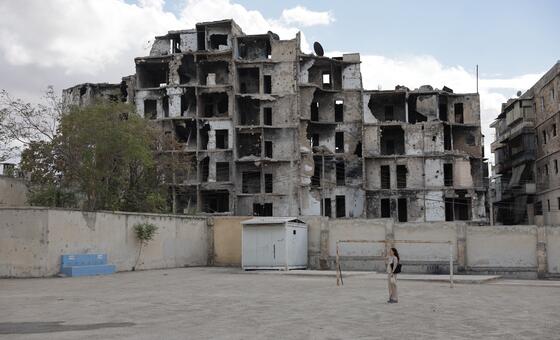
Syria: Renewed clashes risk derailing fragile transition

They urged swift implementation of recent agreements to prevent renewed fighting, protect civilians and preserve fragile gains made during the country’s transition.

A country still on edge

One year into Syria’s post-Assad transition, nearly three million refugees and internally displaced people have returned home, a sign of cautious progress.

But UN officials cautioned that the country remains extremely fragile after more than a decade of war.

The ISIL/Da’esh terrorist group continues to pose a persistent threat, sectarian and ethnic tensions remain unresolved, and the presence of foreign fighters and unsecured detention facilities raises serious security concerns.

At the same time, humanitarian needs remain acute, with only about a quarter of the funding required for winter assistance secured, leaving millions without adequate support amid extreme cold.

Regional dynamics are adding further strain. UN officials warned that continued incursions by Israel in southern Syria undermine the country’s sovereignty and territorial integrity, and risk further destabilizing an already volatile environment.

Against this fragile backdrop, the situation in northern and northeastern Syria has deteriorated sharply in recent weeks.

Talks stall, fighting resumes

Repeated attempts at dialogue and mediation between the Syrian government and the Syrian Democratic Forces (SDF) have failed to prevent renewed violence, Khaled Khiari, UN Assistant Secretary-General for Political Affairs, told ambassadors.

A further round of talks earlier this month did not advance implementation of a March 2025 agreement aimed at integrating the SDF into state institutions, UN officials said. Shortly afterward, clashes erupted in SDF-controlled neighbourhoods of Aleppo, forcing tens of thousands of civilians to flee.

“Following several days of intense fighting…tens of thousands fled, most of whom have started to return, dozens were killed, hundreds were wounded, and persons are still missing,” he said.

Although a ceasefire and “full integration agreement” was announced on 18 January with mediation by the United States and other partners, implementation quickly faltered.

Fighting resumed after talks broke down the following day, and clashes were still being reported in parts of Al-Hasakeh governorate and around Ayn al-Arab, also known as Kobane.

ASG Khiari briefs the Security Council.

“We strongly appeal for both sides to immediately adhere to a ceasefire…and engage in fleshing out and implementing the details of this latest understanding swiftly and in a spirit of compromise,” Mr. Khiari said, warning of an “alarming humanitarian and protection crisis” if the violence continues.

He said recent government decrees recognizing the linguistic, cultural and citizenship rights of Syrian Kurds were “encouraging initiatives” but stressed that they must be followed by inclusive political processes to build trust and national cohesion.

Fragile gains, deep needs

The political tensions are unfolding against a backdrop of immense humanitarian strain.

Edem Wosornu, Director of Crisis Response at the UN Office for the Coordination of Humanitarian Affairs (OCHA), said recent fighting had once again exposed how vulnerable Syria remains after 14 years of war.

Clashes this month forced tens of thousands from their homes in Aleppo and triggered new displacement across Ar-Raqqa, Deir ez-Zor and Al-Hasakeh governorates.

As of 18 January, more than 13,000 people had fled Ar-Raqqa alone, many seeking refuge in overcrowded collective centres.

“The fighting has cut people off from clean water, some hospitals have been forced to close, and many children cannot attend school,” Ms. Wosornu said, adding that damaged roads, unexploded ordnance and winter storms were hampering aid deliveries.

OCHA Director Wosornu briefs the Security Council.

Displaced families are facing “bitter winter conditions,” she said, with urgent needs for shelter, food and heating. Heavy snow and extreme cold have affected nearly 160,000 people living in camps, damaging shelters and contributing to the deaths of two infants.

Despite access challenges, UN agencies and partners continue to deliver aid, including food, shelter, medical supplies and protection services. Emergency funding has been released to support displaced families, and reception centres have been established in Al-Hasakeh and Qamishli.

“Syria can make further progress,” Ms. Wosornu said, but this hinges on sustained humanitarian funding, increased investment in recovery and development, and active diplomacy to prevent further violence and protect civilians.

UN teams blocked from accessing Al Hol amid unrest

UN teams attempting to assess conditions at Al Hol camp in Syria’s northeast were unable to enter the site this week following its takeover by Syrian authorities, amid reports of looting and fires that left the situation tense and volatile.

Staff from UNHCR and UNICEF reached the camp on Tuesday and again on Wednesday but were prevented from accessing it due to security concerns. The teams nevertheless held constructive discussions with Syrian government representatives on site.

The Syrian authorities have indicated their willingness to provide security and other support to UNHCR and humanitarian partners to allow life-saving operations to continue.

The UN also stressed the need for any transfer of detention facilities holding suspected ISIL members from SDF control to the Syrian government to be carried out in an orderly manner and in line with international standards.

Al Hol camp, located in Hasakeh governorate, has for years housed tens of thousands of people — many of them women and children — including family members of suspected ISIL fighters, and has long been plagued by insecurity, humanitarian needs and limited access for aid agencies.

Source link

World News in Brief: Ukraine Strikes, Nigeria Hunger Crisis And Kenya Drought Deepen Global Humanitarian Concerns

Escalating conflict in Ukraine, a worsening hunger crisis in Nigeria and severe drought conditions in Kenya are intensifying humanitarian challenges across several regions, according to recent updates from United Nations agencies.

Officials warn that civilians are facing growing threats from armed conflict, climate shocks and food insecurity, with millions in urgent need of assistance.

Civilians Killed In Ukraine Attacks

Recent Russian strikes in Ukraine have continued to cause civilian casualties and damage to homes and infrastructure.

According to the UN children’s agency UNICEF, attacks in the Odesa region on Wednesday killed a 17-year-old boy. The agency condemned the violence and urged an immediate halt to strikes targeting civilian areas and critical infrastructure.

UNICEF said such attacks place children at particular risk and disrupt essential services on which families depend.

Meanwhile, the UN Office for the Coordination of Humanitarian Affairs (OCHA) reported that attacks on the southeastern city of Kryvyi Rih resumed on Thursday after earlier strikes the previous day.

Humanitarian teams have been working to assist residents affected by the bombardment.

“Teams delivered shelter materials to cover damaged homes and provided protection services to the affected residents,” OCHA said, noting that harsh winter conditions are worsening the humanitarian situation.

UN High Commissioner for Human Rights Volker Türk earlier condemned ongoing attacks on Ukraine’s energy infrastructure, which have disrupted electricity, heating and water supplies.

“Civilians are bearing the brunt of these attacks,” Türk said. “They can only be described as cruel. They must stop.”

Food Aid Shortfall Threatens Millions In Nigeria

In West Africa, the World Food Programme (WFP) has warned that more than one million people in northeast Nigeria could soon lose access to emergency food and nutrition assistance unless additional funding is secured within weeks.

Nigeria is already facing one of its most severe hunger crises in recent years. Aid agencies estimate that nearly 35 million people could face acute or severe food insecurity during the upcoming lean season.

Among those most at risk are approximately 15,000 residents in Borno State who could fall into catastrophic levels of hunger, just one step away from famine.

The crisis has been worsened by renewed violence in northern Nigeria, where armed conflict has destroyed crops, displaced families and disrupted local food systems.

“Now is not the time to stop food assistance,” said David Stevenson, WFP’s country director in Nigeria.

He warned that cutting aid would have “catastrophic humanitarian, security and economic consequences” for communities already struggling to survive.

The WFP is seeking $129 million to maintain its operations in northeastern Nigeria over the next six months.

Severe Drought Worsens Food Crisis In Kenya

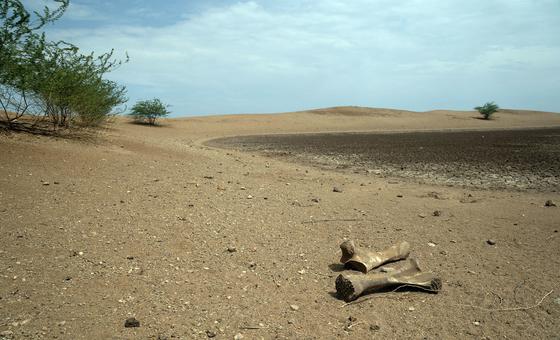
Meanwhile, prolonged drought conditions in Kenya are increasing food insecurity for millions of people.

According to the World Health Organization (WHO), more than two million people are currently affected following the October to December 2025 rainy season, which was among the driest on record.

The lack of rainfall has led to rising malnutrition levels, increased risks of disease outbreaks and disruptions to basic health services.

Ten counties in Kenya are currently experiencing drought conditions, including one classified at an “alarm” stage. An additional 13 counties in the country’s arid and semi-arid regions are also showing signs of drought stress.

The crisis is not limited to Kenya. Similar weather patterns are affecting neighbouring Somalia, Tanzania and Uganda, placing millions more people at risk.

To support response efforts, the WHO has supplied emergency medical kits, including cholera treatment supplies and pneumonia kits, while pre-positioning essential equipment in counties considered most vulnerable.

However, the agency warned that urgent action is needed to ensure communities and livestock have access to sufficient food and safe drinking water.

Without rapid intervention, humanitarian officials caution that the situation could deteriorate further, placing additional strain on already fragile health and food systems across the region.

For every $1 spent protecting nature, $30 goes to destroying it; UN Urges Financial Overhaul To Protect Nature


The United Nations has called for sweeping reforms in global financial systems, warning that current investment patterns are accelerating environmental destruction instead of supporting efforts to protect the planet.

A new report, State of Finance for Nature 2026, highlights a stark imbalance in global spending, showing that for every dollar invested in protecting nature, about thirty dollars are directed toward activities that damage ecosystems.

UN officials say reversing this trend will require governments and financial institutions to redirect investments toward sustainable projects that support both environmental protection and economic growth.

Investments Driving Environmental Damage

The report identifies several sectors responsible for a significant share of environmentally harmful investments.

Industries such as utilities, industrial manufacturing, energy production and basic materials are among those linked to major ecological pressures.

In addition, certain sectors benefit from large government subsidies that encourage environmentally damaging practices. These include fossil fuels, agriculture, water management, transport and construction.

According to the report’s authors, these financial incentives often accelerate deforestation, pollution and the degradation of natural habitats.

“If you follow the money, you see the size of the challenge ahead of us,” said Inger Andersen, Executive Director of the United Nations Environment Programme (UNEP).

She warned that investments that harm the environment are growing far more rapidly than funding for nature-based solutions.

“We can either invest in nature’s destruction or power its recovery – there is no middle ground,” Andersen said.

Nature-Based Solutions Offer Economic Benefits

Despite the current imbalance, the report argues that viable solutions already exist to reverse environmental damage while supporting economic development.

Researchers describe the possibility of a “big nature turnaround,” where investments in sustainable infrastructure and environmental restoration could create economic opportunities while protecting ecosystems.

Examples highlighted in the report include expanding green spaces in cities to reduce extreme heat and improve living conditions for urban populations.

Urban greening projects, such as parks and tree planting initiatives, can help counter the “heat island” effect that causes cities to become significantly hotter than surrounding rural areas.

Integrating Nature Into Infrastructure

Another strategy involves incorporating nature into infrastructure projects.

Road networks, energy facilities and other large-scale infrastructure developments can be designed to minimise environmental impact and preserve biodiversity.

The report also points to the development of new building materials capable of capturing more carbon than they emit during production. Such innovations could help reduce emissions in the construction sector, which remains one of the largest contributors to global greenhouse gas output.

Phasing Out Harmful Subsidies

To achieve meaningful progress, the report calls for governments to gradually eliminate subsidies that support environmentally destructive industries.

At the same time, policymakers are encouraged to increase funding for projects that restore ecosystems, protect biodiversity and reduce pollution.

Redirecting financial flows toward “nature-positive” investments, the report argues, could significantly reduce environmental damage while helping economies transition toward more sustainable models of growth.

UN officials say aligning financial systems with environmental goals will be essential if the world hopes to address climate change, biodiversity loss and other major ecological crises.

The report concludes that transforming the way global markets allocate resources could become one of the most powerful tools available to protect the planet while ensuring long-term prosperity for people and communities worldwide.

UN Assembly president defends multilateralism, UN Charter in Davos

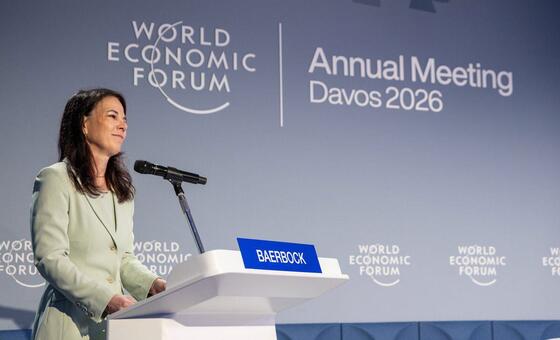
Speaking at the session Who Brokers Trust Now? at the World Economic Forum, Annalena Baerbock warned that multilateral institutions – long seen as the brokers of global trust – are under unprecedented strain as conflicts multiply and respect for international law erodes.

“Who brokers trust?” she asked. “In ordinary times, there would be a simple answer: multilateral institutions like the United Nations.” But, she added, these are “not ordinary times”.

Ms. Baerbock said the world is facing more conflicts than at any point in recent history. Since the start of 2026, she said, divisions have deepened further, leaving some Member States hesitant to act when circumstances demand principled conviction.

“Voices that were once outspoken in their support for all the three pillars of the United Nations Charter – peace and security, sustainable development, and human rights – fall more and more silent in the face of their erosion,” she said.

“The UN is not only under pressure but under outright attack.”

Facts and truths not up for negotiation

Ms. Baerbock stressed that trust cannot exist without truth and shared facts – foundations she said are increasingly undermined by deliberate disinformation.

“Without facts, you can’t have truth. Without truth, you can’t have trust,” she said, quoting Nobel Peace Prize laureate Maria Ressa.

She cautioned that falsehoods are rarely accidental, but are often deployed to “weaponize mis- and disinformation”, while diplomatic silence in the face of obvious falsehoods only deepens mistrust.

“We do not negotiate truths and facts,” Ms. Baerbock said. “We use them to negotiate, to broker trust.”

She highlighted the risks posed by artificial intelligence, noting that while AI offers enormous benefits, it is also being used to blur the line between truth and lies. Deepfakes, she said, are “systematically attacking women”, citing figures showing that the overwhelming majority of such content is pornographic and targets women.

UN Charter – ‘world’s life insurance’

Ms. Baerbock also highlighted that trust is impossible without common rules, arguing that respect for international law is not naïve idealism but a matter of enlightened self-interest.

“Trust is built on rules,” she said, likening the global system to competitive sports or markets where predictability and fairness are essential. “Why would you put your money into a business if the competition rules are totally unpredictable?”

Recalling the founding of the United Nations 80 years ago, she said leaders at the time chose cooperation after witnessing the catastrophic consequences of a lawless international order.

The UN Charter, she added, remains “the world’s common life insurance”, just as a rules-based economic order underpins global business and investment.

A call for broad alliance

The General Assembly President concluded by calling for a broad alliance – spanning governments, businesses and regions – to stand up for the international order and defend shared principles, even when it is politically or economically costly.

“Trust is brokered by those who hold up the common rules and principles, even when it is hard,” she said. “By those who act when action is required…and by those who speak the truth, when silence or distortion would be easier.”

The challenge now, Ms. Baerbock emphasised, is whether today’s leaders can act with the same courage and conviction as those who built the post-war international system.

“The founders of the United Nations understood that because they had seen what the alternative would mean, in a world where might makes right, there can be only one outcome: chaos and war.”

Source link

World enters era of ‘global water bankruptcy’

For decades, scientists, policymakers and the media warned of a “global water crisis,” implying temporary shock – followed by recovery. 

What is now emerging in many regions, however, is a persistent shortage whereby water systems can no longer realistically return to their historical baselines.

“For much of the world, ‘normal’ is gone,” said Kaveh Madani, Director of the UN University Institute for Water, Environment and Health.

 “This is not to kill hope but to encourage action and an honest admission of failure today to protect and enable tomorrow,” he told a press briefing in New York on Tuesday.

Unequal burdens

Mr. Madani emphasised that the findings do not suggest worldwide failure – but there are enough bankrupt or near-bankrupt systems, interconnected through trade, migration and geopolitical dependencies, that the global risk landscape has been fundamentally altered.

The burdens fall disproportionately on smallholder farmers, Indigenous Peoples, low-income urban residents and women and youth, while the benefits of overuse often accrued to more powerful actors.

From crisis to recovery? 

The report introduces water bankruptcy as a condition defined by both insolvency and irreversibility.

Insolvency refers to withdrawing and polluting water beyond renewable inflows and safe depletion limits.

Irreversibility refers to the damage to key parts of water-related natural capital, such as wetlands and lakes, that makes restoration of the system to its initial conditions infeasible.

But all is not lost: comparing water action to finance, Mr. Madani said that bankruptcy is not the end of action. 

“It is the start of a structured recovery plan: you stop the bleeding, protect essential services, restructure unsustainable claims, and invest in rebuilding,” he noted.

Costly tab

The world is rapidly depleting its natural “water savings accounts”, according to the study: more than half the world’s large lakes have declined since the early 1990’s, while around 35 per cent of natural wetlands have been lost since 1970, Mr. Madani said.

The human toll is already significant. Nearly three-quarters of the world’s population live in countries classified as water-insecure or critically water-insecure.

Around four billion people experience severe water scarcity for at least one month each year, while drought impacts cost an estimated $307 billion annually.

“If we continue to manage these failures as temporary ‘crises’ with short-term fixes, we will only deepen the ecological damage and fuel social conflict,” Mr. Madani warned.

Course corrections

The report calls for a transition from crisis response to bankruptcy management, grounded in honesty about the irreversibly of losses, protection of remaining water resources – and policies that match hydrological reality rather than past norms.

Source link

‘Alarming’ increase in use of death penalty last year, despite global trend towards abolition

The UN advocates for the universal abolition of the death penalty. The International Covenant on Civil and Political Rights, ratified by 175 countries, protects the right to life and stipulates that, for countries that have not abolished capital punishment, it be imposed only for the ‘most serious crimes’ in exceptional cases. 

OHCHR said the sharp increase in capital punishment last year was driven by executions for drug-related violations, for crimes people committed as children and for offences not meeting the ‘most serious crimes’.

“The death penalty is not an effective crime-control tool, and it can lead to the execution of innocent people,” said Volker Türk, UN Commissioner for Human Rights. 

“In practice, the death penalty is also often applied arbitrarily and discriminatorily, in violation of fundamental principles of equality before the law.” 

Geography of death 

OHCHR’s monitoring reveals that no one region claimed the monopoly over capital punishment. 

In Iran, at least 1,500 individuals were reportedly executed in 2025, with at least 47 per cent relating to drug offences. 

In Israel, a series of legislative proposals is seeking to expand the use of the death penalty by introducing mandatory capital punishment provisions that would apply exclusively to Palestinians.

In Saudi Arabia, the reported number of executions exceeded the previous record of 2024, mounting to at least 356 people, where 78 per cent of cases were for drug-related offences. In Afghanistan, public executions continued, in breach of international law.

In the Americas, the United States saw the highest number of executions in 16 years – some 47 inmates who had been on death row.

Further south, at least 24 people were executed in Somalia and 17 in Singapore.

‘Encouraging steps’

However, OHCHR noted that several countries took ‘encouraging steps’ last year to limit capital punishment. 

Vietnam reduced the number of offences punishable by death. Pakistan also removed two non-lethal capital offences but still retained 29. 

Zimbabwe abolished on 31 December 2024 the death penalty for ordinary crimes, while Kenya initiated a legislative review of capital punishment. 

Malaysia’s resentencing process reduced the number of people at risk of execution by more than 1,000 and in Kyrgyzstan, the Constitutional Court reaffirmed the prohibition of the death penalty.

So far, 170 countries have abolished or introduced a moratorium on the death penalty either in law or in practice.

Source link

Prison breaks and renewed clashes raise alarm in northeast Syria

Secretary-General António Guterres is following the continuing violence “with great concern,” Deputy UN Spokesperson Farhan Haq said on Tuesday in New York. 

The Secretary-General called for full respect for international law and the protection of civilians while also stressing the importance of securing detention facilities. 

He urged the parties to continue dialogue, move forward in good faith, and work together to secure the implementation of all agreements. 

Fearing for families 

The UN human rights office, OHCHR, was “concerned about reports of renewed fighting between the Syrian Army and the SDF, despite the 18 January ceasefire agreement,” Spokesperson Ravina Shamdasani said earlier in Geneva. 

Rolando Gómez of the UN Information Service (UNIS) there described the overall situation as “worrying, in particular the damage to critical infrastructure.”   

He expressed concern for families unable to leave conflict areas and those who have been newly displaced.  

A fragile transition 

Syria remains on a fragile path to political transition following the fall of the Assad regime in December 2024 and nearly 14 years of civil war.   

The transitional government has been taking back territory in the northeast under Kurdish control and fighting has occurred in Aleppo, Raqqa, Deir-ez-Zor and Al Hassakeh governorates. 

Speaking in New York, Syria’s UN ambassador Ibrahim Olabi told journalists that the government and the SDF had reached “a common understanding” on several issues regarding the future of Al Hassakeh governorate. 

The SDF will be granted “a four-day period for internal consultations to develop a detailed plan for the practical mechanisms for integrating the area,” he said during a media stakeout at UN Headquarters. 

Syrian troops will not enter Al Hassakeh and Qamishli cities and will remain on their outskirts until a plan is finalised.

ISIL detention camps 

Northeast Syria is home to several prisons holding thousands of ISIL fighters. The terrorist group, also known as Daesh, once controlled large swaths of the country and neighbouring Iraq in its attempt to establish an Islamist caliphate, committing mass executions, rape, forced recruitment and other atrocities along the way. 

Tens of thousands of civilians with suspected ties to the militants, mainly women and children, are housed in separate detention camps such as notorious Al-Hol camp – home to over 30,000 people.   

Ceasefire and clashes 

The ceasefire announced on Sunday followed weeks of deadly fighting.  The truce calls for the authorities to take over SDF-controlled areas and for its forces to be integrated into the national army, among other points. 

Clashes resumed a day later during which roughly 120 ISIL fighters escaped from the prison in Al-Shaddadi city, according to media reports, though most have been captured. 

Ms. Shamdasani recalled that OHCHR has long stated that any integration of security forces into Syrian State institutions, particularly SDF forces, “must take place within a proper human rights-based vetting process to ensure that any individuals involved in human rights violations or abuses are not integrated.”   

Humanitarian support 

Meanwhile, humanitarians have been providing assistance in the four affected governorates, incluidng trauma care, water and hygiene support, and psychosocial support, the UN aid coordination office OCHA reported on Monday. 

Public services have been suspended in Deir-ez-Zor city and key transport routes temporarily closed, leaving civilians cut off from education and healthcare. 

Furthermore, damage to critical infrastructure in Raqqa city has curtailed access between neighbourhoods and disrupted the main water supply. 

OCHA noted that people continue to flee Raqqa and Tabqa cities, as well as Thawra town, and are heading towards Al Hassakeh and Qamishli governorates.  

Hundreds of families remain unable to leave Tabqa and are sheltering in public facilities. 

Assessments are underway to determine people’s needs as humanitarians continue to call for sustained, safe access to the population. 

Source link

Human trafficking depends on corruption at every step

A Chilean police officer stationed at the border collaborated on the scheme, enabling the crime.

Were it not for border guards, public officials and other entities who look the other way in exchange for money or sexual favours – or are themselves being extorted – human trafficking could not occur on a large scale, according to a new report from the UN Office on Drugs and Crime (UNODC) published on Monday. 

It analyses more than 120 cases involving almost 80 countries – based on consultations with policymakers, prosecutors, investigators and independent experts from more than 30 countries – to expose the ‘hidden links’ between human trafficking and corruption. 

Cloak of corruption

Human trafficking can include sexual exploitation, forced labour, forced begging, organ removal and even illegal adoption, among other forms of exploitation.

The report demonstrates how corruption permeates and facilitates every stage of human trafficking.

During recruitment and transport, corrupt officials provide documentation, overlook irregularities and collude with fraudulent recruitment agencies and organised criminal groups. 

At border crossings, bribes and papers obtained through corruption allow persons to be moved across jurisdictions.

Asking for help can appear difficult or impossible once a person is exploited. Corruption shields operations in industries such as agriculture, construction, fisheries and domestic work, and helps keep victims of trafficking in situations of forced labour, sexual exploitation and forced criminality. 

Finally, corruption obstructs anti-trafficking efforts, from police investigations and prosecutions to judicial decisions and assistance to victims.

Breaking the cycle

UNODC supports countries in breaking the cycle of corruption and human trafficking, including by ensuring national legislation applies stronger penalties when public officials are involved in trafficking and establishing safe reporting mechanisms for victims.

Other UN agencies are also supporting the effort. Backed by the International Organization for Migration (IOM), Moldova announced last week that it is strengthening its ability to identify and stop cross-border crimes, including human trafficking, through the new headquarters of its Passenger Information Unit (PIU).

The PIU is equipped with advanced UN software that improves passenger data collection, analysis and rapid response. Moldova is the seventh country to adopt this system, following in the footsteps of Norway, Luxembourg, Botswana, Georgia, the Philippines and Mongolia.

Source link