New Zealand Rejects Indian Sikh Couple’s Asylum Bid Over ₹1.8 Crore Debt Dispute

An Indian Sikh couple’s bid for refugee protection in New Zealand has been rejected after a Punjab moneylender allegedly threatened them over a debt that grew sixfold from NZ$56,000 to NZ$336,000, or approximately ₹1.8 crore. The tribunal ruled that the dispute did not establish grounds for refugee protection.

New Zealand’s Immigration and Protection Tribunal dismissed the couple’s appeals on October 29, finding insufficient evidence that they faced a real risk of serious harm if they returned to India.

Tribunal member B L Burson concluded that the case arose from a financial dispute rather than persecution linked to a ground recognised under the Refugee Convention. The tribunal also identified a wider pattern of migrants seeking protection after borrowing heavily to finance overseas education and employment.

How a NZ$56,000 loan ballooned to NZ$336,000

The couple’s financial troubles began in Punjab in 2015, when the wife planned to pursue higher education overseas.

She borrowed money from a bank in December 2015 to finance her studies. Her father-in-law provided land ownership documents as security, while the family also borrowed from relatives.

After her New Zealand student visa was approved in January 2016, her husband and father-in-law borrowed NZ$56,000 from an unlicensed moneylender in March to repay the earlier debts.

The loan carried interest of 2% a month and was supposed to be repaid within two years. The husband joined his wife in New Zealand in May 2016.

The debt remained unpaid. By 2018, the lender had begun demanding repayment, with the couple alleging that the demands escalated into threatening phone calls and messages.

The husband’s father eventually signed an affidavit disowning the couple from his property.

In March 2024, the moneylender allegedly assaulted the father and threatened to kill him and his son. A complaint to the village council and police led to a compromise under which the lender agreed to stop pursuing the father and deal only with the husband.

The following month, the lender sent the husband a calculation showing that the outstanding debt had increased to nearly NZ$336,000.

The husband continued receiving threatening messages after moving to New Zealand. The lender allegedly claimed to have powerful connections across India and threatened to initiate multiple court cases against the husband, saying he would ensure that he remained in prison.

The moneylender subsequently initiated legal proceedings in India after two cheques issued by the husband were dishonoured because of insufficient funds.

Fearing the consequences of returning to India, the couple applied for refugee protection in New Zealand in April 2024.

Why the tribunal rejected the asylum claims

The tribunal dismissed the couple’s appeals without an oral hearing, describing the claims as manifestly unfounded.

Burson found that the dispute was fundamentally about a loan default and did not amount to persecution connected to a ground recognised under the Refugee Convention.

He also found insufficient evidence that the couple faced a real risk of serious harm that would qualify them for refugee or protected-person status.

In assessing the alleged death threats, the tribunal reasoned that killing the husband would undermine the moneylender’s efforts to recover the outstanding debt.

The tribunal also considered that the couple could seek protection from Indian police and pursue legal remedies through India’s judicial system.

While acknowledging the couple’s difficult circumstances, Burson said New Zealand’s international protection obligations were not intended to address every form of hardship.

The decision highlights the distinction between financial hardship arising from migration-related borrowing and the legal threshold required to qualify for international protection.


Will Trump Veto Every Bill if Democrats Take Control of Congress?

President Donald Trump has signaled that he could turn the presidential veto into a central political weapon if Democrats take control of Congress in Tuesday’s midterm elections. However, his own remarks suggest that a strategy of rejecting every bill indefinitely is unlikely, with the president acknowledging that he would eventually have to negotiate with the opposition.

“I guess I’ll become Mr. Veto,” Trump told the New York Post’s Pod Force One podcast in an interview excerpt released on Sunday. “And then at some point, we’ll probably make deals.”

The comment offers an indication of how Trump views the prospect of divided government during the final two years of his presidency. His administration has already spent months preparing to advance its agenda through executive authority while anticipating Democratic investigations, congressional subpoenas and challenges to its spending priorities.

The immediate question is not whether Trump can veto legislation. The US Constitution gives him that authority. It is whether Democrats can assemble enough congressional support to overcome his objections, negotiate compromises or use control of the legislative agenda to constrain the White House.

The November 3 elections put all 435 House seats and 35 of the Senate’s 100 seats in contention. Republicans entered the elections with narrow majorities of 218-214 in the House and 53-47 in the Senate. Democrats need to flip at least three House seats and four Senate seats to take control of both chambers, according to Reuters’ November 3 election analysis.

Opinion polls favor Democrats in the House, while the Senate contest remains considerably more competitive.

Why Trump Cannot Simply Ignore a Democratic Congress

A presidential veto is one of the strongest constitutional checks available to the White House against legislation passed by Congress. Under Article I, Section 7 of the US Constitution, the president can refuse to sign a bill and return it to the chamber where it originated, accompanied by objections.

However, Congress can override that decision if two-thirds of voting members in both the House and Senate support the legislation again.

The requirement is particularly important for Trump because even a Democratic majority in both chambers would not automatically provide the votes needed to overcome his vetoes.

For example, assuming all members vote, Democrats would need approximately 290 votes in the 435-member House and 67 votes in a full 100-member Senate to override a presidential veto. They would therefore need substantial Republican support, not simply unified Democratic backing.

The Congressional Research Service explains that the two chambers reconsider vetoed legislation sequentially. If the chamber where the bill originated fails to secure the required two-thirds majority, the other chamber does not proceed with an override vote.

This means Trump could potentially block major Democratic legislative initiatives even if Republicans lose both chambers.

His veto record also offers some indication of how he has used the power during his second term. Trump has issued two vetoes so far, both on December 29, 2025, according to Ballotpedia’s legislative record.

One involved the Finish the Arkansas Valley Conduit Act, which concerned federal financial obligations for a Colorado water infrastructure project. The other was the Miccosukee Reserved Area Amendments Act, involving land and infrastructure arrangements in Florida’s Everglades.

Both measures had passed Congress unanimously or through voice votes, yet Trump rejected them.

The examples demonstrate that bipartisan congressional support does not necessarily guarantee presidential approval. Neither veto had been overridden in the record available on November 3.

However, two vetoes do not establish that Trump intends to reject every measure passed by a Democratic Congress. His own statement about eventually making deals suggests that he sees the veto as leverage in negotiations rather than an automatic response to every legislative proposal.

Senate Filibuster Could Become an Additional Obstacle

Even before legislation reaches Trump’s desk, Democrats could encounter another major obstacle if they take control of the Senate.

Most major legislation in the Senate can face a filibuster, a procedural mechanism that allows the minority to prolong debate and prevent a final vote unless supporters obtain the necessary 60 votes to invoke cloture.

Consequently, a Democratic Senate majority of 51 or 52 seats would not necessarily be sufficient to pass ordinary legislation over Republican opposition.

There are exceptions, including certain budget reconciliation measures, which can pass with a simple majority if they comply with specific procedural and budgetary requirements. However, reconciliation cannot be used as a general shortcut for every policy proposal.

This creates two separate legislative barriers for Democrats: securing enough votes in the Senate to pass legislation and then obtaining sufficient Republican support to override a presidential veto.

Reuters’ analysis of possible election outcomes suggests that even a Democratic Senate majority of four to six seats could leave the party unable to enact many of its priorities. Measures addressing tariffs, healthcare, housing costs, artificial intelligence data centers and presidential war powers could become major points of confrontation.

Some legislation could instead be designed to force Republicans into politically difficult votes, even if Democrats know Trump will ultimately reject it.

A larger Democratic majority would give party leaders greater flexibility to advance such proposals and increase pressure on Republicans to explain their positions ahead of the 2028 presidential election.

Trump Has Another Option: Govern Through Executive Power

The White House is not relying exclusively on the prospect of presidential vetoes.

Reuters reported on November 1 that senior officials, including Deputy Chief of Staff Stephen Miller and Office of Management and Budget Director Russell Vought, have been working with White House lawyers since April to identify policy measures Trump could implement without congressional approval.

The proposals cover immigration, tariffs, housing and federal spending.

Among the options being considered are additional tariffs on imported critical minerals and wind turbines, tighter visa requirements for international students and temporary foreign workers, and measures intended to reduce housing and construction costs.

Vought is also examining how the administration could use funds already appropriated by Congress to advance its priorities. Proposed changes to federal grant rules could give political appointees greater influence over the allocation of taxpayer money.

The preparations reflect the administration’s confidence in the president’s existing executive authority.

Nathan Gonzales, editor of nonpartisan political analysis organization Inside Elections, described Trump’s approach to governing during his second term as an effort to bypass Congress wherever possible.

“President Trump in the last two years has basically ignored Congress and tried to do as much as possible through executive orders and executive power,” Gonzales told Reuters.

“I think he will only continue if there are Democratic majorities,” he added.

However, executive authority is not unlimited. Courts can block presidential actions that exceed statutory or constitutional powers. Congress can also use legislation, appropriations and oversight to challenge executive decisions, although Trump’s veto could complicate attempts to impose new restrictions.

Democratic Investigations May Matter More Than Vetoes

For Trump, the most immediate consequence of losing the House could be the return of aggressive congressional oversight.

Democrats have discussed using committee hearings, subpoenas and document requests to investigate whether Trump has used presidential powers to benefit himself, political allies or donors.

Reuters reported in August that Democratic lawmakers and committee aides were considering investigations involving companies and financial institutions connected to the president’s political and business network.

The strategy could give Democrats a way to scrutinize the administration even when they lack the votes to pass major legislation.

White House lawyers have already been briefing political appointees and agency officials on responding to congressional inquiries and subpoenas, according to people familiar with the administration’s preparations.

The White House has also sought a Justice Department opinion that could provide grounds for Trump to invoke executive privilege to protect communications with private advisers from congressional scrutiny.

A Democratic-controlled Senate would create another obstacle by giving the party control over confirmation proceedings for judicial and executive branch nominees. That could delay or block Trump’s appointments, potentially including a future Supreme Court nomination.

Andrew Busch, a public policy professor at the University of Tennessee, Knoxville, and author of a history of midterm elections, told Reuters he expected Democrats to be reluctant to approve Trump’s appointments.

“I would anticipate they will be very reluctant to approve any of the president’s appointments,” he said.

The distinction is important: Democrats would not need to pass legislation to make life difficult for the White House. Investigations, confirmation delays, spending negotiations and control of congressional committees could provide substantial political leverage.

A 2027 Showdown Over Spending and Government Funding

The most consequential confrontation could emerge over federal spending, government funding and the debt ceiling.

Reuters’ analysis of possible election outcomes identified budget negotiations and debt-limit battles as major risks for 2027, regardless of which party controls Congress.

A Democratic House could refuse to approve spending measures favored by Trump, while the president could reject funding legislation that conflicts with his priorities.

Such a confrontation could increase the risk of a government shutdown or a prolonged dispute over federal borrowing authority.

A Democratic majority in both chambers would strengthen the opposition’s negotiating position, but the president would still retain his veto and the ability to demand concessions.

There is also a political calculation for Trump. By repeatedly rejecting Democratic proposals, he could attempt to portray the opposition as responsible for legislative gridlock and economic difficulties. Democrats, meanwhile, would argue that the White House was obstructing measures intended to address voter concerns over affordability, healthcare and living costs.

Trump is therefore unlikely to veto every bill simply because Democrats control Congress. More likely, he will selectively reject legislation that threatens his policy priorities, use veto threats to extract concessions and pursue executive actions where the law permits.

His “Mr. Veto” remark signals a confrontational opening to a potentially divided government, but his acknowledgment that he will eventually make deals points to the limits of that strategy.

The bigger consequence of a Democratic victory may not be the number of bills Trump vetoes. It could be the emergence of a Washington in which legislation becomes harder to pass, presidential appointments face greater resistance, investigations intensify and federal spending turns into a recurring political battle.

For the final two years of Trump’s presidency, the central contest could shift from who controls Congress to how much either side can accomplish when neither has the power to govern without the other’s cooperation.


Halloween in Orbit: How ISS Astronauts Keep Earth’s Traditions Alive in Space

Halloween aboard the International Space Station comes without door-to-door trick-or-treating, but astronauts have found creative ways to mark the holiday while living hundreds of miles above Earth.

NASA has shared photographs of crew members celebrating Halloween in orbit, showing astronauts wearing costumes, decorating parts of the station and finding ways to bring the familiar holiday spirit into their extraordinary surroundings.

The celebrations offer a brief break from the station’s demanding schedule of scientific experiments and operational duties. They also help crew members maintain a sense of connection with life on Earth while working in an environment unlike any other.

Costumes made for life in microgravity

Astronauts have celebrated Halloween individually and as teams, choosing outfits that range from spooky characters to imaginative designs.

With no costume shop aboard the orbiting laboratory, crew members often make use of materials already available on the station. The resulting outfits reflect the creativity required to celebrate a familiar holiday in an unconventional setting.

There are no ghouls, goblins or trick-or-treaters knocking at the station’s front hatch. Instead, astronauts create their own festivities, sometimes dressing up together and sharing the occasion with colleagues in orbit.

NASA’s photographs from previous years provide a visual record of these celebrations, capturing how different crews have adapted Halloween traditions to life aboard the ISS.

A holiday break aboard a scientific outpost

The festivities are a small part of life on a platform primarily dedicated to research. The International Space Station supports scientific investigations and helps develop the capabilities needed for future human exploration beyond Earth.

NASA continues to document the station’s work through photographs, stories and research updates, reflecting more than 25 years of continuous human presence in orbit.

The Halloween celebrations offer another glimpse into that long-running mission: alongside experiments and technical responsibilities, astronauts continue to observe cultural traditions that help make life in space feel a little more familiar.


Read More :

MIT Develops Nanoparticle Platform for Personalized Cancer Vaccines

NASA’s Perseverance Rover Helps Scientists Study Martian Dust

Kishtwar Inaugurates New Seismological Observatory in High Seismic Zone

Union Minister Dr Jitendra Singh inaugurated a new Seismological Observatory in Kishtwar on November 2, 2026, highlighting the expansion of scientific and weather monitoring infrastructure across Jammu and Kashmir. Established under the Ministry of Earth Sciences, the facility will strengthen earthquake monitoring and support disaster preparedness in the region’s high seismic zone.

The observatory is equipped with digital seismic equipment that will transmit data in real time to the 24×7 Earthquake Monitoring Centre of the National Centre for Seismology in New Delhi.

With this addition, Jammu and Kashmir now has four Seismological Observatories, located in Jammu, Srinagar, Udhampur and Kishtwar. The new facility will continuously monitor seismic activity and generate information to help authorities understand regional earthquake hazards, plan safer infrastructure and improve responses by district administrations and rescue teams.

Addressing the gathering, Dr Jitendra Singh highlighted the expansion of meteorological infrastructure since 2014, particularly in the erstwhile Doda district. He also referred to additional installations following the Chasoti cloudburst tragedy last year.

Doppler Weather Radar Network to Expand to Eight Installations

The Minister said the India Meteorological Department (IMD) had significantly expanded its weather monitoring network in Jammu and Kashmir.

In 2014, the region had no Doppler Weather Radar installations. Since then, four radars have been installed at Banihal, Jot, Jammu and Srinagar. Another four are scheduled for commissioning in 2027 at Doda, Kishtwar, Anantnag and Baramulla, taking the total number to eight.

Dr Jitendra Singh also highlighted the expansion of the Automatic Weather Station network. From three stations previously located in Udhampur, Kathua and Ramban, the network has grown to 12 following the addition of nine stations.

The current distribution includes four stations in Kishtwar, two each in Doda and Ramban, and one in Kathua, alongside the existing network.

Rainfall Monitoring and Panchayat-Level Weather Services Expanded

The rainfall monitoring network has also expanded across the five districts of the parliamentary constituency. The number of Rain Gauge Stations has increased from nine to 15, providing regular rainfall information and strengthening local weather monitoring.

The Minister further stated that weather forecasts are now disseminated at the Panchayat level across all Panchayats in the five districts. Weather forecast and agrometeorological advisory services have reached 5,467 beneficiaries.

Other meteorological facilities in the region include the High-Altitude Cloud Physics Laboratory at Patnitop and the Regional Meteorological Centre established in Jammu to provide weather and early warning services.

According to Dr Jitendra Singh, the expansion of scientific infrastructure has been guided by the region’s geographical vulnerabilities and the need to improve early warning systems in areas exposed to earthquakes, landslides and weather-related hazards.

Minister Urges Public to Follow Scientific Weather Warnings

Emphasising the importance of public cooperation, the Minister said that timely weather information could help save lives only when people followed official warnings and advisories.

He recalled an instance in which traffic restrictions were imposed following a weather alert, with subsequent damage to the highway demonstrating the importance of acting on advance warnings.

“Information is important, but following the information is equally important,” he emphasised, urging citizens to cooperate with the administration during weather alerts.

He also called for greater reliance on scientific and evidence-based communication to counter unverified and alarmist information about weather conditions and predictions.

The Minister highlighted the opportunities created by digital information platforms and social media, particularly for young people in remote areas, and encouraged them to use these opportunities constructively.

Officials Highlight Regional Infrastructure Development

The event was attended by Dr Srinivasa Kumar Tummala, Secretary of the Ministry of Earth Sciences, senior scientist Suresh, MLA Padder-Nagseni and Leader of Opposition in the J&K Legislative Assembly Sunil Sharma, Kishtwar MLA Shagun Parihar, Deputy Commissioner Pankaj Sharma and SSP Sunny Gupta, among other dignitaries.

Dr Jitendra Singh also referred to improvements in regional connectivity and the development of Kishtwar as a major power hub, highlighting ongoing efforts to strengthen scientific and infrastructure capabilities alongside public safety.


Read More :

Bengaluru-Mumbai Vande Bharat Sleeper Express Begins Operations

National Zoological Park Marks 67 Years of Wildlife Conservation

Sacred Relics of Lord Buddha Arrive at Tawang Monastery

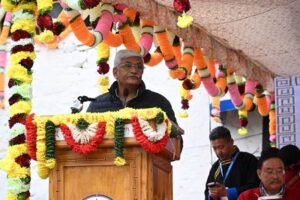
The sacred relics of Shakyamuni Buddha, preserved at the National Museum in New Delhi, were ceremonially received at Tawang Monastery in Arunachal Pradesh on October 31, 2026. The arrival marks the beginning of an exposition showcasing India’s Buddhist heritage across three important centres of Buddhist faith in the state.

Arunachal Pradesh Chief Minister Pema Khandu received the relics at the historic Gaden Namgyal Lhatse, also known as Tawang Monastery. The ceremony was attended by Union Minister of Culture and Tourism Gajendra Singh Shekhawat, Buddhist monks, religious leaders, representatives of the International Buddhist Confederation and devotees.

The exposition is being organised by the Ministry of Culture in collaboration with the Government of Arunachal Pradesh, the International Buddhist Confederation (IBC) and the National Museum, New Delhi. It will provide devotees and members of the public an opportunity to pay homage to the sacred relics.

Prime Minister Highlights Spiritual and Cultural Significance

Prime Minister Narendra Modi expressed happiness over the exposition of the Holy Relics of Bhagwan Buddha in Arunachal Pradesh, describing the occasion as one of significant spiritual and cultural importance.

He highlighted the return of the sacred Piprahwa Relics after more than a century as a moment of pride and joy. He also expressed confidence that the exposition would strengthen public appreciation of India’s Buddhist heritage and the universal teachings of Bhagwan Buddha.

The exposition also coincides with Lhabab Duchen, an important occasion in the Tibetan Buddhist tradition that commemorates the Buddha’s descent from the heavenly realm.

Piprahwa Relics and Their Historical Significance

The sacred relics originate from Piprahwa in Uttar Pradesh, an archaeological site associated with ancient Kapilavastu and the Shakya tradition of Lord Buddha. Preserved at the National Museum in New Delhi, they hold historical, archaeological and spiritual significance for Buddhist communities.

An accompanying exhibition, titled Unearthing the Sacred Piprahwa: The Story of the Holy Buddha Relics and Their Discovery, will showcase the archaeological discoveries at Piprahwa, the importance of relic veneration and the history of the Piprahwa heritage, including its repatriation to India.

The International Buddhist Confederation, in collaboration with the Arunachal Pradesh government, will also organise an international conference titled Buddhism: Dissemination in the Himalayan Region and Beyond at the Kalawangpo Convention Hall in Tawang on November 2, 2026.

Exposition Schedule Across Tawang, Bomdila and Namsai

The sacred relics will travel across three locations in Arunachal Pradesh during the exposition period.

  • Tawang Monastery: November 1 to 7, 2026.
  • TGL Monastery (Lower Gompa), Bomdila: November 8 to 13, 2026.
  • Golden Pagoda, Namsai: November 14 to 20, 2026.

The relics are scheduled to return to the National Museum in New Delhi on November 21, 2026.


Read More :

Char Dham: Karnataka police inspector among six killed in Uttarakhand helicopter crash

‘Mayday, mayday’: Learjet’s final cockpit calls capture seconds before Florida crash kills nine

24-Year X-ray Study Reveals Changing Accretion Behaviour of Bright Source in Nearby Galaxy

Astronomers have traced the changing X-ray behaviour of NGC 4490 ULX-8 through observations spanning 24 years, offering new insights into the compact object powering this exceptionally bright source.

Astronomers have investigated the long-term X-ray behaviour of NGC 4490 ULX-8, one of the brightest X-ray sources in a nearby galaxy, by analysing observations collected between 2000 and 2024. The findings could help scientists understand the compact objects powering ultraluminous X-ray sources (ULXs) and how these objects grow under extreme conditions.

ULXs are among the brightest X-ray emitters in nearby galaxies, apart from the emission produced by supermassive black holes at galactic centres. They are thought to contain either neutron stars or black holes that draw matter from a companion star. As this material moves inward, it heats up and releases intense X-rays.

These sources appear brighter than the maximum luminosity expected from the balance between gravity pulling matter inward and radiation pushing it outward. This threshold is known as the Eddington limit and serves as a benchmark for the brightness of an accreting object.

Understanding the compact object powering a ULX is important for studying super-Eddington accretion, powerful gas outflows and the growth of compact objects in extreme environments.

Researchers Track 24 Years of X-ray Observations

A research team from the Indian Institute of Astrophysics (IIA) and the Raman Research Institute, both autonomous institutes under the Department of Science and Technology (DST), along with researchers from other institutions, identified long-term changes in the X-ray spectrum of ULX-8. These changes point to evolving accretion conditions around the compact object.

The team analysed archival and recent observations of ULX-8 in the interacting galaxy pair NGC 4490/4485. The data came from three space-based X-ray telescopes: Chandra, XMM-Newton and Swift, covering the period from 2000 to 2024.

“We analysed archival and recent observations of ULX-8 in the interacting galaxy pair NGC 4490/4485, obtained with Chandra, XMM-Newton, and Swift space-based X-ray telescopes between 2000 and 2024, enabling one of the longest X-ray studies of this source to date”, explained Aru Beri, a faculty member at IIA and a co-author of the study.

Findings Point to a Black Hole Powering ULX-8

The observations showed that ULX-8 remained an exceptionally luminous X-ray source throughout the 24-year period, although its brightness varied substantially over time.

Despite these variations, researchers found no evidence of the dramatic transitions between different accretion states commonly seen in many black hole X-ray binaries. Instead, the source retained X-ray emission characteristics consistent with a persistently active ultraluminous accretion flow.

The findings suggest that ULX-8 is most likely powered by a stellar-mass black hole accreting matter at or near the Eddington limit. The results provide strong evidence that the source is powered by a black hole accreting at rates exceeding the classical Eddington limit.

According to the researchers, ULX-8 offers an important opportunity to study how compact objects sustain extreme rates of mass accretion and generate enormous amounts of energy. The study also demonstrates the importance of long-term observations using multiple space missions to investigate the nature of bright X-ray sources.

Future Missions Could Improve ULX Observations

Future observatories are expected to provide better sensitivity and monitoring capabilities for studying ULXs. These include the European Space Agency’s (ESA) NewAthena mission and India’s proposed next-generation timing and spectroscopy mission, XSat.

Continued long-term observations could help scientists understand how these extreme systems evolve and provide deeper insights into the physics of super-Eddington accretion and the nature of some of the brightest X-ray sources in the nearby Universe.


Read More :

India Launches Digi Yatra International Trials Across Seven Major Airports

Crushed Shells Could Protect Marine Life From Ocean Acidification

NASA Astronauts Install Seventh Roll-Out Solar Array During Spacewalk

NASA astronauts Anil Menon and Joshua Kutryk completed a 7-hour, 11-minute spacewalk to install and deploy the seventh roll-out solar array aboard the International Space Station.

NASA astronaut Anil Menon and Canadian Space Agency (CSA) astronaut Joshua Kutryk concluded their spacewalk outside the International Space Station at 3:08 p.m. EDT. During the 7-hour, 11-minute operation, the astronauts installed and deployed an International Space Station Roll-Out Solar Array (IROSA) on the station’s 2A electrical power channel.

The newly installed array is the seventh IROSA aboard the space station. It will provide additional electricity to support critical operations, including the station’s safe and controlled deorbit.

Eighth and Final Solar Array Installation Planned for November 5

During the spacewalk, Menon and Kutryk also completed several preparatory tasks for a planned spacewalk on Thursday, November 5. During that operation, they are scheduled to install the eighth and final IROSA on the station’s 3B power channel.

NASA will begin live coverage of the November 5 spacewalk at 6:45 a.m. EDT. Viewers can follow the coverage through NASA’s official live broadcast.

Once the final array is installed, the station’s roll-out solar array system will be fully deployed, completing the planned augmentation of its power system.

Eight Arrays to Increase Available Power by Up to 30%

Together, the eight roll-out solar arrays will increase the International Space Station’s available power by up to 30%. This will raise its power generation capacity from 160 kilowatts to approximately 215 kilowatts.

The additional power generation capacity will support the station’s operations as it continues its scientific and other activities in orbit.

The operation was designated U.S. spacewalk 100. It was the fourth spacewalk for Menon and the first for Kutryk.

It also marked the 285th spacewalk conducted in support of the International Space Station’s assembly, maintenance and upgrades. The installation of the seventh IROSA brings the station closer to completing its power system augmentation, with the final array scheduled for installation on November 5.


Read More :

NASA’s Perseverance Rover Helps Scientists Study Martian Dust

MIT Develops Nanoparticle Platform for Personalized Cancer Vaccines

ISS Crew Conducts Space Crop Research and Technology Experiments After Solar Array Spacewalk

Astronauts aboard the International Space Station continued research into space-based agriculture, plant diseases, virtual reality and advanced technologies following the installation of a new roll-out solar array.

The Expedition 75 crew completed a week of scientific activities following the first of two planned spacewalks to upgrade the International Space Station’s power generation system. Alongside the station’s power upgrades, astronauts conducted experiments involving space crops, plant diseases, virtual reality and super intelligence tools.

The new roll-out solar array began generating power after NASA astronaut Anil Menon and Canadian Space Agency (CSA) astronaut Joshua Kutryk installed it during a spacewalk on Thursday. The two astronauts spent seven hours and 11 minutes outside the station, attaching the array to the port-side truss structure and releasing its tension bolts. This allowed the array to unfurl over a ten-minute process.

Final Solar Array Installation Scheduled for November 5

Menon and Kutryk are scheduled to install one more roll-out solar array on Thursday, November 5, completing a process that began in June 2021 to increase the station’s power generation capacity.

The eighth and final array will be installed on the starboard side of the truss structure. Once deployed, the eight arrays will increase the station’s power generation capacity from 160 kilowatts to approximately 215 kilowatts.

Research Explores Plant Growth and Disease Prevention in Space

Following the spacewalk, Menon worked on a space botany investigation in the Kibo laboratory module. The research examines how microgravity affects cell division in green algae and cultured tobacco cells. The findings may support the production of food crops on the Moon and Mars.

NASA flight engineer Luke Delaney also conducted research on space-based crops, focusing on preventing plant diseases in microgravity. He inoculated thale cress plant samples after exposing them to a fungal pathogen and placed the samples inside an artificial gravity-generating incubator. The results may help improve crop disease resistance both on Earth and in space.

Meanwhile, Kutryk used the European Enhanced Exploration Exercise Device (E4D), a compact exercise cycle in the Columbus laboratory module. The device is being tested to assess its ability to keep crew members physically fit during long-term spaceflight.

Astronauts Continue Experiments in Virtual Reality and Advanced Technologies

NASA astronaut Jessica Watkins spent her shift servicing research equipment aboard the station. She removed and photographed components inside a device that powers experiments launched aboard spacecraft. She also replaced moisture absorbers in portable science freezers used to transport frozen research samples between the station and Earth for analysis.

Station commander Pyotr Dubrov of Roscosmos worked on a physics experiment involving the replacement of hardware inside a temperature-controlled chamber. The research explores the manufacturing of high-purity semiconductor crystals in microgravity.

Flight engineer Sergey Teteryatnikov used a virtual reality headset to respond to computer-generated visual stimuli. The experiment examines how his sense of balance and orientation adapts to microgravity.

Another crew member, flight engineer Anna Kikina, studied how super intelligence tools could improve operational and communication efficiency aboard a spacecraft.


Read More :

MIT Develops Nanoparticle Platform for Personalized Cancer Vaccines

NASA’s Perseverance Rover Helps Scientists Study Martian Dust

NASA Announces Schedule of Key Events for MAX POWER Aerospace Expo and Air Show

NASA has released the schedule of key activities for MAX POWER, an aerospace expo and air show taking place near Kennedy Space Center in Florida from November 6 to 8, 2026.

NASA has announced the main events and media opportunities for MAX POWER, described as America’s newest aerospace expo and air show. The three-day event will run from Friday, November 6, through Sunday, November 8, at locations on and near the agency’s Kennedy Space Center in Florida.

The event will bring together NASA and external collaborators to showcase aircraft, autonomous vehicles, technologies and other developments shaping the future of air and space exploration. NASA will display its quiet supersonic X-59 aircraft, while agency partners will present Moon rovers, spacecraft and other technologies.

MAX POWER will also mark the culmination of NASA’s recent Inspiration Tour, which featured multiple flyovers highlighting the agency’s aircraft fleet. The latest event schedule is available on NASA’s official MAX POWER website.

Public Events to Feature Astronauts, Scientists and Aerospace Experts

The expo will offer visitors opportunities to meet NASA leadership, astronauts, engineers, scientists and other subject matter experts. The family-friendly public events will open their gates at 9 a.m. EST on November 7 and 8.

NASA will also share updates throughout the weekend, including a news conference at 5 p.m. on November 7 covering the latest developments in its Moon Base programme. Located near the lunar South Pole, the Moon Base is described by NASA as humanity’s first outpost for long-term lunar exploration.

The news conference will be streamed online through multiple platforms. Details about the broadcast are available on NASA’s live coverage page.

NASA’s MAX POWER Schedule for November 6

On Friday, November 6, NASA will offer media representatives one-on-one opportunities to preview the weekend’s MAX POWER activities. The sessions are scheduled from 2 p.m. to 4 p.m. at the NASA Press Site.

Key Events on Saturday, November 7

Saturday’s programme will feature several NASA presentations, astronaut appearances and aircraft demonstrations.

  • 10 a.m.: A Nuclear NASA media gathering at the UP.Summit Main Stage, featuring Cynthia Simmons, director of the Space Reactors Division.
  • 11:30 a.m.: Opening air show remarks by NASA Deputy Administrator Matt Anderson at the Air Dot Show Main Stage.
  • 11:58 a.m.: An F-5 flyover during the Air Dot Show featuring NASA Administrator Jared Isaacman.
  • 12:45 p.m.: A session titled Meet the Astronauts: NASA’s Artemis III Crew at the Air Dot Show Main Stage. Participants include NASA astronaut Randy Bresnik, mission commander; ESA astronaut Luca Parmitano, pilot; NASA astronaut Frank Rubio, mission specialist; and NASA astronaut Bob Hines, backup crew member. NASA will hold a media gathering with the crew immediately afterwards.
  • 1:31 p.m.: A MiG-29 flyover featuring Isaacman.
  • 2 p.m.: A presentation on NASA’s Roman Space Telescope at the Journey to Mars Theater inside the Kennedy Space Center Visitor Complex. Julie McEnery, senior project scientist for the Nancy Grace Roman Space Telescope at NASA Goddard, will deliver remarks.
  • 5 p.m.: A Moon Base news conference at the Press Site Auditorium. Participants include NASA Administrator Jared Isaacman, Carlos García-Galán, manager of the Moon Base Program; Nicky Fox, associate administrator for Science at NASA Headquarters; and Dayna Ise, acting director of the Utility and Infrastructure Office of the Moon Base Program. NASA subject matter experts will be available for individual interviews following the announcement.

Sunday, November 8: X-59, Student Challenge and Astronaut Sessions

Sunday’s activities will include discussions about NASA’s X-59 aircraft, a student challenge announcement and additional astronaut appearances.

  • 9 a.m.: An X-59 media gathering at the UP.Summit Exhibit Area, featuring Laurie Grindle, director of NASA’s Aeronautics Division; Peter Coen, NASA Quesst mission manager at NASA Langley; and Jim “Clue” Less, X-59 test pilot at NASA Armstrong.
  • 10 a.m.: A student challenge announcement at the Rocket Garden in the Kennedy Space Center Visitor Complex. NASA Administrator Jared Isaacman and Carlos García-Galán, manager of the Moon Base Program, will participate. NASA experts may be available for interviews. Media representatives interested in attending must contact Lauren Low by 5 p.m. on Thursday, November 5.
  • 11:58 a.m.: An F-5 flyover during the Air Dot Show featuring Isaacman.
  • 12:45 p.m.: A United States Space Academy session at the UP.Summit Main Stage, featuring NASA Deputy Administrator Matt Anderson.
  • 12:45 p.m.: A Meet the Astronauts: NASA’s SpaceX Crew-12 session at the Air Dot Show Main Stage, featuring NASA astronauts Jessica Meir and Jack Hathaway.
  • 1:31 p.m.: A MiG-29 flyover featuring Isaacman.

NASA has closed media credentialing for MAX POWER. Approved media representatives must request interviews in advance. Seating for the Moon Base news conference is limited and will be available on a first-come, first-served basis. Media representatives may also participate virtually.


Read More :

NASA’s Perseverance Rover Helps Scientists Study Martian Dust

Marine Heatwaves Disrupt Nutrition and Reproductive Flexibility in Humpback Whales

Indian Navy to Acquire Eight Next Generation Corvettes Under ₹53,866.50 Crore Contracts

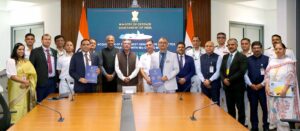
The Ministry of Defence (MoD) has signed contracts worth ₹53,866.50 crore with Garden Reach Shipbuilders & Engineers Limited (GRSE) and Goa Shipyard Limited (GSL) for the acquisition of eight Next Generation Corvettes (NGCs) for the Indian Navy. The agreements were signed on November 2, 2026, in the presence of Defence Secretary Rajesh Kumar Singh at Kartavya Bhawan-2, New Delhi.

Under the agreements, GRSE will construct five corvettes, while GSL will build the remaining three. The project marks a milestone in India’s indigenous warship design and construction capabilities. It is the first project in which the Indian Navy will design the ships indigenously, while construction will be undertaken by Defence Public Sector Undertakings (DPSUs) selected through a competitive process.

Advanced Capabilities to Strengthen Indian Navy Operations

The Next Generation Corvettes will feature advanced missiles, weapons and sensor suites, allowing them to undertake missions across air, surface and sub-surface domains.

Their induction is expected to strengthen the Indian Navy’s operational capabilities in several areas, including safeguarding maritime trade routes, conducting anti-surface and anti-submarine warfare operations, and strengthening coastal defence.

The vessels will also undertake littoral combat operations, maritime presence and surveillance missions.

Corvette Project to Generate Employment Over Ten Years

The NGC project is expected to provide significant support to India’s indigenous shipbuilding ecosystem by strengthening collaboration among DPSUs, private shipyards and Indian industrial partners, including micro, small and medium enterprises (MSMEs).

According to the Ministry of Defence, construction of the eight corvettes is expected to generate approximately 72 lakh person-days of employment in shipyards and 460 lakh person-days in ancillary industries and MSMEs over the next ten years.

The project will promote the use of Made-in-India materials and equipment, indigenous technologies, and Indian skills and expertise in warship construction.

The contracts mark a step towards achieving Aatmanirbharta in defence manufacturing and reinforce the government’s commitment to the Make in India initiative.


Read More :

Two Foreign Nationals Die After Suspected Electrocution at Bengaluru’s Conrad Hotel

Swedish School Grades May Not Be Comparable Across Schools

Record-Breaking Micro-LED Could Improve Data Center Communications

Researchers from the University of Illinois Urbana-Champaign and the University of Notre Dame have developed a gallium nitride micro-LED capable of achieving an optical modulation bandwidth of 2.75 gigahertz while consuming just 25 milliwatts of power. The device sets a new record for optical switching speed in quantum well LEDs and could help make data center communications faster and more energy efficient.

 The team optimized the device to a diameter of just 5 micrometers, balancing its speed, size and energy consumption. The researchers believe the technology could offer an alternative to conventional wire connections and laser-based optical links, particularly for short-distance data transmission.

“Ninety percent of communications in data centers is short range, meaning less than 10 meters,” said Abdelghany Abouelnagga, a graduate student at Illinois Grainger Engineering and lead author of the study. “It is standard to use lasers for the kind of high-frequency communications needed in this context, but lasers are power hogs. If we want to manage energy use in data centers, we need to consider lower-power optical communications such as LEDs, and we show exactly how to do so.”

Why Data Centers Need More Efficient Optical Links

Data centers rely on rapid communication between servers and other computing components. To support increasingly demanding data transmission, they use optical communication links that transfer information through pulses of light.

Unlike conventional copper wires, optical links can transmit data at very high frequencies without significant signal loss. However, maintaining the speed and accuracy required for these connections has traditionally involved using lasers.

Although lasers provide the high-frequency performance needed for optical communication, they consume considerable amounts of electricity and generate substantial heat. This creates an energy-efficiency challenge for data centers, where large numbers of communication links operate continuously.

LEDs could provide a lower-power alternative, but their switching speeds have historically limited their suitability for high-frequency applications.

The new research demonstrates how carefully designed micro-LEDs could help address this limitation.

Researchers Identify the Optimal Micro-LED Size

To understand how device dimensions affect performance, the researchers systematically reduced the diameter of their micro-LEDs from 100 micrometers to 2 micrometers. They measured how optical modulation bandwidth and power consumption changed as the devices became smaller.

Optical modulation bandwidth indicates how quickly a light source can switch on and off while maintaining its brightness. This is an important measure of how effectively an LED can transmit rapidly changing data signals.

The team discovered that reducing the device size did not always improve performance. Instead, the 5-micrometer design provided the best balance between switching speed and power consumption.

“We systematically shrunk our micro-LEDs down from 100 micrometers to 2 micrometers in diameter, a level of deep scaling that has never been done before,” Abouelnagga said. “We found that, contrary to popular belief, smaller is not always better. Our work gives a development roadmap to systematically study the tradeoffs between size, bandwidth and power consumption, which shows that the best device is actually the 5-micrometer one.”

The researchers also modelled material imperfections and electrical properties that can produce parasitic effects and reduce device performance. This theoretical modelling, combined with experimental testing, helped them optimize the final design.

Low Power Consumption and Potential for Compact Data Arrays

The researchers say the device’s performance is particularly promising because it combines gigahertz-scale responsiveness with an electrical power consumption of only 25 milliwatts.

While certain nonstandard LED designs can operate at higher frequencies, they produce unstable light with low intensity. The researchers argue that their quantum well LED design is better suited to data center applications because it combines high optical bandwidth with useful optical power and low energy consumption.

“To put the speed and power efficiency in perspective, our micro-LED responds to electrical signals on a gigahertz scale, comparable to computer processors, but consumes just 25 milliwatts of electrical power,” Abouelnagga said. “Of course, processors and optical transmitters perform different functions, but the comparison illustrates how fast this tiny light source can respond with a small power budget. Its 5-micrometer diameter also opens the possibility of arranging many emitters into compact, two-dimensional arrays with each carrying a separate stream of data.”


Read More :

Binance customers withdraw $3.64 billion after record $6.3 billion crypto hack

China’s humanoid robots can perform stunts. The real contest is whether they can think

MIT Develops Nanoparticle Platform for Personalized Cancer Vaccines

Researchers at the Massachusetts Institute of Technology (MIT) have developed a nanoscale delivery system that could advance the development of personalized cancer vaccines. The platform uses modified, harmless viruses to carry cancer antigens, allowing researchers to customize vaccines to target specific proteins found in individual patients’ tumors.

The vaccine delivery system is built around M13, a bacteriophage that forms a nanofiber and can be coated with cancer antigens. By controlling the density of these antigens on the particle’s surface, the researchers found that they could strengthen the immune response against tumors.

In experiments involving mice, vaccines developed using this approach helped prevent the development of colon tumors and reduced the likelihood of tumor formation in another cancer model.

“The great thing about this is that it’s modular and we could switch out different antigens on demand, so you could design it to be patient-specific and target a known antigen for a particular kind of cancer,” says Angela Belcher, the James Mason Crafts Professor of Biological Engineering and Materials Science and Engineering at MIT and a member of the Koch Institute.

How the M13 Bacteriophage Delivers Cancer Antigens

The M13 bacteriophage is a virus that does not harm humans. It consists of a single strand of DNA enclosed within a protein shell, known as a capsid. For more than two decades, Belcher’s laboratory has engineered these viruses to assemble into nanoscale structures for different applications, including batteries, semiconductors, solar cells and catalysts.

The researchers are now adapting this technology for medical applications, particularly vaccine delivery.

To create the cancer vaccine, they modified a protein called pVIII, which forms the long filament-like structure of the virus. By attaching cancer antigens to the ends of these proteins, the team created particles capable of presenting specific tumor targets to the immune system.

The antigen density is important because it influences how effectively the vaccine can stimulate an immune response. Huang found that adding one or two negatively charged amino acids to the modified pVIII protein increased antigen density. The researchers could further adjust the density by introducing a genetic mutation that slows the production of the antigen protein.

“We’re taking this toolkit that we’ve worked on and developed over decades and formatting it to be specific for vaccine therapeutics,” Belcher says. “Some of the lessons learned from making batteries and all these other things are now being fine-tuned to make personalized vaccines.”

Researchers Control Antigen Density to Strengthen Immune Response

The team also modified the bacteriophage’s genetic sequence to improve its ability to act as a vaccine adjuvant. Adjuvants are substances that help stimulate a stronger immune response and are commonly included in vaccines.

M13 can perform this function because its single-stranded DNA activates a pathway called TLR9, which is part of the body’s innate immune system. This allows the researchers to genetically control both the antigen presentation and the adjuvant properties of the vaccine platform.

“We can control the exact length. We can control the exact antigen expression, density, pattern, the exact adjuvant amount. A lot of times with a vaccine, you’ll have to put a different adjuvant with it, but now it’s all genetically encoded,” Belcher says.

Using the platform, researchers produced particles carrying an antigen called SIINFEKL at densities ranging from 6% to 70%. This small protein is commonly used as a model antigen to evaluate vaccine effectiveness.

The team tested vaccines with antigen densities of 6% and 35% in mice. The higher-density vaccine provided greater protection. Mice that received it were less likely to develop tumors after exposure to melanoma cancer cells expressing SIINFEKL. They also produced more T cells targeting the antigen.

The researchers found that dendritic cells, which help activate T cells, were more likely to take up vaccines with higher antigen density.

Personalized Vaccines Show Promise Against Colon Tumors

In another experiment, the researchers developed a vaccine carrying ADPGK, a neoantigen specifically expressed by colon tumors in a mouse cancer model. A neoantigen is a protein found in tumor cells that can serve as a target for the immune system.

Mice receiving the higher-density vaccine were significantly less likely to develop colon tumors.

The current study focused on preventing cancer development. In previous work, the researchers had adapted the platform to treat colon tumors that had already formed in mice. They now hope to investigate its potential against other cancer types.

“This interesting work adds another cog to improve the translational potential of the M13 phage platform for cancer immunotherapeutics,” said Alberto Danielli, an associate professor of molecular biology at the University of Bologna who was not involved in the study. “I look forward to seeing whether this platform is also effective against established tumors and whether additional tumor antigens can be displayed with comparable molecular and immunological efficacy.”

The modular design could make it possible to replace one antigen with another depending on the cancer being targeted.

“Because this is a modularly engineered platform, we can change the antigen we are interested in. For colon cancer, we use this specific antigen. For other types of cancer, we can just plug in other antigens and they can be assembled in this platform,” Huang says.


Read More :

Marine Heatwaves Disrupt Nutrition and Reproductive Flexibility in Humpback Whales

AI-designed virus administered to human for first time? Startup hopeful

NASA’s Perseverance Rover Helps Scientists Study Martian Dust

Future astronauts travelling to Mars will have to contend with one persistent environmental challenge: dust. A new study led by Washington University in St. Louis examines how Martian dust interacts with spacesuit materials and other surfaces, providing insights that could help engineers prepare for human missions to the Red Planet.

Scientists used small swatches of spacesuit material attached to NASA’s Perseverance rover, alongside other materials such as Teflon, to examine the effects of prolonged exposure to Martian dust. Each swatch measures less than a square inch and is positioned among the rover’s scientific instruments and navigation equipment. Although the rover does not require a spacesuit, these samples allow researchers to assess how dust could damage equipment and materials used by future astronauts.

“Mars is a very dusty place,” said VanBommel. “Astronauts to Mars will have to be prepared.”

Martian Dust May Be Less Abrasive Than Lunar Dust

The Apollo missions demonstrated how dangerous dust can be during space exploration. Despite their relatively short duration, lunar missions exposed astronauts and equipment to abrasive particles that scratched visors and degraded spacesuits. Dust particles also clung to astronauts’ clothing, entered the lunar module and eventually reached their lungs, causing hay fever-like symptoms in some cases.

The new findings suggest that Martian dust may be less abrasive and irritating than lunar dust. After 1,645 Martian days of exposure, the spacesuit material samples showed little visible wear.

Researchers also found that Martian dust particles were considerably smoother than the jagged grains found on the Moon. VanBommel explained that prolonged exposure to wind may have gradually rounded the particles, giving them shapes similar to pebbles found in rivers.

“The particles in the Martian atmosphere have been blowing in the wind for potentially billions of years, so they tend to be well rounded, like pebbles in a river,” VanBommel said.

However, smoother particles do not eliminate the risks associated with Martian dust.

Ultrafine Particles Could Pose Health Risks

One of the study’s major findings concerns the extremely small size of some Martian dust particles. VanBommel developed a method to estimate individual particle sizes and identified ultrafine particles measuring as little as 100 nanometers across, equivalent to one ten-thousandth of a millimeter.

On Earth, ultrafine particles released by smoke and air pollution are considered a significant health concern because they can penetrate deep into the lungs and enter the bloodstream.

Although astronauts will not breathe the Martian atmosphere directly, these microscopic particles could still create problems if they enter habitats or attach to spacesuits and equipment. Engineers will therefore need to consider their potential effects when designing protective clothing, habitat systems and air filters.

The researchers also found that Martian dust has electrostatic properties that influence how it interacts with different surfaces.

“The electrostatic properties of Martian dust are likely causing it to preferentially adhere to some surfaces,” said study co-author Abigail Knight, a staff scientist who helped develop and conduct the analysis.

Potentially Toxic Compounds Add to Mission Challenges

Using data from Perseverance’s PIXL (Planetary Instrument for X-ray Lithochemistry) instrument, the researchers also examined the chemical composition of Martian dust.

Unlike lunar dust, the material on Mars contains perchlorates and other potentially toxic compounds. The samples were also enriched in sulfur, iron and silica.

The health risks associated with these substances will depend on the level and duration of exposure. Brief contact may not necessarily pose a serious threat, but their presence introduces additional considerations for the design of future human missions.

Perseverance Provides Insights for Future Human Exploration

NASA’s Perseverance rover and earlier Mars missions have helped scientists understand the planet’s geological history and present-day conditions. Their work also provides opportunities to test technologies and study environmental challenges that could affect future human exploration.

Researchers have now been operating rovers on Mars continuously for more than two decades, building a better understanding of how equipment performs in the planet’s dusty environment.

“We’ve been operating rovers on the surface of Mars continuously for more than 20 years at this point,” VanBommel said. “We know that dust will be a challenge, but it’s something we can prepare for and overcome.”


Read More :

Marine Heatwaves Disrupt Nutrition and Reproductive Flexibility in Humpback Whales

AI-designed virus administered to human for first time? Startup hopeful

Female Physicians Linked to Better Outcomes Among Hospitalized Patients

Hospitalized patients treated by female physicians were less likely to die or return to hospital than those treated by male physicians, according to a new study led by a University of Toronto researcher. The findings suggest that physician sex may be associated with differences in both short-term and longer-term outcomes for patients receiving treatment for common medical conditions.

The study, conducted by the Institute for Clinical Evaluative Sciences (ICES), analysed health records of 958,150 adults admitted to hospital between January 1, 2008, and December 31, 2022. Patients were hospitalized for one of seven common medical diagnoses, including acute myocardial infarction and pneumonia.

Of the patients included in the analysis, 259,759 received care from female physicians, while 698,391 were treated by male physicians. Since responsibility for patient care can transfer between several doctors during a hospital stay, researchers examined both the sex of the most responsible physician and the extent of patients’ exposure to female physicians throughout their admission.

“Past research has largely focused on surgical patients and the admitting physician only. Our findings add to the growing body of research examining the relationship between physician sex and patient outcomes, broadening the evidence beyond surgical care to a wider range of medical conditions and other physicians,” says Dr. Angela Jerath, an ICES scientist and associate professor in the Department of Anesthesiology and Pain Medicine at the University of Toronto’s Temerty Faculty of Medicine.

Lower Mortality and Readmission Rates Among Patients Treated by Female Physicians

The analysis found a difference in mortality rates between patients treated by female and male physicians. The 30-day mortality rate was 12.3% among patients cared for by female physicians, compared with 13.7% among those treated by male physicians.

Hospital readmission rates were also slightly lower for patients treated by female physicians. The study recorded a readmission rate of 18.6% for this group, compared with 18.9% for patients treated by male physicians.

The researchers also found that greater exposure to female physicians during hospitalization was associated with 7% lower odds of dying within 30 days. Similar patterns were observed when researchers examined outcomes at 90 days and one year.

These findings suggest that differences in physician involvement during hospital stays may be associated with patient outcomes beyond the initial period of treatment.

Communication and Treatment Practices May Explain the Difference

The researchers identified several possible explanations for the observed differences. Female physicians may be more likely to engage in patient-centred communication and spend additional time interacting with patients.

Other potential factors include greater adherence to guideline-directed treatments, more frequent consultation with colleagues and a greater emphasis on shared decision-making.

However, the study does not establish that any single practice directly causes the differences in patient outcomes. Further research is needed to understand which aspects of clinical care may contribute to the findings.

Jerath emphasized that the objective is not to favour one group of physicians over another, but to identify practices that could improve patient care across the healthcare system.

An important strength of the research is its focus on patients hospitalized for medical conditions rather than surgical procedures. According to the researchers, medical patients are generally assigned physicians through rotating schedules instead of being directed to particular doctors based on patient or referring physician preferences.


Read More :

Scientists Discover How the Heart Uses Two Fuel Sources to Keep Beating Strong

St. Jude Scientists Uncover How Protein Production Mechanisms Contribute to Cancer and Treatment Resistance

Bengaluru-Mumbai Vande Bharat Sleeper Express Begins Operations

Indian Railways has introduced a new Vande Bharat Sleeper Express between Bengaluru and Mumbai to strengthen overnight rail connectivity between two of India’s major economic and commercial centres. Union Railway Minister Ashwini Vaishnaw flagged off the service on November 1, 2026, in the presence of Union Ministers Pralhad Joshi and H. D. Kumaraswamy, Minister of State for Railways V. Somanna, Minister of State Shobha Karandlaje and other dignitaries.

The new service connects Bengaluru, India’s IT and startup hub, with Mumbai, its financial capital. It is expected to benefit professionals, entrepreneurs, business travellers, students, traders and tourists by providing an additional modern overnight travel option.

The train will also improve connectivity across regional centres in Karnataka, Andhra Pradesh and Maharashtra, particularly parts of North Karnataka that previously had limited access to premium train services.

Addressing the flag-off ceremony, Vaishnaw said the service would strengthen economic and regional connectivity while expanding the network of modern overnight rail travel. It follows the introduction of the Howrah-Guwahati Vande Bharat Sleeper service in January 2026 and the flag-off of the Varanasi-New Delhi service on October 31.

Route, Timings and Weekly Schedule

The Vande Bharat Sleeper Express will connect SMVT Bengaluru with Chhatrapati Shivaji Maharaj Terminus (CSMT) in Mumbai. Along its route, the train will serve important stations including Anantapur, Guntakal, Raichur, Yadgir, Wadi, Kalaburagi, Solapur, Pune and Kalyan.

The service will operate six days a week, with different weekly exclusions for each direction.

  • Bengaluru to Mumbai: Departs SMVT Bengaluru at 7:45 PM and arrives at CSMT at 11:55 AM the following day. It will not operate on Mondays.
  • Mumbai to Bengaluru: Departs CSMT at 8:10 PM and arrives at SMVT Bengaluru at 12 noon the following day. It will not operate on Tuesdays.

The overnight schedule will allow passengers to travel between the two metropolitan centres while making better use of their daytime. Travellers from intermediate cities and towns will also gain access to an additional modern rail service.

More Vande Bharat Services Planned for Karnataka

During the event, Vaishnaw announced further plans to expand Vande Bharat connectivity across Karnataka. The next sleeper service for the state is expected to originate from Bengaluru, connect northern parts of Karnataka towards the Hubballi region and continue towards Pune and Mumbai.

He also announced that Vande Bharat services between Bengaluru and Mangaluru are expected to begin within the next few weeks, following the completion of electrification and successful testing along the route. The proposed service is expected to improve connectivity between Bengaluru and coastal Karnataka.

The Railway Minister also highlighted plans for faster rail connections between major cities, stating that journeys between Bengaluru and Chennai would take approximately 73 minutes, while the Bengaluru-Hyderabad journey would take around two hours and 10 minutes.

Railway Infrastructure Development and Safety in Karnataka

Union Minister Pralhad Joshi welcomed the expansion of railway services and highlighted increased investment in railway infrastructure across Karnataka. He noted that the rollout of the Kavach train protection system had contributed to a reduction in accident rates from 135 to 16, while the government continued to pursue a target of zero accidents.

Minister of State for Railways V. Somanna stated that railway infrastructure projects worth approximately ₹52,000 crore were underway in Karnataka. These projects include improvements to railway connectivity, construction of railway overbridges and underbridges, restoration of train services and modernisation of stations across Bengaluru and other important centres.

Union Minister H. D. Kumaraswamy also welcomed the new service and proposed rail connections. He noted that improved connectivity would benefit people across Karnataka, including migrant workers and families from West Bengal, Assam and Bihar living in Bengaluru.

The Bengaluru-Mumbai Vande Bharat Sleeper Express is intended to support movement between two important centres of employment, education, finance and entrepreneurship. Its route also provides improved access to commercial and regional hubs across three states.


Read More :

‘Mayday, mayday’: Learjet’s final cockpit calls capture seconds before Florida crash kills nine

Two Foreign Nationals Die After Suspected Electrocution at Bengaluru’s Conrad Hotel

National Zoological Park Marks 67 Years of Wildlife Conservation

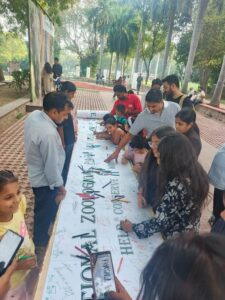
The National Zoological Park (NZP) in New Delhi celebrated its 67th Foundation Day on November 1, 2026, with activities focused on wildlife conservation, biodiversity awareness and environmental education. The celebrations included an interactive doodle activity that attracted approximately 1,500 visitors, offering children and families an opportunity to express their ideas about protecting wildlife and nature.

The activity encouraged visitors to engage creatively with environmental conservation while learning about the importance of biodiversity. It also reflected the zoo’s efforts to expand public participation in wildlife awareness and education.

Speaking on the occasion, Dr. Sanjeet Kumar, Director of the National Zoological Park, highlighted the institution’s role beyond providing visitors with opportunities to observe animals.

“The 67th Foundation Day is an important milestone in the Park’s journey and an occasion to renew our commitment to wildlife conservation, animal welfare, biodiversity protection and public engagement. A modern zoo is not merely a place to see animals; it is a centre for conservation, learning, research and inspiration. Every visitor, especially every child can become an ambassador for nature through informed and responsible choices”.

He also encouraged citizens to explore the country’s biodiversity and contribute to protecting wildlife and the natural environment for future generations.

19th Sunday Bird Walk Records 46 Species

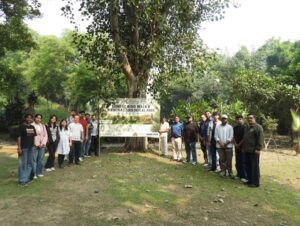
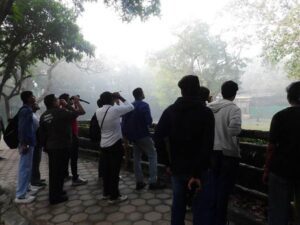
As part of its ongoing biodiversity monitoring and conservation outreach initiatives, the National Zoological Park organised the 19th edition of its Sunday Bird Walk @ NZP on November 1, from 7:30 AM to 10:30 AM.

The walk was conducted under the guidance of Dr. Paritosh Ahmed, an ornithologist, with support from volunteers. It brought together 18 participants, including students, bird enthusiasts, nature lovers, wildlife photographers and citizens interested in biodiversity.

During the programme, participants recorded 46 bird species and observed more than 500 individual birds within the designated area. These observations contributed to field-level biodiversity documentation while providing participants with practical exposure to citizen science.

Dr. Ahmed also shared insights into bird ecology, behaviour and conservation. Participants learned about the ecological importance of birds, including their role in natural pest control and their value as indicators of ecosystem health.

Bird Walks Promote Citizen Science and Environmental Awareness

Addressing participants, NZP Director Dr. Sanjeet Kumar emphasised that nature walks help develop field-identification skills and improve understanding of ecological relationships and food webs. Such activities also support biodiversity documentation and encourage a lasting interest in wildlife conservation.

The National Zoological Park has limited participation in each Sunday Bird Walk to 20 to 25 people to ensure effective learning and meaningful engagement. Interested participants must register in advance, with places allocated on a first-come, first-served basis.

Registration forms remain open from Monday to Friday each week. Visitors can access the registration link through the National Zoological Park’s official website or the NZP Saathi mobile application.

Through its Foundation Day celebrations and regular biodiversity activities, the National Zoological Park continues to promote public involvement in conservation, environmental education and the documentation of local wildlife.


Read More :

Two Foreign Nationals Die After Suspected Electrocution at Bengaluru’s Conrad Hotel

Uranium out, Hormuz open in sight: Iran-US draft deal outlines middle-path to defuse status quo

India Launches Digi Yatra International Trials Across Seven Major Airports

India’s Digi Yatra initiative has expanded its reach with the launch of international passenger trials at seven airports across the country. The trials, running from November to December 2026, will allow eligible Indian nationals holding e-passports to use digital verification at designated airport touchpoints while travelling on select international flights operated by Air India and IndiGo.

The facility is being tested at Delhi, Bengaluru, Hyderabad, Cochin, Mumbai, Chennai and Amritsar airports. Eligible passengers can use Digi Yatra at terminal entry points, Security Hold Areas (SHA) and boarding gates wherever the necessary infrastructure is available.

The trial programme aims to collect passenger feedback and assess the system’s performance before a wider expansion planned for 2027.

How International Passengers Can Use Digi Yatra

To access the international passenger facility, eligible Indian nationals must create an e-passport-based Verifiable Credential (VC) through the Digi Yatra mobile application.

The process involves scanning the Machine Readable Zone (MRZ) of the e-passport and using a compatible smartphone’s Near Field Communication (NFC) feature to read the information stored in its embedded chip. Passengers must then capture a selfie and verify their details to complete the process.

Once generated, the Verifiable Credential is stored in the passenger’s Digi Yatra wallet on their device. It can subsequently be used at airport touchpoints equipped to support the international trials.

The system is intended to make passenger verification more convenient through digital technology while supporting existing airport processes.

Existing Travel and Immigration Requirements Remain Mandatory

The introduction of Digi Yatra for international passengers does not replace conventional travel documentation or mandatory procedures.

Passengers must continue to carry their passports and other required travel documents. They must also complete airline document verification, immigration checks and all other applicable travel formalities.

The digital facility is designed to complement these existing requirements rather than serve as a substitute for them. Its availability will also depend on whether the relevant airport touchpoints have the infrastructure required to support the trials.

Digi Yatra Expands Across India’s Aviation Network

The international trials build on the growing adoption of Digi Yatra across India’s domestic aviation network. According to the Ministry of Civil Aviation, the platform has more than 26.5 million users and has facilitated over 110 million journeys across 39 domestic airports.

The initiative currently serves passengers travelling on domestic airlines, with plans to extend coverage to another 25 domestic airports by 2027.

The Ministry of Civil Aviation said it remains committed to using digital technology to improve airport operations and make air travel more convenient. The international passenger trials form part of the government’s broader Digital India and Ease of Flying initiatives.


Read More :

Uranium out, Hormuz open in sight: Iran-US draft deal outlines middle-path to defuse status quo

Two Foreign Nationals Die After Suspected Electrocution at Bengaluru’s Conrad Hotel

Crushed Shells Could Protect Marine Life From Ocean Acidification

Adding crushed shells to beach sand could help protect shell-making animals from the harmful effects of ocean acidification, according to new research from the University of California, Davis. The study found that crushed shells, also known as shell hash, can change the chemistry of water trapped between sediment particles, making it less acidic and creating more favourable conditions for shell growth.

The researchers found that clams raised in sediment containing crushed shells developed larger shells on average. Their genetic responses to acidification were also substantially reduced when shell hash was present.

“We found that, on average, clams grew larger shells when shell hash was present in their treatment,” said study first author Hannah Kempf, an environmental scientist at the California State Water Board and a 2024 PhD graduate in earth and planetary sciences from UC Davis. “Interestingly, we also found that, on a genetic level, the ‘acidification’ signal was dramatically minimized when shell hash was present.”

The findings suggest that shell hash can provide local protection against ocean acidification and support the growth of marine organisms that depend on calcium-based shells.

Why Ocean Acidification Threatens Shell-Making Animals

Ocean acidification occurs when seawater absorbs excess carbon dioxide from the atmosphere. As acidity increases, shell-making organisms face greater difficulty building and maintaining their shells. More acidic conditions can make shell formation energetically costly and can even dissolve existing shells.

Young organisms, particularly larvae and juveniles, are considered especially vulnerable to these effects.

To investigate how crushed shells might reduce this impact, the researchers raised young Pacific littleneck clams under four different conditions: normal seawater with sediment, acidified seawater with sediment, normal seawater with sediment and shell hash, and acidified seawater with sediment and shell hash.

Over the 90-day experiment, the team sampled the water three times a week, measuring acidity, salinity, temperature and dissolved oxygen. They also monitored shell growth and collected mantle tissue from the clams at the end of the experiment for genetic sequencing.

Clams raised in sediments containing shell hash were larger on average. Furthermore, the gene expression profiles of clams exposed to acidified water in the presence of shell hash were largely indistinguishable from those raised in non-acidified water.

“Adding crushed shells removed the negative genetic changes that occur when young clams are raised in acidified water,” said corresponding author David Gold, an associate professor of earth and planetary sciences at UC Davis.

Gold noted that this was the first time researchers had investigated the question from a genetic perspective.

Indigenous Ecological Knowledge Offers Lessons for Coastal Protection

The research also highlights the value of Indigenous knowledge in understanding and protecting coastal ecosystems. Indigenous communities have long incorporated shell hash into coastal sediments to support the health of shellfish habitats.

Study co-author Tsim Schneider, an associate professor of anthropology at the University of California, Santa Cruz, pointed to traditional ecological practices in the Pacific Northwest. Some Indigenous communities have created large-scale structures that expand intertidal spaces, encouraging habitats for invertebrates and other marine organisms.

Schneider said the findings could create opportunities for researchers to work more closely with Indigenous communities and support their established environmental practices.

“For me, one of the interesting aspects of this research is the potential to engage more fully with tribes on designing projects that promote their long-standing expertise and Indigenous science,” said Schneider, who is also affiliated with the National Science Foundation’s Center for Braiding Indigenous Knowledges and Science. “If there’s a history of adding shell hash to clam beds in California, for example, western science might be able to better support communities interested in reawakening dormant cultural knowledge and coastal stewardship practices.”


Read More :

Swedish School Grades May Not Be Comparable Across Schools

Ancient DNA Reveals Hidden Connections Across Ice Age Europe

378 Days on ‘Mars’: NASA’s Four Volunteers Emerge From a Year in Isolation

Four volunteers who spent 378 days living inside a simulated Mars habitat at NASA’s Johnson Space Center in Houston have emerged from isolation, completing an experiment designed to prepare astronauts for future missions to the Red Planet.

The crew members stepped out on October 31, 2026, after living and working in a 1,700-square-foot (158-square-metre) 3D-printed facility since October 19, 2025. Their mission recreated several challenges of a long-duration space expedition, including restricted resources, isolation and communication delays with Earth.

The experiment, known as the second Crew Health and Performance Exploration Analog (CHAPEA) mission, was not an actual space journey. Instead, it placed the volunteers in a controlled environment where NASA could study how people adapt physically and psychologically to living far from Earth for extended periods.

The four participants were mission commander Ross Elder, medical officer Ellen Ellis, science officer Matthew Montgomery and flight engineer James Spicer. During their stay, they grew plants, maintained the habitat, exercised, conducted simulated spacewalks and carried out research activities designed to replicate aspects of living and working on Mars.

“It’s been a hell of a year – analog astronauts living in captivity of our own free will,” Ellis said after emerging from the habitat with her crewmates.

Elder said the experience reinforced the possibility of eventually sending humans to Mars.

“For Mars, the risks are great,” he said. “But through seeking understanding, strong vision and leadership, creativity, fortitude, hard work and incredible foundation, the goal of putting humans on Mars is not only achievable, but rather inevitable.”

NASA studies how humans cope with deep-space isolation

The CHAPEA programme is intended to help NASA understand how astronauts can remain healthy, productive and connected during missions that could keep them away from Earth for years.

One of the major challenges simulated during the experiment was the communication delay between Earth and Mars. Depending on the planets’ positions, messages between astronauts and mission control could take several minutes to travel each way, requiring crews to operate with greater independence.

Johnson Space Center Director Vanessa Wyche said the participants had to manage limited supplies, maintain their living environment and perform simulated Mars operations while adapting to delayed communications.

“These delays require patience, careful planning and greater independence – qualities that will be essential for future astronauts traveling millions of miles from home,” Wyche said.

NASA will use data collected during the mission to improve food-system design, crew schedules, medical care and psychological support for astronauts on extended missions. Researchers will also examine how restricted resources and exercise routines affect the ability to complete mission objectives, including simulated surface operations.

The four participants are scheduled to undergo two weeks of post-mission medical and performance evaluations and debriefings with NASA scientists. Their experience will be assessed alongside data collected throughout the 378-day confinement period.

Second year-long Mars simulation offers lessons for future missions

CHAPEA Mission 2 is the second such year-long experiment conducted by NASA at the Johnson Space Center. The first four-person crew also completed 378 days in isolation, spanning 2023 and 2024.

Findings from the two missions are expected to contribute to preparations for future lunar exploration, including NASA’s Artemis programme and plans for a sustained human presence on the Moon.

NASA is also working towards a crewed Mars mission, potentially as early as the 2030s. Before attempting such a journey, the agency plans to return astronauts to the Moon for the first time since 1972 and use lunar missions to develop capabilities for longer-duration exploration.

Unlike robotic spacecraft and rovers that have already explored Mars, a human expedition would require astronauts to withstand prolonged isolation, delayed communication, limited supplies and the physical demands of operating in an environment far from Earth.

The CHAPEA experiments cannot reproduce every danger of an actual Mars journey. However, they give NASA controlled conditions to study how crews respond to some of the most difficult aspects of long-duration spaceflight.


Binance customers withdraw $3.64 billion after record $6.3 billion crypto hack

Customers withdrew a net $3.64 billion from Binance on Sunday as the world’s largest cryptocurrency exchange resumed transactions following a record cyberattack that affected $6.3 billion in digital assets.

The withdrawals came after Binance temporarily suspended transactions in the wake of the breach, which has been attributed by US authorities to North Korea-linked hackers. The exchange says it has covered about 95% of the stolen assets and remains committed to compensating customers for the full financial impact.

Binance reported that it processed $4.649 billion in withdrawals and $1.01 billion in deposits between 06:00 and 15:30 GMT on November 1, resulting in a net outflow of approximately $3.64 billion.

“Between 06:00 and 15:30 [GMT] on November 1, we processed $4.649 billion in withdrawals and $1.01 billion in deposits, resulting in a net outflow of approximately $3.64 billion,” the company said in a post on X.

The exchange said withdrawals initially surged after services resumed but subsequently eased.

There was an “initial spike” in withdrawals, which later declined and “are stabilising as expected”, Binance said.

The company added that Sunday’s net outflow represented just over 2% of the $171 billion in assets under its management, seeking to put the scale of customer withdrawals in perspective.

Binance restores withdrawals as it mobilises funds to cover losses

Binance said withdrawals involving more than two dozen major cryptocurrencies, including Bitcoin and Ethereum, had resumed. Other services are expected to return in stages after security checks are completed.

The company said it had already replaced customer assets using several funding sources, including its corporate treasury, futures insurance and emergency reserve funds.

Binance had previously said it reserved more than $6.34 billion to manage the consequences of the breach. However, it acknowledged that sourcing the remaining amount could take longer.

“Our commitment remains the same: Binance will fully cover the financial impact of the funds stolen in this incident,” the company said.

The breach affected Binance’s global centralised exchange, Binance.com. Its US-facing platform said it was not affected.

Binance’s initial investigation suggested that the attack may have originated from a compromised laptop belonging to an engineer. Hackers allegedly exploited the access to identify a route for carrying out unauthorised transactions.

The company has not publicly disclosed all the technical details of the breach.

FBI links attack to North Korean hackers

US authorities have attributed the attack to TraderTraitor, a North Korean cybercrime operation also known as the Lazarus Group.

The group has previously been linked to major cryptocurrency thefts, including the 2025 attack on exchange Bybit, in which hackers stole $1.5 billion worth of digital assets.

The FBI published a list of cryptocurrency wallet addresses linked to the group on Saturday and urged cryptocurrency businesses and other industry participants to block transactions involving those addresses.

Binance also moved to contact cryptocurrency issuers, urging them to freeze assets connected to the breach in an effort to prevent the stolen funds from being transferred or converted.

The incident adds to mounting security concerns surrounding cryptocurrency exchanges, where large volumes of digital assets are held and traded through interconnected computer systems.

Binance, founded in China, has hundreds of millions of registered users worldwide and is the largest cryptocurrency exchange by trading activity. The scale of Sunday’s withdrawals makes the market’s response an important test of customer confidence as the company works to restore services and account for the stolen funds.