
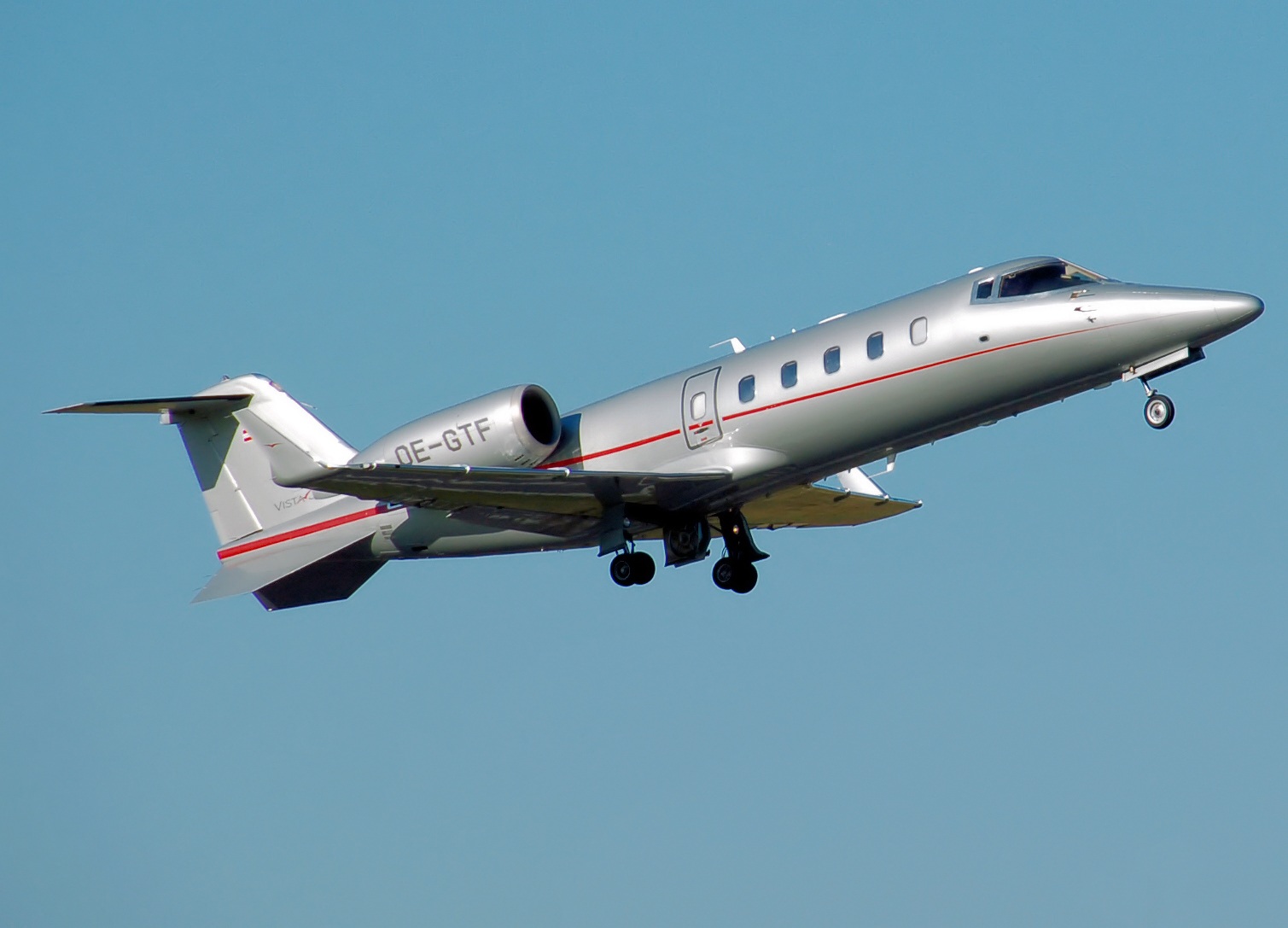
A pilot’s desperate emergency calls reveal how a routine flight from Texas to the Bahamas turned into a catastrophic descent over South Florida, with the crew reporting icing and turbulence before the aircraft plunged toward the ground.
The Learjet 60, carrying nine people, crashed in Palm Beach County at about 12:50 p.m. on November 1. All nine aboard died. In the final air traffic control exchange, the pilot reported a rapidly accelerating descent, warned that the aircraft was overspeeding and said, “We’re going to crash into the ground.” The transmission ended before controllers could reestablish contact.
The recording offers a stark account of the crew’s last efforts to communicate with air traffic control. It does not, by itself, establish why the aircraft lost control. The National Transportation Safety Board is investigating, with assistance from the Federal Aviation Administration.
From manageable icing to a steep descent
Before the emergency, the crew reported moderate turbulence and icing. The pilot described the ice as manageable and sought smoother conditions while flying toward the Bahamas. The crew also discussed climbing to a higher altitude.
Then the aircraft began descending rapidly. According to the cockpit audio, the pilot first reported a descent of 8,000 feet per minute, followed by 10,000 feet per minute. The rate later reached 20,000 feet per minute, while the crew reported an overspeed condition.
As alarms sounded, the controller offered assistance and told the pilot: “I’m here with you. Talk to me.”
The pilot’s next warning was blunt: “We’re going to crash into the ground.”
The crew reported a descent rate of 22,000 feet per minute. The final transmission included the words, “Look outside … Holy f–k, we’re out of time!” The recording then cut off.
The sequence points to an exceptionally rapid loss of altitude, but investigators have not determined whether icing, turbulence, a mechanical failure, pilot response or a combination of factors caused the crash. Weather conditions alone cannot establish the cause.
Jet struck near homes and a busy road
The aircraft, identified as N722BD, was a Bombardier-made Learjet 60 that departed Austin-Bergstrom International Airport in Texas and was bound for North Eleuthera Airport in the Bahamas.
It crashed near Cresthaven in Palm Beach County, striking the ground beside a road and erupting into a fireball. The impact left a large crater and scattered debris across the area. Dashcam footage captured the aircraft’s steep descent and the explosion.
Florida Governor Ron DeSantis described the scene as “cataclysmic” and said the plane “looked like a missile going down.” He said there were no immediate reports of people on the ground killed or injured, although debris was spread over a significant distance.
Authorities evacuated about 600 residents from the surrounding area and arranged shelter for those displaced. The identities of the nine people aboard had not been released in the initial reports.
Investigation will focus on the aircraft’s final minutes
The NTSB is leading the investigation, with the FAA supporting its work. Investigators will examine the aircraft’s maintenance history, flight data, cockpit voice recordings, weather conditions and wreckage to establish what happened before impact.
The final audio provides a timeline of the emergency, not a conclusion. The crew’s reports of icing and turbulence are important evidence, but they do not prove that either condition caused the aircraft to descend uncontrollably.
For now, the clearest account of the disaster comes from the cockpit itself: a report of manageable icing, a request for smoother air, a sudden and extreme descent, repeated emergency calls and a final warning that the crew was running out of time.