Arun has been associated with India International Times since 2018 and he has been a key reporter in covering science and space related stories. He can be reached at arunKnn@indiainternationaltimes.com.
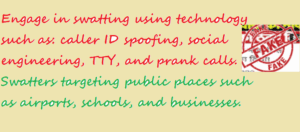
The FBI Las Vegas Field Office wants to educate the public about the dangers of swatting. Swatting is a form of harassment to deceive an emergency service provider into sending a police and emergency service response team to another person’s address due to the false reporting of a serious law enforcement emergency. The individuals who engage in this activity use technology, such as caller ID spoofing, social engineering, TTY, and prank calls to make it appear that the emergency call is coming from the victim’s phone. Traditionally, law enforcement has seen swatters directing their actions toward individuals and residences. Increasingly, the FBI sees swatters targeting public places such as airports, schools, and businesses. Another recent trend is so-called celebrity swatting, where the targeted victims are well-known personalities.
swatting
These calls are dangerous to first responders and to the victims. The callers often tell tales of hostages about to be executed or bombs about to go off. The community is placed in danger as responders rush to the scene, taking them away from real emergencies, and the officers are placed in danger as unsuspecting residents may try to defend themselves. If you receive a swatting threat or information that an individual is planning to engage in swatting, report it to local law enforcement and the FBI at 1-800-CALL-FBI immediately.
Cinema is not only an Industry but it is also a Medium of Artistic Expression of our Culture and Values: President Murmu.
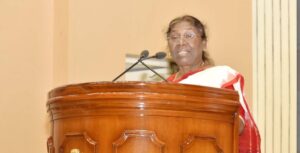
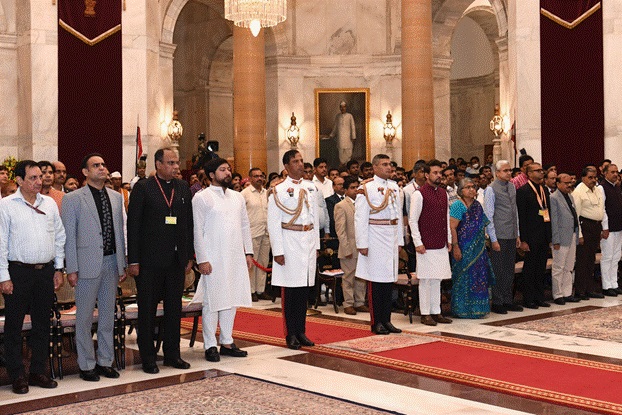
The President of India, Droupadi Murmu, presented the 68th National Film Awards in various categories in New Delhi today (September 30, 2022). She also conferred Dadasaheb Phalke Award on Ms Asha Parekh.
Speaking on the occasion, the President congratulated all the award winners of the 68th National Film Awards. She also congratulated Ms Asha Parekh for winning Dadasaheb Phalke Award and said that our sisters of that generation made their mark in various fields despite many constraints. Honour to Ms Parekh is also an honour for the indomitable female power.
The President said that apart from making films, the film industry plays a major role in building a better society and nation. Being an audio-visual medium, the influence of films is wider than other mediums of art. She said that cinema is not only an industry but also a medium of artistic expression of our culture and values. It is also a medium for connecting our society and for nation-building.
Asha Parekh honoured with Dadasaheb Phalke Award, 2020
The President said that films have greater influence on youth and children. Therefore, the society expects the film industry to effectively utilize this medium in building the future of the country.
The President said that as we are celebrating the ‘Azadi Ka Amrit Mahotsav’, feature and non-feature films on the life and work of freedom fighters will be welcomed by the audience. People also expect films which increase compassion and unity in society, accelerate the pace of development and strengthen the efforts of environmental protection. She was happy to note that the films that got awards today, have highlighted important national issues of nature and environment, culture, social values and other important aspects.
Murmu
The President said that Indian films are being welcomed all over the world. To make more effective use of this soft-power, we have to enhance the quality of our movies. She noted that films made in one region are becoming more and more popular in other regions as well. She said that in this way cinema is tying all people in one cultural thread. This is a big contribution of the film community to society.
Dadasaheb Phalke Award: Ms Asha Parekh.
Best Actress Award: Aparrna Balamurali Best actor awards: Ajay Devgn and Suriya Best Supporting Actor award: Biju Menon Best Supporting Actress award : Lakshmi Priya Chandramouli Best Male Playback Singer award :Rahul Deshpande.
European countries rushed to probe unexplained leaks in two Russian gas pipelines running under the Baltic Sea near Sweden and Denmark, at the heart of an energy crisis since Russia’s invasion of Ukraine.
Sweden’s Maritime Authority issued a warning about two leaks in the Nord Stream 1 pipeline, the day after a leak on the nearby Nord Stream 2 pipeline, restricting shipping and impose a small no fly zone by Denmark.
The country’s armed forces released a video showing bubbles boiling up to the surface of the sea, revealing it to be a major gas leak disturbing the surface of about 1 km (0.6 mile) in diameter, the armed forces said.
Russia, which built the gas pipeline network, said the possibility of sabotage could not be ruled out.
The gas pipelines leak on the Nord Stream pipelines that Russia with European partners spent billions of dollars building, comes close on the occasion of Dmitry Medvedev, a former president, who reiterated that Russia had the right to defend itself with nuclear weapons if it is pushed beyond its limits and that this is “certainly not a bluff”.
Meanwhile, Kazakhstan is struggling to accommodate tens of thousands of Russians who have fled their homeland since Moscow announced a military mobilization recruiting the youth last week, officials say, but the Almaty government said it has no plans to close its border.
Snowden granted Russian citizenship
Another blow to the West is that Putin has granted Russian citizenship to former U.S. intelligence contractor Edward Snowden, nine years after he exposed the scale of secret surveillance operations by the National Security Agency.
As former Prime Minister Manmohan Singh turned 90 on Monday, leaders across party lines wished him and many remembered his contribution in turning the economy toward growth trajectory despite global recessions and pressures.
On this occasion, we bring 10 facts and key contributions made by Dr Manmohan Sing to India:
Born on September 26, 1932, in Gah, (now in Pakistan), he migrated to India along with his family
Lost his mother at a very young age and was raised by his grandmother
As there was no electricity in his village, he used to study under kerosene lamp
Manmohan Singh studied in Hindu College Amritsar, and did B.A. and M.A. from Panjab University
He did his Economics Tripos from Cambridge University and DPhil or doctorate from the University of Oxford
He worked for the United Nations Conference on Trade and Development (UNCTAD), from 1966 to 1969
He worked as an advisor to the Ministry of Foreign Trade under L.N. Mishra
In 1972, Manmohan Singh became the Chief Advisor in the Ministry of Finance
In 1976, he became a Secretary in the Ministry of Finance
In 1982, Manmohan Singh was appointed as the Governor of RBI
He became the Deputy Chairman of the Planning Commission of India from 1985 to 1987
In 1991, he was appointed as the Chairman of the University Grants Commission (UGC)
In June in 1991, he joined Prime Minister P V Narasimha Rao’s cabinet as Finance Minister
Initiated painful but crucial liberalisation policy for Indian economy
Became the 14th Prime Minister of India on May 22, 2004.
Best Wishes pour in
Congress leader Rahul Gandhi wrote, “Wishing one of India’s finest statesman, Dr Manmohan Singh ji a very happy birthday. His humility, dedication and contribution to India’s development, has few parallels. He is an inspiration to me, and to crores of other Indians. I pray for his good health and happiness.”
Congress General Secretary K C Venugopal said, “Visionary leadership & dedication defines what Dr. Manmohan Singh means for India. The architect of India’s economic reforms, it was his magnificent vision that launched India’s economic story to the next level.” Jairam Ramesh, Congress general secretary in-charge communications, said: “Today is Day 19 of #BharatJodoYatra and the day Dr. Manmohan Singh turns 90.”
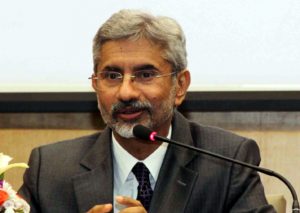
Prime Minister Narendra Modi also wished his predecessor and said:“Birthday greetings to former PM Dr. Manmohan Singh Ji. Praying for his long and healthy life.” External Affairs Minister S Jaishankar said, “Warmest wishes to respected Dr. Manmohan Singh ji on his birthday. Pray for his long life, good health and happiness.”
S Jaishankar
“Many many congratulations to former Prime Minister of the country Dr. Manmohan Singh ji on his 90th birthday. I pray to God for his healthy life and long life,” tweeted Delhi Chief Minister Arvind Kejriwal.
Shashi Tharoor, Thiruvananthapuram MP, said he was “privileged to enjoy his blessings for many years & to learn so much from his sagacity, wisdom & profound understanding of human affairs,” adding: “Long May he continue to guide us all.”
Tamil Nadu Chief Minister MK Stalin said, “Birthday greetings to former Prime Minister & erudite scholar Dr Manmohan Singh. He provided stability in governance, maintained dignity in public life, alleviated poverty and did all this while being an epitome of humility.”
NCP leader Supriya Sule said, “Wishing Former Prime Minister of India, Great Economist Hon. Dr. Manmohan Singh Sir Happy Birthday. May you be blessed with a long and healthy life.”
Under IT Rules, 2021, 45 YouTube videos from 10 YouTube channels were blocked by Ministry of Information & Broadcasting.
Videos containing hateful speech against religious communities and spreading communal disharmony blocked.
Morphed images and videos being used to harm India’s national security, foreign relations and public order.
Based on the inputs from intelligence agencies, the Ministry of Information & Broadcasting has directed YouTube to block 45 YouTube videos from 10 YouTube channels. Orders to block the concerned videos were issued on 23.09.2022 under the provisions of the Information Technology (Intermediary Guidelines and Digital Media Ethics Code) Rules 2021. The blocked videos had cumulative viewership of over 1 crore 30 lakh views.
The content included fake news and morphed videos spread with the intent to spread hatred among religious communities. Examples include false claims such as the Government to have taken away the religious rights of certain communities, violent threats against religious communities, declaration of civil war in India, etc. Such videos were found to have the potential to cause communal disharmony and disrupt public order in the country.
Some of the videos blocked by the Ministry were being used to spread disinformation on issues related to Agnipath scheme, Indian Armed Forces, India’s national security apparatus, Kashmir, etc. The content was observed to be false and sensitive from the perspective of national security and India’s friendly relations with foreign States.
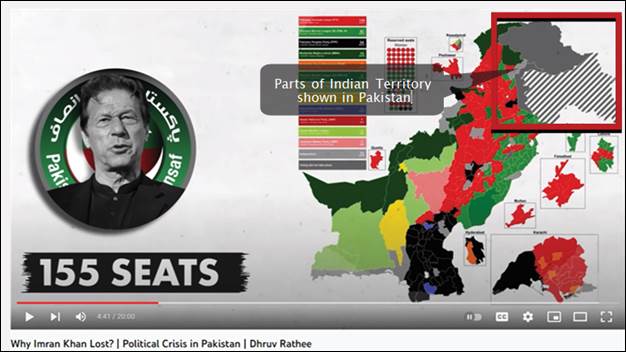
Certain videos depicted erroneous external boundary of India with parts of J&K and Ladakh outside the Indian territory. Such cartographic misrepresentation was found to be detrimental to the sovereignty and territorial integrity of India.
The content blocked by the Ministry was found to be detrimental to sovereignty and integrity of India, security of the State, India’s friendly relations with foreign States, and public order in the country. Accordingly, the content was covered within the ambit of section 69A of the Information Technology Act, 2000.
The Government of India remains committed to thwart any attempts at undermining India’s sovereignty and integrity, national security, foreign relations, and public order.
“Vikrant is not just a warship. This is a testament to the hard work, talent, influence and commitment of India in the 21st century. If the goals are distant, the journeys are long, the ocean and the challenges are endless – then India’s answer is Vikrant. The incomparable Amrit of Azadi ka Amrit Mahotsav is Vikrant. Vikrant is a unique reflection of India becoming self-reliant.”
Prime Minister Narendra Modi
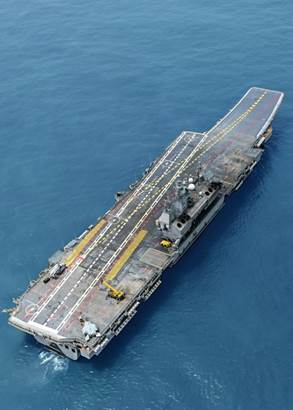
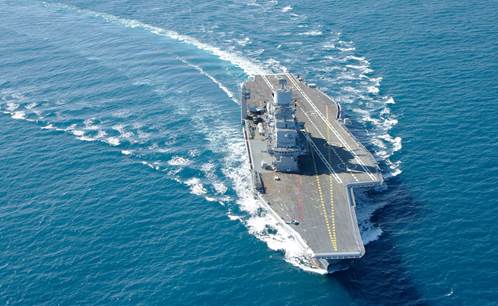
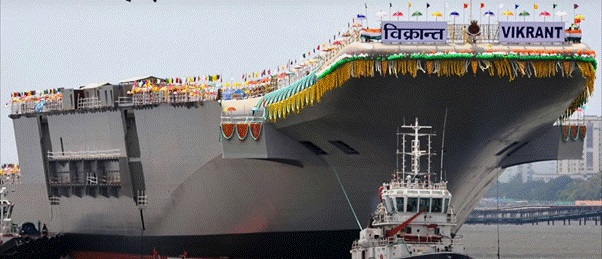
India celebrated a historical milestone as it commissioned its first ever Indigenous Aircraft Carrier (IAC)- Vikrant. Designed by Indian Navy’s in-house Warship Design Bureau (WDB) and built by Cochin Shipyard Limited, a Public Sector Shipyard under the Ministry of Ports, Shipping & Waterways, Vikrant has been built with state-of-the-art automation features and is the largest ship ever built in the maritime history of India.
The Indigenous Aircraft Carrier is named in honour of her historic predecessor, India’s first aircraft carrier, which played an important part in the war of 1971. The ship has large number of indigenous equipment and machinery, involving major industrial houses in the country viz. BEL, BHEL, GRSE, Keltron, Kirloskar, Larsen & Toubro, Wartsila India etc. as well as over 100 MSMEs. Vikrant’s commissioning would provide India two operational aircraft carriers, which will greatly improve the country’s maritime security.
IAC serves as a shining example of the country’s pursuit of “Aatmanirbhar Bharat” and gives the Government’s “Make in India” initiative further momentum. With the IAC Vikrant, India has joined an elite group of countries with the specialised capacity to design and construct an aircraft carrier domestically, including U.S.A., U.K., France, Russia and China.
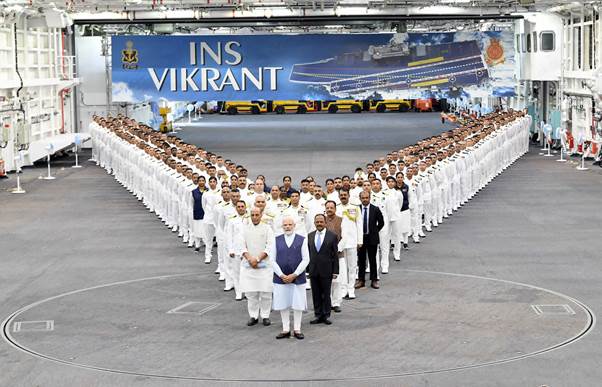
Prime Minister Narendra Modi commissioned INS Vikrant on the coast of Kerala on September 02, 2022, and noted that it is a symbol of indigenous potential, indigenous resources and indigenous skills. IAC Vikrant is a magnificent addition to the list of glorious aircraft carriers of the Indian Navy, which have proved to be extremely resourceful to the country.
Significance of Aircraft Carriers
Aircraft carriers are extremely strong and have powerful weapons. Their military capabilities, which include carrier borne aircraft, have completely changed the marine domain. An aircraft carrier offers a wide range of strategic benefits. It offers incredibly flexible operational options. Surveillance, air defence, airborne early warning, protection of Sea Lines of Communication (SLOC), and anti-submarine warfare are some of its principal functions.
For India, the carrier battlegroup, with its inherent combat elements and firepower, becomes a key capability to establish effective air dominance and efficient sea control.
History of Aircraft Carriers in India
Right from its Independence, India was well aware of the need for aircraft carriers to establish itself as a blue water navy. Since the sixties, the Indian Navy has had the unique distinction of operating all variants of aircraft launch and recovery systems.
Here is a walkthrough of India’s prestigious aircraft carriers till now:
INS Vikrant (R11)- India’s First Aircraft Carrier
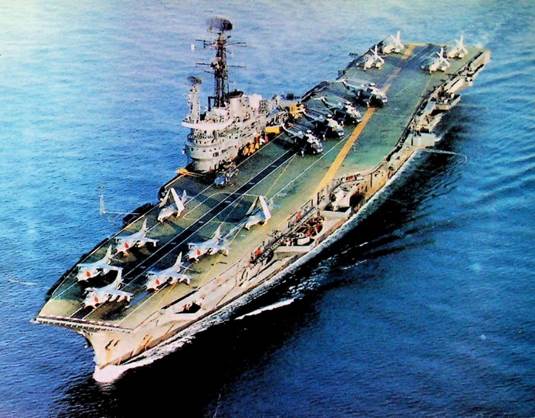
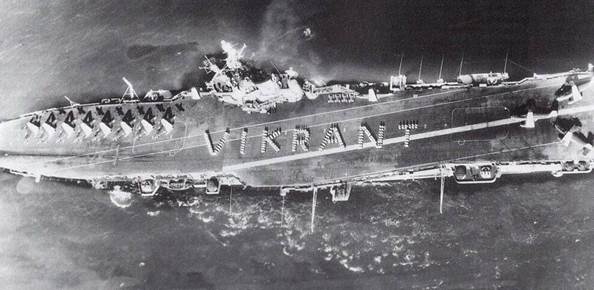
The INS Vikrant was launched on September 22, 1945 as Hercules. However, its construction was stalled and was completed when India purchased it from Britain in 1957. On March 04, 1961 it was commissioned as Vikrant in its first avatar. It was placed under the command of Captain Pritam Singh Mahindroo. On March 05, 1961, Vikrant sailed from Belfast for Portsmouth and Portland to carry out sea trials, and on October 06, 1961, Vikrant finally sailed for India. It entered Bombay on November 03, 1961.
The 19,500-tonne Carrier, INS Vikrant was the first ever carrier for an Asian country and remained so for a long time. Soon after its commissioning, the INS Vikrant saw action during the Goa Liberation Operation in 1961.
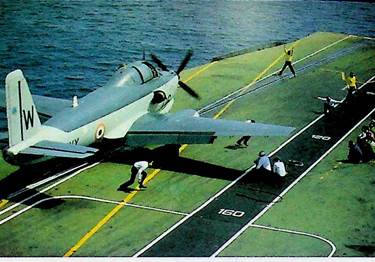
It played a crucial role in the 1971 war with its aircrafts decimating the enemy. The Sea Hawks and Alizés pounded the enemy targets over Chittagong, Cox’s Bazar, Khulna and Mongla. Heavy damage was inflicted on the ships and harbour installations. The runways at the first two places were rendered inoperable, and along with other units of the fleet, Vikrant ensured a total blockade off East Pakistan. The INS Vikrant helped in preventing reinforcement of Pakistani forces from the sea, leading to the birth of Bangladesh.
The INS Vikrant emerged in a new avatar as a Vertical/ Short Take Off and Land (V/STOL) carrier in 1984, with the brand new, state-of-the-art aircraft Sea Harrier. Its new capability inspired the induction of INS Vikramaditya, and the plans of its reincarnation.
After serving for 36 years, it was decommissioned from active service on 31 January, 1997.[1]
INS Viraat- Over 30 Years of Service to the Nation
INS Viraat was originally commissioned by the British Royal Navy as HMS Hermes on November 18, 1959. It served the Royal Navy in three different avatars- 1959-1970: as the Strike Carrier, 1970-1980- as a Commando Anti-Submarine Warfare Carrier, and 1980 onwards it was a V/STOL Carrier, for which it underwent major structural modifications. This included a 12-degree ramp designed to optimally launch Sea Harrier Operations.
In 1982, Hermes saw action in the Falklands under the command of Captain Middleton where she distinguished herself as the Flagship of the Royal Navy in the campaign to regain Falklands and South Georgia from Argentina. The 74-day war in hostile weather saw the Sea Harriers undertake 2376 sorties and shoot down 20 enemy aircrafts with the loss of two Sea Harriers to enemy ground fire.
The Indian Navy, in need of a second aircraft carrier, acquired the HMS Hermes on April 24, 1986. INS Viraat was finally commissioned by the Indian Navy on 12 May 1987. After acing a set of tests and trials, on July 23, 1987 it sailed from Plymouth to India, reaching the Indian waters on 21 August 1987. It was 227 metres long and 49 metres wide and had a full load displacement of 28,700 tons.
INS Viraat’s first major operation was ‘Operation Jupiter’ in July 1989 as part of Peace Keeping Operations in Sri Lanka, following the breakdown of the Indo- Sri Lankan Accord of 1986. On July 27, 1989, the ship flew 76 helicopter sorties off Kochi to board more than 350 soldiers and more than 35 tonnes of supplies for the 7 Garhwal Rifles. The INS Viraat and its task group continued to be stationed out in the field for the next two weeks, using the opportunity to train soldiers, proving the Viraat’s operational adaptability.
It also played a pivotal role in Operation Parakram, which was carried out in the wake of the 2013 terrorist attack on the Indian Parliament. By establishing a blockade against Pakistan during the 1999 Kargil War, the INS Viraat also played a crucial part in Operation Vijay. The ship has additionally taken part in a number of foreign joint exercises, including Malabar (with the US Navy), Varuna (with the French Navy), and Naseem-Al-Bahr (with the Oman Navy), as well as being a crucial component of every year’s Theatre Level Operational Exercise (TROPEX). The ship’s last operational deployment was in February 2016 when it took part in the International Fleet Review (IFR-2016) at Vishakhapatnam.
The INS Viraat has played a pivotal role in spearheading India’s maritime resurgence. Since 1987, the ship’s deck launched 22,034 hours of flying, it spent 2,250 days at sea sailing over 5.8 lakh Nautical Miles. It was decommissioned from service on March 06, 2017.
INS Vikramaditya- Indian Navy’s Biggest Ship
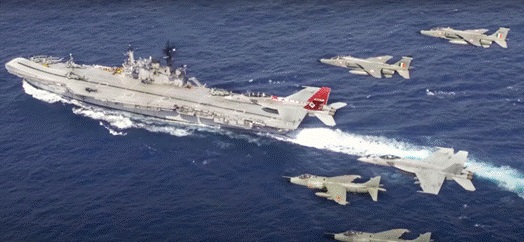
Russia’s refurbished Admiral Gorshkov was commissioned into the Indian Navy as INS Vikramaditya at Severodvinsk, Russia on November 16, 2013. It is a state-of-the-art ship, capable of operating a versatile range of high-performance aircrafts, such as the MiG 29K fighters, KM 31 AEW helicopters, multi-role Seakings and utility Chetaks. The ship is over 285 meters long and 60 meters wide, making it the biggest ship in the Indian Navy. Her 23 decks scale a height of 60 meters
With over 1,600 personnel on board, INS Vikramaditya is literally a ‘Floating City’. With a capacity of over 8,000 tonnes of Low Sulphur High-Speed Diesel (LSHSD), she is capable of operations up to a range of over 7,000 nautical miles or 13000 kms. The ship has the ability to carry over 30 aircrafts, comprising an assortment of MiG 29K/Sea Harrier, Kamov 31, Kamov 28, Sea King, ALH-Dhruv and Chetak helicopters. The MiG 29K swing role fighter is the main offensive platform and provides a quantum jump for the Indian Navy’s maritime strike capability. These fourth-generation air superiority fighters provide a significant fillip for the Indian Navy with a range of over 700 nm and an array of weapons including anti-ship missiles, Beyond Visual Range air-to-air missiles, guided bombs and rockets.
The ship is equipped with state-of-the-art launch and recovery systems along with aids to enable smooth and efficient operation of ship borne aircraft. Major systems include the LUNA Landing system for MiGs, DAPS Landing system for Sea Harriers and Flight deck lighting systems.
INS Vikrant (IAC-1): The Self-Reliant Rebirth
The 262-metre-long carrier has a full displacement of close to 45,000 tonnes which is much larger and advanced than her predecessor. The ship is powered by four Gas Turbines totaling 88 MW power and has a maximum speed of 28 Knots. Built at an overall cost of close to Rs. 20,000 crores, the project has been progressed in three Phases of contract between MoD and CSL. It has an overall indigenous content of 76%.
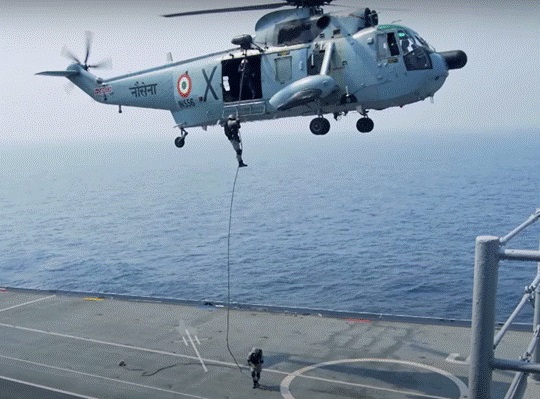
Vikrant has been built with high degree of automation for machinery operation, ship navigation and survivability, and has been designed to accommodate an assortment of fixed wing and rotary aircraft. The ship would be capable of operating air wing consisting of 30 aircraft comprising of MIG-29K fighter jets, Kamov-31, MH-60R multi-role helicopters, in addition to indigenously manufactured Advanced Light Helicopters (ALH) and Light Combat Aircraft (LCA) (Navy). Using a novel aircraft-operation mode known as STOBAR (Short Take- Off but Arrested Landing), the IAC is equipped with a ski- jump for launching aircraft, and a set of ‘arrester wires’ for their recovery onboard.
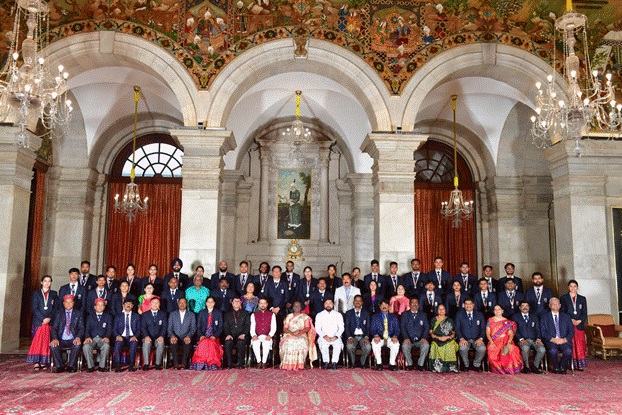
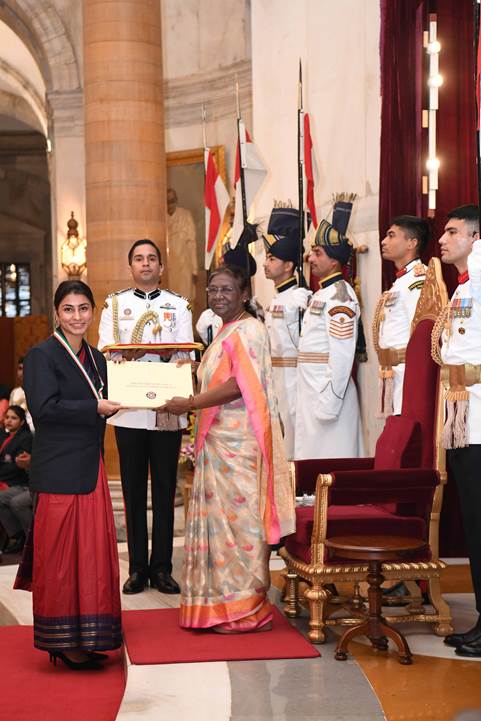
The President of India, Droupadi Murmu presented the National Service Scheme Awards for the year 2020-2021 at Rashtrapati Bhavan today.Union Minister of Youth Affairs and Sports Shri Anurag Thakur and Minister of State for Youth Affairs & Sports Shri Nisith Pramanik attended the awards ceremony. Secretary, Youth Affairs, Shri Sanjay Kumar and Secretary, Sports, Smt. Sujata Chaturvedi and senior officers of the Ministry and other dignitaries were also present on the occasion.
Ministry of Youth Affairs & Sports, Department of Youth Affairs confers every year the National Service Scheme Award to recognize and reward outstanding contributions towards voluntary community service made by the Universities/ +2 Council, Programme Officers/NSS Units and NSS Volunteers, with a view to further promote NSS in the country. At Present, NSS has about 40 lakh volunteers on its rolls spread over the country.The details of National Service Scheme (NSS) Award for the year 2020-21 in 3 different categories are as under:
S. No.
Categories
No. of Awards
Value of Award
1
University/ +2 Council
2
First Award: Rs.5,00,000/- (for NSS Programme Development) with a Trophy to the University/ +2 Council.
A Certificate and a Silver Medal to the Programme Coordinator.
Second Award: Rs.3,00,000 lakh (for NSS Programme Development) with a Trophy to the University/ +2 Council.
A Certificate and a Silver Medal to the Programme Coordinator.
2
NSS Units and their Programme Officers
10+10
Rs.2,00,000/- to each NSS Unit (For NSS Programme Development), with a Trophy.
Rs. 1,50,000/- to each Programme Officer with a Certificate and a Silver Medal.
3
NSS Volunteers
30
Rs. 1,00,000/- to each Volunteer, with a Certificate and a Silver Medal.
NSS is a Centrally Sector Scheme which was launched in the year 1969 with the primary objective of developing the personality and character of the student youth through voluntary community service. The ideological orientation of the NSS is inspired by the ideals of Mahatma Gandhi. Very appropriately, the motto of NSS is “NOT ME, BUT YOU”(‘स्वयं से पहले आप’).
Briefly, the NSS volunteers work on issues of social relevance, which keep evolving in response to the needs of the community, through regular and special camping activities. Such issues include (i) literacy and education, (ii) health, family welfare and nutrition, (iii) environment conservation, (iv) social service programmes, (v) programmes for empowerment of women, (vi) programmes connected with economic development activities, (vii) rescue and relief during calamities, (viii) Swachhata activities, etc.
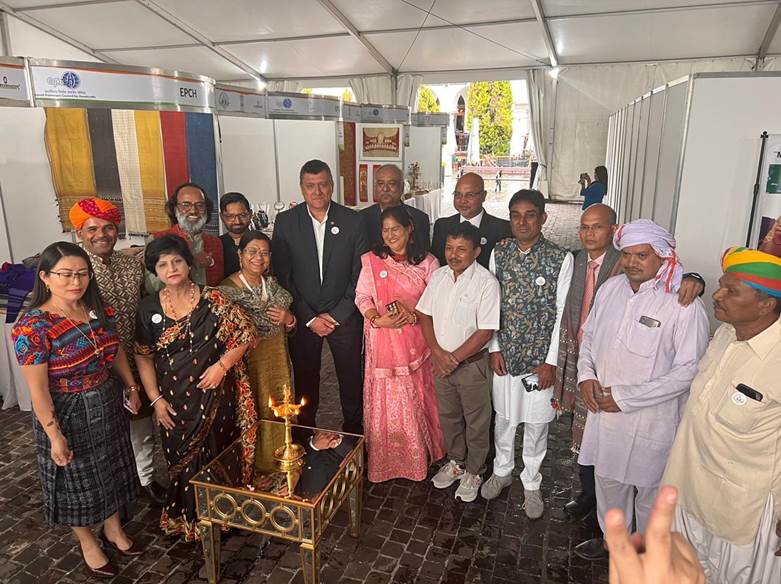
The Export Promotion Council for Handicrafts (EPCH) in association with Indian mission in the Guatemala (Latin America) is organizing a Made in India – Trade Show Exhibition on Indian arts & crafts and other products of Indian Handicrafts Manufacturers & Exporters from 22 – 24 September, 2022 in Guatemala City, Guatemala. Ten National master craft persons and exporters from all parts of India are displaying the wide range of variety of handcrafted products like home décor, home furnishing, carpets, furniture, lamps, fashion jewellery & accessories, incense, aroma and wellness products.
Shri Rakesh Kumar, Executive Director, EPCH informed that H.E. Mr. Guillermo Castillo, Vice President of Guatemala & acting President and H.E. Ambassador of India to Guatemala, Dr. Manoj Kumar Mohapatra inaugurated the Made in India Trade Show in Guatemala and have extended their full cooperation and support to EPCH for organizing Made in India – Trade Show Exhibition in their Region reflecting the indomitable spirit of the handicraft exporting fraternity to continue furthering the efforts to strengthen the Handicrafts Sector.
Mr.Guillermo Castillo, Vice President of Guatemala & acting President and H.E. Ambassador of India to Guatemala Dr. Manoj Kumar Mohapatra along with other dignitaries inaugurating Made in India – Trade Show Exhibition on Indian arts & crafts at Cayala, Guatemala City, Guatemala
Shri Raj Kumar Malhotra, Chairman, EPCH informed that this Made in India – Trade Show Exhibition on Indian arts & crafts will provide a viable business option to the exhibitors and buyers. It is expected that the Made in India – Trade Show Exhibition on Indian arts & crafts in association with Indian Missions will lead to enhance trade and people to people relations in the Latin American region.
His Excellency H.E. Ambassador of India to Guatemala, Dr. Manoj Kumar Mohapatra informed that the Made in India – Trade Show Exhibition is an opportunity to portray diversity of India, which the world is appreciative of. This will also be an opportunity to present to the world India’s abundant skills, competitive edge and adherence to quality compliances to the world.
EPCH being a nodal agency, promoting exports of handicrafts from the Country to various destinations of the world and projecting India’s image abroad as a reliable supplier of high quality handicrafts goods & services. The Handicrafts exports during the year 2021-22 was Rs. 33253.00 Crores (US $ 4459.76 Million) registering a growth of 29.49% in rupee term & 28.90% in dollar terms over previous year. However, exports of Handicrafts to Latin America is Rs. 682 crores (USD 92 million) in year 2021-22.
Mr.Guillermo Castillo, Vice President of Guatemala & acting President and H.E. Ambassador of India to Guatemala Dr. Manoj Kumar Mohapatra along with participating national awardees and master craft persons during Made in India – Trade Show Exhibition on Indian arts & crafts at Cayala, Guatemala City, Guatemala.
Shortly after Russian President Vladimir Putin announced that he will deploy citizens to fight Ukraine on Wednesday, long queues were witnessed at border with citizens flocking the borders to flee the country, which is finding huge manpower shortage to continue the Ukrainian war.
In an address, President Putin and military officials said 300,000 reservists would immediately be conscripted to fight in the unprovoked invasion after the warring country had lost significant ground in Ukraine amid recent counterattacks, said the report.
Putin on Wednesday ordered Russia’s first mobilisation since World War Two and warned the West he was not bluffing when he said he’d be ready to use nuclear weapons to defend Russia. He gave the citizens just four hours to pack their bags and say goodbyes to their families, said a report in Metro.
How to break an arm at home?
Soon after Putin’s announcement, the Google Search is inundated with the search string “how to break an arm at home”. It became the top search in Russia as Google Trends data showed a dramatic rise in the search term from 0 to 38 on a scale of 100, within 24 hours after the announcement.
On the other hand, the plane tickets out of Russia peaked $5,000 for one-way to neighbouring countries. Tens of thousands of Russians sought to flee the country, with five-hour long queues at the borders to Finland, Georgia, and Mongolia. Those who were lucky got the flight, but many others were blocked from departing despite a valid tickets or visa.
Social media groups started a variety of ideas and advice on how to get out of Russia while one news site in Russian gave a list of “where to run away right now from Russia.” But breaking the arm remains the best option for many who could not afford the above.
They are now searching for “how to break an arm at home” so they can be exempted from participating in the war, if aged between 18 and 65.
However, some Russian nationalists are adamant and have renewed calls for some kind of mobilisation to send more troops into the war campaign.
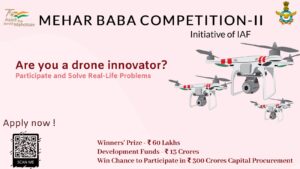
To provide a boost to the growing indigenous drone industry, Hon’ble Raksha Mantri had launched the “MEHAR BABA COMPETITION-II” on 06 April 2022 at Air Headquarters (Vayu Bhawan). The competition is aimed at developing technology for a “Swarm Drone Based System to Detect Foreign Objects on Aircraft Operating Surfaces”. The competition is named after the legendary Air Commodore Mehar Singh, MVC, DSO – affectionately also known as Mehar Baba. The first edition of the competition was launched in October 2018 and had culminated in October 2021.
All aircraft operators face a challenge in keeping the aircraft operating surfaces clean and clear of Foreign Object Debris (FOD). Very often, this is a labour-intensive task that needs to be repeated over a day. This manpower could be more gainfully employed if personnel could focus solely on their core tasks. Furthermore, visual spotting of FOD in low light conditions becomes rather challenging.
MEHAR BABA COMPETITION -II
Hence, the IAF is seeking innovative solutions towards detection of FOD without physical employment of manpower on the aircraft operating surfaces.
Registration for this competition is open to Indian citizens and Indian registered entities only.
The last date for registration is 02 October 2022. All relevant details regarding this competition have been placed at https:/lndianairforce.nic.in/mehar-baba/#.
Lunar enthusiasts of all ages are challenged to help identify features on the Moon that might pose a hazard to rovers or astronauts exploring the surface.
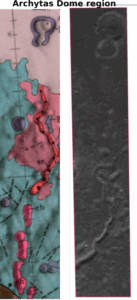
The 2022 EXPLORE Lunar Data Challenge is focused on the Archytas Dome region, close to the Apollo 17 landing site where the last humans set foot on the Moon 50 years ago this December.
The Machine Learning Lunar Data Challenge is open to students, researchers and professionals in areas related to planetary sciences, but also to anyone with expertise in data processing. There is also a Public Lunar Data Challenge to plot the safe traverse of a lunar rover across the surface of the Moon, open to anyone who wants to ‘have a go’, as well as a Classroom Lunar Data Challenge for schools, with hands-on activities about lunar exploration and machine learning.
Announcing the EXPLORE Machine Learning Lunar Data Challenge during the Europlanet Science Congress (EPSC) 2022 in Granada, Spain, this week Giacomo Nodjoumi said: “The Challenge uses data of the Archytas Dome taken by the Narrow Angle Camera (NAC) on the Lunar Reconnaissance Orbiter (LRO) mission. This area of the Moon is packed craters of different ages, boulders, mounds, and a long, sinuous depression, or rille. The wide variety of features in this zone makes it a very interesting area for exploration and the perfect scenario for this Data Challenge.”
The Archytas Dome region of the lunar surface is the target area for the EXPLORE Lunar Data Challenges 2022./CREDIT: NASA/GSFC/Arizona State University/EXPLORE/Jacobs University. https://exploredatachallenges.space/wp-content/uploads/2022/09/Archytas2.png
The Machine Learning Lunar Data Challenge is in three steps:
Participants should train and test a model capable of recognising craters and boulders on the lunar surface.
They should use their model to label craters and boulders in a set of images of the Archytas zone.
Finally, they should use the outputs of their models to create a map of an optimal traverse across the lunar surface to visit defined sites of scientific interest and avoid hazards, such as heavily cratered zones.
The public and schools are also invited to use lunar images to identify features and plot a journey for a rover. Prizes for the challenges include vouchers totalling 1500 Euros, as well as pieces of real Moon rock from lunar meteorites.
The EXPLORE project, which is funded through the European Commission’s Horizon 2020 Programme, gathers experts from different fields of science and technical expertise to develop new tools that will promote the exploitation of space science data.
This composite image of the moon using Clementine data from 1994 is the view we are most likely to see when the moon is full. Credit: NASA
“Through the EXPLORE Data Challenges, we aim to raise awareness of the scientific tools that we are developing, improve their accuracy by bringing in expertise from other communities, and involve schools and the public in space science research,” said Nick Cox, the Coordinator of the EXPLORE project.
The deadline for entries closes on 21 November 2022 and winners will be announced in mid-December on the anniversaries of the Apollo 17 mission milestones.
Plastics, now ubiquitous in the modern world, have become a rising threat to human and environmental health. Around the planet, evidence of plastic pollution stretches from grocery bags in the deep sea to microplastics in our food supplies and even in our blood.
Seeking solutions to counteract the rise in plastic trash, scientists at the University of California San Diego have developed new biodegradable materials that are designed to replace conventionally used plastic. After proving their polyurethane foams biodegrade in land-based composts, an interdisciplinary team of scientists including UC San Diego biologist Stephen Mayfield and chemists Michael Burkart and Robert “Skip” Pomeroy have now shown that the material biodegrades in seawater. The results are published in the journalScience of the Total Environment.
The researchers are working to address a plastic pollution problem now described as a global environmental crisis. In 2010, researchers estimated that 8 billion kilograms of plastic enter the ocean in a single year, with a steep escalation predicted by 2025. Upon entering the ocean, plastic waste disrupts marine ecosystems, migrates to central locations and forms trash gyres such as the Great Pacific Garbage Patch, which covers an area more than 1.6 million square kilometers. These plastics never degrade, but rather break up into ever-smaller particles, eventually becoming microplastics that persist in the environment for centuries.
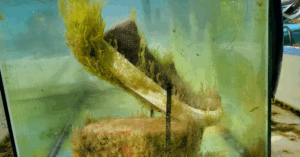
A sustainable Blueview shoe biodegrades in ocean water after 11 weeks./CREDIT:Daniel Zhen, Algenesis Inc.
Working with study coauthor Samantha Clements, a marine biologist and scientific diver at Scripps Institution of Oceanography, the UC San Diego researchers conducted a series of tests of their biodegradable polyurethane materials—currently used as foams in the first commercially available biodegradable shoes (sold by a spinoff company called Blueview)—at Scripps’ Ellen Browning Scripps Memorial Pier and Experimental Aquarium. The pier’s location provided scientists the access and a unique opportunity to test materials in the natural nearshore ecosystem, which is the exact environment where rogue plastics are most likely to end up.
The team found that an assortment of marine organisms colonizes on the polyurethane foam and biodegrades the material back to their starting chemicals, which are consumed as nutrients by these microorganisms, in the ocean environment. Data from the study suggest that the microorganisms, a mix of bacteria and fungi, live throughout the natural marine environment.
Plastic/Ians
“Improper disposal of plastic in the ocean breaks down into microplastics and has become an enormous environmental problem,” said Mayfield, a professor in the School of Biological Sciences and director of the California Center for Algae Biotechnology. “We’ve shown that it’s absolutely possible to make high performance plastic products that also can degrade in the ocean. Plastics should not be going into the ocean in the first place, but if they do, this material becomes food for microorganisms and not plastic trash and microplastics that harm aquatic life.”
Shoes, including flip-flops, the world’s most popular shoe, make up a large percentage of plastic waste that ends up in the world’s oceans and landfills. To fully test and analyze their polyurethane materials, developed at UC San Diego over the last eight years, the study joined experts in biology, polymer and synthetic chemistry and marine science. Foam samples were exposed to tidal and wave dynamics and tracked for molecular and physical changes using Fourier-transform infrared spectroscopy and scanning electron microscopy. The results showed that the material started to degraded in as little as four weeks. The researchers then identified microorganisms from six marine sites around San Diego that are capable of breaking down and consuming the polyurethane material.
“No single discipline can address these universal environmental problems but we’ve developed an integrated solution that works on land—and now we know also biodegrades in the ocean,” said Mayfield. “I was surprised to see just how many organisms colonize on these foams in the ocean. It becomes something like a microbial reef.”
Though expected a little later, Indian rupee has plunged to its lowest today touching Rs.81 per US dollar, amid gloomy prospects of markets around the world in view of a steep rise in interest rates by the US Federal reserve by 0.75 percentage points, vowing to further hike in the future.
On Thursday, experts expected the Indian rupee to hit 82 levels in a month’s time but it has been precipitated on Friday to Rs. 80.71 and per US dollar by afternoon, it plummeted to Rs.81 level.
In fact, since August, the Indian rupee has been touching Rs.80 level before trying to emerge stronger against the American dollar.
Researchers have used the mathematical equations of chaos theory to analyse the data from long-term monitoring of an electronically tagged narwhal. They have extracted previously undetected diurnal patterns within what initially appeared to be irregular diving and surface resting behavior, using records extending across 83 days.
“While animal-borne ocean sensors continue to advance and collect more data, there is a lack of adequate methods to analyse records of irregular behavior,” says Hokkaido University geophysicist Evgeny A. Podolskiy, first author of the research published in the journal PLOS Computational Biology.
Podolskiy developed the procedure to find behavioral patterns in seemingly intractable complexity with Mads Peter Heide‐Jørgensen at the Greenland Institute of Natural Resources.
Narwhals (Monodon monoceros) are relatively small whales found in Arctic seas, famous for their long single tusks and called the unicorns of the sea. They are one of the most endangered Arctic species due to climate change, human activity, and predation by such invasive species as killer whales. The narwhals are notable for undertaking dives to extreme depths of more than 1,800 metres. Their life cycle is tightly coupled with sea ice, which is rapidly declining.
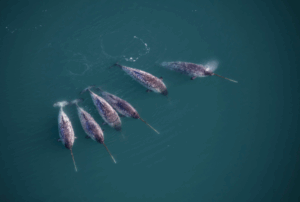
A pod of adult male narwhals, Greenland, September 2019 (Photo: Carsten Egevang; This image may exclusively be used in relation to this press release. The image can not be included in media archives for use apart from the above and not be handed over to third parties, without prior acceptance by the photographer)./CREDIT: Carsten Egevang
Podolskiy and Heide‐Jørgensen combined their expertises in signal processing and biologging to understand the full diversity of behaviors of a satellite-tagged narwhal. Mathematical techniques developed as part of chaos theory can interpret complicated and seemingly chaotic behavior in dynamic systems to reveal states called ‘attractors’, which the systems tend to develop towards. In essence, the approach identifies significant patterns that would otherwise be difficult to detect.
The analysis of the behavior of the electronically tagged narwhal, inspired by Podolskiy’s previous work on turbulence, revealed a daily pattern of activity and how it was affected by changing seasons, features of narwhal behavior that were previously unrecognised. The animal rested nearer to the surface around noon, but when they did dive at that time the dives were very deep. During twilight and at night the dives became more shallow but also more intense, possibly due to hunting for squid, which is known for diurnal vertical migration. It was also found that increased sea ice constrains the narwhal’s surface activity, and is correlated with more intense diving.
“Our approach is relatively simple to implement and can map and label long term data, identifying differences between the behavior of individual animals and different species, and also detecting perturbations in behavior caused by changing influences,” the authors suggest.
The researchers expect that their new method may be especially useful for assessing the challenges to narwhals and other Arctic animals posed by climate change and the loss of sea ice. Such information may prove vital in adopting policies to protect endangered species in the face of natural change and increased human activity.
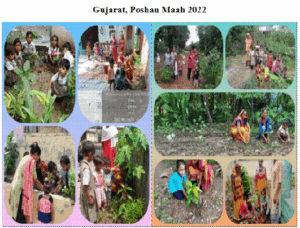
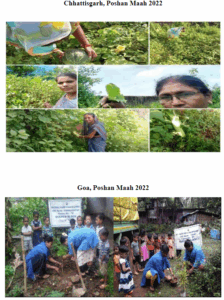
Under various interventions taken up by the Ministry of Women and Child Development jointly with Ministry of Ayush, close to 4.37 lakh Anganwadi Centres have set up Poshan Vatikas. Additionally, so far, 1.10 lakh medicinal saplings have also been planted across some of the selected districts of 6 States.
Under ongoing Poshan Maah 2022, activities for setting-up nutri-gardens or retro-fitting Poshan Vatikas with backyard poultry / fishery units is being carried out in a big way across the country.
So far, more than 1.5 lakh events on retrofitting Poshan Vatikas with backyard poultry and fishery units have been reported. Also, more than 75 thousand sensitization camps have been conducted to promote millets and backyard kitchen gardens. Interestingly, to replicate the model of Poshan Vatikas at/around new AWCs, close to 40 thousand land identification drives for nutri-gardens/Poshan Vatikas have also been reported under Poshan Maah so far.
Poshan Vatikas or Nutri- gardens being set up across the country to provide easy and affordable access to fruits, vegetables, medicinal plants and herbs.
Launched on 8th March, 2018, by the Hon’ble Prime Minister, POSHAN Abhiyaan aims to improve nutritional outcomes for children, adolescents, pregnant women & lactating mothers. The Abhiyaan is a key component of Mission Poshan 2.0 which seeks to address the challenges of malnutrition in children, adolescent girls, pregnant women and lactating mothers through a strategic shift in nutrition content and delivery and by creation of a convergent eco-system to develop and promote practices that nurture health, wellness and immunity.
A key plank of the goal to enable the right kind of nourishment are the Poshan Vatikas or Nutri-gardens that are being set up across the country to provide easy and affordable access to fruits, vegetables, medicinal plants and herbs. The idea is simple; to provide a fresh and regular supply of locally produced fruits, vegetables and medicinal plants to women and children straight from a nutri-garden at or near an Anganwadi Centre.
Poshan Vatikas or Nutri- gardens being set up across the country to provide easy and affordable access to fruits, vegetables, medicinal plants and herbs.
Poshan Vatikas can play an important role in enhancing dietary diversity by providing key micronutrients through local fruits and vegetables. Poshan Vatikas are a good example of convergent action on-ground. Beyond the reward of locally available wholesome produce, it will reduce external dependency and make communities atmanirbhar for their nutritional security.
Using the Atacama Large Millimeter/submillimeter Array (ALMA), astronomers have spotted signs of a ‘hot spot’ orbiting Sagittarius A*, the black hole at the centre of our galaxy. The finding helps us better understand the enigmatic and dynamic environment of our supermassive black hole.
“We think we’re looking at a hot bubble of gas zipping around Sagittarius A* on an orbit similar in size to that of the planet Mercury, but making a full loop in just around 70 minutes. This requires a mind blowing velocity of about 30% of the speed of light!” says Maciek Wielgus of the Max Planck Institute for Radio Astronomy in Bonn, Germany, who led the study published today, Sept 22, 2022 in Astronomy & Astrophysics.
The observations were made with ALMA in the Chilean Andes — a radio telescope co-owned by the European Southern Observatory (ESO) — during a campaign by the Event Horizon Telescope (EHT) Collaboration to image black holes. In April 2017 the EHT linked together eight existing radio telescopes worldwide, including ALMA, resulting in the recently released first ever image of Sagittarius A.
To calibrate the EHT data, Wielgus and his colleagues, who are members of the EHT Collaboration, used ALMA data recorded simultaneously with the EHT observations of Sagittarius A. To the team’s surprise, there were more clues to the nature of the black hole hidden in the ALMA-only measurements.
By chance, some of the observations were done shortly after a burst or flare of X-ray energy was emitted from the centre of our galaxy, which was spotted by NASA’s Chandra Space Telescope. These kinds of flares, previously observed with X-ray and infrared telescopes, are thought to be associated with so-called ‘hot spots’, hot gas bubbles that orbit very fast and close to the black hole.
The flares were long thought to originate from magnetic interactions in the very hot gas orbiting very close to Sagittarius A*, and the new findings support this idea. “Now we find strong evidence for a magnetic origin of these flares and our observations give us a clue about the geometry of the proces,” says co-author Monika Mościbrodzka from Radboud University.
The observations confirm some of the previous discoveries made by the GRAVITY instrument at ESO’s Very Large Telescope (VLT), which observes in the infrared. The data from GRAVITY and ALMA both suggest the flare originates in a clump of gas swirling around the black hole at about 30% of the speed of light in a clockwise direction in the sky, with the orbit of the hot spot being nearly face-on.
Nanoengineers at the University of California San Diego have developed microscopic robots that can swim around in the lungs, deliver medication and clear up life-threatening cases of bacterial pneumonia, according to a study published in Nature Materials..
The so-called microrobots safely eliminated pneumonia-causing bacteria in the lungs and resulted in 100% survival. By contrast, untreated mice all died within three days after infection. Made of algae cells whose surfaces are speckled with antibiotic-filled nanoparticles, the algae provide movement, which allows the microrobots to swim around and deliver antibiotics directly to more bacteria in the lungs.
The nanoparticles containing the antibiotics are made of tiny biodegradable polymer spheres that are coated with the cell membranes of neutrophils, which are a type of white blood cell. What’s special about these cell membranes is that they absorb and neutralize inflammatory molecules produced by bacteria and the body’s immune system. This gives the microrobots the ability to reduce harmful inflammation, which in turn makes them more effective at fighting lung infection.
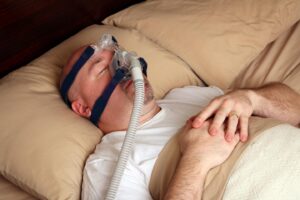
CPAP treatment, which is often used at home to help people with sleep problems, helps to keep the lungs open and makes breathing easier / CREDIT Lancaster University
The work is a joint effort between the labs of nanoengineering professors Joseph Wang and Liangfang Zhang, both at the UC San Diego Jacobs School of Engineering. Wang is a world leader in the field of micro- and nanorobotics research, while Zhang is a world leader in developing cell-mimicking nanoparticles for treating infections and diseases. Together, they have pioneered the development of tiny drug-delivering robots that can be safely used in live animals to treat bacterial infections in the stomach and blood. Treating bacterial lung infections is the latest in their line of work.
“Our goal is to do targeted drug delivery into more challenging parts of the body, like the lungs. And we want to do it in a way that is safe, easy, biocompatible and long lasting,” said Zhang. “That is what we’ve demonstrated in this work.”
The team used the microrobots to treat mice with an acute and potentially fatal form of pneumonia caused by the bacteria Pseudomonas aeruginosa. This form of pneumonia commonly affects patients who receive mechanical ventilation in the intensive care unit.
The researchers administered the microrobots to the lungs of the mice through a tube inserted in the windpipe. The infections fully cleared up after one week. All mice treated with the microrobots survived past 30 days, while untreated mice died within three days.
Treatment with the microrobots was also more effective than an IV injection of antibiotics into the bloodstream. The latter required a dose of antibiotics that was 3000 times higher than that used in the microrobots to achieve the same effect. For comparison, a dose of microrobots provided 500 nanograms of antibiotics per mouse, while an IV injection provided 1.644 milligrams of antibiotics per mouse.
The team’s approach is so effective because it puts the medication right where it needs to go rather than diffusing it through the rest of the body.
“These results show how targeted drug delivery combined with active movement from the microalgae improves therapeutic efficacy,” said Wang.
And if the thought of putting algae cells in your lungs makes you squeamish, the researchers say that this approach is safe. Next steps include studies to validate the microrobot treatment and scaling it up before testing it in larger animals and eventually, in humans.
Indian benchmark indice Sensex fell by 800 points as of 01:30 p.m. on Friday. which is at 58,314.78 points or 804.94 (1.36%) points down from the previus day, revealing the deep impact caused by the US Fed Reserve decision to hike interest rates steeply and its pledge to continue further to tame the inflation.
Nifty is also down to 17,407.05 or 222.75 points down (1.26%) today.
Stocks of Tata Steel, Sun Pharma, Hindustan Unilever Ltd (HUL), ITC, Dr. Reddy’s, Infosys, HCL Tech, Titan Company, and Maruti Suzuki were among top Sensex gainers. IndusInd Bank, Housing Development Finance Corporation (HDFC), M&M, Tech Mahindra, HDFC Bank, Axis Bank, Kotak Mahindra Bank were among top index draggers.
Tata Steel is in positive zone following the board’s approval on Friday to the scheme of amalgamation between seven of its group companies and itself.
Rupee to fall further: Experts
The Indian Rupee fell to its lowest level in 20 years reaching 80.81 per US dollar on Friday. The Indian Rupee fell to its lowest level against the greenback to 80.12 in August and again on Thursday, revealing the inherent weakness to go down further in value. Experts suggest that this time the Indian Rupee may weaken up to 82.00 level in the near future.
In a move to boost exports of unique agricultural processed food products, the centre through apex export promotion body — Agricultural and Processed Food Products Export Authority (APEDA) — facilitated the export of first consignment of plant-based meat products under Vegan food category from Nadiad in Kheda district in Gujarat to California,the United States of America (USA).
With the growing popularity of vegan food products in developed countries, the plant-based food products have a huge export potential in the international market due to the high nutrient value of the vegan food products. Due to its rich fiber and lesser cholesterol contents, vegan food products are becoming alternative food products across the globe.
The first shipment that was exported to the USA from Nadiad has vegan food products like momos, mini samosas, patties, nuggets, spring rolls, burgers, etc. The logistics support was provided by the Kheda district administration.
Stressing on exploring new foreign destinations, APEDA Chairman, Dr M Angamuthu said that APEDA is working towards promotion of plant-based meat products in a big way without disturbing the conventional animal-based meat export market.
Millets
On the occasion, Kheda district magistrate Shri K.L. Bachani assured all needed support to APEDA for export-related activities in future. “It has become possible with the efforts of Regional Head, APEDA Gujarat that first consignment of plant-based food products is being shipped to U.S.A from Nadiad,” Bachani said.
The APEDA has planned to promote a variety of vegan foods products, including pancake, snacks, cheese, etc, to the countries of Australia, Israel, New Zealand and others in coming months.
On the occasion, APEDA, Gujarat’s Regional Head stressed on adding more plant-based meat products in APEDA’s export basket.The first consignment of plant-based food products were exported by Greennest and Wholesome Foods.
APEDA has taken number of export promotion activities and initiatives, by way of development of virtual portals for organizing Virtual Trade Fairs, Farmer Connect Portal, e-office, HortiNet Traceability system, Buyer Seller Meets, Reverse Buyer Seller Meets, product specific campaigns etc. APEDA has been closely working with the state government for creating infrastructure and promotion of export from the state.
food
APEDA assists in upgradation and strengthening of recognized laboratories for export testing and residue monitoring plans. APEDA also provides assistance under the financial assistance schemes of infrastructure development, quality improvement and market development for boosting export of agricultural products.
APEDA organizes participation of exporters in the International Trade Fairs, which provides a platform to the exporters to market their food products in the global marketplace. APEDA also organizes national events like AAHAR, Organic World Congress, BioFach India etc. to promote agri-exports.
In order to ensure seamless quality certification of products to be exported, APEDA has recognized 220 labs across India to provide services of testing a wide range of products to exporters.
Robotic eyes on autonomous vehicles could improve pedestrian safety, according to a new study conducted at the University of Tokyo (Todai) in Japan.
Participants played out scenarios in virtual reality (VR) and had to decide whether to cross a road as the moving vehicle is there. When that vehicle was fitted with robotic eyes, which either looked at the pedestrian or away, the participants were able to make safer or more efficient choices.
The Gazing Car
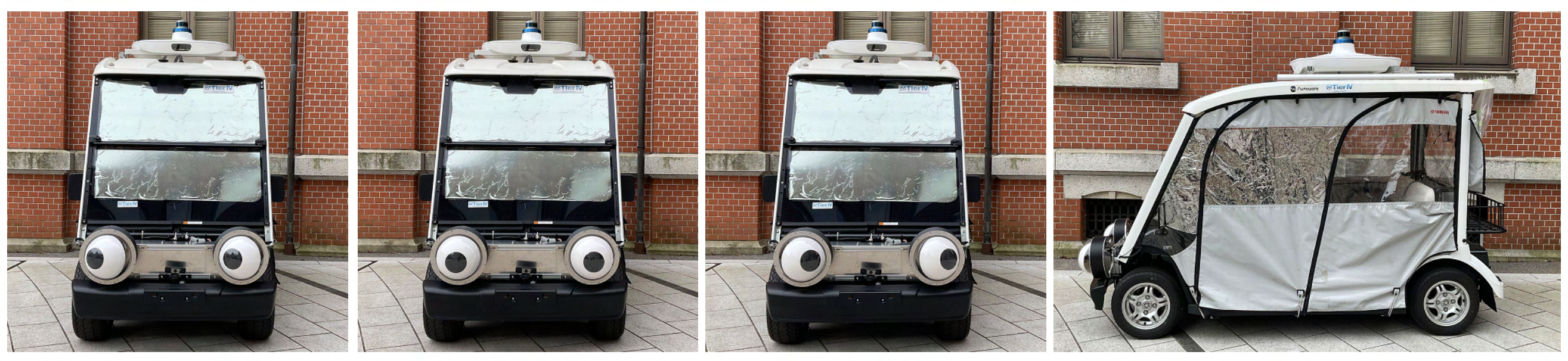
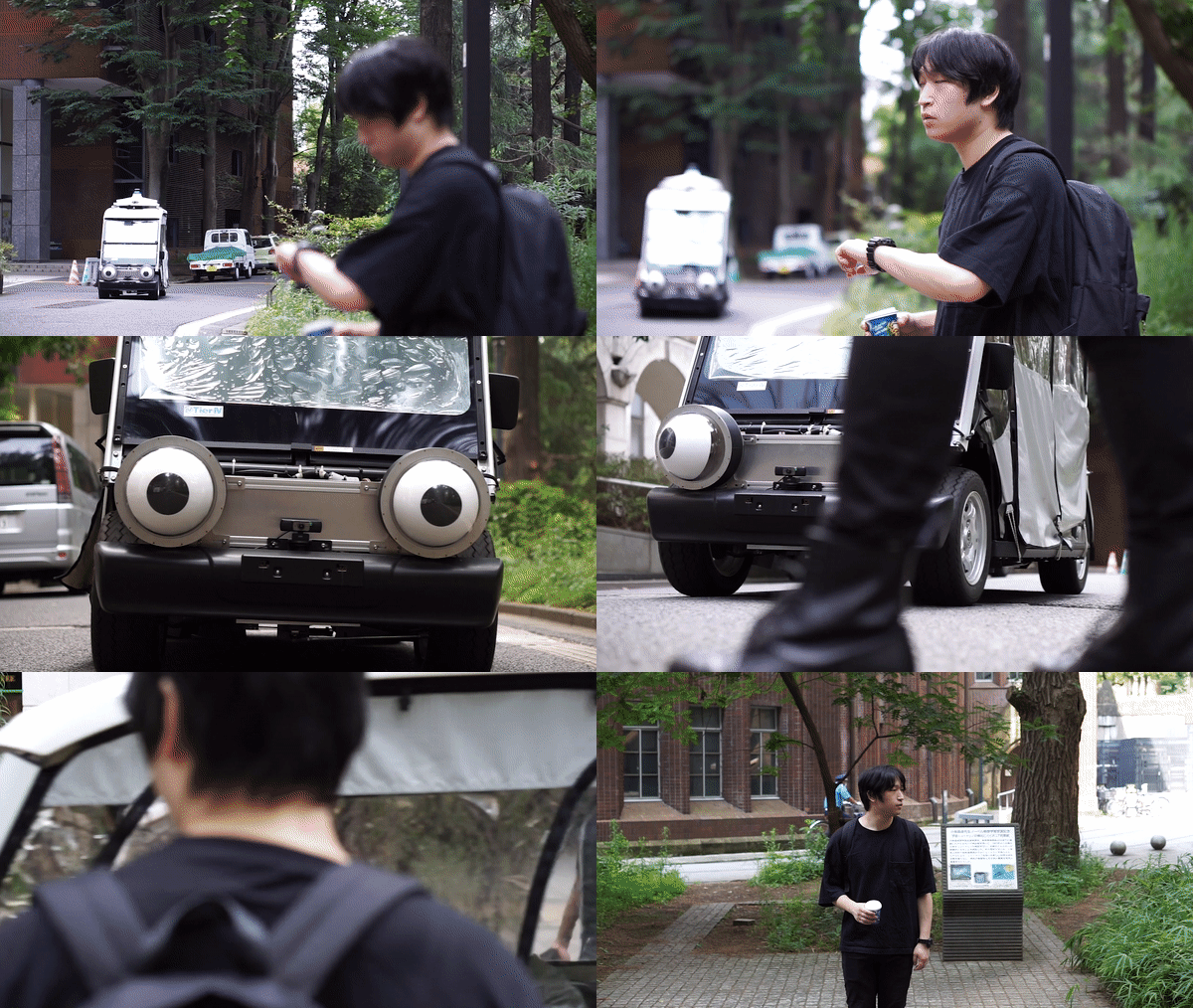
The cart was fitted with robotic eyes which could be moved in any direction, controlled by one of the research team. The windshield was covered to give the impression that there was no driver inside. Self-driving vehicles seem to be just around the corner. Whether they’ll be delivering packages, plowing fields or busing kids to school, a lot of research is underway to turn a once futuristic idea into reality.
While the main concern for many is the practical side of creating vehicles that can autonomously navigate the world, researchers at Todai have turned their attention to a more “human” concern of self-driving technology.
“There is not enough investigation into the interaction between self-driving cars and the people around them, such as pedestrians. So, we need more investigation and effort into such interaction to bring safety and assurance to society regarding self-driving cars,” said Professor Takeo Igarashi from the Graduate School of Information Science and Technology.
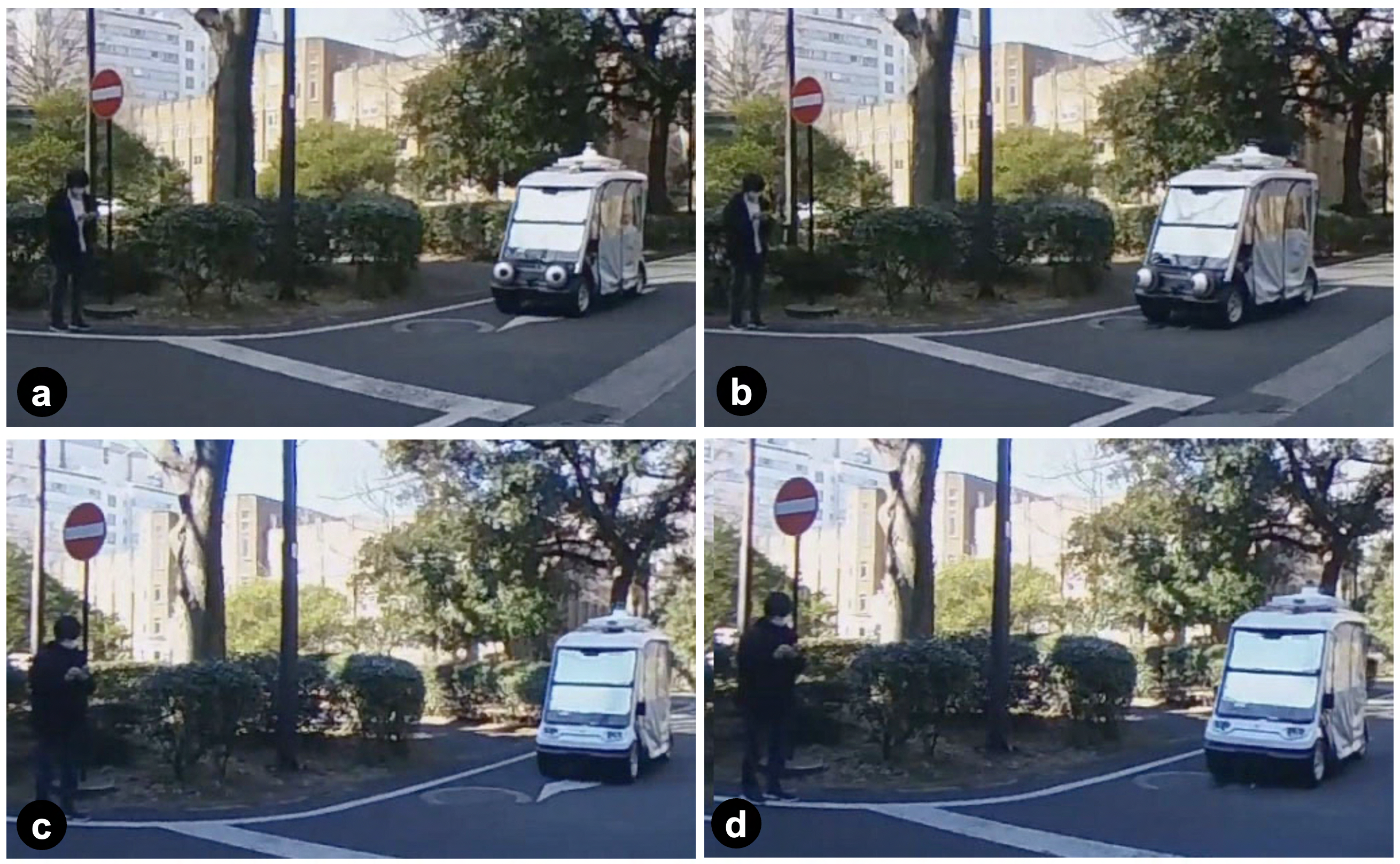
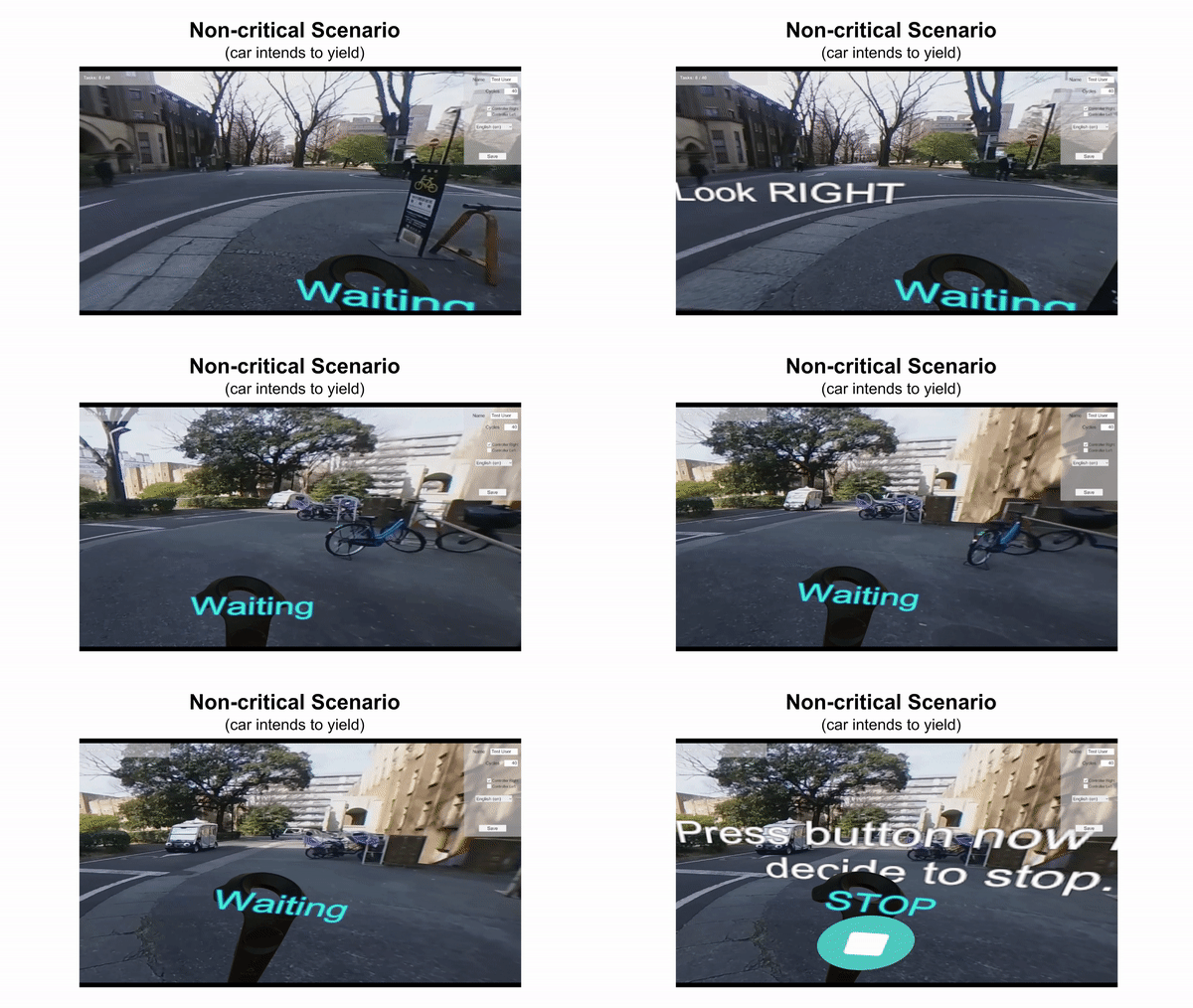
The four scenarios. In the experiment, participants had to decide whether or not the cart had noticed them and was going to stop. The images show the first-person view of a participant. In (a) the cart is paying attention to the participant (safe to cross); in (b) the cart is not paying attention to the participant (unsafe to cross); and in (c) and (d) the participant doesn’t know.
One key difference with self-driving vehicles is that drivers may become more of a passenger, so they may not be paying full attention to the road, or there may be nobody at the wheel at all. This makes it difficult for pedestrians to gauge whether a vehicle has registered their presence or not, as there might be no eye contact or indications from the people inside it.
So, how could pedestrians be made aware of when an autonomous vehicle has noticed them and is intending to stop? Like a character from the Pixar movie Cars, a self-driving golf cart was fitted with two large, remote-controlled robotic eyes. The researchers called it the “gazing car.” They wanted to test whether putting moving eyes on the cart would affect people’s more risky behavior, in this case, whether people would still cross the road in front of a moving vehicle when in a hurry.
The team set up four scenarios, two where the cart had eyes and two without. The cart had either noticed the pedestrian and was intending to stop or had not noticed them and was going to keep driving. When the cart had eyes, the eyes would either be looking towards the pedestrian (going to stop) or looking away (not going to stop).
Video of VR experience:
Participants played out the scenario 40 times each, as if they were crossing a road on the University of Tokyo campus.
As it would obviously be dangerous to ask volunteers to choose whether or not to walk in front of a moving vehicle in real life (though for this experiment there was a hidden driver), the team recorded the scenarios using 360-degree video cameras and the 18 participants (nine women and nine men, aged 18-49 years, all Japanese) played through the experiment in VR.
They experienced the scenarios multiple times in random order and were given three seconds each time to decide whether or not they would cross the road in front of the cart. The researchers recorded their choices and measured the error rates of their decisions, that is, how often they chose to stop when they could have crossed and how often they crossed when they should have waited.
“The results suggested a clear difference between genders, which was very surprising and unexpected,” said Project Lecturer Chia-Ming Chang, a member of the research team. “While other factors like age and background might have also influenced the participants’ reactions, we believe this is an important point, as it shows that different road users may have different behaviors and needs, that require different communication ways in our future self-driving world.
“In this study, the male participants made many dangerous road-crossing decisions (i.e., choosing to cross when the car was not stopping), but these errors were reduced by the cart’s eye gaze. However, there was not much difference in safe situations for them (i.e., choosing to cross when the car was going to stop),” explained Chang. “On the other hand, the female participants made more inefficient decisions (i.e., choosing not to cross when the car was intending to stop) and these errors were reduced by the cart’s eye gaze. However, there was not much difference in unsafe situations for them.”
Ultimately the experiment showed that the eyes resulted in a smoother or safer crossing for everyone.
Real life role-play
The researchers imagined the scenario of someone wanting to cross the road in a hurry when not at a traffic light or crosswalk.
But how did the eyes make the participants feel? Some thought they were cute, while others saw them as creepy or scary. For many male participants, when the eyes were looking away, they reported feeling that the situation was more dangerous. For female participants, when the eyes looked at them, many said they felt safer.
“We focused on the movement of the eyes but did not pay too much attention to their visual design in this particular study. We just built the simplest one to minimize the cost of design and construction because of budget constraints,” explained Igarashi. “In the future, it would be better to have a professional product designer find the best design, but it would probably still be difficult to satisfy everybody. I personally like it. It is kind of cute.”
The team recognizes that this study is limited by the small number of participants playing out just one scenario. It is also possible that people might make different choices in VR compared to real life. However, “Moving from manual driving to auto driving is a huge change. If eyes can actually contribute to safety and reduce traffic accidents, we should seriously consider adding them. In the future, we would like to develop automatic control of the robotic eyes connected to the self-driving AI, which could accommodate different situations,” said Igarashi.