New Book Examines How the Vatican Opposed Nuremberg Trials and Helped Nazi War Criminals Evade Justice

A new book by University of Nebraska–Lincoln historian Gerald J. Steinacher examines how the Vatican responded to the Allied prosecution of Nazi war criminals after World War II, revealing efforts by Catholic officials to protect former Nazi perpetrators from postwar justice.

Titled The Pope Against Nuremberg: How the Vatican Helped Nazis Escape Postwar Justice, the book was published by NYU Press in early November 2026. It draws on recently accessible Vatican records, intelligence documents, and material from more than 60 archives across Europe and the Americas.

Although the Nuremberg Trials have been extensively studied, the Vatican’s opposition to war crimes prosecutions and denazification has received comparatively little historical attention.

Newly Accessible Vatican Archives Reveal Postwar Activities

Steinacher’s research draws on Church records from the pontificate of Pope Pius XII, alongside intelligence files and other archival material.

The documents reveal how papal diplomats and individual bishops sought to influence Allied decisions on the prosecution of Nazi war criminals. According to the book, Catholic officials submitted petitions to Allied leaders, supported defence efforts, organised press campaigns against the trials, and opposed the extradition of suspects.

Some members of the clergy also reportedly provided hiding places for Nazi and fascist war criminals on Church premises.

The research challenges the perception of the Vatican’s postwar position as primarily one of silence. While Pius XII has frequently faced criticism over his public response to the Holocaust, Steinacher’s findings highlight the Vatican’s more active involvement in defending Nazi perpetrators after 1945.

Vatican Opposition Grew During the Early Cold War

According to Steinacher, the Vatican criticised the Nuremberg proceedings from their beginning, with its opposition increasing as war crimes trials and denazification continued.

Church leaders eventually advocated a broad amnesty and called for forgiveness of Germany’s wartime crimes, alongside efforts to rebuild the country.

The book examines these developments within the context of the emerging Cold War. As concerns about communism gained prominence, the Vatican increasingly prioritised political considerations over continued efforts to hold Nazi perpetrators accountable, Steinacher argues.

The research also explores how these efforts intersected with the wider postwar debate over punishment, reconciliation, and Germany’s place in the international community.

Book Revisits the Legacy of the Nuremberg Trials

The publication comes 80 years after the Nuremberg verdicts and examines the trials’ role in establishing principles of international criminal accountability.

Steinacher argues that the proceedings were intended not only to punish individuals responsible for Nazi crimes but also to educate the public about the atrocities committed by the regime.

“World War II and the Holocaust left behind immense suffering, and there was no simple way forward,” Steinacher said. “The Allies chose punishment. War crimes trials and denazification were meant to break with the Nazi past and to show people what crimes the regime had committed. Nuremberg was as much a classroom as a courtroom. Not every perpetrator could be tried, and Allied crimes never came before the court. But simply forgetting and pardoning ignored the victims. For many of them, justice was done at Nuremberg, even if it was imperfect.”

The book also examines the ambitions of American policymakers who sought to establish international legal standards capable of preventing future aggression and holding political and military leaders accountable.

“Instead of a jungle where the strongest rule, the Americans behind Nuremberg envisioned an international order grounded in the rule of law,” Steinacher said. “It was not a perfect project, but its standards were meant to apply to everyone in the future, victors as well as vanquished. The lesson from Nuremberg is clear: the international order must rest on the rule of law, with no one above it. Even the most powerful heads of state and military leaders must be held accountable for their crimes.”


Read More :

India Bans Export of Lithium-Ion Battery Black Mass to Boost Critical Mineral Recycling

NHAI Bars Bijwasan Toll Collection Agency From Tenders for One Month, Imposes ₹15 Lakh Fine

University of Warsaw Researchers Develop Quantum Sensor That Maintains Sensitivity Despite Signal Losses

Researchers at the University of Warsaw have developed a method for detecting extremely weak microwave fields using cold Rydberg atoms. By carefully controlling interactions between the atoms, the team reduced the impact of information loss during measurement and obtained three times more Fisher information than a comparable measurement without atomic interactions.

The findings, published in Nature Communications, could contribute to the development of more sensitive quantum sensors for applications in communication, metrology and quantum technologies.

Rydberg atoms offer a sensitive way to detect microwaves

The research brings together scientists from the Faculty of Physics at the University of Warsaw and the university’s Center for Optical Quantum Technologies at the Center for New Technologies (CeNT UW).

Rydberg atoms are atoms in which an electron is excited to a very high-energy state using precisely tuned lasers. In this state, the atoms can become up to a thousand times larger than they are in their ground state, making them exceptionally sensitive to external electric fields.

These properties make Rydberg atoms promising candidates for detecting weak microwave signals. Such measurements are important for quantum technologies, including superconducting quantum computers, which use microwave photons to store information.

Rydberg-based detectors can also measure electromagnetic fields without requiring calibration and operate with sufficiently low noise to detect thermal radiation from their surroundings.

Controlled atomic interactions help counter measurement losses

Information can be lost at several stages of a measurement, including the preparation of the atomic state, its evolution and the detection process. These losses generally reduce the precision with which a signal can be measured.

The Warsaw team found that carefully engineered interactions between Rydberg atoms could help limit this problem. Although the interactions themselves involve losses, they transform the atomic state so that subsequent losses during detection remove less information about the microwave field.

The researchers demonstrated that this approach could substantially mitigate the effects of measurement losses, which have traditionally been considered a major obstacle to improving sensor precision.

The experimental work was conducted by members of the Quantum-Optical Devices Laboratory at CeNT UW: Stanisław Kurzyna, Bartosz Niewelt, Professor Michał Parniak, Professor Wojciech Wasilewski and Dr Mateusz Mazelanik. Most of the researchers are also affiliated with the University of Warsaw’s Faculty of Physics.

Professor Rafał Demkowicz-Dobrzański, an expert in estimation theory at the Faculty of Physics, collaborated with the team to develop a theoretical explanation for the observed behaviour. The researchers also used optimisation methods developed at the university to analyse and describe the effect.

Experiment records three times more Fisher information

To evaluate measurement precision, the researchers used Fisher information, a statistical quantity that measures how much information an experiment provides about an unknown parameter. In this case, the parameter was the strength of the microwave field.

Higher Fisher information means that the measurement can estimate the field strength with lower uncertainty. This relationship is described by the Cramér-Rao inequality, a mathematical limit on the precision of parameter estimation.

In the experiment, the system using interactions between Rydberg atoms recorded three times more Fisher information than the corresponding system without those interactions.

The result indicates that controlled atomic interactions can improve the amount of information extracted from microwave measurements, even when significant losses occur.


Read More :

New Satellite Laser Technology Reveals Hidden Plankton Layers and Ocean Carbon

University of Osaka Integrates Japanese Quantum Computers With Supercomputer in National First

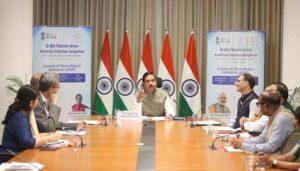
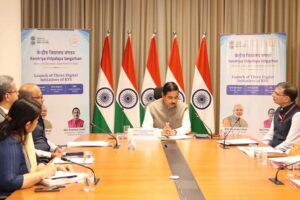
Education Minister Launches Three Digital Platforms to Modernise Kendriya Vidyalaya Services

Union Education Minister Pralhad Joshi launched three digital initiatives of Kendriya Vidyalaya Sangathan (KVS) in New Delhi on November 12, 2026, aimed at improving school administration, strengthening communication with parents and reconnecting former students with their institutions.

The initiatives include an AI-integrated Vidya Samiksha Kendra with the ‘Samiksha’ AI Bot, the KVS-Samvaad Parent Connect App and Web Portal, and the KVS Alumni Connect Portal.

Describing the launch as an important step towards implementing the National Education Policy (NEP) 2020 and advancing the Digital India vision, Joshi called for expanding the platforms across all Kendriya Vidyalayas and eventually extending their benefits to the wider school education system.

AI-powered Vidya Samiksha Kendra to monitor school performance

The AI-integrated Vidya Samiksha Kendra provides real-time dashboards covering student and staff attendance, academic performance, school infrastructure and admissions.

Its ‘Samiksha’ AI Bot analyses the available data, identifies gaps and recommends possible interventions. The system is designed to help administrators make informed decisions and respond to issues more efficiently.

The platform is accessible at samiksha.kvs.gov.in.

KVS-Samvaad aims to improve parent-teacher communication

The KVS-Samvaad Parent Connect App and Web Portal will allow parents to access important information about their children’s education through a single platform.

Its features include real-time attendance records, syllabus progress, examination results, learning resources and digital student identity cards. Parents can also submit online applications for Bonafide and Children Education Allowance (CEA) certificates, as well as student leave.

The platform additionally provides access to student and teacher diaries. By moving these services online, KVS aims to reduce paperwork and unnecessary visits to schools while making communication between parents and teachers more convenient.

Parents can access the portal at samvaad.kvs.gov.in.

Alumni portal creates opportunities for mentorship and career guidance

The third initiative, the KVS Alumni Connect Portal, provides former students with a dedicated space to reconnect with their schools and former classmates.

Alumni can share their professional achievements and experiences while contributing to mentorship programmes, career guidance and institutional development.

The portal is available at alumni.kvs.gov.in.

Minister calls for wider adoption and teacher training integration

During the launch, Joshi encouraged KVS stakeholders to expand the initiatives across every Kendriya Vidyalaya, covering all classes and locations. He also called for regular assessment of their outcomes and improvements wherever necessary.

He suggested extending the platforms beyond KVS in collaboration with the Department of School Education and Literacy (DoSEL), allowing students across the wider school education ecosystem to benefit.

The Minister also highlighted the need to strengthen teacher capacity-building by integrating comprehensive training records into the digital system. These records could include teachers’ training status, previous training history, training intervals and upcoming requirements. He said an online system would improve monitoring and help ensure that teachers receive training on time.

Secretary of DoSEL T. K. Anil Kumar, Joint Secretary Prachi Pandey, KVS Commissioner Vikas Gupta and senior Ministry of Education officials attended the launch.


Read More :

Fossils of 30-Kilogram Prehistoric Rodent Discovered in Southern Thailand

Low-Level Lead Exposure Linked to Increased Risk of Strep Throat in Children, Study Finds

President Droupadi Murmu Encourages Tribal Students to Pursue Ambitious Goals and Become Job Creators

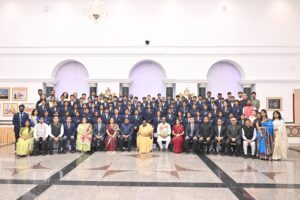
President Droupadi Murmu interacted with meritorious students from Eklavya Model Residential Schools at Rashtrapati Bhavan on November 12, 2026, and urged them to pursue their ambitions with dedication, discipline and self-confidence.

The interaction was organised by the Ministry of Tribal Affairs as part of Janjatiya Gaurav Pakhwada, an annual observance commemorating the birth anniversary of Bhagwan Birsa Munda.

Eklavya schools support inclusive development

Addressing the students, President Murmu said India is working towards its goal of becoming a developed nation by 2047. She emphasised that achieving this vision requires the development of every region and section of society.

She noted that Eklavya Model Residential Schools are providing quality education to tribal students while giving them opportunities to develop their talents across different fields.

The President said India has no shortage of talent, but students need access to suitable opportunities, a supportive environment and proper guidance to realise their potential.

She also welcomed the equal representation of boys and girls in Eklavya Model Residential Schools, describing it as evidence of the country’s progress towards inclusive development.

President urges students to become job creators

President Murmu encouraged students to aim high and work towards their dreams with dedication, discipline and confidence.

She said education should not be limited to securing employment or earning a livelihood. Instead, students should use their knowledge and skills to create employment opportunities for others.

The President emphasised that when young people become job creators, they can contribute more effectively to the country’s inclusive development.

Students encouraged to share knowledge with their communities

The President also advised students to stay informed about current affairs and developments taking place in India and around the world. She said following these developments would help them strengthen their logical thinking and analytical abilities.

She further encouraged students to share their knowledge with family members, relatives and neighbours whenever they returned to their villages. This included information about current affairs and government welfare schemes.


Read More :

India Bans Export of Lithium-Ion Battery Black Mass to Boost Critical Mineral Recycling

NHAI Bars Bijwasan Toll Collection Agency From Tenders for One Month, Imposes ₹15 Lakh Fine

Molecular Testing Advances Could Improve STI Treatment and Endometrial Cancer Risk Assessment

Two studies presented at the Association for Molecular Pathology (AMP) 2026 Annual Meeting & Expo have highlighted how molecular testing could improve women’s healthcare through more accurate infection diagnosis, antibiotic resistance detection, and cancer risk assessment.

The research covers two areas of women’s health: sexually transmitted infections and endometrial cancer. One study examined antibiotic resistance in Mycoplasma genitalium, while the other investigated how DNA methylation patterns could help predict cancer recurrence.

The AMP Annual Meeting is taking place from November 10 to 14, 2026, in Seattle, bringing together researchers and laboratory professionals working on advances in molecular diagnostics.

Molecular Testing Identifies Antibiotic Resistance in STI Patients

A study conducted by researchers from Unified Women’s Healthcare and Alline, formerly Florida Woman Care, examined 121,966 vaginal swab specimens to investigate Mycoplasma genitalium (MG), an emerging sexually transmitted infection associated with urethritis, cervicitis, and pelvic inflammatory disease.

Among 4,605 MG-positive specimens with evaluable results, 41.5% showed resistance to macrolide antibiotics. This resistance can complicate treatment decisions and limit the effectiveness of commonly used antibiotics.

To address this challenge, the researchers implemented an automated reflex testing system that identifies antibiotic resistance and helps guide treatment selection.

The system achieved a median turnaround time of four days, demonstrating the feasibility of introducing resistance-guided testing in high-volume women’s healthcare settings.

The approach supports treatment recommendations from the US Centers for Disease Control and Prevention (CDC), which emphasise the importance of identifying macrolide resistance when managing MG infections.

The study, titled Mycoplasma genitalium and Macrolide Resistance Prevalence Across a Large Women’s Health Cohort: Implementation of a Reflex Testing Algorithm That Supports CDC-Recommended Resistance-Guided Treatment, was led by John Fulmer of Unified Women’s Healthcare. He is scheduled to present the findings during a poster session at 9:15 a.m. on November 14 at the Seattle Convention Center.

DNA Methylation Profiling Could Help Predict Endometrial Cancer Recurrence

The second study, conducted by researchers at the University of California, San Francisco (UCSF), examined whether molecular profiling could reveal differences in recurrence risk among patients with endometrial cancer.

The researchers analysed DNA methylation patterns in 219 tumour samples from patients with low-grade, limited-stage, copy number-low endometrioid adenocarcinoma, the most common type of endometrial cancer.

DNA methylation involves chemical modifications that influence how genes are regulated without changing the underlying DNA sequence.

The analysis identified distinct patterns of methylation that were strongly associated with cancer recurrence risk. The researchers also found differences in the distribution of certain genetic mutations and chromosomal changes across the identified clusters.

These included variations in CTNNB1 and DICER1 mutations, along with copy number gains involving chromosome 1q.

The findings suggest that patients whose tumours appear similar under conventional clinical and pathological classification may nevertheless have different molecular characteristics and recurrence risks.

Molecular Profiling Could Support More Personalised Cancer Care

The UCSF findings indicate that epigenetic profiling could provide additional information for assessing cancer recurrence beyond conventional tumour classification.

By identifying molecular differences among apparently similar tumours, the approach may eventually help clinicians develop more individualised risk assessments and follow-up strategies.


Read More :

Breast Cancer Chemotherapy May Accelerate Biological Aging, Study Finds

University of Queensland Researchers Develop Biodegradable Hydrogel With Potential Medical Applications

New Satellite Laser Technology Reveals Hidden Plankton Layers and Ocean Carbon

Scientists are using advanced satellite-based laser technology to measure marine life and carbon beneath the ocean surface, addressing a major limitation of conventional ocean-monitoring satellites. A new review published in The Innovation examines how high-spectral-resolution lidar (HSRL) can reveal the vertical distribution of plankton and improve measurements of the ocean’s role in the global carbon cycle.

Traditional ocean-colour satellites primarily observe light reflected from the uppermost layer of seawater. However, much of the plankton supporting marine food webs and the carbon transported towards deeper waters lies beneath this visible surface layer.

The review traces the development of spaceborne lidar technology, from the accidental discovery of subsurface plankton layers by NASA’s CALIOP instrument to newer missions operated by China and Europe. The researchers argue that combining these measurements with satellite imagery and ocean-monitoring floats could provide a more complete picture of marine ecosystems.

Conventional Satellites Cannot See the Full Ocean Ecosystem

Passive ocean-colour instruments, including MODIS and PACE, measure the colour of reflected sunlight to estimate conditions such as chlorophyll concentration. However, these observations provide limited information about the deeper water column.

This creates challenges for estimating global marine carbon budgets and understanding how ocean ecosystems respond to environmental changes.

An important development came in 2006, when CALIOP was launched to study atmospheric clouds. Its observations unexpectedly revealed plankton layers beneath the ocean surface across different regions. The instrument also showed that polar plankton blooms begin much earlier in the season than previously believed.

However, CALIOP relied on elastic lidar, a technique that measures the intensity of returned laser light. Its measurements involve two unknowns: how strongly particles scatter light back towards the instrument and how quickly light is attenuated as it travels through water.

Because a single measurement cannot independently determine both quantities, researchers had to rely on assumed relationships to estimate particle concentrations.

ICESat-2, launched in 2018, introduced photon-counting technology and achieved a vertical resolution of 0.3 metres. This allowed scientists to identify finer structures within plankton layers. When combined with ocean-colour observations, its data also enabled the production of satellite-derived chlorophyll profiles.

However, the underlying measurement problem remained unresolved.

High-Spectral-Resolution Lidar Separates Scattered Light

High-spectral-resolution lidar addresses this limitation by distinguishing between light scattered by particles and light scattered by water molecules.

The technique uses the fact that particle scattering produces relatively little change in the laser’s frequency, while molecular scattering spreads the returned light across a wider range of frequencies.

An ultra-narrow optical filter, often using an iodine vapour cell, separates the returning signal into two channels: one measuring the total scattered light and another isolating the molecular component.

Since the scattering properties of water molecules are known and stable, the molecular measurement allows researchers to determine how much light is attenuated by the water. They can then calculate the particle contribution without relying on the assumptions required by conventional elastic lidar.

This makes it possible to obtain more reliable measurements of particle backscatter and the vertical structure of marine ecosystems.

China’s DQ-1 and Europe’s EarthCARE Advance Ocean Monitoring

Two satellite missions have brought high-spectral-resolution lidar measurements into operational use.

China launched the DQ-1 satellite in April 2022, carrying the Atmospheric Composition Detection Lidar (ACDL). It became the first operational spaceborne HSRL instrument. Its measurements of particle backscatter have shown agreement with observations from Biogeochemical-Argo floats.

Europe’s EarthCARE mission followed in May 2024, carrying the Atmospheric Lidar (ATLID). While China’s ACDL operates using green laser light at 532 nanometres, EarthCARE’s instrument works in the ultraviolet at 355 nanometres.

Ship-based comparisons have demonstrated the improvement offered by the technology. HSRL retrieved particle backscatter within 10% of reference measurements more than five times as frequently as conventional elastic lidar.

These developments provide researchers with more accurate information about the distribution of particles and plankton beneath the ocean surface.

Combining Satellite Data to Build an Ocean Digital Twin

The review proposes combining three complementary sources of ocean observations into what the authors describe as a “virtual constellation”.

The system would bring together:

  • High-spectral-resolution lidar: Measures the vertical structure of marine particles and plankton.
  • Hyperspectral imagers: Identify the composition of biological communities near the ocean surface.
  • Biogeochemical-Argo floats: Collect measurements throughout the water column, profiling depths of up to 2,000 metres and providing ground-level validation.

Combining these datasets with computer models could help researchers develop an “ocean digital twin”, a digital representation of marine ecosystems and their changing conditions.

Such a system could improve predictions of how marine ecosystems respond to climate change and strengthen estimates of the carbon absorbed and transported by the oceans. These measurements could also support the carbon accounting used in national climate assessments.

Limitations and Future Satellite Missions

Despite its advantages, HSRL technology still faces several challenges.

Spaceborne lidar collects observations along a one-dimensional path, making it difficult to combine its measurements directly with the two-dimensional coverage provided by satellite imagers. Its penetration is also limited to approximately two to three optical depths, meaning that deep chlorophyll maxima in turbid waters may remain undetected.

The researchers also noted that validation efforts have largely focused on open-ocean environments. Coastal waters remain comparatively understudied, partly because Biogeochemical-Argo floats are less common in these regions.

Future missions could help address some of these gaps. Planned projects, including CALIGOLA and China’s Guanlan mission, aim to expand ocean observations through fluorescence measurements and greater penetration depths of approximately 100 to 150 metres.


Read More :

Graphene-Based Network Could Make Lithium-Ion Batteries More Powerful and Efficient

European Orbiter Finds Possible Signs of Dormant Volcanic Activity on Mars

University of Osaka Integrates Japanese Quantum Computers With Supercomputer in National First

Researchers at the University of Osaka in Japan have developed a hybrid computing platform that connects the university’s OCTOPUS supercomputer with domestically developed superconducting quantum computers.

Named SEAFOOD, the platform enables both technologies to operate within a single computing workflow, allowing researchers to combine quantum processing with conventional high-performance computing. The university describes the integration as the first in Japan to connect a domestically developed quantum computer with a supercomputer installed at the same institution.

The system has already demonstrated its capabilities through a quantum chemistry calculation, with potential applications in materials science, drug discovery, and other computationally demanding fields. SEAFOOD is scheduled to begin operations in December 2026.

SEAFOOD Combines Quantum and Conventional Computing

Understanding interactions between electrons is essential for developing new materials and medicines. However, accurately modelling these interactions requires extensive computational resources, often pushing even powerful supercomputers to their limits.

Quantum computers offer a potential way to address some of these challenges, but existing machines face limitations involving the number of available qubits and computational errors.

The SEAFOOD platform aims to combine the strengths of both technologies rather than relying on either system independently.

Developed through collaboration between the university’s D3 Center and Center for Quantum Information and Quantum Biology (QIQB), the platform connects the OCTOPUS supercomputer with superconducting quantum computers operated by QIQB on a separate campus.

The project involves joint research led by Professor Susumu Date of the D3 Center and Associate Professor Hiroshi Ueda of QIQB.

Open-Source Software Enables Communication Between Systems

The platform uses OQTOPUS, an open-source software framework developed by QIQB and its research partners.

Through this interface, computing jobs submitted to OCTOPUS can send quantum circuits directly to the quantum computers and receive their measurement results. The supercomputer handles conventional computational tasks, while the quantum processors perform operations suited to quantum computing.

This arrangement allows both systems to contribute to a single calculation without requiring researchers to manage them as entirely separate computing environments.

The integration provides scientists with a shared infrastructure for developing and testing hybrid quantum-classical algorithms.

Four-Hydrogen-Atom Experiment Demonstrates Platform

To demonstrate SEAFOOD’s capabilities, the researchers conducted a quantum chemistry calculation using a method called quantum-selected configuration interaction (QSCI).

The approach combines quantum measurements with conventional computational methods. The quantum computer identifies important electron configurations, while the supercomputer carries out the matrix calculations required to determine the system’s energy.

For the demonstration, OCTOPUS was connected to QIQB’s Urchin quantum computer to calculate the ground-state energy of a system containing four hydrogen atoms.

The complete calculation ran through the integrated platform, producing a ground-state energy that matched the result obtained through a conventional reference calculation.

The demonstration established that the two computing systems could successfully coordinate their operations within a single workflow.

University Plans Wider Research Access in 2027

SEAFOOD is intended to provide researchers with a ready-to-use environment for hybrid computing, allowing them to concentrate on developing algorithms and exploring scientific applications.

“SEAFOOD is not simply a connection between a quantum computer and a supercomputer. It is a new kind of research computing infrastructure, built through the collaboration of the D3 Center and QIQB, that brings supercomputing and quantum computing together as an integrated research resource for scientists,” said Professor Date.

During fiscal year 2027, selected research teams at the University of Osaka will receive trial access through the D3 Center’s research proposal-based usage programme, in collaboration with QIQB.

Feedback from these trials will help researchers improve job scheduling, exchange technical knowledge, and explore broader access through national initiatives.


Read More :

Penn Engineers Develop Placenta-on-a-Chip Model to Study Effects of Environmental Toxins

Phone Mobility Data Could Help Track City-Level Carbon Emissions in Near Real Time

Tracker records five US anti-Hindu cases in October around Diwali

A new report from Hinduphobia Tracker records five incidents in the United States during October 2026 as part of a worldwide database of cases the organisation classifies as anti-Hindu hostility. The publication offers a starting point for examining reported incidents, but its figures require careful interpretation before being used to describe conditions for Hindu Americans.

The organisation published its October summary on November 10. It recorded 283 incidents worldwide involving 1,167 victims, according to its own classifications. Of those incidents, 231 were in India and 52 in other countries. The United States accounted for five, the same number attributed to Pakistan in the report’s country breakdown.

The headline worldwide total must not be presented as a US count. Nor do five recorded cases establish that only five incidents occurred nationally during October.

What the figures actually measure

Hinduphobia Tracker describes itself as a database documenting reported hostility toward Hindus. Its October release covers several categories, including attacks on religious symbols, hate speech, physical violence and allegations concerning religious conversion.

The report identifies 102 incidents involving Hindu religious representations worldwide, making that its largest category. It also records 71 hate-speech cases and 55 nonfatal physical attacks. Some incidents appear in more than one category, so the category totals should not be added together as if each represented a separate case.

The database’s classification system reflects the organisation’s own methodology. It is not equivalent to a US police crime database, a court record or a statistically representative survey. The five US entries should therefore be assessed individually before any claim is made about their circumstances, severity or legal status.

The material reviewed for this report does not independently verify all five underlying US cases. It also does not establish that all five were reported to police, investigated as hate crimes or connected to one another.

October data versus November events

Timing is particularly important. The report was published November 10, within the requested 72-hour news window, but the incidents it describes occurred in October. The Seattle Diwali disruption took place on November 7 and therefore is not part of an October count unless a separate, clearly explained methodology says otherwise.

Likewise, the November 9 indictment of an Illinois teenager concerns allegations arising from October events. A legal development reported in November should not be confused with a newly occurring attack.

Separating the date of an incident from the date of an arrest, court filing, statement or statistical release helps readers understand what is new. It also prevents the same underlying event from being counted repeatedly as evidence of a surge.

Why comparisons are difficult

The tracker reported 239 incidents in September and 283 in October, an increase in its documented monthly count. That comparison describes the cases entered into this database, not necessarily a measured increase in the true incidence of anti-Hindu hostility worldwide.

Reporting patterns can change for many reasons. A monitoring organisation may receive more submissions, expand its network, adjust classification practices or identify previously missed cases. Without a consistent sampling framework, changes in recorded cases should not automatically be interpreted as changes in underlying risk.

The report also includes categories whose definitions may be disputed. For that reason, journalists should inspect individual records, seek corroborating evidence and clearly identify the tracker as the source of its own figures.

What US readers need to know

For Hindu Americans, the most useful next step is to establish the circumstances of the five US entries: where they occurred, what conduct was alleged, whether the affected individuals or institutions have spoken publicly and whether police or courts have documented any action.

The October report may help identify cases overlooked by national media. It cannot by itself establish a national rate of religious hate crime or the effectiveness of law-enforcement responses.

A stronger public account would compare independently verified incident records with available official hate-crime reporting, while explaining differences in definitions and reporting periods. Such a comparison requires further research and should not be improvised from headline totals.

The November 10 release is therefore newsworthy as a newly published advocacy dataset, not as proof that 283 anti-Hindu attacks occurred in the United States or that five American incidents occurred during the past 72 hours.

Illinois Teen Indicted Over Alleged Hindu Temple Plot

A Cook County grand jury has indicted a 19-year-old Illinois man accused of planning a mass shooting involving a Hindu temple in the Chicago suburbs, bringing a case that alarmed Indian American worshippers into a new legal phase.

CBS Chicago reported on November 9 that Alexandros Paporakis of Palatine was indicted on one count of making a terrorist threat and one count of unlawful use of a weapon. He remained in custody awaiting trial, with arraignment scheduled for November 19, according to the report.

An indictment is a formal accusation, not a finding of guilt. The allegations have not been proven at trial, and the defendant is entitled to the presumption of innocence.

What investigators allege

According to accounts of statements by police, prosecutors and the FBI, investigators received information from people who worked with Paporakis about threats directed at Indian people and a Hindu temple in Aurora. Authorities said electronic communications and surveillance information formed part of the investigation.

Police reported that a vehicle associated with the suspect entered the parking lot of a large Hindu temple in Aurora on October 11 and later left. Investigators also said a co-worker reported that Paporakis described an attempted attack in which a firearm malfunctioned. Those accounts are allegations and should not be treated as independently established events.

Police said a search of the suspect’s home yielded a rifle, loaded magazines, additional ammunition, tactical equipment and material associated with white supremacist extremism. Authorities also described an eight-page manifesto expressing hatred toward non-white people, particularly Indians.

The details matter because the alleged motivation is central to whether the case may be investigated or prosecuted as bias-motivated violence. But investigators have not publicly identified the specific temple as a confirmed target, and the available reporting does not establish a federal hate-crime charge.

Raja Krishnamoorthy

Warning from a co-worker

The case also illustrates the potential significance of reporting threats before violence occurs. According to police and prosecutors, co-workers became concerned about statements and messages attributed to Paporakis and contacted authorities. Investigators arrested him outside his home on October 11.

The chronology is important: the alleged planning and arrest took place in October. The fresh news in the current reporting window is the November 9 grand jury indictment, not a new attempt at the temple this week.


US Representative Raja Krishnamoorthi said he and his family worship at the temple he believed was targeted and that they had been present during the relevant religious observance, CBS reported. He called for investigation of the alleged plot as a hate crime. His account underscores the personal significance of the case for the region’s Hindu community, but it does not substitute for investigators’ identification of the intended site.

Legal and community implications

Religious institutions frequently rely on volunteers and community networks to maintain welcoming spaces. A credible threat can require them to balance openness with precautions such as emergency planning, coordination with local police and procedures for reporting suspicious conduct.

Those measures are relevant beyond any single congregation. Indian American families often travel considerable distances to major temples for festivals, classes and community gatherings. Threats against a place of worship can affect people who were never directly approached by the accused.

The indictment provides an opportunity to examine how state and federal authorities coordinate in cases involving alleged extremist ideology and threats to religious communities. CBS reported that federal charges had not been filed at the time of its November 9 article, although the FBI had not ruled them out.

The next key event is the scheduled arraignment. Subsequent court filings may clarify the evidence, charges and defence response. Reporting should follow those records rather than assume the allegations will be established.


Seattle Diwali Disruption Draws Call for DOJ Action by Pramila Jayapal

A confrontation at a Seattle Diwali celebration has become a test of how American authorities respond when public religious events are targeted by racist intimidation. US Representative Pramila Jayapal and other lawmakers are preparing a letter asking the Department of Justice to take action against two men who disrupted a cultural performance on November 7, according to reporting published November 11 by The Seattle Times.

The confrontation occurred at Seattle Center Armory, where families had gathered for a Diwali festival. Two men entered carrying signs with anti-Hindu and anti-Indian messages. One accused Hindus of replacing Christians; another used a racist slur directed at South Asians. The disruption took place while students were performing Kuchipudi, an Indian classical dance form. Attendees intervened and the performance continued.

The new development is not the disruption itself, which took place outside the latest 72-hour reporting window. It is the effort to secure an official response and the questions raised about the safety of cultural gatherings.

Congressional response still developing

Jayapal told The Seattle Times that she and colleagues were drafting a letter seeking Justice Department action. That is not equivalent to an arrest, criminal charge or completed federal investigation. No such outcome is established by the material reviewed for this report.

The report identified the protesters as Jake Lang and Thomas Allen. It also recorded condemnation from politicians in both major parties. Their comments show that criticism of the disruption was not confined to one political constituency, although lawmakers may disagree about the appropriate legal response.

A public event can involve conduct that is offensive, discriminatory or threatening without every instance automatically meeting the elements of a federal hate crime. Prosecutors would need to assess the evidence and applicable law. That distinction matters when describing what the Justice Department has been asked to do.

Young performers at centre of incident

The students’ experience gives the story a dimension beyond partisan reaction. Their performance was interrupted during a dance depicting a goddess overcoming evil. In a statement cited by The Seattle Times, the performers said they were shaken but continued because they respected the art and the audience.

The episode also raised questions about how venues protect children and families participating in religious and cultural programs. Seattle Center subsequently said it was committed to a welcoming environment in which harassment and intimidation have no place, according to the newspaper.

Diwali is observed by Hindus and also celebrated by Jains, Sikhs and other communities. The content of the signs, however, specifically targeted Hindu identity and people of South Asian origin. That is why the incident is appropriately discussed as involving both anti-Hindu hostility and racial xenophobia.

Indian Americans Upset

For Indian-origin families, public festivals serve more than a recreational purpose. They are places where children learn languages, dance, music and religious traditions, often in the presence of neighbours from different backgrounds. A disruption aimed at those traditions can discourage participation even when no physical injury occurs.

The community response in Seattle also deserves attention. People in the audience helped end the interruption, while the dancers completed their program. That outcome does not eliminate the need to consider preventive security, reporting channels and the responsibilities of public venues.

The next verifiable milestones will be whether the lawmakers send their proposed letter, whether federal or local authorities announce any action and whether Seattle Center revises its event-security procedures. Until those steps occur, claims of prosecution or punishment would be premature.


India Bans Export of Lithium-Ion Battery Black Mass to Boost Critical Mineral Recycling

The Directorate General of Foreign Trade (DGFT) has prohibited the export of lithium-ion battery black mass to increase the domestic availability of critical minerals and strengthen India’s battery recycling industry.

The restriction, announced through Notification No. 49/2026-27 dated November 10, 2026, changes the export classification of lithium-ion battery black mass under ITC(HS) Code 85491400 from ‘Free’ to ‘Prohibited’.

The ban takes effect immediately and will remain in force until further orders. Transitional arrangements under Paragraph 1.05 of the Foreign Trade Policy (FTP), 2023, will continue to apply.

The government said the decision aims to reduce dependence on imported critical minerals, improve the utilisation of domestic recycling facilities, and support the country’s growing electric vehicle and energy storage industries.

What Is Lithium-Ion Battery Black Mass?

Black mass is a powder-like material produced by shredding used lithium-ion batteries and waste generated during battery manufacturing.

It contains recoverable quantities of valuable minerals, including lithium, cobalt, nickel, and manganese. These materials are essential for manufacturing electric vehicle batteries, energy storage systems, electronic devices, and renewable energy technologies.

The relevant ITC(HS) classification covers certain waste and scrap from batteries and accumulators, including unsorted material that does not contain lead, cadmium, or mercury. The DGFT notification specifically identifies lithium-ion battery black mass as the prohibited export item.

Recovering critical minerals from discarded batteries provides an alternative to extracting them through conventional mining operations.

Export Ban Aims to Address Raw Material Shortages for Indian Recyclers

According to the government, India’s battery recycling and critical mineral refining capabilities have expanded considerably in recent years. However, some domestic facilities remain underutilised because of insufficient availability of recyclable battery material.

Exports of black mass generated within India have contributed to this shortage, with some domestic recycling companies having to import battery waste to meet their processing requirements.

By restricting exports, the government intends to retain domestically generated black mass for processing and mineral recovery within the country.

The measure is expected to improve the availability of raw materials for recycling and refining facilities, increase capacity utilisation, and encourage additional investment and employment in the sector.

Higher domestic recovery of lithium, cobalt, nickel, and other minerals could also reduce India’s reliance on imports and the associated expenditure of foreign exchange.

Ban to Support ₹1,500 Crore Critical Mineral Recycling Scheme

The export restriction complements the government’s National Critical Mineral Mission (NCMM), which aims to strengthen domestic supply chains for minerals essential to emerging technologies.

In September 2025, the Union Cabinet approved a ₹1,500 crore incentive scheme to develop recycling capacity for recovering critical minerals from secondary sources, including battery waste and electronic waste.

The scheme focuses on expanding facilities capable of separating and producing critical minerals from recyclable materials.

Retaining black mass within India is expected to ensure that recycling facilities developed under the scheme have access to sufficient domestic feedstock.

The government also expects the policy to support battery manufacturing, electric mobility, energy storage, and clean-energy technologies under the Aatmanirbhar Bharat initiative.

Government Seeks to Promote Circular Economy and Urban Mining

Beyond strengthening mineral supply chains, the restriction is intended to encourage the development of a circular economy through the recovery and reuse of valuable materials.

The government highlighted the role of ‘urban mining’, which involves extracting useful resources from discarded products and waste rather than relying exclusively on newly mined materials.

Greater recovery of minerals from used batteries could reduce the need for primary mining while supporting more sustainable resource management.

The government also emphasised that recycling and processing of battery waste must comply with applicable environmental regulations, given the hazardous nature of the material.

According to the DGFT, the restriction is consistent with measures introduced by several major economies to retain critical mineral-bearing battery waste for domestic processing.


Read More :

Cannabis Used for Its Intoxicating Effects as Early as 2,800 Years Ago, Study Finds

Revised Prices of 1,364 Anti-Cancer Medicine Formulations Take Effect

NHAI Bars Bijwasan Toll Collection Agency From Tenders for One Month, Imposes ₹15 Lakh Fine

The National Highways Authority of India (NHAI) has barred M/s Riddhi Siddhi Associates from participating in its ongoing and future tenders for one month and imposed a penalty of ₹15 lakh following an incident of alleged misconduct involving the agency’s personnel and road users at the Bijwasan Fee Plaza.

The incident occurred on November 5, 2026, at the toll plaza located on National Highway 248BB. The authority announced the disciplinary action on November 11, citing the agency’s failure to ensure appropriate conduct among its employees.

NHAI Issues Show Cause Notice for One-Year Debarment

In addition to the one-month debarment and financial penalty, NHAI has issued a show cause notice proposing a longer restriction against the agency.

The notice proposes barring M/s Riddhi Siddhi Associates, along with its owners and directors, from participating in future NHAI tenders for one year.

The proposed one-year debarment has not yet been imposed and remains subject to the show cause proceedings.

NHAI has also instructed the agency to hand over operations at the Bijwasan Fee Plaza to a new collection agency on November 14, 2026.

Agency Held Responsible for Conduct of Toll Plaza Personnel

According to NHAI, the contractual agreement places responsibility on user fee collection agencies to maintain discipline, ensure proper supervision, and regulate the behaviour of personnel deployed at toll plazas.

The authority stated that the November 5 incident demonstrated a serious failure by the agency to meet these contractual obligations.

The agency was expected to ensure that its employees maintained appropriate standards of conduct while interacting with national highway users.

NHAI cited the incident as grounds for imposing the financial penalty and restricting the agency’s participation in its tendering process.

NHAI Reiterates Zero-Tolerance Policy on Toll Plaza Misconduct

Following the disciplinary action, NHAI reaffirmed its commitment to providing a safe and secure commuting experience for people travelling on national highways.

The authority stated that it maintains a zero-tolerance approach towards misconduct and indiscipline at toll plazas.

The action against M/s Riddhi Siddhi Associates includes an immediate one-month tender restriction, a ₹15 lakh penalty, and a proposed one-year debarment, while the transfer of toll collection operations is scheduled for November 14.


Read More :

Wildlife Imports Associated With Increased Risk of Zoonotic Disease Outbreaks, Study Finds

Cannabis Used for Its Intoxicating Effects as Early as 2,800 Years Ago, Study Finds

MIT Researchers Develop Network-Inspired Metamaterials That Better Withstand Impacts

Engineers from the Massachusetts Institute of Technology (MIT) and Northeastern University have developed a new class of metamaterials that could offer improved strength, flexibility, and impact resistance by incorporating irregular internal structures.

The materials, described as “scale-rich metamaterials”, take inspiration from naturally occurring networks such as leaf veins and dragonfly wing structures. Unlike conventional metamaterials, which rely on repeating identical building blocks, the new designs contain interconnected beams of different sizes.

Published in the journal Nature, the research demonstrates how introducing controlled structural variation can improve a material’s ability to withstand damage and absorb energy. Potential applications include protective helmets, packaging, body armour, and acoustic lenses.

Moving Beyond Conventional Metamaterial Designs

Metamaterials are engineered materials whose internal structures give them physical properties that are difficult to achieve with conventional materials.

Traditionally, researchers create them using a repeated structural unit, known as a unit cell. These building blocks are arranged in regular patterns, including square lattices and honeycomb structures, to produce specific mechanical properties.

However, conventional designs can have limitations when exposed to localised damage. If one section becomes deformed or cracked, neighbouring sections with similar structures may respond in the same way, potentially causing the material to buckle or fail.

The MIT and Northeastern University team explored an alternative approach based on network science, a field that examines how interconnected structures behave across complex systems.

The researchers drew inspiration from biological networks, including leaf vasculature and dragonfly wing veins, as well as connections found in social networks.

“This is a completely new way of thinking for metamaterials,” said study author Carlos Portela, associate professor of mechanical engineering at MIT. “Unlocking this network design for materials really frees us to think of new microstructures and mechanical benefits that haven’t been possible before.”

Algorithm Generates Networks of Interconnected Beams

To develop the new materials, the researchers created an algorithm that generates networks of beams with different lengths and thicknesses while accounting for the physical constraints of a material.

The process begins by placing a point at a random location within a virtual space. The algorithm then draws a line through that point at a random angle, extending it until it reaches the boundary of the space.

The process is repeated with additional points and lines, with successive beams becoming progressively shorter and thinner. This creates a dense network of intersecting structures at multiple scales.

Researchers can adjust two key parameters: the thickness of the initial beam and the rate at which the thickness decreases with each successive beam. By modifying these parameters, they can generate different network configurations and control properties such as stiffness.

The team used computer simulations to predict how these structural changes would affect the material’s mechanical performance before producing physical samples.

3D-Printed Materials Demonstrate Greater Impact Resistance

After developing the virtual designs, the researchers used 3D-printing techniques to deposit polymer into patterns of interconnected beams.

Each sample was a large square approximately the size of a credit card, containing internal structures ranging from micrometres to centimetres in scale.

The team tested the materials by dropping heavy weights onto them and applying increasing compressive forces. Their performance was compared with conventional lattice and honeycomb metamaterials.

The network-inspired designs demonstrated greater resistance to compression and sudden impacts.

The researchers attributed this improvement to the presence of interconnected structures at multiple length scales. Instead of relying on identical repeating units, the network distributes damage across a wider region, reducing the likelihood of catastrophic failure.

“Because there is such a richness of length scales in these networked materials, if one part fails, there is a strong web of structures around it that keeps the entire material from failing catastrophically,” Portela said. “It’s more efficient at distributing damage and absorbing energy.”

Pomelo-Inspired Design Could Protect Fragile Objects

The researchers also developed a separate design inspired by the thick rind of a pomelo, which has a density-graded internal structure.

They created a material with a denser network of beams around its outer edges and a less dense structure towards the centre. Tests demonstrated that the design could cushion and protect a fragile object embedded within it.

This approach could be useful in developing protective packaging and other materials designed to absorb external impacts while safeguarding delicate objects.

Beyond impact protection, the algorithm could also support the development of acoustic lenses, which use engineered internal structures to focus sound or vibrations.

The research was supported in part by the US National Science Foundation’s Designing Materials to Revolutionize and Engineer our Future (DMREF) programme.


Read More :

Penn Engineers Develop Placenta-on-a-Chip Model to Study Effects of Environmental Toxins

Phone Mobility Data Could Help Track City-Level Carbon Emissions in Near Real Time

Istanbul Researchers Develop Smartphone-Compatible Sensor to Detect Trace Mercury

Researchers at Istanbul Technical University (ITU) have developed a molecular sensor that can detect extremely low concentrations of mercury through a visible colour change and near-infrared light emission.

Named NIR-2, the sensor responds to mercury(II) ions (Hg²⁺) in approximately 10 seconds, turning a yellow solution green while producing an intense near-infrared fluorescent signal. The technology could offer a simpler approach to mercury monitoring, including potential testing outside specialised laboratories.

The study, published in the journal Talanta, was conducted by researchers from Istanbul Technical University and Recep Tayyip Erdoğan University.

Selenium-Based Molecule Turns Mercury Detection Into a Visible Signal

Mercury contamination can be difficult to identify because even toxic trace amounts may not produce any visible change in water or food. Conventional detection methods generally require specialised laboratory equipment and trained personnel.

The NIR-2 sensor uses a selenium-based molecule that acts as a chemical switch. Under normal conditions, the molecule remains in a closed form and produces very little light.

When mercury(II) ions come into contact with the sensor, they interact strongly with selenium and trigger a structural change that opens the molecule. This reaction produces two detectable signals: a colour transition from yellow to green and intense near-infrared fluorescence.

The combination allows mercury detection through direct visual observation, camera-based analysis, or specialised fluorescence instruments. The near-infrared signal could also support cellular imaging.

“Our goal is not simply to detect smaller amounts of mercury(II) ions, but to make that detection easier to see and potentially easier to perform outside a specialized laboratory. A sensor that produces several readable signals gives us more options for how and where mercury could eventually be monitored,” said Prof. Ismail Yilmaz of ITU’s Department of Chemistry.

Sensor Detects Extremely Low Mercury Concentrations

The researchers evaluated NIR-2 using different analytical techniques to measure its sensitivity.

Using ultraviolet-visible spectroscopy, they detected mercury(II) ions at concentrations as low as 3.77 × 10⁻¹⁰ M. Fluorescence measurements achieved a detection limit of 4.54 × 10⁻⁹ M.

The sensor produced a response within approximately 10 seconds, with the resulting signal remaining stable for at least 20 minutes.

The team also investigated whether a smartphone camera could measure the colour change and estimate mercury concentrations without relying entirely on laboratory instruments.

Smartphone Camera Enables Mercury Measurement

For the smartphone-based experiment, researchers photographed samples using a Redmi Note 10S and analysed the red and green components of the resulting images.

As mercury concentrations increased, the sensor’s colour changed. By calculating the ratio between the red and green colour components, the researchers reduced the influence of variations in lighting and established a relationship between the camera readings and mercury levels.

The smartphone method detected Hg²⁺ concentrations ranging from 1.66 × 10⁻⁹ to 7.50 × 10⁻⁶ M. The researchers described this as the most sensitive smartphone-based mercury detection range reported at the time of the study.

For comparison, the US Environmental Protection Agency’s maximum contaminant level for inorganic mercury in drinking water is 2 parts per billion, equivalent to 0.002 mg/L. The smartphone method’s lower detection limit falls below this threshold under controlled experimental conditions.

Tests Conducted on Water, Food and Human Cells

The researchers also examined the sensor’s performance in samples beyond standard laboratory solutions.

Water samples included drinking water, tap water, and lake water. The team also tested strawberries, watermelon, and cherries, adding known quantities of mercury to assess the sensor’s ability to identify contamination.

Additional experiments explored visible colour responses in rice, corn, beans, and lentils. Although NIR-2 produced semi-quantitative readings in several food samples, its performance varied depending on the composition of each food.

The team further tested the sensor in three human lung cell lines. Cell viability remained above 90%, while fluorescence imaging confirmed that NIR-2 could produce a mercury-dependent signal inside the cells.

However, these results do not establish the sensor as a commercially available or ready-to-use consumer testing device.

Further Testing Needed Before Practical Deployment

Despite the promising results, NIR-2 still requires additional development before it can be used for routine environmental or food safety monitoring.

The experiments involved sample preparation and controlled lighting conditions, with many tests using samples deliberately spiked with known mercury concentrations. Further research will need to examine naturally contaminated samples, different environmental conditions, and practical field measurement systems.

The researchers also suggest that the selenium-based molecular design could provide a foundation for developing sensors capable of detecting other substances.

Rather than replacing specialised analytical laboratories, NIR-2 could eventually make sensitive mercury detection more accessible at locations where contamination needs to be investigated. Its combination of rapid response, visible colour change, smartphone compatibility, and near-infrared fluorescence offers several possible approaches for future monitoring applications.


Read More :

Phone Mobility Data Could Help Track City-Level Carbon Emissions in Near Real Time

Nvidia CEO’s Alleged Spy Links Trigger FBI Scrutiny, Chip Probe

X-Ray Observations Could Help Astronomers Predict Black Hole Jet Ejections Days in Advance

Researchers from Japan have identified changes in X-ray emissions that could help predict when black holes are likely to eject powerful jets of particles and high-energy radiation. The warning signs, observed up to 10 days before jet ejections, could give astronomers valuable time to prepare follow-up observations.

The study, led by the University of Toyama in collaboration with Nagoya University, examined four black hole binary systems. The findings were published in The Astrophysical Journal on November 5, 2026.

Black holes are known for pulling surrounding matter inward, but they can also produce powerful jets that travel through space at speeds approaching that of light. Understanding what triggers these ejections remains a major challenge in astrophysics.

Changes in Accretion Disks May Provide Early Warning Signs

Matter drawn towards a black hole forms an accretion disk, where gas heats up as it spirals inward and emits X-rays. Researchers have previously observed changes in these X-ray emissions before jet ejections, including alterations in the X-ray spectrum and reductions in variability.

However, these observations have not consistently provided enough information to predict when a jet will emerge.

To investigate the possibility of more reliable forecasting, a team led by Professor Toshihiro Kawaguchi of the University of Toyama analysed archived X-ray and radio observations from four black hole binary systems.

The research built on a 2025 study of XTE J1859+226, which suggested that jets could be launched when the inner edge of an accretion disk rapidly moves towards the innermost stable circular orbit (ISCO). This is the closest orbit around a black hole in which matter can maintain a stable circular path.

The latest investigation examined three additional systems: XTE J1550-564, GX 339-4, and MAXI J1820+070.

Four Black Hole Systems Reveal a Common Pattern

The researchers tracked three main parameters: the inner radius of the accretion disk, changes in X-ray variability, and the rate at which gas flows towards the black hole.

They compared these measurements with radio observations, using radio flares as indicators of jet ejection activity.

The analysis revealed a recurring pattern across all four systems. The inner radius of the accretion disk and X-ray variability both decreased approximately one to 10 days before a jet ejection.

However, the researchers did not observe any major increase in the rate of gas flowing towards the black holes.

Another important finding concerned the Eddington limit, which represents the theoretical threshold at which the outward pressure of radiation balances the inward pull of gravity.

In two of the four systems, jets formed when the gas flow rate was below this threshold. This challenges models that explain jet ejections primarily through unusually high accretion rates.

Researchers Propose a Black Hole Jet Forecasting System

The findings suggest that monitoring changes in the accretion disk’s inner radius could help astronomers anticipate jet ejections.

“Monitoring of Rin seems to be suitable for predicting the timing of jet ejections,” said Professor Kawaguchi.

The research team proposes developing an alert system that would notify astronomers when the inner radius and X-ray variability continue to decline, particularly as the disk approaches the ISCO.

Such alerts could provide an observation window ranging from several hours to several days, allowing researchers to coordinate telescope facilities and collect data around the expected time of an ejection.

“The development of a ‘jet forecast’ would enable us to concentrate observing facilities on the expected timing of jet ejections, thereby accelerating our understanding of jet physics,” Professor Kawaguchi added.

Understanding the Wider Effects of Black Hole Jets

Predicting jet ejections could help scientists investigate the physical processes responsible for some of the universe’s most energetic phenomena.

These jets release high-energy photons and particles, including neutrinos and cosmic rays, which can travel across vast distances and interact with their surroundings.

“Jet ejections in the Universe produce high-energy photons and particles, such as neutrinos, and such cosmic rays have long influenced the evolution of living creatures on Earth, including human beings,” Professor Kawaguchi said.


Read More :

Graphene-Based Network Could Make Lithium-Ion Batteries More Powerful and Efficient

European Orbiter Finds Possible Signs of Dormant Volcanic Activity on Mars

Fossils of 30-Kilogram Prehistoric Rodent Discovered in Southern Thailand

Paleontologists have discovered fossils of a giant prehistoric rodent in southern Thailand, providing new evidence that large-bodied rodents evolved earlier and across a wider geographical area than previously understood.

The newly identified species, named Yakamys sirindhornae, lived approximately 34 million years ago. Researchers estimate that it weighed around 30 kilograms, making it roughly twice as large as other known rodents from the same period.

The discovery was made at the Bang Mark Pit of the Krabi lignite mine in Krabi Province by an international research team involving scientists from McGill University, Thailand’s Department of Mineral Resources, and French research institutions.

The findings were published in the journal Scientific Reports.

Giant Rodent Fossils Reveal Southeast Asia’s Evolutionary Significance

The researchers identified fossilised teeth, including a lower second molar and a lower incisor, belonging to the previously unknown species.

The discovery offers new insights into the evolution of rodent gigantism, the process through which rodents develop significantly larger body sizes.

Although giant rodents are commonly associated with South America’s evolutionary history, the findings suggest that Southeast Asia also played an important role in the early development of large-bodied species.

“Today, the largest living rodent is the capybara, but very large rodents are not restricted to recent ecosystems,” said Virginie Millien, study co-author and Professor of Biology at McGill University.

“Giant rodents evolved repeatedly during the later history of the group, mostly in South America. This discovery suggests that Southeast Asia also played an important role in the early evolutionary history of large-bodied rodents.”

The researchers named the new genus Yakamys by combining the Thai word “yak”, meaning giant, with the Greek word “mys”, meaning mouse or rat.

The species name sirindhornae honours Princess Maha Chakri Sirindhorn in recognition of her longstanding support for scientific and paleontological research in Thailand.

Prehistoric Species May Have Weighed Around 30 Kilograms

To estimate the animal’s body mass, the research team applied seven established methods based on measurements of fossilised teeth.

Their calculations suggest that Yakamys sirindhornae weighed approximately 30 kilograms. This would make it about twice the size of other known rodents from the same geological period, including Hulgana.

However, the researchers cautioned that the estimate carries considerable uncertainty because it is based on limited fossil material.

“This is only a ballpark figure, as there is substantial uncertainty associated with fossil body-mass estimation,” Millien said.

Despite these limitations, the estimated size indicates that unusually large rodents existed in Southeast Asia much earlier than previously recognised.

Further Fossil Discoveries Needed to Understand Its Evolution

The discovery emerged from a collaborative research project investigating fossil mammals in Thailand’s Krabi Basin. The initiative involves McGill University, the Department of Mineral Resources of Thailand, and French institutions including the French National Centre for Scientific Research (CNRS) and Université de Poitiers.

Although the fossilised teeth have helped researchers identify the species and estimate its size, the limited remains make it difficult to reconstruct its complete anatomy, biology, and ecological role.

Further fossil discoveries will be necessary to establish how Yakamys sirindhornae evolved and how it relates to other prehistoric rodent groups.


Read More :

Low-Level Lead Exposure Linked to Increased Risk of Strep Throat in Children, Study Finds

University of Washington Scientists Develop Virtual Earth Model to Help Detect Life on Other Planets

Drivers Willing to Pay 10% More for Salmon-Safe Tires, WSU Study Finds

A new study led by Washington State University (WSU) suggests that consumers may be willing to pay around 10% more for vehicle tyres designed to reduce harm to salmon populations.

The research found that the median willingness to pay for tyres carrying a hypothetical “salmon-safe” label was approximately $76 extra for a set of four tyres. The findings indicate that environmentally conscious consumers could provide a potential market for less harmful tyre alternatives.

Published in the journal Marine Resource Economics, the study examined consumer preferences in California, Oregon, and Washington.

Tyre Chemical Linked to Coho Salmon Deaths

The research builds on earlier findings by WSU scientists, who identified a chemical compound called 6PPD as a major contributor to the deaths of adult coho salmon in urban streams.

Tyre manufacturers use 6PPD to prevent rubber from deteriorating too quickly. However, when tyres wear down, particles containing the chemical can enter roads and eventually wash into freshwater streams.

Exposure to the compound can be toxic to coho salmon, raising concerns about the environmental impact of conventional tyre formulations.

Manufacturers are now exploring alternative formulations that could eliminate the chemical. Against this background, WSU economists investigated whether consumers would voluntarily pay more for tyres designed to protect salmon.

“The tire doesn’t exist yet, but we wanted to know how the general population might value the tire after it’s been developed,” said Joe Cook, a professor in WSU’s School of Economic Sciences and lead author of the study.

“As the tire industry explores reformulation, we hope this demonstrates there is a potential market for ‘eco-labeled’ tires.”

Survey Finds Consumers Willing to Pay an Additional $76

The researchers surveyed nearly 700 people living in California, Oregon, and Washington to assess how much they would be willing to pay for tyres carrying a salmon-safe label.

The study found that the median premium was 10% above the price respondents had most recently paid for their tyres. This translates to approximately $76 more for a set of four.

The median represents the point at which half of the respondents were willing to pay more than the estimated premium and half were willing to pay less.

The researchers also found that a substantial group of consumers would consider paying considerably more for environmentally safer tyres.

“Approximately 25% of people said they would pay a premium of $225 for a set of four salmon-safe tires,” Cook said.

“This shows that protecting salmon is very important for a sizeable group of consumers in the three states.”

The study was funded by the nonprofit organisation Salmon Safe, which provides environmental certifications for products and organisations, including wineries, farms, and construction contractors.

Researchers Highlight Potential Market for Eco-Labelled Tyres

The findings suggest that voluntary environmental labelling could influence purchasing decisions and create demand for products designed to reduce ecological damage.

However, the researchers cautioned that the survey examined a hypothetical product rather than tyres already available in the market. Actual consumer behaviour may differ once manufacturers introduce reformulated products and establish their prices.

Cook also clarified that the findings should not be interpreted as evidence that removing 6PPD from tyres through regulation would automatically increase prices by the same amount.

“This study is about voluntary eco-labeling for a hypothetical product,” Cook said. “We aren’t saying that prices would go up this amount if 6PPD is regulated out of tires — that ultimately would depend on what it costs for tire manufacturers to reformulate and how competitive the tire industry is.

“Our results couldn’t be used in a benefit-cost analysis of a state or federal regulation,” he continued. “That would require a different survey approach, but we would be excited to look at that and well-placed to do that work.”


Read More :

Wildlife Imports Associated With Increased Risk of Zoonotic Disease Outbreaks, Study Finds

Cannabis Used for Its Intoxicating Effects as Early as 2,800 Years Ago, Study Finds

Breast Cancer Chemotherapy May Accelerate Biological Aging, Study Finds

Chemotherapy used to treat breast cancer may accelerate biological aging and increase the risk of developing age-related health conditions, according to new research from Georgetown University Medical Center.

The study found that women receiving the most cell-damaging chemotherapy regimens could lose an average of 9.4 remaining years of life due to the earlier onset of aging-related diseases.

Published on November 10, 2026, in JAMA Network Open, the research used population-based simulation modelling to examine the long-term balance between the survival benefits of chemotherapy and its potential effects on biological aging.

Chemotherapy May Cause Long-Term Cellular Damage

Although chemotherapy improves survival for many women with breast cancer, certain treatments can also damage healthy cells and tissues.

According to the researchers, this damage may accelerate biological aging, potentially increasing the likelihood of conditions such as frailty and cognitive impairment.

The effects may continue for years after treatment, even when they are not immediately visible.

“Female breast cancer survivors comprise the single largest segment of the 18.6 million cancer survivors in the United States. However, some forms of chemotherapy that extend survival have triggered a secondary crisis: treatment-induced molecular damage to the body’s cells and organs, causing acceleration of biological age,” said Jeanne Mandelblatt, senior author of the study and director of Georgetown Lombardi’s Institute for Cancer and Aging Research (I-CARE).

“Chemotherapy-induced biologic aging can persist for years, and the effects of this acceleration are not visible for many years.”

Researchers Examine Biological Aging Through the p16 Protein

The research team investigated the relationship between chemotherapy and levels of the p16 protein in the blood. This protein is commonly used as a biomarker of cellular senescence, a process in which damaged cells stop dividing but resist normal cell death.

These senescent cells can release biological molecules that contribute to inflammation and damage surrounding tissues, potentially increasing the risk of age-related diseases.

“The key to our methodology is accounting for the fact that while chemotherapy improves breast cancer survival, treatment can also increase damage to normal tissues. This affects many aging systems, including increasing the number of senescent cells, which are damaged cells that have stopped dividing and are also resistant to cell death,” explained Swarnavo Sarkar, the study’s lead author and an I-CARE researcher.

“Senescent cells secrete biological molecules that cause several aging-related diseases through added tissue damage and inflammation.”

The researchers used published evidence linking chemotherapy exposure with changes in blood p16 protein levels to estimate biological aging over the remaining lifetimes of breast cancer survivors.

They selected p16 because previous research provides substantial data on its relationship with cellular senescence. Laboratory evidence has also suggested that clearing cells with high p16 levels could extend lifespan.

Highly Cytotoxic Chemotherapy Linked to 9.4 Years of Lost Life

The researchers developed a population simulation model covering women aged 30 to 79. It compared chemotherapy regimens associated with higher and lower levels of cellular damage and estimated their effects on biological aging.

The analysis found that women receiving the most cytotoxic chemotherapy regimens were estimated to lose an average of 9.4 remaining life years because of the earlier development of aging-related diseases.

The researchers emphasised that the estimate reflects the model’s assessment of long-term health consequences rather than a direct measurement of lifespan in a clinical trial.

The study represents the first attempt to estimate the lifetime balance between breast cancer survival benefits and potential biological aging effects using population-based simulation modelling.

Researchers Call for Personalised Care After Cancer Treatment

The findings could help guide future research into monitoring biological aging among breast cancer survivors after chemotherapy.

Mandelblatt suggested that measuring biological age following treatment could eventually help doctors develop personalised survivorship care plans to reduce long-term health risks.

Physical activity and certain medications already being investigated for other purposes have shown potential to slow accelerated aging in cancer survivors. Researchers hope that future interventions could help recover some of the healthy life years potentially lost through treatment-related aging.

The study was made possible through the Cancer Intervention and Surveillance Modeling Network (CISNET), a National Cancer Institute-sponsored consortium that uses simulation models to examine the effects of cancer prevention, screening, and treatment on population health.

Future Research to Examine Other Cancer Treatments

The research team plans to expand its modelling approach to include other breast cancer treatments, including radiotherapy, immunotherapy, targeted therapies, and hormonal treatments.

These therapies may also contribute to accelerated biological aging, with effects that could persist long after treatment ends.

“There are two next steps we are planning, the first being expanding the scope of this methodology for other types of breast cancer treatments, such as radiotherapy, immunotherapies, targeted therapies and hormonal treatments, which also appear to speed up aging, with effects potentially lasting for many years after treatment,” Sarkar said.

“We also plan to include information about survivor characteristics to help guide future conversations about individual outcomes.”


Read More :

University of Queensland Researchers Develop Biodegradable Hydrogel With Potential Medical Applications

Penn Engineers Develop Placenta-on-a-Chip Model to Study Effects of Environmental Toxins

University of Queensland Researchers Develop Biodegradable Hydrogel With Potential Medical Applications

Researchers at the University of Queensland have developed a new hydrogel from a bio-derived plastic, creating a material that could support applications in tissue engineering, wound recovery, and drug delivery.

The gel-like material, called P3HB-HEAA, was developed by PhD researcher Cole Walchle through experiments involving an existing bioplastic. Its potential applications also include surgical products, hygiene materials, specialty coatings, and lubricants.

The research focuses on improving the properties of naturally derived plastics, many of which have promising sustainable origins but lack the strength and flexibility required for wider commercial use.

Transforming a Brittle Bioplastic Into a Strong Hydrogel

The research began with poly(3-hydroxybutyrate) (PHB), a bio-derived and biodegradable polymer known for its brittle nature. Although the material has potential as a sustainable alternative to conventional plastics, its physical limitations have restricted its commercial applications.

Walchle, a PhD student at the University of Queensland’s School of Chemical Engineering, used a grafting technique to modify the polymer’s structure.

The process involved applying gamma radiation to attach N-Hydroxyethyl acrylamide, a polymer commonly used in hydrogel preparation, to PHB. This produced P3HB-HEAA, a new material with a high capacity for water absorption.

“Crucially, the hydrogel is derived from a bio-derived and biodegradable polymer that – while promising itself – is too brittle to be commercially viable,” Walchle said.

“There’s huge potential for naturally-derived plastics to be useful at an industrial scale, but with many of them we just aren’t there yet.”

New Material Combines Strength With Water Absorption

The resulting hydrogel demonstrated a combination of properties that could make it suitable for several specialised applications. According to Walchle, the material is tougher than the original polymers while retaining strong water absorption capabilities.

“We’ve basically created something that is simultaneously tougher than the materials we had to begin with, yet also particularly good at absorbing water,” Walchle said.

The combination could be useful in medical technologies that require materials capable of absorbing and retaining water while maintaining structural strength.

The researcher said the material could also expand the range of applications for bioplastics.

“Our work demonstrates that there is scope to tweak them to create new, sustainable products that work for us now.”

Potential Applications in Surgery and Drug Delivery

P3HB-HEAA could have applications in tissue engineering and wound recovery, where hydrogel materials can play a role in medical and surgical settings.

Its water absorption properties may also make it useful for slow-release drug delivery systems. Other potential uses include hygiene products, specialty coatings, and lubricants.

The material’s sustainable origins could offer an additional advantage if its biodegradable properties are retained after modification.

“It’s a new material with the sustainable origins of a bioplastic, with a greatly expanded potential field of use,” Walchle said.

Further Research Needed to Confirm Biodegradability

Despite the material’s promising properties, further investigation is necessary to understand its behaviour and assess its suitability for commercial use.

One key question is whether P3HB-HEAA retains the biodegradability of the original PHB polymer after the grafting process.

“Further investigation is needed to fully understand the behaviour of this material, in particular its ability to biodegrade,” Walchle said.

“If the biodegradability is carried over from the original material, it would further confirm our method as a viable approach to generate new hydrogel-like superstructures.”


Read More :

NIH Study Links Two ‘Forever Chemicals’ to Higher Risk of Aggressive Breast Cancer

Unfortified Plant-Based Dairy Alternatives May Increase Risk of Nutrient Deficiencies, Study Finds

Penn Engineers Develop Placenta-on-a-Chip Model to Study Effects of Environmental Toxins

Researchers at the University of Pennsylvania have developed an advanced placenta-on-a-chip model to investigate how environmental toxins affect pregnancy. Using living human placental cells, the bioengineered device allows scientists to examine how exposure to cadmium, a toxic metal found in food, drinking water and tobacco smoke, can interfere with the placenta’s ability to support fetal development.

The study, published in Nature Biomedical Engineering, found that cadmium can impair essential placental functions even at relatively low exposure levels that do not cause significant cell death. The research also identified a protein that helps protect placental tissue and metabolic changes that could provide clues to toxin-related damage.

Placenta-on-a-Chip Recreates the Maternal-Fetal Interface

The placenta plays a crucial role during pregnancy by regulating the exchange of nutrients and other substances between maternal and fetal blood. Since the two blood supplies circulate separately, substances must pass through a specialised tissue barrier.

Studying how environmental toxins affect this process directly in pregnant women presents significant ethical and practical challenges. To address this limitation, Dan Huh, J. Peter Skirkanich Professor in Bioengineering at Penn Engineering, and his colleagues developed a microfluidic device that recreates key features of the human maternal-fetal interface.

The model uses human placental cells collected from donated placentas. One side contains a layer of cells exposed to flowing fluid that simulates maternal blood, while the other incorporates a three-dimensional tissue structure containing fetal blood vessels embedded in a hydrogel scaffold.

The device also recreates oxygen conditions that more closely resemble those inside the placenta than conventional laboratory cell cultures. Researchers can introduce additional cell types, including placental immune cells, to investigate more complex biological responses.

“Our new work expands the original capabilities of the technology and allows us to emulate the human maternal–fetal interface with greater fidelity and study the effect of environmental toxins under more realistic conditions,” says Huh. “We can now ask not only whether cadmium crosses the barrier but also how it affects the placenta’s ability to perform its key physiological functions.”

Cadmium Can Disrupt Placental Functions Without Killing Cells

The research team exposed the engineered placental tissue to different concentrations of cadmium and examined its effects on cell survival, barrier integrity, hormone production and nutrient transfer.

At higher concentrations, the metal damaged tissue on both sides of the model. However, the researchers also observed significant functional changes at lower concentrations closer to real-world exposure levels, even when most placental cells remained intact.

Cadmium exposure reduced the transfer of glucose, an essential energy source for fetal development, and lowered the production of human chorionic gonadotropin (hCG), a hormone that helps maintain pregnancy. It also increased inflammation and made the placental barrier more permeable.

“Our findings suggest that looking only for cell death may miss important effects of environmental exposures,” says Huh. “A placenta can retain apparently healthy cells while becoming less effective at supporting fetal development.”

The researchers also identified a protective mechanism involving breast cancer resistance protein (BCRP), a transporter that helps move certain substances out of placental cells. When the team blocked this protein, the engineered tissue became more vulnerable to cadmium exposure, suggesting that BCRP plays a role in protecting the placenta against toxic substances.

Metabolic Changes Reveal Further Effects of Cadmium Exposure

To understand how cadmium affects biological processes beyond the placental barrier, researchers analysed fluid collected from both the maternal and fetal compartments.

On the maternal side, exposure produced concentration-dependent changes in metabolic pathways associated with folate, purine, amino acid and energy metabolism. These effects were most pronounced at higher cadmium concentrations.

The fetal compartment showed a different response. Metabolic changes appeared even at the lowest exposure level tested. Researchers recorded increased levels of guanosine and sorbitol, alongside reductions in several metabolites involved in fetal metabolism.

The analysis also identified changes in fatty acids, which are essential for fetal brain development. The findings suggest that cadmium could interfere with the placenta’s handling of these important nutrients, although further research is needed to establish the implications for fetal development.

“One of the most rewarding aspects was seeing this chip technology reproduce responses that we could also observe in living human placental tissue,” says Pouria Fattahi, the study’s lead author, a former postdoctoral researcher in Huh’s laboratory and now an assistant professor at the University of Georgia.

The metabolic markers identified could eventually help researchers develop methods to detect placental damage associated with environmental exposures. However, these potential biomarkers have not yet been validated for clinical use.

New Research Platform Could Improve Understanding of Pregnancy Risks

The placenta-on-a-chip is currently a preclinical research tool rather than a diagnostic device or treatment. Nevertheless, it provides scientists with a controlled environment to examine how environmental substances affect the maternal-fetal interface.

By observing biological responses on both sides of the placental barrier, researchers can investigate mechanisms that are difficult to study directly in humans. The technology could also support future research into other environmental toxins and their potential links to pregnancy complications.

“The placenta should no longer be a black box in pregnancy research,” says Fattahi. “By engineering the maternal–fetal interface in the laboratory, we can begin to control exposures, observe responses on both sides of the barrier, investigate mechanisms and search for biomarkers in ways that are extremely difficult to do otherwise.”

The research was conducted in collaboration with scientists from Princeton University, Sogang University in Seoul and Rutgers University. It received support from the National Institutes of Health, the National Science Foundation and the University of Pennsylvania, among other sources.


Read More :

NIH Study Links Two ‘Forever Chemicals’ to Higher Risk of Aggressive Breast Cancer

Unfortified Plant-Based Dairy Alternatives May Increase Risk of Nutrient Deficiencies, Study Finds