India’s Forex Reserves Decline Slightly But Stay Above $700 Billion

India’s foreign exchange reserves remained above $700 billion for the second straight week, according to data from the Reserve Bank of India (RBI) released on Friday. As of October 4, the reserves stood at $701.18 billion, marking a decline of $3.71 billion from the previous week.

India’s forex reserves, which are at an all-time high, rank as the fourth-largest globally, following China, Japan, and Switzerland. The reserves had surged by nearly $35 billion over the past seven weeks, demonstrating robust growth.

According to the RBI’s Weekly Statistical Supplement, the decline in reserves was primarily due to a reduction in Foreign Currency Assets (FCAs), which fell by $3.51 billion to $612.6 billion. Gold reserves also dipped slightly by $40 million, bringing them to $65.76 billion. Special Drawing Rights (SDRs) dropped by $123 million to $18.43 billion, while the reserve position in the International Monetary Fund (IMF) saw a marginal decrease of $71 million, standing at $4.3 billion.

Despite geopolitical uncertainties, investor confidence in India’s economic potential remains high. Last week, India’s forex reserves exceeded $700 billion for the first time, reaching $704.89 billion, marking the largest weekly increase since mid-July 2023, with a surge of $12.59 billion.

India has now joined an exclusive group of countries with over $700 billion in reserves, alongside China, Japan, and Switzerland. Foreign inflows into India this year have exceeded $30 billion, underscoring the country’s attractiveness to global investors.

Looking forward, experts predict continued growth in India’s forex reserves, which will further solidify the nation’s economic position on the global stage. A strong forex reserve not only boosts investor confidence but also strengthens India’s ability to attract foreign investments and support domestic trade and industry.

Industry analysts also highlight that the combination of strong forex reserves and a sound monetary policy is providing reassurance to both the business community and international investors, even in the face of global geopolitical challenges.

Sensex Drops 230 Points as Auto and Finance Stocks Weigh on Markets

Indian equity markets closed lower on Friday, with the Sensex falling by 230 points, or 0.28%, to 81,381, and the Nifty slipping by 34 points, or 0.14%, to 24,964. The decline was primarily driven by a sell-off in financial and auto stocks, alongside weakness in shares of Tata Consultancy Services (TCS).

The banking sector bore the brunt of the downturn, with the Nifty Bank index falling by 358 points, or 0.70%, to 51,172. However, there was some relief in the midcap and smallcap segments. The Nifty Midcap 100 index rose by 276 points, or 0.47%, to 59,212, and the Nifty Smallcap 100 index gained 108 points, or 0.58%, to 19,008.

Sector-wise, IT, pharma, metal, media, energy, infrastructure, commodities, and consumption stocks performed well, while auto, financial services, real estate, private banks, and services were the major laggards.

Among the top gainers in the Sensex pack were HCL Tech, Tech Mahindra, JSW Steel, Hindustan Unilever, Infosys, Titan, Wipro, Sun Pharma, L&T, SBI, Bharti Airtel, and Tata Steel. On the other hand, NTPC, Bajaj Finance, UltraTech Cement, Asian Paints, ITC, HDFC Bank, and TCS were the top losers.

Market experts attributed the sideways movement to a lack of strong triggers that could drive the market decisively. An uptick in the US 10-year bond yield, driven by an unexpected rise in US core inflation, and caution ahead of the earnings season contributed to the cautious sentiment. Additionally, ongoing geopolitical tensions led foreign institutional investors (FIIs) to shift their focus toward more affordable markets, impacting domestic liquidity.

FIIs continued to sell off on October 10, offloading equities worth Rs 4,926 crore, while domestic institutional investors (DIIs) extended their buying spree, purchasing shares worth Rs 3,878 crore on the same day.

The markets opened on a negative note earlier in the day, with the Sensex down by 142 points, or 0.17%, to 81,469, and the Nifty down by 36 points, or 0.12%, to 24,960.

Festive Boom in E-commerce Sales Cross Rs 54,500 Crore in One Week

Indian e-commerce platforms recorded sales exceeding Rs 54,500 crore in the first week of the festive season, making up approximately 55% of the total sales projected for the upcoming month.

According to data from Datum Intelligence, a consumer technology market research firm, this marks a 26% increase in sales compared to the same period in 2023. The primary drivers of these sales were mobiles, electronics, and consumer durables, with home and general merchandise categories also contributing significantly. These categories accounted for 75% of the overall sales, while smartphones and TVs led purchases in tier 2 and tier 3 cities, making up over 70% of sales in these regions.

The festive shopping period, which began on September 26, will continue until November 3, concluding after Diwali. Overall sales during this period are expected to reach Rs 1 lakh crore.

Fashion, groceries, beauty, and personal care products have seen a notable surge in demand, with sales rising by 2-4 times compared to regular periods. Similarly, orders for toys, books, and kitchen essentials increased 2-5 times in the first week.

Shoppers are increasingly turning towards quick-commerce platforms, especially for lower-priced categories like groceries, beauty, and personal care. Key trends this festive season include the influence of Artificial Intelligence (AI), the rise of micro-influencers, and the growing popularity of quick-commerce in shaping consumer choices.

In a separate report, it is projected that more than 35 million smartphones will be sold during the festive period, marking a 3% year-on-year (YoY) growth in volume and a 9% YoY increase in value. The ultra-premium smartphone segment (priced above Rs 45,000) saw a 12% YoY growth during the initial week of sales, driven by strong performances from Apple and Samsung. The festive season typically accounts for 20-25% of the annual smartphone sales in India.

Noel Tata Named New Chairman of Tata Trusts Following Ratan Tata’s Demise

Noel Naval Tata, the newly-appointed Chairman of Tata Trusts, on Friday said he looks forward to carrying on the legacy of Ratan Naval Tata and the founders of the Tata Group.

Earlier, the Tata Trusts board met at a joint meeting held in Mumbai and took the unanimous decision to appoint Noel Tata, the half-brother of Ratan Tata, as the new Chairperson after the latter’s demise.

“I am deeply honoured and humbled by the responsibility that has been cast on me by my fellow Trustees. I look forward to carrying on the legacy of Mr. Ratan N. Tata and the Founders of the Tata Group,” said Noel Tata. “Founded more than a century ago, the Tata Trusts are a unique vehicle for undertaking social good. On this solemn occasion, we rededicate ourselves to carrying on our developmental and philanthropic initiatives and continuing to play our part in nation-building,” he added.

The Trustees condoled the demise of Ratan Tata, and recalled his yeoman services not only to the Tata Group but also to nation-building. In separate meetings held immediately, thereafter, it was unanimously decided to appoint Noel Tata as the Chairman of the various Trusts that constitute the Tata Trusts and also designate him as Chairman, Tata Trusts.

Noel Tata’s appointment comes into effect immediately. Noel Tata is known for his relatively low-profile leadership, a stark contrast to Ratan Tata’s more public-facing role. He has been instrumental in driving the conglomerate’s growth since he joined the Tata Group in the early 2000s.

Earlier this year, Noel Tata’s three children — Leah, Maya and Neville — were appointed as trustees in multiple trusts associated with the Sir Ratan Tata Trust and Sir Dorabji Tata Trust. Leah is currently Vice President at The Indian Hotels while Maya is associated with Tata Capital. Neville is involved in Trent and the leadership team at Star Bazaar.

Since 1892, Tata Trusts, the oldest philanthropic institution in the country, has been at the forefront of creating lasting impact among communities. Rooted in the visionary philanthropy of our Founder, Jamsetji Tata, the Trusts remain resolute in catalysing transformative change and leading advancements that uplift communities across the nation.

Tata Trusts, which oversees the operations of 14 charitable trusts, holds a 65.3% stake in Tata Sons and plays a vital role in guiding the direction of the conglomerate. The largest shareholders in Tata Sons are the Sir Dorabji Tata Trust and the Sir Ratan Tata Trust, together controlling more than 50% of Tata Sons’ ownership. The executive committee, previously chaired by Ratan Tata, includes key members like Venu Srinivasan, Vijay Singh (both Vice Chairmen of Tata Trusts), and trustee Mehli Mistry.

In the 2022-2023 fiscal year, Tata Trusts made significant contributions to various charitable initiatives, disbursing Rs 581.52 crore in grants. The Sir Ratan Tata Trust contributed Rs 456.42 crore, while the Sir Dorabji Tata Trust disbursed Rs 125.10 crore.


Indian Stock Market Boom Fuels Demat Account Surge to Reach 175 Million in September

The Indian financial market has been witnessing a significant surge in the number of demat accounts, according to a recent report by Motilal Oswal Financial Services.  The total number of these accounts reached 175 million in September, up from 171 million in August. This increase is a testament to the robust performance of the Indian stock market, which continues to outperform its global counterparts, attracting more investors and driving up the number of active clients on the National Stock Exchange (NSE).

The NSE, a pivotal player in the Indian financial market, saw its active client base increase by 2.4% on a month-on-month basis, reaching 47.9 million in September. This growth is not an isolated incident but part of a larger trend. The report highlighted that new account additions jumped by 4.4 million in September, with an average monthly addition of 4 million in the current fiscal year to date.

The Indian stock market’s performance has not only attracted new investors but also reshaped the landscape of brokerage firms. The report indicated that the top five discount brokers now account for 64.5% of total NSE active clients, a significant increase from 61.9% in the same month last year.

Brokerage Firms and Depositories: A Changing Landscape

This shift towards discount brokers underscores the changing preferences of investors who are increasingly seeking cost-effective trading options. Among the depositories, Central Depository Services Limited (CDSL) continued to gain market share in terms of the total number of demat accounts. However, on a year-on-year basis, National Securities Depository Limited (NSDL) lost 410bp/90bp market share in total/incremental demat accounts.

The report also shed light on the performance of various online brokerages. Zerodha, a leading online brokerage, reported a 1.1% on-month increase in its client count, reaching 8 million. However, it experienced a slight dip in market share, falling 20bp to 16.6%. On the other hand, Groww, another popular online brokerage, reported a 3.1% increase in its client count, reaching 12.3 million, and a 15bp rise in market share to 25.6%.

Angel One, another key player in the market, also saw a 3.1% increase in its client count, reaching 7.4 million, and a 10bp rise in market share to 15.4%. Upstox reported a 1.5% month-on-month increase in its client count to 2.8 million, but experienced a 5bp fall in market share to 5.9%.

Market Performance and Future Outlook

ICICI Securities, on the other hand, reported a client count of 1.9 million, with a 10bp dip in its market share to 4.2%. The report also provided insights into the overall average daily turnover (ADTO), which grew 7.1% on-month to Rs 538.6 lakh crore. The futures and options ADTO rose by 7.2%, while the cash ADTO declined by 3.8%.

This surge in demat accounts and active clients on the NSE is reminiscent of the boom in retail investing witnessed globally during the COVID-19 pandemic. As lockdowns were imposed worldwide, many individuals turned to stock trading, leading to a surge in demat accounts.

Indian stocks open lower today following weak signals from US markets

The Indian stock market started the day on a subdued note, reacting to weak signals from the U.S. markets. Major banking stocks were hit hard, pulling down indices, though select sectors like technology showed resilience and gained traction in the face of a broader decline.

By mid-morning, the Sensex was down 142 points, or 0.17%, at 81,469, while the Nifty slipped by 36 points, or 0.12%, to 24,960. Banking stocks weighed heavily on the market, with the Nifty Bank index falling 204 points, or 0.40%, to 51,326. Despite this, some stocks like HCL Tech, Wipro, Tata Steel, Tech Mahindra, and Sun Pharma recorded gains, highlighting some sectoral strength.

A more detailed look at the market revealed a mixed sectoral performance. Tech stocks led the pack with positive movement, as IT giants like Infosys and TCS showed gains, while sectors like banking, auto, and FMCG faced losses. Notable decliners included ICICI Bank, HDFC Bank, Bajaj Finance, and Kotak Mahindra Bank.

However, not all was bleak—midcap and smallcap stocks provided a silver lining. The Nifty Midcap 100 index edged up 79 points, or 0.13%, to 58,995, while the Nifty Smallcap index increased by 39 points, or 0.18%, to 18,939. This points to a relative resilience among smaller firms, which have managed to maintain their momentum even in a challenging environment for larger companies.

Global and Sectoral Influences

The broader market sentiment reflected mixed global cues. While most Asian markets, including Tokyo, Seoul, and Hong Kong, were trading positively, the weak performance of U.S. markets on Thursday set the tone for a cautious opening in India. Experts suggest that the U.S. market’s dip, rather than Asian market gains, played a more significant role in driving the early declines in Indian equities.

Sectorally, IT, pharma, and metals fared well, while sectors like auto, financial services, FMCG, and energy underperformed. This uneven performance across sectors indicates that the market’s losses were not uniformly distributed.

But market experts predict heightened volatility due to external factors. Foreign institutional investors (FIIs) continue to sell, driven by more attractive valuations in other markets, particularly China. On Friday alone, FIIs offloaded Rs 4,926 crore in Indian equities though domestic institutional investors (DIIs) have stepped in to counterbalance the selling pressure, purchasing Rs 3,878 crore worth of equities.

AMD Poised to Launch New AI Chips, Intensifies Market Rivalry With Nvidia

In a strategic move that underscores the intensifying competition in the artificial intelligence (AI) chip sector, Advanced Micro Devices (AMD) is set to unveil a new lineup of AI processors during an upcoming data center event in San Francisco. This announcement aims to strengthen AMD’s position as a formidable supplier of AI chips in a market that has been predominantly led by Nvidia. The event, scheduled for Thursday, is anticipated to feature details on AMD’s MI325X chip and the next-generation MI350 chip.

The MI350 series is designed to directly compete with Nvidia’s Blackwell architecture, promising enhanced computing power and memory capabilities. This development marks a significant effort by AMD to disrupt Nvidia’s market dominance in the AI chip landscape. AMD first introduced these chips at the Computex trade show in Taiwan in June, with plans for a release in the latter half of this year and into next year.

In addition to the AI chips, AMD is expected to unveil new server central processing units (CPUs) and PC chips that incorporate enhanced AI computing capabilities. This initiative illustrates AMD’s dedication to advancing AI technology and responding to the increasing demand for AI-driven solutions across various sectors.

AMD’s current MI300X AI chip, launched late last year, has experienced a swift uptick in production to meet growing market needs. In July, the company raised its AI chip revenue forecast for the year to $4.5 billion, up from a previous estimate of $4 billion, driven by substantial demand for the MI300X, especially in the realm of generative AI product development.

Market Competition

Despite AMD’s aggressive strategy, analysts suggest that its new product launches are unlikely to significantly impact Nvidia’s data center revenue, given that the demand for AI chips far outstrips supply. AMD is projected to report data center revenue of $12.83 billion this year, according to LSEG estimates, while Nvidia is expected to achieve a staggering $110.36 billion in the same segment. Data center revenue serves as a critical indicator of the demand for AI chips essential for developing and running AI applications.

The competitive landscape for AI chips has been evolving rapidly. Intel, another key player, recently announced its next-generation AI data center chips, the Gaudi 3 accelerator kit, which is priced around $125,000—substantially cheaper than Nvidia’s comparable HGX server system. Meanwhile, Nvidia continues to innovate with its next-generation AI platform, the Rubin platform, slated for release in 2026. This platform will succeed the Blackwell architecture, which has been highly sought after and is expected to remain sold out well into 2025 due to robust demand.

AMD’s Move Toward AI

AMD’s CEO, Lisa Su, has expressed a clear vision for the company’s future, emphasizing that AMD is not seeking to be a niche player in the AI chip market. This statement reflects the company’s ambition to solidify its presence as a major contender alongside established leaders like Nvidia and Intel.

As the AI chip market becomes increasingly competitive, AMD’s upcoming announcement is likely to further fuel this rivalry. With AI technology continuing to evolve and the demand for AI-powered solutions expanding, the market is poised for more innovations and strategic initiatives from industry giants. This dynamic landscape highlights the relentless pursuit of technological advancement in the AI chip arena.

TCS Q2 Results: Profits Rise 5%, Revenue Up 7.6%, Adds 5,726 Employees

Tata Consultancy Services (TCS), a global leader in IT services and consulting, posted a net profit of ₹11,909 crore for the second quarter of the fiscal year, reflecting a 5% year-on-year increase. Despite a modest quarter-on-quarter decline of 1.1%, TCS’s results demonstrate the company’s resilience in navigating ongoing market challenges, particularly in the face of global economic uncertainty.

Revenue for the quarter climbed to ₹64,259 crore, a 7.6% year-on-year rise. Key sectors such as energy, resources, utilities, and manufacturing were the primary drivers behind this growth, underscoring the strength of TCS’s diversified business model and its capacity to adapt to fluctuating market conditions. The company also declared a second interim dividend of ₹10 per share, reinforcing its commitment to delivering value to shareholders and maintaining a strong financial position.

TCS continues to expand its workforce, adding 5,726 employees in the July-September quarter, bringing its total headcount to 612,724. Women now make up 35.5% of the company’s workforce, highlighting TCS’s emphasis on fostering a diverse and inclusive work environment. This focus on talent acquisition and diversity is central to the company’s long-term strategy of driving innovation and maintaining its competitive edge in the global IT services sector.

Navigating Geopolitical Uncertainty 

CEO and Managing Director K Krithivasan addressed the cautious trends that have shaped the last few quarters, attributing them to ongoing geopolitical uncertainty. Despite these challenges, the company’s Banking, Financial Services, and Insurance (BFSI) vertical—the largest in its portfolio—showed early signs of recovery. Additionally, TCS reported strong performance in its Growth Markets, further demonstrating its ability to adapt to complex conditions and sustain stable results.

Chief Financial Officer Samir Seksaria emphasized the strategic investments made in talent and infrastructure during the quarter. These investments, combined with disciplined financial management, led to strong cash conversion and positioned the company for future growth. TCS remains confident in its ability to maintain profitable growth, with its long-term cost structures remaining stable despite short-term headwinds.

AI and Innovation Driving Future Growth

TCS is experiencing ongoing momentum in the deployment of Artificial Intelligence (AI) and Generative AI (GenAI) solutions. With over 600 AI/GenAI engagements either fully deployed or in various stages of development, the company is committed to leveraging these advanced technologies to enhance client offerings and drive business growth. The rapid maturation of AI technologies is positioning TCS to further strengthen its leadership in digital transformation and innovation across industries.

The company’s focus on innovation is further evidenced by its patent portfolio. As of September 30, TCS had applied for 8,354 patents, including 160 applied during the quarter, and had been granted 4,369 patents, including 223 granted during the quarter. This robust intellectual property portfolio underscores TCS’s commitment to research and development and its ability to deliver innovative solutions to its clients.

In addition to its financial performance, TCS has also been making strategic moves to strengthen its market position. The company recently secured a Rs 15,000 crore deal with BSNL to set up data centers and 4G sites across India, laying the foundation for future 5G infrastructure. This deal is expected to provide a significant boost to the company’s revenues in the coming quarters.

Strategic Surge: Indian Auto Sector Sees Record 32 Deals Worth $1.9 Billion In Q3

The Indian auto sector recorded a remarkable $1.9 billion across 32 deals in the third quarter of 2023, marking the highest level of quarterly deal activity since the fourth quarter of 2021, according to a report by Grant Thornton Bharat. This surge in deals highlights a significant recovery for the sector, driven by strong investments in technology, mergers and acquisitions (M&A), and an increased focus on global partnerships.

The growth was largely propelled by three high-value deals totaling $300 million, a sharp increase compared to the previous quarter, which saw only one $100 million deal. The most notable investment was WestBridge Capital’s $200 million infusion into Rapido, a clear sign of the growing investor confidence in the sector.

Mergers and acquisitions in the auto sector saw a considerable boost, with six deals worth $74 million in Q3, representing a 20% rise in deal volumes and a 30% increase in value compared to Q2. This uptick reflects the sector’s ability to recover from the global pandemic and signals an increasing focus on international collaborations. Notably, outbound M&A activity grew, with two key deals centered on auto components and electric vehicle (EV) infrastructure, indicating a shift towards technological innovation and global expansion.

Increased Focus on Auto-Tech and Components

The report also pointed to a growing investor interest in auto-tech and auto-component subsectors. This shift towards technological advancement, particularly in EVs and automation, resulted in a 30% increase in deal values compared to the previous quarter. The industry’s recovery, following a 67% decline in Q2, underscores its resilience and adaptability to shifting market demands.

The report further highlighted the growing concentration of high-value deals. The top two investments in the quarter accounted for 55% of total private equity (PE) deal value, reflecting increased investor confidence in the auto sector’s long-term potential. The average deal size also jumped to $25 million, up from $18 million in the second quarter, showcasing the rising interest in larger, more strategic investments.

The Indian auto sector’s record deal activity in Q3 reflects its growing attractiveness as an investment destination. With a strong focus on innovation, global partnerships, and long-term growth, the industry is poised for sustained expansion. As the sector continues to embrace technological advancements and alternative fuel solutions, its role in the global automotive landscape is set to grow even further.

The resurgence of the Indian auto industry, despite pandemic challenges, highlights its potential for value creation and its pivotal position in the broader economic recovery.

Manmohan Singh Recollects Ratan Tata’s Candid Ties With Politicial Leaders

Ratan Tata was much more than a business icon. His vision and humanity were demonstrated in the work of several charities he founded and nurtured during his life, said former Prime Minister Manmohan Singh.

“Tata had the courage to speak truth to the men in power, a testament to his integrity and commitment to ethical business practices,” he wrote in a letter to N Chandrasekaran, chairman of Tata Sons.

Manmohan Singh told Chandrasekaran that he has very fond memories of working closely with Ratan Tata on many occasions. “He was having the courage of speaking the truth to the men in power. I have fond memories of working very closely with him on several occasions,” the former prime minister said. “I take this opportunity to convey my deepest condolences on this sad occasion. May his soul rest in peace.”

During the UPA government when Manmohan Singh was the Prime Minister, Tata’s contributions extended far beyond India’s borders, with significant investments and operations in Kenya and across Africa, particularly through Tata Chemicals Magadi, the largest soda ash manufacturer in East Africa. His leadership at Tata Group saw the acquisition of Magadi Soda Company in 2005, which solidified the group’s presence in the region.

During the Manmohan Singh’s government, the Tata Group expanded its global footprint significantly and Ratan Tata led major acquisitions such as Jaguar Land Rover and Corus Steel, transforming the group into a multinational conglomerate. His strategic vision pushed the group into new markets, increased its international revenues, and enhanced its brand image worldwide.

On domestic front, Tat was among the CEOs who visited Kashmir to explore investment opposrtunities to uplift the hill regions and help nation mantain stability in the sensitive border state.

Tata’s life was marked by resilience, innovation, and a deep-rooted connection to India. His leadership, vision, and commitment to ethical business practices have left an indelible mark on the Indian industrial landscape and will continue to inspire future generations of entrepreneurs and leaders.

‘Peak Benglauru Moment’ When Virtual Receptionist Greets Guest From Delhi

Bengaluru, often celebrated as India’s technology capital, is once again proving why it leads the charge in innovation. In a recent social media post, Ananya Narang, CEO of Entourage and a prominent business influencer, shared her firsthand experience of staying at a hotel managed almost entirely by virtual staff.

During her stay, Narang was surprised to find no traditional front desk employees. Instead, the hotel relied on a futuristic approach—guests were welcomed and assisted via remote hospitality professionals through video conferencing. On-site, only two security guards and a few technicians were present to handle the physical aspects of operations. All other guest interactions, from check-in to concierge services, were managed by staff seated at the hotel’s headquarters, remotely overseeing multiple properties at once.

In her LinkedIn and X (formerly Twitter) post, Narang dubbed the experience a “Peak Bengaluru moment,” capturing the spirit of the city’s tech-forward innovation. “You’ll see this nowhere in India yet, except the Silicon Valley,” she noted, highlighting Bengaluru’s unique embrace of technology.

Her post ignited discussions across social media platforms, with many users marveling at the seamless integration of technology into hospitality. However, it also sparked debate about whether such innovations could truly replace the personal touch that has long been a hallmark of the hotel experience.

As virtual receptionists begin to emerge in Bengaluru’s hotels, the city offers a glimpse into the future of hospitality—a future where efficiency, automation, and digital convenience redefine the guest experience. Whether this model will gain traction across India and beyond remains to be seen, but Bengaluru, once again, is setting the pace for what’s possible.

Ratan Tata’s Demise: ‘Extremely Pained’, says Modi; Condolences Pour In

Prime Minister Narendra Modi expressed profound sorrow on Thursday following the demise of Ratan Tata, Chairman Emeritus of Tata Sons, who passed away at Mumbai’s Breach Candy Hospital due to age-related health issues.

Sharing his condolences on X (formerly Twitter), the Prime Minister wrote, “My mind is filled with countless interactions with Shri Ratan Tata Ji. During my tenure as Gujarat CM, we would meet frequently, discussing various issues. His insights were always deeply enriching. These meaningful interactions continued when I moved to Delhi. I am extremely pained by his passing. My thoughts are with his family, friends, and admirers during this difficult time. Om Shanti.”

Congress leader and LoP Rahul Gandhi tweeted:”Ratan Tata was a man with a vision. He has left a lasting mark on both business and philanthropy. My condolences to his family and the Tata community.”

Defence Minister Rajnath Singh also mourned Tata’s death, acknowledging his significant contributions to India’s economy. “Saddened by the passing away of Shri Ratan Tata. He was a Titan of Indian industry, renowned for his monumental impact on our economy, trade, and industry. My deepest condolences to his family, friends, and admirers. May his soul rest in peace,” Singh wrote on X.

Ratan Tata’s hospitalization on Monday had sparked widespread concern, with speculation circulating about his health. Although he had issued a statement assuring that it was a routine check-up for age-related issues, his condition reportedly worsened, leading to him being placed on life support.

Tata Sons Chairman N. Chandrasekaran also paid tribute, saying, “It is with a profound sense of loss that we bid farewell to Mr. Ratan Naval Tata, a truly uncommon leader whose immeasurable contributions have shaped not only the Tata Group but also the very fabric of our nation. To me, he was more than just a chairperson—he was a mentor, guide, and friend. His unwavering commitment to excellence, integrity, and innovation ensured the Tata Group’s global expansion, while always remaining grounded in strong ethical values.”

Breaking: Indian Business Titan Ratan Tata Passes Away at 86

Ratan Naval Tata, the iconic Chairman Emeritus of Tata Sons and a towering figure in Indian business, has passed away at the age of 86. Tata died earlier today at Mumbai’s Breach Candy Hospital after battling age-related health issues.

Tata’s hospitalization on Monday had prompted widespread speculation about his health. Although he issued a statement downplaying the severity, his condition reportedly worsened, leading to his being placed on life support.

Ratan Tata passed away aged 86

Ratan Naval Tata, one of India’s most iconic industrialists and former chairman of Tata Sons, has passed away at the age of 86. Tata, who led the Tata Group from 1990 to 2012, died on October 9, 2024. He was also the interim chairman from October 2016 to February 2017 and continued to oversee Tata’s charitable trusts until his death.

A recipient of India’s highest civilian honors, Tata was awarded the Padma Bhushan in 2000 and the Padma Vibhushan in 2008 for his immense contributions to business and philanthropy.

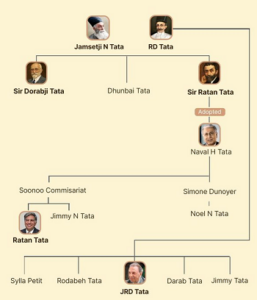
Tata was born on December 28, 1938, to Naval Tata, who was adopted by Ratanji Tata, son of Jamsetji Tata, the founder of the Tata Group. After earning a degree in architecture from Cornell University, Tata joined Tata Steel in 1961, working on the shop floor. He went on to succeed J.R.D. Tata as chairman of Tata Sons in 1991.

During his leadership, the Tata Group expanded internationally with key acquisitions, including Tetley, Jaguar Land Rover, and Corus, transforming Tata into a global conglomerate. Tata was also one of the world’s largest philanthropists, donating around 60-65% of his income to charitable causes.

In addition to his business acumen, Tata was a significant investor, backing over 30 startups, both personally and through his investment firm.

Ratan Tata’s legacy of business innovation, global expansion, and philanthropy will continue to shape India’s corporate landscape for generations to come.

N. Chandrasekaran, Chairman of Tata Sons, expressed deep sorrow, calling Tata an “uncommon leader” whose vision shaped both the Tata Group and India itself. “His legacy of excellence, integrity, and philanthropy will continue to guide us,” Chandrasekaran said.

Ratan Tata’s remarkable career spanned over five decades, during which he led Tata Sons from 1991 until his retirement in 2012. Under his leadership, the group expanded globally, with revenues surpassing $100 billion in 2011-12.

In addition to his business achievements, Tata was known for his deep commitment to philanthropy, transforming Tata Trusts into one of India’s leading charitable organizations.

Ratan Tata was awarded the Padma Vibhushan, India’s second-highest civilian honor, in 2008. He is survived by several family members.

This marks the end of an era for India’s corporate world.

Google DeepMind Scientists Among Nobel Prize Recipients For Chemistry 2024

Google DeepMind researchers Demis Hassabis and John M. Jumper, along with Professor David Baker from Washington University, have been awarded the 2024 Nobel Prize in Chemistry for groundbreaking work in protein design and structure prediction.

The Royal Swedish Academy of Sciences made the announcement on Wednesday, recognizing their contributions to solving key challenges in the field of biochemistry. One half of the prize goes to Baker “for computational protein design,” while Hassabis and Jumper share the other half “for protein structure prediction.”

Demis Hassabis, the CEO of Google DeepMind, and John M. Jumper, a senior researcher at the company, were celebrated for their development of an artificial intelligence (AI) model that cracked a 50-year-old puzzle: predicting the complex 3D structures of proteins based on their amino acid sequences. This AI model, AlphaFold2, revolutionized biology by allowing researchers to predict the structure of nearly all known proteins.

David Baker, based in the U.S., was recognized for his pioneering efforts in designing entirely new proteins. Since 2003, Baker’s research team has engineered novel proteins, which have been used in a range of applications from pharmaceuticals and vaccines to nanomaterials and biosensors.

“One of the discoveries being honored this year is about creating spectacular proteins, while the other fulfills a 50-year-old dream of predicting protein structures from amino acid sequences,” said Heiner Linke, Chair of the Nobel Committee for Chemistry. He emphasized that these advancements open up “vast possibilities” in scientific research and practical applications.

AlphaFold2, introduced by Hassabis and Jumper in 2020, is now used by millions of researchers worldwide. The AI has facilitated breakthroughs in understanding antibiotic resistance and even helped map enzymes capable of breaking down plastic. Its widespread adoption has provided insights into nearly 200 million proteins identified by researchers across the globe.

The total prize of 11 million Swedish kronor (around $1.1 million) will be split between the winners, with Baker receiving half and the remaining amount shared by Hassabis and Jumper.

These discoveries are expected to fuel future innovations in medicine, environmental science, and beyond.

Reuters/Ipsos Poll: Kamala Harris Leads Trump 46% to 43%; Tight Race Ahead for US Presidential Elections

As per the latest Reuters/Ipsos poll, Democratic Vice President Kamala Harris is leading Republican Donald Trump by a narrow margin of 46% to 43% in the 2024 U.S. presidential election, reflecting the sentiments of voters as the November 5, 2024 vote is nearing.

The poll reveals that voters consider the economy as the top issue facing the country. Within this context, the cost of living was identified as the most important economic concern, with 70% of respondents considering it a key issue while other economic issues like the job market, taxes, or improving personal finances received significantly less attention.

When it comes to addressing these economic issues, voters’ opinions diverge. Donald Trump was seen as the preferred candidate for addressing the cost of living, with 44% of respondents supporting his approach compared to 38% for Kamala Harris. However, when it comes to addressing the gap between wealthy and average Americans, Harris was favored by a margin of 42% to 35%.

The poll also touched on the contentious issue of immigration, which is currently at its highest level in America in over a century. Some 53% of voters in the poll agreed with the statement that immigrants who are in the country illegally are a danger to public safety, compared to 41% who disagreed. This shows that Trump’s claims about immigrants being prone to crime might have swayed some voters, despite these assertions being largely discredited by academics and think tanks.

State-by-State Results

In terms of trust, voters favoured Kamala Harris more than Donald Trump. The poll found that 55% of respondents agreed that Harris was mentally sharp and able to deal with challenges, compared to 46% who held the same view about Trump. This could be a significant factor in the election, as voters may prioritize a candidate’s mental sharpness when making their decision.

The poll, which had a margin of error of about 3 percentage points, also highlighted the importance of state-by-state results in determining the winner of the election. The Electoral College’s state-by-state results are crucial, with seven battleground states likely to be decisive. Polls have shown Harris and Trump are neck-and-neck in those battleground states, with many results within the margins of error.

Historically, close races like this one have been decided by a few key factors, including the candidates’ performance in debates, their ability to mobilize their base, and their success in swaying undecided voters.

In 2000, George W. Bush and Al Gore were locked in a tight race that was ultimately decided by a few hundred votes in Florida. Similarly, in 2016, Donald Trump’s victory was secured by narrow margins in key swing states. As the 2024 election approaches, both Harris and Trump will need to focus their efforts on these crucial areas if they hope to secure victory.

Indian Stocks Open 300 Points Up, Fall Slightly After RBI Policy Not To Change Interest Rates

Indian stock markets opened higher on Wednesday, with gains led by the information technology and pharmaceutical sectors as investors anticipated the Reserve Bank of India’s (RBI) monetary policy decision, expecting the central bank to hold interest rates steady.

As of 9:44 a.m. IST, the Nifty 50 index rose by 0.25% to 25,073 points, while the S&P BSE Sensex climbed 0.18% to 81,778.84. The RBI is expected to maintain key policy rates unchanged for the tenth consecutive meeting, as it continues its effort to keep inflation in check.

When the policy announcement was announced at 10:00 a.m. IST stating that the RBI’s MPC panel voted in favour of keeping the repo rate unchanged at 6.5%, the market sentiment slightly reversed but is expected to improve once the RBI Governor Shaktikanta das gives his press briefing at 12 p.m. on Wednesday.

Eleven of the 13 major sectors posted gains, with small- and mid-cap stocks climbing roughly 1%. The IT sector rose 0.7%, marking its fourth consecutive day of gains, as U.S. labor market data eased fears of a recession in India’s key export market. The pharma sector also jumped 1.3%, led by Divi’s Laboratories, which surged 5% following a “buy” rating from Citi.

Torrent Power saw a notable 8% jump after securing two significant orders from the Maharashtra State Electricity Distribution Company to build 2000 MW of energy storage capacity.


BREAKING: RBI Keeps Interest Rates Unchanged, Signals Possible December Cut

In a pivotal move, the Reserve Bank of India (RBI) has kept its benchmark interest rates unchanged at 6.5%, but shifted its policy stance to neutral, signaling a potential rate cut in December. The announcement came after a three-day monetary policy committee (MPC) meeting that concluded today.

Five out of the six members of the MPC voted to maintain the current repo rate, while all six unanimously agreed to adopt a neutral stance—marking the first such shift in two years, according to RBI Governor Shaktikanta Das. The neutral stance indicates the central bank is now equally poised to either raise or lower rates, depending on future economic conditions, with a focus on balancing inflation and growth.

This decision aligns with a Mint survey, where 9 out of 10 economists predicted no change in rates this time.

Governor Das will address the media at noon today to provide further details.

This is the first MPC meeting after three new members—Bhattacharya, Kumar, and Singh—were appointed by the government, replacing outgoing members Shashanka Bhide, Ashima Goyal, and Jayanth R. Varma.

Dozee Launches AI-Powered Remote Health Monitoring for NRIs to Care for Aging Parents

Bengaluru, Oct 8 – Dozee, a leading Indian health-tech company, has introduced a breakthrough service for non-resident Indians (NRIs) to monitor their parents’ health remotely in real-time.

The new offering, Dozee Shravan, is an AI-powered Remote Parent Monitoring (RPM) solution, designed to alleviate the concerns of NRIs who struggle to manage their elderly parents’ health from abroad. This innovative service leverages clinical-grade technology to provide continuous, contactless health monitoring and real-time alerts for early detection of potential health issues.

Dozee Shravan’s launch addresses a critical gap in healthcare for millions of NRIs. Managing the health of aging parents from overseas often involves infrequent check-ins, reliance on extended family, and limited telemedicine—systems that frequently fail during emergencies.

Furthermore, current monitoring solutions are often cumbersome, relying on wearables or manual intervention, which many elderly people find uncomfortable or difficult to maintain. The lack of continuous monitoring and real-time alerts exacerbates the problem, leading to overlooked health issues and delayed medical intervention.

“Caring for our parents is deeply rooted in Indian culture. With Dozee Shravan, NRIs can now be reassured that their parents in India are continuously monitored and cared for, allowing them more quality time and peace of mind,” said Mudit Dandwate, CEO & Co-Founder of Dozee.

The Dozee Shravan system operates on AI-powered Ballistocardiography, using advanced algorithms to track vital signs such as heart rate, respiration, non-contact blood pressure, and sleep patterns. By providing real-time alerts for any abnormalities, it allows for prompt medical attention before conditions worsen. Health data is securely shared with both families and healthcare providers in India, adhering to international standards for data privacy, including US FDA clearance.

Dozee’s technology is already trusted by over 280 hospitals across India, the USA, and Africa, where it has proven effective in reducing critical care admissions and improving patient outcomes. The introduction of Shravan marks a significant expansion into personal healthcare monitoring, offering a solution tailored specifically for NRIs managing elderly care from afar.

Key Features of Dozee Shravan:

  1. Contactless, Continuous Monitoring: Unlike traditional wearables, Dozee Shravan offers AI-based monitoring without physical devices, ensuring minimal disruption to daily life.
  2. Real-Time Alerts and Notifications: Any deviation in vital signs triggers immediate notifications to both NRIs and healthcare providers, enabling timely interventions.
  3. Integration with Healthcare Providers: Dozee collaborates with top hospitals across India, ensuring parents receive comprehensive care, from routine check-ups to emergency responses.
  4. Proactive Health Management: The system provides monthly health reports and trends, allowing families to track long-term patterns and make informed decisions.
  5. Ease of Use: Shravan’s simple, user-friendly interface is designed to be accessible for elderly users, seamlessly integrating into their daily routine.

The introduction of Shravan highlights Dozee’s commitment to transforming healthcare in India and globally. With this launch, the company aims to empower NRIs to take an active role in their parents’ health, ensuring that early warnings are captured and acted upon, reducing the risk of critical health events.

This latest innovation builds on Dozee’s proven track record in hospital settings, where its Early Warning System has been instrumental in preventing life-threatening emergencies and optimizing patient care. By bringing this technology into homes, Dozee is offering NRIs a much-needed solution to the challenge of long-distance caregiving.

The launch of Dozee Shravan not only fills a crucial gap in the healthcare system but also reinforces India’s role as a global leader in health-tech innovation. As more NRIs turn to advanced, AI-driven solutions for elder care, Shravan is poised to become a trusted tool for safeguarding the health of elderly parents across India.

Dark Side of Gig Economy: Ola, Uber, and Porter Provide Poor Working Conditions for Workers, Slams Report

Ride-hailing giants Ola and Uber, along with logistics company Porter, offer poor working conditions for gig workers, according to a report released on Tuesday.

The report by Bengaluru-based Fairwork India highlights the concerning labor standards within India’s platform economy, stressing the urgent need for improvements in the working conditions of gig workers.

The report reveals that many drivers are trapped by the promises made by platforms like Ola and Uber, facing shifting customer behavior and impersonal support systems.

Natarajan, a 44-year-old veteran driver from Chennai, likened these companies to “vittal poochi” (winged termites), which lure drivers with enticing promises but fail to deliver on them. Drawn by Ola’s offers, Natarajan became a driver for the company in 2017 but soon witnessed a decline in benefits.

“Once the companies gained our trust, they started reducing the offers and opportunities they initially provided,” Natarajan explained. “But now we’re stuck; it’s nearly impossible to step outside of Ola or Uber and start our own independent taxi services.”

He also noted that the rise of these platforms has influenced public behavior, making it difficult for drivers to operate outside their ecosystem. Features like “constant tracking and emergency support” have won the public’s trust, making these platforms seem safer than traditional cab services.

Additionally, Natarajan pointed out that automation has made it harder for drivers to raise concerns. “The automated AI responses feel detached and uncaring. They always say, ‘We will take this into consideration,’ but nothing changes.”

The report was based on interviews with 440 workers from 11 platforms in five cities. It evaluated the platforms based on five key principles: fair pay, fair conditions, fair contracts, fair management, and fair representation.

The platforms assessed included Amazon Flex, Bigbasket, BluSmart, Flipkart, Ola, Porter, Swiggy, Uber, Urban Company, Zepto, and Zomato, which offer location-based services across various sectors such as personal care, logistics, food delivery, and transportation.

Over-Confidence Runs Ola Electric Dreams Down to Gutter, Stock Prices Plummet Further

Ola Electric, once hailed as a trailblazer in India’s electric vehicle (EV) market, is now grappling with a host of challenges that threaten to derail its success. From a show-cause notice issued by the Central Consumer Protection Authority (CCPA) to a flurry of customer complaints and a sharp decline in stock prices, the company is under intense scrutiny.

On Tuesday, the company’s stock hit a record low of Rs 86 per share, a staggering 43% drop from its all-time high of Rs 157.40 just a few days prior. Though it recovered slightly, the decline is a far cry from its debut price of Rs 76, raising concerns about investor confidence in the Bhavish Aggarwal-led firm.

Ola Electric acknowledged receiving the show-cause notice from the CCPA in a stock exchange filing, stating, “The Central Consumer Protection Authority has provided a timeline of 15 days to the company to respond… We will respond within the given timeframe with supporting documents.”

The notice cited several potential violations of the Consumer Protection Act, 2019, and highlighted a litany of complaints from consumers, including manufacturing defects, unresolved issues despite servicing, partial or no refunds on cancellations, and inaccuracies in billing. Most notably, recurring battery problems have plagued Ola’s flagship electric scooters, undermining the brand’s reputation in a market already skeptical of EV reliability.

The National Consumer Helpline, managed by the Department of Consumer Affairs, has reportedly received over 10,000 complaints against Ola Electric since September 2023, signaling widespread dissatisfaction. Nidhi Khare, Secretary of the Department of Consumer Affairs, noted, “The CCPA is looking into a large number of complaints about Ola Electric, mainly related to service inefficiencies. We hope the company addresses these concerns promptly.”

Meanwhile, discontented customers have taken to social media to air their grievances. From faulty hardware to unresolved software issues, complaints about the company’s service centers and the poor quality of its e-scooters are mounting.

One frustrated user shared on X (formerly Twitter), “Even after the big announcement in service expansion, service centers are working the same. I delivered my scooter to Ola 3 weeks ago… Though it’s not properly fixed, OLA asked me to book RSA under my cost. I regret my decision to buy this scooter in 2022.” Another user criticized the design flaws, writing, “Ola scooters… are poorly engineered products. The OLA updated 2.0 platform has taken away any repairability… How is any of this GREEN?”

Ola Electric’s woes come at a critical juncture for India’s EV market. The company initially gained significant traction by positioning itself as a key player in the country’s green mobility push. Its e-scooters, which garnered attention for their sleek design and promise of high performance, were seen as a revolutionary step toward a more sustainable transportation system.

However, this momentum has been marred by quality control issues and complaints of inadequate after-sales service. The ongoing scrutiny from the CCPA and the mounting consumer dissatisfaction now threaten to overshadow the company’s potential.

Historically, rapid growth in the tech or EV space often brings operational challenges, particularly in emerging markets like India. Ola Electric’s struggles echo those of other global EV giants, including Tesla, which faced significant criticism early on for quality issues and delays in servicing. The difference lies in how companies respond to such setbacks. While Tesla was able to eventually overcome these challenges, it remains to be seen if Ola Electric can similarly recalibrate and rebuild consumer trust.

For now, the company is at a crossroads. With the stock price sliding, regulatory pressure mounting, and consumer confidence waning, Ola Electric faces an uphill battle to regain its footing in the competitive EV space. The coming weeks will be crucial in determining whether the company can address these challenges or if it risks skidding further off the road.