Any Covid-19 vaccine? All nations and the entire world humanity was eagerly awaiting the precious announcement from at least one top nation that its scientists have successfully completed clinical trials of Covid-19 vaccine.
When expectations were running high that it would be China, where the novel coronavirus had its origin in the city of Wuhan, unexpectedly Russia has announced first to the world that its clinical trials are completed successfully and the vaccine is ready for production.
The Sechenov First Moscow State Medical University is the one which has claimed that it has successfully completed the trails their vaccine has all the “safety of those vaccines that are currently in the market.”
Announcing the news, Vadim Tarasov, the director of the Institute for Translational Medicine and Biotechnology of the Unviersity said the clinical trials have been conducted on volunteers, reports Russian news agency Sputnik, adding that the first group of volunteers would be discharged on 15 July and the second on 20 July.
Russian vaccine
The vaccine was produced by Russia’s Gamalei Institute of Epidemiology and Microbiology on June 18. “Sechenov University has successfully completed tests on volunteers of the world’s first vaccine against coronavirus,” Tarasov said.
“The safety of the vaccine is confirmed. It corresponds to the safety of those vaccines that are currently on the market,” said another scientist Alexander Lukashev, director of the Institute of Medical Parasitology, Tropical and Vector-Borne Diseases at Sechenov University.
“Sechenov University in a pandemic situation acted not only as an educational institution but also as a scientific and technological research center that is able to participate in the creation of such important and complex products as drugs,” Tarasov said.
Elsewhere, Gilead Sciences, Oxford University’s researchers and American biotech company Moderna are at the forefront of developing a Covid-19 vaccine, while a Canadian and Chinese joint project is equally pushing the date for completion of clinical trials. BioNTech SE and Pfizer Inc’s Covid-19 vaccine candidate is expected to be ready by the end of 2020.
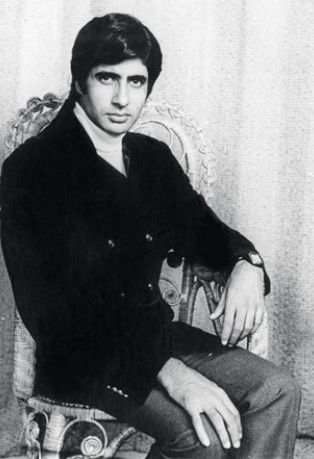
Bollywood’s top actor Amitabh Bachchan said he was infected with the coronavirus and rushed to Nanavati Hospital in Mumbai. Initial reports said the symptoms are not severe and the members of his family are also undergoing tests, with results pending.
In a tweet, Amitabh Bachchan said,”I have tested CoviD positive .. shifted to Hospital .. hospital informing authorities .. family and staff undergone tests , results awaited .. All that have been in close proximity to me in the last 10 days are requested to please get themselves tested ! ”
T 3590 -I have tested CoviD positive .. shifted to Hospital .. hospital informing authorities .. family and staff undergone tests , results awaited ..
All that have been in close proximity to me in the last 10 days are requested to please get themselves tested !
More details are awaited and doctors are still conducting tests on him in the hospital. The most beloved actor of Indian Bollywood did not hesitate to warn all those who came in close proximity to him to go for coronavirus test. “All that have been in close proximity to me in the last 10 days are requested to please get themselves tested,” he advised.
Amitabh Bachchan
The social media has gone into frenzy within minutes after the megastar tweeted his positive results. Many users have begun searching for his condition and Google Search has hit the roof with the search. While many people started wishing him a speedy recovery, the entire Bollywood swamped the Twitter platform to send him good wishes for his recovery. It remains to be seen whether any of his family members are also infected.
Ever since the coronavirus started in India, Amitabh Bachchan has been appearing continuously on TV for the last four months actively spreading awareness about corona and advising people to take extreme precautions.
A new approach focusing on a critical stage in the life cycle of one of the most common malaria parasites was developed by scientists at Kyoto University’s Institute for Integrated Cell-Material Sciences (iCeMS) in Japan, in collaboration with India and Swiss scientists.
“The Plasmodium vivax malaria parasite can stay dormant in a person’s liver cells up to years following infection, leading to clinical relapses once the parasite is reactivated,” says Kouichi Hasegawa, an iCeMS stem cell biologist and one of the study’s corresponding authors of the paper published in the Malaria Journal.
P. vivax is responsible for around 7.5 million malaria cases, half of which are in India. Currently, there is only one licensed drug to treat the liver stage of the parasite’s life cycle, but with many side effects and cannot be used in pregnant women and infants. The liver stage is also difficult to study in the lab.
Study liver infection
Hasegawa and his colleagues in Japan, India and Switzerland developed a successful system for breeding mature malaria parasites, culturing human liver cells, and infecting the cells with P. vivax. While it doesn’t solve the high infection rate problem, still it provides new insight into the parasite’s liver stage.
“Our study provides a proof-of-concept for detecting P. vivax infection in liver cells and provides the first characterization of this infectious stage that we know of in an endemic region in India, home to the highest burden of vivax malaria worldwide,” says Hasegawa.
The researchers bred Anopheles stephensi mosquitos in India. Female mosquitos were fed with blood specifically from Indian patients with P. vivax infection and two weeks later, mature sporozoites, the infective stage of the malaria parasite, were extracted from the mosquitos’ salivary glands and added to liver cells cultured in a petri dish.
The scientists tested different types of cultured liver cells to try to find cells that would be infected by lots of parasites like in the human body. Researchers have already tried using cells taken liver biopsies and of various liver cancer cell lines. So far, none have led to large infections.
Resistance in liver cells
Hasegawa and his colleagues tried using three types of stem cells that were turned into liver cells in the lab. Notably, they took blood cells from malaria-infected patients, coaxed them into pluripotent stem cells, and then guided those to become liver cells. The researchers wondered if these cells would be genetically more susceptible to malaria infection. However, the cells were only mildly infected when exposed to the parasite sporozoites.
A low infection rate means the liver cells cannot be used for testing many different anti-malaria compounds at once. But the researchers found the cells could test if a specific anti-malaria compound would work for a specific patient’s infection. This could improve individualized treatment for patients.
The scientists were also able to study one of the many aspects of parasite liver infection. They observed the malaria protein UIS4 interacting with the human protein LC3, which protected the parasite from destruction. This demonstrates their approach can be used to further investigate this important stage in the P. vivax life cycle.
Staring at a deep red light for three minutes a day can significantly improve declining eyesight, finds a new study, which may bring immense potential to bring about new affordable home-based eye care technique or therapy, helping millions of people globally with naturally declining vision as they age.
The first of its kind in humans study by scientists at the UCL Institute of Ophthalmology was published in the Journals of Gerontology. Once over 40, the retinal sensitivity and colour vision gradually decline and with an ageing population, this is an increasingly important issue. The new method can reverse this decline, by rebooting the retina’s ageing cells with short bursts of longwave light.
In humans around 40 years-old, cells in the eye’s retina begin to age caused, in part, when the cell’s mitochondria, whose role is to produce energy (known as ATP) and boost cell function, also start to decline. In the UK there are currently around 12 million people aged over 65 and in 50 years this is estimated to increase to around 20 million.
Retina Decline Reversible
Mitochondrial density is greatest in the retina’s photoreceptor cells, which require high energy and thus, the retina ages faster than other organs, with a 70% ATP reduction over life, causing a significant decline in photoreceptor function. Researchers built on their previous findings in mice, bumblebees and fruit flies, when their eyes were exposed to 670 nanometre (long wavelength) deep red light.
Red light vision therapy (UCL)
“Mitochondria have specific light absorbance characteristics influencing their performance: longer wavelengths spanning 650 to 1000nm are absorbed and improve mitochondrial performance to increase energy production,” said Professor Glen Jeffery, lead author and scientist at UCL Insitutute of Ophthalmology. The retina’s photoreceptor population is formed of cones, which mediate colour vision and rods, which provide peripheral vision and adapt vision in low or dim light.
For the study, 24 people (12 male, 12 female), aged between 28 and 72, who had no ocular disease, were recruited. All participants’ eyes were tested for the sensitivity of their rods and cones at the start of the study. Rod sensitivity was measured in dark adapted eyes (with pupils dilated) by asking participants to detect dim light signals in the dark, and cone function was tested by subjects identifying coloured letters that had very low contrast and appeared increasingly blurred, a process called colour contrast.
All participants were then given a small LED torch to take home and were asked to look into* its deep red 670nm light beam for three minutes a day for two weeks. They were then re-tested for their rod and cone sensitivity
Study Results
Researchers found the 670nm light had no impact in younger individuals, but in those around 40 years and over, cone colour contrast sensitivity (the ability to detect colours) improved by up to 20% in some people aged around 40 and over. Improvements were more significant in the blue part of the colour spectrum that is more vulnerable in ageing. Rod sensitivity also improved significantly in them though less than colour contrast.
Professor Jeffery said: “Our study shows that it is possible to significantly improve vision that has declined in aged individuals using simple brief exposures to light wavelengths that recharge the energy system that has declined in the retina cells, rather like re-charging a battery. The technology is simple and very safe, using a deep red light of a specific wavelength, that is absorbed by mitochondria in the retina that supply energy for cellular function.
The team is planning to make devices costing about £12 to make, so the technology is highly accessible to the public.
A new study by researchers at Kyushu University’s International Institute for Carbon-Neutral Energy Research, Fukuoka in Japan after comparing findings of Mars Insight lander after comparing with our own planet Earth, found Mars might seem like a “dead” planet, but even there, the wind blows and the ground moves.
Similar to earthquakes, the ambient seismic noise rippling mainly due to ocean activity to peek underground at the structure of the Earth’s interior. Can we do the same on Mars without ocean? The Japanese researchers’ study, published in Geophysical Research Letters, is based on data collected by NASA’s InSight (Interior Exploration using Seismic Investigations, Geodesy and Heat Transport) Martian lander, which landed on Mars on November 26, 2018.
This is ambient noise on the Mars CREDIT: Takeshi Tsuji, I2CNER, Kyushu University
The InSight lander placed a seismometer on the surface of Mars and its readings collected between February and June 2019 revealed the existence of several hundred marsquakes, most of them much weaker than the quakes typically felt on Earth, although some reached a maximum magnitude of 4.
The data from these “microtremors” helped to determine the directions of propagation and directional intensity. Study co-author Tatsunori Ikeda said, “Our polarization analysis revealed that seismic waves of different frequencies and types showed different patterns of variation over the course of the Martian day. The temporal variations in low-frequency P-waves were related to distant changes in wind and solar irradiation, and the low-frequency Rayleigh waves were related to the wind direction in the region near the lander.”
This artist’s concept depicts NASA’s InSight lander after it has deployed its instruments on the Martian surface (NASA)
Higher-frequency ambient noises were, of course, made by vibration of the lander itself and hence, these microtremors of different types and frequencies likely have different sources, and some are probably influenced by geological structures, noted the scientists.
Mars Interior
These differences between the dominant sources of Martian microtremors may help in efforts to identify geological structures in Mars’s interior, as we inferred the lithological boundary beneath the seismometer from high frequency ambient noise.
A single seismometer is not yet enough to reconstruct images of the planet’s interior as usually done on Earth from data networks of multiple seismometers. But this analysis of the InSight lander’s seismic data is a key step toward achieving that goal on Mars, said scientists of the study.
The study’s senior author Takeshi Tsuji said:”These results demonstrate the feasibility of ambient noise methods on Mars. Future seismic network projects will enable us to model and monitor the planet’s interior geological structure, and may even contribute to resource exploration on Mars, such as for buried ice.”
Researchers report that the Asian tiger mosquito, Aedes albopictus, has become more abundant across Illinois in the last three decades, spreading diseases such as chikungunya or dengue fever, largely confined to Asian warm climate, especially the forests of southeast Asia.
Ever since it found its way to Texas around 1985, it has quickly spread to Illinois, despite its harsh winters, said researchers. “The global trade in used tires facilitates the spread of the mosquito,” said Chris Stone, a medical the entomologist at the Illinois Natural History Survey and the lead author of the new study. “The eggs get stuck to the walls of the tires and can survive even in dry conditions. Tires are also great at retaining rainwater, which is perfect for the larvae to develop in.”
Stone and his colleagues studied how the mosquitoes were able to spread across Illinois, given how cold the state’s winters can be. In their paper published in the Journal of Medical Entomology, they said the spread of the Asian tiger mosquito in Illinois also is a result of repeated introductions from neighboring counties.
Genetic info to track spread
Rebecca Smith, a professor of pathobiology at the University of Illinois at Urbana-Champaign who led the research with Stone said, “Winters are fairly warm in cities like Chicago because of all the roads and concrete. There are a lot of places like sewers and subways where these mosquitoes can live in the winter.”
The researchers used genetic information to track the spread of the mosquitoes, focusing on mitochondrial DNA, which is abundant in cells. Comparing mitochondrial DNA sequences is an established method for studying the spread of mosquitoes globally.
“We found that there is a surprising diversity of Aedes albopictus in Illinois,” Stone said. “Some were from the Texas population, but a few had previously been found only in Japan. This observation supports the idea that we see multiple introductions of these mosquitoes from different places.”
Asian tiger mosquitoes are good at outcompeting other mosquitoes, which can have both beneficial and harmful effects. Some studies from Florida and Texas where Aedes albopictus has displaced Aedes aegypti, a closely related mosquito known as the yellow fever mosquito that can transmit dengue and yellow fever, prompted the team to focus on the implications of the establishment of the Asian tiger mosquito in Illinois on other mosquito species.
According to the controversial Bergmann’s Rule, species tend to be larger in cold climates and smaller in warm ones, which may shrink mice for an instance over a period of time, while humans facing the same prospect is not ruled out.
A new study tested this and published a paper in Scientific Reports, after analyzing 70 years of records of the North American deer mouse, Peromyscus maniculatus, arguably the most common and best-documented mammal in the U.S.
Unexpectedly, researchers found deer mice are generally decreasing in mass over time, but this trend may not be linked to changes in climate, say the scientists but they are surprised to find larger-bodied deer mouse populations getting smaller and smaller-bodied populations are getting larger.
No climate impact
“The most exciting aspect of this study was one that still remains mysterious – deer mice appear to be getting smaller over time, but it doesn’t seem to directly relate to climatic drivers or urbanization,” said co-author Robert Guralnick, curator of bioinformatics at the Florida Museum of Natural History. “Is this generally true for mammals?”
Body size is an important physical characteristic in warm-blooded animals because it helps maintain the right body temperature and for metabolism and heat transfer. “Even in a small mammal like this, a minor change in body mass could have really important consequences for optimizing those energy balances,” said study co-author Bryan McLean, assistant professor at the University of North Carolina Greensboro and a former postdoctoral researcher at the Florida Museum.
Larger-bodied animals have less body surface – which releases heat – relative to the volume of their bodies, so they may cope with the cold better than their smaller-bodied kin, says the thermodynamic foundation of Bergmann’s Rule. Because body size affects thermoregulation, changes in body size could influence animals’ resilience to climate change.
Sources of study
To examine changes in the deer mouse’s body size in relation to space, time, climate and human population density, Guralnick and his collaborators compiled body length and mass measurements taken by thousands of researchers across the U.S. over seven decades.
Their findings show that deer mice in colder climates tend to be longer and have bigger body mass, consistent with Bergmann’s Rule. As temperature changed over a period, deer mice body mass decreased, which also aligned with the researchers’ hypothesis. As precipitation increased, however, researchers expected an increase in mouse body but they found body mass also decreased.
According to Bergmann’s Rule, mice should be smaller in urban areas to beat the heat but due to huge food and garbage available in cities, mice could grow larger. The data showed that in urban areas, deer mice populations tended to retain the same body mass, but grow shorter in length.
When the team decoupled mouse mass from all of these factors, they still noted a general decrease in mass, hinting that climate and urbanization influence body size in a more complicated way than previously thought.
“Preliminarily, this is very intriguing, but we still don’t know what drives this decrease in mass,” Guralnick said. The team will now turn its attention to analyzing body size across all mammals, he said.
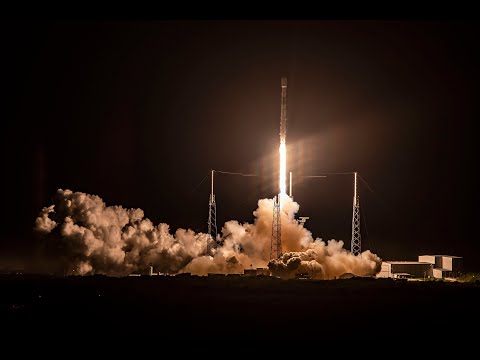
On Wednesday, June 3 at 9:25 p.m. EDT, SpaceX launched its eighth Starlink mission aboard Falcon 9, which lifted off from Space Launch Complex 40 (SLC-40) at Cape Canaveral Air Force Station, just days after SpaceX and NASA made history amid coronavirus pandemic last weekend, launching two astronauts into space on board a Falcon 9 rocket to join the International Space Station (ISS).
Astronauts Robert Behnken and Douglas Hurley were launched into space on board a SpaceX Falcon 9 rocket, marking the first time humans have been launched from the US since 2011.
Falcon 9’s first stage previously supported the Telstar 18 VANTAGE mission in September 2018, the Iridium-8 mission in January 2019, and two separate Starlink missions in May 2019 and in January 2020. Following stage separation, SpaceX landed Falcon 9’s first stage on the “Just Read the Instructions” droneship, which was stationed in the Atlantic Ocean.
On this mission, SpaceX launched the first Starlink satellite with a deployable visor to block sunlight from hitting the brightest spots of the spacecraft. NASA’s Kennedy Space Centre said: “The goal of Starlink is to create a network that will help provide internet services to those who are not yet connected, and to provide reliable and affordable internet across the globe.”
Starlink Satellite
Explaining the Starlink satellite design, SpaceX said on its website that it was driven by the fact that they fly at a very low altitude compared to other commmunication satellites. “We do this to prioritize space traffic safety and to minimize the latency of the signal between the satellite and the users who are getting internet service from it. Because of the low altitude, drag is a major factor in the design.”
During orbit raise, the satellites must minimize their cross-sectional area relative to the wind, otherwise drag will cause them to fall out of orbit. High drag is a double-edged sword—it means that flying the satellites is tricky, but it also means that any satellites that are experiencing problems will de-orbit quickly and safely burn up in the atmosphere. This reduces the amount of orbital debris or “space junk” in orbit.
This low-drag and thrusting flight configuration resembles an open book, where the solar array is laid out flat in front of the vehicle. When Starlink satellites are orbit raising, they roll to a limited extent about the velocity vector for power generation, always keeping the cross sectional area minimized while keeping the antennas facing Earth enough to stay in contact with the ground stations, said SpaceX.
Shark-Fin orientation
When the satellites reach their operational orbit of 550 km, drag is still a factor—so any inoperable satellite will quickly decay—but the altitude control system is able to overcome this drag with the solar array raised above the satellite in a vertical orientation that we call “shark-fin.” This is the orientation in which the satellite spends the majority of its operational life.
A recent study, published in arXiv, researchers led by Stefano Gallozzi, wrote: “Depending on their altitude and surface reflectivity, their contribution to the sky brightness is not negligible for professional ground based observations. With the huge amount of about 50,000 new artificial satellites for telecommunications planned to be launched in Medium and Low Earth Orbit, the mean density of artificial objects will be of >1 satellite for square sky degree; this will inevitably harm professional astronomical images.”
Using the science of convolutional neural networks (CNNs) with deep learning – a discipline within artificial intelligence, Italian researchers have developed a system of market forecasting with the potential for greater gains and fewer losses than previous attempts to use AI methods to manage stock portfolios.
The team, led by Prof. Silvio Barra t the University of Cagliari, published its findings in IEEE/CAA Journal of Automatica Sinica. The University of Cagliari-based team set out to create an AI-managed “buy and hold” (B&H) strategy – a system of deciding whether to take one of three possible actions – a long action (buying a stock and selling it before the market closes), a short action (selling a stock, then buying it back before the market closes), and a hold (deciding not to invest in a stock that day).
At the heart of their proposed system is an automated cycle of analyzing layered images generated from current and past market data unlike the older B&H systems, based on machine learning, a discipline that leans heavily on predictions based on past performance.
Just like seasoned investor
By letting their proposed network analyze current data layered over past data, they are able to take market forecasting a step further, allowing for a type of learning that more closely mirrors the intuition of a seasoned investor rather than a robot. Their proposed network can adjust its buy/sell thresholds based on what is happening both in real time and the past. Taking into account present-day factors increases the yield over both random guessing and trading algorithms not capable of real-time learning, they said.
To train their CNN for the experiment, the research team used S&P 500 data from 2009 to 2016. The S&P 500 is widely regarded as a litmus test for the health of the overall global market.
At first, their proposed trading system predicted the market with about 50 percent accuracy, or about accurate enough to break even in a real-world situation. They discovered that short-term outliers, which unexpectedly over- or underperformed, generating a factor they called “randomness.” Realizing this, they added threshold controls, which ended up greatly stabilizing their method.
“The mitigation of randomness yields two simple, but significant consequences,” Prof. Barra said. “When we lose, we tend to lose very little, and when we win, we tend to win considerably.” Howwever, further enhancements will be needed, said Prof. Barra, as other methods of automated trading already in use make markets more and more difficult to predict.
Indian-American parents have the highest percentage of sleeping with their babies among ethnic groups in New Jersey but the lowest rate of sudden unexpected infant death (SUID), found a study recently.
Researchers from the Rutgers Biomedical and Health Sciences attributed this paradoxical finding to a variety of compensatory factors, including Indian-Americans’ practice of placing their infants on their backs to sleep. The study was published in the journal New Jersey Pediatrics.
“Conditions that substantially increase the risk of SUID while bed-sharing include smoking, alcohol use and maternal fatigue,” said lead author Barbara Ostfeld, a professor of pediatrics at Rutgers Robert Wood Johnson Medical School. “Indian-Americans smoke and use alcohol less than other populations. In addition, grandparents tend to be very active in childcare, which reduces maternal fatigue. Apart from bed-sharing, poverty also increases the risk of SUID, and Indian-Americans have higher incomes.”
The American Academy of Pediatrics considers bed-sharing to be a high risk factor in SUID, which includes sudden infant death syndrome, accidental suffocation and strangulation in bed, and ill-defined and unknown causes in children under one year old.
“There is strong clinical information on the risks associated with bed-sharing,” Ostfeld said. “Our intent was to discover more about this little-researched demographic breakdown, so we can better understand the risk factors for SUID in all groups and create culturally sensitive health messaging.”
The researchers looked at the mortality rates of 83,000 New Jersey-born infants of Asian-Indian heritage over a 15-year period and safe sleep practices in a sampling of this population. Results showed that 97 percent of the surveyed American-born mothers of Asian-Indian heritage reported using a crib, compared to 69 percent of those who were foreign-born.
Although infants of the foreign-born mothers now residing in the United States had a higher SUID rate compared to infants of U.S.-born mothers of Asian-Indian heritage, for whom no SUID was recorded, the rate was still lower than that of other populations: From 2000 to 2015, infants of foreign-born mothers of Asian-Indian heritage had a SUID rate of 0.14 deaths per 1,000 live births, compared to 0.4 in white, 0.5 in Hispanic and 1.6 in black populations.
“Our study shows that improved compliance with American Academy of Pediatrics guidelines on supine sleep and avoiding bed-sharing is associated with a lower rate of SUID even in already low-risk groups,” said Ostfeld. “Larger studies are needed to better understand the complex variables that affect risk in sharing a bed with an infant.”
Experts from Regenstrief Institute, Mayo Clinic and the Pew Charitable Trusts have suggested that matching patient records from disparate sources has become crucial to stem the tide of the current coronavirus pandemic and allow for fast action for future outbreaks of highly contagious viruses.
In a peer-reviewed commentary published in npj Digital Medicine, the team of experts said rapid identification of COVID-19 infected and at-risk individuals and the success of future large-scale vaccination efforts in the United States will depend on how effectively an individual’s electronic health data is securely preserved and shared among healthcare providers, including hospitals and pharmacies, and other systems used to track the illness and immunization.
For data sharing to be effective, electronic health records (EHRs) — both those held within a single facility and those in different healthcare organizations — must correctly refer to a specific individual.
Some of the specimen queries are:
Is Billy Jones known at a different doctor’s office as William Jones and are all his health records linked? To which Maria Garcia do lab test results belong?
Which John Smith was referred to during contact tracing?
The commentary note said patient matching rates vary widely, with healthcare facilities failing to link records for the same patient as often as half the time. Authors — Shaun Grannis, vice president for data and analytics at Regenstrief Institute and Regenstrief Professor of Medical Informatics at Indiana University School of Medicine, John D. Halamka, president of Mayo Clinic Platform and Ben Moscovitch, director of the Pew Charitable Trusts’ health information technology initiative — call for stakeholders to urgently address the patient matching conundrum. Otherwise, efforts to curtail the current pandemic and future ones will be ill-advisedly delayed, they cautioned.
“The sharing of more data and use of standards — reflect near-term opportunities that government and health care organizations can implement to respond to the current pandemic and prepare for future ones. In the longer term, there may be other opportunities — such as use of biometrics, unique identifiers, or multi-factor authentication — that could further enhance patient identification and matching, including for routine care,” they said in their note.
However, those options and the associated standards that underlie their success are worthwhile to examine, but cannot be designed, deployed, and implemented in a near-term manner that could help mitigate the effects of this pandemic, said the authors.
The next phase of Operation “Samudra Setu” to repatriate Indian citizens from overseas will commence from Monday, June 1, 2020, said Indian Navy. In this phase, Indian Navy Ship Jalashwa will repatriate 700 personnel from Colombo, Sri Lanka to Tuticorin, Tamil Nadu and subsequently repatriate another 700 personnel from Malè, Maldives to Tuticorin.
Indian Navy has already repatriated 1,488 Indian nationals from Malè to Kochi during the previous phase of operations from May 8, 2020 as part of Phase-1. The ships have been suitably provisioned for the evacuation operation. The evacuated personnel would be provided the basic amenities and medical facilities during the sea-passage.
Indian Naval Ship Jalashwa brought 588 Indian citizens, including six expectant mothers and 21 children on 15 May from Maldives as part of Operation Samudra Setu, braving rain and winds gusting at 30-40 knots at Male. The ship staff ensured completion of all formalities for the manifested passengers while observing safety and medical protocols, though the inclement weather hampered the embarkation process requiring various pre-embarkation activities to be done onboard the ship itself.
Indian Missions in Sri Lanka and Maldives are preparing a list of Indian nationals to be evacuated and will facilitate their embarkation after requisite medical screening. COVID-related social distancing norms have been catered onboard and evacuees would be provided basic amenities and medical facilities during the sea-passage.
After disembarkation at Tuticorin, the evacuated personnel will be entrusted to the care of State authorities. This operation is being progressed in close coordination with Ministries of External Affairs, Home Affairs, Health and various other agencies of the Government of India and State governments.
Earlier, Indian Prime Minister spoke to Sri Lankan PM Mahinda Rajapaksa on the occasion of completing 50 years since his first entering Parliament. The leaders discussed the health and economic impact of the prevailing COVID-19 pandemic and the measures being taken in the two countries to counter them. PM Modi assured his counterpart that India stands ready to extend all possible support to Sri Lanka during this challenging time.
No more hand shakes or fist bumps if you are returning to your office. Temperature and symptom checks, plastic desk shields, and face coverings worn at all times — are some of the urgent recommendations from the US Centers for Disease Control and Prevention (CDC) for those who are gearing up to return to offices despite the pandemic.
“Replace high-touch communal items, such as coffee pots, water coolers, and bulk snacks, with alternatives such as prepackaged, single-serving items,” says one of the guidelines issued by the CDC.
Workers in office buildings may be at risk for exposure to the coronavirus. Office building employers, building owners and managers, and building operations specialists can take “steps to create a safe and healthy workplace and protect workers and clients,” said the CDC on its website.
Applicable anywhere in the world, including India once the lockdown is lifted next week, here’s the list:
CDC Guidelines to Office Goers
Replace high-touch communal items, such as coffee pots, water coolers, and bulk snacks
Upon arriving at work, employees should get a temperature and symptom check.
Inside the office, desks should be six feet apart or partition with plastic shields be erected.
Seating should be barred in common areas.
Face coverings should be worn at all times.
Regular hand washing of at least 20 seconds; no fist bumps or handshakes; no face touching.
Limit use and occupancy of elevators to maintain social distancing of at least 6 feet.
Repeat disinfecting of surfaces, cleansing out the ventilation system, opening windows and allow ventilation.
Display posters in offices recommending best practices.
The guidelines would lead to a far-reaching remaking of the corporate work experience and those who are returning to work are urged to drive to work by themselves, instead of taking public transportation or car-pooling, to avoid potential exposure to the virus.
The CDC has finally advised companies to allow white-collar employees at all levels to continue work from home, which has proved effective in the last few months.
American pharmaceutical giant Pfizer has announced that its ongoing development of a COVID-19 vaccine could be ready in five months period by October end. Pfizer is working on the vaccine project in collaboration with German firm Biontech.
Pfizer and its vaccine development German partner BioNTech announced on Friday, May 29, that the first participants have been given the doses in the US in the Phase 1/2 clinical trial for the BNT162 vaccine program to prevent COVID-19. “If things go well, and the stars are aligned, we will have enough evidence of safety and efficacy so that we can have a vaccine around the end of October,” said Pfizer CEO Albert Bourla.
The trial is part of the dosing of the first cohort in Germany that was completed last week. The Phase 1/2 study is designed to determine the safety, immunogenicity and optimal dose level of four mRNA vaccine candidates under study. The dose level escalation portion (Stage 1) of the Phase 1/2 trial in the U.S. will enroll up to 360 healthy subjects into two age cohorts (18-55 and 65-85 years of age). The first subjects immunized in Stage 1 of the study will be healthy adults 18-55 years of age, said the company.
Older adults will be immunized with a given dose level once testing and dose level in younger adults has provided initial evidence of safety and immunogenicity. Currently,the participants are being given these doses at NYU Grossman School of Medicine and the University of Maryland School of Medicine, with the University of Rochester Medical Center/Rochester Regional Health and Cincinnati Children’s Hospital Medical Center.
“The short, less than four-month timeframe in which we’ve been able to move from pre-clinical studies to human testing is extraordinary and further demonstrates our commitment to dedicating our best-in-class resources, from the lab to manufacturing and beyond, in the battle against COVID-19,” said Albert Bourla, Chairman and CEO, Pfizer.
Pfizer and BioNTech’s Vaccine Program
Pfizer and BioNTech’s development program includes four vaccine candidates, each representing a different combination of mRNA format and target antigen. The ongoing trial allows for the evaluation of the various mRNA candidates simultaneously in order to identify the safest and potentially most efficacious candidate in a greater number of volunteers.
“It is encouraging that we have been able to leverage more than a decade of experience in developing our mRNA platforms to initiate a global clinical trial in multiple regions for our vaccine program in such a short period. We are optimistic that advancing multiple vaccine candidates into human trials will allow us to identify the safest, most effective vaccination options against COVID-19,” said CEO and Co-founder of BioNTech, Ugur Sahin, whose firm will provide the vaccine from its GMP-certified mRNA manufacturing facilities in Europe.
Once this stage is successfully accomplished, both Pfizer and BioNTech plan to rapidly increase production of millions of vaccine doses in 2020, increasing to hundreds of millions in 2021. BioNTech and Pfizer will work supply the vaccine worldwide once regulators allow except China, where BioNTech has a collaboration with Fosun Pharma for BNT162 for both clinical development and commercialization.
Pfizer-owned sites in three U.S. states (Massachusetts, Michigan and Missouri) and Puurs, Belgium are being pressed into manufacturing COVID-19 vaccine production, with more sites to be selected once the vaccine rolls out. Through its existing mRNA production sites in Mainz and Idar-Oberstein, Germany, BioNTech plans to ramp up its production capacity.
When US President Donald Trump tweeted a letter to WHO Director-General Tedros Adhanom Ghebreyesus last week threatening to make permanent the US freeze on WHO funding that began in April, unless the organization “can actually demonstrate independence from China” within 30 days, it has heralded another onslaught on fighting the coronavirus pandemic.
If President Trump sidelines the World Health Organization, experts foresee incoherence, inefficiency and resurgence of deadly diseases. The fissure between the United States and the World Health Organization has unveiled further the repercussions which could range from a resurgence of polio and malaria to barriers in the flow of information on COVID-19.
On the flip side, scientific partnerships around the world would be damaged, and the United States could lose influence over global health initiatives, including those to distribute drugs and vaccines for the new coronavirus as they become available, according to health experts.
“I don’t think this is an idle threat,” says Kelley Lee, a global health-policy researcher at Simon Fraser University in Burnaby, Canada. The acrimony is poorly timed when the need of the hour is for international coordination and cooperation to contain with the coronavirus. “In this pandemic, people have said we’re building the plane while flying,” Katz says. “This proposal is like removing the windows while the plane is mid-air,” said Rebeca Katz, director of the Center for Global Health at Georgetown University in Washington DC.
Trump’s Allegations
Trump’s letter, which he tweeted on 18 May, reiterated his earlier allegations that the WHO intentionally ignored reports that COVID-19 was spreading between people in Wuhan, China, in December itself. “I cannot allow American taxpayer dollars to continue to finance an organization that, in its present state, is so clearly not serving America’s interests,” he wrote.
A few of Trump’s claims such that the medical journal The Lancet had published on the new coronavirus in December was debunked the next day when the journal issued a statement calling the claim factually incorrect because their first reports on COVID-19 were published on 24 January.
This is the letter sent to Dr. Tedros of the World Health Organization. It is self-explanatory! pic.twitter.com/pF2kzPUpDv
Tedros has reiterated his commitment to an independent evaluation of the WHO’s response to COVID-19, and an assessment of the organization’s operations in the first part of 2020 that has already been made public. But when reporters asked Tedros, he said, “Right now, the most important thing is fighting the fire, saving lives.”
Last year, the US government gave the WHO roughly US$450 million. Nearly 75% of that was voluntary, and the other quarter was mandatory — a sort of membership fee expected from the 194 member countries, adjusted by the size of their economies and populations. The United States is the biggest donor, representing about 15% of the WHO budget.
So far this year, it has paid about one-quarter — $34 million — of its membership dues, according to a WHO spokesperson. Voluntary funds are more complicated because a large portion were paid last year, however the spokesperson says that the freeze has put a hold on new agreements, meaning that the full-blown effects of the decision will be felt in 2021.
The US government provides 27% of the WHO’s budget for polio eradication; 19% of its budget for tackling tuberculosis, HIV, malaria and vaccine-preventable diseases such as measles; and 23% of its budget for emergency health operations. David Heymann, an epidemiologist at the London School of Hygiene and Tropical Medicine, says this will also amount to resurge of polio.
The WHO will survive a US funding freeze in the next few months as other donors will help to compensate for the financial gap during the pandemic. Already, Chinese President Xi Jinping pledged $2 billion to the coronavirus response.
Even the United States would lose its influence on what the agency does and eventually lose its voting rights. Currently, only three countries — South Sudan, Venezuela and the Central African Republic — are in this category.
With that loss, the United States will relinquish its ability to shape health agendas around the world, says Lee. Ironically, that is exactly what the Trump administration is complaining about. “If the US pulls out and leaves a vacuum, it will be filled by other countries, like China,” she says. “You’ll see a self-fulfilling prophecy.”
Astronomers have detected much of the Universe’s ordinary matter, which had long been missing from accounts of its total mass. Not ‘dark matter’ — the mysterious, invisible stuff that makes up the majority of the Universe’s contents. This is normal matter, but it’s spread so sparsely across intergalactic space that more than three-quarters of it is almost undetectable.
Using an array of 36 radio telescopes in remote Western Australia, researchers analysed the light from 6 fast radio bursts (FRBs), unusually energetic events that last just milliseconds and originate in other galaxies. The spectrum was sensitive enough to reveal the exceedingly thin matter that the FRBs met in their travels. “The missing matter was equivalent to only one or two atoms in a room the size of an average office,” says radio astronomer Jean-Pierre Macquart.
More than three-quarters of the baryonic content of the Universe resides in a highly diffuse state that is difficult to detect, with only a small fraction directly observed in galaxies and galaxy clusters. Censuses of the nearby Universe have used absorption line spectroscopy to observe the ‘invisible’ baryons, but these measurements rely on large and uncertain corrections and are insensitive to most of the Universe’s volume and probably most of its mass.
Universe’s invisible baryons
In particular, quasar spectroscopy is sensitive either to the very small amounts of hydrogen that exist in the atomic state, or to highly ionized and enriched gas in denser regions near galaxies. Other techniques to observe these invisible baryons also have limitations — Sunyaev–Zel’dovich analyses can provide evidence from gas within filamentary structures, and studies of X-ray emission are most sensitive to gas near galaxy clusters.
The scientists said a measurement of the baryon content of the Universe using the dispersion of a sample of localized fast radio bursts; this technique determines the electron column density along each line of sight and accounts for every ionized baryon.
“We augment the sample of reported arcsecond-localized fast radio bursts with four new localizations in host galaxies that have measured redshifts of 0.291, 0.118, 0.378 and 0.522. This completes a sample sufficiently large to account for dispersion variations along the lines of sight and in the host-galaxy environments, and we derive a cosmic baryon density of Ωb=0.051+0.021−0.025h−170 (95 per cent confidence; h70 = H0/(70 km s−1 Mpc−1) and H0 is Hubble’s constant,” wrote scientists in their paper published in Nature.
This independent measurement is consistent with values derived from the cosmic microwave background and from Big Bang nucleosynthesis, they wrote in their abstract.
A new study said one in three women in Europe who inherited genes from the ancient homosapiens — Neanderthals — tend to give birth to more children as they produce more progesterone receptors in their cells, which may lead to increased sensitivity to progesterone and protection against early miscarriages and bleeding.
The study, published in Molecular Biology and Evolution by researchers at the Max Planck Institute for Evolutionary Anthropology in Germany and Karolinska Institutet in Sweden, is based on analyses of biobank data from more than 450,000 participants – among them 244,000 women.
The findings showed that almost one in three women in Europe have inherited the progesterone receptor from Neandertals, while 29 percent carry one copy of the Neandertal receptor and three percent have two copies. Progesterone is a hormone, which plays an important role in the menstrual cycle and in pregnancy. It helps in preparing the uterine lining for egg implantation and in maintaining the early stages of pregnancy.
Modern Humans
The present-day carriers of the Neandertal haplotypes express higher levels of the receptor. In a cohort of present-day Britons, these carriers have more siblings, fewer miscarriages and less bleeding during early pregnancy suggesting that it promotes fertility and this may explain the high frequency of the Neandertal progesterone receptor alleles in modern human populations.
“The progesterone receptor is an example of how favourable genetic variants that were introduced into modern humans by mixing with Neanderthals can have effects in people living today,” says Hugo Zeberg, researcher at the Department of Neuroscience at Karolinska Institutet and the Max Planck Institute for Evolutionary Anthropology, who performed the study with colleagues Janet Kelso and Svante Pääbo.
Neanderthals in a cave /Searchmap.eu
“The proportion of women who inherited this gene is about ten times greater than for most Neanderthal gene variants,” says Hugo Zeberg. “These findings suggest that the Neanderthal variant of the receptor has a favourable effect on fertility.”
Genomic Evidence from Past Studies
It’s thought that the Neanderthals and modern humans encountered in ancient periods and had sexual rendezvous, according to genomic evidence from past studies. Scientists believe that Western Asia is the most likely spot where it happened, said a 2017 study that analyzed the genetic material of people living in the region today, identifying DNA sequences inherited from Neanderthals.
“As far as human history goes, this area was the stepping stone for the peopling of all of Eurasia,” said Omer Gokcumen of biological sciences in the University at Buffalo College of Arts and Sciences. “This is where humans first settled when they left Africa. It may be where they first met Neanderthals. From the standpoint of genetics, it’s a very interesting region.”
The scientists analyzed 16 genomes belonging to people of Turkish descent. For example, one DNA sequence that originated from Neanderthals includes a genetic variant linked to celiac disease. Another includes a variant tied to a lowered risk for malaria. The bottom line is that Neanderthals tens of thousands of years ago may continue to exert an influence on our well-being today, Gokcumen says.
It’s widely believed that a deadliest asteroid had doomed the dinosaurs to extinct on Earth 66 million years ago. Amid growing theories of how and what could have ensued current life form on Earth, here’s a new study Dinosaur-dooming asteroid struck earth at ‘deadliest possible’ angle.
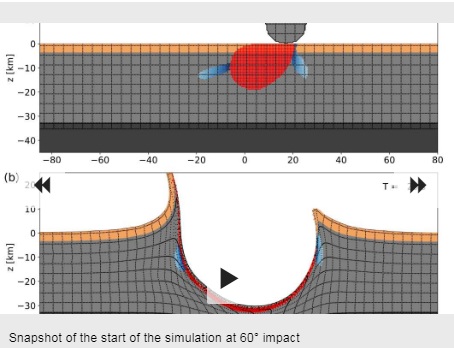
The study, published in Nature Communications, is based on simulations showing that the asteroid hit Earth at an angle of about 60 degrees, thus maximizing the amount of climate-changing gases thrust into the upper atmosphere. It could have unleashed billions of tonnes of sulphur, blocking the sun and triggering the nuclear winter which could have killed the dinosaurs and wiped off 75% of life on Earth.
Using a combination of 3D numerical impact simulations and geophysical data from the site of the impact, the new models are used to reproduce the whole event – from the initial impact to the final crater, now known as Chicxulub. All the simulations used a 17-km diameter asteroid with a density of 2630 kgm3 and a speed of 12 km/s, and were performed on the Science and Technology Facilities Council (STFC) DiRAC High Performance Computing Facility.
Besides the lead researcher Prof. Gareth Collins of Imperial’s Department of Earth Science and Engineering, the team involved the University of Freiburg, and The University of Texas at Austin. “Our simulations provide compelling evidence that the asteroid struck at a steep angle, perhaps 60 degrees above the horizon, and approached its target from the north-east. We know that this was among the worst-case scenarios for the lethality on impact, because it put more hazardous debris into the upper atmosphere and scattered it everywhere – the very thing that led to a nuclear winter.”
Crater creation
The researchers say that while the study has also given them important insights into the dinosaur-dooming impact and project how large craters on other planets such as Mars are formed. The study co-author Thomas Davison, also of Imperial’s Department of Earth Science and Engineering, said: “Large craters like Chicxulub are formed in a matter of minutes, and involve a spectacular rebound of rock beneath the crater.”
The study of upper layers of earth at the Chicxulub 200-km wide crater in present-day Mexico showed high amounts of water as well as porous carbonate and evaporite rocks,indicating that when heated and disturbed by the impact, these rocks would have decomposed, flinging vast amounts of carbon dioxide, sulphur and water vapour into the atmosphere.
The sulphur, which rapidly forms aerosols that would have blocked the sun’s rays, halting photosynthesis in plants and rapidly cooling the climate would have eventually contributed to the mass extinction event that killed 75 per cent of life on Earth 66 million years ago.
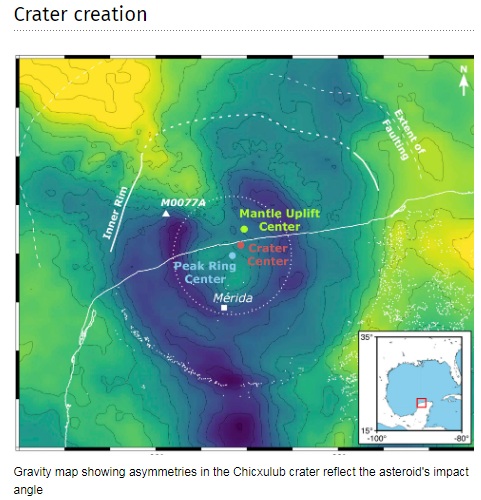
The team of researchers also examined the shape and subsurface structure of the crater using geophysical data to feed into the simulations that helped diagnose the impact angle and direction, while they also drilled into the 200 km-wide crater for more evidence to corroborate with rocks experiencing enormous due to the asteroid’s impact.
At Chicxulub, these centres are aligned in a southwest-northeast direction, with the crater centre in between the peak-ring and mantle-uplift centres at the angle of 60 degrees.
As coronavirus has given the World Health organization enough explanations to do amid massive criticism for its delayed response initially, India’s Health Minister Dr Harsh Vardhan joined the world body as its board chairman on Friday, at its 147th session, taking over charge from Dr Hiroki Nakatani of Japan.
He said, “I feel privileged to take charge as Chairman of the World Health Organisation’s Executive Board at its 147th session held virtually.I believe that health is central to economic performance and to enhancing human capabilities.”
I feel privileged to take charge as Chairman of the World Health Organisation’s Executive Board at its 147th session held virtually.I believe that health is central to economic performance and to enhancing human capabilities.@WHO@PMOIndia@MEAIndia@MoHFW_INDIA#EB147#COVID19pic.twitter.com/pBn7LrE4Yh
The WHO has a 34-member WHO Executive Board, one of the two boards WHO has — the World Health Assembly and the Executive Board. The WHO headquarters is located at Geneva in Switzerland. The UN specialised agency for international public health, is currently at the forefront of fighting the novel coronavirus pandemic.
India comes under its South East Asia Region’s members and was elected last year unanimously to the executive board for a three-year term beginning May. The WHO board has 34 members technically qualified in the field of health,each elected for three-year term, while the Health Assembly is the WHO’s decision-making body with 194 Member States.
The Board chairman’s post is held by rotation for one year by each of the WHO’s six regional groups: African Region, Region of the Americas, South-East Asia Region, European Region, Eastern Mediterranean Region, and Western Pacific Region. The Board is the executive organ of the WHO and implements decisions and policies of the Health Assembly.
See the heart-wrenching picture above titled “The vulture & the Little Girl’ that was taken in 1993 and went on to win a Pulitzer Award for the famous photographer Kevin Carter of South Africa.
In the picture, a vulture is waiting for the death of a hungry little girl and Carter, a photojournalist, captured it in March 1993, when famine killed many children and elders in Sudan. He was awarded the “Pulitzer Prize” for it but Carter committed suicide soon after receiving the Award, at the age of 33, despite receiving worldwide recognition and applaud for his stunning photo.
But he never realised that the same photo would drive him to suicide.
When he was busy celebrating the great honor at the time of his receiving the award and the photo was being shown on many TV channels all over the world.
Someone asked in a phone interview as to what happened to the girl in the end?
Carter replied that he could not stay there for long as he was in a hurry to catch his flight.
“How many vultures were there?” He was asked again.
“I think there was one,” Carter said.
The man on the other end of the phone said, “I’m saying there were two vultures that day, one of them with a camera.”
Realising the significance of his words, Carter was obviously upset and eventually committed suicide.
Carter forgot the basic human instinct to help the ‘girl’ save from death. All he could have done was to take the starving baby to the United Mission’s feeding center, which was only half-a-mile away. The baby might have been trying to reach the center and a lending hand would have saved her for life time.
Sold to The New York Times, the photograph first appeared on 26 March 1993, and the paper said that according to Carter, “she recovered enough to resume her trek after the vulture was chased away” but that it was unknown whether she reached the UN food center.” Next year, the photograph won the Pulitzer Prize for Feature Photography.
In 2011, the child’s father revealed the child was actually a boy, Kong Nyong, and he had reached the UN food aid station. The boy survivied the vulture but died of fever in 2007, reported El Mundo quoting the family. The reporter described the boy as girl and received Pulitzer but failed to take the boy to the nearest aid station. If he had, he would have realised that it was a boy.
Coronavirus and Prey Culture
Today, almost 26 years after, many TV channels have been highlighting the plight of migrant workers and the plight of their children and even infants. But the twist is that the picture of Carter has been used to pronounce that those with cameras in their hands, busy taking pictures of workers walking thousands of kilometres, are similar to such vultures. Had it not been for these visuals, the governments today would not have moved to help them.
“Kevin Carter had self-esteem, so he committed suicide, but the vultures named after this journalist are busy making breaking news with dignity,” writes one circulating the message on WhatsApp.
Yes, these news gatherers get incentives from the government in the form of perks such as early coronavirus testing facilities but the numbers are not one but millions of them. No one reporter could have saved them the way Carter would have done so. With TV exposure, the migrant labourers and their children could not have been saved in India. Criticizing the whistleblower is also against humanity.







(1)V2N9.jpeg)