Scientists report two new cryo-EM structures representing the pre-fusion and post-fusion conformations of the full-length SARS-CoV-2 spike (S) protein in coronavirus that is responsible for host cell entry and the spread of infection in human body.
These reconstructions – derived from a full-length, fully wild-type form of the S protein – demonstrate critical differences from previous cryo-EM studies that used engineered, stabilized versions of the S protein, said researchers.
Based on their findings, the authors caution that current vaccine strategies informed by structures of the engineered S protein could be relying on limited and even misleading information about the protein’s natural state.
They say it’s possible that vaccine strategies that employ full-length sequences of the S protein or whole inactivated SARS-CoV-2 (such as PiCoVacc), could spontaneously form the S protein’s postfusion structure, found here to possess several features that could distract the patient’s immune system.
Therefore, these vaccine strategies may require further evaluation, the authors say. Using cryo-EM on full-length SARS-CoV-2 samples in their natural state, Yongfei Cai and colleagues imaged the pre-fusion S protein configuration, a semi-stable state when the protein is poised to fuse with host cell membranes, and the post-fusion conformational configuration, a stable, rigid state achieved when the S protein has gone through a conformational change that would promote viral fusion with a host cell membrane.
They found their prefusion structure differed from previously described prefusion conformations in several ways, including the presence of previously unobserved disulfide bonds. The protein’s spontaneous transition from the prefusion state to the postfusion state occurred independently of whether the spike had interacted with host cell membranes, the researchers also found.
The postfusion structure was strategically “decorated” by N-linked glycans, forming spikes that might play protective roles against host immune responses, such as by inducing nonneutralizing antibody responses or shielding more vulnerable regions of the S protein. In future work, the researchers hope to image a higher-resolution structure of an intact S protein, and also aim to reconstruct regions where host cell membrane fusion occurs.
Blue holes, or underwater sinkholes similar to sink holes on land, are scattered across Florida’s Gulf continental shelf though vary in size, shape and depth, but most are rich in ecological diversity with plants and animals. NOAA-supported project has come out with new findings of one such blue hole called Amberjack Hole.
Last year, in May and September, a team of scientists from Mote Marine Laboratory, Florida Atlantic University/Harbor Branch, Georgia Institute of Technology and the U.S. Geological Society, with support from the NOAA Office of Ocean Exploration and Research, explored one blue hole, dubbed “Amberjack Hole,” approximately 30 miles off west of Sarasota shore.
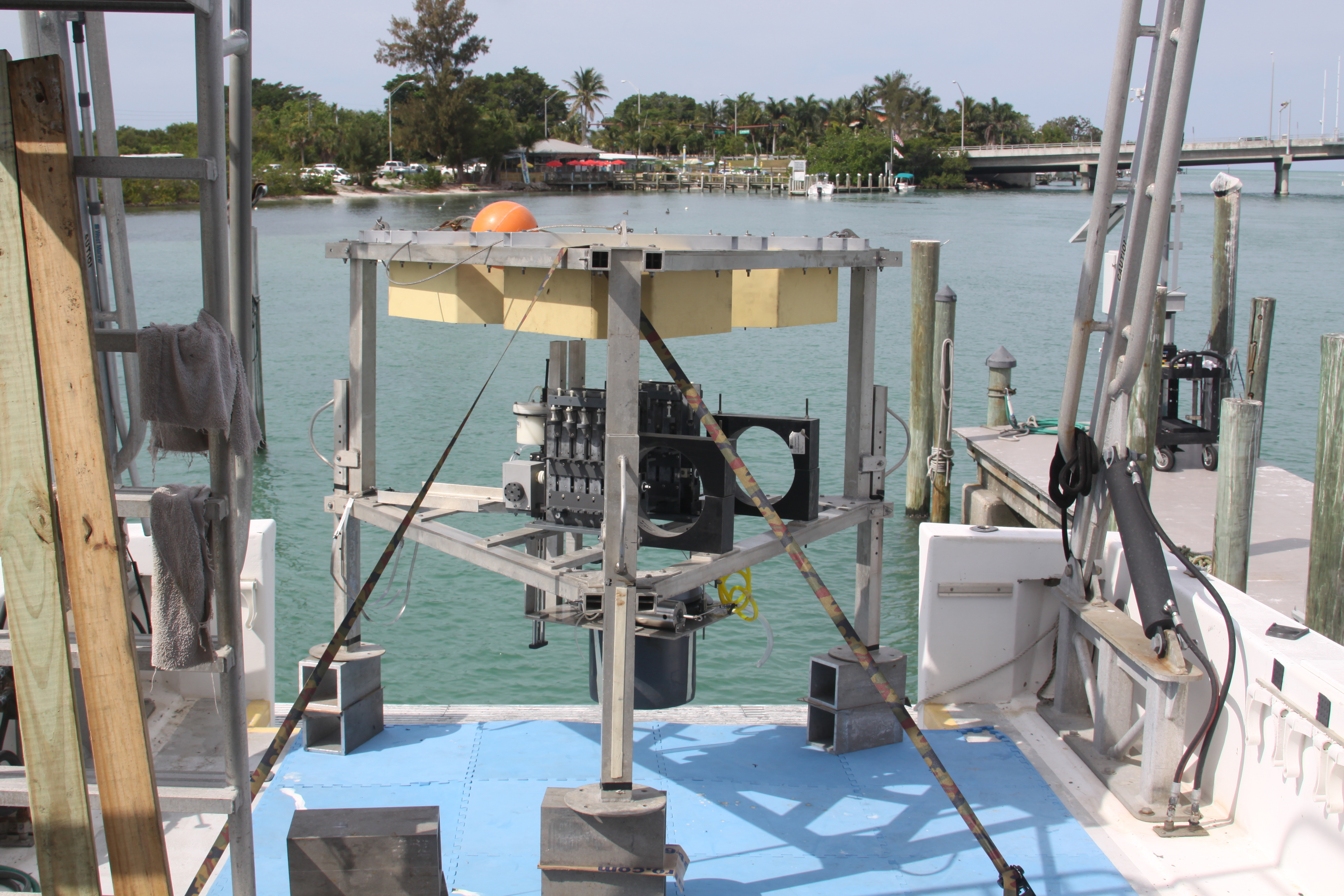
They deployed divers and a “benthic lander” with scientific instruments collectively weighing more than 270 kilograms (600 pounds into Amberjack Hole, whose bottom extends deeper than 107 meters (350 feet). The team documented life around the rim of the hole and carbon, nutrients, and microscopic life throughout the hole and in its bottom sediments.
The benthic lander was deployed to the bottom of Amberjack Hole to collect data and samples for longer periods than divers can, right where the bottom water meets the sediment. Image courtesy of Mote Marine Laboratory
What Can We Learn?
From this “mission,” scientists are hoping to learn whether these submersed sinkholes are connected to Florida’s groundwater or if there is groundwater intrusion into the Gulf of Mexico. If a particular blue hole is secreting nutrients and thus affecting an area’s primary production or whether such microenvironments harbor unique or new species of microbes. If the Amberjack site should become a protected area or not is the next on agenda.
The rim of Amberjack Hole is 34 meters (113 feet) from the surface, and the rest of the hole extends down another 72+ meters (237 feet)! In May 2019, scientific divers traveled to the bottom of Amberjack Hole and deployed a special benthic lander created for this project to s depth where bottom water meets the sediment.
In September, the team returned with 17 water samples from just outside the hole down to the bottom and collected 4 sediment cores at the bottom. Remarkably, they also discovered two dead but intact smalltooth sawfish, Pristis pectinata, an endangered species, at the bottom of the hole. One of the animals was subsequently recovered to undergo a necropsy.
The deceased sawfish were intact enough to be collected for research, and Mote scientists quickly reported the discovery to NOAA and the Fish and Wildlife Conservation Commission and obtained the required permit for collection of one of the sawfish, a male measuring an impressive 12 feet long. Video courtesy of Mote Marine Laboratory.
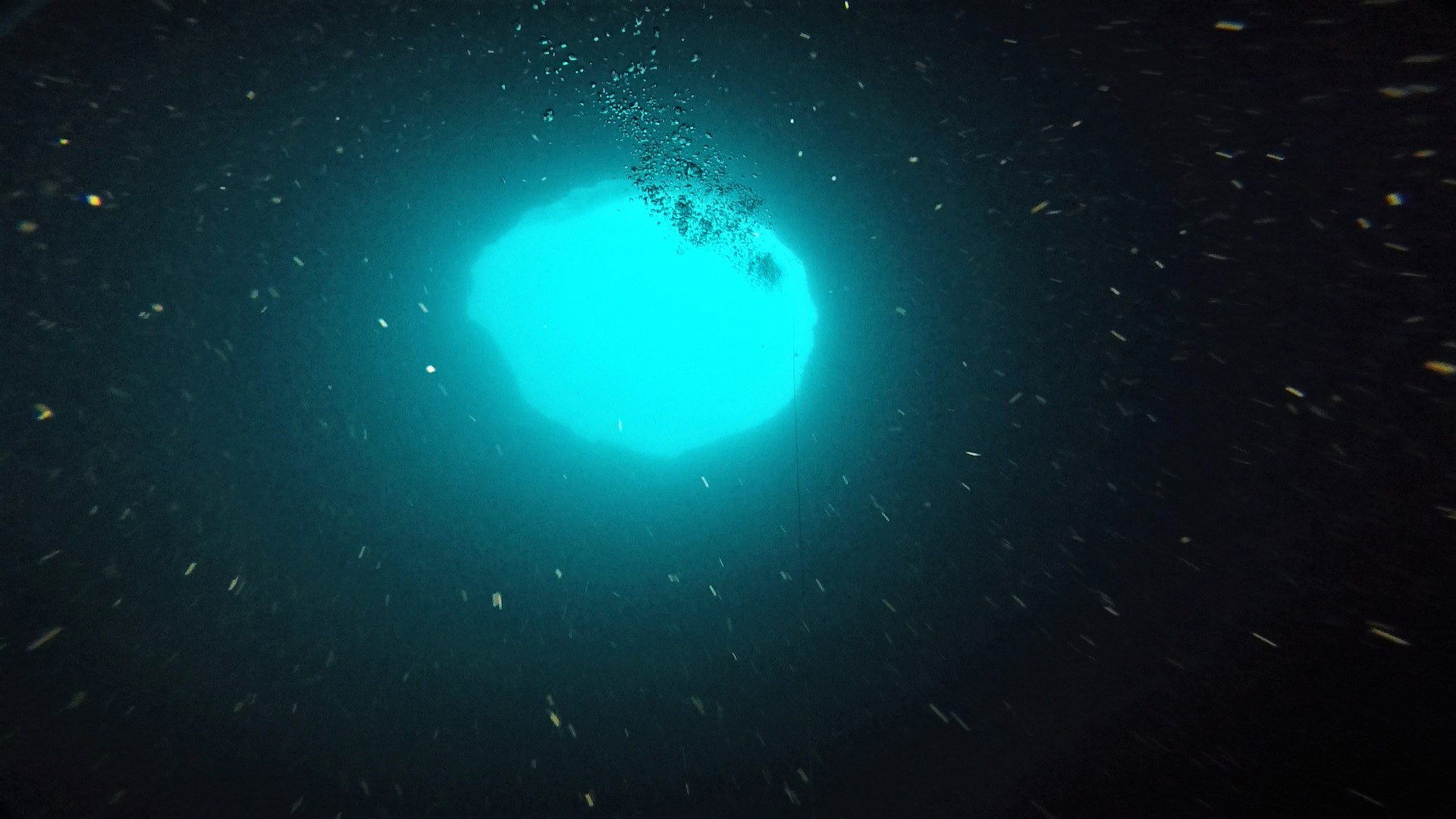
A diver’s view looking up to the opening of Amberjack Hole. Image courtesy of Mote Marine Laboratory
Water sampled inside the hole was found to contain naturally occurring isotopes of radium and radon, two markers of groundwater, suggesting that blue holes are not isolated from groundwater and could provide insights into potential groundwater connection between the Floridan Aquifer and the Gulf of Mexico.
Further, in August 2020 and May 2021 a second deeper site, Green Banana, will be explored using the same techniques developed for the Amberjack Hole. The first trip is scheduled for August 2020, and work will continue in 2021.
The global beverages giant Coca-Cola on Tuesday reported second quarter 2020 results that showed 33% decline in its earnings, though the company is optimistic on strategic actions to emerge stronger from the ongoing coronavirus pandemic.
The Coca-Cola system remained agile in the second quarter, with a focus on maintaining a safe
environment for employees while also providing necessary products and services to consumers, customers and communities during this unprecedented time, said the company.
“I’m proud of the people of the Coca-Cola system as we continue to adjust and accelerate our strategies in this fastchanging landscape,” said James Quincey, chairman and CEO of the Coca-Cola Company. “We believe the second quarter will prove to be the most challenging of the year; however, we still have work to do as we drive our pursuit of ‘Beverages for Life’ and meet evolving consumer needs.”
Highlights of Quarterly Performance
• Revenues: Net revenues declined 28% to $7.2 billion. Organic revenues (non-GAAP) declined 26%. Revenue performance included a 22% decline in concentrate sales and a 4% decline in price/mix. The revenue declines were primarily driven by pressure in away-from-home channels, which represent approximately half of the company’s revenues.
• Margin: Operating margin, which included items impacting comparability, was 27.7% versus 29.9% in the prior year, while comparable operating margin (non-GAAP) was 30.0% versus 30.3% in the prior year. Operating margin contraction was primarily driven by top-line pressure and currency headwinds, partially offset by effective cost management.
• Earnings per share: EPS declined 32% to $0.41, and comparable EPS (non-GAAP) declined 33% to $0.42.
• Market share: The company lost value share in total nonalcoholic ready-to-drink (NARTD) beverages as an underlying share gain was more than offset by negative channel mix due to pressure in away-from-home channels, where the company has a strong share position.
• Cash flow: Year-to-date cash from operations was $2.8 billion, down 38%. Free cash flow (non-GAAP) was $2.3 billion, down 40%.
Business Environment
Since the company’s last earnings update in April, global unit case volume trends have improved sequentially, from a decline of approximately 25% in April to a decline of approximately 10% in June. Unit case volume for July month-to date was down mid single digits globally. Performance has been driven by improving trends in away-from-home channels, along with sustained, elevated sales in at-home channels.
While the company believes the second quarter will be the most severely impacted quarter of the year, given the ongoing uncertainty surrounding the coronavirus pandemic and levels of lockdown, the ultimate impact on full year 2020 results is unknown. The company’s balance sheet remains strong, and the company is confident in its liquidity position as it continues to navigate through the crisis.
Despite the high degree of uncertainty, the company said it is committed to emerging stronger by gaining share and consumers, maintaining strong system economics, strengthening its reputation with stakeholders and positioning the organization to win in the new reality.
CSR Activities
The Coca-Cola Foundation has partnered with the world’s largest humanitarian network,
the International Red Cross and Red Crescent Movement, and supported programs in more than 60 countries, reaching an estimated 7.5 million people impacted by the pandemic.
In the first original ad during the pandemic for brand Coca-Cola, the company offered “The Great Meal” that features 13 real households in eight countries preparing and sharing home-cooked meals over an ice-cold Coca-Cola, bringing to life the comfort and authenticity of the brand’s connection to food.
However, the company has paused social media activity for July to review policies, including its own, and to hold partners to a higher level of accountability and transparency. The company has committed to spend an incremental $500 million with Black-owned suppliers over the next five years in the United States.
In support of social justice, the Coca-Cola Foundation has contributed $4 million to several initiatives and, to date, the company has contributed an additional $1.3 million through brands Coca-Cola and Sprite.
As the coronavirus vaccine being developed by Oxford university and AstraZeneca enters the third phase of the trials, Serum Institute of India (SII) is geared up to procure a licence from the Indian regulator to start clinical trials in the country in a week’s time.
Serum Institute of India, the largest vaccine manufacturer in the world, and a partner in the Oxford vaccine project has already been chosen by AstraZeneca to manufacture the vaccine once it is ready. “The trials have shown promising results and we are extremely happy about it. As soon as they grant us permission, we will begin with the trials for the vaccine in India,” said Serum Institute’s CEO Adar Poonawalla. “In addition, we will soon start manufacturing the vaccine in large volumes.”
The Pune-based Serum Institute of India has been mandated to produce at least a billion doses of the vaccine and the production may start before the final nod as the volume is too large and required urgently in view of no other vaccine showing promising results as Oxford-AstraZeneca vaccine owing to its o serious side effects and elicited antibody and T-cell immune responses.
WHO Cautious
The trial results published in The Lancet medical journal, showed that it was tested on 1,077 healthy adults aged 18-55 years with no history of COVID-19. The World Health Organisation (WHO) has welcomed progress made in developing vaccines but warned there was still much work to be done. While the Oxford vaccine undergoes final stage trial in Brazil, other vaccines are making inroads in different stages of trial.
Apart from Oxford vaccine, India has already started Covaxin, indigenously developed vaccine for COVID-19, developed by the Hyderabad-based Bharat Biotech in collaboration with ICMR and the National Institute of Virology, has been given the nod for human clinical trials from the Drugs Controller General of India.
As per the deal, Serum Institute of India is hoping to produce the first 400 million doses before the end of 2020.
Finally, a Covid-19 vaccine developed by Oxford University’s Jenner Institute and licensed to the multinational pharmaceutical company, AstraZeneca has emerged as the favourite of World Health Organization scientists out of about 23 vaccines in their Phase III trial, after reporting success and safety in the first two phases.
For India, this vaccine is important as AstraZeneca, among others, had entered a deal with Pune-based Serum Institute of India to supply one billion doses for low-and-middle-Income countries, with first 400 million to be produced before the end of 2020. Its other global facilities will produce 300 million doses for the US.
Between April 23-May 21, Oxford University with AstraZeneca conducted human trials of the vaccine – where 1,077 volunteers were given the AZD1222 shot and all of them developed protective neutralizing antibodies as well as T-cells (T lymphocytes) which multiplied to attack any pathogen inside the human system. The participants were aged between 18 and 55 and split roughly 50-50 between male and female. Ninety-one percent of them were white, while roughly 5% were Asian, and fewer than 1% were Black.
While AZD1222 enters the next phase III of the clinical trials, the results published in The Lancet medical journal, show that the Covid-19 vaccine prompted no serious side effects among the people who received two doses so far, which has promted the WHO Chief Scientist Michael Ryan, the World Health Organization’s health emergencies chief to say: “We now need to move into larger scale, real-world trials, but it is good to see more data, more products moving in to this very important phase of vaccine discovery.” See the video below from 19:30 for WHO remarks on Oxford vaccine:
The next stage — Phase III — trial will be conducted in the US on 30,000 patients, besides those “in low-to-middle income countries including Brazil and South Africa which are already underway,” the university has said in a release.
Sarah Gilbert, professor of vaccinology at Oxford University, had earlier informed that 8,000 volunteers were enrolled for the Phase III trial which will assess how the vaccine works in a large number of people over the age of 18, and how well the vaccine works to prevent them from the infection. However, it will take a year to conclusively determine if the vaccine offers long-term protection or not.
“There is still much work to be done before we can confirm if our vaccine will help manage the COVID-19 pandemic… We still do not know how strong an immune response we need to provoke to effectively protect against Sars-Cov-2 infection,” said Gilbert.
Indian Serum Institute Role
Pascal Soriot, chief executive of AstraZeneca, said the company was on track to be producing doses by September. While the Oxford University will have intellectual property rights, Pune-based Serum Institute of India will emerge as a major supplier.
The data, published in the medical journal the Lancet, showed that the vaccine caused side effects such as fever, headaches, muscle aches, and injection site reactions, in about 60% of patients, which are deemed mild and not dangerous for any vaccine.
The Oxford-AstraZeneca vaccine AZD1222 has finally emerged as a relatively safe vaccine in view of similar results or data from others is still awaited from 22 other contestants who are in Phase III trial. In case its immediate rival vaccine from the Chinese biotech CanSino, the Phase 2 results showed that this vaccine works better in some people and not equally efficient among those aged 55 and older, a key target for Covid-19 vaccination.
Advantages of Oxford vaccine over Moderna vaccine
While the AZD1222 vaccine went on trials from April 30 with a 10,000-patient study in the United Kingdom, another 5,000-patient test began in Brazil in June and the current phase 3 results could become available in September, October, or November, said Astra-Zeneca.
AZD1222 has another advantage as it needs to be kept cold, but not frozen, whereas the messenger RNA vaccines work on the body’s genetic messaging system to provoke an immune response. The mRNA vaccines, developed by Moderna, the German firm BioNTech and the drug giant Pfizer, increased levels of neutralizing antibodies in patients.
WHO Scientist Michael Ryan announcing the Oxford vaccine trial results at a press conference Monday, July 20, 2020 (WHO)
AZD1222 works differently using a genetically engineered virus, called adenovirus, which was taken from chimps and modified not to replicate and sicken people. It carries a gene for one of the proteins in SARS-Cov-2 and inserts it into a recipient’s cells, which in turn, cause the patient’s cells to make that protein, which is then recognized by the immune system as foreign. This mechanism was not there in the past but has been used in experimental vaccines such as the Ebola virus and the virus that causes Middle East respiratory syndrome (MERS).
Oxford vaccine vs CanSino
The next rival CanSino, also into its Phase 3 trial, is a viral vector vaccine that uses a live but weakened human cold virus, adenovirus 5 — known as Ad5 for short — to develop immune system of the body to recognize the SARS-CoV-2 coronavirus. Its focus is on the Ad5 parts of the vaccine rather than the SARS-Cov-2 and many research groups have stopped it over concerns about preexisting immunity, which can run to 70% or higher in some populations.
CanSino Phase 2 trial essentially showed that those who had no or low-level pre-existing immunity to Ad5 developed neutralizing antibodies to SARS-CoV-2 at roughly double the rate of people who had high-level preexisting immunity, especially in people aged 55 and older. CanSino has dropped the higher dose.
Kathryn Edwards, scientific director of the Vanderbilt Vaccine Research Program in Nashville, Tenn., noted the CanSino vaccine may not be protective enough for older adults, but it might be useful in children. However, the CanSino vaccine has already received an emergency license in China for use in the military.
In a boost to Ayurvedic medicines which recommend turmeric during the cold, flu and other virus-related disease, scientists found that curcumin, a natural compound found in the spice turmeric, could help eliminate certain viruses.
A study published in the Journal of General Virology showed that curcumin can prevent Transmissible gastroenteritis virus (TGEV) – an alpha-group coronavirus that infects pigs – from infecting cells and at higher doses, it was also found to kill virus particles.
Infection with TGEV causes a disease called transmissible gastroenteritis in piglets, leading to diarrhoea, severe dehydration and death. TGEV is highly infectious and is invariably fatal in piglets younger than two weeks, thus posing a major threat to the global swine industry. There are currently no approved treatments for alpha-coronaviruses and although there is a vaccine for TGEV, it is not effective in preventing the spread of the virus.
To determine the potential antiviral properties of curcumin, the research team treated experimental cells with various concentrations of the compound, before attempting to infect them with TGEV. They found that higher concentrations of curcumin reduced the number of virus particles in the cell culture.
The research suggests that curcumin affects TGEV in a number of ways: by directly killing the virus before it is able to infect the cell, by integrating with the viral envelope to ‘inactivate’ the virus, and by altering the metabolism of cells to prevent viral entry.
“Curcumin has a significant inhibitory effect on TGEV adsorption step and a certain direct inactivation effect, suggesting that curcumin has great potential in the prevention of TGEV infection,” said Dr Lilan Xie, lead author of the study and researcher at the Wuhan Institute of Bioengineering.
Inhibits virus replication
Curcumin has been shown to inhibit the replication of some types of virus, including dengue virus, hepatitis B and Zika virus. The compound has also been found to have a number of significant biological effects, including antitumor, anti-inflammatory and antibacterial activities. Curcumin was chosen for this research due to having low side effects according to Dr Xie.
“There are great difficulties in the prevention and control of viral diseases, especially when there are no effective vaccines. Traditional Chinese medicine and its active ingredients, are ideal screening libraries for antiviral drugs because of their advantages, such as convenient acquisition and low side effects,” they said.
The researchers now hope to continue their research in vivo, using an animal model to assess whether the inhibiting properties of curcumin would be seen in a more complex system.
People who regularly exercise are at a lower risk of high blood pressure, even if they live in highly polluted areas, found a new research, since the risk-benefit relationship between air pollution and physical activity is a major concern as more than 91% of people worldwide live in areas where air quality fails to meet World Health Organization (WHO) guidelines.
The paper published in the American Heart Association’s flagship journal Circulation, is based on a study of more than 140,000 adults without high blood pressure in Taiwan, who are followed for five years. Researchers classified the weekly physical activity levels of each adult as inactive, moderately active or highly active.
Researchers also classified level of exposure to fine particulate matter (PM2.5) as low, moderate and high. PM2.5 is the most commonly used indicator of air pollution. High blood pressure was defined as 140/90 mm Hg, though the American Heart Association 2017 Guideline defines high blood pressure as 130/80 mm Hg.
Exercise helps despite high pollution
Study author Xiang Qian Lao, an associate professor at the Jockey Club School of Public Health and Primary Care at The Chinese University of Hong Kong in Shatin, said: “While we found that high physical activity combined with lower air pollution exposure was linked to lower risk of high blood pressure, physical activity continued to have a protective effect even when people were exposed to high pollution levels. The message is that physical activity, even in polluted air, is an important high blood pressure prevention strategy.”
Highlights of the study show that people who are highly active and exposed to low levels of pollution had a lower risk of developing high blood pressure, whereas those who were inactive and exposed to highly polluted air had a higher high blood pressure risk.
High risk levels
Each increase in PM2.5 level was associated with a 38% increase in risk of incident hypertension, whereas each increase in physical activity level lead to a 6% lower risk of hypertension, suggesting that reducing air pollution is more effective in preventing high BP.
Regardless of pollution level, people who exercised moderately had a 4% lower risk of high blood pressure than those who didn’t exercise. People who exercised at a high level had a 13% lower risk of high blood pressure than those who don’t.
The findings of this study are limited to air pollution because it only included people living in Taiwan, where ambient air was moderately polluted (the annual PM2.5 concentration was 2.6 times of the limit recommended by the World Health Organization).
Any Covid-19 vaccine? All nations and the entire world humanity was eagerly awaiting the precious announcement from at least one top nation that its scientists have successfully completed clinical trials of Covid-19 vaccine.
When expectations were running high that it would be China, where the novel coronavirus had its origin in the city of Wuhan, unexpectedly Russia has announced first to the world that its clinical trials are completed successfully and the vaccine is ready for production.
The Sechenov First Moscow State Medical University is the one which has claimed that it has successfully completed the trails their vaccine has all the “safety of those vaccines that are currently in the market.”
Announcing the news, Vadim Tarasov, the director of the Institute for Translational Medicine and Biotechnology of the Unviersity said the clinical trials have been conducted on volunteers, reports Russian news agency Sputnik, adding that the first group of volunteers would be discharged on 15 July and the second on 20 July.
Russian vaccine
The vaccine was produced by Russia’s Gamalei Institute of Epidemiology and Microbiology on June 18. “Sechenov University has successfully completed tests on volunteers of the world’s first vaccine against coronavirus,” Tarasov said.
“The safety of the vaccine is confirmed. It corresponds to the safety of those vaccines that are currently on the market,” said another scientist Alexander Lukashev, director of the Institute of Medical Parasitology, Tropical and Vector-Borne Diseases at Sechenov University.
“Sechenov University in a pandemic situation acted not only as an educational institution but also as a scientific and technological research center that is able to participate in the creation of such important and complex products as drugs,” Tarasov said.
Elsewhere, Gilead Sciences, Oxford University’s researchers and American biotech company Moderna are at the forefront of developing a Covid-19 vaccine, while a Canadian and Chinese joint project is equally pushing the date for completion of clinical trials. BioNTech SE and Pfizer Inc’s Covid-19 vaccine candidate is expected to be ready by the end of 2020.
Bollywood’s top actor Amitabh Bachchan said he was infected with the coronavirus and rushed to Nanavati Hospital in Mumbai. Initial reports said the symptoms are not severe and the members of his family are also undergoing tests, with results pending.
In a tweet, Amitabh Bachchan said,”I have tested CoviD positive .. shifted to Hospital .. hospital informing authorities .. family and staff undergone tests , results awaited .. All that have been in close proximity to me in the last 10 days are requested to please get themselves tested ! ”
T 3590 -I have tested CoviD positive .. shifted to Hospital .. hospital informing authorities .. family and staff undergone tests , results awaited ..
All that have been in close proximity to me in the last 10 days are requested to please get themselves tested !
More details are awaited and doctors are still conducting tests on him in the hospital. The most beloved actor of Indian Bollywood did not hesitate to warn all those who came in close proximity to him to go for coronavirus test. “All that have been in close proximity to me in the last 10 days are requested to please get themselves tested,” he advised.
Amitabh Bachchan
The social media has gone into frenzy within minutes after the megastar tweeted his positive results. Many users have begun searching for his condition and Google Search has hit the roof with the search. While many people started wishing him a speedy recovery, the entire Bollywood swamped the Twitter platform to send him good wishes for his recovery. It remains to be seen whether any of his family members are also infected.
Ever since the coronavirus started in India, Amitabh Bachchan has been appearing continuously on TV for the last four months actively spreading awareness about corona and advising people to take extreme precautions.
A new approach focusing on a critical stage in the life cycle of one of the most common malaria parasites was developed by scientists at Kyoto University’s Institute for Integrated Cell-Material Sciences (iCeMS) in Japan, in collaboration with India and Swiss scientists.
“The Plasmodium vivax malaria parasite can stay dormant in a person’s liver cells up to years following infection, leading to clinical relapses once the parasite is reactivated,” says Kouichi Hasegawa, an iCeMS stem cell biologist and one of the study’s corresponding authors of the paper published in the Malaria Journal.
P. vivax is responsible for around 7.5 million malaria cases, half of which are in India. Currently, there is only one licensed drug to treat the liver stage of the parasite’s life cycle, but with many side effects and cannot be used in pregnant women and infants. The liver stage is also difficult to study in the lab.
Study liver infection
Hasegawa and his colleagues in Japan, India and Switzerland developed a successful system for breeding mature malaria parasites, culturing human liver cells, and infecting the cells with P. vivax. While it doesn’t solve the high infection rate problem, still it provides new insight into the parasite’s liver stage.
“Our study provides a proof-of-concept for detecting P. vivax infection in liver cells and provides the first characterization of this infectious stage that we know of in an endemic region in India, home to the highest burden of vivax malaria worldwide,” says Hasegawa.
The researchers bred Anopheles stephensi mosquitos in India. Female mosquitos were fed with blood specifically from Indian patients with P. vivax infection and two weeks later, mature sporozoites, the infective stage of the malaria parasite, were extracted from the mosquitos’ salivary glands and added to liver cells cultured in a petri dish.
The scientists tested different types of cultured liver cells to try to find cells that would be infected by lots of parasites like in the human body. Researchers have already tried using cells taken liver biopsies and of various liver cancer cell lines. So far, none have led to large infections.
Resistance in liver cells
Hasegawa and his colleagues tried using three types of stem cells that were turned into liver cells in the lab. Notably, they took blood cells from malaria-infected patients, coaxed them into pluripotent stem cells, and then guided those to become liver cells. The researchers wondered if these cells would be genetically more susceptible to malaria infection. However, the cells were only mildly infected when exposed to the parasite sporozoites.
A low infection rate means the liver cells cannot be used for testing many different anti-malaria compounds at once. But the researchers found the cells could test if a specific anti-malaria compound would work for a specific patient’s infection. This could improve individualized treatment for patients.
The scientists were also able to study one of the many aspects of parasite liver infection. They observed the malaria protein UIS4 interacting with the human protein LC3, which protected the parasite from destruction. This demonstrates their approach can be used to further investigate this important stage in the P. vivax life cycle.
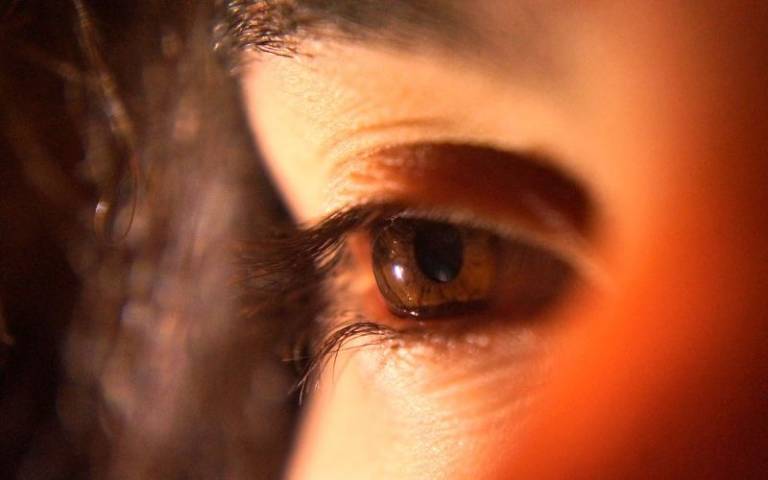
Staring at a deep red light for three minutes a day can significantly improve declining eyesight, finds a new study, which may bring immense potential to bring about new affordable home-based eye care technique or therapy, helping millions of people globally with naturally declining vision as they age.
The first of its kind in humans study by scientists at the UCL Institute of Ophthalmology was published in the Journals of Gerontology. Once over 40, the retinal sensitivity and colour vision gradually decline and with an ageing population, this is an increasingly important issue. The new method can reverse this decline, by rebooting the retina’s ageing cells with short bursts of longwave light.
In humans around 40 years-old, cells in the eye’s retina begin to age caused, in part, when the cell’s mitochondria, whose role is to produce energy (known as ATP) and boost cell function, also start to decline. In the UK there are currently around 12 million people aged over 65 and in 50 years this is estimated to increase to around 20 million.
Retina Decline Reversible
Mitochondrial density is greatest in the retina’s photoreceptor cells, which require high energy and thus, the retina ages faster than other organs, with a 70% ATP reduction over life, causing a significant decline in photoreceptor function. Researchers built on their previous findings in mice, bumblebees and fruit flies, when their eyes were exposed to 670 nanometre (long wavelength) deep red light.
Red light vision therapy (UCL)
“Mitochondria have specific light absorbance characteristics influencing their performance: longer wavelengths spanning 650 to 1000nm are absorbed and improve mitochondrial performance to increase energy production,” said Professor Glen Jeffery, lead author and scientist at UCL Insitutute of Ophthalmology. The retina’s photoreceptor population is formed of cones, which mediate colour vision and rods, which provide peripheral vision and adapt vision in low or dim light.
For the study, 24 people (12 male, 12 female), aged between 28 and 72, who had no ocular disease, were recruited. All participants’ eyes were tested for the sensitivity of their rods and cones at the start of the study. Rod sensitivity was measured in dark adapted eyes (with pupils dilated) by asking participants to detect dim light signals in the dark, and cone function was tested by subjects identifying coloured letters that had very low contrast and appeared increasingly blurred, a process called colour contrast.
All participants were then given a small LED torch to take home and were asked to look into* its deep red 670nm light beam for three minutes a day for two weeks. They were then re-tested for their rod and cone sensitivity
Study Results
Researchers found the 670nm light had no impact in younger individuals, but in those around 40 years and over, cone colour contrast sensitivity (the ability to detect colours) improved by up to 20% in some people aged around 40 and over. Improvements were more significant in the blue part of the colour spectrum that is more vulnerable in ageing. Rod sensitivity also improved significantly in them though less than colour contrast.
Professor Jeffery said: “Our study shows that it is possible to significantly improve vision that has declined in aged individuals using simple brief exposures to light wavelengths that recharge the energy system that has declined in the retina cells, rather like re-charging a battery. The technology is simple and very safe, using a deep red light of a specific wavelength, that is absorbed by mitochondria in the retina that supply energy for cellular function.
The team is planning to make devices costing about £12 to make, so the technology is highly accessible to the public.
A new study by researchers at Kyushu University’s International Institute for Carbon-Neutral Energy Research, Fukuoka in Japan after comparing findings of Mars Insight lander after comparing with our own planet Earth, found Mars might seem like a “dead” planet, but even there, the wind blows and the ground moves.
Similar to earthquakes, the ambient seismic noise rippling mainly due to ocean activity to peek underground at the structure of the Earth’s interior. Can we do the same on Mars without ocean? The Japanese researchers’ study, published in Geophysical Research Letters, is based on data collected by NASA’s InSight (Interior Exploration using Seismic Investigations, Geodesy and Heat Transport) Martian lander, which landed on Mars on November 26, 2018.
This is ambient noise on the Mars CREDIT: Takeshi Tsuji, I2CNER, Kyushu University
The InSight lander placed a seismometer on the surface of Mars and its readings collected between February and June 2019 revealed the existence of several hundred marsquakes, most of them much weaker than the quakes typically felt on Earth, although some reached a maximum magnitude of 4.
The data from these “microtremors” helped to determine the directions of propagation and directional intensity. Study co-author Tatsunori Ikeda said, “Our polarization analysis revealed that seismic waves of different frequencies and types showed different patterns of variation over the course of the Martian day. The temporal variations in low-frequency P-waves were related to distant changes in wind and solar irradiation, and the low-frequency Rayleigh waves were related to the wind direction in the region near the lander.”
This artist’s concept depicts NASA’s InSight lander after it has deployed its instruments on the Martian surface (NASA)
Higher-frequency ambient noises were, of course, made by vibration of the lander itself and hence, these microtremors of different types and frequencies likely have different sources, and some are probably influenced by geological structures, noted the scientists.
Mars Interior
These differences between the dominant sources of Martian microtremors may help in efforts to identify geological structures in Mars’s interior, as we inferred the lithological boundary beneath the seismometer from high frequency ambient noise.
A single seismometer is not yet enough to reconstruct images of the planet’s interior as usually done on Earth from data networks of multiple seismometers. But this analysis of the InSight lander’s seismic data is a key step toward achieving that goal on Mars, said scientists of the study.
The study’s senior author Takeshi Tsuji said:”These results demonstrate the feasibility of ambient noise methods on Mars. Future seismic network projects will enable us to model and monitor the planet’s interior geological structure, and may even contribute to resource exploration on Mars, such as for buried ice.”
Researchers report that the Asian tiger mosquito, Aedes albopictus, has become more abundant across Illinois in the last three decades, spreading diseases such as chikungunya or dengue fever, largely confined to Asian warm climate, especially the forests of southeast Asia.
Ever since it found its way to Texas around 1985, it has quickly spread to Illinois, despite its harsh winters, said researchers. “The global trade in used tires facilitates the spread of the mosquito,” said Chris Stone, a medical the entomologist at the Illinois Natural History Survey and the lead author of the new study. “The eggs get stuck to the walls of the tires and can survive even in dry conditions. Tires are also great at retaining rainwater, which is perfect for the larvae to develop in.”
Stone and his colleagues studied how the mosquitoes were able to spread across Illinois, given how cold the state’s winters can be. In their paper published in the Journal of Medical Entomology, they said the spread of the Asian tiger mosquito in Illinois also is a result of repeated introductions from neighboring counties.
Genetic info to track spread
Rebecca Smith, a professor of pathobiology at the University of Illinois at Urbana-Champaign who led the research with Stone said, “Winters are fairly warm in cities like Chicago because of all the roads and concrete. There are a lot of places like sewers and subways where these mosquitoes can live in the winter.”
The researchers used genetic information to track the spread of the mosquitoes, focusing on mitochondrial DNA, which is abundant in cells. Comparing mitochondrial DNA sequences is an established method for studying the spread of mosquitoes globally.
“We found that there is a surprising diversity of Aedes albopictus in Illinois,” Stone said. “Some were from the Texas population, but a few had previously been found only in Japan. This observation supports the idea that we see multiple introductions of these mosquitoes from different places.”
Asian tiger mosquitoes are good at outcompeting other mosquitoes, which can have both beneficial and harmful effects. Some studies from Florida and Texas where Aedes albopictus has displaced Aedes aegypti, a closely related mosquito known as the yellow fever mosquito that can transmit dengue and yellow fever, prompted the team to focus on the implications of the establishment of the Asian tiger mosquito in Illinois on other mosquito species.
According to the controversial Bergmann’s Rule, species tend to be larger in cold climates and smaller in warm ones, which may shrink mice for an instance over a period of time, while humans facing the same prospect is not ruled out.
A new study tested this and published a paper in Scientific Reports, after analyzing 70 years of records of the North American deer mouse, Peromyscus maniculatus, arguably the most common and best-documented mammal in the U.S.
Unexpectedly, researchers found deer mice are generally decreasing in mass over time, but this trend may not be linked to changes in climate, say the scientists but they are surprised to find larger-bodied deer mouse populations getting smaller and smaller-bodied populations are getting larger.
No climate impact
“The most exciting aspect of this study was one that still remains mysterious – deer mice appear to be getting smaller over time, but it doesn’t seem to directly relate to climatic drivers or urbanization,” said co-author Robert Guralnick, curator of bioinformatics at the Florida Museum of Natural History. “Is this generally true for mammals?”
Body size is an important physical characteristic in warm-blooded animals because it helps maintain the right body temperature and for metabolism and heat transfer. “Even in a small mammal like this, a minor change in body mass could have really important consequences for optimizing those energy balances,” said study co-author Bryan McLean, assistant professor at the University of North Carolina Greensboro and a former postdoctoral researcher at the Florida Museum.
Larger-bodied animals have less body surface – which releases heat – relative to the volume of their bodies, so they may cope with the cold better than their smaller-bodied kin, says the thermodynamic foundation of Bergmann’s Rule. Because body size affects thermoregulation, changes in body size could influence animals’ resilience to climate change.
Sources of study
To examine changes in the deer mouse’s body size in relation to space, time, climate and human population density, Guralnick and his collaborators compiled body length and mass measurements taken by thousands of researchers across the U.S. over seven decades.
Their findings show that deer mice in colder climates tend to be longer and have bigger body mass, consistent with Bergmann’s Rule. As temperature changed over a period, deer mice body mass decreased, which also aligned with the researchers’ hypothesis. As precipitation increased, however, researchers expected an increase in mouse body but they found body mass also decreased.
According to Bergmann’s Rule, mice should be smaller in urban areas to beat the heat but due to huge food and garbage available in cities, mice could grow larger. The data showed that in urban areas, deer mice populations tended to retain the same body mass, but grow shorter in length.
When the team decoupled mouse mass from all of these factors, they still noted a general decrease in mass, hinting that climate and urbanization influence body size in a more complicated way than previously thought.
“Preliminarily, this is very intriguing, but we still don’t know what drives this decrease in mass,” Guralnick said. The team will now turn its attention to analyzing body size across all mammals, he said.
On Wednesday, June 3 at 9:25 p.m. EDT, SpaceX launched its eighth Starlink mission aboard Falcon 9, which lifted off from Space Launch Complex 40 (SLC-40) at Cape Canaveral Air Force Station, just days after SpaceX and NASA made history amid coronavirus pandemic last weekend, launching two astronauts into space on board a Falcon 9 rocket to join the International Space Station (ISS).
Astronauts Robert Behnken and Douglas Hurley were launched into space on board a SpaceX Falcon 9 rocket, marking the first time humans have been launched from the US since 2011.
Falcon 9’s first stage previously supported the Telstar 18 VANTAGE mission in September 2018, the Iridium-8 mission in January 2019, and two separate Starlink missions in May 2019 and in January 2020. Following stage separation, SpaceX landed Falcon 9’s first stage on the “Just Read the Instructions” droneship, which was stationed in the Atlantic Ocean.
On this mission, SpaceX launched the first Starlink satellite with a deployable visor to block sunlight from hitting the brightest spots of the spacecraft. NASA’s Kennedy Space Centre said: “The goal of Starlink is to create a network that will help provide internet services to those who are not yet connected, and to provide reliable and affordable internet across the globe.”
Starlink Satellite
Explaining the Starlink satellite design, SpaceX said on its website that it was driven by the fact that they fly at a very low altitude compared to other commmunication satellites. “We do this to prioritize space traffic safety and to minimize the latency of the signal between the satellite and the users who are getting internet service from it. Because of the low altitude, drag is a major factor in the design.”
During orbit raise, the satellites must minimize their cross-sectional area relative to the wind, otherwise drag will cause them to fall out of orbit. High drag is a double-edged sword—it means that flying the satellites is tricky, but it also means that any satellites that are experiencing problems will de-orbit quickly and safely burn up in the atmosphere. This reduces the amount of orbital debris or “space junk” in orbit.
This low-drag and thrusting flight configuration resembles an open book, where the solar array is laid out flat in front of the vehicle. When Starlink satellites are orbit raising, they roll to a limited extent about the velocity vector for power generation, always keeping the cross sectional area minimized while keeping the antennas facing Earth enough to stay in contact with the ground stations, said SpaceX.
Shark-Fin orientation
When the satellites reach their operational orbit of 550 km, drag is still a factor—so any inoperable satellite will quickly decay—but the altitude control system is able to overcome this drag with the solar array raised above the satellite in a vertical orientation that we call “shark-fin.” This is the orientation in which the satellite spends the majority of its operational life.
A recent study, published in arXiv, researchers led by Stefano Gallozzi, wrote: “Depending on their altitude and surface reflectivity, their contribution to the sky brightness is not negligible for professional ground based observations. With the huge amount of about 50,000 new artificial satellites for telecommunications planned to be launched in Medium and Low Earth Orbit, the mean density of artificial objects will be of >1 satellite for square sky degree; this will inevitably harm professional astronomical images.”
Using the science of convolutional neural networks (CNNs) with deep learning – a discipline within artificial intelligence, Italian researchers have developed a system of market forecasting with the potential for greater gains and fewer losses than previous attempts to use AI methods to manage stock portfolios.
The team, led by Prof. Silvio Barra t the University of Cagliari, published its findings in IEEE/CAA Journal of Automatica Sinica. The University of Cagliari-based team set out to create an AI-managed “buy and hold” (B&H) strategy – a system of deciding whether to take one of three possible actions – a long action (buying a stock and selling it before the market closes), a short action (selling a stock, then buying it back before the market closes), and a hold (deciding not to invest in a stock that day).
At the heart of their proposed system is an automated cycle of analyzing layered images generated from current and past market data unlike the older B&H systems, based on machine learning, a discipline that leans heavily on predictions based on past performance.
Just like seasoned investor
By letting their proposed network analyze current data layered over past data, they are able to take market forecasting a step further, allowing for a type of learning that more closely mirrors the intuition of a seasoned investor rather than a robot. Their proposed network can adjust its buy/sell thresholds based on what is happening both in real time and the past. Taking into account present-day factors increases the yield over both random guessing and trading algorithms not capable of real-time learning, they said.
To train their CNN for the experiment, the research team used S&P 500 data from 2009 to 2016. The S&P 500 is widely regarded as a litmus test for the health of the overall global market.
At first, their proposed trading system predicted the market with about 50 percent accuracy, or about accurate enough to break even in a real-world situation. They discovered that short-term outliers, which unexpectedly over- or underperformed, generating a factor they called “randomness.” Realizing this, they added threshold controls, which ended up greatly stabilizing their method.
“The mitigation of randomness yields two simple, but significant consequences,” Prof. Barra said. “When we lose, we tend to lose very little, and when we win, we tend to win considerably.” Howwever, further enhancements will be needed, said Prof. Barra, as other methods of automated trading already in use make markets more and more difficult to predict.
Indian-American parents have the highest percentage of sleeping with their babies among ethnic groups in New Jersey but the lowest rate of sudden unexpected infant death (SUID), found a study recently.
Researchers from the Rutgers Biomedical and Health Sciences attributed this paradoxical finding to a variety of compensatory factors, including Indian-Americans’ practice of placing their infants on their backs to sleep. The study was published in the journal New Jersey Pediatrics.
“Conditions that substantially increase the risk of SUID while bed-sharing include smoking, alcohol use and maternal fatigue,” said lead author Barbara Ostfeld, a professor of pediatrics at Rutgers Robert Wood Johnson Medical School. “Indian-Americans smoke and use alcohol less than other populations. In addition, grandparents tend to be very active in childcare, which reduces maternal fatigue. Apart from bed-sharing, poverty also increases the risk of SUID, and Indian-Americans have higher incomes.”
The American Academy of Pediatrics considers bed-sharing to be a high risk factor in SUID, which includes sudden infant death syndrome, accidental suffocation and strangulation in bed, and ill-defined and unknown causes in children under one year old.
“There is strong clinical information on the risks associated with bed-sharing,” Ostfeld said. “Our intent was to discover more about this little-researched demographic breakdown, so we can better understand the risk factors for SUID in all groups and create culturally sensitive health messaging.”
The researchers looked at the mortality rates of 83,000 New Jersey-born infants of Asian-Indian heritage over a 15-year period and safe sleep practices in a sampling of this population. Results showed that 97 percent of the surveyed American-born mothers of Asian-Indian heritage reported using a crib, compared to 69 percent of those who were foreign-born.
Although infants of the foreign-born mothers now residing in the United States had a higher SUID rate compared to infants of U.S.-born mothers of Asian-Indian heritage, for whom no SUID was recorded, the rate was still lower than that of other populations: From 2000 to 2015, infants of foreign-born mothers of Asian-Indian heritage had a SUID rate of 0.14 deaths per 1,000 live births, compared to 0.4 in white, 0.5 in Hispanic and 1.6 in black populations.
“Our study shows that improved compliance with American Academy of Pediatrics guidelines on supine sleep and avoiding bed-sharing is associated with a lower rate of SUID even in already low-risk groups,” said Ostfeld. “Larger studies are needed to better understand the complex variables that affect risk in sharing a bed with an infant.”
Experts from Regenstrief Institute, Mayo Clinic and the Pew Charitable Trusts have suggested that matching patient records from disparate sources has become crucial to stem the tide of the current coronavirus pandemic and allow for fast action for future outbreaks of highly contagious viruses.
In a peer-reviewed commentary published in npj Digital Medicine, the team of experts said rapid identification of COVID-19 infected and at-risk individuals and the success of future large-scale vaccination efforts in the United States will depend on how effectively an individual’s electronic health data is securely preserved and shared among healthcare providers, including hospitals and pharmacies, and other systems used to track the illness and immunization.
For data sharing to be effective, electronic health records (EHRs) — both those held within a single facility and those in different healthcare organizations — must correctly refer to a specific individual.
Some of the specimen queries are:
Is Billy Jones known at a different doctor’s office as William Jones and are all his health records linked? To which Maria Garcia do lab test results belong?
Which John Smith was referred to during contact tracing?
The commentary note said patient matching rates vary widely, with healthcare facilities failing to link records for the same patient as often as half the time. Authors — Shaun Grannis, vice president for data and analytics at Regenstrief Institute and Regenstrief Professor of Medical Informatics at Indiana University School of Medicine, John D. Halamka, president of Mayo Clinic Platform and Ben Moscovitch, director of the Pew Charitable Trusts’ health information technology initiative — call for stakeholders to urgently address the patient matching conundrum. Otherwise, efforts to curtail the current pandemic and future ones will be ill-advisedly delayed, they cautioned.
“The sharing of more data and use of standards — reflect near-term opportunities that government and health care organizations can implement to respond to the current pandemic and prepare for future ones. In the longer term, there may be other opportunities — such as use of biometrics, unique identifiers, or multi-factor authentication — that could further enhance patient identification and matching, including for routine care,” they said in their note.
However, those options and the associated standards that underlie their success are worthwhile to examine, but cannot be designed, deployed, and implemented in a near-term manner that could help mitigate the effects of this pandemic, said the authors.
The next phase of Operation “Samudra Setu” to repatriate Indian citizens from overseas will commence from Monday, June 1, 2020, said Indian Navy. In this phase, Indian Navy Ship Jalashwa will repatriate 700 personnel from Colombo, Sri Lanka to Tuticorin, Tamil Nadu and subsequently repatriate another 700 personnel from Malè, Maldives to Tuticorin.
Indian Navy has already repatriated 1,488 Indian nationals from Malè to Kochi during the previous phase of operations from May 8, 2020 as part of Phase-1. The ships have been suitably provisioned for the evacuation operation. The evacuated personnel would be provided the basic amenities and medical facilities during the sea-passage.
Indian Naval Ship Jalashwa brought 588 Indian citizens, including six expectant mothers and 21 children on 15 May from Maldives as part of Operation Samudra Setu, braving rain and winds gusting at 30-40 knots at Male. The ship staff ensured completion of all formalities for the manifested passengers while observing safety and medical protocols, though the inclement weather hampered the embarkation process requiring various pre-embarkation activities to be done onboard the ship itself.
Indian Missions in Sri Lanka and Maldives are preparing a list of Indian nationals to be evacuated and will facilitate their embarkation after requisite medical screening. COVID-related social distancing norms have been catered onboard and evacuees would be provided basic amenities and medical facilities during the sea-passage.
After disembarkation at Tuticorin, the evacuated personnel will be entrusted to the care of State authorities. This operation is being progressed in close coordination with Ministries of External Affairs, Home Affairs, Health and various other agencies of the Government of India and State governments.
Earlier, Indian Prime Minister spoke to Sri Lankan PM Mahinda Rajapaksa on the occasion of completing 50 years since his first entering Parliament. The leaders discussed the health and economic impact of the prevailing COVID-19 pandemic and the measures being taken in the two countries to counter them. PM Modi assured his counterpart that India stands ready to extend all possible support to Sri Lanka during this challenging time.
No more hand shakes or fist bumps if you are returning to your office. Temperature and symptom checks, plastic desk shields, and face coverings worn at all times — are some of the urgent recommendations from the US Centers for Disease Control and Prevention (CDC) for those who are gearing up to return to offices despite the pandemic.
“Replace high-touch communal items, such as coffee pots, water coolers, and bulk snacks, with alternatives such as prepackaged, single-serving items,” says one of the guidelines issued by the CDC.
Workers in office buildings may be at risk for exposure to the coronavirus. Office building employers, building owners and managers, and building operations specialists can take “steps to create a safe and healthy workplace and protect workers and clients,” said the CDC on its website.
Applicable anywhere in the world, including India once the lockdown is lifted next week, here’s the list:
CDC Guidelines to Office Goers
Replace high-touch communal items, such as coffee pots, water coolers, and bulk snacks
Upon arriving at work, employees should get a temperature and symptom check.
Inside the office, desks should be six feet apart or partition with plastic shields be erected.
Seating should be barred in common areas.
Face coverings should be worn at all times.
Regular hand washing of at least 20 seconds; no fist bumps or handshakes; no face touching.
Limit use and occupancy of elevators to maintain social distancing of at least 6 feet.
Repeat disinfecting of surfaces, cleansing out the ventilation system, opening windows and allow ventilation.
Display posters in offices recommending best practices.
The guidelines would lead to a far-reaching remaking of the corporate work experience and those who are returning to work are urged to drive to work by themselves, instead of taking public transportation or car-pooling, to avoid potential exposure to the virus.
The CDC has finally advised companies to allow white-collar employees at all levels to continue work from home, which has proved effective in the last few months.