Sacred Relics of Lord Buddha Arrive at Tawang Monastery

The sacred relics of Shakyamuni Buddha, preserved at the National Museum in New Delhi, were ceremonially received at Tawang Monastery in Arunachal Pradesh on October 31, 2026. The arrival marks the beginning of an exposition showcasing India’s Buddhist heritage across three important centres of Buddhist faith in the state.

Arunachal Pradesh Chief Minister Pema Khandu received the relics at the historic Gaden Namgyal Lhatse, also known as Tawang Monastery. The ceremony was attended by Union Minister of Culture and Tourism Gajendra Singh Shekhawat, Buddhist monks, religious leaders, representatives of the International Buddhist Confederation and devotees.

The exposition is being organised by the Ministry of Culture in collaboration with the Government of Arunachal Pradesh, the International Buddhist Confederation (IBC) and the National Museum, New Delhi. It will provide devotees and members of the public an opportunity to pay homage to the sacred relics.

Prime Minister Highlights Spiritual and Cultural Significance

Prime Minister Narendra Modi expressed happiness over the exposition of the Holy Relics of Bhagwan Buddha in Arunachal Pradesh, describing the occasion as one of significant spiritual and cultural importance.

He highlighted the return of the sacred Piprahwa Relics after more than a century as a moment of pride and joy. He also expressed confidence that the exposition would strengthen public appreciation of India’s Buddhist heritage and the universal teachings of Bhagwan Buddha.

The exposition also coincides with Lhabab Duchen, an important occasion in the Tibetan Buddhist tradition that commemorates the Buddha’s descent from the heavenly realm.

Piprahwa Relics and Their Historical Significance

The sacred relics originate from Piprahwa in Uttar Pradesh, an archaeological site associated with ancient Kapilavastu and the Shakya tradition of Lord Buddha. Preserved at the National Museum in New Delhi, they hold historical, archaeological and spiritual significance for Buddhist communities.

An accompanying exhibition, titled Unearthing the Sacred Piprahwa: The Story of the Holy Buddha Relics and Their Discovery, will showcase the archaeological discoveries at Piprahwa, the importance of relic veneration and the history of the Piprahwa heritage, including its repatriation to India.

The International Buddhist Confederation, in collaboration with the Arunachal Pradesh government, will also organise an international conference titled Buddhism: Dissemination in the Himalayan Region and Beyond at the Kalawangpo Convention Hall in Tawang on November 2, 2026.

Exposition Schedule Across Tawang, Bomdila and Namsai

The sacred relics will travel across three locations in Arunachal Pradesh during the exposition period.

  • Tawang Monastery: November 1 to 7, 2026.
  • TGL Monastery (Lower Gompa), Bomdila: November 8 to 13, 2026.
  • Golden Pagoda, Namsai: November 14 to 20, 2026.

The relics are scheduled to return to the National Museum in New Delhi on November 21, 2026.


Read More :

Char Dham: Karnataka police inspector among six killed in Uttarakhand helicopter crash

‘Mayday, mayday’: Learjet’s final cockpit calls capture seconds before Florida crash kills nine

24-Year X-ray Study Reveals Changing Accretion Behaviour of Bright Source in Nearby Galaxy

Astronomers have traced the changing X-ray behaviour of NGC 4490 ULX-8 through observations spanning 24 years, offering new insights into the compact object powering this exceptionally bright source.

Astronomers have investigated the long-term X-ray behaviour of NGC 4490 ULX-8, one of the brightest X-ray sources in a nearby galaxy, by analysing observations collected between 2000 and 2024. The findings could help scientists understand the compact objects powering ultraluminous X-ray sources (ULXs) and how these objects grow under extreme conditions.

ULXs are among the brightest X-ray emitters in nearby galaxies, apart from the emission produced by supermassive black holes at galactic centres. They are thought to contain either neutron stars or black holes that draw matter from a companion star. As this material moves inward, it heats up and releases intense X-rays.

These sources appear brighter than the maximum luminosity expected from the balance between gravity pulling matter inward and radiation pushing it outward. This threshold is known as the Eddington limit and serves as a benchmark for the brightness of an accreting object.

Understanding the compact object powering a ULX is important for studying super-Eddington accretion, powerful gas outflows and the growth of compact objects in extreme environments.

Researchers Track 24 Years of X-ray Observations

A research team from the Indian Institute of Astrophysics (IIA) and the Raman Research Institute, both autonomous institutes under the Department of Science and Technology (DST), along with researchers from other institutions, identified long-term changes in the X-ray spectrum of ULX-8. These changes point to evolving accretion conditions around the compact object.

The team analysed archival and recent observations of ULX-8 in the interacting galaxy pair NGC 4490/4485. The data came from three space-based X-ray telescopes: Chandra, XMM-Newton and Swift, covering the period from 2000 to 2024.

“We analysed archival and recent observations of ULX-8 in the interacting galaxy pair NGC 4490/4485, obtained with Chandra, XMM-Newton, and Swift space-based X-ray telescopes between 2000 and 2024, enabling one of the longest X-ray studies of this source to date”, explained Aru Beri, a faculty member at IIA and a co-author of the study.

Findings Point to a Black Hole Powering ULX-8

The observations showed that ULX-8 remained an exceptionally luminous X-ray source throughout the 24-year period, although its brightness varied substantially over time.

Despite these variations, researchers found no evidence of the dramatic transitions between different accretion states commonly seen in many black hole X-ray binaries. Instead, the source retained X-ray emission characteristics consistent with a persistently active ultraluminous accretion flow.

The findings suggest that ULX-8 is most likely powered by a stellar-mass black hole accreting matter at or near the Eddington limit. The results provide strong evidence that the source is powered by a black hole accreting at rates exceeding the classical Eddington limit.

According to the researchers, ULX-8 offers an important opportunity to study how compact objects sustain extreme rates of mass accretion and generate enormous amounts of energy. The study also demonstrates the importance of long-term observations using multiple space missions to investigate the nature of bright X-ray sources.

Future Missions Could Improve ULX Observations

Future observatories are expected to provide better sensitivity and monitoring capabilities for studying ULXs. These include the European Space Agency’s (ESA) NewAthena mission and India’s proposed next-generation timing and spectroscopy mission, XSat.

Continued long-term observations could help scientists understand how these extreme systems evolve and provide deeper insights into the physics of super-Eddington accretion and the nature of some of the brightest X-ray sources in the nearby Universe.


Read More :

India Launches Digi Yatra International Trials Across Seven Major Airports

Crushed Shells Could Protect Marine Life From Ocean Acidification

NASA Astronauts Install Seventh Roll-Out Solar Array During Spacewalk

NASA astronauts Anil Menon and Joshua Kutryk completed a 7-hour, 11-minute spacewalk to install and deploy the seventh roll-out solar array aboard the International Space Station.

NASA astronaut Anil Menon and Canadian Space Agency (CSA) astronaut Joshua Kutryk concluded their spacewalk outside the International Space Station at 3:08 p.m. EDT. During the 7-hour, 11-minute operation, the astronauts installed and deployed an International Space Station Roll-Out Solar Array (IROSA) on the station’s 2A electrical power channel.

The newly installed array is the seventh IROSA aboard the space station. It will provide additional electricity to support critical operations, including the station’s safe and controlled deorbit.

Eighth and Final Solar Array Installation Planned for November 5

During the spacewalk, Menon and Kutryk also completed several preparatory tasks for a planned spacewalk on Thursday, November 5. During that operation, they are scheduled to install the eighth and final IROSA on the station’s 3B power channel.

NASA will begin live coverage of the November 5 spacewalk at 6:45 a.m. EDT. Viewers can follow the coverage through NASA’s official live broadcast.

Once the final array is installed, the station’s roll-out solar array system will be fully deployed, completing the planned augmentation of its power system.

Eight Arrays to Increase Available Power by Up to 30%

Together, the eight roll-out solar arrays will increase the International Space Station’s available power by up to 30%. This will raise its power generation capacity from 160 kilowatts to approximately 215 kilowatts.

The additional power generation capacity will support the station’s operations as it continues its scientific and other activities in orbit.

The operation was designated U.S. spacewalk 100. It was the fourth spacewalk for Menon and the first for Kutryk.

It also marked the 285th spacewalk conducted in support of the International Space Station’s assembly, maintenance and upgrades. The installation of the seventh IROSA brings the station closer to completing its power system augmentation, with the final array scheduled for installation on November 5.


Read More :

NASA’s Perseverance Rover Helps Scientists Study Martian Dust

MIT Develops Nanoparticle Platform for Personalized Cancer Vaccines

ISS Crew Conducts Space Crop Research and Technology Experiments After Solar Array Spacewalk

Astronauts aboard the International Space Station continued research into space-based agriculture, plant diseases, virtual reality and advanced technologies following the installation of a new roll-out solar array.

The Expedition 75 crew completed a week of scientific activities following the first of two planned spacewalks to upgrade the International Space Station’s power generation system. Alongside the station’s power upgrades, astronauts conducted experiments involving space crops, plant diseases, virtual reality and super intelligence tools.

The new roll-out solar array began generating power after NASA astronaut Anil Menon and Canadian Space Agency (CSA) astronaut Joshua Kutryk installed it during a spacewalk on Thursday. The two astronauts spent seven hours and 11 minutes outside the station, attaching the array to the port-side truss structure and releasing its tension bolts. This allowed the array to unfurl over a ten-minute process.

Final Solar Array Installation Scheduled for November 5

Menon and Kutryk are scheduled to install one more roll-out solar array on Thursday, November 5, completing a process that began in June 2021 to increase the station’s power generation capacity.

The eighth and final array will be installed on the starboard side of the truss structure. Once deployed, the eight arrays will increase the station’s power generation capacity from 160 kilowatts to approximately 215 kilowatts.

Research Explores Plant Growth and Disease Prevention in Space

Following the spacewalk, Menon worked on a space botany investigation in the Kibo laboratory module. The research examines how microgravity affects cell division in green algae and cultured tobacco cells. The findings may support the production of food crops on the Moon and Mars.

NASA flight engineer Luke Delaney also conducted research on space-based crops, focusing on preventing plant diseases in microgravity. He inoculated thale cress plant samples after exposing them to a fungal pathogen and placed the samples inside an artificial gravity-generating incubator. The results may help improve crop disease resistance both on Earth and in space.

Meanwhile, Kutryk used the European Enhanced Exploration Exercise Device (E4D), a compact exercise cycle in the Columbus laboratory module. The device is being tested to assess its ability to keep crew members physically fit during long-term spaceflight.

Astronauts Continue Experiments in Virtual Reality and Advanced Technologies

NASA astronaut Jessica Watkins spent her shift servicing research equipment aboard the station. She removed and photographed components inside a device that powers experiments launched aboard spacecraft. She also replaced moisture absorbers in portable science freezers used to transport frozen research samples between the station and Earth for analysis.

Station commander Pyotr Dubrov of Roscosmos worked on a physics experiment involving the replacement of hardware inside a temperature-controlled chamber. The research explores the manufacturing of high-purity semiconductor crystals in microgravity.

Flight engineer Sergey Teteryatnikov used a virtual reality headset to respond to computer-generated visual stimuli. The experiment examines how his sense of balance and orientation adapts to microgravity.

Another crew member, flight engineer Anna Kikina, studied how super intelligence tools could improve operational and communication efficiency aboard a spacecraft.


Read More :

MIT Develops Nanoparticle Platform for Personalized Cancer Vaccines

NASA’s Perseverance Rover Helps Scientists Study Martian Dust

NASA Announces Schedule of Key Events for MAX POWER Aerospace Expo and Air Show

NASA has released the schedule of key activities for MAX POWER, an aerospace expo and air show taking place near Kennedy Space Center in Florida from November 6 to 8, 2026.

NASA has announced the main events and media opportunities for MAX POWER, described as America’s newest aerospace expo and air show. The three-day event will run from Friday, November 6, through Sunday, November 8, at locations on and near the agency’s Kennedy Space Center in Florida.

The event will bring together NASA and external collaborators to showcase aircraft, autonomous vehicles, technologies and other developments shaping the future of air and space exploration. NASA will display its quiet supersonic X-59 aircraft, while agency partners will present Moon rovers, spacecraft and other technologies.

MAX POWER will also mark the culmination of NASA’s recent Inspiration Tour, which featured multiple flyovers highlighting the agency’s aircraft fleet. The latest event schedule is available on NASA’s official MAX POWER website.

Public Events to Feature Astronauts, Scientists and Aerospace Experts

The expo will offer visitors opportunities to meet NASA leadership, astronauts, engineers, scientists and other subject matter experts. The family-friendly public events will open their gates at 9 a.m. EST on November 7 and 8.

NASA will also share updates throughout the weekend, including a news conference at 5 p.m. on November 7 covering the latest developments in its Moon Base programme. Located near the lunar South Pole, the Moon Base is described by NASA as humanity’s first outpost for long-term lunar exploration.

The news conference will be streamed online through multiple platforms. Details about the broadcast are available on NASA’s live coverage page.

NASA’s MAX POWER Schedule for November 6

On Friday, November 6, NASA will offer media representatives one-on-one opportunities to preview the weekend’s MAX POWER activities. The sessions are scheduled from 2 p.m. to 4 p.m. at the NASA Press Site.

Key Events on Saturday, November 7

Saturday’s programme will feature several NASA presentations, astronaut appearances and aircraft demonstrations.

  • 10 a.m.: A Nuclear NASA media gathering at the UP.Summit Main Stage, featuring Cynthia Simmons, director of the Space Reactors Division.
  • 11:30 a.m.: Opening air show remarks by NASA Deputy Administrator Matt Anderson at the Air Dot Show Main Stage.
  • 11:58 a.m.: An F-5 flyover during the Air Dot Show featuring NASA Administrator Jared Isaacman.
  • 12:45 p.m.: A session titled Meet the Astronauts: NASA’s Artemis III Crew at the Air Dot Show Main Stage. Participants include NASA astronaut Randy Bresnik, mission commander; ESA astronaut Luca Parmitano, pilot; NASA astronaut Frank Rubio, mission specialist; and NASA astronaut Bob Hines, backup crew member. NASA will hold a media gathering with the crew immediately afterwards.
  • 1:31 p.m.: A MiG-29 flyover featuring Isaacman.
  • 2 p.m.: A presentation on NASA’s Roman Space Telescope at the Journey to Mars Theater inside the Kennedy Space Center Visitor Complex. Julie McEnery, senior project scientist for the Nancy Grace Roman Space Telescope at NASA Goddard, will deliver remarks.
  • 5 p.m.: A Moon Base news conference at the Press Site Auditorium. Participants include NASA Administrator Jared Isaacman, Carlos García-Galán, manager of the Moon Base Program; Nicky Fox, associate administrator for Science at NASA Headquarters; and Dayna Ise, acting director of the Utility and Infrastructure Office of the Moon Base Program. NASA subject matter experts will be available for individual interviews following the announcement.

Sunday, November 8: X-59, Student Challenge and Astronaut Sessions

Sunday’s activities will include discussions about NASA’s X-59 aircraft, a student challenge announcement and additional astronaut appearances.

  • 9 a.m.: An X-59 media gathering at the UP.Summit Exhibit Area, featuring Laurie Grindle, director of NASA’s Aeronautics Division; Peter Coen, NASA Quesst mission manager at NASA Langley; and Jim “Clue” Less, X-59 test pilot at NASA Armstrong.
  • 10 a.m.: A student challenge announcement at the Rocket Garden in the Kennedy Space Center Visitor Complex. NASA Administrator Jared Isaacman and Carlos García-Galán, manager of the Moon Base Program, will participate. NASA experts may be available for interviews. Media representatives interested in attending must contact Lauren Low by 5 p.m. on Thursday, November 5.
  • 11:58 a.m.: An F-5 flyover during the Air Dot Show featuring Isaacman.
  • 12:45 p.m.: A United States Space Academy session at the UP.Summit Main Stage, featuring NASA Deputy Administrator Matt Anderson.
  • 12:45 p.m.: A Meet the Astronauts: NASA’s SpaceX Crew-12 session at the Air Dot Show Main Stage, featuring NASA astronauts Jessica Meir and Jack Hathaway.
  • 1:31 p.m.: A MiG-29 flyover featuring Isaacman.

NASA has closed media credentialing for MAX POWER. Approved media representatives must request interviews in advance. Seating for the Moon Base news conference is limited and will be available on a first-come, first-served basis. Media representatives may also participate virtually.


Read More :

NASA’s Perseverance Rover Helps Scientists Study Martian Dust

Marine Heatwaves Disrupt Nutrition and Reproductive Flexibility in Humpback Whales

Indian Navy to Acquire Eight Next Generation Corvettes Under ₹53,866.50 Crore Contracts

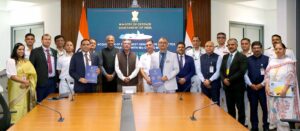
The Ministry of Defence (MoD) has signed contracts worth ₹53,866.50 crore with Garden Reach Shipbuilders & Engineers Limited (GRSE) and Goa Shipyard Limited (GSL) for the acquisition of eight Next Generation Corvettes (NGCs) for the Indian Navy. The agreements were signed on November 2, 2026, in the presence of Defence Secretary Rajesh Kumar Singh at Kartavya Bhawan-2, New Delhi.

Under the agreements, GRSE will construct five corvettes, while GSL will build the remaining three. The project marks a milestone in India’s indigenous warship design and construction capabilities. It is the first project in which the Indian Navy will design the ships indigenously, while construction will be undertaken by Defence Public Sector Undertakings (DPSUs) selected through a competitive process.

Advanced Capabilities to Strengthen Indian Navy Operations

The Next Generation Corvettes will feature advanced missiles, weapons and sensor suites, allowing them to undertake missions across air, surface and sub-surface domains.

Their induction is expected to strengthen the Indian Navy’s operational capabilities in several areas, including safeguarding maritime trade routes, conducting anti-surface and anti-submarine warfare operations, and strengthening coastal defence.

The vessels will also undertake littoral combat operations, maritime presence and surveillance missions.

Corvette Project to Generate Employment Over Ten Years

The NGC project is expected to provide significant support to India’s indigenous shipbuilding ecosystem by strengthening collaboration among DPSUs, private shipyards and Indian industrial partners, including micro, small and medium enterprises (MSMEs).

According to the Ministry of Defence, construction of the eight corvettes is expected to generate approximately 72 lakh person-days of employment in shipyards and 460 lakh person-days in ancillary industries and MSMEs over the next ten years.

The project will promote the use of Made-in-India materials and equipment, indigenous technologies, and Indian skills and expertise in warship construction.

The contracts mark a step towards achieving Aatmanirbharta in defence manufacturing and reinforce the government’s commitment to the Make in India initiative.


Read More :

Two Foreign Nationals Die After Suspected Electrocution at Bengaluru’s Conrad Hotel

Swedish School Grades May Not Be Comparable Across Schools

Record-Breaking Micro-LED Could Improve Data Center Communications

Researchers from the University of Illinois Urbana-Champaign and the University of Notre Dame have developed a gallium nitride micro-LED capable of achieving an optical modulation bandwidth of 2.75 gigahertz while consuming just 25 milliwatts of power. The device sets a new record for optical switching speed in quantum well LEDs and could help make data center communications faster and more energy efficient.

 The team optimized the device to a diameter of just 5 micrometers, balancing its speed, size and energy consumption. The researchers believe the technology could offer an alternative to conventional wire connections and laser-based optical links, particularly for short-distance data transmission.

“Ninety percent of communications in data centers is short range, meaning less than 10 meters,” said Abdelghany Abouelnagga, a graduate student at Illinois Grainger Engineering and lead author of the study. “It is standard to use lasers for the kind of high-frequency communications needed in this context, but lasers are power hogs. If we want to manage energy use in data centers, we need to consider lower-power optical communications such as LEDs, and we show exactly how to do so.”

Why Data Centers Need More Efficient Optical Links

Data centers rely on rapid communication between servers and other computing components. To support increasingly demanding data transmission, they use optical communication links that transfer information through pulses of light.

Unlike conventional copper wires, optical links can transmit data at very high frequencies without significant signal loss. However, maintaining the speed and accuracy required for these connections has traditionally involved using lasers.

Although lasers provide the high-frequency performance needed for optical communication, they consume considerable amounts of electricity and generate substantial heat. This creates an energy-efficiency challenge for data centers, where large numbers of communication links operate continuously.

LEDs could provide a lower-power alternative, but their switching speeds have historically limited their suitability for high-frequency applications.

The new research demonstrates how carefully designed micro-LEDs could help address this limitation.

Researchers Identify the Optimal Micro-LED Size

To understand how device dimensions affect performance, the researchers systematically reduced the diameter of their micro-LEDs from 100 micrometers to 2 micrometers. They measured how optical modulation bandwidth and power consumption changed as the devices became smaller.

Optical modulation bandwidth indicates how quickly a light source can switch on and off while maintaining its brightness. This is an important measure of how effectively an LED can transmit rapidly changing data signals.

The team discovered that reducing the device size did not always improve performance. Instead, the 5-micrometer design provided the best balance between switching speed and power consumption.

“We systematically shrunk our micro-LEDs down from 100 micrometers to 2 micrometers in diameter, a level of deep scaling that has never been done before,” Abouelnagga said. “We found that, contrary to popular belief, smaller is not always better. Our work gives a development roadmap to systematically study the tradeoffs between size, bandwidth and power consumption, which shows that the best device is actually the 5-micrometer one.”

The researchers also modelled material imperfections and electrical properties that can produce parasitic effects and reduce device performance. This theoretical modelling, combined with experimental testing, helped them optimize the final design.

Low Power Consumption and Potential for Compact Data Arrays

The researchers say the device’s performance is particularly promising because it combines gigahertz-scale responsiveness with an electrical power consumption of only 25 milliwatts.

While certain nonstandard LED designs can operate at higher frequencies, they produce unstable light with low intensity. The researchers argue that their quantum well LED design is better suited to data center applications because it combines high optical bandwidth with useful optical power and low energy consumption.

“To put the speed and power efficiency in perspective, our micro-LED responds to electrical signals on a gigahertz scale, comparable to computer processors, but consumes just 25 milliwatts of electrical power,” Abouelnagga said. “Of course, processors and optical transmitters perform different functions, but the comparison illustrates how fast this tiny light source can respond with a small power budget. Its 5-micrometer diameter also opens the possibility of arranging many emitters into compact, two-dimensional arrays with each carrying a separate stream of data.”


Read More :

Binance customers withdraw $3.64 billion after record $6.3 billion crypto hack

China’s humanoid robots can perform stunts. The real contest is whether they can think

MIT Develops Nanoparticle Platform for Personalized Cancer Vaccines

Researchers at the Massachusetts Institute of Technology (MIT) have developed a nanoscale delivery system that could advance the development of personalized cancer vaccines. The platform uses modified, harmless viruses to carry cancer antigens, allowing researchers to customize vaccines to target specific proteins found in individual patients’ tumors.

The vaccine delivery system is built around M13, a bacteriophage that forms a nanofiber and can be coated with cancer antigens. By controlling the density of these antigens on the particle’s surface, the researchers found that they could strengthen the immune response against tumors.

In experiments involving mice, vaccines developed using this approach helped prevent the development of colon tumors and reduced the likelihood of tumor formation in another cancer model.

“The great thing about this is that it’s modular and we could switch out different antigens on demand, so you could design it to be patient-specific and target a known antigen for a particular kind of cancer,” says Angela Belcher, the James Mason Crafts Professor of Biological Engineering and Materials Science and Engineering at MIT and a member of the Koch Institute.

How the M13 Bacteriophage Delivers Cancer Antigens

The M13 bacteriophage is a virus that does not harm humans. It consists of a single strand of DNA enclosed within a protein shell, known as a capsid. For more than two decades, Belcher’s laboratory has engineered these viruses to assemble into nanoscale structures for different applications, including batteries, semiconductors, solar cells and catalysts.

The researchers are now adapting this technology for medical applications, particularly vaccine delivery.

To create the cancer vaccine, they modified a protein called pVIII, which forms the long filament-like structure of the virus. By attaching cancer antigens to the ends of these proteins, the team created particles capable of presenting specific tumor targets to the immune system.

The antigen density is important because it influences how effectively the vaccine can stimulate an immune response. Huang found that adding one or two negatively charged amino acids to the modified pVIII protein increased antigen density. The researchers could further adjust the density by introducing a genetic mutation that slows the production of the antigen protein.

“We’re taking this toolkit that we’ve worked on and developed over decades and formatting it to be specific for vaccine therapeutics,” Belcher says. “Some of the lessons learned from making batteries and all these other things are now being fine-tuned to make personalized vaccines.”

Researchers Control Antigen Density to Strengthen Immune Response

The team also modified the bacteriophage’s genetic sequence to improve its ability to act as a vaccine adjuvant. Adjuvants are substances that help stimulate a stronger immune response and are commonly included in vaccines.

M13 can perform this function because its single-stranded DNA activates a pathway called TLR9, which is part of the body’s innate immune system. This allows the researchers to genetically control both the antigen presentation and the adjuvant properties of the vaccine platform.

“We can control the exact length. We can control the exact antigen expression, density, pattern, the exact adjuvant amount. A lot of times with a vaccine, you’ll have to put a different adjuvant with it, but now it’s all genetically encoded,” Belcher says.

Using the platform, researchers produced particles carrying an antigen called SIINFEKL at densities ranging from 6% to 70%. This small protein is commonly used as a model antigen to evaluate vaccine effectiveness.

The team tested vaccines with antigen densities of 6% and 35% in mice. The higher-density vaccine provided greater protection. Mice that received it were less likely to develop tumors after exposure to melanoma cancer cells expressing SIINFEKL. They also produced more T cells targeting the antigen.

The researchers found that dendritic cells, which help activate T cells, were more likely to take up vaccines with higher antigen density.

Personalized Vaccines Show Promise Against Colon Tumors

In another experiment, the researchers developed a vaccine carrying ADPGK, a neoantigen specifically expressed by colon tumors in a mouse cancer model. A neoantigen is a protein found in tumor cells that can serve as a target for the immune system.

Mice receiving the higher-density vaccine were significantly less likely to develop colon tumors.

The current study focused on preventing cancer development. In previous work, the researchers had adapted the platform to treat colon tumors that had already formed in mice. They now hope to investigate its potential against other cancer types.

“This interesting work adds another cog to improve the translational potential of the M13 phage platform for cancer immunotherapeutics,” said Alberto Danielli, an associate professor of molecular biology at the University of Bologna who was not involved in the study. “I look forward to seeing whether this platform is also effective against established tumors and whether additional tumor antigens can be displayed with comparable molecular and immunological efficacy.”

The modular design could make it possible to replace one antigen with another depending on the cancer being targeted.

“Because this is a modularly engineered platform, we can change the antigen we are interested in. For colon cancer, we use this specific antigen. For other types of cancer, we can just plug in other antigens and they can be assembled in this platform,” Huang says.


Read More :

Marine Heatwaves Disrupt Nutrition and Reproductive Flexibility in Humpback Whales

AI-designed virus administered to human for first time? Startup hopeful

NASA’s Perseverance Rover Helps Scientists Study Martian Dust

Future astronauts travelling to Mars will have to contend with one persistent environmental challenge: dust. A new study led by Washington University in St. Louis examines how Martian dust interacts with spacesuit materials and other surfaces, providing insights that could help engineers prepare for human missions to the Red Planet.

Scientists used small swatches of spacesuit material attached to NASA’s Perseverance rover, alongside other materials such as Teflon, to examine the effects of prolonged exposure to Martian dust. Each swatch measures less than a square inch and is positioned among the rover’s scientific instruments and navigation equipment. Although the rover does not require a spacesuit, these samples allow researchers to assess how dust could damage equipment and materials used by future astronauts.

“Mars is a very dusty place,” said VanBommel. “Astronauts to Mars will have to be prepared.”

Martian Dust May Be Less Abrasive Than Lunar Dust

The Apollo missions demonstrated how dangerous dust can be during space exploration. Despite their relatively short duration, lunar missions exposed astronauts and equipment to abrasive particles that scratched visors and degraded spacesuits. Dust particles also clung to astronauts’ clothing, entered the lunar module and eventually reached their lungs, causing hay fever-like symptoms in some cases.

The new findings suggest that Martian dust may be less abrasive and irritating than lunar dust. After 1,645 Martian days of exposure, the spacesuit material samples showed little visible wear.

Researchers also found that Martian dust particles were considerably smoother than the jagged grains found on the Moon. VanBommel explained that prolonged exposure to wind may have gradually rounded the particles, giving them shapes similar to pebbles found in rivers.

“The particles in the Martian atmosphere have been blowing in the wind for potentially billions of years, so they tend to be well rounded, like pebbles in a river,” VanBommel said.

However, smoother particles do not eliminate the risks associated with Martian dust.

Ultrafine Particles Could Pose Health Risks

One of the study’s major findings concerns the extremely small size of some Martian dust particles. VanBommel developed a method to estimate individual particle sizes and identified ultrafine particles measuring as little as 100 nanometers across, equivalent to one ten-thousandth of a millimeter.

On Earth, ultrafine particles released by smoke and air pollution are considered a significant health concern because they can penetrate deep into the lungs and enter the bloodstream.

Although astronauts will not breathe the Martian atmosphere directly, these microscopic particles could still create problems if they enter habitats or attach to spacesuits and equipment. Engineers will therefore need to consider their potential effects when designing protective clothing, habitat systems and air filters.

The researchers also found that Martian dust has electrostatic properties that influence how it interacts with different surfaces.

“The electrostatic properties of Martian dust are likely causing it to preferentially adhere to some surfaces,” said study co-author Abigail Knight, a staff scientist who helped develop and conduct the analysis.

Potentially Toxic Compounds Add to Mission Challenges

Using data from Perseverance’s PIXL (Planetary Instrument for X-ray Lithochemistry) instrument, the researchers also examined the chemical composition of Martian dust.

Unlike lunar dust, the material on Mars contains perchlorates and other potentially toxic compounds. The samples were also enriched in sulfur, iron and silica.

The health risks associated with these substances will depend on the level and duration of exposure. Brief contact may not necessarily pose a serious threat, but their presence introduces additional considerations for the design of future human missions.

Perseverance Provides Insights for Future Human Exploration

NASA’s Perseverance rover and earlier Mars missions have helped scientists understand the planet’s geological history and present-day conditions. Their work also provides opportunities to test technologies and study environmental challenges that could affect future human exploration.

Researchers have now been operating rovers on Mars continuously for more than two decades, building a better understanding of how equipment performs in the planet’s dusty environment.

“We’ve been operating rovers on the surface of Mars continuously for more than 20 years at this point,” VanBommel said. “We know that dust will be a challenge, but it’s something we can prepare for and overcome.”


Read More :

Marine Heatwaves Disrupt Nutrition and Reproductive Flexibility in Humpback Whales

AI-designed virus administered to human for first time? Startup hopeful

Female Physicians Linked to Better Outcomes Among Hospitalized Patients

Hospitalized patients treated by female physicians were less likely to die or return to hospital than those treated by male physicians, according to a new study led by a University of Toronto researcher. The findings suggest that physician sex may be associated with differences in both short-term and longer-term outcomes for patients receiving treatment for common medical conditions.

The study, conducted by the Institute for Clinical Evaluative Sciences (ICES), analysed health records of 958,150 adults admitted to hospital between January 1, 2008, and December 31, 2022. Patients were hospitalized for one of seven common medical diagnoses, including acute myocardial infarction and pneumonia.

Of the patients included in the analysis, 259,759 received care from female physicians, while 698,391 were treated by male physicians. Since responsibility for patient care can transfer between several doctors during a hospital stay, researchers examined both the sex of the most responsible physician and the extent of patients’ exposure to female physicians throughout their admission.

“Past research has largely focused on surgical patients and the admitting physician only. Our findings add to the growing body of research examining the relationship between physician sex and patient outcomes, broadening the evidence beyond surgical care to a wider range of medical conditions and other physicians,” says Dr. Angela Jerath, an ICES scientist and associate professor in the Department of Anesthesiology and Pain Medicine at the University of Toronto’s Temerty Faculty of Medicine.

Lower Mortality and Readmission Rates Among Patients Treated by Female Physicians

The analysis found a difference in mortality rates between patients treated by female and male physicians. The 30-day mortality rate was 12.3% among patients cared for by female physicians, compared with 13.7% among those treated by male physicians.

Hospital readmission rates were also slightly lower for patients treated by female physicians. The study recorded a readmission rate of 18.6% for this group, compared with 18.9% for patients treated by male physicians.

The researchers also found that greater exposure to female physicians during hospitalization was associated with 7% lower odds of dying within 30 days. Similar patterns were observed when researchers examined outcomes at 90 days and one year.

These findings suggest that differences in physician involvement during hospital stays may be associated with patient outcomes beyond the initial period of treatment.

Communication and Treatment Practices May Explain the Difference

The researchers identified several possible explanations for the observed differences. Female physicians may be more likely to engage in patient-centred communication and spend additional time interacting with patients.

Other potential factors include greater adherence to guideline-directed treatments, more frequent consultation with colleagues and a greater emphasis on shared decision-making.

However, the study does not establish that any single practice directly causes the differences in patient outcomes. Further research is needed to understand which aspects of clinical care may contribute to the findings.

Jerath emphasized that the objective is not to favour one group of physicians over another, but to identify practices that could improve patient care across the healthcare system.

An important strength of the research is its focus on patients hospitalized for medical conditions rather than surgical procedures. According to the researchers, medical patients are generally assigned physicians through rotating schedules instead of being directed to particular doctors based on patient or referring physician preferences.


Read More :

Scientists Discover How the Heart Uses Two Fuel Sources to Keep Beating Strong

St. Jude Scientists Uncover How Protein Production Mechanisms Contribute to Cancer and Treatment Resistance

Bengaluru-Mumbai Vande Bharat Sleeper Express Begins Operations

Indian Railways has introduced a new Vande Bharat Sleeper Express between Bengaluru and Mumbai to strengthen overnight rail connectivity between two of India’s major economic and commercial centres. Union Railway Minister Ashwini Vaishnaw flagged off the service on November 1, 2026, in the presence of Union Ministers Pralhad Joshi and H. D. Kumaraswamy, Minister of State for Railways V. Somanna, Minister of State Shobha Karandlaje and other dignitaries.

The new service connects Bengaluru, India’s IT and startup hub, with Mumbai, its financial capital. It is expected to benefit professionals, entrepreneurs, business travellers, students, traders and tourists by providing an additional modern overnight travel option.

The train will also improve connectivity across regional centres in Karnataka, Andhra Pradesh and Maharashtra, particularly parts of North Karnataka that previously had limited access to premium train services.

Addressing the flag-off ceremony, Vaishnaw said the service would strengthen economic and regional connectivity while expanding the network of modern overnight rail travel. It follows the introduction of the Howrah-Guwahati Vande Bharat Sleeper service in January 2026 and the flag-off of the Varanasi-New Delhi service on October 31.

Route, Timings and Weekly Schedule

The Vande Bharat Sleeper Express will connect SMVT Bengaluru with Chhatrapati Shivaji Maharaj Terminus (CSMT) in Mumbai. Along its route, the train will serve important stations including Anantapur, Guntakal, Raichur, Yadgir, Wadi, Kalaburagi, Solapur, Pune and Kalyan.

The service will operate six days a week, with different weekly exclusions for each direction.

  • Bengaluru to Mumbai: Departs SMVT Bengaluru at 7:45 PM and arrives at CSMT at 11:55 AM the following day. It will not operate on Mondays.
  • Mumbai to Bengaluru: Departs CSMT at 8:10 PM and arrives at SMVT Bengaluru at 12 noon the following day. It will not operate on Tuesdays.

The overnight schedule will allow passengers to travel between the two metropolitan centres while making better use of their daytime. Travellers from intermediate cities and towns will also gain access to an additional modern rail service.

More Vande Bharat Services Planned for Karnataka

During the event, Vaishnaw announced further plans to expand Vande Bharat connectivity across Karnataka. The next sleeper service for the state is expected to originate from Bengaluru, connect northern parts of Karnataka towards the Hubballi region and continue towards Pune and Mumbai.

He also announced that Vande Bharat services between Bengaluru and Mangaluru are expected to begin within the next few weeks, following the completion of electrification and successful testing along the route. The proposed service is expected to improve connectivity between Bengaluru and coastal Karnataka.

The Railway Minister also highlighted plans for faster rail connections between major cities, stating that journeys between Bengaluru and Chennai would take approximately 73 minutes, while the Bengaluru-Hyderabad journey would take around two hours and 10 minutes.

Railway Infrastructure Development and Safety in Karnataka

Union Minister Pralhad Joshi welcomed the expansion of railway services and highlighted increased investment in railway infrastructure across Karnataka. He noted that the rollout of the Kavach train protection system had contributed to a reduction in accident rates from 135 to 16, while the government continued to pursue a target of zero accidents.

Minister of State for Railways V. Somanna stated that railway infrastructure projects worth approximately ₹52,000 crore were underway in Karnataka. These projects include improvements to railway connectivity, construction of railway overbridges and underbridges, restoration of train services and modernisation of stations across Bengaluru and other important centres.

Union Minister H. D. Kumaraswamy also welcomed the new service and proposed rail connections. He noted that improved connectivity would benefit people across Karnataka, including migrant workers and families from West Bengal, Assam and Bihar living in Bengaluru.

The Bengaluru-Mumbai Vande Bharat Sleeper Express is intended to support movement between two important centres of employment, education, finance and entrepreneurship. Its route also provides improved access to commercial and regional hubs across three states.


Read More :

‘Mayday, mayday’: Learjet’s final cockpit calls capture seconds before Florida crash kills nine

Two Foreign Nationals Die After Suspected Electrocution at Bengaluru’s Conrad Hotel

National Zoological Park Marks 67 Years of Wildlife Conservation

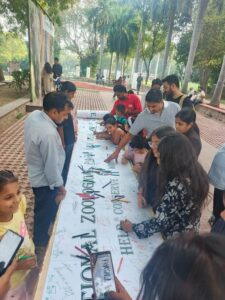
The National Zoological Park (NZP) in New Delhi celebrated its 67th Foundation Day on November 1, 2026, with activities focused on wildlife conservation, biodiversity awareness and environmental education. The celebrations included an interactive doodle activity that attracted approximately 1,500 visitors, offering children and families an opportunity to express their ideas about protecting wildlife and nature.

The activity encouraged visitors to engage creatively with environmental conservation while learning about the importance of biodiversity. It also reflected the zoo’s efforts to expand public participation in wildlife awareness and education.

Speaking on the occasion, Dr. Sanjeet Kumar, Director of the National Zoological Park, highlighted the institution’s role beyond providing visitors with opportunities to observe animals.

“The 67th Foundation Day is an important milestone in the Park’s journey and an occasion to renew our commitment to wildlife conservation, animal welfare, biodiversity protection and public engagement. A modern zoo is not merely a place to see animals; it is a centre for conservation, learning, research and inspiration. Every visitor, especially every child can become an ambassador for nature through informed and responsible choices”.

He also encouraged citizens to explore the country’s biodiversity and contribute to protecting wildlife and the natural environment for future generations.

19th Sunday Bird Walk Records 46 Species

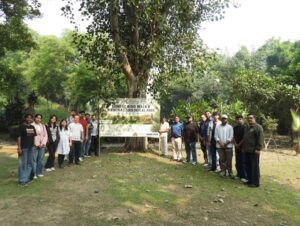
As part of its ongoing biodiversity monitoring and conservation outreach initiatives, the National Zoological Park organised the 19th edition of its Sunday Bird Walk @ NZP on November 1, from 7:30 AM to 10:30 AM.

The walk was conducted under the guidance of Dr. Paritosh Ahmed, an ornithologist, with support from volunteers. It brought together 18 participants, including students, bird enthusiasts, nature lovers, wildlife photographers and citizens interested in biodiversity.

During the programme, participants recorded 46 bird species and observed more than 500 individual birds within the designated area. These observations contributed to field-level biodiversity documentation while providing participants with practical exposure to citizen science.

Dr. Ahmed also shared insights into bird ecology, behaviour and conservation. Participants learned about the ecological importance of birds, including their role in natural pest control and their value as indicators of ecosystem health.

Bird Walks Promote Citizen Science and Environmental Awareness

Addressing participants, NZP Director Dr. Sanjeet Kumar emphasised that nature walks help develop field-identification skills and improve understanding of ecological relationships and food webs. Such activities also support biodiversity documentation and encourage a lasting interest in wildlife conservation.

The National Zoological Park has limited participation in each Sunday Bird Walk to 20 to 25 people to ensure effective learning and meaningful engagement. Interested participants must register in advance, with places allocated on a first-come, first-served basis.

Registration forms remain open from Monday to Friday each week. Visitors can access the registration link through the National Zoological Park’s official website or the NZP Saathi mobile application.

Through its Foundation Day celebrations and regular biodiversity activities, the National Zoological Park continues to promote public involvement in conservation, environmental education and the documentation of local wildlife.


Read More :

Two Foreign Nationals Die After Suspected Electrocution at Bengaluru’s Conrad Hotel

Uranium out, Hormuz open in sight: Iran-US draft deal outlines middle-path to defuse status quo

India Launches Digi Yatra International Trials Across Seven Major Airports

India’s Digi Yatra initiative has expanded its reach with the launch of international passenger trials at seven airports across the country. The trials, running from November to December 2026, will allow eligible Indian nationals holding e-passports to use digital verification at designated airport touchpoints while travelling on select international flights operated by Air India and IndiGo.

The facility is being tested at Delhi, Bengaluru, Hyderabad, Cochin, Mumbai, Chennai and Amritsar airports. Eligible passengers can use Digi Yatra at terminal entry points, Security Hold Areas (SHA) and boarding gates wherever the necessary infrastructure is available.

The trial programme aims to collect passenger feedback and assess the system’s performance before a wider expansion planned for 2027.

How International Passengers Can Use Digi Yatra

To access the international passenger facility, eligible Indian nationals must create an e-passport-based Verifiable Credential (VC) through the Digi Yatra mobile application.

The process involves scanning the Machine Readable Zone (MRZ) of the e-passport and using a compatible smartphone’s Near Field Communication (NFC) feature to read the information stored in its embedded chip. Passengers must then capture a selfie and verify their details to complete the process.

Once generated, the Verifiable Credential is stored in the passenger’s Digi Yatra wallet on their device. It can subsequently be used at airport touchpoints equipped to support the international trials.

The system is intended to make passenger verification more convenient through digital technology while supporting existing airport processes.

Existing Travel and Immigration Requirements Remain Mandatory

The introduction of Digi Yatra for international passengers does not replace conventional travel documentation or mandatory procedures.

Passengers must continue to carry their passports and other required travel documents. They must also complete airline document verification, immigration checks and all other applicable travel formalities.

The digital facility is designed to complement these existing requirements rather than serve as a substitute for them. Its availability will also depend on whether the relevant airport touchpoints have the infrastructure required to support the trials.

Digi Yatra Expands Across India’s Aviation Network

The international trials build on the growing adoption of Digi Yatra across India’s domestic aviation network. According to the Ministry of Civil Aviation, the platform has more than 26.5 million users and has facilitated over 110 million journeys across 39 domestic airports.

The initiative currently serves passengers travelling on domestic airlines, with plans to extend coverage to another 25 domestic airports by 2027.

The Ministry of Civil Aviation said it remains committed to using digital technology to improve airport operations and make air travel more convenient. The international passenger trials form part of the government’s broader Digital India and Ease of Flying initiatives.


Read More :

Uranium out, Hormuz open in sight: Iran-US draft deal outlines middle-path to defuse status quo

Two Foreign Nationals Die After Suspected Electrocution at Bengaluru’s Conrad Hotel

Crushed Shells Could Protect Marine Life From Ocean Acidification

Adding crushed shells to beach sand could help protect shell-making animals from the harmful effects of ocean acidification, according to new research from the University of California, Davis. The study found that crushed shells, also known as shell hash, can change the chemistry of water trapped between sediment particles, making it less acidic and creating more favourable conditions for shell growth.

The researchers found that clams raised in sediment containing crushed shells developed larger shells on average. Their genetic responses to acidification were also substantially reduced when shell hash was present.

“We found that, on average, clams grew larger shells when shell hash was present in their treatment,” said study first author Hannah Kempf, an environmental scientist at the California State Water Board and a 2024 PhD graduate in earth and planetary sciences from UC Davis. “Interestingly, we also found that, on a genetic level, the ‘acidification’ signal was dramatically minimized when shell hash was present.”

The findings suggest that shell hash can provide local protection against ocean acidification and support the growth of marine organisms that depend on calcium-based shells.

Why Ocean Acidification Threatens Shell-Making Animals

Ocean acidification occurs when seawater absorbs excess carbon dioxide from the atmosphere. As acidity increases, shell-making organisms face greater difficulty building and maintaining their shells. More acidic conditions can make shell formation energetically costly and can even dissolve existing shells.

Young organisms, particularly larvae and juveniles, are considered especially vulnerable to these effects.

To investigate how crushed shells might reduce this impact, the researchers raised young Pacific littleneck clams under four different conditions: normal seawater with sediment, acidified seawater with sediment, normal seawater with sediment and shell hash, and acidified seawater with sediment and shell hash.

Over the 90-day experiment, the team sampled the water three times a week, measuring acidity, salinity, temperature and dissolved oxygen. They also monitored shell growth and collected mantle tissue from the clams at the end of the experiment for genetic sequencing.

Clams raised in sediments containing shell hash were larger on average. Furthermore, the gene expression profiles of clams exposed to acidified water in the presence of shell hash were largely indistinguishable from those raised in non-acidified water.

“Adding crushed shells removed the negative genetic changes that occur when young clams are raised in acidified water,” said corresponding author David Gold, an associate professor of earth and planetary sciences at UC Davis.

Gold noted that this was the first time researchers had investigated the question from a genetic perspective.

Indigenous Ecological Knowledge Offers Lessons for Coastal Protection

The research also highlights the value of Indigenous knowledge in understanding and protecting coastal ecosystems. Indigenous communities have long incorporated shell hash into coastal sediments to support the health of shellfish habitats.

Study co-author Tsim Schneider, an associate professor of anthropology at the University of California, Santa Cruz, pointed to traditional ecological practices in the Pacific Northwest. Some Indigenous communities have created large-scale structures that expand intertidal spaces, encouraging habitats for invertebrates and other marine organisms.

Schneider said the findings could create opportunities for researchers to work more closely with Indigenous communities and support their established environmental practices.

“For me, one of the interesting aspects of this research is the potential to engage more fully with tribes on designing projects that promote their long-standing expertise and Indigenous science,” said Schneider, who is also affiliated with the National Science Foundation’s Center for Braiding Indigenous Knowledges and Science. “If there’s a history of adding shell hash to clam beds in California, for example, western science might be able to better support communities interested in reawakening dormant cultural knowledge and coastal stewardship practices.”


Read More :

Swedish School Grades May Not Be Comparable Across Schools

Ancient DNA Reveals Hidden Connections Across Ice Age Europe

Swedish School Grades May Not Be Comparable Across Schools

Grades awarded in Swedish compulsory schools may not carry the same value across different schools, according to a new thesis from Uppsala University. The research suggests that for-profit independent schools award higher grades than statistically expected given their pupils’ backgrounds and local circumstances, potentially giving pupils from wealthier households an advantage when competing for places in popular upper secondary programmes.

Grades play a central role in Sweden’s education system, where pupils are selected for upper secondary programmes based on merit ratings assigned by their teachers. For this system to operate fairly, the same grade should have approximately the same meaning regardless of the school where it was awarded.

However, average grades in Sweden have increased in recent years, while improvements in external measures of academic attainment have sometimes been considerably weaker.

“If grades are to be used to rank pupils, we must be able to trust that they are comparable. My research shows that for-profit independent schools achieve above-average grades; in other words, the schools’ average grades are higher than would statistically be expected given the pupils’ backgrounds and local circumstances,” says Tommie Rappe Petersson, a PhD student at the Department of Education at Uppsala University.

Parents’ Education Has a Stronger Connection to Grades

In his thesis, Grades in the School Market, Rappe Petersson examines final grades in Swedish compulsory schools between 1998 and 2022. Using Swedish register data, he tracks changes over more than two decades and compares pupils across municipal schools and different types of independent schools.

The findings show that the relationship between parents’ educational attainment and pupils’ final grades has strengthened over time. This relationship is also consistently strongest in municipalities where independent schools account for a larger share of local school provision.

Rappe Petersson notes that schools are expected to compensate for differences in pupils’ home circumstances and help children from less academically advantaged backgrounds succeed. However, the findings raise questions about how effectively schools fulfil this responsibility in municipalities with a greater presence of independent schools.

For-Profit Independent Schools Award the Highest Grades

An in-depth analysis covering 2014 to 2022 compared pupils’ grades in municipal and independent schools while accounting for factors including gender, migration background, parental education, family income and local circumstances.

Both for-profit and non-profit independent schools awarded higher grades on average than municipal schools. For-profit independent schools recorded the highest grades, although substantial differences also existed between individual independent school companies.

The research also identified differences in staffing and resources. Compared with municipal schools, independent schools had fewer teachers and guidance counsellors per pupil, a lower proportion of certified teachers, and fewer teachers with qualifications in special education. Teacher salaries were also lower, and fewer pupils had access to school libraries.

These findings suggest that higher grades do not necessarily indicate better teaching.

“Higher grades cannot be taken as an automatic indication of better teaching. The results suggest that grading is more lenient in independent schools, particularly the for-profit ones. This is why grading practices need to be monitored and reviewed in both municipal schools and independent schools.”

Eskilstuna Shows a Significant Grading Gap

The municipality of Eskilstuna stood out in the analysis. Between 2014 and 2022, almost one in three school leavers attended a for-profit independent school there.

After accounting for differences in pupils’ backgrounds, those attending for-profit independent schools had an average advantage of approximately 25 merit-rating points over pupils in municipal schools in the same municipality. According to the study, this difference is equivalent to a pupil improving from a C to an A in five different subjects. It was the largest grading advantage among the municipalities examined.

The broader pattern was also observed in municipalities that together accounted for 91 per cent of school leavers across the 84 municipalities surveyed.

The researchers further found that where the grading advantage for pupils at for-profit independent schools was larger, pupils whose parents had both high educational attainment and high household incomes also enjoyed a greater advantage.

“The results suggest that inflated grades may reinforce the head start enjoyed by pupils from high-income households. School has an explicit mandate to promote equality. We must be able to support those who are struggling, so that everyone has a fair chance of succeeding in their studies. This pattern points in the opposite direction.”


Read More :

One-Third of Young Adults Use AI Chatbots for Substance-Use Information

Ancient DNA Reveals Hidden Connections Across Ice Age Europe

Corporate Climate Reporting Has Improved More Than Average Scores Reveal

Companies face growing expectations to disclose climate risks, emissions data and environmental governance practices. However, tracking improvements across the corporate sector can be challenging when the number of companies reporting their environmental performance changes over time.

A study by researchers at Kyushu University in Japan has found that overall climate reporting scores can underestimate progress among companies that disclose information consistently. Published on October 14, 2026, in Corporate Social Responsibility and Environmental Management, the research examined a decade of climate disclosure scores collected by CDP, formerly known as the Carbon Disclosure Project.

CDP is a nonprofit organisation that collects and evaluates corporate environmental disclosures. Although its average scores provide a broad view of reporting trends, changes in the companies included in each assessment can distort comparisons between years.

“Founded in 2000, CDP has built an extensive record of corporate climate disclosure,” said Alexander Ryota Keeley, an associate professor at Kyushu University’s Faculty of Engineering. “While average scores give us a broad picture of reporting trends, the companies being assessed change over time, which can mask progress within individual companies.”

Long-Term Participants Show Greater Improvements

The research team analysed climate disclosure scores for 8,959 companies, covering 37,450 company-year observations between 2016 and 2025. Researchers grouped companies according to whether they remained in the assessment throughout the period or entered or left the reporting population.

The analysis distinguished three groups: companies assessed in both 2016 and 2025, known as stayers; companies assessed in 2025 but not in 2016, known as entrants; and companies assessed in 2016 but not in 2025, known as exiters.

CDP’s eight grades, ranging from D− to A, were converted into a numerical scale from 1 to 8. Using this scale, the researchers found that the overall mean score increased from 5.04 in 2016 to 5.46 in 2025, representing a gain of 0.42 points.

However, the 1,470 companies assessed in both years recorded a considerably larger improvement. Their average score rose from 5.24 to 6.36, an increase of 1.12 points, nearly three times the overall gain.

The difference was largely explained by changes in the reporting population. Companies entering the assessment in 2025 scored below the established participants, reducing the overall improvement by 0.90 points. Meanwhile, companies that had left the assessment scored below the stayers in 2016. Their absence contributed a positive 0.20 points to the overall change.

Together, these population changes offset 0.70 points of the improvement, concealing much of the progress achieved by companies that reported consistently.

“The findings suggest that sustained reporting, supported by strong governance and reliable data systems, may help companies improve their disclosures over time,” Keeley said.

More Detailed Disclosures Associated With Higher Scores

Beyond examining score changes, the researchers investigated whether the content of companies’ written responses was associated with their ratings during 2024 and 2025.

They assessed characteristics including response length, the density of numerical information and the use of qualifying or uncertain language. Combining these measures, the team developed a Textual Detail Index (TDI).

The analysis found that companies providing more detailed responses tended to receive higher scores. This suggests that the depth of information disclosed may be relevant to how environmental reporting quality is assessed.

However, the reported association does not establish that providing longer or more detailed responses directly causes companies to achieve higher scores.

Implications for Companies and Investors

The researchers plan to extend their analysis to other environmental issues, including water management and forests. By combining multiple datasets with newly developed sources, they aim to investigate connections between corporate performance and broader social impacts that individual datasets may overlook.

The findings also offer practical lessons for investors and businesses evaluating climate disclosure. Average scores remain useful for understanding overall trends, but they may not accurately reflect improvements among companies that report consistently.

“For companies, we hope our research highlights the importance of strong governance and a lasting commitment to tracking and reporting data,” Keeley said. “For investors, looking beyond the averages to companies’ governance and long-term commitments can help reveal where progress is being made and where challenges remain.”


Read More :

Fake Currency Goes Local: Small-Time Operators Add New Challenge to India’s Security Net

One-Third of Young Adults Use AI Chatbots for Substance-Use Information

Nearly One in Four Americans Have Misrepresented Symptoms to Obtain Antibiotics

Nearly one in four Americans have exaggerated or invented symptoms to obtain antibiotics from a doctor, either for themselves or for a child in their care, according to a study by researchers at University of Utah Health. The nationwide survey of nearly 1,000 people examined why patients and caregivers sometimes misrepresent symptoms and highlighted the need for better communication between healthcare providers and patients.

Published in JAMA Network Open, the study found that 28% of respondents had deliberately misrepresented their symptoms to obtain antibiotics for themselves. Another 27% reported doing so to get antibiotics for a child. These behaviours included exaggerating existing symptoms or inventing symptoms entirely.

The most common motivations included feeling extremely unwell, believing that antibiotics were the only effective treatment, and wanting to recover quickly enough to return to work or school. Some respondents also wanted greater control over their treatment decisions.

Alistair Thorpe, a research assistant professor of population health sciences at University of Utah Health and one of the study’s first authors, said the findings provide a clearer understanding of why people engage in this behaviour.

“Now that we have a clearer picture of how common these behaviors are and the reasons behind them, the next step is to look at strategies that help patients express their preferences and communicate what they’re feeling to their provider, and for their provider to hear them, understand their concerns, and reassure them,” Thorpe said.

He acknowledged that patients experiencing unpleasant symptoms may find it difficult to accept a recommendation to rest and wait for recovery when they believe medication could provide immediate relief.

Why Unnecessary Antibiotic Use Is Dangerous

Antibiotics are essential for treating bacterial infections, but they are ineffective against viruses, which cause many common respiratory illnesses, including colds and flu-like infections. Taking antibiotics unnecessarily can expose patients to side effects without providing the expected benefits.

Andrea Levy, a professor of social sciences at Connecticut State Community College Middlesex and another first author of the study, highlighted the wider consequences of inappropriate antibiotic use.

“These medications are not totally benign for the patient,” Levy explained. “And antibiotic use contributes to increasing antimicrobial resistance, which is a broader public health concern.”

Antimicrobial resistance develops when microorganisms evolve in ways that make medicines less effective against them. Unnecessary antibiotic use contributes to this problem, making it harder to treat certain infections.

Doctors therefore need accurate information about patients’ symptoms to determine whether antibiotics are appropriate. When patients exaggerate or fabricate symptoms, they may make it more difficult for healthcare providers to choose the safest and most effective treatment.

Previous Medical Experiences May Influence Patient Behaviour

The researchers emphasised that their findings should not be used to blame or distrust patients. Instead, they suggest that misrepresenting symptoms can stem from understandable concerns and previous experiences with healthcare providers.

Respondents were more likely to report exaggerating symptoms if a doctor had previously dismissed or downplayed their concerns. Such experiences may leave patients feeling that they must overstate their condition to receive attention.

Thorpe also noted that patients who recover after receiving antibiotics for a viral illness may mistakenly attribute their improvement to the medication. Since many viral infections resolve naturally, this experience can reinforce the belief that antibiotics are necessary whenever similar symptoms occur.

Levy stressed that understanding these motivations could help healthcare professionals develop better ways to address patients’ concerns.

“There are very understandable reasons that we can sympathize with about why patients might feel the need to misrepresent symptoms, or why caregivers might do so on behalf of their children,” Levy said. “We’re simply saying: perhaps there’s a better way.”

Better Communication Could Reduce Inappropriate Prescriptions

The researchers argue that improving communication between patients and healthcare providers is essential to reducing unnecessary antibiotic prescriptions. Doctors need to explain why antibiotics may not help in certain cases while ensuring patients feel their symptoms and concerns have been taken seriously.

Angela Fagerlin, professor and chair of the Department of Population Health Sciences at University of Utah Health and the study’s senior author, called for further research into communication strategies.

“Going forward, it will be important to test different ways to change the communication patterns between patients and their clinicians,” Fagerlin said. “How can clinicians communicate to patients the importance of not prescribing antibiotics when they won’t be effective, how can patients communicate in a way that their concerns and needs are met, and how can we help each other better understand the others’ perspectives?”

Levy cautioned against treating the findings as a reason for doctors to become suspicious of their patients.

“The practical takeaway is not for clinicians to become more suspicious of their patients,” Levy said. “Instead, clinicians need to create interactions where caregivers and patients feel heard enough that they don’t feel the need to exaggerate in order to be taken seriously.”


Read More :

Mizzou Study to Explore How Couples’ Daily Routines May Influence Heart Health

Americans Are Adding More Calories to Coffee as Creamer Use Rises

ETH Zurich Develops Electronic Implant That Reduces Excess Glucose

Researchers at ETH Zurich have developed an experimental implant that uses an electrically powered catalyst to convert excess glucose into gluconate. Tested in diabetic mice, the system regulated blood sugar levels and reduced body weight, offering a potential new approach to diabetes treatment.

Type 2 diabetes is becoming increasingly common worldwide and is often associated with obesity, sedentary lifestyles and long-term excess energy intake. Although insulin treatment can lower blood glucose levels, it does not directly address the body’s energy surplus. Glucose taken up by muscle cells may be converted into fat if the energy is not used, contributing to weight gain in some patients.

A research team led by Martin Fussenegger, professor in ETH Zurich’s Department of Biosystems Science and Engineering in Basel, has developed an alternative approach that uses electronics and an inorganic catalyst to remove excess glucose from circulation. Previous approaches relied on specially developed genetic networks, which involve biological components and can present challenges related to immune tolerance, stability, manufacturing and regulatory approval.

The new system avoids the need for cells, enzymes or other biological components in its glucose-conversion mechanism. Instead, it uses a catalyst made from inorganic materials, including graphite felt studded with gold nanoclusters decorated with smaller platinum particles. The researchers engineered the catalyst’s nanostructured surface, and the materials demonstrated good biocompatibility in the experimental study.

The implant also contains an electronic control unit housed in a 3D-printed casing. It receives power wirelessly at 13.56 MHz, a frequency designated internationally for industrial, scientific and medical applications.

How the Catalyst Converts Glucose Into Gluconate

The system works by converting excess glucose into gluconate, which the body subsequently excretes through urine. By diverting some glucose away from normal metabolic pathways, the approach could also help limit the accumulation of body fat.

The implant operates through a wireless, closed-loop control system that responds to changes in glucose levels.

A standard glucose sensor, similar to those commonly worn on the upper arm by people with diabetes, continuously monitors glucose levels in tissue. When glucose rises too high after a meal, the sensor transmits a signal through Bluetooth to a smartphone or smartwatch.

The connected device then activates the implant, supplying the electrical energy needed for the catalyst to convert glucose into gluconate. Once glucose levels return to the desired range, the system automatically switches off.

This automatic control is designed to prevent excessive glucose reduction and protect against dangerously low blood sugar levels.

Experiments Demonstrate Glucose Regulation in Diabetic Mice

The research team first tested the catalyst in a laboratory reservoir containing five litres of a glucose-based nutrient solution, approximately equivalent to the volume of blood in the human body. The experiment demonstrated that the catalyst could convert glucose within that volume of solution.

Researchers subsequently tested the implant in diabetic mice and found that it could regulate their blood sugar levels. The animals also lost weight, while the implant was well tolerated and operated reliably throughout a six-week testing period.

“The system operates at a very low voltage, and our experiments showed no evidence of tissue damage from either electrical or thermal effects,” said Fussenegger.

Despite these results, the technology remains experimental. The researchers have not yet tested the device in humans, so its safety and effectiveness in people with diabetes remain unestablished.

Moving Towards Electronically Controlled Diabetes Treatment

Fussenegger describes the technology as a potential shift from conventional drug-based treatments towards electronically controlled medical devices that could integrate with digital systems, including the Internet of Things.

“For decades, we have treated diabetes by telling the body how to manage glucose. We are now showing that we can take control of glucose directly, using electronics rather than drugs,” he says. “And the catalyst only activates when glucose levels are too high.”

The team plans to develop the experimental system into a medical device. Since the glucose-conversion mechanism operates without cells or enzymes, the researchers believe its technical development could be more straightforward than approaches that rely on biological components.

Another potential advantage is that many components required for the system, including external control units and wireless power transmission equipment, have already been developed and are commercially available.

Further development and human testing will be necessary before the technology can be considered for clinical use. If future studies establish its safety and effectiveness, the implant could offer a new way to manage excess glucose through a combination of chemical catalysis, electronic monitoring and automated control.


Read More :

PHP Security Crisis Exposes Open-Source Funding Gap, Is It Worth the Vulnerability?

Harvard Launches ExpressPath Licensing Model to Help Startups Commercialise Research Faster

Penn Engineers Develop Durable Mylar Insulation for Future Lunar Habitats

Establishing a long-term human presence on the Moon will require materials capable of withstanding extreme environmental conditions. Lunar temperatures can fluctuate from hundreds of degrees below zero to boiling, making effective insulation essential for protecting habitats and equipment. However, many high-performance insulating materials are fragile and struggle to withstand compression, impacts and repeated handling.

Engineers at the University of Pennsylvania (Penn) are exploring a potential solution using hundreds of thin sheets of Mylar, the lightweight plastic used in household food wrap and, when coated with aluminium, reflective emergency blankets that help runners conserve body heat.

In a new paper published in ACS Applied Materials & Interfaces, the team describes a method for assembling these sheets into a material called hybrid layered insulating film stacks (HyLIFS). The material combines two properties that rarely occur together: strong thermal insulation and mechanical durability.

“These stacks of Mylar can bend, withstand substantial compression and maintain their insulating performance,” says senior author Igor Bargatin, Associate Professor in Mechanical Engineering and Applied Mechanics (MEAM), “potentially allowing them to be packed, transported and survive rough treatment over many years of use.”

If the technology can be scaled from laboratory samples to mass production, it could provide insulation for lunar habitats, spacesuits and other technologies designed to operate for extended periods in the vacuum of space.

“The combination of thermal and mechanical robustness is critical for long-term use on the moon,” notes first author Danielle R. Levin, a recent Penn doctoral graduate in chemistry, who also received a master’s in MEAM. “This material could open a pathway to inexpensive, durable and reusable lunar insulation.”

Why Conventional Insulation Materials Fall Short

Designing insulation for a vacuum requires more than simply preventing heat from moving through a material. The insulation must also withstand the mechanical demands of construction, transportation and long-term use.

Some of today’s best-performing insulation materials are extremely fragile. Aerogels, for example, are lightweight materials composed largely of empty space. Their structure makes them excellent insulators for applications ranging from industrial pipelines to NASA’s Mars rovers, but can also leave them vulnerable to mechanical damage.

Multilayer insulation, another technology commonly used in space, relies on reflective films separated by insulating spacers. Although highly effective at limiting heat transfer through radiation, it is not designed to bear significant loads and can tear easily when touched.

These limitations create a fundamental trade-off: improving an insulator’s mechanical strength can compromise its thermal performance.

“For lunar infrastructure, we would ideally like both,” says Bargatin. “The ideal material is both resistant to damage and to the loss of heat.”

The Penn team sought to overcome this challenge by developing an insulating material that could retain its thermal performance while withstanding compression and physical handling.

How Stacked Mylar Films Provide Thermal Insulation

The researchers used Mylar, formally known as biaxially oriented polyethylene terephthalate (BoPET), a polymer already widely used in aerospace applications and in emergency blankets given to marathon runners. When combined with a metal such as aluminium, Mylar can block infrared radiation and help trap heat.

The team tested films of different thicknesses, coating some with an extremely thin layer of aluminium oxide, also known as alumina, to increase their stiffness. The researchers then stacked the films one sheet at a time.

“At the moment, the process is very time-consuming,” says Levin. “We use two pairs of tweezers and small weights to handle and stack the delicate films. Even breathing near the stack can send the layers flying.”

Despite the delicate manufacturing process, the resulting material demonstrated a promising combination of thermal and mechanical properties.

Tests conducted in a vacuum showed that the best-performing stacks achieved thermal conductivity comparable to other high-performance vacuum insulation technologies when compressed under conditions resembling those in a lunar habitat with air maintained at atmospheric pressure indoors. The material also remained flexible.

In separate mechanical tests, the coated stacks maintained their thermal performance even under the highest compressive stresses achievable with the laboratory’s equipment. The results suggest that the material can provide effective insulation without sacrificing durability.

Mylar Insulation Withstands Repeated Compression

The researchers were surprised by how well the material performed under substantial mechanical stress.

The team repeatedly compressed samples to approximately 20 megapascals, roughly equivalent to concentrating 200 pounds onto the area of a fingertip. The experiments tested whether the layered films could withstand repeated compression without losing their insulating properties.

“We were concerned about the material failing under such high compressive stress,” recalls Levin. “But the stacks didn’t survive just one high stress cycle — they survived 10 in a row.”

This durability could offer practical advantages for lunar construction. Materials transported to the Moon must withstand the journey before being installed, while equipment used in lunar habitats may experience accidental impacts and repeated handling.

“You could use these stacks to insulate a lunar habitation, but astronauts will inevitably have little accidents where they bump into them,” notes Bargatin. “When we’re talking about long-term habitation on the moon, it’s really important to have tough materials that can last long enough.”

A flexible, reusable insulator could therefore help reduce the risk of damage during transportation, installation and everyday use.

Tiny Particles Could Hold the Key to Better Insulation

The study also identified a potentially important role played by microscopic particles already present in commercial Mylar films.

Extremely thin plastic films tend to cling to themselves and other surfaces, making them difficult to manufacture and handle. To prevent this, manufacturers add microscopic particles known as “antiblocking” particles. These protrude slightly from the film’s surface, preventing adjacent layers from sticking together.

Although the particles and their industrial purpose were already known, their influence on heat transfer through stacked Mylar films had received relatively little attention.

Conventional multilayer insulation primarily aims to limit heat transfer through radiation. As a result, there has been less reason to investigate whether these microscopic particles create pathways for conductive heat transfer between adjacent sheets.

To examine this possibility, the researchers developed models of heat transfer across the interfaces between films and compared their predictions with experimental data. Their results suggest that, in a vacuum, heat primarily travels between sheets at the microscopic points where antiblocking particles touch neighbouring films.

This finding could help researchers design more effective insulating materials. Rather than treating the particles as an unavoidable feature of commercial Mylar, engineers could potentially adjust their size, number and distribution to control heat transfer.

Why Thinner Films Do Not Always Provide Better Insulation

The researchers also discovered that thinner films do not necessarily produce better insulation.

Initially, the team expected the thinnest films to perform best because thinner sheets allow more layers, and therefore more interfaces that limit heat transfer, to fit within the same space.

However, the thinnest successfully characterised films and those of medium thickness performed similarly when coated with alumina.

The researchers believe the antiblocking particles help explain this result. In thinner films, these particles can create more contact between neighbouring layers, opening additional pathways for heat to flow through the material.

“As you compress the layers the contact landscape changes,” says Levin. “It’s not just a matter of minimizing the film thickness or the number of particles; we must also account for how the contacts change and the films deform as pressure increases.”

The findings indicate that insulation performance depends on several interacting factors, including film thickness, stiffness and the distribution of embedded particles. Optimising the material will therefore require researchers to consider how these characteristics change under pressure rather than simply minimising film thickness.

Scaling Mylar Insulation for Lunar Habitats

For now, the HyLIFS samples remain small, measuring approximately one square centimetre in area. Producing them is also time-consuming, with manual cutting and stacking taking hours.

Practical applications would require insulation sheets measuring metres rather than centimetres. Scaling up production will therefore require a different manufacturing approach.

The researchers point to techniques such as continuously coating large rolls of Mylar as possible ways to manufacture the material at a larger scale. In the future, engineers could adjust film thickness, coatings and antiblocking particle distribution before winding the material into large stacks.

However, important questions remain about how the material will perform at larger scales. Further testing will need to establish whether the films can withstand repeated bending, bumps and scuffs under real-world operating conditions.

If the material retains its promising small-scale properties when manufactured at larger sizes, it could eventually serve as flexible insulation for lunar habitats, rovers, electronic systems and other equipment used in space.

For Levin, the research also demonstrates the potential of revisiting familiar materials to discover new applications. “The simplest configuration ended up being the best one,” she says.


Read More :

AI-designed virus administered to human for first time? Startup hopeful

PHP Security Crisis Exposes Open-Source Funding Gap, Is It Worth the Vulnerability?

Ancient DNA Reveals Hidden Connections Across Ice Age Europe

More than 30,000 years ago, people across Europe were more interconnected than previously thought. An international research team led by the University of Vienna has uncovered new genetic evidence of long-distance connections between populations associated with the Gravettian, one of Europe’s major Palaeolithic cultures.

Published in Science Advances, the study combines genomic data from rare ancient human remains with DNA preserved in cave sediments. The findings reveal genetic exchange between eastern and western European populations alongside long-term population continuity in southwestern Europe.

The Gravettian culture spread across Europe approximately 34,000 to 25,000 years ago. Although archaeological discoveries have long suggested extensive contact between groups across the continent, genetic evidence had previously pointed towards relatively stable eastern and western ancestry groups. The new research challenges that picture by identifying evidence of east-west genetic exchange and persistent western European ancestry in the southwest.

A Woman’s Genome Reveals Connections Between Eastern and Western Europe

The researchers analysed the remains of a woman discovered in Isturitz Cave in southwestern France who lived approximately 30,000 years ago. Her remains yielded the oldest genome-wide dataset to date from a modern human in southwestern Europe.

Most of the woman’s ancestry was associated with the western European lineage. However, her genome also contained ancestry related to populations from central and eastern Europe, providing evidence of genetic exchange between geographically distant groups.

Genetic modelling suggests that this gene flow occurred approximately 32,500 to 31,500 years ago.

“Our results show that eastern and western European populations were not as genetically isolated as previously assumed,” says first author Pere Gelabert, Department of Evolutionary Anthropology at the University of Vienna. “Gene flow across such large distances adds a new dimension to our understanding of how Gravettian populations were connected.”

Researchers identified a similar genetic signal in an individual from Ormesson, France, whose remains had been studied previously. Together with archaeological evidence, these findings support the possibility that Isturitz Cave served as a meeting place for different groups.

The evidence suggests that prehistoric populations maintained connections across substantial distances, challenging the idea that eastern and western European groups remained genetically isolated during the Gravettian period.

Ancient DNA from Cave Sediments Reveals Long-Term Population Continuity

Alongside evidence of long-distance genetic exchange, the researchers found signs of long-term population continuity in southwestern Europe.

Genomic data from Chufín Cave in northern Spain indicate that western European ancestry persisted in the region over thousands of years. This suggests that regional populations maintained genetic continuity even as other groups exchanged ancestry across Europe.

The team also examined ancient human DNA preserved directly in cave sediments, offering a way to study populations from periods when human skeletal remains are unavailable.

At El Mirón Cave in Cantabria, northern Spain, researchers recovered enough human nuclear DNA from a layer dating back approximately 22,000 years to determine its genetic ancestry. Notably, the layer contained no human bones or teeth.

“Sedimentary DNA allows us to recover genetic information from periods where human remains are missing,” says senior author Ron Pinhasi, Department of Evolutionary Anthropology at the University of Vienna, whose team led this study. “This gives us a way to connect archaeological layers with the genetic ancestry of the people who occupied a site.”

The DNA from El Mirón indicates that this ancestry persisted through the Last Glacial Maximum, a period of intense cold during the last Ice Age. The findings support the idea that the Iberian Peninsula served as a refuge for human populations during these harsh climatic conditions.

By extracting genetic information from cave sediments, researchers can reconstruct aspects of human population history that would otherwise remain inaccessible because of the absence of identifiable human remains.

What Ancient DNA Reveals About Prehistoric Mating Practices

The study also offers insights into mating practices among prehistoric populations in southern Italy.

Researchers analysed Ostuni1b, a male fetus and most likely the son of a previously studied woman known as Ostuni1. Genetic evidence suggests that the fetus’s father probably belonged to the same genetic population as the mother.

However, the parents were not closely related. This suggests that mating practices may have helped prevent high levels of inbreeding within the population.

The findings highlight how ancient communities could maintain regional genetic continuity without necessarily reproducing exclusively within closely related family groups.

Together, the evidence from France, Spain and Italy demonstrates that regional population stability and long-distance genetic exchange could occur simultaneously during the Palaeolithic period. Rather than representing isolated populations, Ice Age communities appear to have maintained connections across Europe while preserving distinct regional ancestry patterns.

Using Sedimentary DNA to Investigate Early Human Expansions

The research also demonstrates the value of combining DNA from human remains with genetic material recovered directly from archaeological sediments.

Traditional ancient DNA research often depends on the discovery of well-preserved bones or teeth. Sedimentary DNA offers an alternative, allowing scientists to investigate the genetic ancestry of people who occupied a site even when identifiable human remains are absent.

The technique could help researchers reconstruct population movements and interactions across periods and locations where organic remains are scarce.

Gelabert’s team is now combining sedimentary DNA with advanced proteomic analyses to investigate the first trans-European expansions of modern humans and their interactions with carnivores. As these methods develop, they could provide further insights into how early human populations spread across Europe, interacted with one another and adapted to changing environmental conditions during the Ice Age.


Read More :

Postpartum Recovery May Influence Maternal Aging and Long-Term Health, Researchers Suggest

Restless Legs Syndrome During Pregnancy Linked to Higher Risk of Perinatal Depression