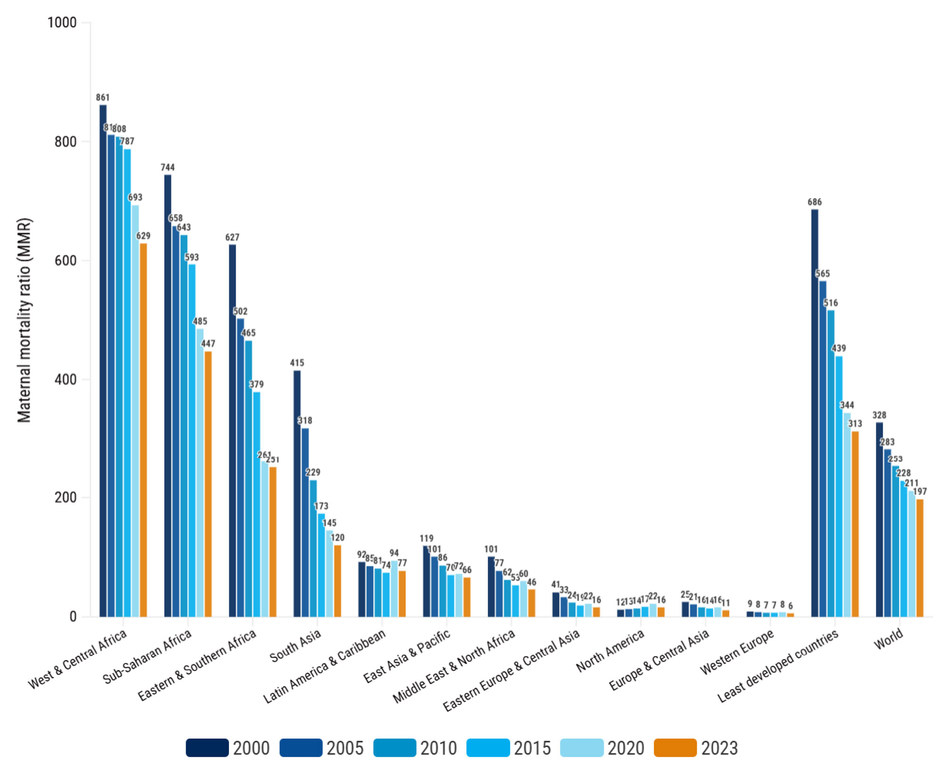
Close to 300,000 women continue to die during pregnancy or childbirth each year. More than two million babies die in their first month of life and around two million more are stillborn, says the World Health Organization (WHO) which is kicking off a year-long campaign on maternal and newborn health.
The data adds up to one preventable death every seven seconds, according to the UN health agency.
The Healthy beginnings, hopeful futures campaign is asking governments and health policy makers to ramp up efforts to end preventable maternal and newborn deaths, and prioritize women’s longer-term health and well-being.
Helping every woman and baby survive and thrive
Through a series of strategic actions, WHO aims to not only save lives but ensure both mothers and infants thrive. In collaboration with partners, it will focus on empowering healthcare professionals and sharing crucial information about healthy pregnancies, safe childbirth, and postnatal care.
Listening to women
Access to high-quality, compassionate care is essential for women and families everywhere, WHO emphasises. Health systems must evolve to address a wide range of health concerns, including obstetric complications, mental health issues, non-communicable diseases, and family planning – ensuring that women’s needs are met both before, during, and after childbirth.
Girls affected by the ongoing conflict in Gaza receive a care and protection package distributed by UNICEF.
Women in war zones
At the same time, the proportion of women and girls caught in conflict zones has skyrocketed in the past year, with women now making up 40 per cent of all civilian deaths in armed conflicts.
Today, over 600 million women and girls live in areas affected by violence – an alarming 50 per cent increase since 2017.
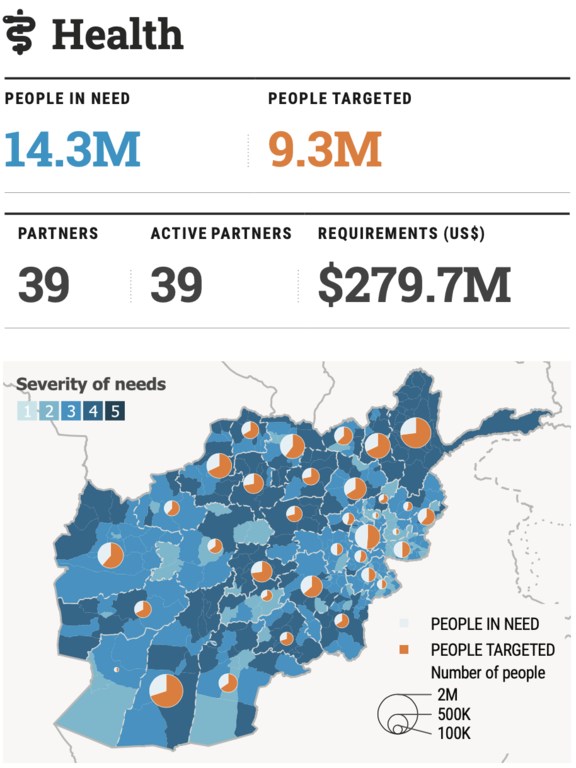
As conflict intensifies across the globe, women and girls are bearing a heavy mental health toll. From Afghanistan and Gaza to Georgia and Ukraine, millions are grappling with Post Traumatic Stress Disorder (PTSD), anxiety, depression and trauma, with limited access to support and care.
Around one in five people affected by a humanitarian crisis will develop long-term mental health conditions. Despite this, only two per cent of those in need receive the care they require. Mental health funding globally represents between one and two percent of health spending.
Stark divide on mental health
The gap between high and low-income countries in mental health services is stark. In wealthy nations, there are more than 70 mental health workers for every 100,000 people. In contrast, in low-income countries, that number drops to fewer than one.
As conflicts drag on, the number of affected women continues to rise, making this crisis even more urgent. UN gender equality agency, UN Women, spoke to women in Afghanistan, Gaza, Georgia, and Ukraine to understand how these conflicts are stoking a mental health crisis.
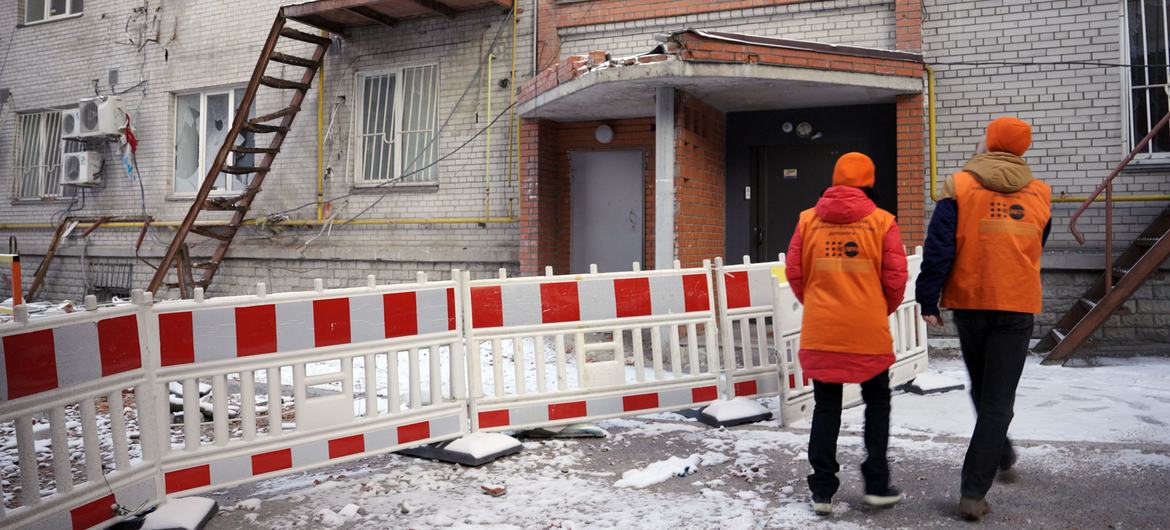
UNFPA’s mobile psychosocial support teams travel across Ukraine, including to the front lines, offering immediate emergency interventions as well as access to longer-term assistance.
Women in Gaza trapped in trauma
In Gaza, relentless bombing, displacement, and deprivation have created a humanitarian catastrophe. Living under siege and the constant threat of violence, women and girls face extreme levels of fear, trauma, and exhaustion.
Data from UN Women shows that 75 per cent feel regular depression, 62 per cent cannot sleep, and 65 per cent suffer from nightmares and anxiety – most are left to cope alone.
“My mental and psychological health is suffering,” said one 27-year-old pregnant mother of three from Khan Younis. “Sometimes I go to the toilet just to cry and cry until I feel better.”
Women are not only dealing with their own trauma – they are also trying to care for their children.
“I have not prioritized my health because I am the primary caregiver for my children, assuming the roles of both father and mother,” the 27-year-old mother added.
Afghanistan: Women Erased from Public Life
In Afghanistan, the return of the Taliban has dealt a crushing blow to women’s rights and mental health. Alison Davidian, UN Women’s Country Representative, warns that nearly four years of Taliban decrees have “eviscerated” women’s autonomy.
With no women in leadership roles and 98 per cent reporting no influence over local decisions, many feel trapped in a life of isolation and despair.
“Three years ago, an Afghan woman could run for president. Now, she may not even be able to decide when to buy groceries,” Davidian says. The result is overwhelming psychological distress, with 68 per cent of women in Afghanistan reporting their mental health as “bad” or “very bad.”
An IOM mental health and psychosocial support counsellor leads a session with women in Paktika province, Afghanistan.
Georgia: Antidepressant use on the rise
In Georgia, ongoing displacement and conflict have left many women with no access to adequate mental healthcare. Approximately 200,000 people remain internally displaced, with nearly 40 per cent living in shelters under dire conditions.
Mental health issues are widespread, with 23 per cent suffering from PTSD, 10 per cent reporting depression, and 9 per cent dealing with anxiety. Yet only about a third of those affected have sought care.
“We saw a sharp increase in antidepressant use, particularly in areas with high numbers of displaced people,” said Elene Rusetskaia of the Women’s Information Centre. “The mental health problem is very serious, especially among children.”
Ukraine: Domestic Violence and Depression Soar Amid War
In Ukraine, the war stemming from Russia’s invasion has pushed women’s mental health into crisis. Gender-based violence has surged 36 per cent since 2022, and women are shouldering more unpaid care work – up to 56 hours per week. Forty-two percent are now at risk of depression, while 23 per cent report needing counseling.
Displaced women, many of them refugees, are facing some of the worst mental health challenges, with limited access to support services.
A recent survey by the International Migration Organization (IOM) found that 53 per cent of internally displaced people in Ukraine suffer from depression, yet assistance remains scarce.
In response, UN Women has provided protection, legal aid, and psychosocial support to more than 180,000 women and girls in Ukraine through the Women’s Peace and Humanitarian Fund.
Healthcare funding
The current humanitarian funding crisis, exacerbated by declining health spending in host countries, is affecting the scope and quality of public health and nutrition programmes for refugees and host communities, the UN refugee agency, UNHCR, has said.
In Jordan, 335,000 women of reproductive age are at risk of losing essential maternal health. Without enough funding, prenatal care, safe delivery and newborn health services will disappear.
In Bangladesh, around a million Rohingya refugees face a severe health crisis due to the funding freeze, threatening access to essential medical services. In UNHCR-supported programmes, over 40,000 pregnant women may lose access to critical antenatal care, with 5,000 at risk of delivering in unsafe conditions.
In Burundi, the suspension of nutrition programmes in several camps means that thousands of refugee children under five may not receive adequate treatment for malnutrition.
Necessity, not luxury
For women and girls in conflict zones, mental health care is a critical need, not a luxury. Recovery, dignity, and survival depend on access to trauma care, counseling, and community-based services.
As conflicts continue to devastate communities, the need for mental health support becomes more urgent than ever. Countries must invest in mental health as a core part of humanitarian response, especially in conflict settings, UN Women, emphasized, calling on governments to listen – and act.
Listen to an interview with the Representative ad interim of the UN reproductive health agency, UNFPA, in Sudan: