Bahubali fame Prabhas has donated Rs 1 crore to the Andhra Pradesh Chief Minister’s Relief Fund, which is almost four times that of other actors in the Telugu film industry. The Bahubali actor came forward to donate the money to help relief measures being undertaken in the state after the recent devastating floods.
Earlier, Prabhas had donated Rs 4.5 crore to help the needy during Covid-19 pandemic and now surpassed individual contributions made by the film fraternity in the state. Last week, top Telugu actors Ram Charan, Mahesh Babu, Jr NTR, Allu Arjun, and others have donated ranging between Rs. 20 to Rs. 25 lakhs for flood relief measures in the state.
Prabhas
The recent floods in Andhra Pradesh left the coastal district of Nellore, besides Tirupati and Chittoor affecting thousands of people, who have lost their homes, got displaced and farmers suffered heavy losses losing their crops during the season.
In the wake of the damage, several Telugu artists stepped in to help the people by donating Rs 25 lakh each to the AP Chief Minister’s Relief Fund, which will help in the restoration of the flood-damaged districts.
On the work front, Prabhas’s upcoming film ‘Radhe Shyam’ is all set to hit the marquee on January 14. His current project with ‘KGF’ fame Prashanth Neel for their upcoming movie ‘Salaar’ is wrapping up soon and Om Raut’s ‘Adipurush’ is under production now.
A research team in KICT, led by Dr. Yunchul Woo, has developed co-axial electrospun nanofiber membranes fabricated by an alternative nano-technology, which is electrospinning. This new desalination technology shows it has the potential to help solve the world’s freshwater shortage.
The developed technology can prevent wetting issues and also improve the long-term stability in membrane distillation process. A three-dimensional hierarchical structure should be formed by the nanofibers in the membranes for higher surface roughness and hence better hydrophobicity.
IMAGE: SCHEMATIC OF CO-AXIAL ELECTROSPINNING DEVICE. view more
CREDIT: ELSEVIER
According to the World Health Organization, about 785 million people around the world lack a clean source of drinking water. Despite the vast amount of water on Earth, most of it is seawater and freshwater accounts for only about 2.5% of the total. One of the ways to provide clean drinking water is to desalinate seawater. The Korea Institute of Civil Engineering and Building Technology (KICT) has announced the development of a stable performance electrospun nanofiber membrane to turn seawater into drinking water by membrane distillation process.
Membrane wetting is the most challenging issue in membrane distillation. If a membrane exhibits wetting during membrane distillation operation, the membrane must be replaced. Progressive membrane wetting has been especially observed for long-term operations. If a membrane gets fully wetted, the membrane leads to inefficient membrane distillation performance, as the feed flow through the membrane leading to low-quality permeate.
The co-axial electrospinning technique is one of the most favorable and simple options to fabricate membranes with three-dimensional hierarchical structures. Dr. Woo’s research team used poly(vinylidene fluoride-co-hexafluoropropylene) as the core and silica aerogel mixed with a low concentration of the polymer as the sheath to produce a co-axial composite membrane and obtain a superhydrophobic membrane surface. In fact, silica aerogel exhibited a much lower thermal conductivity compared with that of conventional polymers, which led to increased water vapor flux during the membrane distillation process due to a reduction of conductive heat losses.
Most of the studies using electrospun nanofiber membranes in membrane distillation applications operated for less than 50 hours although they exhibited a high water vapor flux performance. On the contrary, Dr. Woo’s research team applied the membrane distillation process using the fabricated co-axial electrospun nanofiber membrane for 30 days, which is 1 month.
The co-axial electrospun nanofiber membrane performed a 99.99% salt rejection for 1 month. Based on the results, the membrane operated well without wetting and fouling issues, due to its low sliding angle and thermal conductivity properties. Temperature polarization is one of the significant drawbacks in membrane distillation. It can decrease water vapor flux performance during membrane distillation operation due to conductive heat losses. The membrane is suitable for long-term membrane distillation applications as it possesses several important characteristics such as, low sliding angle, low thermal conductivity, avoiding temperature polarization, and reduced wetting and fouling problems whilst maintaining super-saturated high water vapor flux performance.
Dr. Woo’s research team noted that it is more important to have a stable process than a high water vapor flux performance in a commercially available membrane distillation process. Dr. Woo said that “the co-axial electrospun nanofiber membrane have strong potential for the treatment of seawater solutions without suffering from wetting issues and may be the appropriate membrane for pilot-scale and real-scale membrane distillation applications.”
The oldest strain of Yersinia pestis–the bacteria behind the plague that caused the Black Death, which may have killed as much as half of Europe’s population in the 1300s–has been found in the remains of a 5,000-year-old hunter-gatherer.
A genetic analysis published on June 29 in the journal Cell Reports reveals that this ancient strain was likely less contagious and not as deadly as its medieval version.
“What’s most astonishing is that we can push back the appearance of Y. pestis 2,000 years farther than previously published studies suggested,” says senior author Ben Krause-Kyora, head of the aDNA Laboratory at the University of Kiel in Germany. “It seems that we are really close to the origin of the bacteria.”
The plague-carrying hunter-gatherer was a 20- to 30-year old man called “RV 2039.” He was one of two people whose skeletons were excavated in the late 1800s in a region called Rinnukalns in present-day Latvia. Soon after, the remains of both vanished until 2011, when they reappeared as part of German anthropologist Rudolph Virchow’s collection. After this re-discovery, two more burials were uncovered from the site for a total of four specimens, likely from the same group of hunter-fisher-gatherers.
Krause-Kyora and his team were surprised to find evidence of Y. pestis in RV 2039–and after reconstructing the bacteria’s genome and comparing it to other ancient strains, the researchers determined that the Y. pestis RV 2039 carried was indeed the oldest strain ever discovered. It was likely part of a lineage that emerged about 7,000 years ago, only a few hundred years after Y. pestis split from its predecessor, Yersinia pseudotuberculosis.
This image shows the Rinnukalns site, a Stone Age shell midden on the banks of the Salaca River near the outflow from Lake Burtniek. CREDIT Harald Lübke, ZBSA, Schloss Gottorf
“What’s so surprising is that we see already in this early strain more or less the complete genetic set of Y. pestis, and only a few genes are lacking. But even a small shift in genetic settings can have a dramatic influence on virulence,” says Krause-Kyora.
Y. pestis was found in his bloodstream, meaning he most likely died from the bacterial infection–although, the researchers think the course of the disease might have been fairly slow. They observed that he had a high number of bacteria in his bloodstream at his time of death, and in previous rodent studies, a high bacterial load of Y. pestis has been associated with less aggressive infections.
Additionally, the people he was buried near were not infected and RV 2039 was carefully buried in his grave, which the authors say also makes a highly contagious respiratory version of the plague less likely.
Moreover, this 5,000-year-old strain likely was transmitted directly via a bite from an infected rodent and probably didn’t spread beyond the infected person.
As Covid-19 cases are witnessing a reduction in numbers from a peak of 4 lakhs to 2.5 lakhs now in the country, Black Fungus or mucormycosis has taken centre stage. Notwithstanding the add-on, doctors in New Delhi have detected that the fungal infection infected the lower intestine of two patients.
Both the patients, including one aged 68 years and another 56 and lost three of his family members including wife, are being treated at Delhi’s Sir Ganga Ram Hospital. “It is observed for the first time that the black fungus infected the lower intestine and even made a hole in it,” said a top Ganga Ram Hospital doctor.
The second patient had experienced abdomen pain when he just completed the last rites of his wife and had been experiencing mild covid symptoms. Initially it was considered gastritis or stress-related and self-medication for acidity was taken which delayed proper treatment by three days, said doctors at the Sir Ganga Ram Hospital.
Dr Ushast Dhir, senior consultant in department of Surgical Gastroenterology and Liver Transplantation at Gangaram Hospital said, “The CT scan revealed Kumar’s small intestine (jejunum) had been perforated. His Covid disease also had worsened by now requiring ventilator support. The patient was admitted and taken up urgently for surgery.”
Ulceration of small intestine
According to Dr Dhir, “Ulceration of Jejunam (first part of small intestine) in the patient raised my suspicion of fungal disease and patient was immediately started on anti-fungal treatment. We sent the portion of removed intestine for biopsy.”
Another patient had recovered from Covid but soon started having mild abdominal pain. He was a diabetic and had received steroids for treatment of Covid, which was mild. Later when his CT scan came, it “revealed small intestinal perforation similar to the first patient,” the hospital authorities said. “The biopsy confirmed our worst fear of mucormycosis of small intestine in both patients. Both these patients had Covid and had diabetes but only one of them had received steroids.”
Usually, Mucormycosis involves Rhino-orbital-cerebral system or the lungs and intestinal mucormycosis is a very rare. “These patients are immune-compromised. A majority of gastro-intestinal mucormycosis is seen in organ transplant recipients. The cases treated at Sir Ganga Ram Hospital were unique as as they had covid and small intestine (instead of stomach or colon) was involved in both,” hospital authorities said
In recent times history of Covid exposure along with treatment with steroids “should warrant an early CT scan of abdomen,” warned the doctors.
Scientists from Hokkaido University in Japan have discovered a novel defensive response to SARS-CoV-2 or Covid-19 that involves the viral pattern recognition receptor RIG-I. Upregulating expression of this protein could strengthen the immune response in COPD patients.
In the 18 months since the first report of COVID-19 and the spread of the pandemic, there has been a large amount of research into understanding it and developing menas to treat it. COVID-19 does not affect all infected individuals equally. Many individuals are asymptomatic; of those who are symptomatic, the large majority have mild symptoms, and only a small number have severe cases. The reasons for this are not fully understood and are an important area of ongoing research.
The team of scientists from Hokkaido University, led by Professor Akinori Takaoka of the Institute for Genetic Medicine, has shown that RIG-I, a biological molecule that detects RNA viruses, restrains SARS-CoV-2 replication in human lung cells. Their findings, which could help predict COVID-19 patient outcomes, were published in the journal Nature Immunology.
Covid pandemic
To date, over 162 million people have been affected by COVID-19. About 40% – 45% of these individuals are asymptomatic; as for the rest, around 35% – 40% experienced a mild form of the disease, while the remaining 19% were affected by symptoms that were severe enough to warrant hospitalisation or were fatal, which are usually associated with comorbidities and risk factors such as chronic obstructive pulmonary disease (COPD). This range of symptoms indicates that there are vast differences between individual responses to the virus.
SARS-CoV-2 replication is suppressed by RIG-I. When pulmonary cells that do not express RIG-I (left) are exposed to SARS-CoV-2, viral spike proteins (green) are detected as soon as 5 days (72 hours) after exposure. In normal cells (right), SARS-CoV-2 replication is suppressed / Taisho Yamada, et al. Nature Immunology. May 11, 2021
Microbial pathogens in our body are detected by proteins called pattern recognition receptors (PRRs), which also trigger immune responses to these pathogens. Viral infections are detected by a subset of PRRs; the scientists focused their attention on the protein RIG-I, which belongs to this subset. RIG-I is known to be critical for the detection and response to RNA viruses such as the influenza virus.
In experiments carried out in cell culture lines, the scientists found that there was little innate immune response to SARS-CoV-2 in pulmonary cells, suggesting the signaling pathway leading to immune response was aborted. Nevertheless, viral replication was suppressed. The scientists investigated the role of RIG-I and found that its deficiency caused increased viral replication. Further experiments confirmed that the suppression of viral replication was dependent on RIG-I.
A single previous study has shown that RIG-I expression is downregulated in pulmonary cells of COPD patients. Using primary pulmonary cells from two COPD patients, the scientists showed that this downregulation of RIG-I resulted in the detection of viral replication after 5 days .
Taisho Yamada (left), first author, and Akinori Takaoka (right), communicating author of the paper / Photo: Taisho Yamada, Akinori Takaoka
They also demonstrated that treatment of these COPD cells with all-trans retinoic acid (ATRA), which upregulates the expression of RIG-I, significantly reduced viral titres in the cells. Furthermore, using RIG-I mutants, they were able to elucidate the mechanisms by which RIG-I suppressed SARS-CoV-2 replication: The helicase domain, a structural element in RIG-I, interacts with the viral RNA, blocking a virus-derived enzyme responsible for replication.
This study has demonstrated a unique viral recognition mode of RIG-I, termed the RIG-I-mediated signaling-abortive anti-SARS-CoV-2 defense mechanism. It has also indicated that RIG-I expression levels are one of the potential parameters for the prediction of COVID-19 patient outcomes. Further work must be done to uncover factors or conditions that modulate RIG-I expression levels, and may lead to new strategies to control SARS-CoV-2 infection.
In a modern era of business conglomerates and corporates taking over the daily lifestyle, here is a man who had tested a concoction of herbal medicines when his brother was down with Covid-19 infection a couple of months ago and succeeded in creating one that defies logic, reason and above all the global standards of modern science keen to fight Covid-19 for at least three years.
Bonigi Anandaiah, in his 50s, has brought the tiny town of Krishnapatnam to prominence in Google Maps with tens of thousands searching frantically for directions to drive early this week when Nellore District authorities descended on the coastal town in Andhra Pradesh. An uncertified Ayurvedic practitioner of herbal medicine from the days of his mother, Anandaiah has kept the town away from Covid surge and deaths for over a month now.
Bonigi Anandaiah is giving traditional medicine to save severely ill Covid-19 patients in Krishnapatnam, Nellore District, Andhra Pradesh.
When corporates are gearing up for a minimum charge of Rs.5 lakh per person to treat for Covid-19, defying medical insurance caps for any single disease, here is a man giving away his medicine free of cost, the way the Centre is giving half of the vaccines to States free of cost. He never charged anybody for the medicine and started the venture on a voluntary basis with the help of local people.
Unable to grasp the value of freely available medicine, local authorities tried to shut down his effort for two days until the YSRCP MLA from Sarvepalli, Kakani Govardhan Reddy, intervened and announced that the new cure for Covid would be distributed from Friday morning. More than 50,000 Covid patients and their relatives have flocked the open grounds in Krishnapatnam waiting for the miracle medicine.
Covid norms violated?
The main concern being that Covid norms were being violated, the police too have stepped in to coordinate and control the crowds. The videos of Telugu news channels and local video channels have already stormed social media with the details of the Covid treatment, which is yet to receive ICMR evaluation on side effects, especially for eyes since it is given in eyes for critically ill patients with alarmingly low levels of oxygen.
Essentially, Anandiah is giving the medicine in the form of balls or liquid drops, containing natural antioxidants and components such as pepper, ginger, neem, turmeric, and tinospora codifolio, commonly known as giloy. Those who could not get vaccines that are perennially in short supply, are turning to Anandiah for Ayurvedic cure, even though there is no scientific sanctity behind his medicine that even some Ayurvedic pundits denied as authentic since honey is boiled for making the concoction.
Nellore Collector K.V.N. Chakradhar Babu had formed a committee consisting of officials and AYUSH doctors to evaluate the efficacy of the concoction which in its report said no adverse effects are seen in people who took the medicine. Meanwhile, samples have been sent for testing to a laboratory in Hyderabad, and the results are still awaited.
If he is allowed to patent the miracle medicine, it is likely to open up a new industry in this coastal town but reports suggest that the VIP culture has already taken the sheen away from the voluntary effort of Anandaiah, his brother and some locals. With police managing the show, many in the queue for days complain that half the medicine is being diverted to VIPs, notwithstanding the final evaluation of its side effects.
As the town of Krishnapatnam hit headlines for a local medicine capable to cure Covid-19 instantly within minutes reviving critically ill patients. While AYUSH ministry’s Ayurvedic doctors are conducting study on the medicine in the town, the person who has been giving the medcine by name Anandaiah, has emerged as the savior for now.
With Vice President Venkaiah Naidu ordering the ICMR to conduct a study and submit a report, a team of experts has been rushed to study the medicine, its constituents and side effects. While the report may not be ready even in a week’s time, the precarious situation of Covid-19 has forced many relatives of critical patients to rush for any succour that can save them.
A person just a few minutes away from losing the battle against Covid-19 was rushed to the place and given the medicine in the form of eye drops and the person recovered within minutes. Since the long term effects remain questionable, the question before the administration is to make the process systematic, if not abandon entirely.
Not exactly Ayurveda but traditional medicine
B. Anandaiah, who has been giving the traditional medicine, which does not entirely fit into Ayurvedic medicinal traits, has been open about the contents, which are to be tested by the team of experts on Saturday. He says the medicine was a mixture of several locally available herbals that has been given by his family for centuries. The medicine, being given in the form of five medicines, is given based on the severity of Covid infection in a patient, said Anandaih in an interview to the TV9 channel on Friday.
Anandaiah, who is giving traditional medicine to save severely ill Covid-19 patients in Krishnapatnam, Nellore District, Andhra Pradesh.
Meanwhile, a team of Ayurvedic doctors from the Department of Ayush that visited the village on Wednesday has submitted a report to the government, saying the medicine preparation, treatment process and the side effects should be studied scientifically. Since nobody is complaining about any ill effects after taking the medicine, the team could not provide any negative report on the medicine for now, pending the ICMR study next.
Anandaiah has been preparing five different medicines using natural herbs, honey and spices, which he claims to have been giving for lung diseases for long. “One of the COVID-19 patients saw his oxygen level rise to 95 from 83 in an hour after getting two drops of the medicine administered in his eyes. We have spoken to the patients,” the Ayurvedic doctors said in their report in which the district medical and health officer and Nellore Revenue Divisional Officer were also part.
The only point the team made was that nobody was following the rules of Covid safety such as wearing mask or maintaining the social distance. Local YSR Congress MLA K Govardhan Reddy supporting the medicine distribution, AP Deputy Chief Minister (Health) A K K Srinivas said, “We have decided to get it studied by the ICMR and other experts to determine its efficacy.”
However, doctor-turned-bureaucrat P V Ramesh, termed the Krishnapatnam medicine as “yet another recipe for disaster” and called for the government “to stop such epidemics of superstition. Those preparing and promoting this Krishnapatnam concoction are punishable under the Pharmacy Act, 1948, and Drugs and Magic Remedies Act, 1954.”
The SPS Nellore district medical and health officer and Nellore Revenue Divisional Officer were also part of the official team. The team, however, said no COVID-19 rules were being followed in the village where the medicine was being given. On Friday, there was a virtual stampede at Krishnapatnam as over 10,000 people thronged there for the medicine, the supply of which was resumed after a break for a few days.
Elevated blood pressure, high cholesterol and diabetes increase the risk of heart disease. But a large study today reveals that in people with these conditions, increasing activity levels is associated with a reduced likelihood of heart events and mortality. The research is presented at ESC Preventive Cardiology 2021, an online scientific congress of the European Society of Cardiology (ESC).1
Study author Dr. Esmée Bakker of Radboud University Medical Center, Nijmegen, the Netherlands said: “Previous research showed that improvements in physical activity are beneficial to health. However, those studies were performed in the general population. In our study, we were interested to see if there were similar effects in individuals with cardiovascular risk factors such as high blood pressure, high cholesterol, and diabetes.”
The study included 88,320 individuals from the LifeLines Cohort Study. Participants underwent a physical examination and completed questionnaires about their medical history and lifestyle including exercise. The questionnaires were repeated after approximately four years.
Study participants were divided into five groups according to activity levels at baseline and four years: large reduction, moderate reduction, no change, moderate improvement, and large improvement.2 Participants were followed-up for a median of seven years after the first assessment for the occurrence of cardiovascular disease or death.
Hyper tension
A total of 18,502 (21%) individuals had high blood pressure, high cholesterol, and/or diabetes at the start of the study. The average age of this group was 55 years. After adjusting for age, sex, and baseline physical activity, the researchers found that those with a moderate to large improvement in physical activity were around 30% less likely to develop cardiovascular disease or die during follow-up compared to those who did not change their activity level.
The remaining 69,808 (79%) participants did not have high blood pressure, high cholesterol, or diabetes at the start of the study. The average age of this group was 43 years. After adjusting for age, sex, and baseline physical activity, the researchers found that those with large reductions in physical activity had a 40% higher risk of cardiovascular disease or death compared to those who did not change their activity level.
Dr. Bakker said: “Our study suggests that to prevent heart attacks and strokes and boost longevity, healthy individuals should maintain their physical activity levels, while those with risk factors need to become more active. The associations we found were even more pronounced in people who were relatively sedentary at the start of the study, indicating that inactive people have the most to gain.”
To prevent heart disease, European guidelines recommend at least 150 minutes a week of moderate intensity or 75 minutes a week of vigorous intensity aerobic physical activity or an equivalent combination.3
Dr. Bakker said: “If you are currently sedentary, walking is a good activity to start with. If you are already hitting the recommended amount, try doing 10 minutes more each day or increasing the intensity.”
Two new studies published in Blood suggest that the mRNA COVID-19 vaccine may have reduced efficacy in individuals with chronic lymphocytic leukemia (CLL) and multiple myeloma, two types of blood cancer.
According to researchers, these studies could help inform the ideal time for vaccination of these populations. One study suggests two-dose COVID-19 vaccine is less effective for people with CLL as compared to healthy controls.
The first study reports that people with CLL had markedly lower immune response rates to the two-dose mRNA COVID-19 vaccine than healthy individuals of the same age. Because clinical trials of these vaccines did not include patients with blood cancers, who are at high risk of severe illness and complications from the virus, gauging the effectiveness of the vaccine in this population is critically important.
Vaccine-fda
In this study of 167 patients with CLL, only four out of 10 (39.5%) had a positive antibody-mediated response to the vaccine; all healthy adults (controls), by comparison, marshalled an immune response.
First Study
Interestingly, the research revealed wide variations in immune response among patients with CLL depending on where they were in their cancer treatment process. For example, patients undergoing active cancer treatment had significantly lower response rates to the vaccine when compared with people who had completed treatment and were in remission, 16% vs 79% respectively.
Treatment naïve patients (those whose disease is being watched but not yet treated) had a 55.5% response rate. As well, response to the vaccine was markedly higher in people who completed CLL treatment at least a year before vaccination compared with those who were still in treatment within the last year, 94% vs 50%, respectively.
“Overall, the response rate to the vaccine was significantly less than what we see in the general population, which is most likely attributed to the presence of cancer itself and certain CLL treatments,” said lead author of the study Yair Herishanu, associate professor in hematology and head of the CLL service at the Tel Aviv Sourasky Medical Center in Israel.
“It would seem that if you are untreated, in what we call ‘watch and wait’ or do not have active disease, you can gain more benefit from the vaccine. Patients who responded the best were in remission, which makes sense because their immune system had a chance to recover.”
Lower response to Vaccine
In addition to poorer qualitative antibody responses to the vaccine, patients with CLL also had lower antibody titers, which tells us that the intensity of the response was also lower.
For the study, researchers included 167 patients with CLL and 53 healthy controls from December 2020 through February 2021. All participants received two doses of BNT162b2 messenger RNA (Pfizer) COVID-19 vaccine 21 days apart; this was the only vaccine used in Israel at the time of the study.
Patients were 71 years old on average, and 67% were men. Fifty-eight patients (34.7%) were treatment naïve; 75 (44.9%) were on active therapy; 24 (14.4%) were previously treated and in complete or partial remission; and 10 (6%) were in relapse. Antibody titers were also measured two weeks after the second dose.
Patients were followed for a median of 75 days since receiving their first shot, and none had developed COVID-19 infection. There were no significant differences in reported side effects to the vaccine compared to the healthy population.
They found similarly low response rates among patients who were receiving common targeted therapies, including Bruton’s tyrosine kinase (BTK) inhibitors (ibrutinib or acalabrutinib) or a combination of venetoclax with anti-CD20 antibodies such as rituximab.
Notably, none of the patients who received anti-CD20 antibodies within 12 months of COVID-19 vaccination responded. Because only five patients were on venetoclax monotherapy, Dr. Herishanu said they could not draw any conclusions about the impact on response.
People with CLL and other blood cancers remain at high risk for severe illness and complications with COVID-19 infection, and while response rates are lower than ideal, vaccination against COVID-19 is strongly recommended.
Booster dose
The authors suggest that an additional booster dose of the vaccine might be needed for patients with CLL who have completed therapy and previously failed to respond to COVID-19 vaccine, though this would need to be studied.
“Even though response rates were not optimal, patients with CLL should still get the vaccine and, if appropriate, it may be better to do so before CLL treatment starts although the disease itself may affect the response,” said Dr. Herishanu. “Equally important is continuing to take precautions – wearing a mask, avoiding crowds, keeping a social distance, and being sure close contacts get vaccinated against COVID-19.”
He and his team will continue to follow these patients for 12 months to see how many, if any, develop COVID-19 infection following vaccination. Since this study only assessed antibody response, they also plan to check the cellular immune response to gain a more complete picture of the extent to which patients are protected after vaccination.
The researchers note that the same trends would be expected with the other mRNA vaccine (Moderna).
The Coronavirus or SARS-CoV-2 that causes COVID-19 does not directly infect the brain but can still inflict significant neurological damage, said a new study from neuro experts at Columbia University Vagelos College of Physicians and Surgeons.
“There’s been considerable debate about whether this virus infects the brain, but we were unable to find any signs of virus inside brain cells of more than 40 COVID-19 patients,” says James E. Goldman, professor of pathology & cell biology, who led the study with Peter D. Canoll, professor of pathology & cell biology, and Kiran T. Thakur, an Assistant Professor of Neurology.
“At the same time, we observed many pathological changes in these brains, which could explain why severely ill patients experience confusion and delirium and other serious neurological effects–and why those with mild cases may experience ‘brain fog’ for weeks and months.”
The study, published in the journal Brain, is the largest and most detailed COVID-19 brain autopsy report published to date, suggests that the neurological changes often seen in these patients may result from inflammation triggered by the virus in other parts of the body or in the brain’s blood vessels.
No Virus in Brain Cells
The study examined the brains of 41 patients with COVID-19 who succumbed to the disease, ranged in age from 38 to 97 and half had been intubated and all had lung damage caused by the virus. Many of them were of Hispanic ethnicity. All of the patients had brain MRI and CT scans.
To detect any virus in the brain, the researchers used multiple methods including RNA in situ hybridization to detect viral RNA within intact cells; antibodies that can detect viral proteins within cells; and RT-PCR, a sensitive technique for detecting viral RNA. But they found no coronavirus in the patients’ brain cells. They did detect very low levels of viral RNA by RT-PCR, but it was likely due to virus in blood vessels or leptomeninges covering the brain.
“Though there are some papers that claim to have found virus in neurons or glia, we think that those result from contamination,” Canoll says. Despite the absence of virus in the brain, they noticed many areas with damage from a lack of oxygen. They all had severe lung disease, so it’s not surprising that there’s hypoxic damage in the brain, caused by strokes, he said.
Persistent Neurological Problems in Survivors
Goldman says that more research is needed to understand the reasons why some post-COVID-19 patients continue to experience symptoms. The researchers are now examining autopsies on patients who died several months after recovering from COVID-19 to learn more.
They are also examining the brains from patients who were critically ill with acute respiratory distress syndrome (ARDS) before the COVID-19 pandemic to see how much of COVID-19 brain pathology is a result of the severe lung disease.
Buckingham Palace announced Friday, 9 April 2021, that Prince Philip, Duke of Edinburgh, has died.
In a statement, the British Royalty said:” It is with deep sorrow that Her Majesty The Queen announces the death of her beloved husband, His Royal Highness The Prince Philip, Duke of Edinburgh.
His Royal Highness passed away peacefully this morning at Windsor Castle. Further announcements will made in due course. The Royal Family join with people around the world in mourning his loss.”
The same message has been shared on Twitter:
It is with deep sorrow that Her Majesty The Queen has announced the death of her beloved husband, His Royal Highness The Prince Philip, Duke of Edinburgh.
The husband of Britain’s Queen Elizabeth II, Philip was in hospital for a month until March 16 and returned to Windsor Castle after being treated for an infection and undergoing a medical procedure.
He had been treated in two different hospitals — King Edward VII’s Hospital and St Bartholomew’s Hospital. On March 4, he had undergone a successful medical procedure on a heart condition.
Philip retired from public duties in 2017, and had withdrawn from the public. In fact, both he and the Queen received their coronavirus vaccinations in early January.
His last public statement was early this month when praised those involved in the fight against the pandemic. He and Queen Elizabeth II had been married for 73 years.
Like a Swiss Army knife, NASA’s Lightweight Surface Manipulation System (LSMS) technology is likely to find many ways of usage on the surface of Moon as part of its Artemis moon program.
This lightweight robotic crane with a structurally efficient truss frame and cable actuation mimics the movement of a human arm, but with a much longer reach as seen in the visual provided by NASA. It is scalable to fit any sized lander, vehicle, or surface application and can use a toolbox of quick-interchange end-effectors, or tools, that allow it to act as a hoist, forklift, regolith scoop, welder, said the US space agency.
“The unique thing about the LSMS is its dexterity and multi-functionality,” said Barmac Taleghani, project manager at NASA’s Langley Research Center in Hampton, Virginia.
The LSMS tested at Langley more than a decade ago to demonstrate the concept for offloading large payloads, such as habitats and rovers, from landers on human exploration missions. Once it is used on the moon’s surface, it’s likely to be sent to Mars too in future NASSA programs.
“We started thinking about additional tools that could be useful so that when you land the LSMS it could be used for multiple tasks,” said Tom Jones.“You’ve already carried that mass there; why not reuse it?”
Meanwhile, LSMS has been upgraded to include a suite of new tools, such as a bucket truck end-effector for digging and maneuvering regolith, a forklift tine tool for lifting cargo pallets, and a welding tool, in addition to greater autonomous functionality. The next design is on a larger for a large cargo to lunar lander under the artemis project.
Although similar in structural design to a terrestrial crane, the LSMS uses a cable-driven actuation system to articulate its arm links and precisely maneuver payloads.
Credits: NASA
“As we establish a sustainable presence on the Moon under the Artemis missions, we will need to start setting up multiple elements, and there will be a wide range of tasks that could leverage the versatility and functionality of the LSMS,” Jones said.
The new LSMS will be similar in size to the original prototype with about a 25-foot reach and will be able to lift payloads weighing around one metric ton on the Moon, equal to approximately 2,200 pounds, or the size of an elephant.
Jones further said, “LSMS is designed to operate either on the Moon or Mars or really any kind of planetary body. There may be different environmental concerns depending on the destination, but the hardware would be very similar.”
Using observations from NASA’s Transiting Exoplanet Survey Satellite (TESS), an international team of astronomers has discovered a trio of hot worlds larger than Earth orbiting a much younger version of our Sun called TOI 451. The system resides in the recently discovered Pisces-Eridanus stream, a collection of stars less than 3% the age of our solar system that stretches across one-third of the sky.
The planets were discovered in TESS images taken between October and December 2018. Follow-up studies of TOI 451 and its planets included observations made in 2019 and 2020 using NASA’s Spitzer Space Telescope, which has since been retired, as well as many ground-based facilities.
Archival infrared data from NASA’s Near-Earth Object Wide-Field Infrared Survey Explorer (NEOWISE) satellite – collected between 2009 and 2011 under its previous moniker, WISE – suggests the system retains a cool disk of dust and rocky debris. Other observations show that TOI 451 likely has two distant stellar companions circling each other far beyond the planets.
A paper reporting the findings was published on Jan. 14 in The Astronomical Journal. Stellar streams form when the gravity of our Milky Way galaxy tears apart star clusters or dwarf galaxies. The individual stars move out along the cluster’s original orbit, forming an elongated group that gradually disperses.
Elisabeth Newton, an assistant professor of physics and astronomy at Dartmouth College in Hanover, New Hampshire, who led the research, said: “It’s only 120 million years old and just 400 light-years away, allowing detailed observations of this young planetary system. And because there are three planets between two and four times Earth’s size, they make especially promising targets for testing theories about how planetary atmospheres evolve.”
This illustration sketches out the main features of TOI 451, a triple-planet system located 400 light-years away in the constellation Eridanus. Credit: NASA’s Goddard Space Flight Center
In 2019, a team led by Stefan Meingast at the University of Vienna used data from the European Space Agency’s Gaia mission to discover the Pisces-Eridanus stream, named for the constellations containing the greatest concentrations of stars. Stretching across 14 constellations, the stream is about 1,300 light-years long. However, the age initially determined for the stream was much older than we now think.
Astronomers expect planets as big as these to retain much of their atmospheres despite the intense heat from their nearby star. Different theories of how atmospheres evolve by the time a planetary system reaches TOI 451’s age predict a wide range of properties.
“By measuring starlight penetrating a planet’s atmosphere at different wavelengths, we can infer its chemical composition and the presence of clouds or high-altitude hazes,” said Elisa Quintana, an astrophysicist at NASA’s Goddard Space Flight Center in Greenbelt, Maryland. “TOI 451’s planets offer excellent targets for such studies with Hubble and the upcoming James Webb Space Telescope.”
A 1,300-year-old Hindu temple of Vishnu has been discovered by Pakistani and Italian archaeological team at a mountain in northwest Pakistan’s Swat district.
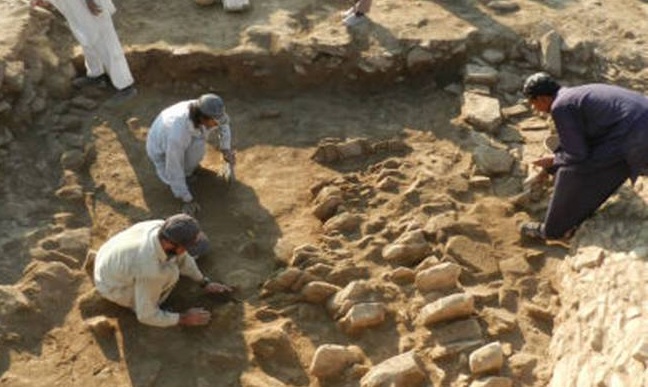
The temple was unearthed during an excavation at Barikot Ghundai. Built 1,300 years ago during the Hindu Shahi period, the temple site has traces of cantonment and watchtowers, said Fazle Khaliq of Khyber Pakhtunkhwa Department of Archaeology.
The Hindu Shahis or Kabul Shahis ruled present day Afghan and Pakistan region during 850 and 1026 AD centred around the Kabul Valley, including Gandhara (modern- Pakistan and Afghanistan) and northwestern India. With a water tank near the temple site, it reflected many ancient temple structures in south India.
Excavation under way at Barikot in Swat district of Pakistan’s Khyber Pakhtunkhwa Province. Photo: Italian Archaeological Mission to Pakistan
Fazle Khaliq said that Swat district is home to many thousand-year-old archaeological sites belonging to the Hindu Shahi period. Dr. Luca M. Olivieri, who is the current Director of the Italian Archaeological Mission in Pakistan and joint mission explorer of the temple, said this was the first temple of the Ghandhara civilisation discovered in Swat district.
Swat home to Hindu, Buddhist temples
Modern archaeological excavations began in Swat in 1955 and remained uninterrupted for 60 years, except for brief interruption between 2007 and 2010 due to insurgency in the valley.
The project has taken up conservation at Jahanabad, the colossal rock-cut Buddha mined by the Taliban, the excavation at two major protohistoric graveyards, the excavations and conservations at three major Buddhist sacred areas, and finally the large-scale excavation project at the historic settlement site of Bazira/Vajiristhana (Barikot) in the region.
A ‘rogue editor network’ infiltrated a research journal’s peer-review system in an attempt to publish sub-standard papers in an attempt to subvert the scietific research standards.
The hijackers created fake e-mail accounts and web domains to impersonate respected academics, and managed to accept 19 papers for publication at The Journal of Nanoparticle Research. However, the suspicious activity was flagged by journal editors and by the research-integrity department of the publisher (Springer Nature). But the modus operandi has left the scientific community shocked.
The Journal of Nanoparticle Research said out of the 19 articles which were accepted, some of them were published online, due to the attack by ‘an organised rogue editor network’.
Modus operandi
Fraudsters generated fake email addresses that mimicked those of real universities and respected academics to approach the journal, which is published by Springer Nature. They suggested an idea for a themed issue on ‘the role of nanotechnology and internet of things in healthcare’. “They contacted us, not just with a fake email address, but also fake domains that were very similar to one university in Germany and one in the UK,” revealed Humboldt University chemist Nicola Pinna, who serves as the journal’s executive editor.
Pinna said the proposals were “sound and quite detailed” and even included suggestions for researchers working in appropriate fields, who might wish to submit papers. When the themed issue was commissioned, they were invited to handle papers and assign referees, which enabled 19 papers to be published, that would otherwise have been rejected by the journal for failing to meet standards.
When the research integrity group from Springer flagged about the standards of the special issue, the journal’s editorial team began investigating the scam, only to find that the fake email accounts had expired. “There was no way we could even try to contact them back via these domain names – they don’t exist anymore,” said Pinna.
Sophisticated network
Apologising to the scientific community, the journal said it has put in place new measures to avoid falling victim to such scams in future, and hoped that its experience may help other publishers to stop similar attempts by fraudulent attackers of the research system.
“Indeed, we editors are sadly accustomed to dealing with plagiarism, manipulated data, fake reviewers, and duplicate publications. However, our journal has been attacked in a new way by a sophisticated and organized network,” Pinna said.
The Journal of Nanoparticle Research, founded in 1999 by Mihail (Mike) Roco. In September 2019, they received 80 manuscripts for a special issue on the “Role of Nanotechnology and Internet of Things in Healthcare.” When 19 of them were already published with low standards, they started an internal investigation and found that the supposed eminent academics who proposed the special issue had nothing to do with it.
Fake email IDs
The organized group used these their names and email addresses to hack and manipulate the peer review process. In August 2019, they bought some very similar domain names (presently expired) to the ones of the supposed university addresses. The only differences were “univ” instead of “uni” in one e-mail suffix and “-ac.uk” instead of “.ac.uk” in another.
“Have we been careless? Probably, but who would have thought scientists would go to that extent, i.e., to organize a whole rogue network and propose a sound and interesting special issue in a scientific journal, just to get few articles published?” said the publishers.
A study of nearly 108,000 people has found that people who regularly drink a modest amount of alcohol are at increased risk of atrial fibrillation, or a condition where the heart beats in an abnormal rhythm.The study, published in the European Heart Journal [1], found that, compared to drinking no alcohol at all, just one alcoholic drink a day was linked to a 16% increased risk of atrial fibrillation over an average (median) follow-up time of nearly 14 years.
This means that while four teetotallers in 100 might develop atrial fibrillation over the period of the study, five per 100 might develop the condition if they consumed alcohol starting with slightly more than an alcoholic drink a week and more than 75% of them consumed up to one drink a day [2]. The researchers categorised one alcoholic drink as containing 12 g of ethanol, which is the equivalent of a small (120 ml) glass of wine, a small beer (330 ml) or 40 ml of spirits.
IMAGE: GRAPHICAL ABSTRACT, CREDIT: EUROPEAN HEART JOURNAL
It is well known that people who drink a lot of alcohol regularly are at increased risk of developing heart failure, and heart failure can increase the incidence of atrial fibrillation. Several studies have shown a slightly higher risk of heart problems for people who never drink alcohol; they often show that this risk reduces for people who drink a modest amount, and then rises sharply the more alcohol is consumed, creating a ‘J’ shape on graphs. Until now, it has not been clear whether this was also the case for atrial fibrillation.
However, in the current study led by Professor Renate Schnabel, a consultant cardiologist at the University Heart and Vascular Center, Hamburg-Eppendorf (Germany), researchers found that although low doses of alcohol were associated with a reduced risk of heart failure compared to teetotallers, a similar ‘J’ shape reduction in risk was not seen for atrial fibrillation. This suggests that the increased risk of atrial fibrillation among people drinking small amounts of alcohol was not triggered by heart failure.
Heart failure
The researchers analysed information on 107,845 people taking part in five community-based studies in Sweden, Norway, Finland, Denmark and Italy. The participants underwent medical examinations at the time they joined the studies between 1982 and 2010 and provided information on their medical histories, lifestyles, employment and education levels. A total of 100,092 participants did not have atrial fibrillation when they enrolled and their median age was nearly 48 years (range 24-97 years).
During the median follow-up period of nearly 14 years, 5,854 people developed atrial fibrillation. The associations between alcohol consumption and the risk of atrial fibrillation were similar for all types of alcoholic drinks and for men and women.
In addition to the 16% increased risk of atrial fibrillation compared to teetotallers seen in people who consumed only one alcoholic drink a day, the researchers found that the risk increased with increasing alcohol intake; up to two drinks a day was associated with a 28% increased risk and this went up to 47% for those who consumed more than four.
The exact mechanisms by which modest amounts of alcohol could trigger atrial fibrillation are not known. Studies have shown that heavy drinking over a short period of time can trigger ‘holiday heart syndrome’ in some people, and in some atrial fibrillation patients, small amounts of alcohol can trigger arrhythmia episodes.
The mystery of how the Galápagos Islands, a rocky, volcanic outcrop, with only modest rainfall and vegetation, is able to sustain its unique wildlife habitats has been resolved.
The Galápagos archipelago, rising from the eastern equatorial Pacific Ocean some 900 km off the South American mainland, is an iconic and globally significant biological hotspot. The islands are renowned for their unique wealth of endemic species, which inspired Charles Darwin’s theory of evolution and today underpins one of the largest UNESCO World Heritage Sites and Marine Reserves on Earth.
In this new research, published in NatureScientific Reports, scientists from the University of Southampton, National Oceanography Centre and Universidad San Francisco de Quito in Ecuador used a realistic, high-resolution computer model to study the regional ocean circulation around the Galápagos Islands.
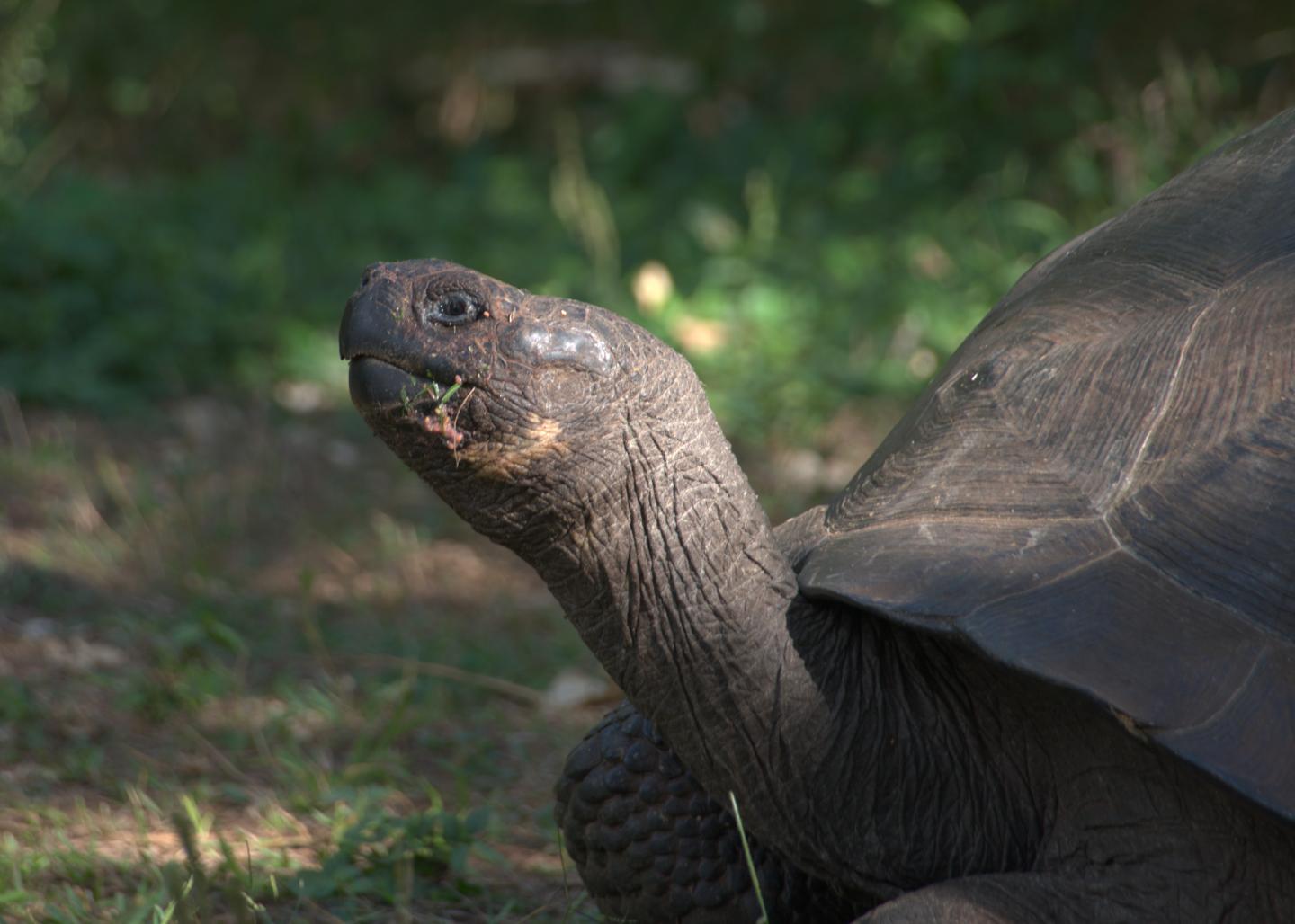
A Galápagos Toroise CREDIT Alexander Forryan
This model showed that the intensity of upwelling around the Galápagos is driven by local northward winds, which generate vigorous turbulence at upper-ocean fronts to the west of the islands. These fronts are areas of sharp lateral contrasts in ocean temperature, similar in character to atmospheric fronts in weather maps, but much smaller. The turbulence drives upwelling of deep waters toward the ocean surface, thus providing the nutrients needed to sustain the Galápagos ecosystem.
Alex Forryan of the University of Southampton, who performed the research, said: “Our findings show that Galápagos upwelling is controlled by highly localised atmosphere-ocean interactions. There now needs to be a focus on these processes when monitoring how the islands’ ecosystem is changing, and in mitigating the ecosystem’s vulnerability to 21st -century climate change.”
Professor Alberto Naveira Garabato, also of the University of Southampton, who led the project supporting the research, said the new knowledge of where and how the injection of deep-ocean nutrients to the Galapagos ecosystem happens is helpful in expanding the Galápagos Marine Reserve.
The Study on Stress, Spirituality and Health (SSSH), a cutting-edge proteomics analysis, suggests that religious beliefs modulate protein expression associated with cardiovascular disease in South Asians in the United States.
The research, published by investigators from Massachusetts General Hospital (MGH) and Beth Israel Deaconess Medical Center (BIDMC) and the University of California San Francisco (UCSF) in Scientific Reports, demonstrates that spiritual struggles, in particular, significantly modify the impact of unique proteins on risk of developing cardiovascular disease (CVD) in U.S. South Asians, a community that has especially high rates of CVD.
This study represents the first proteomics analysis ever conducted on protein levels in relationship to CVD within a U.S. South Asian population and the first published study to analyze proteomics signatures in relationship to religion and spirituality in any population.
“Before we can develop the best interventions to reduce CVD disparities, we need to understand the biological pathways through which health disparities are produced,” says the study’s principal investigator and co-senior author Alexandra Shields, director of the Harvard/MGH Center on Genomics, Vulnerable Populations and Health Disparities at the MGH Mongan Institute and associate professor of Medicine at Harvard Medical School (HMS).
“As this study shows, psychosocial factors – and religious or spiritual struggles in particular – can affect biological processes that lead to CVD in this high-risk population. Spirituality can also serve as a resource for resilience and have a protective effect. Given that many of the minority communities that experience higher levels of CVD also report higher levels of religiosity and spirituality, studies such as the SSSH may help identify new leverage points, such as spiritually focused psychotherapy for those in spiritual distress, that could reduce risk of CVD for such individuals.”
Results of the study, which included 50 participants who developed CVD and 50 sex- and age-matched controls without CVD from the Mediators of Atherosclerosis in South Asians Living in America (MASALA) Study (100 participants), indicate that there may be unique protein expression profiles associated with CVD in U.S. South Asian populations, and that these associations may also be impacted by religious struggles, in which, for example, individuals experiencing adverse life events feel they are being punished or abandoned by their God, or have a crisis of faith.
The MASALA study includes 1,164 South Asians who were recruited from the San Francisco Bay Area and the greater Chicago area and followed for approximately eight years with the goal of investigating factors that lead to heart disease among this high-risk ethnic group. MASALA is one of the original cohorts participating in SSSH, through which this research was conducted.
“Understanding the pathways of this mechanism at the molecular level using proteomics technology is crucial to developing potential interventions that can help reduce CVD incidence in this population,” says Long H. Ngo, PhD, lead author and co-director of Biostatistics in the Division of General Medicine at BIDMC and associate professor of Medicine at HMS.
Co-senior author Towia Libermann, PhD, director of Genomics, Proteomics, Bioinformatics and Systems Biology Center at BIDMC, adds: “The kinds of blood-based protein biomarkers used in this study are particularly effective in assessing CVD risk because they carry clinical information about risk of disease and are the most commonly used molecules for diagnostic applications.”
The Union Cabinet of India has approved the signing of a Memorandum of Cooperation between the Government of India and Government of Japan, on a Basic Framework for Partnership for Proper Operation of the System Pertaining to “Specified Skilled Worker”. Here are the details:
Details:
The present Memorandum of Cooperation would set an institutional mechanism for partnership and cooperation between India and Japan on sending and accepting skilled Indian workers, who have qualified the required skill and Japanese language test, to work in fourteen specified sectors in Japan. These Indian workers would be granted a new status of residence of “Specified Skilled Worker” by the Government of Japan.
Implementation Strategy:
Under this MOC, a Joint Working Group will be set up to follow up the implementation of this MOC.
Major Impact:
The Memorandum of Cooperation (MOC) would enhance people-to -people contacts, foster mobility of workers and skilled professionals from India to Japan.
Beneficiaries:
Skilled Indian workers from 14 sectors viz. Nursing care; Building cleaning; Material Processing industry; Industrial machinery manufacturing industry; Electric and electronic information related industry; Construction; Shipbuilding and ship-related industry; Automobile maintenance; Aviation; Lodging; Agriculture; Fisheries; Food and beverages manufacturing industry and Food service industry would have enhanced job opportunities to work in Japan.
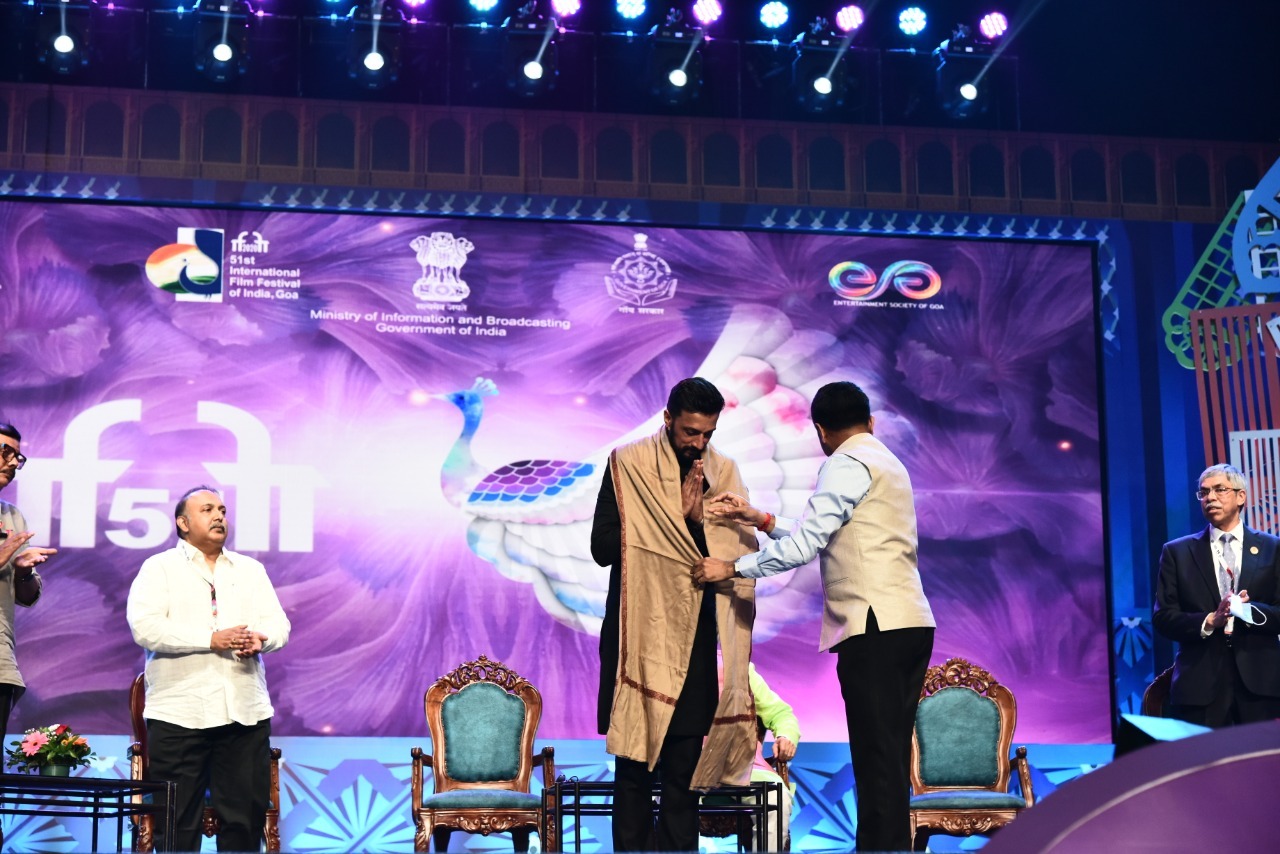
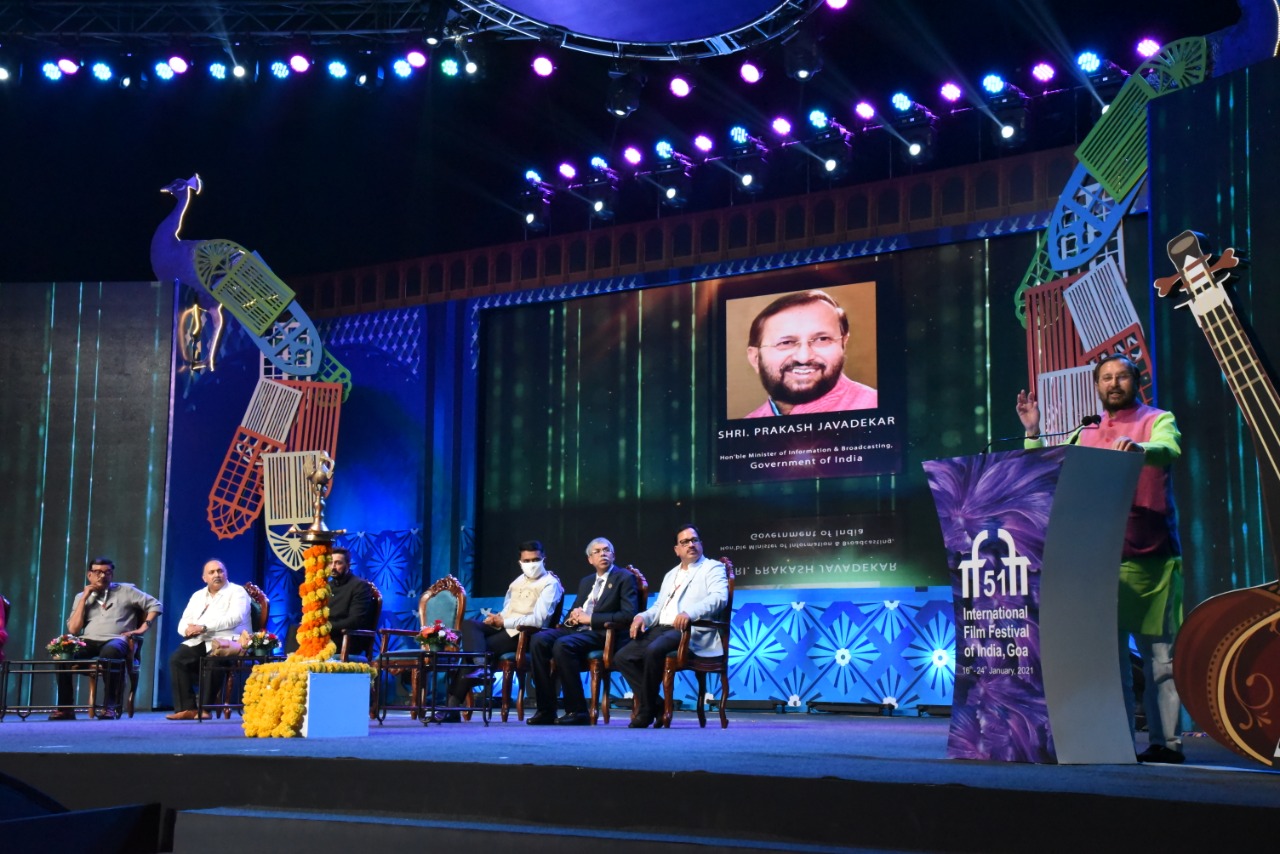
The much-awaited 51st edition of the International Film Festival of India (IFFI) got off with enthralling cultural performances amidst a dazzling ceremony celebrating the joy of cinema. Shyama Prasad Mukherjee Indoor Stadium at Panaji in Goa on Saturday reverberated with the passion of film-stars, film-makers and film-lovers from around the world.
The Opening Ceremony of Asia’s oldest and India’s biggest film festival has been hosted by actor, author and film-producer Tisca Chopra and became further illuminated by the dazzling presence of eminent film-maker Priyadarshan Nair and noted actor Sudeep who has been the Chief Guest, among other celebrated film personalities. The function also saw the graceful presence of Union Minister for Information and Broadcasting, Prakash Javadekar and Chief Minister of Goa, Pramod Sawant, among other dignitaries.
Speaking on the occasion, Sudeep, also known as Kichha Sudeep said, “Let Cinema be the new pandemic”. He said, “Cinema is one fraternity that, from one seat, takes you all around the world, gets you the knowledge, gets you closer to the culture of every fraternity across the world”.
Addressing the audience, Union Minister for Information and Broadcasting, Prakash Javadekar said that 600 International entries and 190 Indian entries have been received this year, reflecting the huge importance the world attaches to it, said the Minister.
Javadekar announced, on the occasion of 100th birth anniversary of Sheikh Mujibur Rahman, the two countries are together making a film titled Bangabandhu.
Veteran Actor and Director Biswajit Chatterjee has been conferred Indian Personality of the Year Award, he further announced. Jadavekar said, unlike other countries, India has multiple favourable destinations for shooting. Hence, we need to promote ‘Shoot in India’, stated the Minister.
The High Commissioner of Bangladesh to India, Mohammad Imran was also present on the occasion. Bangladesh is the focus country of the festival this year. Apart from the recognition of the creativity and ingenuity of the film-makers of Bangladesh, it is also a testimony of the depth of relations and a historic bind between the two neighbouring countries, said the High Commissioner. The delegates will be treated to ten of the best films from the focus country Bangladesh, showcasing the country’s cinematic excellence and contributions to the world of cinema.
The Lifetime Achievement in the 51st IFFI has been given to Italian cinematographer Mr. Vittorio Storaro. In a video message, Mr Storaro thanked IFFI for recognizing his journey. The legendary cinematographer said that he owes the incredible visual journey he had, to his colleagues and great directors like Bernardo Bertolucci, Francis Coppola, Carlos Oliveira and Woody Allen. “They led me in a special way, like in an orchestra, to use my language of light”, he said. In a word of advice to young cinematographers, he said, “Study, research, prepare yourself. Love what you do, only if you love and believe in something, you can make it”.
The 14th Edition of NFDC Film Bazaar was also virtually launched by Union Minister Javadekar on the occasion. This NFDC Film Bazaar will be held in a hybrid format which will be both offline and online. The Film Bazaar will be held virtually but it will include all sections usually held in previous editions. Film Bazaar is the largest South Asian film market. It encourages creative and financial collaboration between the South Asian and International film communities.
A trailor of the festival’s opening film ‘Another Round’ by Danish film-maker Thomas Vinterberg was played in the opening ceremony. “As a starting point, this was a pure celebration of alcohol, but it grew into a celebration of life”, said the Director in a video message. The movie is Denmark’s official entry to the Oscars and stars Cannes Best Actor Award winner Mads Mikkelsen.
In the 51st IFFI, 126 films from 60 countries will be showcased in International sections. 85 films out of these will be premiere screenings, including 7 World Premieres, 6 International Premieres, 22 Asian Premieres and 50 Indian Premieres.
Masterclasses and In-conversation sessions, which have been the highlight of IFFI over the years, will also be held virtually. Renowned film personalities like like Shekhar Kapur, Priyadarshan, Pablo Cesar (from Argentina) and Prasanna Vithanage (from Sri Lanka) will be sharing their valuable experience for these sessions.
Restrospective Section
A retrospective section will showcase legendary film-maker Satyajit Ray’s popular classics like Pather Panchali, Shatranj Ke Khilari, Charulata, Ghare Baire and Sonar Kella. On the occasion of the 150th Birth Anniversary of the father of Indian Cinema, four films by Dadasaheb Phalke will be screened.
IFFI will also pay Homage to 18 film personalities who passed away in the previous year. This includes much loved personalities like Irrfan Khan, Rishi Kapoor, S.P Balasubrahmanyam, Soumitra Chatterjee, Sushant Singh Rajput and Basu Chatterjee.
World premiere of ‘Mehrunisa’ by Sandeep Kumar will take place mid-fest in IFFI. Japanese movie ‘Wife of a Spy’ directed by Kiyoshi Kurosawa will bring the curtains down on this edition of the festival.
Whereas film connoisseurs can enjoy films by prominent filmmakers such as Pedro Almodóvar Caballero, Ruben Ostlund and Kim Ki-duk, delegates will also have the opportunity to enjoy seven great new films nominated for the Best Debut Feature Film of a Director. Apart from this, ten films will be shown as part of the ICFT- UNESCO Gandhi Medal competition, selected for reflecting Mahatma Gandhi’s ideals of peace, tolerance and non-violence.
Due to the current Covid scenario, many Bollywood celebrities could not attend the function. Their video messages brought a feel of their virtual presence in the ceremony.
“What an amazing way to kick-start 2021 by celebrating some of the finest cinematic works from across the globe” – Ayushmann Khurrana
“IFFI is something we all film-enthusiasts look forward to. One of the most prestigious festivals in the world” – Anil Kapoor
What better way to kick-start 2021 than by celebrating some of the finest cinematic works from across the globe” – Madhuri Dixit
“Congratulations IFFI on bringing in your 51st edition” – Ranveer Singh
“Go and watch some great films” – Siddhant Chaturvedi
“…..I am so glad that despite the pandemic and the trials the year has put us through, IFFI has been held with all safety precautions put in place” – Vidya Balan
“It has become abundantly clear that the internet is changing the way in which people experience watching movies. I am sure the Goa film festival will explore reinvent or reframe the film festival experience itself. I see such online festivals becoming popular as being a way of building up a community. This, perhaps, will be the new norm of interacting with film festivals, especially with the film-makers, actors and technicians from around the globe. ” – Mohan Lal
The cultural performances in the opening ceremony specially focused on the local folk culture and music of Goa – a place that has been home to IFFI since 2004.