Global launch of ‘Padma Doree’

The North Eastern Handicrafts and Handlooms Development Corporation (NEHHDC), a CPSE under the Ministry of Development of North Eastern Region (MDoNER), today formally unveiled Padma Doree, a unique cross-cultural textile initiative that brings together the Eri (Ahimsa) silk traditions of Northeast India with the rich Chanderi weaving heritage of Madhya Pradesh.

The initiative was officially launched by Secretary, MDoNER, Sanjay Jaju, followed by a captivating fashion show that showcased the fusion of Eri silk—renowned for its ethical and sustainable production—with the intricate motifs and finesse of Chanderi textiles.

Speaking on the occasion Shri Sanjay  Jaju said It is Hon’rable Prime Minister Narendra Modi`s vision of Ek Bharat Shresth Bharat that Padma Doree is come into being. He said  that under the visionary leadership of Union Minister of Development of North Eastern Region Shri  Jyotiraditya Scindia this new initiative as realised  today .

He stated Padma Doree is distinct because it is coming from two different textile traditions – Chanderi from Madhya Pradesh and Eri Silk from the North East India. Shri Jaju said Padma Doree is not just bringing heritage, but also brining innovation.

The launch event featured curated exhibition walkthroughs, offering insights into the development of the textiles and the collaborative processes behind them. Positioned within the broader discourse on Indian textiles, indigenous knowledge systems, and sustainable luxury, the initiative underscores the relevance of traditional crafts in contemporary markets.

The three-day exhibition, commencing today, has been designed as an interactive and evolving platform, allowing visitors to engage directly with artisans, understand textile processes, and experience the journey from fibre to fabric.

Artisans from Northeast India and Madhya Pradesh are actively participating in the showcase, offering live demonstrations and sharing insights into their craft traditions. The event also integrates regional culinary experiences, reflecting the cultural richness of the participating regions.

Speaking at launching programme NEHHDC Managing DirectoMara Kocho said, “Padma Doree brings together the fibre traditions of the North East and the handloom heritage of Chanderi, creating an integrated and sustainable textile ecosystem.

The unveiling event was graced by film Director Muzaffar Ali, Senior officials of MDoNER,  officials from Madhya Pradesh Handloom along with other dignitaries, designers, and artisans associated with the initiative.


 

Also Read:

India Advances Critical Mineral Security: 58 Companies Eligible for Recycling Scheme

Envoys Of Four Nations Present Credentials To President Of India [Photos]

Lead levels only in food? Tests now find it in Children’s fast fashion clothing above Federal limits

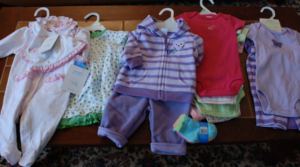
A brightly colored shirt, soft to the touch and designed for everyday wear, may carry more than dye.

Preliminary tests conducted by researchers at Marian University, a private university in Indianapolis, found elevated levels of lead in children’s fast fashion clothing, exceeding federal safety limits.

The findings were presented March 23 at the American Chemical Society Spring 2026 meeting in Atlanta, a major scientific conference featuring thousands of research presentations.

Researchers tested 11 children’s shirts from four retailers, including fast fashion and discount brands, and found that all samples exceeded the U.S. regulatory limit for lead in children’s products.

Lead levels in children clothing exceed U.S. safety limits

The U.S. Consumer Product Safety Commission, the federal agency responsible for product safety standards, sets a lead limit of 100 parts per million for children’s items such as toys and clothing.

Each of the tested shirts surpassed that threshold, according to the researchers.

Cristina Avello, a student researcher involved in the project, said the findings are particularly concerning for younger children.

“Not only are children the most vulnerable to the effects of lead, but they’re also the population that is going to be putting their clothes in their mouths,” she said. [1]

Lead exposure is considered harmful at any level. Health agencies, including the U.S. Environmental Protection Agency, have linked it to neurological damage, behavioral problems, and developmental issues, especially in children under six years old.

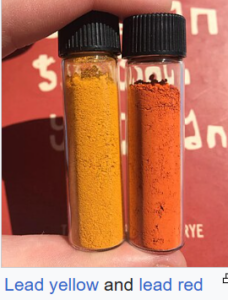
The study found that brightly colored garments, particularly red and yellow fabrics, tended to contain higher levels of lead than more muted tones.

Researchers said this may be tied to the chemicals used in dyeing processes.

Some manufacturers use lead(II) acetate, a compound that helps dyes adhere to fabric and maintain bright colors over time.

(https://commons.wikimedia.org/wiki/Vano3333)

Simulated ingestion tests show potential exposure risk for children

In a second phase of testing, researchers simulated stomach digestion to estimate how much lead could become bioaccessible if fabric is chewed or sucked.

The analysis modeled how gastric acid might break down the material and release lead into the body.

The results suggest that even brief mouthing behavior could expose children to lead levels exceeding daily intake limits set by the U.S. Food and Drug Administration.

Researchers described the estimates as conservative, meaning actual exposure could vary depending on behavior and frequency.

They said repeated chewing over time could raise blood lead levels to a point where clinical monitoring is recommended.

Kamila Deavers, the project’s principal investigator, said the research grew out of personal experience after her child showed elevated blood lead levels linked to toy coatings before stricter regulations were in place.

“I started to see many articles about lead in clothing from fast fashion, and I realized not too many parents knew about the issue,” she said.

commons.wikimedia.org

Fast fashion textile safety concerns and next research steps

Previous studies have identified lead in metal components of clothing, such as zippers and buttons, leading to recalls.

The new research expands that concern to the fabric itself, suggesting contamination may be more widespread than previously understood.

The team plans to test additional clothing items and examine whether washing affects the presence of lead compounds.

Researchers are also exploring whether contaminated clothing could transfer lead to other garments during laundering or leave residues inside washing machines. [

They said alternative dye fixing methods already exist, including plant based compounds and mineral mordants such as alum, which are considered safer.

Adopting those alternatives would likely increase production costs, which could slow industry adoption without regulatory or consumer pressure.

The researchers said their goal is to raise awareness and encourage more rigorous screening of clothing products.

“Everything that we’re doing is only important and helpful if we talk about it,” Avello said.

Also Read:

Indian Handicrafts shine in ‘Made in India- Trade Show’ Exhibition in Guatemala